

The ‘1 Nojor’ media platform is now live in beta, inviting users to explore and provide feedback as we continue to refine the experience.
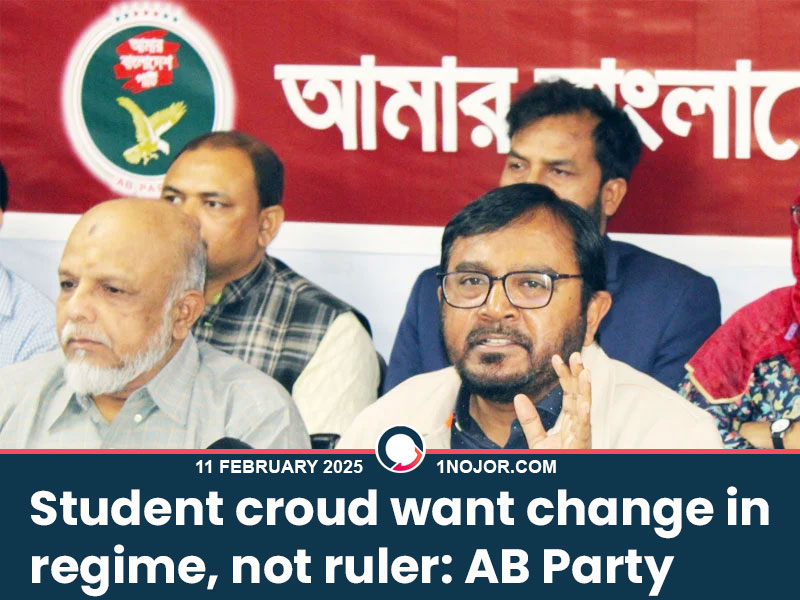
Mojibur Rahman Manju, chairman of the Amar Bangladesh (AB) Party, stated that students and the public demand systemic political reforms, not just a change in leadership. Speaking at a press conference on Tuesday, he said that before public frustration reaches its peak, the interim government must prove its competence and responsibility. He acknowledged that the administration had faced over 150 protests, floods allegedly caused by an Indian conspiracy, sectarian violence, and widespread corruption in the past six months. While commending the government for handling these crises, he also stressed that proactive measures like ‘Operation Devil Hunt’ and a political coordination team should have been implemented sooner.
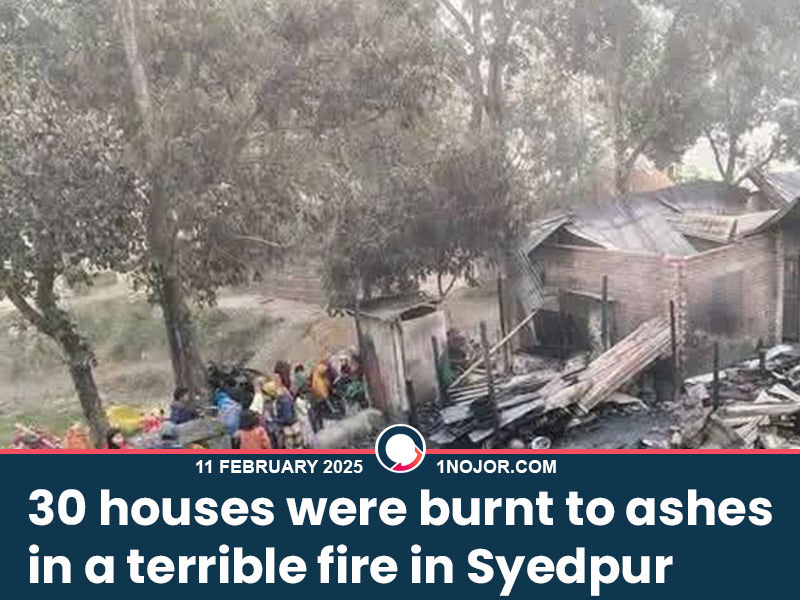
A massive fire broke out in the Brahmottor village of Syedpur, Nilphamari, on Monday night, destroying 30 houses belonging to eight families. The fire, reportedly caused by an electrical short circuit, led to losses estimated in the millions. Two cows, three goats, furniture, electronics, crops, and cash were also lost in the blaze. Affected families are now homeless, seeking aid. The local Jamaat leader has promised assistance, urging the administration and affluent individuals to help the victims.
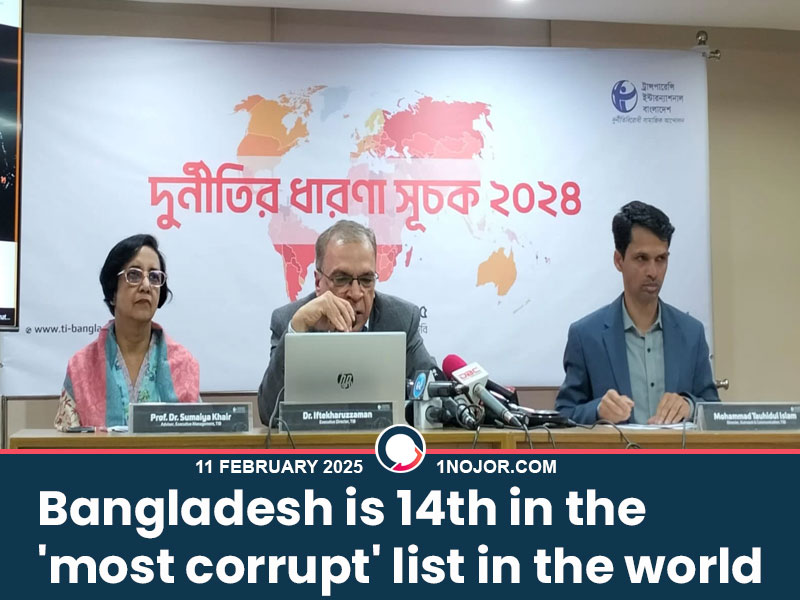
Bangladesh ranks 14th among the world’s most corrupt countries, according to Transparency International Bangladesh (TIB). The organization’s Executive Director, Iftekharuzzaman, revealed the findings at a press conference on Tuesday, noting that Bangladesh’s Corruption Perceptions Index (CPI) score dropped to 23—its lowest in 13 years. Among South Asian countries, only Afghanistan ranks lower. He criticized the previous government for fostering corruption while publicly claiming to combat it. Bangladesh now stands at 151st out of 180 countries, a two-step decline from last year.
A young man named Raju (18) was shot dead by unidentified assailants in Daulatpur, Kushtia, on Monday at midnight. The murder took place near the Bairagichar Mondolpara Ghat. Raju, son of Ibrahim Pramanik, was found critically injured and later declared dead at the Daulatpur Upazila Health Complex. According to Officer-in-Charge Nazmul Huda, authorities are investigating whether the killing was linked to drug-related disputes.
Lt. Gen. (Retd.) Md. Jahangir Alam Chowdhury, Home Affairs Adviser, has alleged that pro-fascist elements are conspiring against the government both domestically and internationally. Speaking at an event at the police auditorium, he emphasized that the interim government’s priority is restoring law and order and ensuring public safety. He stated that those engaged in anarchy and crime would face legal consequences. He also accused the previous government of plundering national wealth and suppressing dissent under the guise of patriotism.

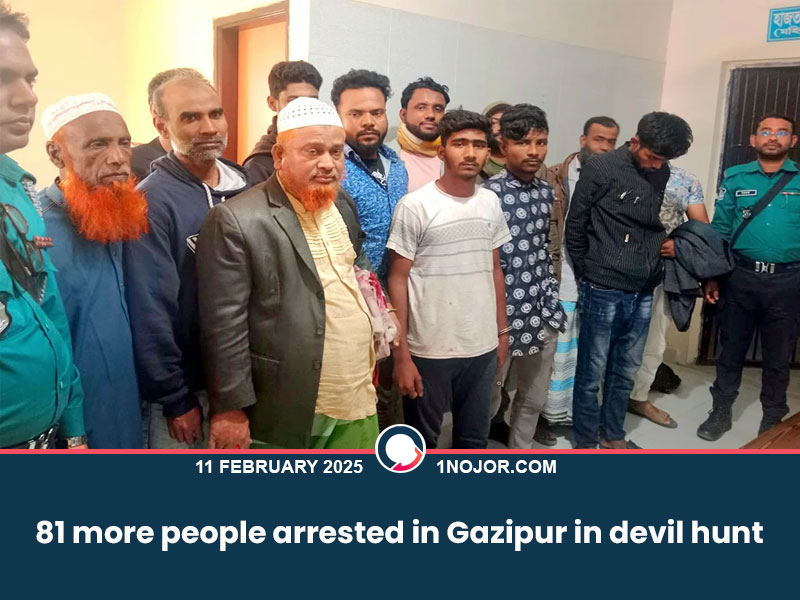
In a continued crackdown under ‘Operation Devil Hunt,’ Gazipur police arrested 81 individuals—69 from the metropolitan area and 12 in the district. Police Commissioner Dr. Nazmul Karim Khan stated that these arrests followed the attack on students at AKM Mozammel Haque’s residence. Over the past four days, authorities have detained a total of 335 individuals: 16 on Saturday, 65 on Sunday, 100 on Monday night, 73 on Monday daytime, and 81 on Tuesday. Police claim that those arrested are affiliates of the ruling party, involved in suppressing dissent.
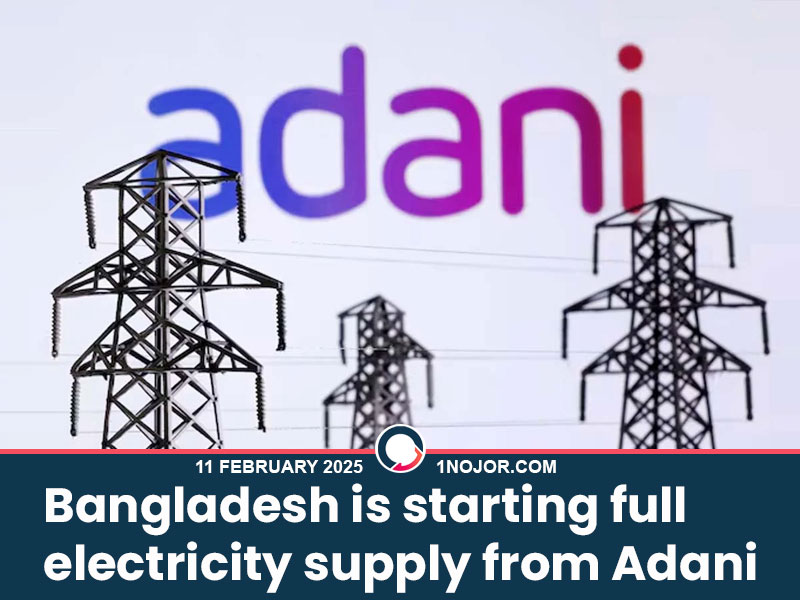
Bangladesh has resumed full electricity imports from India’s Adani Power after previously reducing supply due to disputes over the 1,600 MW power plant agreement. According to a Reuters report on Tuesday, the contract, signed in 2017 under the then Sheikh Hasina-led government, was a 25-year deal with Adani Power. Since then, Bangladesh has been importing electricity from Adani’s $2 billion power plant in Jharkhand. The plant, consisting of two 800 MW units, enjoys an exclusive supply deal with Bangladesh.
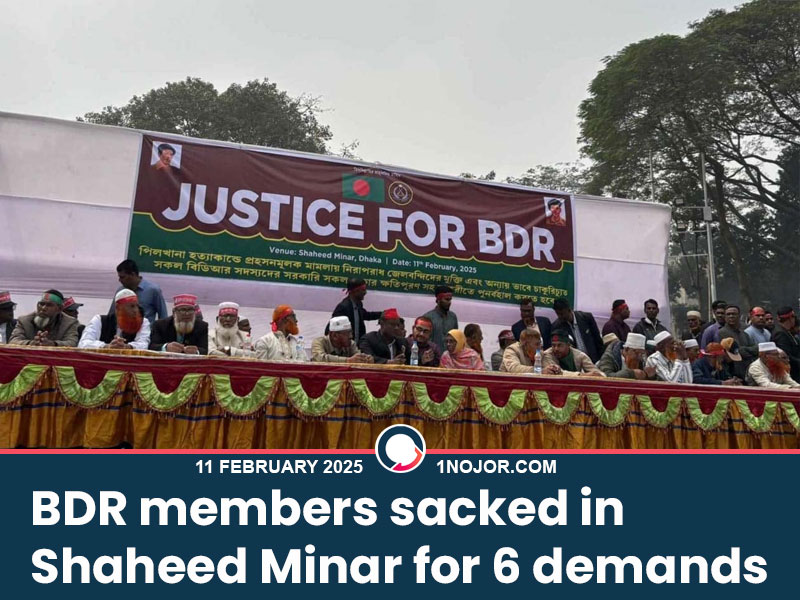
Former members of the Bangladesh Rifles (BDR), who were dismissed after the 2009 Pilkhana mutiny, staged a protest at Shaheed Minar demanding reinstatement, compensation, and state benefits. The “Justice for BDR” movement, organized by the BDR Welfare Council, called for the release of those they claim were wrongfully imprisoned in the mutiny trials. Protesters also rejected what they termed as a “conspiratorial investigation and fabricated verdicts.” Among their demands are the reinstatement of the BDR name, an independent investigation to identify the true masterminds, and the declaration of a national day in remembrance of the fallen soldiers of the Pilkhana massacre.
Just before Indian Prime Minister Narendra Modi’s U.S. visit on February 12, President Donald Trump announced a 25% tariff on aluminum and steel products, effective this week. This move could severely impact India’s $3 billion steel exports to the U.S. and is seen as a diplomatic challenge for Modi. Previously, Trump imposed a 10% tariff on Chinese imports and announced similar tariffs on Canada and Mexico, though the latter was temporarily postponed. Experts view this as a significant shift in U.S. trade policy.

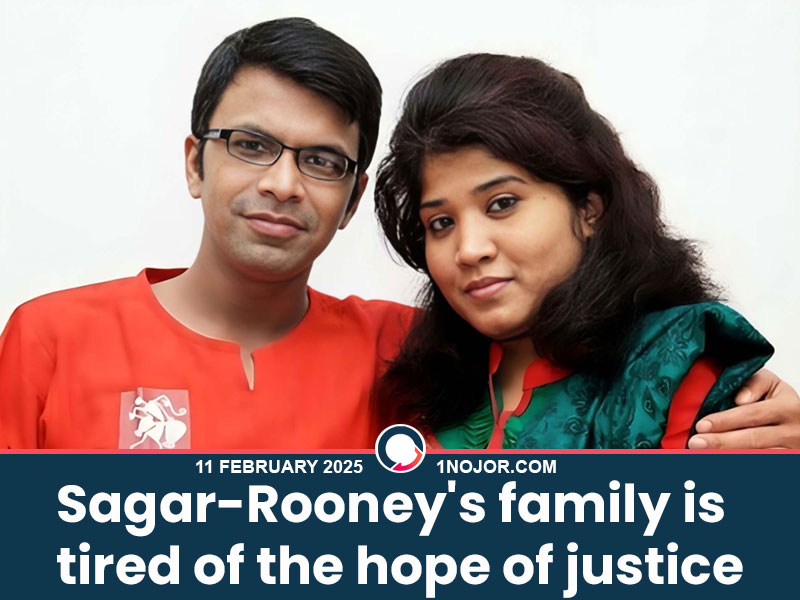
Thirteen years have passed since the brutal murder of journalist couple Sagar Sarowar and Meherun Runi, yet justice remains elusive. The investigation report has been postponed 115 times, and four different agencies have taken over the case. A high-powered task force, led by the PBI chief, has been formed to expedite the probe. Allegations suggest that for six years, no investigation was conducted before the case was handed over to the PBI. The Rapid Action Battalion (RAB), which previously handled the case, only sought extensions without making progress. Meanwhile, Sagar and Runi’s family continues to wait in exhaustion. The couple was murdered on February 11, 2012. However, the interim government has now pledged to accelerate the judicial process.
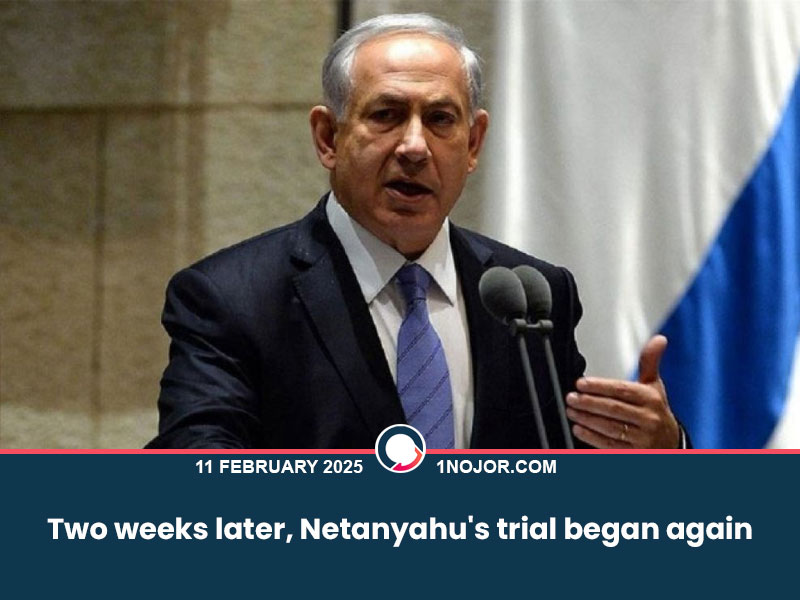
After a two-week suspension, Israeli Prime Minister Benjamin Netanyahu's corruption trial resumed on February 10. According to Turkey’s Anadolu Agency, as the trial commenced at Tel Aviv District Court, Netanyahu addressed the judges, stating that he was feeling politically strong despite enduring a physically challenging and exhausting week due to medical treatment. The court had previously postponed proceedings due to Netanyahu’s recent surgery. The long-running corruption case against Netanyahu dates back to 2019.
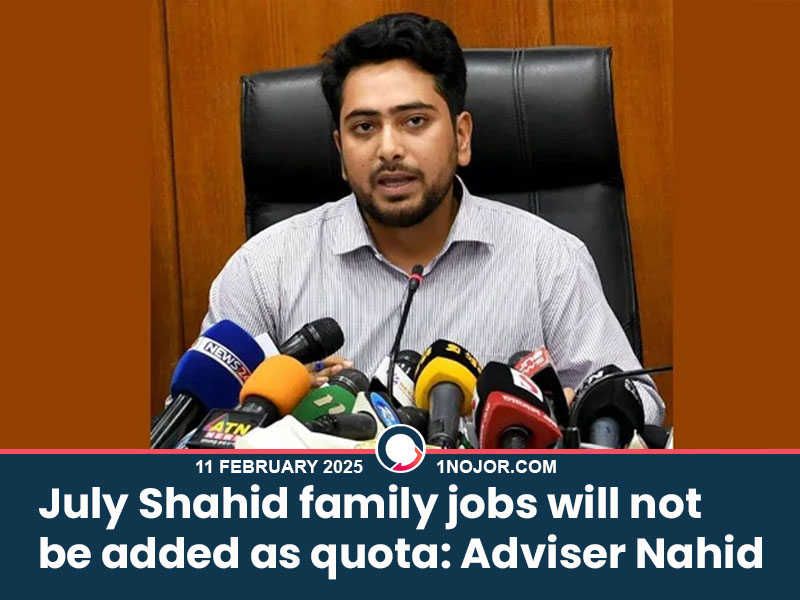
The families of the martyrs of the July uprising will receive a one-time financial grant, a monthly allowance, and employment opportunities for one able-bodied family member. However, these jobs will not be granted under any quota system, clarified Adviser Nahid Islam in a Facebook post on Monday night. He stated that these jobs, whether in government or private sectors, will be based on merit. Recognizing the lifelong impact on the injured, he emphasized the government's commitment to their rehabilitation, stating that it is both a duty and a promise.
A list of 84 police officers has been finalized for arrest following allegations that former Inspector General of Police Benazir Ahmed incited police personnel against the government. The police headquarters has approved the list, and international arrest notices are being issued through Interpol for officers who have fled the country. The Bangladesh Retired Police Officers Welfare Association has condemned Benazir’s remarks, labeling them as conspiratorial and insulting. The association also criticized the former IGP’s alleged corruption, blaming it for damaging the police force’s integrity.
Despite no official election date being set, Bangladesh Jamaat-e-Islami has begun preparations for the upcoming 13th National Parliamentary Elections. The party has preliminarily announced 100 potential MP candidates across 21 districts. However, Jamaat Ameer Shafiqur Rahman clarified that these are not final candidates but a shortlist, with official nominations to be announced later. He also emphasized the need for electoral reforms to ensure a fair election, warning that without such measures, the election could turn into a political genocide.

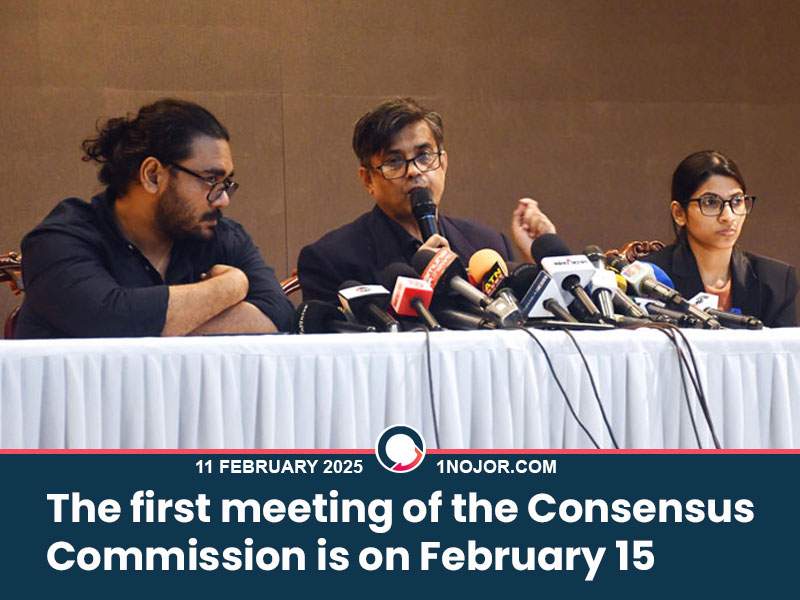
The first meeting of the National Consensus Commission will be held on February 15, as announced by Chief Adviser Mohammad Yunus’ press secretary, Shafiqul Alam. The meeting will be chaired by the Chief Adviser and attended by various political parties and allies of the July uprising. The decision on whether subsequent meetings will be joint or separate will be made during the session. Notably, BNP met with the Chief Adviser yesterday.
The ‘1 Nojor’ media platform is now live in beta, inviting users to explore and provide feedback as we continue to refine the experience.