

The ‘1 Nojor’ media platform is now live in beta, inviting users to explore and provide feedback as we continue to refine the experience.
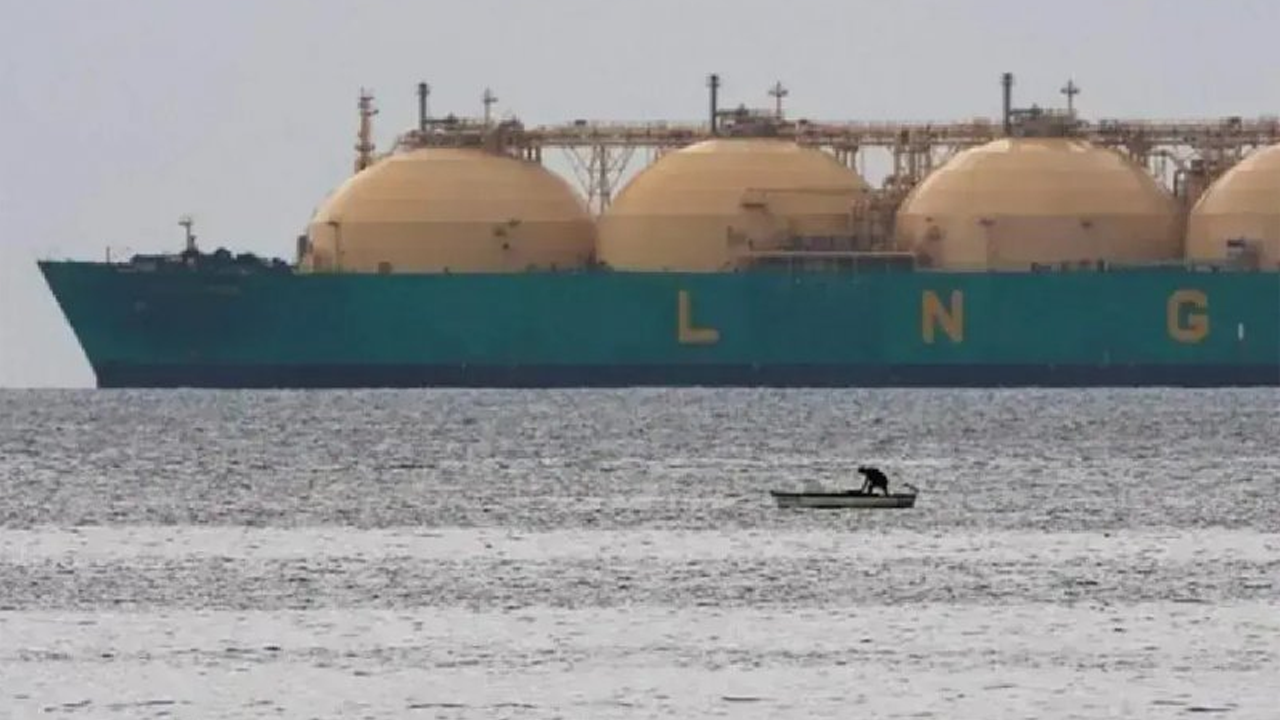
Three liquefied natural gas (LNG) tankers bound for various Asian destinations have crossed the Strait of Hormuz, according to ship-tracking data. The vessels had their transponders turned off during part of their journey. Data reviewed by Reuters from LSEG and Kpler showed that two QatarEnergy-controlled tankers, Lebretha and Rashida, were last seen west of the strait on June 1 and April 30, respectively, after loading LNG at Qatar’s Ras Laffan port. Both reappeared in tracking data on June 10, with Lebretha heading toward Pakistan and Rashida nearing Southeast Asia. A third tanker, Marigold, operated under Abu Dhabi National Oil Company management, also reappeared in tracking data on June 10 and is believed to be heading toward India. Since the outbreak of conflict in late February, a total of 12 LNG cargoes, including these three, have passed through the Strait of Hormuz. The continued movement of tankers through this critical maritime route has brought some relief to the global energy market, which relies heavily on stable fuel supply routes.
Finance Minister Amir Khosru Mahmud Chowdhury has proposed a significant expansion of Bangladesh’s social safety net in the 2026–27 national budget, raising total allocations for the sector to Tk 1,44,338 crore, an increase of Tk 17,607 crore from the previous year’s revised budget. The proposal includes Tk 14,500 crore for the government’s flagship Family Card program, which will provide monthly allowances of Tk 2,500 to 4.1 million women heads of households. The initiative aims to reduce poverty and inequality through economic empowerment and inclusive development. The minister said the Family Card program, inaugurated by the Prime Minister within a month of the government’s formation, will gradually expand nationwide by 2030. Other proposed measures include higher allowances and expanded coverage for the elderly, widows, persons with disabilities, and pregnant women. The budget also proposes increased assistance for patients with serious diseases and travel concessions for senior citizens. The proposals reflect the government’s stated goal of building a welfare-oriented and equitable state through life-cycle-based social protection and empowerment programs.

Israeli authorities have deported French journalist Alice Froussard, known for her critical reporting on Israel’s war on Gaza and its policies in the occupied West Bank. The French Ministry of Foreign Affairs confirmed on Thursday that France was supporting Froussard but acknowledged Israel’s legal right to deport her. No official reason was provided for the deportation, though Israeli Minister for Diaspora Affairs Amichai Chikli later accused her of supporting Hamas and celebrated her departure from Ben Gurion Airport to Paris. The Foreign Press Association condemned the deportation, noting that Israel had previously authorised Froussard’s travel. The incident has drawn renewed attention to Israel’s restrictions on international media coverage of its military actions in Gaza and Lebanon. Reporters from abroad have been barred from entering Gaza since the conflict began after the Hamas-led attacks on October 7, 2023, while many local journalists have been killed during the fighting. Israel has faced repeated criticism for limiting press access and allegedly targeting journalists. The ongoing ban on foreign reporters has left Palestinian journalists to document the conflict and its humanitarian toll largely on their own.

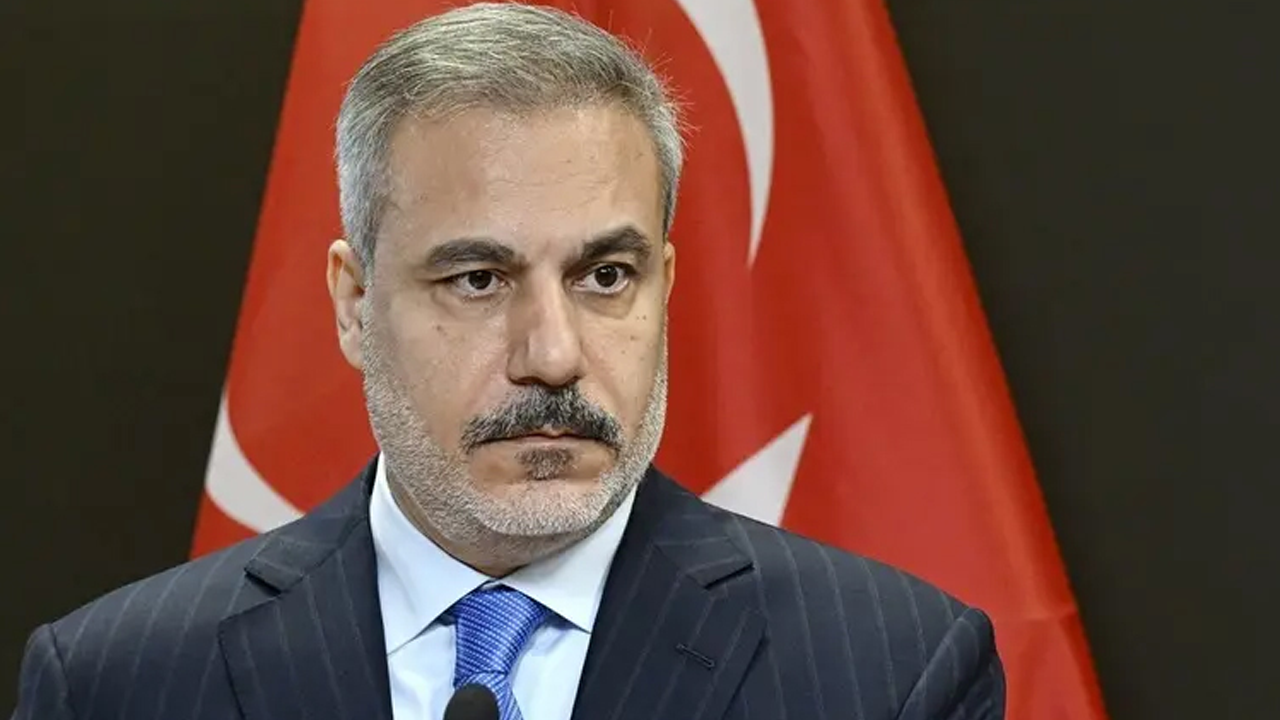
Turkey has called on Iran and the United States to stop their ongoing conflict, warning that continued hostilities could further intensify warfare in the Middle East. The appeal was made by Turkish Foreign Minister Hakan Fidan during a press conference in Sofia on Thursday, where he noted that reciprocal attacks over the past two days had raised fears of heightened regional tension. According to a report from Istanbul by AFP, Fidan advised both parties to cease mutual strikes and return to dialogue. His remarks reflect Ankara’s concern that the situation could spiral into broader instability if not contained through diplomatic engagement. The Turkish statement underscores the country’s effort to position itself as a mediator in regional disputes, emphasizing the need for restraint and renewed negotiations between Tehran and Washington.
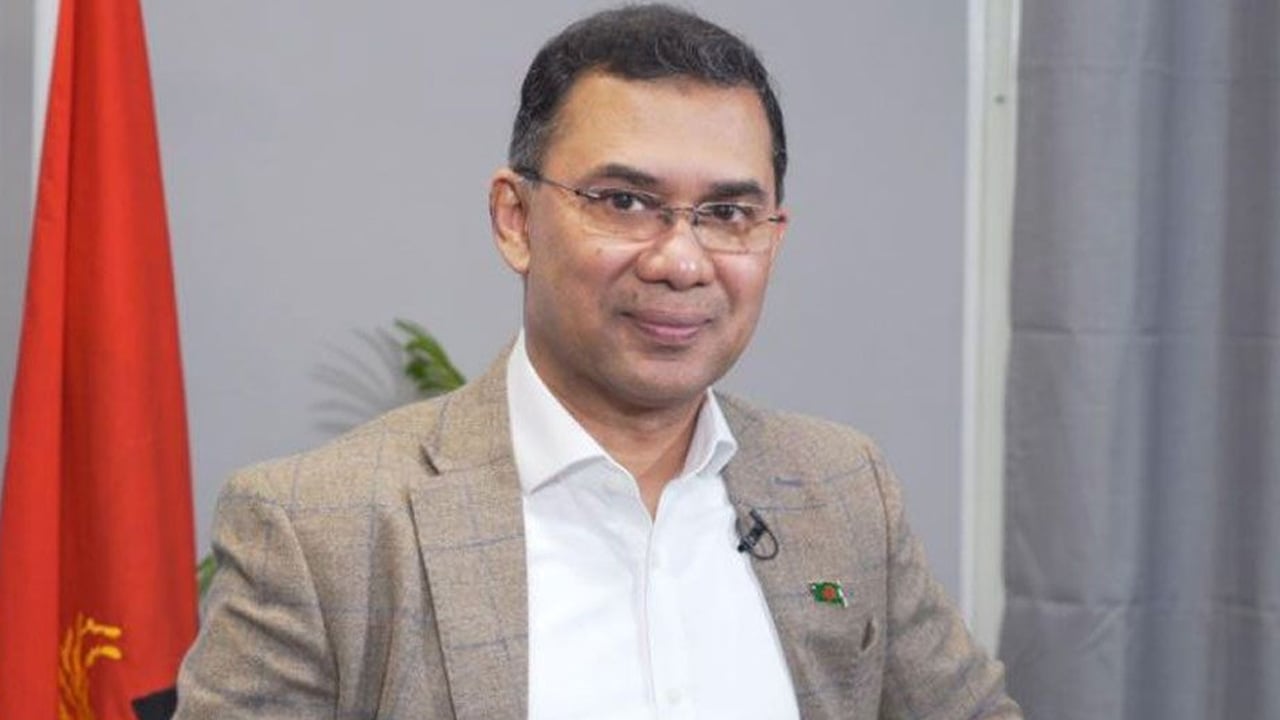
Finance Minister Amir Khosru Mahmud Chowdhury has presented the proposed national budget for the 2026–27 fiscal year in the Jatiya Sangsad. The budget, under the government led by Prime Minister Tareque Rahman, totals Tk 9.38 trillion, which is Tk 1.48 trillion higher than the current fiscal year. The revenue target is set at Tk 6.95 trillion, with a deficit of Tk 2.43 trillion. The proposal includes adjustments in customs duties, VAT, and supplementary duties to boost revenue, protect domestic industries, and address public health concerns. As a result of these measures, prices are expected to decrease for a wide range of products, including kidney dialysis services, heart stents, cancer medicines, medical equipment, laptops, computers, solar panels, electric vehicles, and locally produced electronics such as mobile phones and refrigerators. Conversely, prices of cigarettes, tobacco products, imported washing machines, alcoholic beverages, and several imported goods like honey, coffee, and tiles are expected to rise. The proposed budget aims to balance revenue growth with consumer relief and industrial protection, signaling a focus on health, technology, and renewable energy sectors.

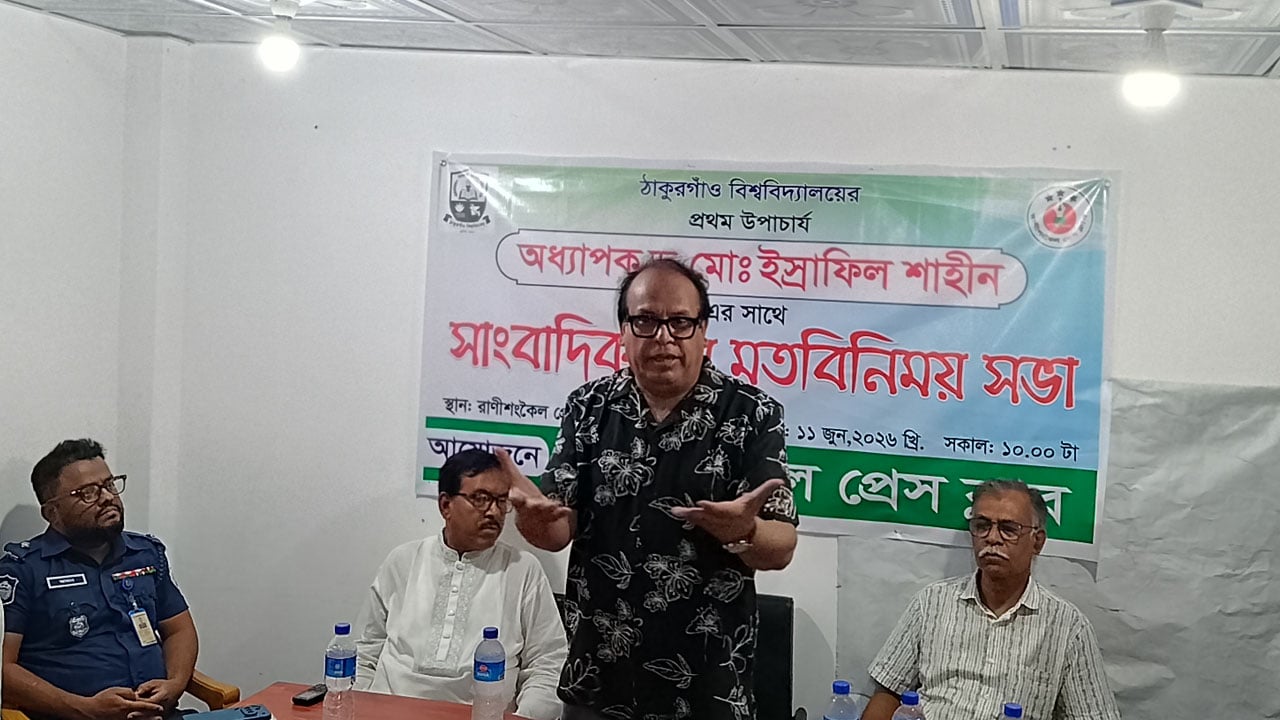
Thakurgaon University Vice-Chancellor Professor Dr. Israfil Shaheen announced that the institution will work to achieve international standards in education. He emphasized ensuring transparency in teacher recruitment and all administrative activities, along with planned and accountable infrastructural development. Dr. Shaheen made these remarks on Thursday while addressing a views-exchange meeting at the Ranisankail Press Club. The meeting, presided over by Press Club President Ashraful Alam, was attended by local educators, political leaders, and journalists. Dr. Shaheen highlighted that building a quality university is not solely the administration’s responsibility and called for cooperation and constructive advice from all sectors of society, including the media. Several participants, including former college principals and political figures, also spoke at the event. Journalists present at the meeting offered various suggestions for improving the newly established university’s overall development and educational quality. The Vice-Chancellor assured that their recommendations would be considered seriously.
Bangladesh’s newly elected Prime Minister has chosen China for her second official foreign visit since forming the new government, according to the Deputy Speaker of the National Parliament. Speaking at the 7th China-South Asia Cooperation Forum in Kunming, Yunnan Province, he said the visit would open a new chapter in bilateral relations and strengthen the countries’ comprehensive strategic partnership. The Deputy Speaker highlighted the historical foundation of Bangladesh-China diplomatic ties, crediting late President Ziaur Rahman for initiating relations through visits in 1977 and 1980. He also recalled former Prime Minister Begum Khaleda Zia’s visits in 1991 and 2002, which further deepened friendship between the two nations. Emphasizing regional cooperation, he called for revitalizing SAARC as an effective platform for peace and development and suggested that China, as an observer, could play a constructive role. During the forum, Bangladesh’s parliamentary delegation met Chinese leaders to discuss cooperation in agriculture, education, health, infrastructure, and industry. Chinese officials reaffirmed their commitment to working with Bangladesh’s democratic government and expressed interest in visiting Bangladesh soon.
Finance Minister Amir Khosru Mahmud Chowdhury has proposed a Tk 5,000 increase in the monthly allowance for families of gallantry awardee freedom fighters in the 2026–27 fiscal year budget. The proposal was made during the presentation of a Tk 9.38 trillion national budget in parliament, under the social security and inclusive development programs. According to the proposal, the monthly allowance would rise to Tk 40,000 for Bir Shreshtha families, Tk 30,000 for Bir Uttam, and Tk 25,000 for both Bir Bikram and Bir Protik families. The monthly honorarium for general freedom fighters would remain unchanged at Tk 20,000. The minister said the initiative aims to strengthen the financial security of families who contributed to the Liberation War. The budget also includes expanded social safety measures such as increased disability allowances, extended family card coverage, and higher one-time assistance for patients with six critical diseases, raising the amount from Tk 50,000 to Tk 100,000. A total of Tk 1.44 trillion has been proposed for the social security sector in the upcoming fiscal year.
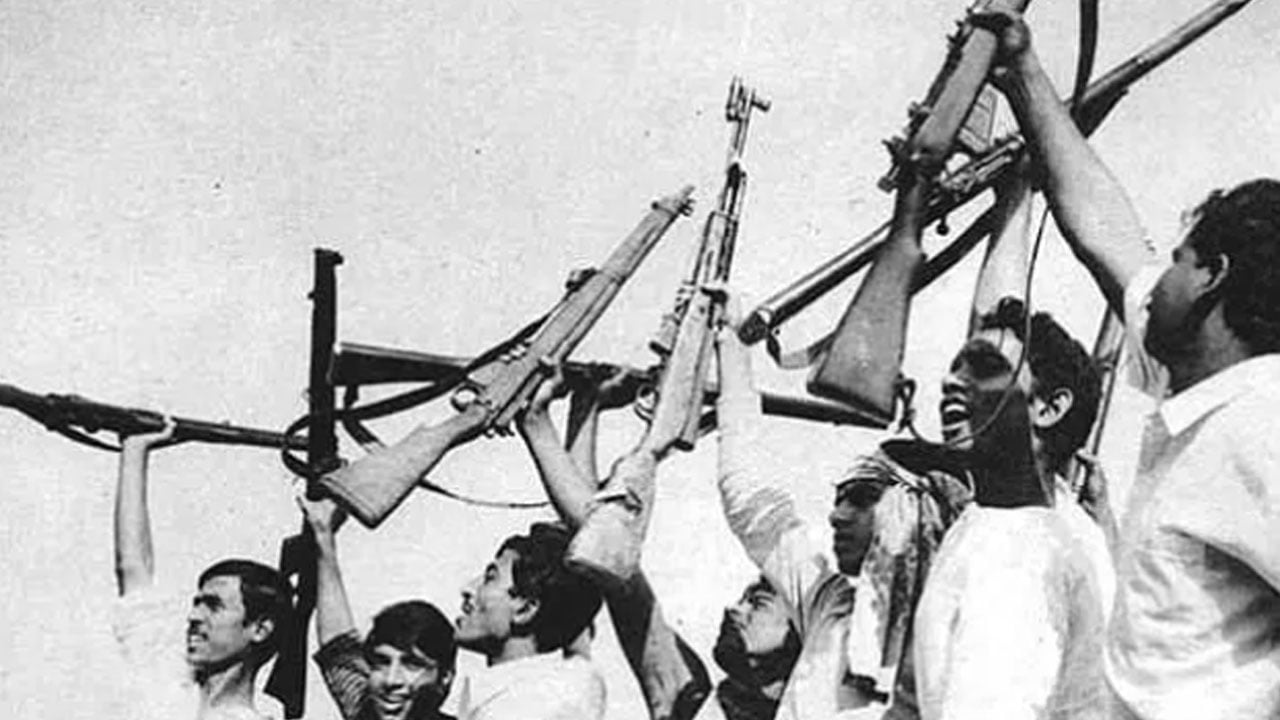
Bangladesh’s National Board of Revenue has proposed amendments to the Income Tax Act 2023 requiring proof of income tax return submission for opening bank accounts and purchasing motorcycles of 150cc or higher capacity. The same requirement will apply to buying three-wheeler motor vehicles. However, foreign nationals serving as company directors or sponsors would be exempted from the return submission obligation under the proposed changes. The amendment adds bank accounts and motorcycles to the list of services and goods that require tax return proof under Section 264 of the Income Tax Act. Exceptions will apply to student accounts, no-frills accounts, and others exempted by government notification. No-frills accounts, designed for low-income individuals, will remain accessible with minimal documentation and no mandatory deposit requirements. The proposal also mandates educational institutions with return obligations to show proof of submission when renewing approvals. The NBR initially considered imposing advance income tax on motorcycles but withdrew the plan following opposition from riders and lack of government approval. The revised proposal focuses instead on ensuring tax compliance through return documentation.

Bangladesh’s opposition party Jamaat-e-Islami announced that it will deliver its formal response to the proposed national budget for the 2026–27 fiscal year on Monday. The party will hold a press briefing at its central office in Moghbazar on Friday at 11:30 a.m., where central leaders will present Jamaat’s position and observations on the budget. In a separate announcement, the Dhaka North unit of Jamaat said it will organize a rally on Thursday evening to give an immediate reaction to the budget. The rally is scheduled to start at 7 p.m. in front of Uttara Badda Kamil Madrasa. The budget, amounting to Tk 9.38 trillion, was presented in the National Parliament on Wednesday by Finance Minister Amir Khosru Mahmud Chowdhury. According to Jamaat’s media wing, the Friday briefing will serve as the party’s official platform to outline its assessment of the proposed budget and its implications for the country’s economy.

Finance Minister Amir Khasru Mahmud Chowdhury has proposed increasing the monthly disability allowance to Tk 1,000 in the 2026–27 fiscal year budget. Currently, 3.45 million people receive Tk 900 each month under this program. The minister also proposed expanding the number of beneficiaries to 3.8 million. In his budget speech in the National Parliament, the finance minister said that the number of disabled students receiving stipends would rise from 81,000 to 100,000. Their monthly stipends would range from Tk 1,000 to Tk 1,400 depending on educational level. The proposal is part of the government’s broader social safety net initiatives. The budget allocates Tk 1,44,338 crore for the social safety sector in 2026–27, compared to Tk 1,26,731 crore in the revised budget for 2025–26, reflecting an increase in social welfare spending.
The government of Bangladesh has announced a new social protection program to modernize and climate-proof the agriculture sector. In the 2026–27 fiscal year, 4.25 million landless, marginal, and small farmers across 100 upazilas will receive special 'Farmer Cards'. Each cardholder will get Tk 2,500 in annual cash support and access to ten additional benefits. Finance Minister Amir Khosru Mahmud Chowdhury made the announcement while presenting the national budget in parliament, chaired by Speaker Major (Retd.) M Hafizuddin. The budget proposes an allocation of Tk 1,062.5 crore for the Farmer Card initiative, extending coverage to fishers, livestock farmers, and salt producers. A pre-pilot involving 22,065 farmers in 11 blocks across eight divisions has already been completed. The government has also implemented a loan waiver program for up to Tk 10,000 in agricultural loans and plans to introduce agricultural insurance to mitigate disaster risks. The combined allocation for agriculture, fisheries, and food ministries in 2026–27 stands at Tk 43,335 crore, representing 0.63 percent of GDP, marking a steady increase from previous years.

Bangladesh’s finance minister has proposed allocating Tk 500 crore in the 2026–27 fiscal year budget to encourage new entrepreneurs in the information technology sector. The announcement was made on Thursday, June 11, during the minister’s budget speech in the National Parliament. According to the minister, the proposed fund will serve as a ‘start-up fund’ aimed at promoting women’s entrepreneurship, women’s development, and youth entrepreneurship. The initiative reflects the government’s recognition of the IT sector’s potential and its intention to foster innovation and business growth among emerging entrepreneurs. If approved, the allocation is expected to support the creation of new technology-based enterprises and strengthen the country’s digital economy by empowering young and female entrepreneurs.

Bangladesh’s Finance Minister Amir Khasru Mahmud Chowdhury has proposed a Tk 42,291 crore allocation for the defense sector in the 2026–27 fiscal year budget. The proposal, presented in the National Parliament on Thursday, marks an increase of Tk 1,593 crore from the revised allocation of Tk 40,502 crore in the outgoing 2025–26 fiscal year. The total proposed national budget amounts to Tk 9,38,000 crore. According to the proposal, Tk 38,721 crore is earmarked for operating expenses of defense services, Tk 1,611 crore for development expenditure, and Tk 1,959 crore for operating costs of other services under the Ministry of Defense. The session was presided over by Speaker Hafiz Uddin Ahmed and marked the first budget presentation by the BNP government and Finance Minister Amir Khasru Mahmud Chowdhury. This is the 55th national budget of Bangladesh, reflecting the new government’s fiscal priorities and expenditure plans for the upcoming year.
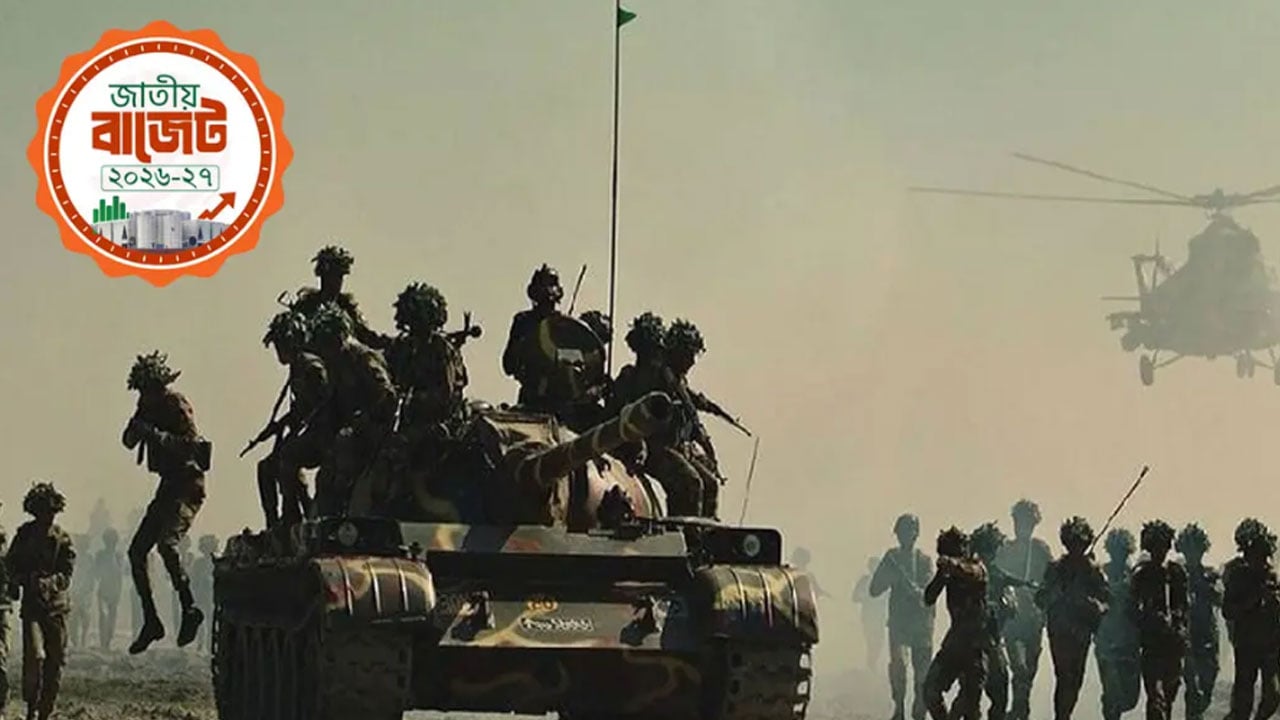
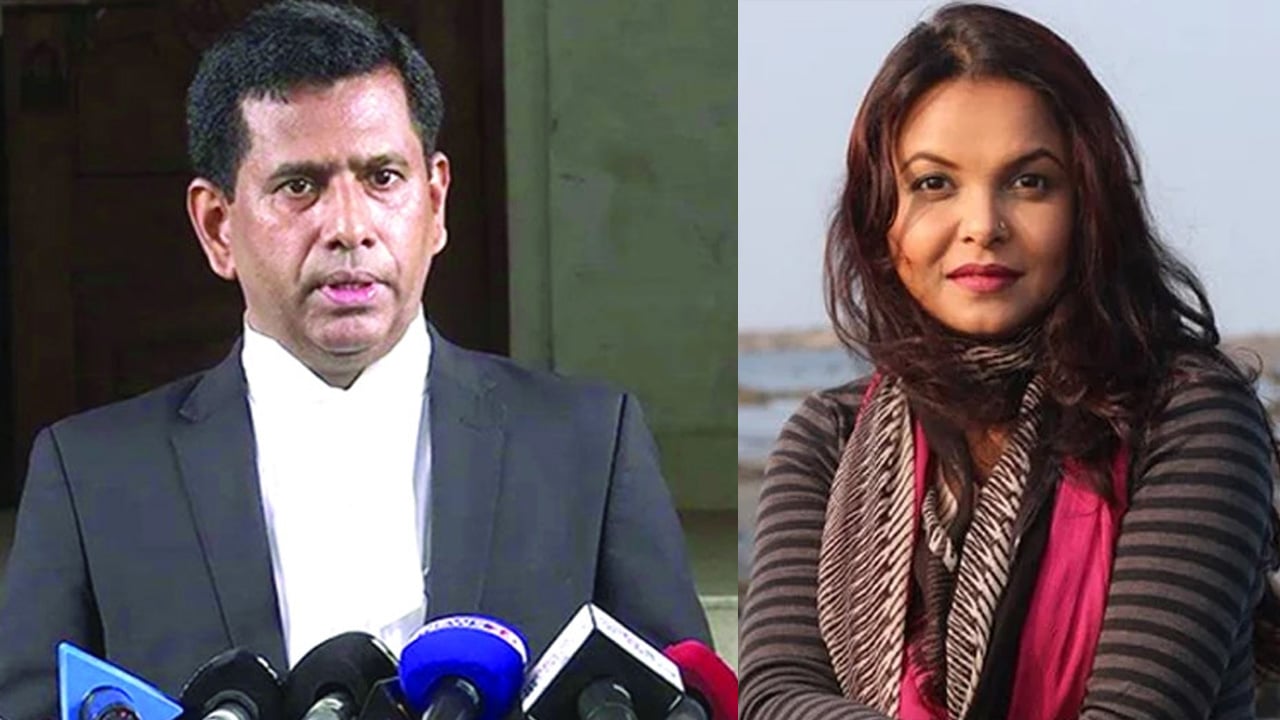
Former Chief Prosecutor of the International Crimes Tribunal, Mohammad Tajul Islam, has called for legal action against actress Meher Afroz Shaon for her controversial remarks about the new Bangladesh achieved through the July Revolution. He made the appeal in a Facebook post on Thursday, criticizing Shaon for allegedly spreading propaganda labeling the revolution as terrorism. In his post, Tajul Islam claimed that Shaon’s comments were linked to two incidents: the arson attack on the July Memorial in Netrakona and the abduction and assault of a July fighter by members of the banned student organization Chhatra League. He described both incidents as serious criminal offenses and accused Shaon of exceeding all limits with her statements. Earlier, Shaon had posted on Facebook expressing joy that Netrakona, her in-laws’ hometown, was in the news following the two incidents. Her post sparked widespread debate and criticism on social media.
The ‘1 Nojor’ media platform is now live in beta, inviting users to explore and provide feedback as we continue to refine the experience.