

The ‘1 Nojor’ media platform is now live in beta, inviting users to explore and provide feedback as we continue to refine the experience.
Finance Minister Amir Khasru Mahmud Chowdhury announced in the proposed 2026–27 national budget that the government will allocate Tk 300 crore to strengthen the tourism sector with a focus on sustainable and eco-friendly development. The plan includes establishing a specialized training institute of international standards to enhance the skills of tourism professionals and introducing global certifications through renowned institutions. The minister said that international hospitality benchmarks will be set to upgrade training in areas such as culinary arts and other tourism-related fields. A comprehensive tourism master plan is also being finalized to integrate the sector’s potential, diversity, and creative concepts. Additionally, Tk 500 crore will be mobilized from Bangladesh Bank’s corporate social responsibility fund to support these initiatives. According to the government, these measures aim to conserve natural resources and biodiversity while creating new employment opportunities through ecotourism, ultimately increasing tourism’s contribution to the national economy.
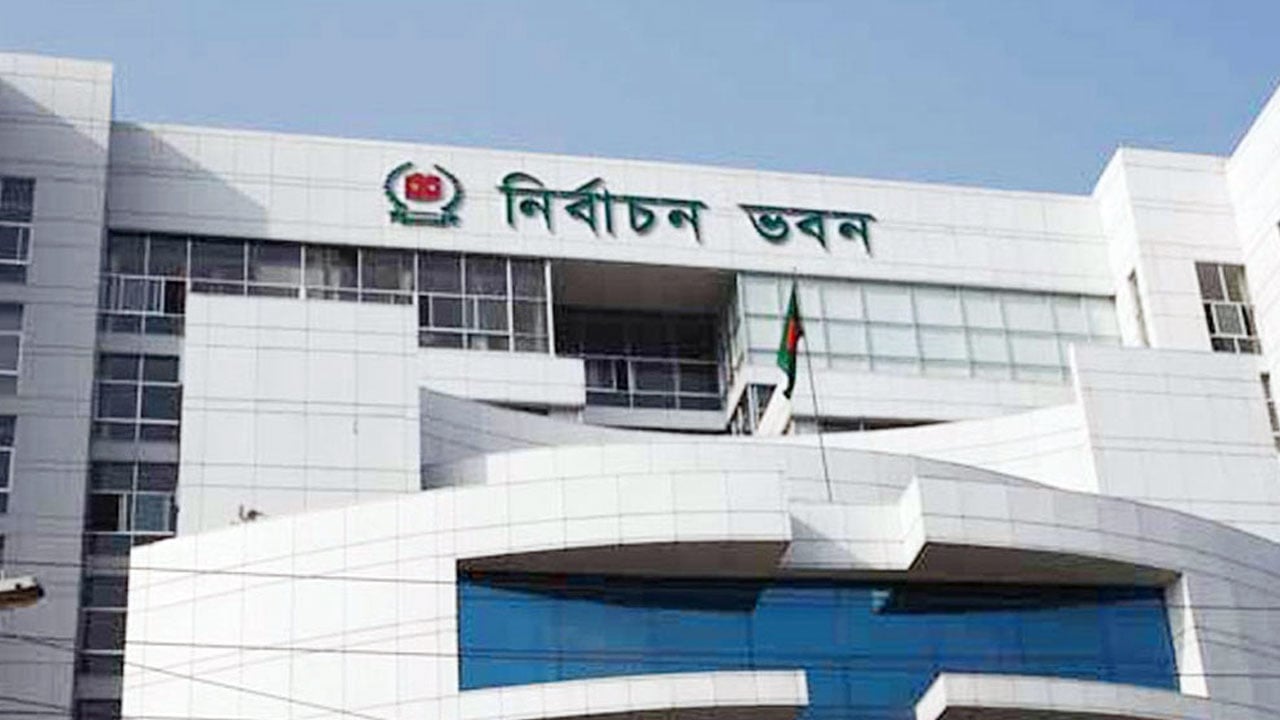
The Bangladesh government has allocated Tk 4,401 crore for the Election Commission Secretariat in the 2026–27 fiscal year. Finance Minister Amir Khasru Mahmud Chowdhury presented the new budget during a national parliament session chaired by Speaker Major (Retd.) M Hafizuddin. The proposal was approved earlier by the parliamentary business advisory committee. According to the budget proposal, the allocation for the Election Commission has increased compared to previous years. The commission received Tk 4,346 crore in 2025–26 and Tk 2,956 crore in 2024–25. This year’s allocation is Tk 245 crore lower than the previous year due to the 13th National Parliamentary Election held on February 12 of the current year. Information from the Election Commission and local government indicates that upcoming elections will be held for all city corporations, district councils, upazila councils, and union councils. The newly allocated funds will be used to conduct these local government elections, as many of these institutions are currently being run by administrators.
UK Defence Minister John Healey has resigned following prolonged disagreements with the government over increasing military spending amid a complex global security environment. In his resignation letter submitted on Thursday, Healey sharply criticized Prime Minister Keir Starmer’s administration for failing to ensure adequate funding to strengthen the country’s defence capabilities. According to a Reuters report cited in the source, Healey accused the government and the finance ministry of neglecting to take necessary steps to secure resources vital for national security. The letter stated that the government had not prioritized defence funding and that the finance ministry had shown reluctance on the issue. The report added that discussions between the defence and finance ministries over the proposed increase in military expenditure had been ongoing for months, but disagreements over the budget had stalled the government’s much-discussed “Defence Investment Plan” since last year. Analysts described Healey’s resignation as a significant political setback for the UK government that could intensify debate over defence policy and spending.

Finance Minister Amir Khasru Mahmud Chowdhury proposed Tk 5,196 crore for the Ministry of Women and Children Affairs in the 2026–27 fiscal year, a decrease of Tk 175 crore from the revised Tk 5,371 crore in 2025–26. Presenting the proposal in Parliament, he emphasized that women’s empowerment is a key indicator of development and said the government is prioritizing legal and scientific capacity to protect women’s and children’s rights. The budget outlines several initiatives, including new software for DNA analysis in forensic laboratories, a national database for women entrepreneurs, and the establishment of 80 modern daycare centers in two phases. Programs for the rehabilitation and social security of returning female migrant workers, protection of street and vulnerable children, and expansion of the Vulnerable Women Benefit program are also included. Additionally, 33 integrated child rehabilitation centers are operating in 17 districts. Special projects aim to strengthen coastal women’s resilience to climate change and support children with disabilities. The minister also announced one-time financial awards for families of children killed in the July uprising and ongoing rehabilitation for injured children.

The government-imposed 58-day fishing ban aimed at protecting hilsa breeding and marine biodiversity ends at midnight on June 11, 2026. Thousands of fishermen from Patuakhali’s coastal areas are preparing to return to the sea for hilsa fishing. At major landing stations in Mahipur and Alipur, activity has resumed as fishermen clean trawlers, repair nets and engines, and stock up on ice and food supplies. According to the fisheries department, the annual ban period was previously set from May 20 to July 23 but was revised last year to April 15 to June 11 to align with neighboring India and address fishermen’s concerns. During the ban, all fishing, transport, storage, and sale of fish were prohibited in marine and coastal areas. Local fishermen expressed both hope and frustration. Some said they struggled to sustain their families despite government rice aid, while others complained about not being listed for incentives. Fish traders expect business to revive as fishing resumes, and officials hope the ban will boost hilsa production and stabilize market prices.

Bangladesh’s Finance Minister Amir Khosru Mahmud Chowdhury proposed new benefits for private sector employees under the universal pension program while presenting the 2026–27 national budget in parliament on June 11. The proposal includes allowing participants to receive 30 percent of their total accumulated savings as a one-time gratuity upon retirement. According to the minister, the initiative aims to strengthen social protection and make the system more inclusive. The government is taking several measures to enhance financial security for private employees after retirement through the universal pension fund. If implemented, the proposal would enable retirees to receive both a regular pension and a lump-sum payment, which many believe will improve their post-retirement financial stability. The budget also emphasizes expanding social safety programs, increasing support for women and the elderly, raising allowances for persons with disabilities, and further strengthening the universal pension system.
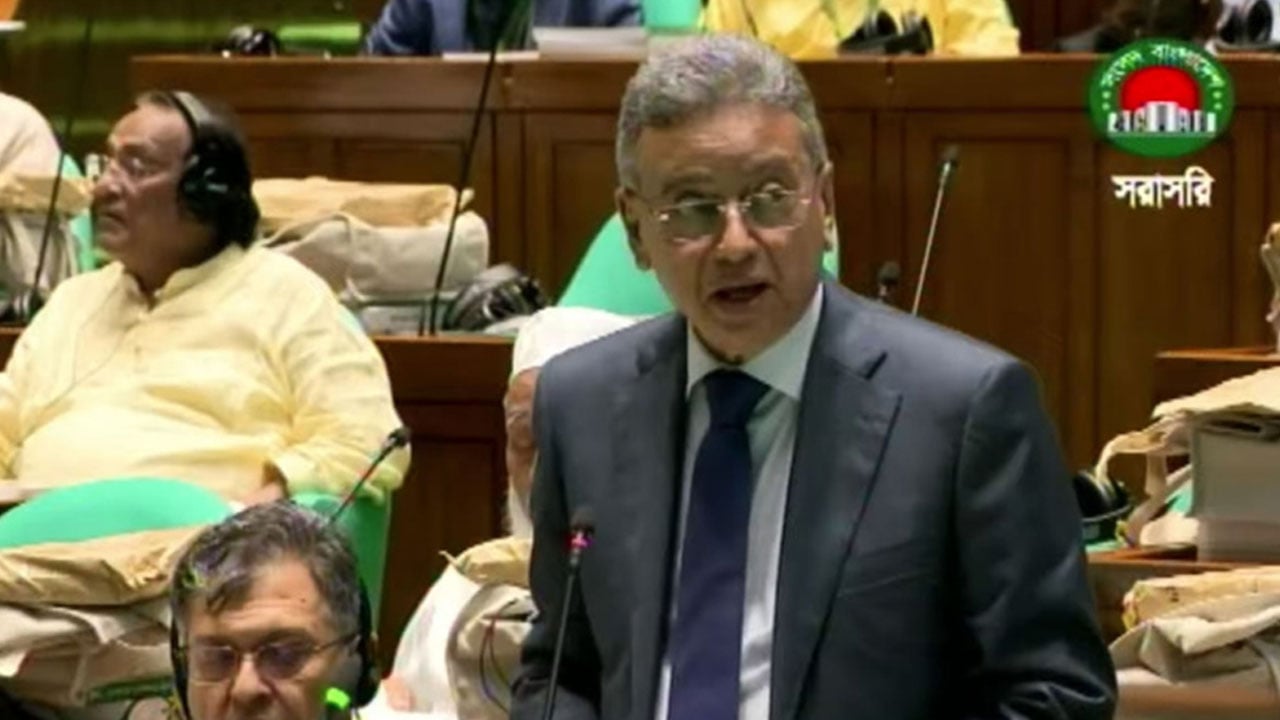
The government of Bangladesh has proposed an allocation of Tk 1,884 crore for the Ministry of Civil Aviation and Tourism in the 2026–27 national budget, presented in parliament by Finance Minister Amir Khasru Mahmud Chowdhury. The proposal exceeds the revised allocation of Tk 1,300 crore from the outgoing fiscal year but remains below the original Tk 2,455 crore. Alongside the budget, a roadmap was introduced to transform Bangladesh into a regional aviation hub. The finance minister outlined plans to modernize the aviation sector and accelerate tourism-driven economic growth through infrastructure upgrades, fleet expansion, and improved connectivity. Ongoing projects include terminal expansions at Jashore and Saidpur airports, full readiness of Hazrat Shahjalal International Airport’s third terminal, and runway enhancements at Sylhet and Chattogram airports. Biman Bangladesh Airlines has finalized a contract with Boeing to purchase 14 modern aircraft worth approximately USD 3.7 billion. The minister said these initiatives aim to strengthen international connectivity, enhance passenger services, and raise tourism’s contribution to GDP to 6–7 percent. Future plans include establishing a national air connectivity grid, new international gateways, and a digital logistics platform to support trade and transport.

The proposed national budget for the 2026–27 fiscal year has allocated Tk 40,245.83 crore for Bangladesh’s Local Government Division. Of this, Tk 6,510.04 crore is earmarked for operating expenses and Tk 33,735.79 crore for development activities. The allocation was detailed in government documents presented to the National Parliament on Thursday. Compared to the revised budget of Tk 44,242.56 crore in 2025–26, the new allocation marks a reduction of about Tk 3,996.73 crore. Despite the decrease, the budget emphasizes major initiatives such as the nationwide safe water supply program, which includes installing new water sources, rural pipe water schemes, and arsenic mitigation in coastal and vulnerable areas. It also highlights the “Climate-Resilient Rural Infrastructure Construction and Preservation” project to strengthen rural development against climate impacts. The budget further outlines programs to enhance rural livelihoods through road, bridge, and culvert construction, modernization of rural markets, and excavation of ponds and canals. It also prioritizes infrastructure repair for educational, social, and religious institutions and aims to improve the accuracy of birth and death registration across the country.

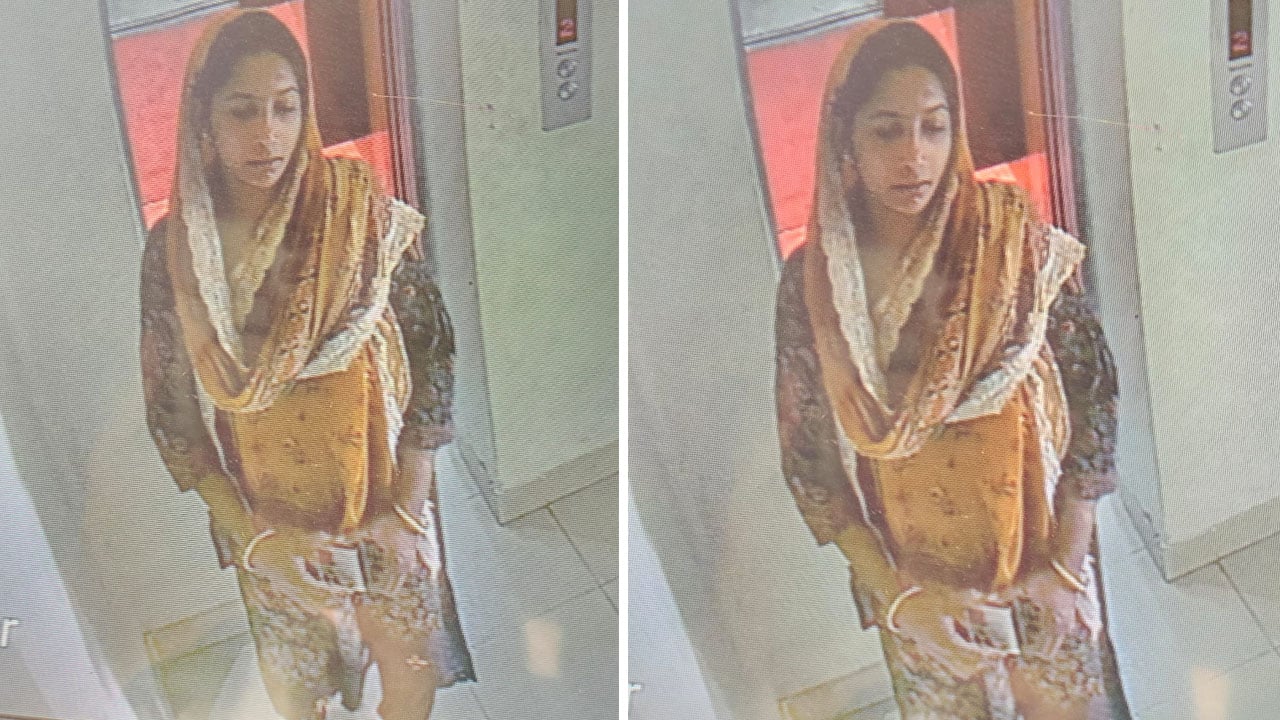
A woman posing as a beauty parlor worker allegedly stole gold jewelry worth about three lakh taka from two housewives in Siddhirganj, Narayanganj. The incident occurred around 10 a.m. on Thursday at an apartment on the third floor of City Tower in the Madaninagar area. One of the victims, Sumaiya Khan, filed a written complaint with the local police following the theft. According to Sumaiya Khan, the suspect arrived at her home around 9:30 a.m., introducing herself as a parlor employee and claiming to be a neighbor. After gaining entry, she offered facial services to Sumaiya and another woman. During the session, the suspect allegedly used a sedative to incapacitate them before removing a gold chain and earrings from Sumaiya and earrings from her neighbor, then fled the scene. Siddhirganj Police Sub-Inspector Jesmin Sarkar stated that the victims have lodged a written complaint and that CCTV footage from the residence is being reviewed to identify the suspect and take legal action.
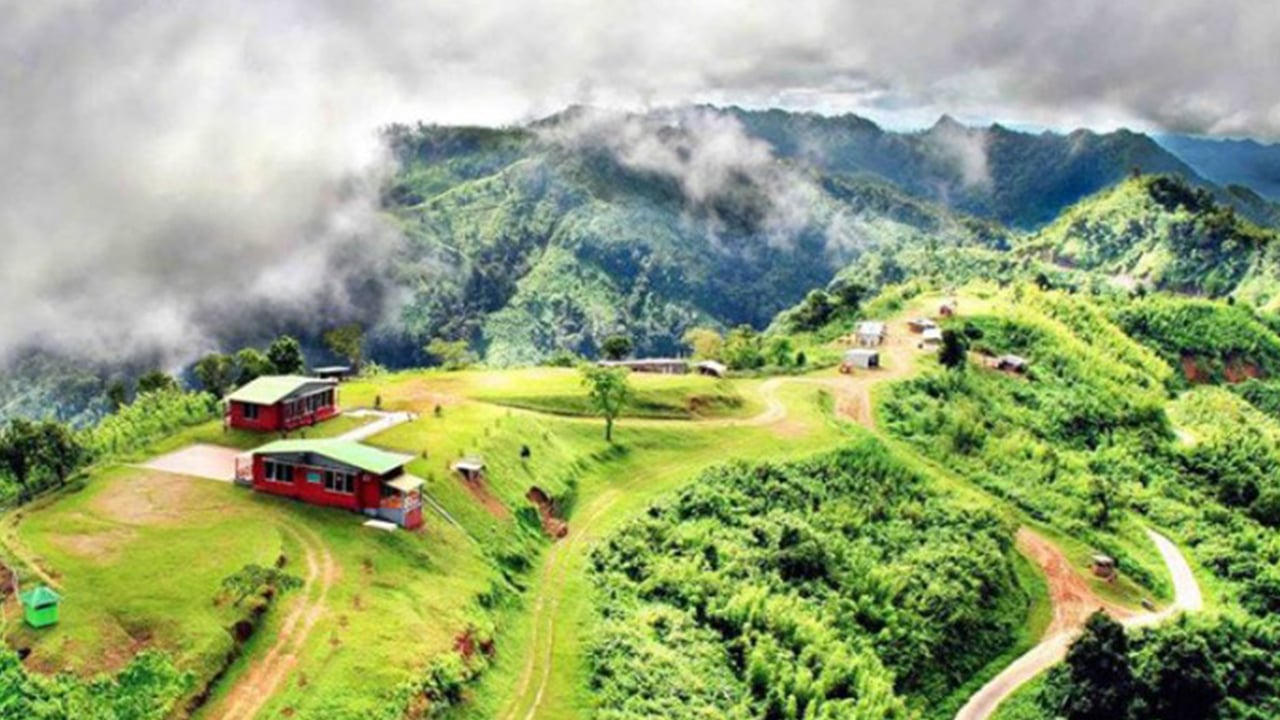
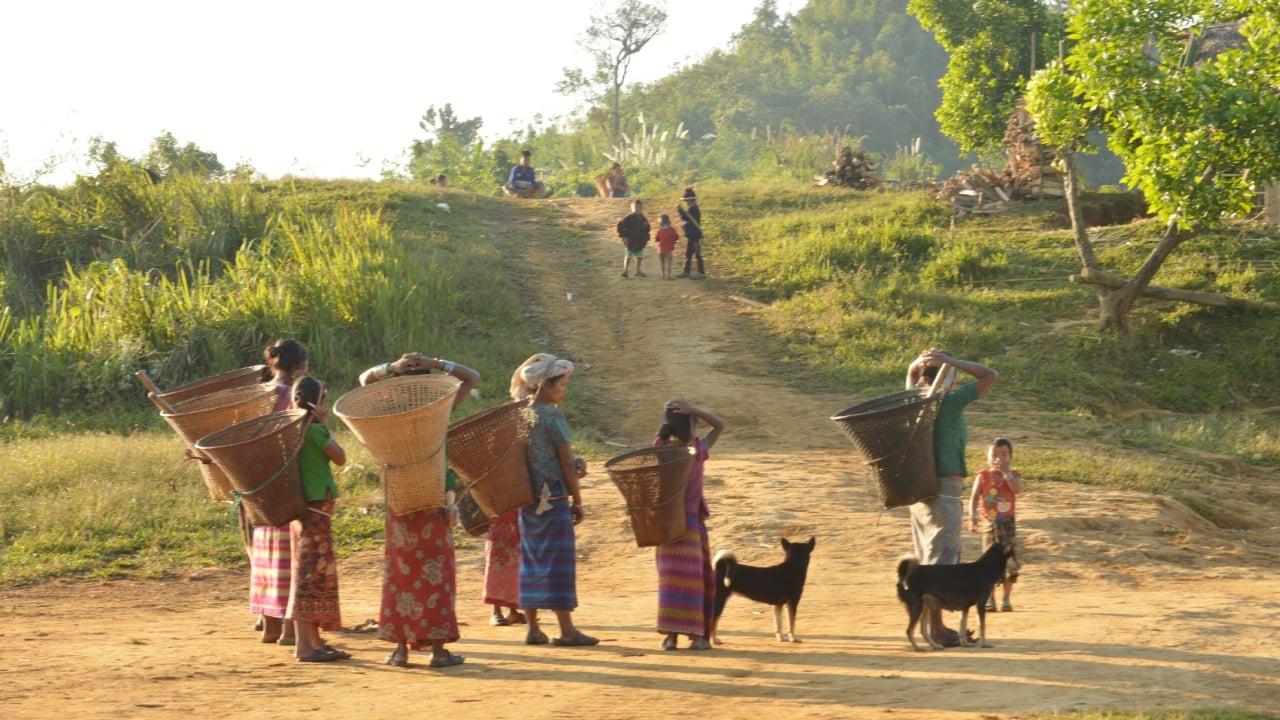
Finance Minister Amir Khosru Mahmud Chowdhury has proposed an allocation of over Tk 1,457 crore for the Ministry of Chittagong Hill Tracts Affairs in the 2026–27 fiscal year budget, marking an increase of about Tk 95 crore from the previous year. The proposal emphasizes physical infrastructure development and improving the living standards of small ethnic communities in the three hill districts—Rangamati, Khagrachhari, and Bandarban. According to the budget analysis, Tk 964.64 crore of the total allocation is earmarked for development projects, while Tk 492.36 crore is set aside for operational expenses. The plan includes Tk 658.57 crore in recurring expenditure and Tk 798.43 crore in capital expenditure. Priority areas include road connectivity, safe water supply, electrification, and tourism infrastructure, alongside vocational education and primary healthcare for remote communities. Cultural preservation programs for indigenous languages and traditions are also planned. The government aims to boost employment and income in the hill districts through expanded agricultural and afforestation projects, reflecting a broader focus on socio-economic advancement in the region.
The University Grants Commission (UGC) of Bangladesh has approved a total budget of Tk 12,300 crore 4 lakh for the 2026–27 fiscal year to cover expenses of 58 public universities and the commission itself. Of this, Tk 12,001 crore 82 lakh is allocated for the universities and Tk 298 crore 58 lakh for the UGC. The budget was approved at the 178th full commission meeting chaired by UGC Chairman Professor Dr. Mamun Ahmed. Dhaka University received the highest revenue allocation of Tk 949 crore 36 lakh for the upcoming fiscal year. The total allocation for public universities increased by Tk 1,497 crore 83 lakh compared to the revised budget of Tk 10,802 crore 21 lakh in 2025–26. The new budget includes Tk 7,428 crore 43 lakh for operational expenses and Tk 4,573 crore 39 lakh for 43 development projects. The UGC’s main budget also earmarks Tk 238 crore for research and foreign scholarships, up from Tk 229 crore in the previous year. Following an April 2026 decision to merge overlapping research funds, Tk 200 crore from universities’ research budgets has been integrated into the UGC’s allocation, raising its research fund to Tk 226 crore. The UGC chairman noted that despite limited resources, transparent and prioritized spending could significantly benefit higher education.

The proposed national budget for the 2026–27 fiscal year allocates Tk 2,188 crore for the Law and Justice Division under the Ministry of Law, Justice and Parliamentary Affairs, and Tk 291 crore for the Supreme Court. The revised allocation for the Supreme Court in the previous budget was Tk 270 crore, while the outgoing 2025–26 fiscal year had Tk 2,075 crore for the Law and Justice Division. The finance minister announced plans to establish fast-track courts to expedite commercial and capital market-related cases. He said the government is reviewing a specialized dispute resolution mechanism for capital market conflicts, which may include a tribunal or fast-track court with legal authority to enforce decisions. The minister also proposed expanding bilateral investment treaties and updating double taxation avoidance agreements to improve the business environment and strengthen investor protection. Additionally, the minister said the scope of alternative dispute resolution (ADR) in income tax disputes will be expanded to allow easier settlements without formal appeals, and pre-litigation mediation will be encouraged to recover defaulted loans more efficiently.
The government of Bangladesh has announced plans to transform the airports in Rajshahi, Cox’s Bazar, Jashore, and Saidpur into international gateways and to launch an integrated digital logistics platform. Finance Minister Amir Khosru Mahmud Chowdhury made the announcement in Parliament while presenting the 2026–27 national budget, outlining a broader strategy to establish a national aviation connectivity grid and convert Dhaka, Chattogram, and Sylhet into integrated passenger and logistics hubs. According to the minister, the initiatives aim to strengthen Bangladesh’s position in global trade and transport networks and to turn the country into a modern regional aviation center. The government is implementing several infrastructure projects, including terminal expansions at Jashore and Saidpur airports, full operation of the third terminal at Hazrat Shahjalal International Airport, and runway capacity upgrades in Sylhet and Chattogram. Development work at Cox’s Bazar Airport is also nearing completion. The plan includes improving passenger services, cargo management, and aviation safety standards while promoting renewable energy use and workforce development. The government expects these measures to boost private investment, create jobs, and raise tourism’s contribution to GDP from six to seven percent.
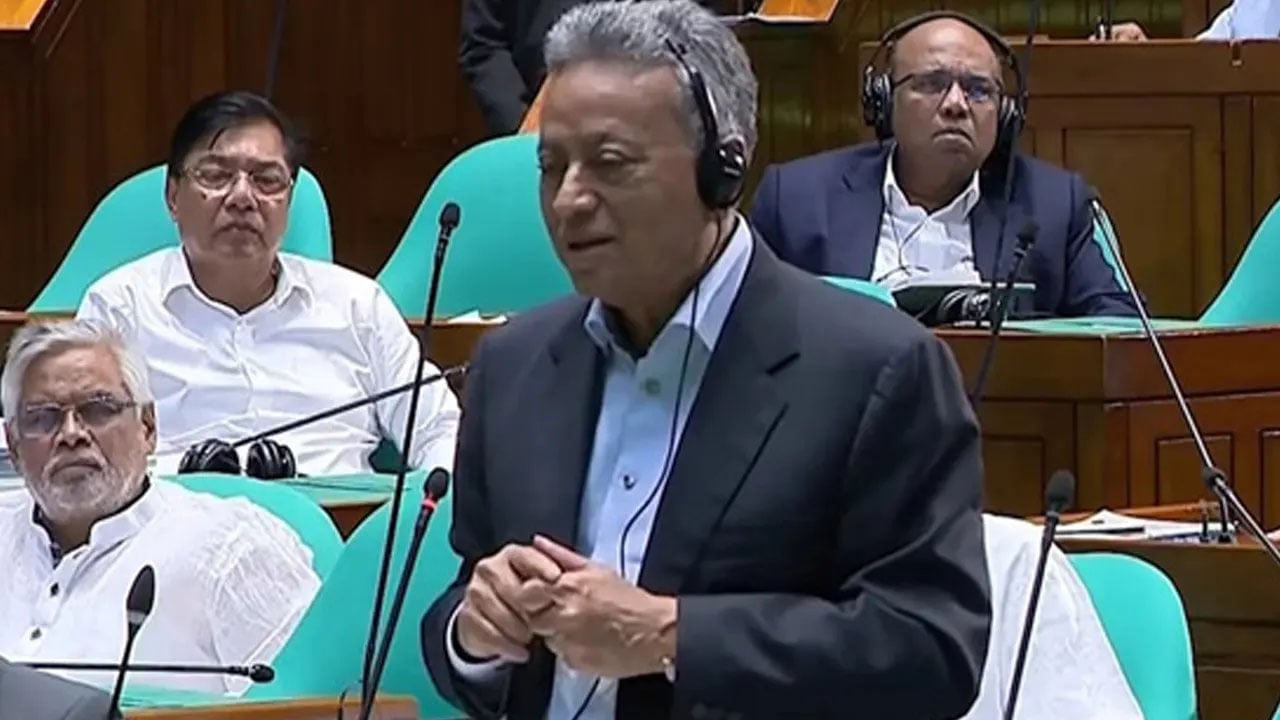
Bangladesh’s Finance Minister announced the establishment of a fast-track court to expedite the resolution of capital market-related cases. The declaration came during the presentation of the national budget in parliament on Thursday. The minister said the government is reviewing a specialized dispute resolution mechanism for capital market conflicts, which may include a tribunal or fast-track court with legal authority to enforce decisions. He also stated that the scope of Alternative Dispute Resolution (ADR) in income tax disputes will be expanded to allow easier settlements without formal appeals. To reduce lengthy legal processes and improve recovery efficiency, the government will encourage pre-litigation mediation for defaulted loan recovery. The proposed budget for the 2026–27 fiscal year allocates 2,188 crore taka for the Ministry of Law, Justice and Parliamentary Affairs and 291 crore taka for the Supreme Court, compared to 2,075 crore and 270 crore taka respectively in the previous year’s revised budget.

The government of Bangladesh has announced plans to construct a second Jamuna Bridge and a Dhaka-Chattogram elevated expressway as part of the proposed 2026–27 fiscal year budget. Finance and Planning Minister Amir Khasru Mahmud Chowdhury presented the budget proposal in the National Parliament on Thursday afternoon, highlighting initiatives to modernize the country’s road and transport systems. According to the budget speech, the government aims to strengthen large-scale bridge and expressway construction under the Bridges Division to make transportation safer, more efficient, and technology-driven. The plan also includes expanding electronic toll collection, introducing smart traffic management, and promoting environmentally friendly technologies. Smart axle load control and new monitoring stations are also part of the initiative. The budget further mentions ongoing surveys to identify potential corridors for a 3,000-kilometer national expressway grid and plans to develop an integrated multimodal transport system combining road, rail, water, and air networks. These projects are expected to reduce travel time and costs while boosting trade and overall economic activity.

The ‘1 Nojor’ media platform is now live in beta, inviting users to explore and provide feedback as we continue to refine the experience.