

The ‘1 Nojor’ media platform is now live in beta, inviting users to explore and provide feedback as we continue to refine the experience.
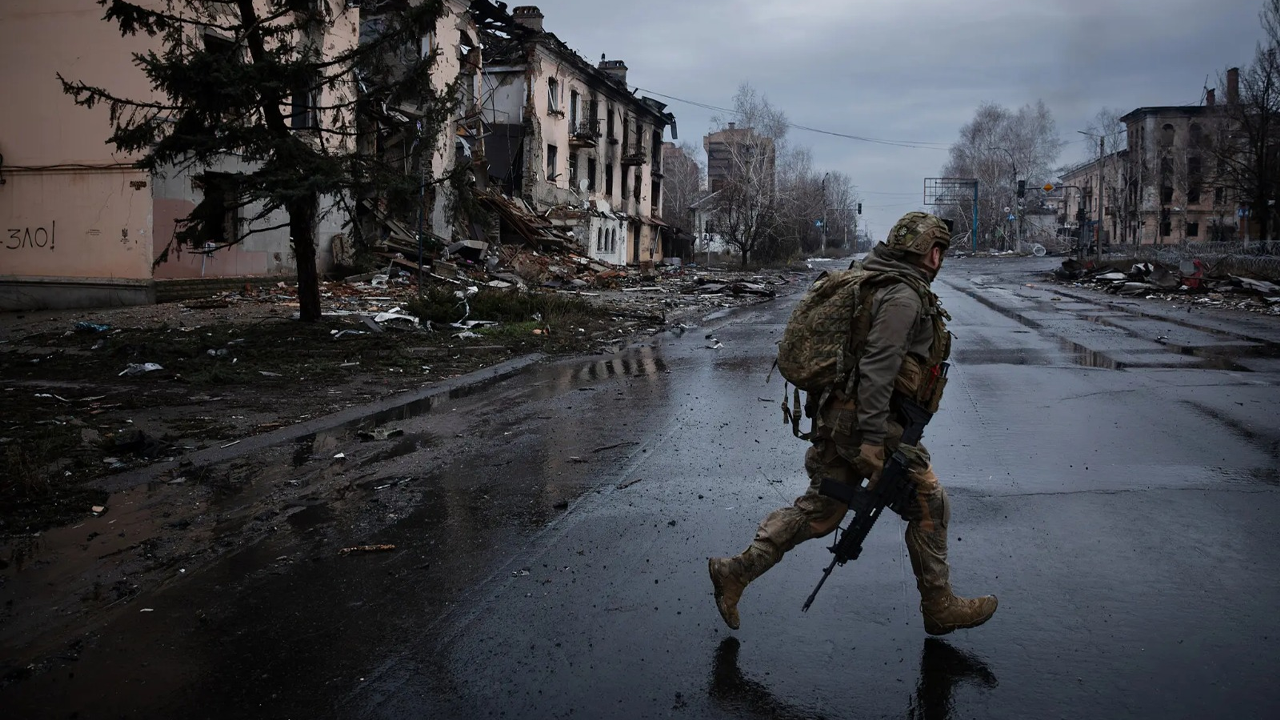
The Russia-Ukraine conflict has now lasted longer than World War I, reaching its 1,569th day last Thursday, marking more than four years and three months of continuous fighting. The war, which began in February 2022 when Russian President Vladimir Putin sent troops into Ukraine expecting a quick victory, has instead turned into a prolonged and attritional conflict. Peace talks remain stalled, and public opinion surveys suggest nearly half of Ukrainians do not expect the war to end before next year. Historians caution that direct comparisons with World War I are limited, as that war was global in scope. Yet, both conflicts have profoundly altered Europe’s geopolitical and military landscape, prompting defense budget increases and alliance restructuring. Analysts note that technological evolution has transformed warfare: where tanks and aircraft once dominated, drones now define the battlefield. Drone warfare has rendered traditional trench systems obsolete, forcing soldiers into deeper, smaller bunkers. Despite these tactical shifts, destruction remains immense, with drone footage showing landscapes reminiscent of early 20th-century battlefields. Experts describe the current stalemate as a “drone-era version” of World War I, with Ukraine targeting Russia’s economic assets to break the deadlock.
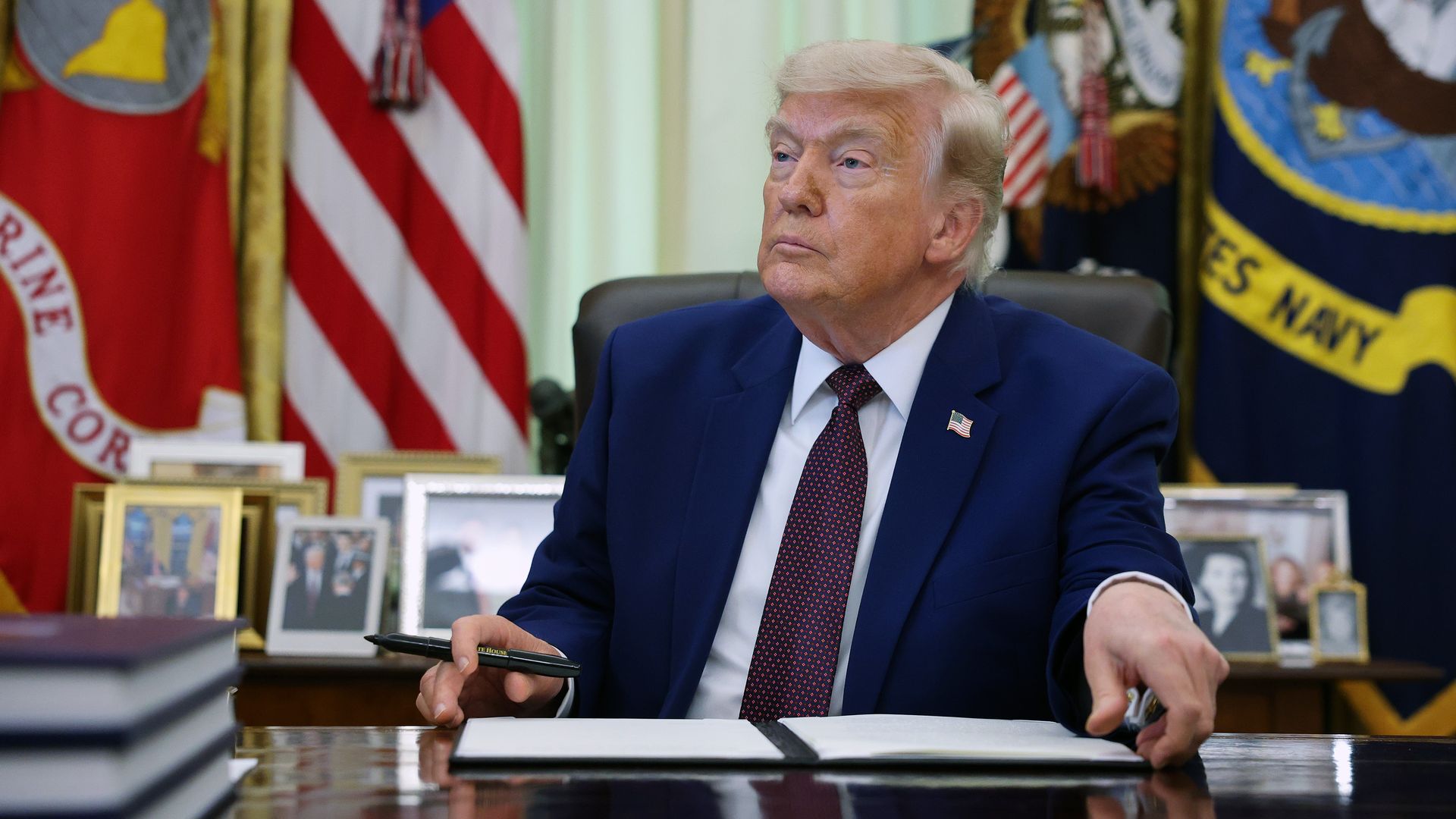
President Donald Trump announced on Thursday that he canceled planned military strikes against Iran, claiming that Iran’s leadership had approved a draft agreement to extend the ceasefire, reopen the Strait of Hormuz, and begin 60 days of negotiations on Iran’s nuclear program. Trump said the deal had been approved by all parties involved, including the U.S. and several regional countries, and that a naval blockade would remain until the agreement was finalized. Iran’s semi-official Fars news agency denied that any agreement had been approved, though it acknowledged a possibility that Tehran might consider signing off later. Three sources briefed on the talks told Axios that key gaps were narrowed during discussions between Iranian officials and Qatari mediators in Tehran on Wednesday, focusing on frozen assets, reopening the Strait of Hormuz, and the structure of nuclear negotiations. According to those sources, Iranian officials informed several countries that an agreement in principle had been reached, pending final approval from Supreme Leader Mojtaba Khamenei.
Finance Minister Amir Khosru Mahmud Chowdhury announced that Bangladesh has begun developing sector-based courses and curricula aligned with global demand. Speaking during the budget session on Thursday, he said the government is strengthening market-oriented training, curriculum development, certification, accreditation, and quality control. He confirmed that the new government will continue the 2.5 percent incentive on remittances to encourage expatriate workers to send money through legal channels. The minister stated that in the month following the new government’s assumption of office, monthly remittances reached 3.75 billion dollars, the highest in the country’s history. He emphasized that this reflects expatriates’ confidence in the democratic government. The government is also implementing plans to expand employment opportunities across sectors, establish employment exchanges at district and upazila levels, and enforce the Bangladesh Labour (Amendment) Act, 2026 to strengthen workers’ legal protection. Highlighting priorities for expatriates, he said a special expatriate card will be introduced to link welfare, insurance, banking, and emergency services. Bangladesh is pursuing bilateral agreements with several countries to expand labor markets and reopening previously closed destinations such as Malaysia, Oman, the UAE, and Kuwait.

The Bangladesh government has announced that the existing 2.5 percent cash incentive for remittances sent through legal channels will continue in the 2026–27 fiscal year. Finance Minister Amir Khasru Mahmud Chowdhury made the announcement on June 11 while presenting the proposed national budget in parliament. He said the measure aims to sustain the growth of remittance inflows, which reached a record monthly high of 3.75 billion US dollars after the current government took office. In his budget speech, the finance minister emphasized the government’s focus on employment creation, labor protection, and overseas workforce welfare. He highlighted plans to introduce a special expatriate card linked to welfare, insurance, banking, and emergency services. The government is also pursuing bilateral agreements with countries such as Russia, Portugal, Romania, Brazil, Greece, Serbia, and North Macedonia to expand labor markets, while reopening opportunities in Malaysia, Oman, the UAE, and Kuwait. The budget further outlines initiatives to enhance occupational skills through market-based training and certification programs, aiming to align workforce development with domestic and international labor market demands.

Finance Minister Amir Khasru announced that Tk 1,27,500 crore has been allocated for interest payments in Bangladesh’s proposed 2026–27 national budget, representing 13.60 percent of the total budget. Of this amount, Tk 1,05,000 crore is earmarked for domestic debt interest and Tk 22,500 crore for foreign debt interest. In the current fiscal year, domestic debt interest expenditure was initially set at Tk 1,00,000 crore but later revised to Tk 1,05,000 crore, while foreign debt interest remained unchanged at Tk 22,000 crore. The proposed total budget size for 2026–27 stands at Tk 9,38,000 crore, with a revenue target of Tk 6,95,000 crore. This leaves a budget deficit of Tk 2,43,000 crore, which the government plans to finance through both domestic and foreign borrowing sources, according to the finance minister’s presentation.

Finance Minister Amir Khasru Mahmud Chowdhury has proposed extensive VAT and duty exemptions for the agriculture sector in Bangladesh’s 2026–27 national budget, presented in parliament on Thursday. The measures aim to boost agricultural production, strengthen food security, and protect domestic industries. The proposal includes full VAT withdrawal on 36 raw materials used in pesticide and fertilizer production, zero duty on zinc ash for zinc sulfate fertilizer, and removal of the 7.5 percent VAT on fertilizers at the trading level. Advance tax on pesticide imports will also be waived. Additional incentives have been proposed for poultry, dairy, and fish feed industries, including zero-duty benefits on three new raw materials and reduced import duties on machinery and parts. Veterinary medicines under generic categories will also receive zero-duty benefits. To protect local producers, import duties on cashew nuts will rise sharply, with unprocessed and processed cashews both set at 25 percent, while imported pangas fish fillets will face a 20 percent supplementary duty. The budget emphasizes tax and duty relief over direct allocations to make agriculture and livestock sectors more competitive, potentially lowering input costs and increasing domestic production.

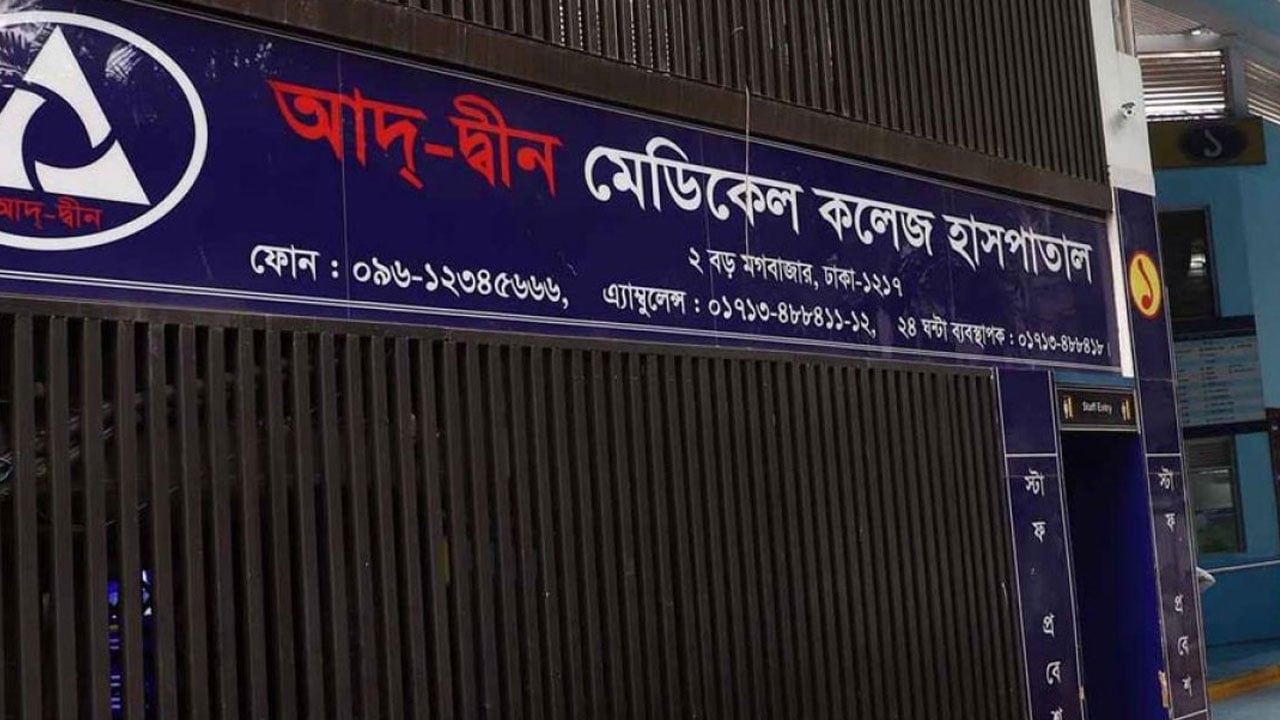
The Directorate General of Health Services has canceled the license of Ad-Din Medical College Hospital in Dhaka’s Moghbazar area following the deaths of six newborns. The decision was announced on Thursday afternoon by Professor Dr. Prabhat Chandra Biswas, Director General of the Directorate, after the hospital’s explanation was deemed unsatisfactory. Earlier, Health Minister Sardar Md. Shakhawat Hossain had stated that he was not satisfied with the hospital authority’s explanation regarding the deaths. The incident occurred on May 27 between 6 a.m. and 9 a.m., when six newborns died at the hospital. Following the event, an investigation committee was formed, and the hospital’s owner, Sheikh Mohiuddin, was issued a show-cause notice asking why the license should not be revoked. The notice, issued on behalf of the Director General, gave the hospital until 5 p.m. on June 7 to respond within 72 hours. The license cancellation followed the hospital’s failure to provide a satisfactory reply.
Finance Minister Amir Khosru Mahmud Chowdhury stated that the exchange rate of the US dollar has increased from 68 taka in 2005–06 to 122 taka in 2026. He said this during his budget presentation on Thursday, noting that the rise has affected the balance of foreign transactions and foreign currency reserves. The proposed national budget for the fiscal year has been set at 9.38 trillion taka, with a revenue target of 6.95 trillion taka. This leaves a deficit of 2.43 trillion taka. To bridge this gap, the government plans to raise funds from both domestic and foreign sources. Business organizations such as BTMA and DCCI have commented on the budget, describing it as business- and investment-friendly while calling for additional policy support.

Finance Minister Amir Khosru Mahmud Chowdhury announced that Bangladesh’s domestic debt has risen to Tk 10.77 trillion, marking a more than sixteenfold increase from Tk 650 billion. He described the situation as concerning during his budget presentation on Thursday. The minister also stated that foreign debt, which stood at Tk 130 billion in 2006, has grown about 6.5 times to Tk 8.12 trillion by 2024. The proposed national budget for the upcoming fiscal year is set at Tk 9.38 trillion, with a revenue target of Tk 6.95 trillion. This leaves a deficit of Tk 2.43 trillion. To bridge the fiscal gap, the government plans to raise funds from both domestic and foreign sources, according to the finance minister’s statement.

The proposed national budget for the 2026–27 fiscal year has introduced a plan to withdraw the existing 15 percent tax on capital gains from share market investments. If approved by the National Parliament, individual investors will no longer be required to pay income tax on profits earned from trading shares and other securities of listed companies. Under the current Income Tax Act 2023, a 15 percent tax is imposed on capital gains from transactions involving listed securities. The new budget proposal seeks to abolish this provision, effectively making such gains tax-free for general investors. Market participants believe that the removal of this tax could strengthen investor confidence and contribute to a more dynamic capital market in Bangladesh.

Finance Minister Amir Khasru Mahmud Chowdhury announced that Bangladesh’s foreign debt has increased nearly six and a half times since 2006, reaching Tk 8.12 trillion in 2024. He made the disclosure on Thursday while presenting the national budget for the upcoming fiscal year. The minister also stated that domestic debt has expanded from Tk 650 billion to Tk 10.77 trillion, marking more than a sixteenfold rise, which he described as concerning. The proposed budget size is Tk 9.38 trillion, with a revenue target of Tk 6.95 trillion. This leaves a deficit of Tk 2.43 trillion, which the government plans to finance through both domestic and foreign borrowing. The report indicates that the government aims to balance the large fiscal gap by mobilizing funds from multiple sources, reflecting the growing reliance on debt to sustain budgetary commitments.
Finance Minister Amir Khosru Mahmud Chowdhury stated that Bangladesh’s interest payment expenses have increased thirteenfold over the past twenty years. In the 2005–06 fiscal year, the government spent 8,500 crore taka on interest payments, which rose to 1,14,700 crore taka in the 2023–24 fiscal year. He made the disclosure on Thursday while presenting the national budget. The proposed budget for the upcoming fiscal year is set at 9,38,000 crore taka, with a revenue target of 6,95,000 crore taka. This leaves a deficit of 2,43,000 crore taka. To bridge this gap, the government plans to raise funds from both domestic and foreign sources. The report also notes that while the budget includes positive aspects, several business organizations have called for additional policy support to strengthen the investment environment.

Finance Minister Amir Khasru announced that the new national budget includes major initiatives to restore discipline in Bangladesh’s banking and financial sectors. Presenting the budget on Thursday, he said the reforms aim to revive the economy and sustain investment flows by reducing default loans, ensuring transparency in loan approval and rescheduling, and strengthening accountability in bank management. A risk-based supervision system will be introduced to rebuild weak banks’ financial capacity, with recapitalization and management reforms as needed. The minister stated that about Tk 40,000 crore has already been spent this fiscal year to recapitalize weak banks, alongside restructuring efforts to return depositors’ funds. The budget also includes measures to repatriate money laundered abroad. Political appointments and interference in bank operations are to be stopped through legal amendments, while international standards for risk management, capital adequacy, and corporate governance will be enforced to make financial institutions more stable and competitive. The budget further outlines structural reforms in the banking and capital markets to build a modern and sustainable financial system and shift from a debt-driven to an investment-based economy by promoting domestic and foreign investment and developing the bond market.
The government has proposed a total allocation of Tk 17,345 crore for the power and energy sector in the 2026–27 fiscal year, up from Tk 16,952 crore in 2025–26. This represents an increase of about Tk 400 crore, reflecting the sector’s continued importance in national development planning. To encourage investment and streamline supply operations, the budget proposal includes a reduction in tax deduction at source. The rate for electricity purchases from power producers is proposed to be lowered from 4 percent to 3 percent, while the rate for fuel oil supplied by refineries would drop from 1.5 percent to 1 percent. According to the proposal, these measures are expected to reduce business costs in the power and energy sector and make its operations more dynamic.

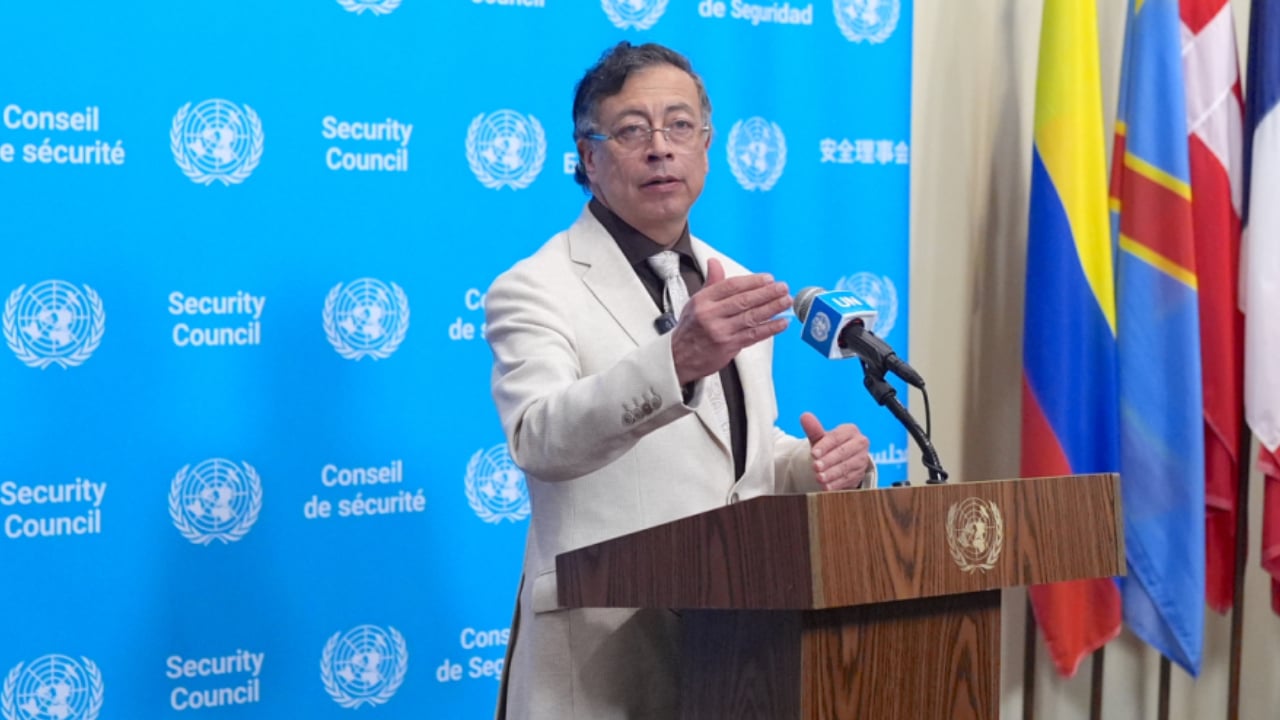
Colombian President Gustavo Petro compared Israel’s occupation to Nazi forces during a United Nations Security Council meeting on Wednesday. He sharply criticized Israel’s military operations in Gaza, saying thousands of people, including children, had been killed by Israeli missile strikes. Petro stated that no political or economic interests could hide this reality and warned that the world was returning to a Nazi-like era. Israeli Foreign Minister Gideon Sa’ar condemned Petro’s remarks, calling him an anti-Semitic president who was deliberately trivializing the memory of the Holocaust. The exchange highlighted growing tensions between Colombia and Israel over the Gaza conflict. Colombia is scheduled to hold its presidential election on June 21, but Petro is not seeking re-election, according to the report sourced from Middle East Monitor.
The ‘1 Nojor’ media platform is now live in beta, inviting users to explore and provide feedback as we continue to refine the experience.