

The ‘1 Nojor’ media platform is now live in beta, inviting users to explore and provide feedback as we continue to refine the experience.
The government has set a target to reduce inflation to 7.5 percent in the 2026–27 fiscal year. To stabilize prices, the proposed budget includes measures to lower source taxes on essential and agricultural products. About 60 items are expected to benefit from significant tax reductions, with the new proposal setting a uniform source tax rate of 0.5 percent, down from the current rates of 1, 2, and 5 percent. According to the National Board of Revenue, the tax relief will apply to key commodities such as rice, wheat, potatoes, onions, garlic, ginger, salt, sugar, edible oil, and various seeds. Livestock, poultry, and fish are also included to boost the supply of animal protein. The government stated that this initiative aligns with its electoral commitment to ease the burden of rising living costs. Market analysts believe that lowering taxes at the production and distribution levels will reduce business expenses and help stabilize retail prices. However, they emphasize that effective market monitoring and efficient supply management will be essential to achieve the desired results.
A proposal has been made to require submission of an income tax return certificate for candidates seeking election as Union Parishad (UP) chairman in Bangladesh. According to the proposed amendment to the Income Tax Act 2023, individuals who fail to provide proof of tax return submission will not be eligible to contest the election. The amendment adds the UP chairman election to the list of activities requiring such documentation under Section 264 of the law. Currently, candidates for municipal, upazila, district council, city corporation, and national parliamentary elections must already submit proof of income tax return filing. If the proposed amendment is passed by parliament, the new requirement for UP chairman candidates will take effect from next year. The measure aims to expand the scope of tax compliance among public office aspirants and align local-level elections with existing financial accountability standards.
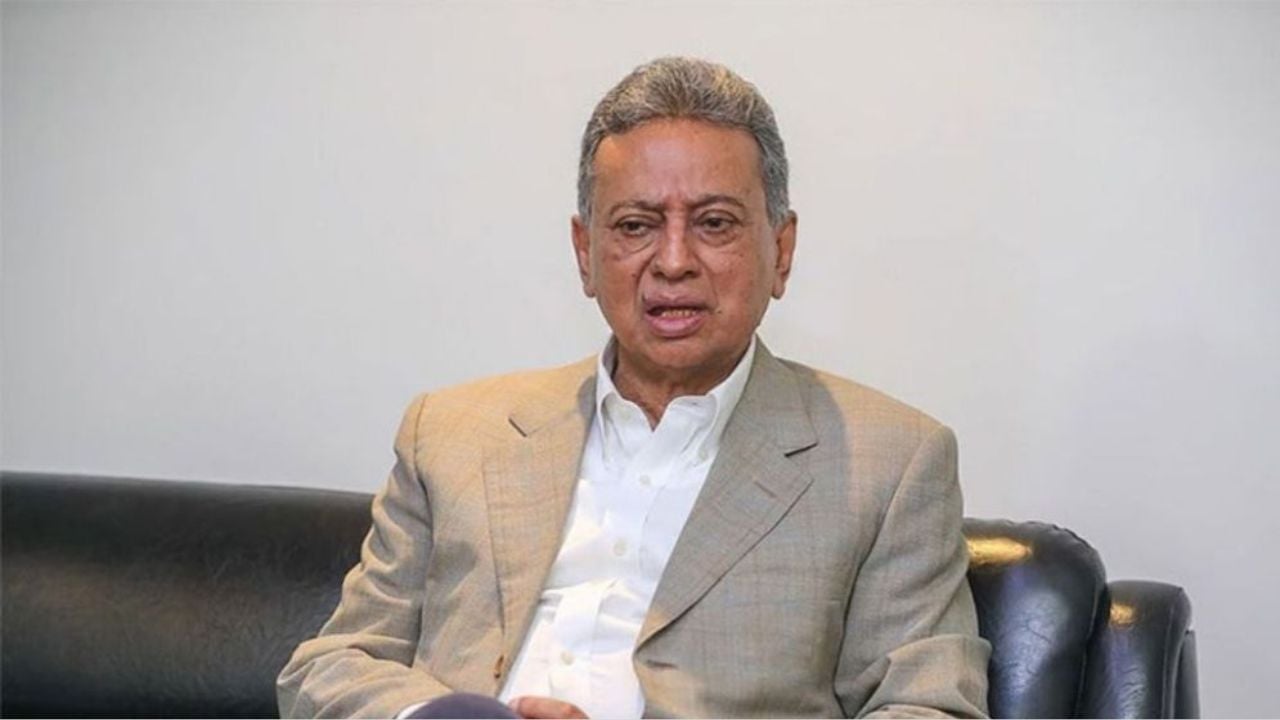
Finance and Planning Minister Amir Khosru Mahmud Chowdhury will hold a post-budget press conference on Friday at 3 p.m. at the Osmani Memorial Auditorium in Dhaka. The event follows the presentation of the proposed national budget for the 2026–27 fiscal year, which took place in the National Parliament on Thursday. Before being presented in Parliament, the proposed budget received approval from a special cabinet meeting attended by the Prime Minister. The Finance Minister traditionally holds a press conference the day after the budget presentation to explain key aspects of the proposal and respond to questions from journalists. The upcoming briefing is expected to provide further details on the newly proposed budget of Tk 9.38 trillion and clarify its major components and fiscal priorities for the next financial year.
Finance Minister Amir Khasru Mahmud Chowdhury announced that default loans in Bangladesh have reached Tk 6.44 trillion, with the default rate climbing to 35.73 percent in the first quarter of the 2025–26 fiscal year. He made the disclosure on Thursday while presenting the national budget. According to the minister, the default loan rate was 13.16 percent in 2005. He also stated that the overall capital adequacy in the banking sector, which stood at 7.30 percent in December 2005, has fallen to a negative 2.64 percent by the end of 2025. Additionally, private sector credit growth has declined from 18.30 percent in the 2005–06 fiscal year to 6.50 percent in 2024–25. The figures presented highlight a significant deterioration in the banking sector’s financial health, reflecting rising loan defaults and weakening capital positions across banks.

The Bangladesh government has extended the operating hours for shops and shopping malls in response to traders’ demands. According to a statement confirmed by the Bangladesh Shop Owners Association, businesses can now remain open from 11 a.m. to 9 p.m. daily. The decision was communicated by the Minister of Power, Energy and Mineral Resources, Iqbal Hasan Mahmud, during a phone conversation with the association’s president, Md. Helal Uddin. The association expressed gratitude to Prime Minister Tarique Rahman and the minister for the decision. Earlier, amid a global energy crisis triggered by the Middle East conflict, the government had shortened office hours and ordered shops and malls to close by 6 p.m. from April 2. That restriction was later eased slightly following requests from business groups. Before Eid-ul-Azha, the government temporarily relaxed the schedule, but after the festival, closing time was again set at 7 p.m. Traders had since urged for longer operating hours, proposing a 12 p.m. to 10 p.m. schedule. The new timing, effective immediately, aims to balance energy-saving measures with business interests as the country continues to manage the impact of the global fuel shortage.
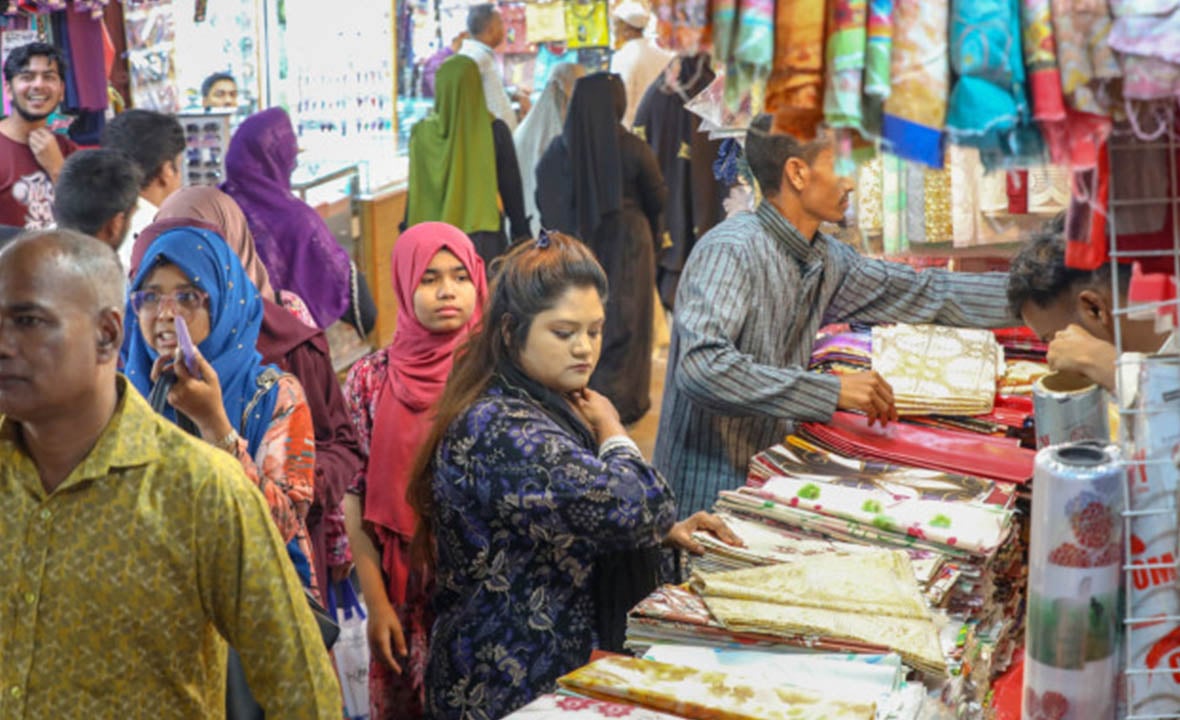
The BNP-led government has proposed a national budget of Tk 9.38 trillion for the 2026–27 fiscal year, presented in parliament by Finance Minister Amir Khosru on Thursday. To address a deficit of Tk 2.43 trillion, the government plans to increase borrowing from both domestic and foreign sources. According to the proposal, Tk 1.16 trillion will be borrowed from foreign sources and Tk 1.27 trillion from domestic sources. Of the domestic borrowing, Tk 1.12 trillion will come from the banking system, while Tk 150 billion will be raised through savings certificates and other instruments. In the current 2025–26 fiscal year, the government had targeted Tk 1.04 trillion in bank borrowing but has already borrowed Tk 1.09568 trillion by May 10, exceeding the target. The proposed budget also includes allocations for various sectors, such as Tk 188.4 billion for aviation and tourism, with Tk 30 billion specifically for ecotourism development.

Bangladesh’s Finance Minister Amir Khasru Mahmud Chowdhury has proposed a new tax-free income threshold of Tk 375,000 for individuals in the upcoming fiscal year. The announcement came during his budget speech in the National Parliament, where he also introduced a five-year plan for personal income tax adjustments. Under the new structure, individuals earning up to Tk 375,000 will not be required to pay income tax, while women, senior citizens, persons with disabilities, and freedom fighters will enjoy additional exemptions. According to the proposed roadmap, the tax-free limit will remain unchanged for the 2027–28 fiscal year, rise to Tk 400,000 in 2028–29 and 2029–30, and reach Tk 450,000 in 2030–31. The minister said the plan aims to create a fair, technology-driven, and predictable revenue framework. The new tax slabs will range from 10% to 30% depending on income levels, with specific reliefs for senior citizens over 65, third-gender taxpayers, and guardians of persons with disabilities. The proposal marks the first time Bangladesh has introduced a multi-year personal tax exemption plan, intended to help taxpayers anticipate future obligations and support a progressive tax system.

Bangladesh’s Finance Minister Amir Khosru Mahmud Chowdhury has proposed a Tk 49,400 crore increase in education spending for the 2026–2027 fiscal year, raising the total allocation to Tk 1,36,606 crore, equivalent to 2 percent of GDP. The announcement came during his budget speech, where he emphasized rebuilding the education system as a national priority after years of institutional decline. The previous fiscal year’s allocation was Tk 87,206 crore, or 1.39 percent of GDP. The minister said the government, led by Prime Minister Tarique Rahman, aims to transform the curriculum to foster moral values, social responsibility, leadership, and human character among students. Plans include expanding technical and vocational education from grade six, introducing a mandatory third language, and providing loans up to Tk 10 lakh for students pursuing higher education abroad. Free education for girls up to the undergraduate level will continue. The budget also prioritizes technology and AI-based learning through initiatives such as “One Teacher, One Tab,” multimedia classrooms, and free Wi-Fi expansion. The government targets raising education investment to 5 percent of GDP in the coming years.
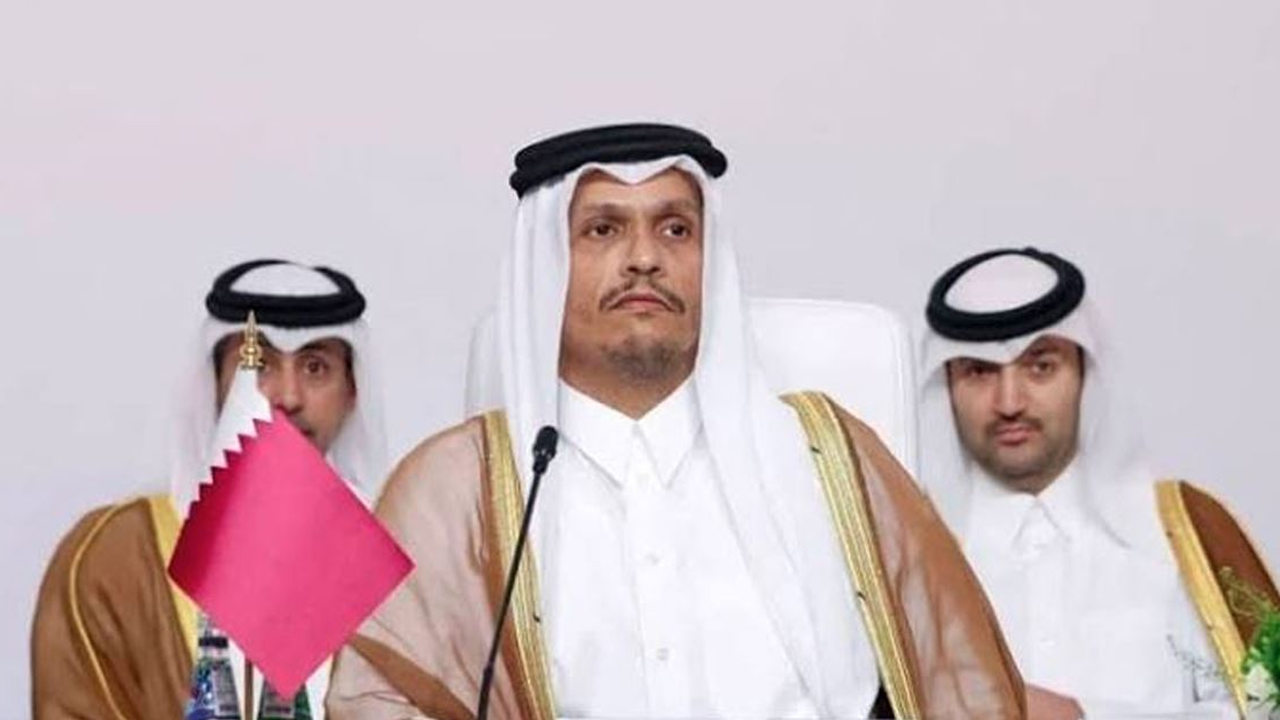
Qatari negotiators have departed Tehran after completing discussions focused on the ongoing conflict situation in the Middle East. A diplomat confirmed to AFP on Thursday that the talks, which continued until early morning, involved Iranian officials and were conducted in coordination with the United States. The meeting took place at a time of heightened tension, as the United States and Iran have recently carried out retaliatory attacks against each other. The discussions were aimed at addressing the escalating hostilities and exploring possible de-escalation measures, though no specific outcomes were disclosed. The timing of the Qatari delegation’s departure underscores the urgency of diplomatic efforts to manage the volatile regional situation, but the source did not provide details on any agreements or next steps.
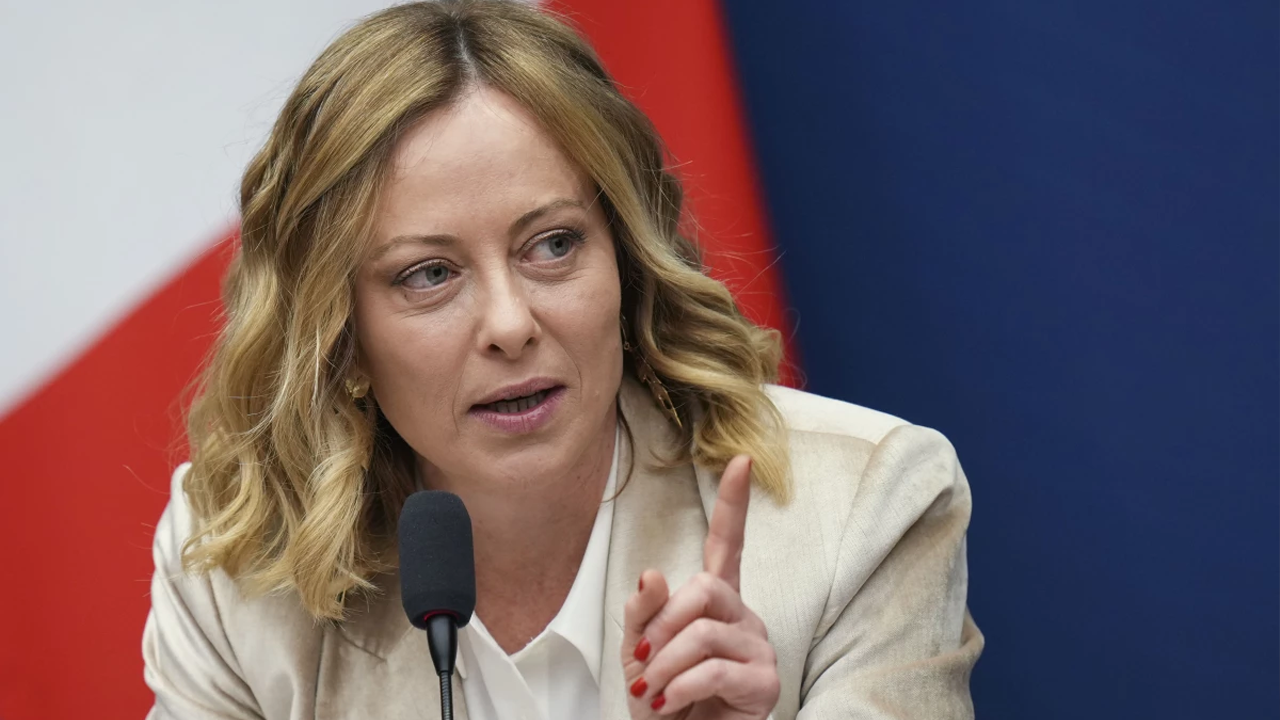
Italian Prime Minister Giorgia Meloni has said the European Union should be ready to impose new sanctions on Iran if the Middle East crisis does not ease. Speaking in parliament, she stated that if Tehran continues on the wrong path, the EU must be prepared to increase pressure through new targeted measures. Meloni also sharply criticized remarks made by Israel’s far-right National Security Minister Itamar Ben-Gvir about Italy, calling them unacceptable for Italy and degrading for Israel. Her comments came as European countries continue discussions on adopting a tougher stance toward Iran amid escalating regional tensions. The statement reflects growing concern within Europe about the direction of Iran’s policies and the broader instability in the Middle East, with EU members considering coordinated responses to maintain regional security.
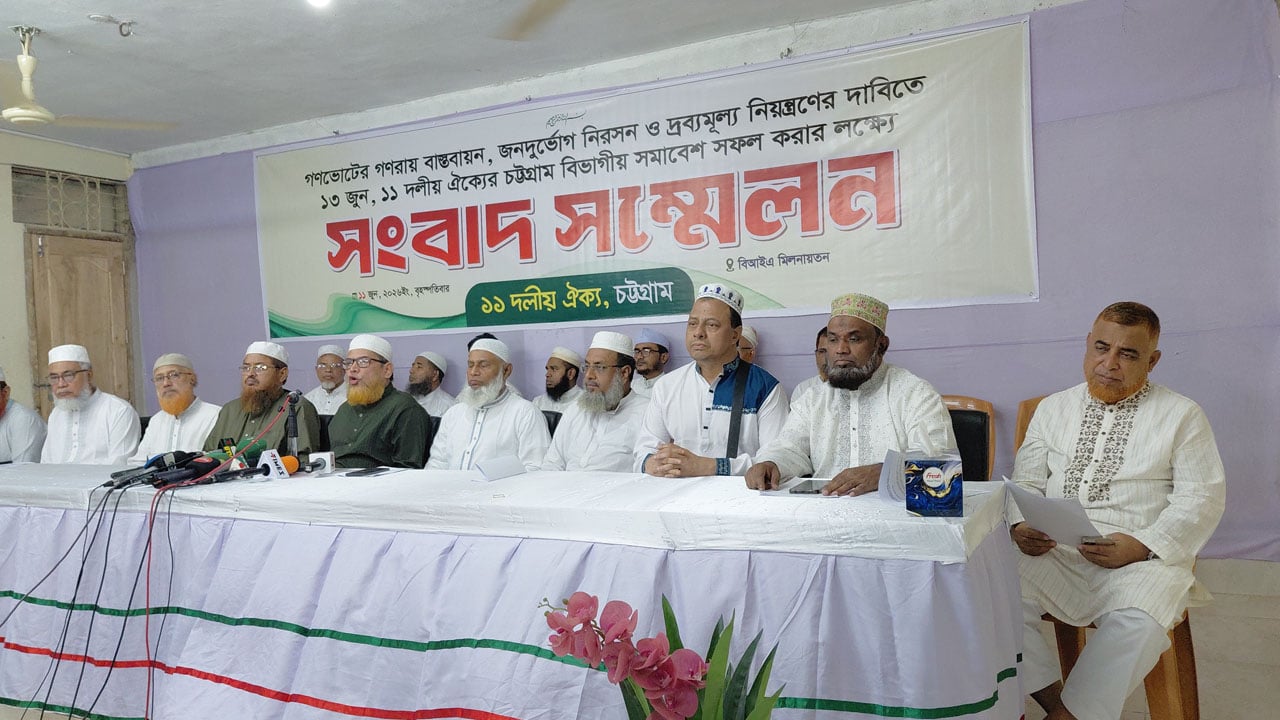
Jamaat-e-Islami’s central assistant secretary general Muhammad Shahjahan claimed that efforts are underway to destroy the global Islamic economic model, not just one bank. Speaking at a press conference at the party’s Chattogram city office in Dewan Bazar on Thursday, he said attempts to seize control of Islamic Bank and hand it to former owners would not be allowed. He urged depositors and supporters to defend the Islamic banking system. Shahjahan further stated that the expected change following the national election after the July revolution had not materialized. He alleged that signs of fascism were visible in the current government’s activities, which began within its first 100 days in power. He also criticized the government for failing to hold local elections and instead appointing partisan administrators, calling it undemocratic. The press conference announced that an eleven-party alliance will hold a grand rally on June 13 at Laldighi Maidan in Chattogram, demanding implementation of the referendum verdict, relief from public suffering, and control of commodity prices. Opposition leader Dr. Shafiqur Rahman will attend as chief guest, with Colonel (Retd.) Oli Ahmed as the main speaker.
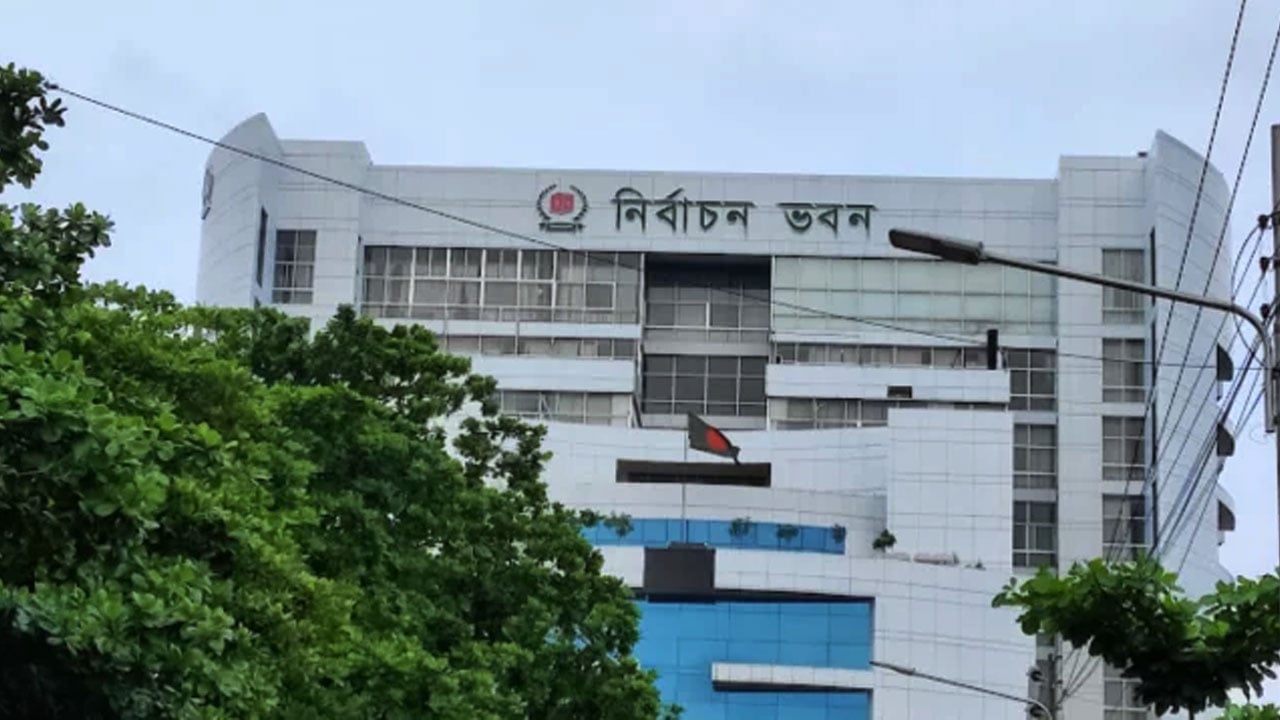
The Bangladesh Election Commission (EC) has finalized a new draft code of conduct ahead of upcoming local government elections, including city corporations, municipalities, upazilas, district councils, and union councils. The draft imposes a strict ban on the misuse of artificial intelligence (AI), deepfake technology, and the participation of high-profile figures such as the prime minister, ministers, and members of parliament in election campaigns. The proposal, signed by EC Senior Secretary Akhtar Ahmed, was published on the commission’s website for public and stakeholder feedback. The draft introduces several new provisions to prevent technology abuse and ensure free and fair elections. Violations could lead to immediate cancellation of candidacy, with penalties including up to six months’ imprisonment or a fine of up to 50,000 taka. The rules also restrict social media use, sound levels, campaign materials, and public rallies. Candidates must register their social media accounts, and campaign noise is limited to 60 decibels. Use of helicopters, live animals, or government resources for campaigning is strictly prohibited. The EC’s move signals an unprecedented effort to regulate digital campaigning and maintain electoral integrity across Bangladesh’s local elections.
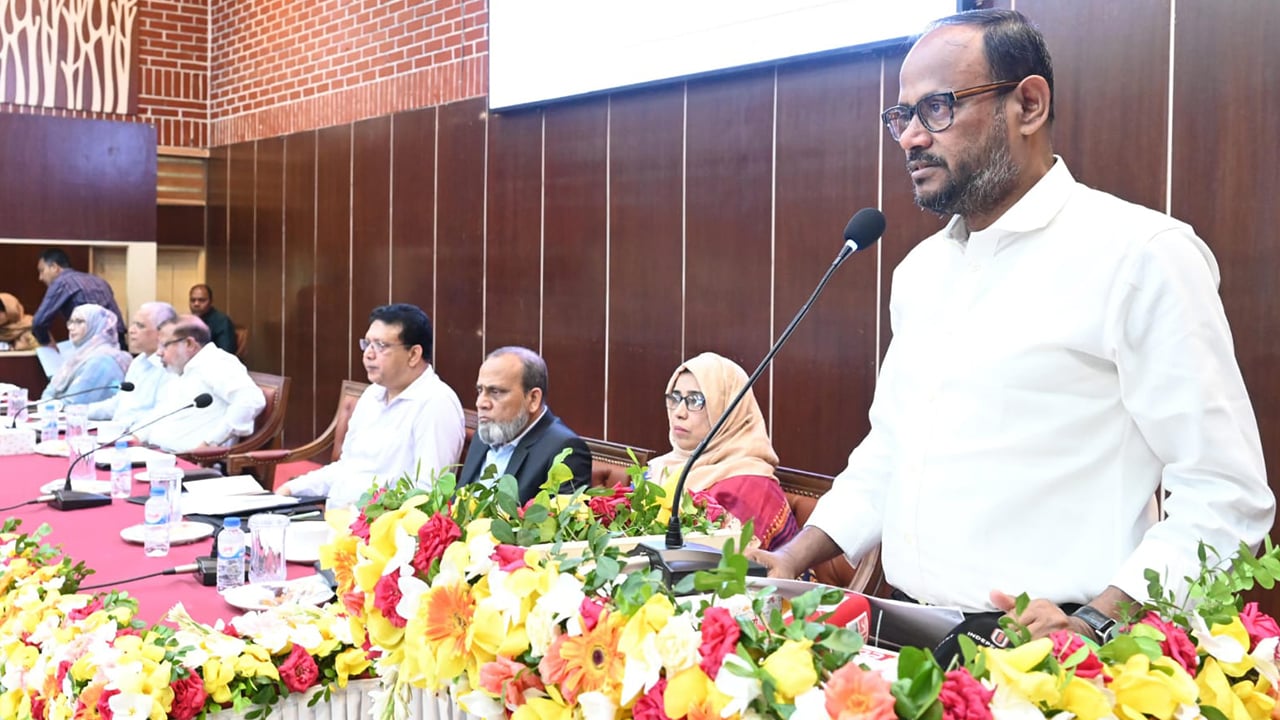
State Minister for Fisheries and Livestock Sultan Salauddin Tuku has directed that the ongoing pilot project for the expansion of purebred Black Bengal goats and native sheep be extended to all districts of Bangladesh. He made the announcement while addressing an orientation meeting of the Department of Livestock Services at the Bangladesh Agricultural Research Council seminar hall on Thursday. The minister said the project aims to make small and marginal farmers economically self-reliant by promoting high-quality local breeds. He emphasized that the initiative will strengthen rural economies and improve living standards. Tuku also highlighted the importance of field-level officers in training and motivating farmers to adopt modern livestock management practices, including proper care, disease control, and responsible antibiotic use. He further noted that the Black Bengal goat is a valuable indigenous breed with high reproductive capacity and strong market demand, making it a profitable livelihood source for rural communities. The meeting was chaired by Director General Md. Shahjahan Khan and attended by ministry officials, researchers, and farmers.
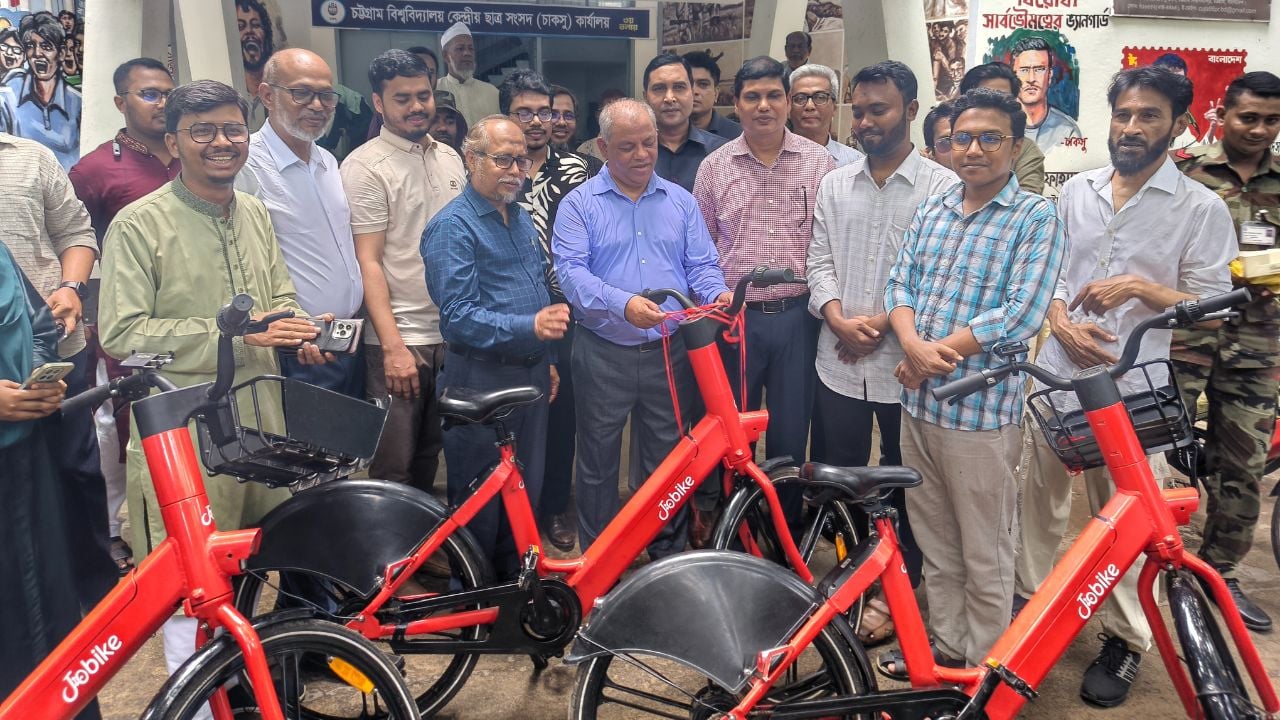
Chittagong University has launched a pilot phase of the JoBike service to ease student transportation on campus. The service was inaugurated by Vice-Chancellor Professor Dr. Mohammad Al-Forkan on Thursday morning in front of the Chittagong University Central Students’ Union (ChakSU) building. Initially, 10 pedal-assist JoBikes will operate across five designated zones for 40 days, with a per-minute fare of 1.5 taka. Students can unlock and lock the bikes using a mobile app by scanning a QR code. According to university officials, after the trial period, around 100 pedal-assist JoBikes will be introduced permanently, with the fare reduced to 0.8 taka per minute. The Vice-Chancellor said the relaunch marks a new convenience for students and expressed hope for its long-term success through responsible use. ChakSU’s communication and accommodation secretary Ishaq Bhuiyan noted that the service resumed after nearly five years, following student demand and discussions with JoBike CEO Mehedi Reza in 2025. JoBike founder and CEO Mehedi Reza stated that within the 40-day trial, 50 additional e-bikes will be added, along with 20 parking points and a modern Jo Café for students.
Bangladesh Khelafat Majlis Secretary General Maulana Jalaluddin Ahmad has strongly opposed the government’s initiative to make music, dance, drama, and fine arts compulsory in the primary school curriculum. In a statement issued to the media on Thursday, he called for the cancellation of the plan, arguing that it disregards the religious values, family culture, and social realities of the country’s Muslim-majority population. Ahmad stated that the main goal of education should be to build morally upright, responsible, and patriotic citizens, not to impose controversial cultural practices. He pointed out that the primary education system still faces teacher shortages, infrastructural weaknesses, and quality challenges, and that introducing new subjects could divert attention from these fundamental issues. He emphasized that moral and religious education should be prioritized to ensure children’s holistic development. Ahmad urged the government to respect public religious sentiments and cultural identity when formulating education policy and called on parents, scholars, educators, and social organizations to remain vigilant and vocal on the issue.

The ‘1 Nojor’ media platform is now live in beta, inviting users to explore and provide feedback as we continue to refine the experience.