

The ‘1 Nojor’ media platform is now live in beta, inviting users to explore and provide feedback as we continue to refine the experience.
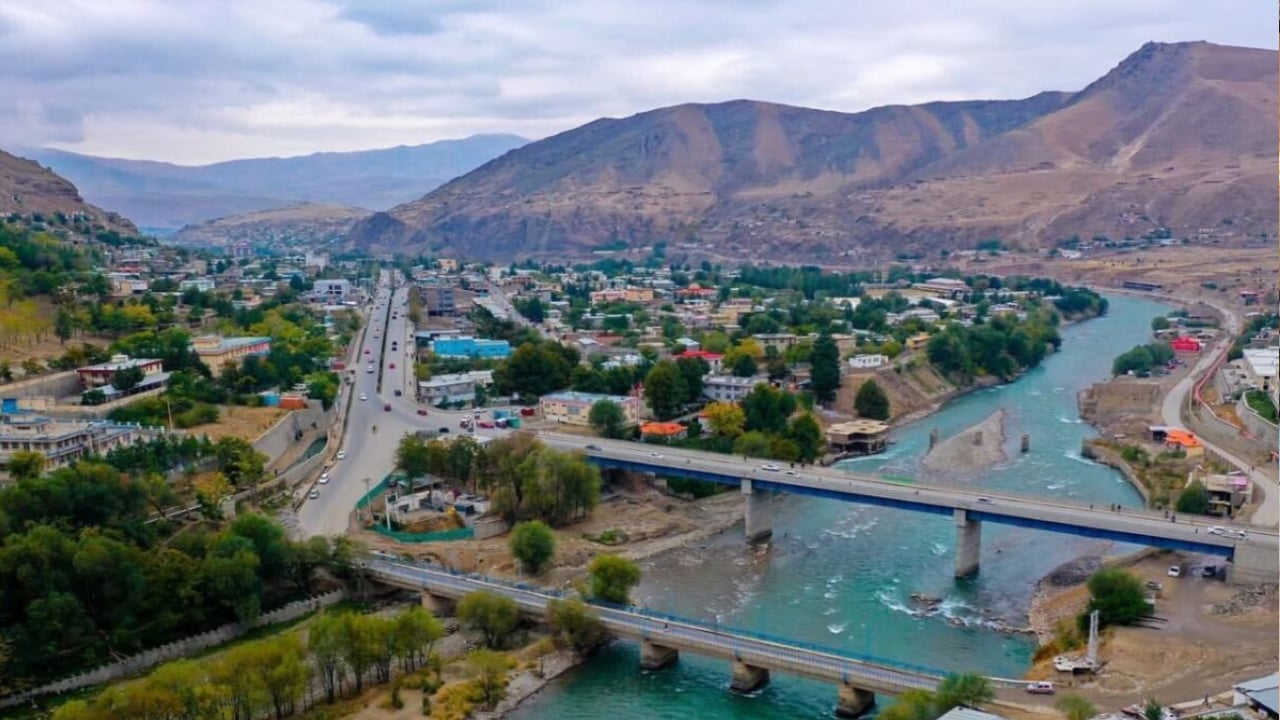
Armed groups opposing the Taliban have increased activity in Afghanistan’s northeastern Badakhshan province, creating a new security challenge for the country’s de facto rulers. Analysts warn that failure to contain the situation could push Afghanistan back toward prolonged armed conflict and political division. In recent months, the National Resistance Front and Afghanistan Freedom Front have attacked Taliban positions, while several smaller local resistance groups have also become active. The situation was further complicated for a time by a rebellion led by former Taliban commander Juma Khan Fateh. Attacks have reportedly increased around Zebak and in the Kuran wa Munjan district. The National Resistance Front has also claimed responsibility for killing the Taliban mayor of Faizabad, the provincial capital. Zebak is strategically important because it lies near the entrance to the Wakhan Corridor. Badakhshan’s remote mountains, limited transport links, mineral resources and borders with Tajikistan, Pakistan and China add to its importance. A recent United Nations report said terrorist threats originating from Afghanistan have not declined significantly. Anti-Taliban political and armed groups continue to demand an inclusive political settlement, while the Taliban has shown limited interest, according to the report.
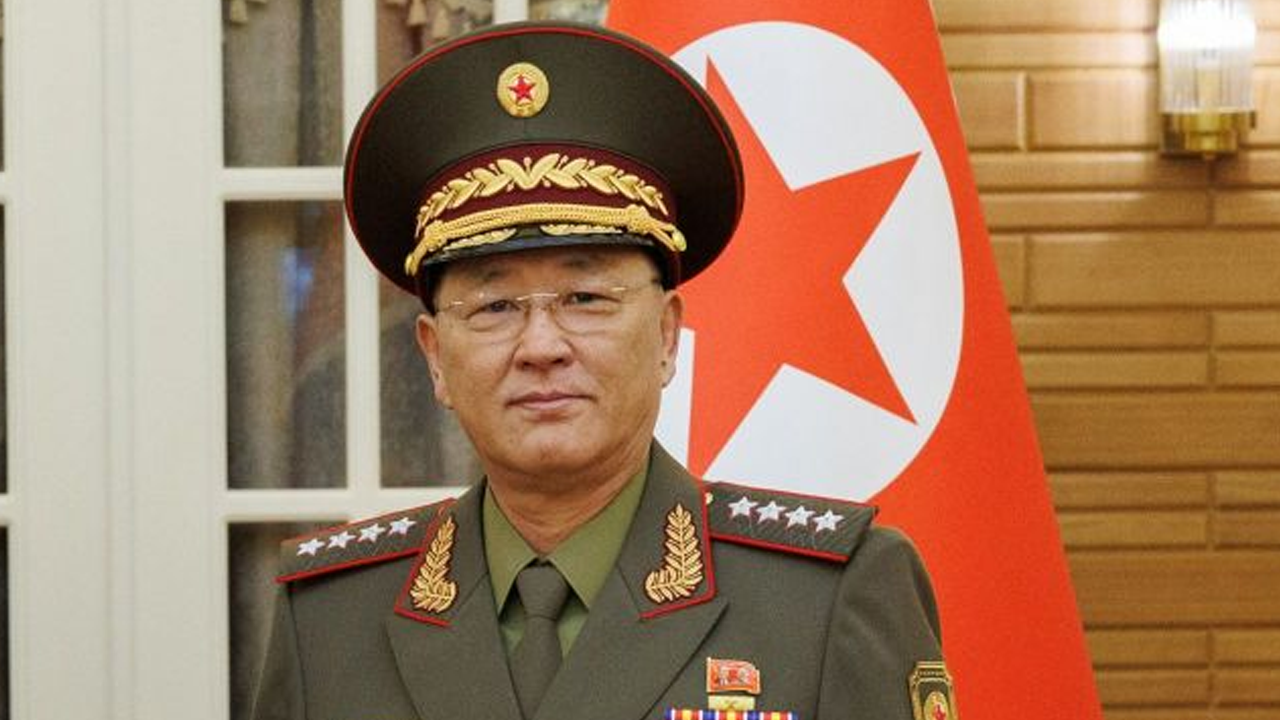
North Korea dismissed Defense Minister No Kwang Chol and carried out a broad reshuffle of its military and ruling party leadership after approving a structural reorganization plan. The changes were approved at a Saturday meeting chaired by Kim Jong Un and reported by state media KCNA on Sunday. No Kwang Chol was reassigned as first deputy director of the ruling party’s munitions industry department. Kim Song Gi, director of the Korean People’s Army General Political Bureau, was appointed the new defense minister. Senior official and defense adviser Pak Jong Chon was named vice chairman of the Central Military Commission and made a member of the ruling party’s Political Bureau. KCNA also said several other military and party officials were promoted. The reshuffle coincided with Pyongyang’s claims of progress in defense technology. Kim praised scientists, researchers and officials at a Saturday ceremony and awarded them the country’s highest state honor for contributions to new weapons systems, though no details were provided. South Korea, the United States and Japan are scheduled to hold the Freedom Edge trilateral exercise from September 7 to 11 in international waters east and south of Jeju Island.
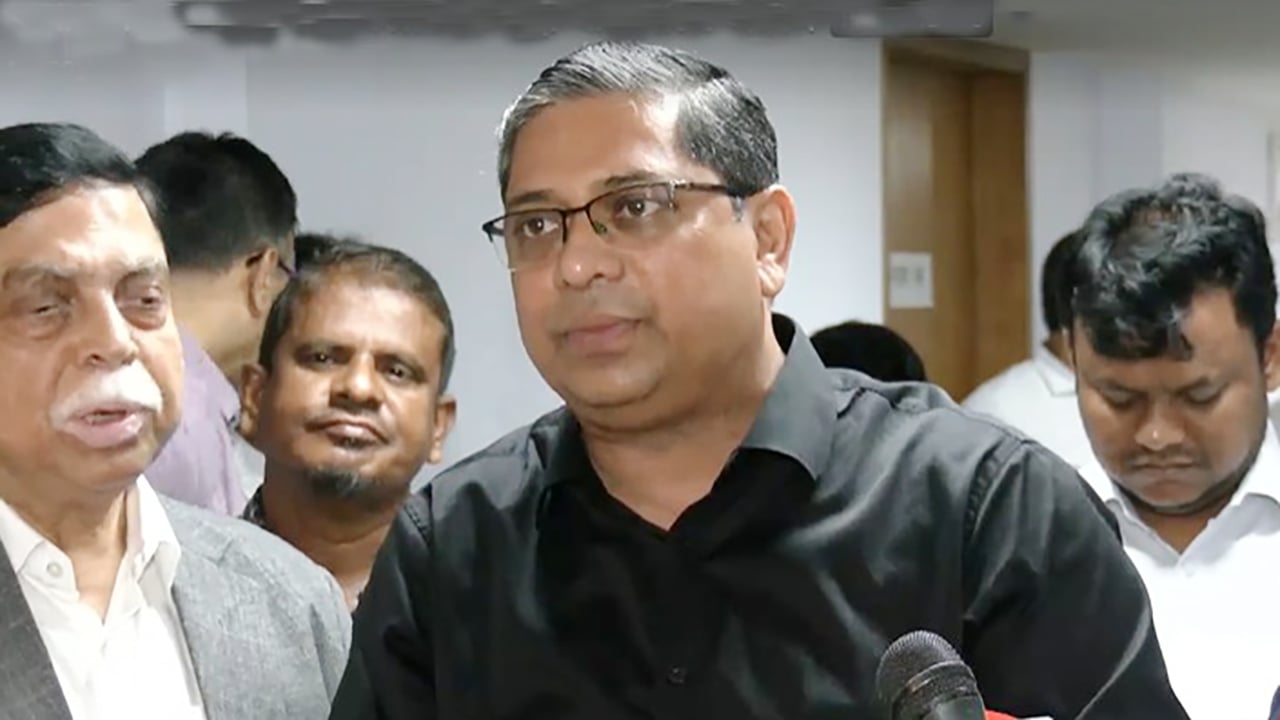
State Minister for Local Government Mir Shahe Alam said battery-powered autorickshaws will not be allowed to operate on the capital’s main roads. Speaking to journalists at the Secretariat in Dhaka on Sunday morning, he said a law has been enacted and regulations will be prepared soon. He said two-seat and four-seat e-rickshaws will be brought under registration for operation in Dhaka. Six-seat rickshaws will not receive registration, according to the minister. The announcement sets out distinctions among vehicle types for registration in the capital. The minister also said Malaysia will begin taking 200,000 workers within six months from September, including 10,000 workers free of charge. He added that Malaysia will invest $2 million in Bangladesh across various sectors.
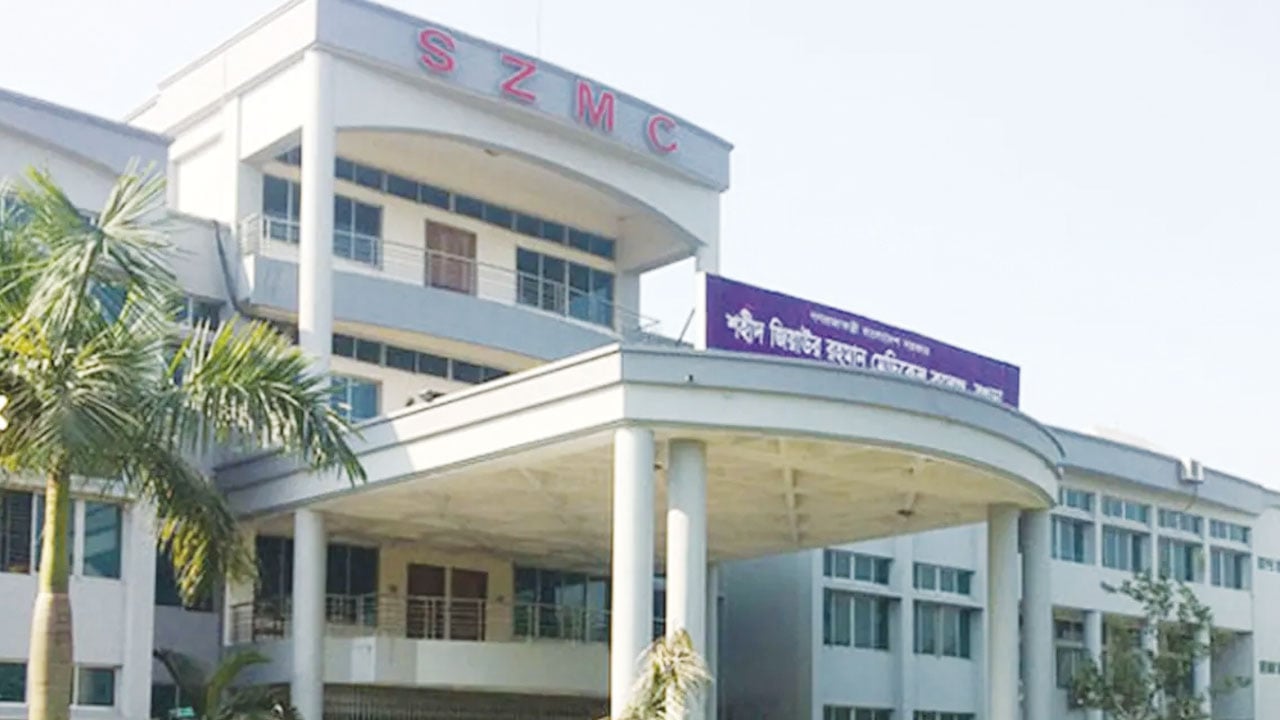
Allegations of irregularities in development work have created a deadlock at Shaheed Ziaur Rahman Medical College in Bogura. The dispute centres on claims that low-quality equipment was supplied under government tenders and that a proposed new substation, estimated to cost nearly Tk 70 million, was advanced without adequate capacity assessment. The college principal, Professor Dr Md Wadudul Haque Tarfadar, has raised objections through letters to the Public Works Department. In a complaint sent to the department’s chief engineer on July 15, the principal said 24 five-ton air coolers were installed at a cost of about Tk 7.3 million without ensuring sufficient electricity capacity. He said a proposal was later sent for a 3,000-kilowatt substation costing about Tk 67.5 million. He also alleged that a planned 250 KVA generator from the United States, Japan or Europe was replaced by a Chinese-made 120 KVA generator. The principal said the college already has a substation and a 500-kilowatt transformer, arguing that an additional 500 kilowatts would meet demand. Bogura Public Works executive engineer Md Al Mamun Haque denied any irregularities, saying work was being implemented according to rules. An unnamed electrical engineer said adding transformers could meet the institution’s needs.
Police detained and later released Saifullah Jaman Sarkar, organising secretary of the Banagram Union Awami League, and his younger brother Sohag Sarkar in Bhitipara village of Banagram Union, Katiadi, Kishoreganj. The incident occurred at about 3am on Friday night. Local sources and the two men said police took them into custody without a case or arrest warrant. After news of the detention spread, local residents gathered outside the brothers’ home during the night, sought an explanation and demanded their release. Saifullah said police could not provide a reasonable answer when residents asked why the two had been detained, and subsequently released them. The incident prompted discussion in the area and questions on social media over the reasons for the detention and release. Katiadi Model Police Station officer-in-charge Md Rafiqul Islam said police had gone to the house by mistake while attempting to arrest another accused person. He said the brothers were released after their correct information and identities were verified. Local sources identified Saifullah as the Banagram Union Awami League’s organising secretary.
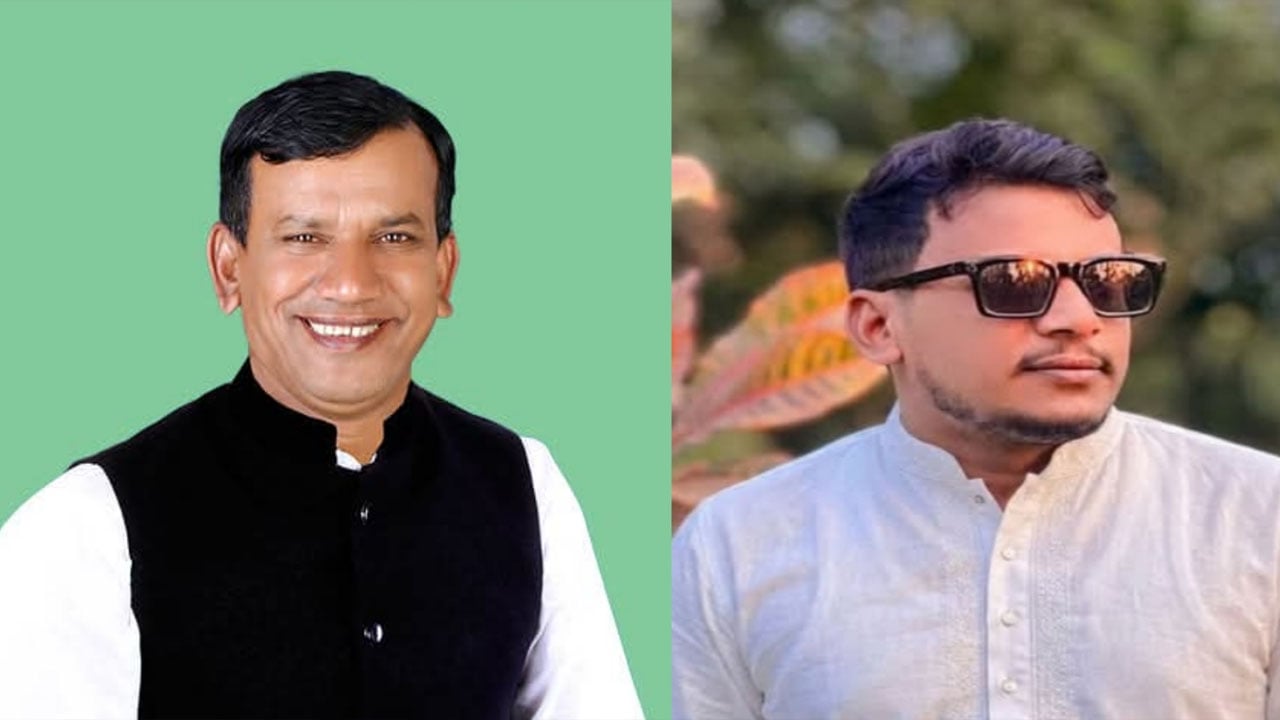
Bangladesh plans to begin sending 200,000 workers to Malaysia in phases by the end of September, State Minister for Local Government, Rural Development and Cooperatives Mir Shah Alam said. He said the overall worker deployment process is expected to be completed within the following six months. The announcement followed a meeting at the Secretariat on Sunday between Malaysian High Commissioner to Bangladesh Mohammad Suhada Osman and Local Government, Rural Development and Cooperatives Minister Dr Abdul Moin Khan. Speaking to reporters after the meeting, Shah Alam said the workers would be sent through enlisted companies. The state minister also said Malaysia would recruit an additional 10,000 Bangladeshi workers at zero cost to the workers. He said this separate process would also begin in phases toward the end of September. Asked whether there had been discussion about a Bangladeshi government letter concerning LNG imports from Malaysia, Shah Alam said the matter was not discussed.
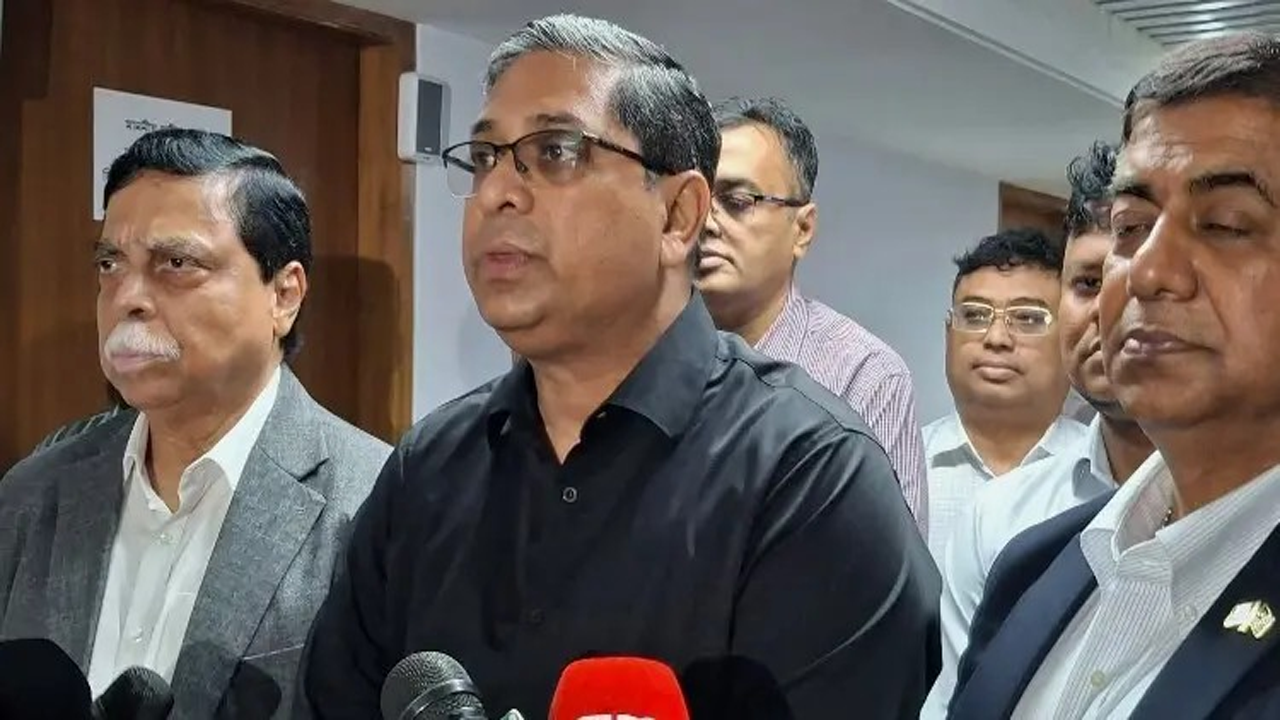
Former Saudi intelligence chief and ambassador Prince Turki Al-Faisal said the Mecca joint defense agreement signed by Saudi Arabia, Turkey and Pakistan could reshape regional security calculations. In an analysis published by Arab News, he described the arrangement as a defensive pact and said the three countries’ military and strategic capabilities could complement one another, potentially making the alliance an important regional force. Prince Turki said the agreement should not be viewed as targeting any particular country. He placed the cooperation in the context of ongoing wars in the Middle East, possible strategic vacuums, shifting balances of power and weaknesses in older regional security arrangements. He said states commonly form defense alliances to protect their security and stability, and suggested that other countries sharing similar objectives could join in the future. The analysis also highlighted Saudi Arabia’s geographic position, oil resources, financial capacity, military strength and diplomatic influence. It cited the importance of Red Sea access and Saudi ports and infrastructure as alternative energy transport routes to the Strait of Hormuz. Prince Turki said the alliance’s eventual impact would depend on military coordination, political trust and its ability to include additional countries.
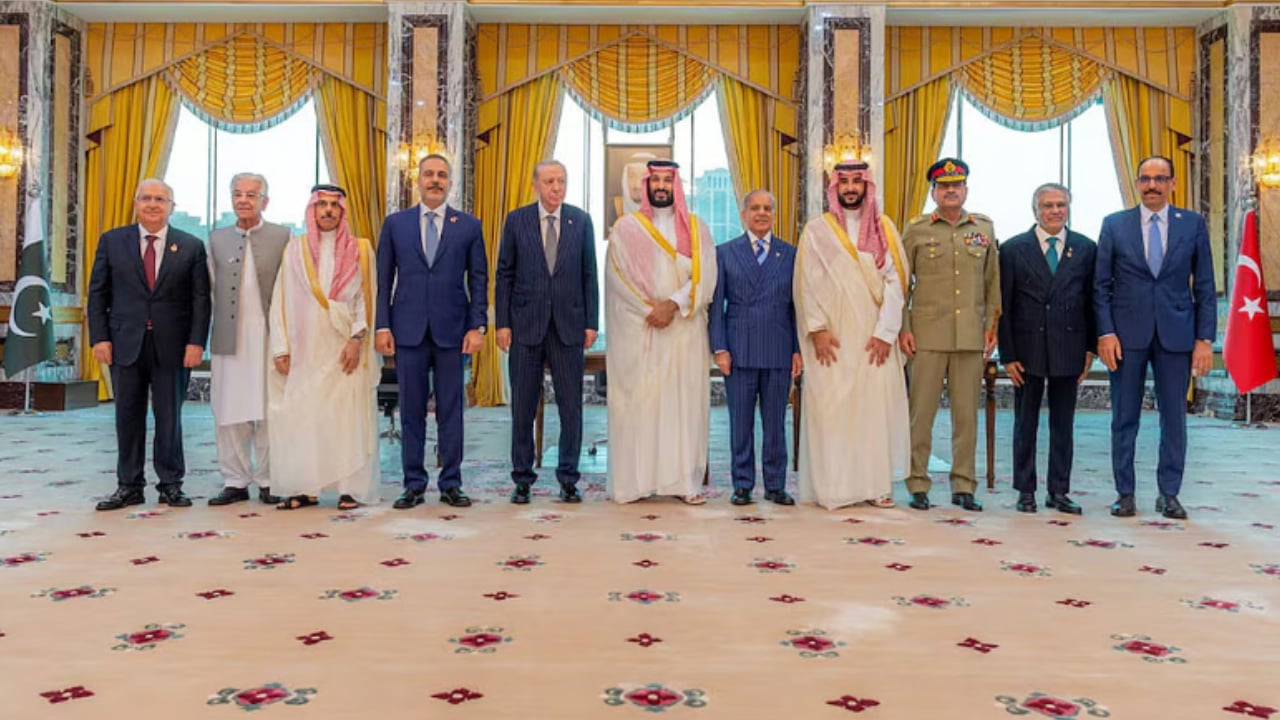
A BNP leader in Patiya, Chattogram, has been accused of cutting part of a dirt road used for about 20 years and later blocking it with barbed wire. The road beside Arfa Karim High School in Rashidabad Ward No. 2 of Shobhondandi Union was allegedly closed on August 22, disrupting travel for students and local residents. Villager Saifur Rahman has submitted a complaint to the Patiya Upazila Nirbahi Officer. According to the complaint, former Shobhondandi Union BNP vice-president Munshi Mia Tipu removed soil from a portion of the road to fill his own land before fencing off the route. Parents said students of Arfa Karim High School, Rashidabad Government Primary School, Rashidabad Sunnia Dakhil Madrasa, a hifzkhana and an orphanage, along with hundreds of villagers, have been affected. Saifur Rahman demanded the removal of the alleged illegal occupation and legal action against the accused. School managing committee president and BNP leader Morshed Shafi Hiru said he had seen the path since childhood and that a neighboring person had left space for students. Tipu denied the allegation, calling it propaganda intended to damage the BNP's image.
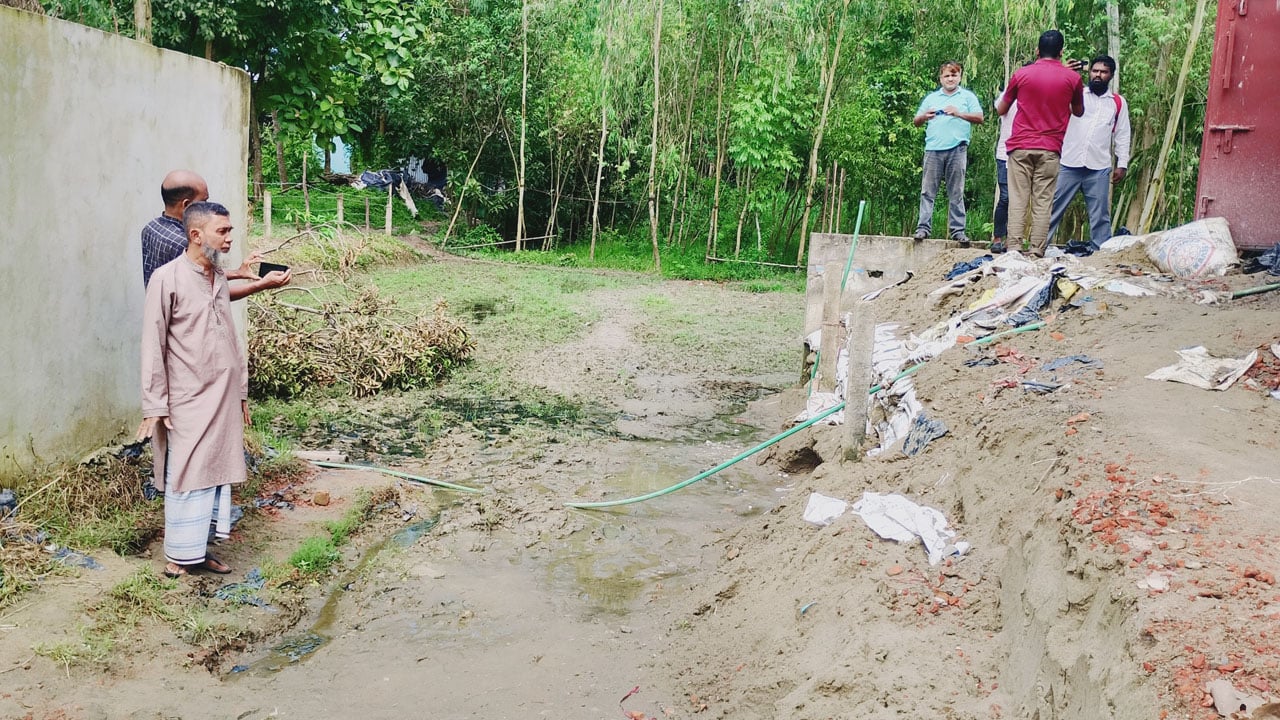
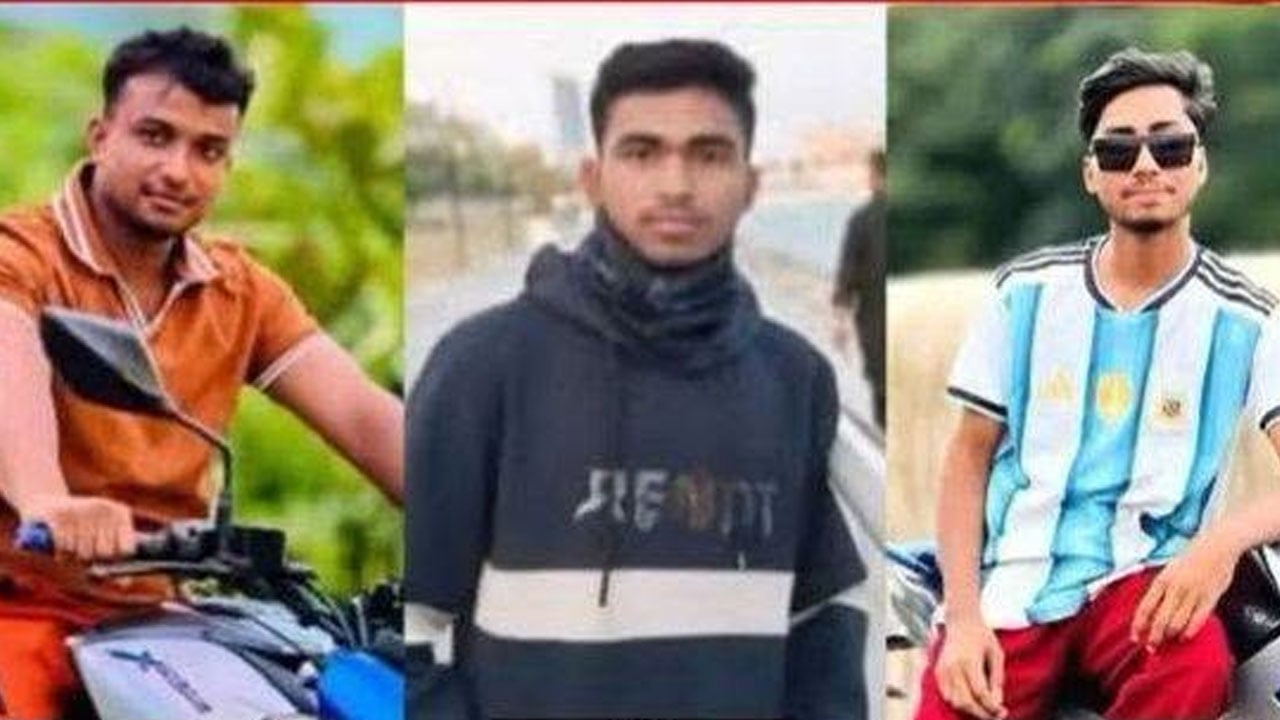
Three friends riding a motorcycle were killed in a road crash in the Nawpara bus stand area of the Bhanga–Tekerhat highway in Bhanga upazila, Faridpur, on Saturday night. The victims were Chayan Mollah, son of Dalil Uddin Mollah; Nayan, son of Enayet; and Sajib Sheikh, son of Azgar Sheikh, all from Laskardia in Nagarkanda upazila. Police and local sources said the three friends had travelled from Nagarkanda to Bhanga’s Golchattar on Saturday afternoon. After viewing the flyover’s neon lights at night, they began their journey home. Their motorcycle met with an accident near Nawpara bus stand, throwing all three riders onto the road. Driver Chayan died at the scene, while Nayan and Sajib were seriously injured. Highway police, assisted by local residents, recovered Chayan’s body and took the two injured men to Bhanga Upazila Health Complex. As their conditions worsened, they were transferred that night to Faridpur Bangabandhu Sheikh Mujib Medical College Hospital. Relatives later headed toward Dhaka Medical College Hospital for advanced treatment. One died on the way and the other died while receiving treatment. Bhanga Highway Police Station officer-in-charge Md Helal Uddin confirmed the incident.
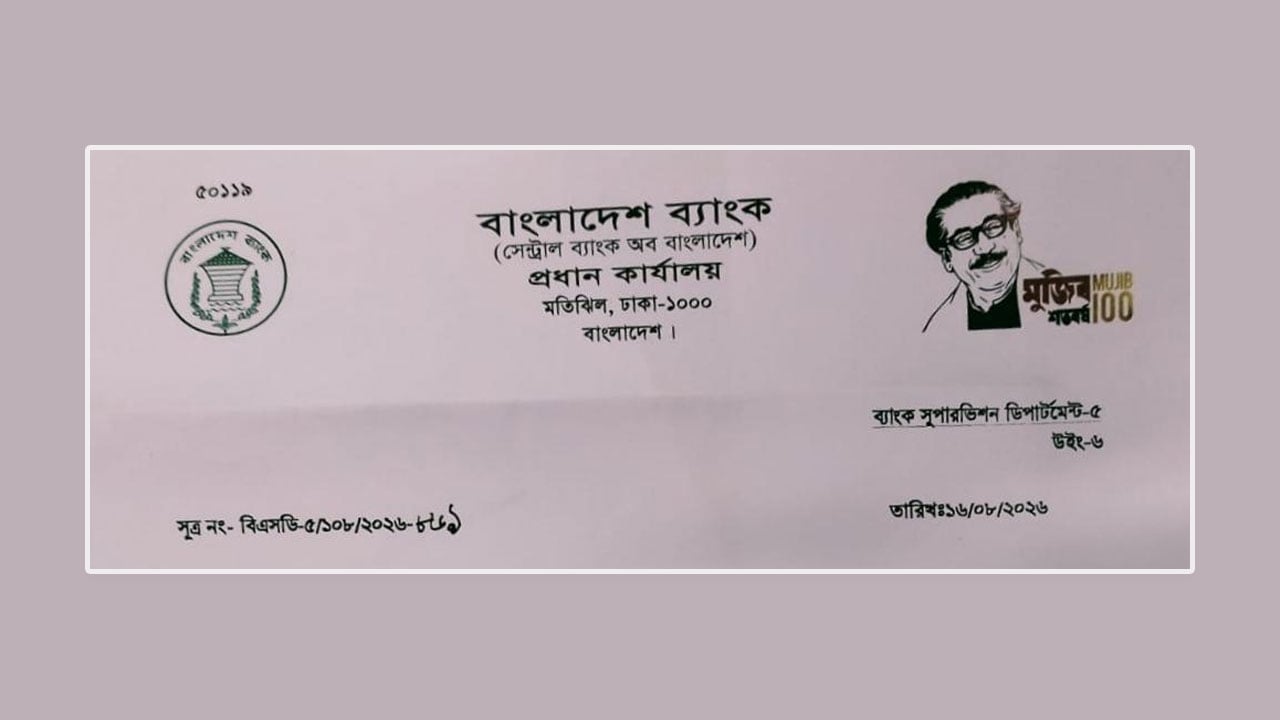
Bangladesh Bank withdrew and corrected a letter sent on 16 August to Ansar-VDP Unnayan Bank after it used a Mujib Centenary logo instead of the government-designated Nazrul Year logo. The letter was issued by Assistant Director Tanmoy Biswas of Bank Supervision Department-5. The issue emerged as the country observes the 50th death anniversary of national poet Kazi Nazrul Islam as Nazrul Year. The article says the government has instructed all offices to use the Nazrul Year logo, while use of the Mujib Centenary logo has ended. It reports that some central bank officials sought action against Biswas and alleged the matter was being suppressed, though no action had been taken. They described use of the previous logo as a violation of administrative instructions. Biswas said the logo was included unintentionally amid heavy workload. Department Director Monowar Uddin Ahmed called it a human error, saying old pads remained in the department and one of two letters sent at the same time carried the old logo. He said the erroneous letter was promptly retrieved and replaced. A Cabinet Division directive issued on 3 August requires the Nazrul Year logo on official letters until 25 May 2027.
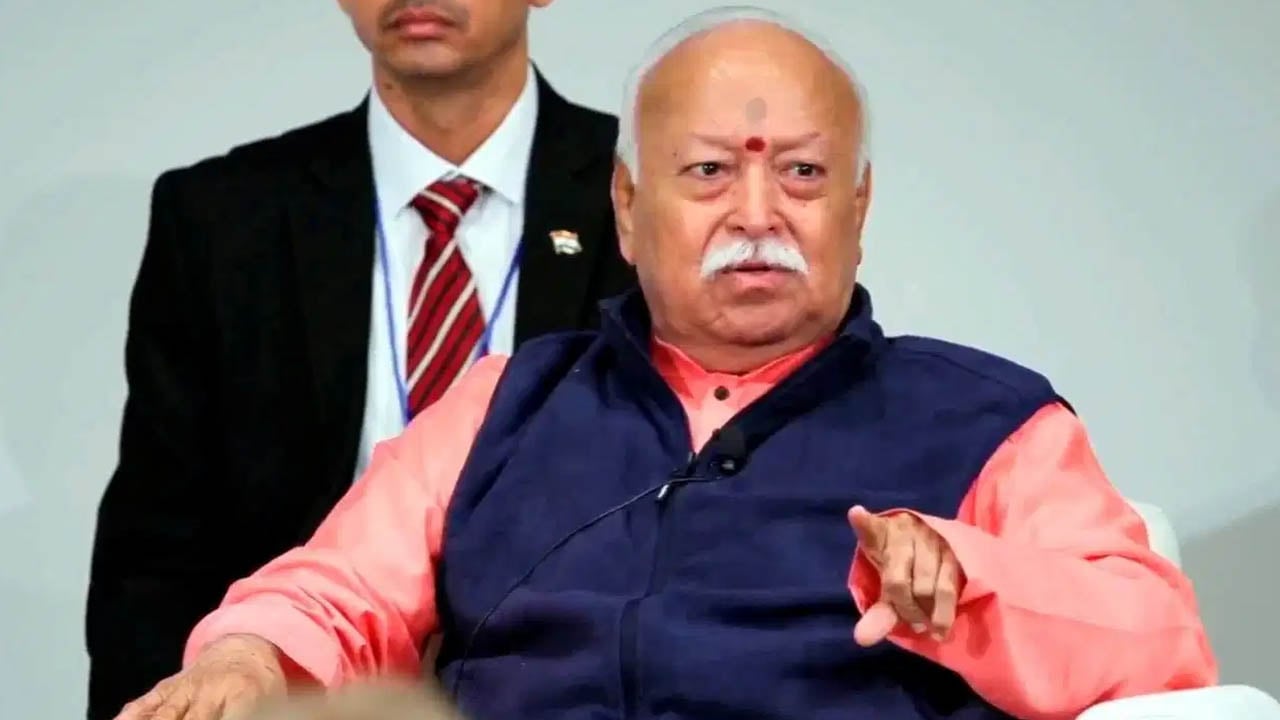
RSS chief Mohan Bhagwat said a Hindu who believes Muslims should not live in India cannot call himself Hindu. He made the remarks at “One World: One Humanity,” an event held in New York to mark the centenary of the Rashtriya Swayamsevak Sangh, or RSS. Bhagwat said there are no fundamental differences among people and that everyone has a right to respect and dignity. He said Hinduism believes in the unity of humanity and the dignity of all people, adding that truth and humanity remain one despite differences in religions and paths. He also described diversity as a rule of nature that needs protection. Bhagwat said India’s tradition and culture include unity in diversity. The remarks were reported by The Times of India.
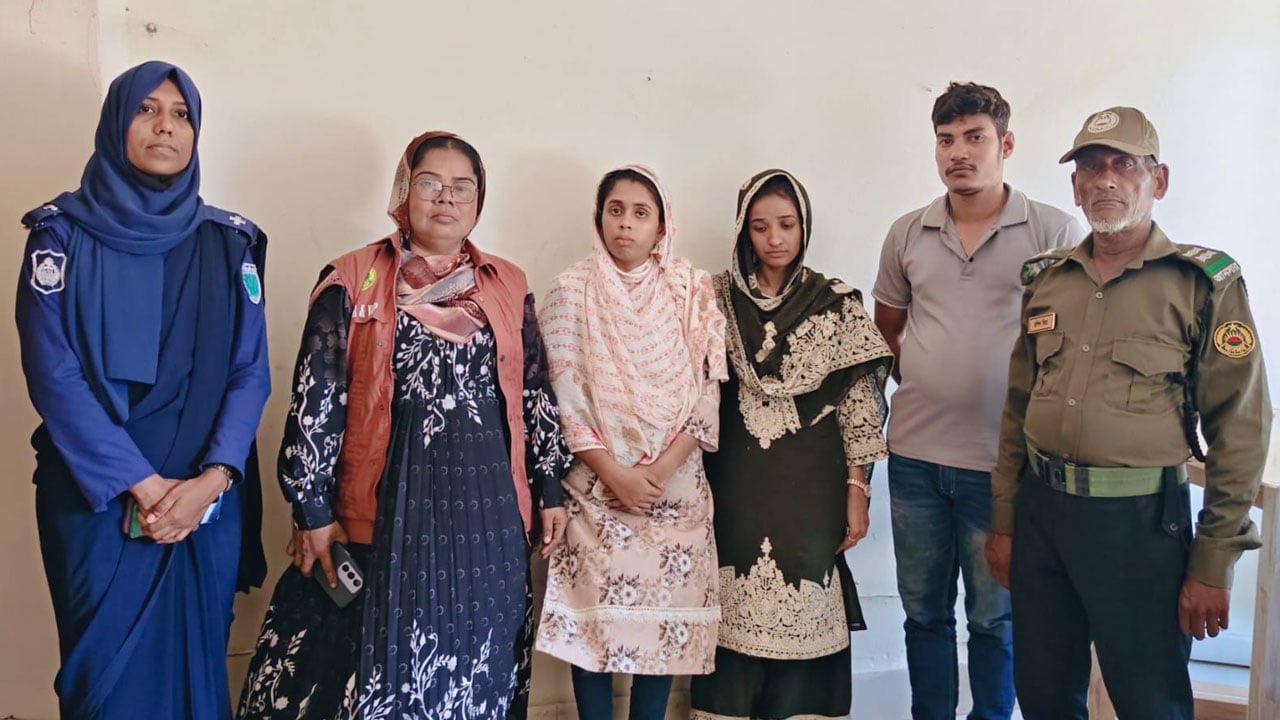
Three Bangladeshi citizens, including two women, were detained on Saturday after being allegedly pushed into Bangladesh by India’s Border Security Force through the Bakshitila area of Alinagar Union in Kamalganj, Moulvibazar. Ansar and Village Defence Party members took them into safe custody with assistance from local residents and handed them over to Kamalganj police at about 9:15am. The detainees were identified as Rana Molla, 24, of Narail Sadar; his wife Mahmuda Akter Lima, 22; and Moyna Khatun, 20, of Khulna. Local and Ansar sources said the incident occurred around 7:35am near the Deblachhara BOP border area under the 46 BGB’s Srimangal Battalion. Residents surrounded the three after seeing them enter the area. During initial questioning, they said they had gone to India through the Sylhet border about two months earlier seeking work. They alleged BSF personnel blindfolded them at around 5:30am and forcibly pushed them into Bangladesh. Police said their Bangladeshi nationality was initially verified, their families had been contacted, and they would be handed over after legal procedures are completed.
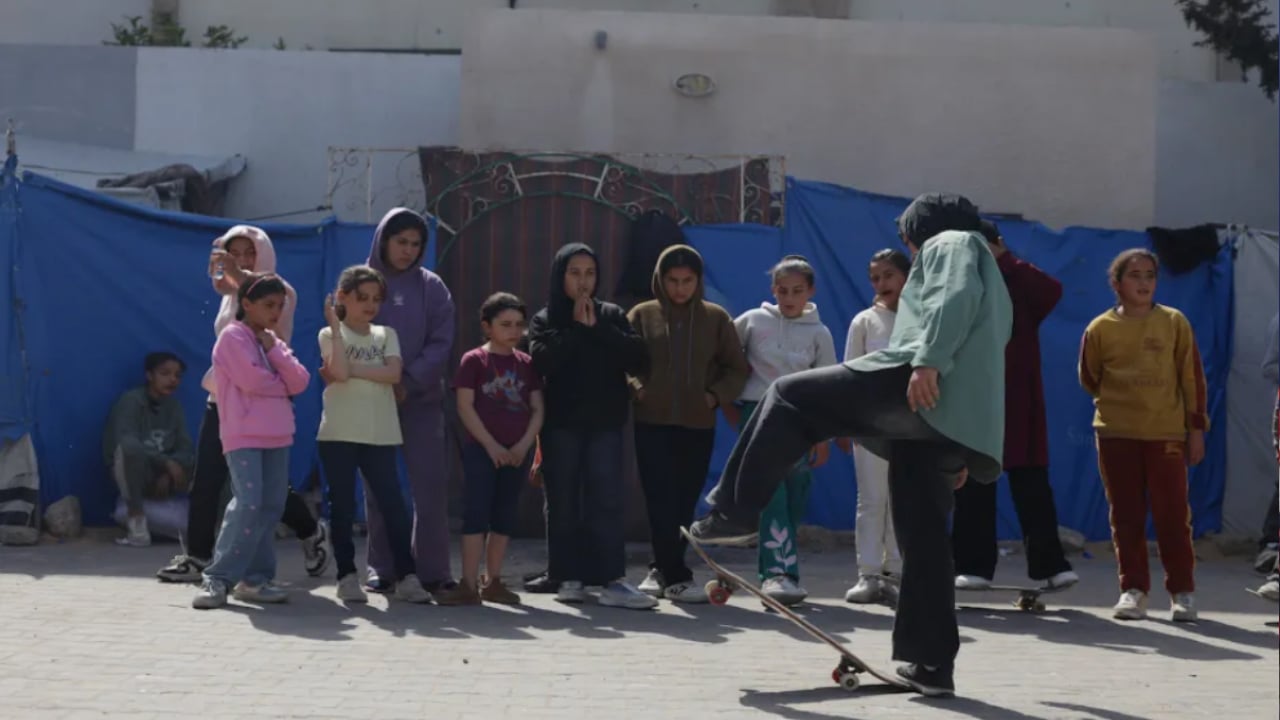
Thousands of adolescent girls in Gaza are experiencing puberty amid Israeli attacks and displacement, with reduced access to menstrual health care, essential supplies, education and psychological support. Since October 2023, many families have been forced from their homes into schools, tents and temporary shelters, sharply limiting girls’ privacy and access to health services. Twelve-year-old Sara began menstruating while displaced in a Gaza City school classroom shared by more than 40 people. Lacking sanitary materials, she became distressed and stopped eating to avoid using unclean toilets. Thirteen-year-old Safiyah also became frightened when her first period began in a crowded room among relatives; her mother cut clean cloth for temporary use. Many sexual and reproductive health programmes in Gaza stopped after the war began because of security concerns, creating gaps in puberty education and mental-health support. Female family members are washing and reusing old cloth, sharing painkillers and trying to create limited privacy in tents. Aid workers say such mutual support cannot be a long-term solution and urge provision of menstrual health services, education and infrastructure.
Aam Aadmi Party leader Gurpreet Singh Gopi was shot dead by armed attackers in Mamdot town in India’s Punjab. Police said Gopi was travelling on a motorcycle with a man named Harpreet when attackers in a car opened fire on them. Gopi was killed in the shooting. Firozpur Senior Superintendent of Police Bhupinder Singh Sidhu said there had been a pre-existing dispute between two sides. Preliminary investigators are treating an election-related dispute as one of the main possible motives for the attack. Sidhu said the main accused has a history of involvement in criminal activities. Police have identified the attackers and multiple teams are working to arrest them, Sidhu said. Several friends were following Gopi and Harpreet in another vehicle at the time, and police said the attackers also fired at that car. Investigators are examining why that vehicle was targeted and how the incident unfolded. Search operations and raids are under way in different parts of Punjab to apprehend the suspects.

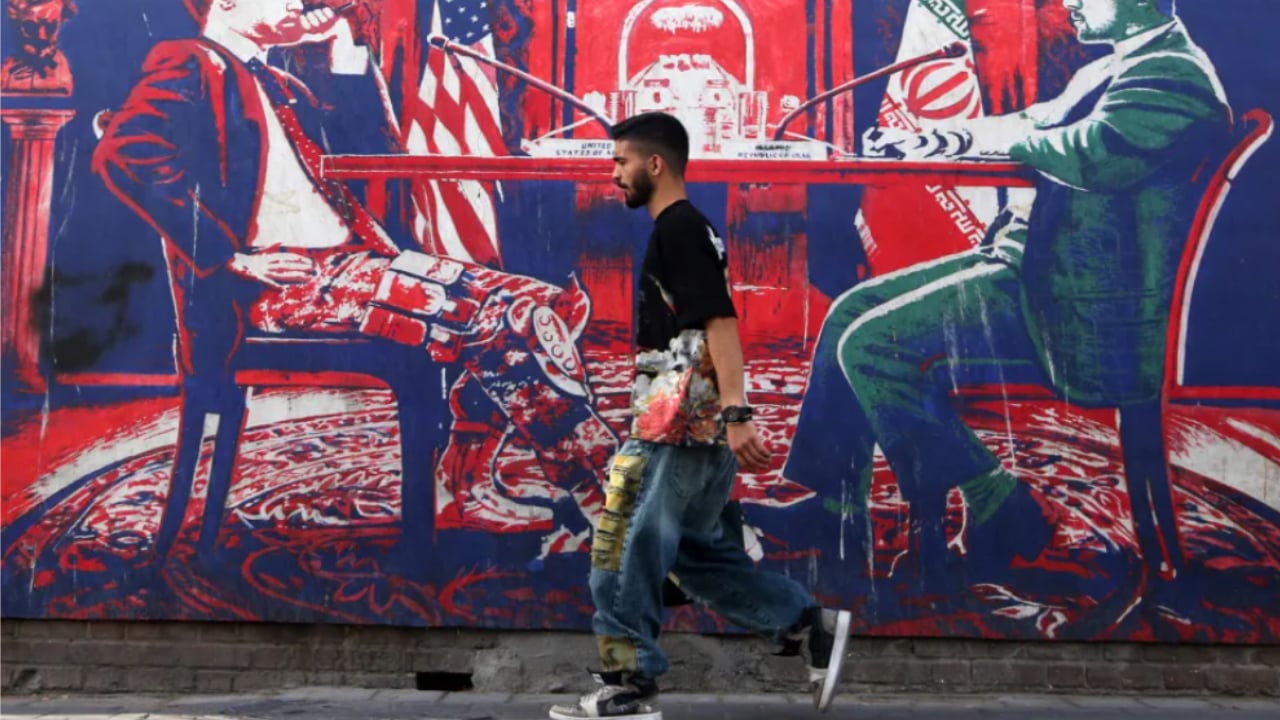
A six-month war launched by the United States and Israel against Iran on February 28 has not reshaped West Asia according to their stated plans, the analysis says. The campaign sought to destroy Iran’s military and nuclear capabilities, weaken its resistance capacity, foster domestic instability, and enable a new Israeli-led regional security order. Instead, Iran’s government and state structure remain intact, while it retains the ability to impose military and strategic pressure. The conflict has turned into a prolonged war of attrition rather than a rapid operation, according to the analysis. The Strait of Hormuz has become a central arena, demonstrating Iran’s capacity to use its geography to pressure regional and global economies. Supplies of oil, petroleum products and liquefied natural gas have been affected, while Gulf countries have faced risks to military bases, energy infrastructure and sea routes. Iran has suffered fatalities, military and infrastructure damage, and major economic pressure. However, the war did not fully dismantle the resistance alliance across fronts including Lebanon, Palestine and Yemen. Iran is also adjusting its defence strategy toward imposing costs that force opponents to reconsider future attacks. The analysis says Gulf states are reassessing security arrangements and facing pressure to fund alternative energy transport routes.
The ‘1 Nojor’ media platform is now live in beta, inviting users to explore and provide feedback as we continue to refine the experience.