

The ‘1 Nojor’ media platform is now live in beta, inviting users to explore and provide feedback as we continue to refine the experience.
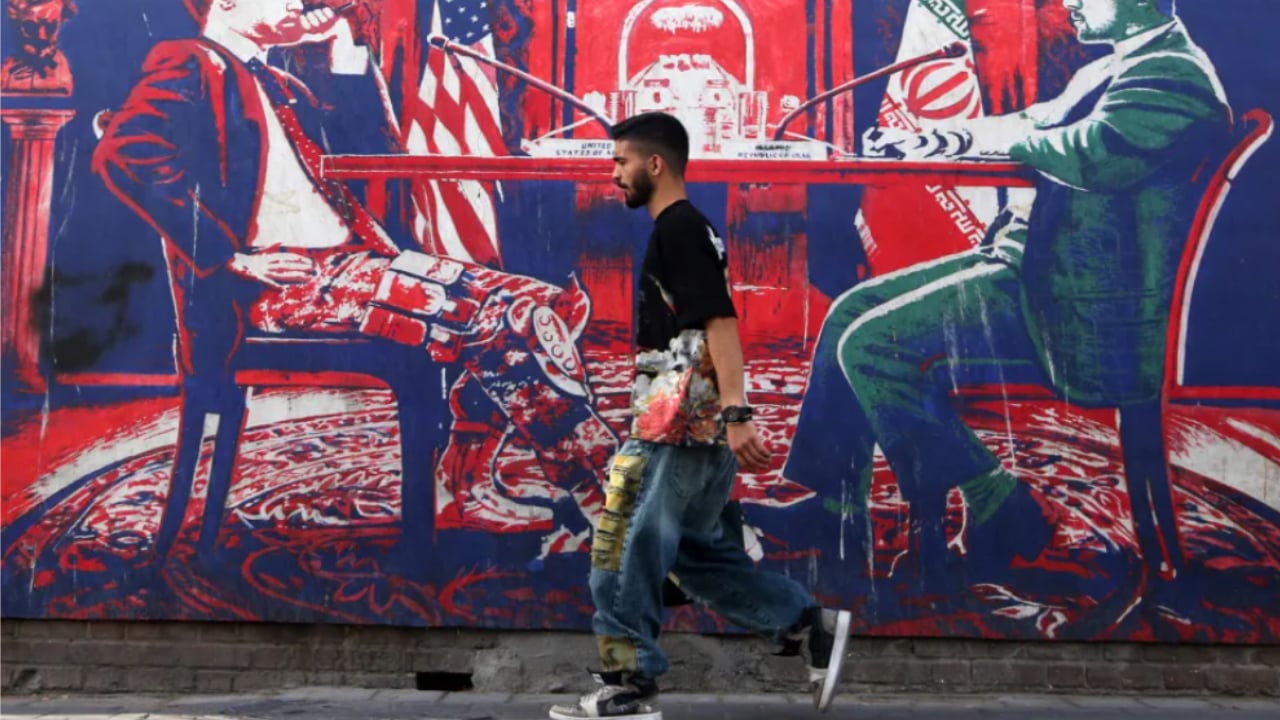
A six-month war launched by the United States and Israel against Iran on February 28 has not reshaped West Asia according to their stated plans, the analysis says. The campaign sought to destroy Iran’s military and nuclear capabilities, weaken its resistance capacity, foster domestic instability, and enable a new Israeli-led regional security order. Instead, Iran’s government and state structure remain intact, while it retains the ability to impose military and strategic pressure. The conflict has turned into a prolonged war of attrition rather than a rapid operation, according to the analysis. The Strait of Hormuz has become a central arena, demonstrating Iran’s capacity to use its geography to pressure regional and global economies. Supplies of oil, petroleum products and liquefied natural gas have been affected, while Gulf countries have faced risks to military bases, energy infrastructure and sea routes. Iran has suffered fatalities, military and infrastructure damage, and major economic pressure. However, the war did not fully dismantle the resistance alliance across fronts including Lebanon, Palestine and Yemen. Iran is also adjusting its defence strategy toward imposing costs that force opponents to reconsider future attacks. The analysis says Gulf states are reassessing security arrangements and facing pressure to fund alternative energy transport routes.
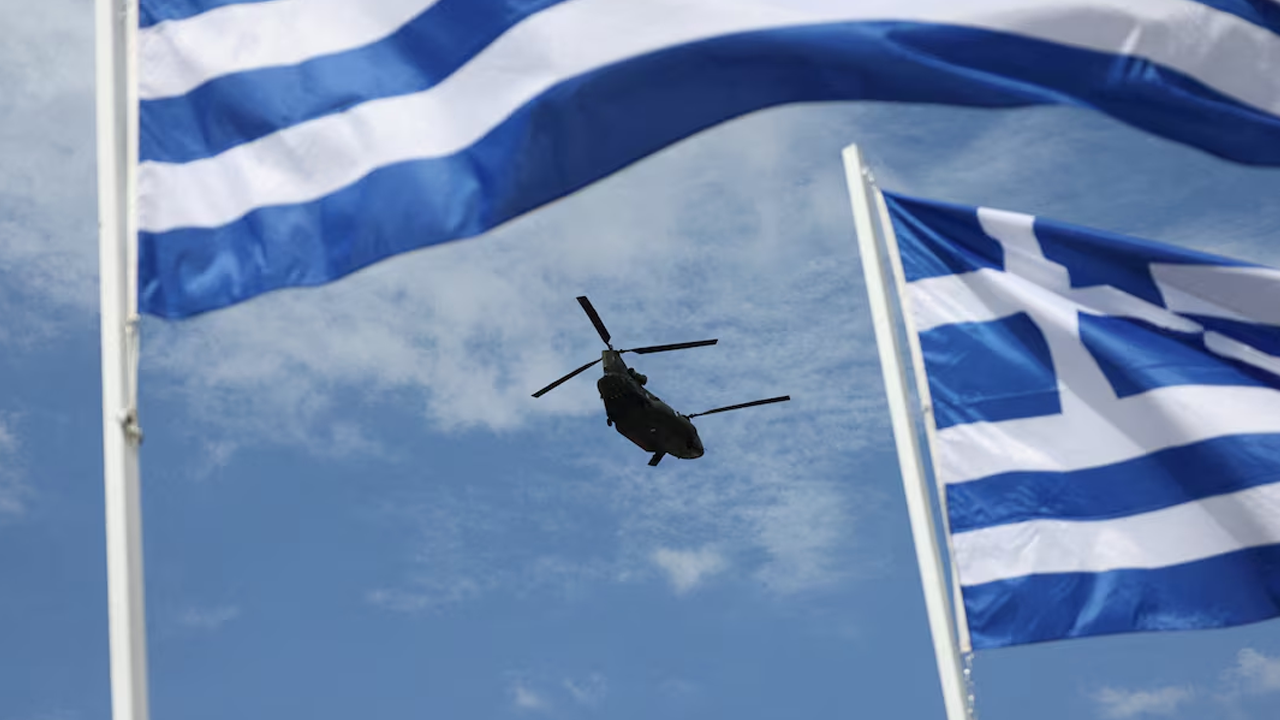
Israel is set to sign a $3.4 billion defense agreement with Greece in Tel Aviv on Monday to develop a multidimensional air and missile defense system. The project, named Achilles Shield, is intended to modernize Greece’s defense capabilities and establish a strong multilayered air-defense network, according to an Al Jazeera report. Greece’s Government Council for Foreign Affairs and Defense jointly approved the project on July 23. Citing sources from Greek newspaper Ekathimerini, the report said the system will combine Greece’s existing military equipment with Israel’s advanced defense technology. Under the agreement, Greece’s US-made Patriot air-defense system and drones already deployed at military bases on islands and the mainland will be linked to Israeli defense platforms. Defense analysts said that once fully operational, Achilles Shield would substantially strengthen security for Greek airspace and key military installations.
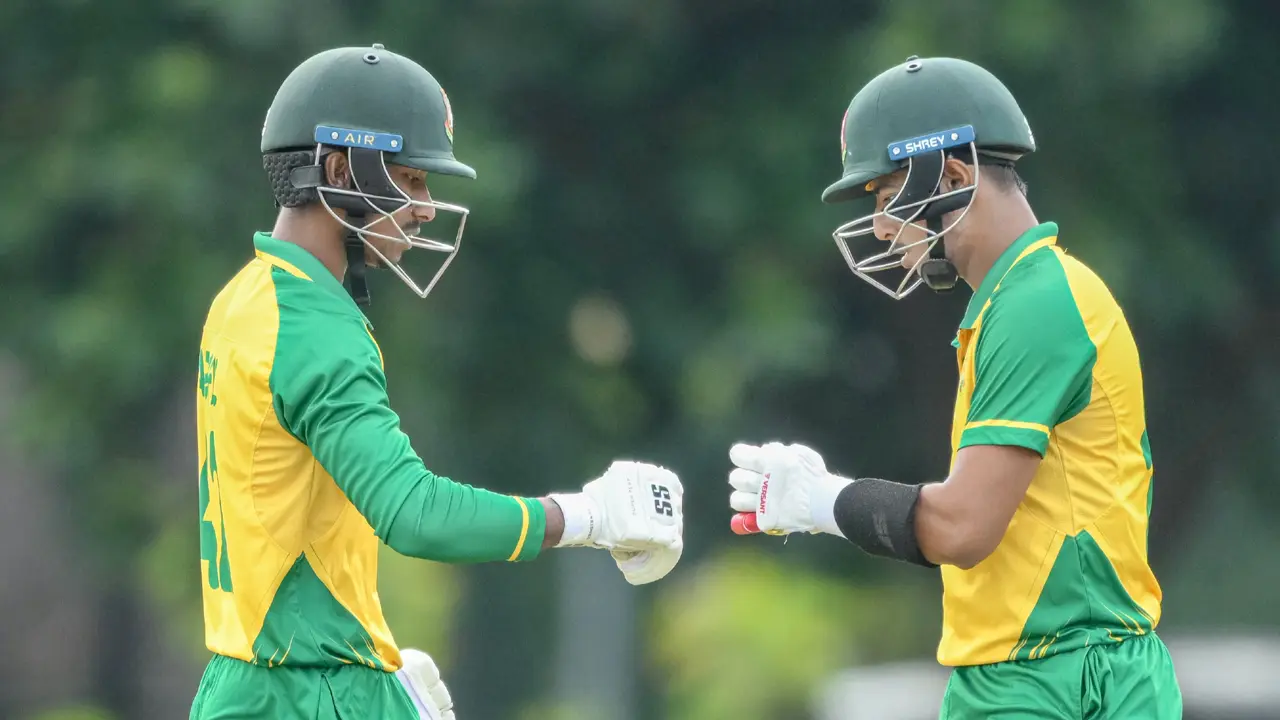
Bangladesh High-Performance team were eliminated from Australia’s Top End T20 after losing their semifinal to Victoria Cricket Academy by one wicket. At Garden Oval in Darwin, Bangladesh were bowled out for 101 in 17.1 overs after losing the toss and batting first. Victoria reached the 102-run target with two balls remaining. Captain and wicketkeeper-batter Irfan Shukkur was dismissed without scoring, continuing a poor run in which he had been out for single-digit scores four times in six matches. Opener Habibur Rahman Sohan made three, while Jisan Alam scored 30 and Ariful Islam added 19. Abdul Gaffar Saklain made 10 from 16 balls and Abu Hider Rony scored 12 from 18. Will Sutherland took four wickets for Victoria, with three other bowlers claiming two wickets each. Victoria lost their first wicket at one run and continued to lose wickets at regular intervals, but progressed through smaller contributions. Campbell Callaway top-scored with 23. Bangladesh spinner Mohammad Rubel took three wickets and Shamim Patowary claimed two, raising hopes of a turnaround before Victoria secured the narrow victory.
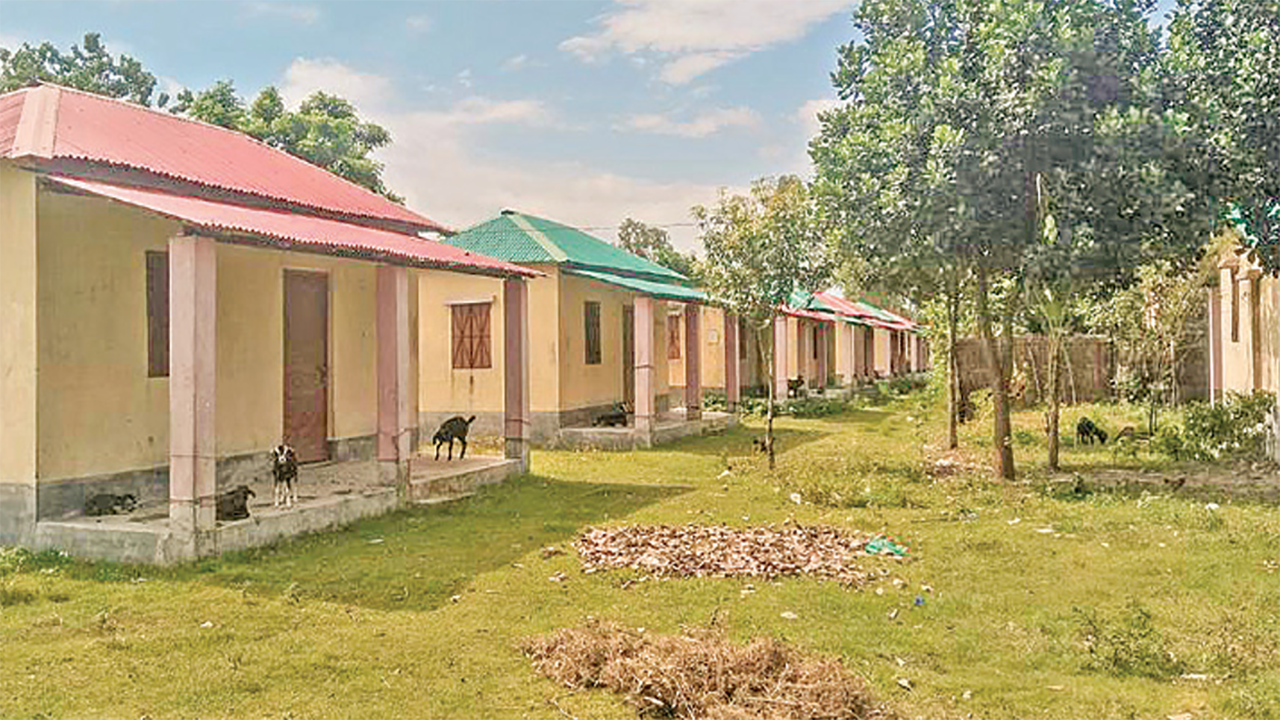
Allegations have emerged that government-provided Asrayan Project homes for landless and homeless people are being sold, transferred and rented in Khansama upazila of Dinajpur. Beneficiaries reportedly no longer live in many allocated homes; some are locked for long periods, while others were allegedly transferred for money using stamped documents. Several current residents said they had directly paid to buy such homes. Abul Hossain, a resident of an Asrayan project, said he bought a government housing unit with land for Tk160,000 from Anichur through a stamped document after taking an NGO loan. He said he did not know the homes could not be bought or sold. Locals also alleged several other sales, while one beneficiary was accused of renting out a unit instead of living there. Residents said the Joyganj Kheyaghat Asrayan Project has 118 homes, but only an estimated 45 to 55 are occupied. They alleged that roughly 35 to 40 homes have been sold or transferred. Upazila Nirbahi Officer Kamruzzaman Sarkar said selling Asrayan homes is not allowed and that allocations for recipients who do not live there will be cancelled within one month.
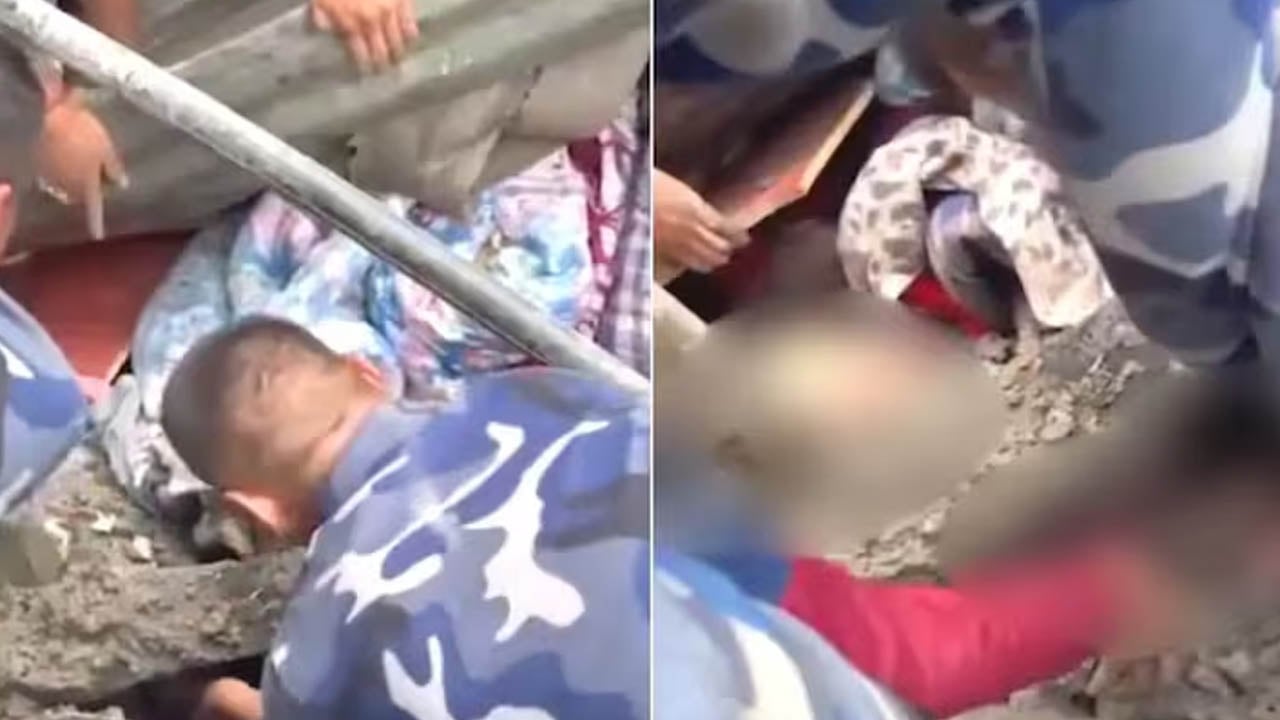
Rescue workers pulled a six-year-old child alive from mud and debris three days after severe flooding struck Timure village in Nepal’s Rasuwa district. The area was affected by floods on Wednesday, and teams continued a broad search for other possible survivors. Armed Police Force personnel heard faint crying while conducting the search operation. They immediately began digging at the location, found the child beneath the ground and brought the child out safely. The rescue was described as a new source of hope amid the sustained work of disaster-response teams. After the rescue, the child received initial treatment at an APF border post in Timure. As the child’s physical condition later worsened, authorities sought to transfer the patient for advanced care. A helicopter transfer to Kathmandu was arranged on Friday evening but was delayed by adverse weather and low visibility. Conditions improved somewhat on Saturday afternoon, allowing the child to be flown to a hospital in Kathmandu, where specialist doctors are providing treatment.
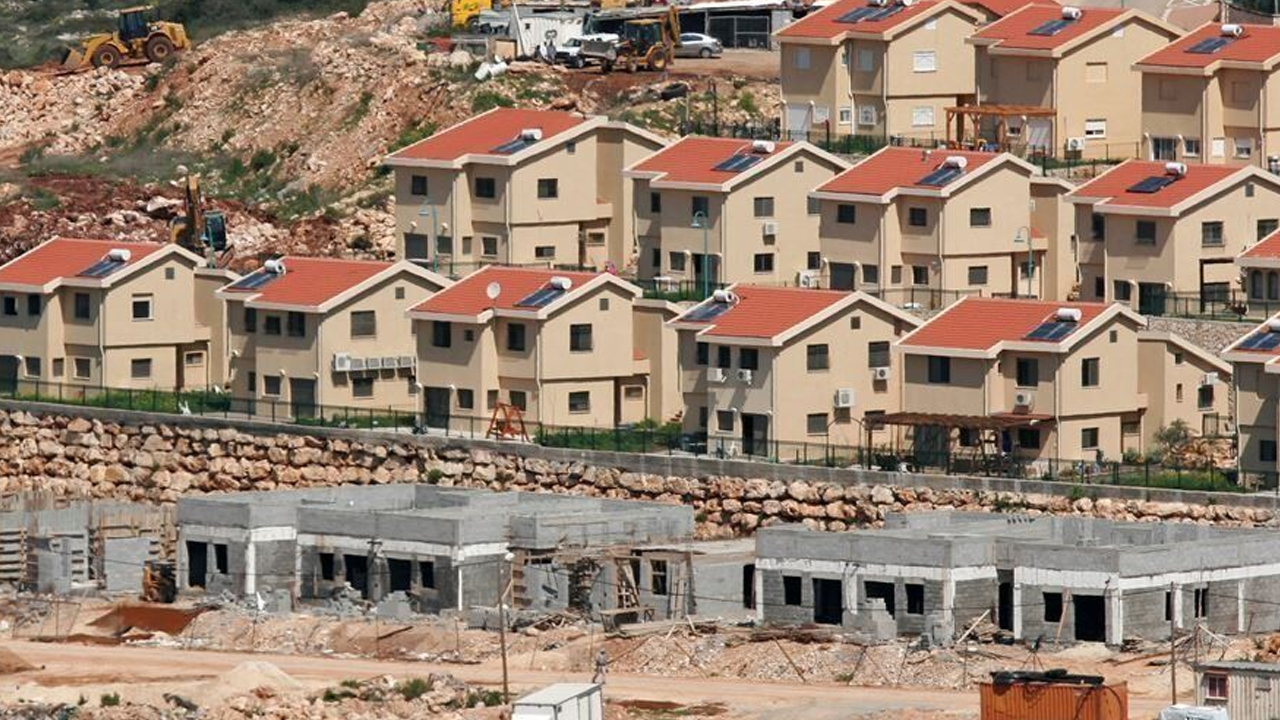
An Al Jazeera investigation found that the UK public sector holds 125 contracts worth a combined £2.129 billion with 17 companies commercially linked to illegal Israeli settlements in the occupied West Bank. The findings emerged as more than 140 Labour Party MPs called for a ban on trade connected to illegal settlements, an issue Prime Minister Andy Burnham is considering. The investigation analysed public procurement records, company registration documents and corporate information. It said subsidiaries owned or controlled by firms listed by the UN for settlement-related activities had received major UK public-sector contracts covering road maintenance, transport, emergency services and driving-licence work. International law professor Stephen Humphreys said continuing such contracts raises questions about whether the UK is breaching international obligations. Motorola Solutions-controlled companies accounted for more than £1.7 billion, including a £1.562 billion Home Office contract for Airwave Solutions to extend secure communications networks for emergency services. Heidelberg Materials-linked companies held £184.79 million in contracts, while Egis-linked firms held £133.60 million. The Cabinet Office said contracting authorities decide exclusions case by case and procurement should not be used to boycott suppliers absent formal sanctions, embargoes or restrictions.
The World Bank has warned that the Middle East war could put about 600,000 jobs at risk in Bangladesh and prevent roughly 1.2 million people from escaping poverty in 2026. It said higher fuel prices, gas shortages and supply-chain instability could disrupt industrial production, raise transport costs and increase prices of essential goods. The assessment comes as Bangladesh’s economy is already under pressure from high inflation, a weak banking sector, low investment and limited revenue capacity. According to the World Bank’s June assessment, the number of people living in poverty in Bangladesh increased by an estimated 1.4 million in 2025. Without the Middle East war, around 1.7 million people could have risen above the poverty line in 2026, but that figure may fall to about 500,000 under current conditions. More than half of Bangladesh’s primary energy supply depends on gas, while domestic production has fallen about 15 percent since 2016. Middle Eastern sources account for 60 to 65 percent of imported crude oil and 55 to 60 percent of LNG. LNG prices rose to $24-$28 per MMBtu, compared with $10-$12 before the war. The World Bank also cited pressure on fertilizer production, healthcare costs and private businesses facing frequent power outages.
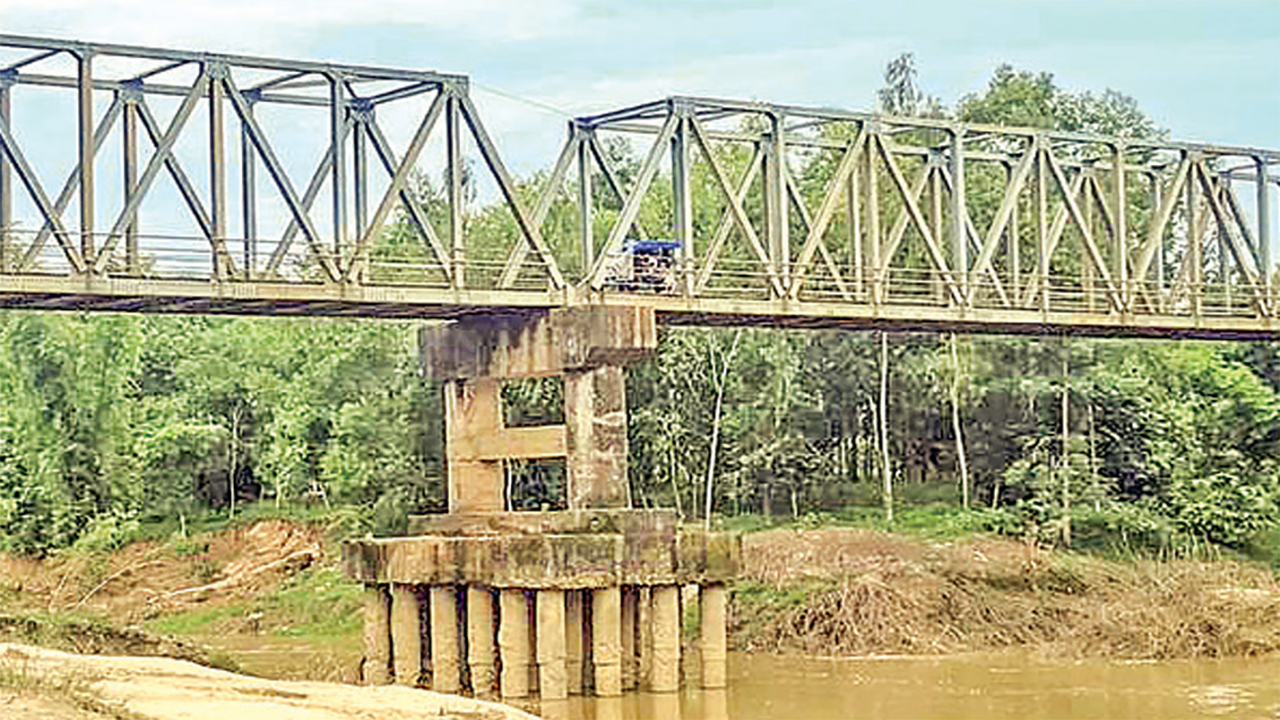
A Bailey bridge over Dolukhhal on the border of Putibila and Chunati unions in Lohagara, Chattogram, has become dangerously unstable amid illegal sand extraction, according to the report. Nearly 200,000 people from two upazilas are using the bridge despite the risks. The bridge serves areas including Putibila, Faranga and Pantrisha, where sand is reportedly being extracted from the canal. For years, dredgers and shallow machines have allegedly removed sand from beneath and around the bridge. Hundreds of heavy vehicles carrying sand, soil and trees also regularly cross it, worsening its condition. The structure shakes when vehicles pass, while iron plates at many points have bent. Even rickshaws and CNG-powered vehicles are crossing at risk, and local residents fear the bridge could collapse without urgent repairs. Lohagara Upazila Engineer Kazi Fahad Bin Mahmud said a proposal has been sent for construction of a new bridge. He said a warning banner has been installed to discourage the movement of excessively heavy vehicles. Lohagara Upazila Nirbahi Officer Bayezid-Bin-Akhond said regular drives are being conducted against illegal sand extraction and would continue in the public interest.
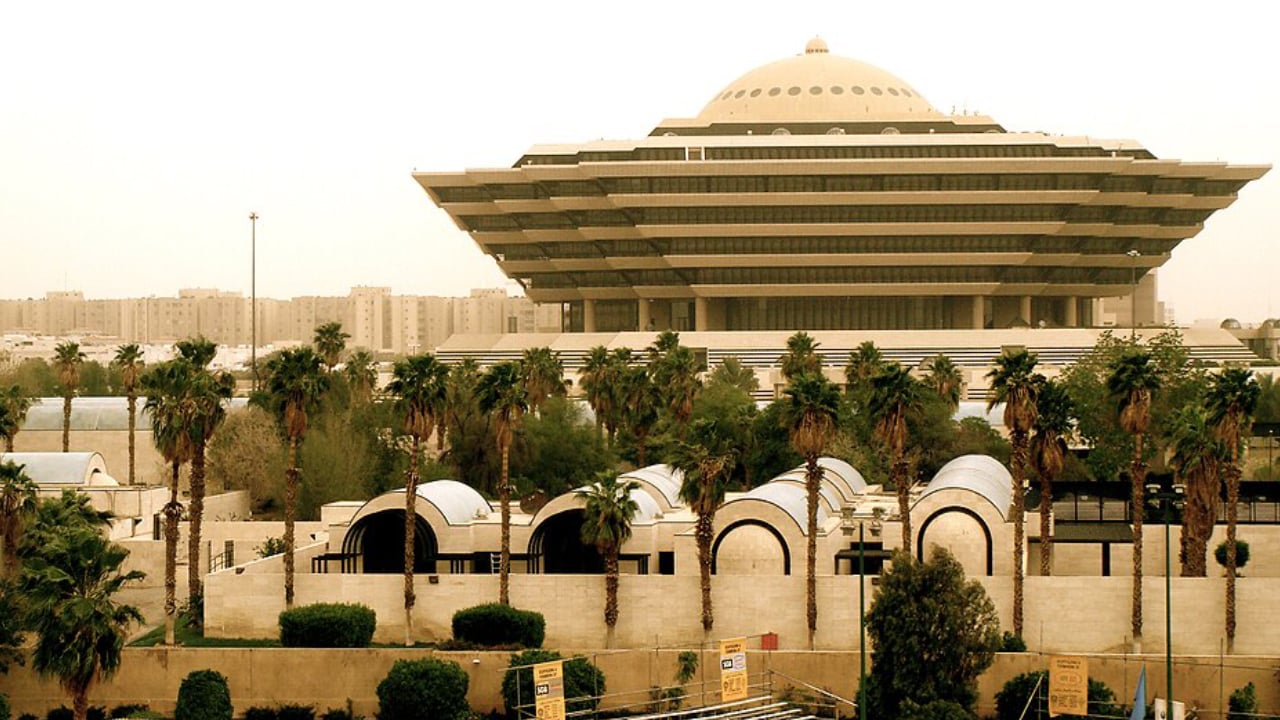
Saudi authorities arrested 14,434 people in one week over alleged violations of residency, labor and border-security laws, the Interior Ministry said. The total included 6,976 people accused of residency-law violations, 4,110 accused of attempting to cross the border illegally, and 3,348 accused of labor-law violations. Among those detained while attempting to enter Saudi Arabia illegally were 1,450 people. Ethiopians accounted for 58 percent of that group, Yemenis for 41 percent, and nationals of other countries for the remaining 1 percent. Authorities also arrested 44 people while they allegedly tried to enter neighboring countries illegally from Saudi Arabia. A further 27 people were arrested on accusations of transporting or sheltering violators. The ministry warned that facilitating illegal entry, transport or shelter could bring up to 15 years in prison, a fine of up to 1 million Saudi riyals, and confiscation of vehicles and property used. Reports can be made through 911 in Mecca and Riyadh, or 999 and 996 elsewhere.
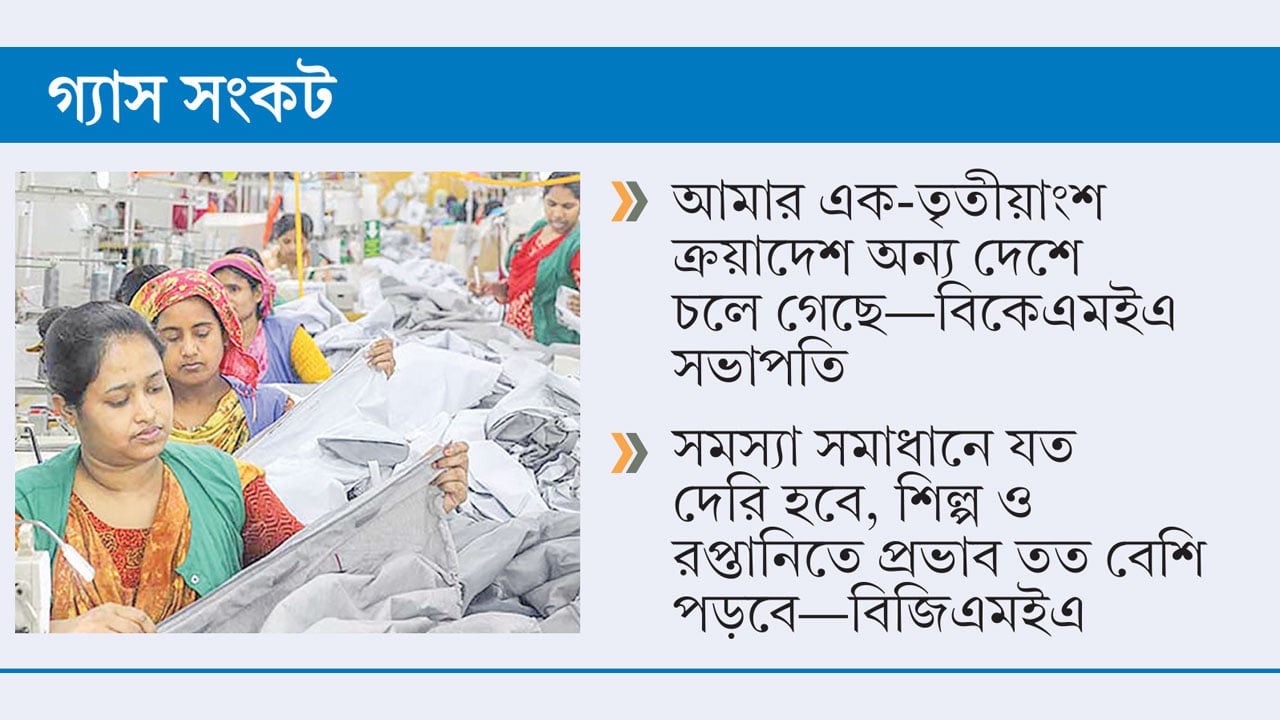
Bangladesh’s garment sector is facing production disruption and fears of losing export orders as an ongoing gas shortage forces factories to close, declare holidays or rely on costly alternative fuel. The crisis intensified after a fire at Accelerate Energy’s LNG terminal on July 21, while the government’s assurance that conditions would normalize from August 10 has not yet been realized. Factory owners say unstable gas pressure is preventing normal operations, particularly in dyeing and washing facilities. According to BKMEA, around 300 knitwear factories are fully closed because of the gas crisis, affecting exports worth about $1.5 million to $2 million. More than 100 factories in Narsingdi and Mymensingh have also closed, while others are operating at sharply reduced capacity. Garments account for about 81% of Bangladesh’s export earnings, with $38.7 billion exported from the sector in fiscal year 2025-26 out of total exports of $48 billion. Industry representatives say some buyers have shifted or discussed shifting orders to competing countries, citing delayed shipments and uncertainty over production schedules. BGMEA President Mahmud Hasan Khan Babu said average production capacity has fallen by about 30% and urged a rapid solution, warning that delays would deepen the impact on industry and exports.
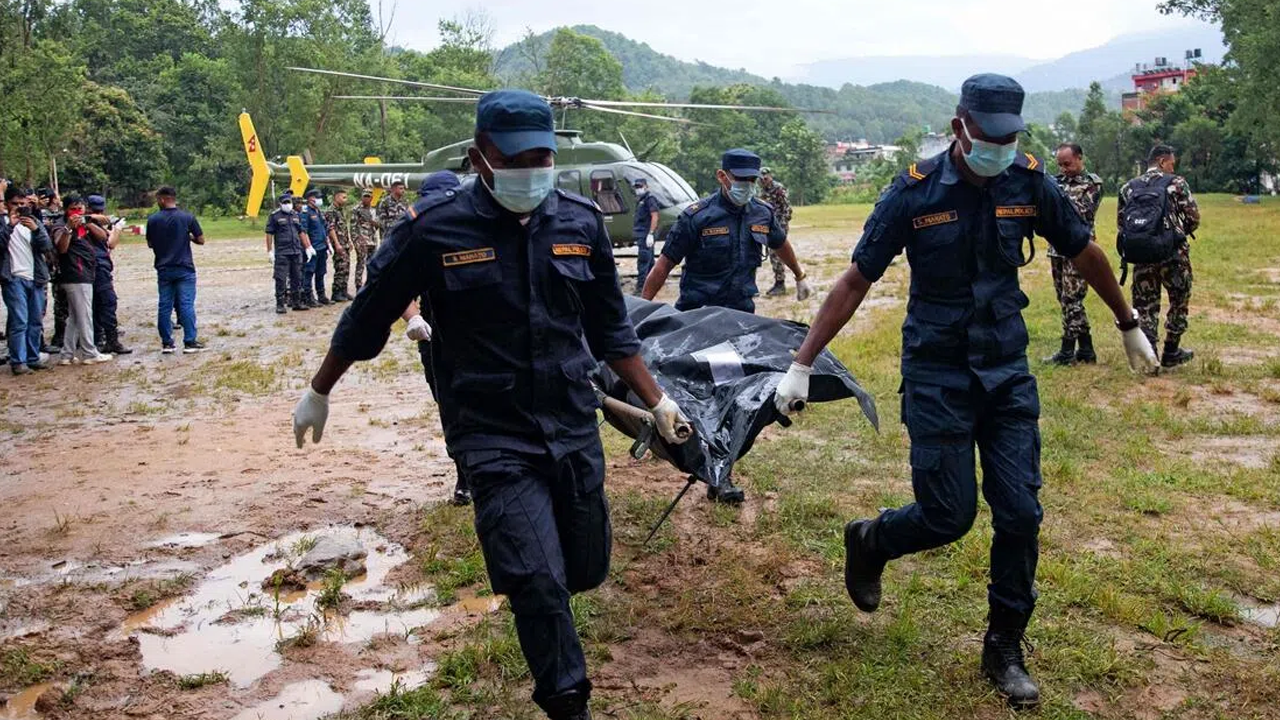
Nepalese authorities are burying unidentified and unclaimed bodies recovered after a devastating sudden flood, while collecting DNA samples to allow relatives to identify and reclaim them later. The decision was taken because bodies were rapidly decomposing, producing foul odours and raising concerns about infection. The disaster followed a major glacial collapse last Wednesday near the Nepal-China border, sending water, mud and debris through villages and towns in Nepal. By the fifth day of the disaster, at least 675 bodies had been recovered, including 233 in Chitwan, a southern district bordering India. Hospitals in Chitwan lacked sufficient space and facilities to preserve the growing number of bodies. Authorities had used a house as a temporary mortuary, but it also ran out of space, and an official said burial was the only remaining option. Health experts warned that decomposition of temporarily stored bodies was increasing odour and infection risks. Authorities had completed DNA testing on more than 100 bodies by Saturday afternoon. Bodies are placed in numbered bags and buried in graves about 1.5 metres deep, spaced roughly 40 centimetres apart. Records, photographs, videos, identification markers and planned geotagging will document each burial site. Nepal still has 2,426 people missing, including several hundred foreigners.
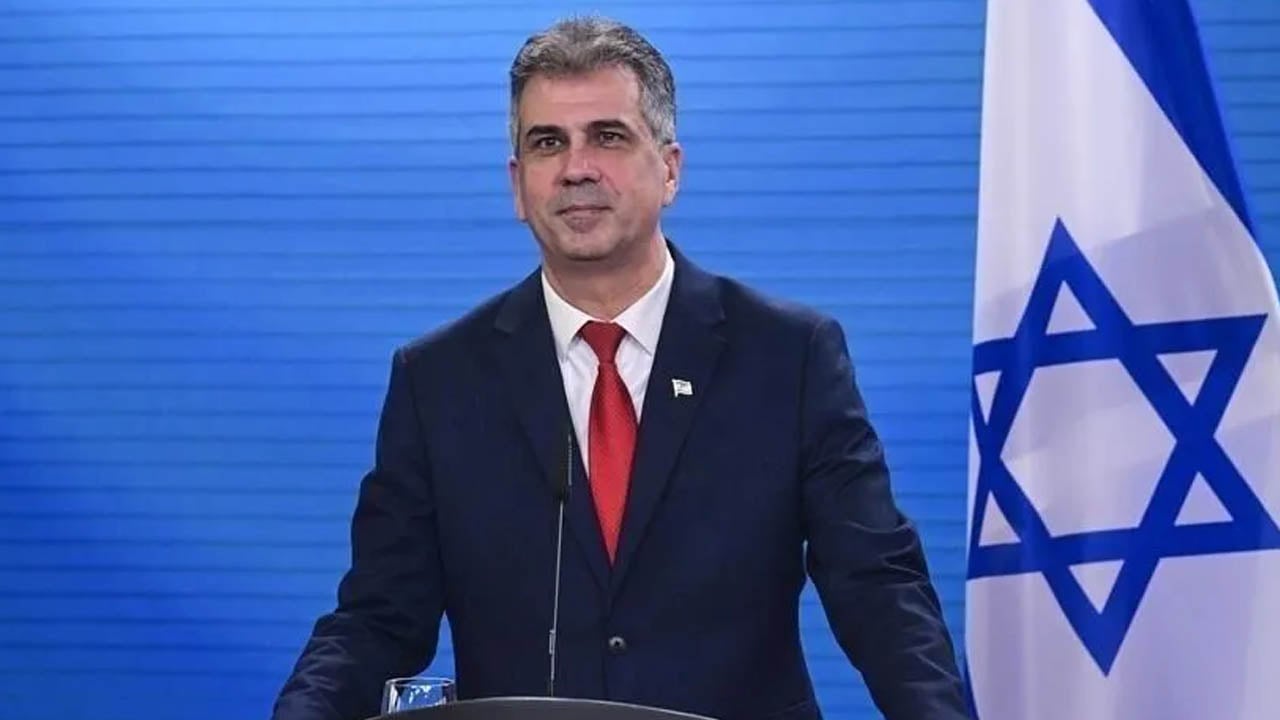
Israeli Energy Minister Eli Cohen said Israel would strike Iran again if Tehran attempts to restart its nuclear or ballistic missile programs. In an interview with Israeli news agency Ynet on Saturday, Cohen said Israel would act even if Iran reached an agreement with the United States. Cohen stated that Israel would be ready to attack if Iran “makes a mistake” by seeking to resume either program. He also claimed that Iran would have obtained nuclear weapons if Israel had not carried out attacks. According to Cohen, an Israeli intelligence assessment found that joint US-Israeli attacks had delayed Iran’s program by two to four years. He said Israel had already demonstrated its capabilities. The report cited Dawn as its source.
Iranian parliament speaker Bagher Ghalibaf has accused US Treasury Secretary Scott Bessent of lying about the true cost of the war. In a post on X on Saturday, Ghalibaf responded sharply to Bessent’s claim that 130 million barrels of oil had passed through the strategically important Strait of Hormuz. Ghalibaf said Bessent should ask his staff to review a Moody’s report to understand the actual accounting. According to Ghalibaf’s post, the report puts the cost of the war at more than $130 billion. The Iranian parliament speaker also directly described Bessent as a liar in the post. The source did not provide further details about the referenced Moody’s report, the period covered by the claimed costs, or any response from Bessent.
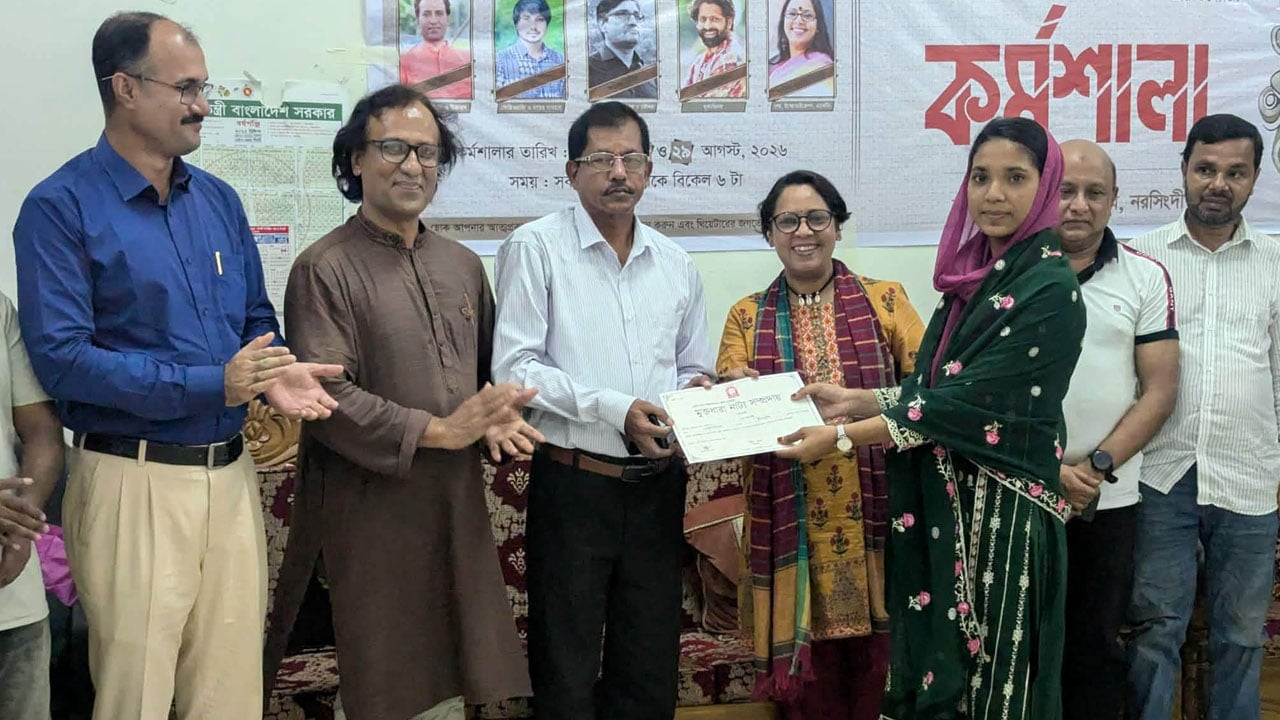
A four-day acting workshop concluded at the Narsingdi Shishu Academy on Saturday evening with certificate distribution and the staging of two short plays. The programme was organised by local cultural group Muktdhara Natya Sampradaya. It began on August 21 and continued until Saturday afternoon, August 29, with 20 trainees taking part. Participants received practical and foundational lessons in theatre history, pronunciation, choreography, the use of dance and acting. Recitation artist and playwright Jahirul Islam Mridha led pronunciation training, while Aranyak Natyadal senior member and director Faez Jahir worked on body construction and techniques. Choreographer Ujjwal taught choreography and dance use, and Shamima Shawkat Lovely conducted sessions on game improvisation and acting. Most participants were students, according to Muktdhara general secretary Hasan Mahmud Sonet, who said the group aims to sustain cultural practice outside major cities. Trainees said the workshop gave them new knowledge and increased their interest in theatre and cultural activities. Muktdhara president Jahirul Islam Mridha said the organisation has worked in Narsingdi and across the country for more than three decades.
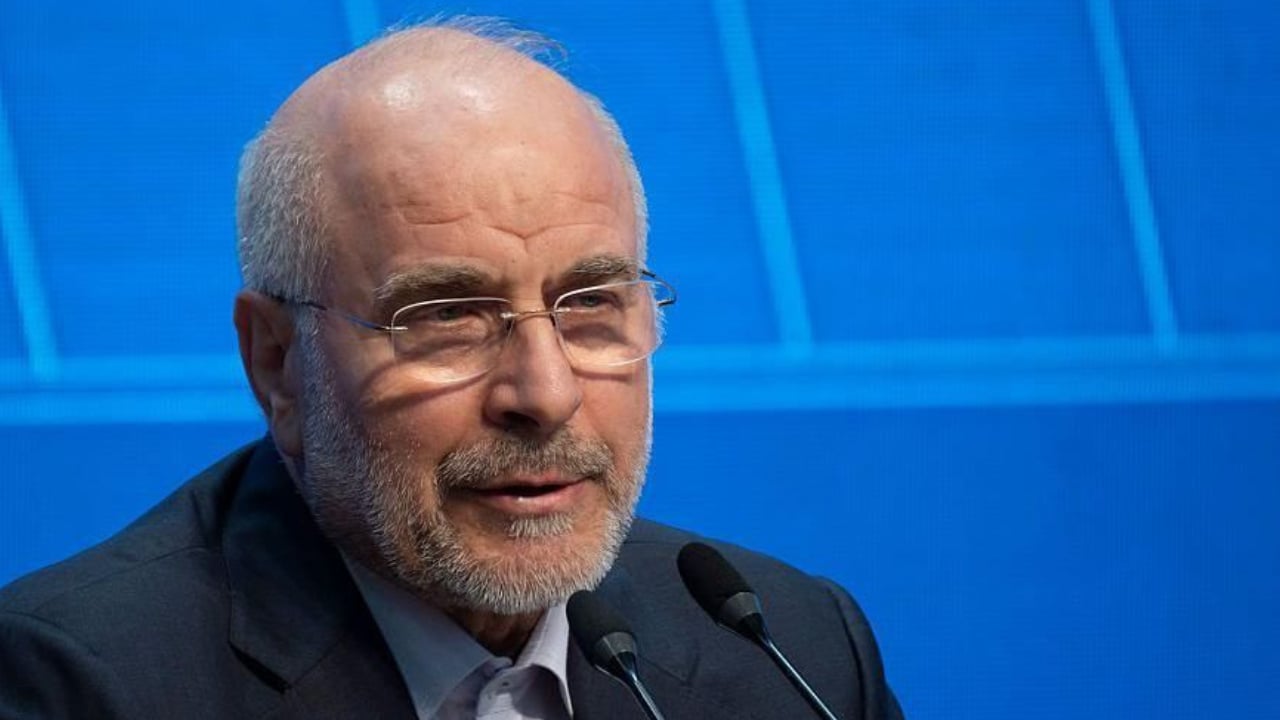
Germany’s Left party has opposed a potential defence partnership between German carmaker Volkswagen and Israeli arms manufacturer Rafael. The discussions concern producing components for Rafael’s Iron Dome air-defence system at Volkswagen’s Osnabrück plant. Proposed production reportedly includes military trucks, missile launchers and power-supply equipment. Thomas Gross, a Left party leader and candidate for mayor of Osnabrück, said the party supports producing civilian minibuses at the factory instead. He said such vehicles are needed for public transport in rural areas. Gross argued that investment in climate protection and addressing climate-change impacts is more urgent than higher military spending, and said military industry plans conflict with Osnabrück’s tradition as a city of peace. The proposal has already prompted debate in Germany as Volkswagen undergoes major restructuring amid competition from China, weak demand and high costs. Vehicle production at the Osnabrück factory could end after 2027, with defence-sector partnerships raised as a possible alternative use. Qatar’s sovereign wealth fund, one of Volkswagen’s largest shareholders, had also reportedly objected to military-production proposals. The Left says cooperation with an Israeli defence company amid the Gaza war could make Germany’s foreign and defence policy more contentious.

The ‘1 Nojor’ media platform is now live in beta, inviting users to explore and provide feedback as we continue to refine the experience.