

The ‘1 Nojor’ media platform is now live in beta, inviting users to explore and provide feedback as we continue to refine the experience.
Germany’s Left party has opposed a potential defence partnership between German carmaker Volkswagen and Israeli arms manufacturer Rafael. The discussions concern producing components for Rafael’s Iron Dome air-defence system at Volkswagen’s Osnabrück plant. Proposed production reportedly includes military trucks, missile launchers and power-supply equipment. Thomas Gross, a Left party leader and candidate for mayor of Osnabrück, said the party supports producing civilian minibuses at the factory instead. He said such vehicles are needed for public transport in rural areas. Gross argued that investment in climate protection and addressing climate-change impacts is more urgent than higher military spending, and said military industry plans conflict with Osnabrück’s tradition as a city of peace. The proposal has already prompted debate in Germany as Volkswagen undergoes major restructuring amid competition from China, weak demand and high costs. Vehicle production at the Osnabrück factory could end after 2027, with defence-sector partnerships raised as a possible alternative use. Qatar’s sovereign wealth fund, one of Volkswagen’s largest shareholders, had also reportedly objected to military-production proposals. The Left says cooperation with an Israeli defence company amid the Gaza war could make Germany’s foreign and defence policy more contentious.

An Awami League-linked network is allegedly seeking to influence Bangladesh’s urea fertilizer market by facilitating imports from Russia, according to the report. The group is said to be led by Russia-based businessman Miah Sattar, while his brother Amiruzzaman Sohel attended a July 28 meeting at the commerce minister’s office with Russian Chargé d’Affaires Vyacheslav Sentyurin. The Russian side proposed supplying urea to Bangladesh at $10 less per tonne than other supplier countries. The report says Bangladesh’s annual urea demand is 2.6 million to 2.7 million tonnes, while stocks stood at 620,000 tonnes as of July 23. A Commerce Ministry notice said Russian company JSC FEC Prodintorg wants to supply 280,000 tonnes of prilled urea through the Bangladesh Chemical Industries Corporation. Questions were raised because BCIC usually imports granular urea N-46. Sohel declined to comment on his presence at the meeting, his company’s role in fertilizer imports, or participation in government-to-government procedures, referring questions to the Russian Embassy. Russian honorary consul general in Chattogram Ashiq Imran said Miah Sattar’s company liaises with the Russian Embassy on G2G-related work as an approved Russian government entity.

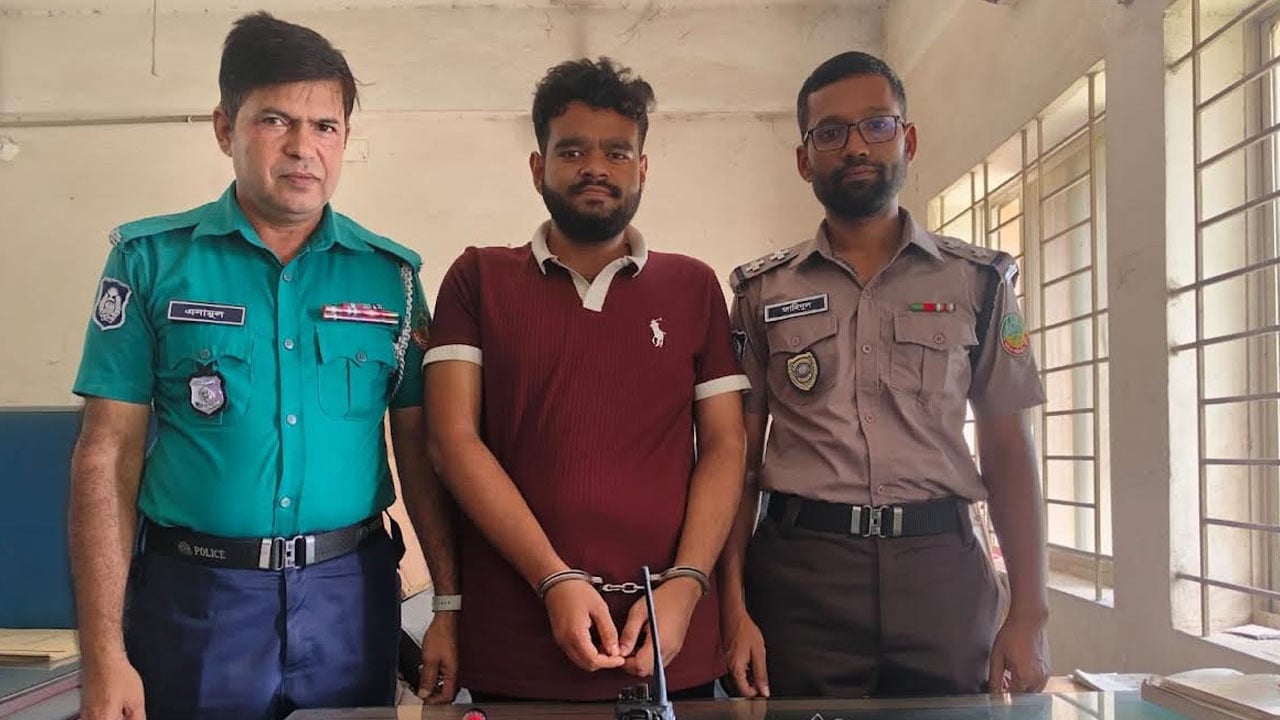
Police in Tongi, Gazipur arrested a 22-year-old man accused of posing as a police officer and seized a private car and several items from him. The arrest took place Friday evening opposite Al Amin Bakery on the Ghorashal-Kaliganj road beside Tongi East Police Station. Police sent him to court on Saturday afternoon. The detainee was identified as Arian Ahmed Alfi, 22, son of the late Yasin Iqbal of the Morkun Coca-Cola Gate area in Tongi. Police said they acted on confidential information that a person was present in the Station Road area while claiming to be a police officer. Authorities seized a walkie-talkie, a hooter, a toy pistol, a signal light and a private car bearing registration number Dhaka Metro-G 36-6359. Tongi East Police Station Officer-in-Charge Mohammad Maksudul Alam said a case was filed against Alfi under the relevant law before he was sent to court.
Hundreds of pro-Palestinian demonstrators marched through central Paris on Saturday, despite rain, to protest Israeli attacks on Gaza and demand the release of Palestinian prisoners held in Israeli jails. Gathering near the historic Bastille Square, participants carried olive branches and kites bearing Palestinian flag designs before marching through central streets toward the Fontaine des Innocents area. Protesters chanted that genocide was taking place in Gaza and that they would not remain silent. They called for the release of all Palestinian detainees, including doctors, and alleged that prisoners in Israeli custody were being treated inhumanely. Some participants wrote different numbers on their faces and hands as part of the protest. The olive branches represented peace and are closely linked to Palestinian culture, while the kites highlighted what demonstrators described as Gaza’s children being denied the right to fly kites. The UN human rights office has criticized Israeli authorities’ eviction threats linked to kite-flying in some Gaza areas, saying such threats are inconsistent with international-law obligations to protect civilians. Gaza’s Health Ministry said Israeli attacks had killed 1,296 Palestinians and injured 4,296 after an October 10, 2025 ceasefire took effect.

Hundreds of people demonstrated in Stockholm, Sweden, on Saturday to protest ongoing Israeli attacks on Gaza and Lebanon. The protest, called by several civic organizations, was held at Odenplan Square. Demonstrators demanded an end to Israeli attacks, action to address food shortages in Gaza, and an end to the killing of civilians. Protesters carried placards and banners and alleged that Israeli attacks and military activity have continued despite a ceasefire being in force in Gaza. They also called on the international community to take more effective action over the suffering of Gaza’s civilian population, food shortages and continuing violence. According to Gaza’s Health Ministry, nine more Palestinians were killed and 18 injured during the past 48 hours. The ministry said many people remained trapped beneath rubble and on roads, while ambulances and rescue workers could not reach them. It said alleged Israeli violations since the ceasefire took effect on October 10, 2025, had killed 1,313 people and injured 4,361 in Gaza. It also reported cumulative casualties since October 8, 2023.

The Shankha River, a major waterway in southern Chattogram flowing through Banshkhali, Anwara, Satkania and Chandanaish, is facing a navigability crisis as numerous sandbars have emerged. The loss of depth has disrupted boat movement and fishing, leaving thousands of fishers and boatmen struggling for livelihoods. In many stretches, even small dinghy boats can no longer operate, particularly when water levels fall in winter. The river once supported transport, trade and fishing activity, including the historic Ishwar Baburhat market on its banks. Residents from Kutubdia and nearby upazilas travelled there by dinghy boats and sampans, while traders moved goods by boats and engine-powered vessels. Gopal Jaladas, a resident of Jaladas Para, said the freshwater river was once a breeding ground for many fish species, but that former abundance is no longer visible. Pukuria Union member Farid Ahmed said unplanned sand extraction is causing continuing bank erosion and has washed away several homesteads. He called for an end to illegal extraction, sustainable protective embankments and planned dredging. Water Development Board sub-divisional engineer Anupam Pal said sediment from deforested hills has reduced depth, while dredging is under way at several locations and embankments are being built in some areas following local demands.

Iranian President Masoud Pezeshkian said Tehran does not seek or welcome war but will firmly resist any aggressor. He said no power can force a nation committed to resistance, using all its strength and determination, into surrender. Pezeshkian said Iran would not bow to threats, citing diplomatic efforts, support from the Iranian people, the work of government officials and the sacrifices of armed forces commanders. He said Iran had demonstrated its refusal to yield to threats on many previous occasions. Separately, Iranian Deputy Foreign Minister Kazem Gharibabadi said the Strait of Hormuz is closed and that any vessel can pass through it only with Iran’s permission. The source attributes the report to Middle East Eye.

Tom Cruise will return as racing driver Cole Trickle in a new sequel to Days of Thunder, nearly four decades after the franchise’s earlier film. Anne Hathaway will co-star with Cruise for the first time. The film is scheduled for a worldwide theatrical release on June 2, 2028, and Cruise confirmed the news on Saturday by sharing a promotional image showing the pair at a racing track. The sequel will be filmed directly with IMAX cameras and is also planned for global release in Dolby Cinema and 4DX formats. Jonathan Levine, known for Long Shot, will direct. Cruise will produce alongside Jerry Bruckheimer and Tommy Harper. Plot details have not been disclosed, but Hathaway is set to play the owner of a racing-car team and a professional engineer. The original Days of Thunder, directed by Tony Scott in 1990, starred Cruise as Cole Trickle, who joined a NASCAR racing team with support from a retired racing legend played by Robert Duvall. Nicole Kidman, Randy Quaid and John C. Reilly also had significant roles in the original film. Cruise is also working on a future Top Gun installment and Alejandro González Iñárritu’s Digger.

Chattogram’s public transport system has effectively deteriorated, leaving residents increasingly dependent on small three-wheeled vehicles with 12 to 14 seats as regular large buses become scarce on major routes. Areas including Bahaddarhat, Muradpur, GEC, Agrabad, Alankar, AK Khan and Patenga have few regular large buses, while limited services between Bahaddarhat and Agrabad cannot meet passenger demand. Many large buses operate during peak hours mainly for garment factory workers, worsening shortages for other commuters. Bangladesh Road Transport Authority data show 17 bus and minibus routes in Chattogram metropolitan area, with 2,900 route permits, including 803 buses without fitness certificates. The city has approvals for 1,130 buses and minibuses, 2,158 tempos, 969 human haulers and 13,000 CNG autorickshaws. Transport-related stakeholders say unregistered small vehicles add pressure, citing at least 10,000 unauthorized CNG autorickshaws and more than 50,000 battery-powered rickshaws. Traffic police data show average vehicle speed has dropped from 21 kilometres per hour about 12 years ago to five kilometres per hour. Experts called for a planned route-based bus network, designated stops, scheduled services, route franchises and more new buses. Police said enforcement against unfit and unauthorized vehicles, illegal stops and road occupation is continuing.

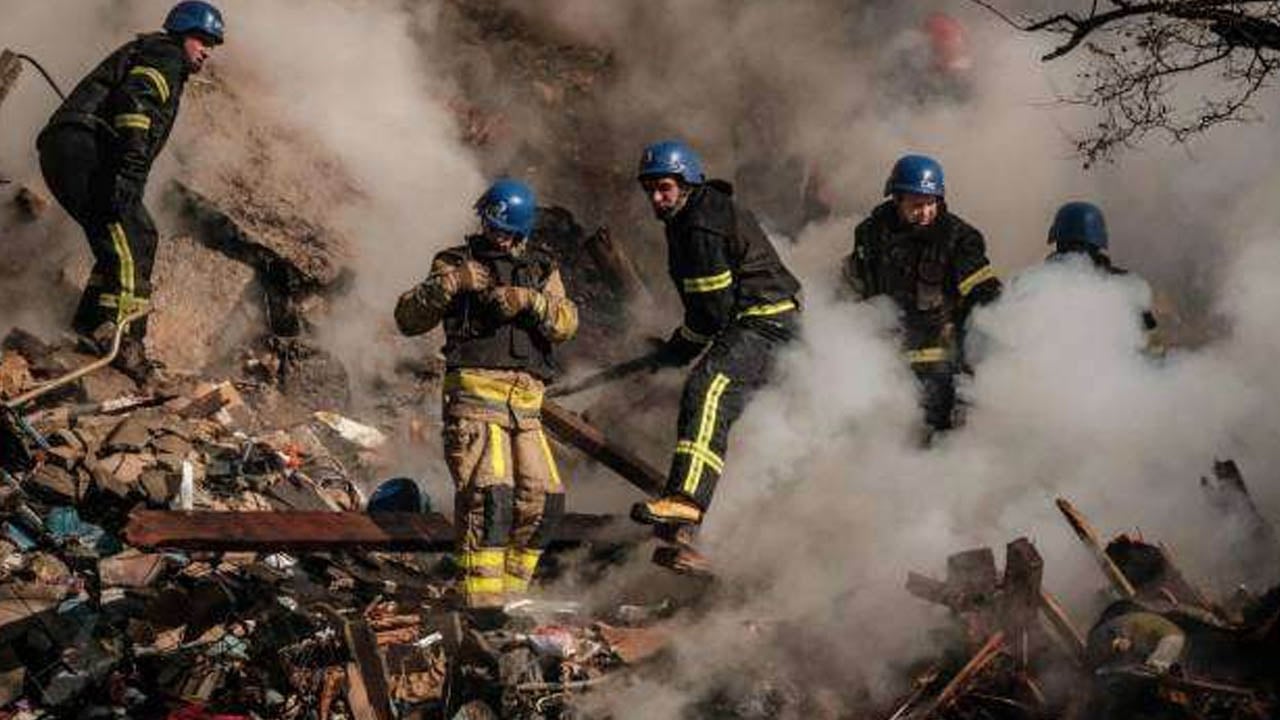
At least 37 people were killed and 42 injured after a Russian drone strike hit an arms depot near a residential area in Mylia village, Bucha district, on the outskirts of Kyiv, Ukraine, on Friday night. About 400 people were evacuated to safer locations following the attack. Shells, mines and drones continued to explode after the strike on the weapons warehouse. Around 130 nearby homes were damaged, along with a care centre for elderly people and people with disabilities. Ukrainian President Volodymyr Zelenskyy said storing explosives so close to a residential area was “completely unacceptable,” and an investigation has begun over alleged negligence by government officials. Russia’s Defence Ministry said its intended target was an ammunition warehouse holding components for long-range drones and launch boosters. The incident has renewed questions in Ukraine over decisions to store weapons and ammunition near residential areas. In July, explosions following an attack on another arms warehouse near Kyiv killed nine people and damaged more than 100 homes.
Rajshahi University has recorded at least 16 student suicides from 2019 through June of the current year, according to information from the university proctor’s office, public relations office and published reports. The deaths have raised renewed concerns about mental-health protection, counselling services and suicide prevention at the university. Most of the students were living outside residential halls, in messes, hostels or rented homes near campus. The reported incidents occurred in locations including Meherchandi, Mirzapur, Binodpur and Amzader Mor, as well as students’ homes. Psychologists cited academic pressure, family expectations, relationship strain, career uncertainty and loneliness as factors that can severely affect students’ mental wellbeing, while stressing that the specific cause of each death requires separate investigation and accounts from those involved. Mental Health Centre chief physician Professor Murshida Ferdous Binte Habib said social, psychological and financial factors can contribute to suicidal thoughts. Students have called for more accessible counselling, awareness programmes in departments and halls, and crisis support for those living outside campus. Proctor Professor Dr Mahbubur Rahman said counselling is being provided through the mental health centre and other cells, while the proctor’s office monitors such issues regularly.

Former Bangladesh inspector general of police Benazir Ahmed has reportedly moved from Dubai to the Caribbean island state of Saint Lucia on 17 August, after being released on bail in the United Arab Emirates. Sources cited by the report said he holds a Saint Lucian passport, has joint investments there and owns a flat in the Gros Islet area. A recently compulsorily retired deputy inspector general, described as maintaining contact with Benazir and his family, confirmed the reported move. The report said a Dubai court granted Benazir conditional bail on 27 July and he was released on 30 July after legal procedures concerning Bangladesh's extradition-related documents. Bangladesh had sent Dubai police a 244-page dossier on 20 June. Police headquarters said communication with the UAE government continued and necessary information had been supplied. Officials said they were checking the reported Saint Lucia travel. The report alleges Benazir possesses passports from six countries and faces allegations and cases including corruption, money laundering and crimes against humanity. Criminologist Touhidul Haque said the departure had increased uncertainty about bringing him before the law and called for stronger efforts through Interpol.

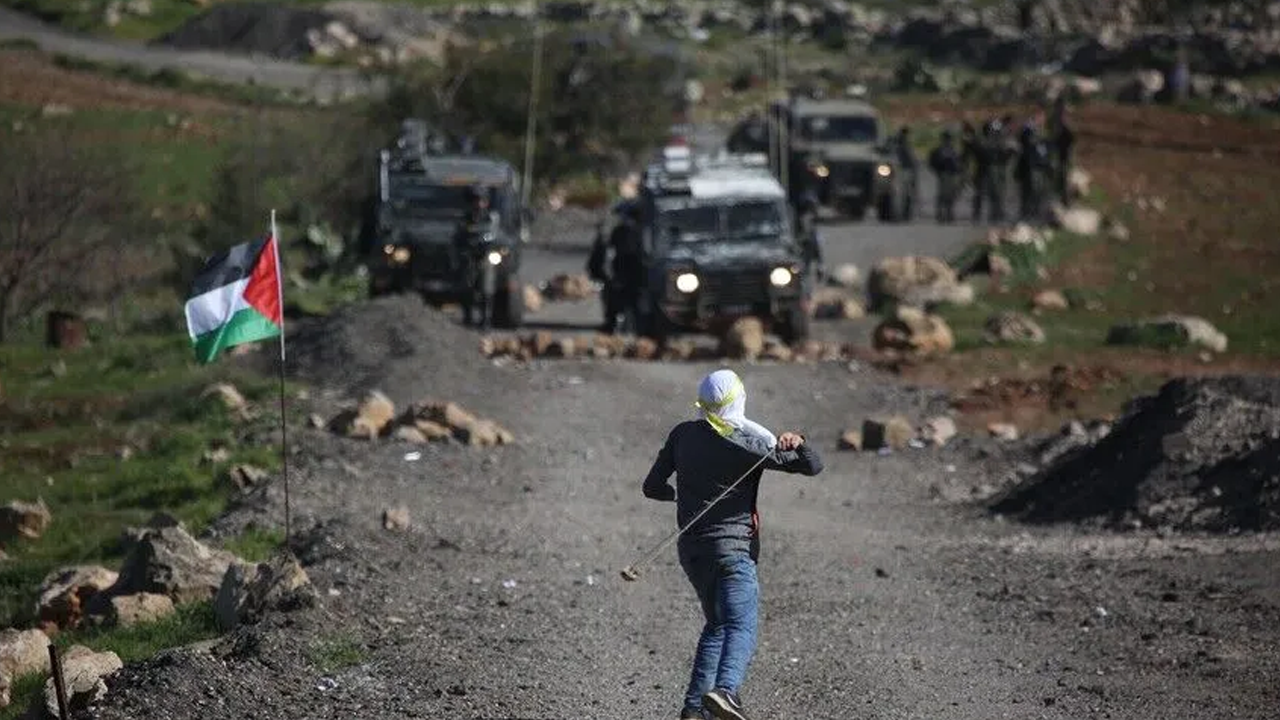
Israeli forces have closed the only entrance to the village of al-Mughayyir in the occupied West Bank, preventing residents from leaving or entering, according to village council head Amin Abu Alia. He told the Palestinian news agency Wafa that the gate has remained closed almost continuously since Friday, opening only for a few minutes at times. Abu Alia told Turkey’s Anadolu Agency that the gate is shut in the morning, stopping village workers from reaching their jobs, and that they face the same restriction when attempting to return. He alleged that the purpose is to force Palestinians to leave the area. Israeli forces raided al-Mughayyir on Friday following an allegation that a sheep belonging to an Israeli settler had been stolen, an accusation Abu Alia rejected. Three Palestinians were injured during the raid, and an ambulance was reportedly obstructed while trying to reach them. Abu Alia said more than 50 Israeli settlers entered the village’s northern area, assaulted a farmer and took 25 of his sheep. The Palestinian Foreign Ministry said al-Mughayyir has faced a “suffocating siege” for about 20 days, with the gate opened for only two hours on some days.
Inter Miami ended a five-match winless run with a record-margin 7-1 Major League Soccer victory over CF Montreal at Stade Saputo. Lionel Messi led the Florida club’s return to winning form, scoring four goals and providing an assist. The result was Miami’s first MLS win since July 25 and followed four defeats and one draw in their previous five matches. Montreal began aggressively and saw several attempts strike the goalpost. Casemiro put Miami ahead with a powerful header from a corner in the 20th minute, before Fabian Herbers equalised in the 37th. Messi restored the lead two minutes later with a long-range strike, sending Miami into halftime 2-1 ahead. He added his second goal in the 51st minute, while Luis Suarez scored Miami’s fourth in the 79th. Messi completed his hat-trick three minutes after Suarez’s goal. Alexander Shaw made it 6-1 in the 89th minute, and Messi scored from a free kick in the fifth minute of added time. The four-goal outing was the eighth of Messi’s career and his first for Miami. His 18 goals in 19 MLS matches place him top of the league scoring chart, two ahead of FC Dallas’ Peter Musa. New coach Cristian Kily Gonzalez will take charge once he receives a work permit.

On the International Day of the Victims of Enforced Disappearances, Bangladesh’s disappearance investigation commission said 251 people remain missing, while acknowledging the actual number may be higher. The day is being observed for the third time since the fall of the Sheikh Hasina government on August 5, 2024. Families of the missing continue to live with uncertainty, unable to confirm whether relatives are alive or dead. The commission received 1,850 complaints and, after removing duplicate submissions, took up more than 1,569 cases before filing its final report on January 13 this year. It described disappearances as a structural crime involving state security and law-enforcement agencies during particular political periods. The report said victims were sometimes killed, later shown arrested in cases, or sent across the border. Three disappearance, torture and killing cases are being tried at the International Crimes Tribunal, though families say progress is slow. Rights groups and legal figures have questioned proposed legislation that would give law-enforcement agencies authority to investigate complaints against themselves. They have called for independent investigations, faster trials, accountability, compensation and rehabilitation for affected families.

The ‘1 Nojor’ media platform is now live in beta, inviting users to explore and provide feedback as we continue to refine the experience.