

The ‘1 Nojor’ media platform is now live in beta, inviting users to explore and provide feedback as we continue to refine the experience.
On the International Day of the Victims of Enforced Disappearances, Bangladesh’s disappearance investigation commission said 251 people remain missing, while acknowledging the actual number may be higher. The day is being observed for the third time since the fall of the Sheikh Hasina government on August 5, 2024. Families of the missing continue to live with uncertainty, unable to confirm whether relatives are alive or dead. The commission received 1,850 complaints and, after removing duplicate submissions, took up more than 1,569 cases before filing its final report on January 13 this year. It described disappearances as a structural crime involving state security and law-enforcement agencies during particular political periods. The report said victims were sometimes killed, later shown arrested in cases, or sent across the border. Three disappearance, torture and killing cases are being tried at the International Crimes Tribunal, though families say progress is slow. Rights groups and legal figures have questioned proposed legislation that would give law-enforcement agencies authority to investigate complaints against themselves. They have called for independent investigations, faster trials, accountability, compensation and rehabilitation for affected families.
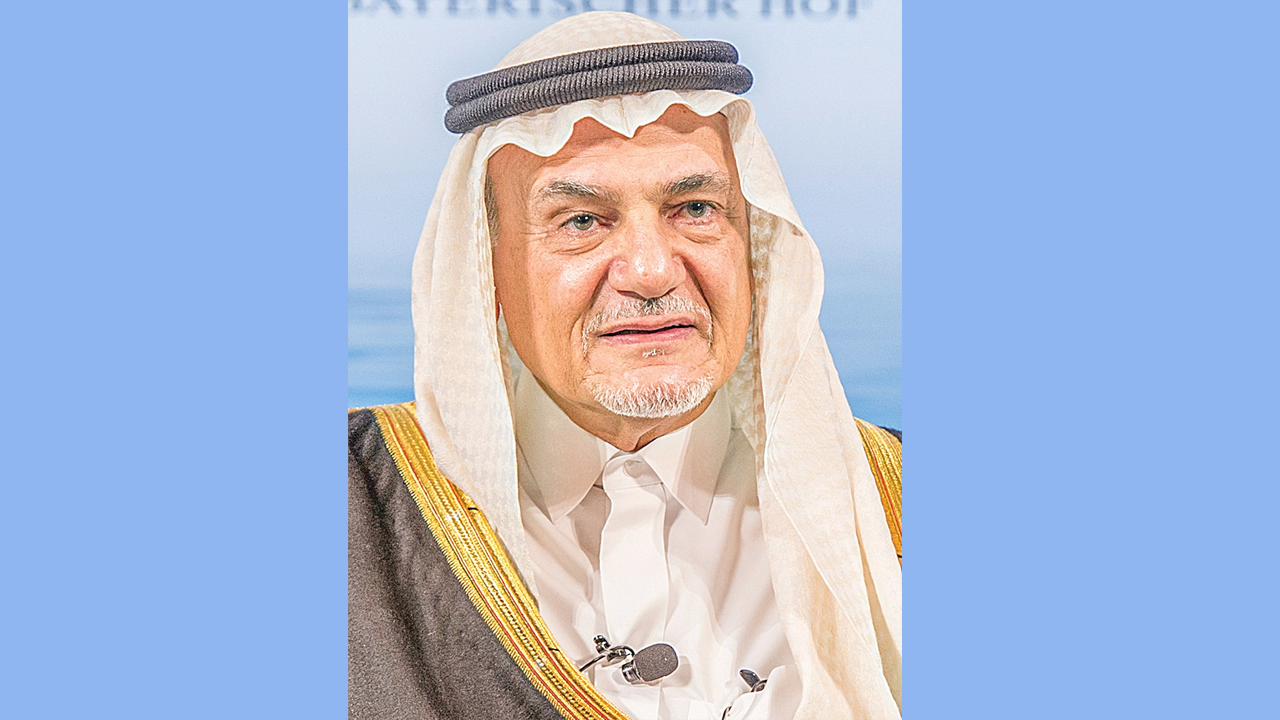
An article argues that the “Mecca Joint Defense Pact” among Saudi Arabia, Turkey and Pakistan is fundamentally a defensive arrangement aimed at addressing immediate and potential security and military threats. It says the agreement has drawn international attention and differing assessments over its significance and strategic effects, while some analysts have questioned its utility, implementation prospects or alleged sectarian character. The article rejects those portrayals, describing collective security alliances as a legitimate right of states under international law and an established practice in diplomacy. It says the three countries share an assessment of regional conflict, possible strategic vacuums, imbalances of power and the erosion of a long-standing regional order. Their complementary capabilities, it argues, could help restore strategic balance and address security gaps created by conflict. The article places particular emphasis on Saudi Arabia’s strategic position, citing its location, religious status, oil resources, financial strength, diplomacy, international ties and military capabilities. It says Saudi Arabia’s ports and supporting infrastructure have gained relevance as alternative energy routes, while Vision 2030 is expanding activity across investment, tourism, logistics, manufacturing, mining, renewable and nuclear energy, and defense production.
An opinion article examines renewed media attention to alleged militant activity in Bangladesh since early August, arguing that reports of bombs, explosives and releases of detainees should be investigated but should not alone establish a major resurgence of militancy. It cites reports published on August 19 by Deutsche Welle Bangla and several BBC Bangla headlines, alongside a Singapore-based analysis on religious extremism during political transition. The article distinguishes proven terrorist activity from security fears and cautions against treating isolated incidents as evidence of a nationwide security crisis. It invokes the concept of securitization, arguing that linking individual cases with political change, Islamism, youth radicalization, cross-border networks and regional security can create a broader narrative that requires proof. It also says Islamist political activity should not automatically be equated with militancy. The author criticizes reliance on Indian media reports and warns that repeated citations from a single source can create an appearance of international consensus. The article calls for professional policing, strong intelligence, effective courts and politically neutral law enforcement. It says assessments should rely on verifiable information about arrests, organizational links, funding, weapons, training, foreign contacts and legally established terrorism cases.

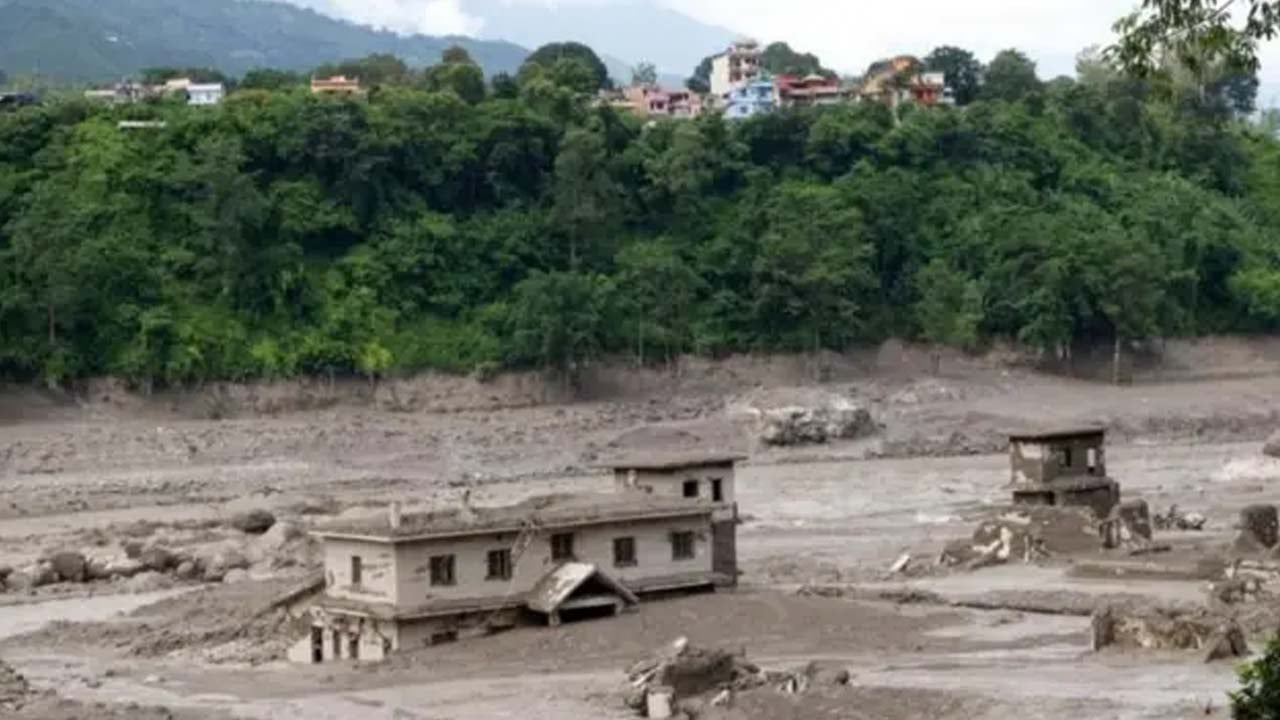
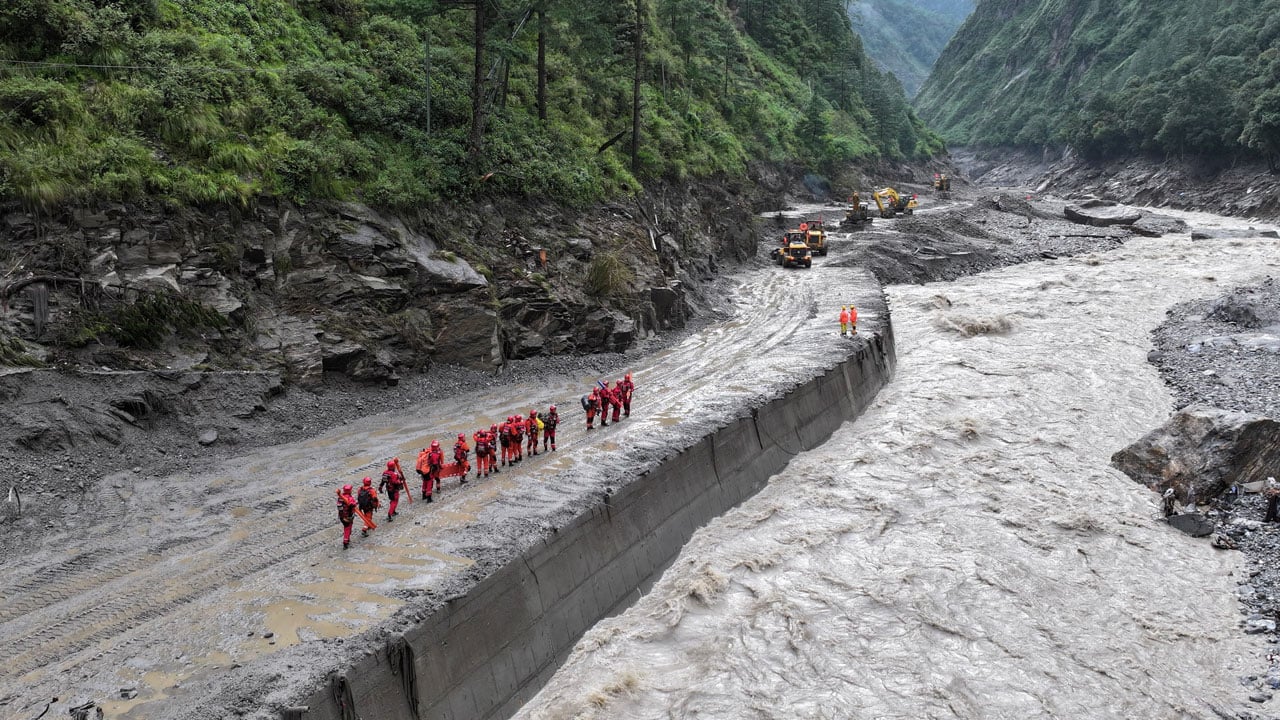
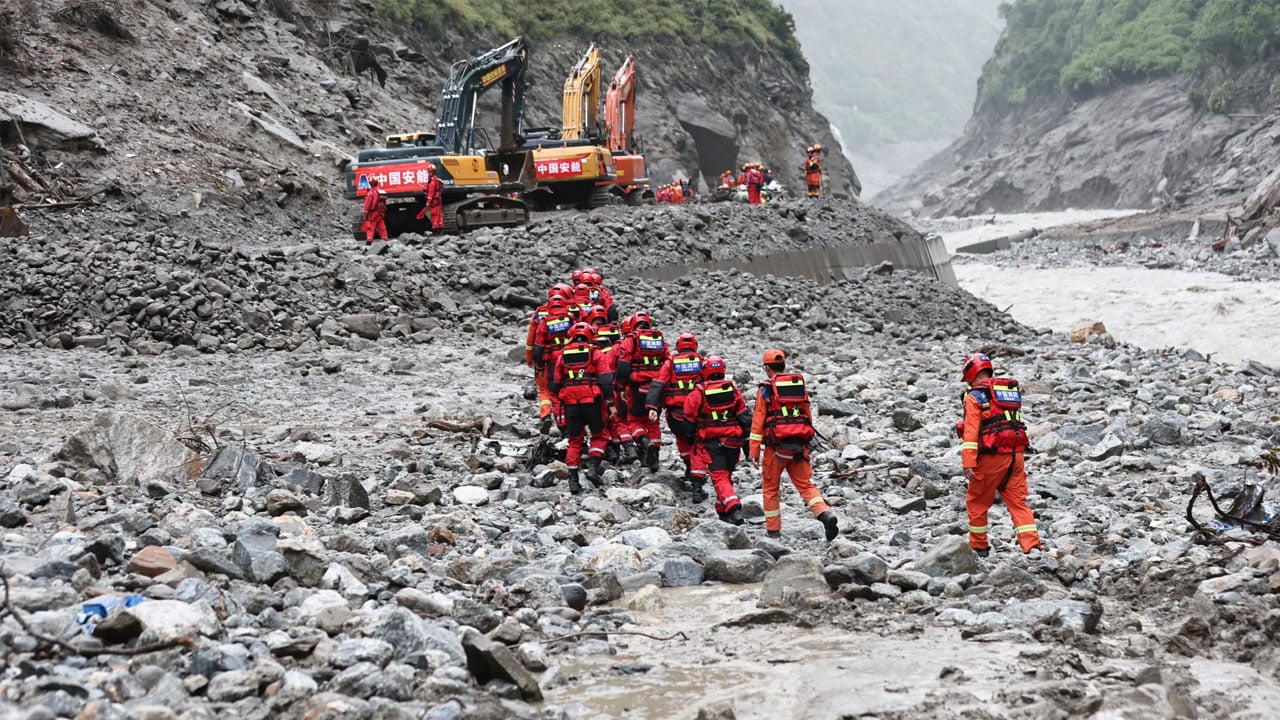
A glacier collapse near the Nepal-Tibet border on August 26, 2026 triggered a destructive flash flood and landslide, according to the source. A mass of ice and rock reportedly fell from near Langtang Lirung into the Lhende River, temporarily blocking the channel before the debris dam failed. The resulting flood swept through downstream valleys, affecting the Bhotekoshi and Trishuli river basins. The source reports 469 deaths, about 1,500 injuries and roughly 1,500 missing people. Scientists cited in the report describe the event as a cascading geophysical disaster rather than a rainfall-driven flood. They said the collapse generated seismic signals equivalent to a magnitude 5.2 earthquake, though the US Geological Survey later determined that no natural earthquake had occurred. The debris flow reportedly travelled its first 22 kilometres at an average speed of about 193 kilometres per hour, while river levels rose about nine metres within 30 minutes. The report links the disaster to weakened permafrost, glacier retreat, unusually high temperatures and steep Himalayan terrain. It says a heatwave struck the area two days earlier, while longer-term warming has destabilised ice and rock. Damaged roads and bridges have also hindered rescue access to remote communities.

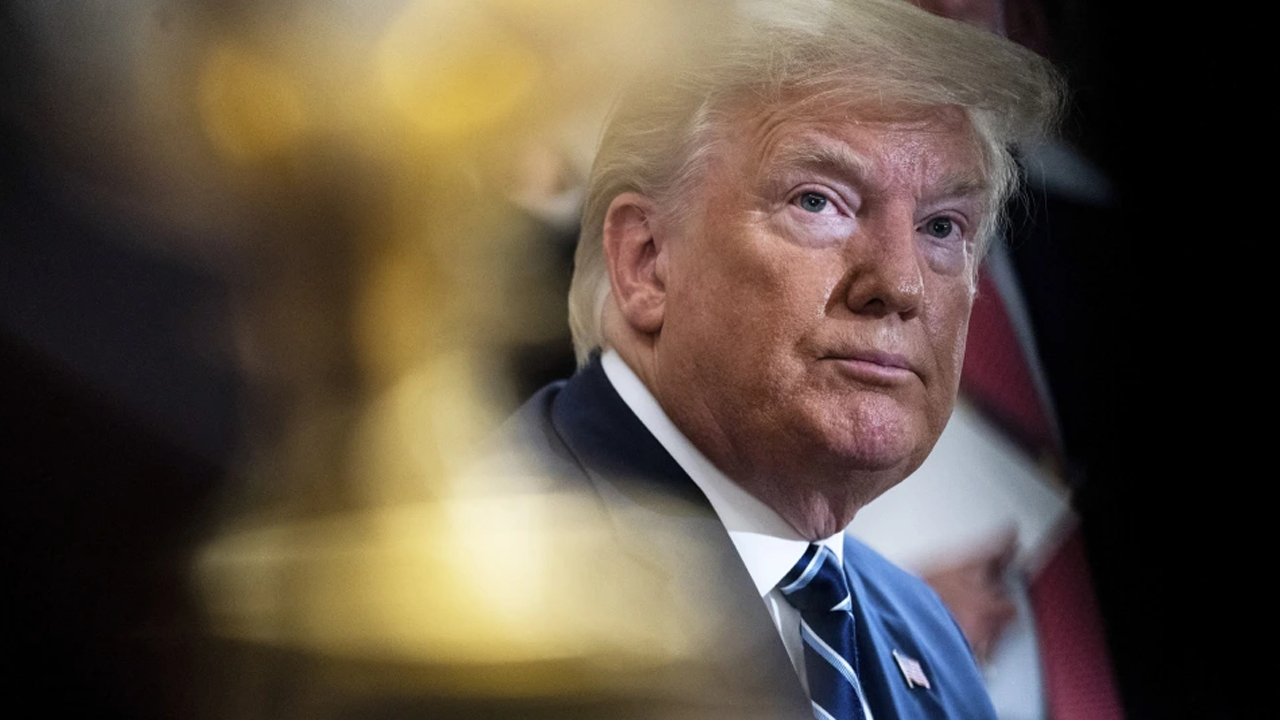
US President Donald Trump has threatened what he described as a “full-scale economic war” against Iran, but questions remain over whether new sanctions can place meaningful pressure on Tehran. Mark Fiefl, a former US national security adviser and president of Off the Record Strategies, said sanctions alone may not be sufficient to force Iran to yield. In an analysis to Al Jazeera from Washington, Fiefl said isolated sanctions and threats issued on social media would make it difficult to pressure Iran effectively. He argued that the entire US government would need to pursue a coordinated strategy rather than impose successive measures without broader alignment. Fiefl said the central issue is Iran’s nuclear and military capacity. He argued that sanctions would remain of uncertain effectiveness if Iran retains uranium, continues its missile program, and maintains funding for regional proxies. According to his assessment, Washington would need a policy targeting Iran’s economic capacity, uranium stockpile, missile program and proxy financing simultaneously. The effectiveness of Trump’s threat, he said, will depend on how planned and coordinated US pressure is.
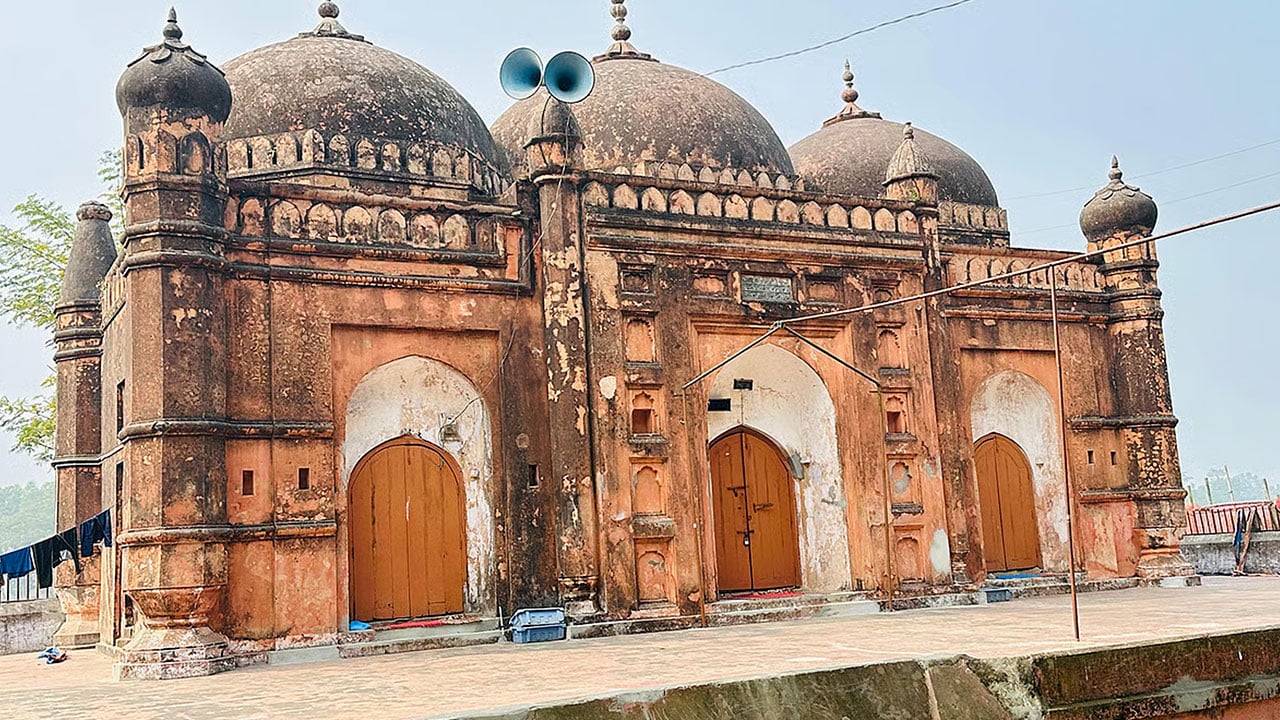
The Gayebi Mosque in Sharifpur village of Baishgaon Union, Manoharganj, Cumilla, continues to draw worshippers and visitors for its Mughal-era architecture and setting beside Nateshwar Dighi. Archaeology Department sources in Cumilla and local sources say the mosque was built in 1657, while some residents cite 1658. The lime-and-surki structure is described as about 400 years old and has been preserved as an antiquity. Located near the meeting area of Cumilla, Chandpur and Noakhali districts, the mosque stands at the northeastern corner of the 35.29-acre Nateshwar Dighi. It has three domes, three arched eastern entrances, three western mihrabs, four large octagonal corner minarets and two additional octagonal minarets above the central entrance. A Persian inscription names Hayat Abdul Karim as its founder. Local accounts differ over its origin, with some describing it as a divinely established mosque linked to Hazrat Shah Sharif Baghdadi (R.), whose shrine is on the eastern bank of the dighi. The Archaeology Department oversees maintenance and renovated the mosque five years ago, according to the management committee. Residents say further urgent repairs are needed and have called for an archaeological tourism centre around the mosque, dighi and shrine.
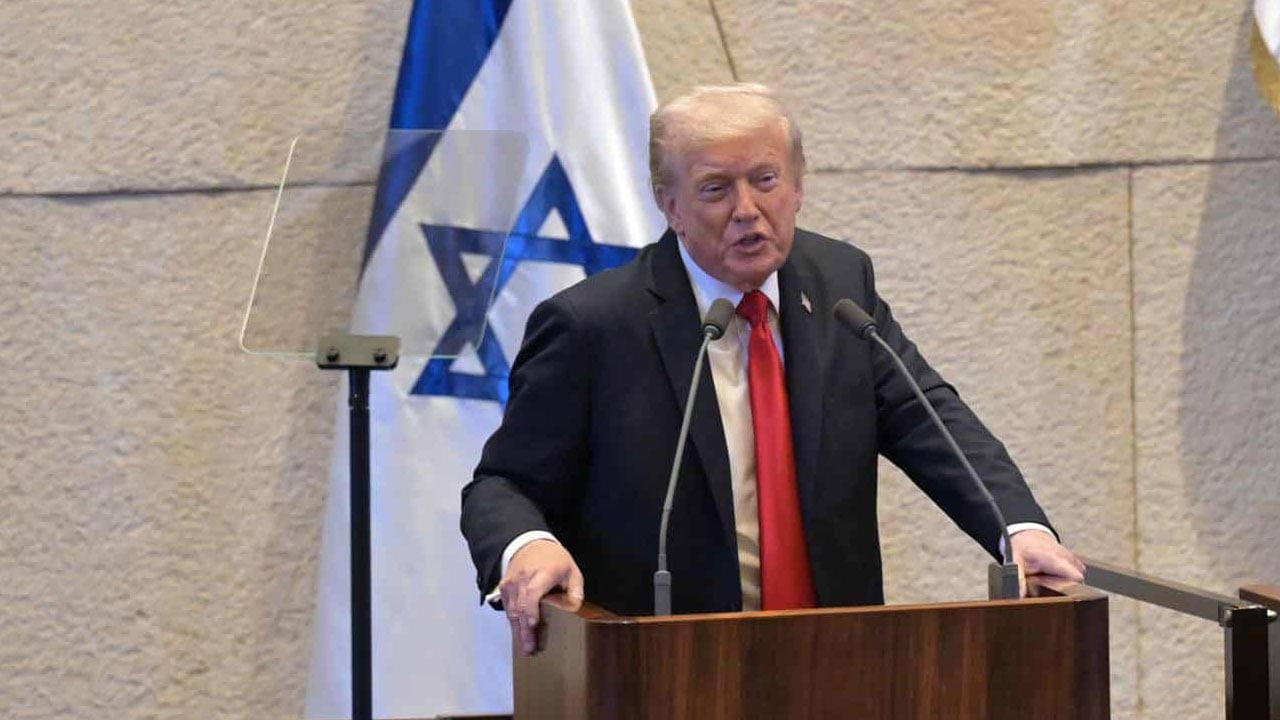
A federal judge in California said the US government was acting unconstitutionally to silence critics of Israel, criticizing the Trump administration’s effort to deport people protesting Israel’s actions on college campuses. In a Friday ruling, Judge Noel Wise delivered a victory for The Stanford Daily, the Stanford University student newspaper. The newspaper had said some international students were afraid to speak publicly because of deportation threats. Wise wrote that free speech becomes illusory if people are free only to express favorable opinions about the government and its leaders. He also described freedom of speech and freedom of the press as foundations of America’s enduring democracy. The Stanford Daily editor-in-chief George Portias welcomed the ruling in a post on X. He said journalists in the newsroom should not have to work with fears that writing a report could lead to their expulsion. Portias said the victory meant they would no longer have to hold such fears.
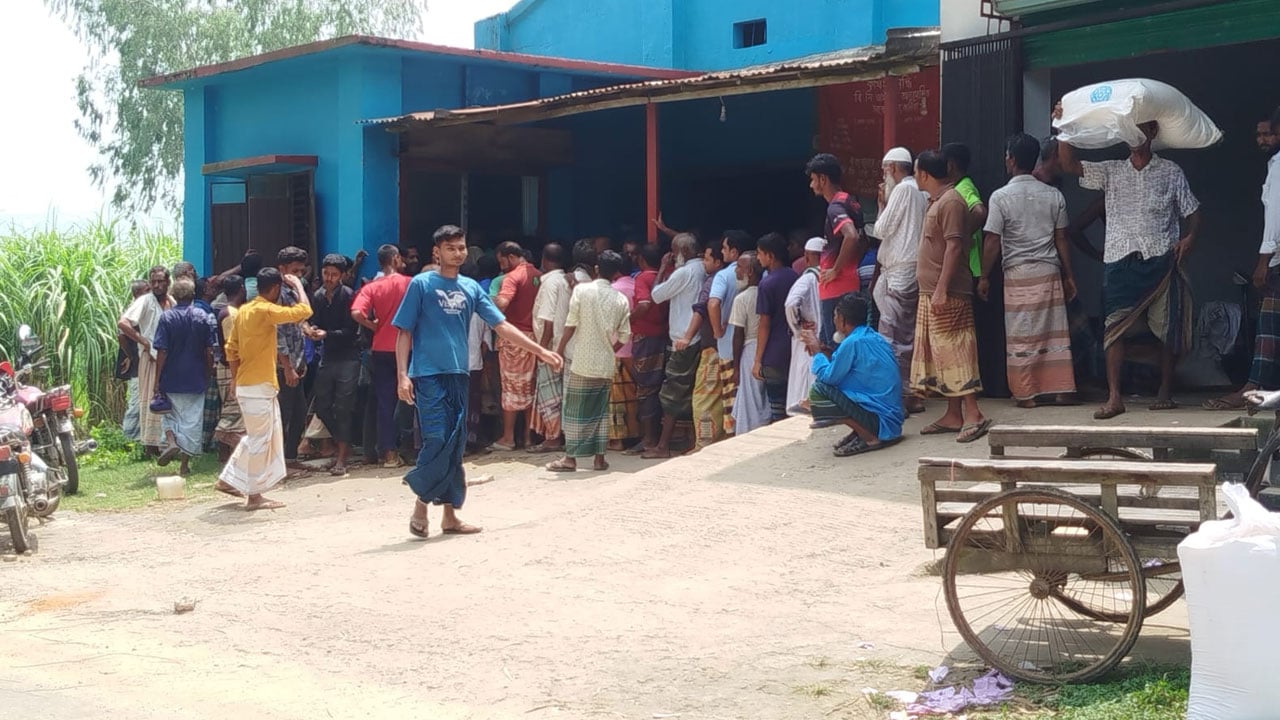
Farmers in several unions of Pirganj upazila in Rangpur are facing difficulties obtaining urea fertiliser, as local fertiliser shops are unable to meet demand. Many farmers have moved from shop to shop before joining lengthy queues at dealer points, where some wait for hours and receive only one sack each. Long lines were observed at Messrs Tripti Traders, a dealer in No. 7 Bara Alampur union, and Saha Bhandar in No. 12 Mithipur union. Farmer Abdul Karim said he had waited for four hours without receiving fertiliser. Farmer Rabiul Prodhan said his land requires four sacks but he received one, warning that inadequate supply could harm cropland. Locals alleged that Tripti Traders owner Tojammel Haque Dulu supplied fertiliser to his nephew Manik’s shop for sale at higher prices; Dulu denied the allegation. Upazila Agriculture Officer Suman Ahmed said Pirganj has 490 tonnes of urea in stock, with another 353 tonnes allocated this month and being collected. Authorities have also permitted next month’s allocation to be collected this month and are working to prevent a fertiliser syndicate.
Rescue operations entered their fifth day after flash floods struck the Nepal-Tibet border region last Wednesday, with 682 deaths reported across both sides. Nepalese authorities said 675 people had died in Nepal, while seven fatalities were reported in Tibet. Nepal’s disaster response agency said more than 7,500 people have been rescued, but about 2,500 remain missing and 219 are injured. Nepal’s tourism board had previously reported the rescue of 250 foreign nationals, although 320 others had not yet been located. Crowds of anxious people are gathering in Nuwakot district as families await news of relatives. A man who travelled from Sussex, England, to assess conditions in his village said his wife, mother, uncle and brother were missing, and that the area where the village stood was now underwater. Searches are also continuing at the Trishuli-3 A hydropower project site, where rescuers are looking for survivors in tunnels buried beneath mud. Amid the scale of destruction, an earlier image showed a mother reunited with her eight-year-old son, who had climbed a tree to escape the floodwaters.
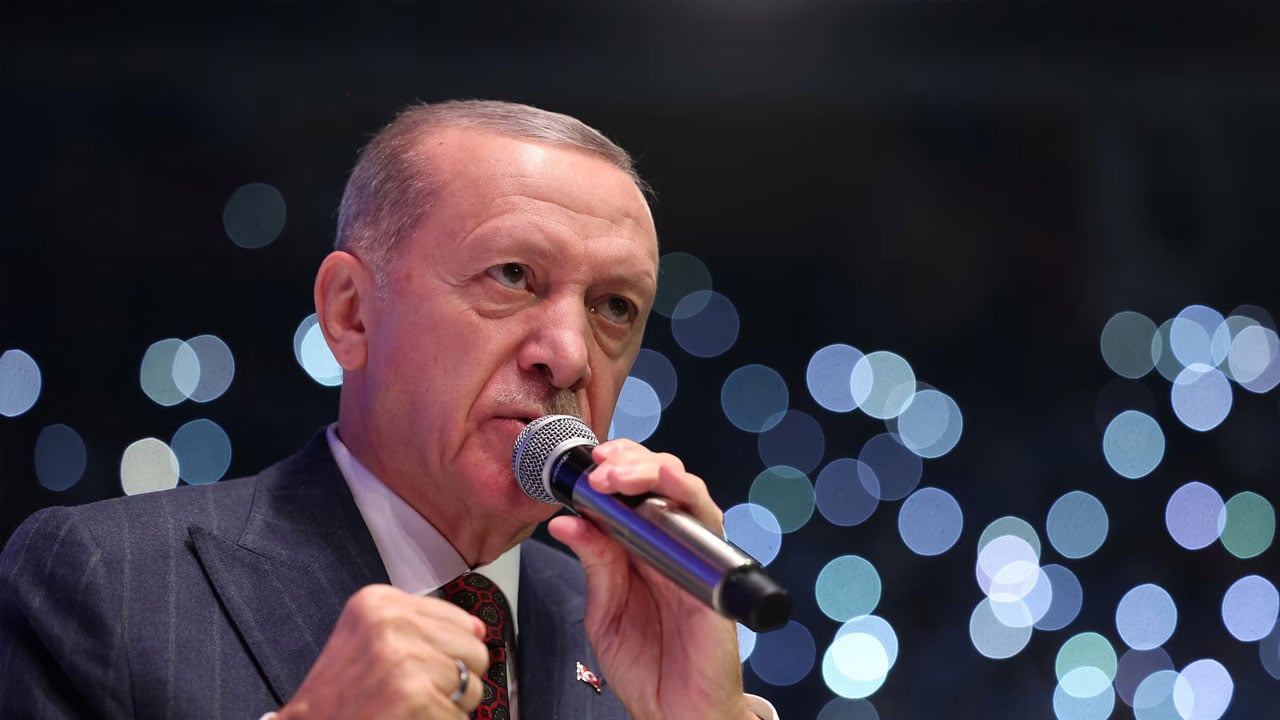
Turkey has strongly condemned recent remarks by Israel’s Foreign Ministry accusing President Recep Tayyip Erdogan of spreading a “false blood libel.” In a statement, Ankara said the allegations against Erdogan reflected what it described as the cowardly and corrupt mentality of criminals acting for the Israeli government, particularly Prime Minister Benjamin Netanyahu. Israel’s Foreign Ministry had alleged that Erdogan had destroyed democracy in Turkey, supported Hamas and carried out aggression in neighboring countries. In a post on X, the ministry said Erdogan, like history’s most abhorrent antisemites, was spreading a false blood libel to divert attention from his own actions. Turkey’s Foreign Ministry said Ankara has maintained an honest position against crimes committed by Israel. It also said Israeli institutions acting like Goebbels’ propaganda machine were no longer sufficient and that the international community no longer believed the Netanyahu government’s “lies.” Turkey said it would continue to defend and speak for the truth.
Nepal’s foreign minister has said damage from sudden flooding could amount to “several billion dollars,” while cautioning against making a precise estimate at this stage. Several countries and institutions have announced financial assistance, relief supplies and emergency support for people affected by the floods. The United Kingdom pledged £5 million, with Prime Minister Andy Burnham describing the situation as deeply tragic and destructive. European Commission President Ursula von der Leyen announced €2 million in immediate humanitarian aid for life-saving assistance. Canada committed C$5 million for emergency operations through the United Nations, Red Cross and other NGOs, while the United States announced $500,000 for emergency shelter, water, sanitation and other relief items. India’s third relief aircraft arrived in Kathmandu on Friday carrying 10 tonnes of humanitarian aid and an 11-member medical and tunnel-rescue team, according to Foreign Minister S. Jaishankar. China has also arranged emergency relief materials and cash assistance, according to its ambassador to Nepal. The foreign minister’s warning indicates that a definitive assessment of flood losses has not yet been made.
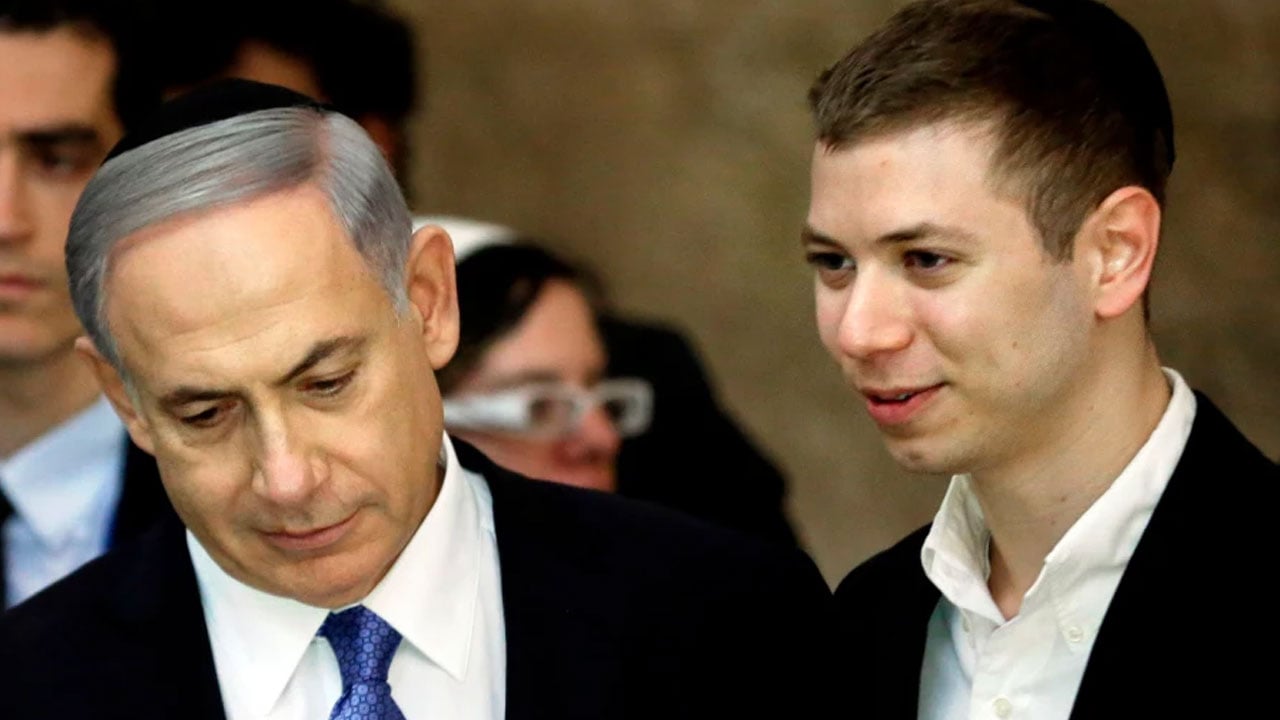
Yair Netanyahu, son of Israeli Prime Minister Benjamin Netanyahu, was brought back to Israel from the United States after an alleged Iranian plan to kill him, Israel’s Channel 12 reported, citing the Shin Bet internal security agency. The report said the threat was considered serious enough to prompt a rapid return. According to Channel 12, Shin Bet assessed the threat and coordinated with Yair Netanyahu’s security team before deciding to return him to Israel. The report described the move as a security response to the alleged plot while he was in the United States. Channel 12 also said several Shin Bet officers who had been in New York with Israeli President Isaac Herzog were sent to Miami to help manage the operation. Before Shin Bet’s reported confirmation, news had said Yair Netanyahu was returned from Florida to Israel in December 2025 after Israeli intelligence allegedly identified an Iranian assassination plot against him there.
A video circulating on social media has sparked concern over alleged harassment of an elderly Muslim man in India. The footage, published by Turkey-based international outlet Yeni Safak, shows a man with a tilak on his forehead standing behind an elderly, white-bearded Muslim man seated inside a shop or business establishment and allegedly physically humiliating him. The elderly man appears to endure the situation silently. The video’s circulation has prompted anger and anxiety among internet users. Human rights activists and other groups have alleged that incidents of harassment and hostility targeting Muslim minorities in India have increased at an alarming rate in recent times. The report says India’s Muslim minority community has long faced discrimination and attacks, according to reports by various human rights organisations. It also cites a recent report that water lines were cut off in a Muslim colony in West Bengal in connection with voting, adding to concerns about growing Islamophobia in the country.

Nepal has sought foreign assistance to supply freezers as it struggles to preserve bodies recovered after devastating floods that have killed more than 600 people. The country’s foreign minister said the support was needed while efforts continued to locate victims’ relatives. At a previous news conference, Shisir Khanal said hundreds of bodies had been found downstream in rivers. He said the bodies faced a risk of rapid decomposition because they had remained in water for a long time. Khanal said Nepal has “very limited” capacity to keep bodies frozen for extended periods. The government is actively seeking cooperation from foreign governments to identify arrangements needed for preserving the recovered bodies.
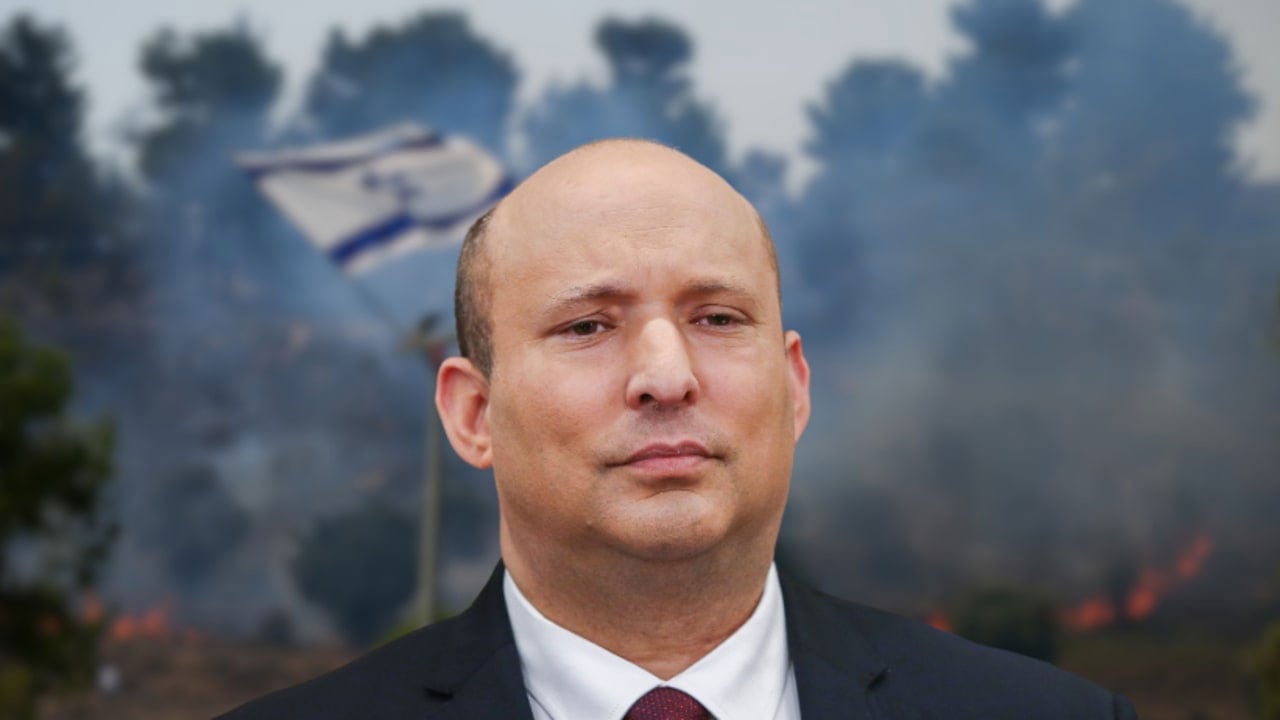
Former Israeli Prime Minister Naftali Bennett said an ice cream vendor in Croatia refused to sell ice cream to his daughter during a family holiday on the Croatian coast. Bennett recounted the alleged incident in an interview on the “Haida” podcast, published this week by Beit HaPodiam. According to Bennett, his daughter Abigail was waiting in line for her order when the vendor asked where she was from. Bennett said that after she replied that she was from Israel, the vendor said, “No ice cream for Israelis.” Bennett alleged that the vendor then took the ice cream away, crushed it and threw it into a bin, before telling his daughter to leave. The source describes the incident as reflecting support for Palestinians, while Bennett said the seller had understood that his daughter was Israeli.
The ‘1 Nojor’ media platform is now live in beta, inviting users to explore and provide feedback as we continue to refine the experience.