

The ‘1 Nojor’ media platform is now live in beta, inviting users to explore and provide feedback as we continue to refine the experience.
Israeli Prime Minister Benjamin Netanyahu is determined to derail a nearly finalized ceasefire agreement between the United States and Iran, according to the report. As Washington and Tehran move toward a truce, Netanyahu, who faces war crimes charges at the International Criminal Court, views any settlement that leaves Iran intact as a defeat. He is reportedly using political, military, diplomatic, media, and lobbying tools to prevent U.S. President Donald Trump from signing the memorandum of understanding. Netanyahu rejects any compromise that does not disarm Hamas and Islamic Jihad in Gaza, dismantle Hezbollah in Lebanon, and neutralize Iran. The article describes how Netanyahu’s opposition stems from his belief that peace would expose him to corruption trials and end his political career. Meanwhile, Trump faces domestic pressure as public support for prolonged Middle East wars declines. Recent U.S. polls show growing skepticism about the rationale for the Iran conflict, even within Trump’s own party. The war has also strained U.S. military resources, with reports of damaged bases and depleted missile stockpiles. Diplomatic efforts led by Pakistan and supported by Arab and Islamic states have brought a 60-day regional ceasefire proposal close to conclusion. However, Netanyahu continues to resist, fearing it would strengthen Iran’s position in future negotiations.
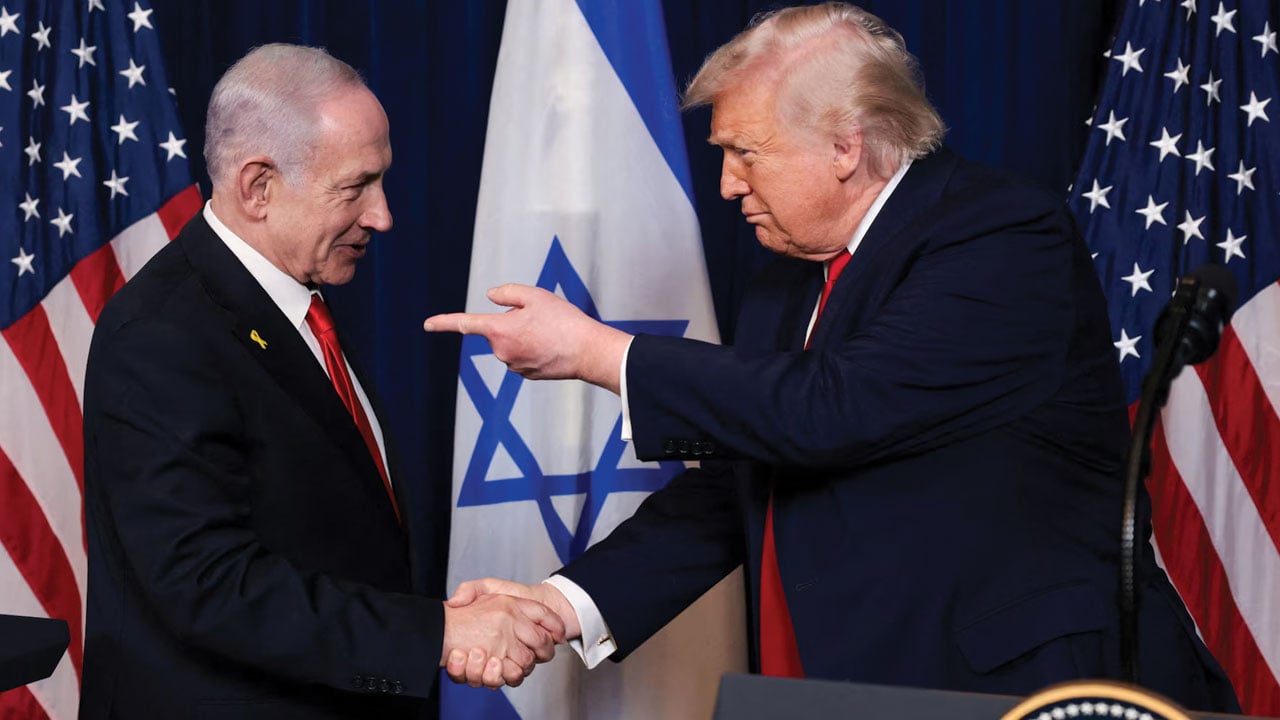
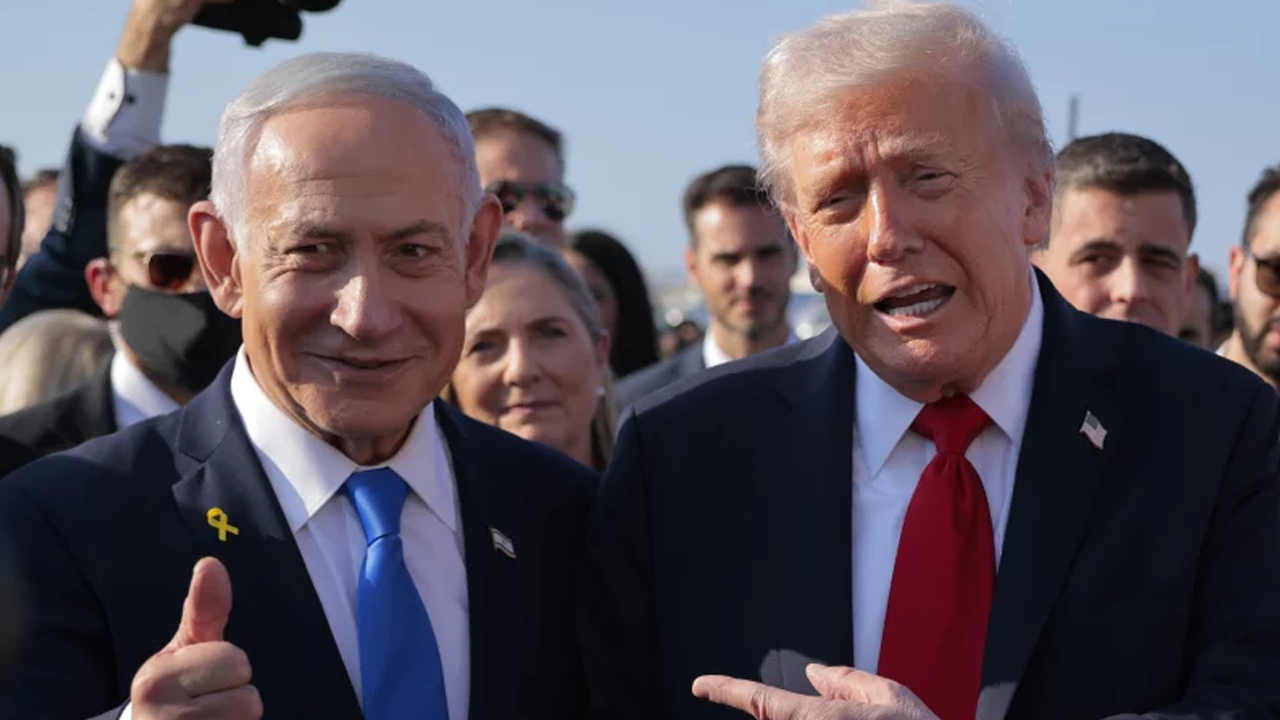
U.S. President Donald Trump has cautioned Israeli Prime Minister Benjamin Netanyahu not to engage in a new war with Iran. In an interview with the American outlet Axios, published on Monday, Trump said he warned Netanyahu that if Israel reignites conflict with Iran, it might eventually have to fight alone. According to Axios, Trump told Netanyahu to be careful or risk isolation. The warning came as both Iran and Israel announced a halt to their retaliatory attacks on Monday. Netanyahu stated that the conflict was now under control, while Tehran declared a temporary suspension of military operations but warned it would respond if Israel launched new strikes on Iran or Lebanon. Iran’s top military command, Khatam al-Anbiya Central Headquarters, issued the statement. The developments followed two months of reciprocal attacks between Israel and Iran that reignited tensions across the Middle East late Sunday night and continued into Monday morning, according to Reuters and AFP reports.
Several contracting firms in Chattogram have alleged that tender conditions under the Department of Livestock were deliberately designed to favor two companies linked to a local Awami League leader. The tenders, issued through the e-GP system for supplying feed and medicine to poultry farms, reportedly included technical requirements that made participation difficult for most bidders. The Ministry of Livestock is investigating the allegations. Documents and written complaints reviewed by the newspaper indicate that the tenders imposed manufacturer authorization requirements for imported products, effectively excluding many suppliers. Contractors claim that the favored firms, owned by a former Sitakunda Awami League leader now in hiding, have dominated such contracts for 17 years. Multiple firms have petitioned the Directorate of Livestock to relax restrictive conditions and ensure fair competition. Officials involved in the tender process have denied any wrongdoing, stating that all procedures followed public procurement rules. However, complainants insist that the restrictive terms undermine open competition and could lead to financial losses for the government if not addressed.

A violent clash erupted late Friday night in Chattogram’s Nandankanan area between members of ISKCON and local Hindu residents over an alleged land grab. According to reports, ISKCON members confined police officers and attacked residents while attempting to seize land belonging to the Loknath Temple community. At least seven people were injured, and additional police were deployed to control the situation. Loknath Dham authorities accused ISKCON of using forged documents to occupy nearby property and expand its temple complex. Witnesses said ISKCON members brought in outsiders, cut power and CCTV connections, and vandalized homes. Victims alleged that police failed to intervene promptly. Local leaders claimed ISKCON’s actions were premeditated and aimed at taking control of the entire area. ISKCON representatives denied the allegations, asserting that the disputed land was legally donated to them decades ago and that Loknath Temple members obstructed their access. Police stated that both sides have been summoned for mediation and that an investigation is underway.

Several airlines and service companies operating at Hazrat Shahjalal International Airport are failing to comply with the mandatory radar-based Vehicle Tracking System (VTS) requirement for vehicles in the airside area, creating safety risks for aircraft movements. The Civil Aviation Authority of Bangladesh (CAAB) has issued repeated directives, most recently on May 20, instructing all operators to complete installation and submit necessary documentation by June 15. Despite earlier deadlines, most organizations have not implemented the system. CAAB officials explained that the VTS is designed to centrally monitor the position, speed, and route of vehicles on runways, taxiways, and aprons. The system would allow immediate alerts if a vehicle deviates from its route or enters restricted zones. Aviation experts and CAAB members emphasized that such technology is standard in modern airports and essential for preventing ground accidents. Past incidents, including collisions involving ground vehicles and aircraft, have highlighted the risks of inadequate monitoring. CAAB has already procured 80 vehicle trackers and plans to expand coverage to ensure full integration with the airport’s advanced surface movement control system.

The trial of former Food Minister Kamrul Islam and Workers Party President Rashed Khan Menon begins today at the International Crimes Tribunal-1 in Dhaka. The case involves allegations of crimes against humanity related to killings during the July Revolution. The proceedings are being led by Tribunal Chairman Justice Golam Mortuza Majumder, with Justices Shafiul Alam Mahmud and Mohitul Haque Enam Chowdhury serving as panel members. The opening statement is scheduled to mark the formal start of the trial, followed by the recording of the first witness testimony. Earlier, on April 30, the tribunal rejected the defendants’ petitions seeking discharge from the charges and formally framed charges against them, paving the way for the trial to proceed. The case marks a significant development in the tribunal’s ongoing efforts to address historical crimes committed during political upheavals in Bangladesh. The tribunal’s decision to move forward with the trial indicates a continuation of judicial processes concerning alleged wartime and political crimes, with further hearings expected in the coming weeks.

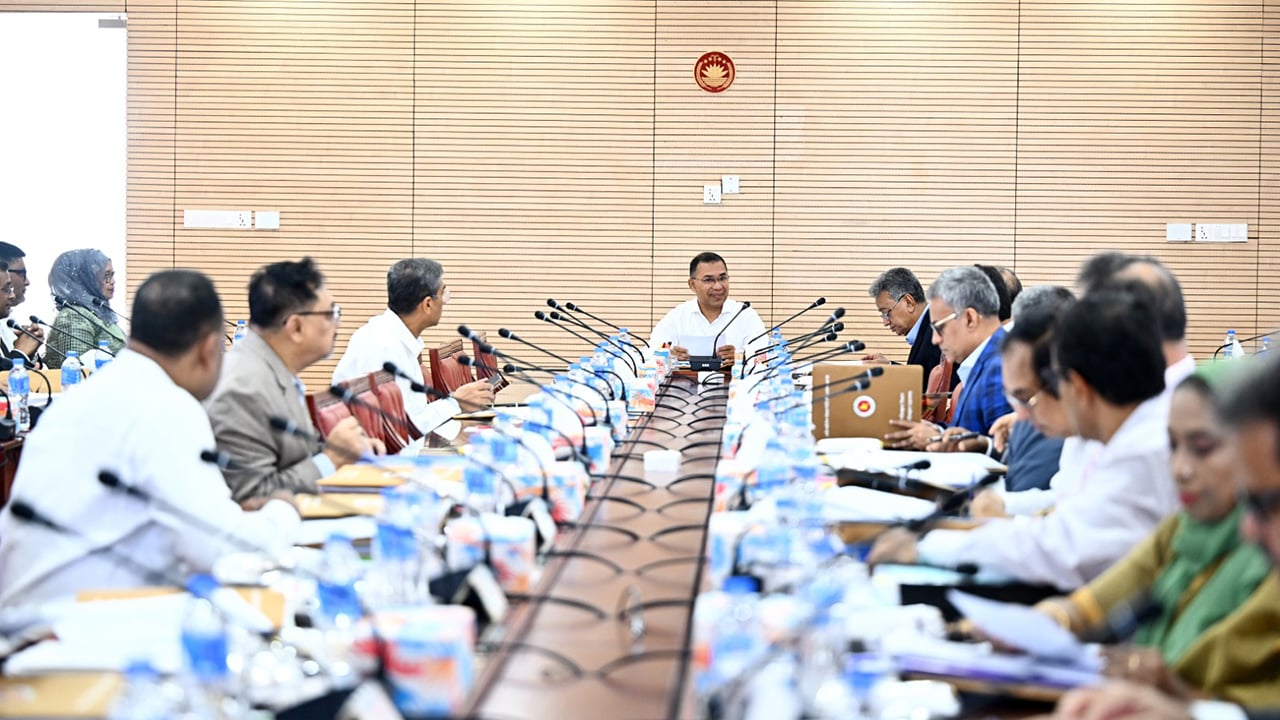
Prime Minister Tarique Rahman chaired a meeting of the Executive Committee of the National Economic Council (ECNEC) on Tuesday morning, June 8, at the Cabinet Division’s Public Administration Conference Room in the Secretariat. The meeting was confirmed by Deputy Press Secretary Sujan Mahmud. The session discussed several development projects, including a new Chinese Economic and Industrial Zone in Anwara, Chattogram. The proposed project, covering 800 acres, is expected to create 100,000 jobs and attract $500 million in foreign investment. The total cost is estimated at Tk 4,190 crore, with Tk 1,722 crore from the government and Tk 2,467 crore in project assistance from China. Implementation is planned from January 2027 to December 2031. The meeting follows the earlier cancellation of the Indian Economic Zone project in Mirsarai, which had been halted by the interim government in February after the public uprising. The new proposal aims to revive industrial growth and foreign investment momentum in the region.
Iran’s Sunday night attack on Israel has stunned the country and triggered sharp divisions among Israeli politicians and journalists. Some critics of Prime Minister Benjamin Netanyahu are urging stronger military retaliation against Iran, while others warn against reigniting a full-scale war. The strike followed an earlier Israeli attack near Beirut that Iran condemned as a ceasefire violation. In response, Israel launched air raids on Tehran and other Iranian cities, prompting U.S. President Donald Trump to call for an immediate halt to hostilities. Israeli commentators have accused Netanyahu of surrendering national security decisions to Washington, with some ministers and opposition leaders demanding direct strikes on Iran. Analysts cited the escalation as evidence of the failure of the earlier joint Israel-U.S. campaign against Iran. The government has declared multiple emergencies, suspended schools and gatherings, and limited transport and hospital operations. Military sources indicated Israel is mobilizing reserve forces and preparing for several days of fighting. The confrontation has deepened internal political rifts, with opposition figures accusing Netanyahu of exploiting regional tensions to avoid domestic political challenges.

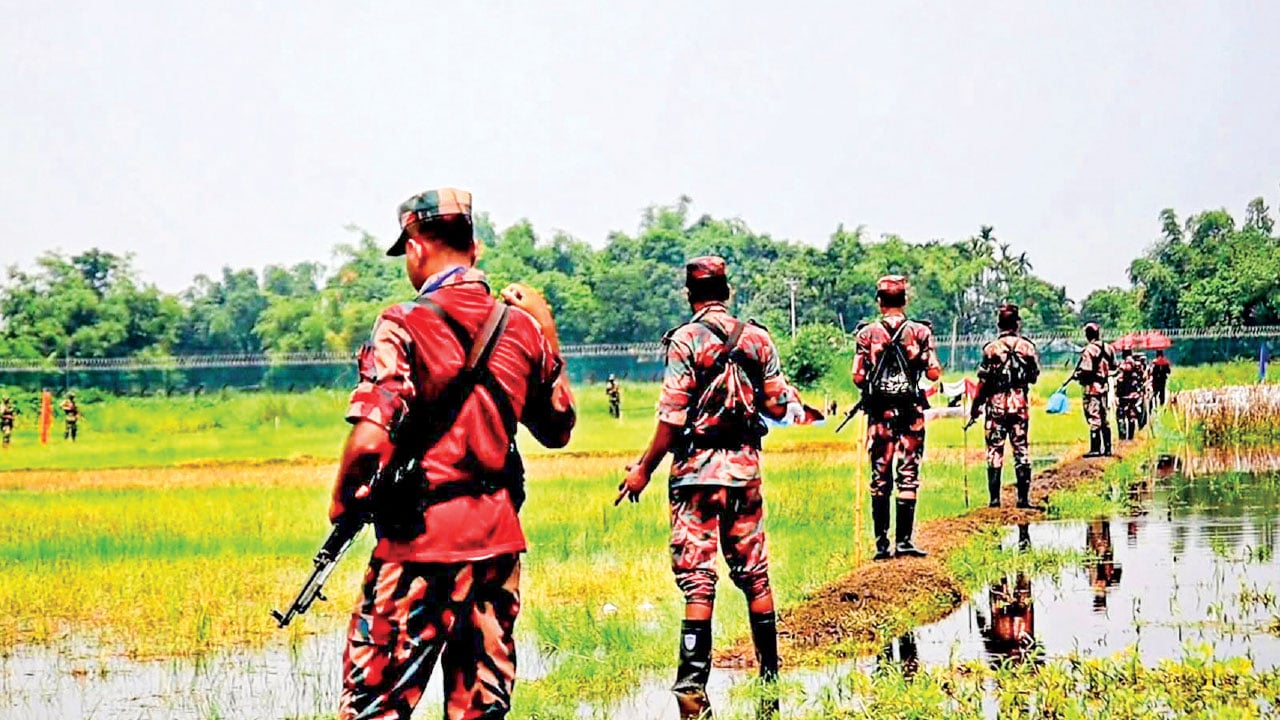
A tense atmosphere prevailed at the 57th border conference between Bangladesh and India, which began on June 8 at the BSF headquarters in New Delhi. The meeting saw sharp exchanges between the Border Guard Bangladesh (BGB) delegation led by Major General Muhammad Ashrafulzaman Siddiqui and the Indian Border Security Force (BSF) team headed by Director General Praveen Kumar. The BGB strongly protested alleged forced push-ins of Bangladeshis and border killings, demanding an immediate end to such incidents. The BSF countered by accusing cross-border intrusions, fence cutting, and attacks on its personnel, calling these acts threats to India’s national security. Despite the heated debate, both sides agreed to cooperate against human trafficking, drug and arms smuggling, and to prevent illegal construction within 150 yards of the border. They emphasized maintaining coordination and communication to ensure peace and stability along the frontier. Separately, the BSF removed ten people from the zero line at Panchagarh’s Borobari border after a 70-hour standoff over a push-in attempt, ending the local deadlock late Sunday night.
Education Minister Ehchanul Haque Milon announced that the government is restructuring Bangladesh’s education system, with a completely new curriculum to be introduced in 2028. He said at a press conference in Dhaka that textbooks for the next academic year are being printed with necessary revisions, while full curriculum reform is underway. The minister also mentioned plans to publish a white paper on corruption within the Education Ministry. Prime Minister’s Education Adviser Mahdi Amin stated that four new textbooks will be added to primary and secondary levels from the next academic year, including subjects on sports, culture, technical education, and learning with happiness. He emphasized that the reforms align with the BNP’s election manifesto, aiming to promote creativity, moral education, and employable skills among students. The minister further confirmed that the 2027 SSC exams are scheduled to begin on January 7 and end on February 8, with results for the current year’s SSC exams to be released on July 20. Additionally, the Primary Education Directorate’s Gold Cup football tournament final will be held on June 20 at the National Army Stadium.

The government has appointed new vice-chancellors at four public universities in Bangladesh. The Ministry of Education’s Secondary and Higher Education Division issued separate notifications on Monday, June 8, 2026, confirming the appointments. The universities include Patuakhali Science and Technology University, Pirojpur Science and Technology University, Rabindra University, and the newly established Lakshmipur Science and Technology University. According to the notifications, Professor S.M. Hemayet Jahan, from the Department of Entomology at Patuakhali Science and Technology University, has been appointed as its new vice-chancellor, replacing Professor Kazi Rafiqul Islam. Professor Mohammad Sabirol Islam Hawlader from Rajshahi University’s Arabic Department has been named vice-chancellor of Pirojpur Science and Technology University, succeeding Professor Md. Shahidul Islam. At Rabindra University, Professor Tahmina Akhter from the Institute of Social Welfare and Research at Dhaka University has replaced Professor S.M. Hasan Talukder. Professor Mohammad Hanif, formerly of Noakhali Science and Technology University, has been appointed the first vice-chancellor of Lakshmipur Science and Technology University. Each appointment will remain effective for four years from the date the respective vice-chancellors assume office.

The National Board of Revenue (NBR) is considering launching a new Withholding Identification Number (WIN) system to strengthen monitoring of tax deductions at source. The proposal may be presented in the national budget speech on June 11. Under current law, institutions deduct 5 percent tax from house rent payments and deposit it into the government treasury, but there is no effective mechanism to verify whether the deductions are properly made or deposited. The WIN system aims to ensure transparency and accuracy in withholding tax collection. According to NBR officials, the new system would help increase revenue and reduce tax evasion by tracking how much tax each institution deducts and from whom. Certificates issued against deducted taxes would assist taxpayers in claiming adjustments or refunds during annual income tax returns, while deducting authorities could prove compliance with government rules. Institutions involved in salary payments, product or service transactions, and financial institutions deducting tax on interest income would be required to register for a WIN. The NBR is also dropping plans to reintroduce wealth tax and to allow whitening of undisclosed money in the upcoming budget, while 67 top taxpayers will receive awards to encourage compliance.

UK Prime Minister Keir Starmer has told his supporters that he is ready to fight to retain his leadership of the Labour Party. He confirmed that he would take part in any leadership contest if one were to occur, according to a BBC report on Sunday. Deputy Prime Minister David Lammy also stated that Starmer would join any such contest, noting that it would require signatures from 81 MPs to proceed. The leadership question has intensified after Greater Manchester Mayor Andy Burnham expressed interest in joining a potential leadership race. Starmer and his allies argue that a contest would create instability within both the party and the country. They emphasize that Starmer must fulfill the strong mandate he received two years ago. Following poor results in recent local elections, calls for Starmer’s resignation have grown within the Labour Party. The outcome of the upcoming June 18 by-election in Makerfield is expected to influence his leadership position, with Burnham’s success seen as crucial for strengthening his standing within the party.

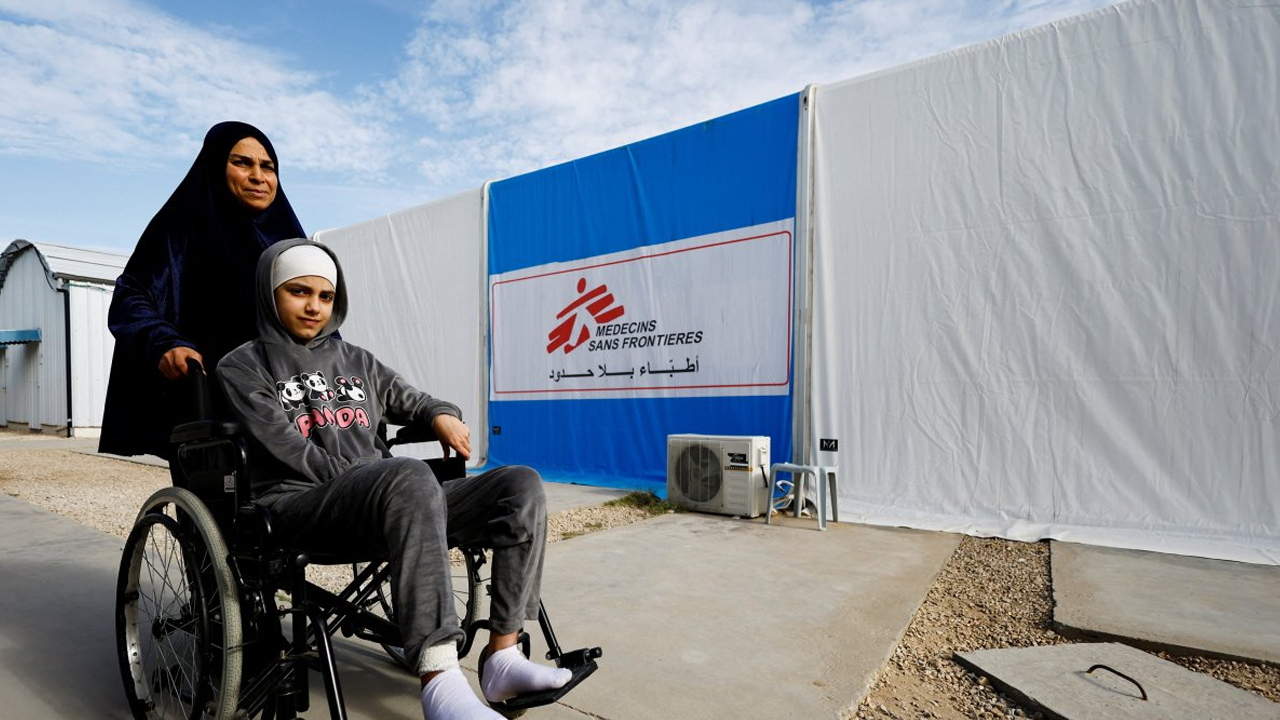
Twenty countries, including eighteen from Europe along with Australia and Japan, have issued a joint statement strongly condemning Israel’s new registration law for aid organizations operating in Gaza and the occupied West Bank. The statement followed a ruling by Israel’s Supreme Court last week that upheld the ban on several NGOs. Israel has already prohibited 37 aid groups, including Oxfam, Save the Children, Doctors Without Borders, and the International Rescue Committee, for refusing to submit lists of their Palestinian and international staff. The joint statement warned that the new law would severely limit humanitarian organizations’ ability to operate and respond to crises. It emphasized that aid entering Gaza remains grossly insufficient, even though nearly the entire population depends on life-saving services. The countries noted that international NGOs have been providing essential support in water, sanitation, field hospitals, education, nutrition, and mine clearance, in coordination with Palestinian civil society and the United Nations. The signatories urged Israel not to enforce the law in its current form, arguing that it is part of broader restrictions that already hinder humanitarian access through limited border hours, dual-use goods bans, and bureaucratic delays.
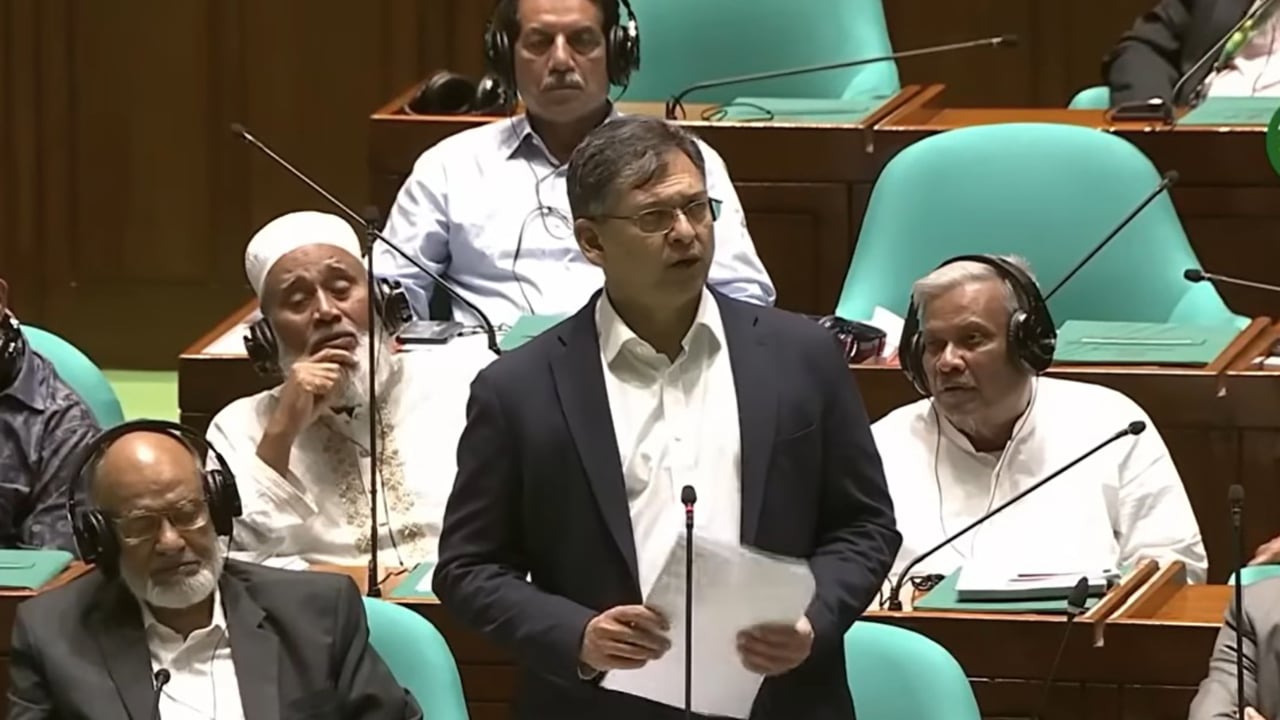
Home Minister Salahuddin Ahmed announced that the government is preparing amendments to the Cyber Security Act to counter misinformation, defamatory content, and AI-generated deceptive materials spreading on social media. He said the revised law will include provisions requiring international technology platforms, including Meta, to remove harmful content within a specified timeframe. The announcement came in response to a parliamentary notice raised by MP Helen Zerin Khan regarding fake accounts, bot networks, and online harassment. Helen Zerin Khan highlighted the growing use of fake identities, AI-generated content, and organized bot networks to manipulate public opinion and spread targeted disinformation against individuals and institutions. In reply, the minister noted that misleading content targeting political leaders and their families has recently increased and suggested redefining the boundaries of freedom of expression in the digital space. The minister added that the draft, to be known as the Cyber Security Act 2026, will empower agencies such as the BTRC and cyber security bodies to block or remove harmful content. He also mentioned that a new law to combat online and offline gambling is in its final stage and may be introduced in the current parliamentary session.
The ‘1 Nojor’ media platform is now live in beta, inviting users to explore and provide feedback as we continue to refine the experience.