

The ‘1 Nojor’ media platform is now live in beta, inviting users to explore and provide feedback as we continue to refine the experience.
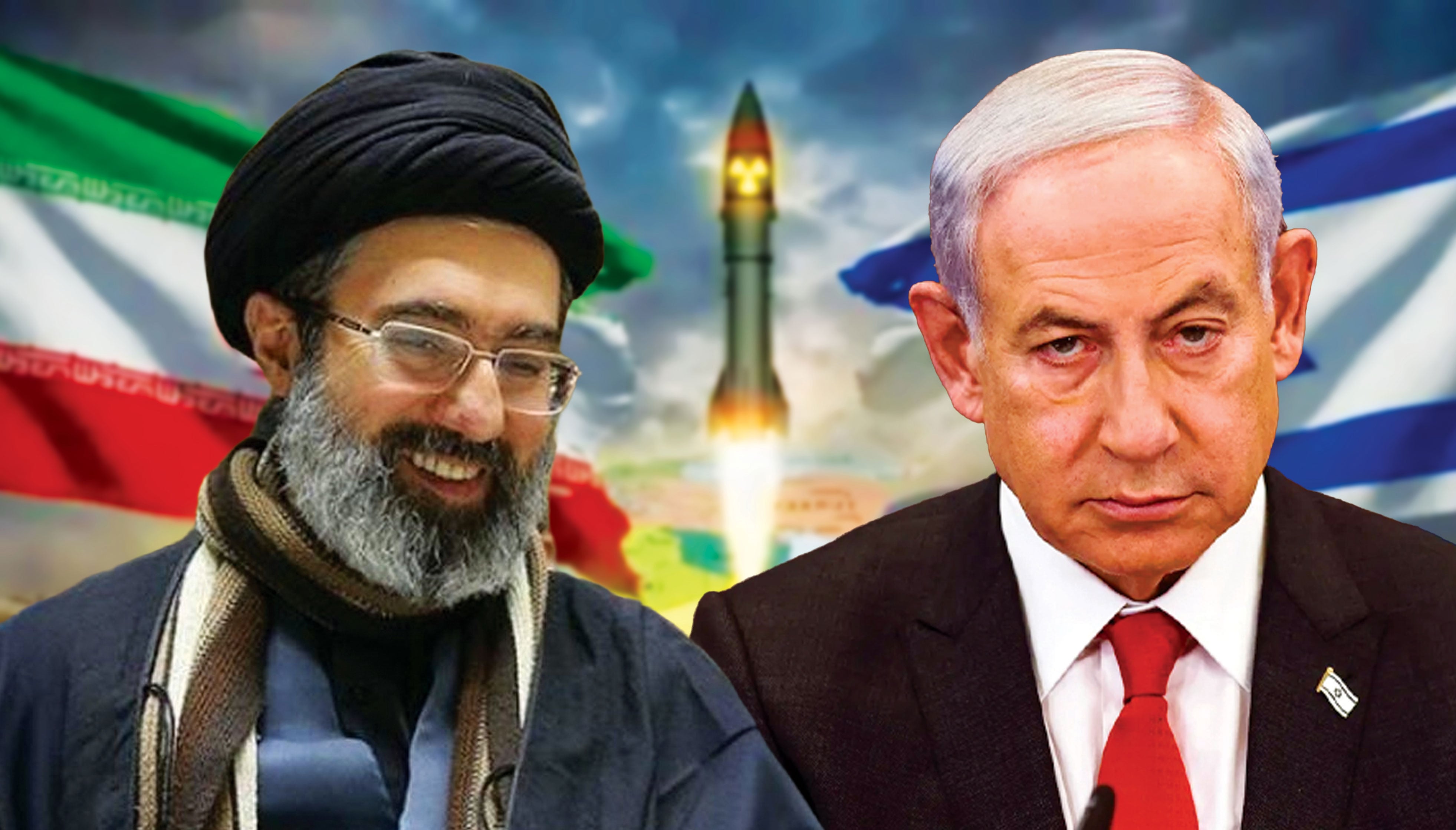
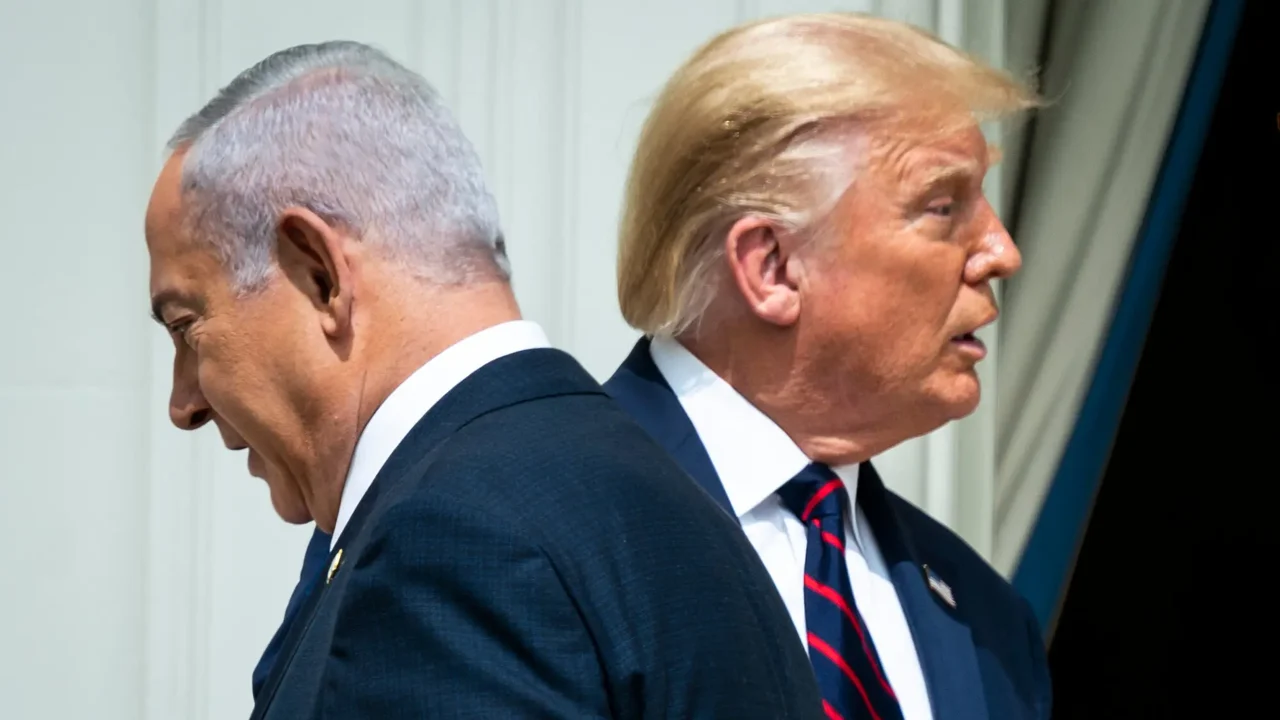
Israel and Iran engaged in a brief but intense confrontation lasting less than 15 hours from Sunday to Monday, which ended under pressure from U.S. President Donald Trump. The conflict began after Hezbollah launched rockets into Israel, prompting Israeli strikes on Beirut’s southern suburbs. Iran retaliated by firing around 30 missiles at Israel, while its Yemeni ally, the Houthis, also launched a missile and threatened Israeli-linked ships in the Red Sea. The rapid ceasefire highlighted Israel’s limited freedom of action and its reliance on Washington’s mediation. Analysts cited in the report said the episode revealed a new strategic equation in which Iran feels emboldened, believing Trump does not want another war. Israeli Prime Minister Benjamin Netanyahu initially gained political leverage by appearing defiant toward Trump, who had criticized Israel’s strikes, but the quick halt to hostilities underscored his dependence on U.S.-led peace efforts. Israeli experts warned that any future U.S.-Iran deal might fail to fully block Tehran’s nuclear ambitions while strengthening its regional influence. The incident reinforced concerns in Israel that ultimate control over escalation and de-escalation with Iran rests largely with the U.S. president.
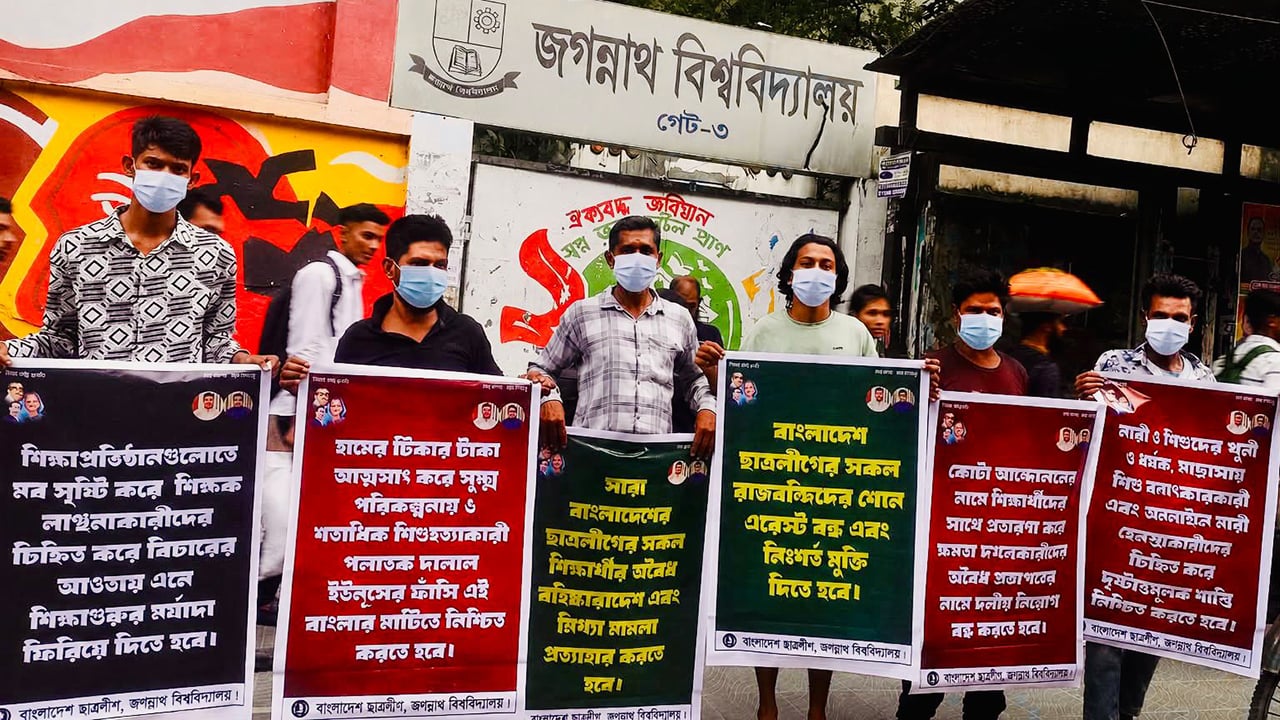
Leaders and activists of the banned Bangladesh Chhatra League organized a human chain protest in front of Jagannath University’s third gate on Tuesday morning, June 9, 2026. During the event, they raised six demands, including withdrawal of expulsion orders and cases against Chhatra League members, ending political recruitment under the guise of quota reform, unconditional release of detained activists, and exemplary punishment for crimes such as child abuse, rape, and online harassment. Posters displayed images of Sheikh Mujibur Rahman, Sheikh Hasina, Sajeeb Wazed Joy, and central Chhatra League leaders. Organizers Ashiq-e-Athahar Mesbah and Mehedi Hasan led the program, describing it as inspired by the historic six-point movement. They alleged that after August 5, Chhatra League activists and pro-liberation teachers faced harassment and false cases. Jagannath University Chhatra League president Ibrahim Farazi stated that the organization remains politically active and aims to remove the current government through continued street movements. University proctor Professor Mohammad Nasir Uddin said he was not yet officially informed but confirmed that security officials and law enforcement agencies were notified to investigate and take legal action against those involved.
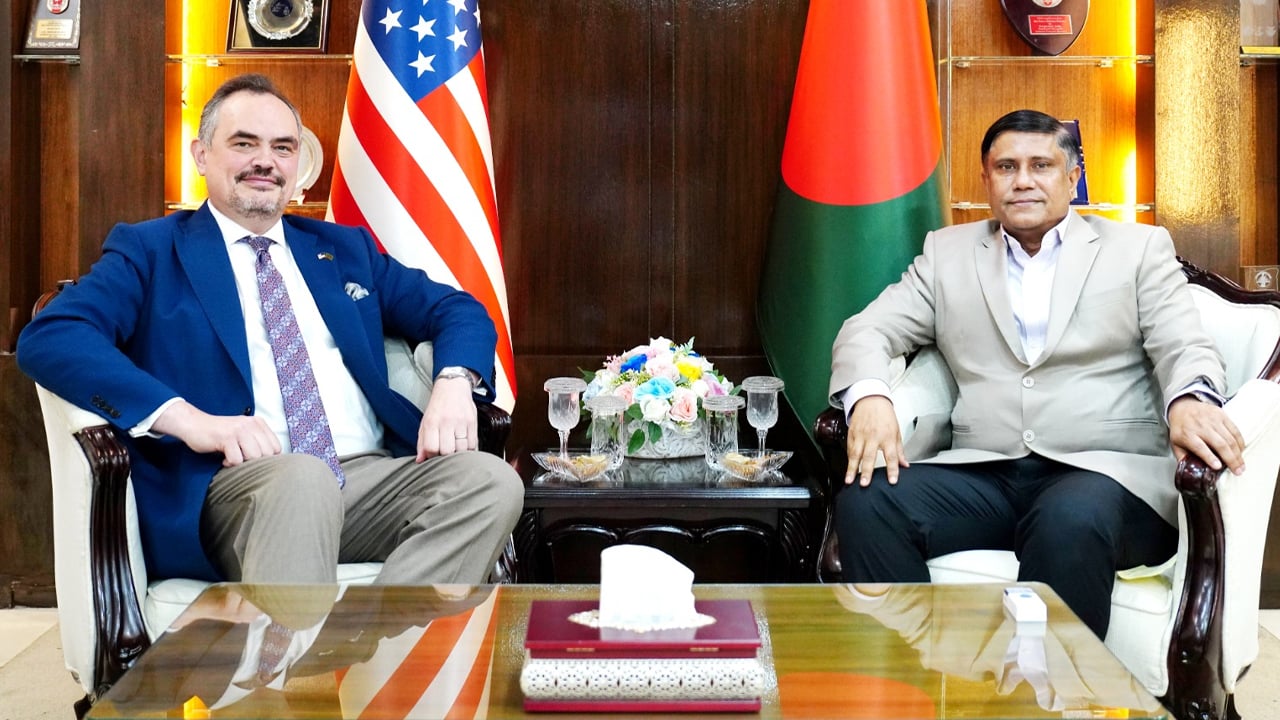
US Ambassador Brent T. Christensen paid a courtesy call on Brigadier General (Retd.) Dr. A.K.M. Shamsul Islam, the Prime Minister’s Defense Adviser, at the Armed Forces Division office in Dhaka Cantonment on Tuesday. The meeting was attended by a three-member delegation. During the discussion, both sides reviewed the existing strong bilateral relations between Bangladesh and the United States and exchanged views on issues of mutual interest. They focused particularly on enhancing military cooperation, sharing experiences, and expanding training programs between the two countries. The Defense Adviser recalled the long-standing friendship between Bangladesh and the United States and expressed optimism that defense cooperation would strengthen further in the coming days. The US Ambassador praised the professionalism of Bangladesh’s armed forces and their contributions to peacekeeping missions. The meeting is expected to further consolidate and expand defense collaboration and friendly ties between the two nations.
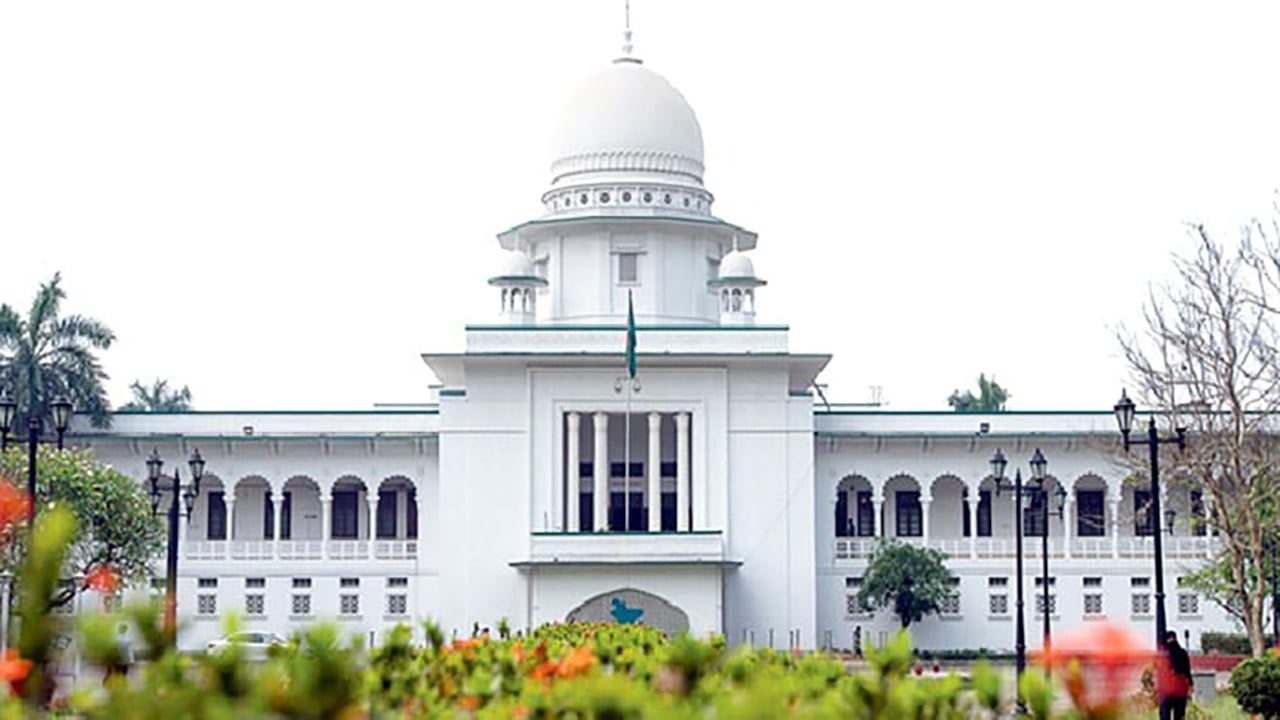
The Appellate Division of Bangladesh has suspended a High Court order that directed the formation of an independent Supreme Court Secretariat within three months. The suspension order was issued on Tuesday by a bench led by the Chief Justice following a petition from the state. The appellate hearing is scheduled to begin on June 16. Earlier in the day, the appeal hearing against the High Court’s full verdict had begun. The state filed the appeal on May 21, challenging the High Court’s April 7 judgment, which spanned 185 pages and mandated the establishment of an independent secretariat for the Supreme Court. The original verdict was delivered on September 2 by a bench comprising Justice Ahmed Sohel and Justice Debashish Roy Chowdhury. The High Court’s ruling had also annulled the constitutional provision granting the President authority over magistrates’ control and discipline, transferring that responsibility to the Supreme Court, and invalidated the 2017 disciplinary rules for subordinate courts.
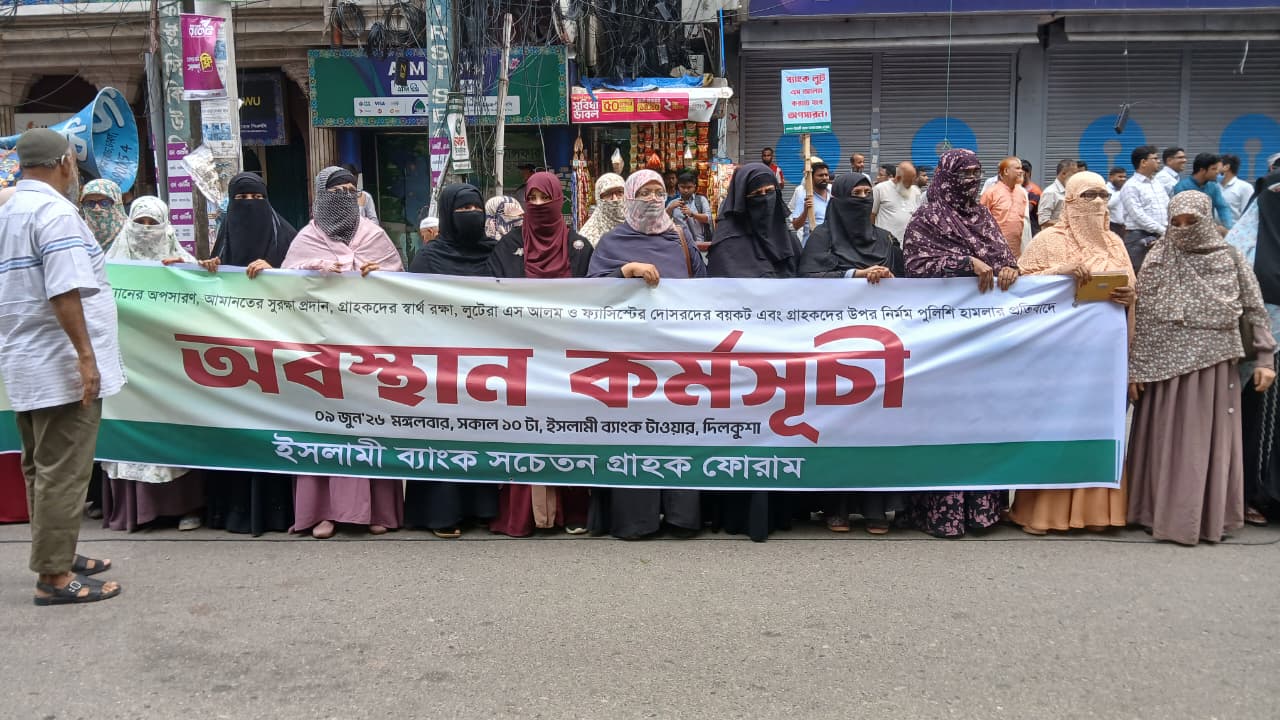
Customers of Islami Bank continued their protest for the ninth consecutive day on Tuesday, demanding the resignation of Chairman Khurshid Alam along with six other points. The demonstration, organized by the Conscious Customers Forum, took place in front of Islami Bank Tower from 10 a.m. This time, more than a hundred female customers joined the protest, marking the first significant participation of women in the ongoing movement. Female participants expressed concern over allegations of financial irregularities and scandals involving the chairman, saying they feared for the safety of their deposits. They demanded Khurshid Alam’s removal and called for the appointment of a chairman with expertise in Islamic finance. Additionally, the protesters sought the reinstatement of Managing Director Omar Faruk, who was appointed after August 5. The demonstration reflects growing dissatisfaction among depositors regarding the bank’s leadership and management decisions, with participants emphasizing the need for transparency and trust in the institution’s governance.
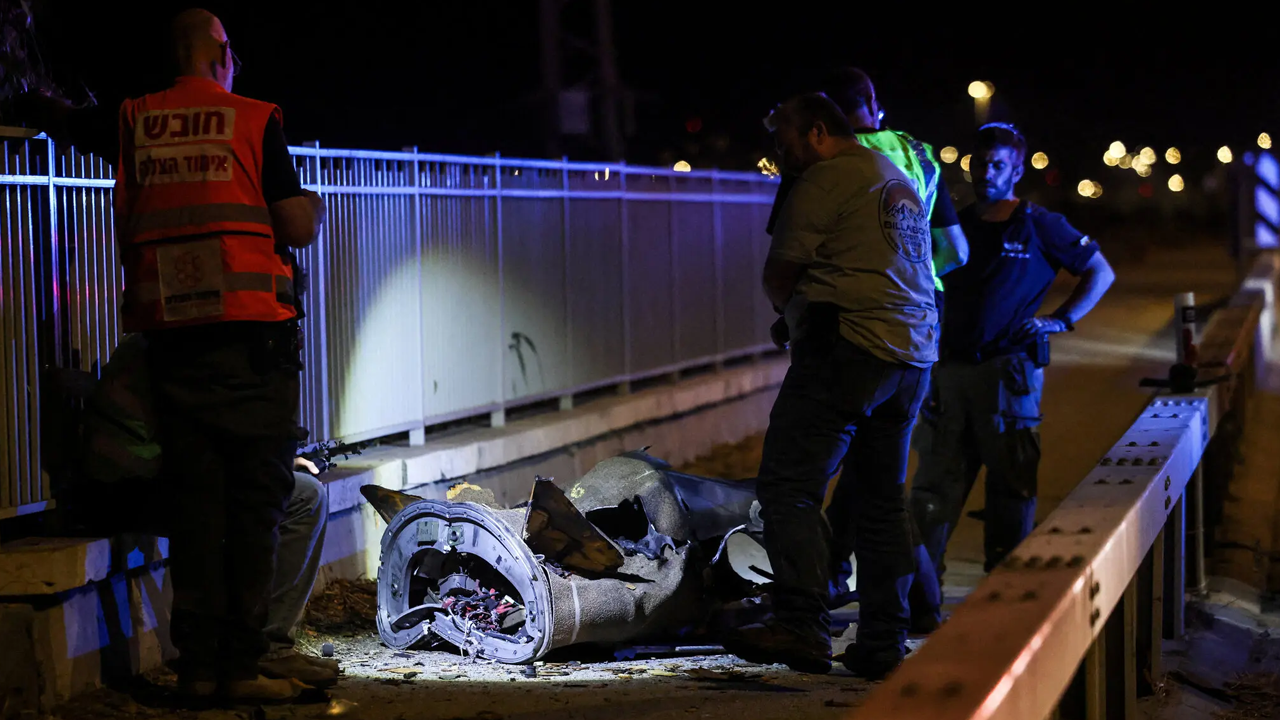
Iran has launched retaliatory attacks on Israel following Israeli strikes on southern Beirut, marking a significant escalation in regional tensions. Tehran described the move as part of a new strategic doctrine under its recently installed leadership, which views aggressive retaliation as essential for survival and influence. The action followed Iran’s earlier warnings that any expansion of Israeli operations into Beirut would alter the regional balance of power. Analysts cited in the report say Iran’s new rulers see this as a demonstration of strength and a message that they are ready to resume war if necessary. The attacks also reflect Tehran’s intent to defend its ally Hezbollah, which suffered heavy losses in 2024, and to maintain leverage over vital energy routes such as the Strait of Hormuz. U.S. President Donald Trump had reportedly urged Israel to avoid striking Beirut, later calling for restraint from both sides after the exchange. Experts suggest Iran’s response aims to test the relationship between Trump and Israeli Prime Minister Benjamin Netanyahu while countering what Tehran perceives as a joint U.S.-Israeli effort to undermine its wartime gains.
Somali referee Omar Abdulqadir Artan, set to make history as the first from his country to officiate at a FIFA World Cup, has been denied entry into the United States ahead of the 2026 tournament. Despite holding a diplomatic passport and valid FIFA accreditation, US immigration authorities at Miami International Airport refused him entry and sent him back. He is currently in transit at Istanbul Airport. The US Customs and Border Protection has not clarified the reason for the denial, though American media have linked it to the Trump administration’s travel ban affecting several countries, including Somalia. Following emergency discussions with US officials, FIFA confirmed that Artan will not be able to officiate at the 2026 World Cup. The organization stated it has no authority over host nation visa or immigration decisions. Somalia’s Football Federation and Sports Ministry have expressed strong anger over the incident, calling it a humiliating setback. Fans on social media have condemned the decision as political interference in sports.

Bangladesh Bank has convened a special board meeting on Tuesday at 1 p.m. at its headquarters to make key decisions regarding nine financial institutions that have long been in crisis. The meeting is expected to decide on proceeding with the closure of five institutions and granting three months to four others for recovery. The institutions proposed for closure include FAS Finance, Fareast Finance, Aviva Finance, Peoples Leasing and Financial Services, and International Leasing and Financial Services. According to central bank sources, the five institutions facing closure hold around Tk 2,700 crore in individual deposits. The meeting will also discuss how these deposits will be refunded and may consider appointing administrators to oversee the process. If approved, the appointment of administrators and the refund process will begin soon. Institutions given three months—Bangladesh Industrial Finance Company, Premier Leasing and Finance, GSP Finance, and Prime Finance—must demonstrate their ability to repay depositors within that period. Failure to do so will bring them under the resolution or closure process. The financial sector has been struggling with liquidity shortages, high default loans, and weak governance, prompting this new resolution initiative.
Share prices of Islami Bank and Beximco fell sharply after the withdrawal of floor prices became effective on Tuesday, June 9, 2026. Both companies’ shares hit the lower circuit breaker limit, placing them among the top decliners in the stock market. The Bangladesh Securities and Exchange Commission (BSEC) had issued an order on Monday removing the floor price restrictions and directed the country’s two stock exchanges to take necessary actions. Following the implementation of the decision, heavy selling pressure emerged at the start of trading, with very few buyers for the two companies. Islami Bank’s share price dropped from its floor price of Tk 32.60 to Tk 29.40, a decline of 9.82 percent within the first one and a half hours of trading, with 28,000 shares changing hands in 174 trades. Beximco’s share price fell from Tk 110.10 to Tk 99.10, marking a 9.99 percent drop, with 7,863 shares traded during the same period. The sharp declines followed BSEC’s move to lift the floor price, signaling immediate market reactions to the regulatory change.

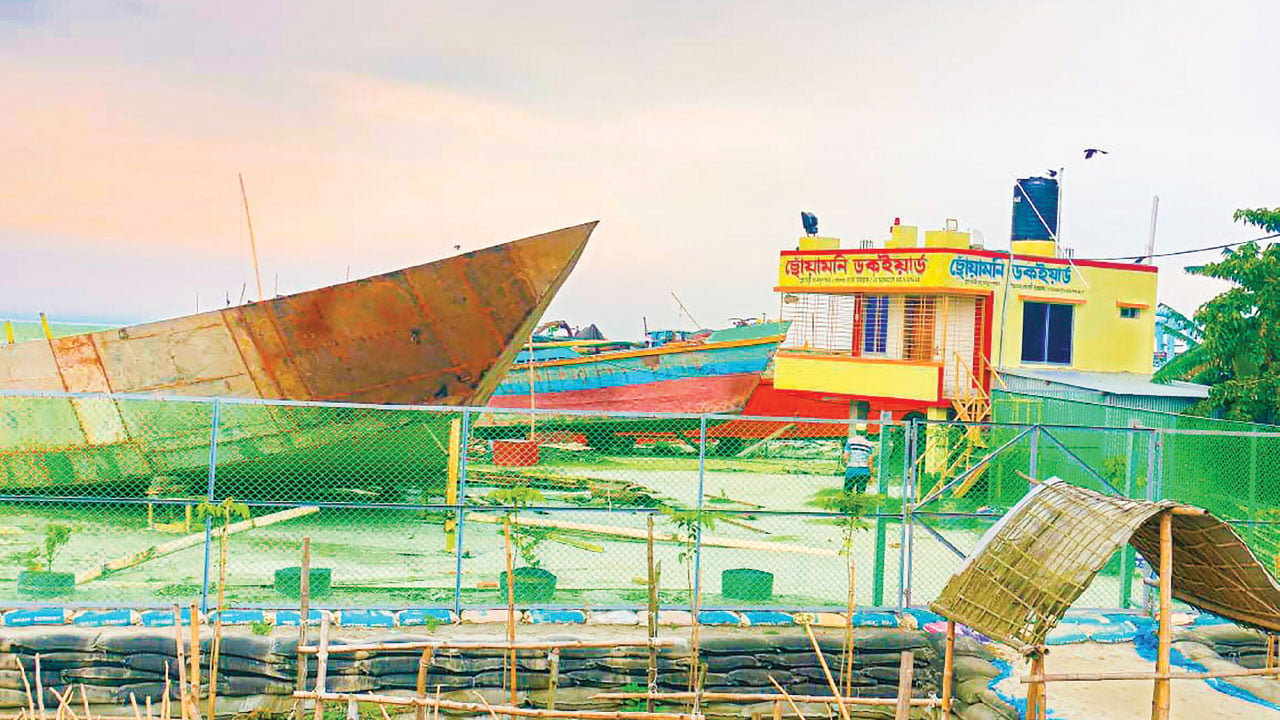
Hundreds of acres of government-owned agricultural land inside the Sirajganj town protection embankment have reportedly been illegally occupied for sand stockpiling and the construction of the Choyamoni Dockyard. The facility was allegedly built by Abdus Sattar, president of the Awami League’s Ward 10 unit in Sirajganj municipality. Officials from the Water Development Board warned that the dockyard could obstruct monsoon water flow and endanger the embankment’s stability, raising fears among residents. Local landowners claimed that Sattar used political influence to seize land that had re-emerged after river erosion and silt deposition, building permanent structures and conducting sand trading. Sattar denied all allegations, asserting that he legally purchased the land and obtained clearance from the Department of Environment. However, the Upazila Nirbahi Officer stated that the land is classified as government property and that occupying or constructing on it is a punishable offense. An investigation has been initiated, and authorities plan to remove illegal structures. Officials from the Water Development Board confirmed that no permission was granted for construction within the river area, adding uncertainty over the dockyard’s legal status.
Residents of Chapainawabganj municipality are facing a severe water crisis as boiling water and gas are emerging from several deep tube wells installed to supply safe drinking water. The issue has caused widespread concern among locals, who report that the water is unusually hot, salty, and emits flames when exposed to fire. The affected tube wells were installed a few years ago under a safe water and sanitation project funded by Japan’s development agency JICA, costing about 2.5 million taka. The project aimed to provide arsenic-free and safe drinking water to areas suffering from long-term shortages. However, the recent anomalies have raised questions about the project’s effectiveness. Locals complain that the water is now unusable and poses health risks, forcing many to collect drinking water from distant areas. Laboratory tests found chloride levels in the water at about 1,280 milligrams per liter, more than double the normal range. Experts warn that excessive chloride can alter taste and harm health over time. The Department of Public Health Engineering has collected water samples for testing and pledged to take necessary action once the cause is confirmed.

Longtime ties between U.S. President Donald Trump and Israeli Prime Minister Benjamin Netanyahu may be permanently damaged following Israel’s repeated bombings in Iran, according to a report cited by Al Jazeera. The information was attributed to Tim Constantine, a writer for The Washington Post and host of The Capitol Hill Show, who described Trump’s recent anger and disappointment toward Netanyahu as unprecedented. Al Jazeera reported that Trump and Netanyahu spoke on Monday, after which the U.S. president posted on social media urging both Israel and Iran to immediately stop the fighting. Constantine suggested that Trump’s frustration had reached a level from which their once warm and friendly relationship might never recover. The report underscores growing tension between Washington and Tel Aviv over Israel’s military actions in Iran, signaling a possible long-term shift in the personal and political dynamics between the two leaders.
Allegations of corruption and irregularities have surfaced at the Cumilla Rice Research Institute, where a modern rice harvester has reportedly been left unused under the open sky for a year. Despite having access to advanced machinery, the institute has been hiring laborers at inflated wages to harvest rice, leading to significant financial losses for the government. Reports also claim that a large portion of the rice produced at the institute is being divided among officers and employees instead of being used for research purposes. A field visit to the Shashongacha area of Cumilla Sadar Upazila revealed that workers from Thakurgaon were harvesting rice manually, earning Tk 900–1,000 per day, which exceeds the local market rate. Sources indicated that this practice has caused unnecessary expenditure of public funds. Additionally, the institute’s harvester remains idle despite its potential to harvest large areas efficiently. Farm manager Zahidul Haque Shamim stated that the institute’s harvester has been out of order for about a year, forcing them to rely on manual labor. He added that waterlogged fields have further complicated the use of machinery.

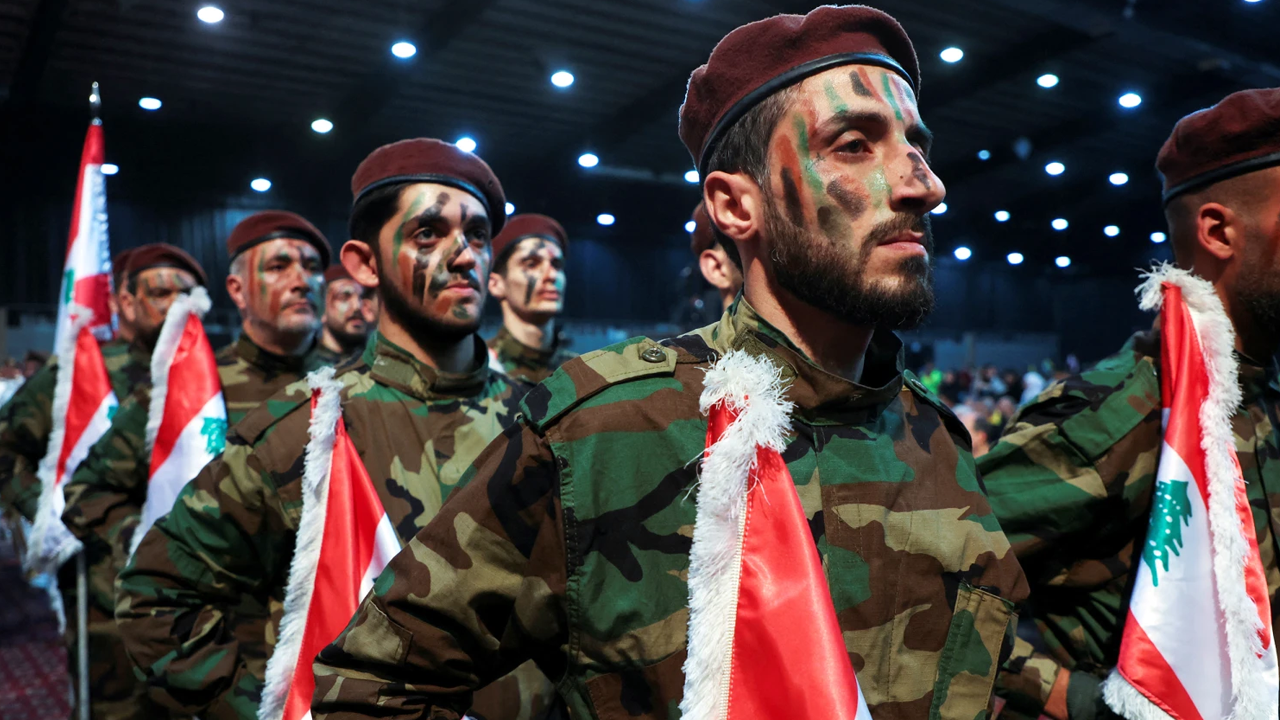
Hezbollah has rejected a US-mediated ceasefire agreement between the governments of Lebanon and Israel, calling the proposal unreasonable and offensive. The group dismissed the deal after it required only Hezbollah to halt attacks while Israeli bombardment and incursions in southern Lebanon continued. The rejection follows the announcement of a renewed truce and a broader peace framework in Washington. Since the start of the so-called 'Ramadan War' in March 2026, Hezbollah has relied on drones and small specialized units to sustain a long, attritional conflict against Israel. Compared with its 2024 forces, the group has significantly restructured its command, battlefield readiness, and operational flexibility. Its new leadership has decentralized decision-making, empowering mid-level commanders and emphasizing quality over quantity in combat units. Hezbollah’s evolving strategy now prioritizes inflicting continuous losses on Israel rather than holding territory at all costs. However, Lebanon’s fragile internal situation—including economic collapse, refugee pressures, and political tensions—poses a greater long-term threat to Hezbollah’s endurance than the battlefield itself.
On May 24, a one-megawatt on-grid rooftop solar power system was inaugurated at Bangladesh’s National Parliament building. The project is described as both a power generation initiative and a symbol of the state’s commitment to renewable energy. It highlights the potential of utilizing unused rooftops across government, industrial, educational, and residential buildings to produce clean electricity and reduce pressure on the national grid. Bangladesh’s geographic position provides strong solar potential, with most regions receiving 4.5 to 5 kilowatt-hours of solar radiation per square meter daily. The country’s Renewable Energy Policy 2025 targets at least 20 percent of total power generation from renewable sources by 2030. Rooftop solar systems are seen as a practical solution amid rising load-shedding and limited land for new power plants. They offer economic, environmental, and energy security benefits while creating new employment opportunities in installation, maintenance, and technical services. The article notes challenges such as high initial investment, dependence on sunlight, technical maintenance needs, and administrative barriers. It calls for easier financing, quality standards, training programs, and public awareness to expand rooftop solar adoption nationwide.

The ‘1 Nojor’ media platform is now live in beta, inviting users to explore and provide feedback as we continue to refine the experience.