

The ‘1 Nojor’ media platform is now live in beta, inviting users to explore and provide feedback as we continue to refine the experience.
Iranian Foreign Minister Abbas Araghchi announced that Iran and Oman will jointly manage operations in the Strait of Hormuz. He stated that both countries have the natural right to coordinate and make decisions regarding the management of this vital waterway. While Araghchi mentioned that discussions would take place with other Gulf nations, he emphasized that the final decisions will remain in the hands of Iran and Oman. The Strait of Hormuz is described as a strategic asset for Iran, which views it as a powerful tool in influencing the global economy. The report notes that Tehran has demonstrated its ability to effectively block this crucial oil chokepoint using relatively few missiles and drones, underscoring its control over one of the world’s most important maritime routes. The statement highlights Iran’s intent to maintain a dominant role in the management of the strait, signaling continued strategic coordination with Oman while keeping other regional actors at a consultative distance.
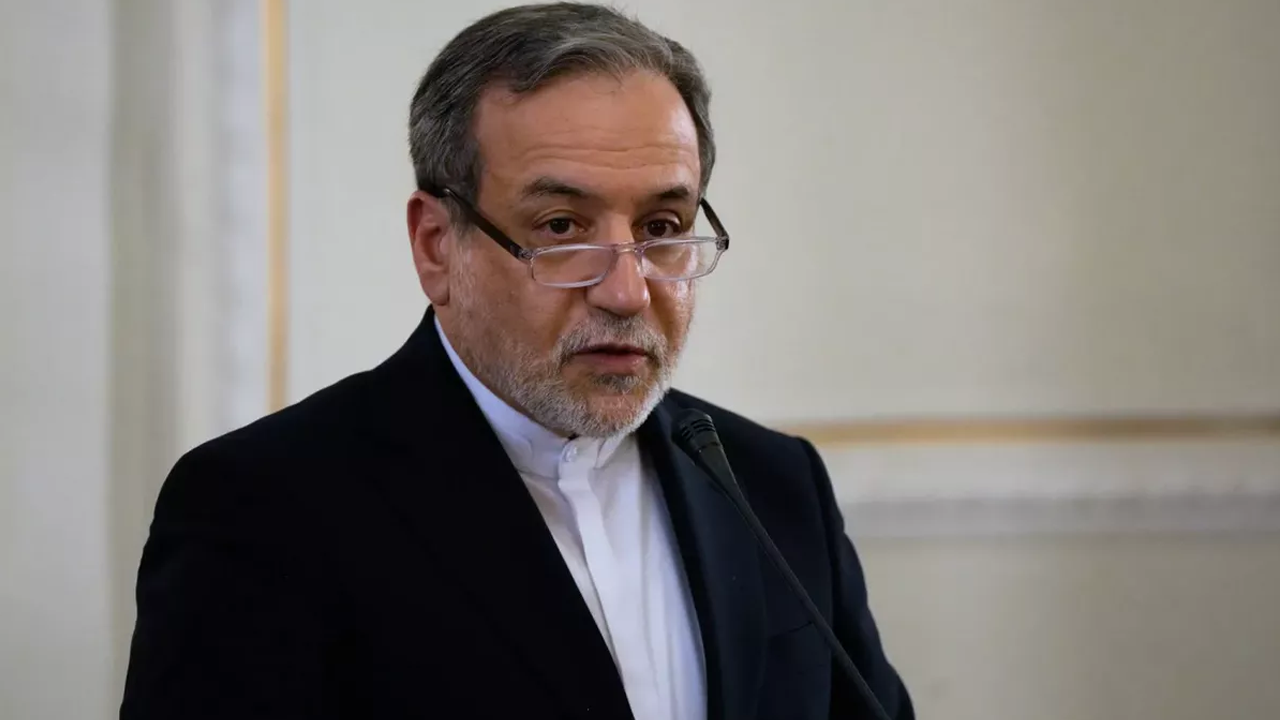
A report from the technology desk of Amar Desh, published on June 5, 2026, highlights key precautions users should take before selling their old phones. It warns that negligence can expose personal data such as photos, videos, banking details, and documents to others. Users are advised to back up all important data to cloud storage or computers before proceeding. The article emphasizes logging out of all linked accounts, including Google and Apple IDs, before performing a factory reset. It also instructs users to delete banking and financial apps, remove saved passwords, and take out SIM and memory cards to prevent data leaks. After completing a factory reset, users should restart the phone to verify that no personal information remains. According to the report, following these simple steps ensures that personal data remains secure even after the device changes hands, making the phone resale process safer and more responsible.

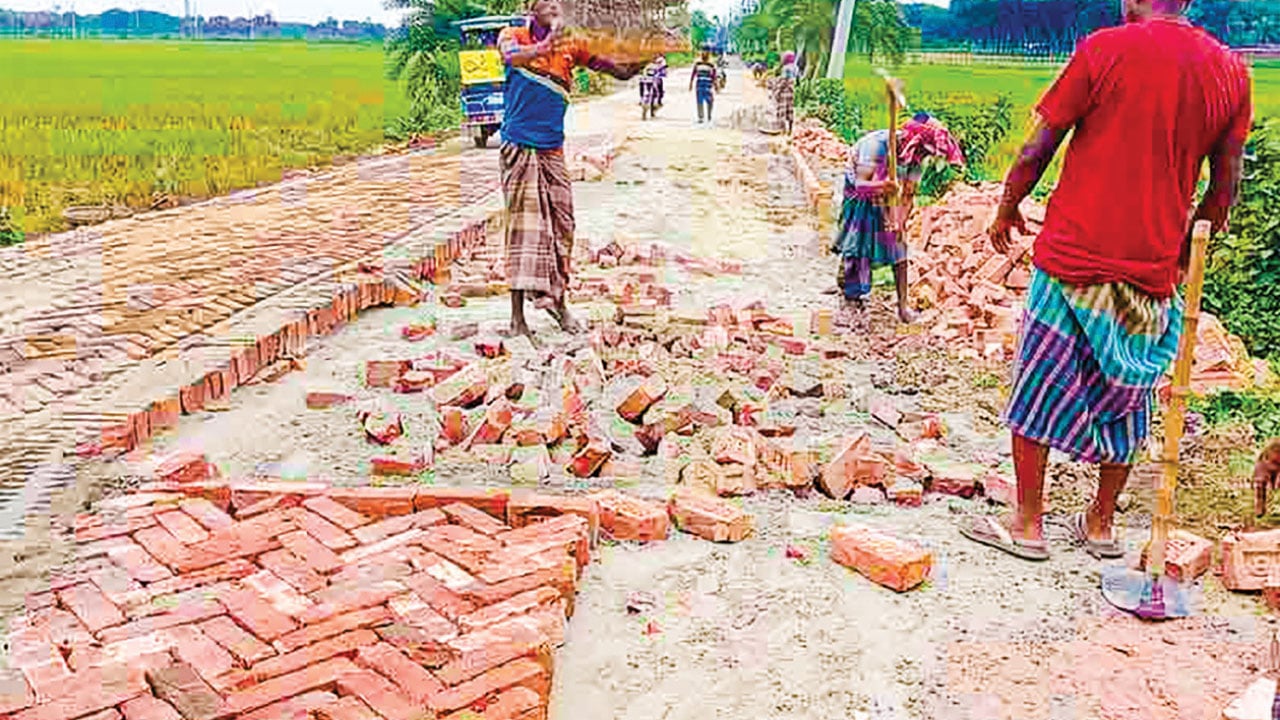
In Kaliganj of Jhenaidah, parts of the Kaliganj-Ganna road are being dug up to replace the existing paved surface with brick soling. The work, covering about 850 meters under the Roads and Highways Department, is estimated to cost 8.8 million taka. Locals have questioned why a mostly intact asphalt road is being excavated instead of repaired, saying minor patchwork could have made it usable. Residents and road users, including businesspeople and drivers, expressed frustration that a good road is being replaced unnecessarily, calling it a waste of public funds. They noted that the route serves long-distance vehicles and students from nearby areas, who now face travel difficulties. Contractor Golam Hossain of Gama Construction said the work follows tender requirements and should be completed within the week. An official from the Kaliganj Roads and Highways office stated that the project is part of routine maintenance, claiming parts of the road had become unusable due to monsoon damage. He declined to comment on claims that good sections were being removed, advising inquiries to higher authorities.
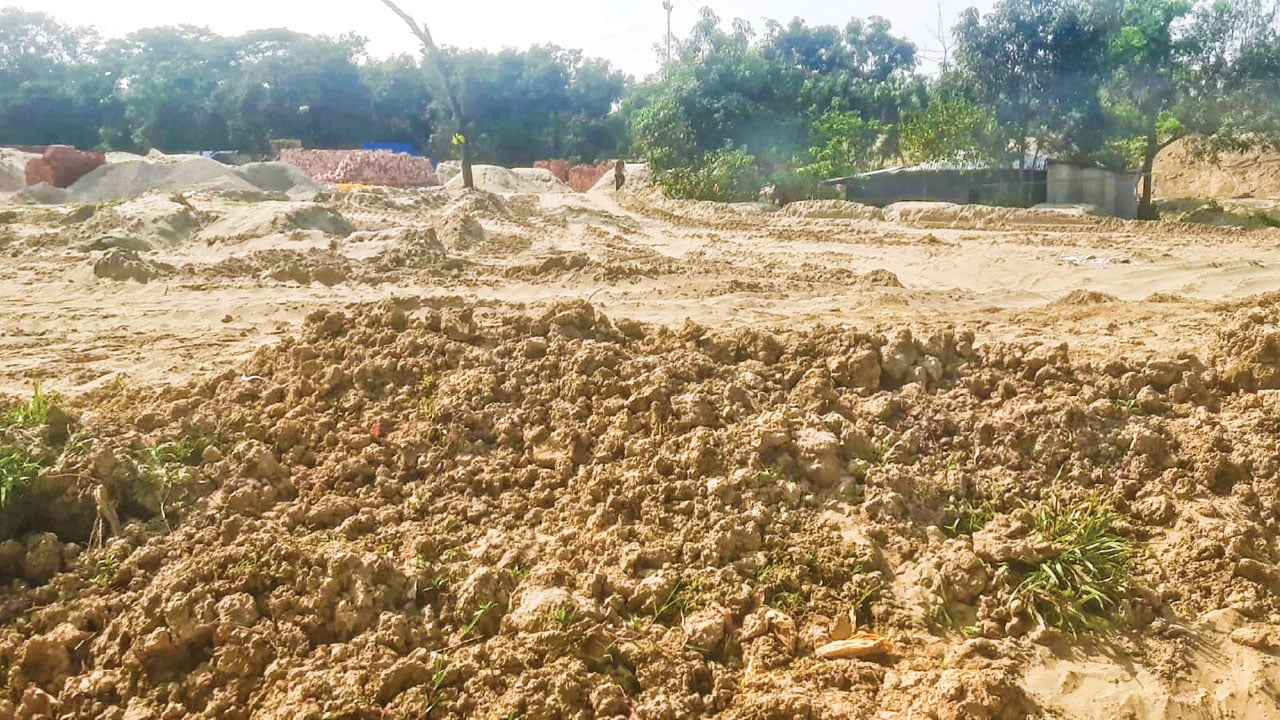
Agricultural land in Sitakunda, Chattogram, is under severe threat due to unplanned industrial expansion. Factories are being built on fertile farmland, reducing cultivable areas and damaging soil fertility through toxic waste. As a result, crop yields have declined sharply, and agricultural production in the region has collapsed. Once known for its lush paddy fields and seasonal crops, Sitakunda’s northern unions—Banshbaria, Barabkunda, Muradpur, Baraidala, and Syedpur—are now dominated by industrial sites, container yards, warehouses, and housing projects. Local residents allege illegal sand extraction, hill cutting, and wetland filling, with powerful industrial groups acquiring vast tracts of land. Many purchased lands remain unused, halting farming activities. According to Sitakunda’s agriculture officer, about 24,000 acres of farmland remain, but rapid industrialization threatens to eliminate them. Locals have submitted a memorandum to the Upazila Executive Officer demanding farmland protection, while the Assistant Commissioner (Land) stated that filling farmland for factories is not permitted.
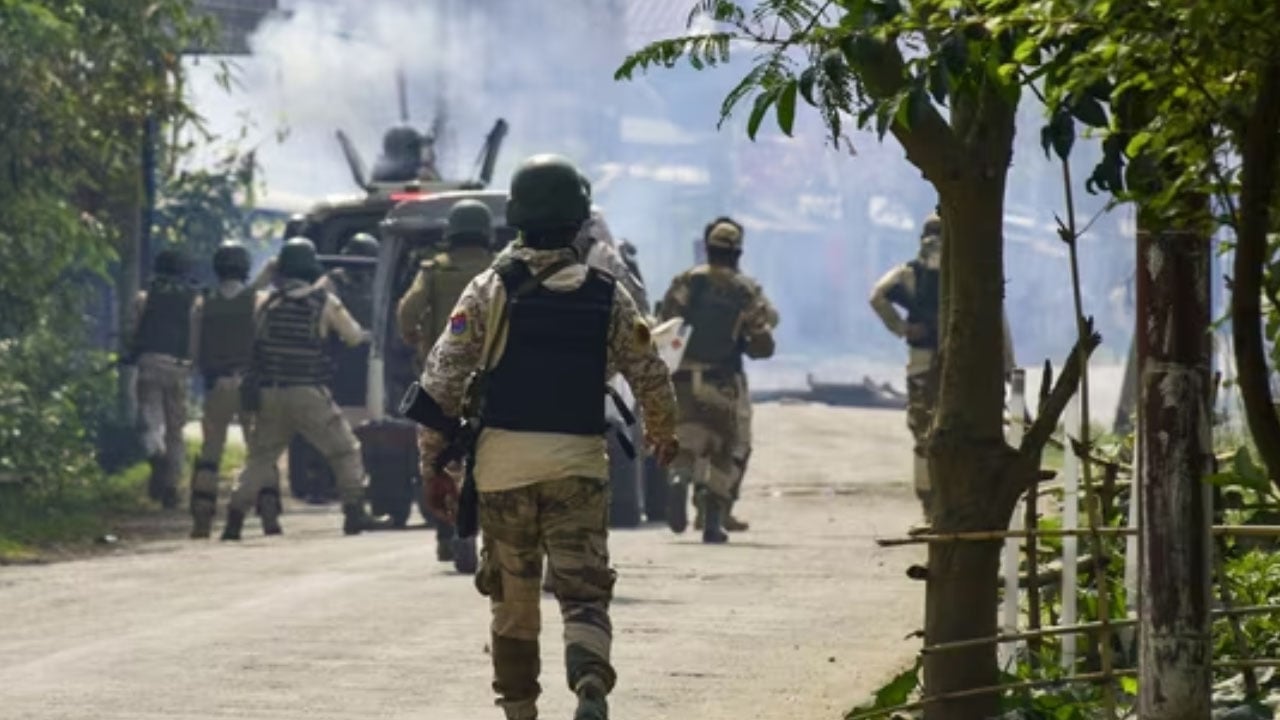
Three civilians were killed in a militant attack early Friday in Loibol Khullen village of Kangpokpi district, Manipur, India. According to the Kuki Inpi Manipur (KIM), the attack occurred around 4 a.m. and resulted in seven houses being burned and extensive damage to civilian property. The organization alleged that members of NSCN-IM and its associate group ZUF (K) were responsible for the assault. The Kuki Inpi Manipur condemned the incident as an act of barbaric violence and described it as a serious violation of human rights and human dignity. The group expressed condolences and solidarity with the victims’ families and demanded a full investigation into the attack. Police have not yet issued any statement regarding the incident. NSCN-IM is an active armed organization that has previously faced allegations of involvement in violent incidents across India’s northeastern region, according to the source.
A man from Cumilla’s Chauddagram, identified as Nurul Amin Sohag, died after suffering severe burns in a gas cylinder explosion that triggered a fire at a five-story ‘Bed and Breakfast’ hotel in Delhi’s Hauz Rani area on Wednesday morning. His younger sister and brother-in-law were also critically injured and are currently receiving treatment at Max Hospital in Delhi. Sohag was rescued in critical condition but succumbed to his injuries on Thursday while undergoing treatment. According to family sources, the incident caused deep grief in Sohag’s home village of Madhyam Sangishwar and the nearby Dhorokra Bazar area, where residents expressed condolences both locally and on social media. The Chauddagram Upazila Nirbahi Officer confirmed that the administration has contacted the family and will provide all necessary assistance, including repatriation of the body if requested. The Bangladesh High Commission in New Delhi stated that among eight injured Bangladeshis, three were in critical condition, and with Sohag’s death, the total number of fatalities from the fire reached 22, including victims from multiple countries.
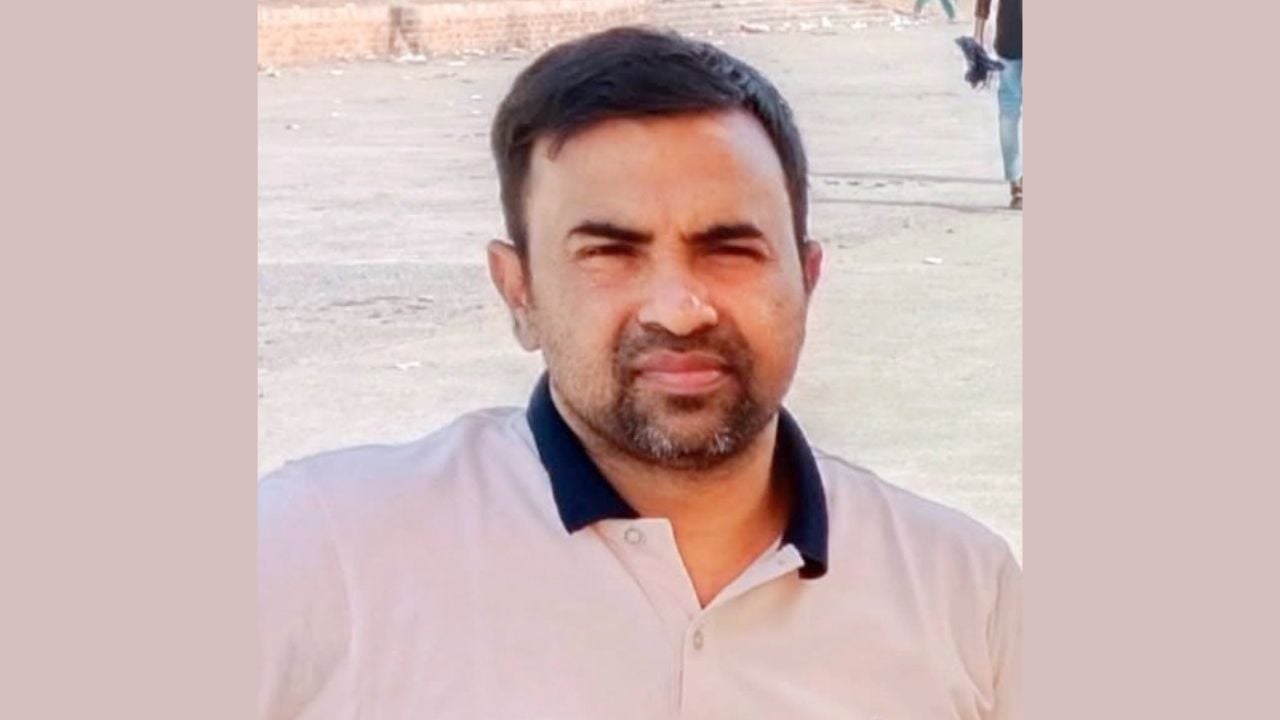
Liberation War Affairs Minister Azam Khan announced that memorabilia of martyred President Ziaur Rahman and key Liberation War collections at the historic Zia Memorial Museum in Chattogram will be properly preserved. He said additional items related to Zia’s legacy would also be displayed. The minister made the remarks on Thursday after visiting the museum, accompanied by State Minister Israk Hossain, MP Ershadullah, the district commissioner, and senior ministry officials. Azam Khan emphasized that the century-old building housing the museum is an important part of the nation’s heritage and will be conserved as a heritage site. Following damage from a recent earthquake, restoration work has begun to strengthen the structure using modern technology while keeping its original design intact. He added that necessary renovation and preservation measures are being implemented to prevent deterioration of the artifacts. The minister also mentioned that the previous Awami League government had renamed the Zia Complex as the “Independence Complex.” He said the matter is under review and efforts may be taken to restore its original name.

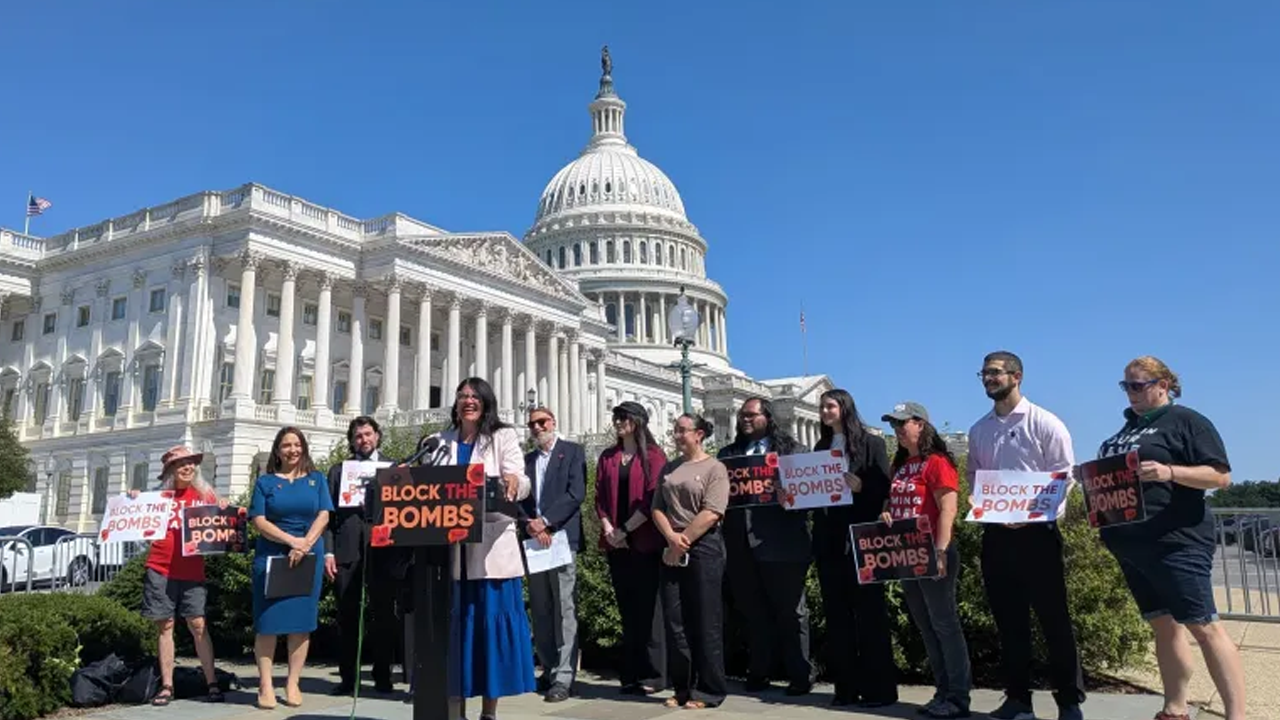
Support for the “Block the Bombs Act,” a bill seeking partial restrictions on US arms transfers to Israel, has expanded significantly since its introduction by Congresswoman Delia Ramirez in June 2025. Initially backed by 21 Democratic lawmakers, the proposal now has 73 co-sponsors, marking what Palestinian rights advocates call a historic shift. Ramirez said the bill, once seen as extreme, has entered the mainstream debate. However, it remains far from a majority in the 435-member House of Representatives. The bill would prohibit the transfer of certain heavy bombs and artillery shells used in Israel’s military operations in Gaza. It has gained bipartisan support, including from Republican Thomas Massie, and endorsement from the Congressional Progressive Caucus. Advocates such as Margaret Dirius of the Institute for Middle East Understanding and Rashida Tlaib argue that the growing support reflects changing public opinion and a demand for domestic investment over foreign military aid. The bill’s anniversary coincides with other congressional moves questioning US-Israel relations, including votes to limit arms transfers and presidential war powers. Activists say the momentum signals rising awareness of humanitarian concerns in Gaza but acknowledge that congressional backing remains limited.
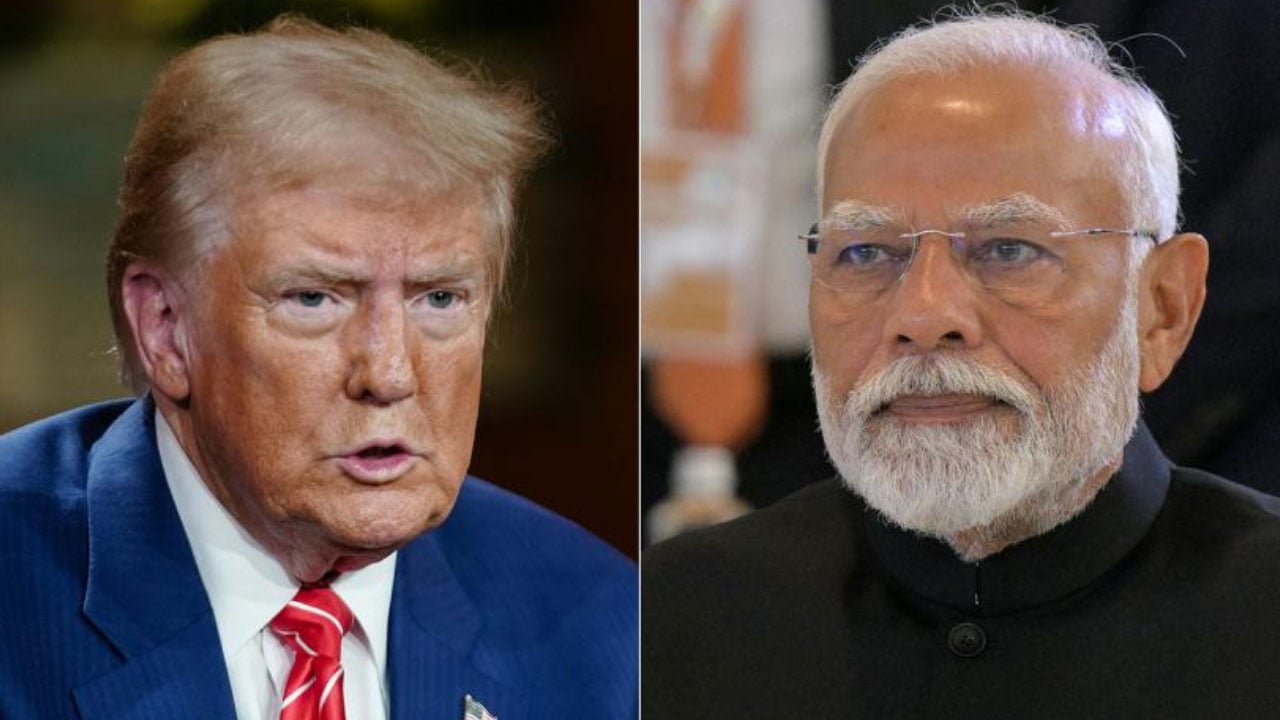
U.S. President Donald Trump described Indian Prime Minister Narendra Modi as a good friend but criticized India for taking advantage of U.S. trade benefits over the years. Speaking to reporters at the White House, Trump said India had imposed high tariffs on American goods while offering little in return. He expressed optimism that Washington and New Delhi would soon reach a trade agreement, citing his positive relationship with Modi. Trump claimed that his administration was reversing the previous imbalance, stating that the United States was now earning substantial revenue from India. His remarks came as a U.S. delegation visited India earlier in the week to discuss an interim bilateral trade deal. According to India’s Ministry of Commerce, the talks were conducted in a spirit of cooperation and pragmatism. The discussions signal ongoing efforts by both nations to strengthen trade ties despite past disputes over tariffs and market access.
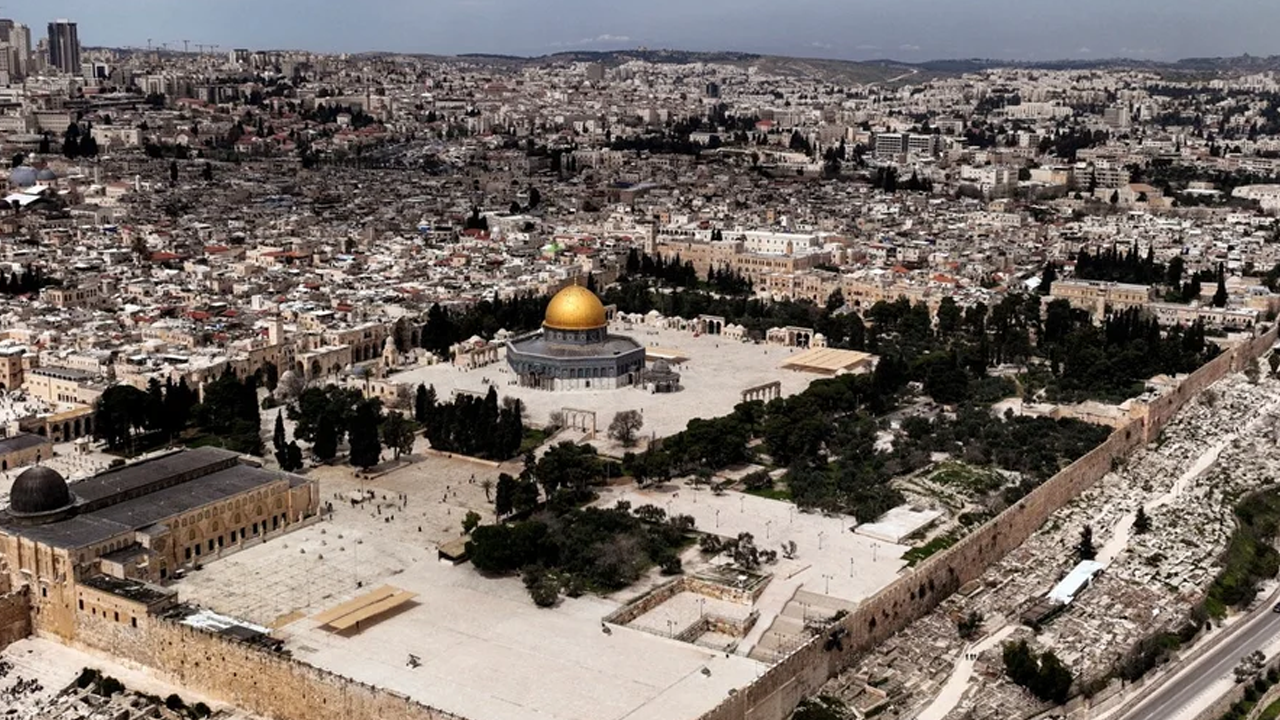
The British government has stated that Jordan’s historical custodianship over Jerusalem’s holy sites must be respected. In a statement to Middle East Eye, a Foreign Office spokesperson said the UK values Jordan’s important role as custodian and emphasized that the existing historical status quo at these sites must be maintained. This marks the first official reaffirmation of support for Jordan’s role following reports of a joint US-Israel plan to alter the arrangement. According to Middle East Eye, the alleged plan aims to remove the Jordanian royal family’s long-standing custodianship over Al-Aqsa Mosque, replacing it with an Israeli-established body that would designate the site as a multi-faith center. The report named Jared Kushner and US Ambassador Mike Huckabee as key backers. Independent MP Shaukat Adam wrote to Foreign Secretary Yvette Cooper expressing constituents’ anger and concern over the reports and asking whether the UK had raised the issue with Israel and the US. The UK’s official policy recognizes Jordan’s custodianship of Jerusalem’s Muslim and Christian holy sites. The government has also recently toughened its criticism of Israeli settlement expansion in the occupied West Bank and is considering restrictions on imports from those settlements.
Twenty-eight individuals remain stranded in no-man’s-land along the Bangabari border in Gomastapur upazila of Chapainawabganj after being pushed by India’s Border Security Force (BSF). The Border Guard Bangladesh (BGB) confirmed that the group, consisting of 12 men, 10 women, and 6 children, has been stuck since early Thursday. They are currently about 50 yards inside the Indian side of the zero line. Despite a flag meeting between BGB and BSF commanders, the BSF has not yet taken them back or communicated any decision. Local residents reported that the BSF attempted to force the group into Bangladesh at night, but BGB resisted. The stranded people are enduring severe hardship under open skies, facing heat and rain without food or shelter. Locals condemned the BSF’s actions as inhumane and expressed solidarity with BGB’s stance. BGB’s Rajshahi Sector Commander Colonel Kamal Hossain visited the area and stated that the force remains on high alert to prevent any push-in attempts. The situation remains unresolved as the 28 people continue to suffer in no-man’s-land, awaiting a decision from Indian authorities.
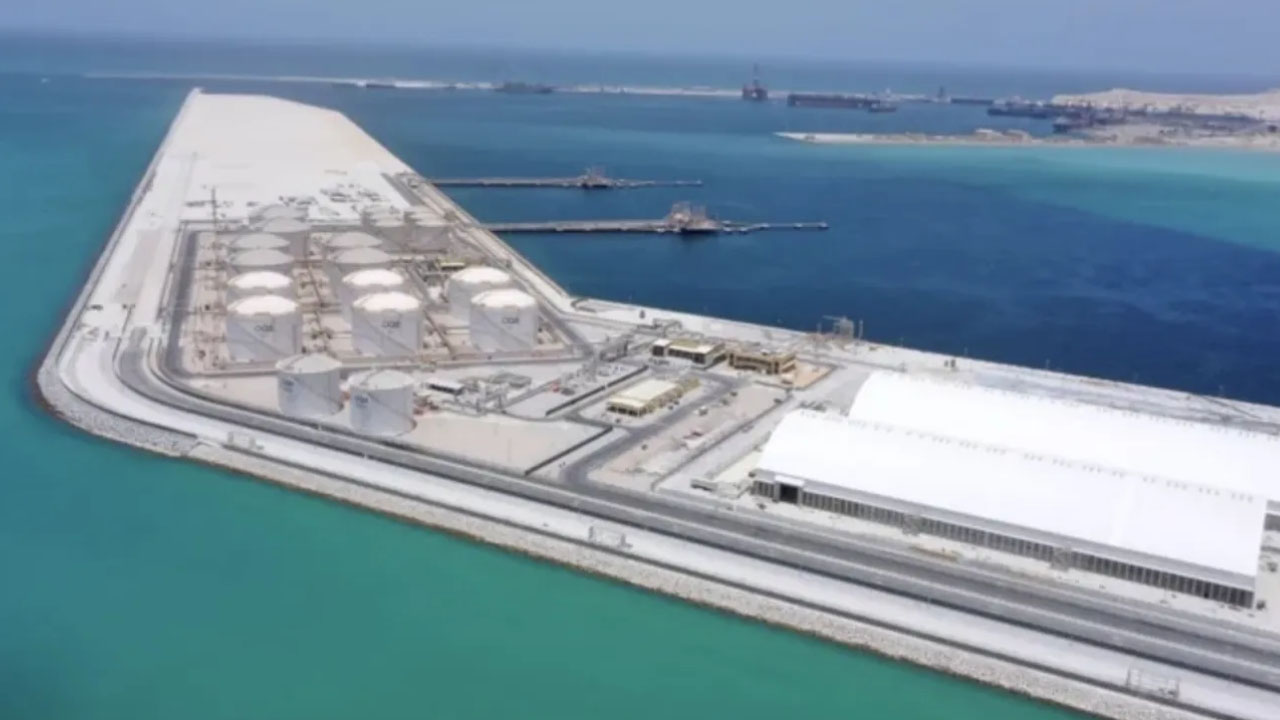
An explosion occurred at Oman’s Mina Al Fahal oil terminal, leading to a suspension of operations at the country’s main crude export facility. According to a Reuters report citing sources, the blast took place near the terminal’s Single Buoy Mooring (SBM) berth, prompting authorities to stop oil loading activities. Sources indicated that the explosion likely resulted from a suspected drone attack between SBM 1 and SBM 2 berths, though the exact timing of the incident remains unclear. Following the explosion, several supertankers were reportedly anchored outside the port area, suggesting a temporary disruption in maritime operations. The incident has raised immediate operational concerns for Oman’s oil export infrastructure, though no further details on damage assessment or restoration timelines were available from the report.
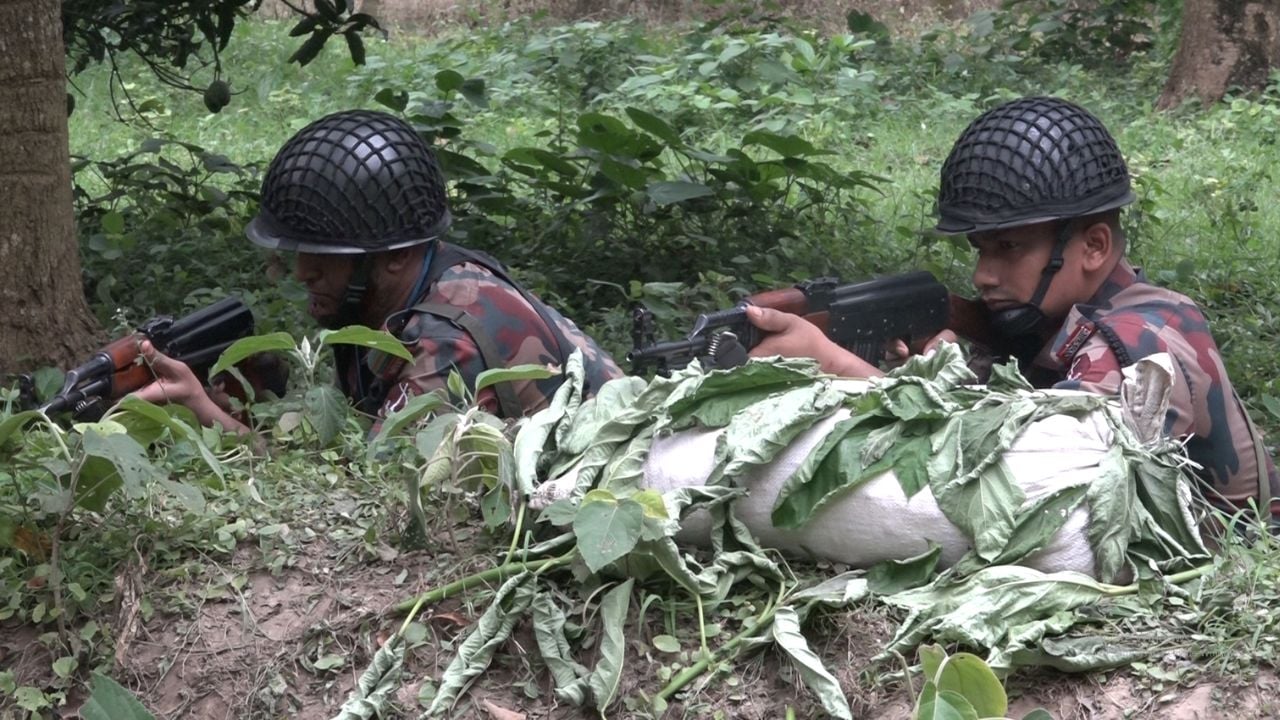
Bangladesh Border Guard (BGB) thwarted an attempt by India’s Border Security Force (BSF) to push 33 people into Bangladesh through three separate points along the Lalmonirhat border on Friday morning. The incidents occurred under the jurisdiction of BGB’s 15th and 61st battalions, which confirmed the events. According to BGB’s media cell, 11 people were stopped near the Borkhata Border Outpost (BOP) and 10 near the Poyshottibari BOP, while another 12 were detected near border pillars 925 and 927/7S under the Durgapur and Digholtari BOPs. BGB patrol teams quickly reached the locations and took preventive measures, stopping the individuals from entering Bangladesh. The people involved remained inside Indian territory, and BGB increased patrols and surveillance in the affected areas. Communication with the counterpart BSF battalion continues to verify the identities of those involved. Local sources reported a recent rise in attempted push-ins along various border areas. In response, BGB has strengthened patrols and maintained regular contact with BSF to prevent illegal crossings.

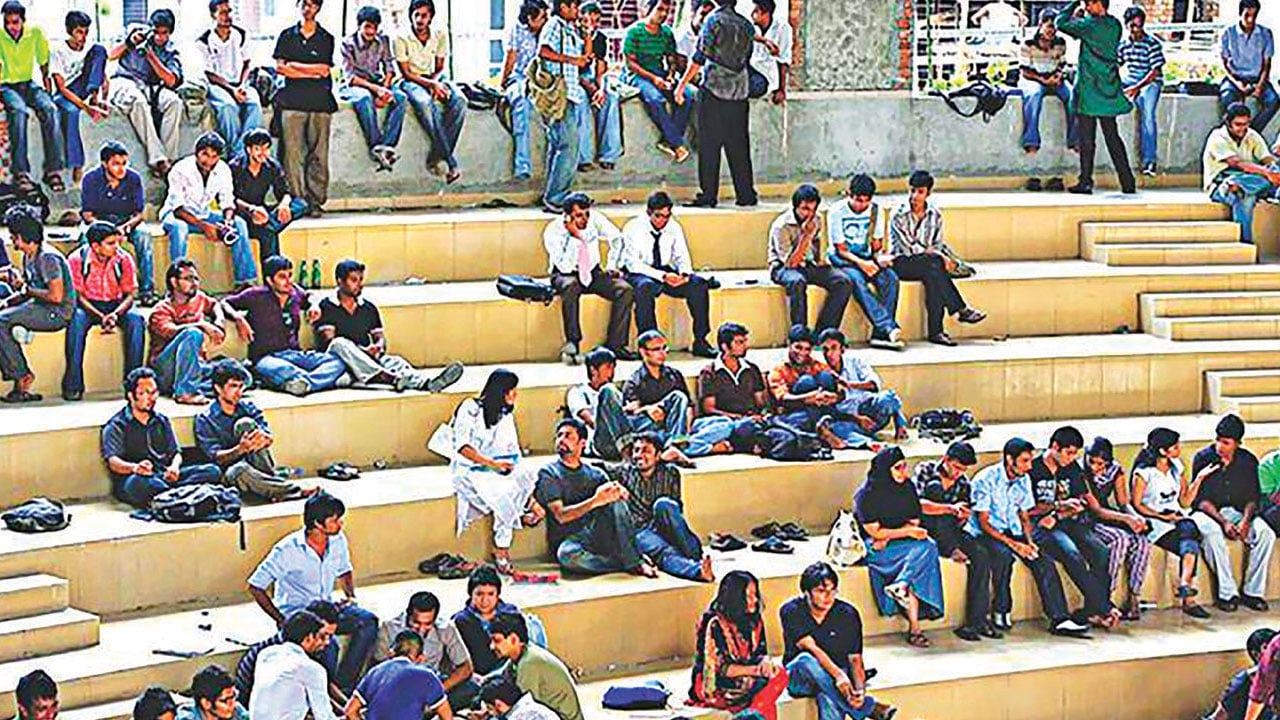
Retired Commodore Jasim Uddin Bhuiyan has sharply criticized Bangladesh’s higher education system, calling it a national disaster marked by poor quality universities, political interference, and rampant commercialization. Writing on June 5, 2026, he cited a UNESCO survey claiming Bangladesh leads South Asia in postgraduate degree rates, but contrasted it with 2025 global rankings that excluded any Bangladeshi universities from the top 800. He argued that the country’s universities have become certificate factories producing unemployable graduates. Bhuiyan blamed unregulated private universities, corrupt trustee boards, and politically appointed vice-chancellors for eroding academic standards. He noted that 27.8 percent of higher-educated youth remain unemployed, describing this as a “living grave of talent.” He also linked the decay to partisan student politics and administrative corruption that have replaced research and merit with loyalty and profit motives. As a solution, Bhuiyan urged the government to halt indiscriminate university admissions and redirect national budgets toward vocational and technical education. Citing China’s selective higher education model and his own experience establishing the Bangladesh Navy Dockyard Technical Institute, he argued that hands-on training could transform youth into a productive workforce and rescue the nation’s future.
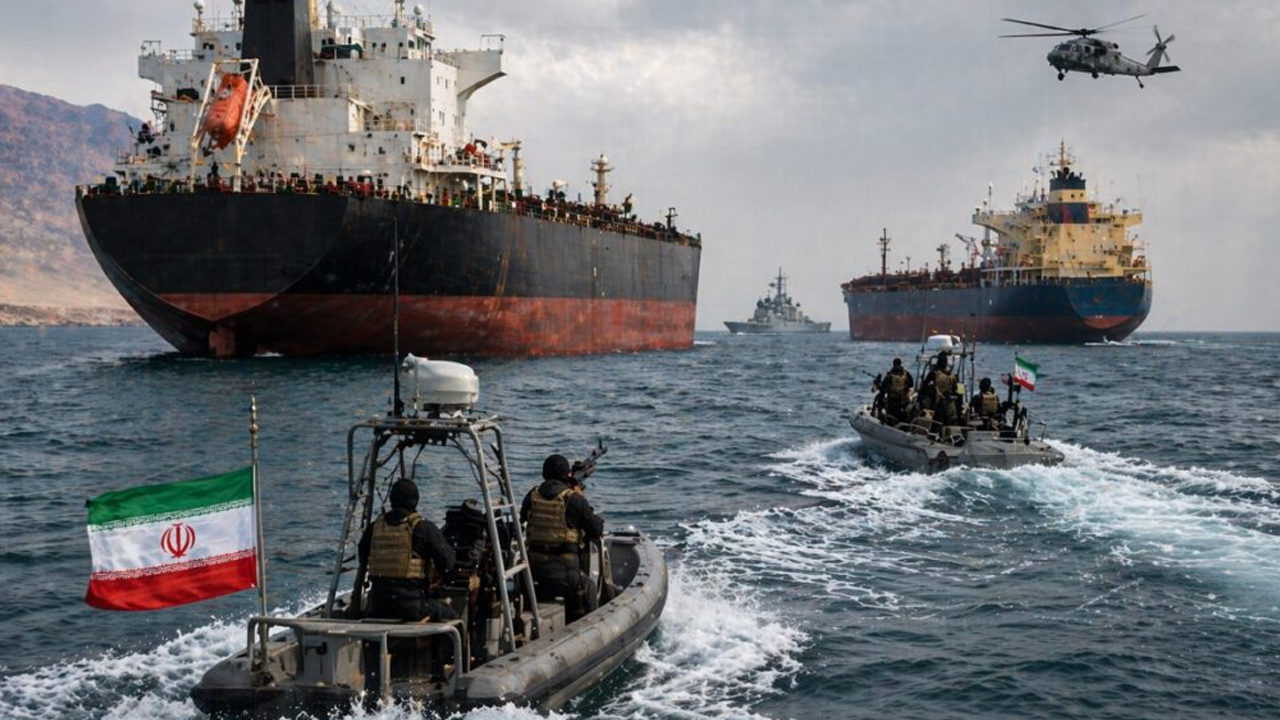
Iran has asserted firm control over the Strait of Hormuz, signaling it will not relinquish influence over the world’s most critical oil chokepoint. Analysts told CNBC that Tehran demonstrated its ability to block the route using limited missiles and drones, and that this leverage could outlast any potential deal with Washington. The U.S. and Iran remain far from an agreement, with recent missile exchanges underscoring ongoing hostilities. Experts warn that even a future accord would not strip Iran of its newfound energy weapon. Tehran has formalized oversight through the newly formed Persian Gulf Strait Authority (PGSA), which verifies ship data and collects transit fees. The U.S. has sanctioned the PGSA and warned shipping companies against paying such tolls, though some traders reportedly reached secret arrangements to maintain oil flow. Analysts from Wood Mackenzie and Rystad estimate that prolonged closure could push Brent crude toward $200 per barrel, while partial reopening under Iranian control might add $1–20 per barrel in geopolitical premiums. Regional producers are investing in alternative export routes, but experts caution that new pipelines remain costly, vulnerable, and insufficient to offset Iran’s enduring strategic advantage.
The ‘1 Nojor’ media platform is now live in beta, inviting users to explore and provide feedback as we continue to refine the experience.