

The ‘1 Nojor’ media platform is now live in beta, inviting users to explore and provide feedback as we continue to refine the experience.
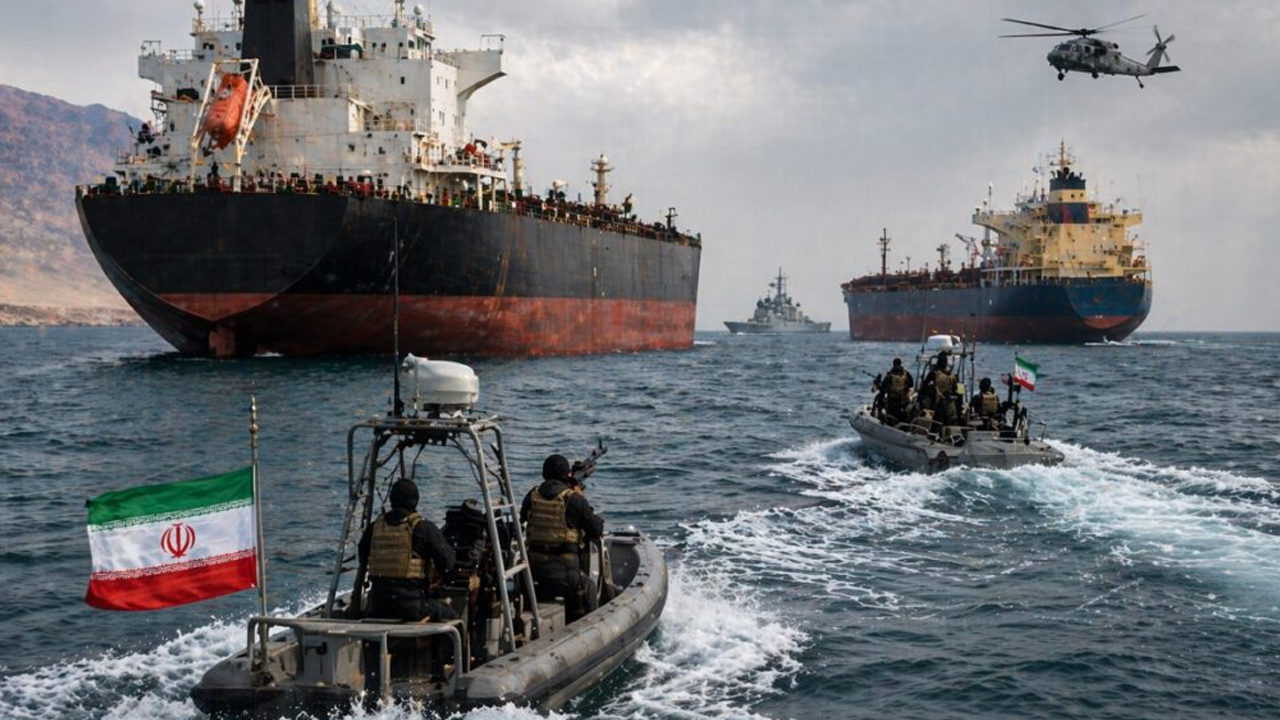
Iran has asserted firm control over the Strait of Hormuz, signaling it will not relinquish influence over the world’s most critical oil chokepoint. Analysts told CNBC that Tehran demonstrated its ability to block the route using limited missiles and drones, and that this leverage could outlast any potential deal with Washington. The U.S. and Iran remain far from an agreement, with recent missile exchanges underscoring ongoing hostilities. Experts warn that even a future accord would not strip Iran of its newfound energy weapon. Tehran has formalized oversight through the newly formed Persian Gulf Strait Authority (PGSA), which verifies ship data and collects transit fees. The U.S. has sanctioned the PGSA and warned shipping companies against paying such tolls, though some traders reportedly reached secret arrangements to maintain oil flow. Analysts from Wood Mackenzie and Rystad estimate that prolonged closure could push Brent crude toward $200 per barrel, while partial reopening under Iranian control might add $1–20 per barrel in geopolitical premiums. Regional producers are investing in alternative export routes, but experts caution that new pipelines remain costly, vulnerable, and insufficient to offset Iran’s enduring strategic advantage.
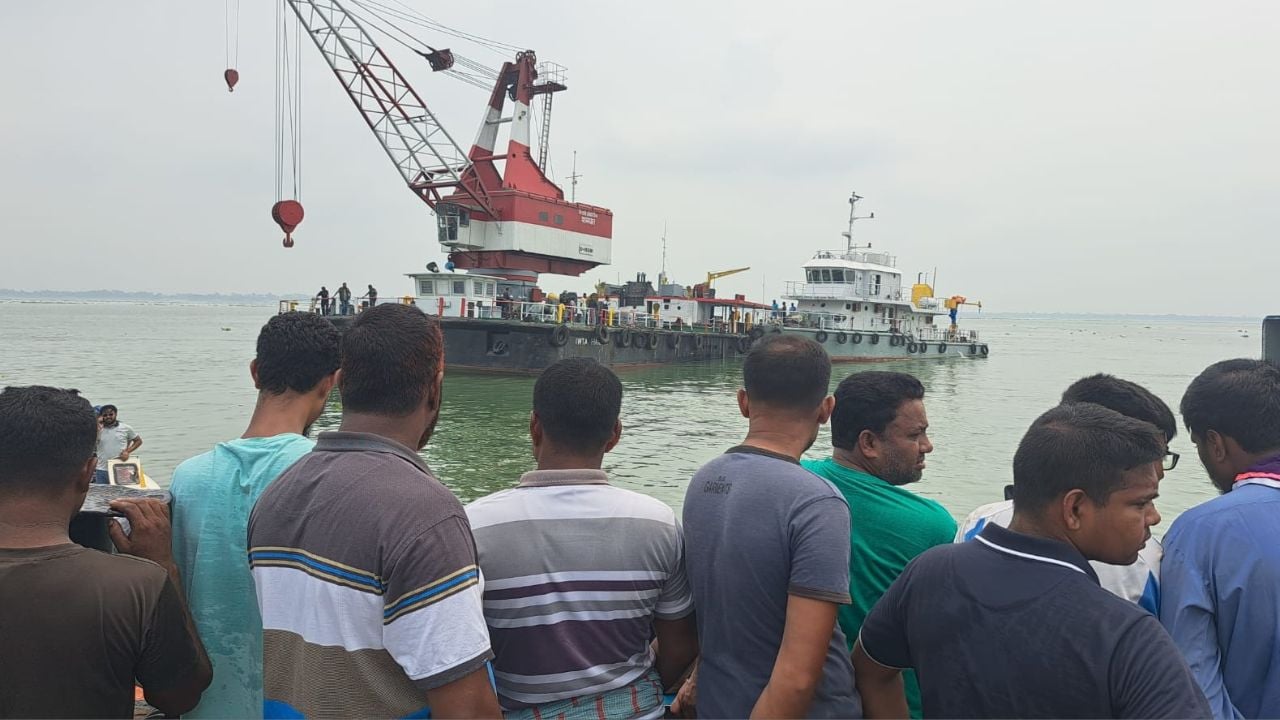
A passenger bus of SB Paribahan fell into the Padma River at Daulatdia’s No. 7 ferry terminal in Rajbari’s Goalanda upazila on Friday morning. The accident occurred around 9:30 a.m. when the bus, arriving from Kushtia, lost control after its brakes failed while boarding the ferry. The vehicle broke through the ferry railing and plunged into the river. Fortunately, there were no passengers on board at the time. The driver and helper swam ashore and were later admitted to Goalanda Upazila Health Complex for treatment. According to the Bangladesh Inland Water Transport Corporation’s Daulatdia branch, details about casualties were not immediately available. Local residents alleged that frequent accidents occur in the area due to poor discipline and inadequate safety measures in vehicle movement at the ferry terminal. They urged the authorities to strengthen monitoring and improve safety arrangements to prevent further incidents. The incident has renewed concerns among passengers and transport workers about safety at one of the country’s busiest ferry crossings.
The United States has issued a security alert for its citizens residing in various Middle Eastern countries, with special emphasis on Israel, the West Bank, and Gaza. The advisory highlights a complex security environment caused by ongoing tensions and potential conflicts, particularly in light of Israel’s operations in Gaza and Lebanon. According to a message posted on the social media platform X by the US Embassy in Jerusalem, the region remains highly volatile and conditions may change rapidly. Embassies from Jerusalem to Riyadh have urged US citizens to enroll in the Smart Traveler Program, avoid large gatherings, stay updated with news, and remain cautious around US facilities. The alert advises citizens to be aware of the nearest shelter locations in case of conflict but does not call for any evacuations. It emphasizes precautionary measures only, reflecting heightened concern over the evolving security situation in the region.
A passenger bus lost control and plunged into the Padma River at Daulatdia Ferry Terminal No. 7 in Rajbari’s Goalanda upazila on Friday morning. The incident occurred around 9:30 a.m., according to officials from the Bangladesh Inland Water Transport Corporation (BIWTC). No casualties have been reported so far, and it appeared that passengers were in the process of disembarking when the accident took place. Assistant General Manager of the BIWTC Daulatdia office, Mohammad Salahuddin, confirmed the incident, stating that the SB Paribahan bus was traveling from Kushtia to Dhaka when it fell from the pontoon into the river. Rajbari Deputy Commissioner Afroza Parvin said she had received reports of the accident and was heading to the site. A similar accident occurred on March 25 at the same ferry terminal, where a bus from Kushtia’s Kumarkhali to Dhaka fell into the river from Pontoon No. 3, resulting in 26 deaths.
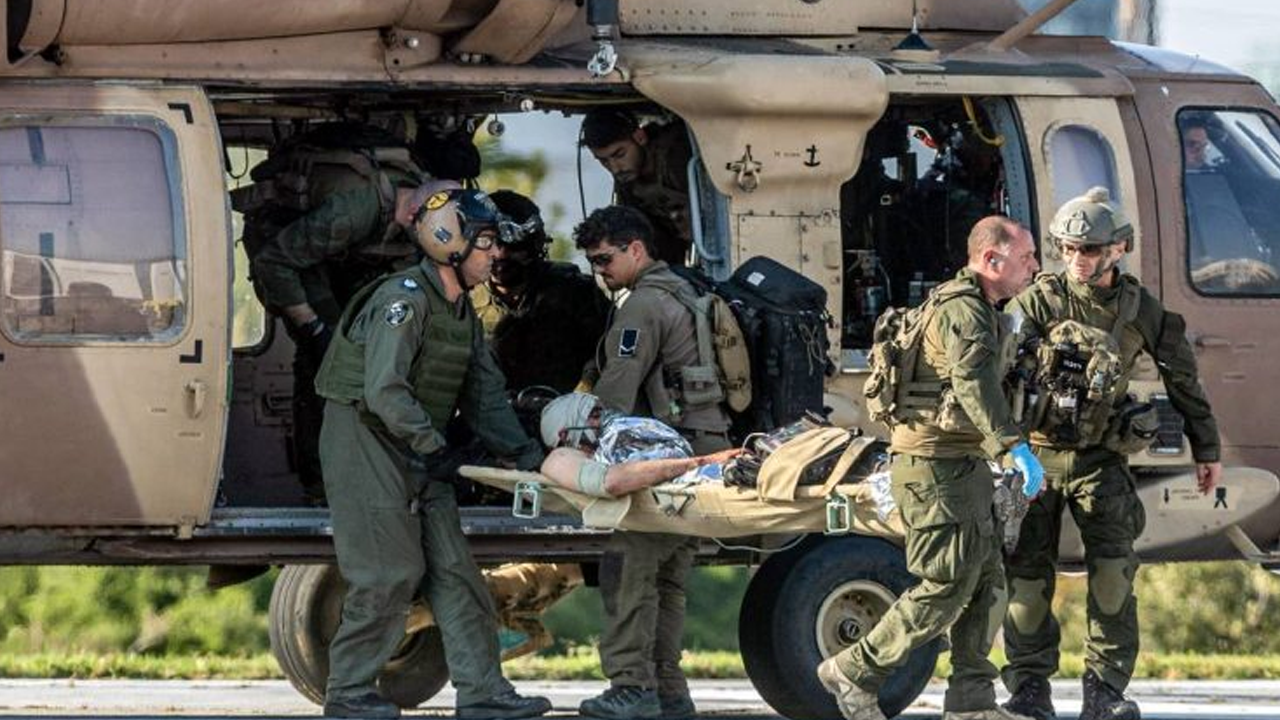
The Israeli military has reported that 63 additional soldiers were injured in southern Lebanon over the past four days. According to the military’s data, since March 2 a total of 27 Israeli soldiers have been killed and 1,243 injured in the ongoing operations. The clashes continue despite recent diplomatic efforts to halt the fighting. Hezbollah, the Iran-backed armed group, has rejected a ceasefire proposal that had been agreed upon between Lebanon and Israel under U.S. mediation. The group’s leader, Naim Qassem, announced the rejection, while Israel has also refused to withdraw its forces from Lebanon. The situation has complicated U.S. President Donald Trump’s initiative to end hostilities and promote peace with Tehran. Iran has made a ceasefire in Lebanon a precondition for any agreement with Washington and warned that continued Israeli attacks could draw it directly into the conflict. Israel’s Defense Minister Israel Katz stated that Israeli forces will not retreat or halt operations in southern Lebanon.
U.S. President Donald Trump said he would be willing to meet Iran’s new supreme leader if a peace agreement is reached to end the ongoing conflict. Speaking to reporters at the Oval Office on Thursday, Trump stated that while he does not seek a meeting, he would feel honored if it happens. He added that he wants to see whether a deal can be achieved and would have no objection to meeting the Iranian leader if such an agreement is made. When asked whether such a meeting could take place in the United States, Trump replied that he had not heard much about it and had not made any proposal, though some people had suggested it. He emphasized that he would remain respectful in any meeting with the supreme leader. Trump also commented that although he is not the Iranian leader’s favorite person, the leader is likely a professional and enjoys a good reputation in some circles, according to CNN.

Bangladesh’s economy is undergoing significant challenges as private investment continues to stagnate despite modest growth in public sector spending. According to the latest data from the Bureau of Statistics, private investment now stands at 22.3 percent of GDP, the lowest in a decade. The GDP for fiscal year 2024–25 was valued at 55.15 trillion taka, with total investment reaching 15.74 trillion taka, of which 12.15 trillion came from the private sector. The slowdown in investment has hindered job creation and weakened overall economic momentum. The financial sector is under pressure, with several banks requiring government liquidity support to remain operational. Inflation has exceeded 9 percent, eroding purchasing power and disproportionately affecting low-income groups. Reduced revenue collection has limited the government’s ability to stimulate the economy, while export performance remains weak despite higher remittance inflows. Ongoing conflicts in the Middle East are adding further risks to trade and remittance flows. Experts emphasize that Bangladesh must attract new investment to boost employment, productivity, and infrastructure while addressing inflation, energy shortages, and weaknesses in the banking system to restore investor confidence.

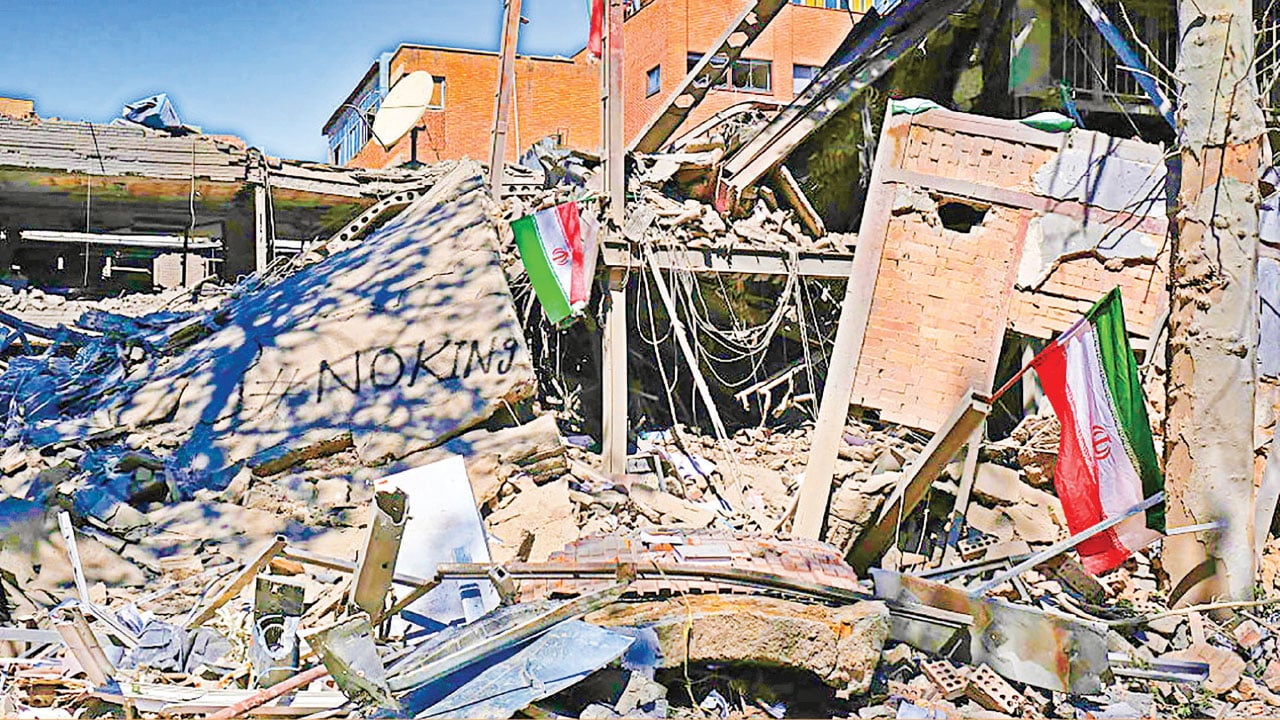
An opinion essay published in the Bangladeshi outlet *Amar Desh* on June 5, 2026, draws parallels between wartime destruction and current assaults on academic institutions. It highlights reports of Israeli strikes on Iranian universities, including Sharif University of Technology and others, describing them as deliberate efforts to erase a nation’s intellectual and cultural continuity. The piece cites Columbia University professor Hamid Dabashi’s argument that such attacks represent a systematic destruction of knowledge, or “epistemicide,” targeting Iran’s centuries-old scholarly tradition. The article also connects these events to the suppression of pro-Palestinian voices on U.S. campuses, where police interventions and administrative pressures have curtailed student protests. It argues that both the bombings in the Middle East and the silencing in American universities serve the same purpose—weakening spaces of free inquiry and dissent. The author warns that this normalization of violence and censorship against universities signals a moral decline, where societies grow indifferent to the destruction of knowledge and the erosion of intellectual freedom. The essay concludes that the fate of universities now symbolizes a broader struggle between knowledge and power, questioning whether humanity will defend learning or succumb to fear and conformity.
Ukrainian President Volodymyr Zelensky has proposed a face-to-face meeting with Russian President Vladimir Putin as part of a renewed effort to end the ongoing war. In an open letter addressed to Putin, Zelensky stated that peace can only be achieved through direct dialogue between Ukraine and Russia. According to the Ukrainian president’s office, copies of the letter were also sent to the United States and several other countries. Zelensky emphasized that with U.S. attention currently focused on the Iran crisis, Europe should not wait for the war in Ukraine to regain prominence in global discussions. He called for a full ceasefire to be implemented during any talks, describing it as a normal and internationally accepted practice. The Ukrainian leader also suggested setting a specific date for the meeting and noted that countries such as Switzerland, Turkey, and those in the Arab world have extensive experience in hosting peace discussions. In his message to Putin, Zelensky urged him not to fear choosing a path out of the war, calling it the most important decision before him.

An Israeli soldier was killed in a Hezbollah anti-tank missile attack in southern Lebanon on Thursday afternoon. The victim, Captain Eitan Shmuel Lemberg, was from Mishmar Hashiva and served in the 75th Battalion of the 7th Armored Brigade. The strike targeted an Israeli tank positioned north of the Litani River. Following the attack, the Israel Defense Forces (IDF) announced that it had launched air and artillery strikes against Hezbollah infrastructure in the area. The incident occurred just one day after Jerusalem and Beirut had agreed to a ceasefire plan. Under that plan, Hezbollah was to halt attacks, and the Lebanese army would deploy in several test zones in southern Lebanon where neither Hezbollah fighters nor IDF troops would be present. The timing of the attack raises questions about the durability of the newly agreed ceasefire arrangement between the two sides.

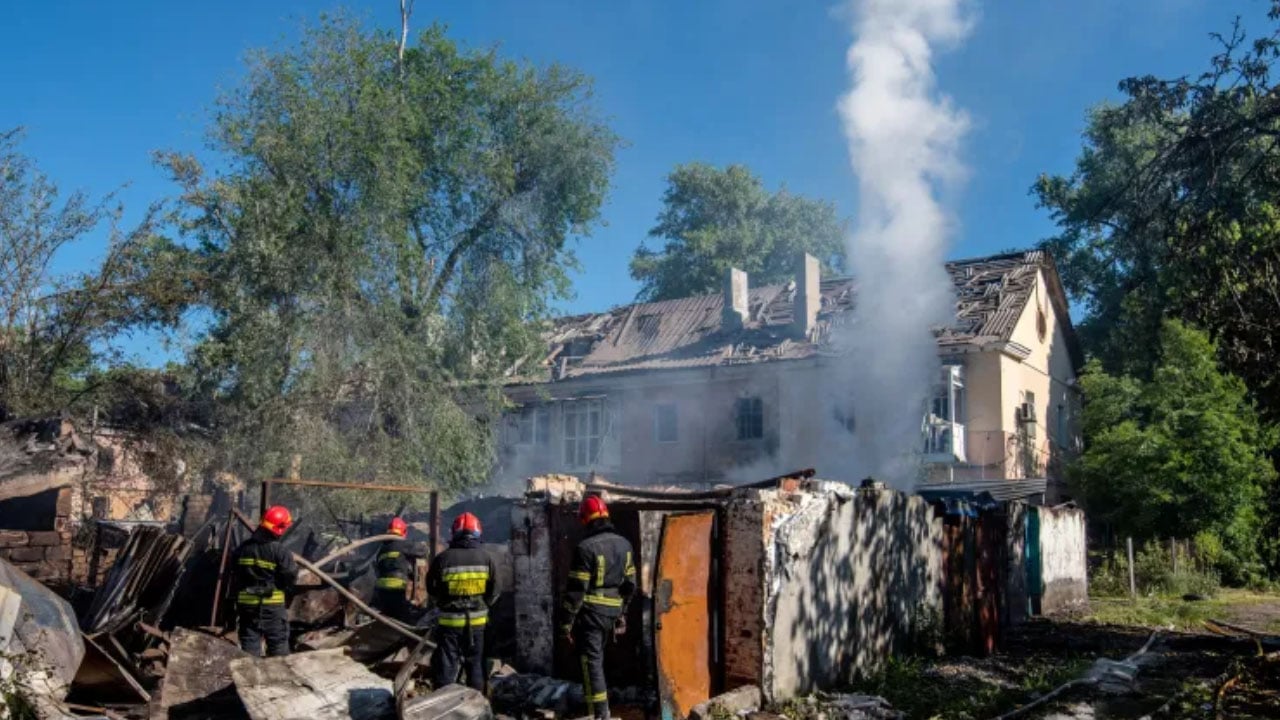
At least 12 people were killed and more than 30 injured in Russian attacks across Ukraine, according to Ukrainian police reports released on Thursday. The strikes hit multiple regions, including Donetsk, Kharkiv, Dnipropetrovsk, Kherson, and Sumy. In Donetsk, bomb and drone attacks killed five and injured 11, damaging 16 residential buildings and 42 civilian facilities. Additional casualties were reported in Kharkiv, Dnipropetrovsk, Kherson, and the Shostka district of Sumy. The Ukrainian police press service stated that the attacks caused extensive damage to civilian infrastructure, including apartment buildings and vehicles. The violence comes as Ukrainian President Volodymyr Zelensky observed a day of mourning for at least 707 children killed since the war began more than four years ago. The continued strikes highlight the persistent intensity of the conflict, which has led to widespread civilian suffering and destruction across multiple Ukrainian regions.
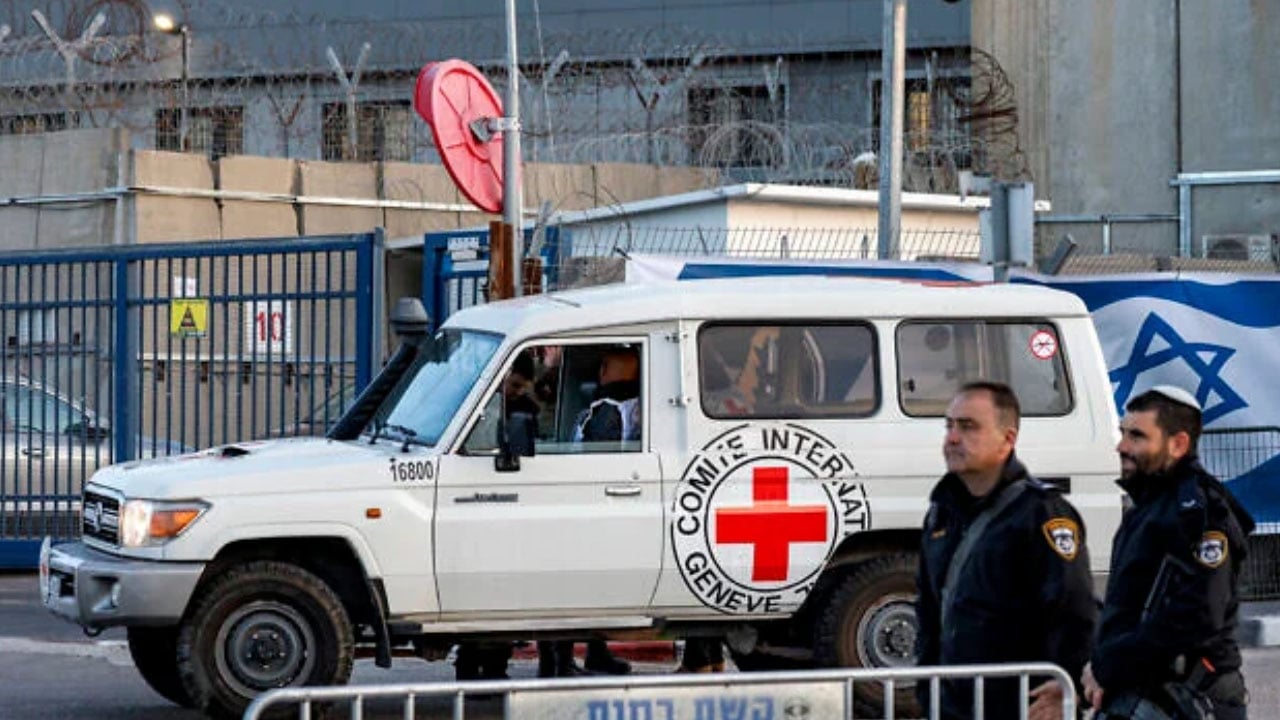
Israel’s Supreme Court has annulled a government ban that prevented representatives of the International Committee of the Red Cross (ICRC) from visiting Palestinian prisoners. The ruling, delivered on Wednesday, stated that by blocking such visits, the government had violated both Israeli and international law. The court ordered the immediate cancellation of the policy. The restriction had been imposed by Israeli authorities in October 2023, following the start of the Gaza war, and remained in effect for more than two years. Justice Daphne Barak-Erez, in her main opinion, noted that despite repeated opportunities, the government failed to present any valid legal justification for maintaining the ban. The decision came in response to petitions filed by several human rights organizations, including the Association for Civil Rights in Israel, Physicians for Human Rights–Israel, HaMoked, and Gisha. The ruling marks a significant legal setback for the government’s wartime policies regarding detainee access.
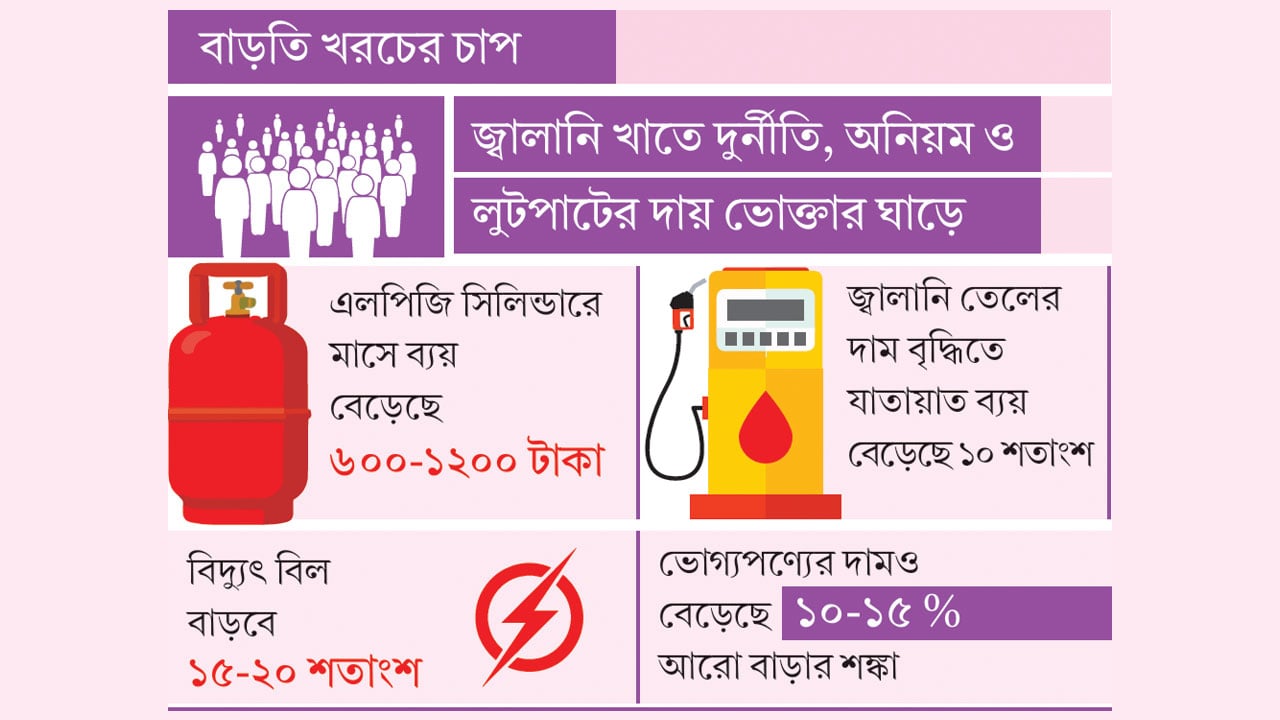
Bangladesh has seen consecutive increases in fuel and electricity prices, with fuel costs rising by up to 25 taka per liter and electricity tariffs raised by 15–20 percent. The government’s decision has triggered widespread concern as transport fares, LPG cylinder prices, and essential goods costs have surged, severely affecting low- and middle-income households. Economists warn that inflation, already at 9.04 percent in April, could rise further, undermining the government’s target of reducing it to 7.5 percent. Experts and consumer advocates attribute the crisis to corruption and inefficiency in the power sector, alleging massive financial mismanagement and misuse of capacity charges. They argue that the Bangladesh Energy Regulatory Commission (BERC) favored vested interests instead of protecting consumers. Business leaders from the garment, steel, and CNG sectors warn that higher energy costs will raise production expenses, reduce competitiveness, and threaten employment. With the upcoming national budget approaching, economists caution that controlling inflation, managing debt, and restoring economic momentum will be major challenges. The combined impact of energy price hikes and global market instability is expected to intensify pressure on ordinary citizens and industries alike.
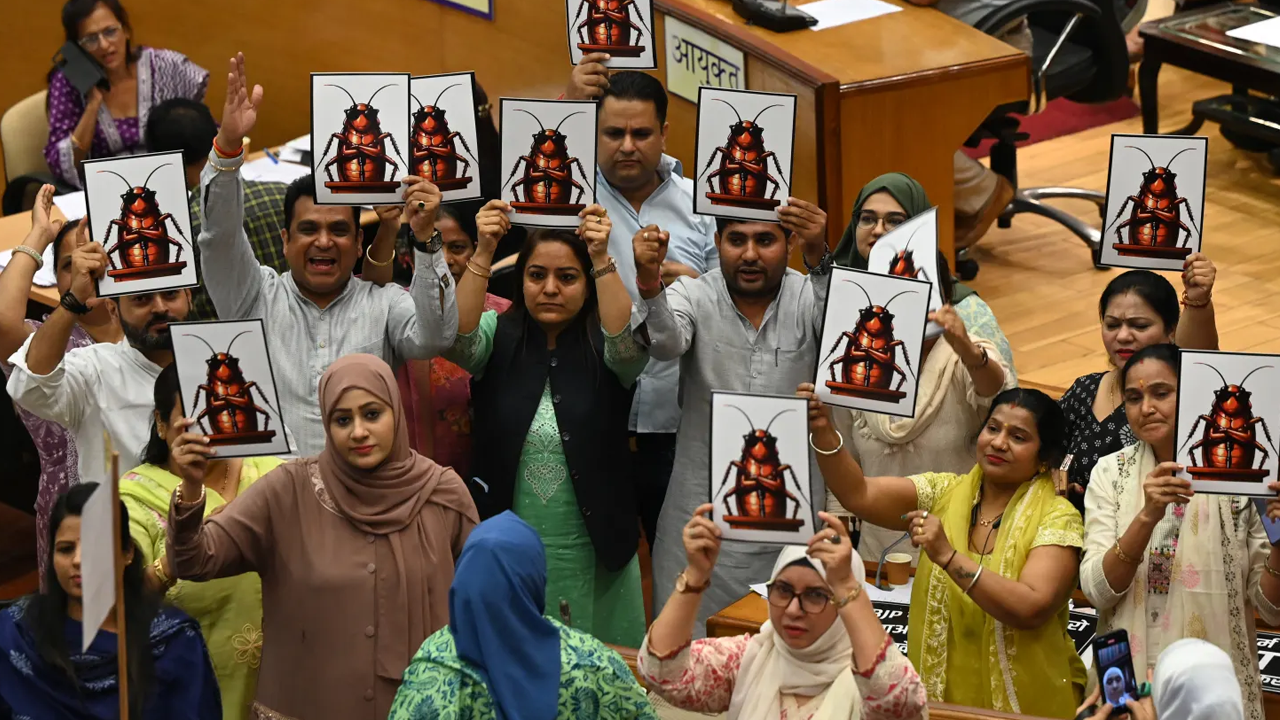
A new youth-led political movement in India, the Cockroach Janata Party (CJP), has announced its first protest rally in New Delhi this Saturday. The group, which uses a cockroach as its symbol, was launched on May 16 by political strategist and Boston University student Abhijit Dipke. It emerged after India’s Chief Justice Surya Kant referred to unemployed youth as ‘parasites’ and ‘cockroaches’. Within weeks, the CJP gained over 22 million Instagram followers and claims more than one million members, describing itself as the ‘voice of the idle and unemployed’. Experts, however, say there is little evidence of real-world support. The protest will target alleged irregularities in recent high school and entrance exams that reportedly affected millions of students. The CJP has demanded the resignation of Education Minister Dharmendra Pradhan. Opposition leader Rahul Gandhi and policy experts have also criticized the exam failures, calling them a major challenge for the government. Analysts note that while Prime Minister Narendra Modi’s popularity remains strong, the scale of Saturday’s protest could signal growing discontent. Regional analysts warn that similar youth-driven online movements in Nepal, Bangladesh, and Indonesia have disrupted economies and political stability, raising investor concerns about South Asia’s employment crisis.
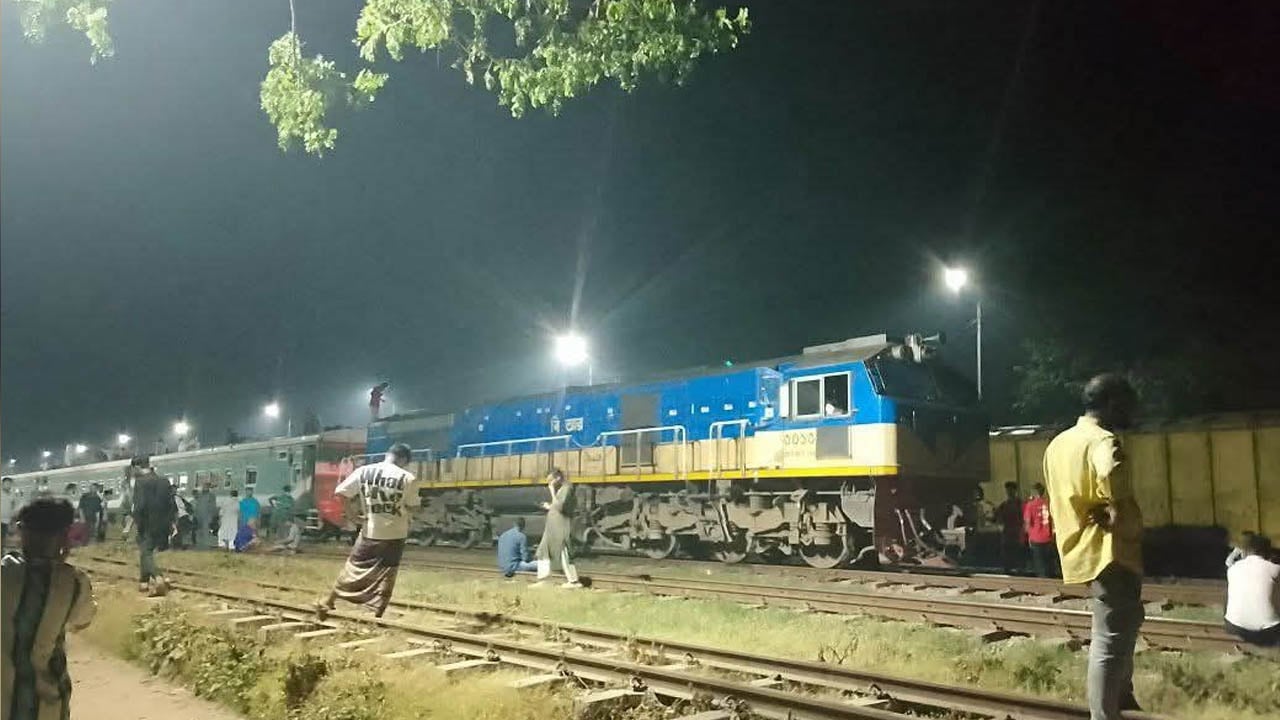
At least 30 people, including eight police officers, were injured in a violent clash in Bhairab, Kishoreganj, on Thursday evening following an argument over a football game. The confrontation spread to the Bhairab Railway Junction Station, where extensive vandalism occurred, forcing authorities to suspend train operations on the Dhaka–Chattogram, Dhaka–Sylhet, and Dhaka–Kishoreganj routes for about five hours. Train services resumed around 1:50 a.m. after the situation was brought under control with army assistance. Local sources said the conflict began between youths from Panchabati and Jagannathpur Madhyapara areas and escalated into a large-scale clash involving residents armed with sticks and bricks. Several shops and government offices at the station were damaged, and railway staff were trapped for hours. Multiple trains, including the Parabat Express and Egarsindhur Godhuli, were stranded at nearby stations. Authorities have reinforced security around the station and are identifying those involved for legal action. The local administration confirmed that the situation is now under control, with additional police deployed in the area.
The ‘1 Nojor’ media platform is now live in beta, inviting users to explore and provide feedback as we continue to refine the experience.