

The ‘1 Nojor’ media platform is now live in beta, inviting users to explore and provide feedback as we continue to refine the experience.
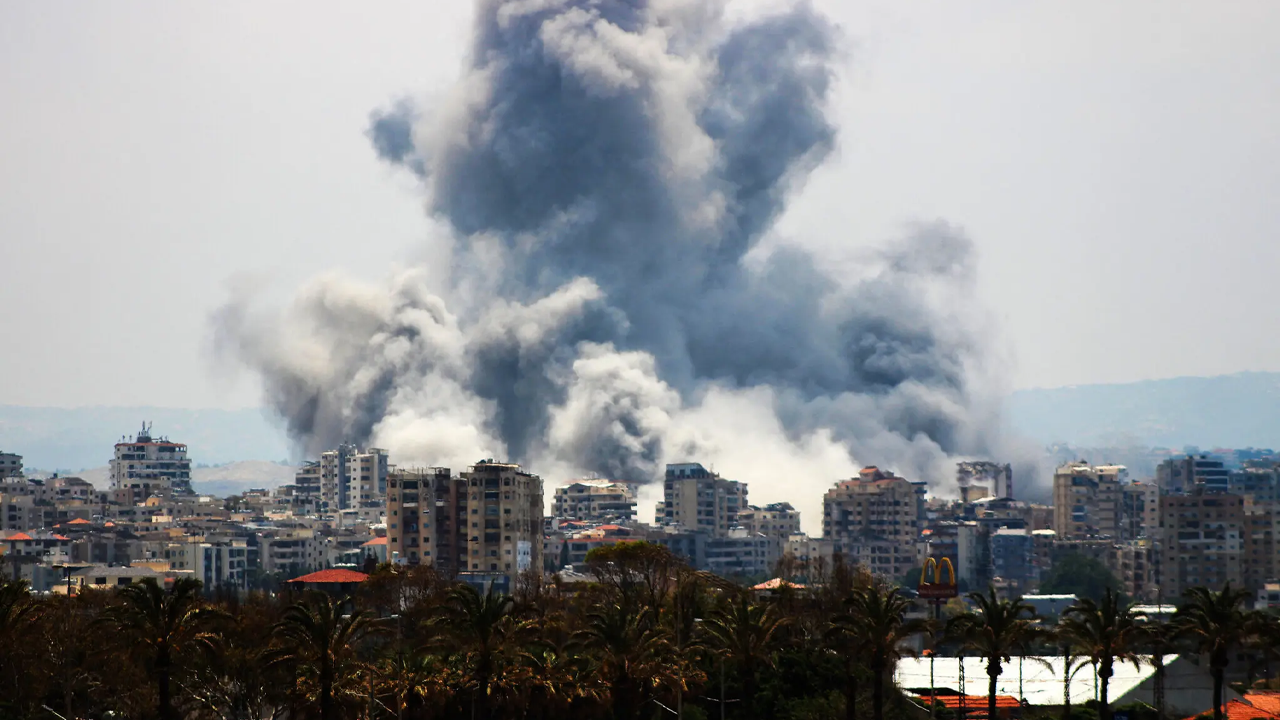
Israel’s military campaign against Hezbollah in Lebanon has become increasingly complicated, with analysts saying that advanced drone attacks by Hezbollah and diplomatic pressure from the Trump administration have effectively stalled Israel’s strategic plans. On Monday, Prime Minister Benjamin Netanyahu and the defense minister threatened airstrikes near Beirut but withdrew the threat within hours, signaling internal and external constraints on Israeli decision-making. Israel’s initial goal was to establish a security buffer zone in southern Lebanon to push Hezbollah away from the border and protect northern Israeli communities from anti-tank missile threats. However, Hezbollah’s use of fiber-optic-controlled first-person-view drones has posed a major challenge, with Israeli reports confirming two soldiers killed and ten injured in recent attacks. U.S. officials have reportedly urged Israel to limit its military actions as part of broader efforts to ease tensions with Iran. Experts warn that Israel risks becoming entangled in a prolonged conflict reminiscent of its 1982 Lebanon invasion. Opinions remain divided over whether U.S. restrictions benefit Hezbollah or could lead to a negotiated ceasefire favorable to Israel.
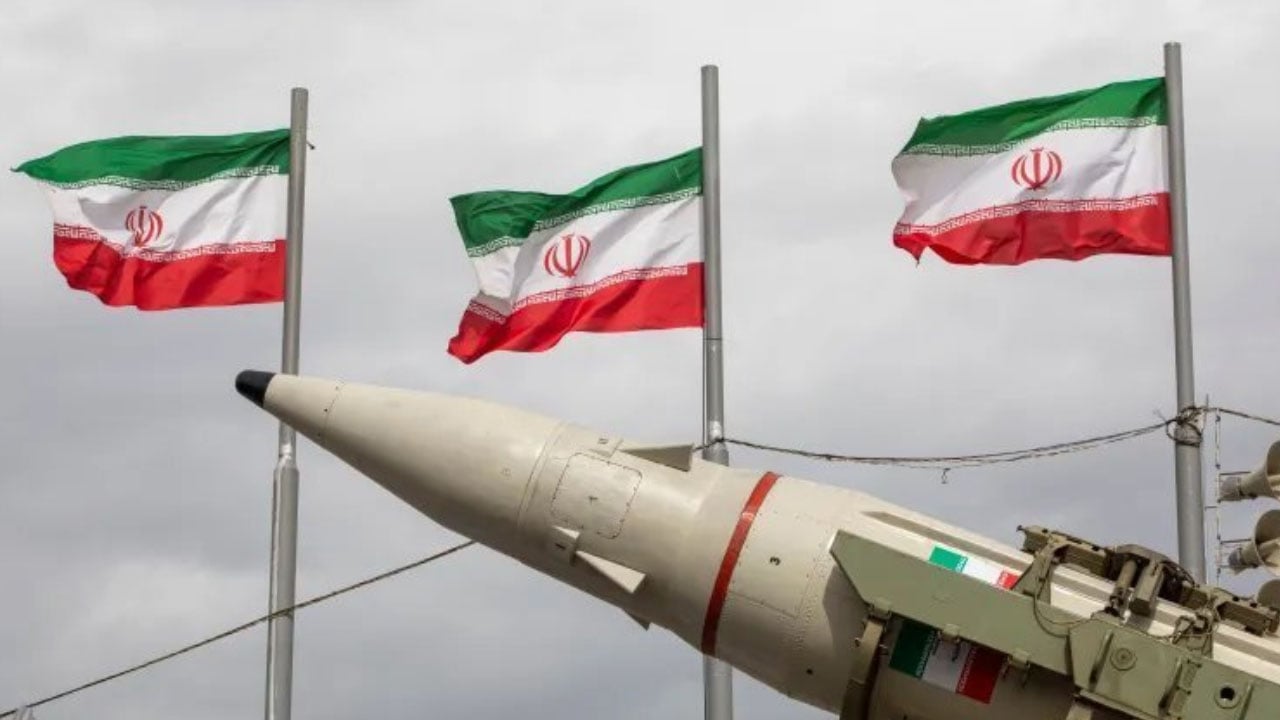
Iran’s Islamic Revolutionary Guard Corps (IRGC) has warned that any act of aggression by the United States will be met with a strong response. In a statement released on June 3, 2026, the IRGC said that US military forces carried out a missile attack near the Strait of Hormuz, targeting an Iranian oil tanker and damaging its engine room. According to the statement, Iran retaliated by attacking a vessel named ‘Panaya’, linked to the United States and Israel. The IRGC further claimed that after US forces struck a communication tower on Qeshm Island, its Aerospace Force launched missile and drone attacks on an air and helicopter base in a nearby country and on the headquarters of the US Fifth Fleet. The IRGC declared that future aggression would be met with even harsher responses, describing the latest actions as a lesson for the United States.
Bangladesh’s Foreign Minister Dr. Khalilur Rahman has been elected President of the 81st session of the United Nations General Assembly, defeating the candidate from Cyprus in a vote held at the UN headquarters on Tuesday. This year, the presidency rotated to the Asia-Pacific group, giving the region the opportunity to lead the Assembly. According to UN information, the President’s main duties include presiding over sessions, coordinating discussions among member states, and ensuring neutrality in decision-making. Former UN official Dr. Selim Jahan emphasized that the President must act impartially, while former diplomat M. Humayun Kabir noted the President’s role in guiding discussions and decisions, including on the peacekeeping budget and overall UN finances. The General Assembly also handles recommendations and may take up issues when the Security Council fails to act. UN News reported that Rahman will lead the Assembly during a critical year marked by global crises, UN reform efforts, and the upcoming selection of the next Secretary-General. Bangladesh’s campaign focused on multilateralism, institutional reform, climate cooperation, and amplifying the voice of the Global South.

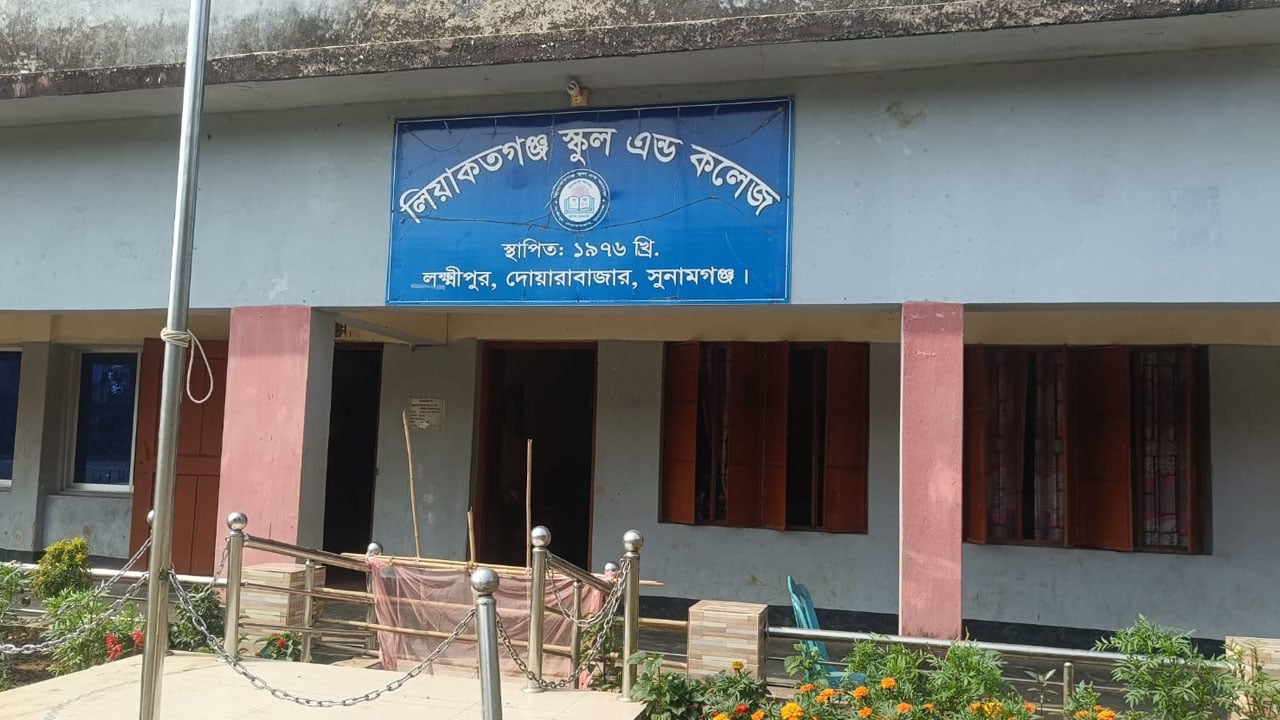
The Sylhet Education Board has replaced the adhoc committee of Liakatganj School and College in Doarabazar, Sunamganj, only three days after its initial approval. On May 21, a committee led by Habibur Rahman was approved following standard procedures, but on May 24, the board cancelled that decision and approved a new committee headed by the Upazila Academic Supervisor. Both committees were approved under the signature of Sheikh Md. Nazrul Islam, the board’s college inspector. The sudden change has sparked widespread discussion and dissatisfaction in the area. Local residents questioned the necessity of altering the decision within such a short time. Some alleged political influence behind the move, while several guardians expressed concern that such instability in the institution’s management could negatively affect the educational environment and administrative activities. Habibur Rahman said he was unaware of the change until he saw the new committee’s copy on social media. The college inspector explained that the revision followed public dissatisfaction and a directive letter from the local Member of Parliament.
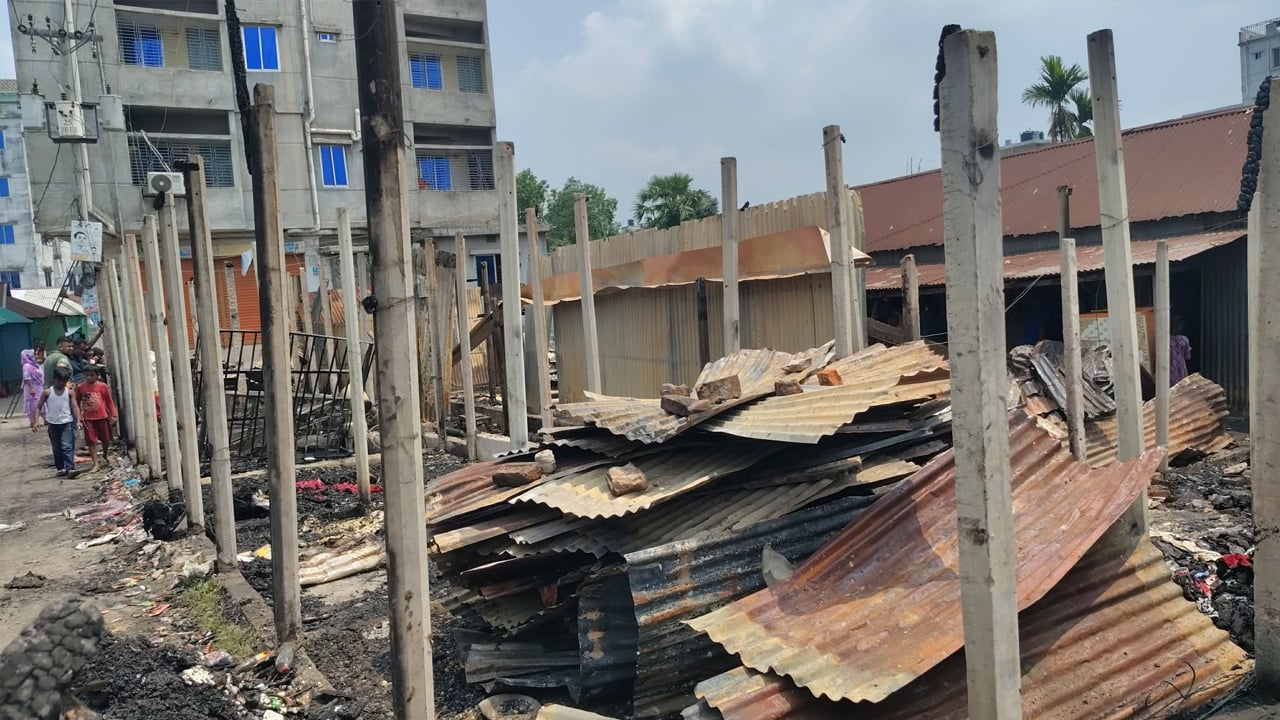
A fire broke out late Tuesday night in the Sakhinar Mor area behind the Chandra Palli Bidyut Jora Pump in Kaliakair upazila of Gazipur, burning down 20 houses. The incident occurred around 11 p.m. at the home of Arfan Baburchi. According to local sources, the blaze started in one room and quickly spread to adjacent rooms, engulfing the entire cluster of houses. Three units of the Fire Service responded and managed to bring the fire under control after about an hour of effort. The house owner, Arfan Ali Baburchi, reported that property worth around one crore taka was damaged in the incident. However, the duty officer of the Kaliakair Fire Service Station, Mofazzal Hossain, said that the exact amount of loss could not yet be determined. Authorities have not reported any casualties, and the cause of the fire remains under investigation.
The Bangladesh Meteorological Department has forecast that June 2026 will experience higher-than-normal temperatures and lower-than-average rainfall across the country. The long-term forecast, released on Monday, indicates two to three mild to moderate heatwaves may occur this month, with temperatures potentially reaching around 40 degrees Celsius. Despite the onset of the monsoon, rainfall is expected to remain below normal levels, and humid, uncomfortable weather conditions are likely to persist. According to the department’s analysis, May recorded 7.4 percent more rainfall than usual, though some southern divisions saw less precipitation. Average temperatures in May were lower than normal. Meteorologist Dr. Md. Omar Faruk stated that the ongoing heatwave is part of the June forecast, with daytime and nighttime temperatures expected to stay above normal. On Tuesday, heatwaves affected 41 districts, causing widespread discomfort, worsened by power outages. The department expects rainfall to increase gradually from June 4, with the southwest monsoon becoming active after June 5, which may bring some relief from the heat.

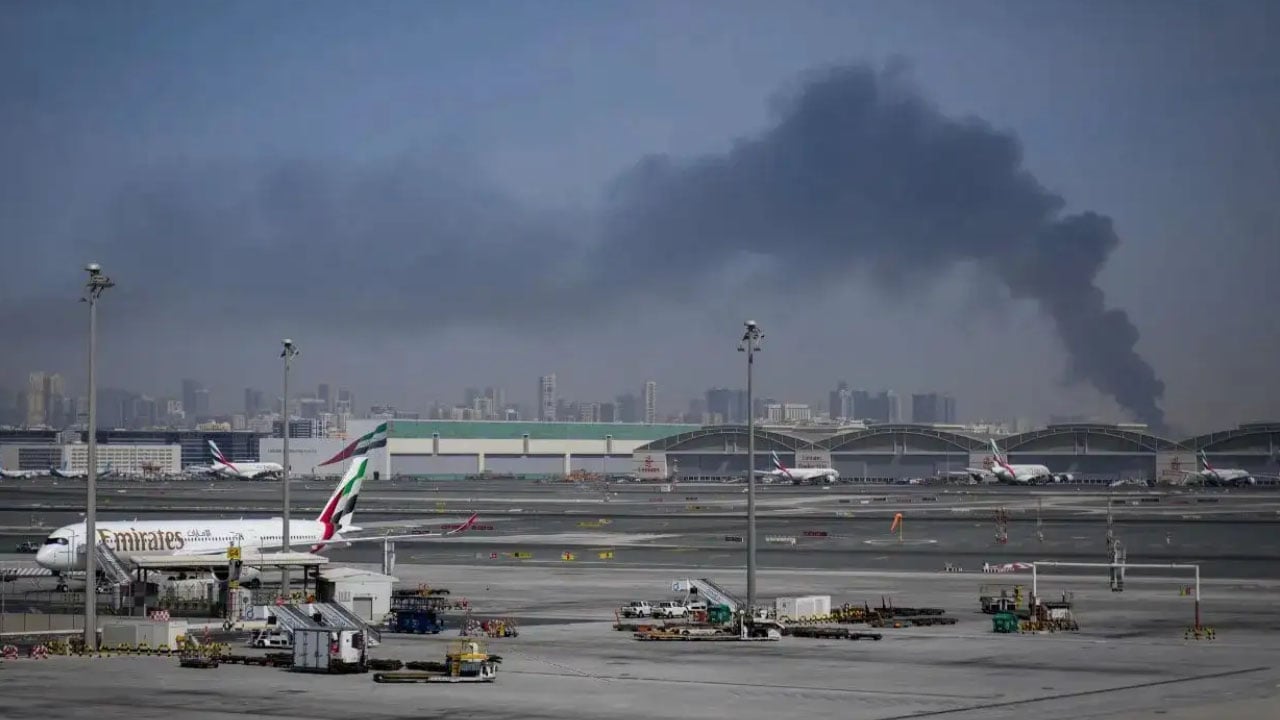
Kuwait’s military reported that several people were injured after Iranian drone and missile strikes hit a terminal at Kuwait International Airport, causing significant damage. The attack targeted the airport’s T-1 building, prompting authorities to halt all flight operations. The General Civil Aviation Authority of Kuwait announced that flight operations would remain suspended until further notice, with other flights being diverted to alternative airports. The decision followed the damage assessment and safety concerns raised by the military and aviation officials. According to the report, Iran launched attacks on neighboring countries, including Kuwait, in response to a U.S. strike on Iranian territory. The situation has led to heightened regional tensions and disruptions in air travel across the area.
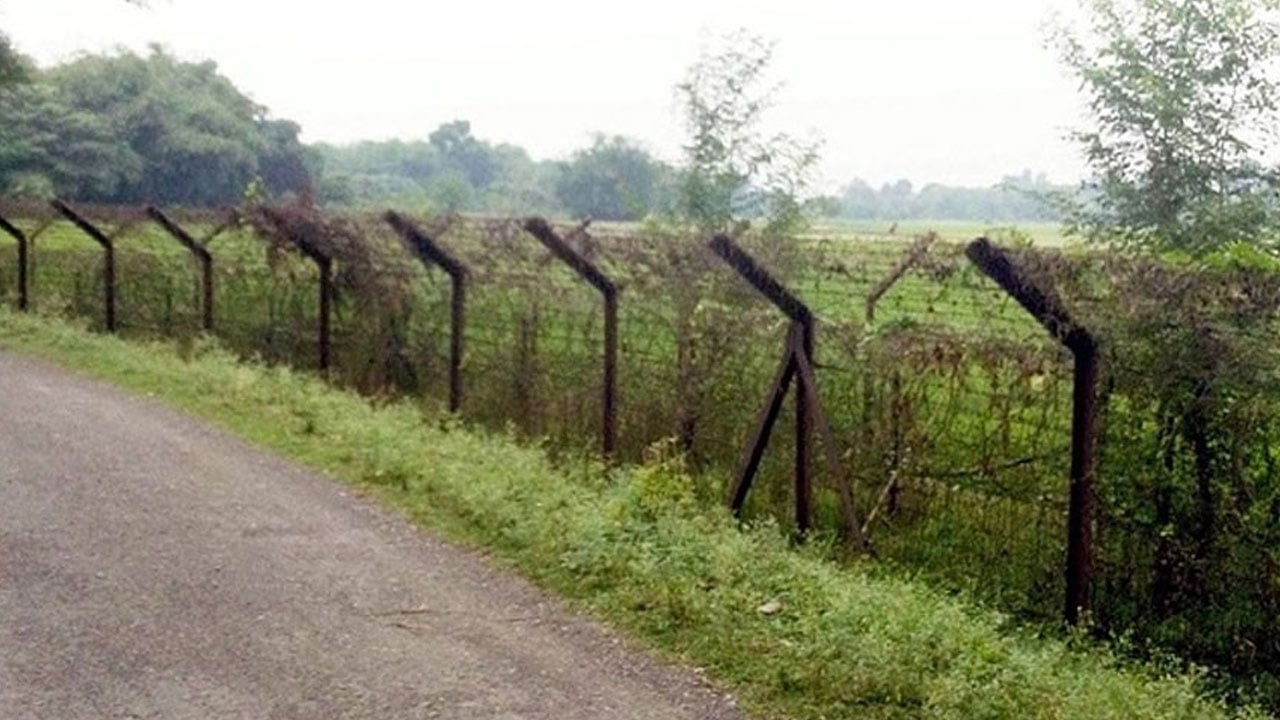
Two Bangladeshi nationals were injured by gunfire allegedly from India’s Border Security Force (BSF) near the Satkhira border early Tuesday night. The incident occurred around 2 a.m., injuring Mohiuddin, 42, and Shahin, 28, both residents of Shitalpur village in Kaliganj upazila. Family members said the two men had been working as masons in India and were returning home through a broker when they were shot. They were later dropped off in Nalta area by unidentified persons and taken to hospital. Local law enforcement and border officials have provided differing accounts. Lieutenant Colonel Rajib Hossain of BGB-17 said no such incident occurred in the area he was patrolling, while Lieutenant Colonel Ashiqur Rahman Chowdhury of BGB-33 confirmed that an investigation is ongoing. Kaliganj police said preliminary information suggests the men had crossed the border illegally and were shot while re-entering Bangladesh. Both victims are in critical condition and have been referred to Satkhira Sadar Hospital. Authorities have yet to confirm the exact border point where the shooting took place, and investigations are continuing.
A passenger died when a bus lost control and plunged into a pond in Khulna’s Dumuria upazila on Wednesday morning. The accident occurred around 9:30 a.m. in front of the PCF Feed Industries in Gutudia area. Fire service teams launched a rescue operation soon after receiving the report. According to local residents, the bus was traveling from Satkhira to Khulna when it veered off the road and fell into the pond. Two passengers remain missing, and the rescue operation is continuing to locate them. Dumuria Police Station Officer-in-Charge Khondaker Hafizur Rahman confirmed that the bus is still submerged and said details about the deceased and the incident will be provided later. Authorities have not yet released the identity of the deceased passenger or the cause of the loss of control, and rescue efforts are ongoing at the scene.

Bangladesh has been named among the winners of the 13th edition of the Beamline for Schools competition, alongside teams from India, Turkey, the United Kingdom, and the United States. The competition, organized for secondary school students worldwide, invites participants to submit proposals for physics experiments to be conducted at CERN or its partner institutions. Five teams were selected based on the scientific merit of their proposals. The Bangladeshi winning team, named POLARIS, includes students from Chowmuhani Government Saleh Ahmed College in Noakhali, Birshreshtha Noor Mohammad Public College, and Collectorate School and College Rangpur (CSCR). They will travel to Bonn University to carry out their proposed experiments. Teams from India and Turkey will perform their experiments at CERN in August 2026, while the UK and US teams will conduct theirs at a DESY beamline. Since its launch in 2014, the Beamline for Schools program has seen growing participation. In 2026, a record 712 teams from 89 countries submitted experimental proposals.

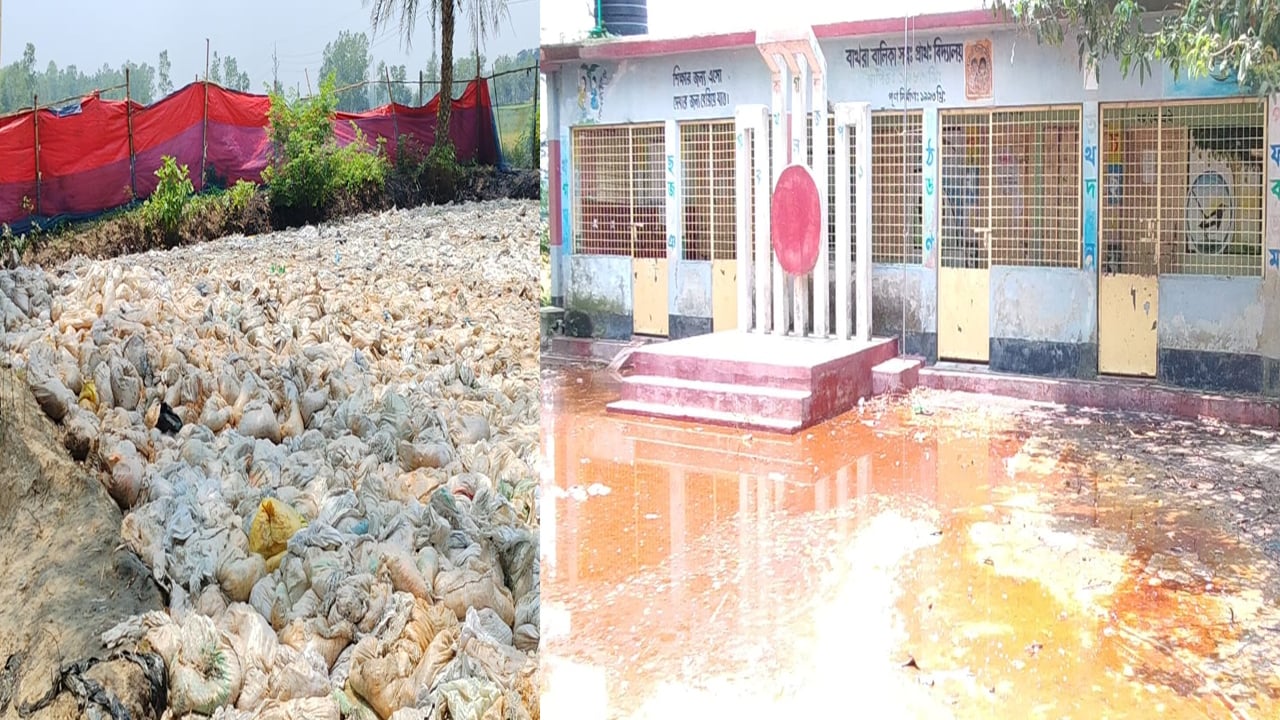
An unrefined oil dumping point has been set up next to Bakhra Government Girls Primary School in Kahalu upazila of Bogura district, putting more than 300 students at health risk. The site contains chemically mixed waste, and the school grounds are reportedly covered with oily water and garbage. Locals said thousands of white sacks filled with chemical residues have been dumped into a nearby pond, producing a foul smell and causing respiratory problems among residents. Parents and community members expressed concern that the unhygienic environment could discourage them from sending their children to school. One parent reported that his daughter fell ill after contact with the contaminated water. Locals alleged that some ruling party members are involved in the dumping activities and demanded immediate relocation of the site to protect public health and the environment. The school’s head teacher stated that he had filed a written complaint to the Upazila Nirbahi Officer (UNO) after verbal requests failed. The district primary education officer confirmed that instructions had been issued for necessary action, while the newly appointed UNO pledged to investigate the matter seriously and take appropriate measures.
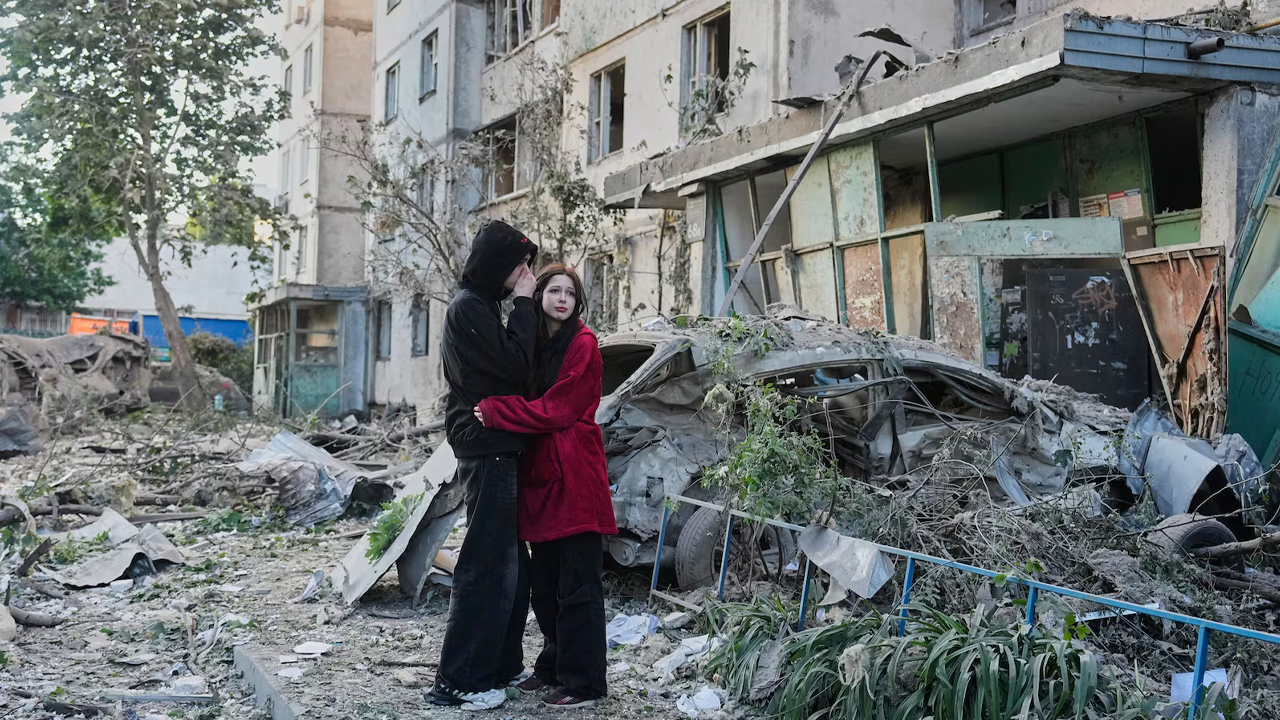
At least 23 people were killed in widespread Russian missile and drone attacks across several regions of Ukraine late on Tuesday, June 2, according to local authorities. The overnight strikes damaged numerous residential and commercial buildings. Ukrainian officials had earlier warned that Russia was preparing for larger-scale assaults amid the ongoing war. Ukraine’s Air Force reported that Russia launched a total of 73 missiles and 656 drones targeting different areas. While most were intercepted by Ukrainian air defenses, 54 drones and 33 missiles penetrated the defenses and struck various targets. The southeastern city of Dnipro suffered the highest casualties, with 16 people killed, including two children, after a four-story residential building collapsed. Another 42 people were injured. In Kyiv, Mayor Vitali Klitschko confirmed seven deaths and about 50 injuries. The attacks have further intensified the Ukraine-Russia conflict, raising new concerns about the future of potential peace efforts.
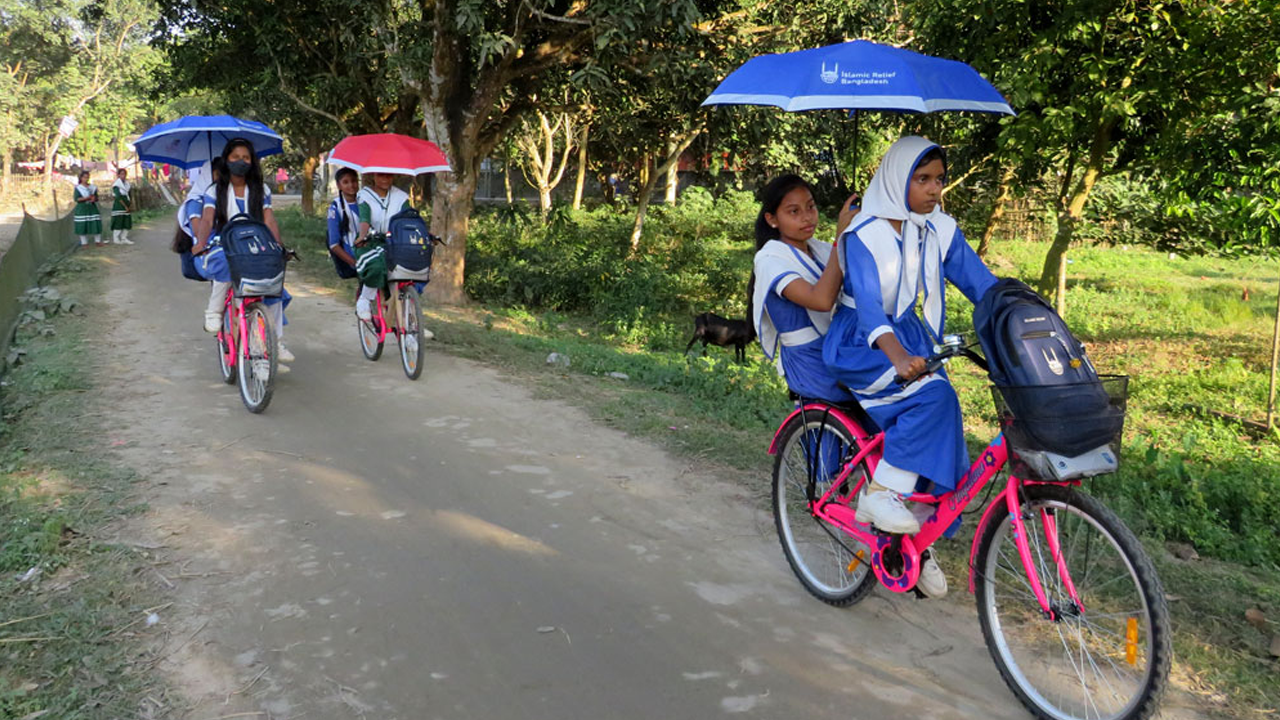
World Bicycle Day is being celebrated worldwide on Wednesday, June 3, 2026, including in Bangladesh. Various cycling organizations across the country have arranged awareness programs and bicycle rallies to mark the occasion. The day aims to raise public awareness about the importance of this environmentally friendly mode of transport. The initiative for World Bicycle Day was led by U.S. professor Leszek Sibilski, who launched an international campaign to highlight the benefits of cycling and sought recognition from the United Nations. Starting as an academic project in 2015, the movement gradually gained global momentum. On April 12, 2018, the UN General Assembly unanimously declared June 3 as World Bicycle Day, with Turkmenistan playing a key supporting role and about 56 countries joining as co-sponsors. Experts emphasize that bicycles are an effective, affordable, and sustainable means of urban transport. The observance symbolizes a global commitment to environmental protection and healthy living.
The Technical and Madrasa Education Division of Bangladesh’s Ministry of Education has issued the 2026 transfer policy for MPO-listed teachers working in private madrasas. The policy, published on Tuesday, sets eligibility for transfer applications after two years of service and allows a maximum of three transfers during a teacher’s career. All transfer processes will be conducted through an automated software system, and the policy took effect immediately upon publication. It replaces the 2024 transfer policy issued in December 2024. According to the new policy, the Directorate of Madrasa Education will publish vacancy lists online and invite applications within government-specified timeframes. Teachers may apply for transfer to equivalent posts in other madrasas, with priority given to women, distance, spouse’s workplace, and seniority. Transfers will not be considered a right, and teachers will not receive travel or daily allowances. The policy also maintains continuity of MPO benefits and seniority after transfer. The Bangladesh Madrasa General Teachers Association has protested the policy, alleging discrimination because it applies only to NTRCA-recommended teachers, unlike the broader transfer provisions for school and college teachers.

Bangladesh Petroleum Corporation (BPC) has initiated steps to relocate its headquarters from Chattogram to Dhaka, with plans to purchase three floors of the 20-storey Jamuna Oil Company building in Karwan Bazar. The process has advanced significantly, receiving approval from Jamuna’s board and a positive response from the government. A committee has been formed to determine the fair value of the floors, and BPC intends to finalize the purchase after Eid. However, the transfer appears to breach company law, which requires approval from the annual general meeting (AGM) for asset transfers. Jamuna Oil, a listed company with BPC holding 60 percent of its shares, built the Dhaka building to generate rental income. Critics say the transfer decision bypassed shareholder approval and was driven by top-level pressure. BPC’s move comes even as it recently completed a new headquarters building in Chattogram’s Joypahar area, where 90 percent of its operations are based. Energy sector experts and transparency advocates warn that relocating the headquarters could undermine administrative decentralization, create bureaucratic delays, and contradict the government’s policy of moving institutions outside Dhaka.

The ‘1 Nojor’ media platform is now live in beta, inviting users to explore and provide feedback as we continue to refine the experience.