

The ‘1 Nojor’ media platform is now live in beta, inviting users to explore and provide feedback as we continue to refine the experience.
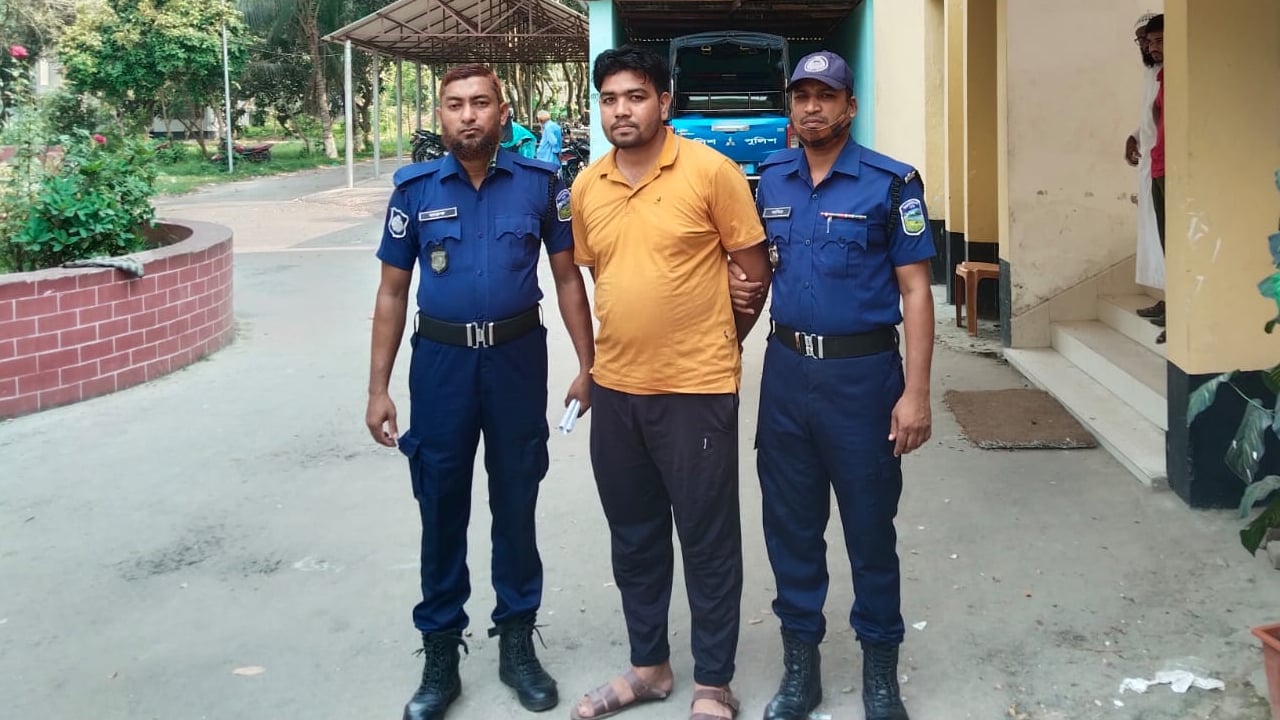
Police in Madarganj upazila of Jamalpur have arrested Maruf Hasan, chairman of the Parashmoni Cooperative Society and a member of the upazila Jubo League, in connection with a case over embezzlement of customer deposits. He was detained on Tuesday afternoon from the Sukhnagari area and later sent to the Jamalpur court. According to police, Hasan was a warrant-listed accused. The case originated in 2024 when a customer of the Parashmoni Cooperative Society filed a complaint accusing Hasan of misappropriating funds. In September 2025, a court sentenced him to two years of rigorous imprisonment and fined him 10,000 taka, with an additional one-month jail term in default of payment. Police and local sources said Hasan had been in hiding since the verdict. Authorities stated that Hasan’s arrest followed the outstanding court warrant, and he has now been presented before the court for further legal proceedings.
According to an analysis by Al Jazeera, a total of 26 top leaders and senior officials from 23 countries have visited China so far in 2026. The latest addition to this list is British Foreign Secretary Yvette Cooper, who began a three-day visit to Beijing to meet Chinese Foreign Minister Wang Yi and Vice President Han Zheng. She is also scheduled to travel to Shenzhen to discuss cooperation in technology and science. The visiting leaders include presidents, prime ministers, chancellors, crown princes, and foreign ministers from countries such as the United States, United Kingdom, Russia, Germany, Canada, Spain, Pakistan, Iran, Brazil, and Vietnam. Analysts cited in the report suggest that the main objective of these visits is to strengthen trade, investment, and technology cooperation amid global economic uncertainty. The report notes that Chinese President Xi Jinping has focused on receiving foreign guests in Beijing rather than traveling abroad, a strategy described as “host diplomacy.” European nations make up about one-third of the visiting countries, reflecting their interest in maintaining engagement with China despite strategic differences.

Police in Ramu upazila of Cox’s Bazar recovered 8,000 yaba tablets and arrested one suspect during an operation on Tuesday, June 2, 2026. Acting on a tip-off, a team from Ramu Police Station conducted the raid near Wazed Complex, beside the Ramu–Chattogram highway in the Choumuhani raw market area of Fatekharkul Union’s Ward No. 6. The operation was led by Officer-in-Charge Monirul Islam Bhuiyan. During the search, police stopped a CNG-run auto-rickshaw and detained a man identified as Md. Safiul Alam, aged 26, from Dariardighi Maulvibazar Purba Para in Khuniapalong Union. From his possession, officers recovered 8,000 yaba tablets along with a OnePlus Android phone, a Symphony button phone, and the CNG vehicle bearing registration number Cox’s Bazar TH-11-8504. Police stated that a case under the Narcotics Control Act has been filed and legal proceedings are underway.
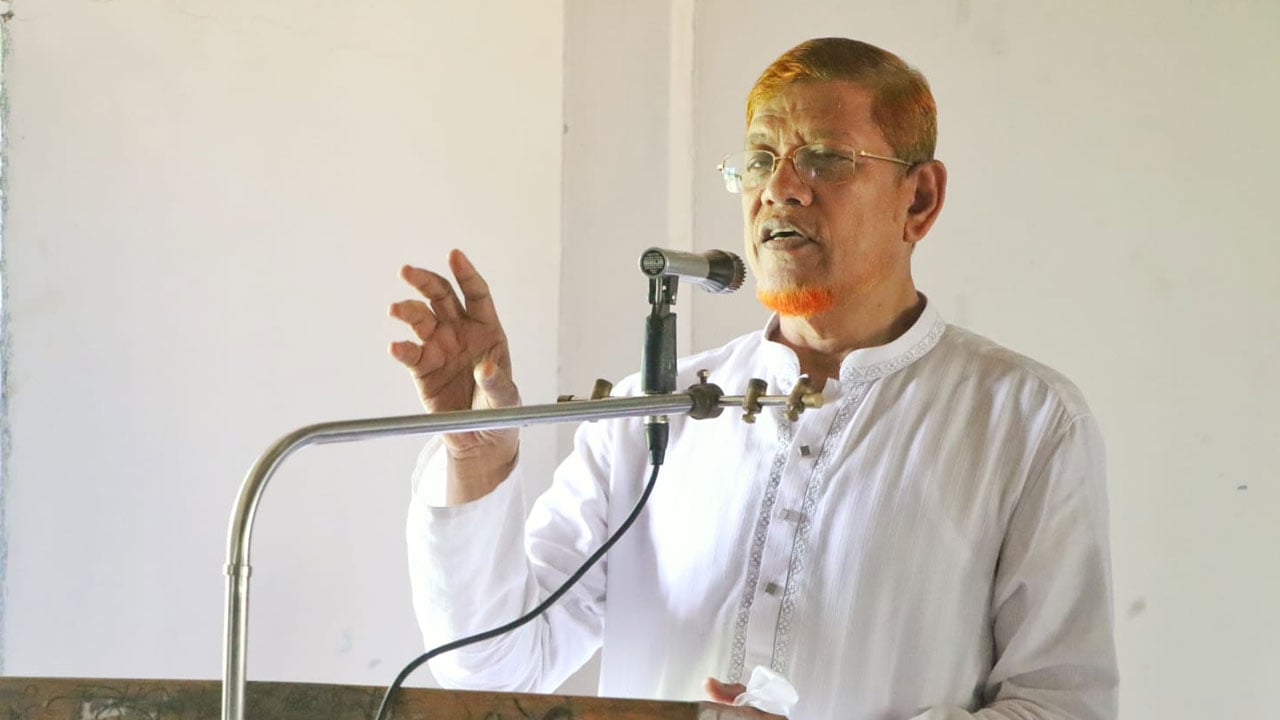
Bangladesh Jamaat-e-Islami Assistant Secretary General Dr. Hamidur Rahman Azad stated that the party does not engage in politics for power but to establish honest, capable, and responsible leadership for the welfare of the country and its people. He made these remarks on Tuesday while addressing a workers’ conference organized by Jamaat-e-Islami in Kutubdia Upazila North. Azad said the people of the country expect leadership with transparency, accountability, and moral values, and Jamaat-e-Islami continues to work through ideological and people-oriented politics to meet that expectation. He emphasized that the ultimate goal of any government should be public welfare, protection of fundamental rights, national security, and good governance, not the personal gain of party members. He expressed deep concern over rising fuel prices, deteriorating law and order, and growing insecurity across the country. Azad urged the government to immediately reduce fuel prices to affordable levels and take decisive measures to restore law and order. He also criticized instability in the banking sector and condemned what he described as unjust interference by Bangladesh Bank and the administration.
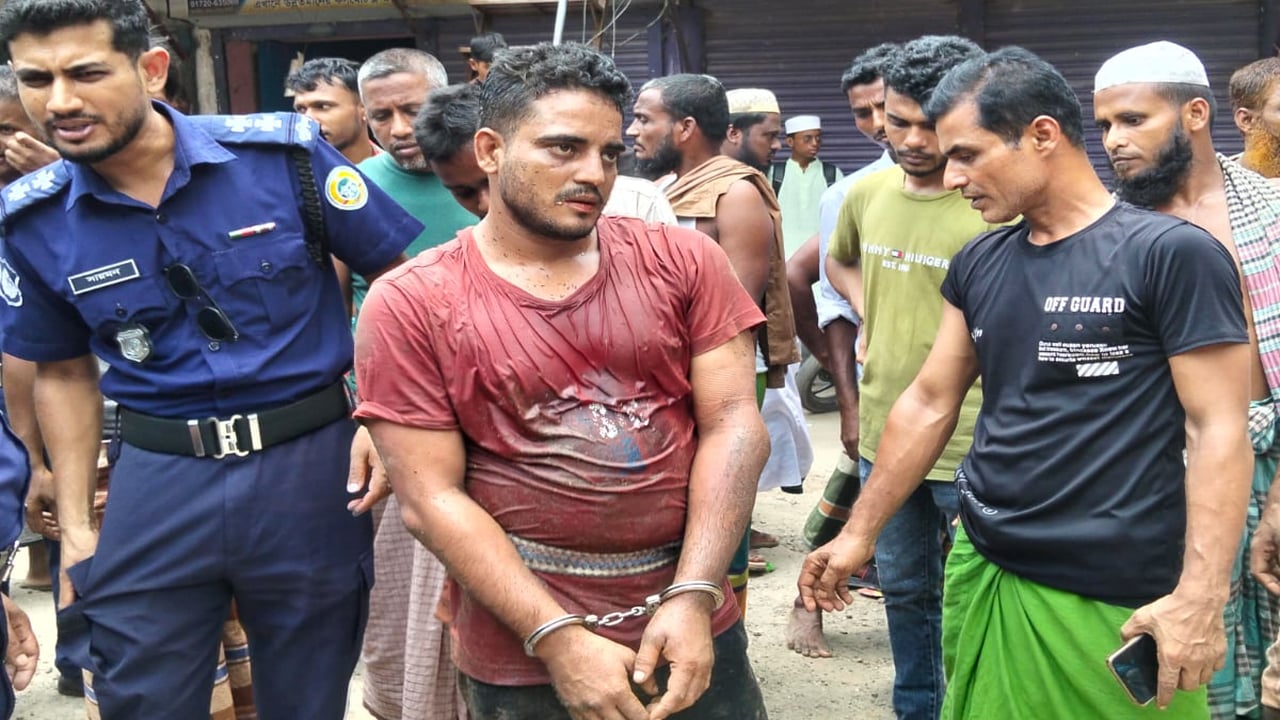
A young man named Oni Sikder, aged 30, was detained by locals at Keota Bazaar in Rajapur upazila of Jhalakathi on Tuesday morning for allegedly attempting to collect extortion money from a local businessman. The incident occurred around 10:30 a.m. when Sikder reportedly came to demand money from plastic trader Md. Abul Hossain Talukder. Locals caught him and later handed him over to the police after a brief scuffle. According to local sources, Sikder had been demanding five lakh taka from Talukder for several days and had allegedly threatened to shoot him if the money was not paid. On the day of the incident, he came to collect fifty thousand taka, prompting locals to intervene. Rajapur Police Station Officer-in-Charge Sujan Biswas confirmed that an investigation is underway and preparations are being made to file a case. Police are currently investigating the extortion attempt, and legal proceedings are expected to follow based on the findings.
Nasiruddin Patwari, the chief coordinator of the National Citizens Party (NCP), is scheduled to visit the Benapole border on Wednesday to protest alleged forced push-ins from India. The NCP announced the visit on Tuesday, outlining that Patwari will reach Benapole at 11:30 a.m., inspect the Sadipur border at 11:45 a.m., and hold a press briefing at 1:00 p.m. at a local tourism hotel lobby. According to the NCP, the purpose of Patwari’s visit is to observe border security, sovereignty, and local conditions. The announcement follows previous incidents involving Patwari, including an attack during his visit to the Jhenaidah border on May 22, where he alleged that members of student and youth organizations assaulted him in the presence of police. Earlier, he had also visited Hatibandha in Lalmonirhat to protest the killing of a Bangladeshi citizen near the border. The NCP emphasized that the Benapole visit aims to highlight ongoing border concerns and reinforce calls for stronger national security measures.

The Bangladesh Jewellers Association (BAJUS) has announced a significant reduction in gold prices across the country following a decline in international markets. The price of 22-carat gold has been lowered by Tk 3,266 per bhori, setting the new rate at Tk 234,855. The revised prices took effect from 10 a.m. on Tuesday, June 2, 2026, according to a BAJUS press release. BAJUS stated that the decision was influenced by a sharp fall in global gold prices, which impacted the local market. The last price adjustment occurred on May 25, when the association raised the price of 22-carat gold by Tk 2,158 per bhori to Tk 238,121. Prices for 21-carat, 18-carat, and traditional gold have also been revised accordingly. So far this year, BAJUS has adjusted gold prices 70 times, increasing them 37 times and reducing them 33 times, reflecting continued volatility in both domestic and international markets.

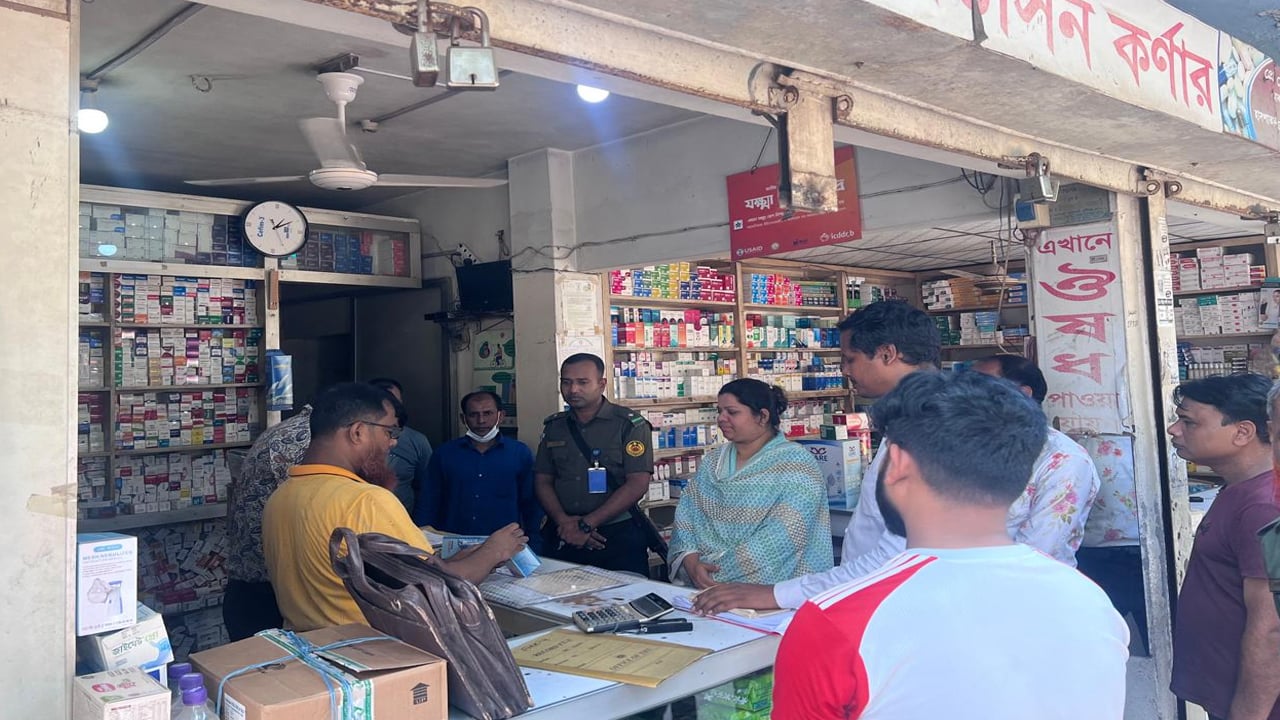
A mobile court in Tongibari upazila of Munshiganj fined two pharmacies a total of Tk 100,000 for keeping expired medicines, unapproved cosmetics, and physician samples. The operation took place on Tuesday from 1 p.m. to 3 p.m. in front of the upazila health complex. Ibrahim Pharmacy and Bismillah Pharmacy were each fined Tk 50,000 after the illegal items were found during the inspection. The mobile court was led by Upazila Nirbahi Officer Tahmina Akter, who stated that such drives would continue to protect public health. The fines were imposed under the authority of the mobile court system, which enforces health and safety regulations in local markets. According to the official, similar operations will be carried out in the future to ensure that pharmacies comply with health standards and do not sell expired or unauthorized products.
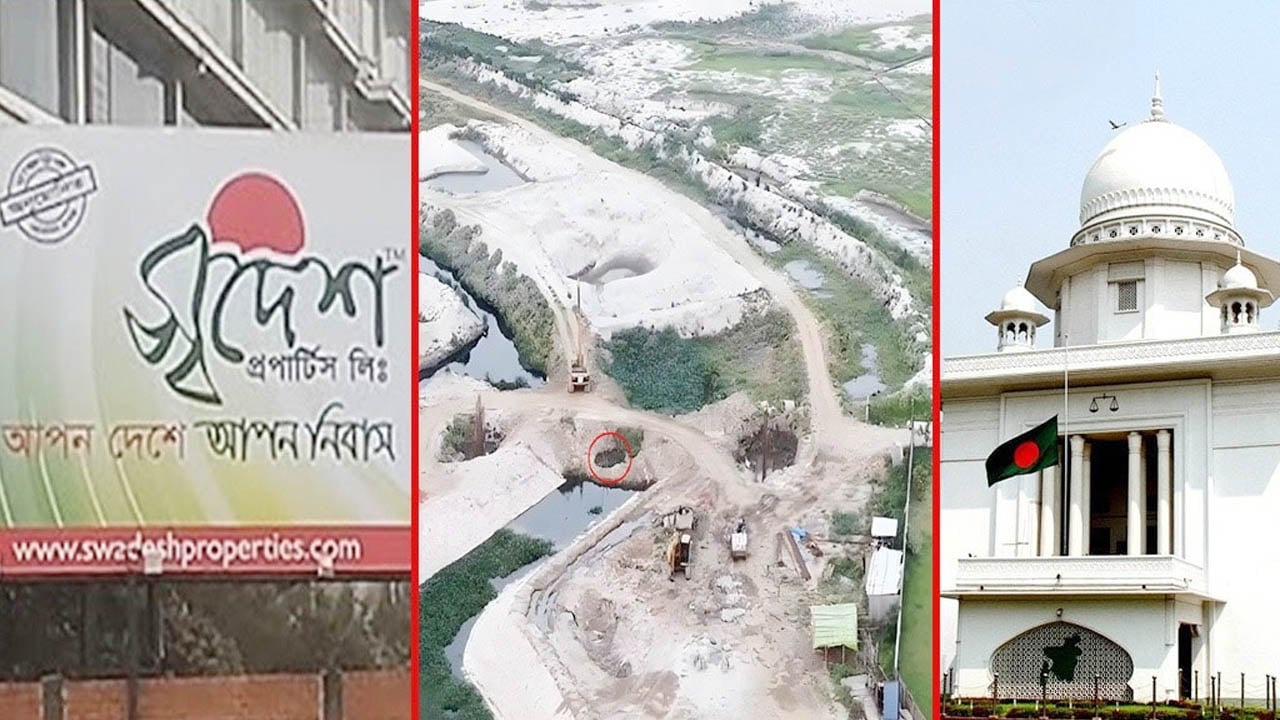
The High Court has imposed a six-month interim injunction on Swadesh Properties Limited’s land-filling activities for its ‘Swarnali Abashon’ project in Dhaka’s Uttarkhan, Khilkhet, and nearby areas. The order was issued on Sunday by a bench comprising Justice Bhishmadev Chakraborty and Justice Md Asif Hasan. The court also issued a rule asking why the actions of the concerned authorities should not be declared illegal. The writ petition, filed by local resident Md Delwar Hossain Dewan, alleged that Swadesh Properties had occupied the government-owned Boalia canal, built an unauthorized Bailey bridge, and filled agricultural land, wetlands, and flood flow zones with sand in violation of the Detailed Area Plan (DAP 2022–2035). The petitioner claimed that despite complaints, authorities failed to take effective action, prompting the legal move. The court directed that no sand filling by dredger or any other means be carried out on specific mouzas for the next six months. Twelve individuals, including officials from various government agencies and Swadesh Properties, were made respondents in the case.
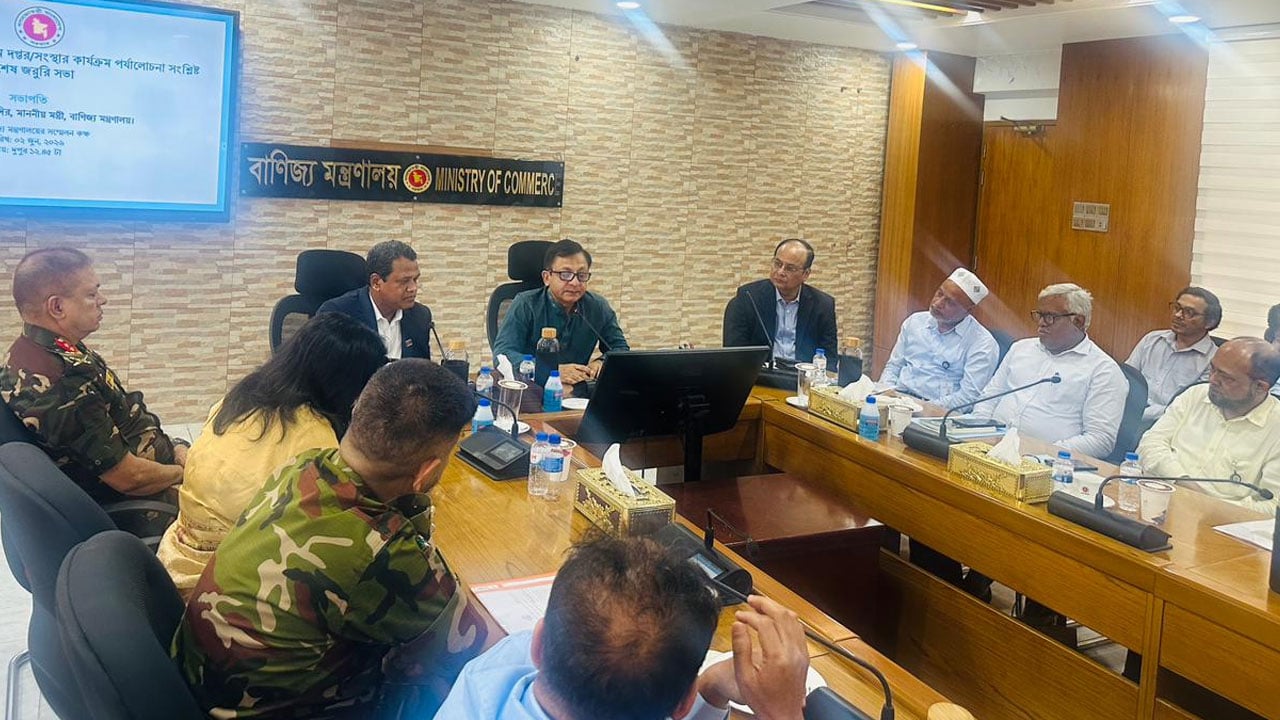
Commerce, Industry and Textile Minister Khandaker Abdul Muktadir announced that within the next 18 to 24 months, the Ministry of Commerce will be transformed into an efficient and people-oriented institution. Speaking at a review meeting at the ministry’s conference room in Dhaka, he outlined four priority areas: ensuring market stability, revitalizing the tea industry, addressing post-LDC trade challenges, and controlling essential commodity prices. He noted that even after 55 years of independence, a sustainable framework for price stability of essential goods has not been established. The ministry plans to build a long-term mechanism to maintain market stability year-round. The minister also emphasized strengthening the tea industry through coordinated efforts between public and private sectors, and preparing for Bangladesh’s transition from LDC to developing country status by expanding trade agreements and training officials for international negotiations. Muktadir further mentioned plans to transform the Federation of Bangladesh Chambers of Commerce and Industry (FBCCI) into a modern resource center modeled after examples from Turkey, Malaysia, and India, to serve as a reliable data hub for both government and private sectors.
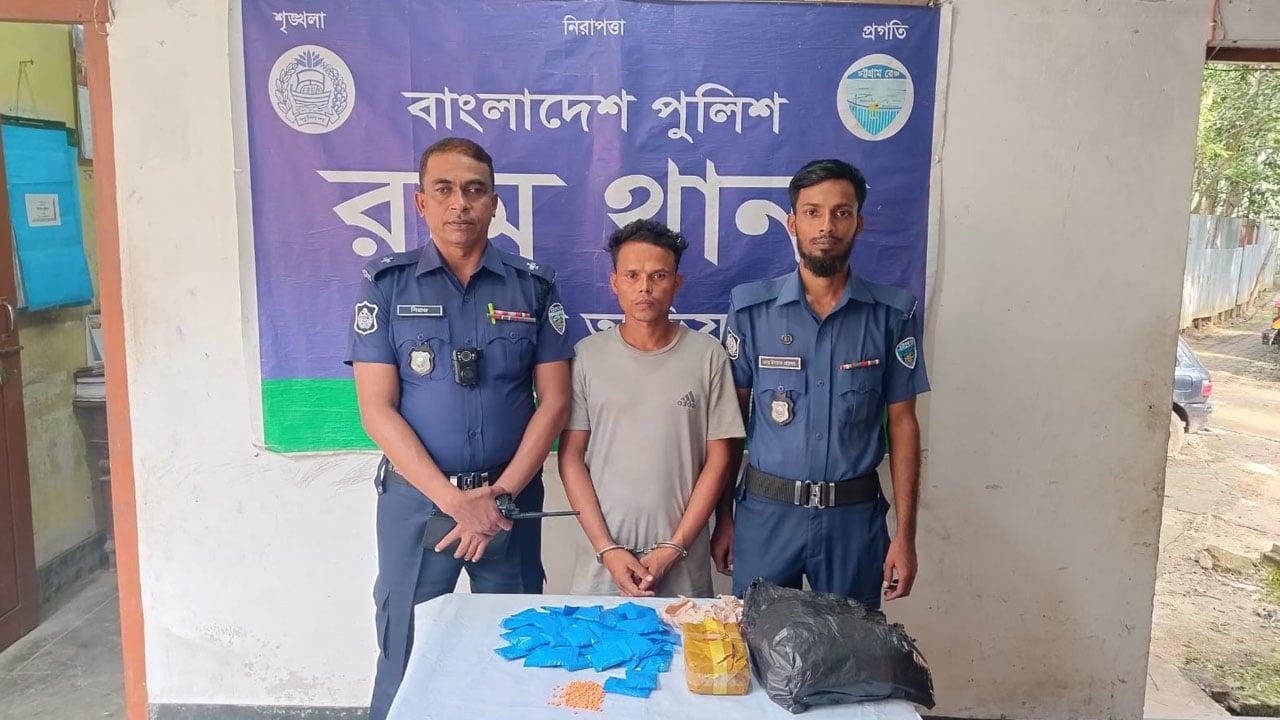
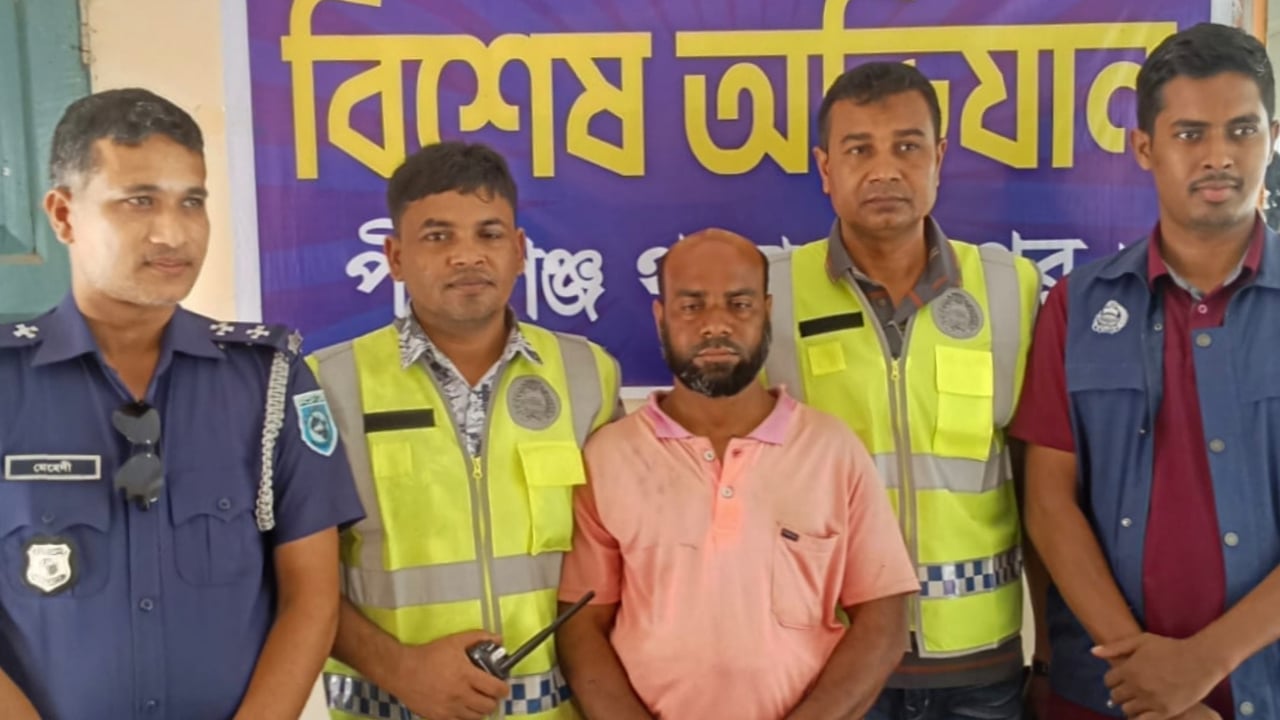
Police in Rangpur arrested a drug dealer with 1,000 yaba tablets during an anti-narcotics operation on Tuesday morning. According to the Superintendent of Police’s office, the Pirganj police conducted the raid at around 9 a.m. in the Falir Bil Bazar area of Raypur Union and detained Moklesur Rahman, aged 45. During a body search, officers recovered ten blue zipper packets wrapped in black polythene, each containing 100 orange yaba tablets, totaling 1,000 pieces. Rangpur Superintendent of Police Mohammad Mozammel Haque stated that the district police will continue such strict operations as part of their zero-tolerance policy against drugs. The arrest and seizure are part of ongoing efforts to curb narcotics trafficking in the region. Authorities indicated that similar operations will persist to enforce the anti-drug policy and maintain law and order in Rangpur district.
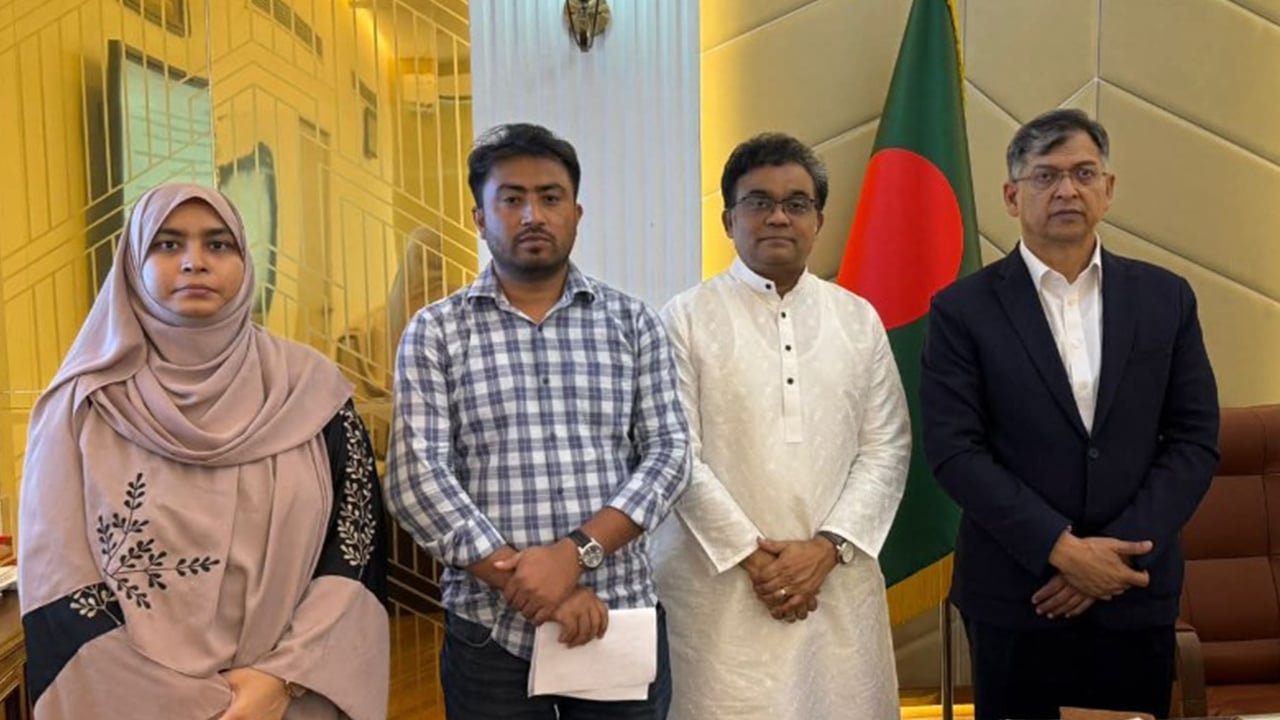
The Jahangirnagar University administration and leaders of the university’s central student union (JAKSU) have met with the Home Minister to demand the immediate arrest and prosecution of a suspect accused of raping and attempting to murder a female student. The meeting took place on Tuesday, led by Vice-Chancellor Professor Kamrul Ahsan along with JAKSU Vice President Abdur Rashid Jitu and Assistant General Secretary (female). They emphasized the urgency of bringing the accused to justice. According to the report, the incident occurred on May 12, when a female student of Jahangirnagar University was allegedly assaulted by an outsider. Since then, students and organizations, including JAKSU, have been staging protests and demanding exemplary punishment for the perpetrator. Despite 21 days passing since the attack, the accused has not yet been arrested. During the meeting, the Home Minister reportedly treated the matter with seriousness and instructed law enforcement agencies to take prompt action to apprehend the suspect and ensure justice.
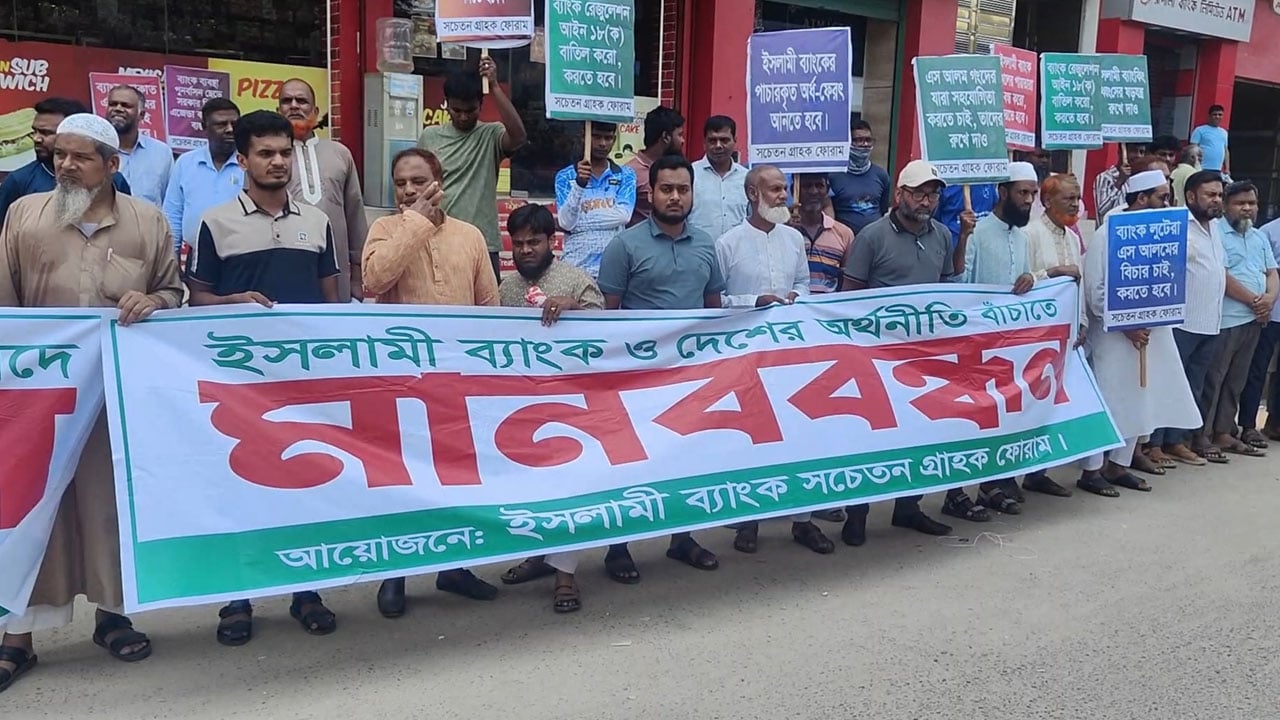
A human chain demonstration by customers and employees of Islami Bank was held in Chapainawabganj on Tuesday afternoon at Baten Khan Mor in the town. The event lasted for about an hour and was organized to express concerns about attempts to destabilize the bank. Speakers at the demonstration alleged that during the previous authoritarian government, S. Alam had taken control of Islami Bank. They claimed that after the change of government, as the bank began to recover, a group was again trying to create instability. Participants called for maintaining the bank’s regular operations and ensuring its stability. The demonstration reflected ongoing tensions surrounding Islami Bank’s management and operations in the post-government transition period, with participants urging continued normal functioning of the institution.
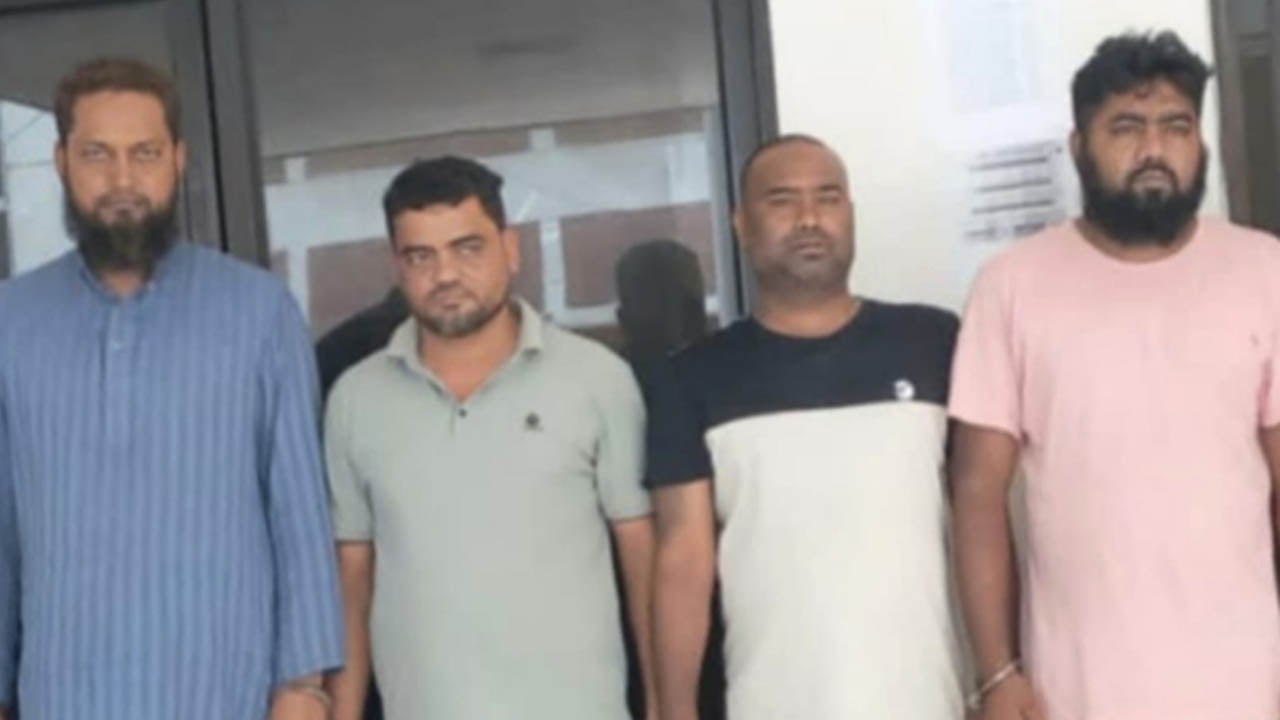
Police in Narayanganj have arrested four activists of the banned Awami League during a special operation in the Syedpur Golchattar area of Sadar upazila late Monday night. According to a district police statement released on Tuesday, the arrests were made in connection with a case filed under various sections of the Anti-Terrorism Act, 2009. The detainees were identified as Md. Shahin, son of Ali Akbar; Billal Hossain, son of the late Samad Mia; Amir Hossain, son of the late Nur Hossain; and Md. Samrat, son of Monir Hossain. Police said the four were allegedly involved in organizing a procession under the banner of the banned organization, creating panic and fear among local residents. Narayanganj Sadar Model Police Station Officer-in-Charge Sajedur Rahman stated that the arrested individuals were produced before the court following legal procedures. He added that operations are continuing to identify and apprehend others connected to similar activities.
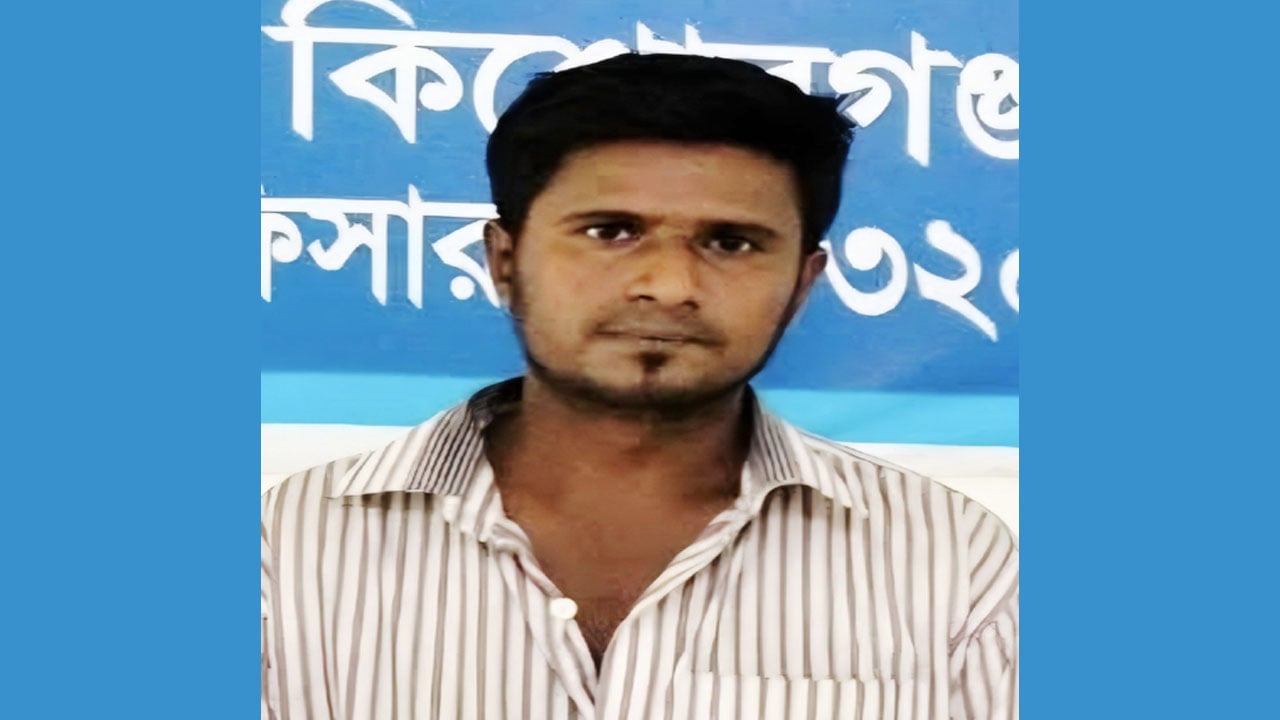
The prime accused in the widely discussed Sani murder case has been arrested in Kishoreganj’s Pakundia upazila. On Monday afternoon, a team from Rapid Action Battalion (RAB-14) Kishoreganj detained Mofizul from the Chinikol area of Joypurhat Sadar police station. The following day, Pakundia police sent him to jail through the court. According to police and local sources, the incident occurred on the night of April 23 when Sani was seriously injured after being stabbed by rivals due to previous enmity. He was first taken to Pakundia Upazila Health Complex and later transferred to Kishoreganj Sadar Hospital, where he died while undergoing treatment. The next day, Sani’s wife filed a murder case with Pakundia police station, naming Mofizul as the main accused. Pakundia police confirmed that the arrested accused has been sent to jail through the court process.
The ‘1 Nojor’ media platform is now live in beta, inviting users to explore and provide feedback as we continue to refine the experience.