

The ‘1 Nojor’ media platform is now live in beta, inviting users to explore and provide feedback as we continue to refine the experience.
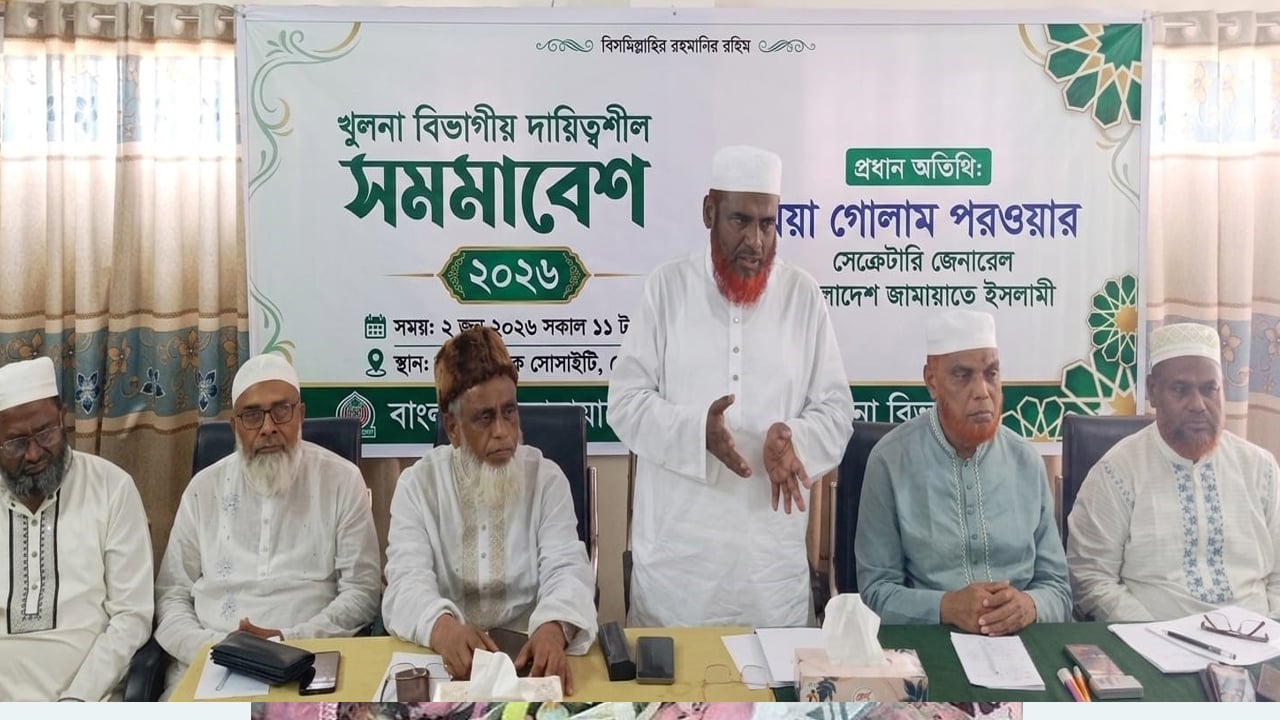
Bangladesh Jamaat-e-Islami Secretary General Mia Golam Porwar has alleged that the government has failed to bring stability to the country even after three and a half months in power. Speaking at a divisional gathering of party officials in Khulna’s Sonadanga area, he said severe disorder prevails in the energy sector and the government cannot control market conditions. He accused the authorities of creating new opportunities for corruption by rehabilitating looters in the banking sector and urged party leaders to raise public awareness on the issue. The event was chaired by Jamaat’s central executive member and Khulna regional director Principal Izzat Ullah MP, with several other central and regional leaders addressing the gathering. Porwar expressed concern over the deteriorating law and order situation, blaming the government for failing to ensure public safety. He stated that the current administration cannot avoid responsibility for the decline in national security. He also called on party officials to work for the success of the upcoming Khulna divisional rally of the 11-party alliance scheduled for June 20.
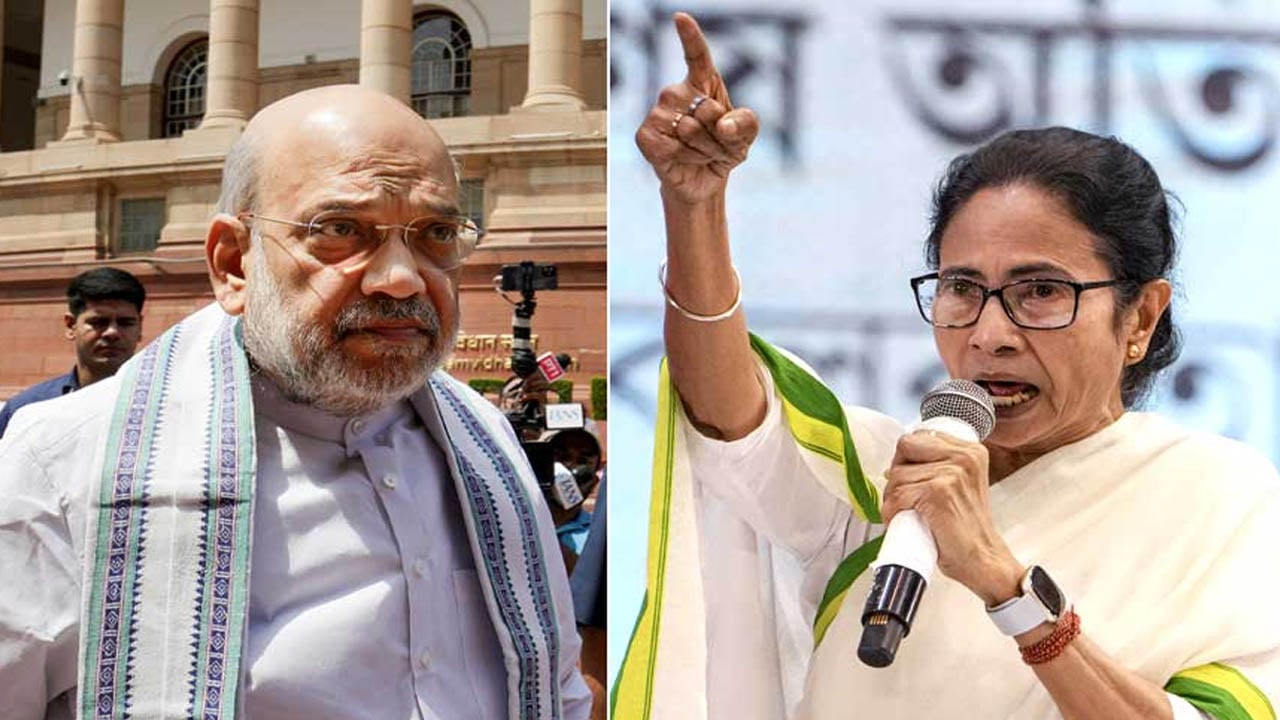
Former West Bengal Chief Minister Mamata Banerjee has alleged that India’s Home Minister Amit Shah personally requested her to suppress news of arrests related to the killing of Bangladeshi activist Sharif Osman Bin Hadi. Speaking at a sit-in protest in Kolkata’s Dharmatala on Tuesday, Banerjee claimed that West Bengal’s Special Task Force (STF) had detained the main suspects after they crossed into India through Meghalaya. She said Shah phoned her, citing national interest, and asked that the matter not be made public. Hadi, a 32-year-old political activist and spokesperson of Bangladesh’s Inquilab Manch, was shot dead in Dhaka in December 2025. The Dhaka Metropolitan Police’s Detective Branch identified Faisal Karim Masud and Alamgir Hossain as the main shooters, who later fled to India. In March 2026, West Bengal’s STF arrested them in Bongaon, North 24 Parganas, along with an accomplice accused of aiding their border crossing. Banerjee’s remarks have sparked sharp political debate, reframing Hadi’s killing as a potential cross-border conspiracy with geopolitical implications between India and Bangladesh.
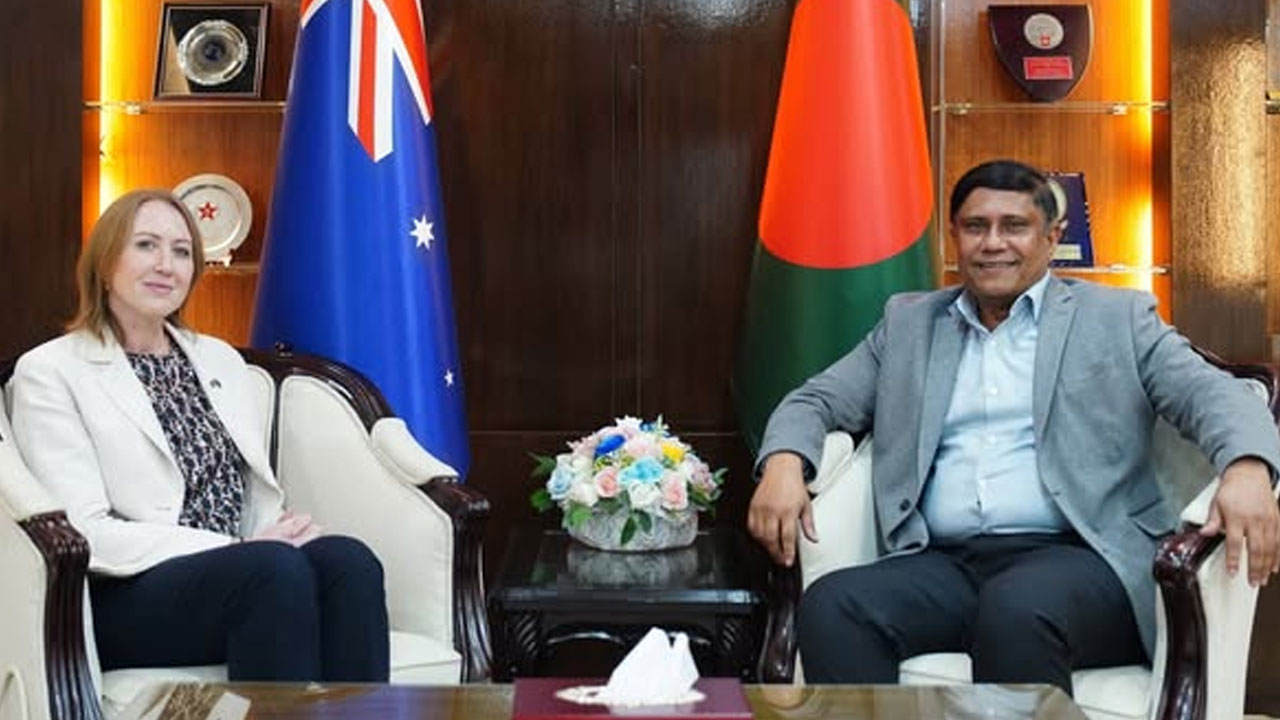
Australian High Commissioner to Bangladesh Susan Ryle paid a courtesy call on Prime Minister’s Defence Adviser Dr. A.K.M. Shamsul Islam on Tuesday. The meeting took place at the Defence Adviser’s office in the Armed Forces Division located in Dhaka Cantonment, with a three-member delegation accompanying the High Commissioner. During the meeting, both sides exchanged greetings and discussed ways to enhance existing bilateral relations between Bangladesh and Australia, particularly in the field of defence cooperation. They explored opportunities for sharing experiences and identifying potential areas for future military collaboration. The discussions emphasized the importance of strengthening the long-standing friendship between the two nations and making it more comprehensive and multidimensional. Both parties also discussed expanding cooperation in defence and security, including training, capacity building, professional skill development, and communication. They underscored the need for continued constructive engagement to promote regional and global peace, stability, and security, expressing optimism about making the bilateral relationship more effective and productive in the future.
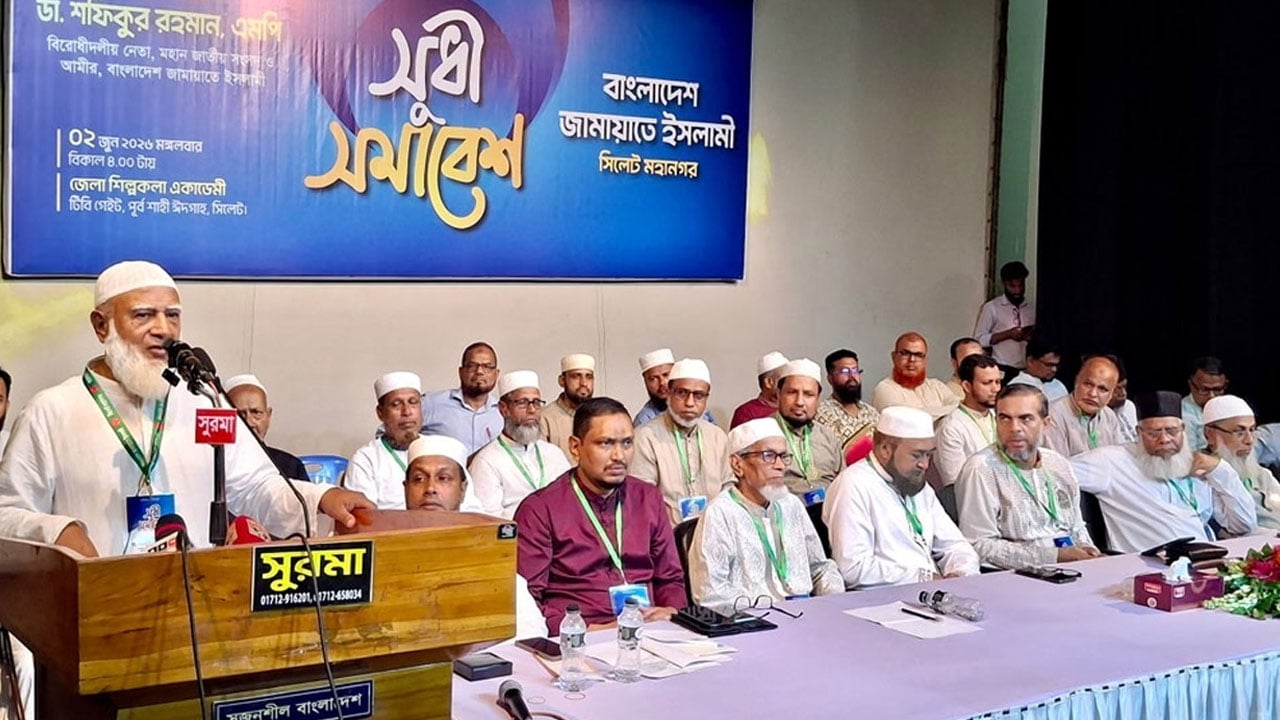
Bangladesh Jamaat-e-Islami Ameer and Leader of the Opposition in Parliament, Dr. Shafiqur Rahman, alleged that the government is moving toward fascism and failing to address rising crime and economic instability. Speaking as chief guest at a civic gathering organized by Sylhet Metropolitan Jamaat at the District Shilpakala Academy auditorium, he said the government has deceived the nation over the July referendum and is appointing partisan individuals across state institutions. He warned that public anger is growing and that the government must face the consequences of its actions. Rahman criticized the administration for the unavailability of funds in several banks, the alleged takeover of Islami Bank, and the midnight increase in fuel prices. He claimed that a former deputy governor of Bangladesh Bank was forcibly made chairman of Islami Bank and warned that depositors would not remain silent. He also accused the government of appointing a loan defaulter as central bank governor and said Jamaat would continue its struggle inside and outside Parliament to restore citizens’ rights. Other Jamaat leaders at the event echoed his remarks, urging the government to abandon what they called a path of neo-fascism and to ensure law and order.
A police officer was found dead in Rangamati on Monday night in what authorities believe to be a suicide. The body of Sub-Inspector Sajedul Haque was recovered around 12:45 a.m. from his rented home in the Tabalchhari Post Office Colony area, where he lived with his wife and child. Police said the incident followed a heated argument between Sajedul and his wife earlier that night. According to local and police sources, Sajedul locked himself in his room after the dispute. When he did not respond for a long time, his wife alerted the police. Officers from Kotwali Police Station broke into the room and found him hanging. The body was sent to Rangamati General Hospital for autopsy. Superintendent of Police Muhammad Abdur Rakib and two additional superintendents visited the scene. Police officials said initial findings suggest Sajedul took his own life due to family conflict, and legal procedures are ongoing.

Police in Dhunot upazila of Bogura arrested Parul Khatun, 35, wife of local Jubo League leader Ripon Mia, on Monday night on charges of drug trafficking. Officers seized 40 yaba tablets from her possession. A case was filed against both Ripon and Parul under the Narcotics Control Act, and Parul was sent to Bogura District Jail through court proceedings on Tuesday afternoon. According to the case details, Ripon Mia, president of the Bhandaibari Union Jubo League, had been involved in drug trading since 2008, allegedly operating under political protection. After his arrest that year, his wife Parul reportedly took control of the illegal business. Dhunot Police Station Officer-in-Charge Atikul Islam stated that efforts are ongoing to arrest Ripon Mia. The arrest highlights continued law enforcement actions against narcotics distribution in the region, with police indicating further pursuit of those linked to the case.
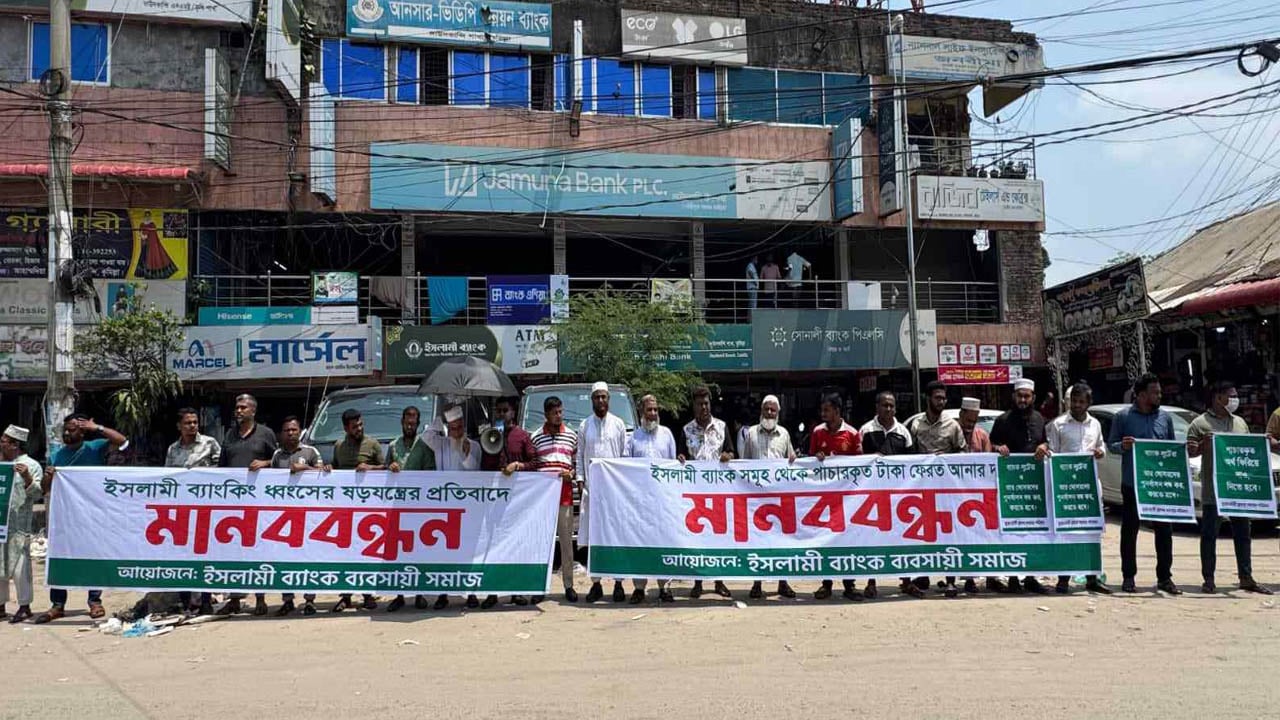
A human chain was organized in Daudkandi, Cumilla, by customers, investors, and businesspeople of Islami Bank Bangladesh Limited. The event took place on Tuesday in front of the bank’s branch office at Ahmadia Plaza in Daudkandi municipal market, drawing significant participation from local traders and clients. Participants expressed unity in protecting business interests, maintaining the bank’s stability, and fulfilling various demands. They emphasized Islami Bank’s vital role in the national economy and called for ensuring customer trust, business interests, transparency, and accountability. Speakers urged that mutual trust between the bank and its clients must remain strong and that the institution should be kept free from irregularities, corruption, and vested interests. Business leaders including Billal Miaji, Rezaul Haque Sarkar, Abu Bakar Siddiq, and Ismail Hossain Talukder addressed the gathering, while Nasir Uddin Ahmed conducted the program. They appealed to authorities to take prompt action to safeguard the bank’s governance and protect depositor confidence.
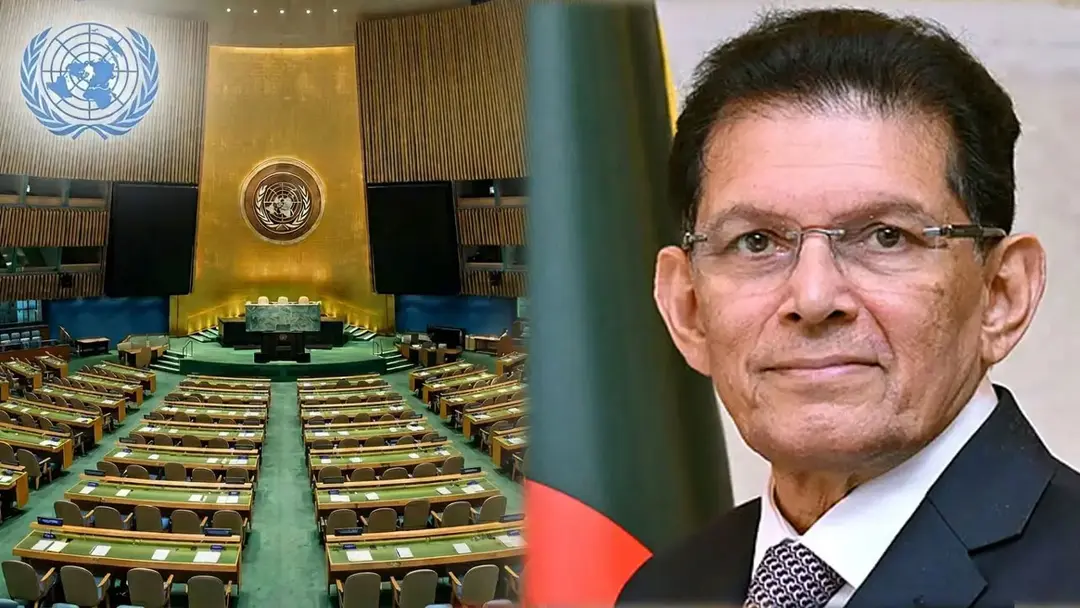
Bangladesh has been elected president of the 81st session of the United Nations General Assembly (UNGA), defeating Cyprus in a vote held at the UN headquarters in New York on Tuesday morning local time. Foreign Minister Dr. Khalilur Rahman, Bangladesh’s candidate, received 99 votes against 91 for Cyprus’s candidate, Andreas S. Kakouris, the country’s permanent secretary of foreign affairs. A total of 190 member states participated in the election. Dr. Rahman will assume office in September 2026. This victory marks Bangladesh’s return to the UNGA presidency after four decades, the last being in 1986. The position was allocated to the Asia-Pacific group under the UN’s regional rotation policy. Although geographically in Europe, Cyprus belongs to this group. Palestine initially sought the position but withdrew to avoid splitting votes among Muslim nations. Bangladesh secured support from countries including Brazil, Algeria, Saudi Arabia, Pakistan, Turkey, Gambia, and Libya. Dr. Rahman pledged to serve as a full-time and inclusive president, emphasizing his commitment to uphold the UN Charter and engage all member states, particularly smaller delegations.
Government employees in Bangladesh will not receive any additional holiday for Ashura this year, as the religious observance coincides with the regular weekend. According to the official holiday calendar, Ashura in 2026 falls on June 26, a Friday, which is already a weekly holiday for government offices and educational institutions. Depending on the lunar calendar, if the month of Dhu al-Hijjah ends after 29 days, the new month of Muharram will begin on June 16, making Ashura on June 26. If Dhu al-Hijjah lasts 30 days, the new moon will appear on June 17, placing Ashura on June 27, a Saturday. Both dates fall on Bangladesh’s weekend, meaning no extra leave will be granted. Ashura, observed on the 10th day of Muharram, holds significant religious and historical importance in Islam. However, this year’s alignment with the weekend means government employees will not enjoy an extended break.
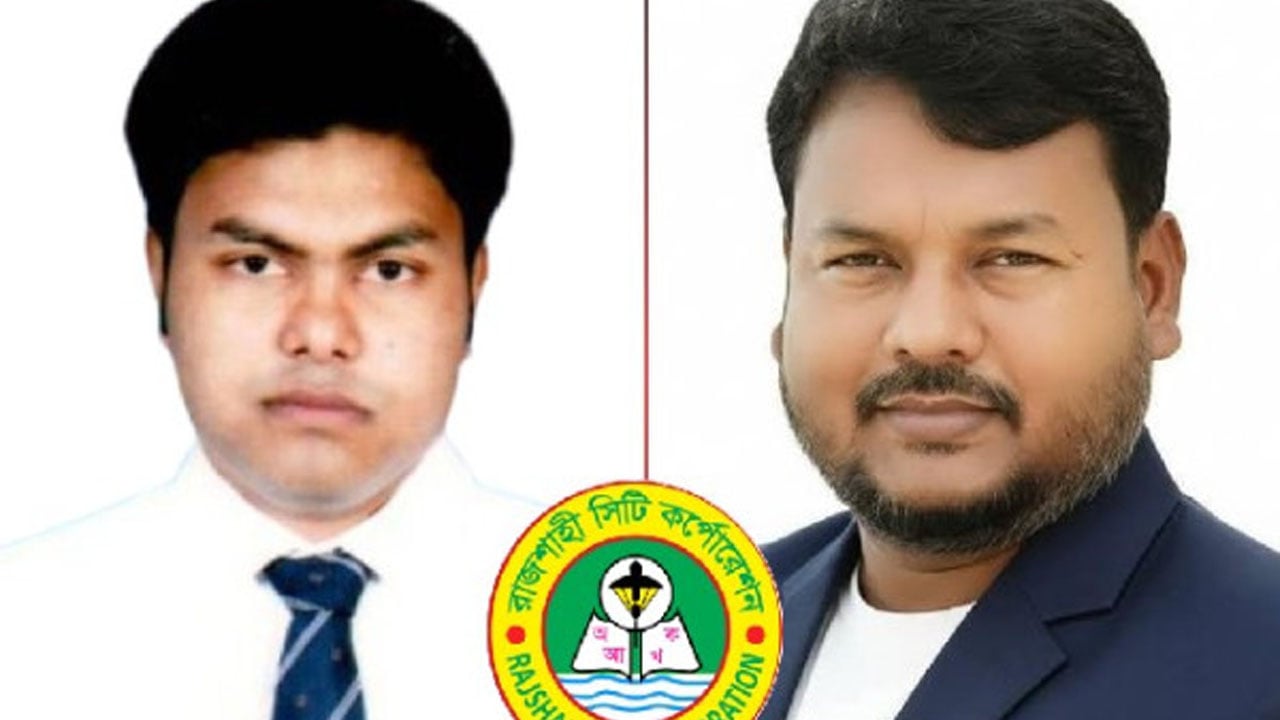
Rajshahi City Corporation (RCC) Administrator Mahfuzur Rahman Riton and Executive Engineer (Electricity) A.B.M. Asaduzzaman Sweet are scheduled to visit France from June 20 to 30, 2026, for an 11-day study tour on street and lighting technology. The visit aims to enhance their knowledge of energy-efficient outdoor lighting systems. RCC’s Chief Executive Officer Rezaul Karim sought approval for the trip from the Local Government Division on May 12, citing an invitation from Signify Bangladesh Limited. According to the letter sent to the ministry, the officials will visit Signify France’s Outdoor Lighting Application Center to learn about new electricity-saving technologies for streetlights. Signify Bangladesh Limited will cover all expenses of the trip. The company’s manager, Mehedi Hasan, said they import French-made streetlights and sometimes take clients to observe production processes when purchase orders are placed. However, Hasan could not confirm which dealer supplied streetlights to RCC. Attempts to contact Administrator Mahfuzur Rahman Riton for comment were unsuccessful.
Bangladesh Jamaat-e-Islami has strongly condemned an alleged attempt by India’s Border Security Force (BSF) to push several men, women, and children into Bangladesh through the Benapole border in Jashore. In a statement issued to the media on Tuesday, the party’s Secretary General, Mia Golam Porwar, denounced the incident and criticized India’s policy of pushing people across the border without proper identification or diplomatic resolution. Porwar said the attempted push-in occurred on the night of May 31 near the Sadipur Khayer Math area, but the effort failed due to the firm stance of the Border Guard Bangladesh (BGB). He stated that 8 to 10 Indian nationals, including women and children, are currently stranded on the zero line between the two countries. He called on Indian authorities to take them back and refrain from such actions in the future. The Jamaat leader also thanked BGB for protecting national sovereignty and criticized the Bangladeshi government’s foreign policy for not protesting the incident through diplomatic channels. He urged the government to take strong legal and diplomatic measures to prevent future border violations.

An inspector of the Department of Narcotics Control, Masudur Rahman, has been withdrawn over allegations of involvement in drug-related activities in Savar. The decision follows earlier actions against the officer-in-charge of Savar Police Station and three other officials in connection with similar allegations. The withdrawal order was issued on Monday, signed by Rajib Mina, Director of Administration and Finance at the Department of Narcotics Control. According to the report, Masudur Rahman and his team had long faced various complaints. Recently, a team member, Sub-Inspector Jerin Sultana, and Constable Abdullah Al Masum were detained and assaulted by a local drug leader named Shamim, who later released them after apologizing. In another incident, department personnel were injured in Ashulia when attacked by associates of cannabis traders Parveen and her daughter Mukti while collecting alleged monthly payments. The report also notes that drug traders and their associates recently attacked two television journalists in Savar’s Palowan Para area, highlighting ongoing tensions surrounding narcotics operations in the region.
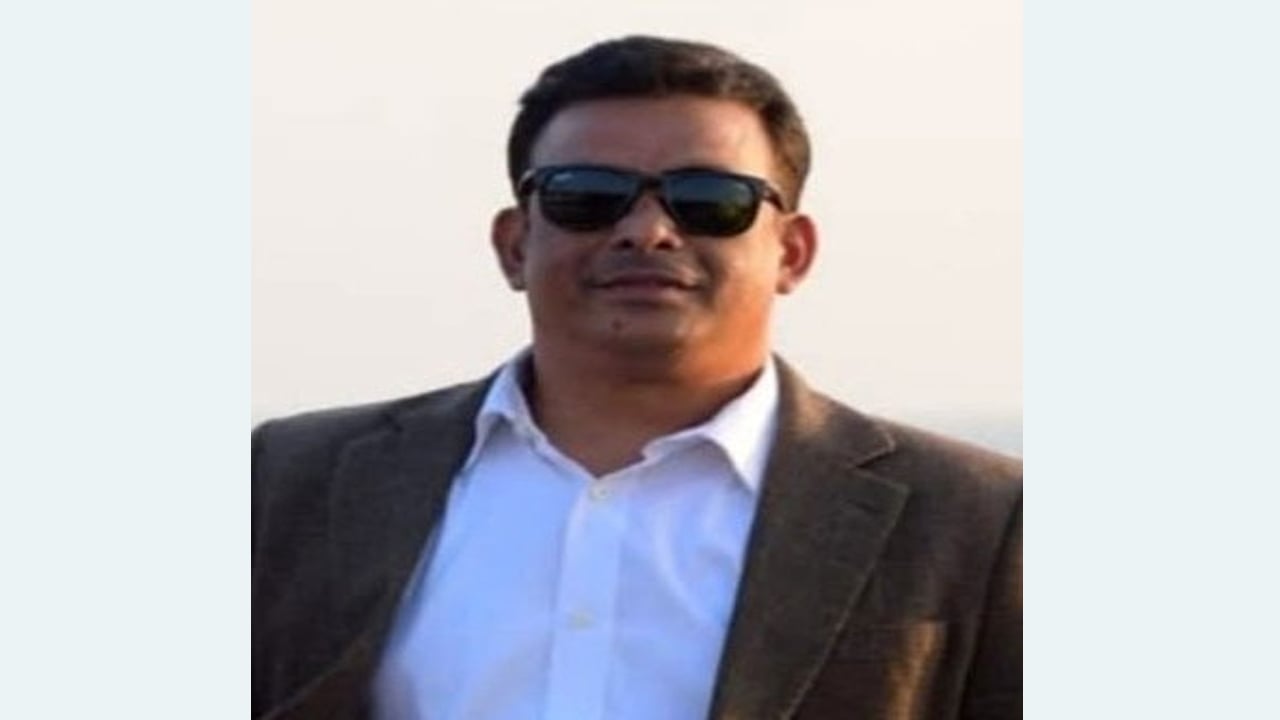
Bangladeshi filmmaker and former cultural affairs adviser Mostofa Sarwar Farooki has spoken out about the cancellation of a film screening in Brahmanbaria. The screening of the movie 'Bonolota Express,' organized by the Brahmanbaria Film Society, was called off after objections from the Qawmi Chhatra Oikya Parishad and lack of administrative approval. The incident sparked widespread debate on social media, with many users expressing protest. In a Facebook post on June 2, Farooki criticized the intolerance behind the cancellation, saying that while some may personally disapprove of cinema, they should not impose their views on others. He argued that such behavior from religious groups damages both the country's and religion's image. Farooki also noted that many people mistakenly hold the cultural minister responsible, though the ministry does not directly control cinema affairs. He reiterated his long-standing view that cinema, OTT, and entertainment should be under the cultural ministry rather than the information ministry, urging a change in the government's allocation of business structure.

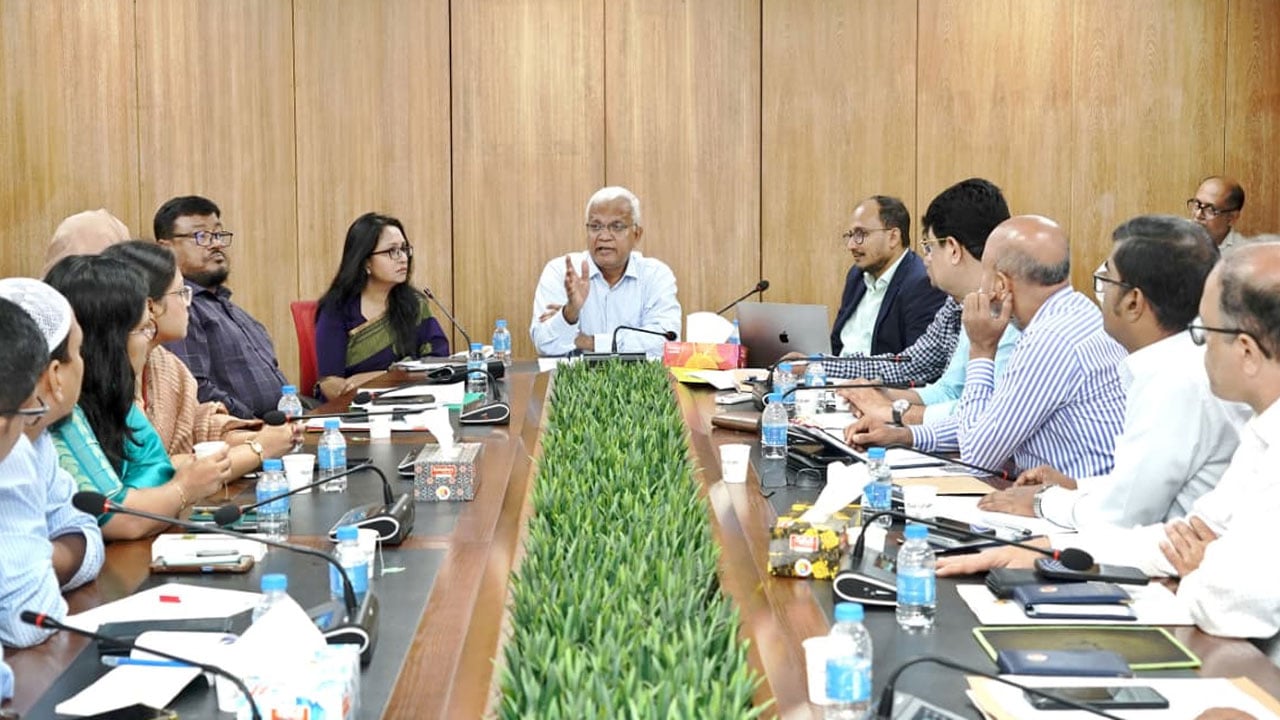
Social Welfare Minister Dr. A Z M Zahid Hossain announced that the upcoming national budget will expand the scope of family cards, farmer cards, and religious sector programs. He said allocations for social safety programs have been increased, and financial grants for treating critical illnesses have been doubled. The minister made these remarks on Tuesday at a meeting with divisional officials at the Department of Social Services office in Agargaon. Zahid Hossain stated that around 4.02 million people will be brought under the family card program next year. The government is also working to transform orphaned children into skilled human resources. Grants for patients suffering from cancer, chronic kidney disease, liver disease, thalassemia, and congenital heart disease will be raised to 100,000 taka, with total allocations proposed to increase from 3 billion to 6 billion taka. The minister said the program’s third pilot phase is expected to be completed by June. State Minister Farzana Sharmin noted that despite many institutions under the ministry, coordination remains a challenge. The new work plan emphasizes better coordination to improve service quality.
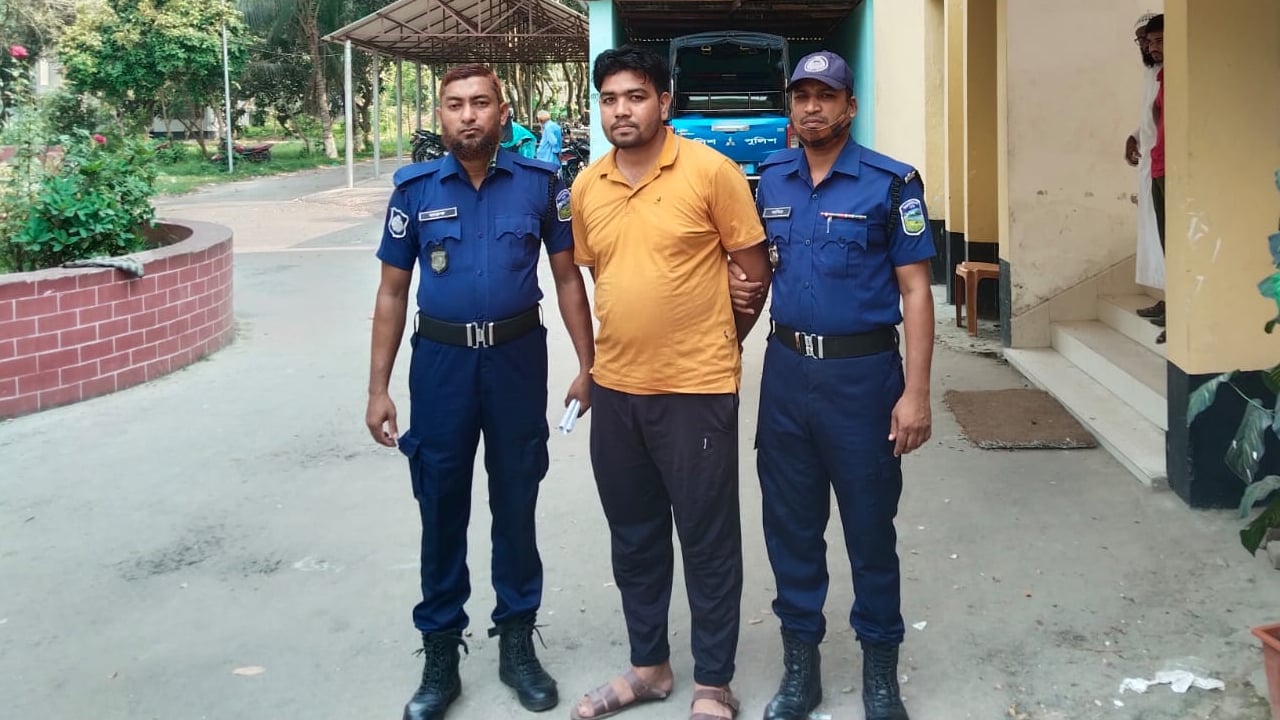
Police in Madarganj upazila of Jamalpur have arrested Maruf Hasan, chairman of the Parashmoni Cooperative Society and a member of the upazila Jubo League, in connection with a case over embezzlement of customer deposits. He was detained on Tuesday afternoon from the Sukhnagari area and later sent to the Jamalpur court. According to police, Hasan was a warrant-listed accused. The case originated in 2024 when a customer of the Parashmoni Cooperative Society filed a complaint accusing Hasan of misappropriating funds. In September 2025, a court sentenced him to two years of rigorous imprisonment and fined him 10,000 taka, with an additional one-month jail term in default of payment. Police and local sources said Hasan had been in hiding since the verdict. Authorities stated that Hasan’s arrest followed the outstanding court warrant, and he has now been presented before the court for further legal proceedings.
The ‘1 Nojor’ media platform is now live in beta, inviting users to explore and provide feedback as we continue to refine the experience.