

The ‘1 Nojor’ media platform is now live in beta, inviting users to explore and provide feedback as we continue to refine the experience.
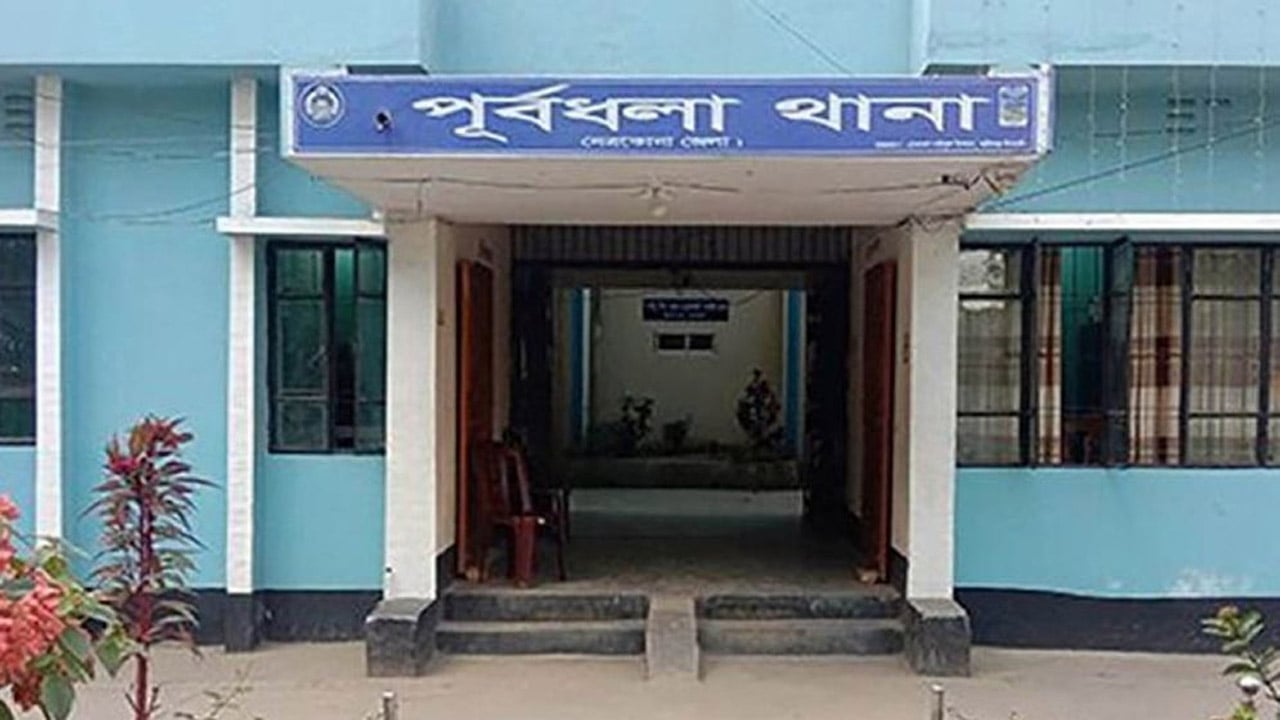
A union parishad (UP) member in Netrakona’s Purbadhala upazila has been accused of forcibly taking a detained drug dealer from the custody of the Detective Branch (DB) police. The incident occurred on Monday night in Dattakunia village, where DB officers had arrested a man named Samrat, 58, with cannabis during an anti-drug operation. According to police sources, after Samrat’s arrest, his elder brother, former UP member Babul Mia, along with several local residents, surrounded the DB team and allegedly took Samrat away from police custody. Additional police personnel and members of the district detective office later arrived at the scene to bring the situation under control. Babul Mia denied the allegation, claiming he was not involved and that Samrat escaped during a scuffle with police. The district DB officer-in-charge, Debangshu Kumar Dey, confirmed the incident and said legal action against those involved is underway.
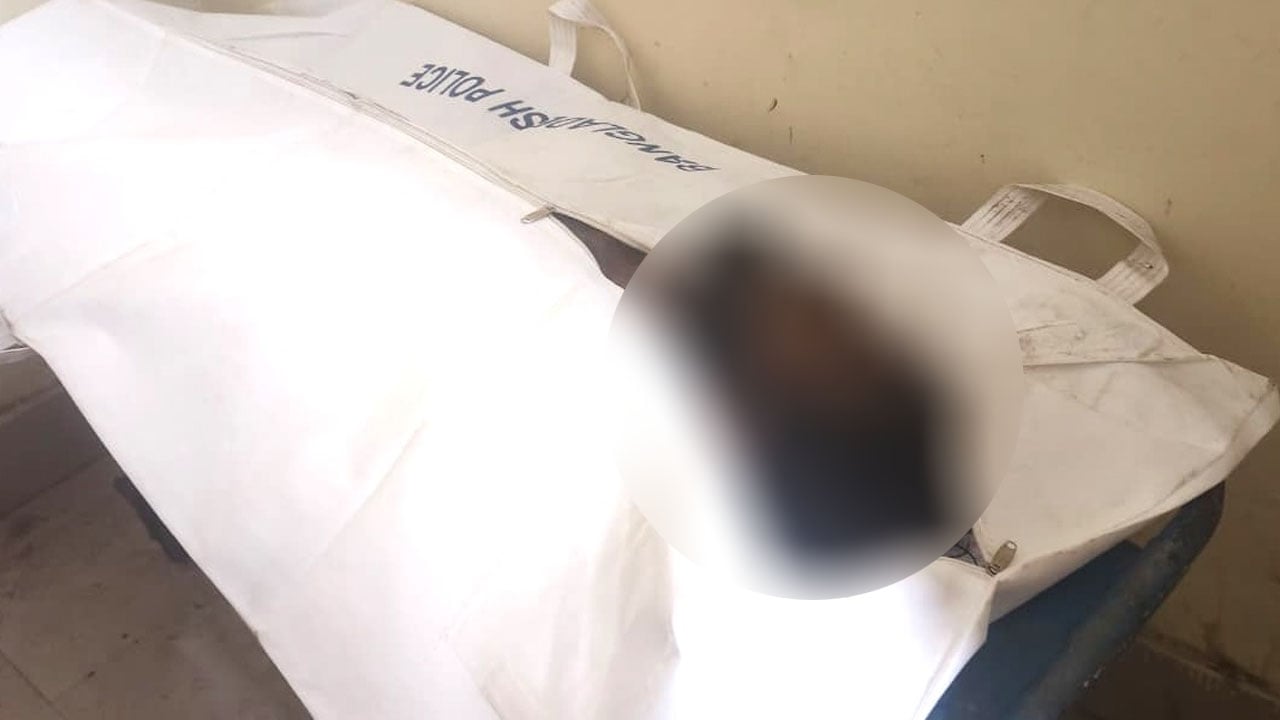
A man named Firoz Ali, aged 40, died after being beaten by a mob on suspicion of cattle theft in Gohalabari village of Bholahat upazila, Chapainawabganj. The incident occurred around 3 a.m. on Monday night. Police later rescued the injured man around 7 a.m. and took him to the upazila health complex, where he died while receiving treatment. Three people from the same village have been detained in connection with the incident. According to local accounts, Firoz Ali was mentally unstable and known to collect discarded bottles and bones from roadsides. Residents said he had no history of theft but was addicted to cannabis. They alleged that those who attacked him were involved in drug trading, suggesting a possible dispute over drug dealings. Police confirmed that the case is under serious investigation and legal procedures are underway. Authorities have not yet disclosed further details about the investigation or possible charges against the detainees.
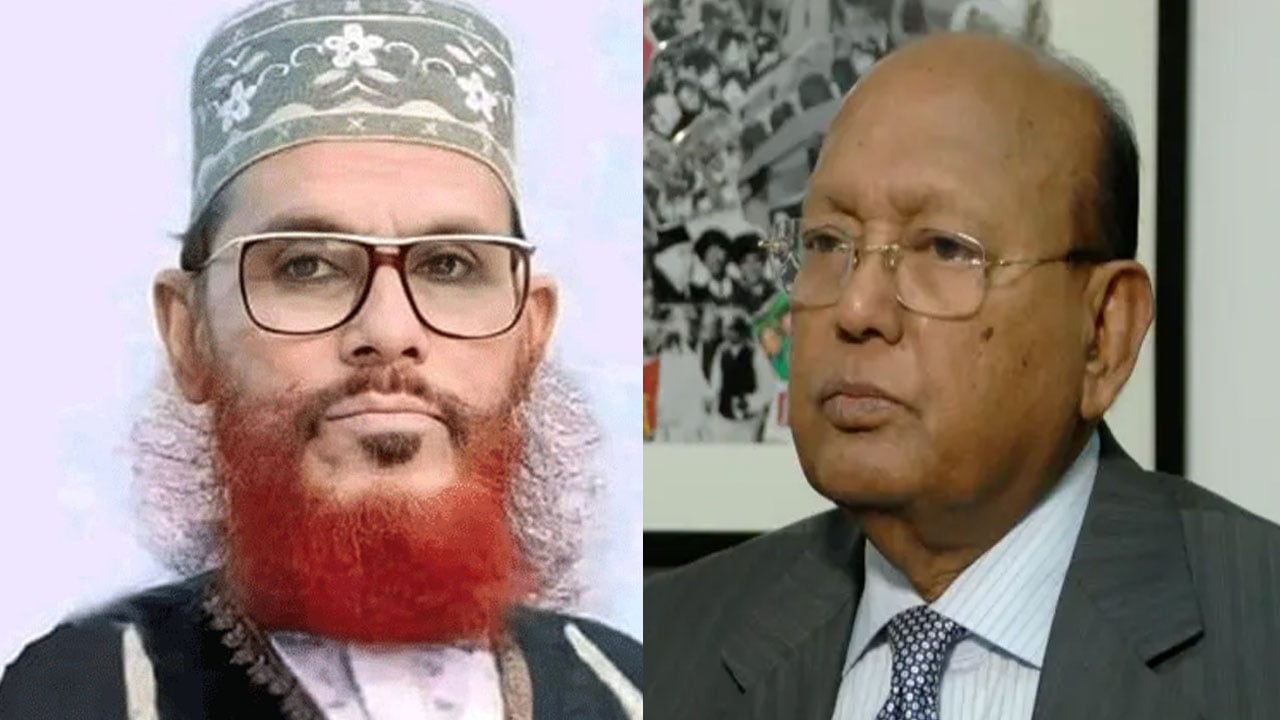
Dhaka University Central Students’ Union (DUCSU) Social Service Secretary A.B. Jubayer has accused Awami League leader Tofail Ahmed and his associates of previously preventing the funeral prayers of Delwar Hossain Sayeedi in Dhaka and BNP leader Nure Alam in Bhola. In a Facebook post on Tuesday, Jubayer said that despite those incidents, no one is obstructing the funeral of Tofail Ahmed, describing this as an act of fairness even toward political opponents. In his post, Jubayer alleged that Sayeedi’s body had been seized after police used tear gas and gunfire, and that many people were killed following the verdict against Sayeedi. He also referred to past killings in Bhola involving opposition activists. Jubayer emphasized that while Tofail’s funeral should proceed without obstruction, any banned organization’s activities or provocative acts under the guise of funeral gatherings would not be tolerated. He thanked local BNP and Jubo Dal units for their roles and urged Jamaat and NCP to act responsibly, stating that political struggle should remain within political parties, not with extremist groups.
Microsoft is set to showcase major artificial intelligence and Windows developments at its Build conference in San Francisco this week. The company plans to introduce a new reasoning AI model called MAI-Thinking-1, along with MAI-Image-2.5 and MAI-Image-2.5-Flash. Build will also feature details on a forthcoming Copilot “super app” that unifies Microsoft’s various AI assistants into a single interface. Additionally, Microsoft will present a new Windows 11 developer-optimized experience designed to provide a distraction-free environment with pre-installed tools and scripts. The event comes as Microsoft seeks to rebuild trust among developers and GitHub users amid concerns about reliability and security. The company is also expected to discuss Windows performance improvements, adaptation to new silicon such as Nvidia’s RTX Spark, and ongoing collaboration with Qualcomm to enhance Windows on Arm. Build will highlight Microsoft’s focus on local AI models running directly on Windows, reducing reliance on cloud computing. The conference begins Tuesday, June 2, and is seen as a pivotal moment for Microsoft as it reshapes its business strategy around AI and developer engagement.

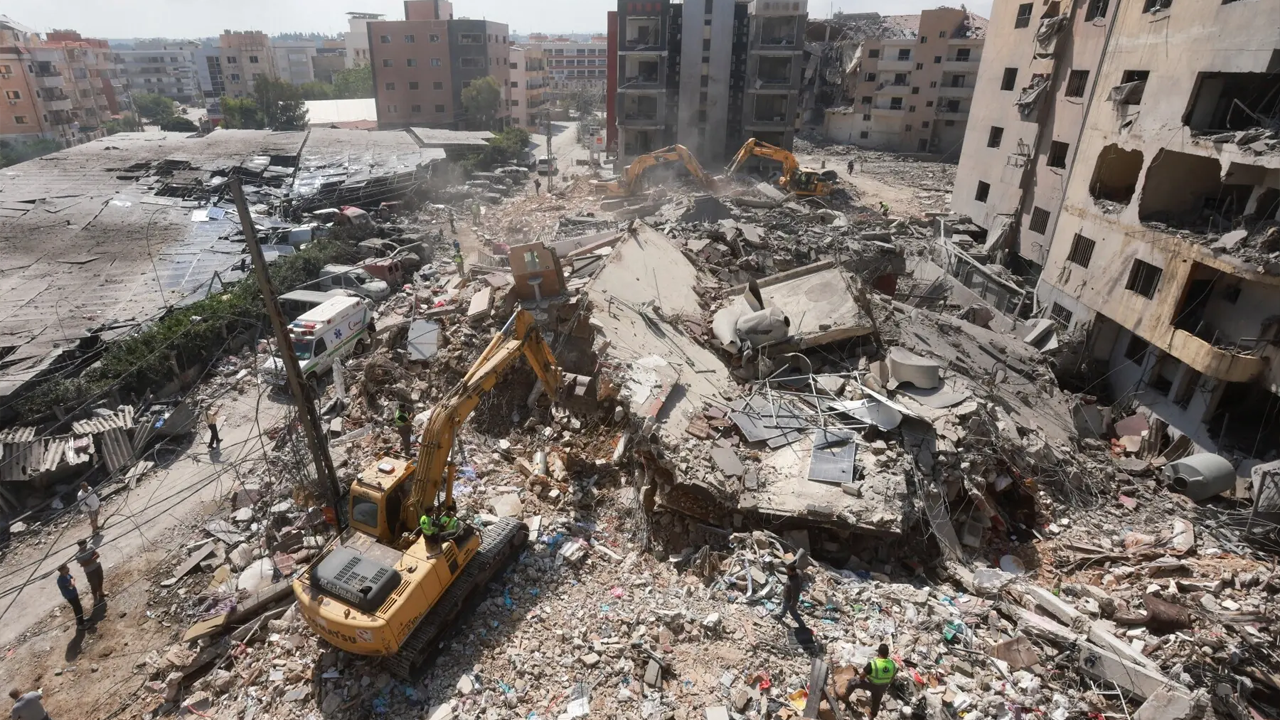
Lebanon’s Finance Minister Yassine Jaber has warned that the country’s financial losses from the ongoing Israel-Lebanon conflict have already exceeded $20 billion and could reach $25 billion if the fighting continues. The statement was reported by correspondent Zeina Khodr, citing the minister’s assessment of the escalating economic toll. Jaber cautioned that the full extent of the economic and social damage will only become clear once the conflict ends, particularly when displaced residents begin returning to their devastated communities. He noted that the destruction of infrastructure, housing, and local economies will make the country’s reconstruction process significantly more difficult in the long term. Analysts cited in the report said that if the conflict drags on, Lebanon’s economy could face an even deeper crisis, with recovery potentially taking many years.
A BNP leader in Cumilla’s Daudkandi has been accused of illegally taking control of government land originally allocated to a landless person for rehabilitation and farming. The land, granted to Masud Alam in the 1989–90 fiscal year, was reportedly occupied by Abul Hashem, joint convener of Cumilla North District BNP, who is also Alam’s cousin. Locals allege that Hashem has held the land for 36 years and is now preparing to construct a multistoried building there. Residents claim that Hashem’s political influence has prevented any protest, while the local administration has remained inactive. Daudkandi BNP convener Abdul Latif Bhuiya described the construction as illegal and unethical, urging legal action if irregularities are proven. Hashem, however, denied the allegations, stating that he lawfully transferred the land to his name through the sub-registry office and has been using it since. Daudkandi’s Upazila Nirbahi Officer said no formal complaint has been received, while the district commissioner confirmed that transferring or constructing on land allocated for the landless is legally prohibited.
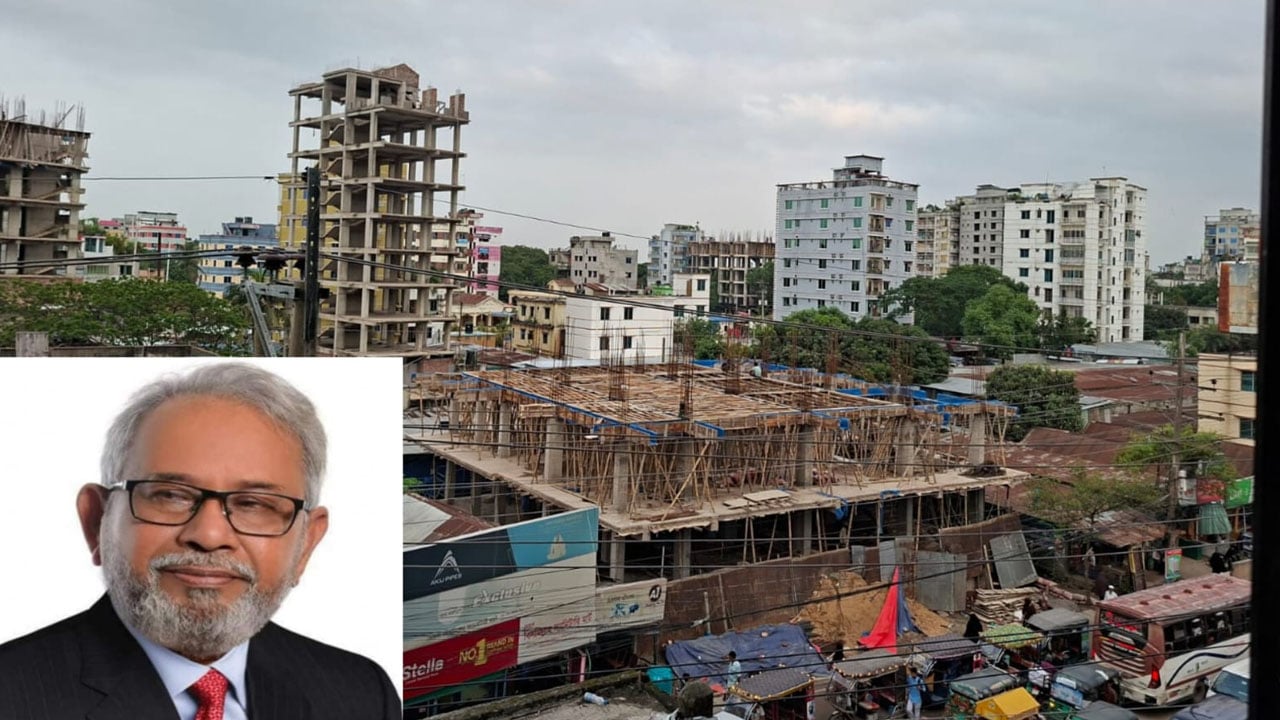
The National Editors Council (NEC) has been formed to safeguard press freedom, improve journalistic standards, and protect the professional interests of editors. The decision was made on Tuesday at a meeting held at the office of the daily Amar Desh, where editors from various national dailies participated. The meeting appointed Shafik Rehman, editor of Jaijaidin, as convener and Mahmudur Rahman, editor of Amar Desh, as joint convener of a 13-member convening committee. Other members of the committee include editors from Naya Diganta, Kaler Kantho, Jugantor, Protidiner Bangladesh, Sangram, The New Nation, Wada, Manab Kantha, Loksomaj, Daily Peoples View, and Jalalabad. The editors agreed on the necessity of forming this new organization to address the deterioration of the media sector during one and a half decades of authoritarian rule. The meeting also decided to draft the organization’s constitution, initiate training programs to enhance journalistic excellence, and organize a national convention involving editors from national and regional newspapers as soon as possible.
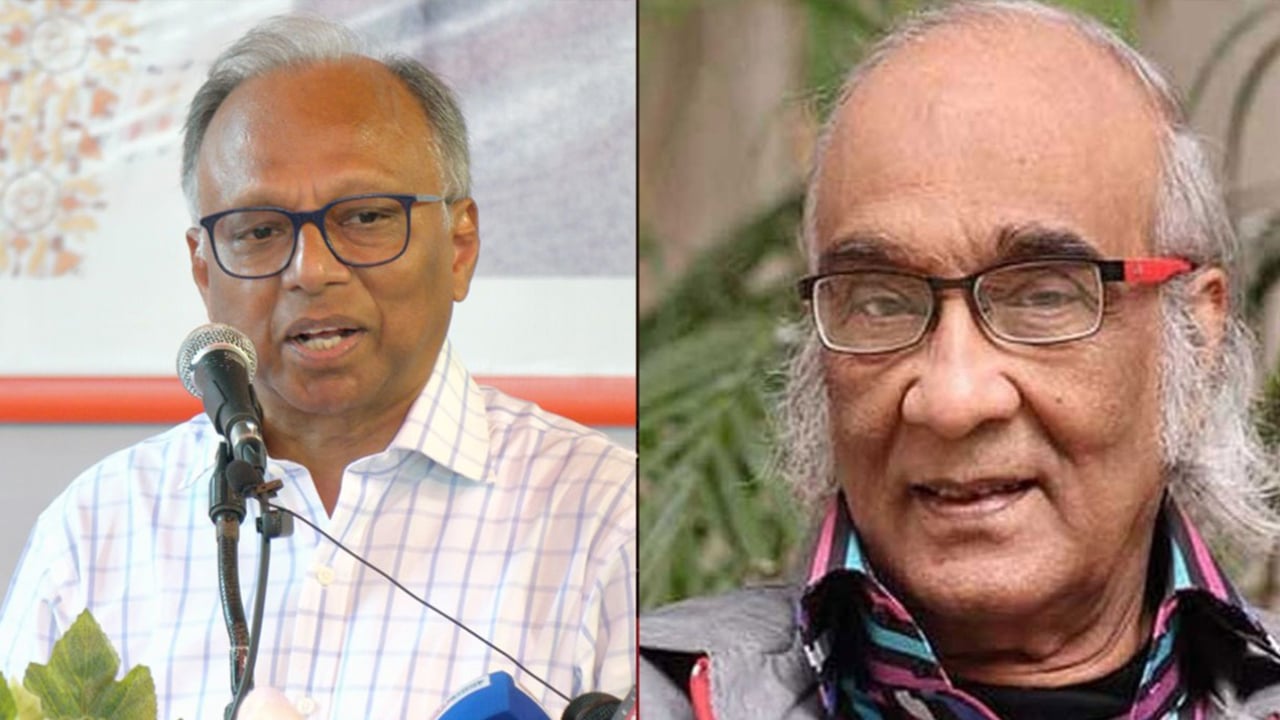
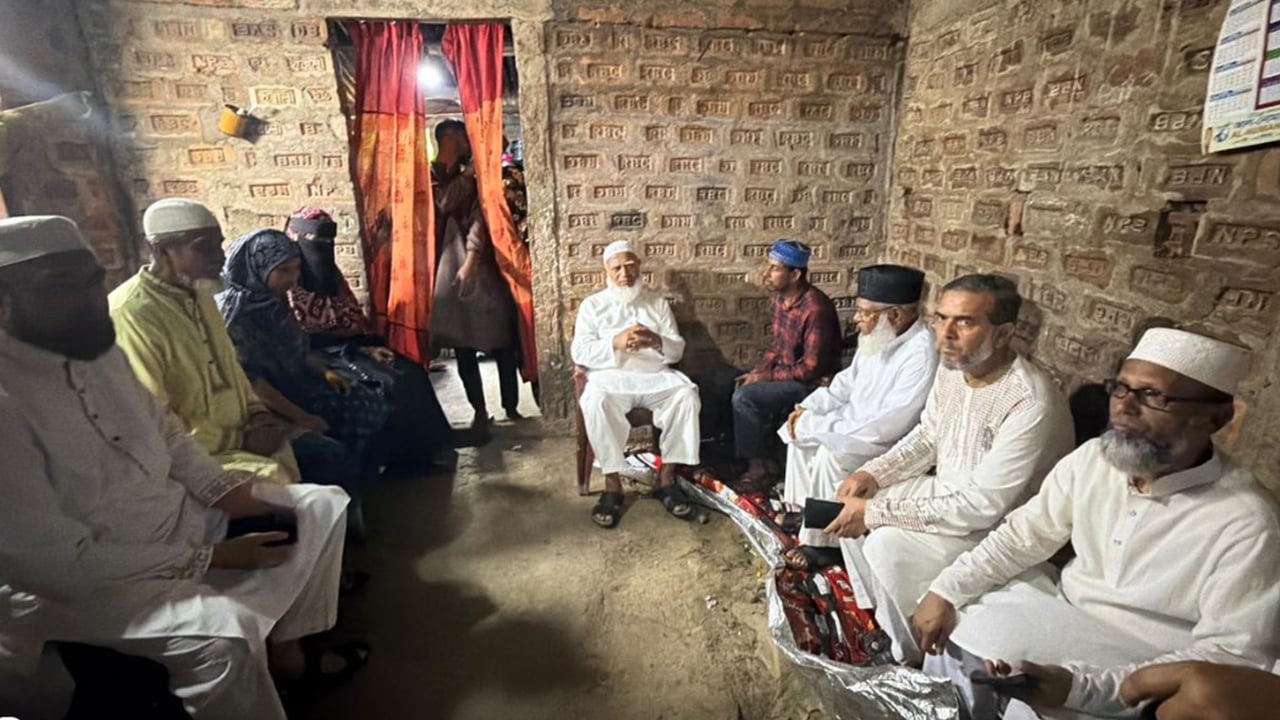
Opposition Leader and Bangladesh Jamaat-e-Islami Ameer Dr. Shafiqur Rahman has called on the government to ensure justice within 15 days for the brutal killing of four-year-old Fahima Akter in Sylhet. He made the appeal while visiting the victim’s family, who lost their daughter in a widely discussed case involving abduction, attempted rape, and murder. During the visit, he expressed deep sympathy to the grieving parents and assured them of his support for fair justice. Dr. Rahman stated that repeated incidents like this occur due to impunity and delayed trials. He emphasized that the gruesome killing of Fahima has deeply pained the entire nation and urged people from all levels of society to unite and remain vigilant to prevent such tragedies in the future. Family members shared their grief and details of the incident with him, and he listened attentively. Several senior Jamaat leaders accompanied Dr. Rahman during the visit, including Advocate Ehsanul Mahbub Zubair, Muhammad Fakhrul Islam, and Maulana Habibur Rahman. Later, the opposition leader spoke to journalists at a press briefing.
A man was beaten to death by locals on Tuesday morning in Bamondi area of Gangni upazila, Meherpur, after being suspected of theft. The incident occurred in front of Zaman Filling Station, where a group of four allegedly attempted to steal tires from Khokon Enterprise by breaking its lock. One suspect was caught by the shop owner’s nephew, Tushar, while the others fled with tires reportedly worth about three lakh taka. According to local sources, the captured man was assaulted by residents and died at the scene. Police later recovered the body and sent it to Meherpur General Hospital morgue. Gangni Police Station Officer-in-Charge Uttam Kumar Das confirmed that an investigation is underway. Authorities are working to identify the deceased, who is believed to be from Pabna district, and to locate the other members of the alleged theft group.
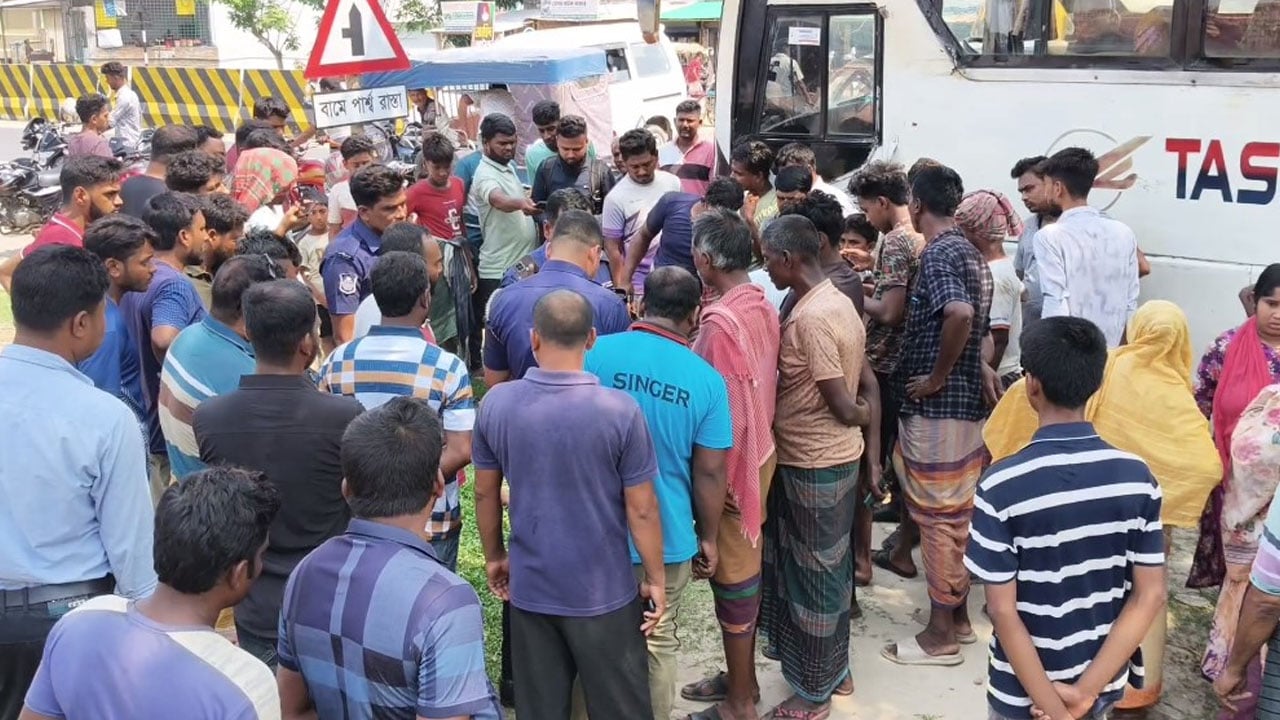
A passenger named Naosad, aged 24, was killed when a Dhaka-bound passenger bus collided with a battery-run autorickshaw at Tulshiganga Bridge intersection on the Naogaon-Bogura regional highway around 11:30 a.m. on Tuesday. Two children traveling in the autorickshaw were injured and taken to Naogaon 250-bed General Hospital for treatment. Following the accident, local residents blocked the road in protest. The collision crushed the front part of the autorickshaw, killing one passenger on the spot and injuring the two children. The blockade halted traffic on both sides of the highway, creating a long tailback. Police later intervened to bring the situation under control, and vehicular movement resumed after about two hours. According to the officer-in-charge of Naogaon Sadar Police Station, legal procedures are underway, and the deceased’s body will be handed over to his family after completion of formalities.
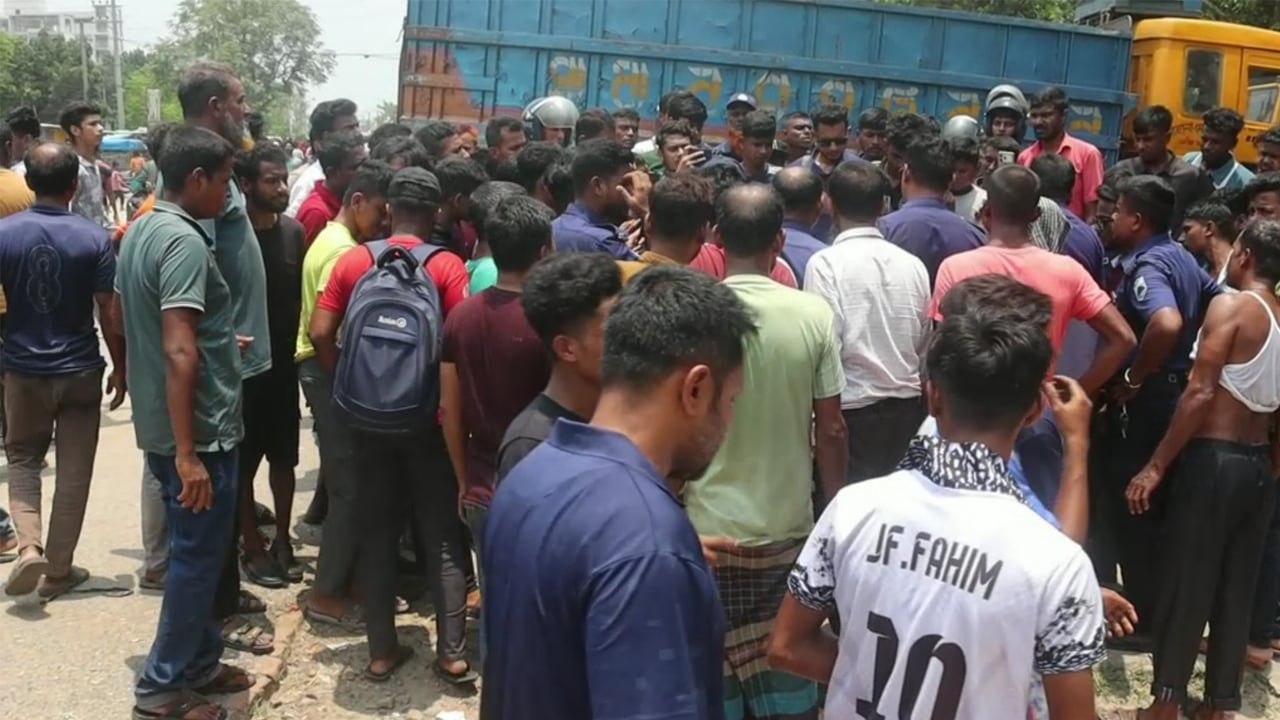
A severe heatwave has paralyzed daily life in Banda district of Uttar Pradesh, India, where temperatures have hovered between 47 and 48 degrees Celsius for several consecutive days. Residents describe the conditions as unprecedented, saying there is little difference between morning and night, with early hours already feeling like midday. Markets and outdoor work largely shut down by mid-morning, and perishable goods such as tomatoes are spoiling rapidly. Laborers have shortened their working hours to avoid the most intense heat, while many seek shade under water tankers or trees. Local hospitals are treating 15 to 20 patients daily for heatstroke and related illnesses, particularly among children and the elderly. Experts warn that climate change has made Banda and surrounding areas increasingly vulnerable, citing deforestation, drying rivers, and falling groundwater levels as key factors driving the temperature rise. Studies show significant forest loss in the district between 1991 and 2022. A brief spell of rain and dust storms recently brought temporary relief, but meteorologists caution that such respite will be short-lived, with heatwaves expected to become more frequent and severe, posing a growing humanitarian risk.
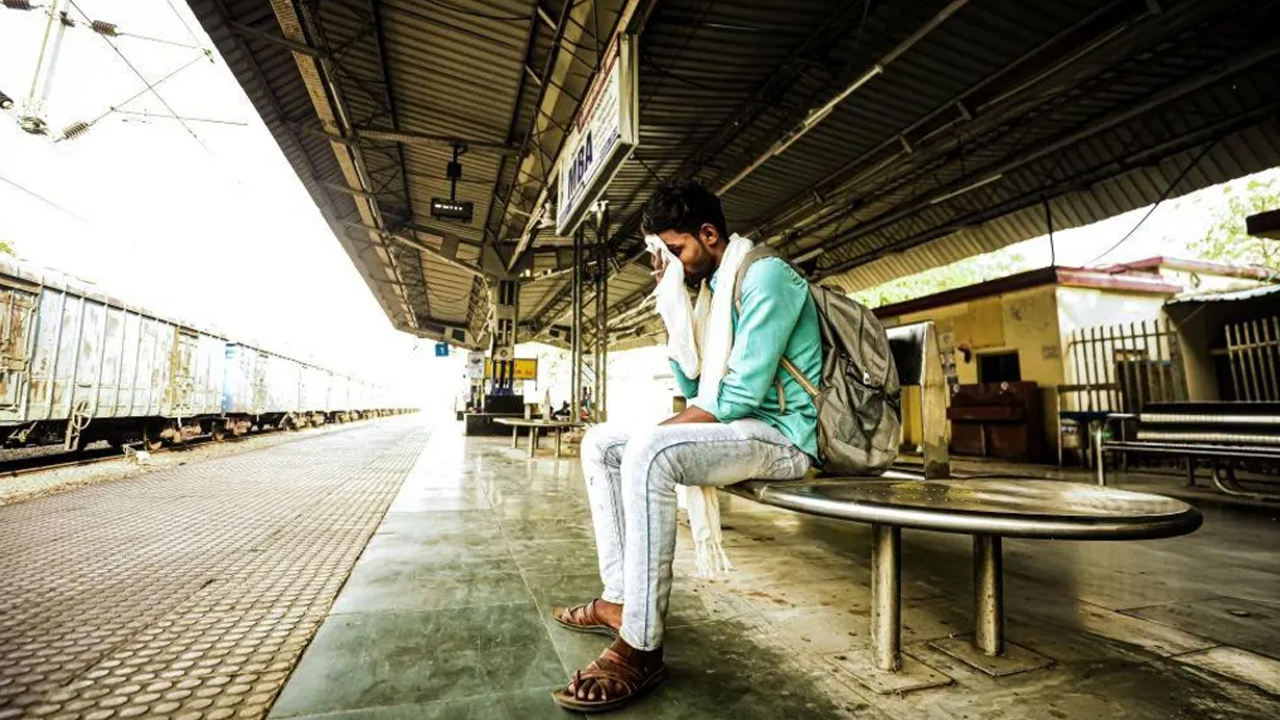
Four people died after consuming toxic liquor in the Balarhat area of Mithapukur upazila, Rangpur. The incident occurred on the night of May 31, when several individuals reportedly drank banned liquor at Balarhat market and later fell ill at their homes. Three others are currently receiving treatment at Rangpur Medical College Hospital. The deceased were identified as Chattar Mia, Hujur Ali, Md. Saju Mia, and Md. Ershad Mia, all residents of different villages in Mithapukur. According to local sources, the victims’ health deteriorated rapidly due to poisoning, leading to their deaths between Sunday night and Monday afternoon. A local union parishad member said the deaths were caused by excessive and toxic alcohol consumption, and families initially tried to conceal the matter to avoid autopsies. Mithapukur police station’s officer-in-charge Ershad Hossain stated that the incident is being treated with utmost importance, and an investigation along with necessary legal procedures is underway.
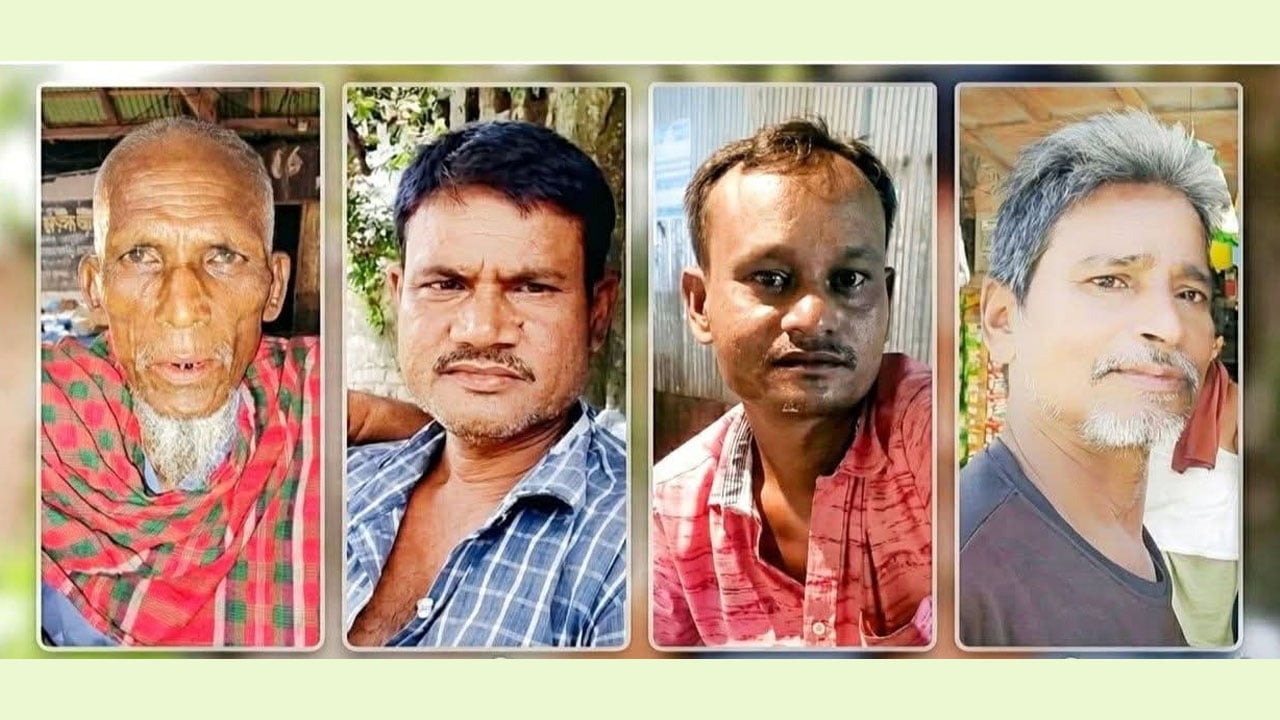
A clash broke out in the South Rampura area of Parbatipur municipality in Dinajpur on Saturday night over a dispute concerning the groom’s hand-washing ritual. The incident occurred around 10 p.m. at the house of Selim Kabiraj, where members of the bride’s and groom’s sides engaged in an argument that escalated into a physical confrontation. The bride was reportedly assaulted and taken away by members of the groom’s side. According to the bride’s family, Rakib, 25, from Tentultala village in Biral upazila, and Sufia Begum, 20, daughter of Selim Kabiraj of Rampura, had been married for a year, and Saturday was the bride’s departure day. The dispute began over money related to the hand-washing custom during the ceremony. Following the incident, the bride’s relatives intercepted two microbuses carrying the groom’s party at separate locations. Parbatipur Model Police Station’s officer-in-charge Abdul Wadud stated that police intervened to bring the situation under control. Around 3 a.m., the groom’s side took the bride away after signing a written undertaking.

Member of Parliament for Cumilla-4 (Debidwar) Hasnat Abdullah has ordered show-cause notices for five doctors at Debidwar Upazila Health Complex after finding them absent during an unannounced inspection. The visit took place on Tuesday, June 2, 2026, at 9 a.m., when the MP arrived without prior notice and toured various hospital departments, speaking with staff and patients about healthcare services. The inspection lasted about one and a half hours and was attended by Cumilla Deputy Civil Surgeon Dr. Reza Md. Sarwar Akbar and Upazila Health and Family Planning Officer Dr. Mohibus Salam. The absent doctors were identified as Dr. Saiful Islam Shuvo, Dr. Shamim Kawsar, Dr. Shimul Rani Dutta, Consultant Dr. Sharif Uddin Ahmed, and Medicine Consultant Kazi Ayesha Siddika. The MP expressed dissatisfaction over the doctors’ absence and warned that strict measures would be taken to ensure punctuality. The Upazila Health and Family Planning Officer stated that the accused doctors must respond to the notices within three working days.
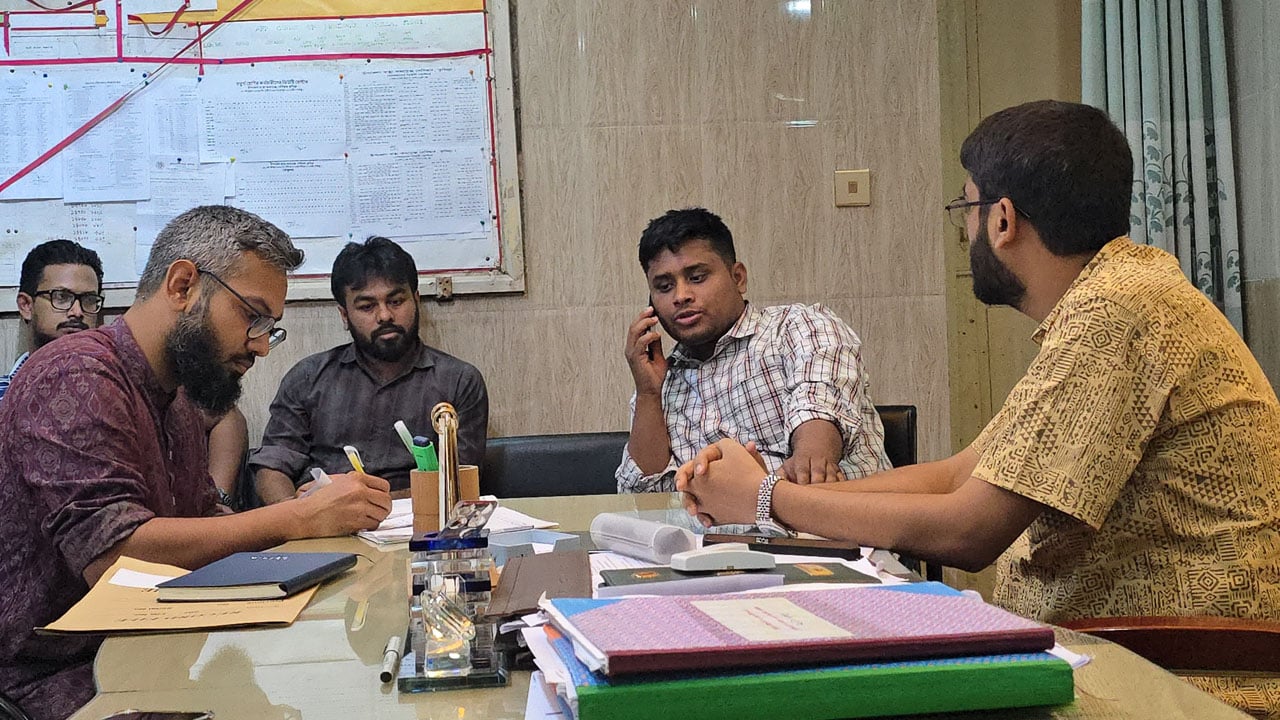
Non-performing loans (NPLs) in Bangladesh’s banking sector have increased by Tk 314.88 billion over the past three months, according to the latest report from Bangladesh Bank. As of the end of December, total NPLs stood at Tk 5.57 trillion, representing 30.60 percent of total loans distributed at that time. By the end of March this year, the figure had risen to Tk 5.88 trillion, or 32.26 percent of total loans. The report also shows that the total outstanding loans in the banking sector currently amount to Tk 18.24 trillion. The data highlights a continuing upward trend in defaulted loans within the country’s financial system, reflecting growing stress in the banking sector. The increase in NPLs underscores ongoing challenges in loan recovery and credit management across banks, as indicated by the central bank’s updated figures.
The ‘1 Nojor’ media platform is now live in beta, inviting users to explore and provide feedback as we continue to refine the experience.