

The ‘1 Nojor’ media platform is now live in beta, inviting users to explore and provide feedback as we continue to refine the experience.
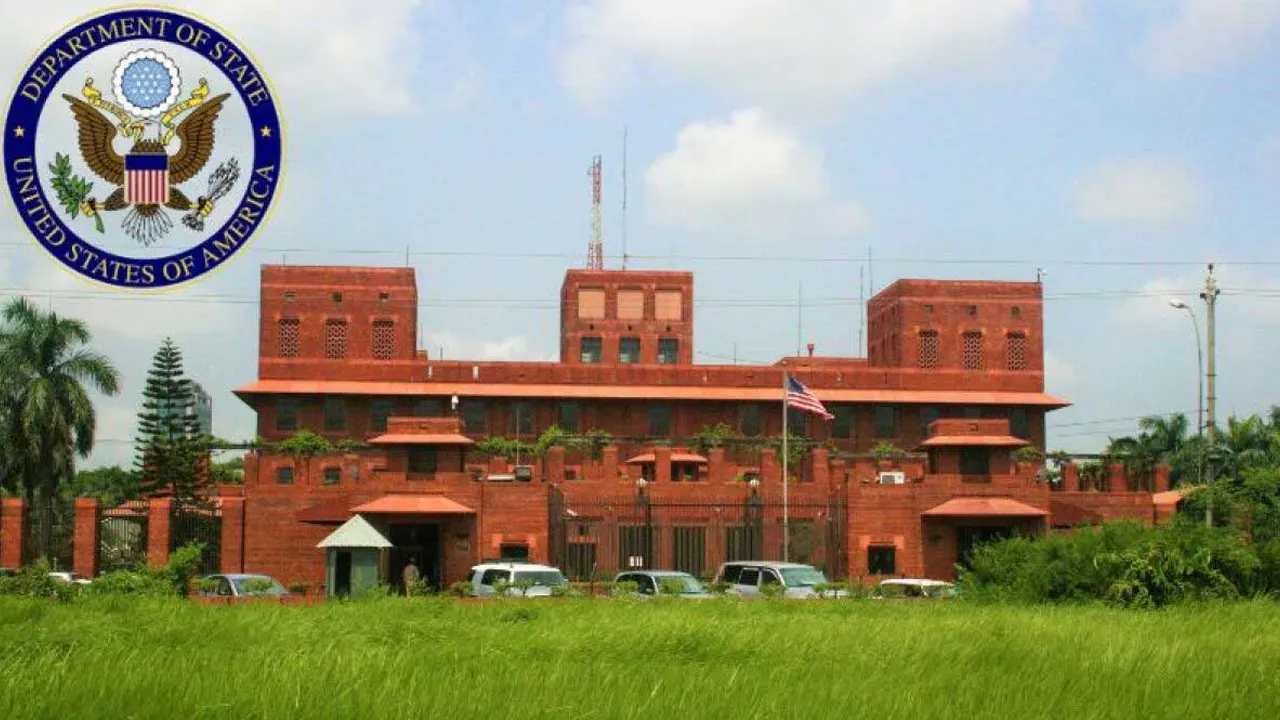
The United States Embassy in Bangladesh has announced a major update for individuals seeking immigrant visas. In a message released on Sunday, May 31, 2026, the embassy stated that starting June 1, all categories of immigrant visa applications will be processed within two working days. The announcement aims to bring greater efficiency and speed to the visa process for applicants in Bangladesh. According to the embassy, the new system will apply to all immigrant visa categories handled by the US Embassy in Dhaka. Applicants have been advised to consult the embassy’s ‘Directory of Visa Categories’ and check the ‘Immigrant Visa Categories’ section for detailed information. The embassy described the move as part of its effort to make visa processing more dynamic and responsive to applicants’ needs. The announcement is expected to ease the waiting time for visa applicants and streamline administrative procedures, marking a significant improvement in the embassy’s service delivery.
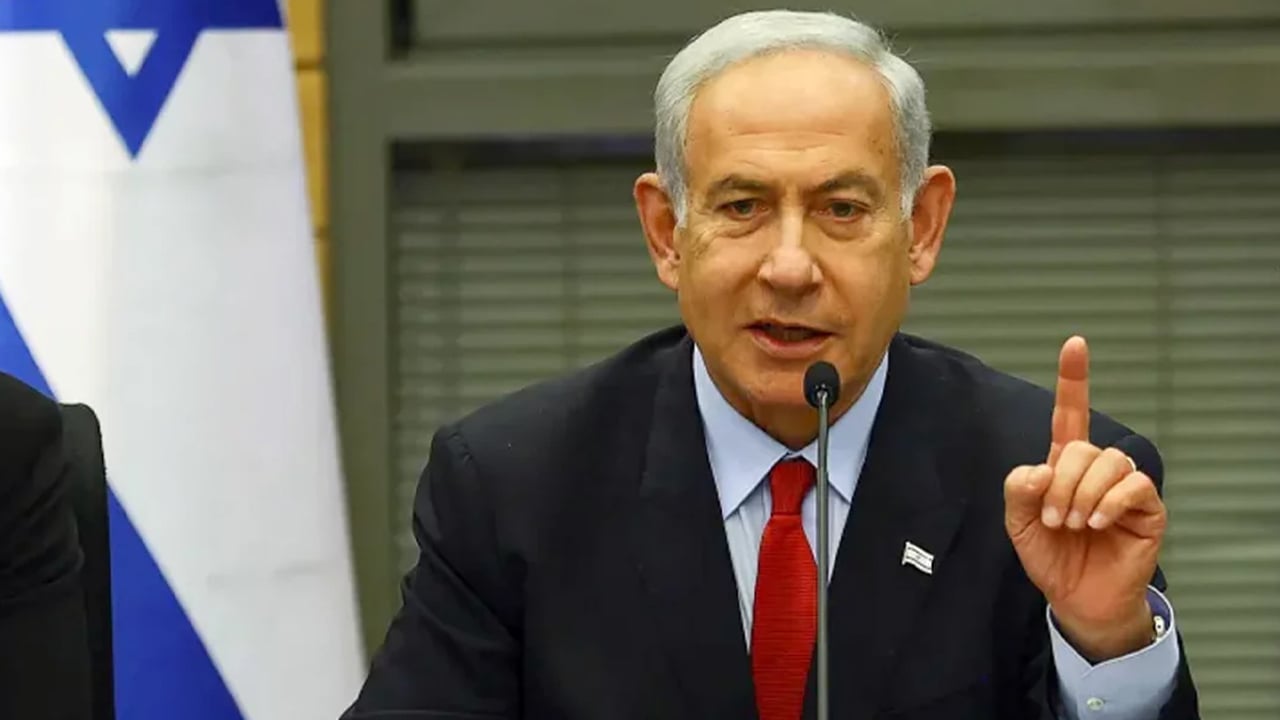
Israeli Prime Minister Benjamin Netanyahu announced that he has instructed the Israeli military to expand its operations in Lebanon. According to Reuters, Netanyahu stated that his directive aims to broaden the scope of military activities in areas previously controlled by Hezbollah. He emphasized the need for Israel to deepen and extend its control in those regions. The statement comes at a time of heightened military activity by Israeli forces in southern Lebanon and growing international concern over escalating tensions with Hezbollah. The report, citing Al Jazeera, indicates that the situation has drawn global attention as cross-border hostilities intensify. Further details about the expanded operations were not immediately available, and additional updates are expected as more information emerges.
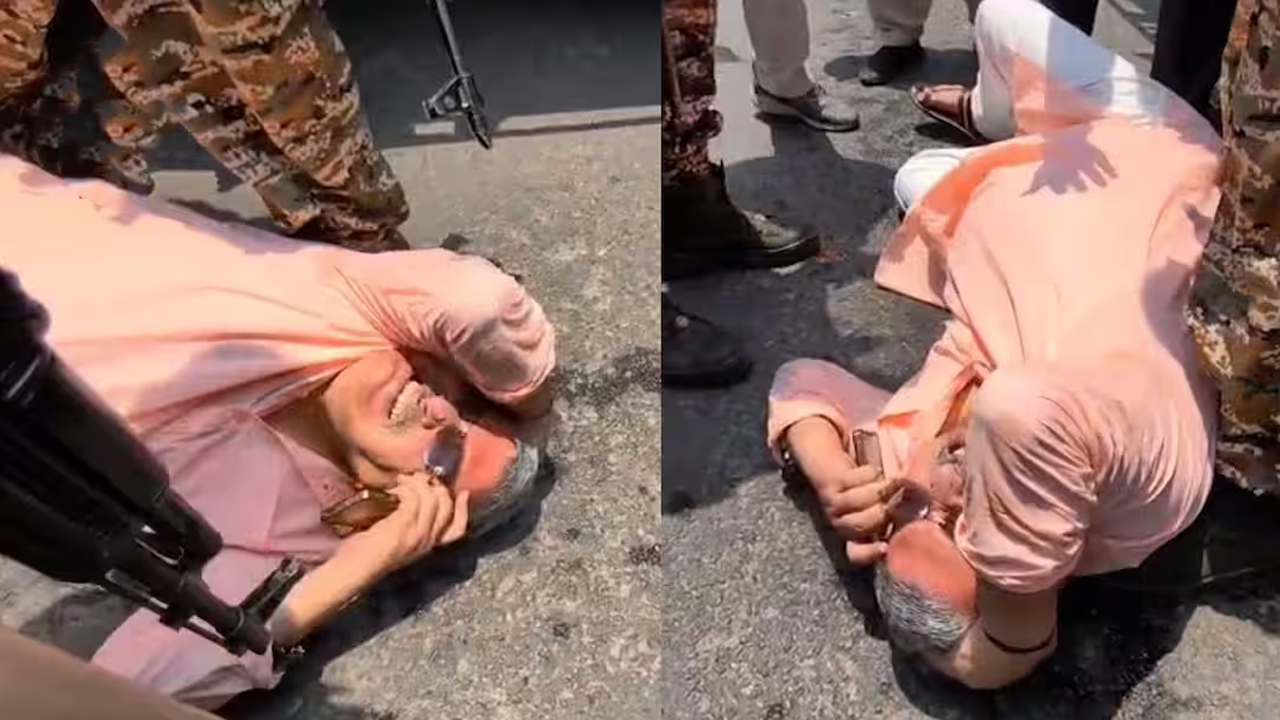
A second consecutive attack on senior Trinamool Congress leaders has been reported in West Bengal. On Sunday morning, party MP Kalyan Banerjee was assaulted in Chanditala, Hooghly, while walking through his constituency due to traffic congestion. According to reports, an object struck his head from behind, causing him to fall. He was later assisted by police and security personnel. Before the incident, protesters allegedly waved black flags and chanted slogans. Banerjee later appeared with a bandaged head and addressed supporters. Banerjee claimed that the attackers hurled a stone or cricket ball at him in what he described as a “planned murder attempt,” blaming the Bharatiya Janata Party (BJP) for the assault. He also criticized the West Bengal Police for inaction while praising central security forces. The BJP has not yet issued an official response. The day before, Trinamool’s national general secretary Abhishek Banerjee faced a similar attack in Sonarpur, South 24 Parganas. Both incidents have intensified political tensions between the ruling Trinamool Congress and the BJP, with each side trading accusations over the violence.
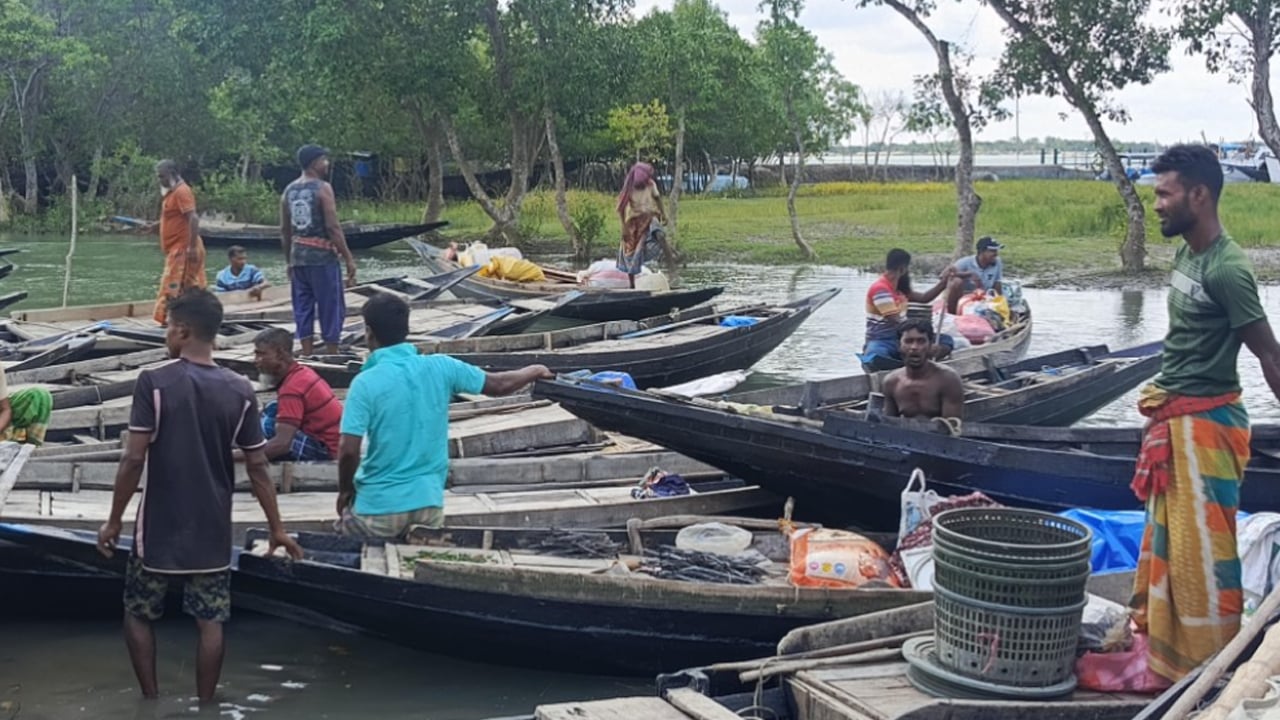
The Forest Department of Bangladesh has announced a complete ban on entry into the Sundarbans from June 1 to August 31 to ensure safe breeding of fish, aquatic species, and wildlife, as well as to protect the forest’s biodiversity. During this period, fishing, crab collection, honey harvesting, and tourism in all rivers, canals, and water bodies within the forest will remain prohibited. The department has already stopped issuing new passes for fishermen, honey collectors, and tourists, instructing all to leave the forest before the ban takes effect. According to the Forest Department, the June–August period marks the main breeding season for aquatic and wild species in the Sundarbans, and the restriction has been enforced annually since 2019. Local forest-dependent communities, including fishermen and honey collectors, expressed concern that the three-month closure severely limits their income, forcing many into debt. They have urged the government to provide food aid and special incentives during the restriction period. Officials said a proposal for food and financial assistance to affected families has been sent to the relevant ministry for approval.

Russia’s Ministry of Defense announced that approximately 1,320 Ukrainian soldiers were killed within the past 24 hours during ongoing military operations. According to a report by the Russian news agency TASS, the losses occurred across multiple battle zones, including the North, West, South, Center, East, and Dnipro sectors, where Russian forces conducted coordinated offensives. The ministry further stated that its air defense systems destroyed ten guided aerial bombs, one U.S.-made HIMARS multiple-launch rocket projectile, and 352 fixed-wing unmanned aerial vehicles during the same period. It also claimed that since the start of the special military operation, Russian forces have destroyed a large number of Ukrainian aircraft, helicopters, drones, tanks, rocket launchers, artillery, and other military vehicles. The report, citing official Russian sources, did not include independent verification or Ukrainian responses to these claims.

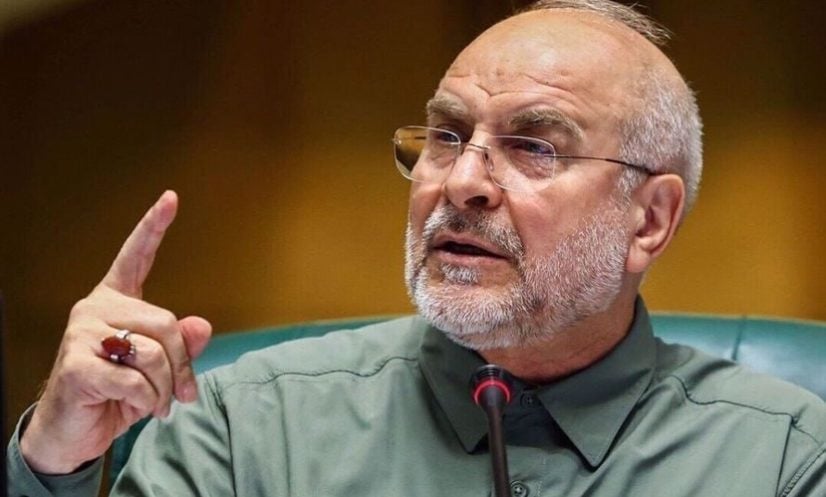
Iran’s Parliament Speaker Mohammad Bagher Ghalibaf stated on Sunday that no agreement with the United States will be approved until the rights of the Iranian people are fully guaranteed. He emphasized that Iran will not endorse any deal unless it is certain that citizens’ rights are protected. Ghalibaf also said that those involved in diplomatic negotiations do not trust U.S. statements or promises. According to Al Jazeera, he mentioned that specialized parliamentary committees will review possible amendments to Iran’s Seventh Development Plan, giving special attention to reconstruction efforts for war-related damages. His remarks come at a time when Tehran and Washington are engaged in diplomatic contacts and discussions about potential agreements on various issues.
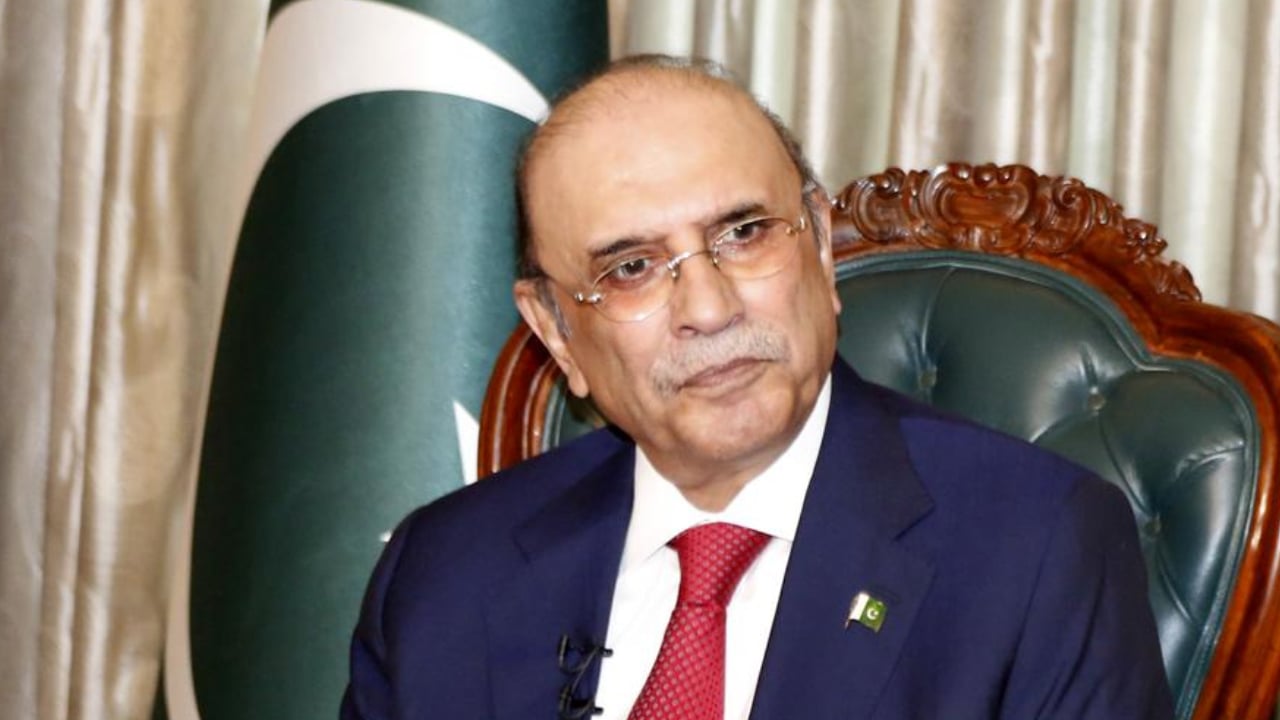
Pakistan’s President Asif Ali Zardari has claimed that during last year’s conflict, a Pakistani drone flew close to the residence of Indian Prime Minister Narendra Modi. Speaking at a rally in Moro, Sindh province, Zardari said the drone hovered over Modi’s residence for some time and that Pakistan Air Force drones had breached India’s defense lines. According to reports from Indian media including NDTV, Zardari also asserted that Pakistan’s Air Force had shot down eight Indian aircraft. The remarks come in reference to the 2025 conflict that followed a deadly terrorist attack in Pahalgam, Indian-administered Kashmir, where 25 tourists and a horseman were killed. India launched strikes inside Pakistan in response, prompting retaliatory attacks from Pakistan. The hostilities were eventually halted after mediation by U.S. President Donald Trampen, leading both sides to agree to end the fighting, according to the same reports.
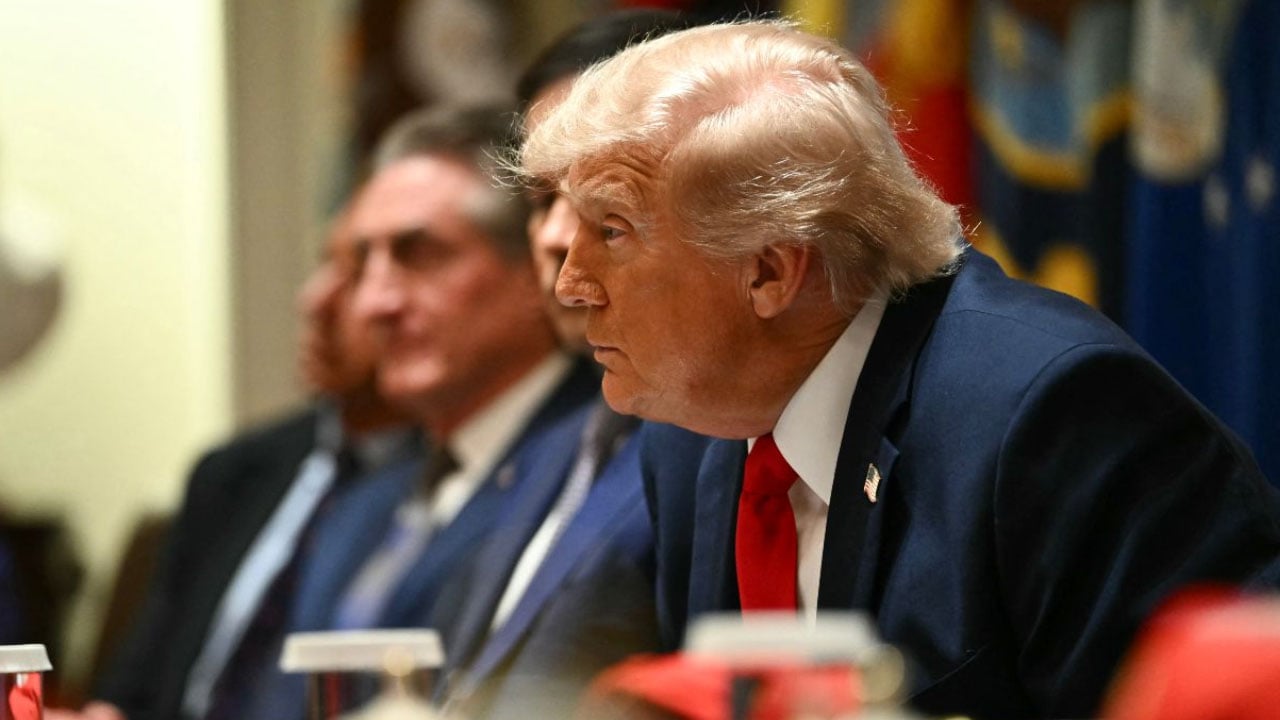
US President Donald Trump stated that the United States is close to reaching a very good agreement with Iran. In an interview with Fox News, he said that once the Strait of Hormuz is reopened and the nuclear issue is resolved, US forces will be withdrawn from the region. Trump emphasized that a diplomatic agreement is the preferred option, as signing it would mean the immediate reopening of the Strait of Hormuz for navigation. He added that the strait must be opened immediately and without any fees, and that Tehran must permanently refrain from acquiring any nuclear weapons. The remarks indicate that Washington’s military presence in the region is linked to progress on both maritime access through the Strait of Hormuz and Iran’s nuclear commitments, though no timeline for the potential withdrawal was mentioned.
Japanese Defense Minister Shinjiro Koizumi pledged to further strengthen Japan’s military capabilities while indirectly criticizing China during a security conference in Singapore on Sunday. Speaking at the annual Shangri-La Dialogue, Koizumi dismissed Beijing’s accusations that Tokyo is pursuing a risky “new militarism,” calling such claims untrue. Without naming China directly, he contrasted Japan’s lack of nuclear weapons with a country possessing vast nuclear and bomber arsenals, questioning the fairness of labeling Japan militaristic. According to reports from Singapore, Japan under Prime Minister Sanae Takaichi is moving toward a more active defense policy, gradually departing from its post–World War II pacifist stance with U.S. support. China has repeatedly criticized this shift, warning it could threaten regional stability. Koizumi countered that China is expanding its military power without sufficient transparency, calling it a serious concern for Japan. Koizumi said Japan will continue enhancing its defense capabilities with high transparency, including in artificial intelligence, unmanned systems, cybersecurity, and space defense. The Shangri-La Dialogue gathered security officials and experts from about 45 countries, though China again sent a lower-level delegation.

Iran’s Islamic Revolutionary Guard Corps (IRGC) has claimed that a total of 28 vessels, including oil tankers, container ships, and other commercial ships, passed through the Strait of Hormuz in the past 24 hours. According to the IRGC’s naval branch, all ships crossed safely under the coordination and security arrangements of the IRGC Navy. The IRGC statement, published by Iran’s semi-official Fars News Agency, added that the ‘intelligent control’ of the Strait of Hormuz is being maintained with regular strictness and oversight. The strait is one of the world’s most critical energy transport routes, through which large volumes of oil and goods are shipped daily. Experts note that any military or security activity in this region could influence global markets due to its strategic importance in global energy transportation.

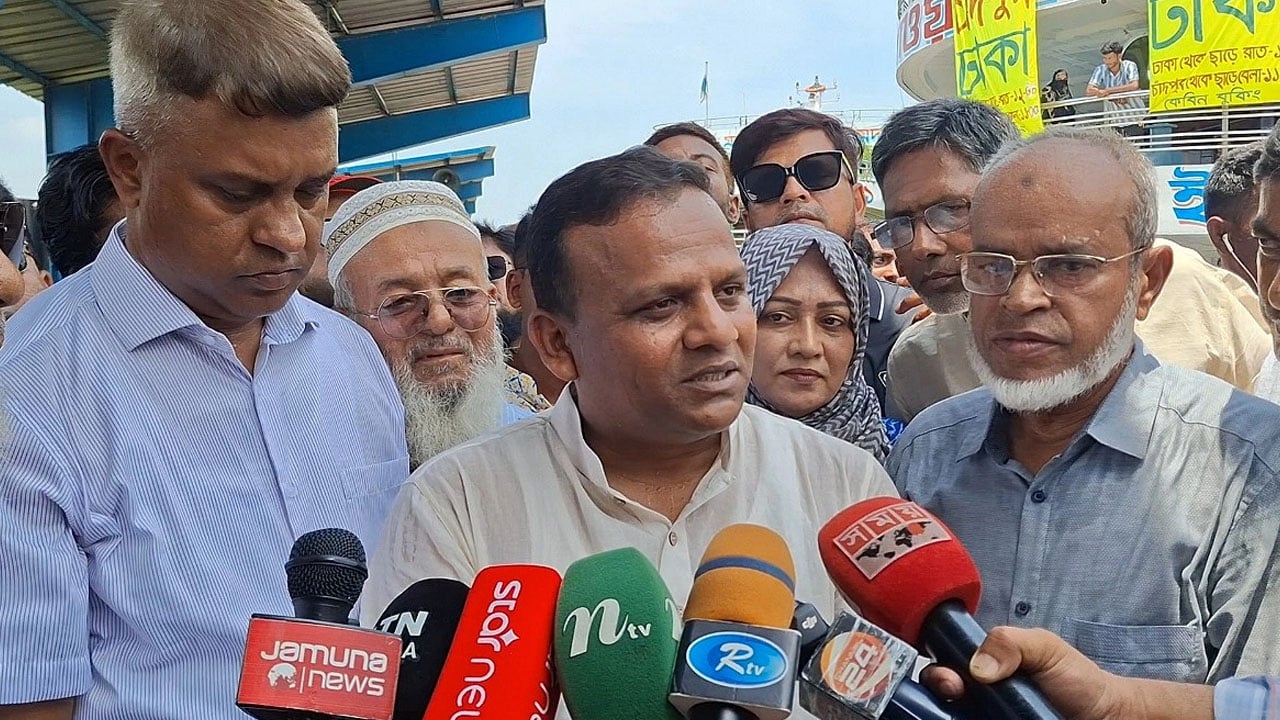
State Minister for Shipping Md. Rajib Ahsan said that Bangladesh’s waterways will regain their traditional vibrancy through modernization of pontoons and continuous dredging. He made the remarks on Sunday afternoon while visiting the Chandpur river port, emphasizing that the government is working to accommodate high-speed vessels in line with modern demands. The minister stated that after the Eid holidays, the government is ensuring passengers’ safe return to workplaces by monitoring major terminals and addressing existing problems. He also discussed the halted construction of the Chandpur Modern River Terminal, noting that some work had been completed but stopped after August 5. A new contractor will soon be appointed to finish the remaining work quickly, which he said will help restore the port’s heritage. Officials from the Bangladesh Inland Water Transport Authority (BIWTA), local government representatives, and political leaders were present during the visit.
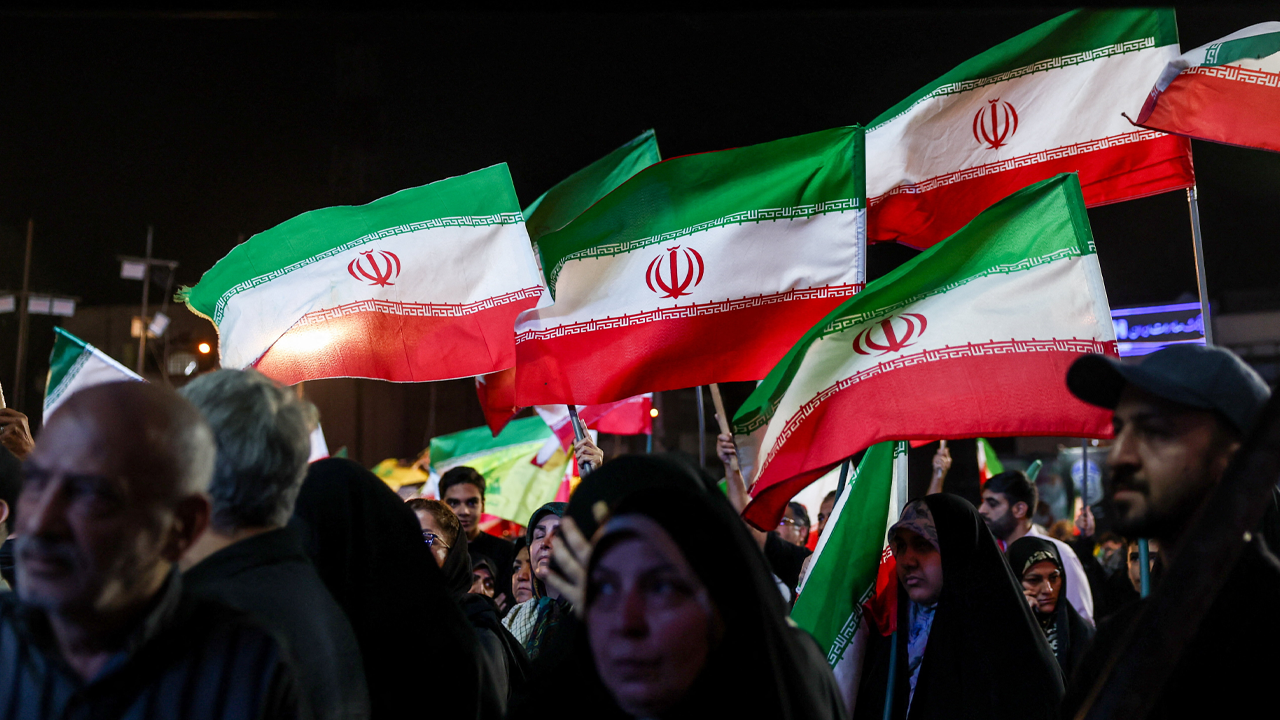
Iran’s state media reported that a draft memorandum of understanding with the United States includes a clause for releasing $12 billion in Iranian assets currently frozen abroad. The report, aired on Saturday from Tehran, cited an ‘informal’ draft, though the White House dismissed similar claims earlier in the week as fabricated. The proposed memorandum is linked to ongoing efforts to end the conflict between the two countries. According to the state television report, the United States allegedly pledged to grant Iran full access to its $12 billion within 60 days, allowing unrestricted transfer and spending through banks of Iran’s choice. However, U.S. President Donald Trump stated on Friday that no financial transactions would occur until further notice. Iranian media later contradicted the claim of imminent asset release, citing informed sources. The report also mentioned that Tehran would continue managing the Strait of Hormuz, which it has blocked since the conflict began, causing global market instability. Trump, however, insisted that Iran would reopen the strait for free navigation, a demand Washington has repeatedly emphasized.
A gunfight occurred between Border Guard Bangladesh (BGB) and an armed robber group on the Naf River near Hnila in Teknaf upazila of Cox’s Bazar on Saturday evening. The incident took place around 6 p.m., leading to the detention of two Rohingya fishermen. According to local sources and eyewitnesses, the fishermen were fishing in a small boat when an armed group in a motorized vessel chased them. The fishermen attempted to take shelter near Hnila sluice gate, but the armed group seized their boat. Lieutenant Colonel Zahidul Islam, commander of the 64 BGB Battalion in Ukhiya, confirmed the incident. He said the armed group fired approximately three rounds at the fishermen and tried to flee toward Myanmar’s Khurer Island after seizing the boat. A BGB patrol team responded quickly, firing five to six rounds as the group crossed the Dubarchar area. Two Rohingya fishermen, identified as residents of the Kutupalong refugee camp, were taken into BGB custody. BGB reported that the border situation is now stable and under control, with security measures strengthened to prevent further incidents.

The Forest Department has announced a complete three-month closure of the Sundarbans, the world’s largest mangrove forest, from June 1 to August 31, 2026. The move aims to ensure safe breeding for fish, crabs, shrimp, aquatic species, and wildlife. During this period, all entry and resource collection activities, including fishing, honey collection, crab harvesting, and tourism, are prohibited. New entry passes have been suspended, and those already inside the forest have been instructed to leave. Authorities warned that legal action will be taken against anyone violating the ban. Officials said that uninterrupted calm in the forest during this breeding season helps restore fish populations, plant regeneration, and wildlife numbers, contributing to long-term ecological balance. However, thousands of forest-dependent families in coastal areas such as Shyamnagar, Ashashuni, Koyra, and Mongla are facing severe financial hardship due to the loss of income. The Forest Department has proposed food aid and incentives for affected families to the relevant ministry. Joint monitoring by the Forest Department, Coast Guard, Naval Police, and Fisheries Department will continue to ensure full enforcement of the ban until the forest reopens on September 1.
Israeli troops have captured a strategic hilltop in southern Lebanon that hosts the historic Beaufort Castle. The Israeli military announced on Sunday that this marks the country’s deepest incursion into Lebanon in more than 25 years. According to the Israeli Public Broadcasting Corporation, the army is focusing on consolidating control over the Beaufort Castle and the nearby Saluki River area. The fortress, located near the city of Nabatieh, has been a focal point of several major clashes since Israel’s 1982 invasion of Lebanon. Before taking control of the site, Israeli forces carried out days of intense fighting and airstrikes in nearby villages, engaging in heavy battles with Hezbollah fighters. Reports said that control was achieved after heavy shelling and fighting from both ground and air. The report also noted that Israel and Lebanon have remained in conflict since the establishment of the Israeli state in 1948, underscoring the long-standing hostilities between Tel Aviv and Beirut.

The ‘1 Nojor’ media platform is now live in beta, inviting users to explore and provide feedback as we continue to refine the experience.