

The ‘1 Nojor’ media platform is now live in beta, inviting users to explore and provide feedback as we continue to refine the experience.
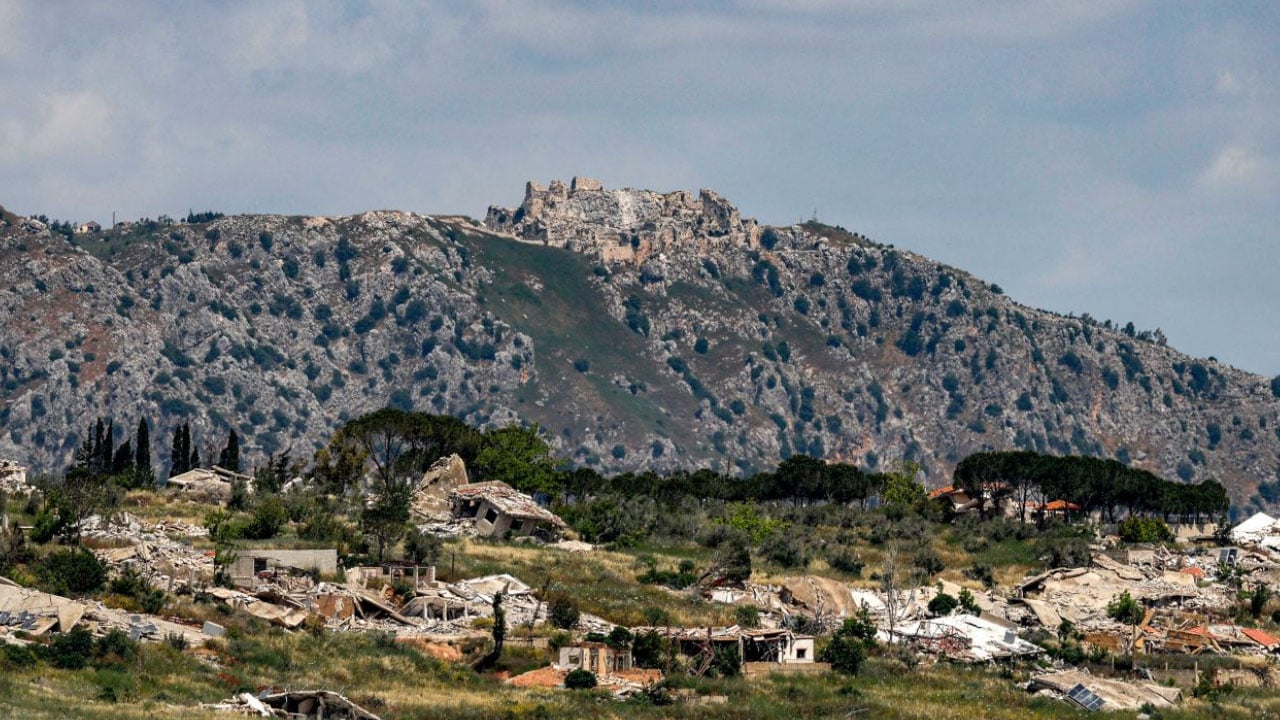
Israeli troops have captured a strategic hilltop in southern Lebanon that hosts the historic Beaufort Castle. The Israeli military announced on Sunday that this marks the country’s deepest incursion into Lebanon in more than 25 years. According to the Israeli Public Broadcasting Corporation, the army is focusing on consolidating control over the Beaufort Castle and the nearby Saluki River area. The fortress, located near the city of Nabatieh, has been a focal point of several major clashes since Israel’s 1982 invasion of Lebanon. Before taking control of the site, Israeli forces carried out days of intense fighting and airstrikes in nearby villages, engaging in heavy battles with Hezbollah fighters. Reports said that control was achieved after heavy shelling and fighting from both ground and air. The report also noted that Israel and Lebanon have remained in conflict since the establishment of the Israeli state in 1948, underscoring the long-standing hostilities between Tel Aviv and Beirut.
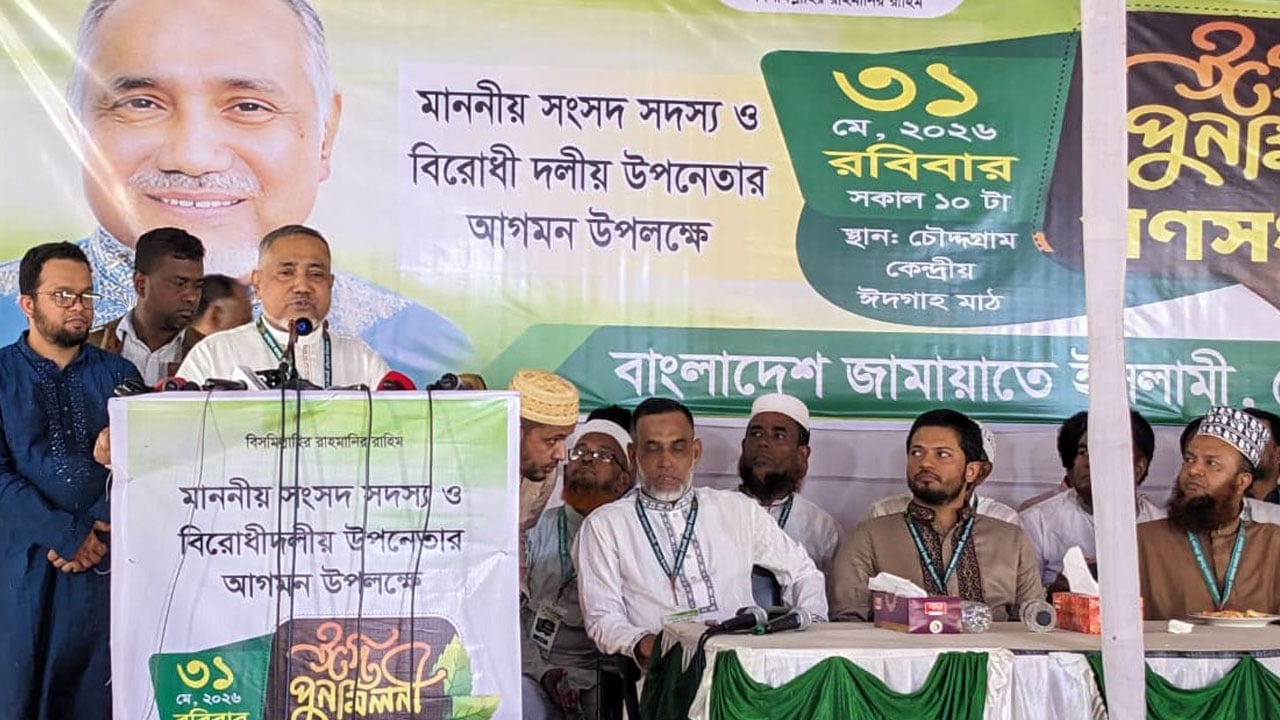
Opposition Deputy Leader of the National Parliament and Jamaat-e-Islami’s central Nayebe Ameer Dr. Syed Abdullah Mohammad Taher stated that Jamaat expects to come to state power soon. Speaking on Sunday at Jamaat’s Eid reunion and public reception in Chauddagram, Cumilla, he said that in the 13th National Parliamentary Election, the BNP received 10 percent more votes than Jamaat, while Jamaat secured 68 seats independently and 77 seats in alliance. Dr. Taher added that during the interim government period, he brought an allocation of Tk 120 crore for infrastructure development in the area and another Tk 100 crore after the election, which took place three months ago. He identified teenage gangs and drug trading as Chauddagram’s main problems, giving those involved six months to change their activities. The event, held at Chauddagram Central Eidgah ground, was conducted by local Jamaat leaders and attended by several central and district-level party figures, including Maulana Abdul Halim and Advocate Muhammad Shahjahan.
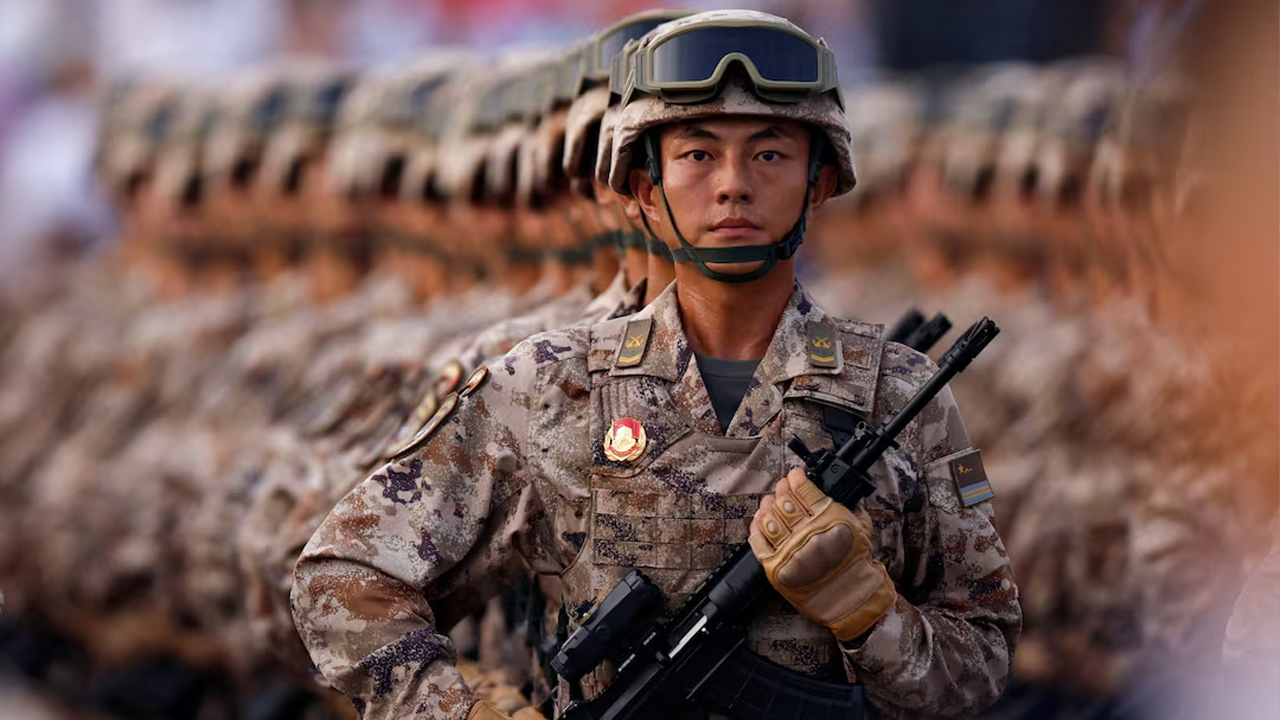
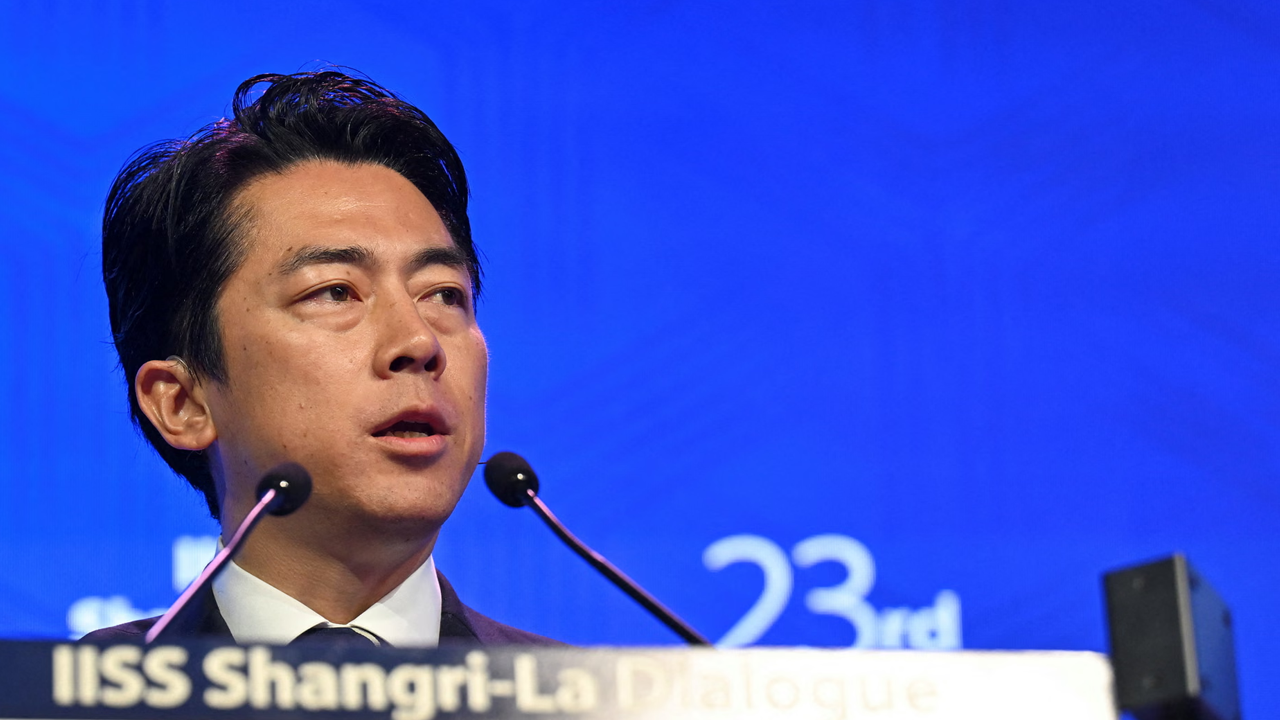
Japanese Defense Minister Shinjiro Koizumi firmly rejected Beijing’s accusation that Tokyo is embracing a ‘new militarism,’ during his remarks at the Shangri-La Dialogue in Singapore on Sunday. He criticized China’s rapid military buildup and lack of transparency, saying such actions are a growing concern for Japan and the international community. Koizumi argued that Japan, which possesses no nuclear weapons or strategic bombers, is unfairly labeled while others with vast arsenals face no such criticism. Koizumi emphasized Japan’s post–World War II record of respecting international law, upholding the UN Charter, and supporting a free and open international order. His comments came after China’s foreign ministry urged Asia-Pacific nations to resist Japan’s alleged militarist resurgence. At the same forum, Chinese Major General Meng Xiangqing questioned Japan’s credibility in defense cooperation, citing its wartime legacy. Koizumi expressed regret that he could not meet his Chinese counterpart but reaffirmed Japan’s readiness for dialogue. He said Japan is determined to play a new role in regional defense cooperation and strengthen deterrence, following Tokyo’s recent easing of its long-standing arms export restrictions.
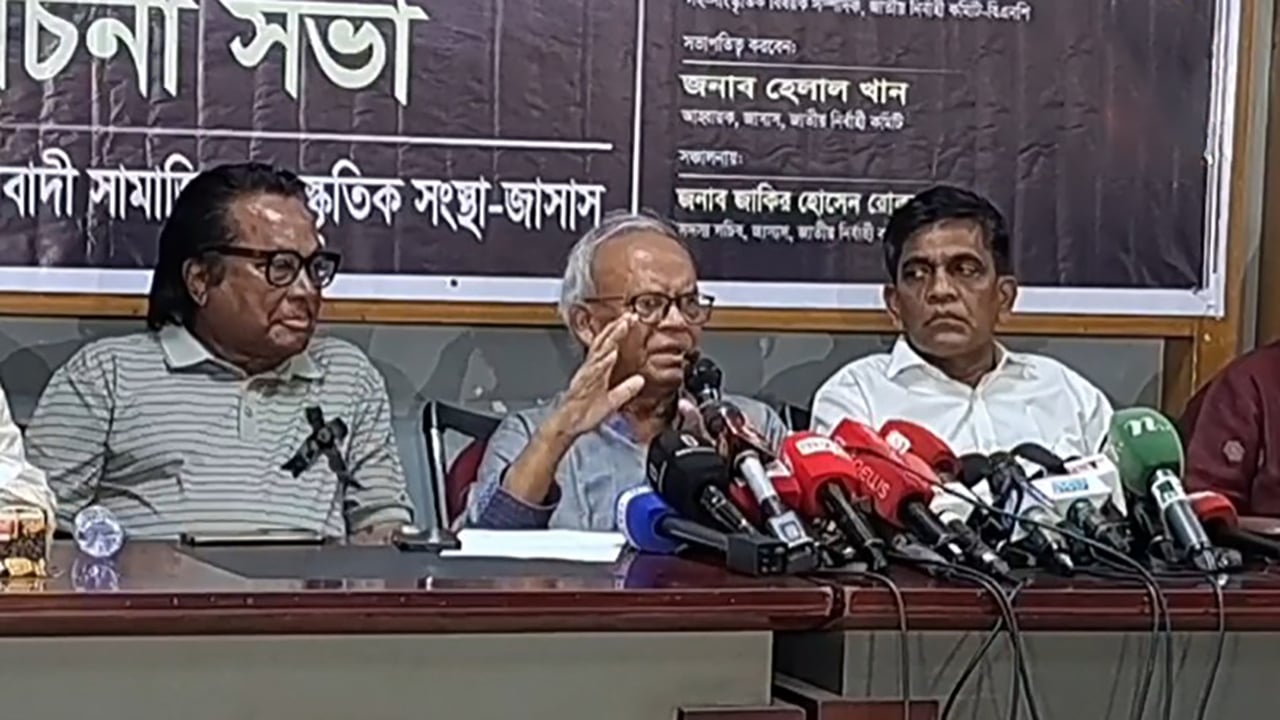
BNP Senior Joint Secretary General and Prime Minister’s Adviser Ruhul Kabir Rizvi Ahmed has accused Jamaat-e-Islami of engaging in extortion under the guise of collecting religious donations, known as hadiya. He made the remarks on Sunday afternoon while speaking at an event organized by the Nationalist Social and Cultural Organization (JASAS). Rizvi alleged that Jamaat has a history of secretive politics and that some of its members are involved in covert extortion activities. He further claimed that the party is misusing religion to conceal its misdeeds and spreading deliberate misinformation against the government. Rizvi urged Jamaat leaders to engage in constructive criticism instead of false propaganda. He also stated that while the people of Bangladesh are religious, they do not support Jamaat. Rizvi emphasized the importance of embracing positive global cultural values while remaining vigilant against influences that could harm the country’s cultural identity.
A five-storey building collapsed in Delhi’s Saidul Ajaib area on Saturday evening, killing four people and injuring ten others. Authorities fear more people may still be trapped under the debris, and a large-scale rescue operation is underway to locate the missing individuals. The building, located on Western Marg, housed a coaching institute, a café, and several offices. Officials reported that the structure was completely reduced to rubble, with debris falling onto a nearby tin-roofed canteen. At the time of the collapse, construction work was reportedly taking place on the upper floors. Delhi Chief Minister Rekha Gupta visited the site to assess the situation. Rescue teams continue to clear the wreckage as authorities work to determine the cause of the collapse and ensure the safety of surrounding structures.

Iran’s judiciary has ordered the confiscation of assets belonging to 75 individuals accused of assisting foreign enemies. According to the General and Revolutionary Prosecutor of the Central Province, evidence was found linking these individuals to cooperation with foreign adversaries and activities deemed harmful to national security. The prosecutor stated that 75 cases have been filed in Arak against those allegedly connected to a ‘foreign enemy network.’ Courts are taking steps to expedite the resolution of these cases and enforce the asset seizures. He also warned that those betraying the country or cooperating with Iran’s enemies would face legal punishment. The report, citing Middle East Eye, highlights the judiciary’s firm stance on actions considered threats to national security, though further details on the accused or the seized assets were not disclosed.
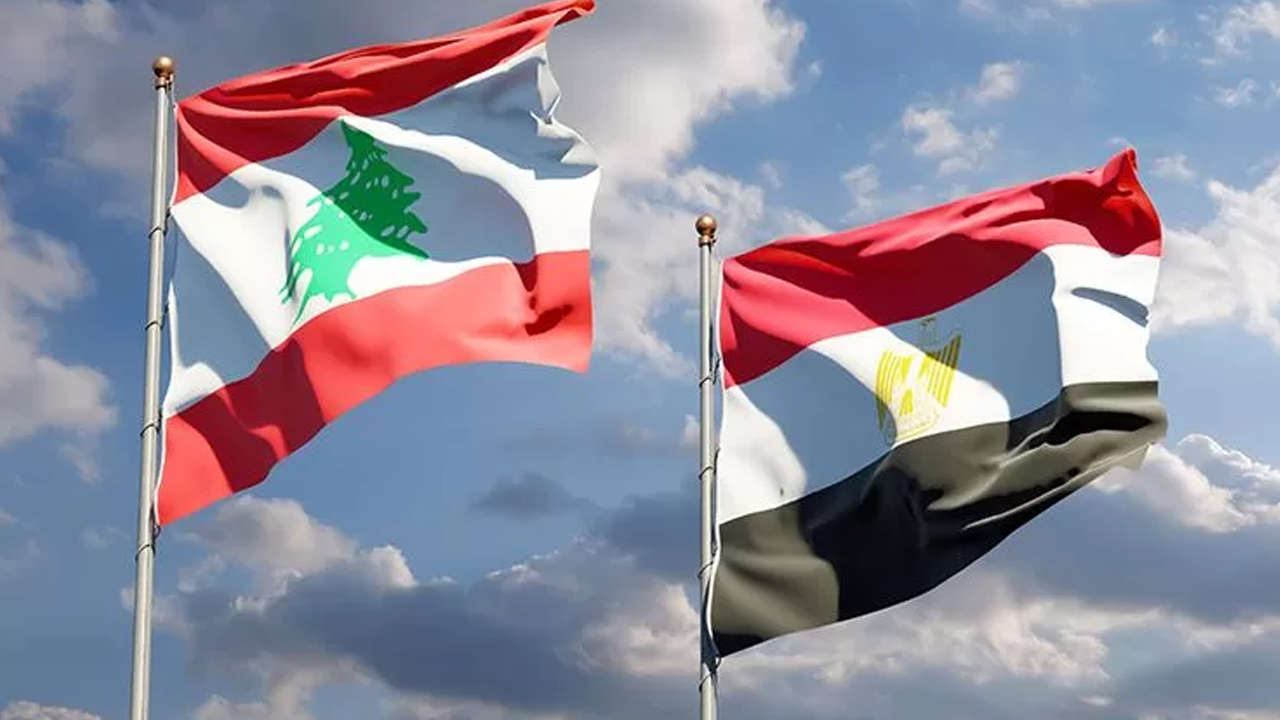
Egypt has expressed full solidarity with Lebanon and reaffirmed its commitment to stand by Beirut. Egyptian Foreign Minister Badr Abdelatty made a strong call for the complete withdrawal of Israeli forces from Lebanese territory during a phone conversation with Lebanese Prime Minister Nawaf Salam. During the call, Abdelatty emphasized that any violation of Lebanon’s sovereignty constitutes a serious breach of international law. He urged the immediate and total withdrawal of Israeli military forces from all Lebanese regions. The minister also stressed the importance of strengthening Lebanon’s national army, asserting that Egypt fully supports the Lebanese Armed Forces. Abdelatty further stated that maintaining law, order, and sovereignty should be the sole responsibility of the Lebanese state and its army, not of any armed groups such as Hezbollah. The statement reflects Egypt’s firm stance on upholding Lebanon’s sovereignty and promoting state authority over non-state actors.
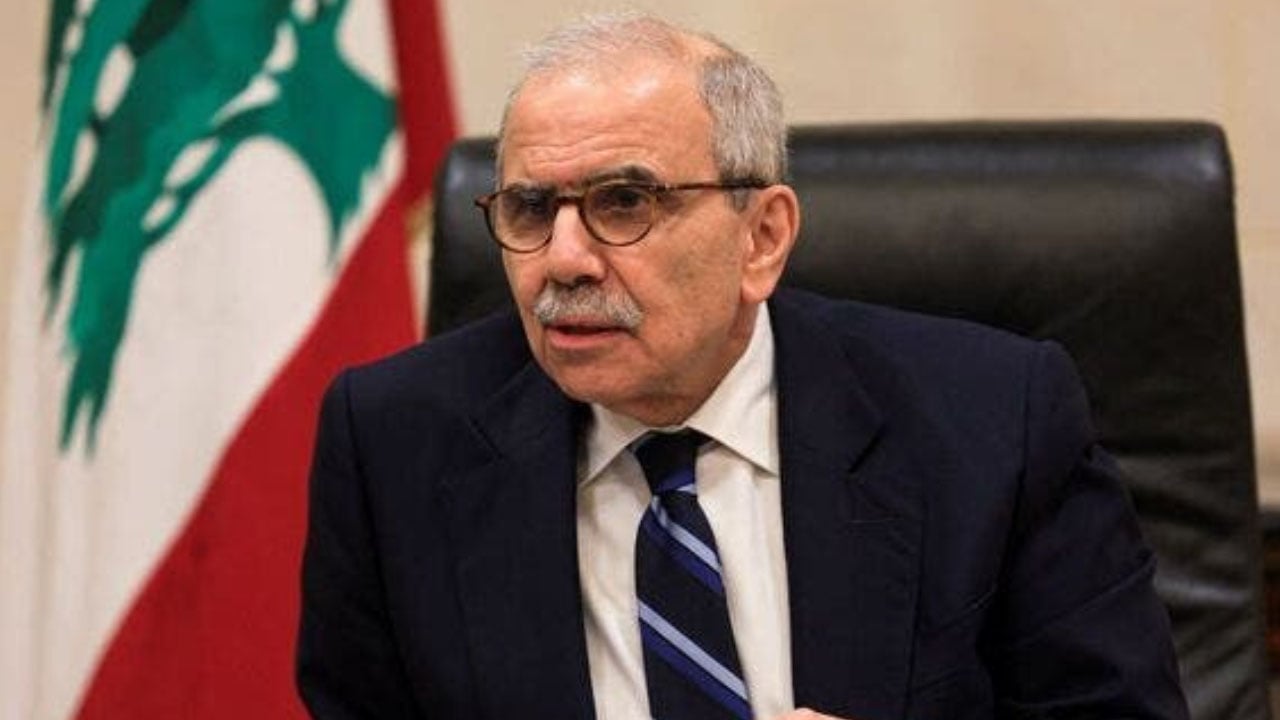
Lebanese Prime Minister Nawaf Salam has strongly condemned Israel’s ongoing offensive in southern Lebanon, describing it as a devastating act of aggression. In a televised address delivered ahead of a new round of negotiations mediated by the United States, he called for an immediate ceasefire and warned that Israel’s so-called “scorched-earth policy” would not ensure its security. The statement followed Israel’s warning for civilians to evacuate the area, after which Tel Aviv launched renewed attacks across southern Lebanon. Salam emphasized that his government had consciously chosen the path of dialogue as the most responsible and appropriate option to protect Lebanon and its people. The “scorched-earth policy” refers to a destructive military tactic aimed at denying the enemy access to resources, food, or infrastructure during retreat or defense. The remarks highlight Lebanon’s preference for diplomatic engagement amid escalating regional tensions.
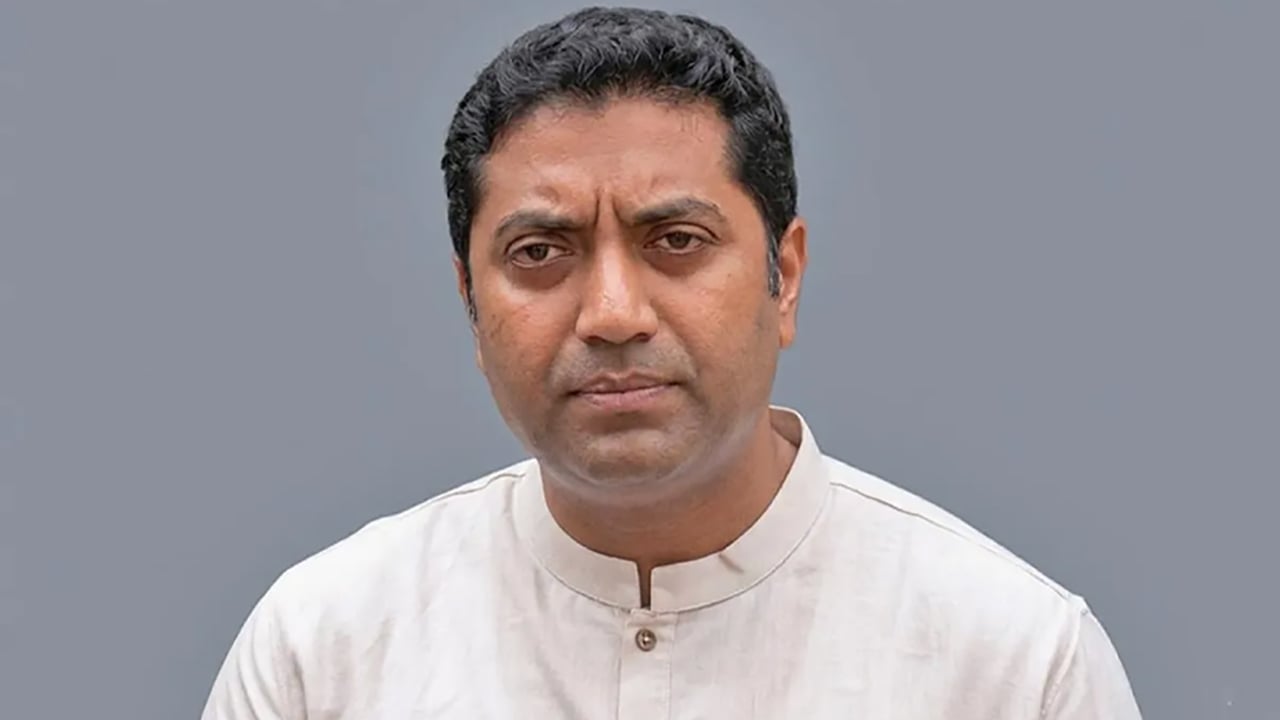
Bangladesh’s State Minister for Primary and Mass Education, Bobby Hajjaj, remains at the center of public controversy despite retracting a contentious comment about Dhaka University. The dispute began after he referred to the university as a “coaching center” during a podcast, sparking anger among students and faculty. On Friday, protesters at the university’s TSC area declared him unwelcome on campus, while the teachers’ group ‘Sada Dal’ issued a statement condemning his remarks as irresponsible and disrespectful. Hajjaj later apologized on his verified Facebook page, claiming his words were taken out of context and not reflective of government policy. He said his intention was to encourage Dhaka University to strengthen its global research standing, not to undermine its legacy. Despite his retraction, social media platforms such as Facebook, X, and TikTok have remained flooded with criticism, memes, and calls for his resignation. Analysts noted that the episode highlights how political figures’ statements can rapidly escalate online, and that public outrage often persists even after apologies or clarifications.
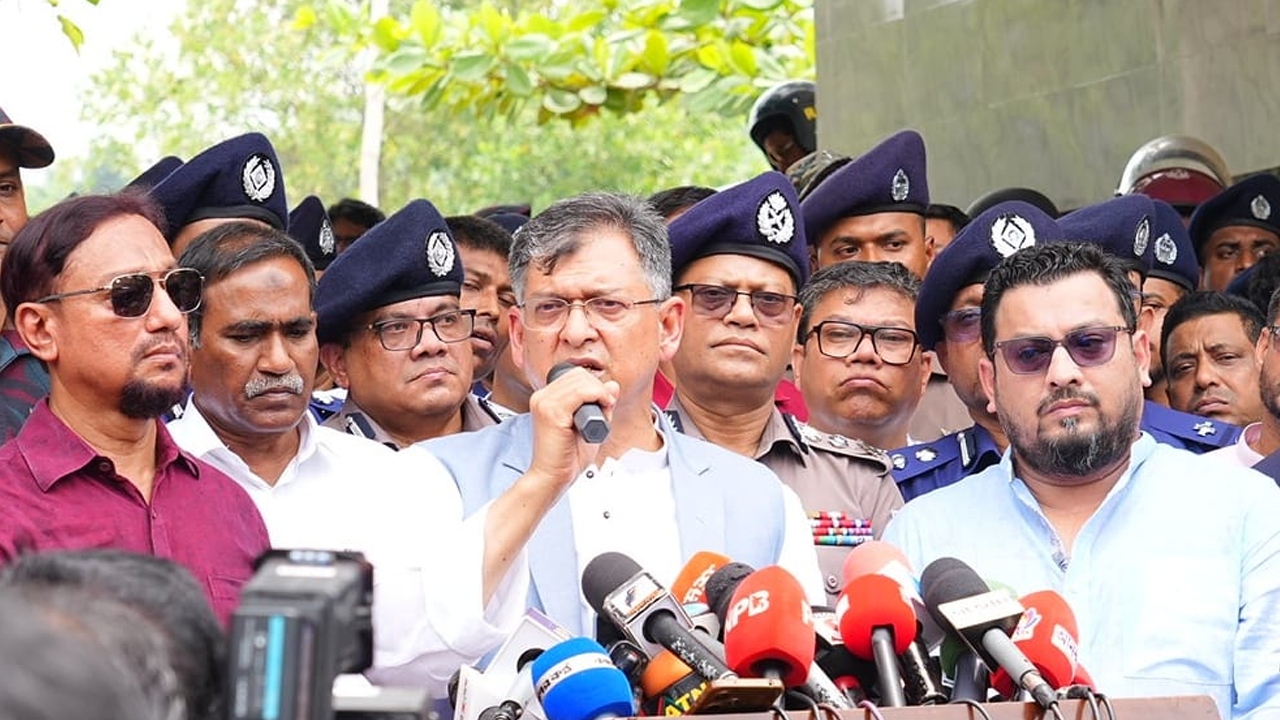
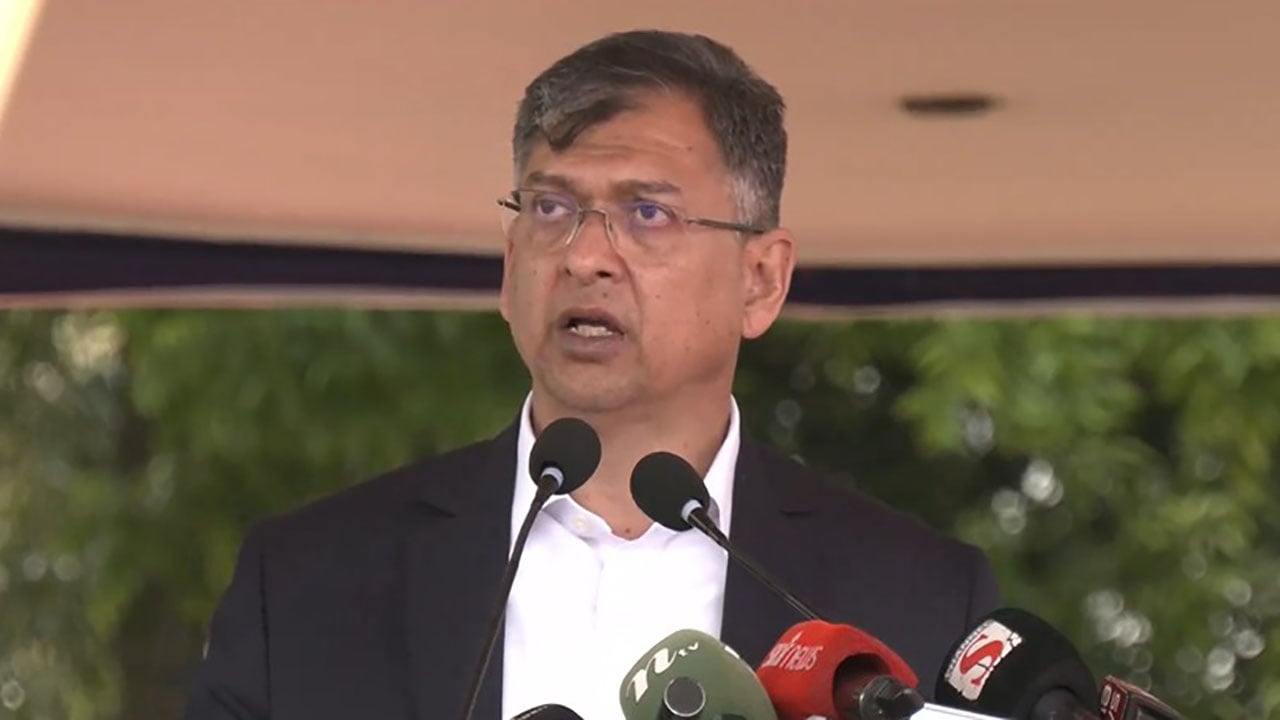
Bangladesh’s Home Minister Salahuddin Ahmed has warned that no terrorist or criminal group will be allowed to maintain a safe haven in Chattogram’s Jungle Salimpur area. He issued the warning on May 31, 2026, during a press briefing after inspecting the site in Sitakunda upazila. Senior government and law enforcement officials, including the state minister for land and the Chattogram city mayor, were present during the visit. The minister said that past political criminalization had fostered a “state within a state,” with Jungle Salimpur serving as a visible example. Following reports of armed attacks and extortion, the government launched a joint law enforcement operation on March 9 to dismantle the parallel control system established by criminals. He noted that some objectives were not fully achieved due to information leaks but confirmed that ringleaders and land grabbers behind the violence were being identified. Ahmed assured residents that no immediate evictions would occur and that a sustainable resettlement plan would be developed. He also announced plans for a modern road network and new security infrastructure linking Salimpur with nearby areas to permanently eliminate criminal activity.
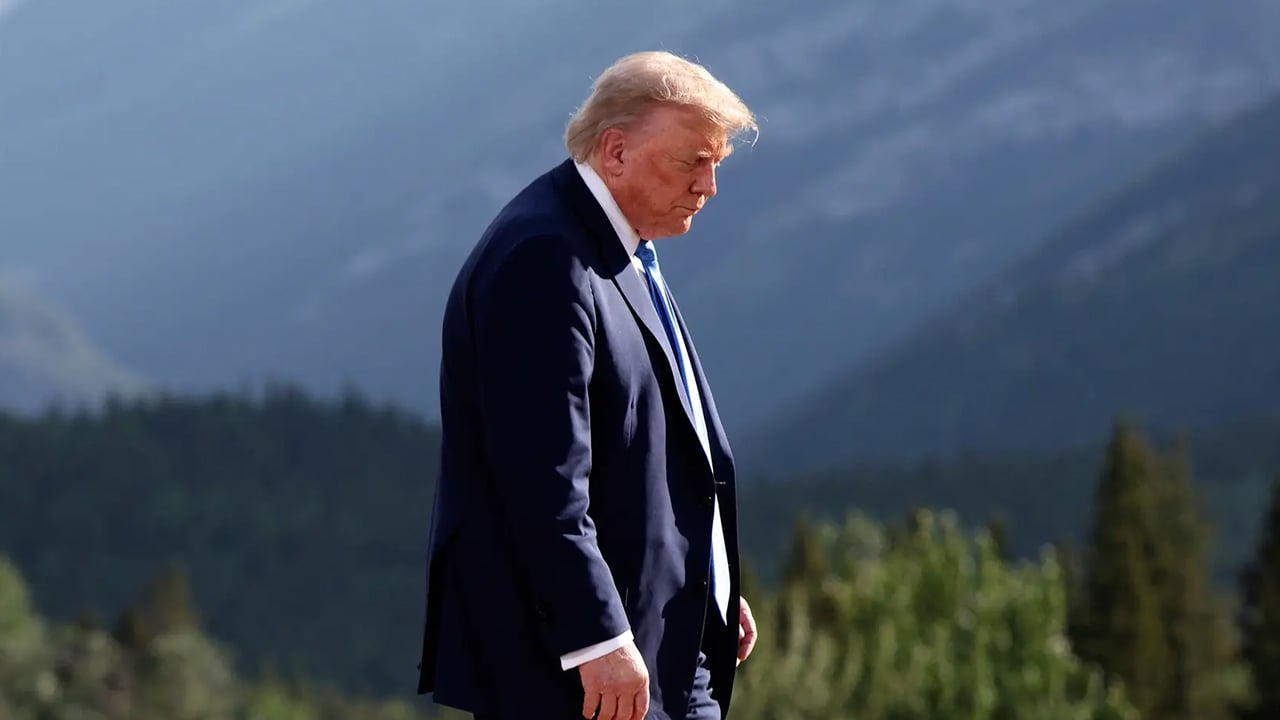
The United States has warned that it is prepared to resume military action against Iran if a peace agreement is not reached under President Donald Trump’s strict conditions. Trump stated that any deal must ensure Iran will never develop nuclear weapons, calling it one of his key red lines. According to AFP, White House officials said Trump is close to a decision on a possible agreement but has not yet given final approval. Iran, meanwhile, has confirmed that no final understanding has been reached to end the conflict. Defense Secretary Pete Hegseth said in Singapore that Washington is fully prepared to restart the war if necessary, emphasizing that US military assets are ready. The US Central Command announced on social media that its forces remain deployed and on alert across the region. Despite a ceasefire in effect since April, sporadic clashes continue, and Iran claimed to have downed a US-Israeli drone. Diplomatic talks are ongoing, including discussions on halting the conflict in Lebanon, which Iran insists must be part of any agreement. Israeli forces have reportedly advanced further inside Lebanon.
Japan’s Defense Minister Shinjiro Koizumi announced plans to strengthen the country’s military capabilities despite China’s objections. Speaking at the annual Shangri-La Dialogue in Singapore, Koizumi indirectly responded to Beijing’s criticism of Tokyo’s growing security posture, rejecting claims that Japan is pursuing a “new militarism.” He emphasized that Japan lacks nuclear weapons and strategic bombers, contrasting its position with China’s expanding arsenal. Under Prime Minister Sanae Takaichi, Japan has accelerated its shift toward a more active defense policy, moving away from its post–World War II pacifism with encouragement from the United States. Beijing has repeatedly condemned this shift, accusing Tokyo of destabilizing the region. Koizumi countered that China’s military buildup lacks transparency and poses serious concerns for Japan’s security. Koizumi said Japan will continue to modernize its defense forces with transparency, focusing on artificial intelligence, unmanned systems, and cyber and space defense. He reaffirmed Japan’s identity as a peace-loving nation and expressed regret that no bilateral meeting with Chinese officials took place during the forum.
Venezuelan opposition figure Edmundo González Urrutia, who claims to be the rightful winner of the 2024 presidential election against Nicolás Maduro, has called for a new national vote. The 76-year-old former diplomat, now exiled in Spain, made the appeal on Saturday, expressing support for fellow opposition leader and Nobel laureate María Corina Machado, who also demands a fresh election. Several countries, including the United States, had recognized González as the legitimate winner, according to AFP. Following a U.S. military operation in January that removed Maduro from power, his deputy Delcy Rodríguez assumed leadership of Venezuela. The 2024 election, widely dismissed by opposition groups and many nations as fraudulent, had declared Rodríguez the winner. The U.S. administration under President Donald Trump reportedly accepted her rule due to her cooperation with Washington’s demands. González’s renewed call for elections adds pressure on both Venezuelan authorities and Washington to support a democratic transition. Machado, also in exile and labeled a fugitive by Caracas, praised González’s commitment and reiterated her determination to negotiate a democratic path forward with Rodríguez, urging U.S. assistance in the process.

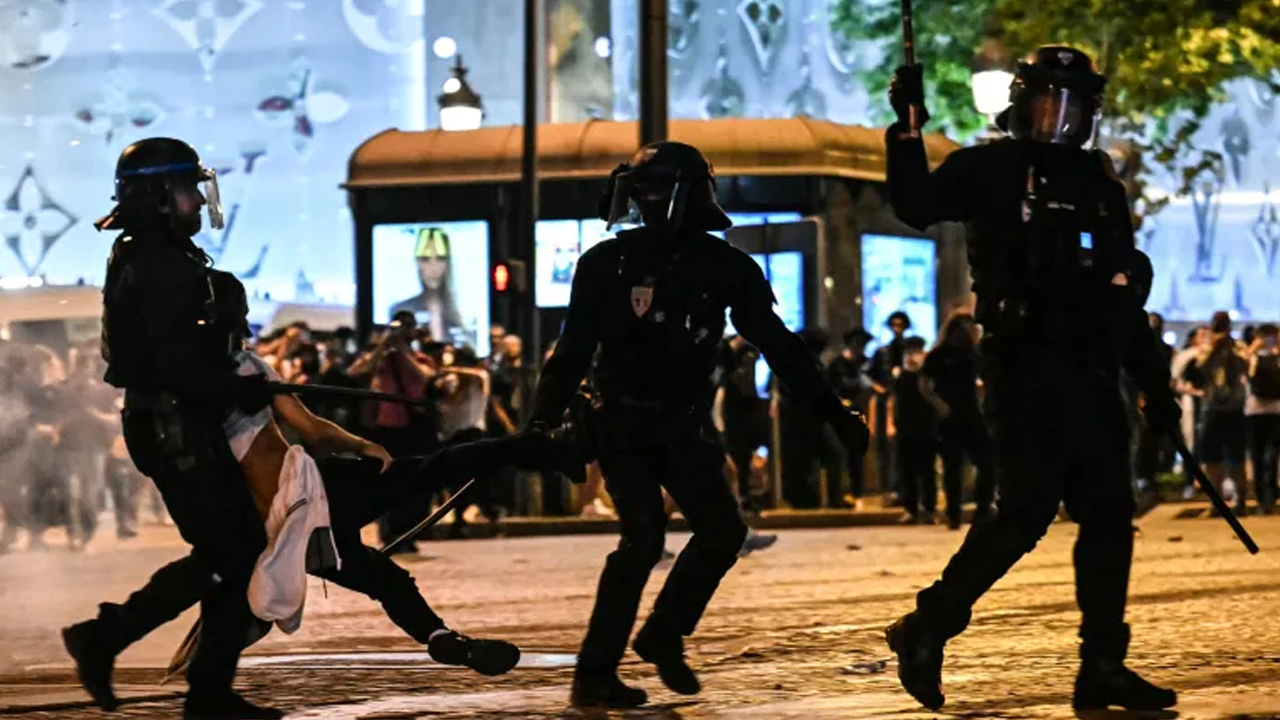
More than 400 people were arrested across France after violent clashes erupted between football fans and police following Paris Saint-Germain’s (PSG) Champions League final victory over Arsenal. The unrest disrupted bus, train, and rail services in Paris, prompting the deployment of thousands of police officers. Fireworks and flares were set off during celebrations, injuring several officers, while police used tear gas to disperse crowds in central Paris. According to the French Interior Ministry, 416 people were detained, including 280 in Paris, and six vehicles, two businesses, and a bus shelter were damaged. Interior Minister Laura Núñez described the violence as completely unacceptable. Far-right leader Marine Le Pen criticized the situation on social media, saying only in France does a football club’s victory lead to riots. The unrest followed PSG’s second consecutive Champions League title, secured after a penalty shootout win in Budapest. A victory parade is scheduled later in the day, including a march near the Eiffel Tower and a reception hosted by President Emmanuel Macron. Last year’s celebrations were also marred by violence that left two people dead.
Home Minister Salahuddin Ahmed stated that the government will completely eradicate extortion and ensure there are no safe havens for terrorism in Bangladesh. He made the remarks on Sunday afternoon while visiting Jungle Salimpur in Chattogram, where he also announced plans to build a new prison. The minister clarified that no one will be evicted from Jungle Salimpur at this stage. He further said that special tribunals will be established to expedite the disposal of drug-related cases, as thousands of such cases remain pending for years. According to him, the formation of these tribunals will help protect the youth and safeguard the nation from the drug menace. Expressing concern over the growing brutality and reckless activities of teenage gangs, the minister emphasized the need for legal reforms. He noted that some provisions of the existing juvenile laws are being misused, leading many young offenders toward serious crimes and eventual involvement in terrorism. Necessary legal changes will be introduced to address this issue.
The ‘1 Nojor’ media platform is now live in beta, inviting users to explore and provide feedback as we continue to refine the experience.