

The ‘1 Nojor’ media platform is now live in beta, inviting users to explore and provide feedback as we continue to refine the experience.
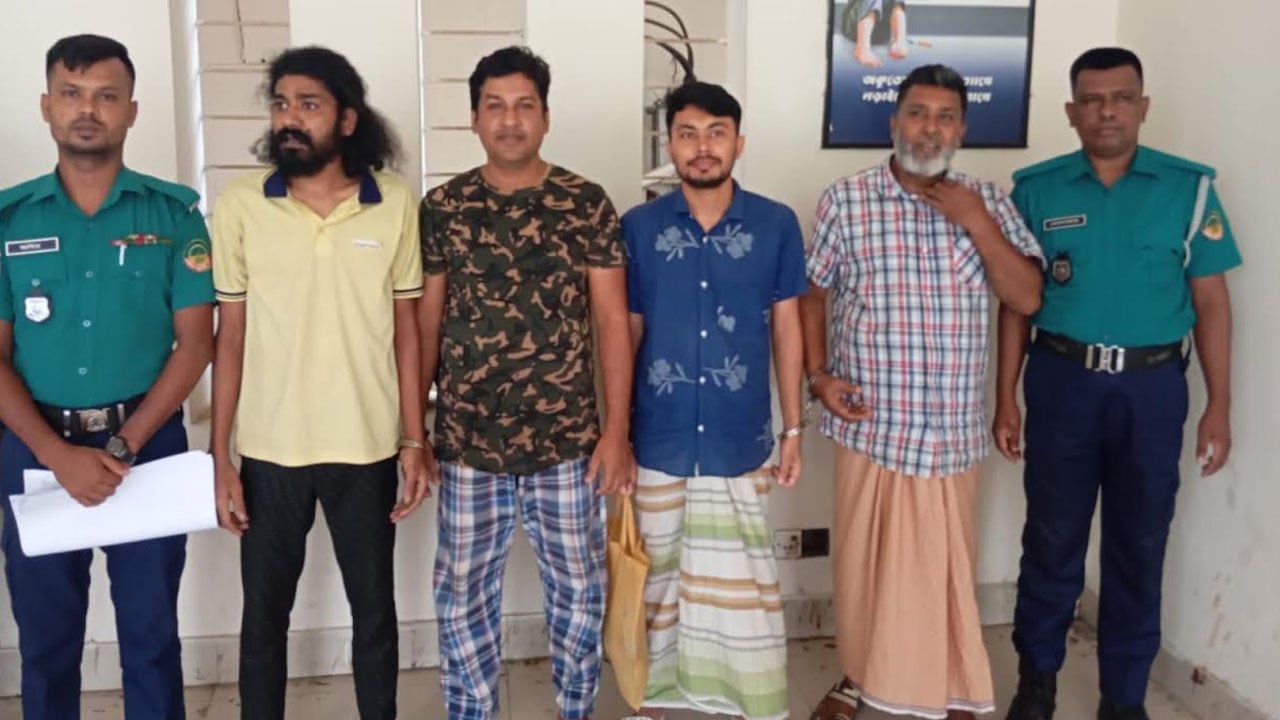
Police arrested four leaders and activists of the activities-banned Awami League in a special operation across areas of Tongi in Gazipur on Friday night. The detainees were sent to the District and Sessions Judge Court on Saturday afternoon, according to the report. Those arrested were Mohammad Zakir Hossain, 50, joint convener of Awami League’s Ward 46 unit; Zakir, 34, an Awami League worker from Keranirtek; Mala Uddin Prince, 30, an Awami League worker from the Pagar area; and Kiran Ahmed, 42, joint convener of Ward 47 Jubo League. Police said leaders and activists of the activities-banned Awami League held a procession at Morkun Gudaraghat in Tongi on Friday afternoon and chanted various anti-government slogans. Tongi East Police Station Officer-in-Charge Mohammad Maksudul Alam said operations were continuing to arrest others involved in the incident.
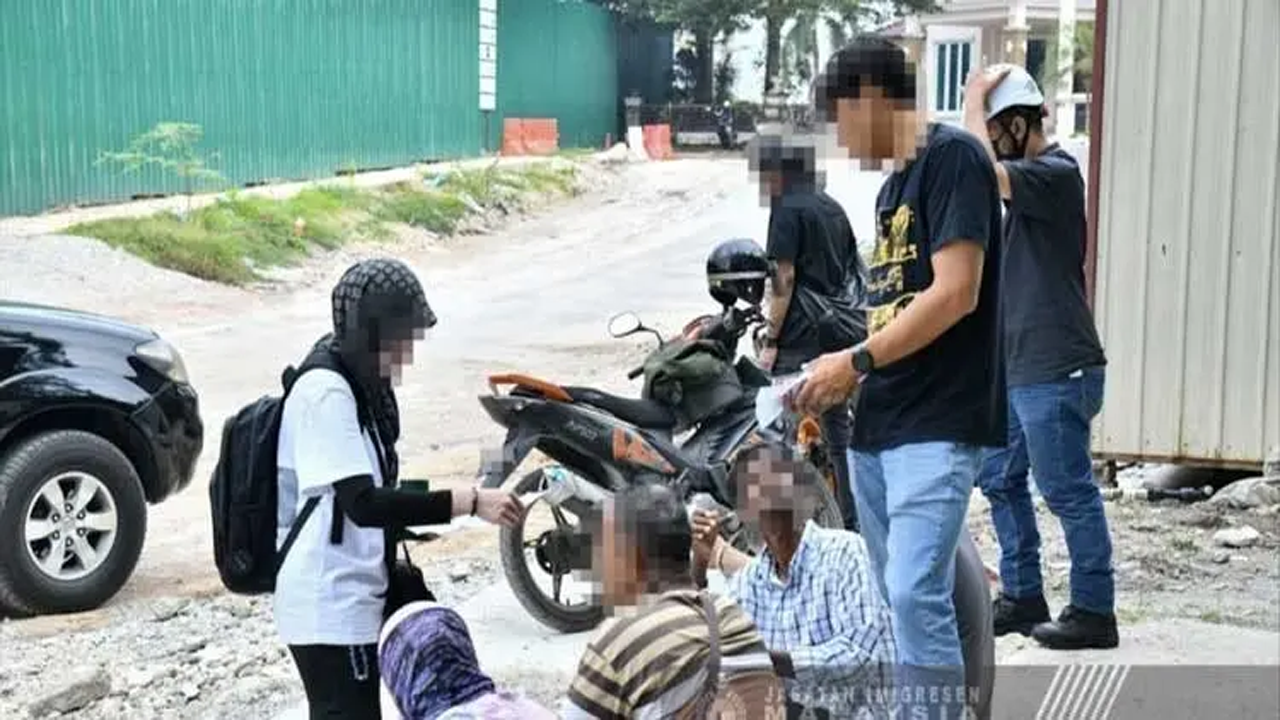
Malaysia’s Immigration Department detained 528 foreign nationals in a nationwide operation called Ops Sasar from August 25 to 27 over alleged immigration-law violations. The department said the campaign was conducted using public complaints, available information and intelligence surveillance. A total of 678 foreign nationals were questioned and checked during the three-day operation. The Putrajaya Immigration Department also conducted raids at two locations: a construction site in Jalan Wangsamaju, Setapak, and a business establishment in Dato Keramat. Officials checked 83 foreign nationals at those sites and detained 73 for alleged immigration offences, including 30 Bangladeshis, 37 Indonesians and two Nepalis. The detainees also included one national each from Togo, Burkina Faso, Myanmar and India. JIM said most of those arrested were working when the operation took place, and some attempted to flee after noticing law-enforcement personnel. Allegations include lacking identity cards or valid immigration documents, overstaying approved periods and working without valid permission. The department said action would be taken under relevant immigration-law provisions.
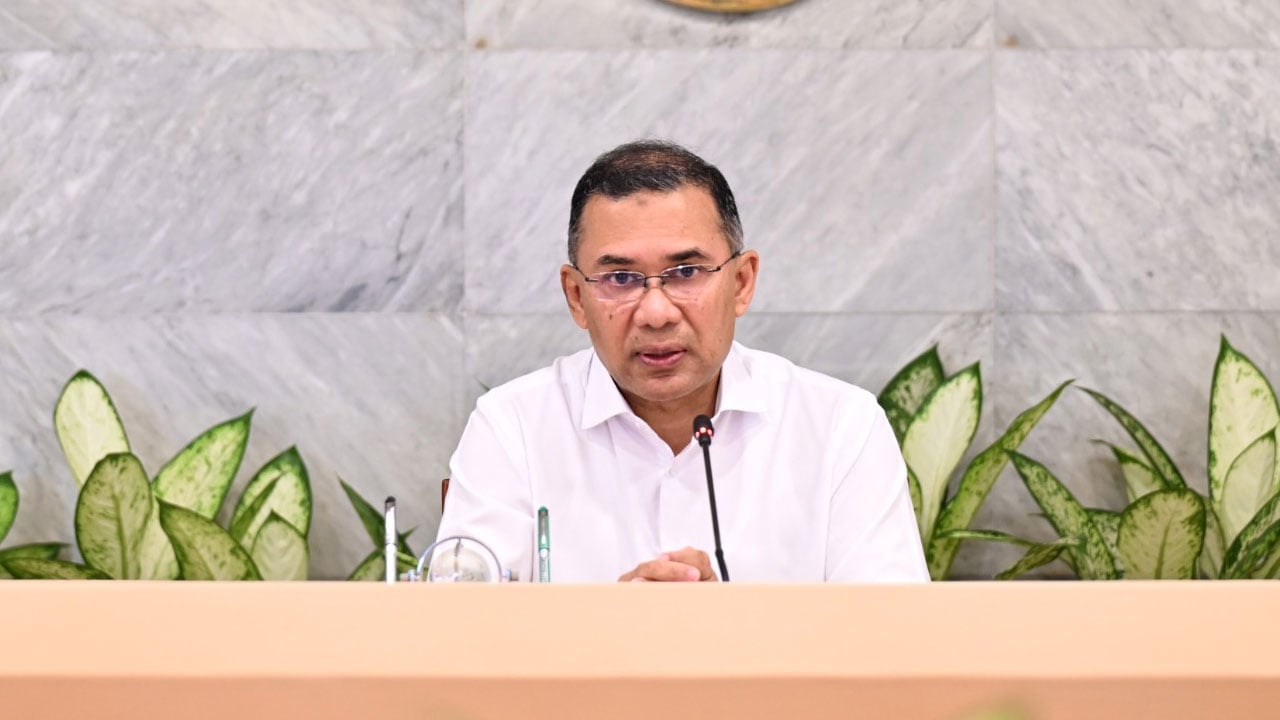
Prime Minister Tarique Rahman said Bangladesh has begun investigations and judicial proceedings into every enforced disappearance case, while preparing a separate legal framework to prevent the crime in the future. In a message issued Saturday ahead of Sunday’s International Day of the Victims of Enforced Disappearances, he described enforced disappearance as among the world’s worst crimes and an extreme violation of human rights. Rahman expressed sympathy for disappeared people and their families in Bangladesh and worldwide. He said such abuses occur particularly under authoritarian systems and in politically conflict-ridden regions, where security or law-enforcement agencies may target anti-government movements and dissenting political leaders. He alleged that Bangladesh’s former “fascist” government used abduction and disappearance to suppress democratic and political rights, with secret detention sites known publicly as Aynaghar. Citing domestic and international human rights groups, he said at least 700 people were disappeared at different times. He said the Prevention and Remedy of Enforced Disappearance Bill, 2026, and the National Human Rights Commission Bill, 2026, have been introduced in parliament. Rahman called for global unity and accountability under this year’s theme, “Victims First, Actions Now.”
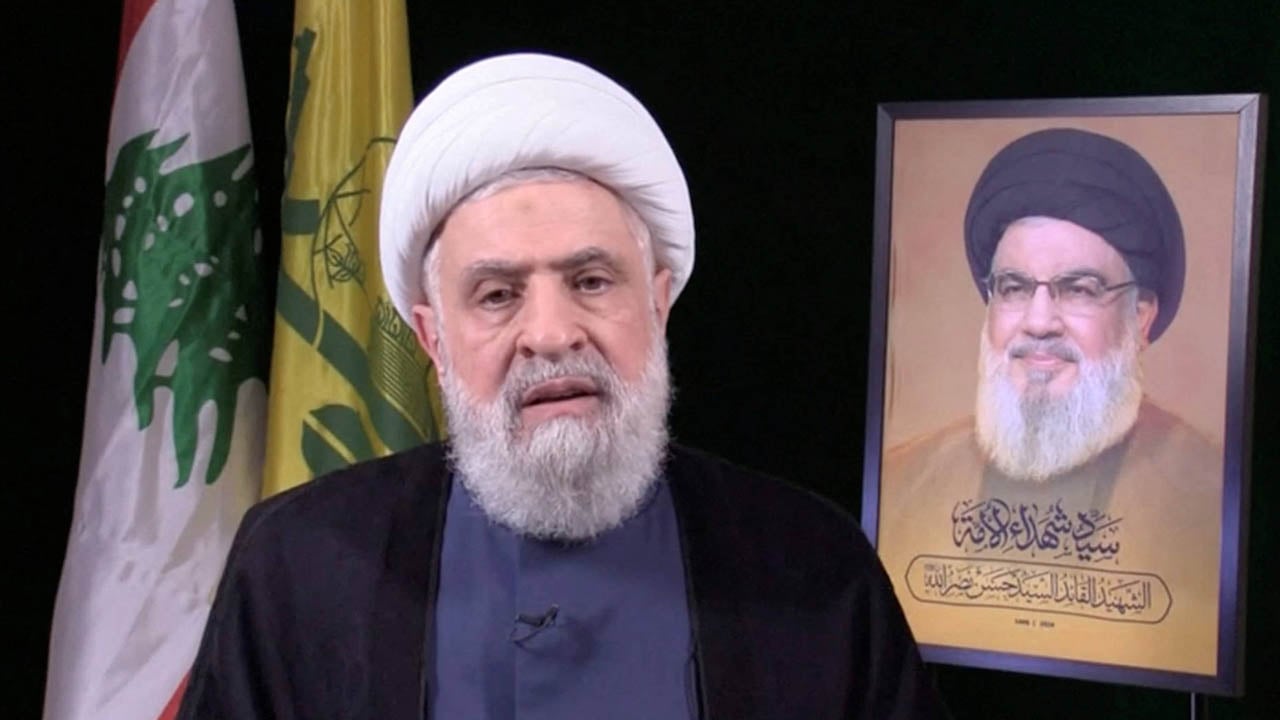
Hezbollah Secretary-General Naim Qassem has rejected an agreement described as a framework deal between Israel and Lebanon, saying his group opposes it and wants it to collapse. In a speech broadcast on Hezbollah’s Al-Manar television channel, Qassem also said Hezbollah fighters would not surrender. Qassem called the framework agreement illegal, unlawful and humiliating, and said it was destructive to Lebanon’s sovereignty. He pledged that Hezbollah would keep its head high and would not capitulate, according to the speech carried by the group’s television channel. He said Hezbollah had supported implementation of a ceasefire in November 2024, which was intended to end the previous war with Israel. The source does not provide further details about the agreement, its terms, or any response from Israel or Lebanese authorities.
Actor Omar Sani has recalled completing the unfinished film Ke Aparadhi after Salman Shah’s death. In a recent social media post sharing the film’s official poster, Sani described how he later joined the project and finished its remaining work at the request of director Uttam Akash. Sani said he had initially not acted in the film because he had another shooting schedule. Salman Shah subsequently joined the production and, according to Sani, completed about 60 percent of the shooting before his untimely death. Work on the film stopped following Shah’s death, Sani said. The director later approached Sani again to complete the film, and he accepted the request. Sani described Ke Aparadhi as another important chapter in his on-screen history with Shabnur. He also offered prayers for Salman Shah, asking that he be granted paradise. The recollection has brought renewed attention to an unfinished-film episode associated with Salman Shah’s career.

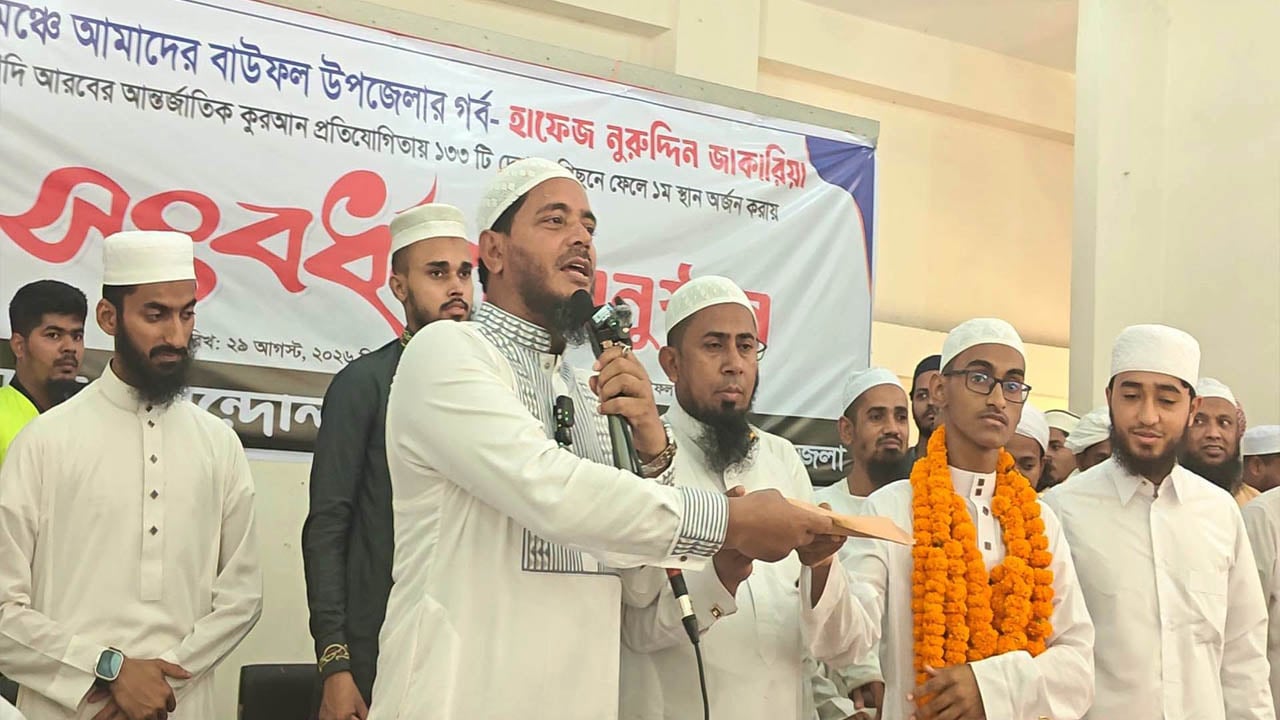
Patuakhali-2 (Baufal) lawmaker Dr Shafiqul Islam Masud honored Hafiz Zakaria, described as a world-winning Quran hafiz and a son of Baufal, at a reception on Saturday afternoon. The event was held in the conference room of the Baufal উপজেলা পরিষদ. Masud welcomed Zakaria with flowers and presented him with a crest and a cash gift of Tk 50,000. The reception was chaired by Baufal Upazila Nirbahi Officer Saleh Ahmed. Among those present were Assistant Commissioner (Land) Sohag Milu, Baufal Upazila BNP member secretary Appel Mahmud Firoz, and Baufal Upazila Jamaat-e-Islami ameer Maulana Rafiqul Islam, along with local figures from various professions. In his address as chief guest, Masud said Zakaria had brought honor to his family, Baufal and Bangladesh through success in international Quran recitation and memorization competitions. He said the achievement among contestants from 133 countries showed that talented Bangladeshi children could earn recognition globally with opportunity and proper guidance. Masud also called for joint efforts by families, society and the state to encourage talented students and build a generation guided by the Quran.
Aaron Sorkin is returning to cinemas with ‘The Social Reckoning,’ a sequel to his 2010 film ‘The Social Network.’ Rather than focusing on Facebook’s rise, the new film centers on crises, controversies and allegations surrounding the company and its founder, Mark Zuckerberg. Jeremy Strong plays Zuckerberg, while the film is scheduled for worldwide release on October 9. A recently released trailer shows Jeremy Allen White as Wall Street Journal journalist Jeff Horwitz, who investigates Facebook’s influence on modern life and its negative consequences. Mikey Madison plays Frances Haugen, whose character brings internal Facebook documents and the company’s disputed actions into the story. The trailer portrays Zuckerberg as tougher, harsher and more aggressive than in the earlier film. Sorkin said he had long struggled to find a suitable story for a sequel, despite suggestions that he write about Brexit, Cambridge Analytica and other Facebook-related controversies. He said a film must offer more than relevance or importance; it also needs a compelling narrative that holds audiences from beginning to end. ‘The Social Network’ was released on October 1, 2010, nearly 16 years before this follow-up.

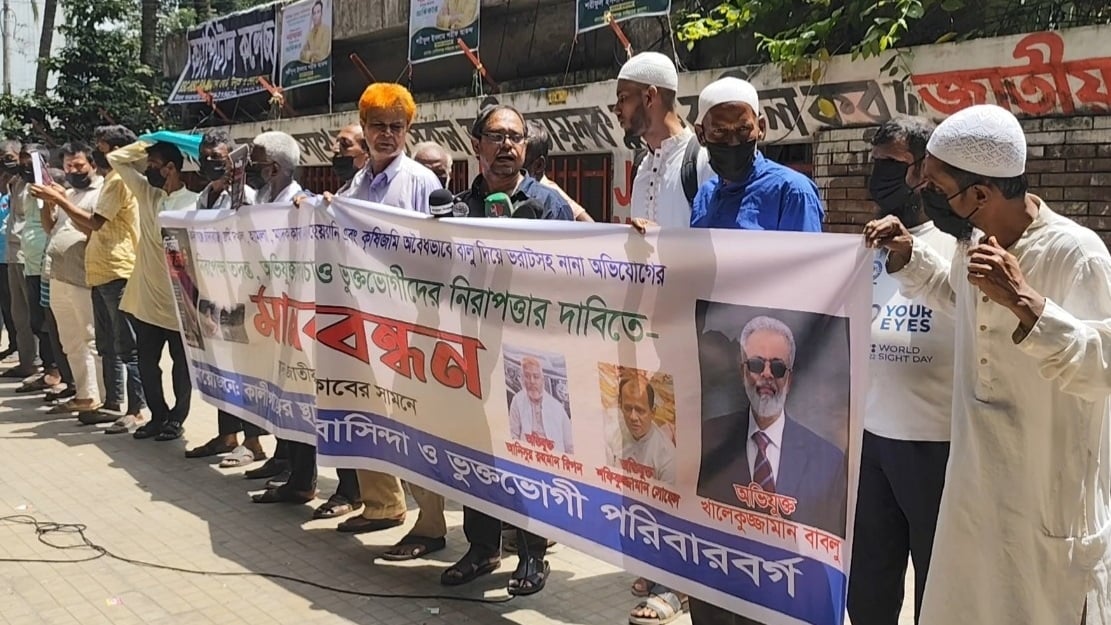
Local residents and members of affected families held a human chain outside the National Press Club in Dhaka on Saturday, demanding an impartial investigation into allegations of land grabbing, extortion, assault, drug dealing, harassment through cases and illegal sand filling on agricultural land in Kaliganj, Gazipur. Speakers sought protection for complainants and victims and called for legal action if allegations are proven. Participants raised allegations involving Kaliganj upazila BNP member secretary Khalekuzzaman Bablu, his brothers Anisur Rahman Ripon and Sohel, and several others. They alleged that political identity and local influence were being used to control markets, land, sand filling and construction work. They also claimed that people who protested or filed complaints faced cases and other forms of harassment. The demonstrators cited Dubai expatriate Alamgir Kabir’s claim that nearly four bighas of his land had been occupied, while the family of Bayezid Hasan Shibli alleged he was beaten and handed to police after yaba was placed in his pocket. Their six demands included recovering occupied land, investigating the allegations, stopping illegal sand filling, examining claimed political influence and ensuring victims’ safety.
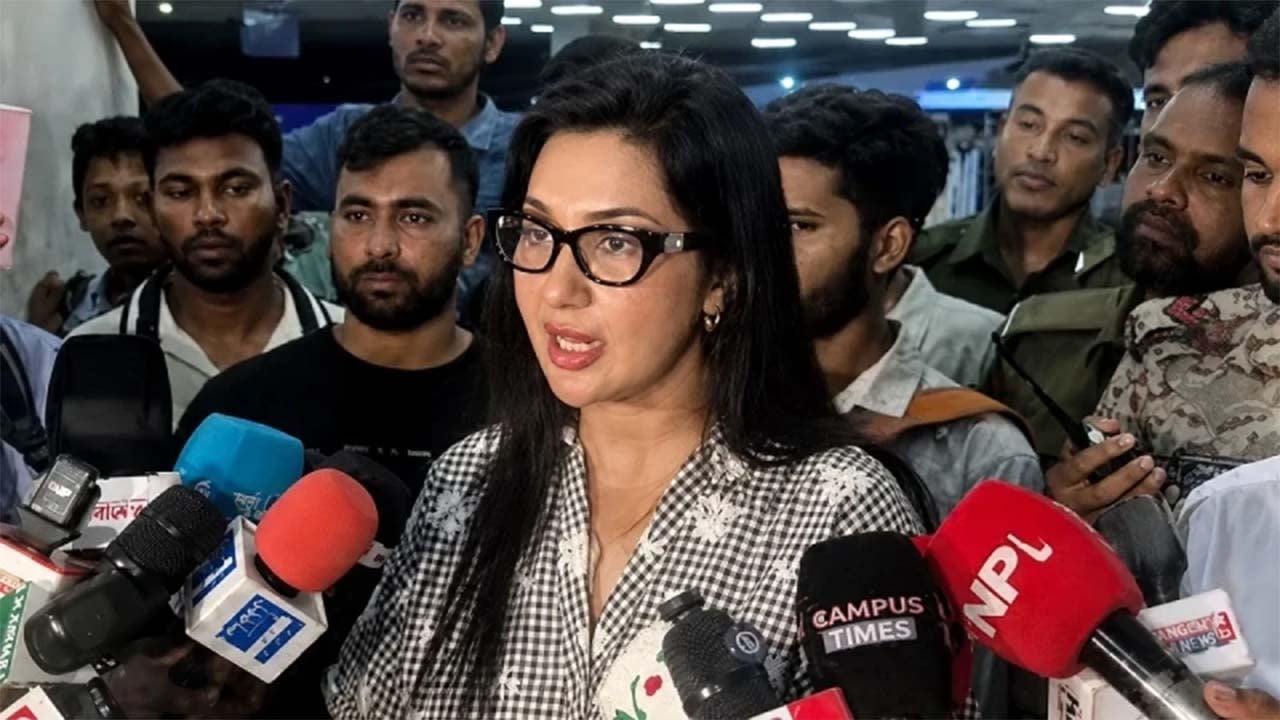
Bangladeshi film actor Apu Biswas has returned safely to Dhaka with the full shooting team of the film “Shikar” after facing severe flood and landslide conditions in Nepal. Speaking to journalists on Friday after returning, she described frightening moments near Kathmandu and said the team had narrowly avoided a major danger. Biswas said the group had been scheduled to travel back to Kathmandu by the same route on August 27, one day after the disaster struck nearby. She said the road has been declared completely closed to traffic for the next 15 to 20 days because of the scale of the calamity. Her fans had been concerned after reports of flooding and landslides in Nepal. The team decided to suspend filming in Nepal, saying continuing work amid the humanitarian crisis would have been inappropriate. Biswas said filming romantic-song scenes while local residents were suffering would have felt discourteous and uncomfortable. She had been in Nepal for several days with co-artists for “Shikar,” in which Kolkata actor Kharaj Mukherjee appears opposite her. Mukherjee had earlier said he was safe.
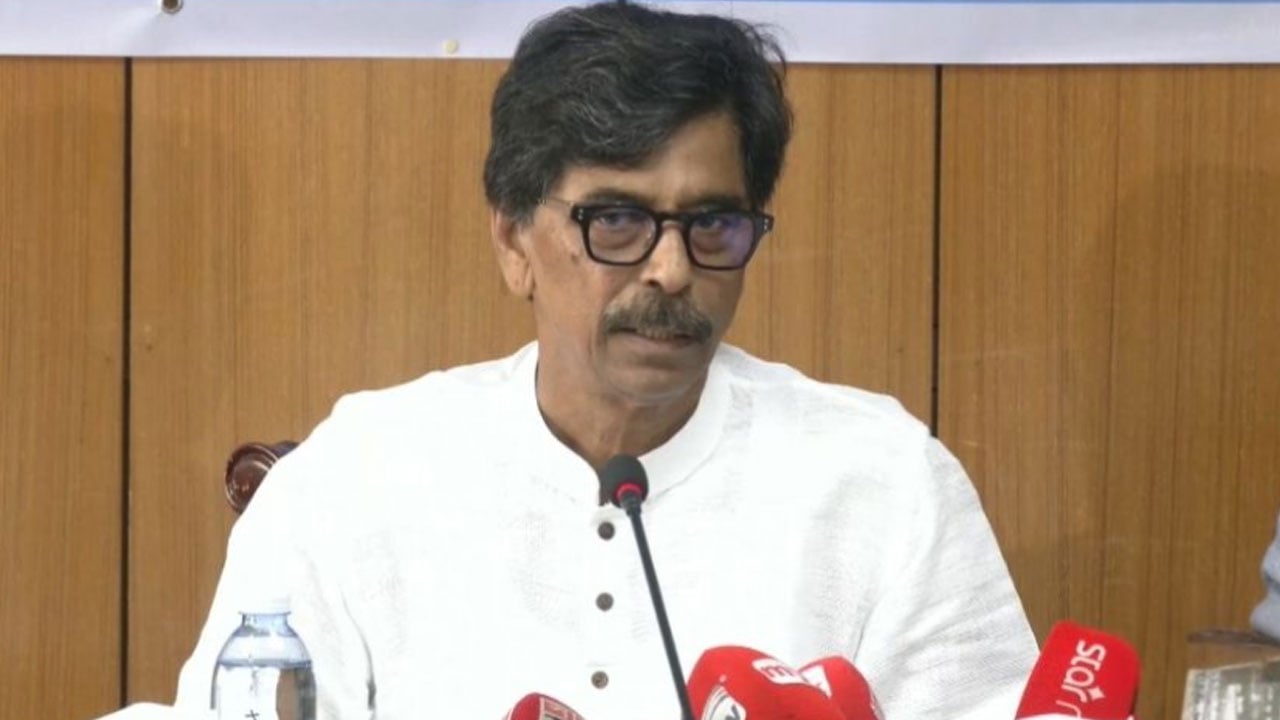
Agriculture and Fisheries and Livestock Minister Mohammad Amin Ur Rashid said Bangladesh faces no fertiliser shortage and warned that action will be taken against retailers found creating an artificial scarcity or charging higher prices. He made the remarks on Saturday as chief guest at a meeting with onion and jute growers in Faridpur district at the Faridpur Sadar উপজেলা পরিষদ auditorium. The minister said the country imports about 1.5 million tonnes more fertiliser than total demand and also maintains an equivalent security stock, leaving no scope for a national shortage. He alleged that some wrongdoers and conspirators were deliberately attempting to keep fertiliser prices high. Some retailers, he said, claim fertiliser is unavailable but supply it when customers pay extra. Rashid said the government is working to reduce agricultural import dependence, including by developing domestic sources of jute and onion seeds. He said the wider goal is to meet demand through local output and eventually export agricultural products rather than import them. The government is also pursuing self-sufficiency in essentials including green chillies, ginger and garlic.
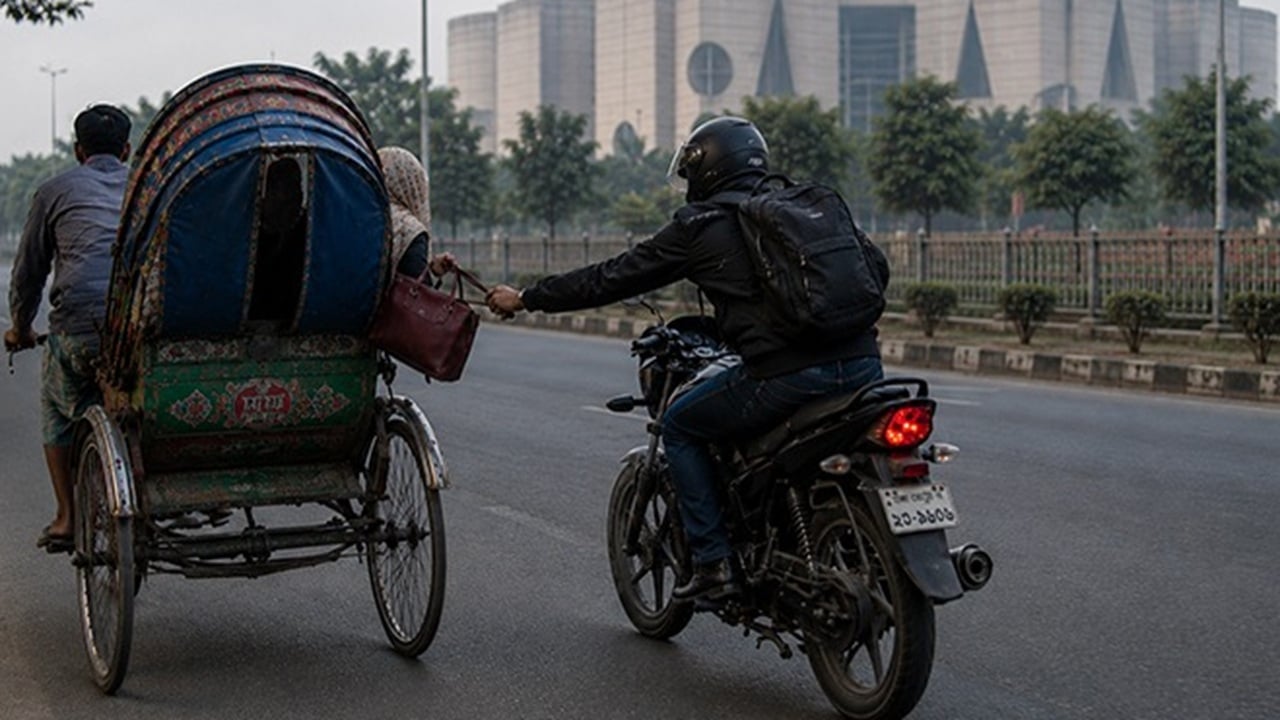
Ronjina Parvin, 55, head teacher of Bagbari Girls Government Primary School in Bogura, died after falling from a rickshaw during an alleged bag snatching near the South Plaza of Bangladesh’s Parliament Building in Dhaka. The incident occurred at about 6:30am on Saturday while she was travelling toward an eye hospital in the Farmgate area. Hospital and family sources said Parvin had arrived at Gabtali Bus Terminal at dawn after travelling overnight from Bogura to see a doctor at Islamia Eye Hospital. As her rickshaw reached the South Plaza, alleged snatchers on a motorcycle came from behind and pulled her bag. She fell from the rickshaw and sustained a head injury. She was rescued from the scene and taken to Suhrawardy Hospital, where the duty doctor declared her dead. Tejgaon zone Deputy Commissioner of Police Ibn Mizan said police were working to identify the motorcycle and those involved in the incident.
Ahead of the International Day of the Victims of Enforced Disappearances on August 30, rights organisation Odhikar said the Sheikh Hasina-led government used enforced disappearances as a tool of state repression during its roughly 15-and-a-half years in power. It said opposition activists, dissenters and ordinary citizens faced disappearances, torture, extrajudicial killings and other human rights violations. The Hasina government fell on August 5, 2024, amid a student-public uprising. Bangladesh ratified the International Convention for the Protection of All Persons from Enforced Disappearance on August 29 after the interim government assumed office on August 8, 2024. Odhikar said ratification created an obligation to enact domestic legislation. The cabinet approved the Prevention and Remedies of Enforced Disappearance Act, 2026 on August 3, and an amended draft was introduced in parliament on August 27. Odhikar objected to provisions allowing investigations by security forces other than the accused force, saying such probes could be biased. It also criticised a provision allowing up to five years’ rigorous imprisonment if a court finds a complaint false. The group demanded investigations be assigned to an independent National Human Rights Commission, protections for families’ property and bank-account access, and withdrawal of alleged false cases against returned victims.

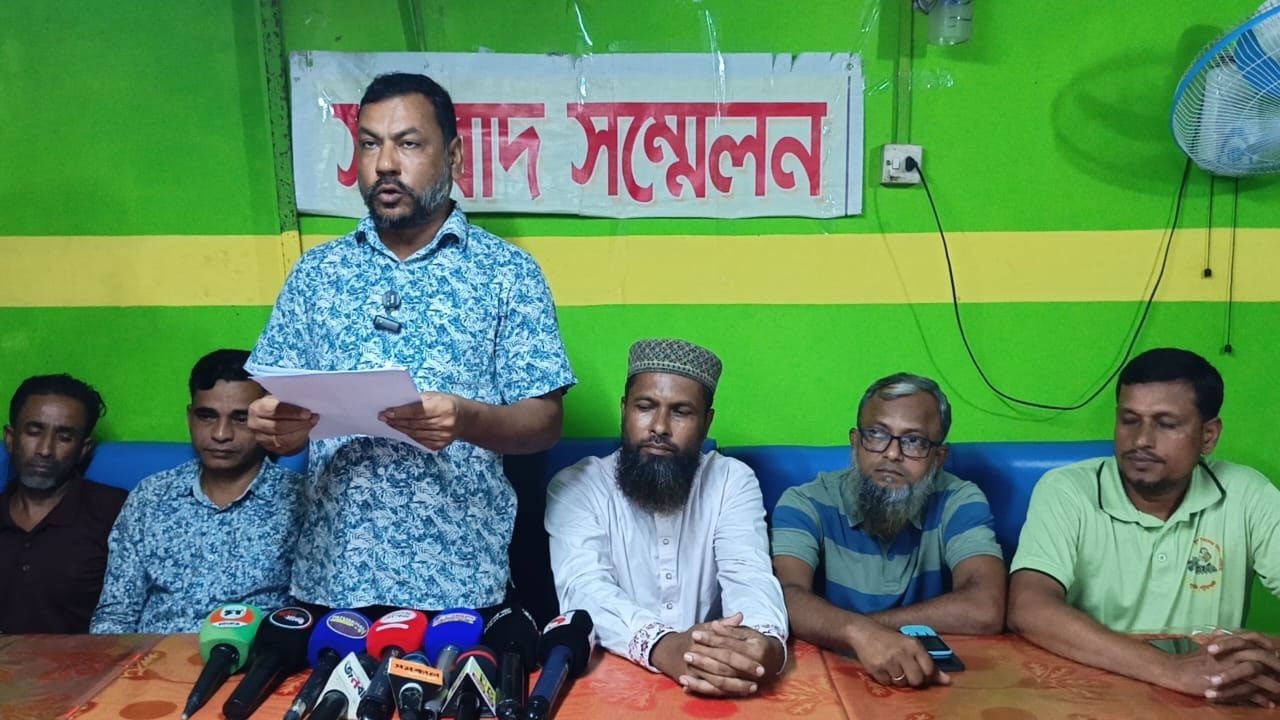
Deprived leaders and activists of Jubo Dal in Dumki upazila of Patuakhali held a press conference on Saturday at 12pm, demanding cancellation of the party’s newly announced committee. The event took place at Zamzam Restaurant, following the committee’s announcement on social media on 26 August. Former Jubo Dal convener Md Jasim Uddin alleged that the committee was formed by excluding dedicated and tested activists while including non-political and controversial individuals. He described it as a “pocket committee” and claimed its formation violated the party constitution. He said activists who had long remained active on the streets had been severely overlooked. Speakers also alleged that the new committee president had remained outside politics for a long time and had not previously been active in party activities. They further raised allegations against the general secretary and several other office-bearers. The participants sought swift intervention from central leaders and warned that they would announce tougher programmes if their demand was not met.
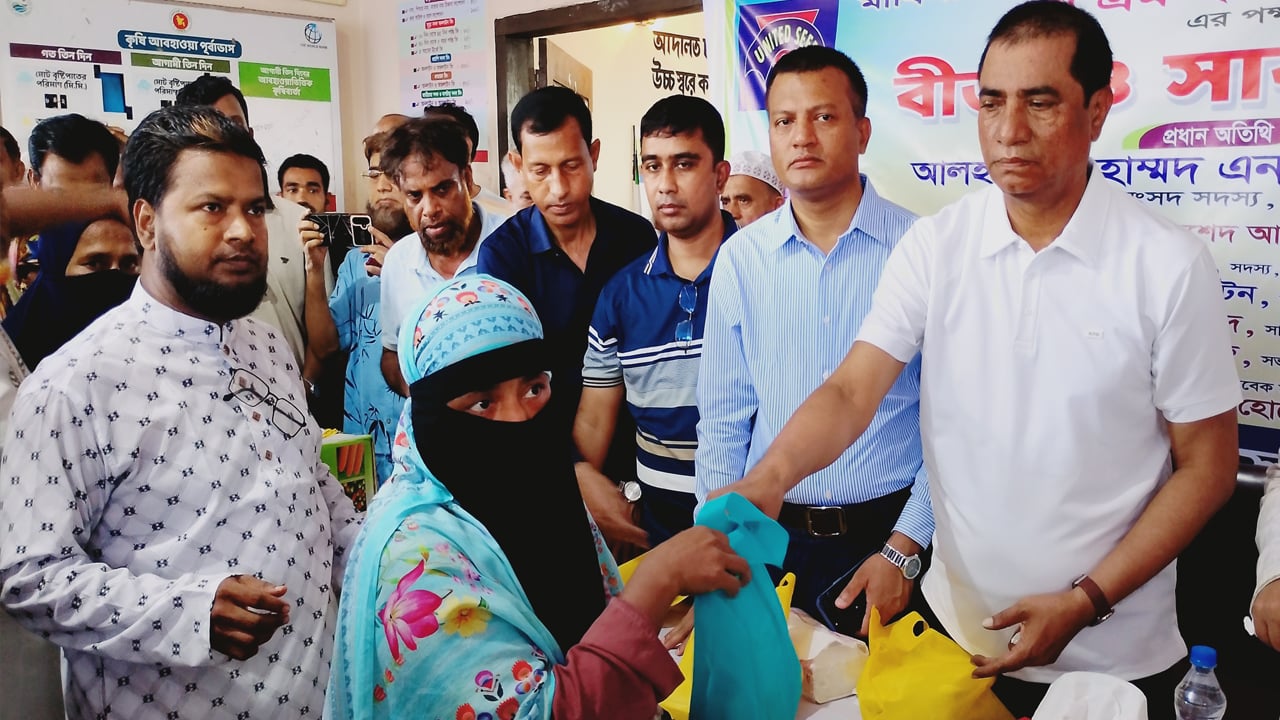
Patiya lawmaker Enamul Haque Enam called on people to remain alert to propaganda and rumors allegedly spread by secret and banned organizations. Speaking as chief guest at a free seed and fertilizer distribution event in Patiya, Chattogram, on Saturday afternoon, he said such groups were using social media to spread misinformation about fertilizer, gas and electricity. Enam said some members of banned organizations were attempting to provoke people by circulating rumors. He urged the public not to maintain any form of connection with those spreading such propaganda, adding that those who incite others would not be spared. At the event, organized by the Mabila and Syed Foundation, 250 farmers received seeds of tomato, radish, pumpkin, red amaranth and chili, along with two kilograms of fertilizer each. Enam also said the prime minister was providing farmer cards for marginal farmers in villages and that people without land could cultivate vegetables on vacant roadside areas and uncultivated land, with government support available.
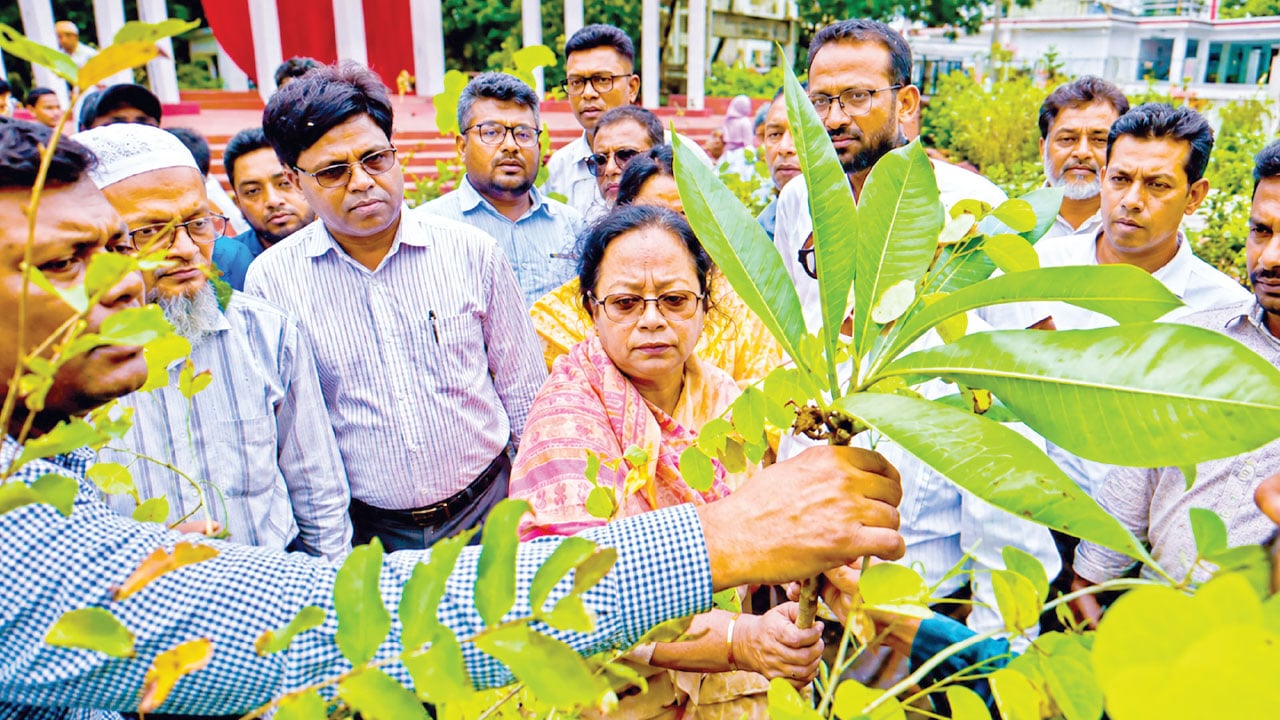
Barishal entrepreneur Jannatul Ferdous has developed natural food colors using extracts from local fruits, vegetables, tree bark and flowers, drawing praise as an alternative to chemical-based food coloring. Her products have been used to make items including pitha, laddoo, cakes and candy. The Barishal divisional Department of Agricultural Marketing supported the initiative, and officials discussed it with Divisional Commissioner Khalil Ahmed. Ferdous, president of the Barishal district branch of a women entrepreneurs’ development organization, began block-batik work after Youth Development Department training in 2006. She later trained in food processing at Bangladesh Agricultural Research Institute in Gazipur in 2024. In 2025, she opened a women’s training centre and established J Tasty Nest in Barishal’s Kaunia area, producing colors from ingredients such as dragon fruit, butterfly pea flowers, carrots, hibiscus, beetroot, spinach and Malabar spinach. Her natural colors currently have a maximum shelf life of 10 days, after which their quality deteriorates. Ferdous said technology and research assistance are needed to extend preservation. Commissioner Ahmed promised administrative support, while agricultural marketing officials said local natural colors could support safer food and reduce spending on imported artificial colors.
The ‘1 Nojor’ media platform is now live in beta, inviting users to explore and provide feedback as we continue to refine the experience.