

The ‘1 Nojor’ media platform is now live in beta, inviting users to explore and provide feedback as we continue to refine the experience.
The Jamaat-e-Islami-led 11-party alliance has announced support for a march toward the National Parliament and the submission of a memorandum to the Speaker, marking International Day of the Victims of Enforced Disappearances on August 30. The alliance disclosed its position in a press release sent to the media on Saturday. Hamidur Rahman Azad, coordinator of the 11-party alliance and assistant secretary general of Jamaat-e-Islami, said the programme will be organised by the National Committee for the Prevention of Enforced Disappearances. The march is scheduled to begin at 3pm on Sunday from in front of Rupayan Tower in Banglamotor, Dhaka. Participants will proceed in a procession toward the parliament complex and submit a memorandum to the Speaker in front of the parliament building. The 11-party alliance said it fully supports the programme and called on its leaders, activists and the public to participate spontaneously to ensure its overall success.

The United States is paying a major diplomatic and strategic price for its war against Iran, with Washington’s influence in the Middle East, Gulf countries’ confidence and prospects for a rapid end to the conflict all damaged, analysts say. Former senior US diplomat Alan Eyre discussed the consequences of the US war against Iran in an interview with Al Jazeera from Washington. Eyre, who played an important role in talks on the 2015 Iran nuclear deal, said US “soft power” in the Gulf region has been severely harmed. He said President Donald Trump’s decision to pursue the military operation unilaterally has pushed members of the Gulf Cooperation Council toward more balanced approaches to their strategic positions. He described the “America First” policy as having effectively become “America Alone.” According to Eyre, Washington has lost leverage in two key areas. Its use of military force has not compelled Iran to surrender, raising questions about the effectiveness of military pressure. Iran also no longer believes that accepting US demands would ease American pressure, instead viewing regime change as Washington’s real objective. Eyre said these perceptions leave the United States with fewer diplomatic options to bring Tehran back to negotiations and quickly reach an agreement.

Mohammad Selim Uddin, Ameer of Jamaat-e-Islami’s Dhaka North unit and a mayoral candidate for DNCC, expressed deep concern and anger over the death of a teacher during a mugging near the National Parliament building in the capital. In a protest statement on Saturday, he questioned how muggers could operate near such an important and heavily secured state area. Selim Uddin said the incident had raised a natural question about where ordinary people could be safe if citizens’ lives and property could not be protected around major state installations. He described the unchecked activities of muggers in busy and important parts of the capital as a matter of deep concern for public safety. He said ensuring the security of citizens’ lives and property is among the state’s principal responsibilities. He called for effective and strict measures against extortion, mugging, theft, robbery and terrorist activities, and urged law-enforcement agencies to be more active in maintaining normal law and order in Dhaka and across the country. He also sought forgiveness for the deceased teacher and demanded the swift arrest and exemplary punishment of those involved.
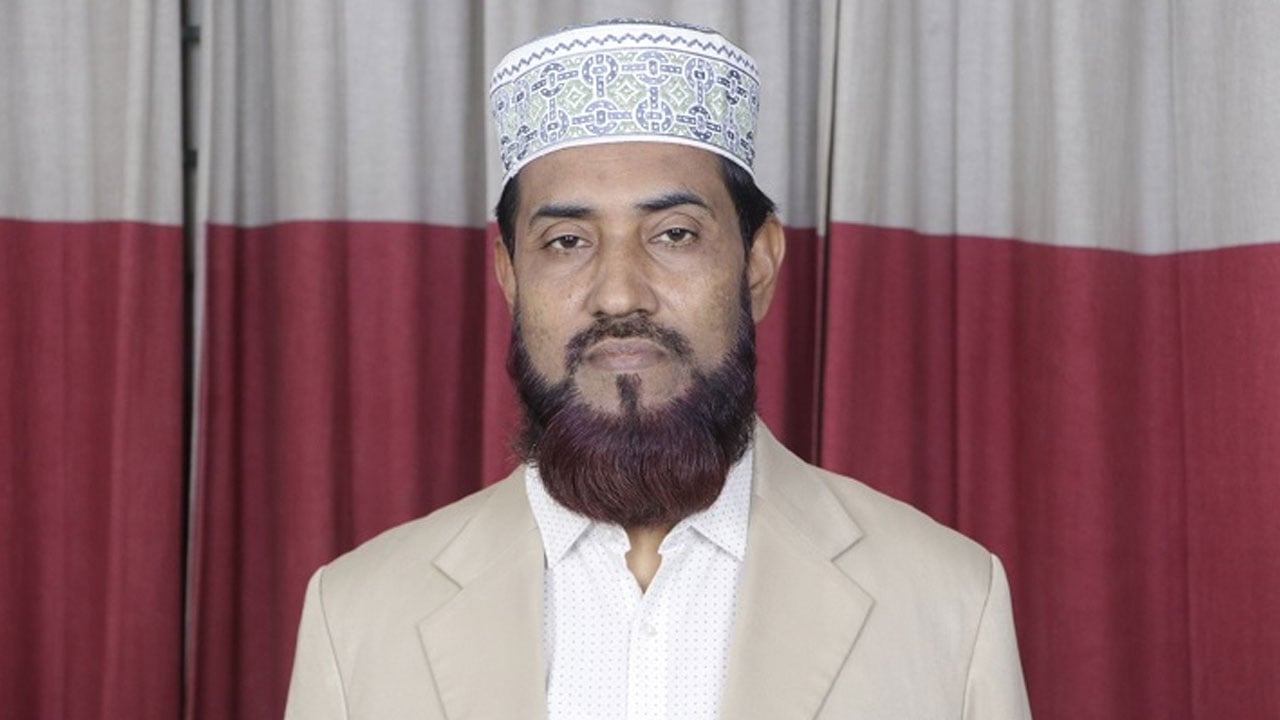
The National Committee for Observing the International Day of the Victims of Enforced Disappearances has called on people of all political affiliations to join a march toward the National Parliament on Sunday afternoon. The programme includes submitting a memorandum to the Speaker and will begin at 3pm from Banglamotor in the capital, according to a joint statement issued on Saturday. Professor Dilara Chowdhury, convener of the committee, and its joint convener Brigadier General (retd) Hasinur Rahman Bir Protik made the appeal. They alleged that Bangladesh had experienced widespread enforced disappearances over the past 17 years, describing abductions from homes, detention in “Aynaghar,” torture, killings and disposal of bodies as grave human rights violations. The leaders said a strict law to prevent enforced disappearances must be enacted to block the path of fascism and help build a “new Bangladesh” after the fall of the Awami League on August 5, 2024. They urged patriotic and conscious citizens to participate in the march and support assurances of the law’s enactment and enforcement.

Chief Justice Zubayer Rahman Chowdhury said artificial intelligence should not be used to write judgments in court cases and called for effective laws and policies governing where and how much AI can be used. He made the remarks on Saturday morning at the opening ceremony of the country’s first AI Governance Summer School at the Asiatic Society Bangladesh auditorium in the capital. He said public awareness is needed to ensure that the use of AI does not undermine people’s fundamental rights. According to the chief justice, AI should be used with the goals of making human life easier and protecting fundamental rights. The chief justice’s comments focused on defining limits for AI use through a legal and policy framework. He specifically identified judicial decision-writing as an area where AI should not be used, while emphasizing rights protection as a guiding principle for the technology’s application.
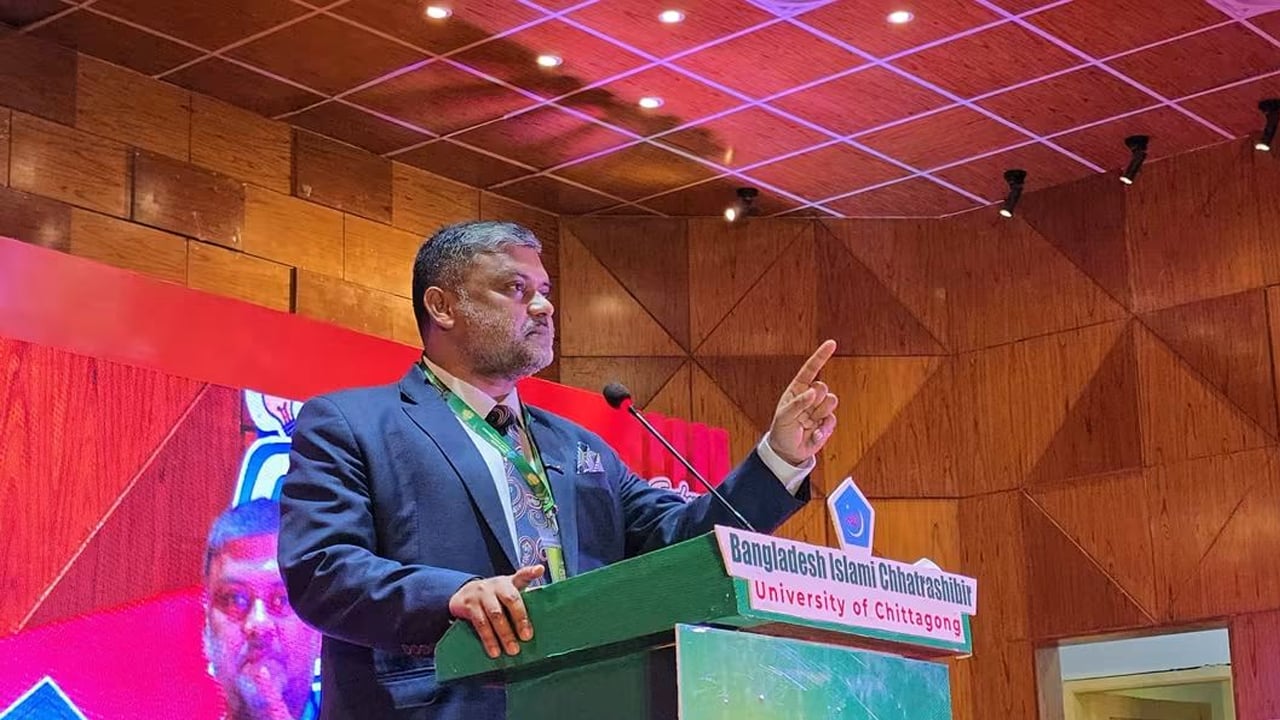
Senior Bangladesh Supreme Court lawyer Advocate Mohammad Shishir Monir said people will never receive the benefits of law unless justice and good governance are established in society. He made the remarks on Saturday as a special guest at a freshman reception organized by the Chittagong University branch of Islami Chhatra Shibir at the Faculty of Social Sciences auditorium. Monir urged people to rise above personal and partisan narrowness and place national interests first, saying the central objective of any work should be the country’s welfare. He said Bangladesh needs talented and qualified young people who can spread the country’s reputation globally through their knowledge and work. He also described the executive, judiciary and legislature as the state’s three foundational pillars. He said high office alone does not make a person respected; rather, a post gains respect through an individual’s competence, principles and work. The event was chaired by branch president and Chaksu vice president Ibrahim Hossain Roni, while central Shibir president Nurul Islam Saddam attended as chief guest. About 3,000 students joined the two-part programme and received items including copies of the Quran, stationery, books, T-shirts and framed photographs of the central library.
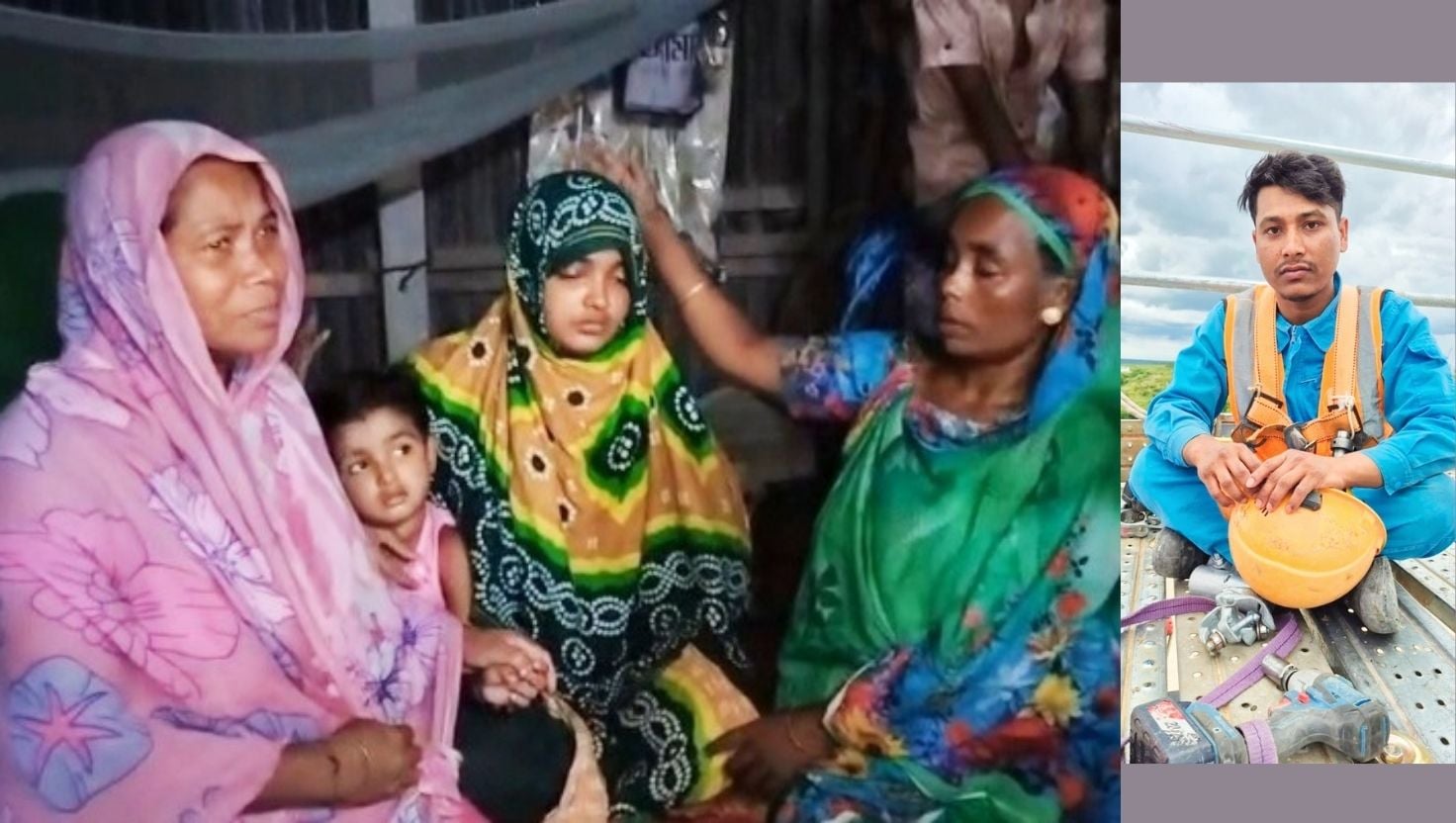
The family of Zakir Hossain, 35, is mourning at their home in Atkapara village of Kalikaprasad ইউনিয়ন, Bhairab, Kishoreganj, after he was killed in a gas-leak explosion at a company in Russia’s Amur area on August 25. Relatives and local residents have appealed to the government to bring his body back to Bangladesh. Zakir, the eldest of four brothers and father of a daughter, had gone to Russia about one and a half years ago after borrowing money to improve his family’s financial condition. He joined SynaFex Company in the Amur area, and the money he sent home each month helped repay debts and support the household. His relatives said he had recently received a promotion, raising hopes of greater financial stability for the family. The death news reached his village home yesterday, bringing grief across the area. Bhairab Upazila Nirbahi Officer K M Mamunur Rashid said he had been informed and that authorities would notify the Ministry of Expatriates’ Welfare and seek to make every effort to return Zakir’s body.
UN Security Council members are backing Lebanon’s request to extend the mandate of the UN Interim Force in Lebanon, UNIFIL, according to diplomatic sources cited by Al Jazeera. The United States is the only council member opposing the request, while UNIFIL’s current mandate is due to expire later this year. The force operates in southern Lebanon, particularly near the Israeli border, to help preserve peace and stability. The United States and Israel oppose extending the mission, arguing that UNIFIL has not played an effective role in restraining Hezbollah. Other council members support Lebanon’s position, diplomatic sources said. UNIFIL has also monitored conditions along the border area adjacent to Israel as part of its role in southern Lebanon. In August 2025, the Security Council voted to phase out UNIFIL and close the mission by the end of 2026. Lebanon has sought an extension after major changes in its security situation, including ongoing conflict between Israel and Hezbollah. The US objection has become the main obstacle to the mission’s future, as the conflict intensifies debate over UNIFIL’s necessity.
-b438d9.png)
Mohammad Selim Uddin, chairman of Nagar Unnayan Forum and a Dhaka North City Corporation mayoral candidate, said Quran memorizers must play an important role in building a future Bangladesh based on justice and fairness. He made the remarks on Saturday as chief guest at the Mohammadpur zone selection round of the Hifzul Quran Competition 2026, held at Badsha Faisal Institute in Shyamoli, Dhaka, to mark Siratun Nabi. Selim Uddin called for Quranic law to operate from homes to parliament and said the country should be governed according to Quranic rules. He urged young Quran memorizers not to remain limited to mosques and madrasas, but to develop the qualifications to provide leadership across all levels of the state. He also discussed following the Sunnah of Prophet Muhammad. He announced that all nine winners across the competition’s three groups would be sent for Umrah. Special guest Dr Muhammad Rezaul Karim said unity among Islamic scholars could help establish justice in Dhaka. Organizers said selected contestants would take part in subsequent stages leading to a final round.
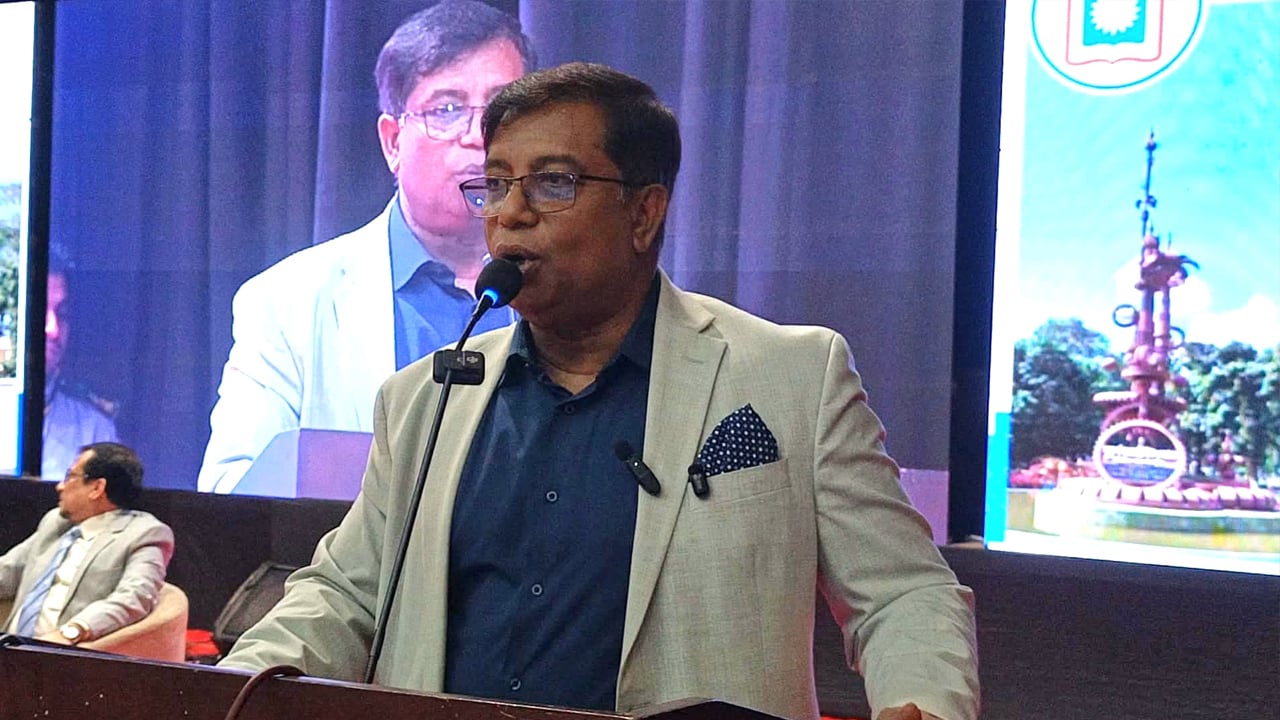
Bangladesh University Grants Commission Chairman Professor Dr Mamun Ahmed said university budget allocations will be considered using both international rankings and a planned domestic ranking system. He made the remarks on Saturday while answering journalists’ questions at the 2025–26 academic year freshman reception at Kazi Nazrul Islam Auditorium of Rajshahi University. Ahmed said the UGC is working to create domestic ranking criteria for universities alongside international rankings. The system would help determine which institutions should receive greater priority and support based on their standing. He said domestic rankings could assess universities’ capacity and quality, while fostering competition to improve standards in education and research. The UGC chairman also emphasized second-language learning as a priority. He said language learning centres focusing on second languages have already been established at more than 30 universities. Rajshahi University already has a language institute, which he said will be further developed to improve language-learning opportunities and help students build skills and prepare more effectively for international settings.
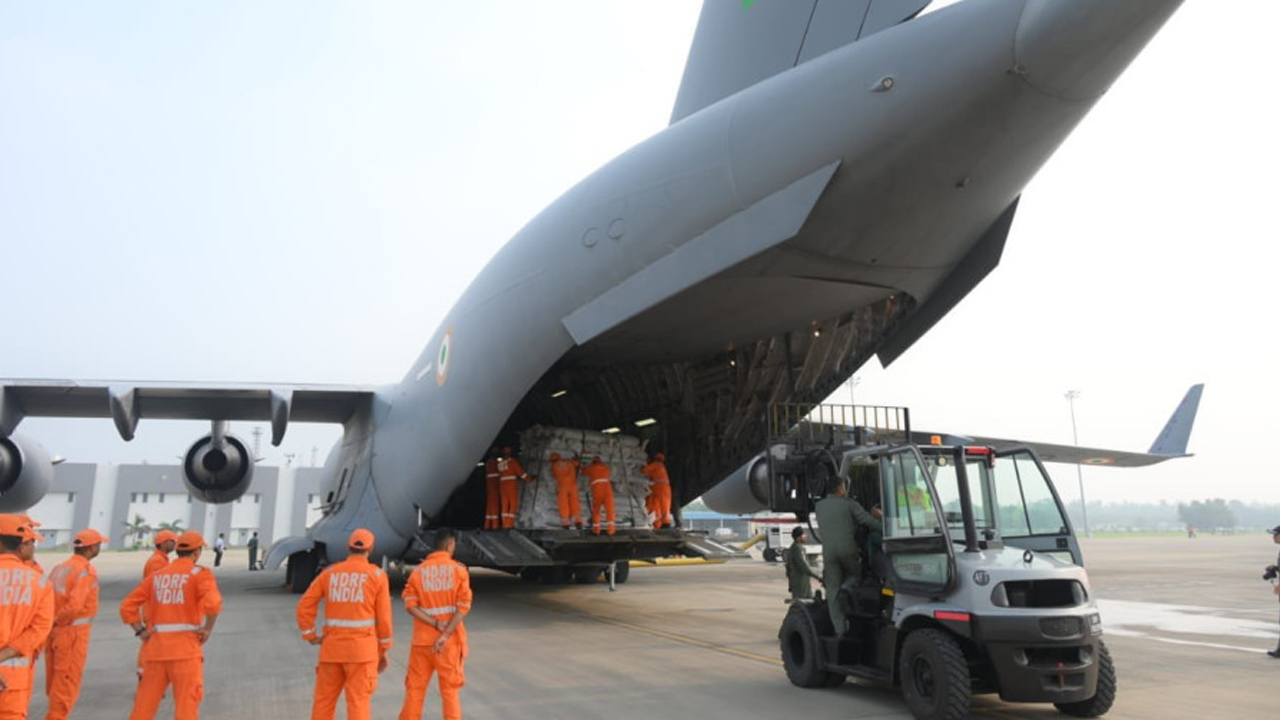
Nepal has reversed its initial decision and will allow foreign rescue teams and specialists to work in selected areas after devastating flash floods. The decision came hours after the Foreign Ministry said on Friday afternoon that outside rescue assistance was not needed. A senior ministry official said the government changed course amid pressure from the international community. The floods began on 26 August after a barrier lake on the Bhotekoshi River and its tributary, the Lehende River, burst. The disaster struck Nepal’s northern border district of Rasuwa and Gyirong district in Tibet, China. The released water carried mud, rocks and debris, covering wide areas in both districts. According to figures from Kathmandu and Beijing, 1,924 people are missing in Nepal and another 558 in Tibet. Nearly 800 foreign nationals from 35 countries are among those missing, including citizens of India, the United States, Australia, New Zealand and South Korea. India, South Korea, Australia and other countries had offered assistance, while Nepal had initially said its own rescue forces were sufficiently capable. The government now plans to admit a limited number of specialists into designated areas.
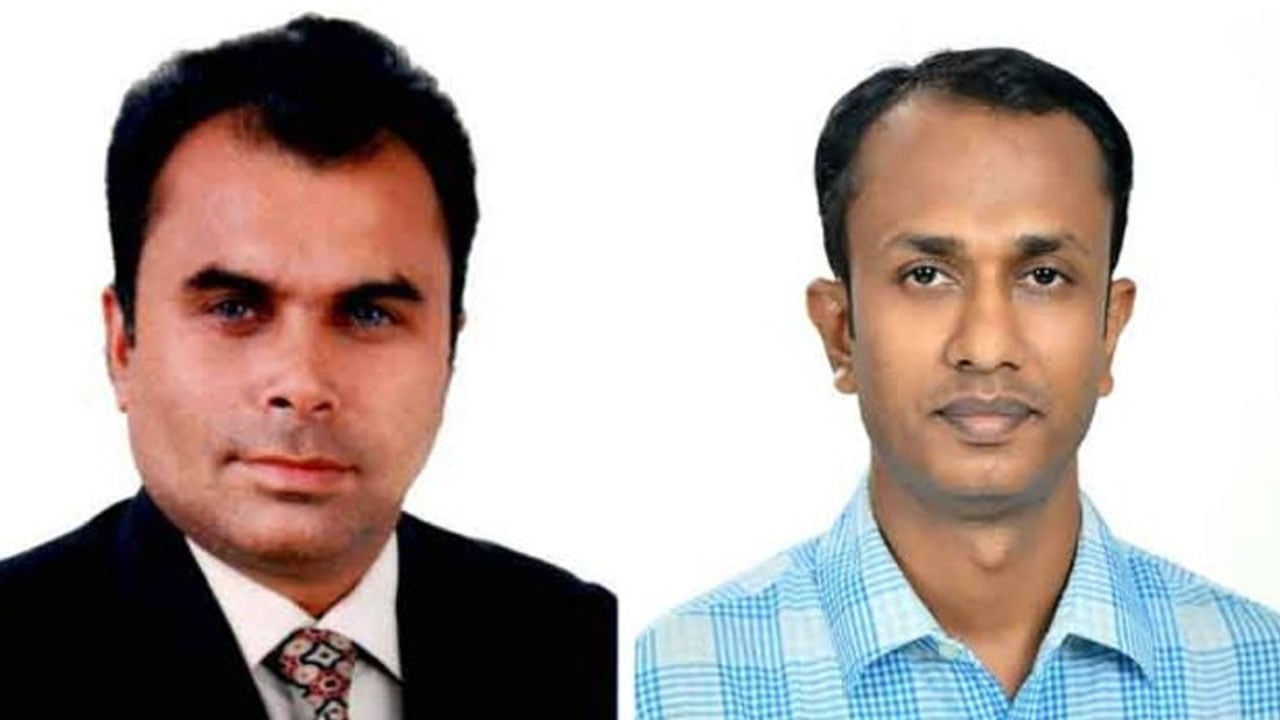
The biennial conference and annual general meeting of the Banshkhali Puja Celebration Council was held on Friday night at the Upazila Parishad hallroom in Chattogram's Banshkhali. By unanimous decision, Lion Shekhar Dutta was elected president, Professor Pradip Chakraborty senior vice-president, and Engineer Sanchay Chakraborty Manik general secretary. The newly announced committee will serve for the next two years. Pranab Kumar Das, the council's then president, chaired the first session of the biennial conference. Mishkatul Islam Chowdhury Pappa, joint convener of Chattogram South District BNP, attended the first session as chief guest. Special guests included Upazila Nirbahi Officer Md Ruhul Amin, former Upazila BNP convener Master Lokman Ahmad, and Banshkhali police station inspector (investigation) Sudhangshu Haldar. In the second session, Chattogram-16 Member of Parliament Principal Maulana Zahirul Islam attended as chief guest.
The Bangladesh Jewellers Association, known as BAJUS, lowered prices for all categories of gold and silver in the domestic market after local acid gold prices declined. The revised rates took effect at 10am on Saturday, August 29. Under the decision, 22-carat gold now costs Tk240,636 per bhori, down Tk7,109 from the previous price of Tk247,745. BAJUS’s Standing Committee on Pricing and Price Monitoring set the new prices at a meeting on Saturday morning, considering declines in acid gold and silver prices. The new per-gram gold rates are Tk20,630 for 22-carat, Tk19,700 for 21-carat, Tk16,920 for 18-carat, and Tk13,820 for traditional-method gold. Silver prices were also reduced. Per gram, 22-carat silver is now Tk455, 21-carat Tk435, 18-carat Tk375 and traditional-method silver Tk285. The 22-carat silver rate fell Tk15 per gram from Tk470. VAT is included in the fixed selling prices, though labour charges may be added depending on jewellery design. The rates will remain effective at jewellery outlets nationwide until further notice.

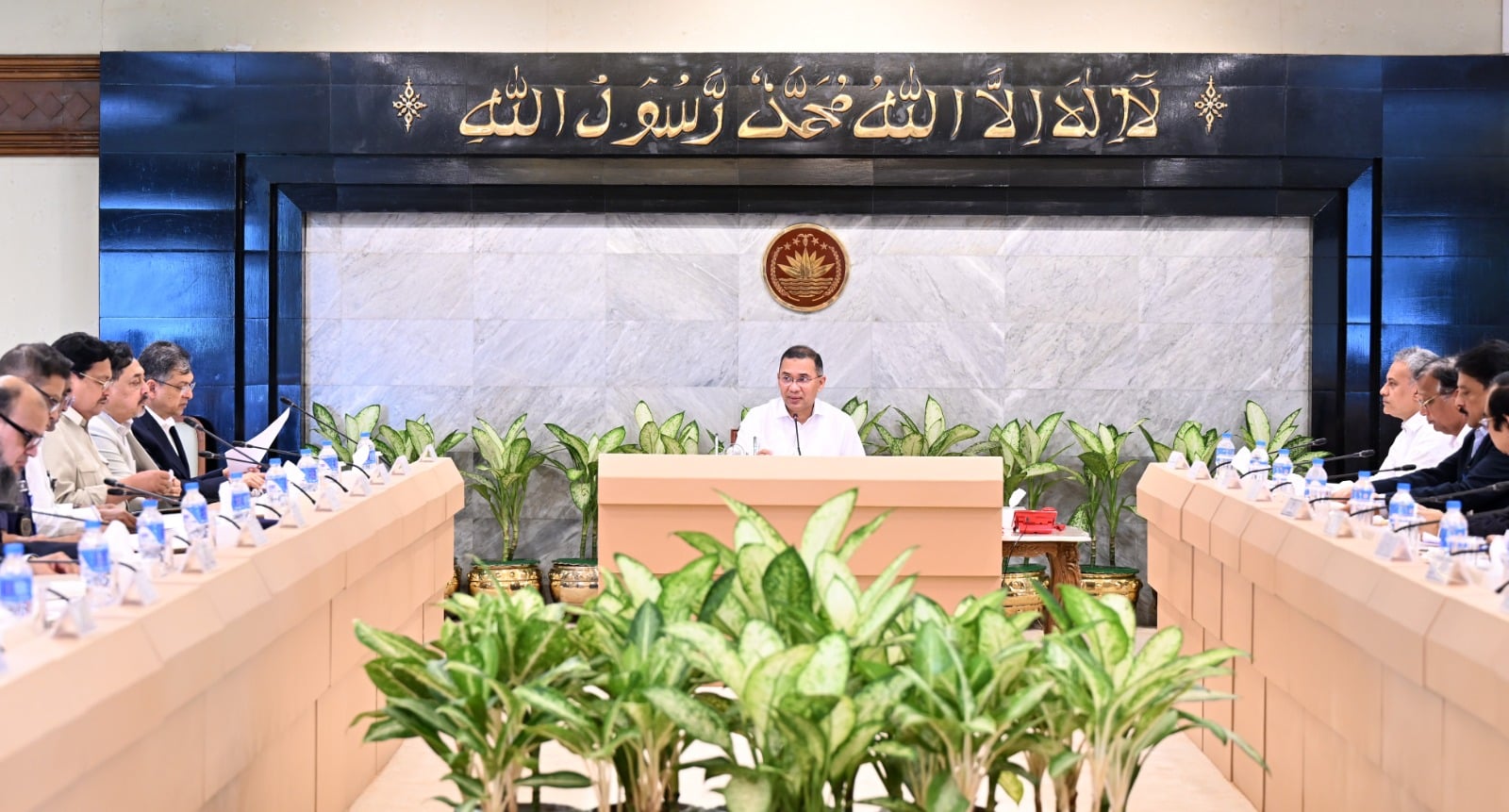
The government has adopted a package of measures to address severe traffic congestion in Dhaka, modernise traffic management and restore order in public transport. Decisions were taken at a Saturday meeting at the Prime Minister’s Tejgaon office, chaired by Prime Minister Tarique Rahman. The plan includes introducing electronic toll collection at expressway and flyover toll plazas, relocating Fulbaria bus terminal to Keraniganj, and building a temporary bus terminal on 15 acres at the Jhilmil project within four months. Authorities were instructed to develop an app for the electronic toll system and complete the work within four months. BUET has been asked to review its earlier report on congestion around the Jatrabari-Gulistan flyover and submit a new report with recommendations within 15 days. The city corporation and traffic police will jointly implement this work. The meeting also approved expanding the rear section of Gabtali bus terminal and moving Karwan Bazar’s kitchen market to Gabtali. Officials will examine parking facilities at Osmani Memorial Hall and seek alternatives near the Secretariat. A separate policy for autorickshaws will be prepared, while action was ordered against unauthorised double-decker sleeper buses.
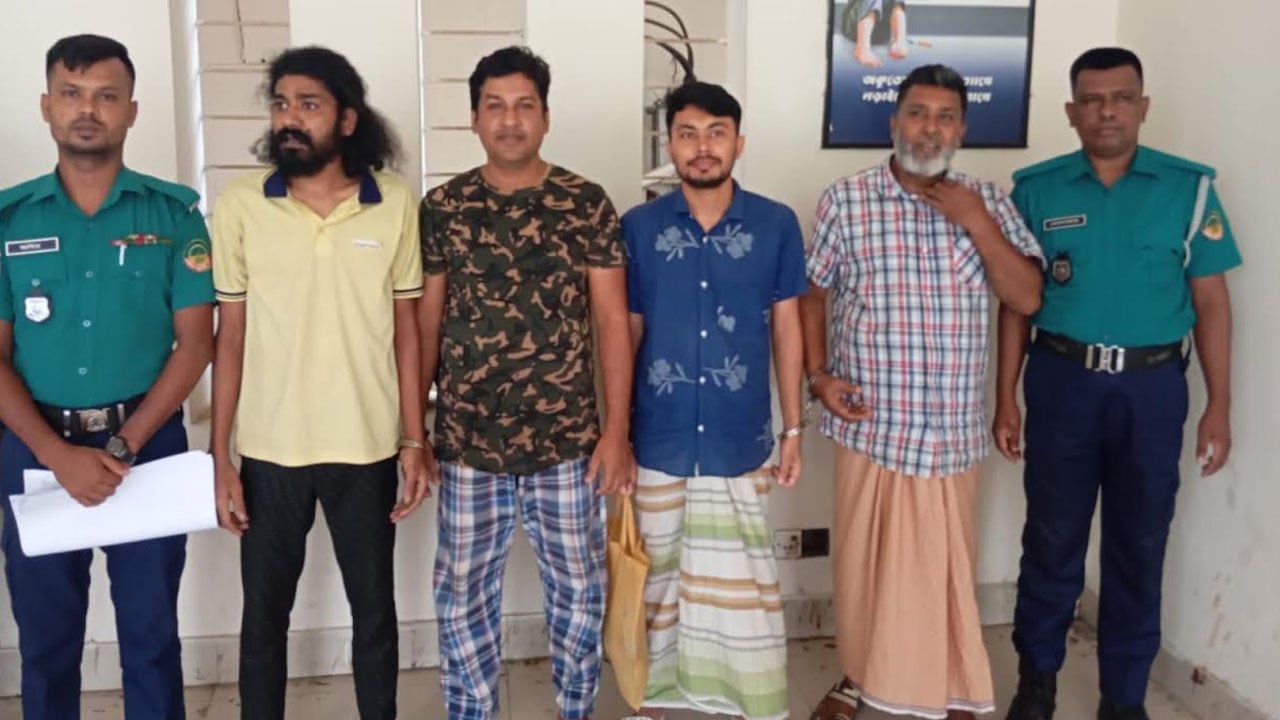
Police arrested four leaders and activists of the activities-banned Awami League in a special operation across areas of Tongi in Gazipur on Friday night. The detainees were sent to the District and Sessions Judge Court on Saturday afternoon, according to the report. Those arrested were Mohammad Zakir Hossain, 50, joint convener of Awami League’s Ward 46 unit; Zakir, 34, an Awami League worker from Keranirtek; Mala Uddin Prince, 30, an Awami League worker from the Pagar area; and Kiran Ahmed, 42, joint convener of Ward 47 Jubo League. Police said leaders and activists of the activities-banned Awami League held a procession at Morkun Gudaraghat in Tongi on Friday afternoon and chanted various anti-government slogans. Tongi East Police Station Officer-in-Charge Mohammad Maksudul Alam said operations were continuing to arrest others involved in the incident.
The ‘1 Nojor’ media platform is now live in beta, inviting users to explore and provide feedback as we continue to refine the experience.