

The ‘1 Nojor’ media platform is now live in beta, inviting users to explore and provide feedback as we continue to refine the experience.
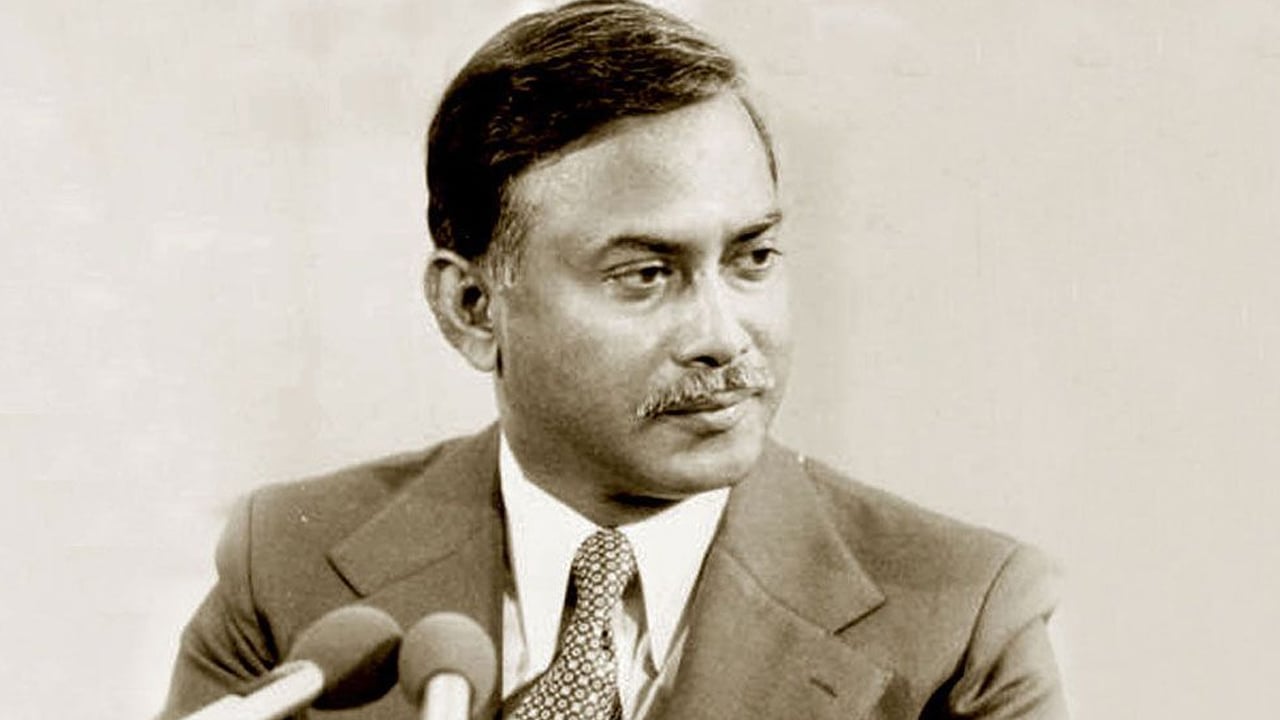
On May 30, 1981, amid heavy storms in Chattogram, President Ziaur Rahman was staying overnight at the Circuit House to resolve internal disputes within the local BNP. Before dawn, intense gunfire erupted, and journalists nearby, including Helal Uddin Chowdhury, witnessed the area being surrounded by army personnel. Reports later confirmed that President Zia and several loyal officers were killed by rebel soldiers during the attack. Major General Moinul Hossain Chowdhury’s book describes how junior officers launched a sudden assault around 4 a.m., firing rockets and storming the building. Zia was shot multiple times by Lt. Col. Matiur Rahman. His body was removed before sunrise and buried in Rangunia under military supervision. Journalists reported restricted access to the burial site, and the city remained under army control for two days. The incident left Chattogram in shock and fear. BNP activists stayed out of sight, and no organized protests occurred. Subsequent reports said some officers involved were killed while fleeing, while Major General Abul Manzoor was captured and later killed in custody, deepening the atmosphere of mistrust within the army.
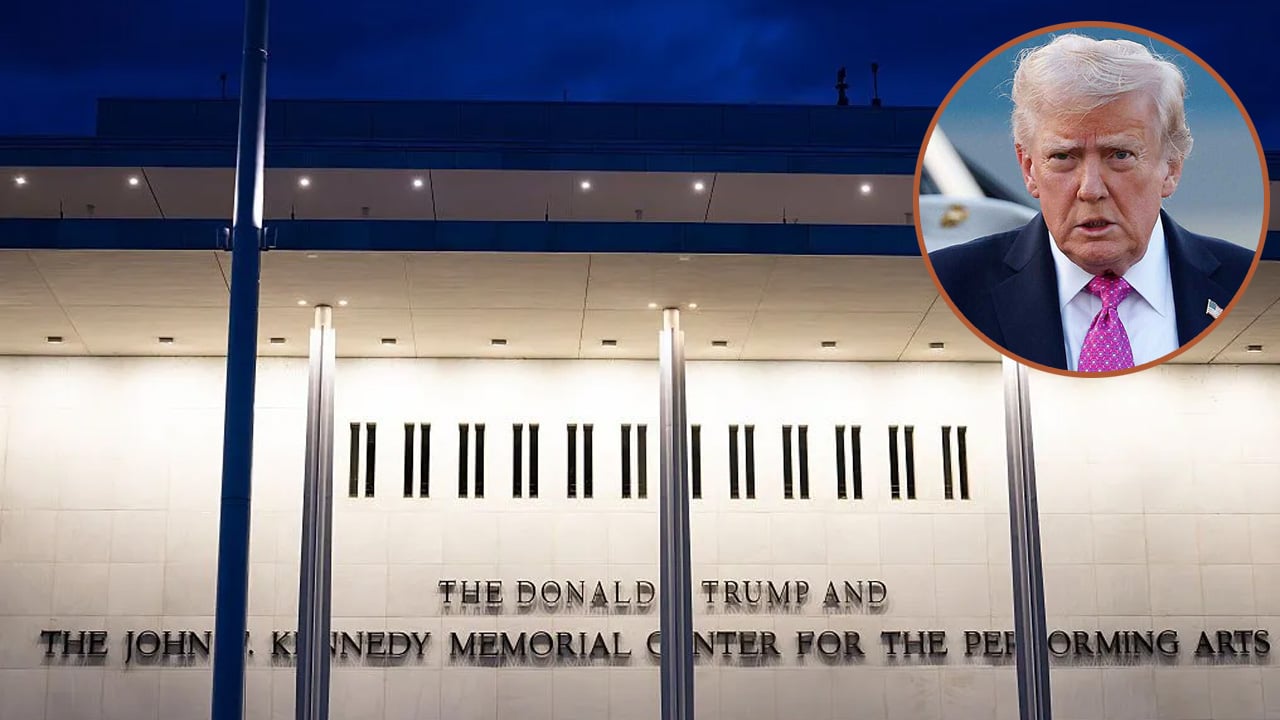
A US federal court has overturned the decision to rename the Kennedy Center after President Donald Trump and ordered that his name be removed from the institution within 14 days. District Judge Christopher Cooper ruled on Friday that changing the name without congressional approval was unlawful. The court also suspended the Trump administration’s plan to temporarily close the center for renovation work. The order requires Trump’s name to be removed from the building’s exterior, digital platforms, signage, and all official documents. The ruling restores the institution’s original name, the “John F. Kennedy Memorial Center for the Performing Arts,” which was established in 1971 in memory of the late President John F. Kennedy. Judge Cooper noted that the founding law of the Kennedy Center explicitly states that only Congress has the authority to alter its name. The renaming had been part of the Trump administration’s broader rebranding initiative for government and cultural institutions in Washington, which had drawn criticism from parts of the arts community and led to event cancellations and reduced ticket sales.
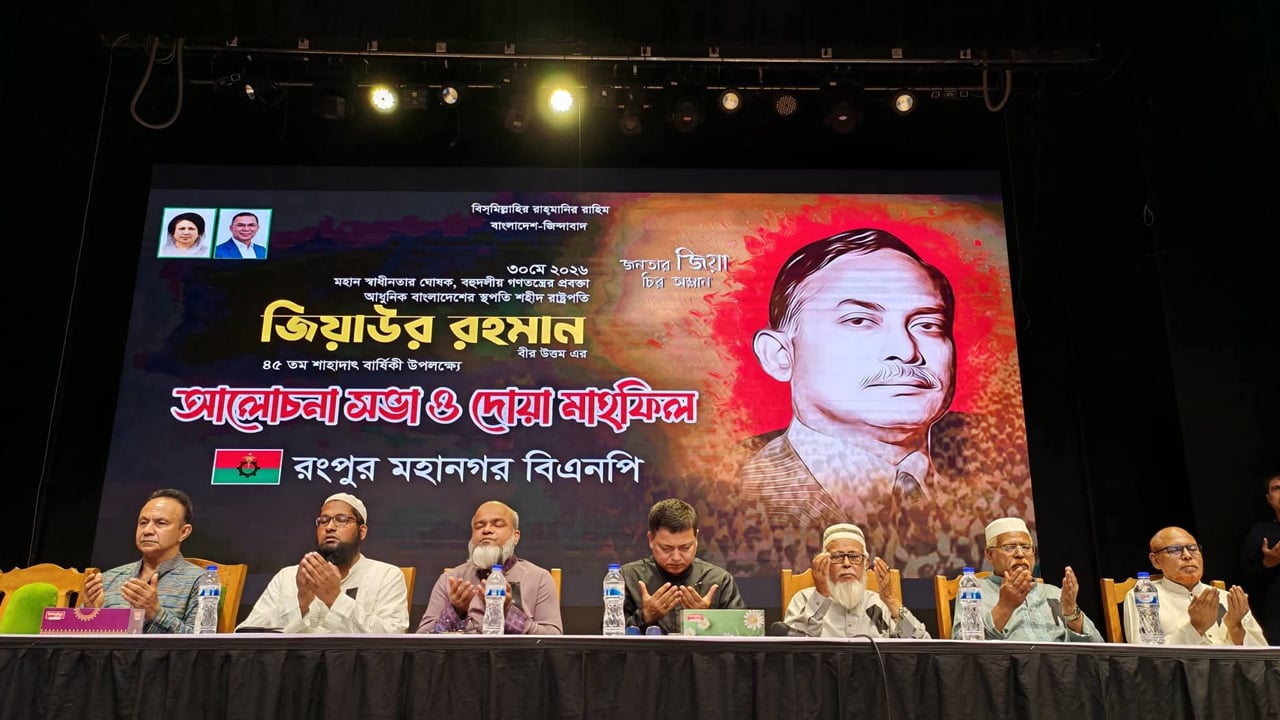
In Rangpur, the 45th martyrdom anniversary of former president and BNP founder Ziaur Rahman was observed with a prayer gathering and discussion meeting on Saturday. The events took place at the Rangpur District Shilpakala Academy and the party office at Grand Hotel intersection in the city. Participants reflected on Ziaur Rahman’s political philosophy, his contributions to rural economic and infrastructural development, and his role in shaping modern Bangladesh. Special prayers were offered for the salvation of his soul. The discussion and prayer meeting were presided over by senior lawyer Abdur Rashid Chowdhury, with Begum Rokeya University Vice-Chancellor Shawkat Ali attending as chief guest. City administrator and BNP metropolitan member secretary Mahfuz Un Nabi Don, university proctor and acting registrar Dr. Ferdous Rahman, freedom fighter Nur Mohammad, and physician Dr. Javed Akhtar were present among others. Another discussion was held at the party office where district BNP convener Saiful Islam delivered remarks, joined by leaders of affiliated organizations. The observance reflected continued remembrance of Ziaur Rahman’s legacy in Rangpur’s political and civic circles.
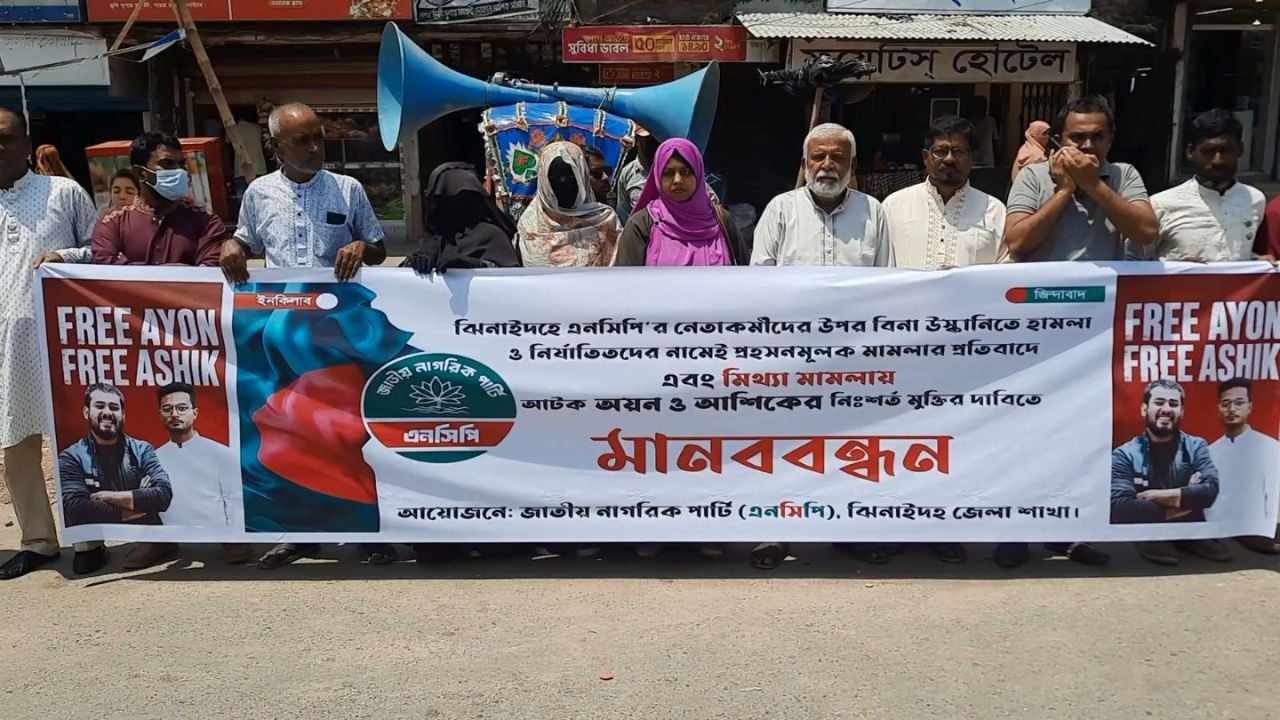
A human chain was organized in Jhenaidah demanding the release of two student leaders arrested in a case filed by Chhatra Dal. The protest took place on Saturday at 11 a.m. at the city’s Payra Chattar, organized by the Jhenaidah district branch of the Nationalist Citizens’ Party (NCP). The case was filed following an attack on NCP leader Nasiruddin Patwari. The detainees are Ayon Rahman Khan, a leader of Chhatrashakti, and Mehedi Hasan Ashik, a member of the district committee of the Anti-Discrimination Student Movement. NCP’s central joint member secretary Tarek Reza and other party activists attended the event, carrying placards demanding the release of the two arrested activists. Speakers at the human chain alleged that their leaders were attacked, yet the attackers filed a case against them. They claimed police were arresting NCP activists unfairly and sending them to court. The speakers warned that if Ayon and Ashik were not released soon, a stronger movement would be launched against what they described as a return of authoritarian rule. The protest reflects growing political tension in Jhenaidah over the arrests and the handling of the case.
BNP Whip and Natore-2 Member of Parliament Advocate M Ruhul Kudduz Talukder Dulu stated that the ideals of the party’s founder, martyred President Ziaur Rahman, remain powerful even after his death. He said this on Saturday afternoon while addressing a discussion and prayer meeting organized by the Natore District BNP to mark the 45th martyrdom anniversary of Ziaur Rahman. Dulu remarked that those who killed Ziaur Rahman 45 years ago thought they could erase the BNP, but history shows the party has become one of Bangladesh’s largest political organizations. He added that the BNP has been elected to state power by people across the country and continues to work for national development under the leadership of Tarique Zia, son of Ziaur Rahman and Begum Khaleda Zia. The event, held at the Natore District Council auditorium, was presided over by Abdul Aziz MP and conducted by Asaduzzaman Asad. State Minister for Social Welfare and Natore-1 MP Barrister Farzana Sharmin Putul spoke as the chief discussant, along with several other district BNP leaders.

Government offices, banks, insurance companies, and the stock market in Bangladesh will reopen on Monday, June 1, after a seven-day holiday for Eid-ul-Azha. The holiday began on May 25 and included the main Eid day on May 28. The extended leave was granted through an executive order to ensure smooth travel during the festival. Employees had worked on May 23, a Saturday, to adjust for the extended break. The Ministry of Public Administration had initially set six days of leave, later extended by one more day following a Cabinet decision on May 7. A formal notification on May 24 confirmed the seven-day holiday and two working days before Eid. The decision allowed government and private sector employees to enjoy a continuous break. Essential service providers, including electricity, water, gas, fire service, ports, sanitation, telecommunications, media, postal services, and healthcare workers, remained outside the holiday schedule to maintain uninterrupted public services.
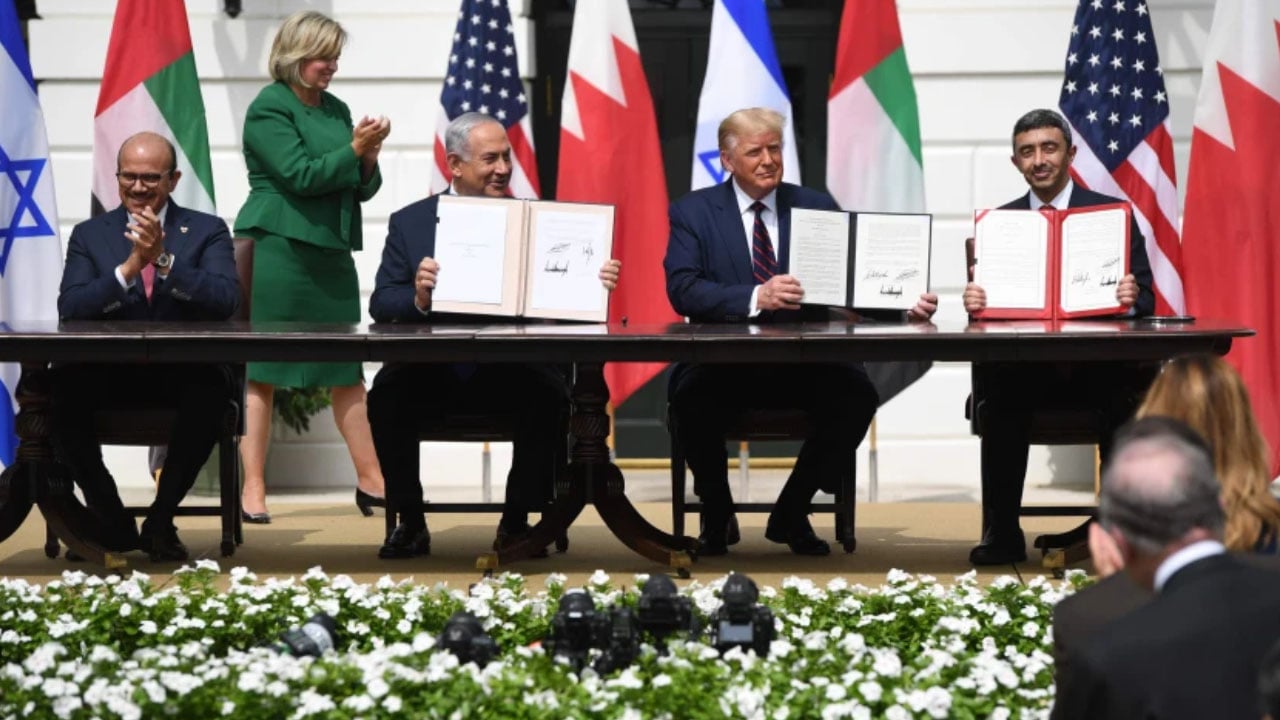
US President Donald Trump this week urged several Arab and Muslim nations to normalize relations with Israel as part of a proposed deal to end the war with Iran. He asked these countries to sign the Abraham Accords, but none of the nations he named have responded to his proposal. Analysts described Trump’s last-minute condition as abrupt and unrealistic, noting that the countries whose cooperation he needs are not taking the demand seriously. Aaron David Miller of the Carnegie Endowment for International Peace called the move a diversionary tactic. Former Pakistani diplomat Asif Durrani said on social media that Gulf states, already facing security and economic losses from regional tensions, would risk deepening divisions by normalizing ties with Israel. Although Gulf countries such as Saudi Arabia, the UAE, Qatar, Jordan, and Bahrain did not join the initial US-Israeli strikes on Iran, they have faced Iranian counterattacks. According to the report, none of the eight countries Trump mentioned have issued official reactions, and even Israeli Prime Minister Benjamin Netanyahu has remained silent. Regional officials reiterated that recognition of Israel would depend on credible progress toward establishing a Palestinian state.
On the third day of Eid-ul-Azha, waste removal from temporary cattle markets in Dhaka remained sluggish, particularly in areas under Dhaka North City Corporation such as Gabtoli and Uttara Diabari. Despite the end of animal sales two days earlier, piles of straw, fodder, and animal waste continued to emit foul odors, making it difficult for pedestrians to pass. Cleaners were seen working, but officials admitted that full cleanup could take several more days. Field visits revealed that while parts of Uttara’s metro route had been cleared, surrounding roads were still covered in waste. In Gabtoli, main roads were mostly cleaned, but stains and odors persisted due to insufficient washing. Workers said dismantling bamboo structures was delaying progress, with some estimating up to a week for full clearance. DNCC official Md. Ziaur Rahman said cleanup of inner areas depended on leaseholders removing their materials first. Meanwhile, new trees were being planted in damaged green zones near metro stations, though residents urged authorities to spray disinfectants to prevent disease spread from remaining waste.

Workers have started returning to Dhaka after the Eid holidays, with passenger movement visible at major terminals since Saturday morning. The seven-day holiday will end on Monday when offices and courts reopen, though some private offices will resume on Sunday. Crowds were seen at the city’s entry points and at Gabtoli, Sayedabad, and Mohakhali bus terminals. Buses arriving from nearby districts such as Mymensingh, Sherpur, Jamalpur, Kishoreganj, and Gazipur reported normal passenger loads. Train services to Dhaka were also operating smoothly. There were no reports of long waits or excessive fares, and transport operators said passengers were returning gradually due to the extended holiday period. Travelers described their return to Dhaka as more comfortable this year because of relatively empty roads. However, passenger numbers are expected to rise significantly by Sunday afternoon as more people head back to the capital.

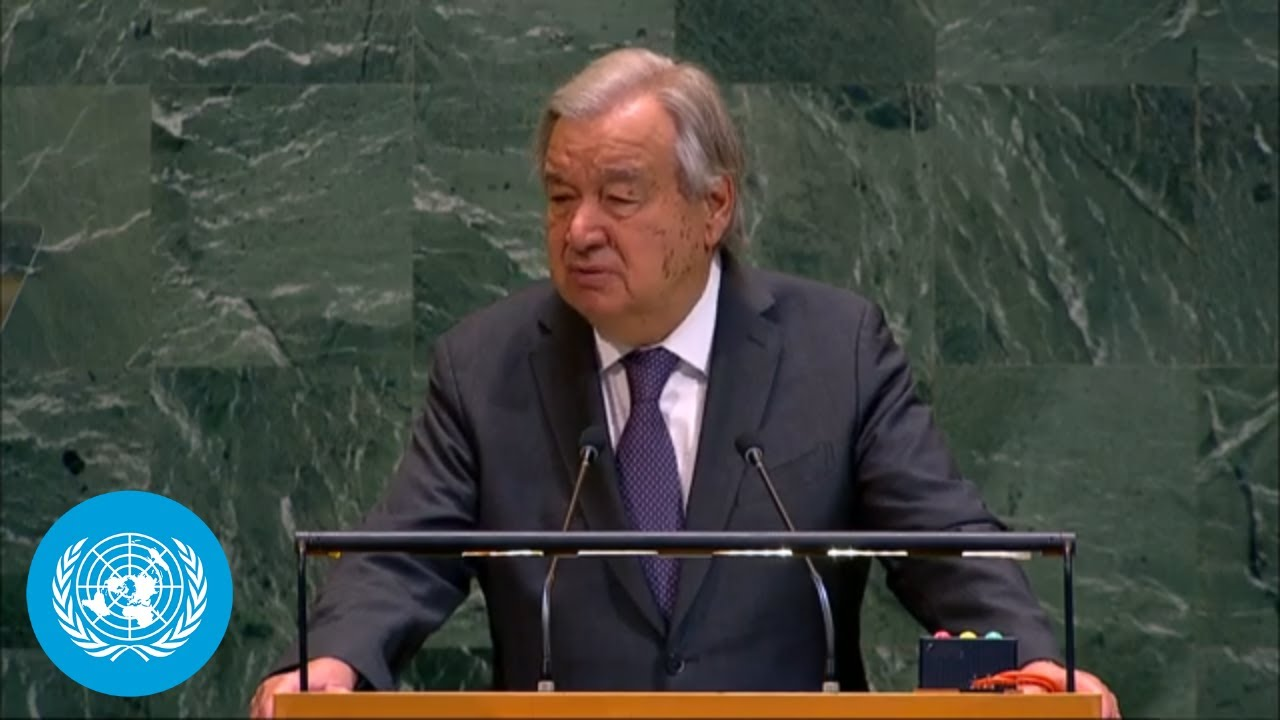
Israel has announced it will sever all ties with United Nations Secretary-General António Guterres after the UN added Israel to a blacklist of countries accused of sexual violence in conflict zones. The decision was revealed on Thursday in a video message posted on X by Israel’s ambassador to the UN, Danny Danon, who said Israel would no longer work with the Secretary-General. Danon criticized the upcoming UN report, calling the allegations that Israel used sexual violence as a weapon of war 'unreasonable.' The UN report placed Israel among nations whose military and security forces have repeatedly committed acts such as rape against detainees or vulnerable populations. The Secretary-General had previously warned that such measures could be taken. In response, Israel’s Foreign Ministry issued a statement labeling the UN as a 'political and corrupt organization' that systematically targets Israel and has abandoned its founding principles. Israel stated it would not re-engage with the Secretary-General’s office until a new UN chief is appointed. Guterres’s current term is set to end on December 31.
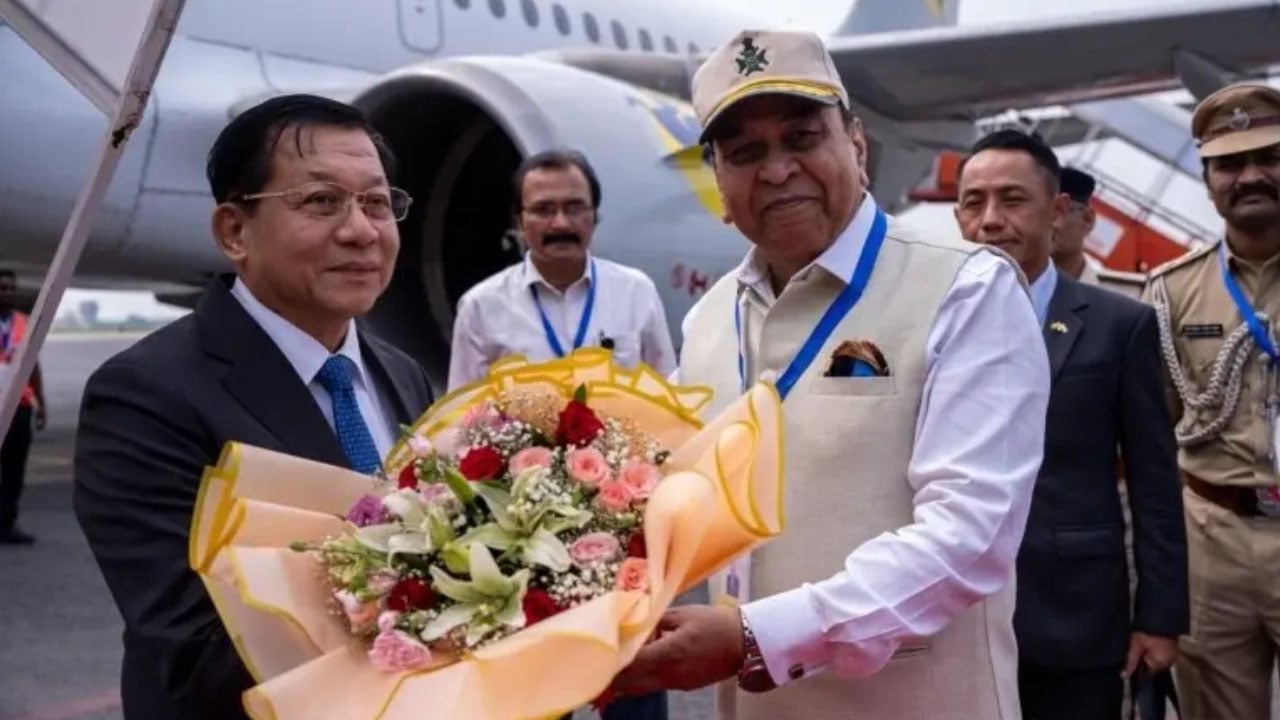
Myanmar’s President Min Aung Hlaing, who previously led the country’s military junta, has arrived in India for a five-day official visit. This marks his first foreign trip since assuming the presidency. During the visit, he is scheduled to meet Indian Prime Minister Narendra Modi and hold discussions with business representatives. Min Aung Hlaing seized power on February 1, 2021, ousting the elected civilian government led by Aung San Suu Kyi. Following the coup, ASEAN barred Myanmar’s generals from its top summits, leaving the military-led administration increasingly isolated. Analysts view this visit as an opportunity for India to counterbalance China’s growing influence in Myanmar, secure access to the country’s rare mineral resources, and strengthen security along the northeastern border. According to Crisis Group adviser Richard Horsey, Min Aung Hlaing aims to expand diplomatic engagement across the region and normalize ties with ASEAN, with support from Thailand and other member states. He may also visit Beijing soon to meet Chinese President Xi Jinping, while India remains another key neighbor for Myanmar.
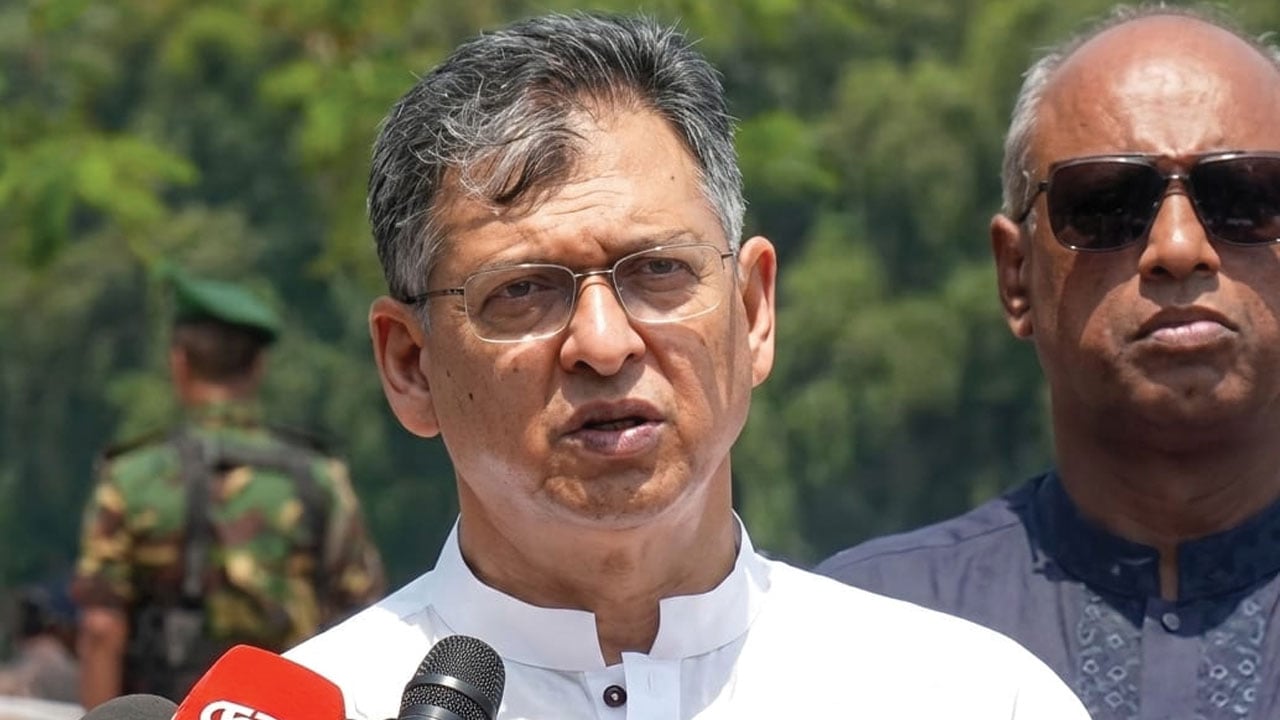
Home Minister Salahuddin Ahmed has called for collective efforts to build a non-discriminatory, democratic, and prosperous Bangladesh inspired by the ideals of the student uprising and the philosophy of late President Ziaur Rahman. He made the remarks on Saturday at Sher-e-Bangla Nagar in Dhaka after paying tribute at the mausoleum of Ziaur Rahman on his death anniversary. The minister described the day as one of deep sorrow and remembrance for the Bangladesh Nationalist Party (BNP) and the people of the country. He said Ziaur Rahman played a unique role in safeguarding Bangladesh’s independence, sovereignty, and progress, and that his legacy continues through the political ideals of BNP based on Bangladeshi nationalism and multi-party democracy. Ahmed reaffirmed the government’s commitment to maintaining a democratic system in the country. He also paid tribute to Begum Khaleda Zia, referring to her as the “Mother of Democracy,” and acknowledged her sacrifices for the nation’s democratic cause. The minister concluded by praying for the souls of both leaders and for the welfare of the country.
The Sadapathor area in Companiganj upazila of Sylhet has become crowded with tourists during the Eid-ul-Azha holidays. On Saturday, the third day of Eid, visitors continued to arrive in large numbers. According to Bhulaganj police outpost in-charge Nur Mia, around 15,000 tourists visited the site on Friday, and the number appeared to double the following day. Visitors from different parts of the country expressed both admiration and concern. A tourist from Barishal said his family enjoyed the natural beauty and refreshing waters but noted a shortage of changing booths and safety equipment such as life jackets and tubes. Another visitor from Dhaka described the scenic combination of Sadapathor’s white stones and nearby Indian hills as captivating. Sadapathor Hotel and Resort CEO Mohammad Ramim Ahmad reported full bookings for three consecutive days after Eid, while police officials said law enforcement was maintaining regular monitoring to ensure safety. No untoward incidents were reported over the past two days.

Ukraine has introduced a new phase of warfare in its eastern front, using unmanned robots, drones, and remote-controlled tanks to strike Russian positions without direct human presence. In recent operations, Ukrainian forces conducted six explosions against three Russian frontline targets entirely through remote systems. President Volodymyr Zelensky earlier claimed that a Russian base was captured solely with robotic and drone assistance, marking a milestone in automated combat. The shift toward automation stems from Ukraine’s manpower shortages after four years of war and uncertain U.S. support. Units like the Third Assault Brigade’s “NC 13” have found that robotic attacks can replace thousands of soldiers while saving lives. Russian prisoners reportedly call these silent machines “Silent Death.” The technology has evolved rapidly, with robots now handling supply runs, evacuations, and even heavy weaponry. British intelligence agency GCHQ recently estimated Russian fatalities at 500,000. Ukrainian commanders acknowledge that this new form of warfare lacks the traditional valor of past battles but recognize that adaptation to remote and automated combat is now essential for survival and strategic advantage.

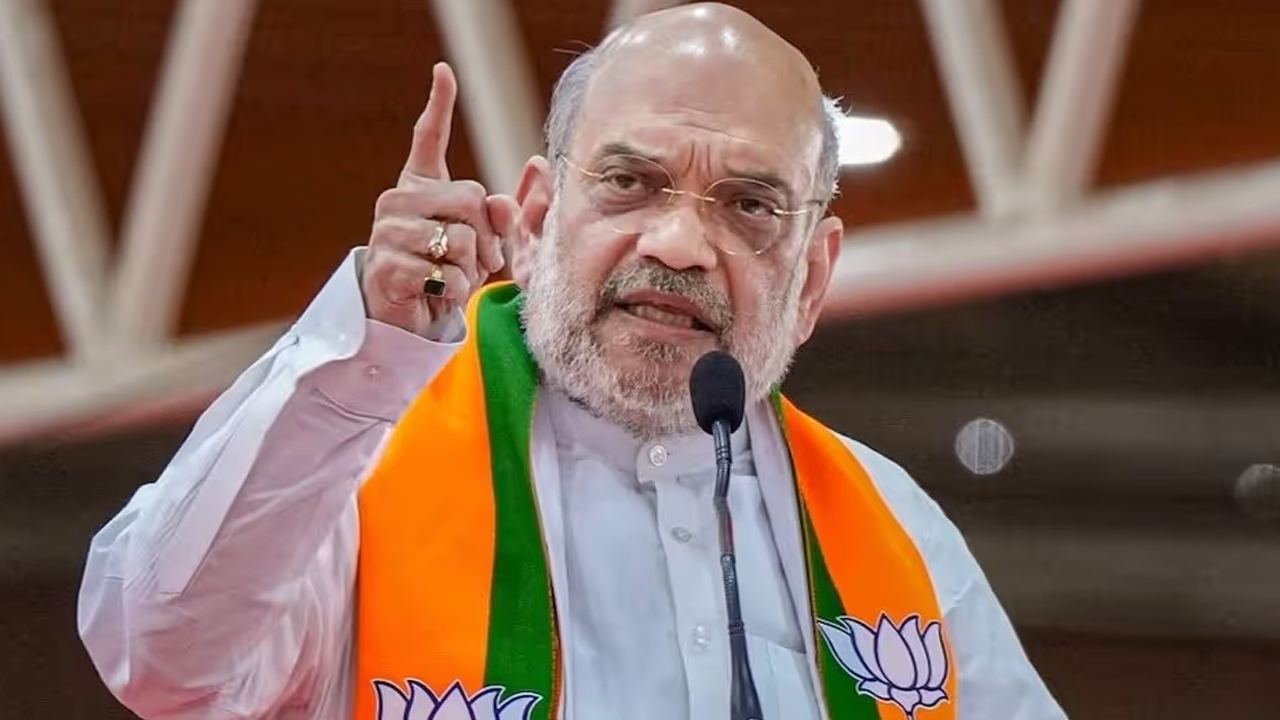
Indian Home Minister Amit Shah has called on so-called 'Bangladeshi infiltrators' to voluntarily leave India, saying those who do so will face no legal action. Speaking during a three-day visit to Gujarat, Shah said the new BJP-led West Bengal government will assist anyone crossing the border back to Bangladesh without obstruction. He claimed that while thousands used to enter India daily, an equal number are now returning. According to official data, 11 holding centers have been established across West Bengal to detain alleged Bangladeshi and Rohingya migrants, with a total of 386 people currently held. The highest number, 335, are in Basirhat, where three camps operate. Other centers are located in districts including Murshidabad, Malda, Cooch Behar, and South Dinajpur. State minister Dilip Ghosh made harsh remarks, warning that food supplies to detainees would soon stop and urging them to leave. He argued that the government bears no responsibility to feed them and compared the situation to Afghan repatriations from Pakistan, insisting that returning to Bangladesh is their best option.
The ‘1 Nojor’ media platform is now live in beta, inviting users to explore and provide feedback as we continue to refine the experience.