

The ‘1 Nojor’ media platform is now live in beta, inviting users to explore and provide feedback as we continue to refine the experience.
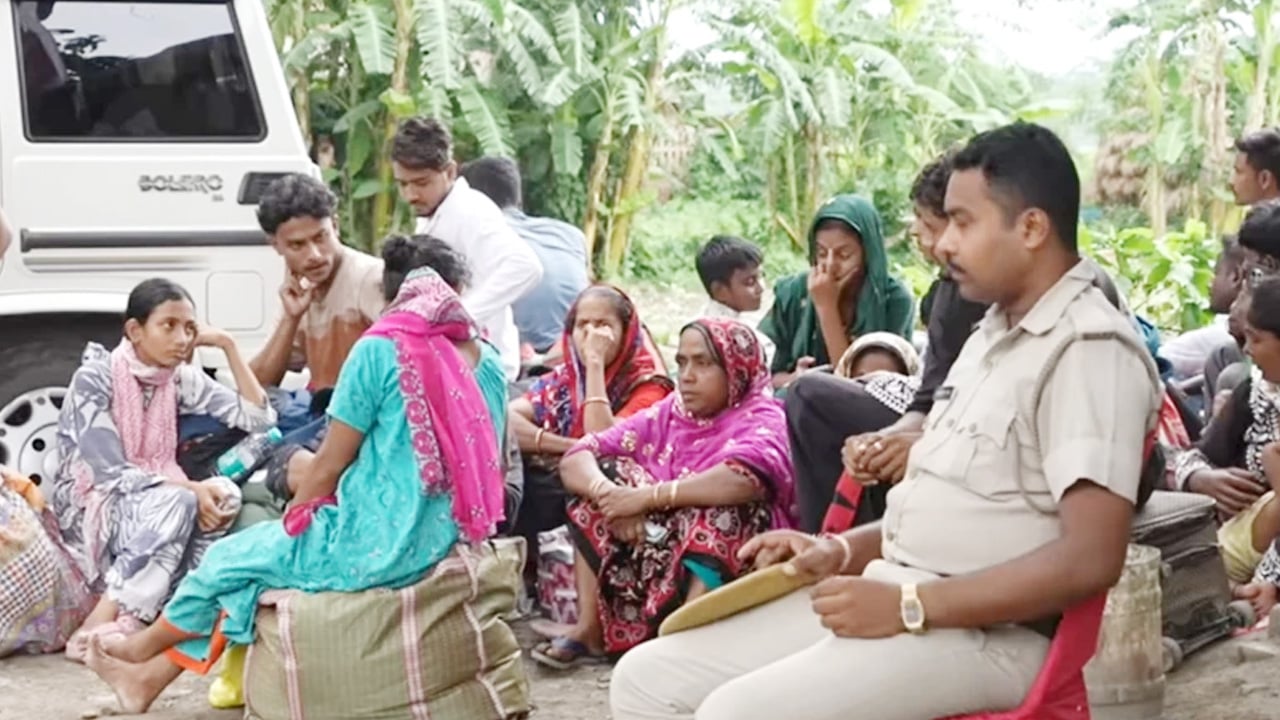
Several sources have reported that hundreds of alleged Bangladeshis have been gathered near the Hakimpur border area in India’s West Bengal, reportedly for repatriation to Bangladesh. These individuals are said to have entered India illegally at different times and are now being held in temporary centers for identity verification. Local reports suggest that the Border Security Force (BSF) may have already sent some people toward the Bangladesh border, though this has not been officially confirmed. Bangladesh’s Border Guard (BGB) and local authorities have denied any forced repatriation or formal handover, stating that no such incidents have occurred. Officials in Satkhira and other border districts said the situation on the Bangladeshi side remains normal, with no evidence of mass entry or push-in attempts. BGB has increased surveillance and remains on high alert. According to BGB officials, any formal repatriation must follow established procedures, and claims of secret mass transfers are unrealistic. They confirmed that previous push-in attempts were prevented, with the last reported case occurring on May 26.
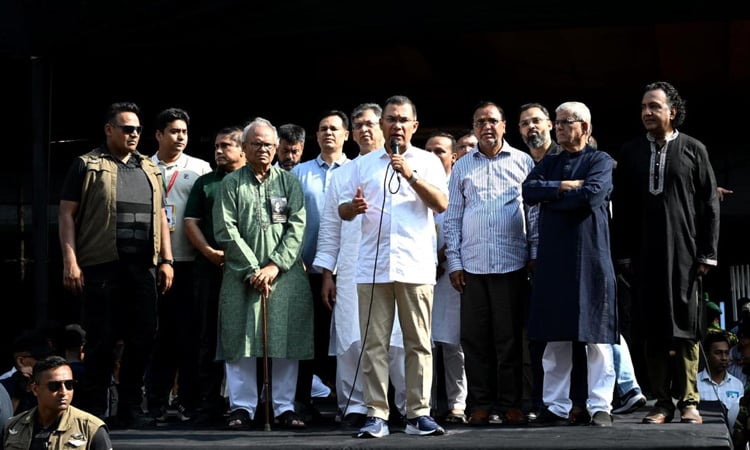
Prime Minister Tarique Rahman has called on party leaders and activists to stand beside helpless people. Speaking at the BNP central office in Naya Paltan on Saturday, he made the appeal after distributing clothes and dry food among the needy to mark the 45th martyrdom anniversary of BNP founder President Ziaur Rahman. He urged party members to extend help not only on behalf of the party but also through personal initiatives, describing this as the true lesson of Ziaur Rahman. The event was attended by senior BNP leaders including Mirza Fakhrul Islam Alamgir, Salahuddin Ahmed, Ruhul Kabir Rizvi, and others. Earlier, at a brief gathering in Khilgaon, the Prime Minister emphasized the importance of cleanliness in Dhaka city, urging citizens to take responsibility alongside city corporations. He noted that a cleaner city would benefit everyone and make the work of sanitation workers easier. Tarique Rahman also said that with the cooperation of the people and the participation of affluent citizens, the government could bring rapid improvement to the lives of the country’s people.
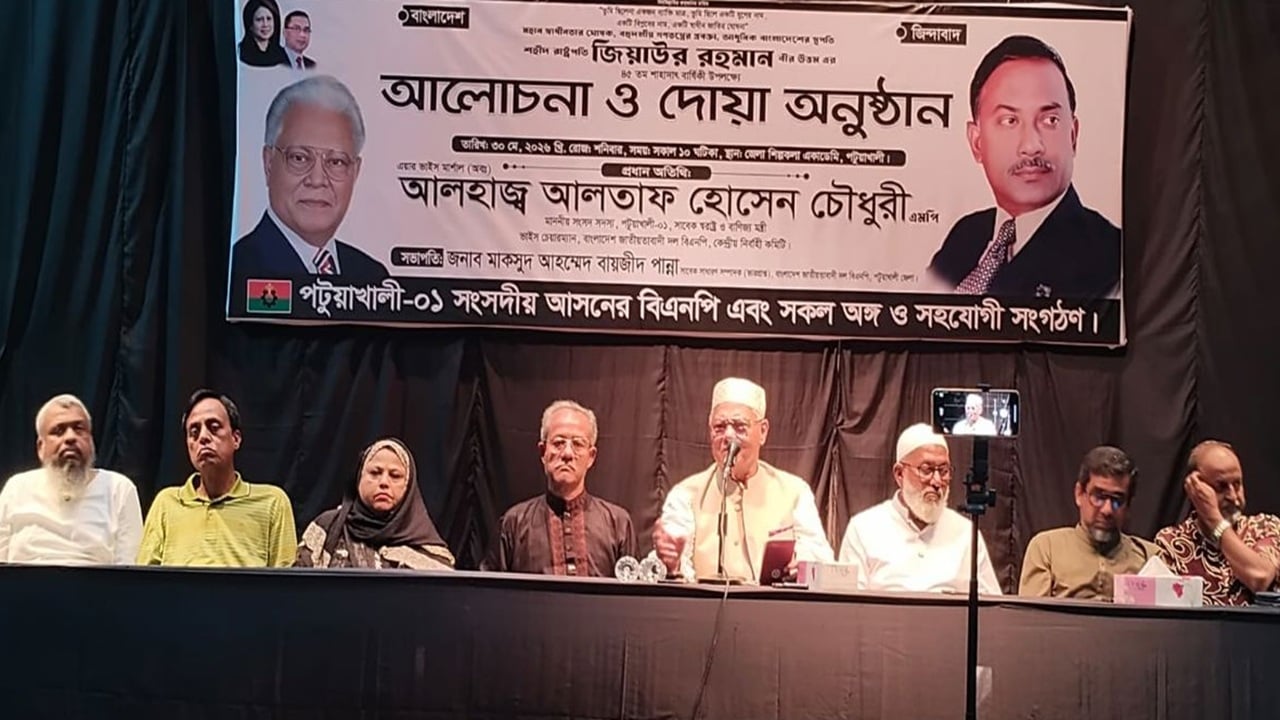
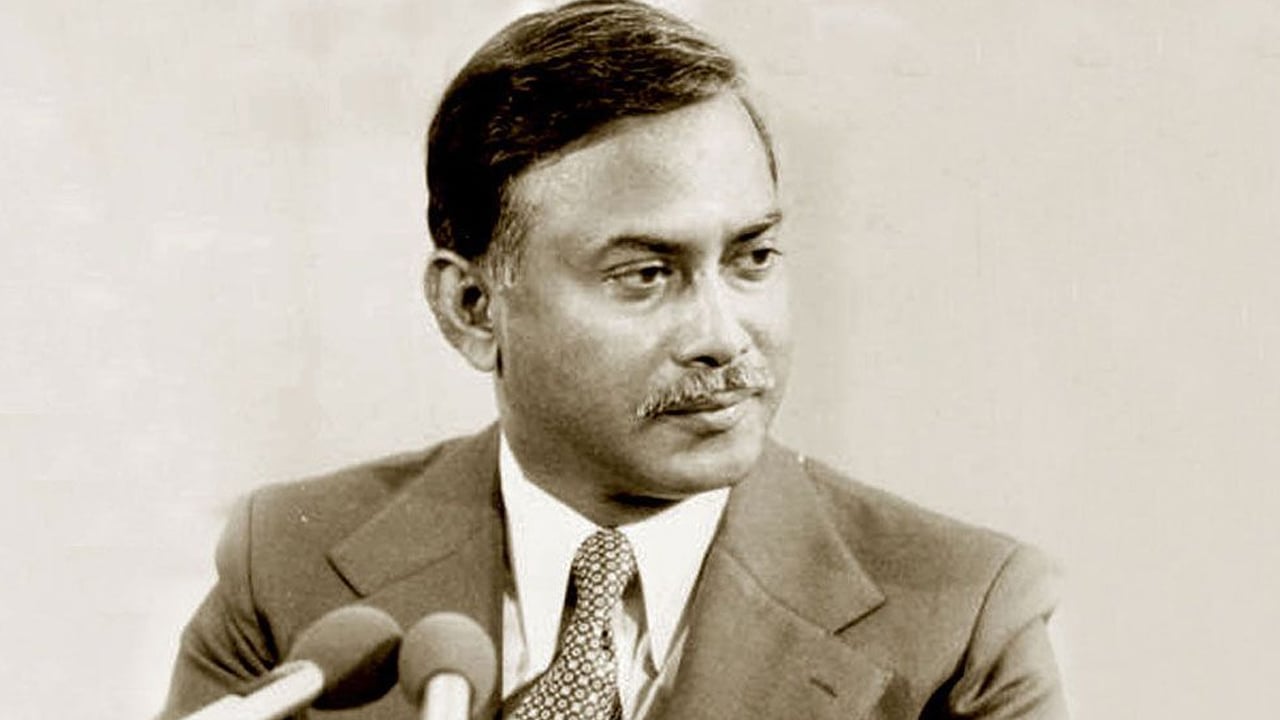
Former Home Minister and BNP Vice-Chairman Air Vice Marshal (Retd.) Altaf Hossain Chowdhury stated that during the night of March 25, 1971, when Pakistani forces attacked unarmed civilians, no Awami League leaders were found to lead the nation. He claimed that some leaders went underground, some fled to India, and others surrendered to the Pakistani army. Chowdhury said that at that time of despair, Major Ziaur Rahman stood up and declared independence from the Kalurghat radio station in Chattogram. He made these remarks on Saturday, May 30, at a discussion and prayer event held at the Patuakhali District Shilpakala Academy marking the 45th martyrdom anniversary of President Ziaur Rahman. Chowdhury added that Zia founded the Jago Dal in February 1978 and later formed the Bangladesh Nationalist Party (BNP) in September of the same year. He described BNP as a historic political party that survived multiple attempts to break it. Chowdhury further said Ziaur Rahman introduced multiparty democracy, initiated the SAARC for regional cooperation, and led the country toward food self-sufficiency. He also mentioned Zia’s anti-corruption stance and his successor Tarique Rahman’s continuation of that policy.
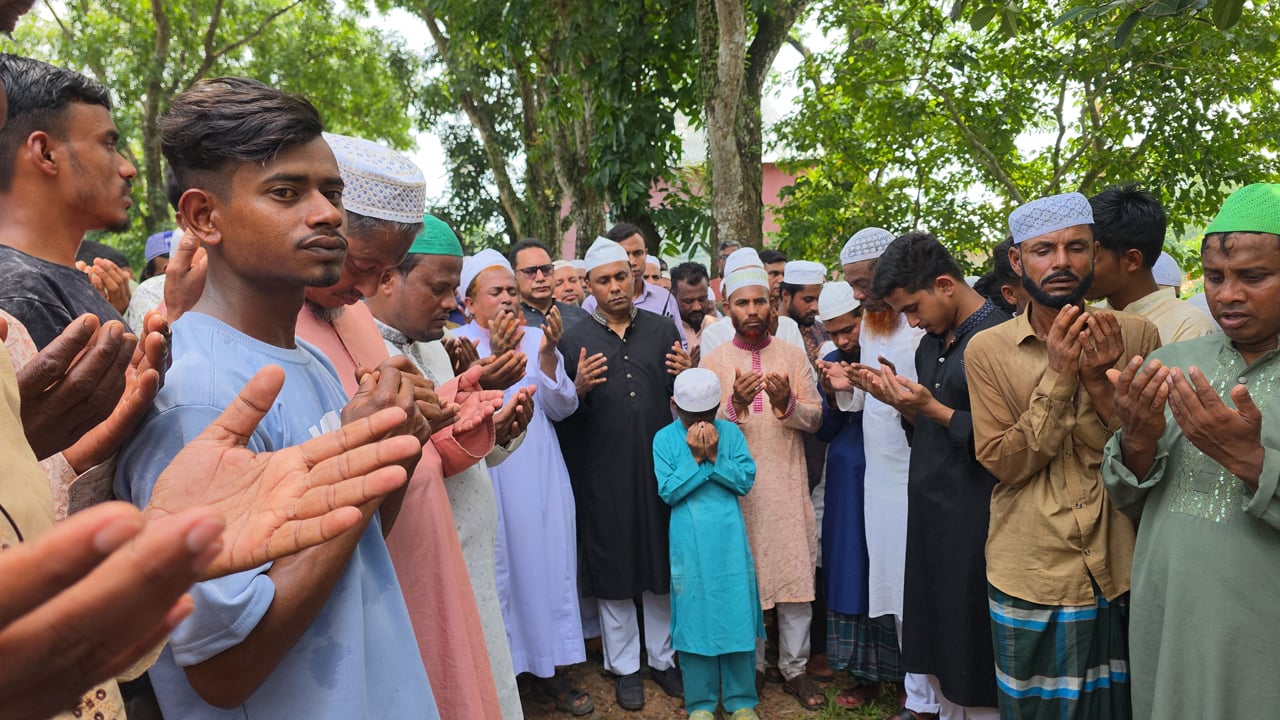
Deputy Speaker of the National Parliament Barrister Kaiser Kamal MP attended the funeral of Zainal Abedin, member secretary of the Kailati Union unit of Jubo Dal, in Kalmakanda upazila of Netrakona on Saturday, May 30, 2026. Abedin died suddenly of a heart attack at midnight on Friday. His funeral prayer was held at 10:20 a.m. at the Kailati Janata High School field, drawing a large crowd of local representatives, political figures, and residents. The Deputy Speaker prayed for the deceased and remarked that people’s deeds should make their accountability to Allah easier after death. The Deputy Speaker described Zainal Abedin as a dedicated worker and announced that he would take responsibility for Abedin’s family. Leaders and activists from BNP, Jubo Dal, Swechchhasebak Dal, and other affiliated organizations joined the funeral, expressing grief over the loss. Abedin, who had exchanged Eid greetings with the Deputy Speaker just a day earlier, left behind his wife, three sons, one daughter, and many admirers. The sudden death of the local BNP leader has cast a shadow of mourning across the Kailati area.
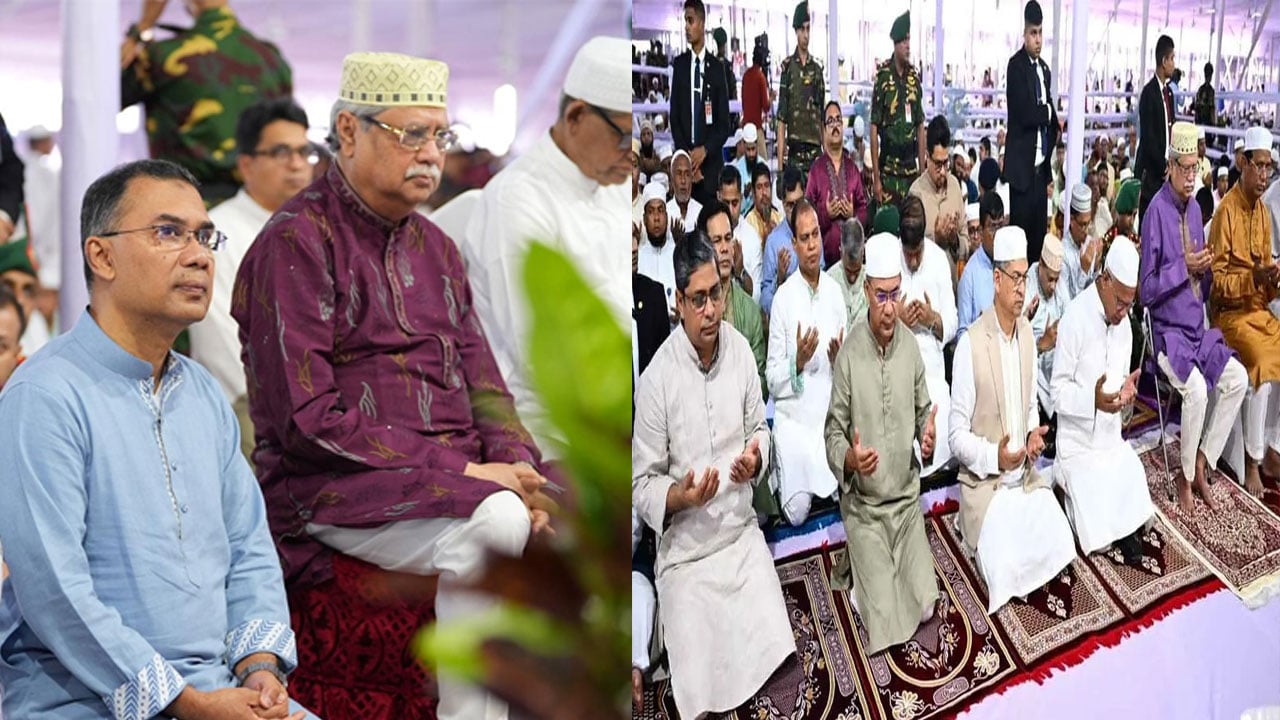
Questions have emerged online about whether the BNP-led government is distancing itself from President Md. Shahabuddin Chuppu. The discussion intensified after photos from the Eid-ul-Azha prayer showed Prime Minister Tarique Rahman maintaining a visible distance from the president, unlike during the Eid-ul-Fitr prayers when they stood side by side. Reports also noted that during Chuppu’s recent London trip for medical reasons, his shopping at an upscale market reportedly displeased senior government figures. Senior journalist Helal Uddin wrote on social media that the contrasting seating arrangements between the two Eid prayers have sparked curiosity and speculation. According to state protocol, the president and prime minister usually sit together in the front row at the National Eidgah, but this time the president was seated several positions away. The sudden change in protocol within two months has drawn attention among observers and online users. The report adds that although the BNP retained Chuppu as president, criticism persists nationwide over how a former close associate of deposed ruler Sheikh Hasina continues to hold the position.
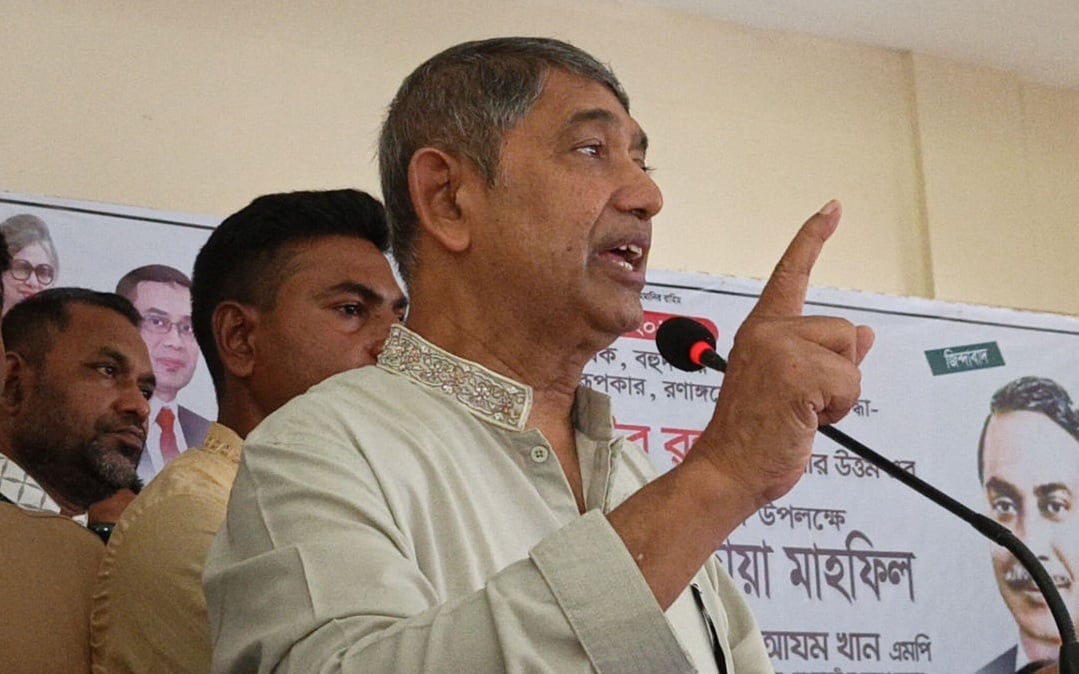
Liberation War Affairs Minister Advocate Ahmed Azam Khan stated that Ziaur Rahman risked his life and family to declare Bangladesh’s independence and fought bravely on the battlefield. He made the remarks on Saturday at a discussion organized by the Sakhipur Upazila BNP in Tangail, marking the 45th martyrdom anniversary of the late President Ziaur Rahman. The minister said that during the critical days of March 1971, when the nation was leaderless and senior political figures were either arrested or in hiding, Ziaur Rahman, then a major, declared independence and joined the war instead of fleeing. He added that Ziaur Rahman stayed in a tea estate manager’s bungalow in present-day Habiganj, where a meeting of 13 army officers appointed M.A.G. Osmani as commander-in-chief and accepted Zia’s proposal to name the conflict the Liberation War. Addressing party leaders and activists, Ahmed Azam Khan emphasized that the government led by Tarique Rahman, successor of Ziaur Rahman and Begum Khaleda Zia, should serve the people rather than act as rulers.
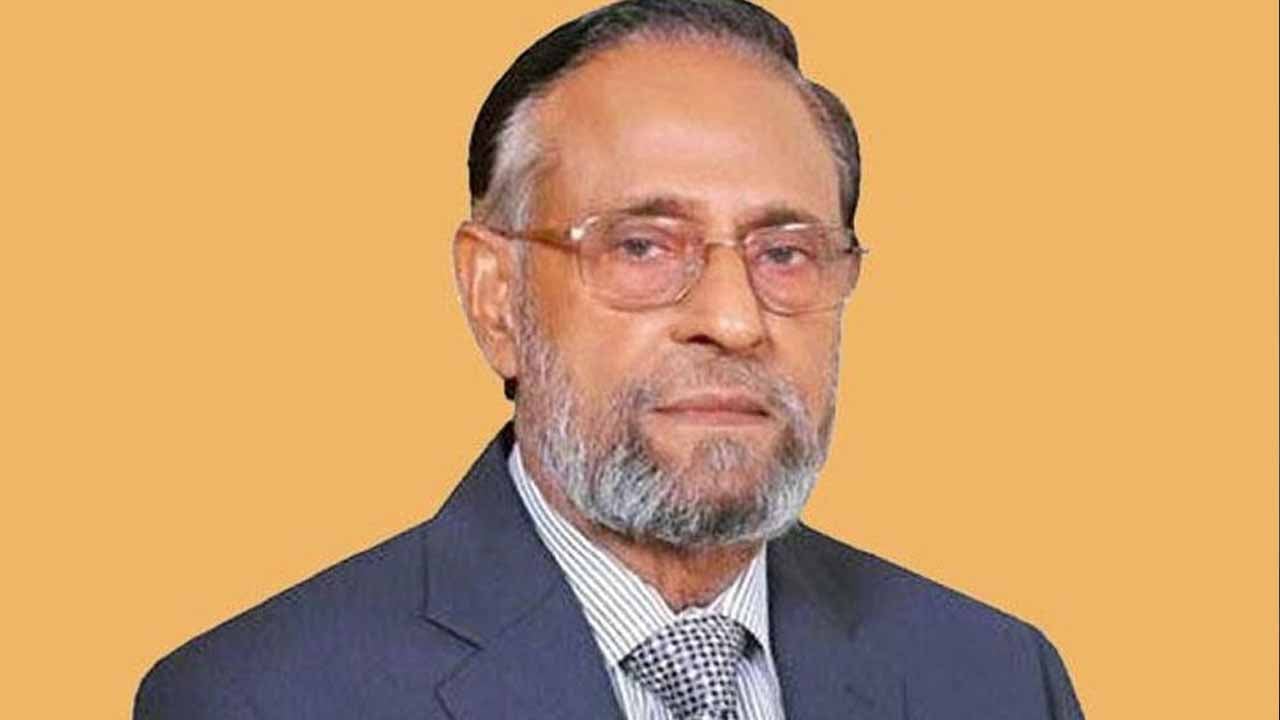
Japan’s population has fallen by 3.1 million over the past five years, reaching just above 123 million, according to preliminary results from the 2025 national census released by the Ministry of Internal Affairs on Friday. The data, reflecting figures up to October 1 of the previous year, show a 2.5 percent decline compared with the 2020 census, marking the largest population drop in the country’s history. The census, conducted every five years since 1920, confirms that Japan’s population has now declined for the third consecutive time since the first recorded drop in 2015. Among Japan’s 47 prefectures, only Tokyo and Okinawa saw population increases—by 199,000 and 1,000 respectively—though both grew at a slower pace than before. Hokkaido experienced the steepest decline, losing 239,000 residents, followed by Shizuoka and Hyogo. Despite the shrinking population, the number of households rose to a record 57.12 million, up by about 1.29 million from the previous census. The average household size fell from 2.26 to 2.15, which the ministry attributed to the growing trend of elderly people living alone. Final and detailed census results are expected in September.

Liberal Democratic Party (LDP) Chairman Dr. Colonel (Retd.) Oli Ahmad Bir Bikram has claimed that he was offered the position of prime minister through a parliamentary coup but refused to accept it. In an interview with Public Investigation, he said that in 1996, 143 Awami League MPs and 40 BNP MPs, totaling 183, had planned a parliamentary coup and proposed to make him prime minister. He initially agreed for two days but later declined, saying he could not betray Begum Zia. Oli Ahmad, who has been elected MP six times and served as minister three times, said the MPs at that time wanted to introduce a bill in parliament to carry out the coup. He also mentioned that former President Ziaur Rahman had intended to appoint him as home minister if elected to power, but other ministers influenced him otherwise. He urged the current prime minister to manage her MPs properly, warning that failure to do so could create problems. He emphasized that MPs should focus on legislation and that administrative officials should remain independent from political activities.
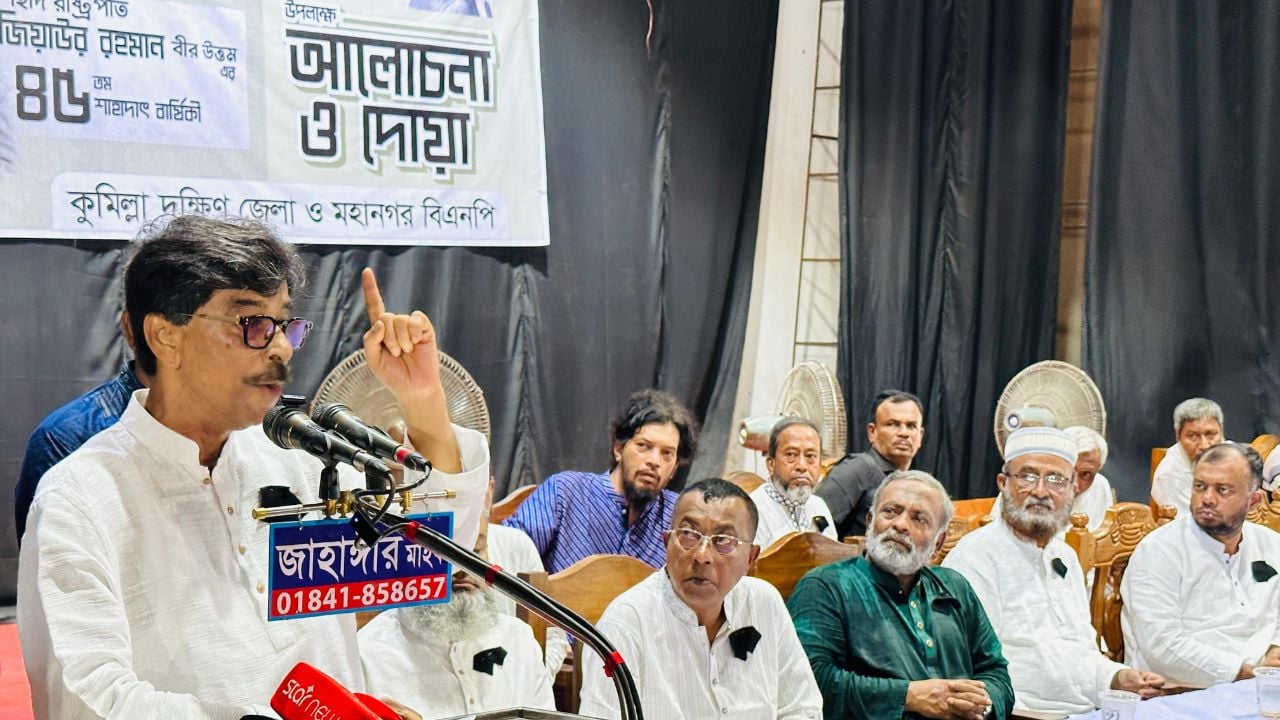
Fisheries, Livestock and Agriculture Minister Mohammad Aminur Rashid said that late President Ziaur Rahman had led the nation through every crisis until his death. He made the remarks on Saturday at the Comilla Shilpakala Academy during a discussion and prayer meeting organized by Comilla South District and Metropolitan BNP to mark the 45th martyrdom anniversary of Ziaur Rahman. The minister described Ziaur Rahman’s role in establishing democracy as historic and emphasized his honesty, responsibility, and people-oriented politics as exemplary. He urged party members to reflect Zia’s ideals in their conduct and to act responsibly and transparently to meet public expectations. Rashid also warned against unethical activities under the guise of government or party affiliation and called for vigilance to prevent such behavior. He proposed forming support committees at various administrative levels to monitor law and order and assist the administration. Highlighting the importance of the agriculture and livestock sectors for the economy and food security, he pledged to work with integrity and accountability for national welfare.
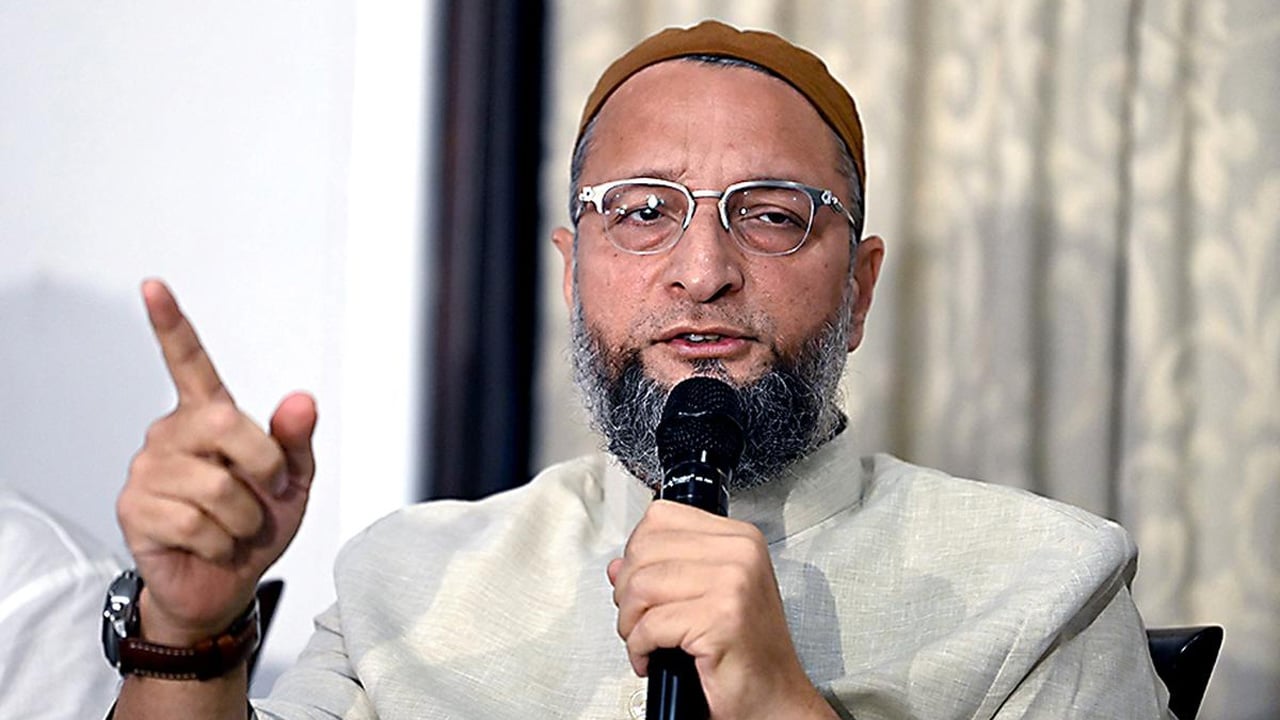
All India Majlis-e-Ittehadul Muslimeen (AIMIM) chief Asaduddin Owaisi has said that if offering prayers on streets is considered wrong, the same rule should apply to all religions. Speaking at an Eid reunion event on Friday, he cited Article 25 of the Indian Constitution, which guarantees religious freedom, and criticized what he called a double standard in how religious practices are treated. Owaisi argued that objections are raised only against Muslim practices such as namaz and azan, while other religious processions and gatherings face no similar scrutiny. He further questioned restrictions on meat sales during Hindu festivals, suggesting that if such bans are justified, liquor shops should also close during Ramadan. Owaisi accused authorities of deliberately creating controversies around Muslim rituals before major Islamic festivals like Ramadan and Eid al-Adha. His remarks came amid new administrative directives in several Indian states to prevent traffic disruptions caused by large gatherings. In Uttar Pradesh, Chief Minister Yogi Adityanath recently urged that prayers be conducted in an orderly manner, while West Bengal authorities moved Kolkata’s traditional Eid congregation from Red Road to Brigade Parade Ground to avoid road blockages.
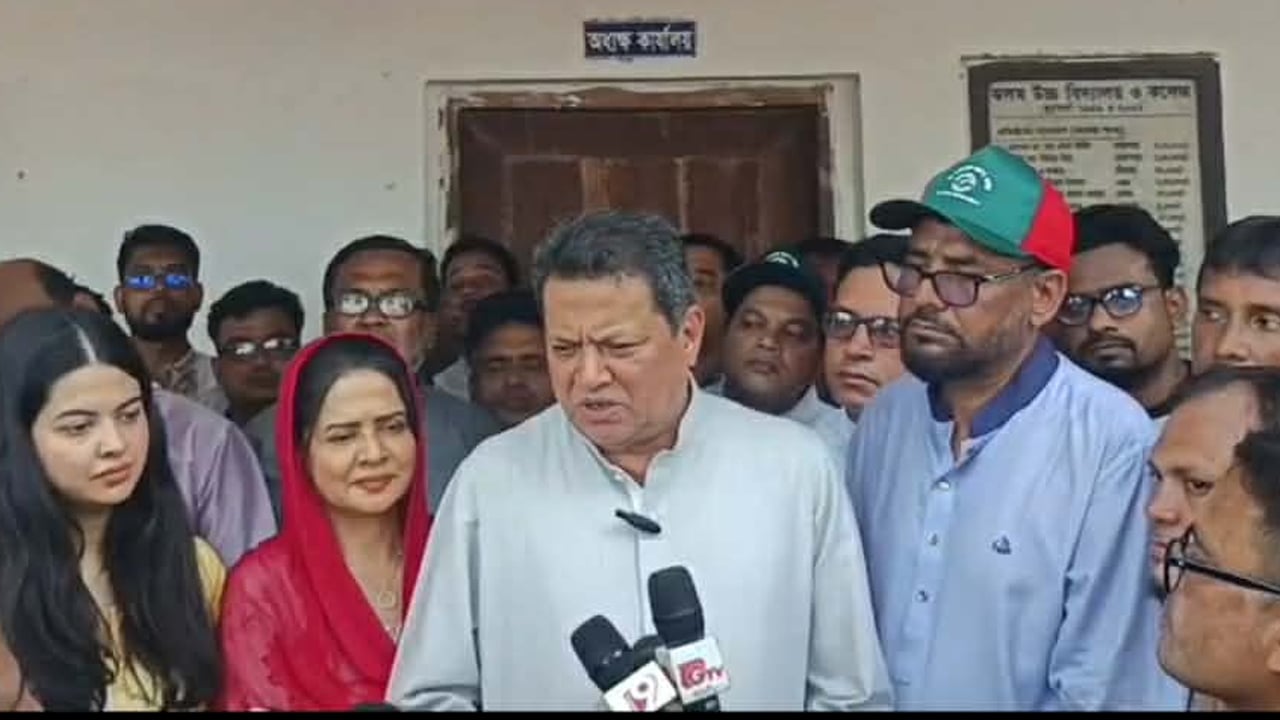
Housing and Public Works Minister Zakaria Taher Suman stated that Prime Minister Tarique Rahman has been working 18 to 19 hours a day to address the country’s fragile economy. He made the remarks on Saturday, May 30, during a free medical camp organized by the A.K.M. Abu Taher Foundation at Jhalam School and College field in Barura, Comilla, marking the 45th martyrdom anniversary of former President Ziaur Rahman. The minister noted that the current government has been in power for only three months. Suman alleged that the previous Awami League government withdrew about six lakh crore taka from banks, leaving the financial system weakened. He urged citizens to pray for the prime minister as he works to move the country forward. The event drew participation from local political leaders and officials. Around 5,000 people from four unions received free medical services at the camp, where over a hundred specialist doctors provided consultations and medicines. Organizers said the initiative aimed to deliver healthcare to underprivileged and underserved communities, with plans to continue similar services across 16 unions.
The Babuganj upazila administration in Barishal has launched a special initiative to collect and preserve sacrificial animal hides left abandoned along the Barishal-Dhaka highway. The action followed reports that local madrasa and orphanage authorities, unable to sell the hides at fair prices, had discarded them after Eid-ul-Azha. Officials quickly dispatched teams to recover the hides and took steps to prevent spoilage. According to local sources, the institutions had hoped to fund educational and humanitarian activities through the sale of the hides. However, a reported syndicate among tannery traders and unusually low market prices left them disappointed. Babuganj Upazila Nirbahi Officer Asma Ul Husna stated that teachers could have sought help from the administration, which had arranged salt for preservation. She emphasized that proper storage could help institutions benefit financially in the future. Local residents expressed concern over persistent instability in the leather market and the influence of middlemen, urging the government to ensure fair pricing for sacrificial hides.

A detailed report from Amar Desh recounts events following the assassination of Bangladesh President Ziaur Rahman on May 30, 1981, in Chittagong. The account, based on testimonies from Major Rezaul Karim Reza and Brigadier (Retd.) Hannan Shah, describes how Major General Abul Manzur attempted to navigate the chaotic aftermath. Reza, assigned as Manzur’s chief security officer, witnessed Manzur refusing to speak with Army Chief General Ershad and later fleeing Chittagong Cantonment as the situation deteriorated. The report outlines how Manzur, accompanied by his family and several officers, fled toward the Chittagong Hill Tracts but was forced to surrender to police after their vehicle broke down. He was later taken into custody and allegedly killed, a case that remains under trial with Ershad named among the accused. The article also recounts how Brigadier Hannan Shah located Ziaur Rahman’s grave on June 1 and arranged for the body’s recovery and transfer to Dhaka. The report cites Hannan Shah’s view that unresolved justice left enduring mystery around Ziaur Rahman’s assassination, despite trials and executions of several military officers involved.
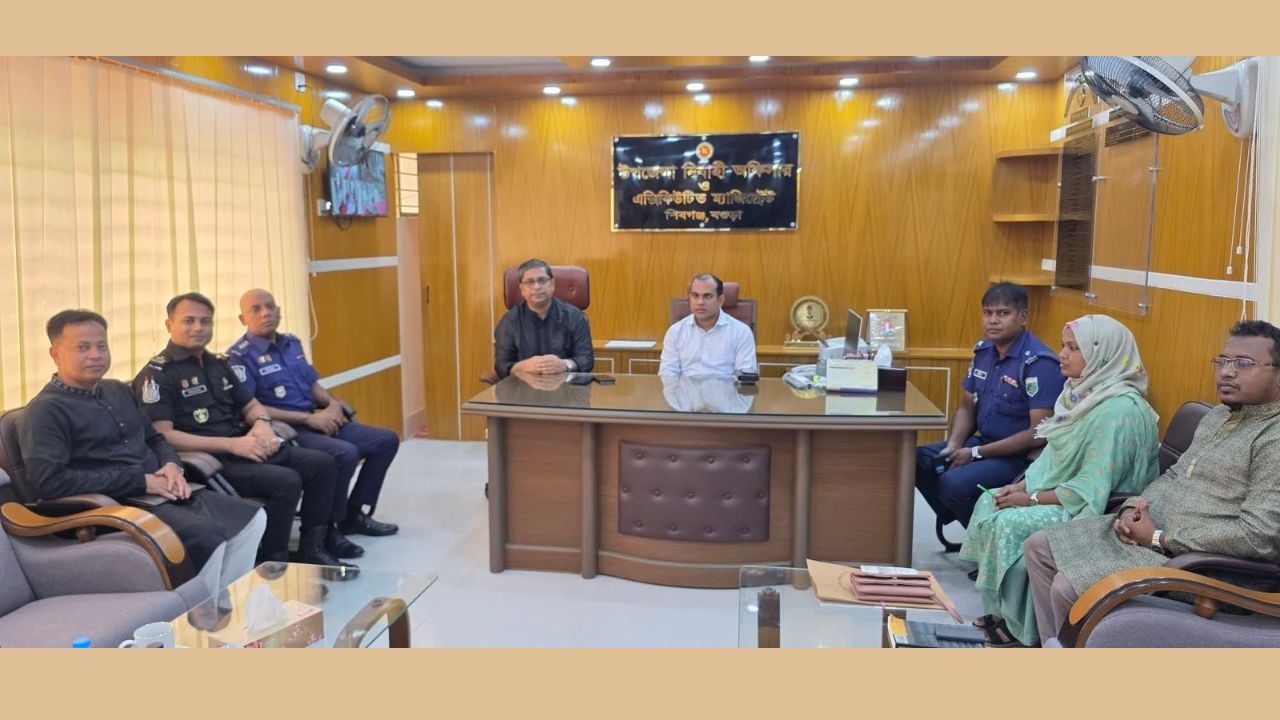
An expert team has been formed to verify whether 47 statues preserved at the Mahasthangarh Museum in Bogura are genuine or replicas. The decision came during a meeting held on Saturday at the office of the Shibganj Upazila Nirbahi Officer, attended by State Minister for Local Government, Rural Development and Cooperatives Mir Shah Alam MP. The committee members briefed the minister on the progress of the investigation and the steps taken so far. Considering the sensitivity of the issue, the committee’s tenure has been extended by 15 working days. To ensure a more impartial and scientific assessment, specialists from Jahangirnagar University’s Department of Archaeology will examine the statues. Committee convener and Upazila Nirbahi Officer Ziaur Rahman stated that Mahasthangarh is a vital archaeological heritage site and expressed hope that the investigation would conclude within the extended period. The inquiry follows allegations raised at a local law and order meeting on May 11, after reports in several media outlets drew government attention to the matter.
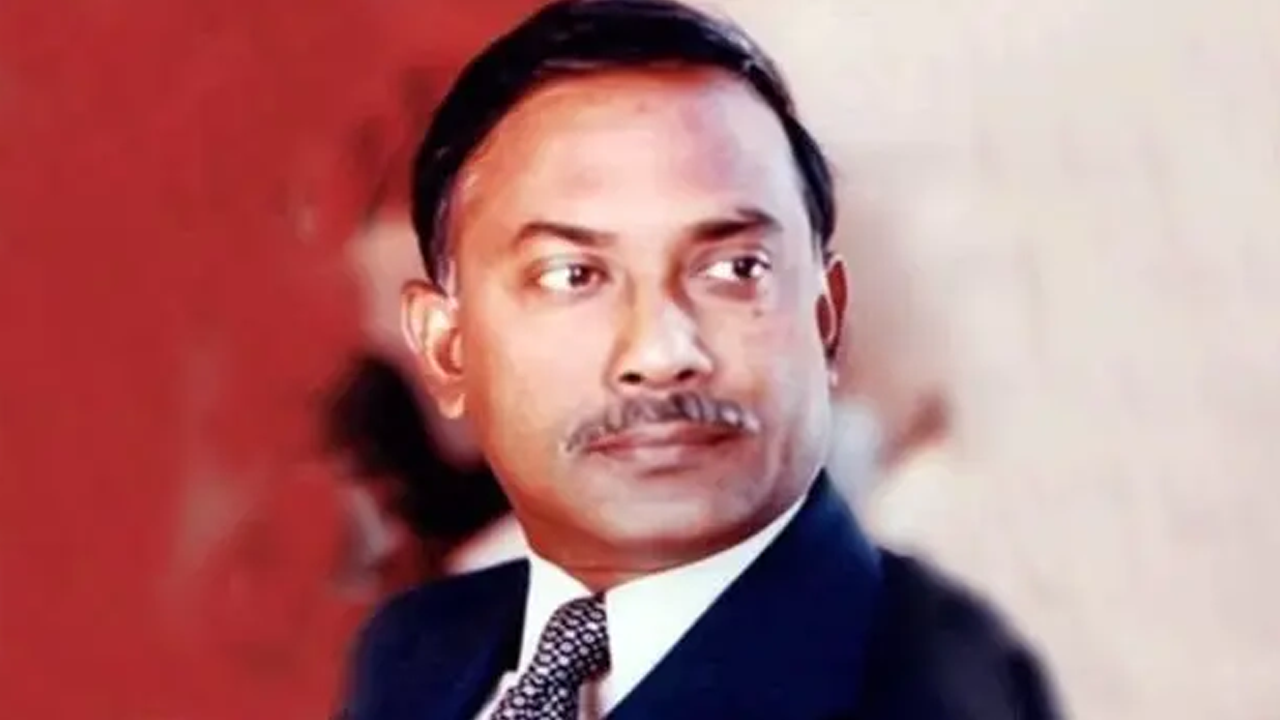
On May 30, 1981, amid heavy storms in Chattogram, President Ziaur Rahman was staying overnight at the Circuit House to resolve internal disputes within the local BNP. Before dawn, intense gunfire erupted, and journalists nearby, including Helal Uddin Chowdhury, witnessed the area being surrounded by army personnel. Reports later confirmed that President Zia and several loyal officers were killed by rebel soldiers during the attack. Major General Moinul Hossain Chowdhury’s book describes how junior officers launched a sudden assault around 4 a.m., firing rockets and storming the building. Zia was shot multiple times by Lt. Col. Matiur Rahman. His body was removed before sunrise and buried in Rangunia under military supervision. Journalists reported restricted access to the burial site, and the city remained under army control for two days. The incident left Chattogram in shock and fear. BNP activists stayed out of sight, and no organized protests occurred. Subsequent reports said some officers involved were killed while fleeing, while Major General Abul Manzoor was captured and later killed in custody, deepening the atmosphere of mistrust within the army.
The ‘1 Nojor’ media platform is now live in beta, inviting users to explore and provide feedback as we continue to refine the experience.