

The ‘1 Nojor’ media platform is now live in beta, inviting users to explore and provide feedback as we continue to refine the experience.
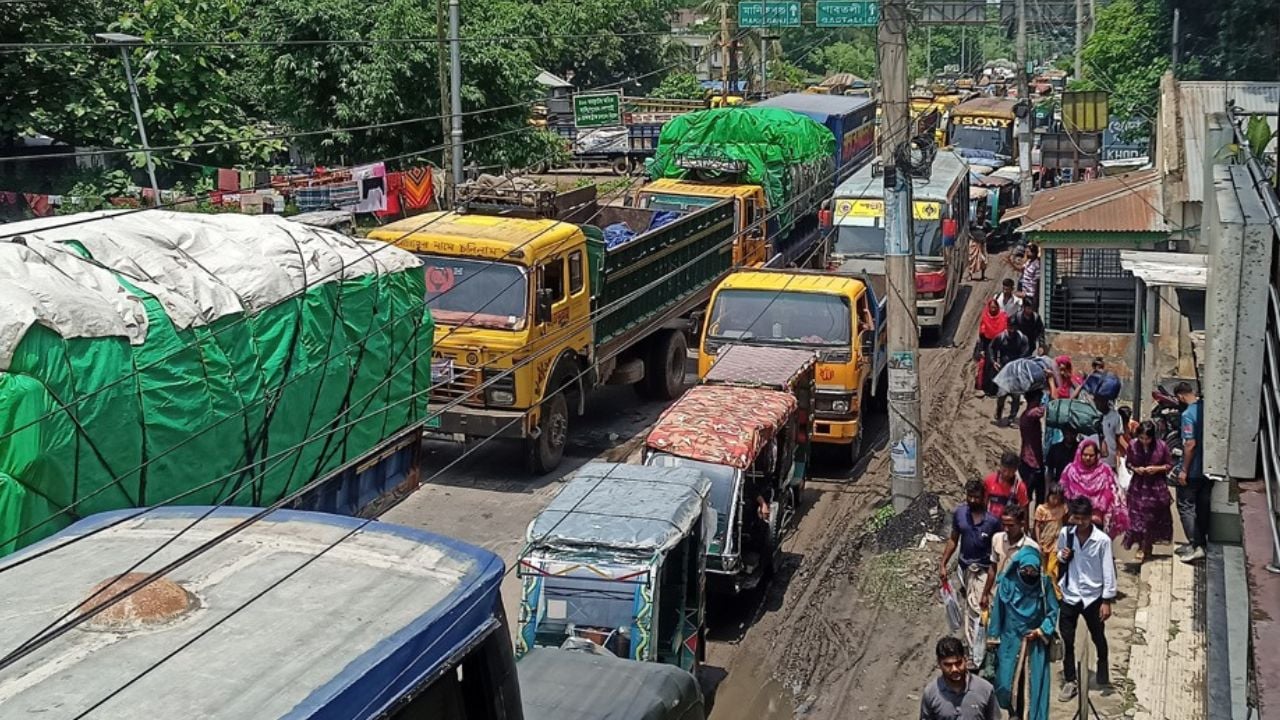
On May 27, 2026, severe traffic congestion and rain caused major disruption at the Aricha and Paturia ferry terminals in Manikganj, as thousands of passengers attempted to cross the river ahead of Eid-ul-Azha. Ferry operations on the Aricha-Kazirhat and Paturia-Daulatdia routes were temporarily halted for an hour due to strong winds and rain. One of the five ferries on the Aricha-Kazirhat route, the Ro-Ro ferry Shah Ali, remained under repair after a mechanical failure, further reducing capacity. Despite official restrictions on goods trucks during the Eid period, stone and cement-laden trucks were seen using the route, worsening the congestion. Many passengers walked several kilometers in the rain to reach the terminals, while others waited hours to board ferries. The traffic situation extended for about two kilometers around both terminals, with vehicles parked haphazardly along the Dhaka-Aricha highway. Officials from BIWTC reported that hundreds of vehicles were waiting to cross, and they expected the situation to improve by evening as additional ferries were deployed to handle the increased load caused by congestion on the Jamuna Bridge route.
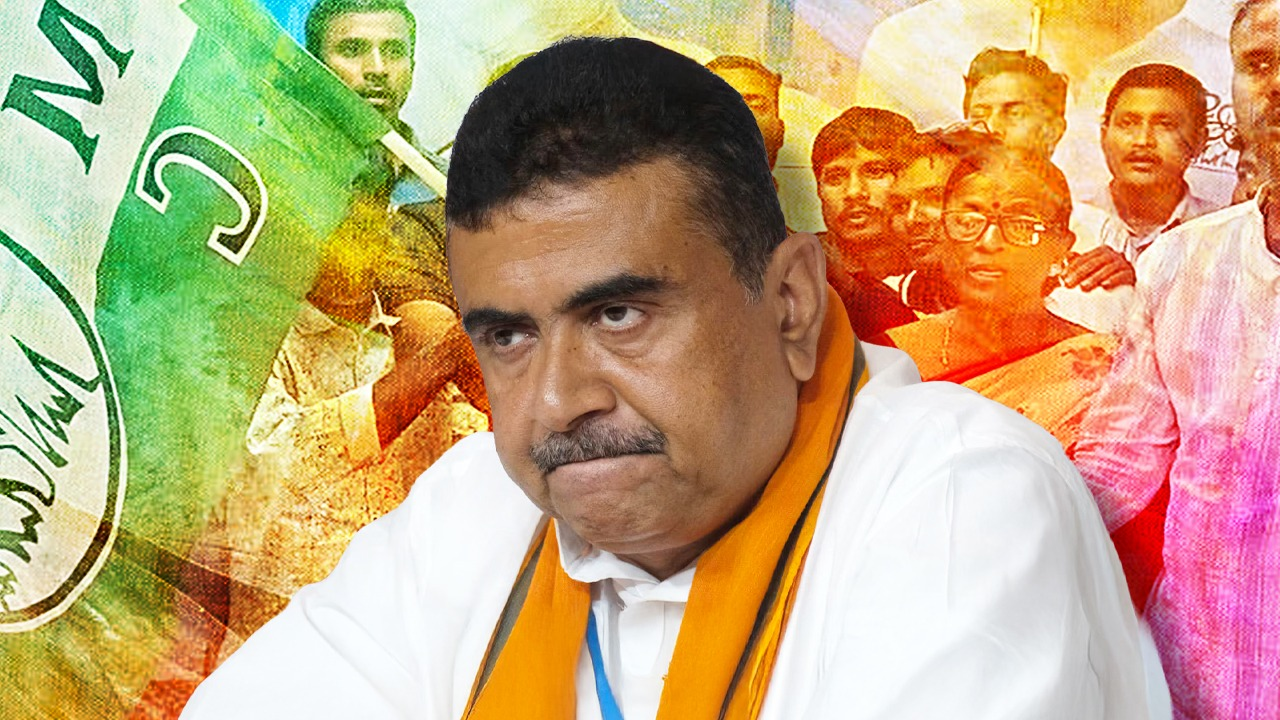
West Bengal Chief Minister Suvendu Adhikari announced that Bangladeshi nationals entering India illegally will no longer be sent to jail but will instead be handed directly to the Border Security Force (BSF). He made the statement on Tuesday after an administrative meeting with officials from Nadia, Hooghly, and North 24 Parganas districts in Kalyani. Adhikari said the police had been instructed accordingly, arguing that keeping such individuals in jail wastes public money. Adhikari claimed that a large number of 'illegal Bangladeshis' had gathered at the Hakimpur checkpoint in North 24 Parganas district. Addressing them, he urged them to leave quickly, warning that the government would take action otherwise. He added that these individuals harm Indian citizens, particularly residents of West Bengal, and that previous governments had avoided enforcing existing laws for political reasons. Earlier, the BJP-led government in West Bengal, under Adhikari’s leadership, had ordered the creation of ‘holding centers’ in every district to detain alleged Bangladeshi and Rohingya infiltrators. Similar facilities have been established in other Indian states over the past year.
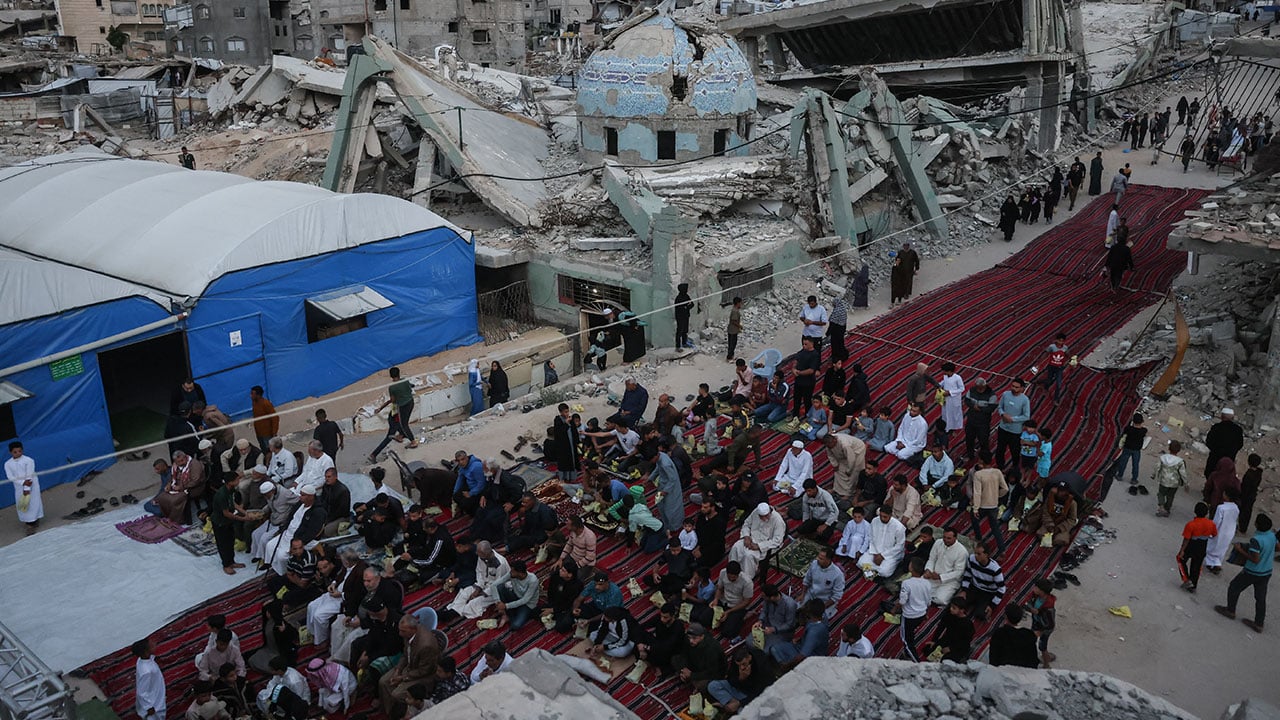
Eid al-Adha was observed in Gaza on May 27, 2026, under deep sorrow and uncertainty. Despite prayers being held, there were no animal sacrifices, new clothes for children, or festive joy. Residents described the day as a symbol of pain amid war, hunger, and destruction. Many displaced families, like Nadia Abu Shamala’s in Deir al-Balah, said they could not afford even basic needs due to skyrocketing prices and ongoing conflict. Although a ceasefire brokered by the United States began in October 2025, Israeli airstrikes continue, leaving 80 percent of Gaza’s buildings damaged and most residents dependent on aid. Israel controls all entry points, and NGOs report that limited truck access has failed to ease shortages or inflation. Locals called the ceasefire “a big lie” but still tried to create small moments of joy for children. The Food and Agriculture Organization reported that Gaza now has only a quarter of its pre-war sheep population, about 15,000 animals. Prices for sacrificial livestock have surged from around 1,000 shekels to as high as 15,000. With gas shortages and destroyed homes, many families struggled even to bake traditional sweets, marking a bleak Eid across the enclave.
Iran has reaffirmed that it will not engage in any discussions with the United States regarding the future of its highly enriched uranium stockpile. Ali Bagheri, deputy secretary of Iran’s Supreme National Security Council, restated this position during an interview with Fars News Agency on the sidelines of an international security conference in Moscow, Russia. He emphasized that the matter is not on the negotiation agenda. Earlier, U.S. President Donald Trump had stated that Washington would not allow Iran to retain its 440 kilograms of highly enriched uranium, which remains one of the key unresolved issues between the two countries. Analysts note that uranium enriched up to 60 percent, though below the 90 percent required for weapons-grade material, can be upgraded relatively quickly to that level. Observers suggest that Iran’s firm stance could further complicate ongoing ceasefire-related discussions between Tehran and Washington, as the enriched uranium issue remains a central point of contention.

In 2012, then–Vice President Xi Jinping told Bill Gates during a meeting in Beijing that he had quit smoking years earlier and felt much better. He described tobacco use as a serious problem for China and expressed a desire to take action against it. Days later, Gates attended an anti-smoking event with Xi’s wife, singer Peng Liyuan, where both wore red shirts bearing anti-smoking slogans. Fourteen years later, Xi has become China’s most powerful leader in decades, yet progress on tobacco control remains limited. Despite global declines in cigarette sales, China’s consumption rose 39 percent between 2003 and 2023, while the rest of the world saw a 26 percent drop. A private report by former officials of China’s Center for Disease Control and Prevention found that China sells about 2.4 trillion cigarettes annually, nearly half of global sales. Experts attribute the lack of progress partly to the influence of the State Tobacco Administration, which both regulates and operates the industry through the China National Tobacco Corporation. The company earned about 244 billion dollars in 2025, roughly 7 percent of national revenue, comparable to China’s declared defense budget.

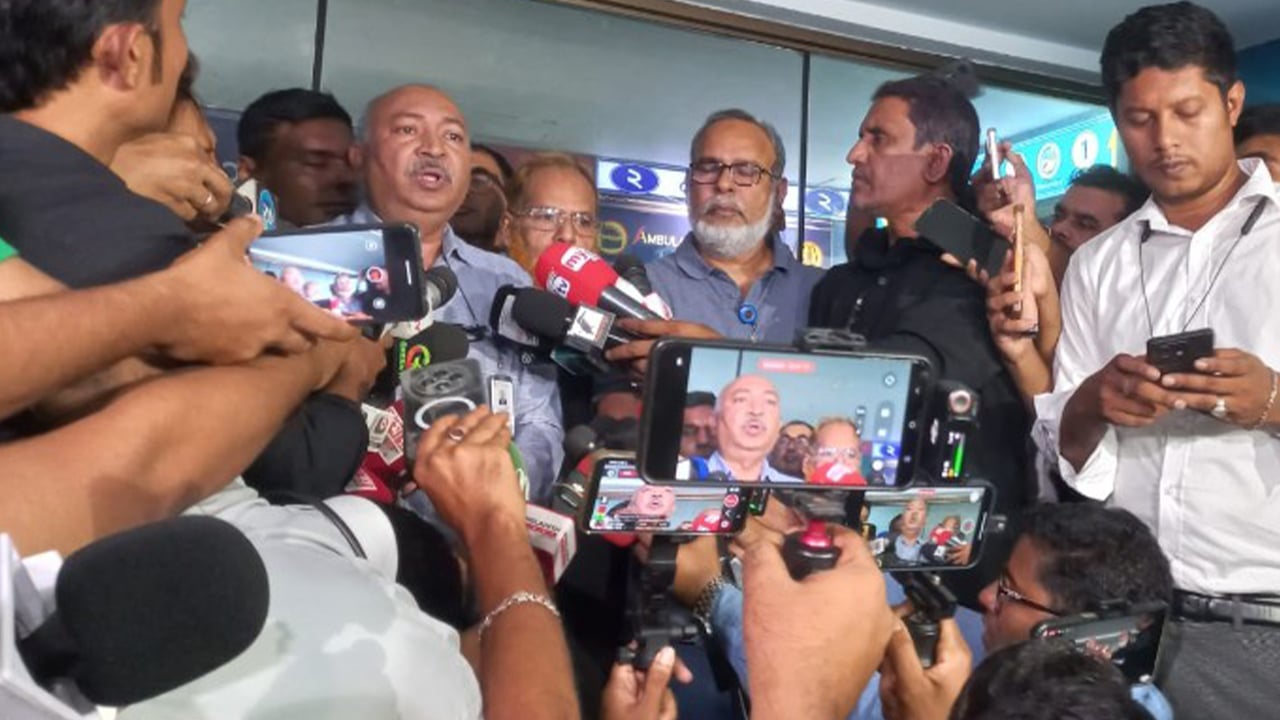
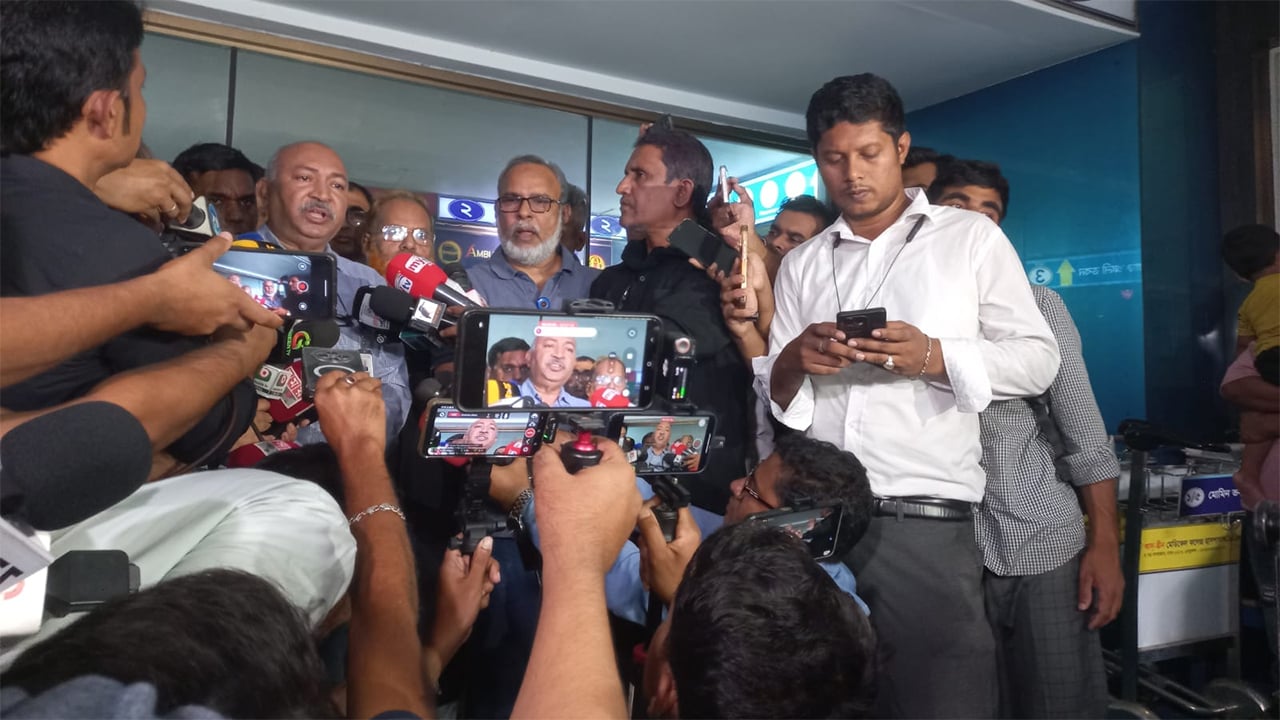
Ad-Din Medical College Hospital in Dhaka has expressed deep sorrow over the deaths of six newborns that occurred early on 26 May 2026. In a statement issued Wednesday, the hospital said the incident took place in the post-operative ward on the second floor, where air conditioners were temporarily turned off at the request of several mothers. The cooling system was later restarted, but by early morning, one infant began crying abnormally and was moved to the neonatal intensive care unit (NICU), followed by five others. All six newborns died between 6 a.m. and 9 a.m. According to the hospital, senior officials, including the Director General of Health Services and police officers, visited the site to examine the situation. The hospital authorities stated they are fully cooperating with government departments investigating the cause of the tragedy. Ad-Din Hospital has also initiated an internal investigation and formed a three-member committee to identify any negligence or procedural faults. The hospital pledged to take appropriate action if any lapses are found.
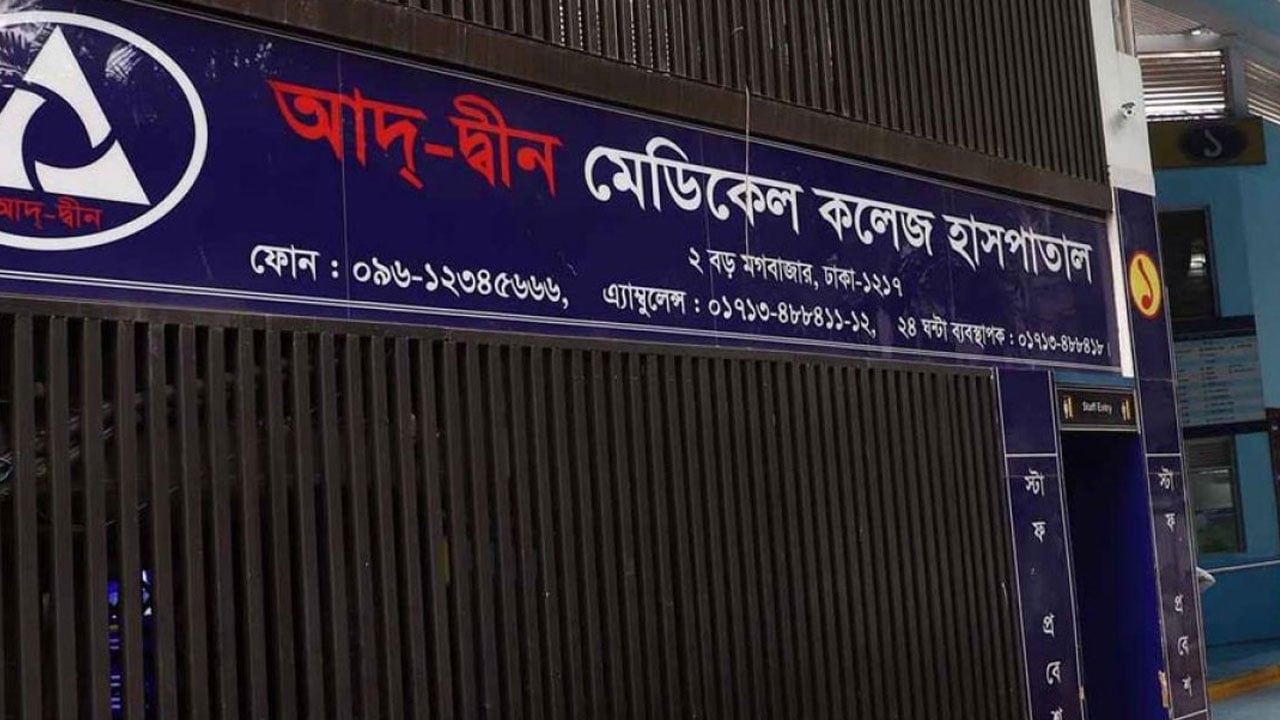
The Directorate General of Health Services (DGHS) has announced that the ward at Ad-Din Hospital in Dhaka’s Moghbazar, where six children recently died while under treatment, will be sealed. The decision was confirmed by Additional Director General Professor Dr. Zahid Raihan during an emergency press conference held in front of the hospital on Wednesday. He stated that the post-operative ward would be closed to ensure a proper investigation and to prevent any further unwanted incidents. A high-level three-member investigation committee, led by the Joint Secretary of the Ministry of Health’s Hospital Wing, has already been formed to examine the incident. The committee has been instructed by DGHS Director General Professor Dr. Prabhat Chandra Biswas to submit its report within 72 hours. The investigation will assess possible lapses in the treatment environment and identify the root cause of the problem. Officials at the press conference added that if negligence is proven, strict legal action will be taken against those responsible.
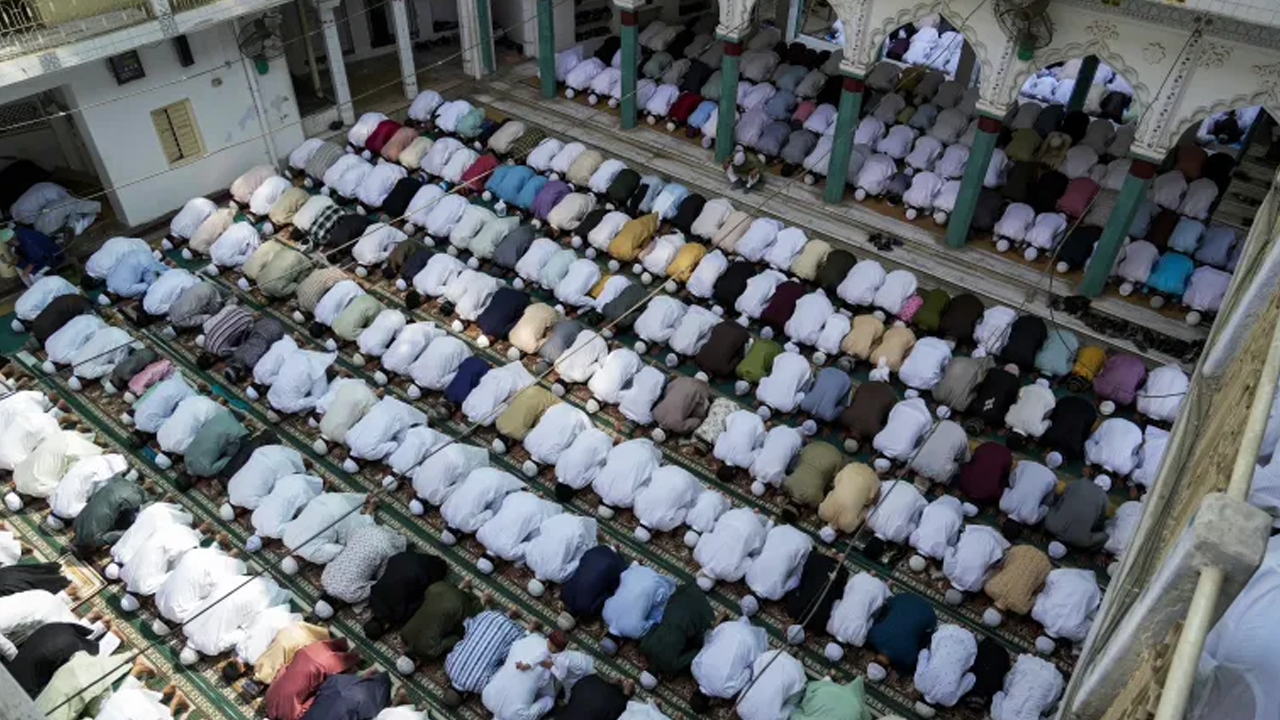
Muslims across several Indian states, particularly in Uttar Pradesh, have expressed growing concern over restrictions on Eid al-Adha prayers. Administrative measures limiting prayers in open fields, roads, or public spaces, along with opposition from right-wing Hindu groups, have left many communities struggling to find adequate prayer venues. In Meerut’s Maliyana village, mosque committees instructed worshippers to avoid crowds, ignore provocations, and refrain from filming during prayers. Local residents reported fear of police action or harassment if they pray in open areas. Since Prime Minister Narendra Modi came to power in 2014, right-wing Hindu organizations have increasingly opposed public prayers, citing traffic and security issues. The Vishva Hindu Parishad recently demanded a nationwide ban on street prayers. Uttar Pradesh Chief Minister Yogi Adityanath urged Muslims to pray in shifts, warning of “other measures” for noncompliance, which has heightened anxiety. Human rights activists argue that while restrictions are imposed on Muslim gatherings, large Hindu religious events receive administrative support, raising concerns about religious freedom and equal application of the law.
Mohammad Akbarzadeh, the deputy political chief of Iran’s Islamic Revolutionary Guard Corps (IRGC) Navy, has warned that Iran’s southern coastline could become a graveyard for any aggressors. Speaking on May 27, 2026, he said that while the likelihood of a new war with the United States is low, Iran remains fully prepared to repel any attack. Akbarzadeh stated that the weakness of Iran’s enemies makes renewed conflict unlikely, but emphasized that the country’s armed forces are on alert. His remarks came in response to a recent U.S. strike on Iran. Referring to the country’s long southern coast, he mentioned that the area stretching from Chabahar to Mahshahr would be turned into a burial ground for invaders. The comments, reported by Al Jazeera, underscore Iran’s continued readiness to defend its territory amid ongoing tensions with the United States.

China and Pakistan have jointly opposed any unilateral actions concerning Kashmir, emphasizing the need to maintain peace and stability in South Asia. The position was outlined in a joint statement issued at the conclusion of Pakistani Prime Minister Shehbaz Sharif’s four-day visit to China. Both countries underscored that unresolved issues, including the Jammu and Kashmir dispute, should be resolved through dialogue and diplomacy. According to the statement, China views the Jammu and Kashmir dispute as a historical issue that should be settled peacefully in accordance with the UN Charter, relevant UN Security Council resolutions, and bilateral agreements. The two nations reaffirmed their opposition to any unilateral measures that could affect regional stability. The joint stance comes in the context of India’s earlier decision to revoke Jammu and Kashmir’s special status, making the renewed alignment between China and Pakistan particularly significant.

Dhaka Metropolitan Police (DMP) has announced a four to six-tier security plan across the capital for Eid-ul-Azha, with special focus on the National Eidgah. Around 1,500 officers will be deployed around nearly one thousand Eid congregations, while about 15,000 police personnel will be on duty citywide on Eid day. DMP Commissioner Mosleh Uddin Ahmed said the plan was designed considering the large gatherings and temporary emptiness in parts of the city as many residents leave for holidays. The National Eidgah and other key prayer venues, including Baitul Mukarram, will host high-profile attendees such as the President, Prime Minister, and foreign diplomats. The Eidgah will have five entry gates and be fully covered by CCTV and drone surveillance. Security measures include archways, metal detectors, watchtowers, barricades, and patrols. Specialized units like SWAT, bomb disposal, and counterterrorism teams will remain on standby, while separate arrangements have been made for female worshippers. Traffic restrictions will apply from 6 a.m. until prayers conclude, and worshippers are urged to avoid carrying bags or sharp objects. Additional security has been arranged for homes, banks, malls, and ATMs during the holiday period, with cyber units monitoring social media for misinformation.

Local Government, Rural Development and Cooperatives Minister Mirza Fakhrul Islam Alamgir stated that no infrastructure will be constructed by destroying agricultural land. He emphasized that protecting farmland will remain a top priority even during the implementation of development projects. The minister made these remarks on Wednesday while visiting the proposed site for a university at Bhatar Mari Farm in Amtali Railghunti area of Jamalpur Union under Thakurgaon Sadar upazila. He noted that agricultural land in the country is decreasing day by day, which is a matter of concern for the future. Development initiatives will be undertaken carefully to minimize harm to agriculture. Plans will be made to balance development and agriculture, ensuring that education and health sector projects are implemented without damaging farmland. During the visit, Mirza Fakhrul Islam Alamgir also inspected potential sites for establishing a medical college and hospital in Srikrishnapur, Jagannathpur, Gareya Sugarcane Farm, and Salandar areas of the same upazila. Local officials, political leaders, and journalists were present during the inspection.

The Dead Sea, located at the junction of Israel, Jordan and the Palestinian territories, is shrinking at an alarming rate. Over the past five decades, its surface area has contracted by nearly one-third, with water levels dropping about four feet annually. The decline has caused thousands of sinkholes to form along the coast, forcing the closure of popular resorts such as Ein Gedi and threatening local tourism and businesses. Experts attribute the crisis to water diversion from the Jordan River and industrial mineral extraction. The river, which once supplied 1.3 billion cubic meters of water annually, now contributes only about 100 million. Since the late 1970s, the Dead Sea has split into two basins, with the southern part maintained artificially for industrial evaporation ponds. Companies from Israel and Jordan pump water from the northern basin to extract potash and magnesium. Efforts to save the Dead Sea have stalled due to political disputes, high costs, and lack of regional cooperation. A 2013 plan to pipe water from the Red Sea remains suspended over environmental and financial concerns. Environmental groups urge focusing on stabilizing the decline rather than full restoration.

The Ministry of Health and Family Welfare has formed a three-member high-level investigation committee following the sudden deaths of six children who were under treatment at Ad-Din Hospital in Moghbazar, Dhaka. The committee is headed by the Joint Secretary of the ministry’s Hospital Wing and has been instructed to submit its report within 72 hours. The announcement was made by Professor Dr. Prabhat Chandra Biswas, Director General of the Directorate General of Health Services, during an emergency press briefing held at the hospital premises on Wednesday afternoon. Dr. Biswas described the incident as deeply tragic and sensitive, emphasizing the need for a fair and impartial investigation. The committee will examine whether there was any negligence or misconduct in the treatment process and identify any other underlying issues. He further stated that if the investigation finds evidence of negligence by hospital officials or doctors, strict legal and administrative action will be taken against those responsible. Additional Director General Professor Dr. Zahid Raihan of the Directorate General of Health Services was also present at the briefing.
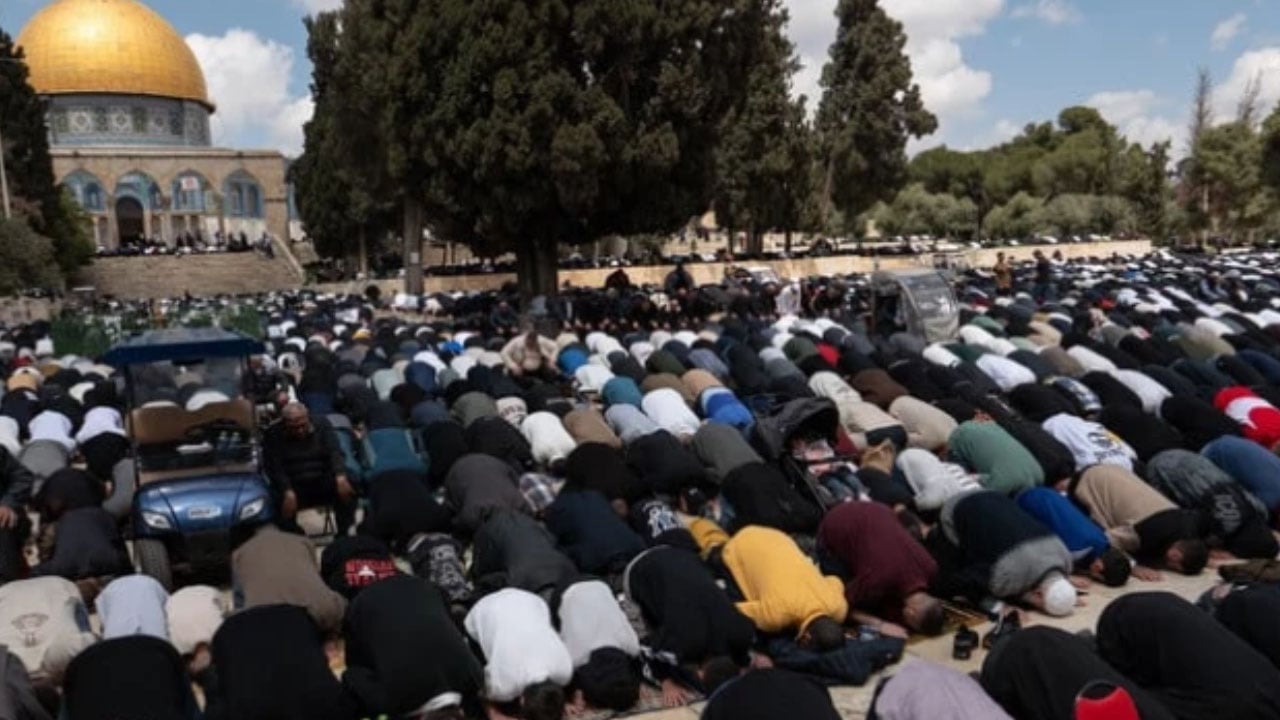
Palestinians performed Eid al-Adha prayers at the Al-Aqsa Mosque compound in Jerusalem on May 27, 2026. The mosque courtyard was filled with worshippers marking one of Islam’s most significant festivals, which commemorates Prophet Ibrahim’s willingness to sacrifice his son in obedience to God. Eid al-Adha is traditionally observed with animal sacrifices and the distribution of meat among the poor and relatives. However, due to Israel’s restrictions on the entry of live animals into Gaza, the practice of sacrifice has been largely absent there for the past three years. The celebration comes amid ongoing devastation in Gaza, where, according to the territory’s health ministry, more than 880 people have been killed and over 2,645 injured since a ceasefire was declared on October 10 between Israel and Hamas. The truce aimed to halt a conflict that began in October 2023, which has left over 72,000 Palestinians dead, most of them women and children, and caused massive destruction to civilian infrastructure.
The ‘1 Nojor’ media platform is now live in beta, inviting users to explore and provide feedback as we continue to refine the experience.