

The ‘1 Nojor’ media platform is now live in beta, inviting users to explore and provide feedback as we continue to refine the experience.
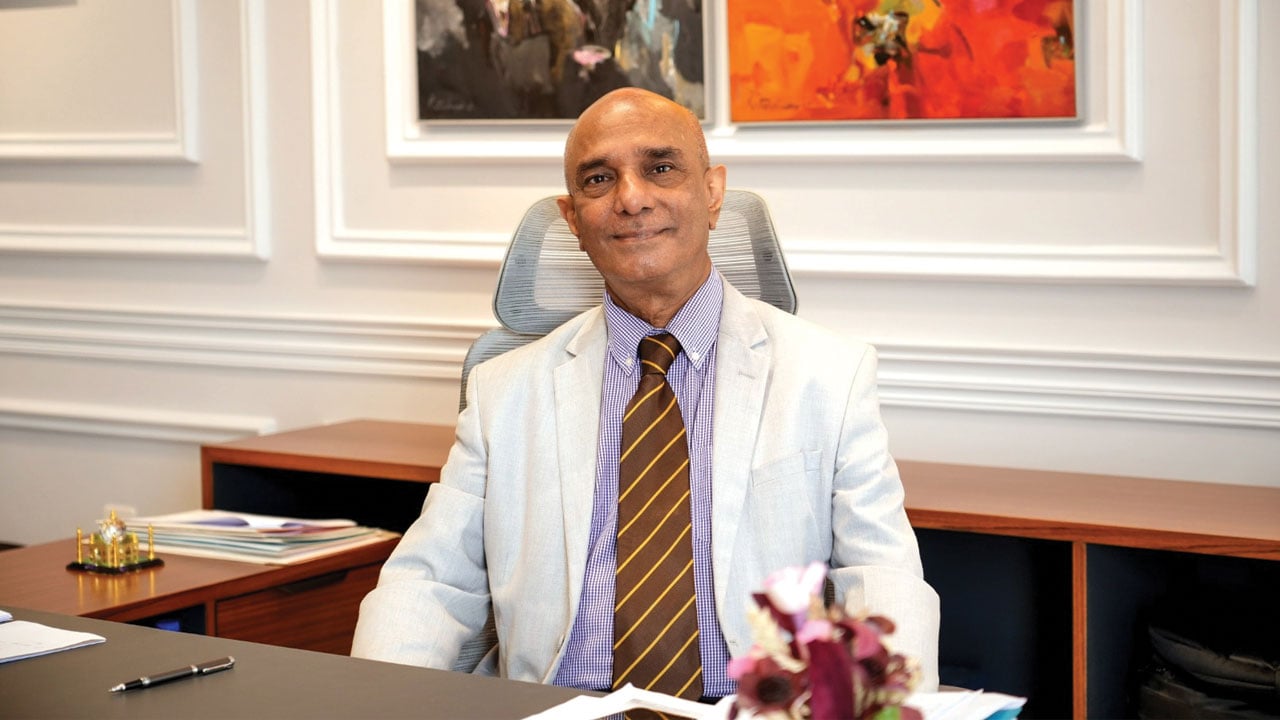
Road Transport, Bridges, Railways and Shipping Minister Sheikh Robiul Alam has described this year’s Eid travel as satisfactory, despite the movement of around 15 million passengers and 8 million sacrificial animals across Bangladesh. Speaking to reporters after inspecting the Mohakhali Bus Terminal in Dhaka on Wednesday, he said passengers were reaching their destinations at fixed fares and in an orderly manner, and that the government had ensured a smooth travel experience amid multiple challenges. The minister said the government was continuously monitoring the situation through the BRTA’s central monitoring cell. He acknowledged some congestion near Chandra before the Jamuna Bridge, caused by seven lanes merging into two, but termed it normal. He added that strict monitoring was in place to prevent overcharging, with fines imposed when violations were found. Special coaches for women were added to three intercity train routes, and 51 additional coaches were introduced for Eid travel. Regarding reports of a cattle market under the Uttara Diabari metro station, the minister clarified that no such decision had been made and said the city corporation would need to address the issue.
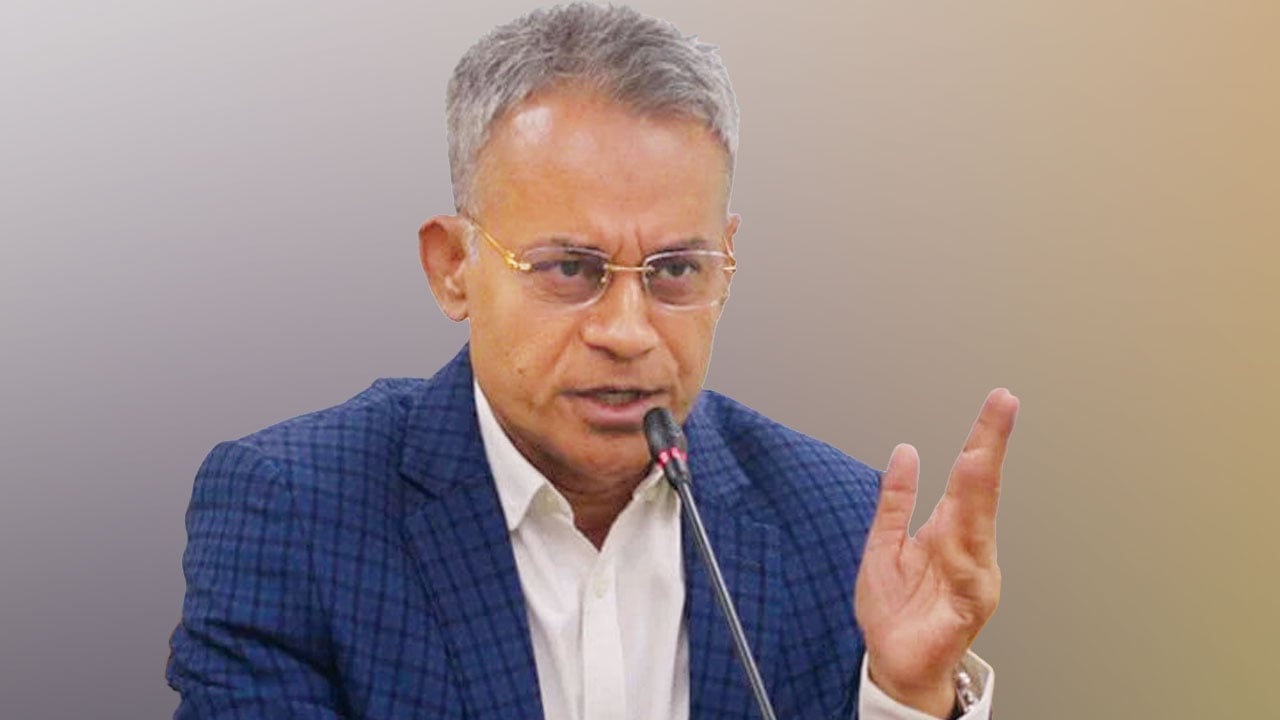
Indian cattle are reportedly entering Bangladesh through the Maheshpur border in Jhenaidah after sunset. The animals are brought from India’s Nadia and South 24 Parganas districts and enter Bangladesh through points near Lorai Ghat and Harighata. They are later sold in livestock markets across the country, including in Cumilla and Chuadanga. Allegations suggest that some members of India’s Border Security Force (BSF) are involved in facilitating the crossings. Investigations indicate that an illegal trade worth millions of taka has developed around eight border points used for smuggling. Local sources claim that cattle, drugs, and other contraband are moved through these routes under a system of monthly payments. Past incidents of violence have also been linked to these smuggling operations. Lieutenant Colonel Rafiqul Alam, commander of the 58th Border Guard Bangladesh (BGB) battalion in Maheshpur, said the force remains on high alert to prevent smuggling, counterfeit currency trafficking, and illegal crossings. He added that patrols and intelligence surveillance have been intensified and that awareness programs are being conducted among border residents.
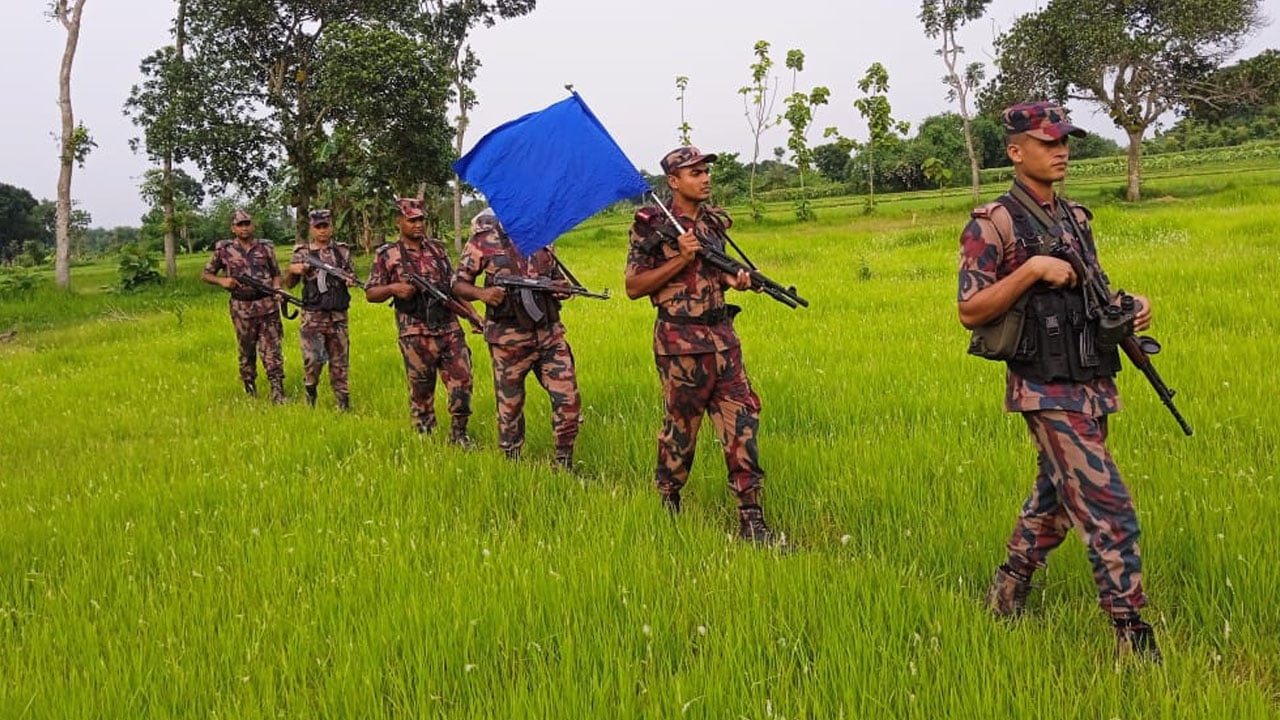
The Department of Environment (DoE) in Chattogram stopped illegal hill cutting in the Chandranagar Green Valley-2 residential area under Bayezid Bostami Police Station during the Eid holidays. An enforcement team from the DoE’s Chattogram Metropolitan Office conducted an operation on Wednesday morning, immediately halting the activity and issuing a hearing notice to landowner Babul Banik, who was allegedly involved in the incident. According to DoE sources, the group had been using the holiday period to cut hills in the area. Local residents informed the enforcement team that the base of the hill had already been removed, posing environmental risks. Upon verification, the team confirmed the illegal activity and imposed an immediate ban on further cutting. Assistant Director Muktadir Hasan of the DoE stated that the group had completed preparations for hill cutting, including hiring workers and bringing equipment. He added that two previous cases had already been filed in court against 35 individuals for similar offenses in the same hill area, with one charge sheet submitted and another under process.
Three bodies, including a father and son, were recovered after a boat capsized in the Meghna River in Hizla upazila of Barishal. The Meghna River tragedy occurred on Monday afternoon near the Hizla ferry ghat when an engine-run boat sank, leaving three people missing. On Tuesday morning, the body of Harun Biswas was found in the Old Hizla area. Later, around 2 a.m. on Wednesday, naval police recovered two more bodies from the Bhasonchar area of Mehendiganj upazila. According to Hizla naval police, local fishermen and police had been conducting search operations since the incident. Fishermen spotted two floating bodies in Bhasonchar and informed the police, who then recovered them. The deceased were identified by relatives as Nur Islam Jomaddar and his son Ibrahim Jomaddar. The bodies were handed over to their family members, police confirmed. The recovery operation concluded with all three missing persons found, bringing closure to the families affected by the accident.

Argentina has announced a 32-player preliminary squad for its World Cup preparations, although the final roster will include only 26 players as required by tournament rules. Coach Lionel Scaloni plans to use the extended group for training and friendly matches before the competition begins in the United States, Canada, and Mexico on June 11, 2026. The final squad will be revealed on the same day the submission deadline ends, with additional players kept on standby. The decision stems from Argentina’s experience before the 2022 World Cup, when injuries to Joaquín Correa and Nicolás González forced late changes. To avoid similar disruptions, Scaloni and his staff are preparing backup options early. Among the six extra players are Santiago Beltrán, Joaquín Freitas, Tomás Aranda, Simón Escobar, Ignacio Ovando, and Nicolás Capaldo, with Agustín Giay also under consideration as a potential replacement for injured defenders Gonzalo Montiel and Nahuel Molina. Argentina will set up its base camp in Kansas on June 7 and play two friendlies against Honduras and Iceland before beginning its World Cup campaign against Algeria on June 17.

Health Minister Sardar Sakhawat Hossain Bakul stated that immediate action will be taken against hospital staff who mistreat patients and that doctors’ safety is being ensured. He announced that law enforcement personnel will soon be deployed in all hospitals across the country. The minister made these remarks on Wednesday morning during a visit to the Pakundia Upazila Health Complex in Kishoreganj, where he inspected various hospital sections and interacted with patients and staff. During the visit, the minister reviewed the emergency department, male and female wards, and the hospital kitchen. He inquired about the quality of services and food provided to patients. Bakul said he was working under the Prime Minister’s directive to observe real conditions at the grassroots level and to improve discipline and service quality in hospitals. He also mentioned that the government is actively working to prevent measles outbreaks through vaccination campaigns, ensuring that all children, including those previously unvaccinated, are brought under immunization coverage.

SpaceX executives demanded higher payments from the Pentagon for using Starlink satellite Wi-Fi in U.S. kamikaze drones during the Iran war, according to documents and sources cited by Reuters. The company argued that the military was paying only $5,000 per terminal, while the actual value of the high-end service was closer to $25,000. The disagreement centered on the use of Starlink in Lucas suicide drones, which are similar to Iran’s Shahed models. As U.S. bombing intensified, the Pentagon ultimately agreed to pay the increased rates, nearly doubling the cost per drone. The dispute reflects the Pentagon’s growing dependence on SpaceX for critical communications. SpaceX supplies a special military version of Starlink called Starshield, which connects to both commercial and secure satellite constellations. Elon Musk denied the Reuters report on X, calling it false, while Pentagon officials also disputed the claims without providing details. Analysts noted that SpaceX’s dominance in satellite communications gives it significant leverage over U.S. defense operations. Pentagon documents indicate plans to purchase more than 3,500 additional Starshield terminals, which could further boost SpaceX’s revenue if finalized.

Residents of Sherpur’s Sreebardi and Jhenaigati upazilas have been facing severe hardship after more than 36 hours without electricity. The outage began on Monday night during a storm and rain, and the Palli Bidyut Samiti has not yet restored power. Locals reported that electricity is available for only short periods, with frequent interruptions lasting up to two hours. Rickshaw and van drivers said the outage has severely affected their income during the busy pre-Eid period, leaving them unable to meet household expenses. Shopkeepers and small business owners reported losses as they cannot operate electrical equipment, and perishable goods are spoiling due to lack of refrigeration. Production in small industries and rice mills has also been disrupted. According to Sreebardi Palli Bidyut zonal office engineer Surya Narayan Bhowmik, fallen tree branches caused line faults in several areas, and a power transformer in Jhenaigati was damaged. Repair work is ongoing, and power restoration may occur by evening.
United Medical College Hospital in Satarkul, Madani Avenue, has introduced specialized treatment services for children affected by measles as part of efforts to address the ongoing outbreak across Bangladesh. The hospital has reorganized its operations to include a dedicated isolation unit, emergency triage system, separate NICU and PICU zones, and comprehensive infection control measures. International-standard safety protocols, including PPE use and regular disinfection, are being maintained to protect all patients. To make treatment more accessible for children arriving from remote areas, the hospital is offering cabin facilities at ward costs and discounts on emergency services, ventilation support, and treatment expenses. Critically ill patients are receiving one-to-one nursing support and continuous monitoring. So far, 16 measles patients have been treated under this special program, with 14 discharged after recovery. Dr. Azharul Islam Khan, Director of Medical Services at United Healthcare, emphasized the need for coordinated public-private initiatives to combat the measles situation effectively. He highlighted infection control, affordable care, and collective awareness as key to ensuring every child’s right to timely treatment.
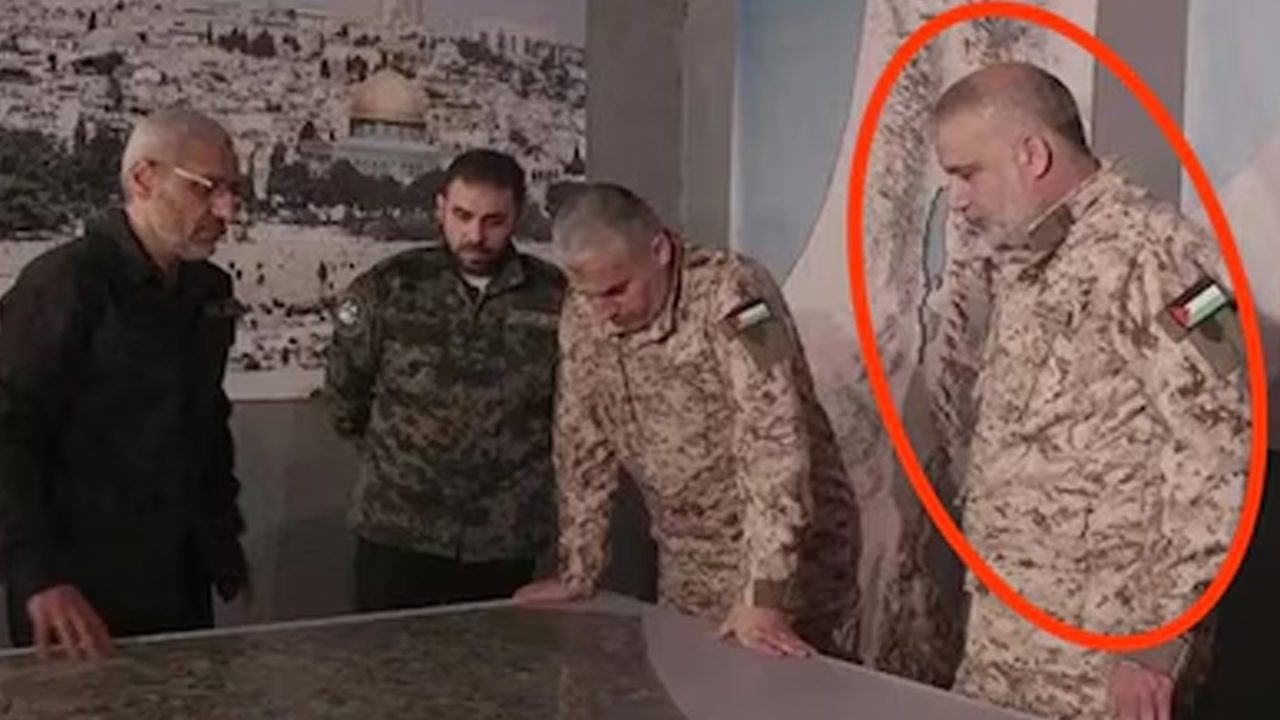
The Israeli military has claimed responsibility for killing Mohammad Odeh, the military chief of the Palestinian group Hamas, in an attack in northern Gaza. The announcement was made through an official statement by the Israeli forces, following reports that first appeared in Israeli media late on Tuesday night. Hamas has not yet confirmed the death of Odeh. According to the source, Mohammad Odeh was appointed as the head of Hamas’s military wing, the Qassam Brigades, after the previous commander, Izz al-Din al-Haddad, was killed in an Israeli strike in May. The latest development adds to the ongoing hostilities between Israel and Hamas, which have intensified in recent months. The report did not include confirmation from Hamas or details about the circumstances of the attack, leaving uncertainty about the full impact of the strike and the current leadership structure within Hamas.
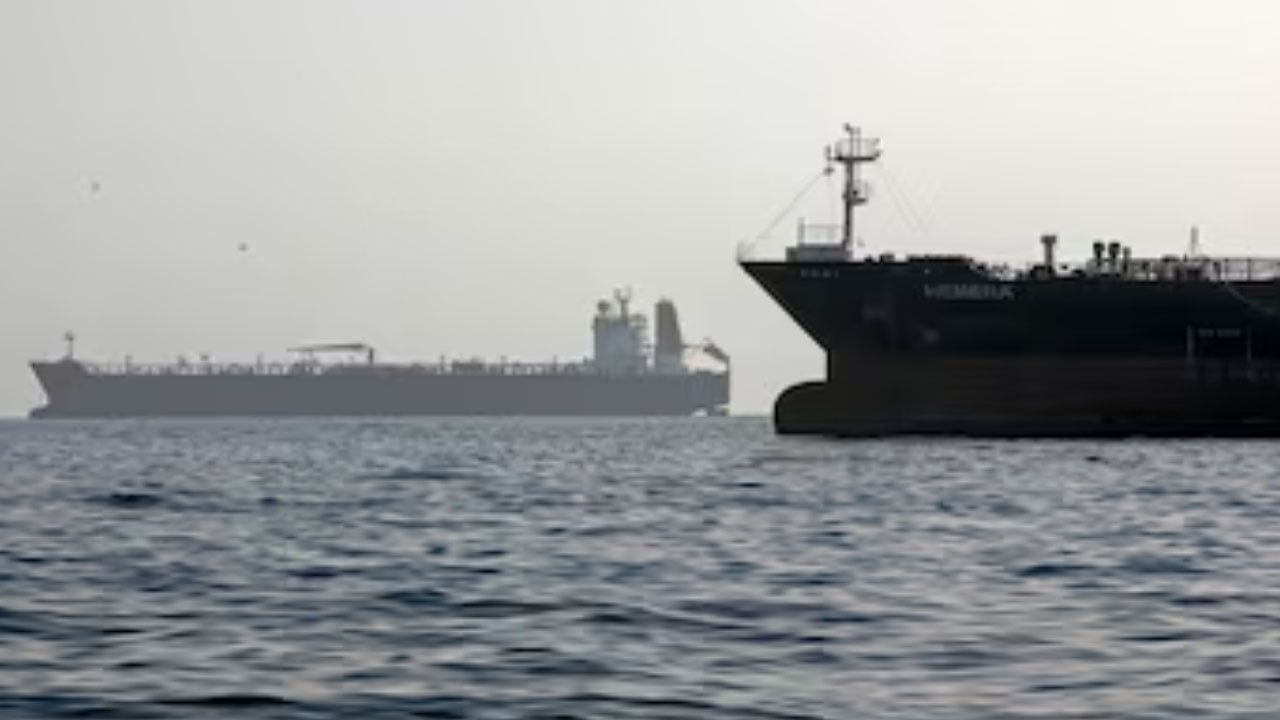
Iran has released ten Indian sailors who had been detained since July 2025. According to India’s Directorate General of Shipping, the sailors were aboard the oil tanker MV Harbor Phoenix when it was seized near Iran’s Jask port. Their release followed continuous diplomatic efforts between the two countries. The Directorate confirmed that the sailors are safe and that arrangements are being made to bring them back to India as soon as possible. The vessel, identified by ship-tracking sites as a Palau-flagged oil tanker, had been detained by Iranian authorities, though no details were provided about the reason for its seizure or the arrests. The release marks a resolution to a months-long detention case that had involved diplomatic engagement between India and Iran, though the underlying cause of the tanker’s detention remains undisclosed.
A severe early summer heatwave has swept across much of Western Europe, causing seven deaths in France and setting new May temperature records in several countries. According to Meteo France, Monday and Tuesday were the hottest May days ever recorded in the country, with temperatures expected to reach up to 39 degrees Celsius this week. Government spokesperson Maud Bregeon confirmed that seven people had died from causes directly or indirectly linked to the heat, five of them by drowning. The heatwave, driven by a high-pressure system trapping warm air over Western Europe, also brought record temperatures to the United Kingdom, where London reached 35 degrees Celsius. Spain’s weather agency Aemet reported that temperatures between 36 and 38 degrees Celsius could persist until Friday, while some areas may hit 40 degrees. In Italy’s Lazio region, authorities restricted outdoor work during peak heat hours. France issued orange and yellow alerts in 42 departments, marking the first time such warnings were activated in May since 2004. French Prime Minister Sébastien Lecornu has called a ministerial meeting on Thursday to review government preparedness for the ongoing heatwave.

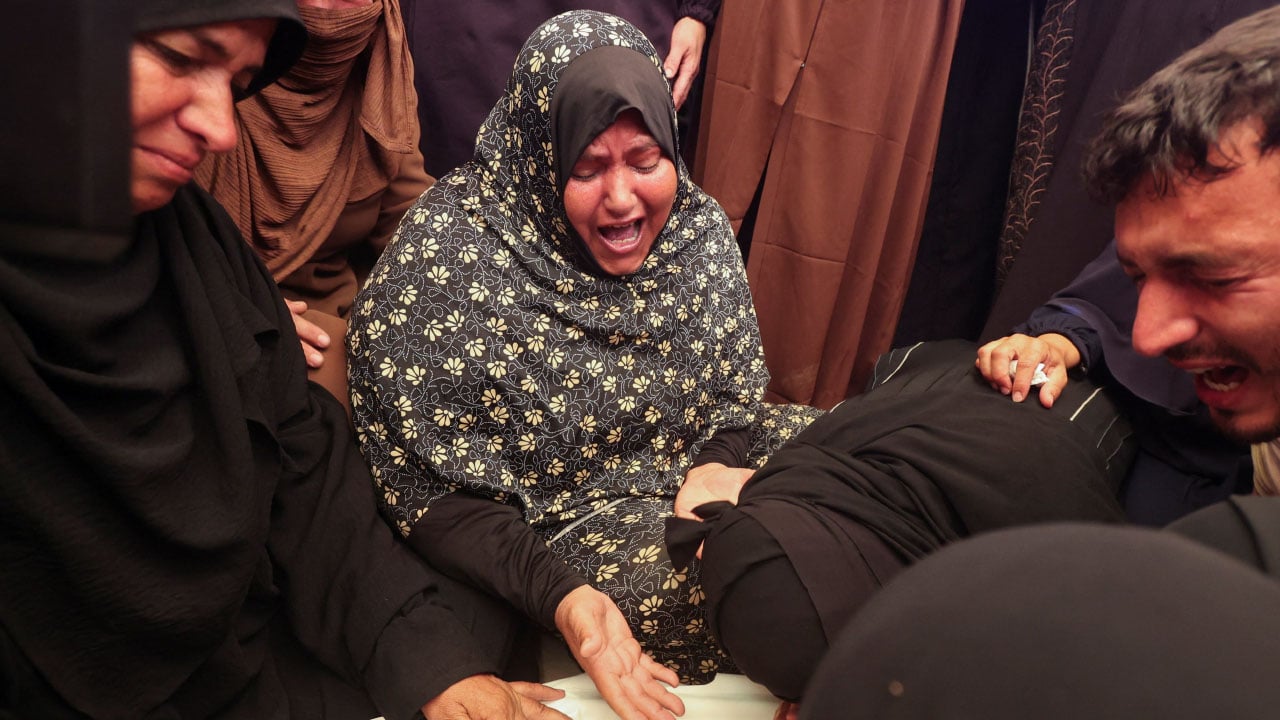
Israel has violated the Gaza ceasefire 3,005 times since it took effect last October, according to a statement from the Gaza Government Media Office. The violations reportedly include bombings, direct attacks on civilians, destruction of residential areas, repeated shootings, and incursions into populated zones. The statement said that more than 910 civilians have been killed and 2,747 injured in these incidents. It also claimed that Israeli forces have abducted or arrested 82 people during the same period. The office further reported that Israeli restrictions have severely hindered humanitarian aid, preventing over 64 percent of relief supplies—including food, water, medicine, fuel, and other essentials—from entering the region. The information was cited by Middle East Eye and highlights the ongoing humanitarian crisis in Gaza amid continued restrictions and violence.
Israeli soldiers are using fishing nets to protect themselves from Hezbollah’s first-person-view (FPV) kamikaze drone attacks in Lebanon, according to a senior Israel Defense Forces (IDF) officer quoted by The War Zone on Monday. Due to a shortage of standard protective mesh, troops have been purchasing nets from fishermen in Tiberias on the Sea of Galilee, as well as from coastal areas such as Acre and Haifa. The officer described the drone threat as a nightmare for field units. The report notes that after widespread use of FPV drones in the Ukraine war, the IDF has adopted similar netting to shield vehicles and equipment from explosions. However, Hezbollah’s use of fiber-optic-controlled drones and thermal cameras has limited Israel’s electronic warfare capabilities and allowed nighttime strikes. The combination has immobilized Israeli forces along the border and inside Lebanon, preventing them from targeting Hezbollah’s logistics networks. The situation has been further complicated by political pressure from Prime Minister Benjamin Netanyahu for visible operations in southern Lebanon, while U.S. commitments have constrained military flexibility, creating what one officer called a “catch-22” scenario.

US President Donald Trump has called on Muslim-majority countries to join the Abraham Accords and recognize Israel as part of his effort to end the Iran war. Officials from several of these nations have either mocked, rejected, or remained silent about the proposal. Some Middle Eastern diplomats view Trump’s demand as a political maneuver aimed at appeasing hardline Republicans concerned he may concede too much in talks with Iran. A Gulf Arab diplomat described the move as a tactic to calm angry supporters, saying it would not become part of any peace deal. The proposal has added uncertainty to an already fragile situation marked by renewed US strikes on Iranian missile sites and Israeli attacks in Lebanon. A former US official said some Arab counterparts see Trump’s demand as a “poison pill” that could derail peace efforts. Despite Trump’s push, Saudi Arabia and Pakistan have reaffirmed their positions, emphasizing diplomatic solutions and rejecting normalization with Israel without progress toward a Palestinian state.

The ‘1 Nojor’ media platform is now live in beta, inviting users to explore and provide feedback as we continue to refine the experience.