

The ‘1 Nojor’ media platform is now live in beta, inviting users to explore and provide feedback as we continue to refine the experience.
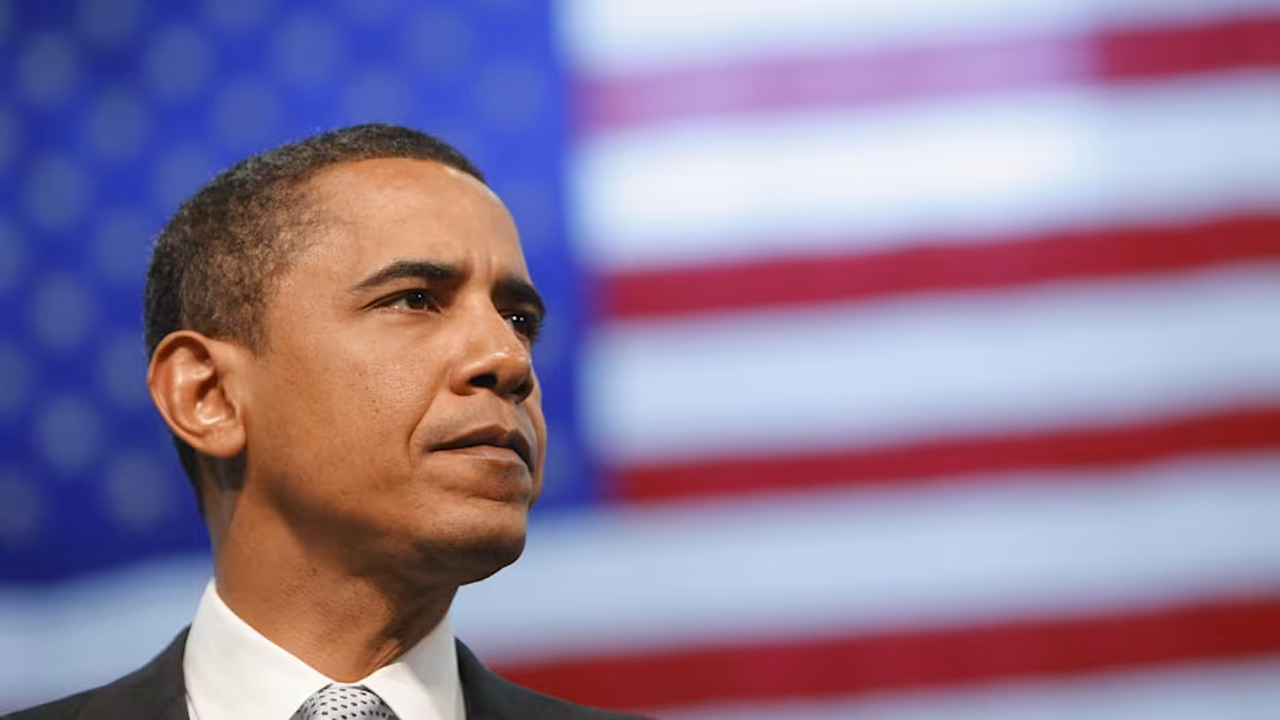
Former U.S. President Barack Obama said it is unrealistic to expect that a potential agreement between Donald Trump and Tehran would represent significant progress over the 2015 nuclear deal reached during his administration. Speaking on ABC News’ “This Week” on Sunday, Obama noted that negotiation remains preferable to direct conflict if Washington’s conditions cannot be fully met. The remarks were reported by AFP from Washington. Obama emphasized that any new deal is unlikely to include major positive changes compared to the earlier accord, which he described as effective for a long period before the United States withdrew from it. The 2015 agreement had been considered a landmark in limiting Iran’s nuclear activities. The discussion comes amid heightened tensions following U.S. and Israeli strikes on Iran in late February that triggered conflict in the Middle East. Trump has repeatedly claimed that his proposed deal would permanently halt Iran’s nuclear weapons capability and reopen the Strait of Hormuz, though Tehran has dismissed peace talks with Washington as meaningless.
A Ukrainian drone attack struck the Russian city of Tula, located about 200 kilometers south of Moscow, killing three people and injuring three others, including a one-year-old child. The incident occurred overnight, according to regional governor Dmitry Milyaev, who shared the information on Telegram on Monday. The report was confirmed by AFP citing local authorities. Governor Milyaev stated that the drone hit a residential area in Tula, causing casualties among civilians. The attack marks another instance of cross-border strikes amid the ongoing conflict between Russia and Ukraine. The identities of the victims and the extent of the damage were not immediately disclosed. Authorities have not provided further details about the response or potential retaliatory measures following the strike.
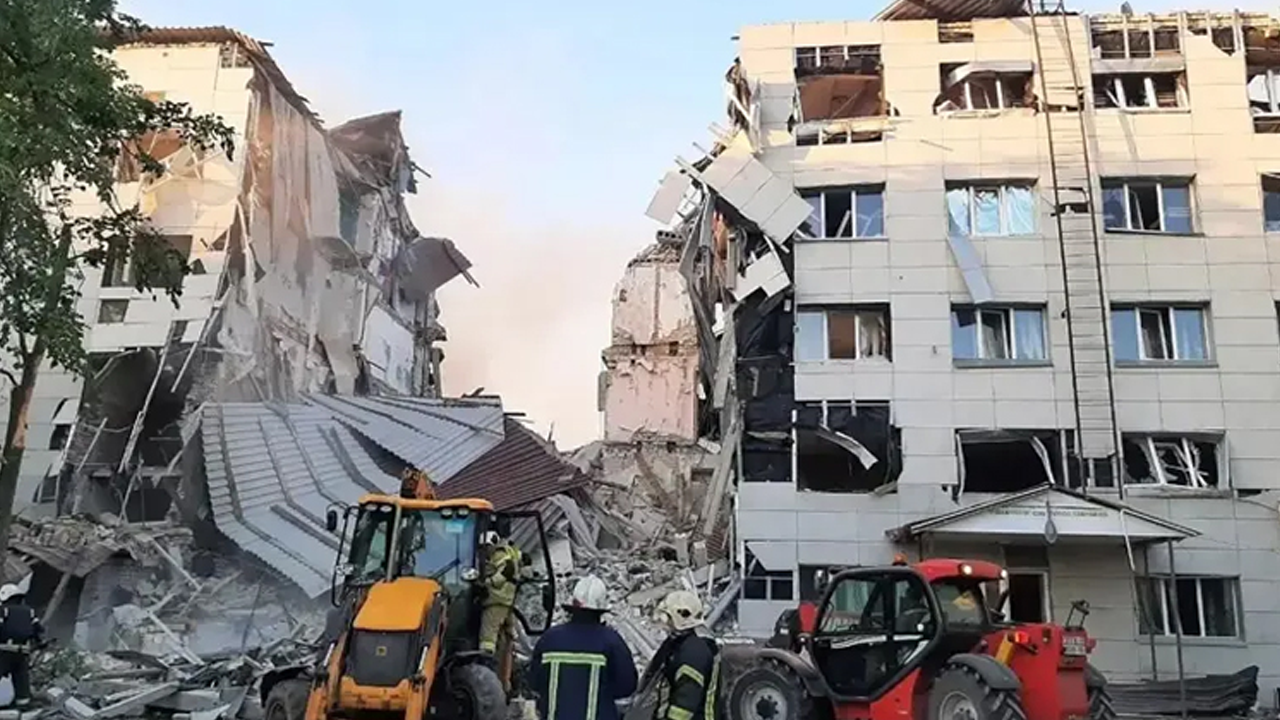
Nine people were killed in Russian attacks on Ukraine, including a major airstrike on Kyiv that authorities described as the most severe in two weeks. The assault left four dead and 23 injured in the capital, where a fire broke out at the Pechersk Lavra monastery, a historic and spiritual landmark recognized by UNESCO. The head of Kyiv’s military administration, Timur Takachenko, said the monastery suffered serious damage. The Pechersk Lavra, founded in 1051, is one of Ukraine’s most significant religious and cultural sites. Residents of the monastery took shelter underground as the fire spread. The attack marked the most intense Russian strike on Ukraine since early June. In a separate incident, five people were killed and at least five others injured in another Russian attack on Kharkiv, Ukraine’s second-largest city, according to reports citing Reuters.

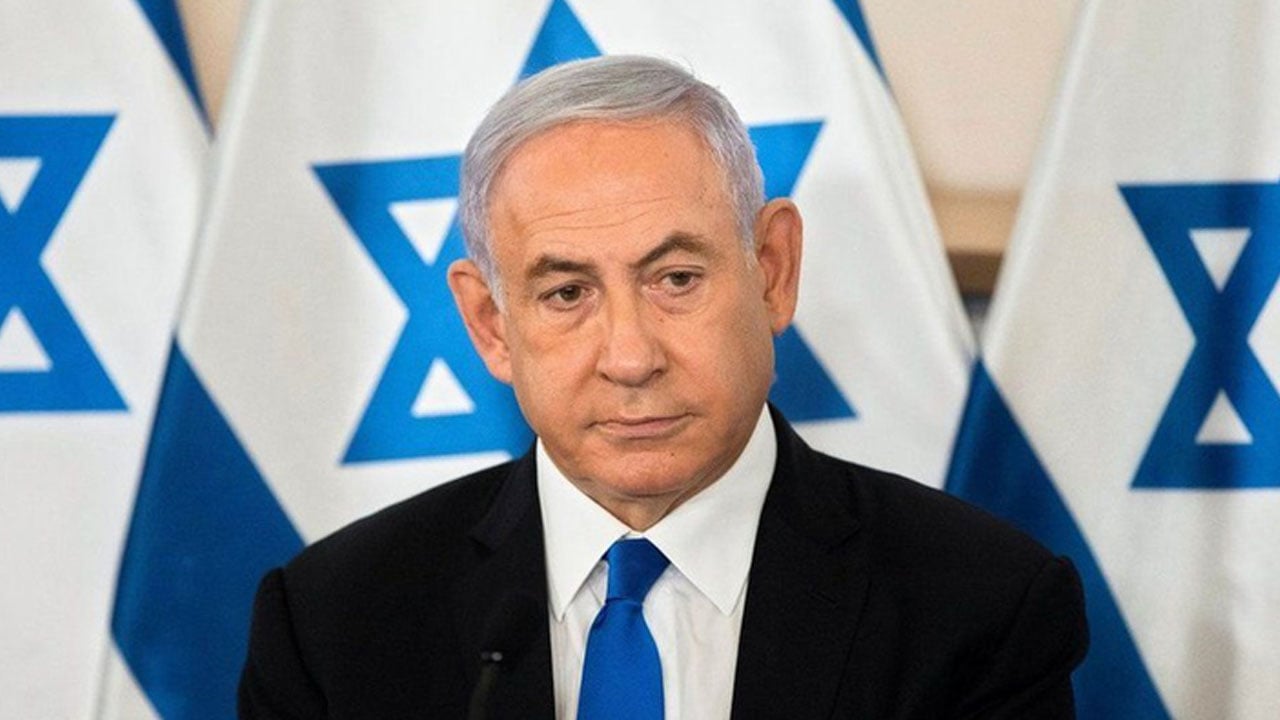
Israeli political analyst Gideon Levy described the recent Iran–United States agreement as both a national and personal defeat for Israeli Prime Minister Benjamin Netanyahu. Speaking to Al Jazeera, Levy said Netanyahu’s long-standing political goal was to counter Iran, but Israel has now been completely excluded from the current negotiations. He argued that Israel’s only remaining option appears to be limited to acts of sabotage, referencing a recent Israeli strike in Beirut that he dismissed as childish and ineffective. Levy further questioned how effective U.S. President Donald Trump’s promises to restrain Israel would be, suggesting that Netanyahu could still undermine any ceasefire if Israel’s core priorities remain unmet. He emphasized that the situation is fragile, particularly because Iran has linked the new agreement to developments in Lebanon. According to Levy, the continued presence of Israeli troops in Lebanon poses a major obstacle to a full ceasefire, as resistance will persist as long as the occupation continues.
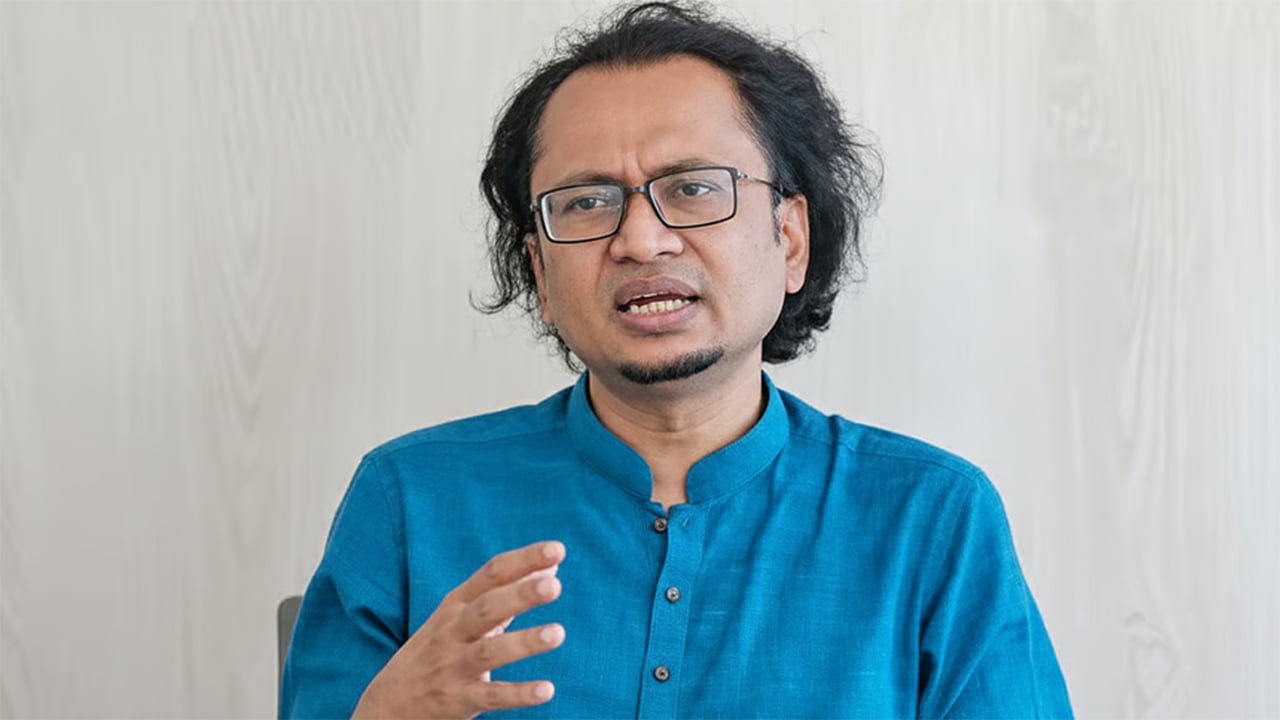
Dr. Zahed Ur Rahman, the Information and Broadcasting Adviser to the Prime Minister of Bangladesh, cancelled his official visit to New Delhi and returned home after facing immigration complications at Indira Gandhi International Airport. He arrived back in Bangladesh around 11 a.m. on Monday, June 15, 2026. Indian immigration authorities had detained him on Sunday for additional verification when his name appeared on a security watchlist. According to a News18 report cited in the source, Dr. Rahman was traveling as part of an official delegation to attend a government meeting in India. His name was flagged during routine immigration checks, prompting further scrutiny. Sources indicated that the issue stemmed from administrative delays in updating records. Although his name had previously been removed from a social media–related blacklist, the immigration database had not been updated in time. Neither Indian nor Bangladeshi authorities issued any official statements regarding the incident. The reasons for his earlier inclusion on the watchlist and the delay in updating immigration records remain unclear.
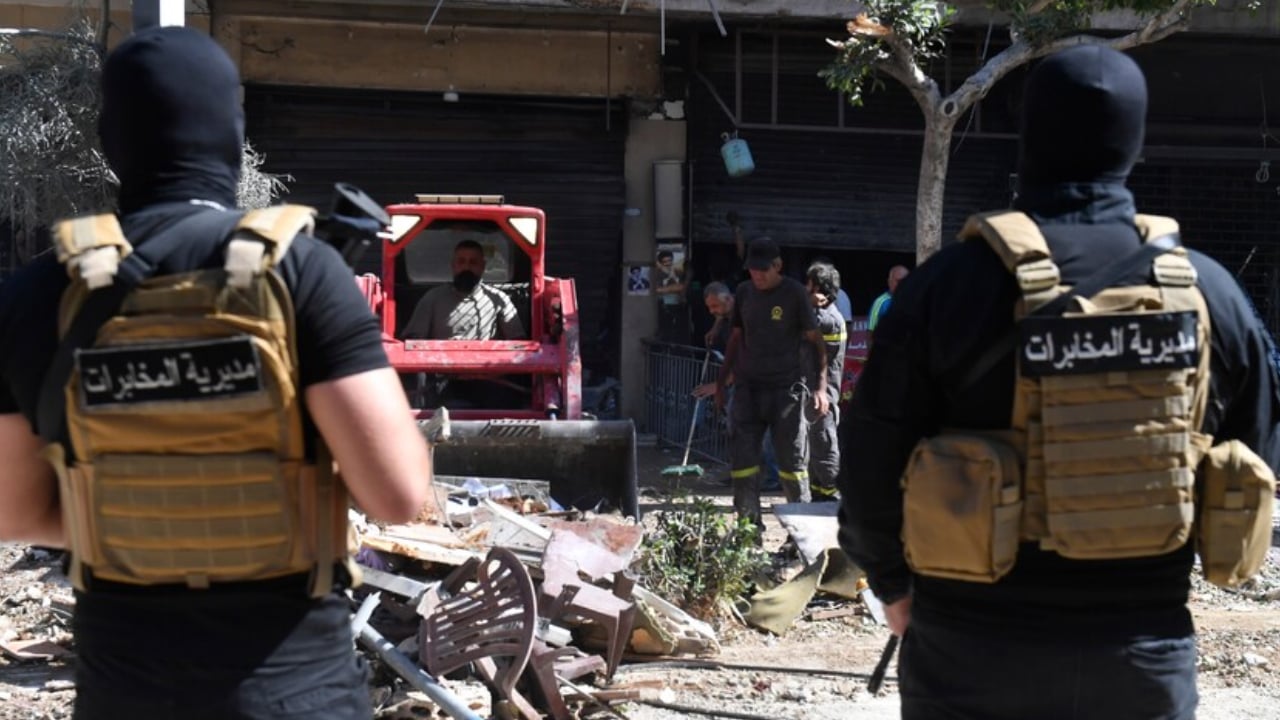
Israel has claimed responsibility for an airstrike in southern Lebanon that killed a senior Hezbollah military commander. According to a statement from the Israeli army, Ali Musa Daqduq was killed over the weekend south of the Litani River. The statement described him as one of Hezbollah’s most influential commanders and said he led the group’s ‘Golan File’ operations aimed at establishing bases in southern Syria. Hezbollah has not issued any immediate comment on Israel’s claim. The report comes amid ongoing Israeli airstrikes in Lebanon since March 2, during which Israel has taken control of several towns in the country’s south. Lebanese officials stated that the attacks have so far killed around 3,800 people, injured more than 11,700, and displaced over 1.5 million residents. The escalation underscores the continuing intensity of the conflict between Israel and Hezbollah, with significant humanitarian consequences in southern Lebanon.
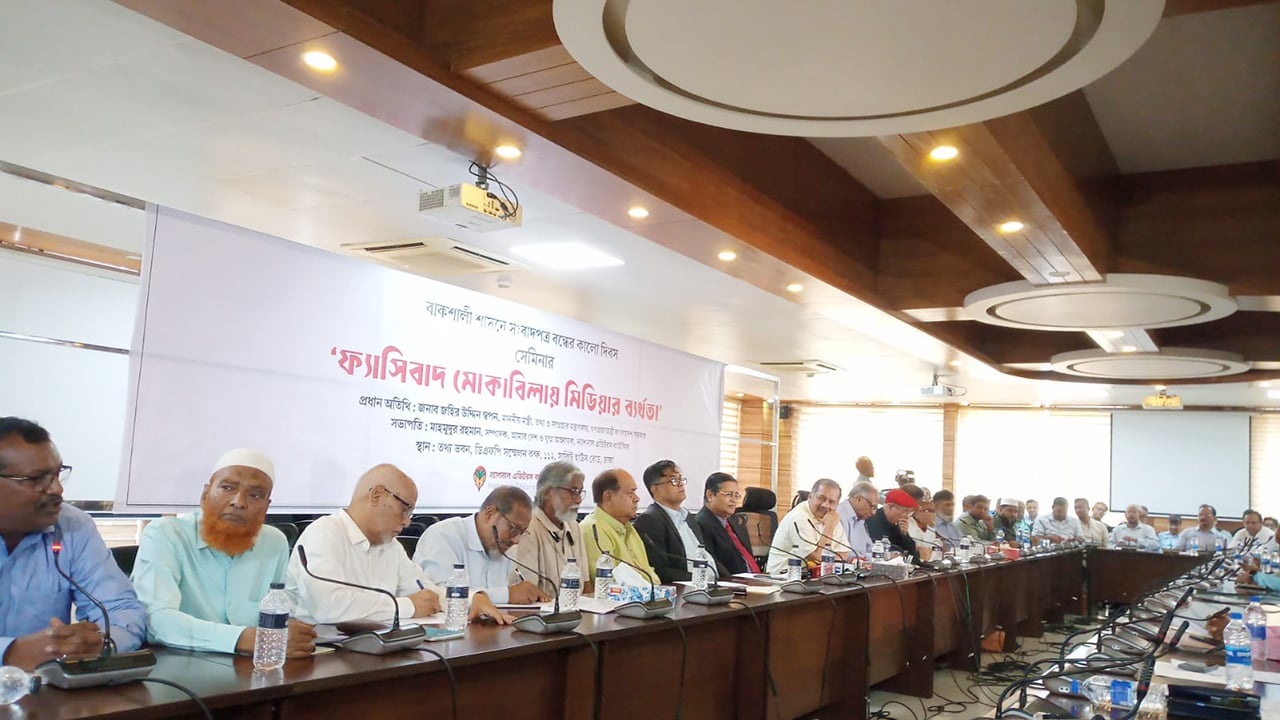
The National Editors Council (NEC) has begun a seminar in Dhaka to mark the Black Day commemorating the closure of newspapers during the Baksali regime. The event started at 10:30 a.m. on Monday at the DFP conference room in the Information Building on Circuit House Road. Information and Broadcasting Minister Zahir Uddin Swapan attended as the chief guest, while NEC joint convener and Amar Desh editor Mahmudur Rahman presided over the session. Editors from various media outlets, senior journalists, and officials from institutions under the Ministry of Information were present at the seminar. The event was organized to reflect on the historical suppression of press freedom and to bring together key figures from the media and government sectors. The seminar underscores the continued relevance of discussions on press freedom and media rights in Bangladesh, as participants revisit a significant period in the country's media history.
Jordan has expressed alarm over increasing Israeli interference at the Al-Aqsa Mosque compound, Islam’s third holiest site, and reports of a joint US-Israel plan to strip the Jordanian royal family of its custodial role. The report, citing Middle East Eye, claims that US and Israeli officials discussed transferring control over appointments and sermons at the mosque to Israel, a move Jordan views as a direct challenge to its historic authority. A US official denied the allegation. The article recounts a long history of Israeli encroachment since 1948, including Ariel Sharon’s 2000 incursion that triggered the Second Intifada. It highlights recent Israeli police presence inside the compound and the establishment of a police station there, actions deemed illegal under international law. Jordan’s King Abdullah II, a Hashemite descendant, is portrayed as facing a dilemma between resisting Israeli aggression or risking confrontation. Regional tensions have intensified amid Israeli military actions in Gaza and the West Bank. The report suggests that any Israeli attempt to alter Al-Aqsa’s status could ignite a wider religious conflict, with implications for Jordan’s stability and the broader Muslim world.

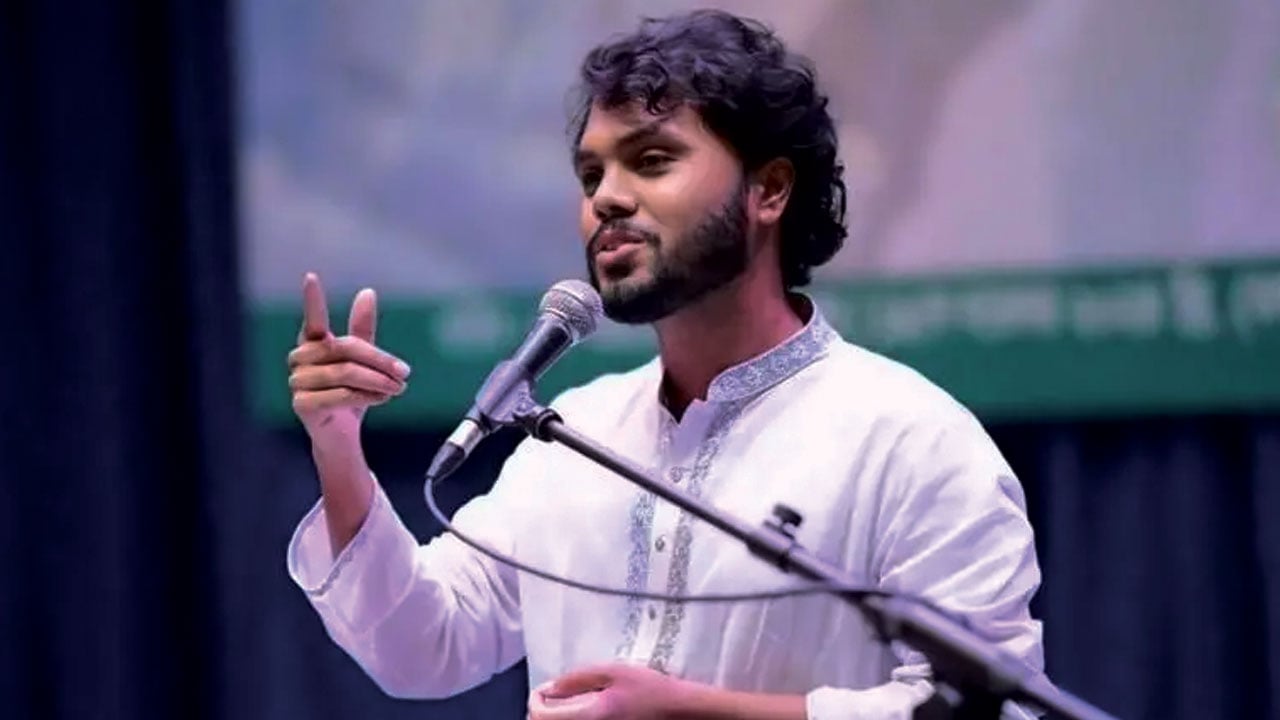
The killing of Bangladeshi political activist Sharif Osman Hadi on December 12, 2025, in Dhaka has become one of the country’s most politically charged and controversial cases. Hadi, a prominent figure in post-uprising politics, was shot at close range while traveling by rickshaw and later died in Singapore on December 18. The murder triggered nationwide protests and widespread public grief. Investigators from the Detective Branch and CID labeled it a politically motivated and planned assassination, identifying Shahin Ahmed as the alleged financier and Faisal Karim Masud as the shooter. The case gained international attention after Indian police arrested two suspects near the Bangladesh border in March 2026. Former West Bengal Chief Minister Mamata Banerjee claimed India’s Home Minister Amit Shah had asked her not to comment on the arrests, sparking speculation about Indian knowledge of the case. Bangladeshi authorities are seeking extradition of the suspects while emphasizing due legal process. The investigation has revealed suspicious financial transactions exceeding Tk 1,270 crore, raising questions about broader political or criminal involvement. Analysts view the case as a test of Bangladesh’s judicial transparency and its ability to ensure justice amid regional political sensitivities.
U.S. President Donald Trump stated that the Strait of Hormuz will become permanently toll-free under a new agreement with Iran. He made the remarks during a 28-minute telephone interview with The New York Times on Sunday afternoon, according to the newspaper. During the interview, Trump added that if Iran fails to reach a final nuclear deal with the United States, he would either resume military strikes or turn the U.S. into the 'guardian of the Middle East' in exchange for one-fifth of the region’s income. He claimed that his decision to launch attacks on Iran in February and subsequently impose a naval blockade on the country’s ports had reshaped the Middle East in favor of the United States. The report cited the BBC as the source of additional information on the development, highlighting the ongoing complexity of U.S.-Iran relations and the potential economic and geopolitical implications of the proposed agreement.

Jagannath University (JnU) has been allocated a revenue budget of Tk 186.6 crore for the 2026–27 fiscal year. The allocation is part of the University Grants Commission’s (UGC) total approved budget of Tk 12,300.04 crore for 58 public universities and the UGC itself. The approval came during the UGC’s 187th full commission meeting held on June 11. Of the total, Tk 12,001.82 crore was designated for public universities and Tk 298.58 crore for the UGC. According to UGC sources, Tk 7,428.43 crore of the total university budget is for operational expenses and Tk 4,573.39 crore for development projects. Jagannath University’s allocation is comparable to other major institutions such as Islamic University (Tk 188.4 crore), Shahjalal University of Science and Technology (Tk 186.66 crore), and Khulna University (Tk 182.92 crore). Dhaka University received the highest revenue budget of Tk 949.36 crore. The UGC also unified research budgets of universities and the commission to avoid duplication, transferring Tk 200 crore from universities to the UGC’s research fund, which now totals Tk 226 crore. With an additional Tk 12 crore for foreign scholarships, the total scholarship allocation stands at Tk 238 crore.

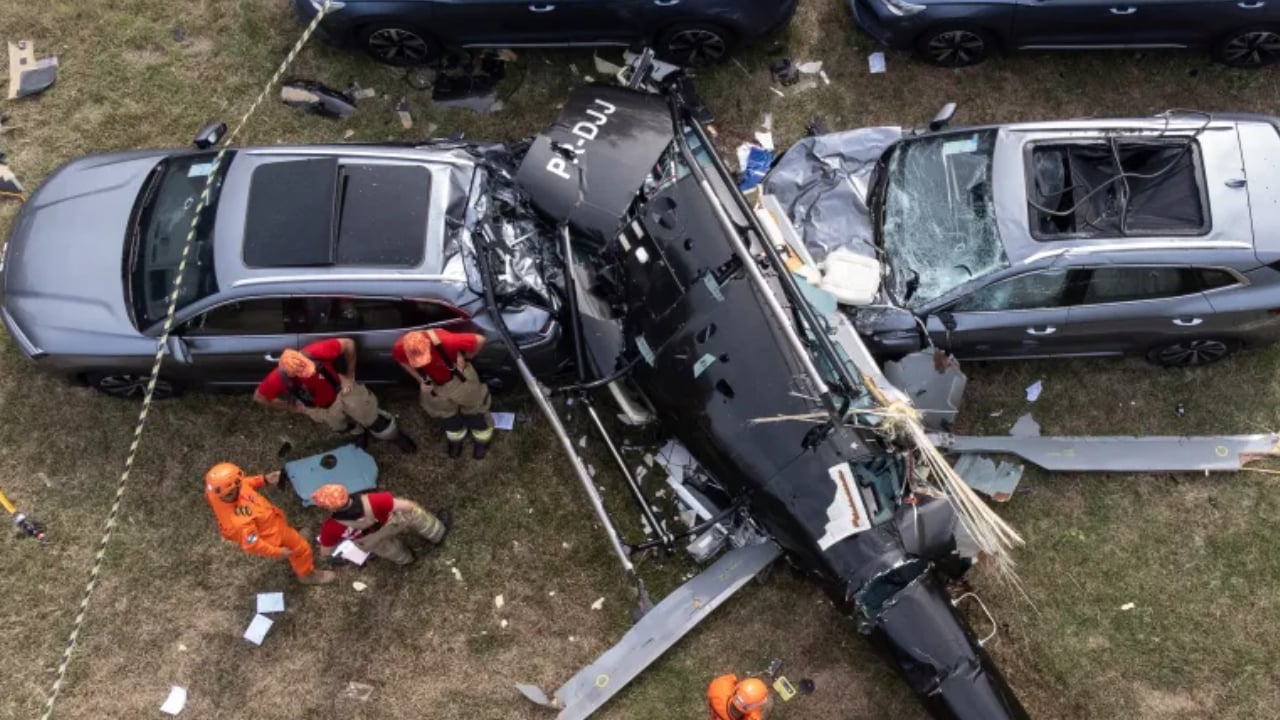
Six people were killed when two helicopters collided in Rio de Janeiro, Brazil, on Sunday morning. The crash occurred in the western suburb of Recreio dos Bandeirantes, where both aircraft went down in the parking lot of an electric car dealership. Authorities have launched an investigation to determine the cause of the collision. According to the Brazilian fire department, the crash ignited a fire that engulfed around 20 vehicles. Fire department spokesperson Fabio Contreras said the lithium-ion batteries in the electric cars released toxic gases, making the fire difficult to control. He explained that such batteries emit highly toxic gases and increase both the heat and intensity of flames. Contreras added that the area is densely populated, and the death toll could have been much higher if the helicopters had not crashed in the parking lot. Rescuers recovered wreckage from one helicopter containing five bodies, while the other helicopter, found about 328 feet away, contained the pilot’s body.
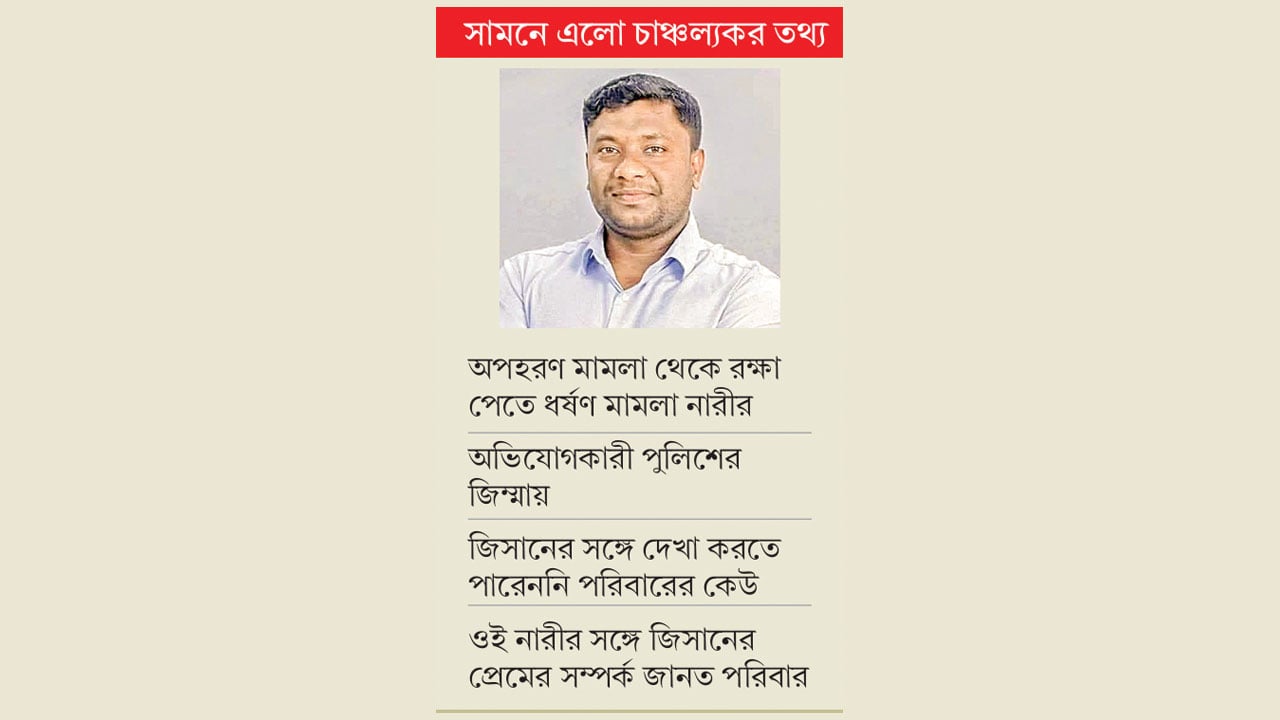
A controversy has emerged in Cumilla’s Daudkandi over the disappearance and subsequent recovery of Islami Chhatra Shibir central leader Md. Jisan Mia. He was found on Friday night in Laksam after claiming he had been abducted, but police later stated he had gone into hiding voluntarily. Police said Jisan’s brother had filed a missing person report, and tracking his phone led them to Liza Akter, who was later taken into custody. Liza alleged that Jisan had a long-term relationship with her and had staged his own abduction after refusing to marry her, prompting her to file a rape case against him. Daudkandi police officials confirmed that Jisan is under treatment at Cumilla Medical College Hospital, where a four-member medical board has been formed to assess his condition. The hospital authority said initial tests found no major health issues. Meanwhile, Liza and her father reportedly remain in police custody, and her family has been unable to contact them. Shibir’s central publicity secretary stated that the organization has expelled Jisan after confirming his romantic involvement and that they have yet to uncover the full truth behind his disappearance. Three other individuals have been arrested in connection with the case, and investigations are ongoing.
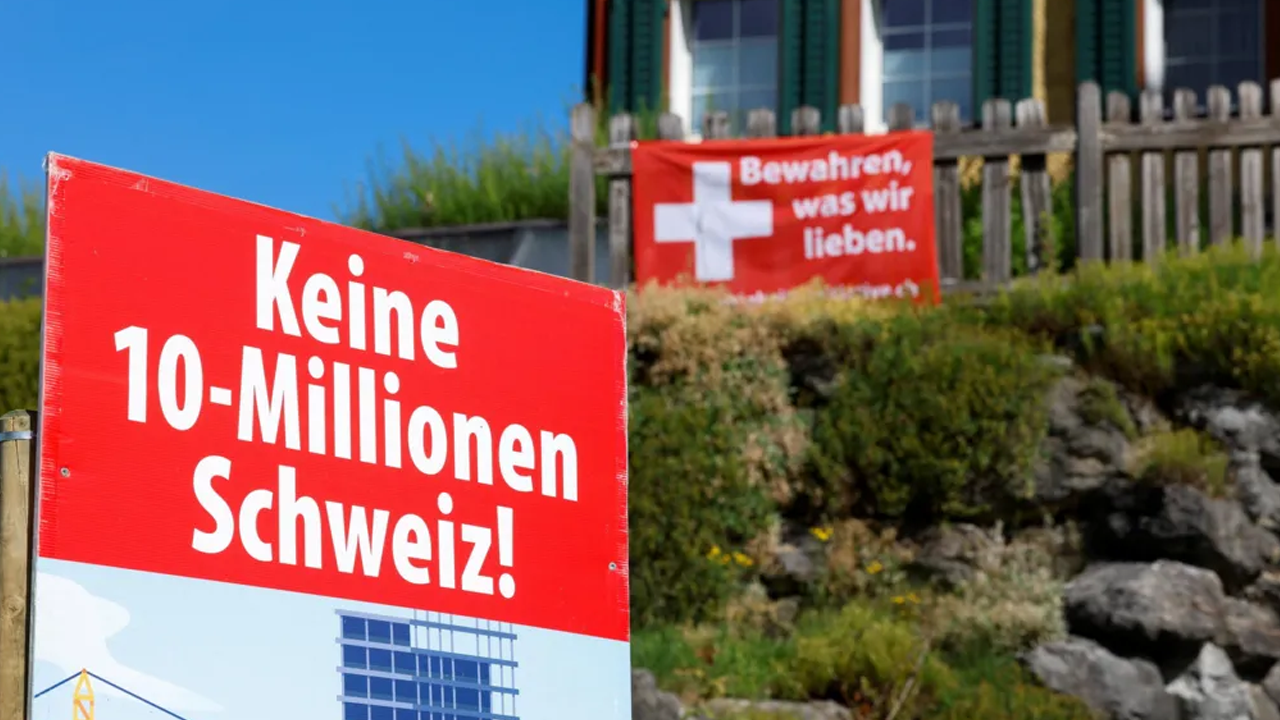
Swiss voters have rejected a proposal to limit the country's population to a maximum of 10 million. In the national referendum, about 55 percent voted against the measure while 45 percent supported it, with 60 percent voter turnout. The initiative was introduced by the right-wing Swiss People’s Party, known for its anti-immigration stance. The government, business community, and major political parties opposed the proposal, warning it could jeopardize Switzerland’s free movement agreement with the European Union. Justice Minister Beat Jans welcomed the result as a sign of stability and openness. The Swiss population has grown from 7.3 million in 2002 to 9.1 million today, with 27 percent being non-citizens. Opponents argued that limiting population growth would harm sectors reliant on foreign labor, such as tourism, healthcare, and elder care, and could threaten access to the EU single market. EU Commission President Ursula von der Leyen also praised the outcome, emphasizing strong EU-Swiss ties. Despite the rejection, concerns remain over rising housing costs, congestion, and healthcare expenses. The Swiss People’s Party vowed to continue pressing for solutions to these issues.
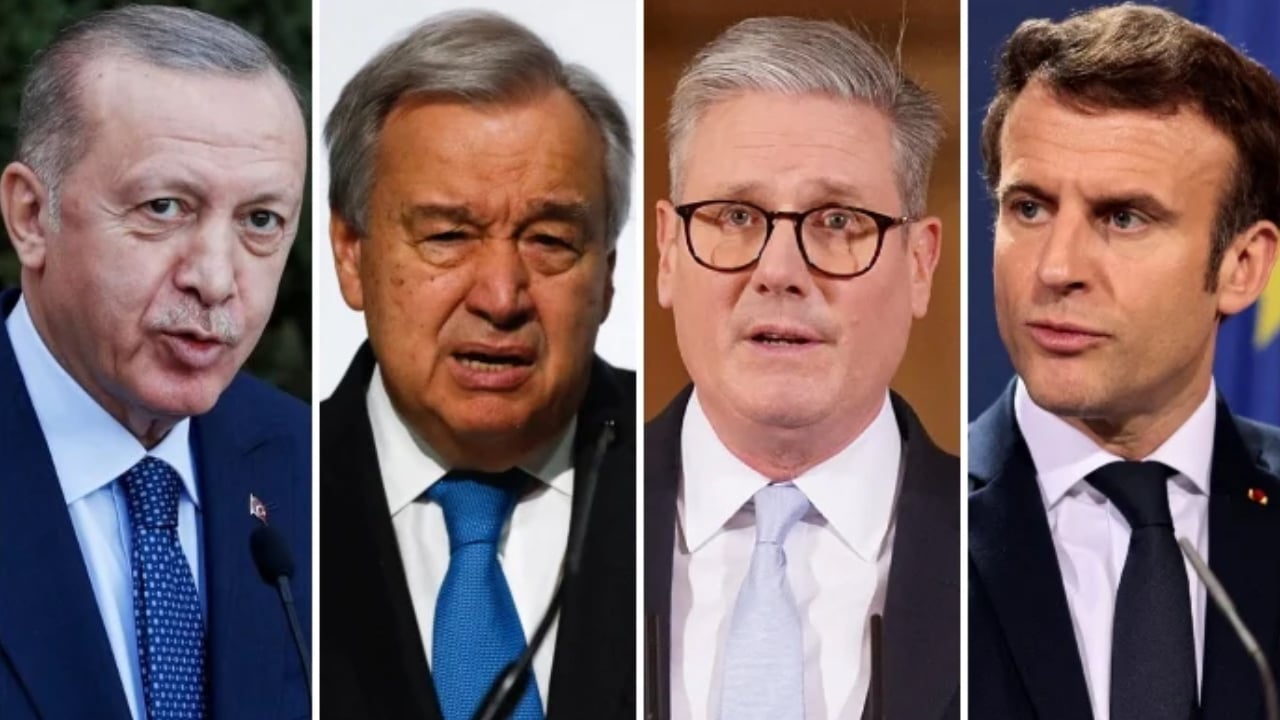
The United States and Iran have reached an agreement on a peace accord scheduled to be signed on June 19, with Pakistan serving as the key mediator. The memorandum of understanding is expected to be formally signed in Switzerland on Friday. The accord has been widely welcomed by world leaders, who described it as a major diplomatic breakthrough aimed at ending regional hostilities. UN Secretary-General António Guterres hailed the agreement as a significant step toward peaceful resolution and expressed gratitude to Pakistan, Qatar, Egypt, Saudi Arabia, Turkey, and other regional partners for their constructive roles. Turkish President Recep Tayyip Erdoğan, Australian Prime Minister Anthony Albanese, British Prime Minister Keir Starmer, French President Emmanuel Macron, and other global leaders also praised the accord and Pakistan’s mediation efforts. The E4 group—comprising the UK, France, Germany, and Italy—stated that they are ready to lift sanctions on Iran if progress continues on its nuclear program. Several leaders emphasized that the deal could reopen the Strait of Hormuz, enhance regional stability, and boost global economic security.
The ‘1 Nojor’ media platform is now live in beta, inviting users to explore and provide feedback as we continue to refine the experience.