

The ‘1 Nojor’ media platform is now live in beta, inviting users to explore and provide feedback as we continue to refine the experience.
The trial of former Dhaka South City mayor Fazle Noor Taposh, former textiles and jute minister Jahangir Kabir Nanak, and 26 others begins today before International Crimes Tribunal-1 in Dhaka. The case concerns the killing of nine people, including Farhan Faiyaz and Mahmudur Rahman Saikat, during the July Revolution in Mohammadpur. The three-member tribunal, chaired by Justice Golam Mortuza Mojumdar, will hear the opening statement and record the first witness testimony. The trial was initially scheduled for June 8 but was postponed to June 15. On May 10, the tribunal formally framed charges and ordered the trial to proceed. Four accused are currently in custody and were brought to court from prison. The prosecution has brought three specific charges, including allegations that senior police officials and political leaders ordered the use of Chinese rifles and shotguns against unarmed protesters on July 17–19, 2024, resulting in multiple deaths and injuries. The charges also include accusations of crimes against humanity, with the prosecution claiming that the attacks were carried out knowingly and under the direction of the accused.
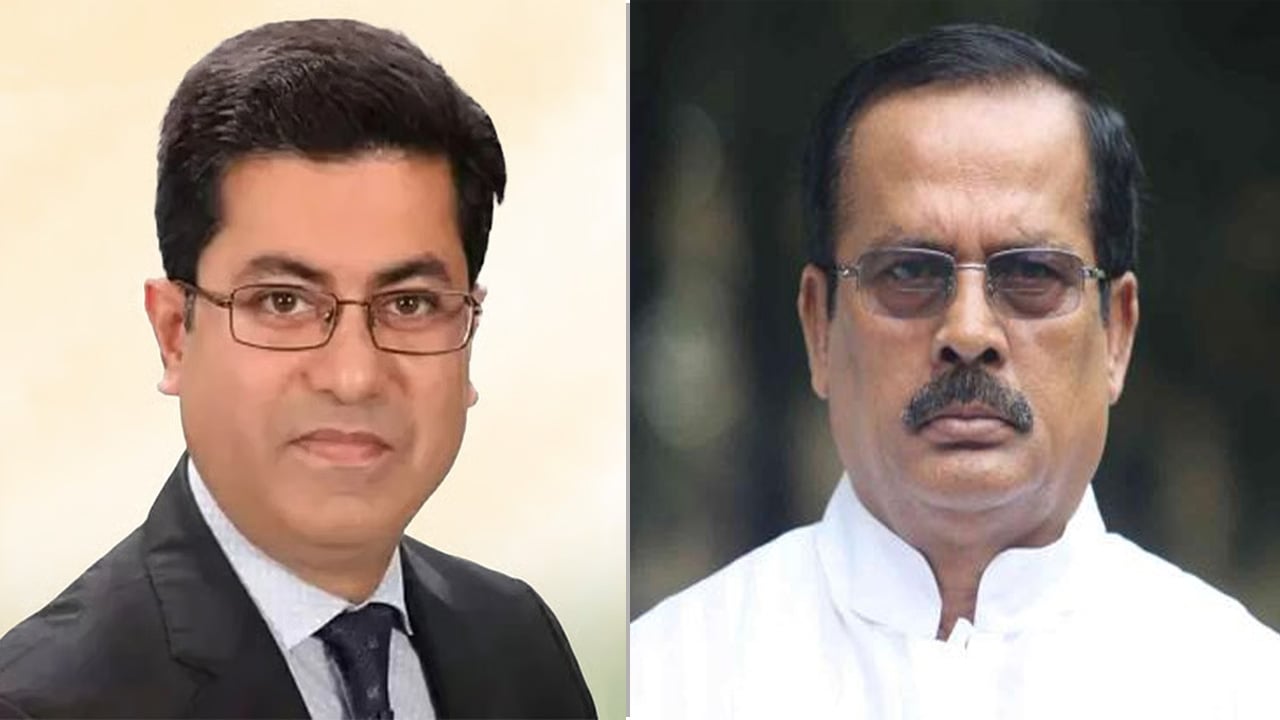
Bangladesh Bank has annulled the appointments of Islami Bank’s chairman and all board directors to restore depositor confidence amid a severe liquidity crisis. The central bank appointed its executive director, Mohammad Zahid Hossain, to assume full board responsibilities. The decision was announced on Sunday following a meeting between the central bank and Islami Bank’s top officials, invoking powers under sections 45 and 47(3) of the Bank Company Act, 1991. Earlier the same day, Bangladesh Bank provided Islami Bank with a special loan of Tk 2,500 crore at 11.5 percent interest for 90 days to ease the liquidity crunch. The crisis began after the appointment of Khurshid Alam as chairman triggered unrest among depositors and shareholders, leading to massive withdrawals. The bank’s current account balance had dropped to Tk 439 crore, halting check settlements and ATM operations. Despite the emergency support, Islami Bank branches continued facing heavy withdrawal pressure, with customers limited in cash access. The central bank stated it is closely monitoring the situation to ensure financial stability and depositor protection.

The United States and Iran have reached a peace agreement, according to Iranian state media reports published on June 15, 2026. The announcement came after Pakistan’s Prime Minister Shahbaz Sharif declared that both nations had concluded negotiations. U.S. President Donald Trump confirmed the deal on Truth Social, stating that the Strait of Hormuz would reopen for toll-free navigation and that U.S. naval blockades would be lifted immediately. Details released by Iran’s semi-official Mehr News Agency include a permanent ceasefire across all fronts including Lebanon, U.S. non-interference in Iran’s internal affairs, withdrawal of American forces, and lifting of sanctions on Iranian oil and energy exports. The agreement also outlines a U.S.-led reconstruction plan worth at least $300 billion and Iran’s renewed pledge not to develop nuclear weapons. Final ratification is expected through a United Nations Security Council resolution. Reports indicate that Israeli right-wing media have sharply criticized Trump’s decision, viewing it as a strategic setback for Israel and a political victory for Tehran. The deal may compel Israel to halt its military operations in Lebanon, marking a shift in regional alignments.
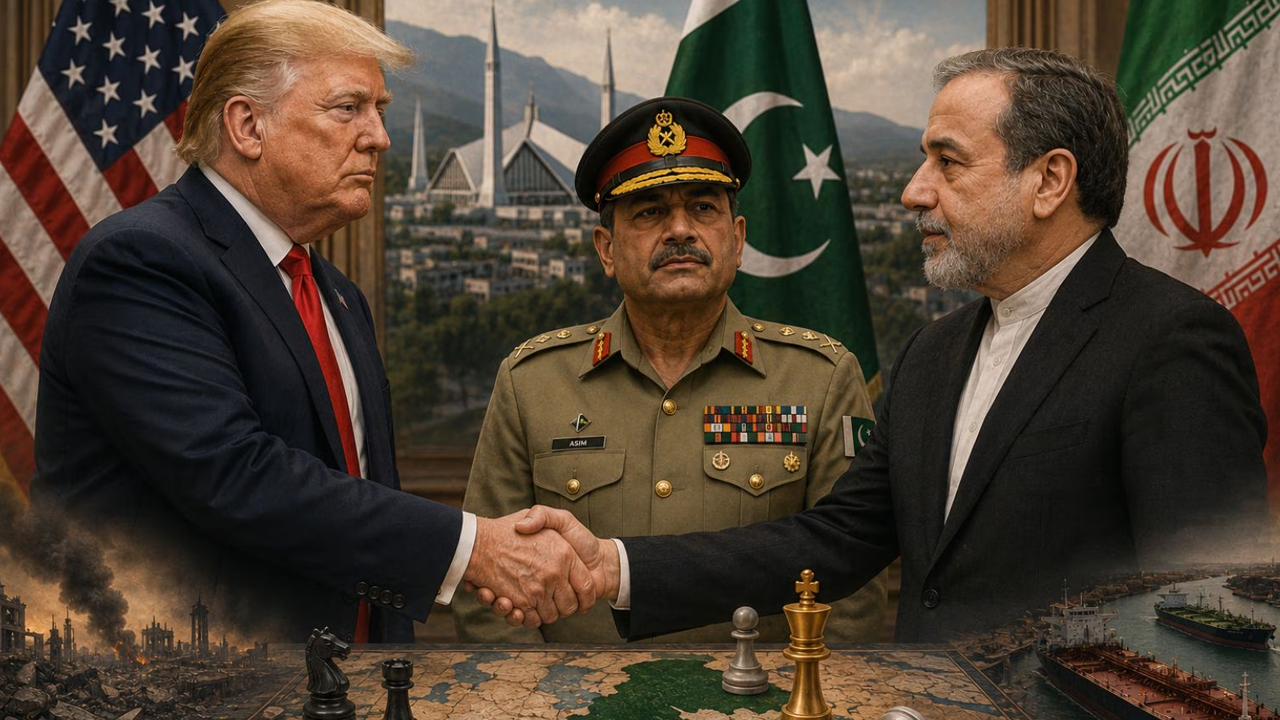
US President Donald Trump announced that the Strait of Hormuz will reopen once a memorandum of understanding between Washington and Tehran is formally signed. In a post on his social media platform Truth Social, Trump stated that an agreement had been reached with Iran and that oil shipments would resume through the vital waterway. He urged the global shipping industry to prepare for the restart of oil flows. Later, Trump clarified in an official statement that the reopening would be delayed until the formal signing of the agreement. Pakistani Prime Minister Shehbaz Sharif said his government mediated the deal, which is scheduled to be signed on June 19, according to the report. The announcement signals a potential easing of tensions between the United States and Iran, with the reopening of the Strait expected to restore normal oil transport routes once the agreement is finalized.
A small aircraft crashed in Missouri, United States, killing all 12 people on board, including 11 skydivers and the pilot. The incident occurred on Sunday at around 11:20 a.m. local time when the plane, rented by a skydiving company, took off from Butler Memorial Airport but failed to gain sufficient altitude. It then veered left and crashed approximately 200 yards from the airport. According to a spokesperson for the Bates County Emergency Management Department, the aircraft was a Pacific Aerospace P750 model. Bates County Sheriff Chad Anderson stated at a press conference that the plane was not a commercial passenger aircraft but a small local plane that had just departed from the airport. The Federal Aviation Administration (FAA) confirmed that the crash occurred during takeoff. Authorities have not yet released further details about the cause of the crash or the identities of the victims.

Japan and the Netherlands produced one of the most exciting matches of the FIFA World Cup group stage, ending in a 2-2 draw on June 15, 2026. After a goalless first half, the second half saw four goals in a fast-paced contest. The Netherlands took the lead twice, first through captain Virgil van Dijk’s header in the 51st minute and later with a goal from Xavi Simons in the 64th minute. Japan equalized both times, with Keito Nakamura scoring in the 57th minute and Daichi Kamada netting a late goal in the 89th minute to secure a valuable point. The first half featured several close chances, including a strong header from Donyell Malen that was brilliantly saved by Japanese goalkeeper Zion Suzuki, whose performance kept Japan in the game. The second half turned into an open attacking battle, with both teams pushing for victory until the final whistle. The result left the Netherlands frustrated after twice losing their lead, while Japan celebrated the draw as a moral victory, having fought back to avoid defeat in dramatic fashion.
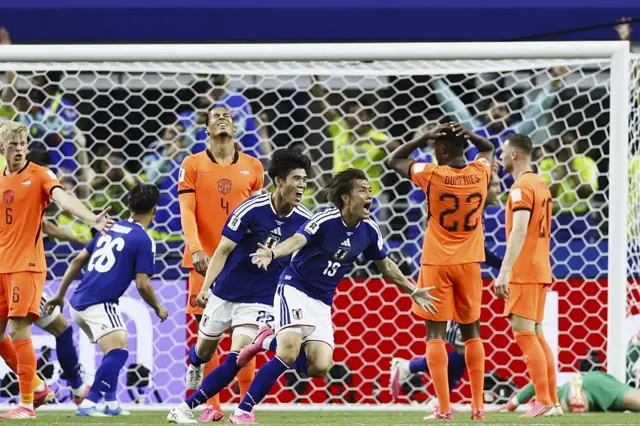
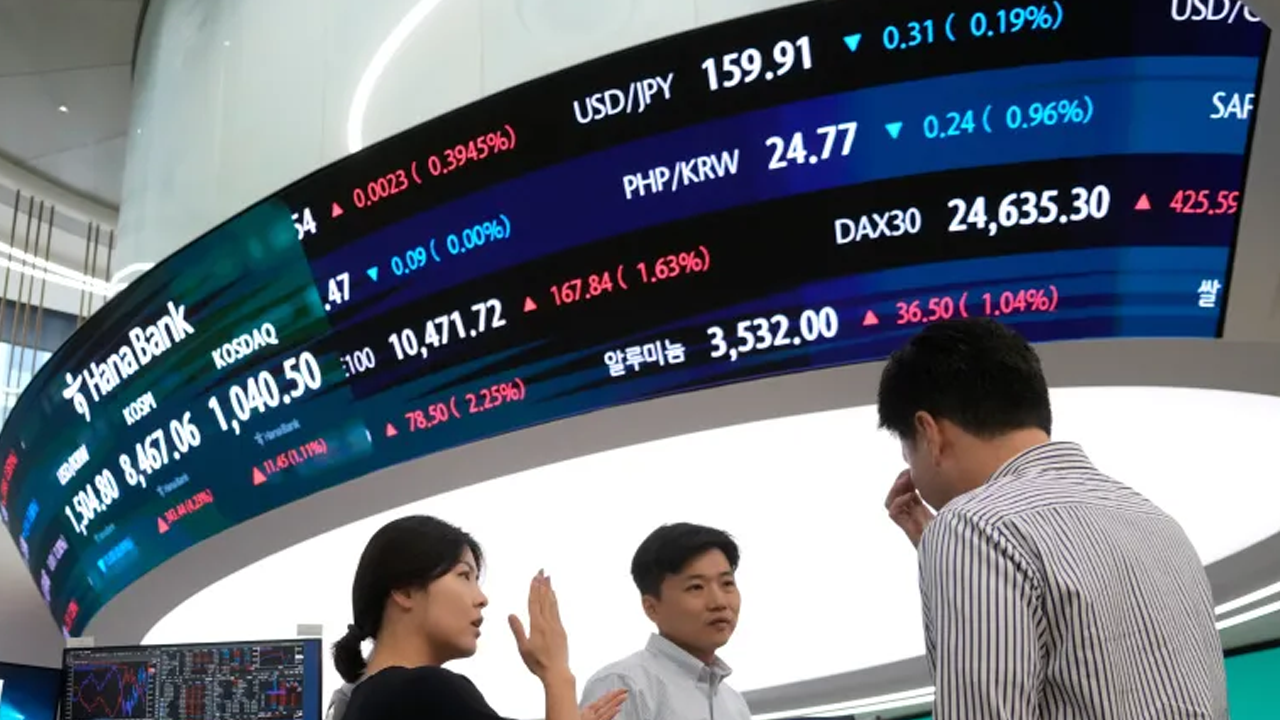
Asian-Pacific stock markets recorded significant gains on Monday following news of a peace agreement between the United States and Iran that ends hostilities and allows the resumption of shipping through the Strait of Hormuz. Japan’s Nikkei 225 index rose by more than 5 percent in early trading, while South Korea’s KOSPI jumped 5.7 percent. Taiwan’s TAIEX gained 2.7 percent, and Australia’s ASX200 increased by about 1.5 percent. US stock futures also climbed in after-hours trading, with the S&P 500 up nearly 1 percent and the tech-heavy Nasdaq Composite rising 1.6 percent. The positive sentiment extended to global markets as investors responded to the easing of geopolitical tensions. Meanwhile, global oil prices fell sharply after the peace deal announcement. Brent crude, the international benchmark, dropped more than 4 percent to around 83.70 dollars per barrel, reflecting expectations of improved supply stability following the reopening of the key maritime route.
Iran will begin its World Cup campaign against New Zealand on Monday at SoFi Stadium in Los Angeles, with global attention focused on the politically charged match. The game marks the first time in history that a nation at war is competing on enemy soil during an ongoing conflict. Despite renewed hostilities between Iran and the United States, the Iranian team has managed to participate under difficult conditions, receiving conditional visas that require them to leave the US within 24 hours after each match. Several Iranian officials, including the football federation president, were denied US visas, and reports claim that tickets allocated for Iranian supporters were canceled to prevent them from attending. The team will wear jerseys marked with the number 168, commemorating victims of a missile strike on Minab School, which Iran blames on the US. Iran enters the tournament in strong form after recent wins over Costa Rica, Mali, and Gambia, aiming to advance beyond the group stage for the first time. New Zealand, returning to the World Cup after three editions, also seeks a memorable comeback following victories against Ivory Coast and Chile. The match is expected to draw intense attention both for its sporting significance and its geopolitical backdrop.

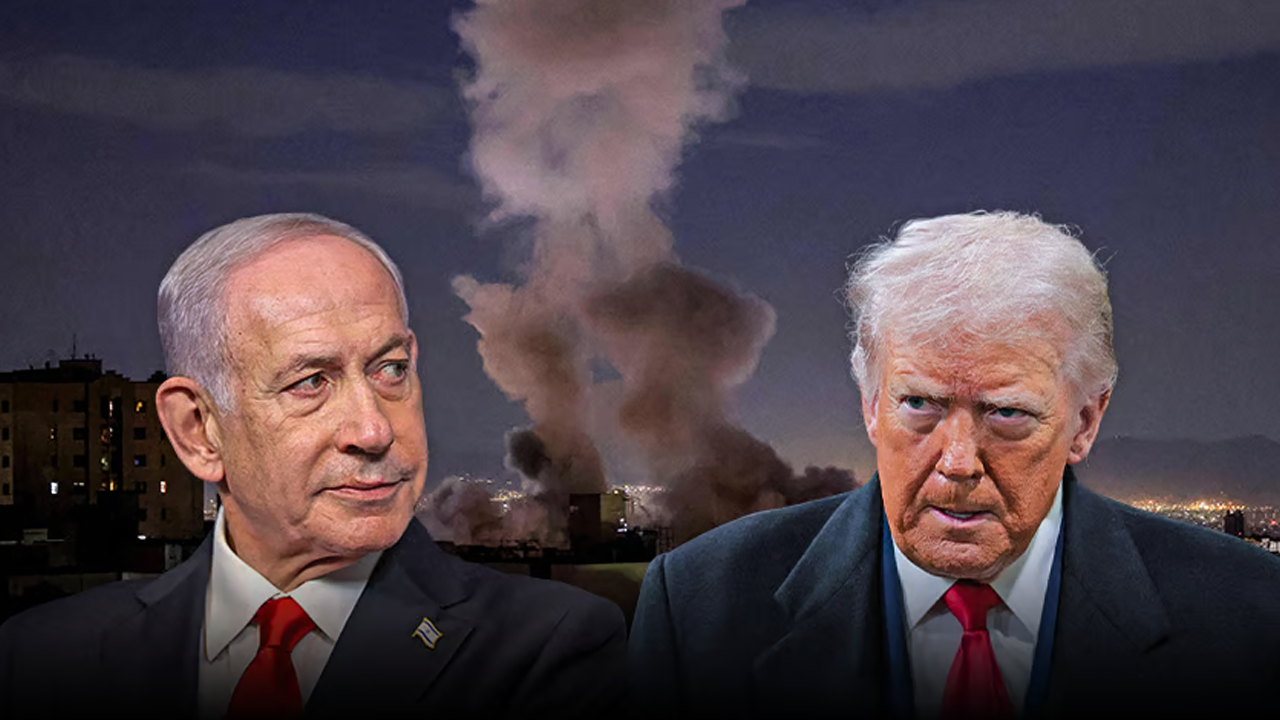
U.S. President Donald Trump sharply criticized Israeli Prime Minister Benjamin Netanyahu in an interview with The New York Times following the announcement of a deal with Iran. Trump said Israel’s attacks in Lebanon nearly derailed the final agreement and described Netanyahu as a very difficult person. He added that Netanyahu should be extremely grateful to the United States, arguing that Israel could not have survived long if Iran had nuclear weapons. According to The New York Times report cited in the source, Trump claimed that missile and bomb strikes on Iran forced Tehran to agree to the deal. He warned that if both sides failed to reach a final agreement on Iran’s nuclear program, the United States would resume attacks. Trump emphasized that Iran did not want to face a third strike and valued survival. Trump concluded that the U.S. attacks had a major influence on completing the agreement, describing their impact as significant.
The International Crimes Tribunals in Bangladesh are set to begin trials in four new cases of crimes against humanity within this month. The cases include the killing of nine people, including Farhan Faiyaz, in Mohammadpur during the July uprising; the killing of 23 people in Badda; the shooting and maiming of two Islami Chhatra Shibir leaders in Jessore; and the crossfire killing of two individuals in Barishal. Three of the cases will be heard in Tribunal-1, led by Justice Golam Mortuza Mozumdar, while one will be heard in Tribunal-2, headed by Justice Nazrul Islam Chowdhury. A total of 42 accused are named across the four cases. Among the key accused are former Dhaka South City Corporation mayor Sheikh Fazle Noor Taposh, former ministers Jahangir Kabir Nanak and Kamrul Islam, Workers Party president Rashed Khan Menon, and former MP Abul Hasanat Abdullah. Chief Prosecutor Aminul Islam confirmed that investigations were completed on a priority basis and that the prosecution is prepared to present all evidence during the trials. The first hearings, including opening statements and witness testimonies, are scheduled between June 15 and June 17, marking the formal start of proceedings in these high-profile cases.
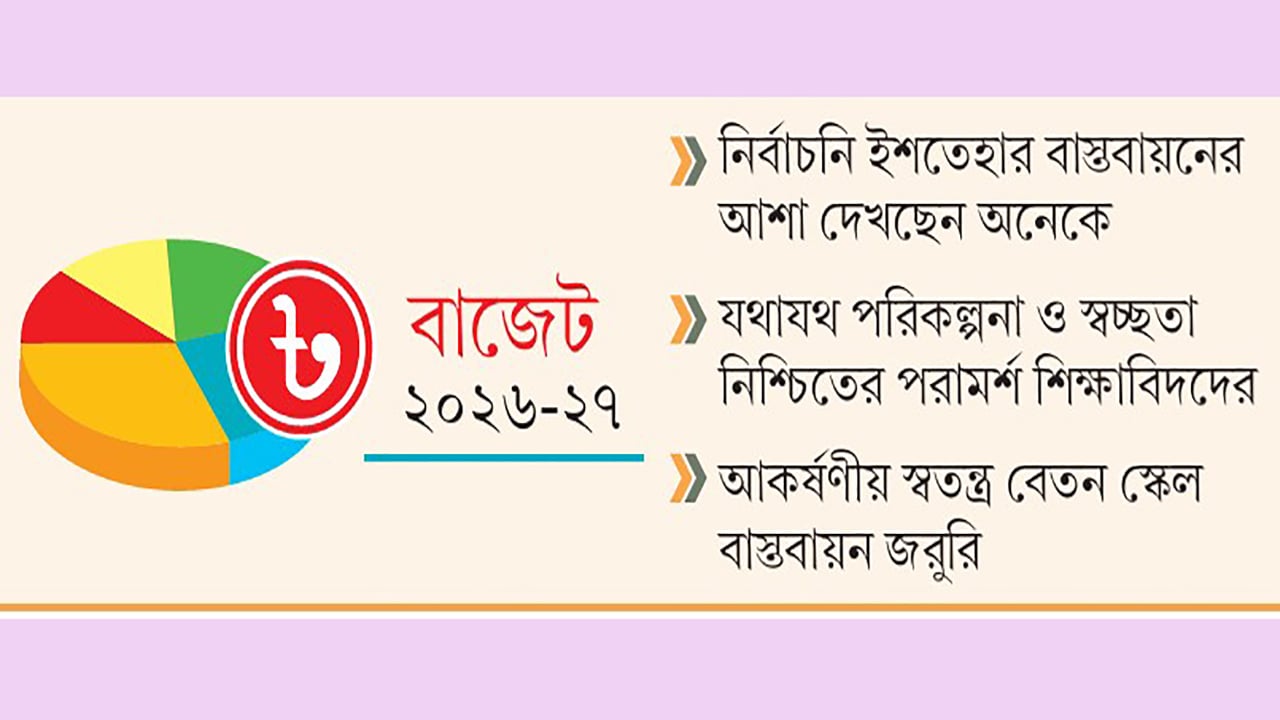
Bangladesh’s first budget under the current BNP government proposes a record allocation of Tk 1,36,606 crore for education, raising the sector’s share to 2 percent of GDP. Finance Minister Amir Khosru Mahmud Chowdhury announced the plan in parliament, emphasizing technical education, research, innovation, and third-language learning to link education with economic growth. The budget also sets a goal to raise education spending to 5 percent of GDP within five years. Education experts welcomed the increased allocation as a reflection of the government’s election pledges but noted that it still falls short of UNESCO’s 4–6 percent guideline. Several educators and organizations expressed concern that the budget lacks directives to improve teachers’ living standards, salaries, and benefits, particularly for MPO-listed and ibtedayi madrasa teachers. They warned that without addressing teachers’ welfare, the goal of “education with happiness” would remain unfulfilled. Analysts urged transparent implementation and effective use of funds to ensure quality education and skill development aligned with labor market needs.
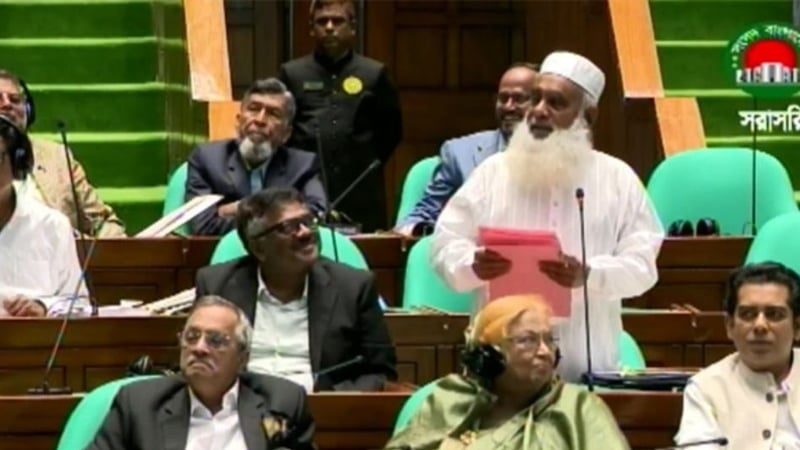
Tension erupted in Bangladesh’s Parliament on Sunday after ruling party MP Monirul Haque Chowdhury made remarks about the attire of women MPs from Jamaat-e-Islami’s reserved seats. His comments, perceived as inappropriate, led opposition members to stand in protest, disrupting proceedings for several minutes. Deputy Speaker Kaiser Kamal later expunged the remarks related to personal freedom, which helped calm the situation. Opposition Whip Nahid Islam condemned the remarks as an unpardonable offense and a form of discriminatory behavior, arguing that they violated constitutional and parliamentary norms. She said the comments infringed on religious and personal freedom. The Deputy Speaker reiterated his earlier ruling that no member should comment on personal freedom or dignity in Parliament, emphasizing the need to uphold decorum and respect. Monirul Haque Chowdhury later expressed regret, stating he had not intended to demean anyone and requested that any objectionable parts of his speech be expunged. The Deputy Speaker confirmed that the relevant portions had been removed from the record.
The White House has not yet released the draft text of the memorandum of understanding (MoU) announced as completed between Iran and the United States. According to the report, further discussions are scheduled to take place this week in Qatar to finalize and resolve detailed aspects of the agreement before its formal signing in Switzerland. The timing of the announcement was described as economically and strategically significant. It was made on Sunday evening, U.S. local time, when Asian markets were about to open. Former President Donald Trump had hinted throughout the week that a virtual agreement would be completed on Sunday, and maintaining that timeline was important for him. Following Trump’s announcement on social media, global markets reacted immediately. Brent crude oil prices fell by 4 percent to 84 dollars per barrel, while financial markets saw a modest rise of about 0.9 percent.
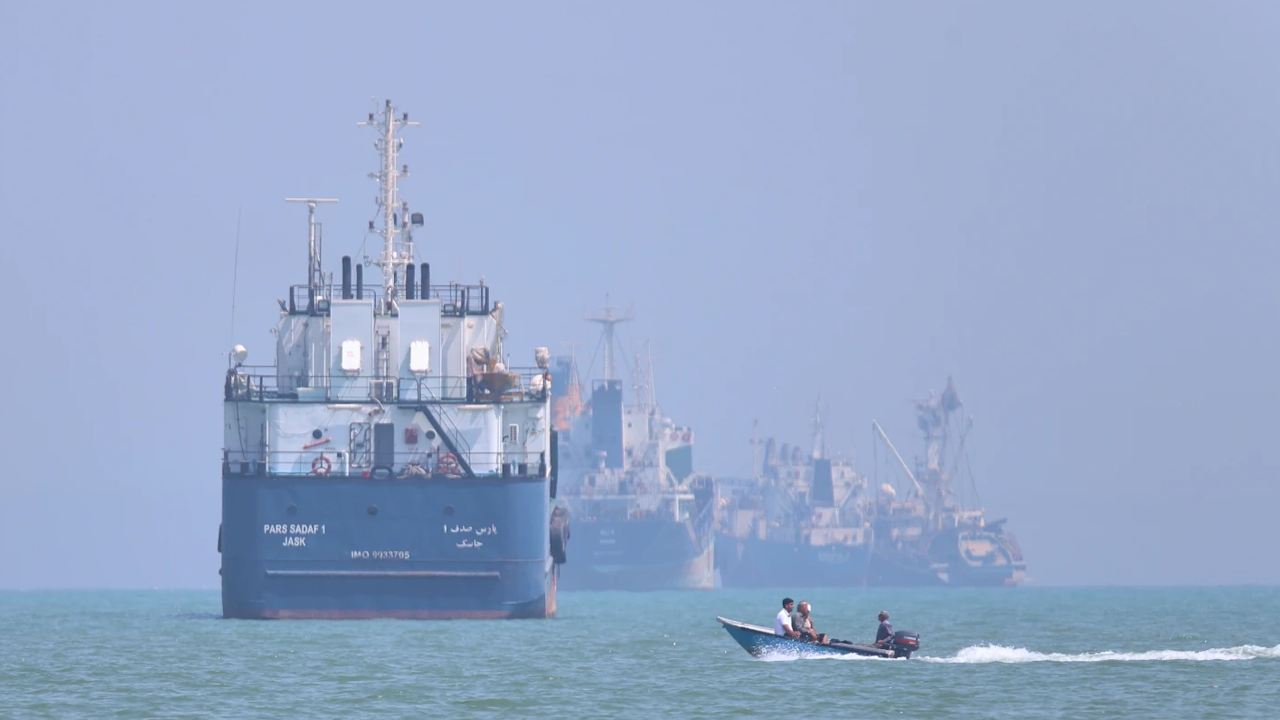
Maritime expert Rockford Wait of Tufts University’s Fletcher School told Al Jazeera that even after an agreement, it will take several months for the Strait of Hormuz to return to normal operations. The first step toward resuming navigation will be mine removal, and even after that process, vessel movement will begin cautiously. He said the shipping industry must regain confidence before fully resuming transit through the strait. Wait noted that the disruption to maritime traffic has been longer than anyone initially expected, and shipping companies will likely remain hesitant in the early stages. He added that oil and gas production facilities in several Gulf countries, including Qatar, Saudi Arabia, and Kuwait, have been damaged and will require time to recover. The expert emphasized that a return to pre-war conditions will depend on stability and smooth operations, estimating that several months will be needed before full normalization.
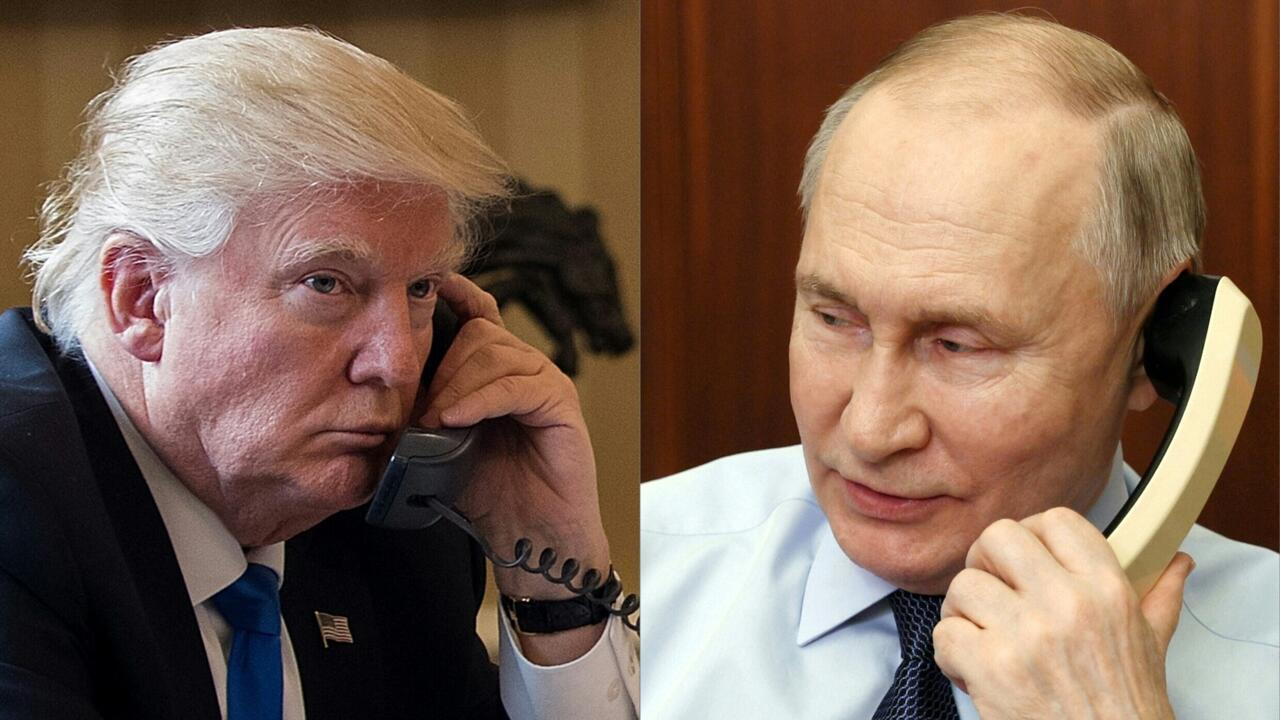
Russian President Vladimir Putin held a phone conversation with U.S. President Donald Trump, primarily to extend birthday greetings on Trump’s 80th birthday, according to a Kremlin statement cited by AFP on Sunday. During the call, the two leaders discussed the situations in Ukraine and Iran, as well as the upcoming visit of U.S. envoys to Russia. Kremlin adviser Yuri Ushakov said the discussion included details of a draft memorandum of understanding between the United States and Iran, with Trump indicating that a deal was very close. Ushakov added that U.S. special representatives Steve Witkoff and Jared Kushner, who are closely involved in Iran-related processes, are expected to return to Russia soon. Earlier the same day, Trump posted on social media that the Iran deal could be signed that day and that the Strait of Hormuz would be opened to all following the signing. However, Iran’s semi-official Fars News Agency reported that Tehran has not yet made or announced a final decision. Iranian officials said the agreement is nearing completion but emphasized that negotiations are still ongoing and no final deal has been confirmed.
The ‘1 Nojor’ media platform is now live in beta, inviting users to explore and provide feedback as we continue to refine the experience.