

The ‘1 Nojor’ media platform is now live in beta, inviting users to explore and provide feedback as we continue to refine the experience.
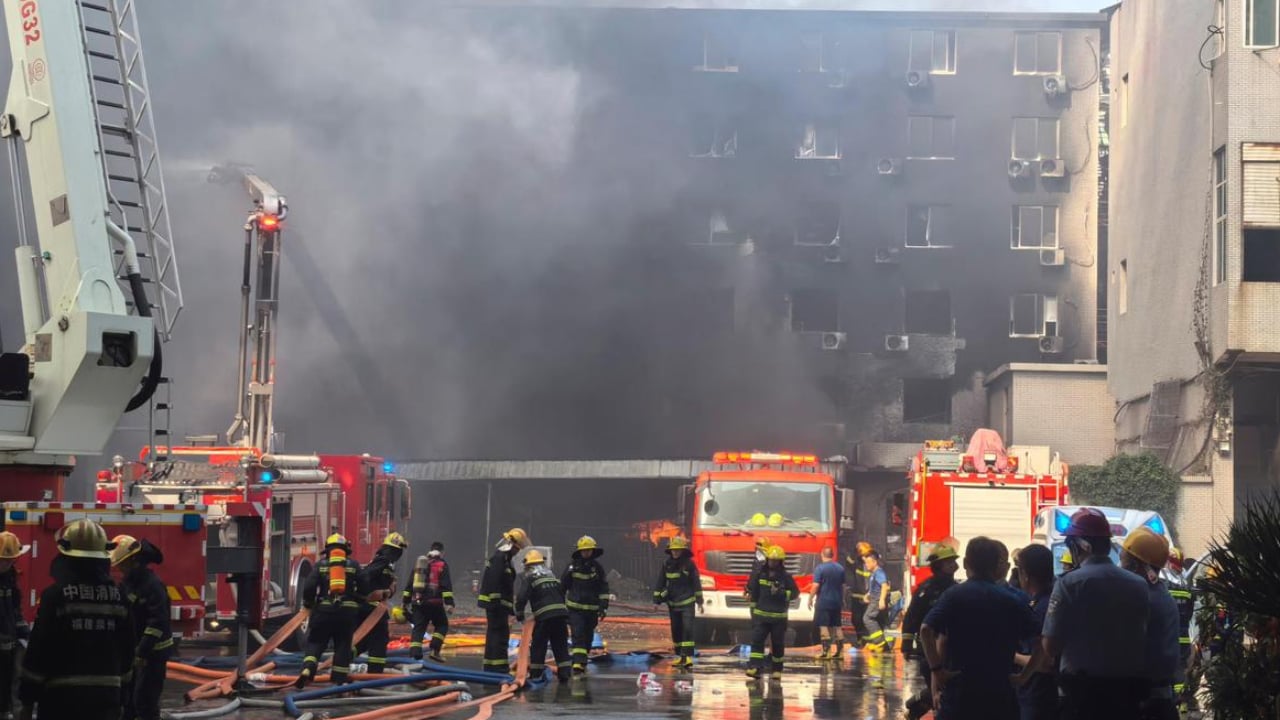
At least 28 people were killed in a massive fire at a shoe factory in Jinjiang city, Fujian province, southeastern China. The blaze broke out around noon local time on Thursday at the Huiteng Footwear factory, according to the state news agency Xinhua. About 500 rescue workers were deployed to the site, and footage released by Xinhua showed thick black smoke and flames rising from the building, with several people trapped on the roof. Chinese President Xi Jinping said the fire caused a significant number of casualties, and authorities fear the death toll could rise further. Jinjiang is known as China’s “shoe capital” and is one of the country’s largest footwear manufacturing hubs. The cause of the fire remains unknown, and rescue operations are continuing as officials warn that the number of victims may increase.
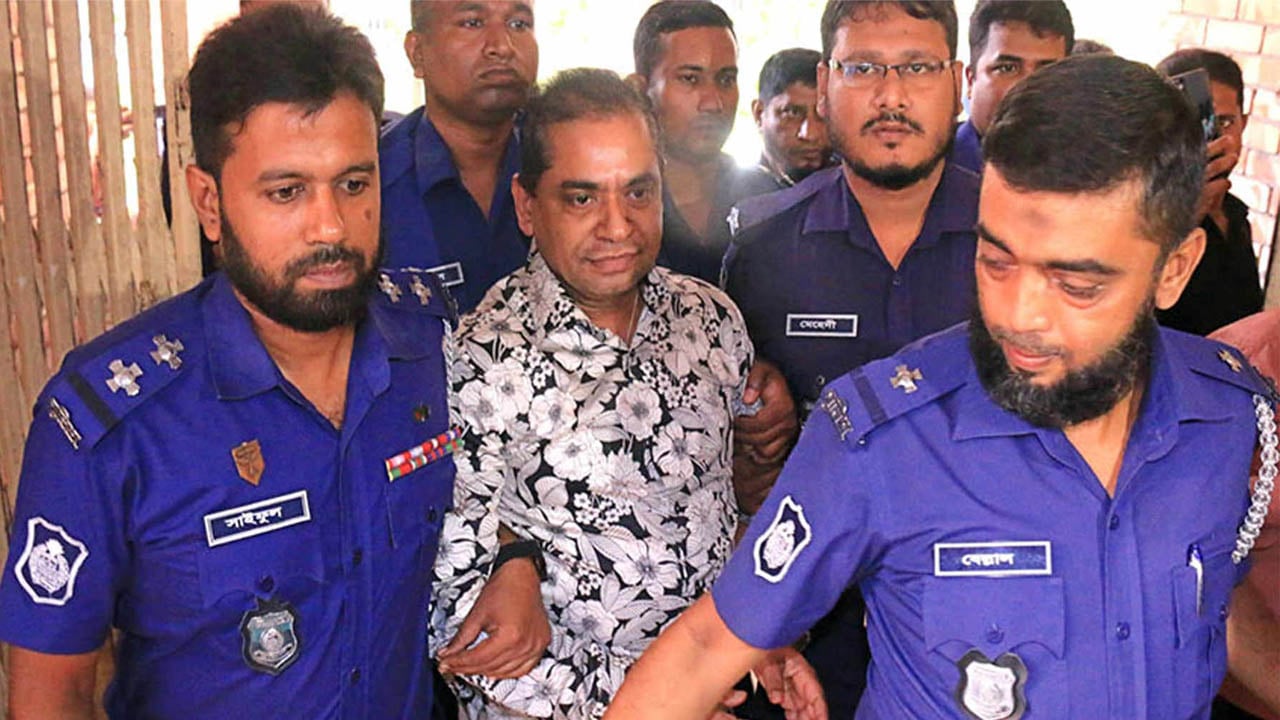
Harichur Rahman Harich, general secretary of the Gournadi Upazila Awami League and former mayor of Gournadi municipality, was released from Barishal Central Jail on Wednesday evening after securing bail in all ten cases filed against him. He had been imprisoned for about 21 months since his arrest in October 2024 from Dhaka’s Rampura area. Prison officials confirmed that he received bail in eight cases from local courts and in the remaining two from the High Court before his release. Rahman, known locally for his controversial role during the previous government, had faced multiple charges related to alleged abuses against political opponents. His release has stirred political reactions in Gournadi, with several BNP leaders expressing dissatisfaction over the decision. They criticized the manner and timing of his bail, describing it as undeserved given his alleged past actions. The development has reignited political debate in Barishal, highlighting ongoing tensions between Awami League and BNP supporters in the region.
TikTok has released its Community Guidelines Enforcement Report for the first quarter of 2026, detailing actions taken between January and March to maintain platform safety. According to the report, the company removed 13,218,004 videos from Bangladesh for violating community guidelines, representing about 0.8 percent of total uploaded content during that period. The platform’s automated moderation system identified and deleted 99.6 percent of these videos before any user complaints, with 94.4 percent removed within 24 hours. Following review, 320,593 videos were later reinstated. Globally, TikTok deleted 184,012,576 videos during the same quarter, amounting to 0.5 percent of total uploads. The global rate of automated detection and removal stood at 99.3 percent. The company also deleted 86,288,705 fake accounts and closed 25,764,372 accounts suspected to belong to users under 13 years old. In addition to video moderation, TikTok removed 237,517,128 comments worldwide, marking an increase from the previous quarter. The report noted that 18.6 percent of deleted videos contained sensitive content, while others violated safety, behavioral, or decency policies.

State Minister for Foreign Affairs Shama Obaid Islam stated that there is no shortfall in diplomatic efforts to bring back former Prime Minister Sheikh Hasina from India. Speaking to reporters at the Ministry of Foreign Affairs on Thursday afternoon, she said the process is continuing through established diplomatic channels and that such procedures take time. She emphasized that the repatriation process began during the interim government and resumed after the current government took office following the national election. Shama Obaid explained that the process of returning a convicted person under an extradition treaty or other legal framework must follow established procedures and international regulations. She noted that the Ministry of Home Affairs is also actively involved, and the legal aspects are being reviewed by the Law and Home ministries. From the foreign ministry’s perspective, she said, all required diplomatic steps are being followed. She further remarked that comments made by a fugitive and convicted individual are irrelevant to the ongoing legal and diplomatic process. Communication with the Indian government on this matter has been ongoing since the interim government period.

At least ten police officers were injured when a group of people attacked Agailjhara Police Station in Barishal on Thursday afternoon. The violence erupted after rumors spread that a detainee had died in police custody. The injured officers were admitted to the local upazila health complex for treatment. Police said that on Wednesday night, Riaz Fakir, aged 26, was detained near a filling station in Agailjhara while allegedly intoxicated. Authorities claimed he faced multiple drug and theft cases. After being taken to the station, Riaz fell ill and was transferred first to the Agailjhara Upazila Health Complex and later to Sher-e-Bangla Medical College Hospital in Barishal for advanced care. The officer-in-charge, Masud Khan, confirmed that Riaz Fakir is alive and receiving treatment. He said a group spread false news of Riaz’s death on social media, triggering the attack. Police have regained control of the situation and are preparing legal action against those involved.

A total of 78 tourists stranded in Sajek due to continuous rainfall in Khagrachhari were brought back under special arrangements. The evacuation took place on Friday with the assistance of the army and police, using boats and rafts to ensure their safe departure from the area. Authorities stated that other tourists remain in Sajek as water on the roads has not yet receded, preventing normal vehicular movement. They assured that once road conditions improve, the remaining stranded visitors will also be safely returned in phases. The situation highlights the impact of persistent rain on travel and safety in the hilly region, with officials prioritizing emergency needs in the ongoing rescue efforts.

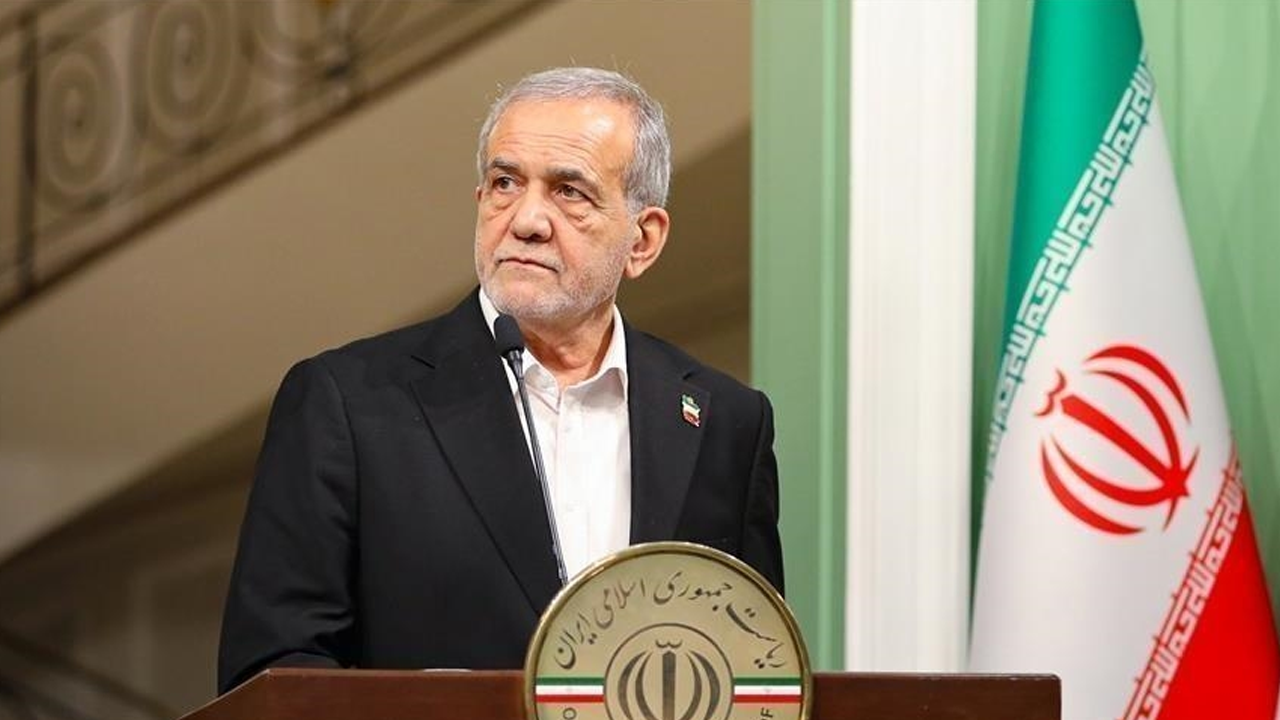
Iranian President Masoud Pezeshkian announced that his country will not respond to U.S. President Donald Trump’s provocative and offensive comments. He rejected calls from within Iran for a strong verbal reaction, stating that Iran would not learn policies from someone whose hands are stained with children’s blood. His remarks appeared to reference a U.S. attack on an Iranian school that reportedly killed more than a hundred children. Pezeshkian added that anyone unable to express thoughts without using insulting language reveals the offensive nature of their own ideas. He emphasized Iran’s determination to defend its rights firmly. His comments came after Trump, speaking at a NATO summit in Ankara, declared that the ceasefire with Iran was “over” and described Iranian leaders as “liars,” “filthy,” and “violent and sick people.” The exchange highlights renewed verbal tensions between Washington and Tehran following Trump’s statements at the NATO meeting.
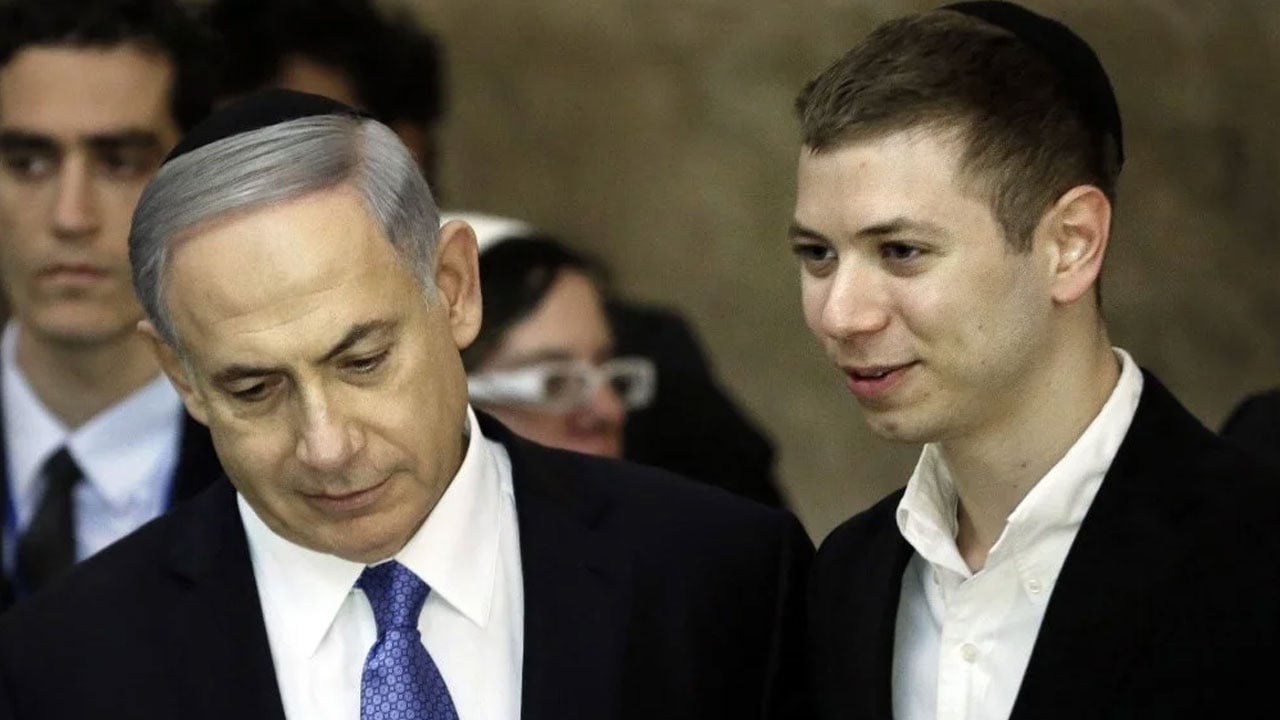
Israeli Prime Minister Benjamin Netanyahu’s son, Yair Netanyahu, has officially changed his name to Yonatan Hun. According to a report published by Israeli newspaper Haaretz on July 8, 2026, Yair, the second of three siblings, had previously used the surname ‘Hun’ on social media as ‘Yair Hun’. Tax documents issued in December 2024 listed his name as Yair Netanyahu, but the latest records now show the new name ‘Yonatan Hun’, with the same address listed as ‘Balfour 0’, a location described as fictional. Haaretz reported that the name change comes at a time when the Netanyahu family is facing multiple political and legal controversies both domestically and internationally. The International Criminal Court has issued an arrest warrant against Benjamin Netanyahu over alleged war crimes and crimes against humanity related to the Gaza conflict. Yair has also faced past criticism in the United States over his links with wealthy individuals and conservative groups. Yair has been living in the United States since 2018, following public backlash over a leaked audio recording that drew widespread criticism in Israel.
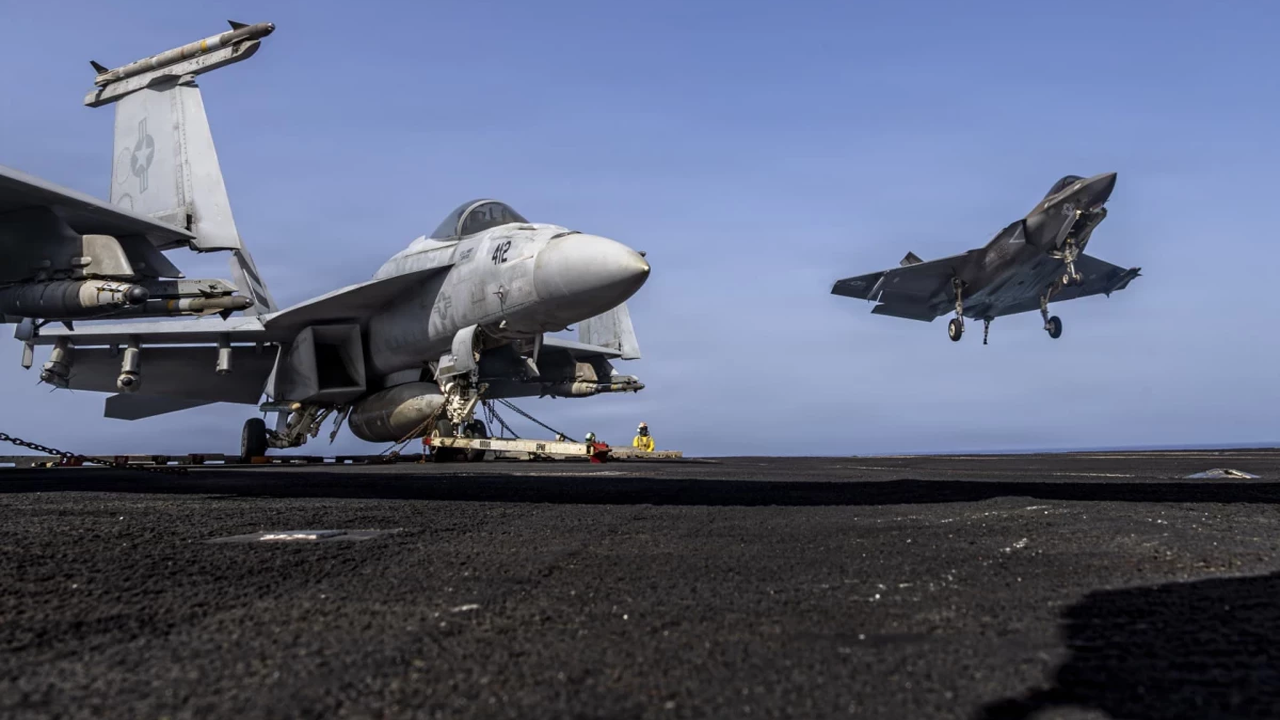
The United States Central Command (CENTCOM) has claimed that American forces carried out strikes on more than 170 Iranian military targets near Iran’s coastal areas close to the Strait of Hormuz over the past two days. According to a report by The New York Times citing CENTCOM, the targets included Iran’s air defense systems, drone and missile storage facilities, military speedboats, and logistical infrastructure. The report was also referenced by Al Jazeera. CENTCOM stated that the purpose of these operations was to weaken Iran’s ability to attack commercial vessels in the Strait of Hormuz. The New York Times further reported that the number of strikes conducted in the last two days was nearly 14 times higher than those carried out during the escalation between the United States and Iran in June. The report did not mention any Iranian response or independent verification of the claimed strikes.
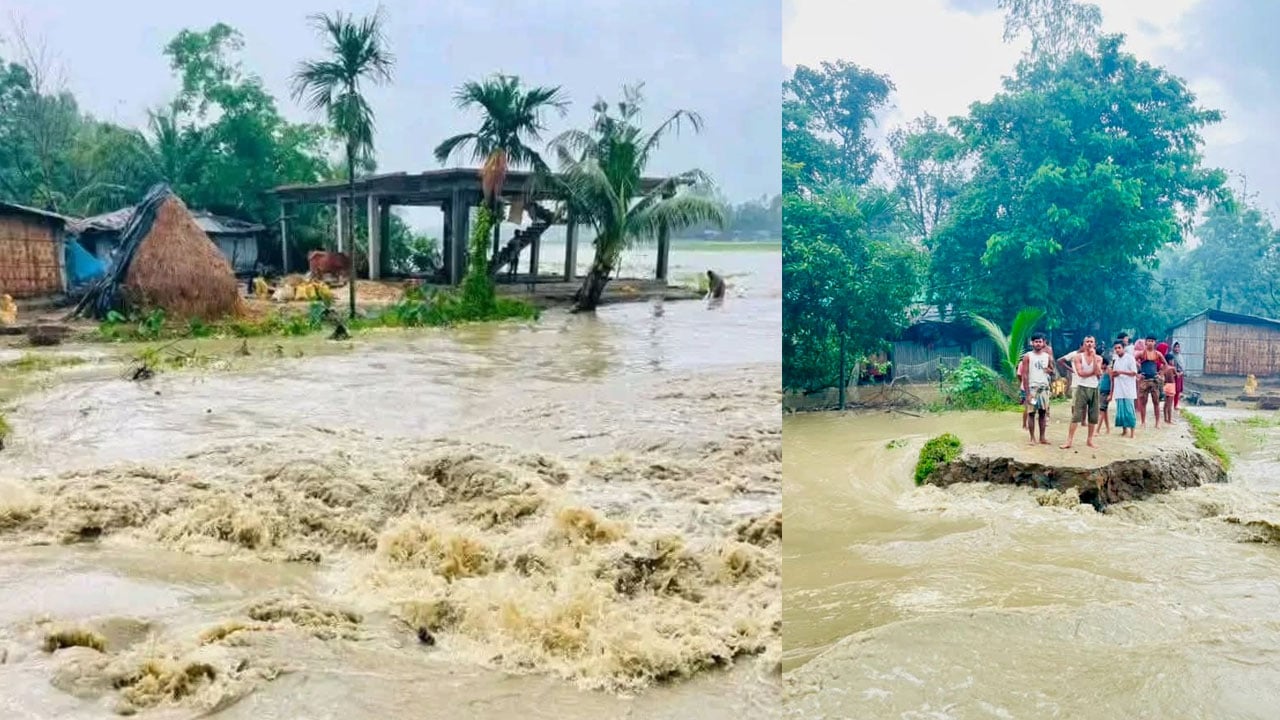
Continuous heavy rainfall and hill torrents have worsened flooding across Cox’s Bazar, submerging more than 150 villages in 35 unions and leaving around 500,000 people stranded. Water levels in the Bakkhali and Matamuhuri rivers have risen above danger marks, while at least 22 people have died in landslides over the past four days. The worst-affected areas include Rajakhali, Magnama, and Ujantia unions in Chakaria and Pekua. Local authorities report that homes, schools, and rural roads are underwater, severely disrupting daily life. Officials have warned of increased landslide risks and urged residents near hills to move to safer locations. The district administration has opened a control room and prepared 648 shelters for rescue and relief operations. River embankments remain mostly intact, though minor overflow has been reported in parts of Chakaria. According to the weather office, Cox’s Bazar recorded 547 millimeters of rainfall in five days, with heavy rain expected to continue until July 11. Boat services on several coastal routes remain suspended for seven days due to rough seas, stranding thousands of passengers.
Police in Pangsha upazila of Rajbari district arrested a 24-year-old man named Abu Hossain Molla on Wednesday morning for allegedly setting fire to a copy of the Holy Quran and important land documents at his home in Raghunandanpur village under Bahadurpur Union. The incident occurred around 10 a.m., and the accused is the son of Jabbar Molla. According to local sources, Abu Hossain had been addicted to drugs for a long time. On the day of the incident, he reportedly asked his mother for money to buy drugs. When she refused, he became angry and burned the Quran and land papers in the cooking stove. He also physically assaulted his ailing mother during the incident. After news of the incident spread, locals gathered at the accused’s house. Police from Pangsha station later visited the scene, and following a case filed by Abu Hossain’s father, officers arrested him in the afternoon.

Police in Melandah upazila of Jamalpur have arrested Syed Khalekuzzaman Juberi, chairman of Durmut Union Parishad and a local Awami League leader, in connection with a sabotage case. The arrest took place around 2 p.m. on Thursday in front of the Melandah Upazila Parishad office, confirmed Officer-in-Charge Md Obaidur Rahman of Melandah Police Station. According to police sources, Juberi, who serves as vice president of the Jamalpur district Awami League and president of the Durmut Union Awami League, had been wanted in a sabotage case filed at Melandah Police Station. Police claimed he had been in hiding since the political change on August 5. After his arrest, he was sent to court following legal procedures. The report did not include details about the specific allegations or the broader political context surrounding the case.
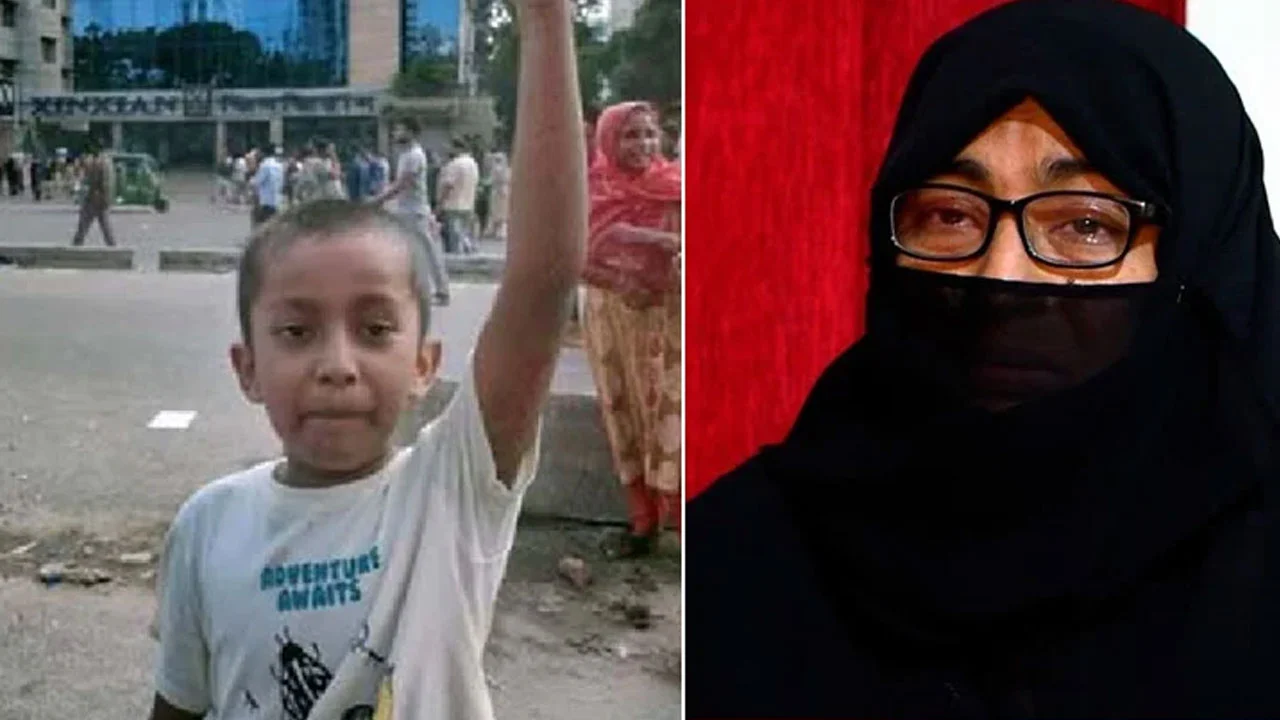
Rokeya Begum, mother of the youngest martyr of the July uprising and a reserved-seat member of parliament, has criticized the slow pace of trials related to the 2024 July uprising. Speaking at a discussion organized by the Amar Bangladesh Party at the Dhaka Reporters Unity auditorium, she said that only seven cases have been resolved in two years. She questioned why the remaining cases were still pending and called on the government to ensure justice for the victims and their families. During her remarks, Rokeya Begum recalled her son Jabir Ibrahim, who was six years old during the uprising and dreamed of becoming an army officer. She emphasized that the martyrs sacrificed their lives for a free and equitable Bangladesh and that attempts to undermine the spirit of the uprising would not succeed. She urged unity to prevent the rise of new authoritarian forces and appealed for the completion of all pending trials to provide solace to the families of the martyrs and the injured.
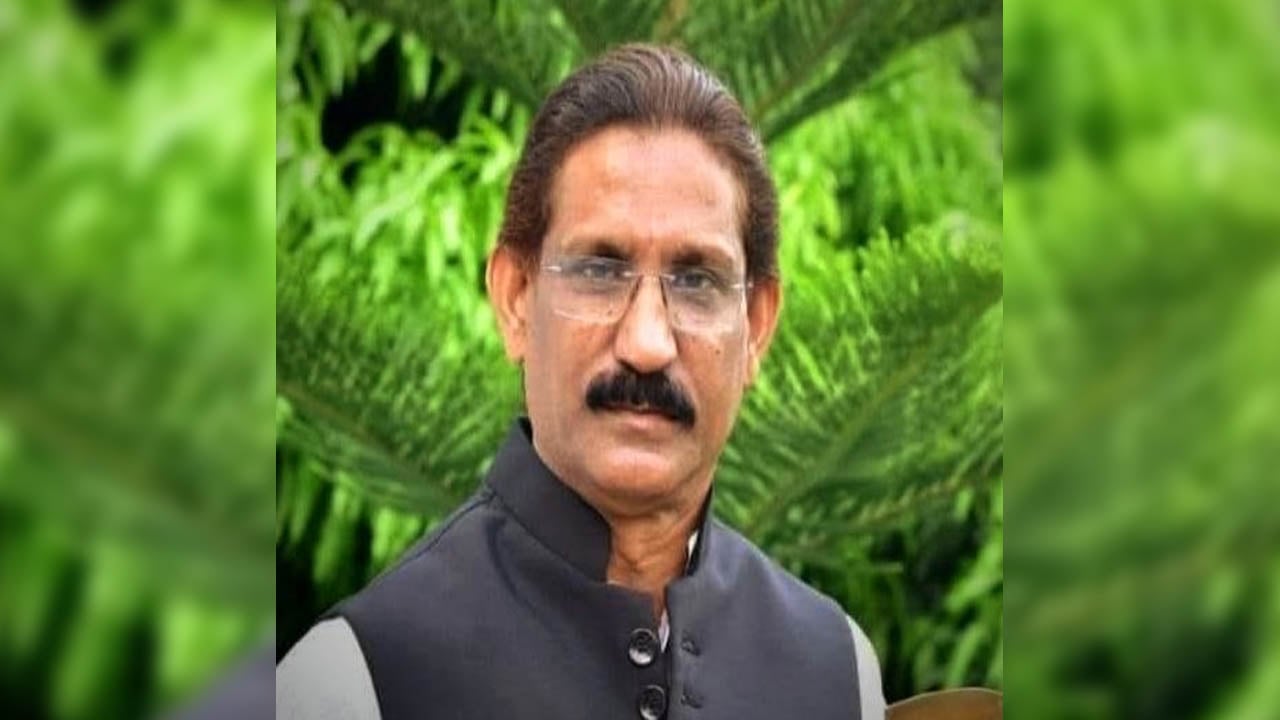
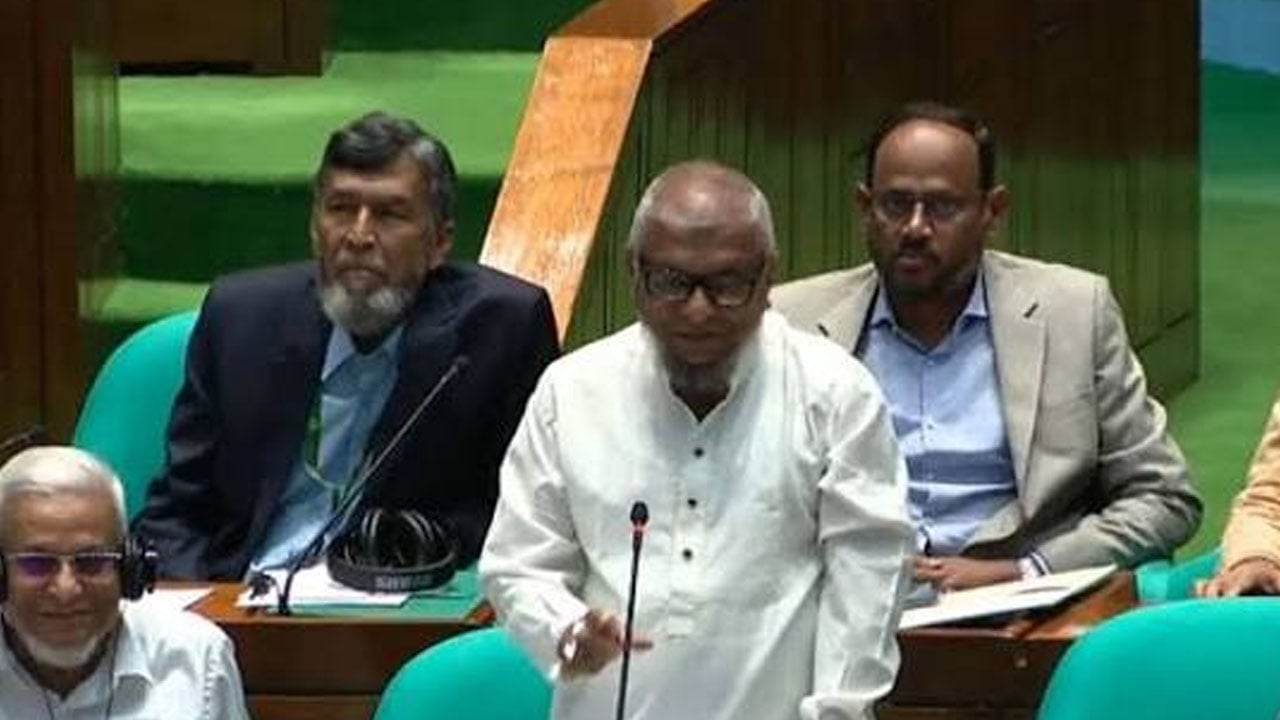
Bangladesh’s Expatriates’ Welfare and Overseas Employment Minister Ariful Haque Chowdhury announced that the government plans to send 10 million skilled workers abroad over the next five years. He made the statement in parliament while responding to questions from lawmakers during the national budget session. The minister said that 110 training institutions, including 104 technical training centers and six institutes of marine technology, are currently providing skill development training in 55 trades and courses to prepare workers for overseas employment. Chowdhury added that the government is working to ensure safe, regular, and orderly migration while controlling migration costs and curbing fraud by middlemen. A new digital platform, the Overseas Employment Platform (OEP), has been launched to make the migration process more transparent and accountable. The government has also introduced the 2025 regulations for licensing recruiting agents and registering sub-agents to bring them under legal oversight. He further stated that district and upazila-level migration coordination committees have been formed to implement local migration activities, and that the government continues to assist expatriate workers, including repatriating deceased workers’ bodies at state expense.
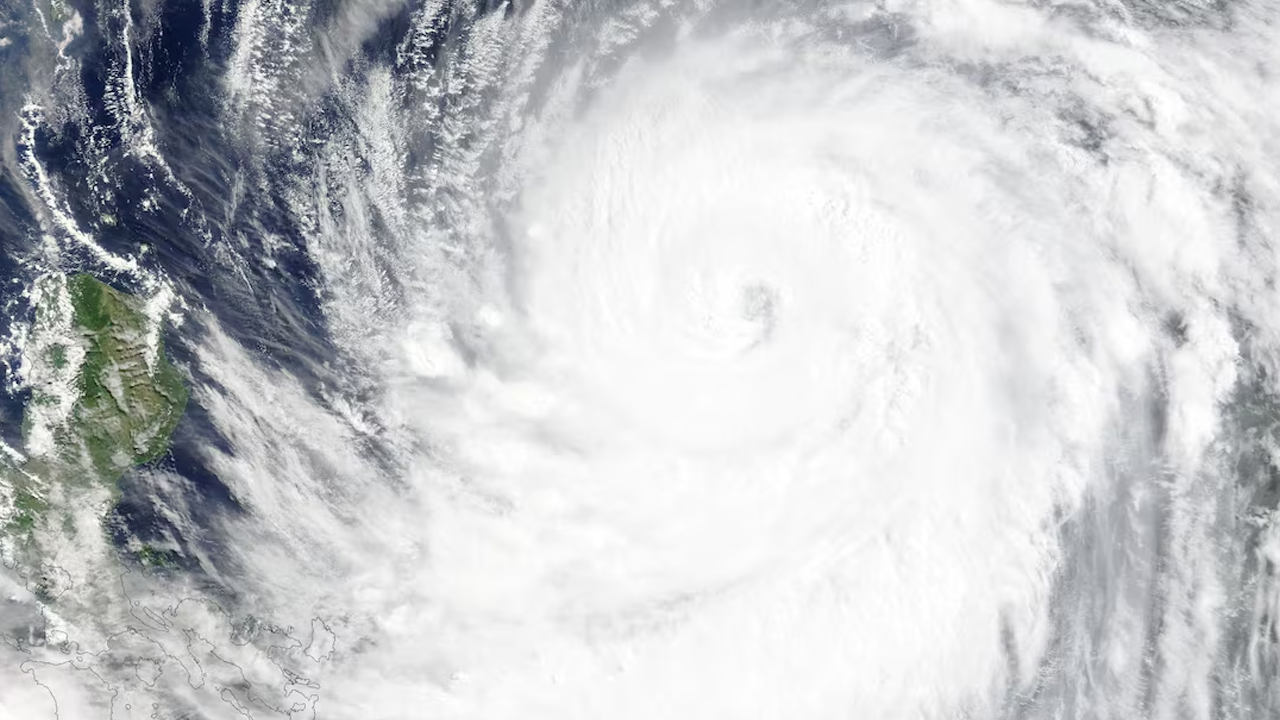
China and Taiwan are on high alert as Typhoon Bavi, one of the most powerful tropical storms in recent years, approaches from the southeast of Taiwan. The storm’s center has wind speeds of around 200 kilometers per hour, and it spans nearly 1,000 kilometers—roughly the size of France. Forecasts indicate that Bavi could skirt northern Taiwan before making landfall in China’s Fujian province on Saturday evening. Taiwan’s defense ministry has placed about 29,000 troops on standby, while meteorologists warn of up to one meter of rainfall in northern mountainous areas. The storm arrives as parts of China are still recovering from Typhoon Maysak, which killed at least 39 people in Guangxi earlier in the week. In Taiwan, fishing boats have sought shelter, residents are lining up for sandbags, and farmers are rushing to harvest crops. Japan’s Okinawa region has also issued high alerts, with airlines canceling dozens of flights. Scientists cited in the report link the increasing intensity of such storms to climate change and the ongoing El Niño phenomenon, which is raising sea temperatures and fueling stronger typhoons across East Asia.
The ‘1 Nojor’ media platform is now live in beta, inviting users to explore and provide feedback as we continue to refine the experience.