

The ‘1 Nojor’ media platform is now live in beta, inviting users to explore and provide feedback as we continue to refine the experience.
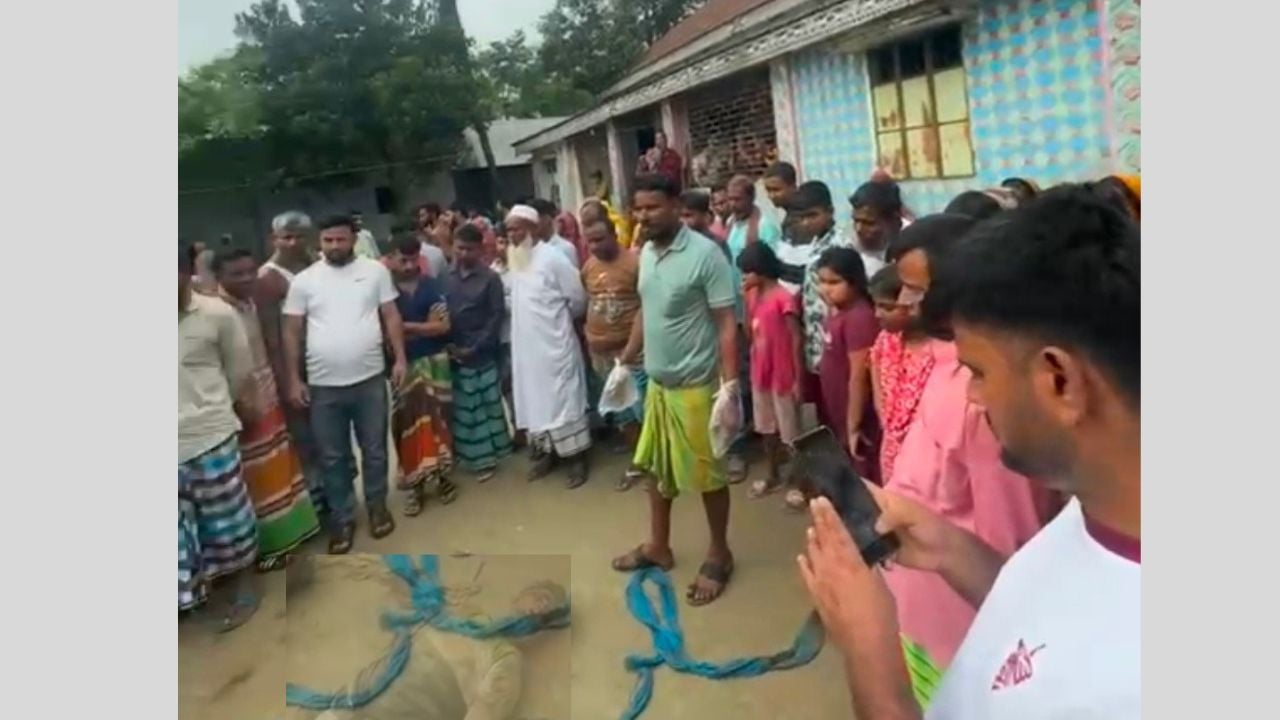
A man named Rajib, aged 40, was killed in a mob beating in Bandail (Jiangar) village under Sayesta Union of Singair upazila, Manikganj, early Monday morning. The incident occurred after he was accused of breaking into the house of Mohammad Hakim Ali and stealing cash and gold ornaments. Rajib, a resident of Dattakhanda village in Nawabganj upazila of Dhaka district, reportedly entered the house by cutting the window grill while four to five accomplices waited outside. According to local sources, Rajib allegedly handed over about four lakh taka and four bhori of gold to his accomplices before they fled. When the homeowner noticed the intrusion and tried to resist, a scuffle ensued, leaving him injured. Locals later caught Rajib and beat him to death at the scene. Police recovered the body and sent it for autopsy. The homeowner is currently receiving treatment at Singair Upazila Health Complex. Singair police stated that an investigation is underway, and legal action, including case preparation, is in progress.
The Bangladesh government has decided to purchase the broadcast rights for the 2026 FIFA World Cup directly from the International Federation of Association Football (FIFA) for approximately Tk 73 crore. The state-run Bangladesh Television (BTV) will acquire the 'all media rights' under a direct purchase method approved by the Cabinet Committee on Government Purchase, chaired by Finance Minister Amir Khasru Mahmud Chowdhury. The contract value has been set at Tk 72.70 crore. According to the proposal from the Ministry of Information and Broadcasting, BTV will obtain full media rights directly from FIFA, covering satellite, terrestrial, digital, and OTT platforms. Officials noted that previous major sports events often required intermediaries, increasing costs. This direct agreement is expected to ensure transparency and cost efficiency. The 2026 FIFA World Cup, jointly hosted by the United States, Mexico, and Canada, will begin on June 11 and continue until July 19. With this initiative, millions of Bangladeshi football fans will be able to watch all matches live without additional expenses.

Italian coast guards recovered the bodies of ten migrants after a boat carrying around sixty people capsized near Malta in the Mediterranean Sea. The incident occurred on Sunday, and forty-eight survivors were rescued from the water. According to the Italian coast guard, the vessel had departed from Libya and sank about forty-five nautical miles east and southeast of Malta. Authorities said an Italian patrol boat was dispatched to the area, and search operations are continuing in coordination with Maltese officials. The rescue and recovery efforts are part of ongoing operations in the central Mediterranean, a route frequently used by migrants attempting to reach Europe. The International Organization for Migration (IOM) reported that the start of this year has been one of the deadliest in the Mediterranean since 2014. At least 990 people have died attempting the crossing so far this year, compared with at least 2,180 deaths or disappearances recorded last year.

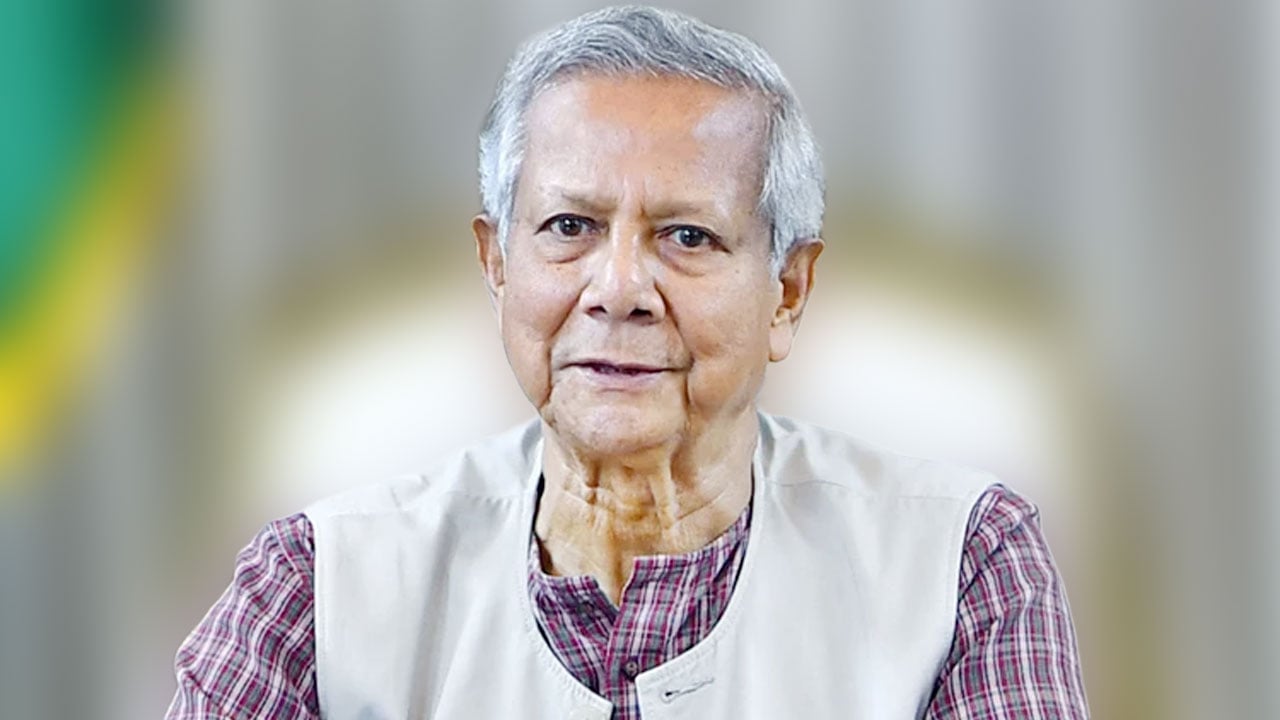
A case application has been filed against former interim government chief adviser Dr. Muhammad Yunus and four others over alleged negligence leading to child deaths from measles. The application was submitted on Monday, June 8, 2026, to the Dhaka Additional Chief Metropolitan Magistrate Jasita Islam’s court by Mujibur Rahman Iqbal, Member of Parliament for Kishoreganj-5. Court bench assistant Ashutosh confirmed the filing but said the hearing has not yet taken place. The accused include former health adviser Nur Jahan Begum, former health secretary Md. Saidur Rahman, former special assistant to the chief adviser Dr. Muhammad Sayedur Rahman, and former director general of the Directorate General of Health Services Dr. Md. Abu Zafar. The complaint alleges that under Dr. Yunus’s leadership, the interim government failed to import measles-rubella vaccines through UNICEF, causing a vaccine shortage and resulting in hundreds of child deaths and thousands of illnesses. The complaint further claims that the accused officials deliberately delayed vaccine procurement, violating citizens’ basic rights. A government adviser earlier stated that the administration would investigate why vaccines were not provided during that period.
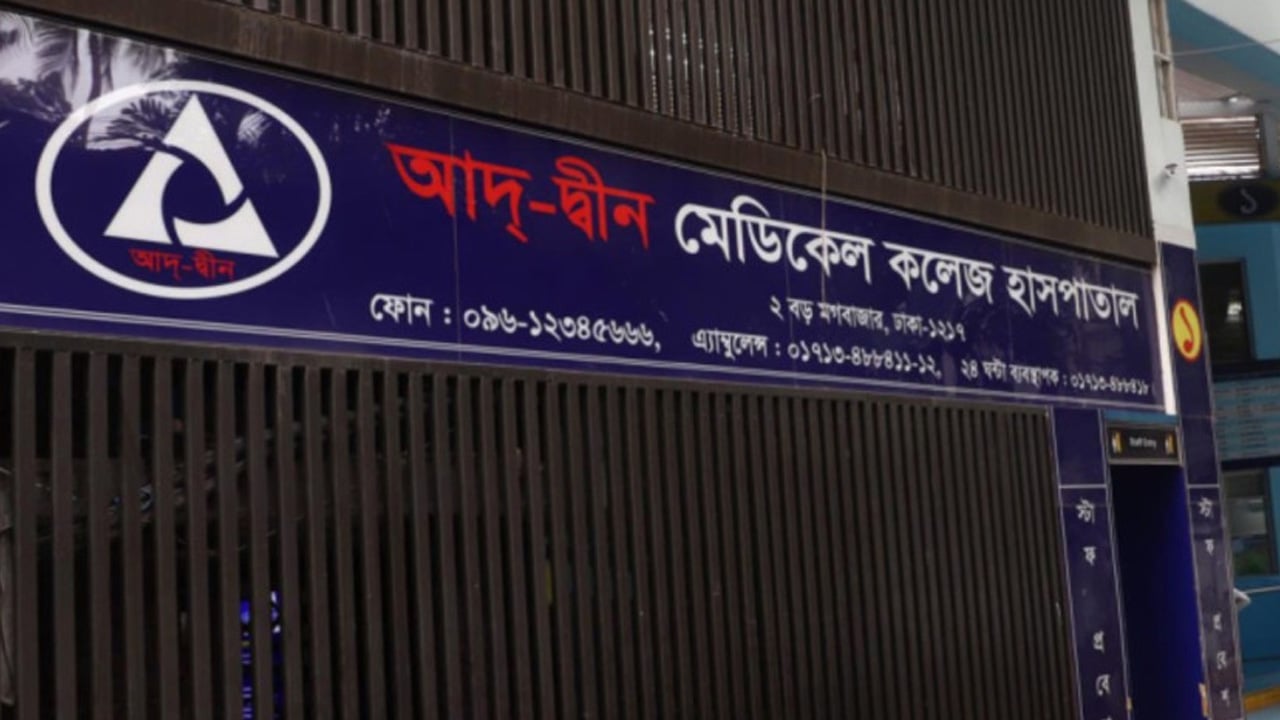
Ad-Din Hospital has decided to pay Tk 8 million in compensation to each of the six families whose newborns died at the facility. The decision was reached through joint discussions between the hospital authorities and the affected families, according to the hospital’s lawyer, Shishir Monir. Each family had already received Tk 1 million earlier, and previously announced benefits will remain in place. The hospital had earlier pledged long-term support for the families, including free lifetime medical services excluding medicine, and free education opportunities at Ad-Din-run institutions. Scholarships or tuition waivers will be provided for expensive programs such as medical college, and eligible family members may receive employment opportunities within Ad-Din organizations. Meanwhile, the Directorate General of Health Services has granted Ad-Din Hospital an additional 48 hours, until June 9, to respond to a show-cause notice regarding the deaths. The deaths occurred on May 27 in the post-operative ward of Ad-Din Medical College Hospital in Moghbazar, where a government investigation found evidence of negligence by hospital authorities.
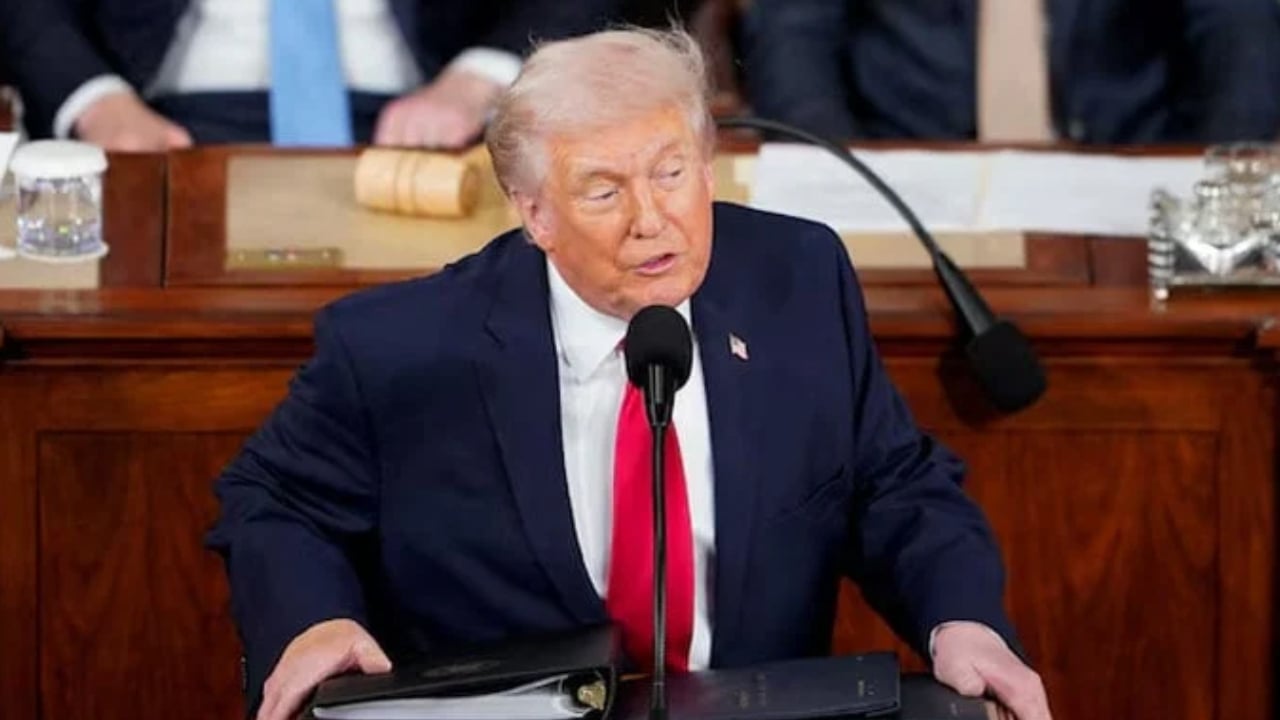
U.S. President Donald Trump stated that the recent Israel-Iran conflict will not impact the ongoing ceasefire or peace agreement between the United States and Iran. His remarks came after Iran launched retaliatory attacks on Israel following Israeli strikes, escalating tensions in the region. Trump told the Financial Times that he alone makes the decisions and that Israeli Prime Minister Benjamin Netanyahu does not influence them. According to reports, Iran’s Revolutionary Guard targeted the Ramat David airbase near Nazareth, while the Israeli military claimed to have intercepted the missiles fired from Iran. Despite the missile exchange, Netanyahu had not made any public comment five hours after the Iranian attack. The renewed hostilities have also driven oil prices up by more than two percent in early Monday trading. The situation underscores the fragility of regional stability, though Trump’s assertion suggests Washington intends to maintain its diplomatic course with Tehran despite the latest escalation.
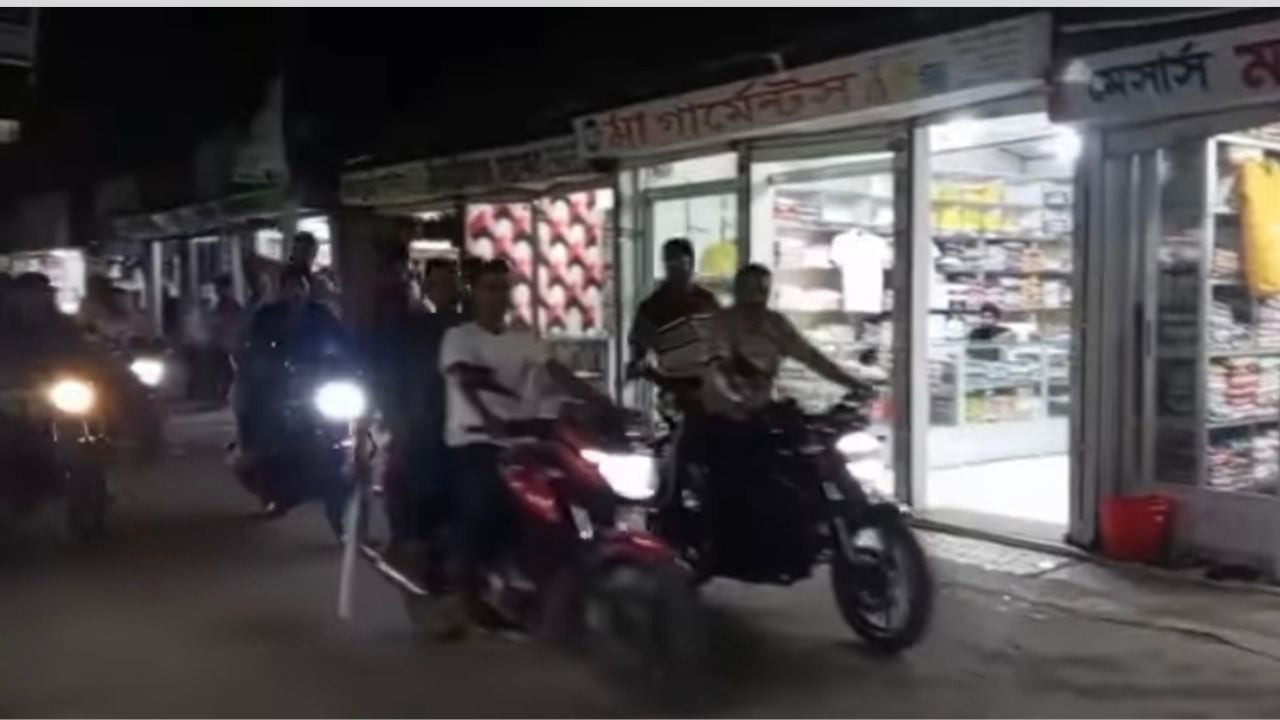
Tension spread in Dewanganj municipality of Jamalpur after allegations that activists of the banned Chhatra League detonated several crude bombs at multiple locations on Tuesday evening. In protest, leaders and activists of the municipal Chhatra Dal and BNP organized a motorcycle showdown across the town, demanding punishment for those responsible and chanting slogans against the Chhatra League. The incidents reportedly occurred in areas including the station, Gabtoli, and Kalitala, though no casualties were reported. Biplob Mondal, convener of the Dewanganj municipal Chhatra Dal and BNP’s municipal student affairs secretary, alleged that the explosions were carried out under the direction of the upazila Chhatra League general secretary after a failed rally attempt two days earlier. However, the Chhatra League denied the accusations and blamed the BNP and Chhatra Dal instead. Dewanganj Police Station Officer-in-Charge Anwar Hossain stated that he personally inspected the reported sites but found no evidence or eyewitnesses of any explosions. Police have launched an investigation to determine the cause and source of the alleged blasts. The conflicting claims have heightened political tension in the area as authorities continue their inquiry.
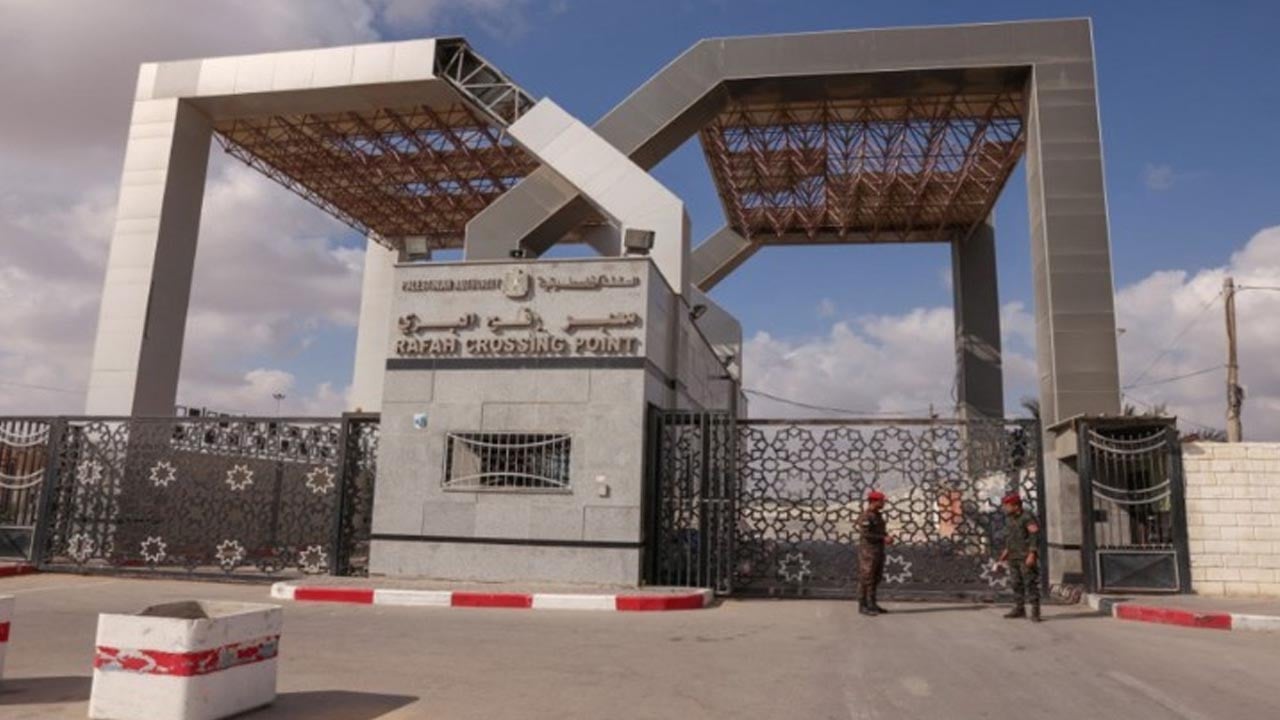
Israel has once again closed all entry routes into Gaza, according to a statement from Tel Aviv. The decision came after an Iranian attack in northern Israel, prompting authorities to seal crossings including Rafah and Kerem Shalom, which are key channels for humanitarian aid into the enclave. Israeli officials described the move as part of necessary security measures and claimed that the closures would not affect Gaza’s humanitarian situation. They argued that since the start of the ceasefire, a large volume of food had already entered the territory, exceeding the population’s nutritional needs. The report noted that Israel had previously shut Gaza’s entry points during earlier phases of conflict with Iran, including a brief closure in February.
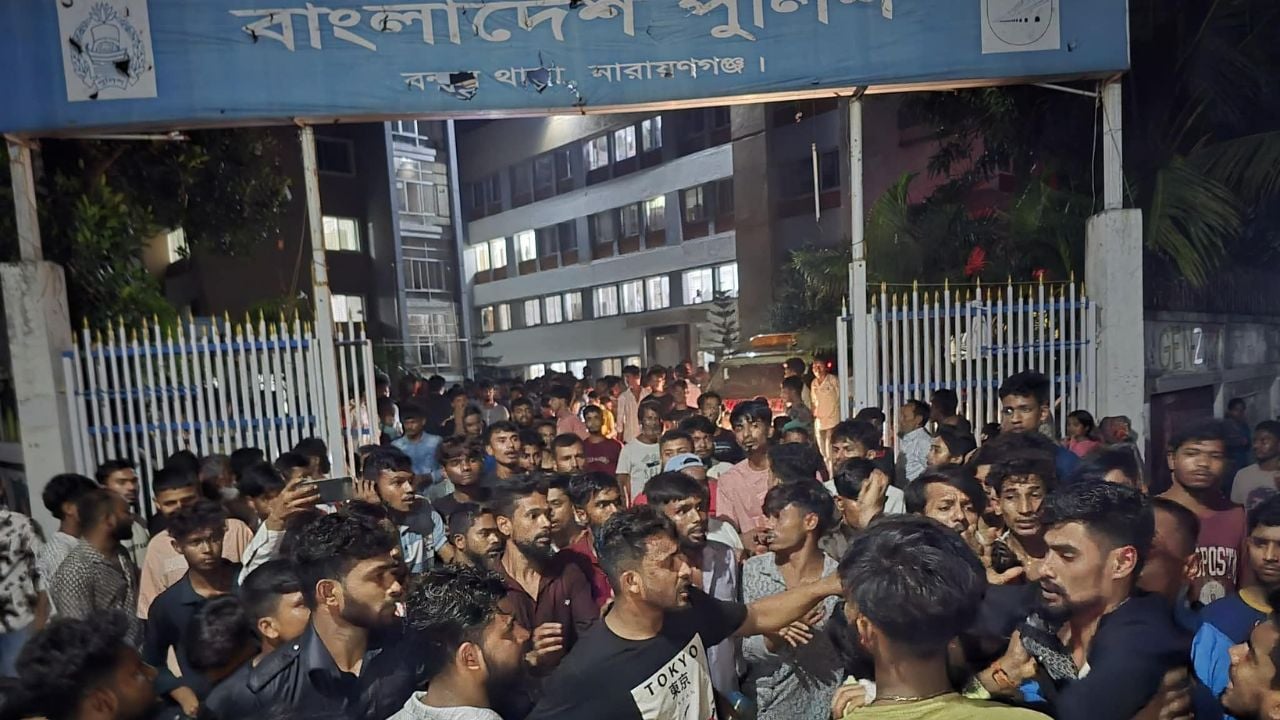
A 20-year-old youth named Zobayer died on Sunday morning at Dhaka Medical College Hospital, four days after being stabbed by muggers in Bandar, Narayanganj. According to the report, when his relatives went to file a complaint at Bandar Police Station, Sub-Inspector (SI) Masud Rana allegedly demanded a bribe. Later that night, locals surrounded the police station with the victim’s body, demanding justice for both the killing and the alleged misconduct. Following the protest, Bandar Police Station’s Officer-in-Charge Golam Mukter Ashraf Uddin confirmed that SI Masud Rana had been withdrawn to the police lines and that an investigation into the bribery allegation was underway. The victim, son of rickshaw puller Jahangir from Rajapur in Pabna, had been living in Enayetnagar, Bandar, for work. The attack occurred on June 3 when three unidentified assailants stabbed him and took his mobile phone. Police said operations to arrest the suspects involved in the killing are continuing, while the bribery complaint is under official investigation.
Former West Bengal Chief Minister and Trinamool Congress leader Mamata Banerjee made politically sensitive remarks in Kolkata’s Dharmatala, claiming she knew who was behind the killing of Sharif Osman Bin Hadi, spokesperson of Bangladesh’s Inquilab Manch. She said the killers entered India through the Meghalaya border and were arrested by the West Bengal Police’s Special Task Force (STF). Banerjee alleged that India’s Home Minister Amit Shah personally called her, asking that the arrests not be made public for national interest. Banerjee further stated that she knew who ordered the killing but would not reveal names to avoid unrest in Bangladesh. The report interprets her comments as directly implicating Amit Shah. The two main suspects, Faisal Karim Masud alias Rahul and Alamgir Hossain, are currently in custody of India’s National Investigation Agency (NIA) after being interrogated by the STF. The article connects this case to previous allegations of Indian intelligence-linked assassinations abroad, including incidents in Canada, the United States, and Pakistan, suggesting a broader pattern of covert operations. It concludes that Banerjee’s statements could expose another major controversy involving India’s intelligence network.

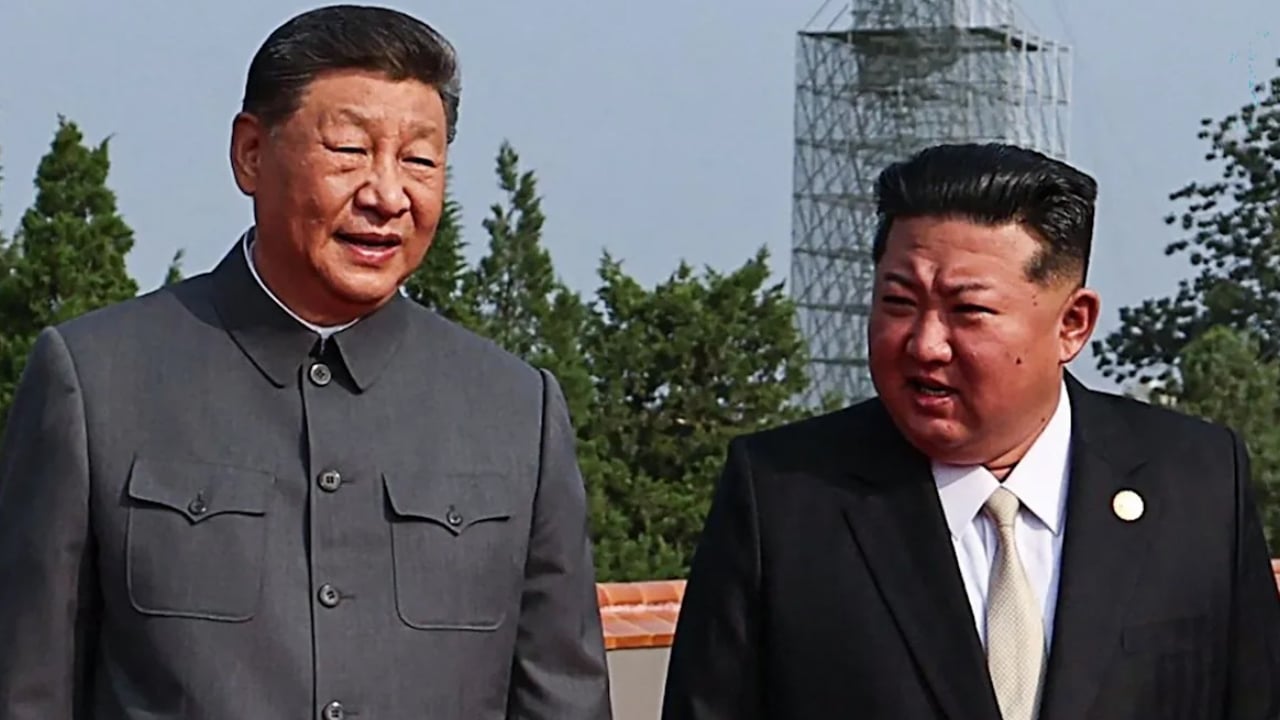
Chinese President Xi Jinping has arrived in North Korea to meet with the country's leader Kim Jong Un. According to China's state-run news agency Xinhua, Xi landed in Pyongyang on Monday afternoon local time. This marks his first visit to North Korea in seven years. The visit comes at a time of heightened geopolitical uncertainty. Beijing is seeking to project itself as a multifaceted global power, and Xi’s trip to Pyongyang is described as part of that broader effort. The meeting between Xi and Kim is expected to underscore the ongoing relationship between the two neighboring countries. The report did not provide details about the agenda or specific outcomes expected from the meeting.
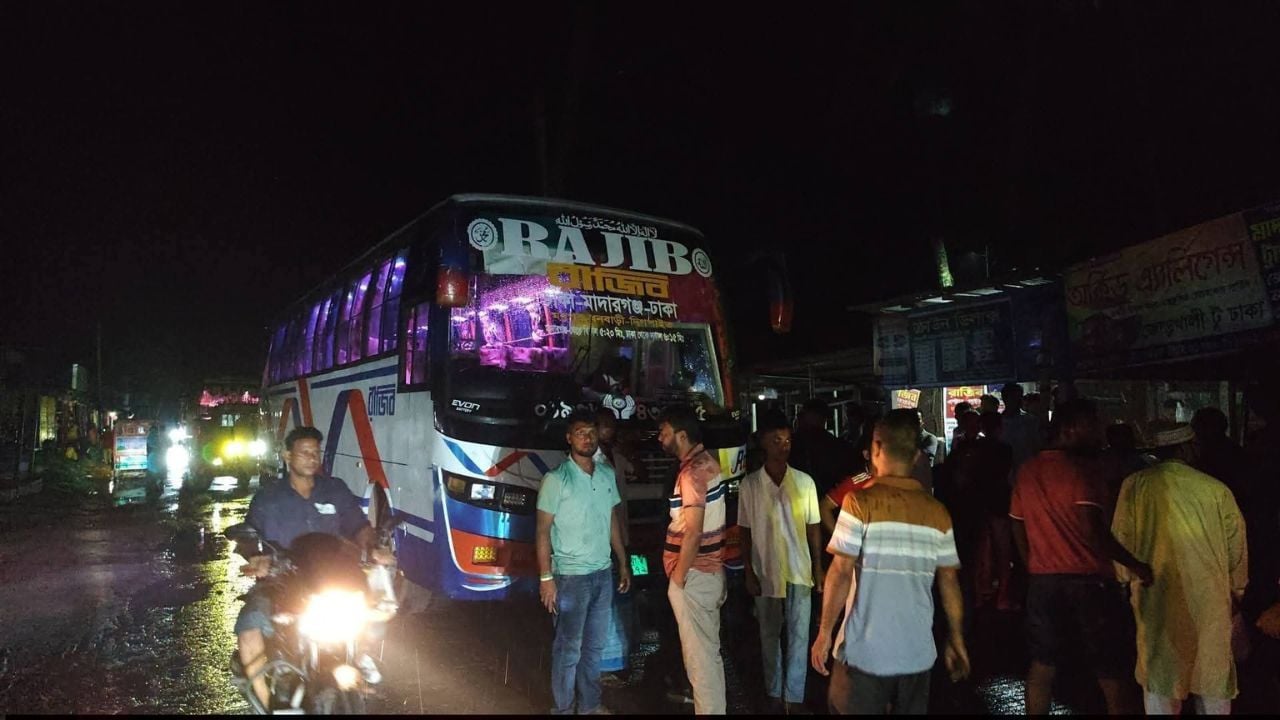
A Jatiyatabadi Chhatra Dal activist was injured in Madarganj upazila of Jamalpur following a dispute over the assault of a bus driver. The incident occurred on Sunday evening when a Dhaka-bound Rajib Paribahan bus reached Jorkhali Enpur Bazar in Gunaritala Union. Local sources said counter masters Shafiqul Islam and Rahmatullah slapped driver Mominul after a previous disagreement, leading to a halt in bus operations. When student leader Bijoy Ahmed requested that the bus continue its journey, an argument broke out with Gunaritala Union BNP publicity secretary Sohel Rana, which escalated into a physical altercation. Locals alleged that Bijoy was attacked with a sharp weapon and later hospitalized. Following the attack, transport workers suspended all Dhaka-bound bus services from Madarganj, leaving passengers stranded. Police led by Sub-Inspector Kamal Sarkar visited the scene to maintain order, while locals staged a protest demanding Sohel Rana’s arrest. Transport committee president Anwar Zahid Makhan said efforts were underway to restore normal operations. Bus services remained suspended as of Sunday night, causing significant travel disruptions for passengers in the region.
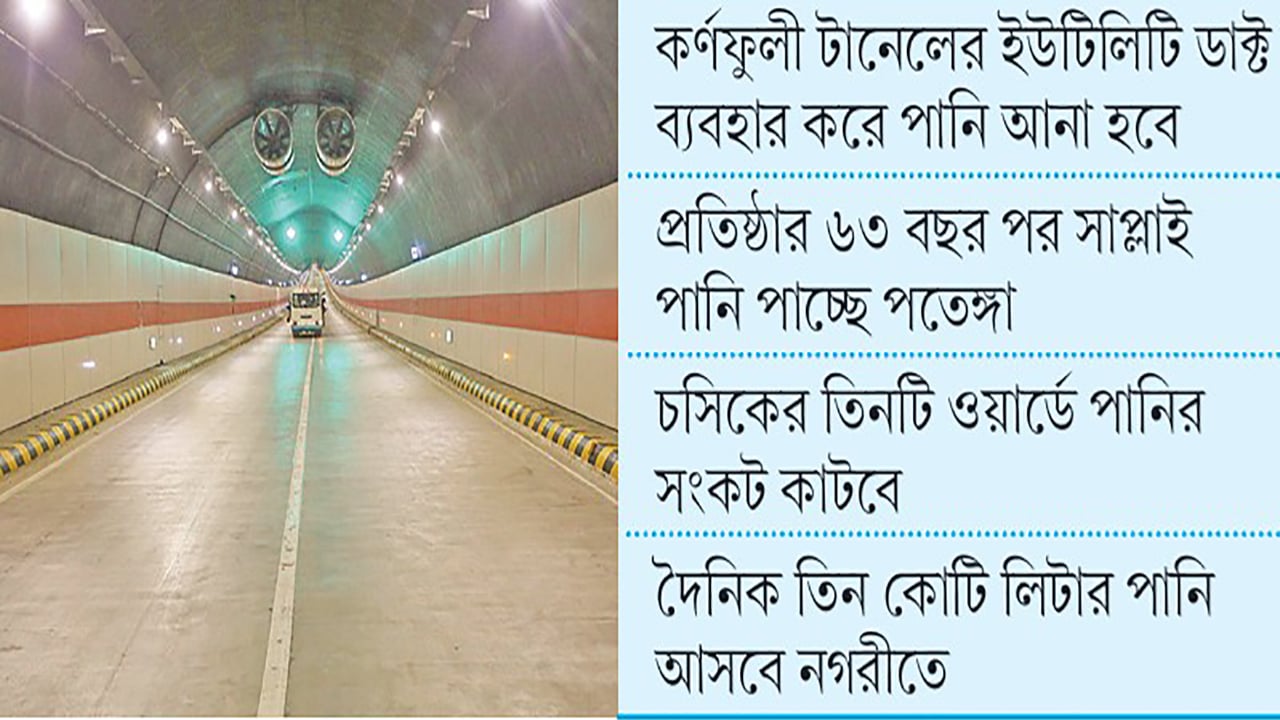
Chattogram Water Supply and Sewerage Authority (WASA) has initiated a plan to bring water from the Bhandaljhuri treatment plant across the Karnaphuli River into the city using the utility duct of the Karnaphuli Tunnel. The project, built during the Awami League government without prior survey, cost nearly Tk 1,994 crore and has a daily production capacity of 60 million liters. However, due to lack of customers, the plant has been operating at only 2.5 million liters per day, leaving 95 percent of its capacity unused. The Bhandaljhuri project was originally designed to serve residential areas in Boalkhali, Patiya, Anwara, and Karnaphuli, as well as 13 major industrial clients. Most of these clients, except CUFL, did not opt for WASA’s water supply. Under new Managing Director Engineer Selim Mohammad Zane Alam, WASA has sought permission from the Roads, Bridges, and Local Government ministries to install pipelines through the tunnel duct. If approved, the plan could supply an additional 30 million liters of water daily to Patenga, helping meet the area’s 90 million-liter demand and significantly easing water shortages within a year.
Khulna city has witnessed a surge in killings, with 51 murders recorded over the past 17 months, according to Khulna Metropolitan Police (KMP). Between January and May 2026 alone, 16 murders occurred across eight police stations, while 37 were reported in 2025. The most recent and shocking case took place on May 30, when three members of the same family were found murdered in Sonadanga. Police identified a suspect who remains at large, and a case has been filed by the victims’ family. Police officials said most killings stem from disputes among drug dealers and criminal groups, as well as family conflicts and political rivalries. KMP’s additional commissioner noted that many offenders return to crime after being released on bail. A senior intelligence officer added that criminals now possess modern weapons, while police face restrictions in their use. Khulna City Corporation administrator Nazrul Islam Manju expressed concern over the deteriorating law and order situation, saying the city is overwhelmed by drugs. Sociologist Dr. Selina Ahmed from Khulna University attributed the rise in crime to moral decline and cultural shifts driven by media and technology, which she said are influencing social behavior and increasing instability.

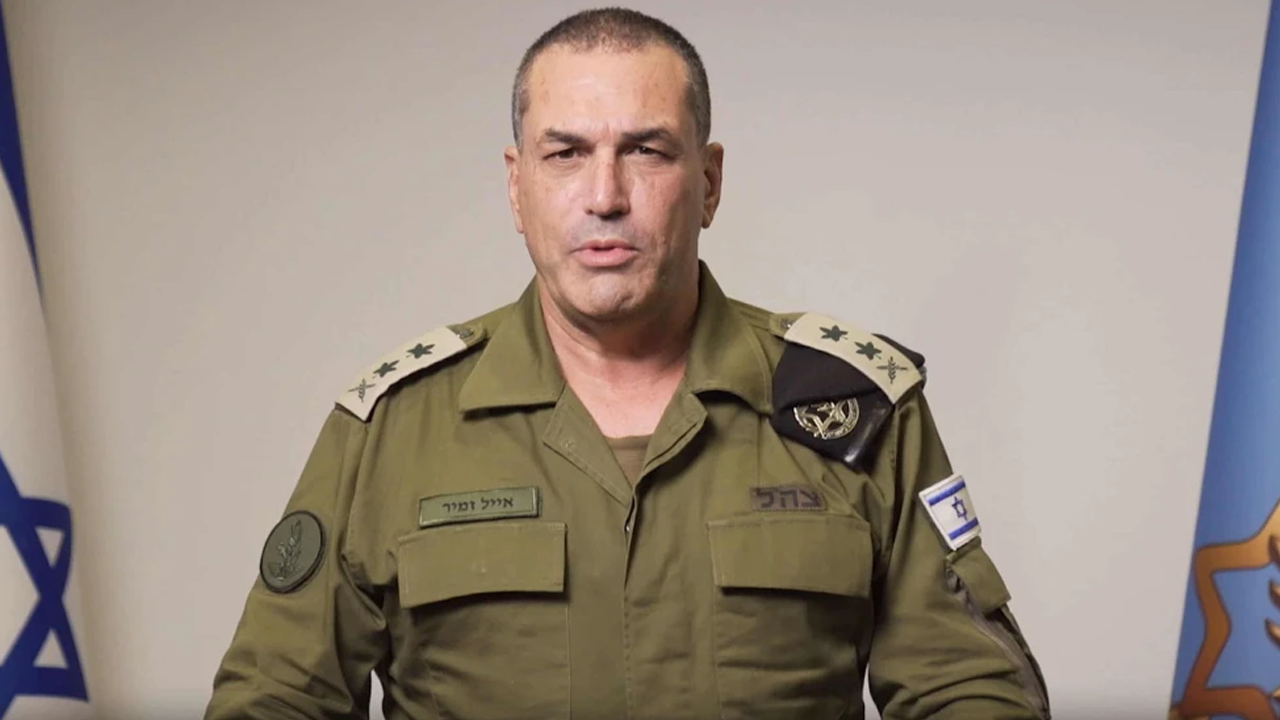
The Israeli military has confirmed that its Chief of Staff, Major General Yaal Zamir, along with other senior officers, is leading ongoing Israeli attacks on Iran. According to the army, Zamir and top military officials have been continuously assessing the situation over the past several hours and are directing the operations targeting Iran. In a post on social media platform X, the Israeli military stated that its forces remain alert and ready to conduct operations across all sectors against any party posing a threat to the State of Israel. The announcement underscores the high-level involvement of Israel’s top military leadership in the current offensive. The report, sourced from Al Jazeera, highlights the intensity of the situation as Israel maintains its readiness for further actions against perceived threats.
The ‘1 Nojor’ media platform is now live in beta, inviting users to explore and provide feedback as we continue to refine the experience.