

The ‘1 Nojor’ media platform is now live in beta, inviting users to explore and provide feedback as we continue to refine the experience.
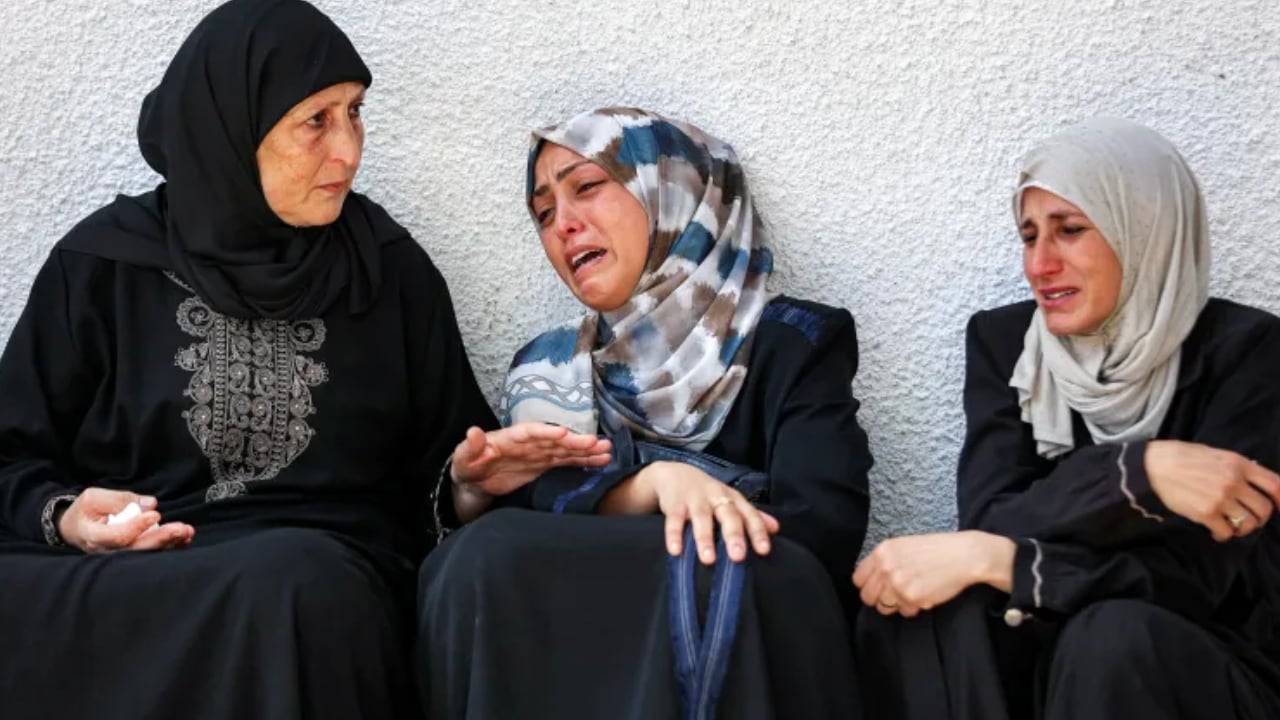
At least 13 people were killed and several others injured in Israeli airstrikes on Gaza late Sunday night, according to reports. The attacks targeted areas near Khan Younis, Gaza City, and Deir al-Balah, causing significant casualties. The strikes occurred as Egypt began a new round of discussions with Hamas and other Palestinian factions to maintain the existing ceasefire. The ceasefire, brokered by the United States, has been in place since October 2025, halting major fighting. However, no agreement has been reached on implementing a U.S.-backed plan for Gaza’s reconstruction, Israeli troop withdrawal, or Hamas disarmament. Hamas has stated that ending Israeli attacks is essential for any progress in negotiations. Since the ceasefire took effect last October, Israeli strikes have killed 947 Palestinians and injured more than 2,900 others, according to the report.
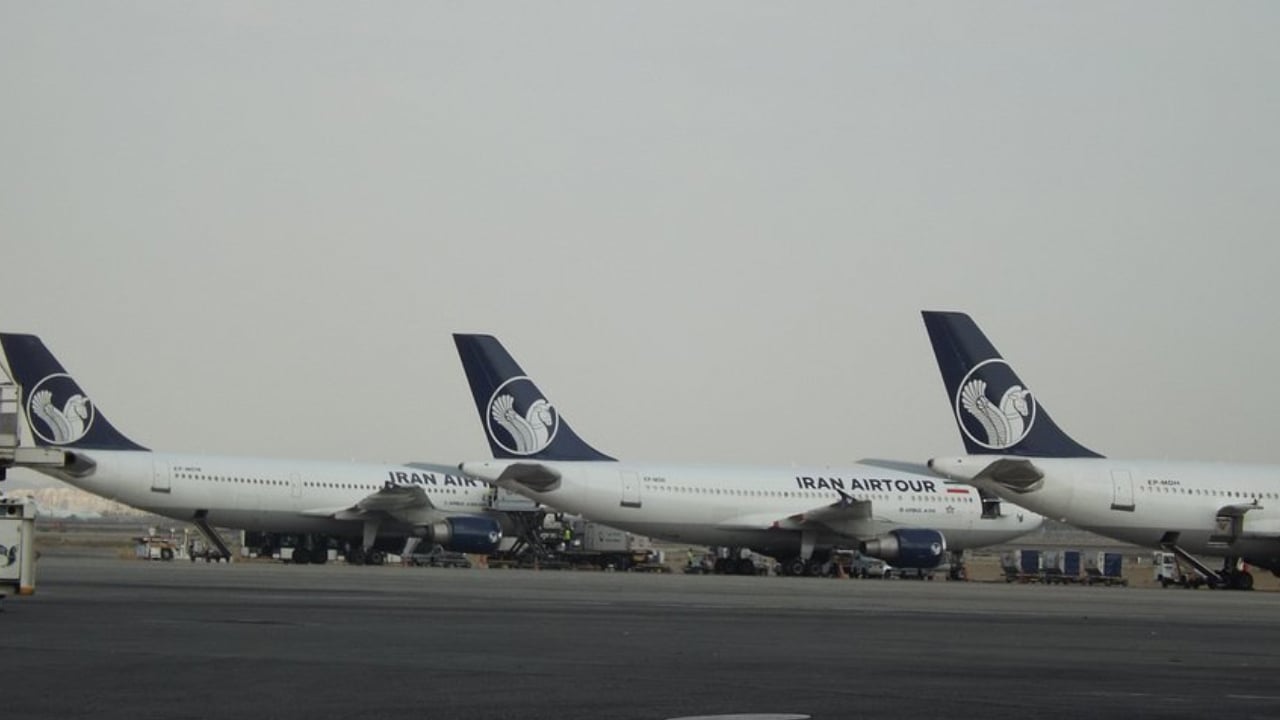
Iran has closed the airspace surrounding Imam Khomeini International Airport following an Israeli attack, according to a report by the Associated Press. The decision comes as tensions between Israel and Iran continue to escalate, prompting heightened security measures in the region. Iranian state media also reported explosions in Tehran and several other cities. In response to the deteriorating situation, Saudi Civil Defense issued an alert through the national emergency warning platform for residents of the Al-Kharj Governorate, advising them to remain cautious about potential risks. Regional authorities have increased precautionary measures amid fears that the recent military conflict could further inflame regional instability. The developments underscore growing concern across the Middle East over the potential expansion of hostilities following the latest exchange between Israel and Iran.
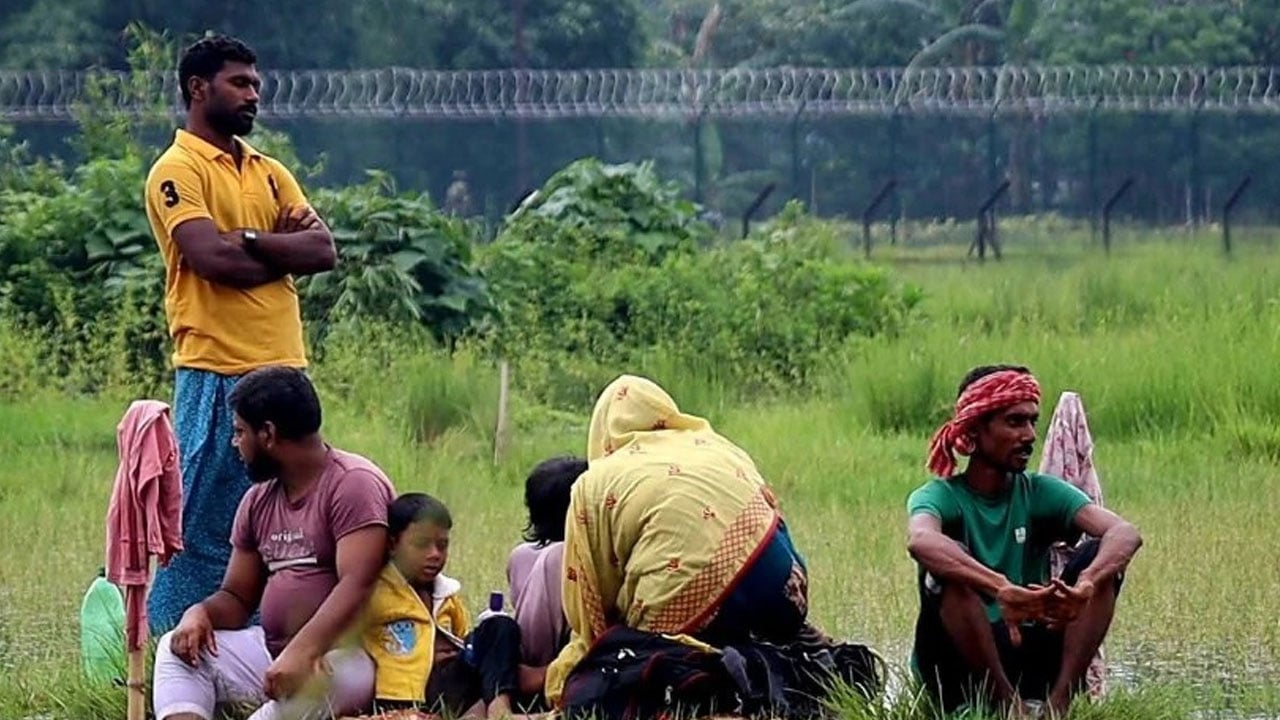
A report from Kolkata claims that a new and controversial development has emerged in West Bengal’s border politics less than a month after the BJP-led government took power. According to an unnamed senior police official, authorities allegedly released prisoners from jails and gathered them near the border to secretly push them into Bangladesh, after failing to locate enough undocumented migrants or Rohingyas. The Border Guard Bangladesh (BGB) reportedly resisted these attempts, leading to heightened tension between the BSF and BGB. Some of those prisoners were said to have been released back into local areas when push-in efforts failed. The report further mentions that former intelligence sources have linked these incidents to deeper geopolitical maneuvers involving India and Bangladesh. It alleges that while Sheikh Hasina and her close associates are staying in India, trained agents are being sent into Bangladesh, raising security concerns. Another claim suggests a covert plan to separate Chittagong as an independent state, allegedly backed by Western interests. Residents of the border areas described living in fear and uncertainty as increased patrols and unfamiliar movements disrupted daily life and agriculture.
Oil prices in Asian markets increased following retaliatory attacks between Iran and Israel. On Monday morning, Brent crude rose by 2.6 percent to reach 95.50 dollars per barrel, while U.S. crude climbed 2.5 percent to 92.75 dollars per barrel. The escalation has added pressure to global energy markets already facing instability. Since the ceasefire agreement in April, energy prices have shown significant fluctuations. Over the past week, crude oil has hovered around 95 dollars per barrel, reflecting ongoing uncertainty in supply and demand conditions. Traders and investors are closely monitoring the situation to assess the potential long-term effects of the conflict on global energy supply chains and fuel flows. Market participants remain cautious as the duration and intensity of the conflict could determine future price movements and supply stability across regions.

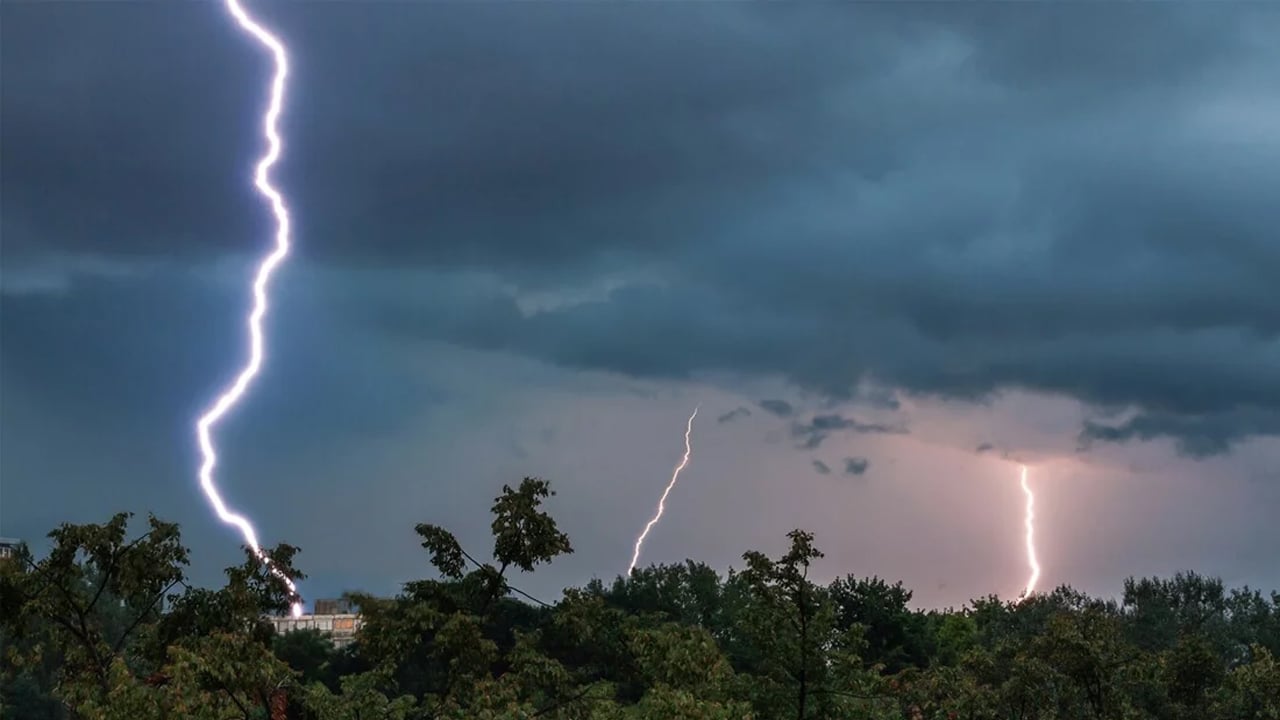
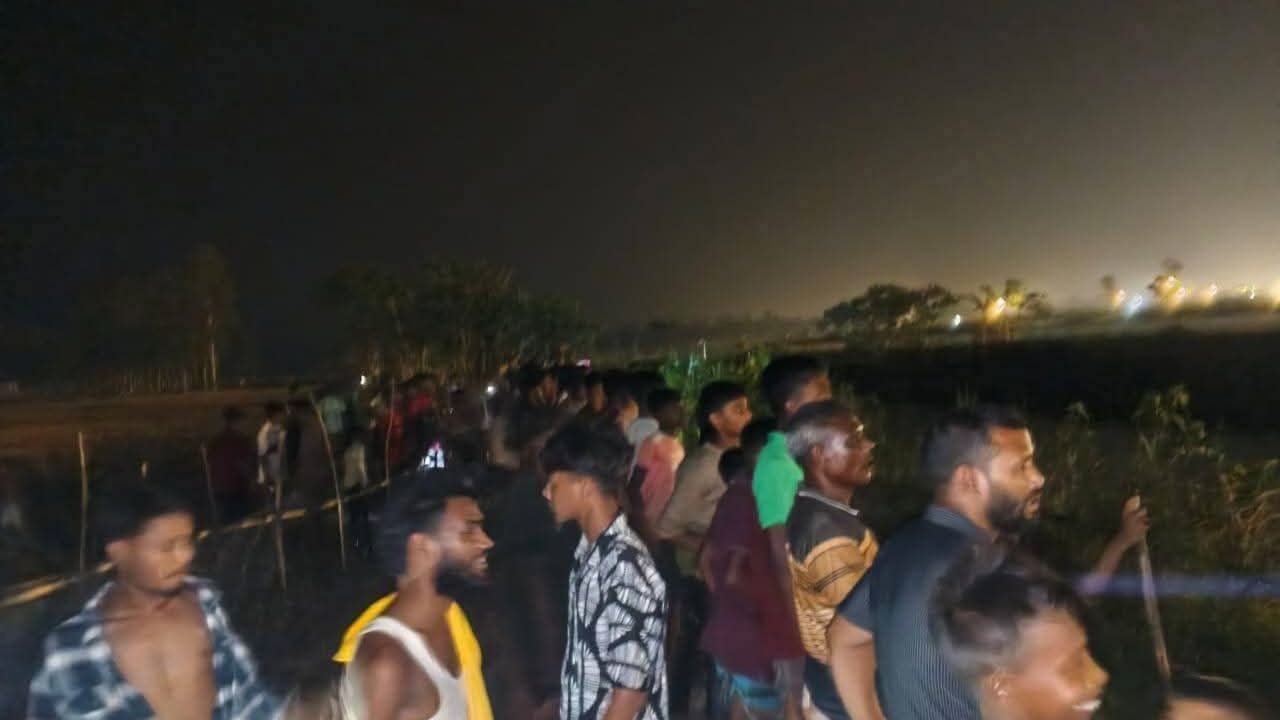
A 17-year-old boy named Rashedul Islam died after being struck by lightning while playing football in Dhamrai, Dhaka. The incident occurred in the Gaotara area on the evening of June 8, 2026. Rashedul was playing with friends when lightning struck the field, causing severe injuries. Locals rushed him to a private clinic in Kawalipara, but as his condition worsened, he was transferred to Saturia Upazila Health Complex, where doctors declared him dead. Rashedul was the second of three siblings and the younger son of Akkas Ali from Gaotara village under Jadavpur Union. He worked as a mason. The sudden death has cast a pall of grief over the local community. The report highlights the tragic nature of the incident but does not mention any official response or further investigation into the lightning strike.
The Border Guard Bangladesh (BGB) and India’s Border Security Force (BSF) began their 57th director general-level border conference in New Delhi on Monday, June 8, 2026. The four-day meeting, running until June 11, marks the first such high-level dialogue since Bangladesh’s new BNP-led government took office. The BGB delegation, led by Major General Mohammad Ashrafuzzaman Siddiqui, includes 15 senior officials and representatives from key ministries and agencies. Bangladesh is prioritizing seven unresolved and sensitive issues, including border killings and alleged forced push-ins by BSF personnel. According to the source, Bangladesh intends to raise concerns over continued border shootings, illegal infiltration attempts, arms and drug smuggling, and the presence of armed groups in Indian territory. The government expects India to commit to non-disturbance along the border. Home Minister Salahuddin Ahmed said the meeting would focus on border management, cooperation, and recent push-in incidents, emphasizing dialogue for sustainable solutions. The outcome of this conference is viewed as crucial for the depth of bilateral relations and the effectiveness of future border management between the two neighboring countries.

Border Guard Bangladesh (BGB) and local villagers jointly prevented multiple push-in attempts by India’s Border Security Force (BSF) along the Bokbanda and Jhaubari border points in Roumari upazila of Kurigram district. The incidents occurred on Saturday night and again on Sunday evening, when BSF allegedly tried to push several people across the border. BGB, supported by local residents, took a firm stance that forced BSF to retreat. To raise awareness and strengthen vigilance, BGB used loudspeakers in nearby villages. According to local accounts, the situation along the border remained tense throughout the day. Residents claimed that BSF has repeatedly tried to create unrest in the area, recalling earlier failed attempts in previous years. A BGB official confirmed that patrols and joint watch efforts with villagers are ongoing to prevent any illegal entry, though poor road conditions are hampering rapid response. Border residents expressed determination to resist any future push-in attempts, while BGB continues to maintain heightened alert along the affected frontier zones.
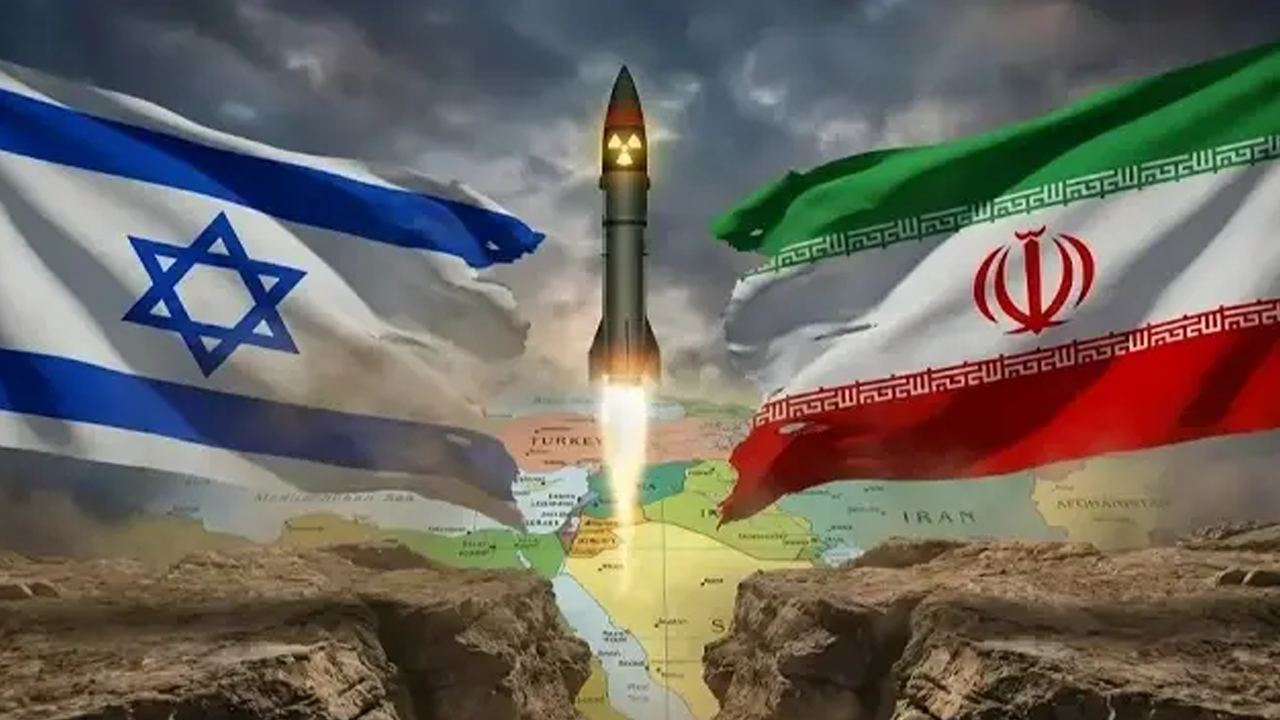
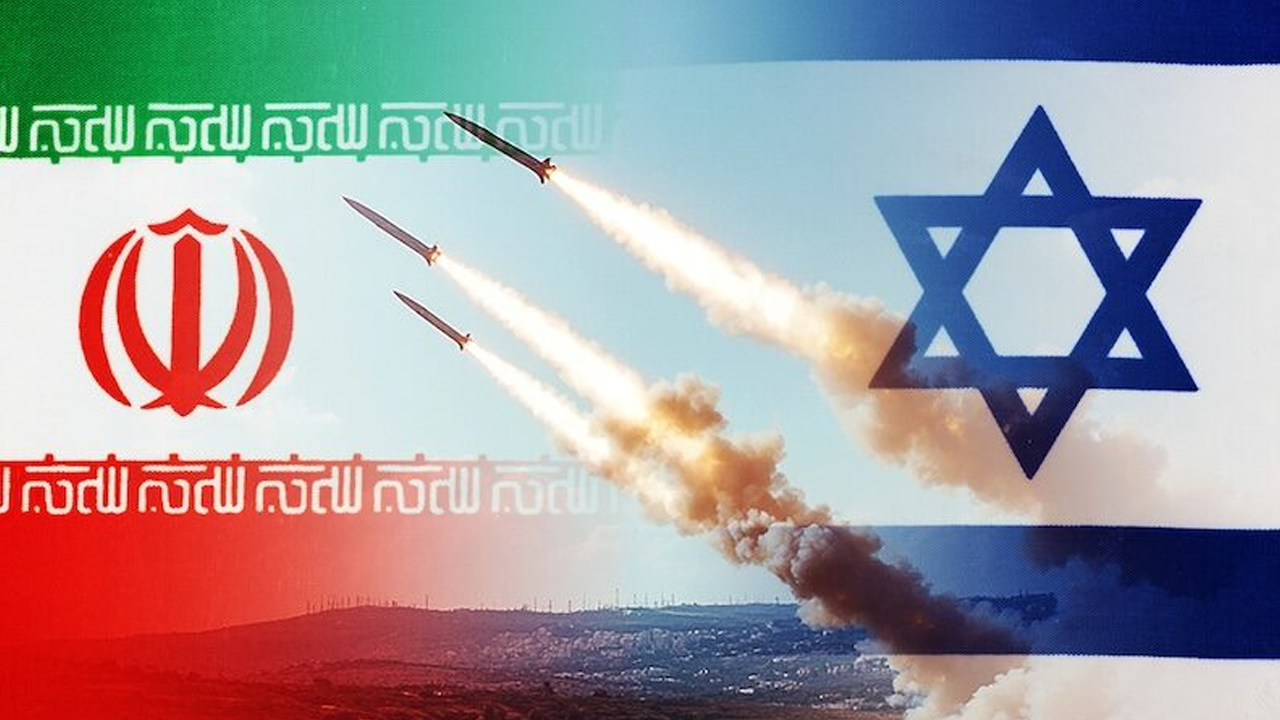
Iran’s Islamic Revolutionary Guard Corps (IRGC) has described its recent missile attack on Israel as a warning and cautioned that any Israeli retaliation would trigger a far more destructive counterattack. Reporting from Tehran, Al Jazeera’s correspondent said the IRGC’s statement indicates Iran does not intend to continue the strikes for now but is prepared for escalation if provoked. According to the report, Iran’s message emphasizes that it has fulfilled a promise to the people of Lebanon and delivered a strong signal to Israel. Tehran seeks to frame the conflict as extending beyond a bilateral issue, urging Israel to halt its operations in Lebanon. The key uncertainty remains whether Israel will respond militarily, as it faces significant pressure from the United States to avoid retaliatory action. Analysts cited in the report suggest that if Israel refrains from striking Iran but continues bombing Lebanon, Tehran’s objectives may fail. Conversely, if Israel ceases its attacks in Lebanon, Iran could claim a major political victory and use the resulting ceasefire as a platform for further negotiations.
A powerful 7.8-magnitude earthquake struck the Philippine island of Mindanao at 7:40 a.m. local time on Monday, according to the United States Geological Survey. The quake occurred at a depth of 35 kilometers, prompting tsunami warnings across multiple Asian nations. The Pacific Tsunami Warning Center reported that waves up to 10 feet could hit the Philippine coast, while Indonesia and Malaysia might experience waves exceeding 3 feet. Governments in the Philippines, Indonesia, and Japan issued tsunami alerts, warning of potentially dangerous large waves along coastal areas. Philippine President Marcos urged residents to move immediately to higher ground, noting that several coastal regions in Mindanao were already feeling the effects. Japanese Prime Minister Sanade Takachio also called on citizens to follow tsunami warnings and evacuation instructions closely.

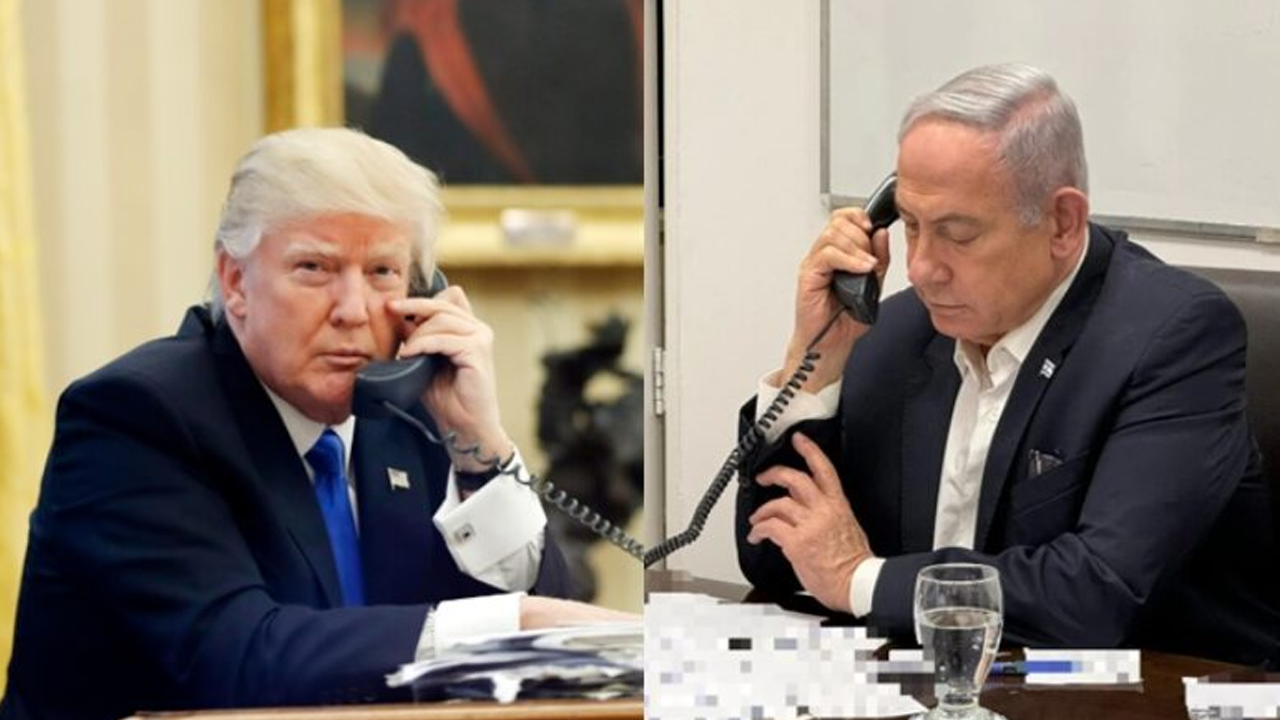
Israeli Prime Minister Benjamin Netanyahu has agreed to delay retaliatory action against Iran following a request from U.S. President Donald Trump. The appeal came after Iran launched missile attacks on Israel on Sunday, despite an existing ceasefire agreement reached in early April. Trump asked Netanyahu to hold off on a counterattack to allow Washington more time to pursue a diplomatic agreement with Tehran. According to a report by Axios citing senior U.S. and Israeli officials, Netanyahu initially opposed Trump’s request and tried to persuade him to authorize a strike on Iran. However, he eventually gave partial consent to the president’s appeal. U.S. officials described the latest phone call between the two leaders as calmer than their previous heated exchange over Israel’s plans to strike Beirut. One official said Trump believes the U.S. is very close to securing a deal with Iran and that Israel is unlikely to launch an attack soon. Israeli Channel 12 News reported that no formal decision has yet been made in Israel, and Netanyahu was still meeting with senior security officials on the matter.
OPEC Plus has decided to increase its oil production quota by 188,000 barrels per day for July, amid ongoing conflict in the Middle East and disruptions to crude transport through the Strait of Hormuz. The decision was approved during a virtual meeting attended by energy ministers from Saudi Arabia, Russia, Iraq, Kuwait, Kazakhstan, Algeria, and Oman, according to an official statement from the group. OPEC Plus stated that the move aims to maintain stability in the global oil market and accelerate compensatory production adjustments among member states during a period of high oil prices. However, analysts at Rystad Energy, including Jorge Leon, noted that the production increase may have limited real impact due to the continuing crisis in the Strait of Hormuz, which restricts actual oil supply. Experts warned that if instability in the Strait persists, global energy markets could face further pressure, keeping oil prices elevated for an extended period.

The United States expects that Israel will not carry out an immediate retaliatory attack against Iran, according to a report by Axios. The report states that Israeli Prime Minister Benjamin Netanyahu initially rejected former US President Donald Trump’s call to refrain from responding to Iran’s attack but later appeared to agree to hold back. The assessment was shared by a US official familiar with the phone conversation between the two leaders. The official told Axios that President Trump believes the US is very close to reaching an agreement with Iran and that taking military action now could jeopardize that progress. He compared the situation to being in the final quarter of a game, suggesting that it would be unwise to risk a potential deal at this stage. The report indicates that the US administration views the current moment as critical for concluding months of diplomatic efforts. If the diplomatic momentum continues, the report implies that immediate military escalation between Israel and Iran is unlikely in the near term.
Journalist Abed Abu Shehadeh has said that Israel is stuck in a major quagmire in Lebanon, with no clear strategy to exit the ongoing conflict. Speaking to Al Jazeera from Jaffa, he argued that describing Israel’s recent actions as a ceasefire is misleading, as Israeli media themselves refer to it as a 'ceasefire war.' According to Abu Shehadeh, Israeli forces have faced increasing pressure in recent weeks as Hezbollah’s new fiber-based drones have repeatedly targeted and killed Israeli soldiers. He added that the Israeli military currently lacks an effective response to this drone technology, leaving its forces vulnerable on the ground. The report underscores the growing challenges Israel faces in Lebanon, where intensified drone attacks have complicated its military operations and strategic planning.
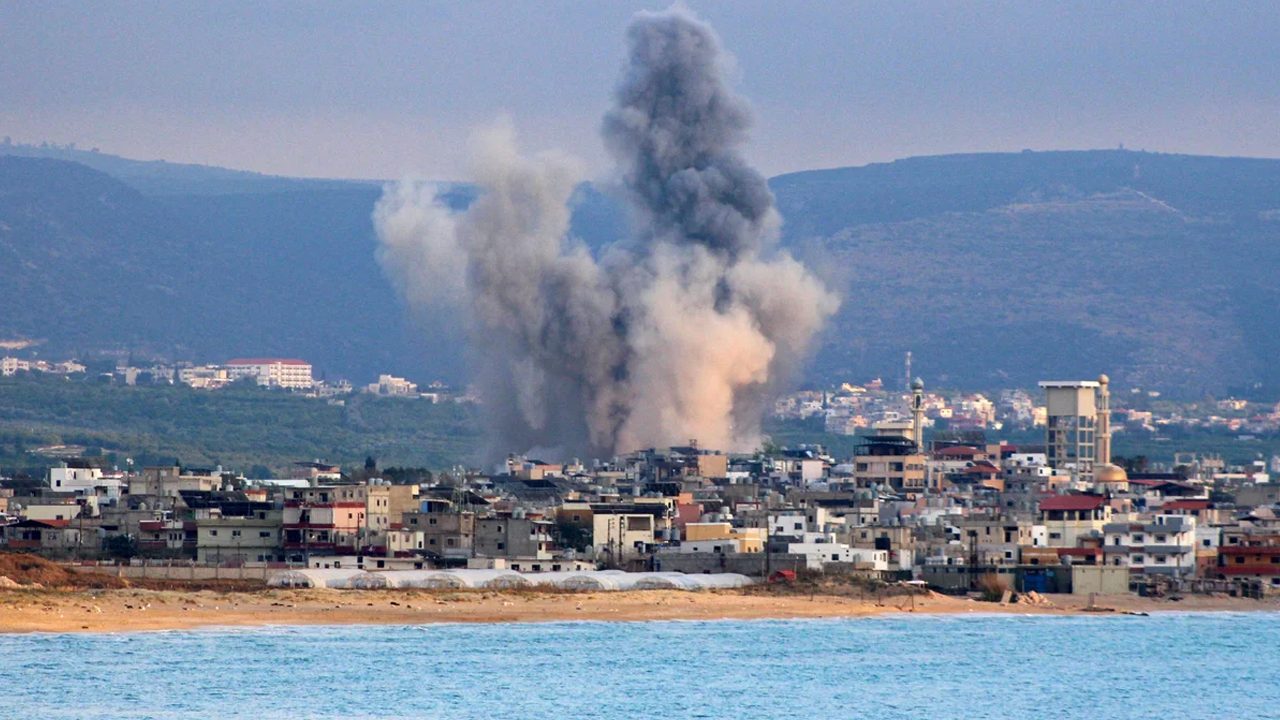
U.S. President Donald Trump stated that Israeli Prime Minister Benjamin Netanyahu will ultimately have no choice but to accept a settlement deal. In a phone interview with the Financial Times, Trump said he controls all key decisions and that Netanyahu does not make them. He also confirmed that despite Iran’s recent missile attack, Washington remains committed to pursuing a diplomatic agreement with Tehran. According to the report, the missile strike was carried out in support of Lebanon’s Hezbollah after Israeli forces attacked one of its bases in Beirut. Trump spoke with Netanyahu by phone following the incident and reiterated that the attack would not affect ongoing negotiations. He said the United States and Iran had been close to reaching an understanding before the strike, though no final deal had yet been achieved. Trump warned that if talks fail, the United States could resort to military action or continue its naval blockade against Iran, which he described as more effective than direct attacks. His remarks have renewed debate over U.S. policy in the Middle East.

Israeli military spokesperson Efi Defrin stated that Iran made a “serious mistake” by launching an attack on Israel. Speaking to the media on June 8, 2026, he said that the chief of the Israeli army is assessing the situation and approving various plans for potential future actions. Defrin added that Israeli forces will continue their operations across Lebanon and remain prepared for the possibility of further attacks. He indicated that Israel is closely monitoring the security situation following the recent assault and maintaining readiness for necessary military measures. The statement underscores Israel’s heightened alert and strategic planning in response to Iran’s actions, reflecting ongoing regional tensions and the potential for further escalation.
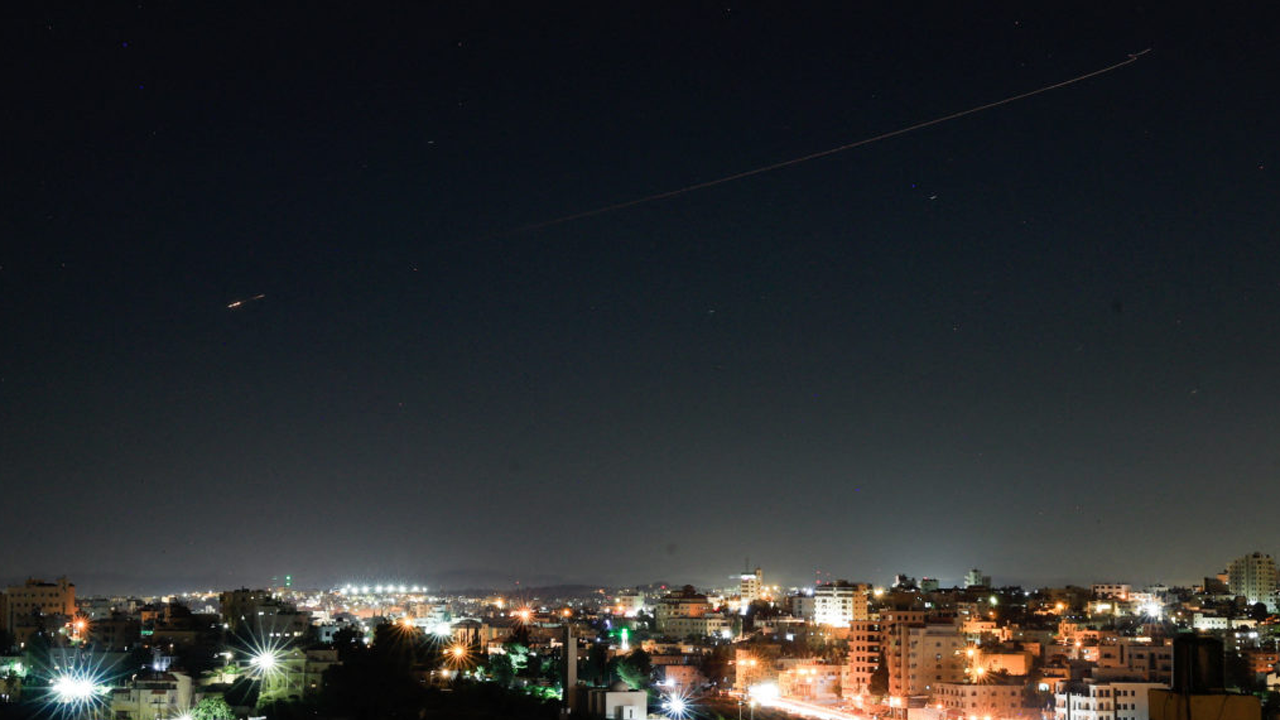
The ‘1 Nojor’ media platform is now live in beta, inviting users to explore and provide feedback as we continue to refine the experience.