

The ‘1 Nojor’ media platform is now live in beta, inviting users to explore and provide feedback as we continue to refine the experience.
The election of the Bangladesh Ship Breakers and Recyclers Association (BSBRA), scheduled for Wednesday, June 3, 2026, has been suspended for unspecified reasons despite a High Court directive allowing the poll to proceed. The BSBRA election board issued a notice on Tuesday announcing the temporary suspension of all election-related activities, citing the need to ensure proper completion of necessary procedures. The notice was signed by the board’s chairman Md. Akhtarul Chowdhury and members Md. Rabel Pradhania and Ashraf Mahmud. Earlier, on Monday, a High Court bench of Justice Bishnudev Chakraborty and Asif Hasan declared the candidacy of Amjad Hossain Chowdhury for the post of president valid and directed that his name be included on the ballot. Following the suspension, general voters expressed strong dissatisfaction, while Chowdhury alleged that the election was deliberately postponed to benefit a particular group. He argued that the decision contradicted the court’s order and deprived members of their voting rights. Senior lawyer Syed Mamun Mahbub stated that the court had ordered immediate acceptance of Chowdhury’s nomination and equal opportunity to contest, eliminating any legal barriers to his participation.

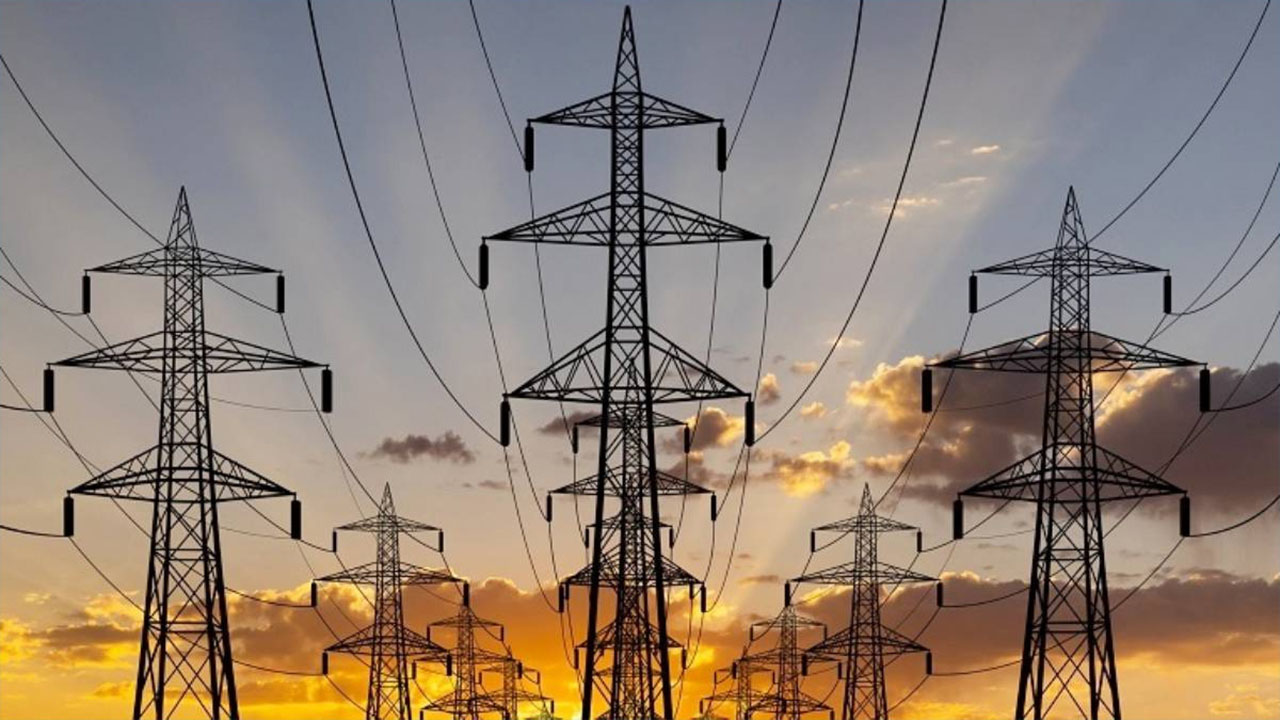
Bangladesh Energy Regulatory Commission (BERC) has announced another increase in electricity prices across the country. On Wednesday, the commission raised wholesale electricity rates by 19.85 percent and retail rates by 15 to 19.94 percent. Transmission charges were also increased by 23.96 percent. The decision follows applications submitted between May 3 and 6 by electricity producers, transmitters, and distributors seeking higher tariffs. During public hearings held on May 20 and 21, political leaders, consumer rights activists, business representatives, and industrialists opposed the proposed price hikes. They argued that long-standing corruption, mismanagement, poor planning, and waste were being unfairly passed on to consumers. The last electricity price adjustment occurred in February 2024, when the average wholesale rate rose from Tk 6.70 to Tk 7.04 per unit by executive order. The electricity price revision comes shortly after the government adjusted fuel prices effective June 1, increasing octane, petrol, and kerosene by Tk 5 per liter while keeping diesel unchanged at Tk 115 per liter.
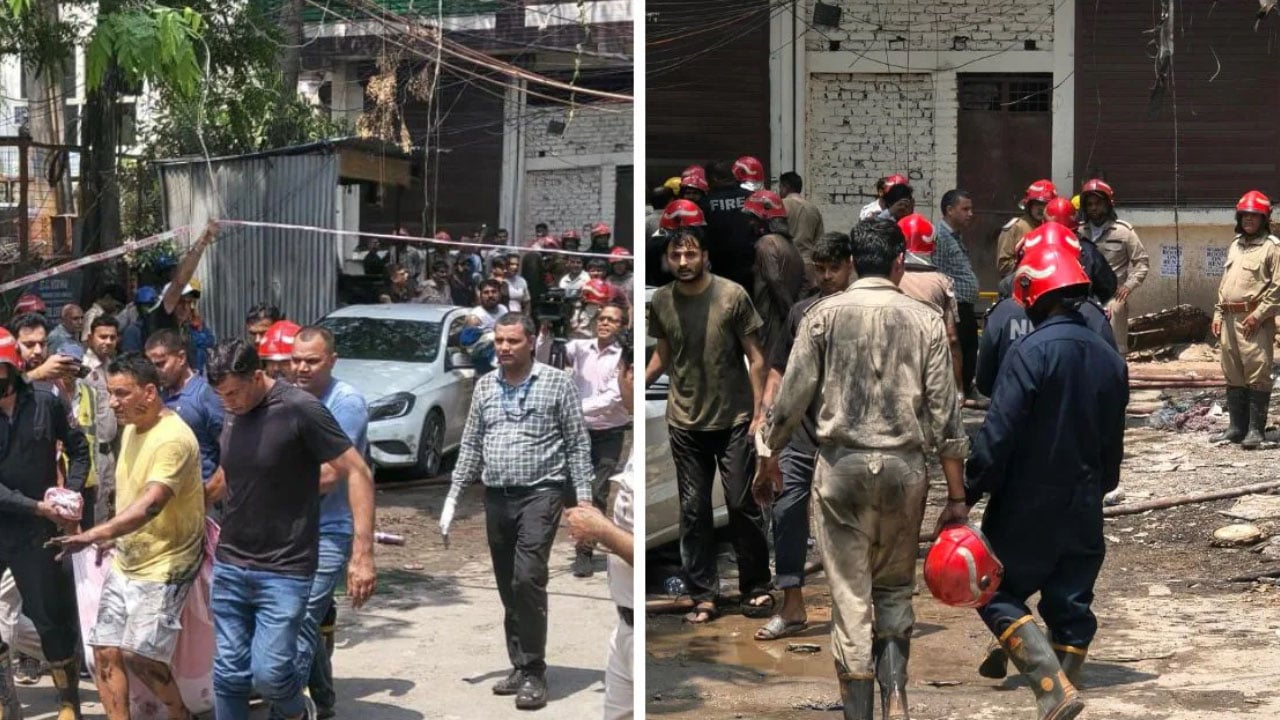
At least 21 people were killed when a fire broke out at a residential hotel in Delhi’s Malviya Nagar on Monday morning. The blaze started around 8:50 a.m. local time in the basement restaurant of the five-story building. Authorities believe about 40 people were inside the hotel at the time, including foreign nationals visiting India for medical treatment. The cause of the fire has not yet been determined. Video footage showed some guests jumping from the building to escape the flames. Most of the hotel’s 25 rooms were occupied, and many guests were reportedly asleep when the fire began. Rescue operations were launched as emergency services responded to the scene. Indian Prime Minister Narendra Modi expressed condolences to the victims’ families and announced financial assistance of 200,000 rupees for each family of the deceased and 50,000 rupees for the injured. Delhi Chief Minister Rekha Gupta said she was deeply saddened by the loss of lives.
The United States has proposed new tariffs on imports from 60 countries, including Bangladesh, citing failures to prevent the use of forced labor. According to official documents, the proposed tariffs range from 10 percent to 12.5 percent on goods imported from these countries. The U.S. Trade Representative’s Office (USTR) stated that 54 of the affected countries have failed to effectively ban or enforce restrictions on goods produced through forced labor. This proposal follows investigations launched by Washington against major trade partners such as China, the European Union, and Japan. The move comes as the Trump administration seeks to restructure its emergency tariff framework, which was struck down by the U.S. Supreme Court in February. USTR specified that imports from countries including Canada, Ecuador, the EU, Indonesia, Mexico, Pakistan, Argentina, Bangladesh, Cambodia, El Salvador, Guatemala, Malaysia, Taiwan, and the United Kingdom would face an additional 10 percent tariff, while the remaining 45 countries would face a 12.5 percent tariff.
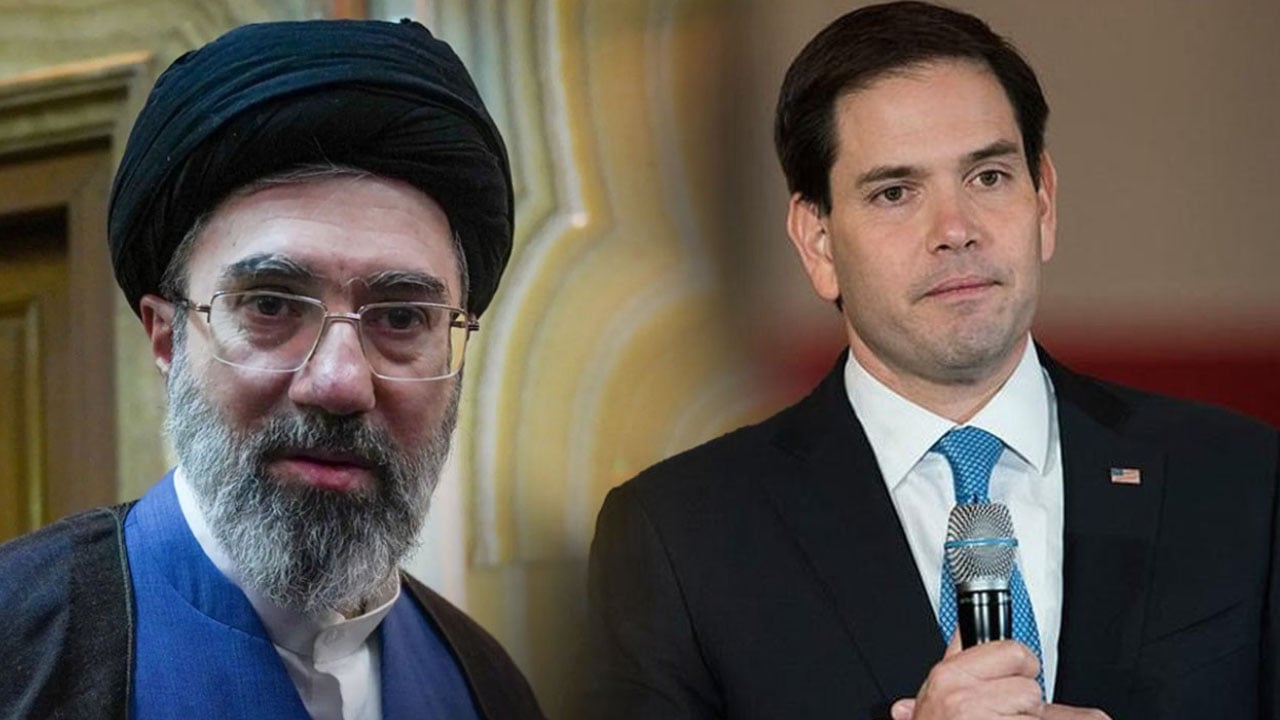
US Secretary of State Marco Rubio told Congress on Tuesday that Iran’s Supreme Leader Mojtaba Khamenei is alive and increasingly active in running the country. Rubio stated that since the April 8 ceasefire, Khamenei appears to have taken a more engaged role as discussions between the two nations continue. According to Rubio, Khamenei has become more involved in domestic affairs, though all his communications have been conducted in writing and through intermediaries. He has not been seen in public since his father and predecessor was killed in a US airstrike on the first day of the war. Meanwhile, Tehran is reviewing the latest US proposal aimed at reaching a final agreement following the April ceasefire. Iran’s semi-official Mehr News, citing a source, reported that Tehran is still analyzing the proposal and has had no contact with the United States for several days.
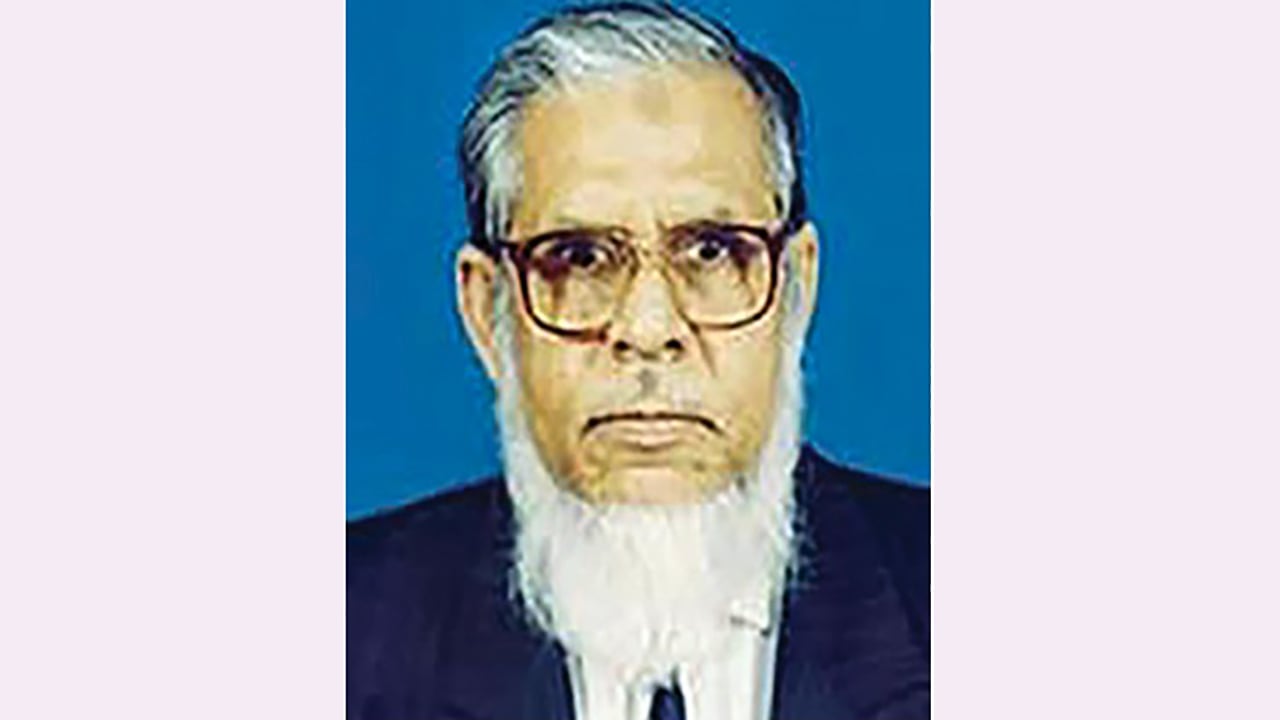
Professor Dr. Muhammad Abdul Bari, an internationally renowned educationist, administrator, and Islamic thinker, is remembered for his lifelong contributions to Bangladesh’s education and cultural development. Born on September 1, 1930, in Syedpur village of Bogura, he served as chairman of the University Grants Commission, founding vice-chancellor of the National University, and the first elected vice-chancellor of Rajshahi University. He passed away in Dhaka on June 4, 2003, at the age of 73. Bari’s academic excellence began early, earning top honors in Arabic from the University of Dhaka and completing his D.Phil. at Oxford University at just 23. His career included teaching at Dhaka and Rajshahi colleges, leading the Department of Islamic History and Culture at Rajshahi University, and chairing several national education reform committees. He also played key roles in establishing Shahjalal University of Science and Technology and Islamic University. Known for his integrity and commitment to Islamic values, Bari led the Bangladesh Jamiat Ahl-e-Hadith as central president from 1960 until his death. His reformist vision and administrative leadership left a lasting mark on the nation’s educational landscape.
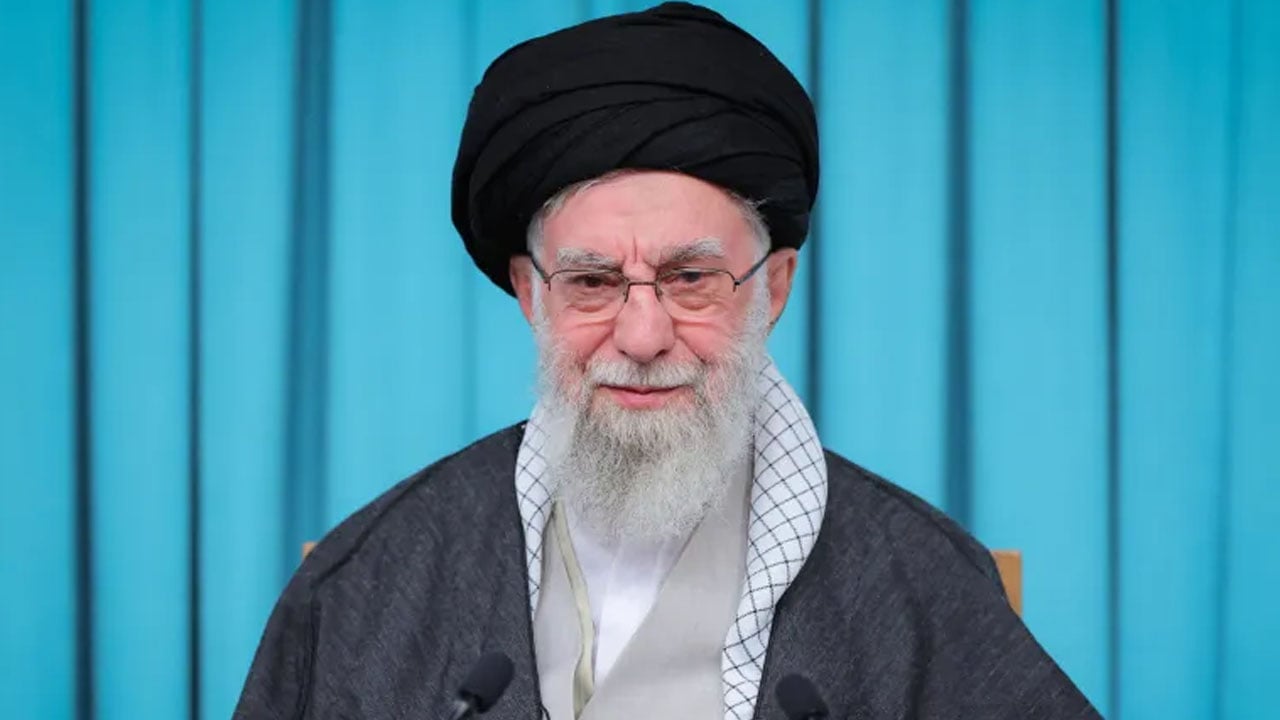
Iran has announced a three-day state funeral plan for former Supreme Leader Ayatollah Ali Khamenei. The ceremonies will take place sequentially in Tehran, the religious city of Qom, and Mashhad. Authorities and security forces have begun extensive preparations to ensure smooth arrangements. Tehran’s Deputy Mayor Mohammad Amin Tavakolizadeh said a 24-hour mourning event is being prepared in the capital, with an estimated participation of around 20 million people. Khamenei will be buried in Mashhad, his birthplace, near the shrine of Imam Reza, where his father was also laid to rest. Although the exact date has not been confirmed, officials indicated the burial may coincide with the beginning of Muharram, expected in mid-June. Khamenei was killed on February 28 in a joint U.S.-Israeli airstrike, after which Iran declared 40 days of national mourning and a seven-day public holiday. Earlier plans for a farewell ceremony in March were postponed due to continued airstrikes, but the government has now resumed preparations for the final rites.
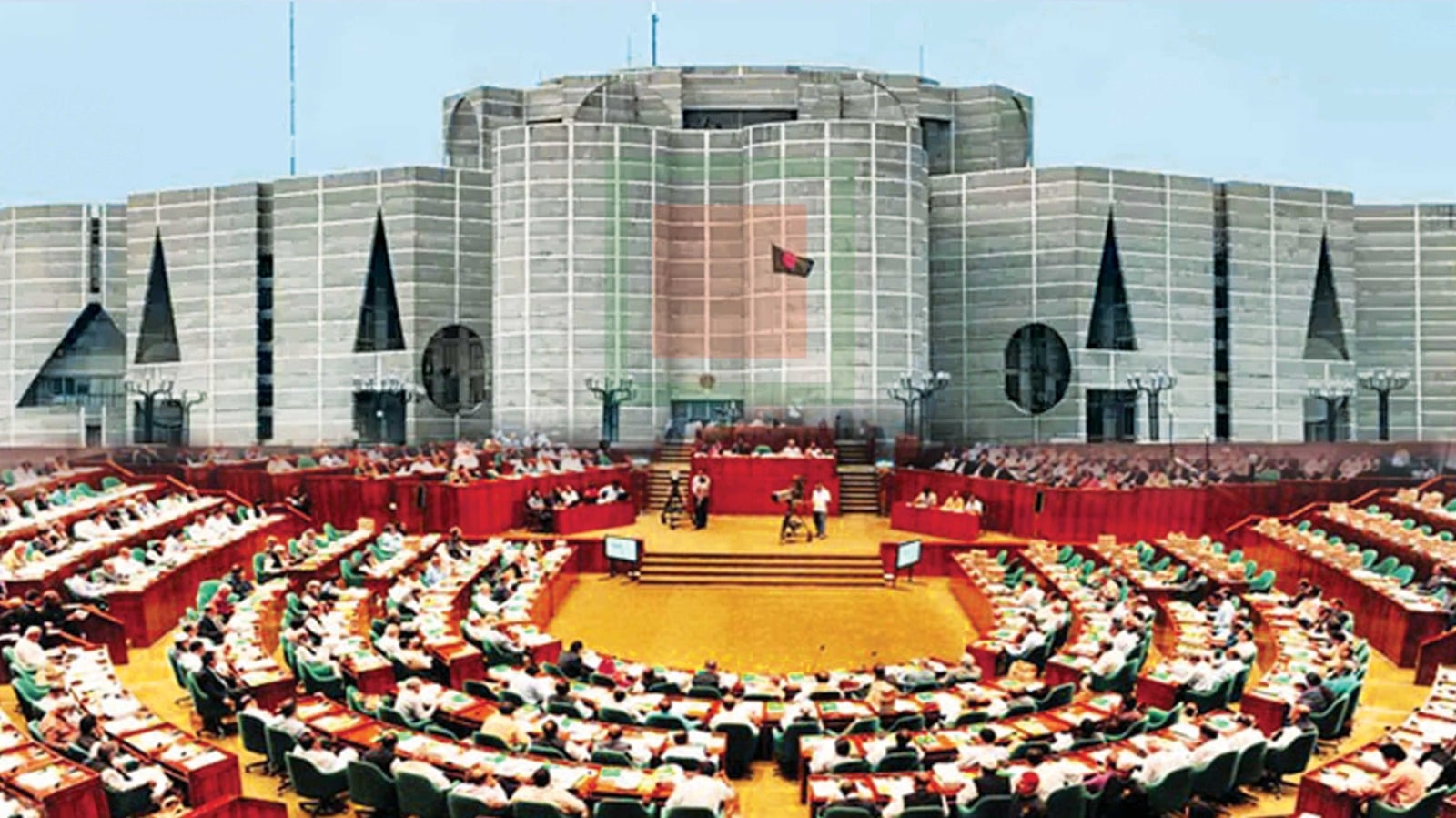
An opinion piece by Maskawath Ahsan, published on June 3, 2026, portrays Dr. Muhammad Yunus’s interim administration in Bangladesh as struggling against entrenched political, bureaucratic, and cultural resistance. The article argues that Yunus’s reform efforts—aimed at curbing corruption, restoring economic discipline, and reducing state abuses—have been undermined by bureaucratic inertia, political opportunism, and external pressures, particularly from India. It claims that attempts to diversify foreign relations beyond India provoked strong reactions from New Delhi, while domestic elites and media aligned with pro-Indian sentiment turned hostile toward Yunus’s government. The piece credits Yunus’s advisers with stabilizing the economy, improving banking discipline, and ensuring safer public services, but says these achievements were overshadowed by propaganda and elite resistance. It describes a cultural divide between reformist youth movements and established political and media circles, which the author characterizes as beholden to India’s influence. The article concludes that Yunus’s vision of a sovereign, equitable Bangladesh faces deep-rooted structural and ideological barriers. It ends with the assertion that Bangladesh will not return to its pre-reform state before August 5, symbolizing a point of no return for the country’s political transformation.
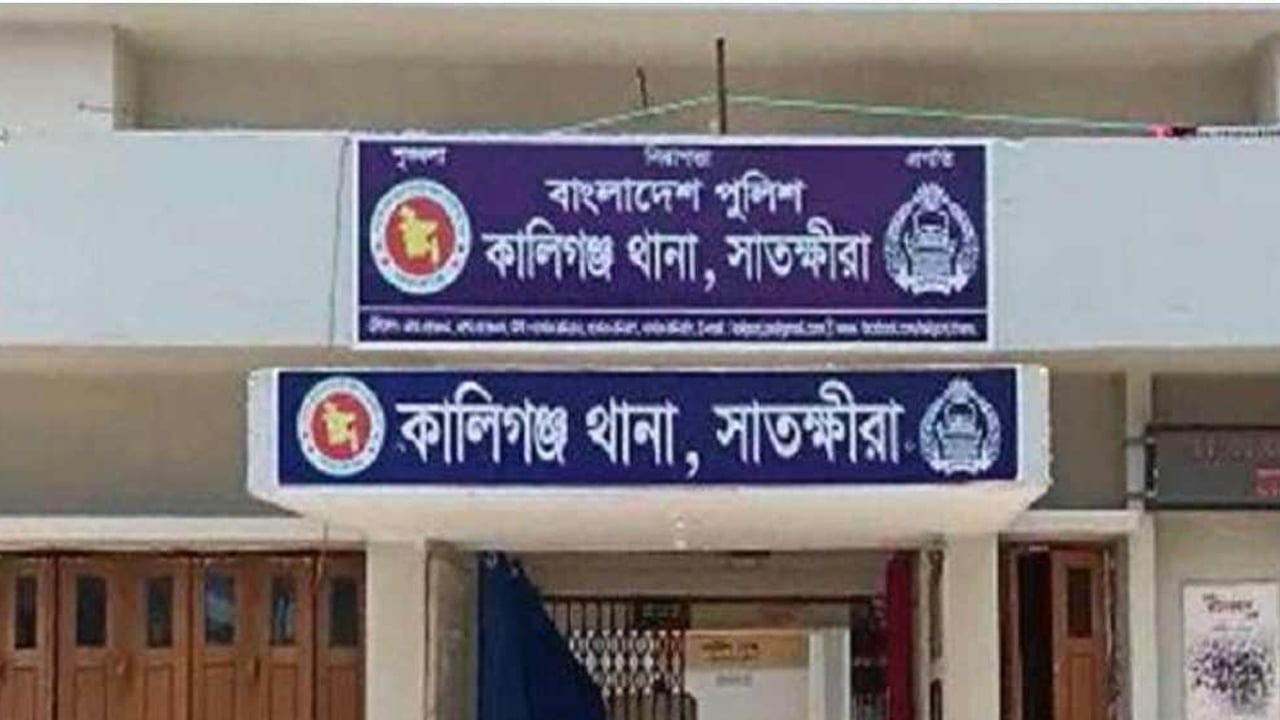
A 52-year-old woman named Kalpana Rani Mallik died after being bitten by a venomous snake in Shrikola village of Kaliganj upazila, Satkhira, late Monday night. She was the wife of Shree Nirod Kumar Mallik. The incident occurred around 1 a.m. when the snake bit her on the veranda of her house. According to family and local sources, instead of being taken to a hospital immediately, she was first treated by local traditional healers using conventional methods. As her condition worsened, she was taken to Kaliganj Upazila Health Complex on Tuesday morning. The attending doctor referred her to Satkhira Medical College Hospital for advanced treatment, but she died on the way there. Kaliganj Police Station Officer-in-Charge Jewel Hossain confirmed the death. The report highlights the fatal consequences of delayed medical intervention after snakebites in rural areas.
Turkish Foreign Minister Hakan Fidan is scheduled to arrive in Dhaka on Thursday for a three-day official visit. This marks the first visit by a Turkish foreign minister to Bangladesh since the new government took office. During his stay, Fidan will pay a courtesy call on Prime Minister Tareq Rahman and hold meetings with Foreign Minister Dr. Khalilur Rahman, State Minister for Foreign Affairs Shama Obaid, and other senior government officials. His meeting with Prime Minister Rahman is planned for June 6, the final day of the visit. Bangladesh and Turkey maintain bilateral cooperation across various sectors. According to the report, Turkey is particularly interested in expanding defense cooperation with Bangladesh, and the issue is expected to feature prominently during Fidan’s discussions in Dhaka. The visit follows Dr. Khalilur Rahman’s trip to Turkey in April, during which he invited Hakan Fidan to visit Bangladesh, leading to this reciprocal diplomatic engagement.

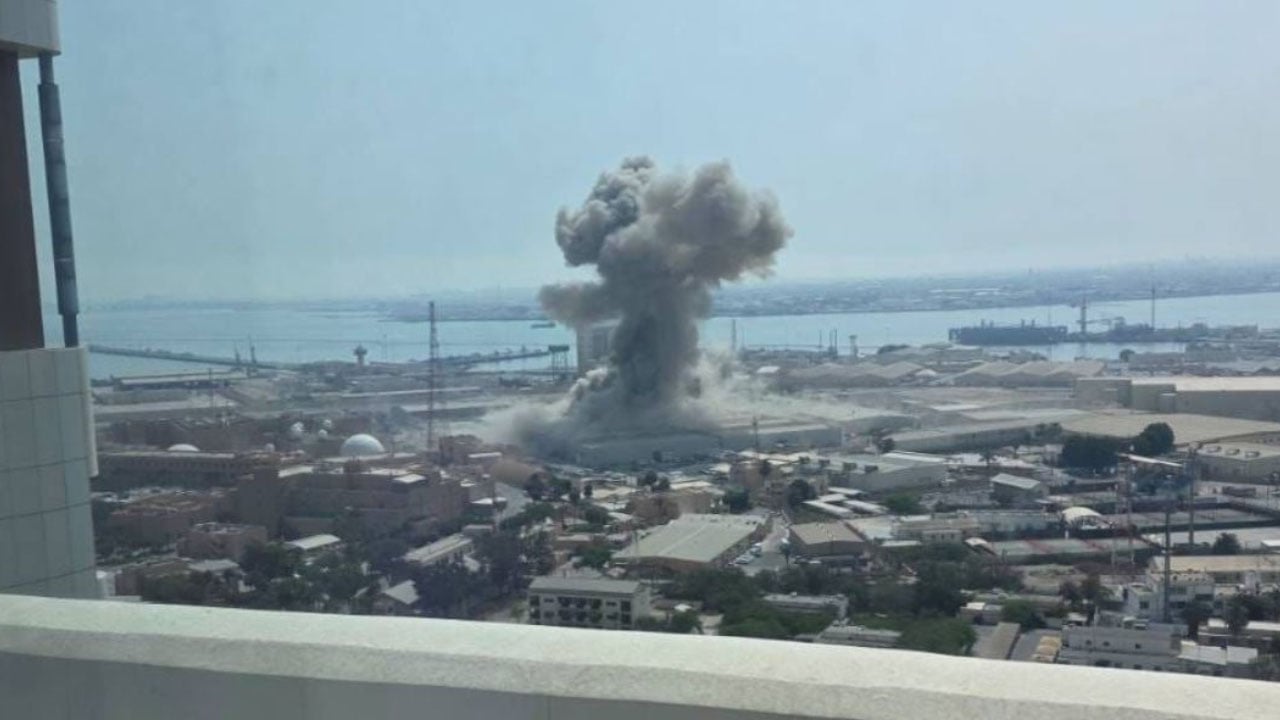
Iran’s Islamic Revolutionary Guard Corps (IRGC) has claimed responsibility for attacks on the headquarters of the US Fifth Fleet in Bahrain and a regional US airbase. The claim was reported on June 3, 2026. However, the US Central Command (CENTCOM) rejected Iran’s assertion, stating that the missiles and drones launched by Iran failed to reach their targets. In a statement posted on social media platform X, CENTCOM said the IRGC’s claims were inaccurate. The statement emphasized that all Iranian attacks on US forces had failed and that American forces remained alert and ready to respond to any further aggression from Iran. The report also noted that the United States claimed to have carried out a strike on Iran’s Qeshm Island in self-defense, while Iran responded by attacking US installations in Kuwait and Bahrain. The exchange highlights escalating tensions between the two nations in the Gulf region.
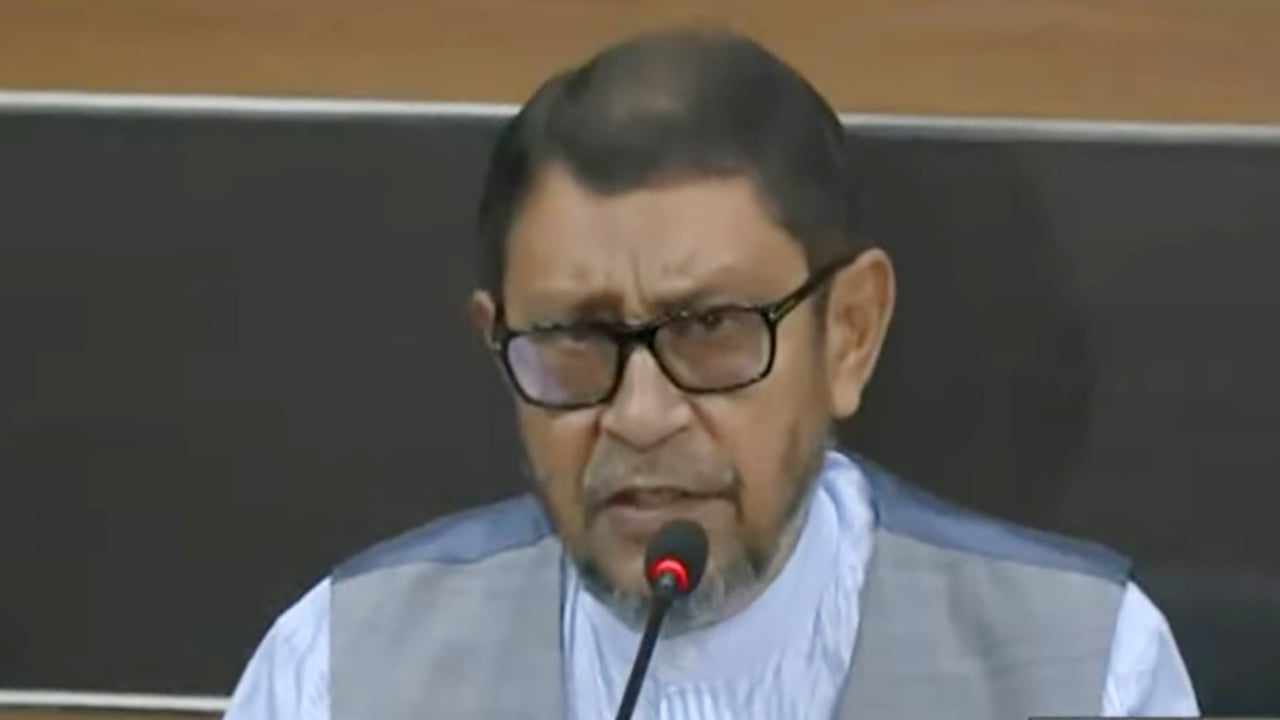
Health Minister Sardar Md. Sakhawat Hossain announced that 492 government hospitals at the upazila level, each currently with 50 beds, will be upgraded to 101-bed facilities. These hospitals will include specialized ICU units. The Public Works Department has begun implementation following the Prime Minister’s directive, the minister said at the Secretariat on June 3, 2026. He added that within six months, five children’s hospitals will be established in each of the Khulna, Barishal, Rangpur, Rajshahi, and Cumilla divisions, each equipped with an ICU. Additionally, a new medical building will be constructed at the University of Dhaka at a cost of Tk 1,100 crore. Bangladesh and China will jointly build five 1,000-bed hospitals for women. The minister stated that the government is working to simplify public health services by reducing corruption. A pilot program will also be launched in six to ten upazilas to provide door-to-door medical services for both men and women, with plans for nationwide expansion if successful.
Global oil prices increased again as tensions escalated between the United States and Iran, following attacks targeting Kuwait and Bahrain. In Wednesday morning trading, crude oil prices rose by more than 1 percent, reflecting market concerns over regional instability. According to the report, the United States carried out an attack on Iran’s Qeshm Island, prompting Iran to respond with missile and drone strikes on Kuwait and Bahrain. Meanwhile, peace talks between the United States and Iran have shown no progress, further fueling uncertainty in the energy market. The heightened conflict has directly influenced oil trading trends. Brent crude futures rose by 1.05 dollars, or 1.09 percent, to settle at 97.05 dollars per barrel. Similarly, US West Texas Intermediate (WTI) increased by 1.01 dollars, or 1.08 percent, reaching 94.77 dollars per barrel.

With only days remaining before the 2026 FIFA World Cup begins, football fever has gripped New York. Among the 16 host cities across the United States, Canada, and Mexico, New York has become the most talked-about destination. Streets, parks, shopping centers, and sports venues are filled with festive energy as the city transforms into what many call the temporary capital of world football. The MetLife Stadium in East Rutherford, New Jersey, has been renamed New York New Jersey Stadium under FIFA regulations and will host eight matches, including the final on July 19 and Brazil’s opening game against Morocco on June 13. The stadium has undergone major renovations, replacing its artificial turf with natural Tahoma 31 Bermuda grass imported from North Carolina. Over 80,000 spectators will be able to attend matches there. Across New York, large public screenings, cultural events, and a 17-day fan fest featuring global artists Nas and Wyclef Jean are planned. Shuttle services will connect Manhattan to the stadium for easier access. Analysts estimate that the World Cup will generate between $3 billion and $3.3 billion in economic activity in the New York region, benefiting hotels, transport, tourism, and retail sectors.

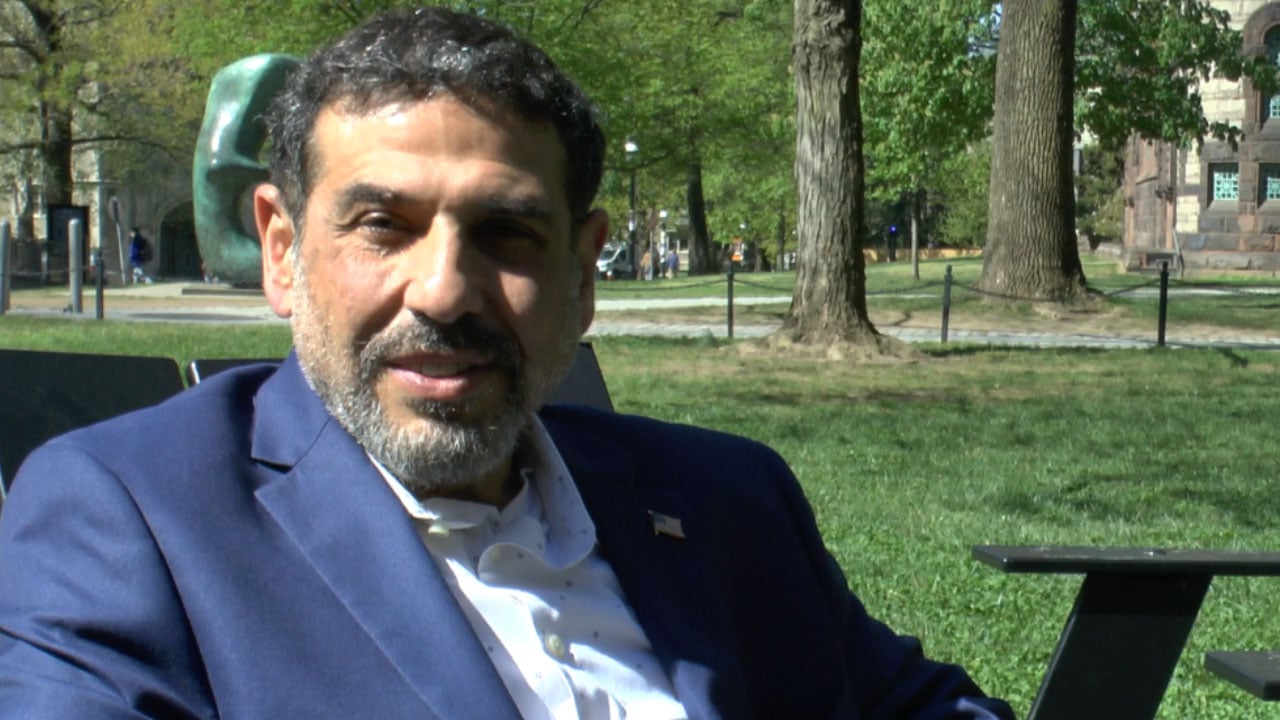
Surgeon Adam Hamawy, who previously volunteered in Gaza, has won the Democratic primary to represent New Jersey’s 12th Congressional District in the United States. Hamawy worked as a volunteer surgeon in 2024 at the European Hospital in Khan Younis, southern Gaza. Despite orders from Israeli forces to evacuate, he refused to abandon his colleagues and patients. In a joint statement, the Institute for Middle East Understanding (IMEU) Policy Project and Justice Democrats said voters chose Dr. Hamawy, who personally witnessed the realities of Israel’s actions in Gaza. They described his efforts to save Palestinian children amid bombings and extreme conditions. The two organizations, which financially supported his campaign, also stated on social media that the American-Israel Public Affairs Committee (AIPAC) had unsuccessfully tried to influence voters against him. The victory highlights growing attention to candidates with direct humanitarian experience in conflict zones and signals a challenge to established lobbying influence in U.S. politics.
The ‘1 Nojor’ media platform is now live in beta, inviting users to explore and provide feedback as we continue to refine the experience.