

The ‘1 Nojor’ media platform is now live in beta, inviting users to explore and provide feedback as we continue to refine the experience.
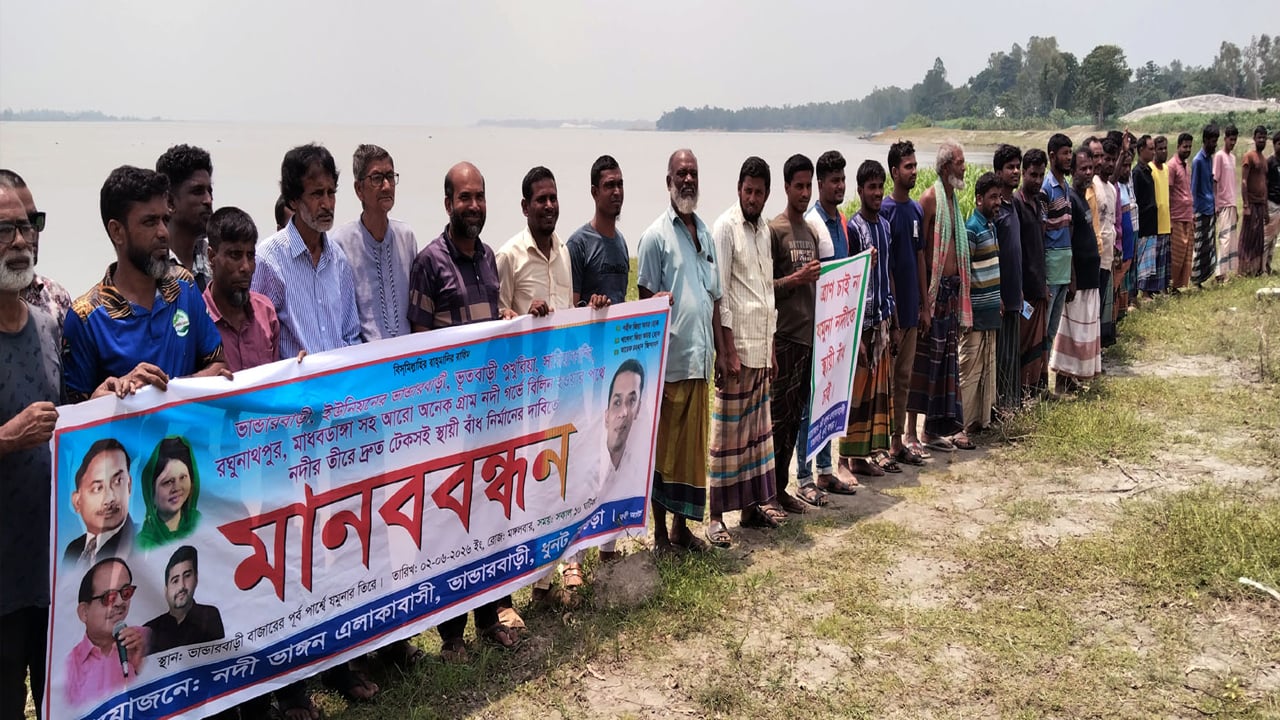
Residents of Dhunot upazila in Bogura formed a human chain on Tuesday morning demanding the construction of a sustainable and permanent embankment to prevent erosion of the Jamuna River. The event took place at Bhandarbari area near the riverbank, organized by displaced families and local residents living along the river. Hundreds of men and women from various professions joined the demonstration. Speakers at the event included former Bhandarbari Union BNP president and ex-chairman Atikul Karim Apel, BNP organizational secretary Jahangir Alam, social worker Zahidul Islam, playwright Zahid Hasan Sagor, and Shafiqul Islam. Other local political and social leaders were also present. Participants criticized the ineffective placement of sand-filled geo-bags, claiming they were dumped in the middle of the char instead of along the riverbank. The demonstrators urged the Water Development Board to take immediate steps to build a permanent embankment along the Jamuna River to protect their homes and farmland from further erosion.
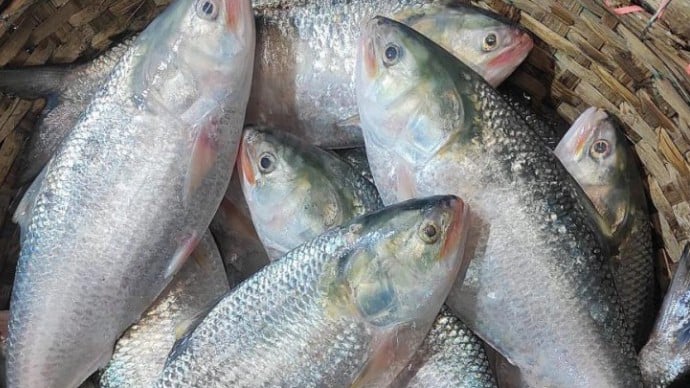
In Barishal, the expected abundance of Hilsa fish during the peak season has not materialized. Despite strong river currents and the onset of the monsoon, fishermen report catching very few fish even after casting nets all day. At Barishal’s Port Road fish market, only 50–60 maunds of Hilsa arrived on Tuesday morning, compared to several hundred maunds in previous years. Prices have soared, with one-kilogram Hilsa selling for Tk 2,500–3,000 and larger fish reaching up to Tk 4,500 per kilogram. Local traders and fishermen expressed frustration, noting that Hilsa production has been declining for years. They said government conservation efforts have not yet yielded visible results, leaving both sellers and buyers in difficulty. Fishermen on the Meghna River reported severe hardship, with little to no income for a month due to the lack of fish. Officials from the Department of Fisheries, however, remain optimistic. They stated that the main Hilsa season will begin in July and that sufficient rainfall could bring larger fish from the sea into rivers, improving supply later in the season.
The government of Bangladesh has decided to withdraw its earlier plan to impose advance income tax on motorcycles from the next fiscal year. According to National Board of Revenue (NBR) sources, all types of motorcycles will now be exempt from such tax. The initial proposal had suggested an annual advance tax ranging from two thousand to ten thousand taka depending on engine capacity. The decision follows protests by hundreds of bikers who demonstrated in front of the NBR headquarters in Agargaon and submitted a memorandum opposing the tax. Bikers argued that motorcycles are no longer luxury items but essential for employment in ride-sharing and delivery services, as well as for daily commuting. They also pointed out that motorcycle prices in Bangladesh are already higher than in neighboring countries, and the proposed tax would further burden ordinary citizens. NBR had initially justified the tax by citing the growing commercial use of motorcycles and the possibility of adjusting the advance payment during annual tax returns. An NBR official confirmed that the government’s higher authorities instructed not to impose any advance income tax on motorcycles, ensuring that only existing registration fees and road taxes will continue to apply.
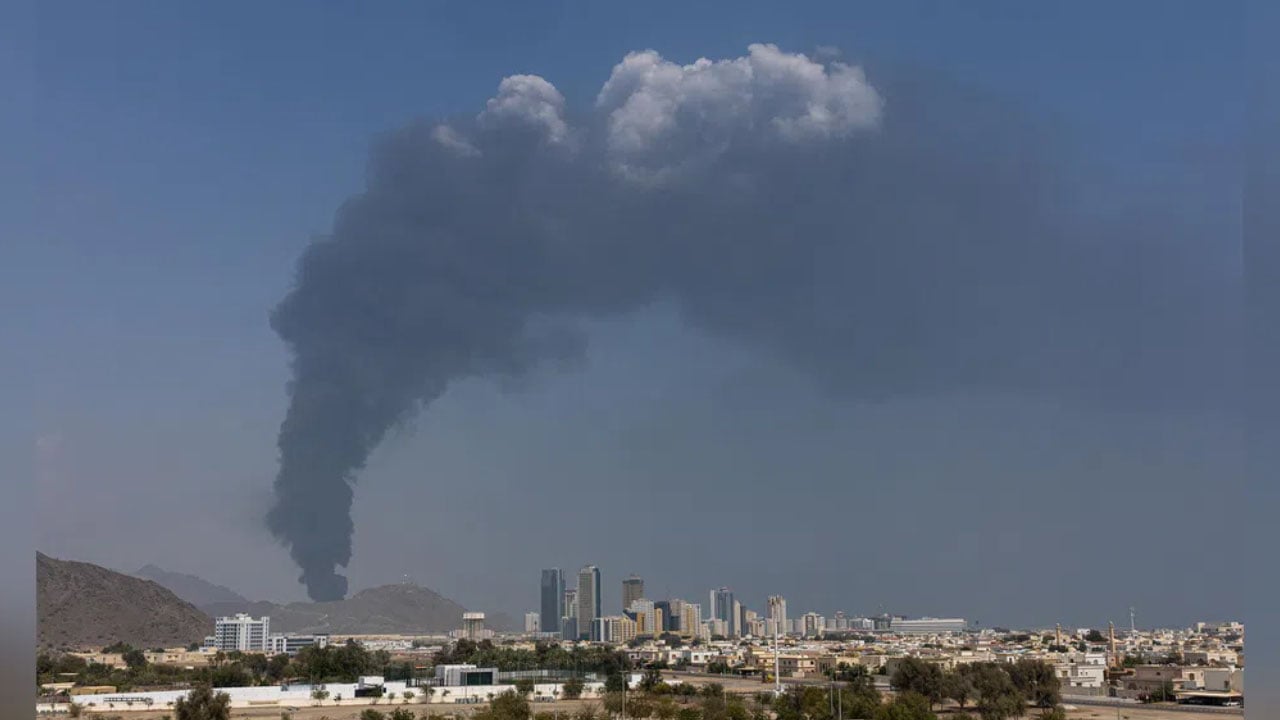
The United States has claimed responsibility for a strike on Iran’s Qeshm Island, describing it as an act of self-defense. According to the US military’s Central Command (CENTCOM), the operation targeted Iranian missiles and drones launched toward ships and Gulf countries. The strike took place in the Strait of Hormuz and was presented as a response to what Washington called Iran’s attempted attacks across the Middle East. In retaliation, Iran carried out attacks on US installations located in Kuwait and Bahrain. Despite these exchanges, Washington stated that a ceasefire between the two nations remains in effect. The confrontation marks another escalation in the ongoing tensions between the United States and Iran, centered on regional security and military activity in the Gulf. The situation underscores the fragility of the current ceasefire and the potential for further instability in the region if retaliatory actions continue.
A major security concern has emerged at the Bangladesh Secretariat after the Prime Minister’s red telephone line became inactive during the Eid-ul-Azha holidays. Officials discovered on June 1 that several key telephone lines, including the Prime Minister’s, Cabinet Division, and Public Administration Ministry connections, were disconnected due to missing or cut copper cables. Bangladesh Telecommunications Company Limited (BTCL) technicians restored the connection after seven hours of work, and a general diary was filed with the police. Multiple government agencies have launched investigations into the incident. BTCL later sent a letter to the Ministry of Home Affairs requesting a full investigation and CCTV review to identify those responsible. The letter confirmed that valuable copper cables between Secretariat buildings had been severed, disrupting critical government communications. Senior officials expressed dissatisfaction with the Secretariat’s current security measures, describing them as ineffective and inadequate for such a sensitive administrative zone. Officials from the Ministry of Home Affairs stated that the matter is being treated seriously, with the Special Branch and other agencies assigned to investigate the breach.

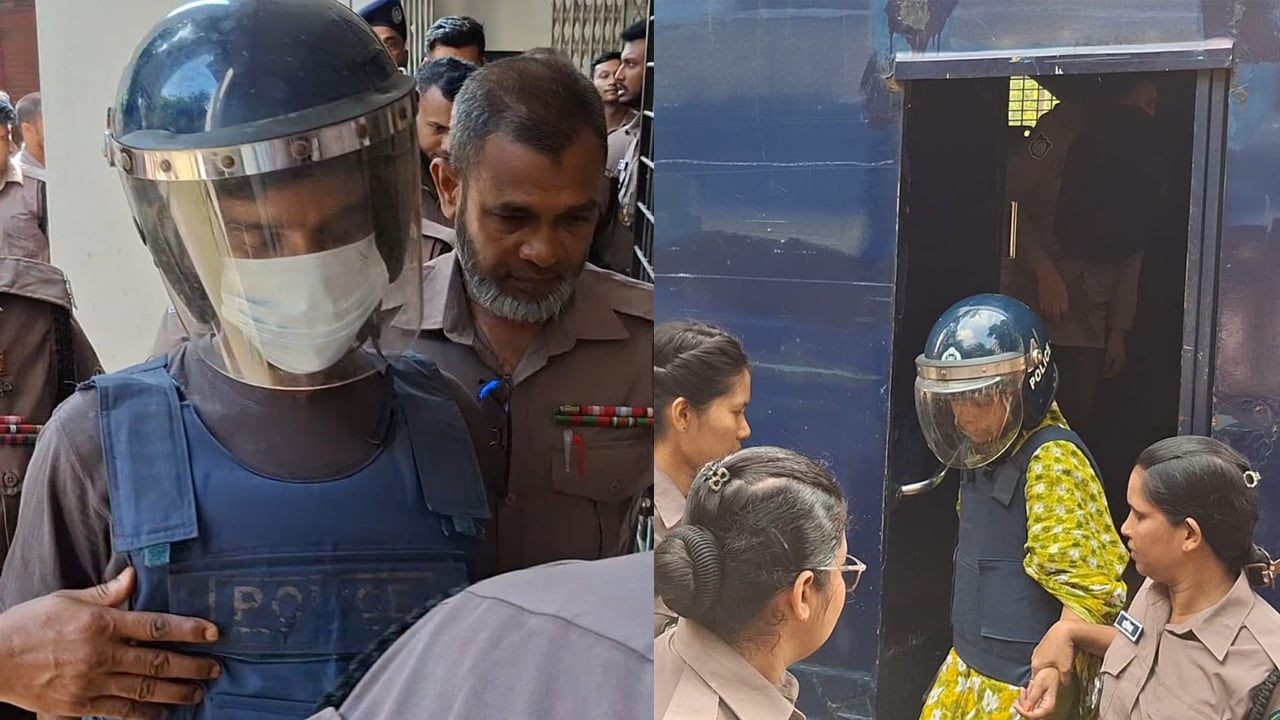
The Dhaka Metropolitan Tribunal for the Suppression of Child Violence is holding a self-defense hearing today in the case of eight-year-old Ramisa, who was raped and murdered in Pallabi. The main accused, Sohel Rana, and his wife were brought to court in the morning and kept in custody before the hearing. The accused will have the opportunity to claim innocence, after which the judge will set a date for arguments from both sides. On Tuesday, the tribunal recorded testimony from 16 witnesses, including Ramisa’s parents, revealing harrowing details of the incident. The tribunal had earlier framed charges on June 1 against Sohel and his wife for rape, murder, and concealment of the body, following the submission of a charge sheet by the investigating officer from Pallabi Police Station on May 24. According to the case, Ramisa, a second-grade student, was lured into the accused couple’s apartment on May 19, where she was killed. The investigation concluded with both accused being sent for trial in the Dhaka Metropolitan Tribunal.
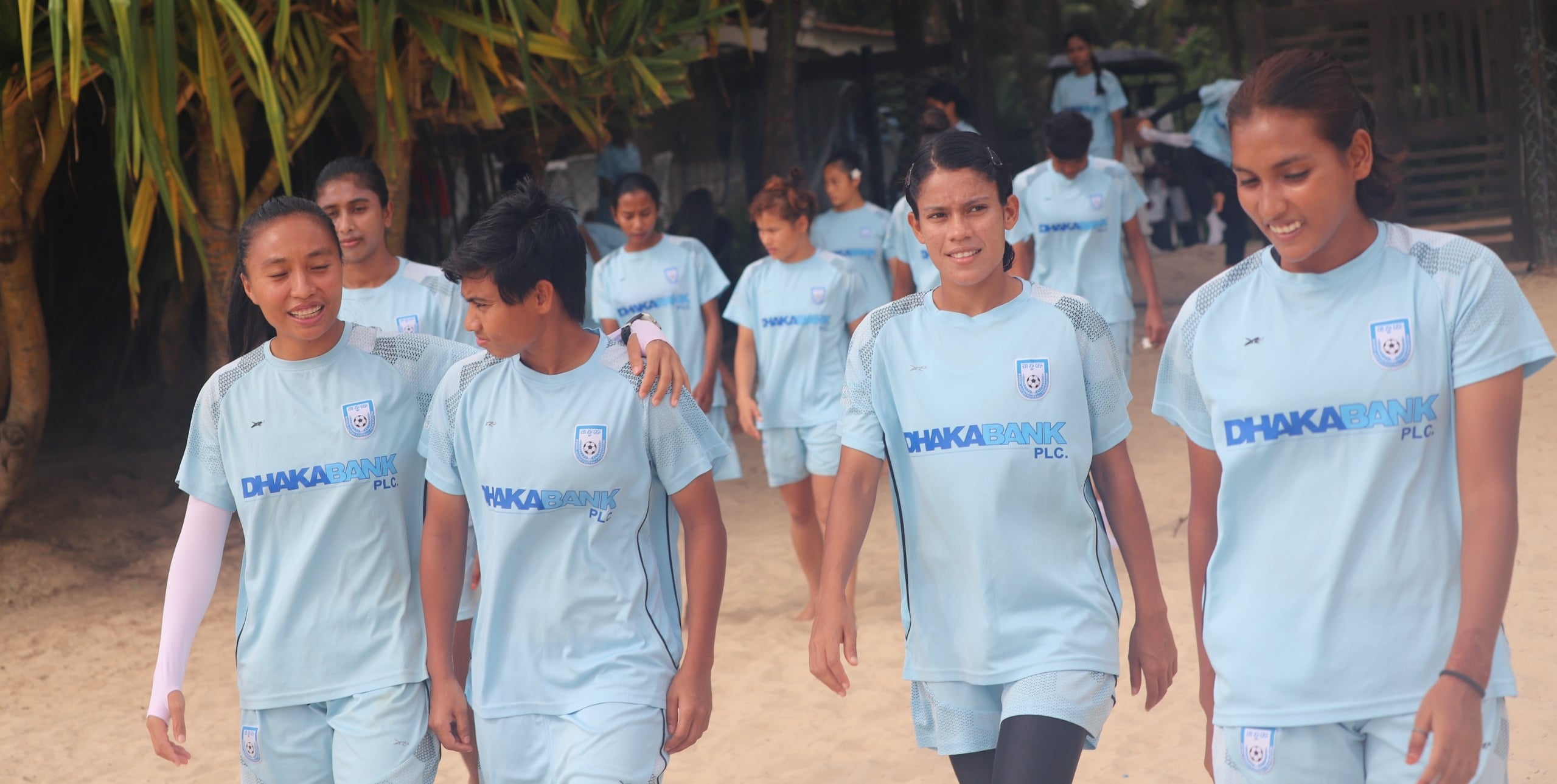
Bangladesh and Nepal will meet today in the SAFF Women's Championship semifinal at Jawaharlal Nehru Stadium in Goa, India. The match, starting at 4:30 p.m. Bangladesh time, will determine who advances to the final. Bangladesh, the defending champions, are aiming for a third consecutive title after defeating Nepal in the 2022 and 2024 finals. However, a recent 3–0 loss to India has raised concerns about the team’s form and morale. Coach Peter Butler emphasized the need for his players to recover mentally and perform at their best. He expressed confidence in his young squad and confirmed that experienced player Shiyuli Azim will play, while Afida Khandakar has been rested. Nepal, led by coach Nabin Neupane, are determined to overcome past defeats and reach the final. Neupane said his team is fully fit and focused on winning the title, though they will miss injured captain Sabitra Bhandari. Both teams view the match as evenly balanced, with the outcome likely to depend on which side can capitalize on scoring opportunities.
Police recovered the decomposed body of schoolteacher Nurjahan Begum from a locked, garbage-filled room in a house on Road 12, Section 6 of Pallabi, Dhaka, after a call to the national emergency number 999. Locals believe she had died about seven days earlier. Nurjahan, mother of three accomplished children—a government joint secretary, a BUET teacher, and a schoolteacher—was reportedly left unattended and lived in severe neglect. Her daughter Konika allegedly left food outside the locked door without entering the room. Residents described the house as filthy and foul-smelling, expressing shock and demanding justice. They said Nurjahan had been ill for a long time but received no proper care. Police confirmed that a case has been filed and an investigation is underway. Local sociologists and religious scholars attributed such incidents to a decline in moral and family values, emphasizing the need to restore ethical and religious education. The incident has cast a shadow of grief over the Pallabi area, with neighbors calling for accountability from the victim’s children.

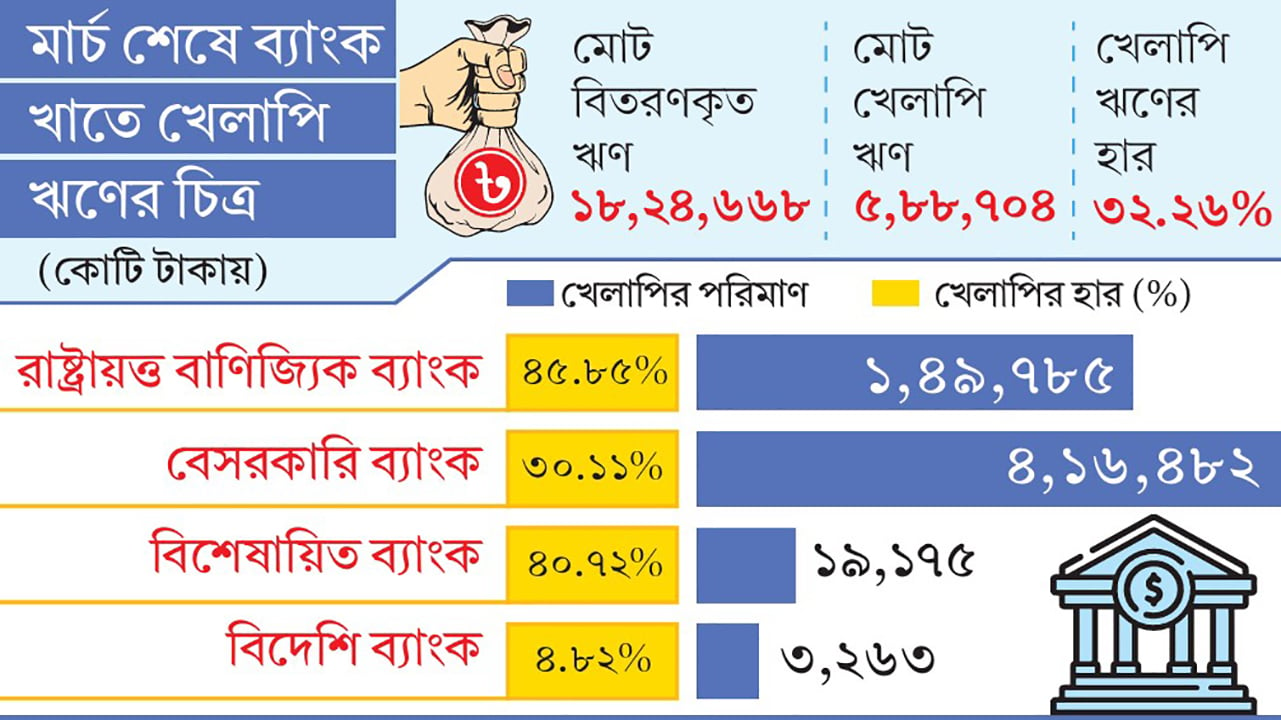
Bangladesh Bank’s latest report shows that default loans in the country’s banking sector rose by Tk 31,487 crore in the first quarter of 2026, despite multiple policy supports and special rescheduling opportunities. At the end of March, total default loans reached Tk 5,88,704 crore, or 32.26% of total loans, up from Tk 5,57,217 crore three months earlier. The increase has renewed pressure on the banking system, reversing the temporary relief seen at the end of 2025. Officials and bankers attributed the rise to slow economic growth, accumulating interest, and reclassification of previously understated loans after central bank inspections. Bangladesh Bank spokesperson Arif Hossain Khan said defaults were expected to fall under the special rescheduling policy, but accrued interest and grace periods prevented recovery. ABB Chairman Masrur Arefin cited sluggish production and limited borrower capacity to meet down payments as key factors. The report also highlights that state-owned banks hold the highest default ratio at 45.85%, while private banks account for 30.11%. The interim government’s disclosure of previously hidden defaults has further exposed the sector’s vulnerabilities, underscoring persistent structural weaknesses in loan management.
Bangladesh’s national football team has completed its full squad ahead of the international friendly against San Marino. England-based midfielder Hamza Chowdhury arrived in San Marino on Tuesday night to join his teammates, marking the inclusion of all foreign-based players in the touring side. Earlier, Samit Som and Zayan Ahmed had joined the team, with Zayan participating in training soon after arrival. Following a recovery session on Monday, the team began full training on Tuesday. Team manager Amer Khan reported that the squad experienced contrasting weather conditions over two days, shifting from cold to heat similar to Bangladesh. The team, led by Jamal Bhuiyan, trained for about ninety minutes from 6 p.m. local time. Bangladesh will face San Marino on June 5 at 11 p.m. Bangladesh time. Head coach Thomas Dooley cautioned that the match would not be easy, noting San Marino’s regular competition against strong European sides. Italy-based player Fahmidul Islam expressed confidence, saying he aims to share his local experience with teammates as they look forward to the challenge.

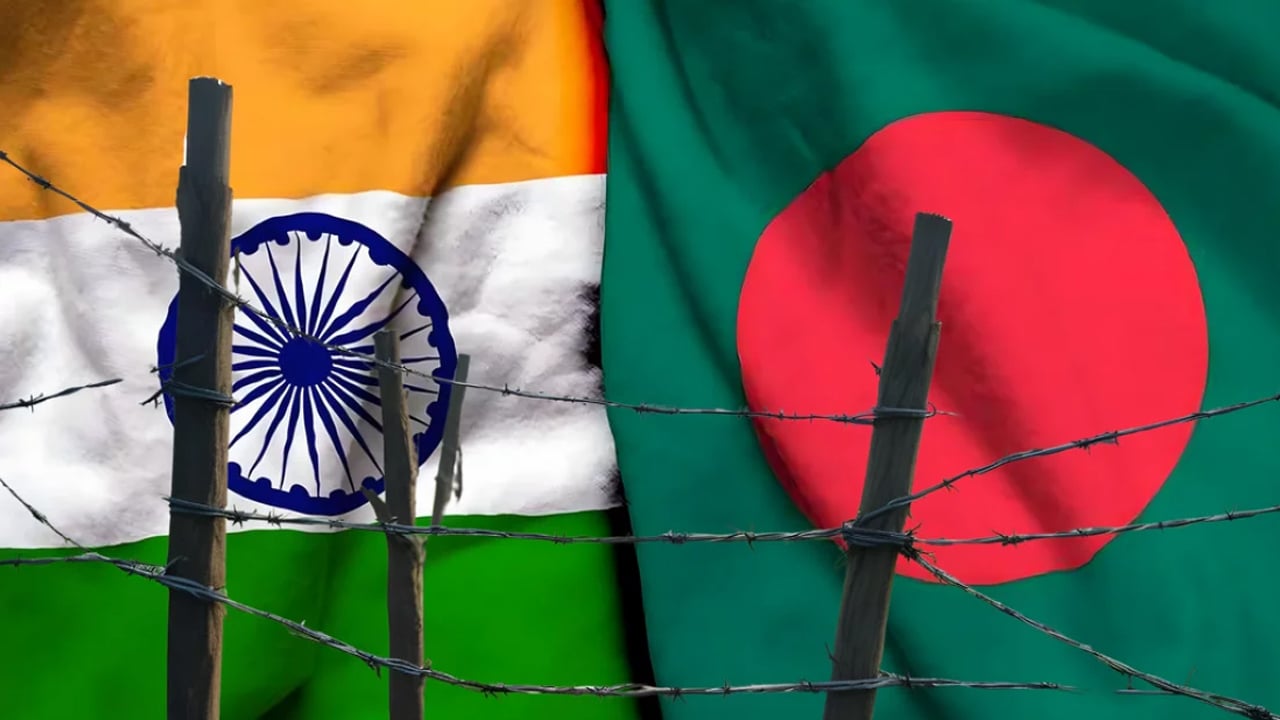
In a commentary published on June 3, 2026, Mahmudur Rahman called on the Bangladesh government to identify Indian nationals allegedly residing illegally in the country. He argued that India’s treatment of its Muslim minority and the actions of Hindu nationalist groups have created regional instability, which now threatens Bangladesh’s security. Rahman claimed that Indian authorities in border states such as West Bengal and Assam are attempting to push Bengali-speaking Muslims into Bangladesh, prompting the need for stronger national vigilance. The article described incidents of religious intolerance in India, including restrictions on Muslim worship and arrests during religious observances. Rahman linked these developments to what he termed India’s broader campaign against Muslims and warned that Bangladesh must respond proactively. He urged the government to strengthen border control, discourage smuggling, and mobilize citizens to resist Indian influence. Rahman also advised halting efforts to expand visa access to India and reviving public boycotts of Indian goods. He concluded that Bangladesh’s sovereignty could only be protected through unity among the government, opposition parties, and the public in confronting perceived Indian aggression.
An Al Jazeera investigative series has revealed that human bodies donated for education and scientific research in the United States were used in training programs involving the US Navy and Israeli military medical teams. The report centers on concerns raised by Miriam Volpin, whose mother had donated her body to the University of Southern California (USC) for research but may have been used in combat-related surgical training linked to conflicts such as Israel’s Gaza operations. Student journalists from USC and the University of California, San Diego (UCSD) found that since 2018, USC supplied at least 89 preserved bodies to the US Navy for Israeli surgical team training. A 2020 medical paper described a four-day combat trauma surgery course using artificially perfused cadavers to simulate battlefield injuries. USC denied the program was military, calling it educational, while the US Navy said the training aimed to improve trauma surgery skills. The investigation also found that between 2024 and early 2026, UCSD transferred 124 bodies to USC to meet training demand. Families of donors have expressed anger and ethical concerns, prompting renewed debate over transparency and consent in body donation programs.

Iran has not completely ruled out a potential understanding with the United States, but both sides’ hardline positions and strict conditions have left the prospects for an agreement uncertain. More than three months after the Iran–US war began, no consensus has been reached on key issues such as control of navigation in the Strait of Hormuz, the blockade of Iranian ports, the nuclear program, enriched uranium, and the lifting of US and UN sanctions. Recent tensions include mutual accusations of attacks between the US military and Iran’s Islamic Revolutionary Guard Corps (IRGC). Tehran claims Washington has repeatedly violated the ceasefire declared in early April, while Iranian media described a deadly explosion in Tehran’s Andisheh area as a gas leak, rejecting Israeli media claims of a targeted strike. Iran’s leadership has jointly vowed not to surrender, though subtle differences exist among them. Mojtaba Khamenei, son of the late Supreme Leader, emphasized protecting Iran’s nuclear and missile programs as national assets and urged continued resistance against the US and Israel. Military leaders, led by IRGC commander Ahmad Vahidi, oppose major concessions and warn of destructive consequences if war resumes, leaving a lasting deal with Washington highly challenging.
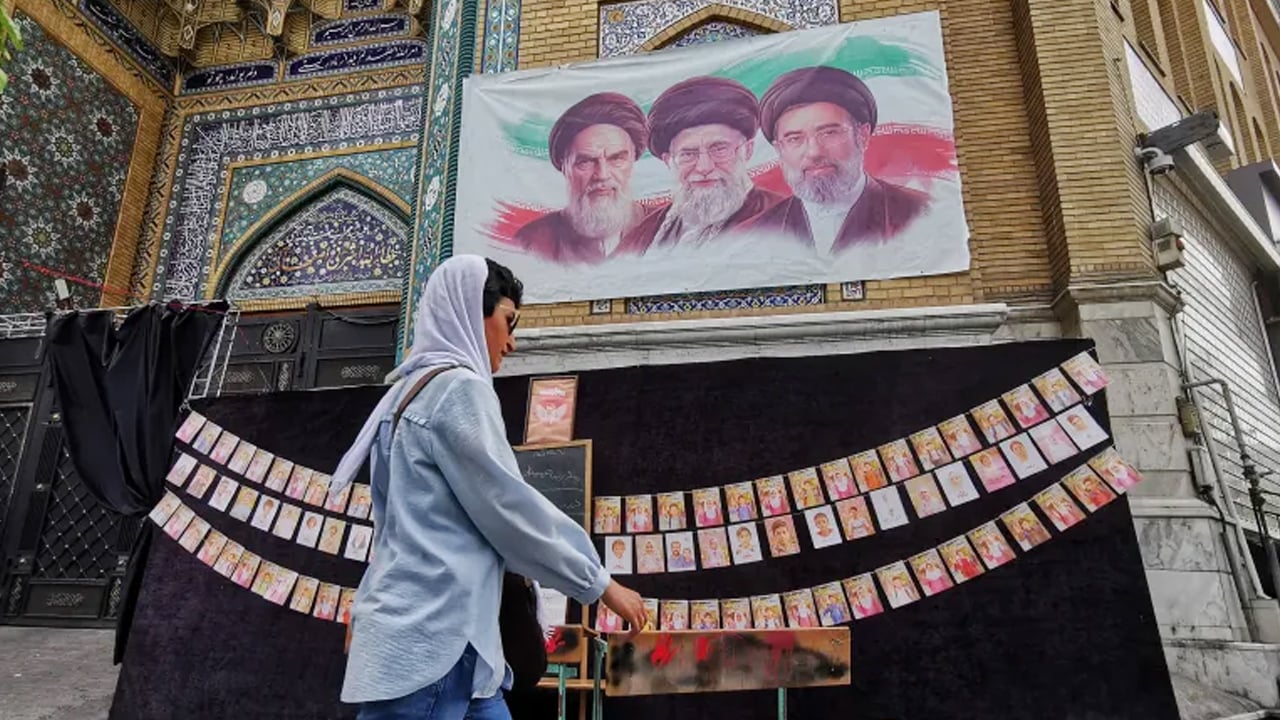
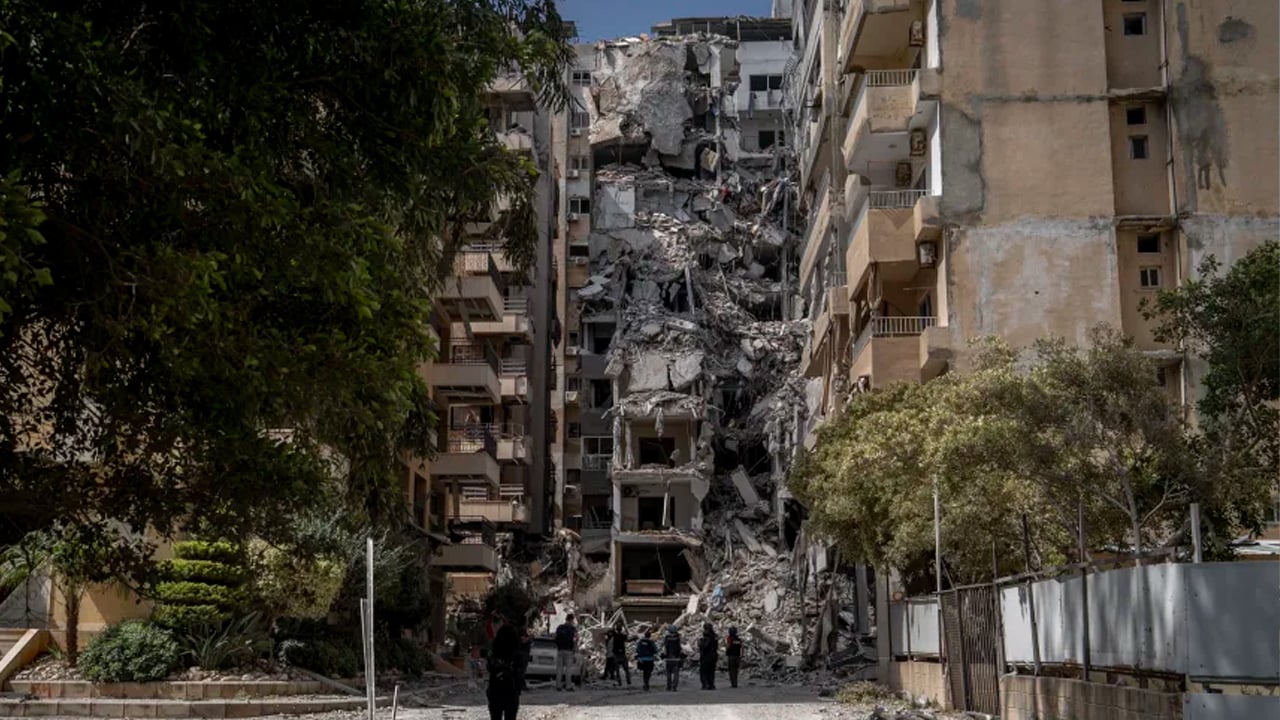
U.S. President Donald Trump’s ongoing diplomatic initiative with Iran has entered a new phase of uncertainty following rising tensions between Israel and Hezbollah in Lebanon. The situation escalated on Monday when Israel threatened strikes in southern Beirut against Tehran-backed Hezbollah, coinciding with missile attacks toward Israel. Iran responded by suspending its talks with Washington, citing violations of the ceasefire in Lebanon. Trump described the negotiations as frustrating but launched urgent diplomatic efforts to contain the crisis. According to White House sources, Trump held an emergency phone call with Israeli Prime Minister Benjamin Netanyahu, expressing strong disapproval of a potential Lebanese operation. He also reportedly contacted Hezbollah representatives. Later, Trump announced on Truth Social that both sides had agreed to refrain from attacks and that talks with Iran were progressing. Lebanon’s embassy in Washington confirmed Hezbollah would halt strikes if Israel stopped its Beirut operations, while Israel said it would continue actions in southern Lebanon but not target Beirut. Analysts believe Trump’s intervention temporarily prevented escalation and kept Iran talks alive, though experts warn that deep-rooted mistrust and conflicting regional interests could reignite tensions at any time.
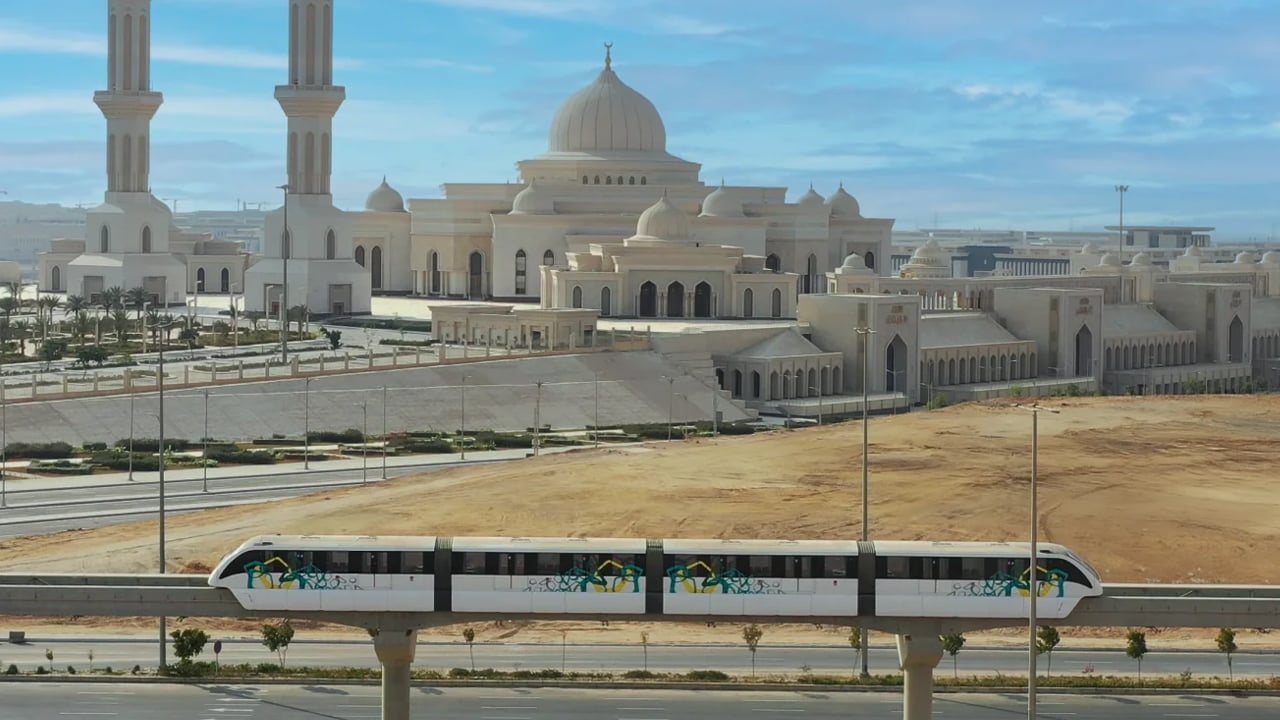
Egypt has inaugurated the East Nile route of the Cairo Monorail, Africa’s first fully driverless monorail system, on May 6, 2026. The 56.5-kilometer line connects Cairo’s Nasr City International Stadium area with the new administrative capital being built in the desert to ease congestion in the capital. A second 43.8-kilometer West Nile route is under construction to link 6th of October City with Giza. Once both routes are operational, the network will exceed 100 kilometers, surpassing China’s Chongqing Monorail as the world’s longest. The Cairo Monorail project, valued at about 2.3 billion pounds, was launched in 2019 to expand the city’s transport capacity beyond its three metro lines, which already carry around 500 million passengers annually. The system, built and operated by a consortium led by French rail manufacturer Alstom, includes 68 trains made up of 272 coaches built in Derby, England. Each train can carry up to 45,000 passengers per hour in each direction at speeds of up to 80 kilometers per hour. Alstom describes the monorail as environmentally friendly, with low noise levels and the ability to recover up to 99 percent of braking energy, reducing fuel use. The Egyptian government expects the new capital to eventually house 6.5 million people and create 2 million jobs.
The ‘1 Nojor’ media platform is now live in beta, inviting users to explore and provide feedback as we continue to refine the experience.