

The ‘1 Nojor’ media platform is now live in beta, inviting users to explore and provide feedback as we continue to refine the experience.
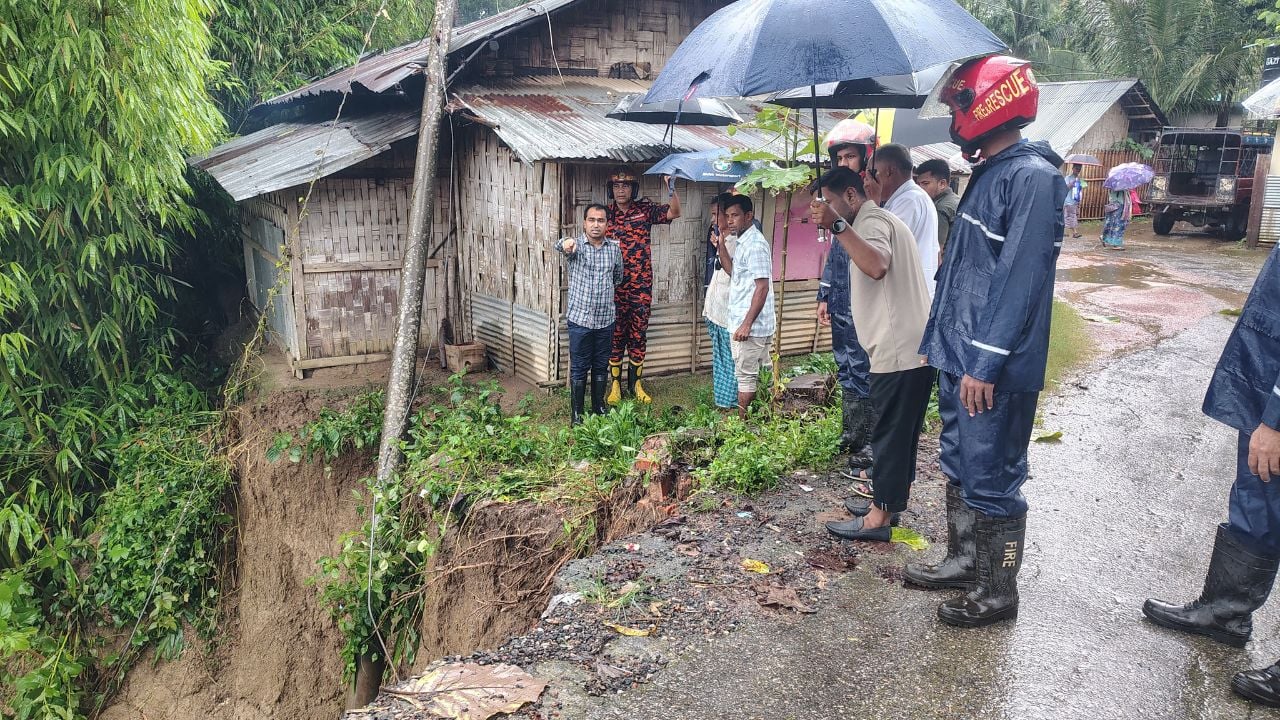
Continuous heavy rainfall has triggered a severe risk of landslides in Rajsthali upazila of Rangamati, prompting urgent action from local authorities. The upazila administration has launched operations to relocate residents from high-risk hillside areas to nearby shelters to ensure their safety. The situation has become critical in Ghilachhari and Gaindya unions after five days of uninterrupted rain. On Wednesday evening, Rajsthali Upazila Nirbahi Officer Yusuf Hasan visited several vulnerable areas, urging residents living at the foot of hills to move immediately to designated shelters. Public awareness campaigns, including loudspeaker announcements, are being conducted to alert people about the dangers of staying in risky zones. Local officials and representatives have been instructed to assist in disaster management efforts. According to the administration, nine shelters have been prepared across three unions, and around 40 residents have already taken refuge. Fire service teams remain active on the ground to respond to any emergency as relocation of remaining residents continues.
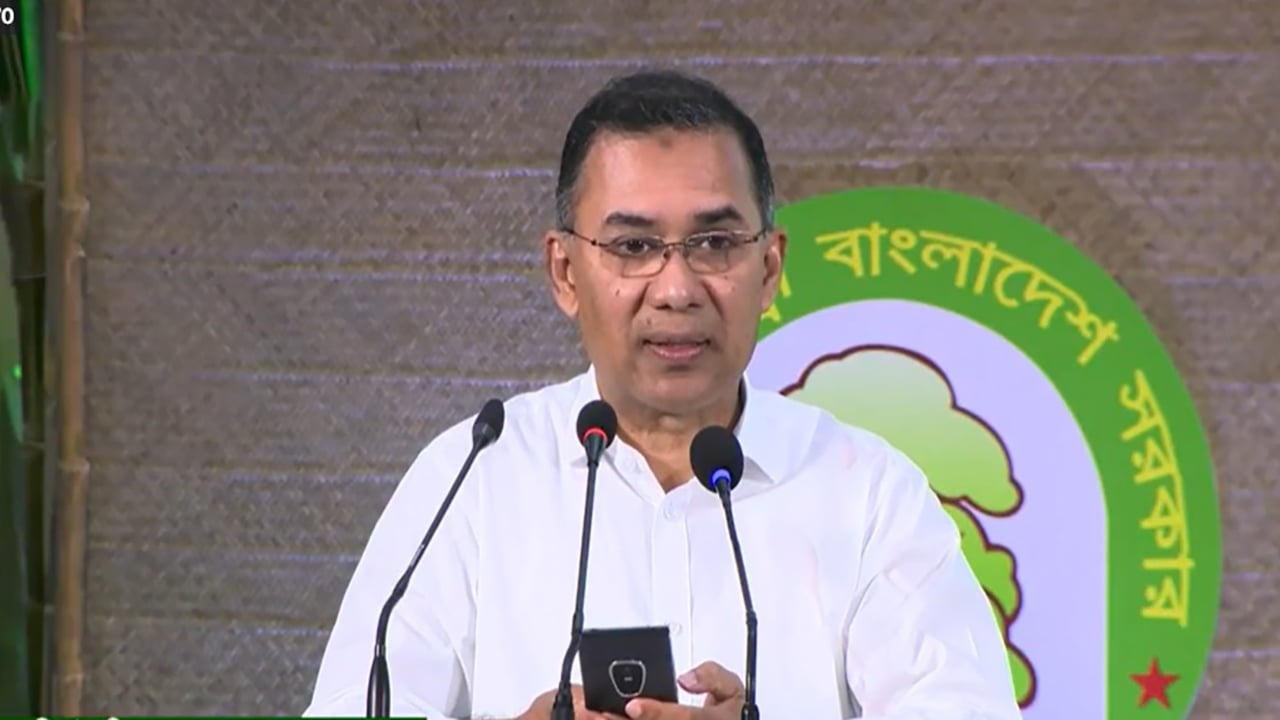
Prime Minister Tarique Rahman has called for collective awareness and responsibility to transform Dhaka from an unlivable city into a livable one. He made the remarks on Thursday while inaugurating World Environment Day, the Environment Fair, and the National Tree Plantation Campaign and Tree Fair 2026. The Prime Minister emphasized the need for major reforms in waste management and reiterated the government’s strict stance against deforestation and hill cutting. He also urged citizens to plant a tree with every child’s birth. Rahman highlighted that most people remain unaware of environmental issues and urged everyone to act responsibly to keep the environment pollution-free. He described raising awareness as a sacred duty for those attending the event. During the ceremony, the Prime Minister presented the National Environment Award 2025 to three individuals and three institutions for outstanding contributions in environmental conservation, education, and research. Award recipients included academics and organizations recognized for pollution control, environmental education, and innovation in environmental research and technology.
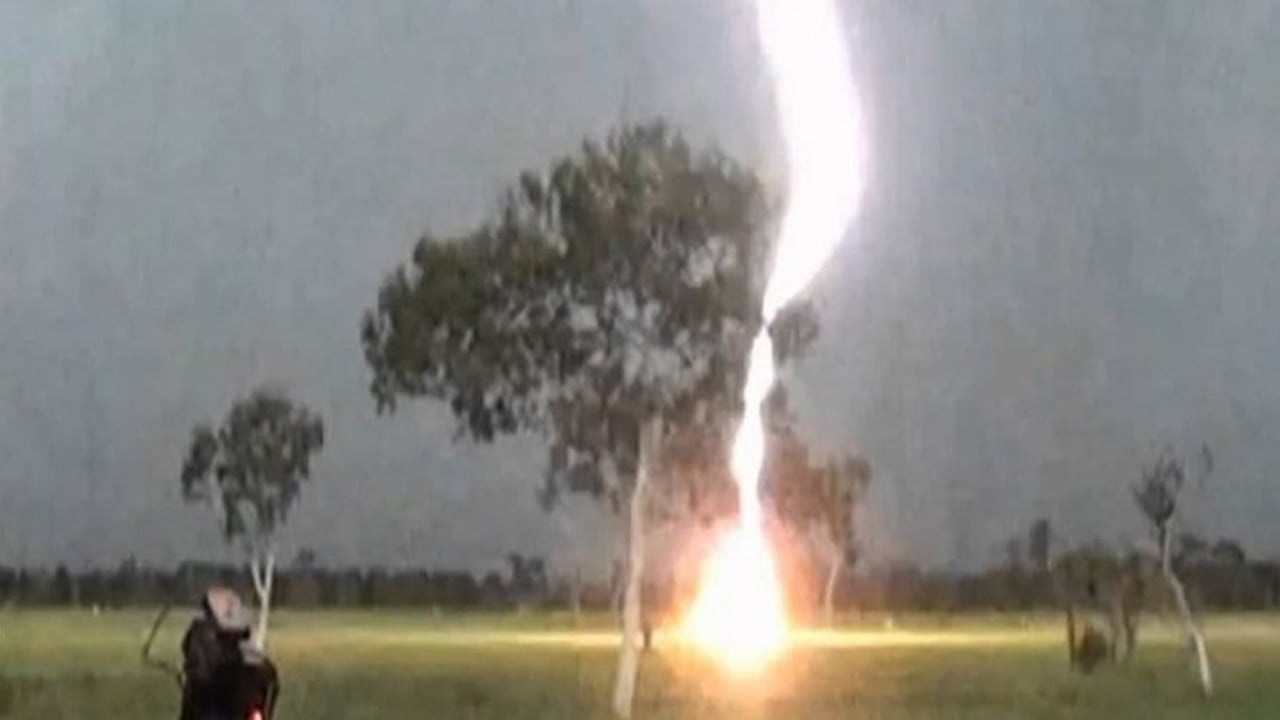
A man named Ismail Hossain, aged 35, died after being struck by lightning while fishing in Singra upazila of Natore district on Thursday morning. The incident occurred around 7 a.m. in the southern field of Munshi Bashbaria village under Italy Union. Ismail was the younger son of the late Kamil Uddin from the same village. According to family sources, Ismail went fishing in the rain when lightning struck him, leaving him seriously injured. Locals immediately rescued him and started for Singra Upazila Health Complex, but he died before reaching the hospital. The officer-in-charge of Singra Police Station, Rafiqul Islam, confirmed the death caused by lightning. The report highlights the fatal incident as part of ongoing weather-related hazards in the region, though no further details on local conditions or official warnings were provided.
France suffered a setback ahead of their World Cup quarter-final against Morocco after FIFA rejected their appeal to overturn Michael Olise’s yellow card. The Bayern Munich attacking midfielder had received the booking during the Round of 16 match against Paraguay following a clash with midfielder Matias Galarza. Video replays showed Olise pulling Galarza’s jersey before the opponent fell to the ground, prompting referee Ilgiz Tantashev of Uzbekistan to issue the caution. According to French sports daily L’Équipe, the French Football Federation had requested FIFA to review the decision, but the governing body declined. France’s head coach Didier Deschamps confirmed the outcome during a pre-match press conference, stating that FIFA upheld the original ruling. As a result, Olise must now play cautiously against Morocco, since another yellow card would trigger a one-match suspension. If France advance to the semifinals, he could miss a crucial match against either Spain or Belgium, making his discipline a key concern for the French coaching staff.

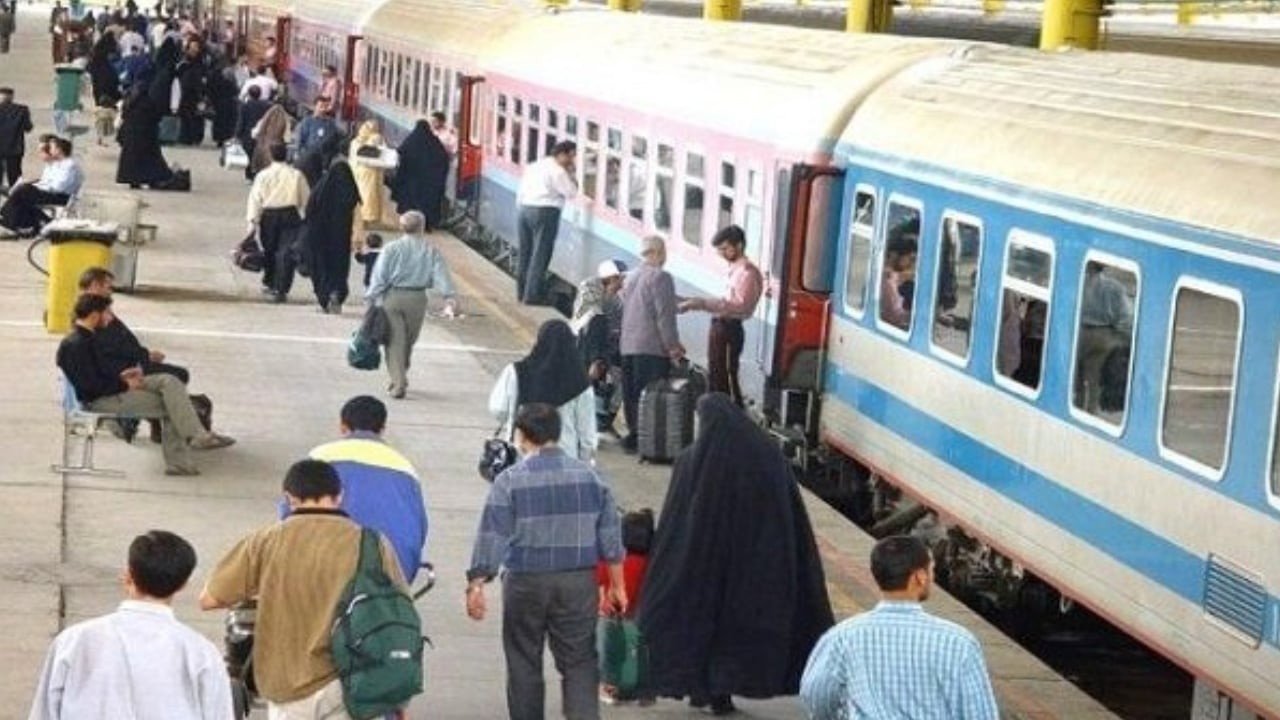
Iranian authorities announced the suspension of passenger train services on the Tehran-Mashhad route after a section of the railway was damaged in a United States strike. The Islamic Republic of Iran Railways said technical teams have been dispatched to the affected site, where repair work is underway. Officials added that efforts are being made to resume the route as quickly as possible and that stranded passengers are being transported to Mashhad by road. The incident occurred as Iran prepared for the burial of its late Supreme Leader Ayatollah Ali Khamenei in Mashhad. The Islamic Revolutionary Guard Corps (IRGC) accused the United States of launching renewed attacks to overshadow Khamenei’s funeral ceremonies. According to the IRGC, the strikes also targeted several bridges on the road leading to Mashhad. The report, citing Al Jazeera, indicates that the situation has heightened tensions in the region, with Iran focusing on restoring transport links and ensuring the continuation of funeral proceedings.
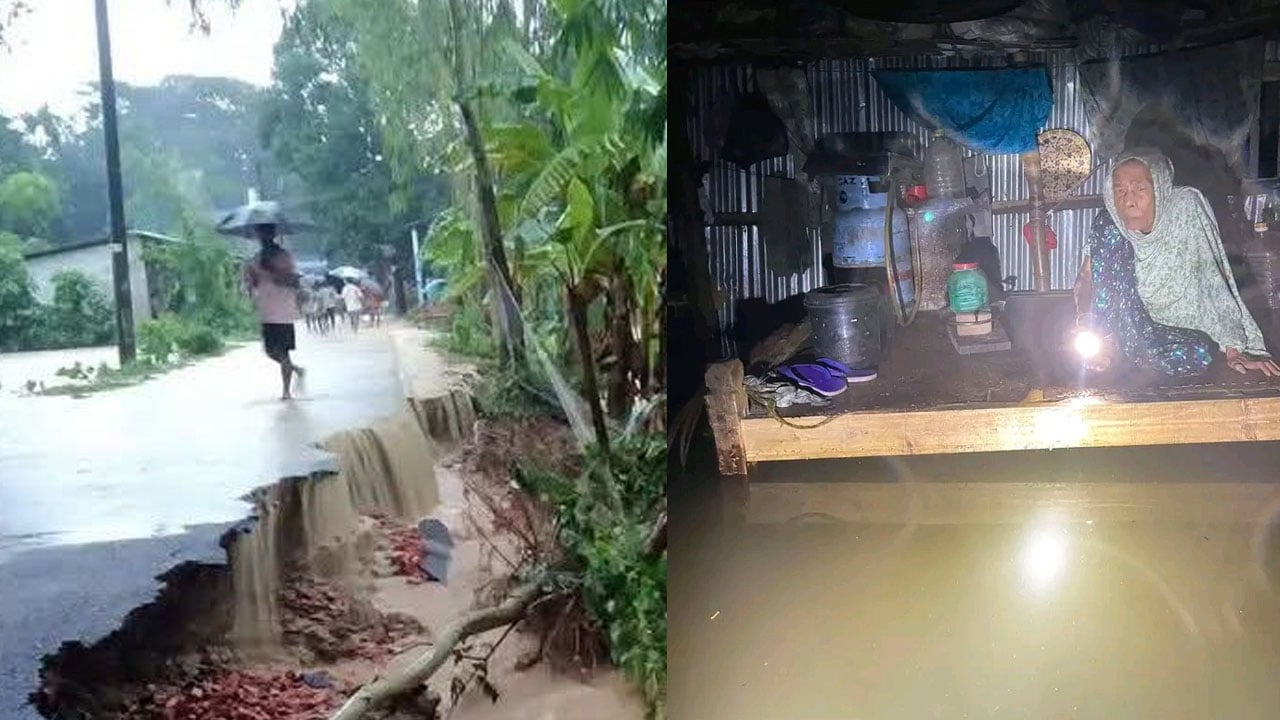
Continuous rainfall, hill torrents, and rising sea tides have severely worsened the flood situation in Banshkhali upazila of Chattogram. As of Wednesday night, the main Chattogram–Banshkhali road at Bailchhari went under water, cutting off road communication with the city. More than a hundred thousand residents across several unions are now trapped by floodwaters, facing acute shortages of food and clean water. According to local officials, the upazila administration is monitoring damaged embankments and affected areas, awaiting government relief supplies for distribution. The Banshkhali Fire Service reported that the situation continues to deteriorate, with rescue teams relocating stranded families to safer places. Many homes and rural roads have been submerged, making it difficult for residents to reach shelters. In response, the local administration has issued urgent public warnings, urging people in low-lying and high-risk areas to move to nearby shelters. Local representatives have been instructed to assist with announcements and ensure the safe evacuation of waterlogged residents.
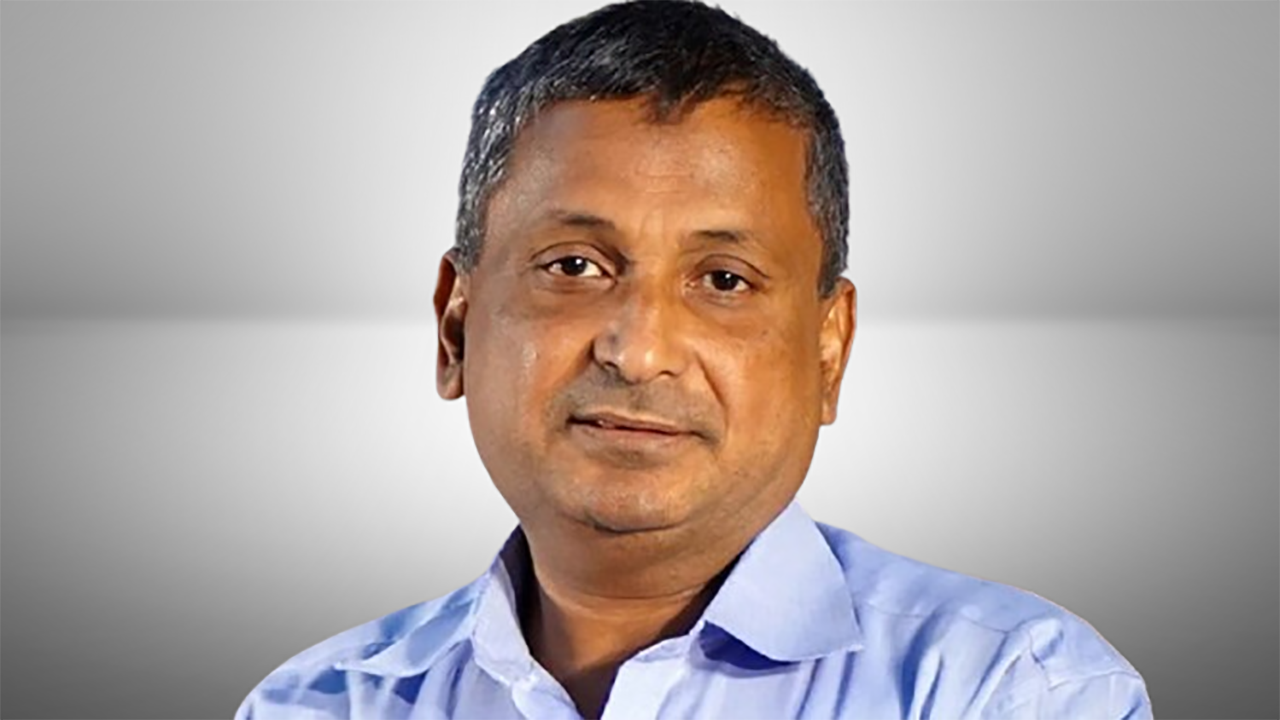
The Dhaka Metropolitan Police (DMP) arrested 296 individuals in a 24-hour regular operation across various areas of the capital. The arrests were made as part of ongoing drives against crime and illegal activities, with 46 cases filed during the same period. The information was confirmed on Thursday morning, July 9, 2026, by Additional Deputy Commissioner Niaz Mehdi of the DMP Media and Public Relations Department. According to the DMP, arrests were made in several zones including Ramna, Lalbagh, Wari, Motijheel, Tejgaon, Mirpur, Gulshan, Uttara, and by the Detective Branch. Police recovered 132 kilograms of cannabis, 14,765 yaba tablets, 2 grams of heroin, and various items such as vehicles, mobile phones, and locally made weapons. The operation also led to the seizure of explosive materials including a cocktail and petrol-filled bottles. Authorities stated that legal actions are underway against the detainees, and the DMP continues its efforts to curb drug trafficking and illegal arms possession in Dhaka.

The Appellate Division of the Supreme Court has directed the re-publication of the merit-based oral examination results for 46,531 candidates from Dhaka and Chattogram divisions in the third phase of the primary school assistant teacher recruitment test. The court also upheld the appointments of 6,531 candidates who had already passed the final results and instructed that 151 petitioners be appointed. The verdict came after a hearing on an appeal related to the recruitment process, led by the Chief Justice. Senior lawyer Advocate Tajul Islam represented the petitioners. He stated that the 2023 recruitment circular had followed an 84 percent quota-based system, which the petitioners challenged, arguing that following a Supreme Court judgment after the July Revolution, recruitment should be 93 percent merit-based. The High Court had earlier declared the previous recruitment invalid and ordered the appointment of the 151 petitioners. The government appealed that decision, and the Appellate Division has now delivered its final ruling, settling the matter with three observations.
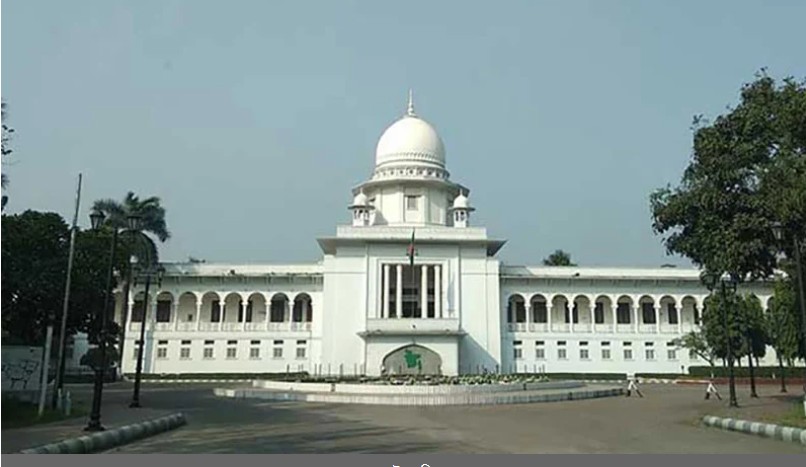
The Appeals Division has upheld the candidacy of BNP candidate Sarwar Alamgir, who won the Chattogram-2 seat in the 13th National Parliament election. Lawyers confirmed that the decision removes any obstacle to his taking the oath as a Member of Parliament. The verdict was announced by the court at 11:30 a.m. on Thursday. Earlier, on January 18 of this year, the Election Commission had canceled Alamgir’s candidacy after a hearing. He then filed a writ petition with the High Court, which on January 27 suspended the Election Commission’s order and allowed him to contest the election. Subsequently, Nurul Amin filed a leave-to-appeal petition against the High Court’s decision. On February 3, the Appeals Division granted leave to appeal, allowing Alamgir to participate in the election but ordered that the results remain suspended until the appeal was resolved. With the latest ruling, his candidacy stands valid, and there is no legal barrier to his oath-taking.
U.S. President Donald Trump claimed at a White House press conference that he is the number one person on TikTok, citing newly released statistics. During his remarks, he jokingly referred to the platform as “Tik Tak.” However, a video he had shared earlier on his own social media did not make such a claim. That video described him as the most followed and most viewed world leader on TikTok, not the most popular user overall. Reports indicate that the 425 billion views cited in support of Trump include all videos related to him, whether supportive, neutral, or critical, and not just those from his official account. Therefore, these views are not a direct measure of personal popularity. In terms of followers, Trump has about 16.7 million, far behind Taylor Swift’s 33.5 million. TikTok’s top creators include Khaby Lame with over 160 million followers, followed by Charli D’Amelio and MrBeast. Trump also discussed TikTok’s Chinese ownership and potential security risks. Available data suggest he may be the most popular among world leaders, but not the top user across the platform.

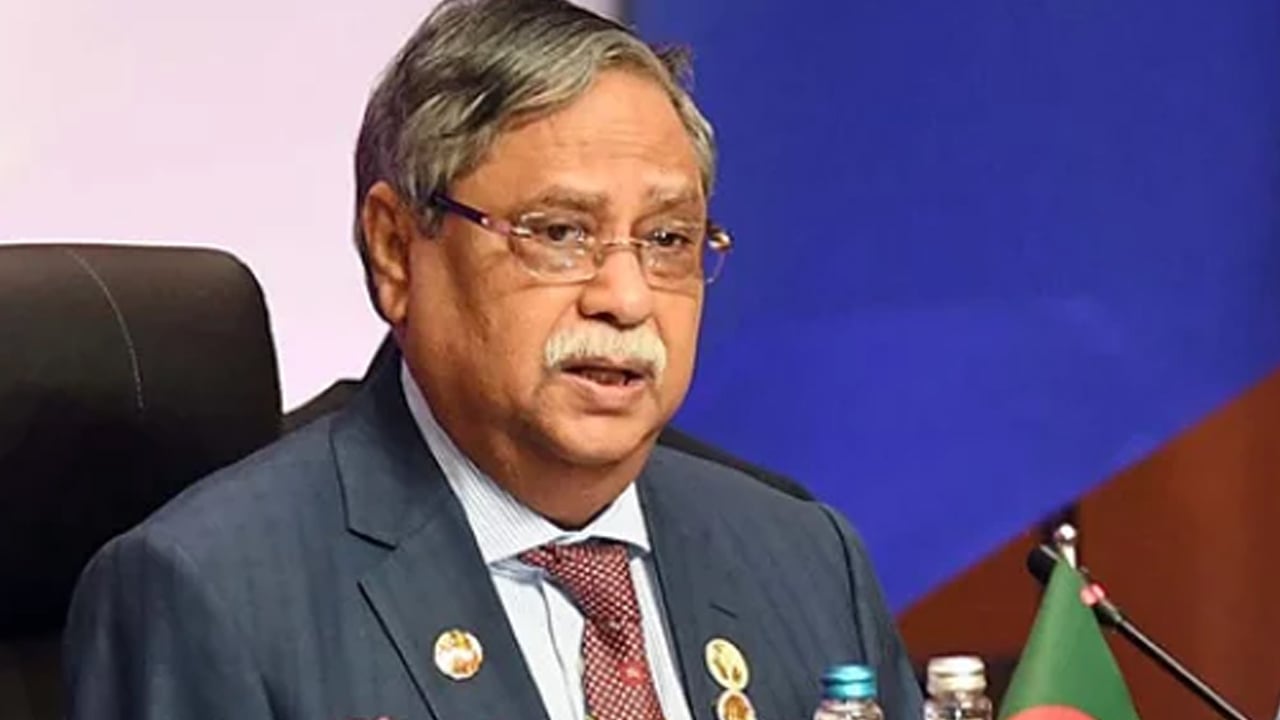
Bangladesh Bank has granted President Md. Shahabuddin special permission to withdraw Tk 2 million from his account at Global Islami Bank, exceeding the withdrawal limits set under the bank resolution scheme. The approval was given on June 16, 2026, following his application in late May through the bank’s Gulshan corporate branch, citing medical and family expenses. Under the resolution scheme, depositors of five merged banks are generally allowed to withdraw up to Tk 200,000, with additional withdrawals of Tk 100,000 permitted every three months for larger deposits. In cases of serious illness, withdrawals of up to Tk 1 million per month may be approved. However, many depositors have complained about difficulties in accessing such special permissions despite medical needs. Bangladesh Bank Executive Director and spokesperson Arif Hossain Khan confirmed the approval, stating that the President’s position and medical reasons were considered. He added that similar exceptions have been granted previously to other depositors facing critical health conditions.
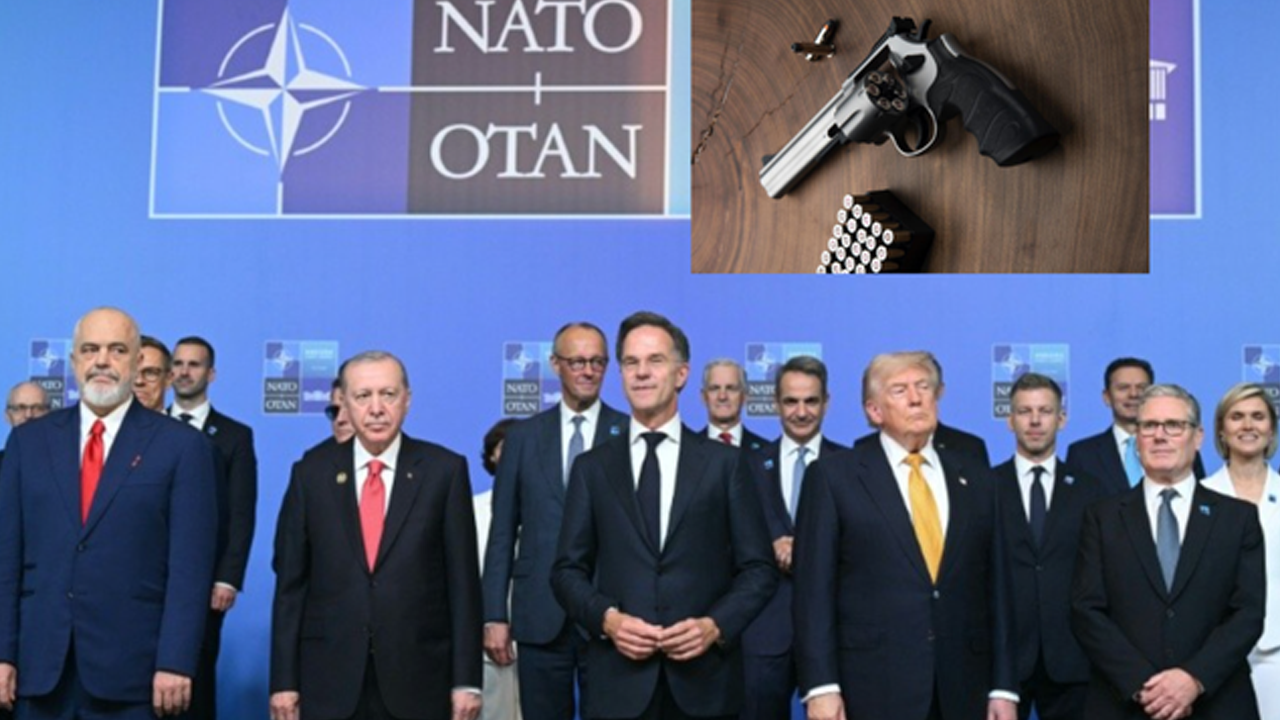
Turkish President Recep Tayyip Erdogan presented each head of state and government attending the NATO summit in Ankara with a personalized revolver loaded with live bullets. Each firearm bore the recipient leader’s name engraved on it. However, the revolver inscribed with UK Prime Minister Keir Starmer’s name was not taken to Britain and remains with British officials in Turkey. Officials said the weapon will be deactivated before being sent to the UK to ensure it cannot fire live ammunition. Erdogan reportedly relaxed Turkey’s export control laws to allow the gifts, though importing live firearms without authorization is illegal in the UK. Downing Street did not release any images of the revolver. During the summit, Prime Minister Starmer and President Erdogan signed a defense agreement aimed at improving intelligence sharing between the two countries. In a post-summit statement, Starmer said NATO had emerged stronger and more united, emphasizing the importance of alliance unity amid ongoing conflicts in Ukraine and Iran. This was Starmer’s final major international summit following his recent resignation announcement.
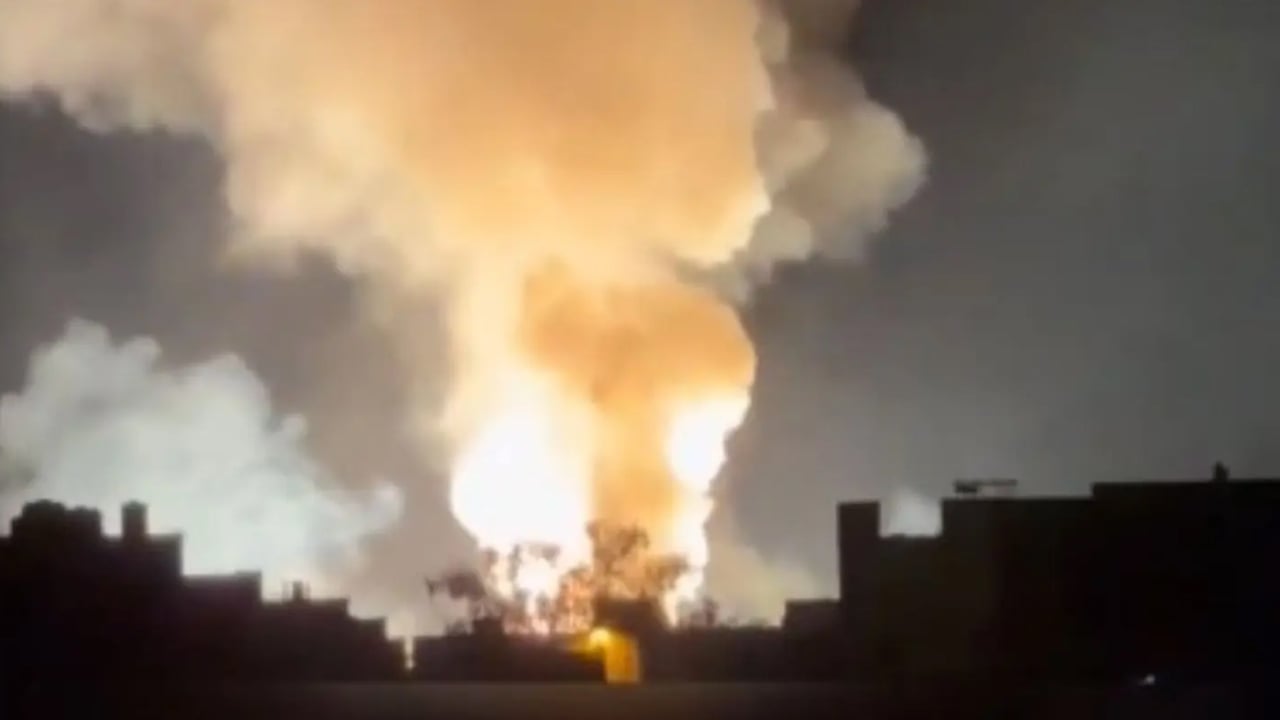
Iran’s Health Ministry announced that at least 14 people were killed and 78 injured in United States airstrikes over the past two days. The US Central Command (CENTCOM) confirmed it had targeted more than 90 sites across Iran. Iranian media reported explosions and attacks in southern coastal cities and the northern Golestan province along the Caspian Sea. On Wednesday night, explosions and power outages occurred at Chabahar port, damaging a hospital, two jetties, and a maritime control tower. A firefighter was killed in a strike on Iranshahr airport, which also damaged the operations building and weather center. Explosions were also reported in Bushehr, where Iran’s UN ambassador said several facilities and Persian Gulf islands were hit. Additional attacks were reported near Bandar Abbas, Abu Musa Island, Sirik, Jask, and Konarak. In northern Iran, a railway bridge in Aqqala was struck, while in Khuzestan province’s Ahvaz area, three people were killed and several injured. Earlier strikes in Bandar Abbas and Bushehr had killed eight members of Iran’s air and naval forces, according to local officials.
Global gold prices fell sharply on Thursday, with spot gold dropping 0.3 percent to 4,066.24 dollars per ounce in Asian trading, according to Reuters. The decline followed renewed military tensions between the United States and Iran, after US President Donald Trump declared that the memorandum to halt war with Iran was no longer valid. Shortly afterward, the US military announced new strikes against Iran in the Strait of Hormuz. The conflict pushed oil prices higher, with crude rising about 5 percent on Wednesday and continuing upward on Thursday. Analysts warned that prolonged Middle East tensions could further raise oil prices and global inflation, prompting the US Federal Reserve to keep interest rates elevated for longer. The dollar and global stock markets also came under pressure. The International Monetary Fund reduced its 2026 global growth forecast to 3 percent, while Bank of America cut its average gold price forecast for 2026 by 14 percent to 4,360 dollars per ounce, citing the likelihood of tighter US monetary policy.

A Bangladeshi expatriate named Md. Mahfuzul Haque was shot dead while delivering food in Philadelphia, United States. The incident occurred on Tuesday night in the Kingsessing area around 9:30 p.m. local time. Police arrived at the 1000 block of South Ethan Street after receiving reports of gunfire and found Mahfuzul lying on the ground with a gunshot wound to the back of his head. His car was still running, and a delivery bag was found nearby. He was taken to a hospital, where doctors declared him dead around 10 p.m. Investigators recovered two shell casings from the scene and believe the victim was shot at close range. Police suspect the killing was targeted or planned. Three individuals dressed in black and wearing masks have been identified as suspects, though their images have not yet been released. Officers also discovered that the address where Mahfuzul was delivering food had not placed any order. A food bag was found about one block away, but authorities have not confirmed whether it is connected to the murder.

The ‘1 Nojor’ media platform is now live in beta, inviting users to explore and provide feedback as we continue to refine the experience.