

The ‘1 Nojor’ media platform is now live in beta, inviting users to explore and provide feedback as we continue to refine the experience.
U.S. President Donald Trump stated that the recent military tensions with Iran would end very soon. Speaking to reporters on Wednesday in Ankara, Turkey, during a NATO summit, Trump said he did not want a prolonged conflict with Iran. Responding to questions about the Strait of Hormuz, he noted that the region would become safer once tensions subsided and that oil tankers would soon move freely through the waterway. Trump also told reporters aboard Air Force One that if Iran attacked any ship in the Strait of Hormuz, the United States would retaliate with twenty times greater force. At the same time, he dismissed the idea of diplomatic talks with Iran, calling them a “waste of time.” He expressed doubt about whether Iran was capable of making a deal. The remarks highlight Trump’s dual stance of avoiding long-term conflict while maintaining a threat of overwhelming military response if provoked.
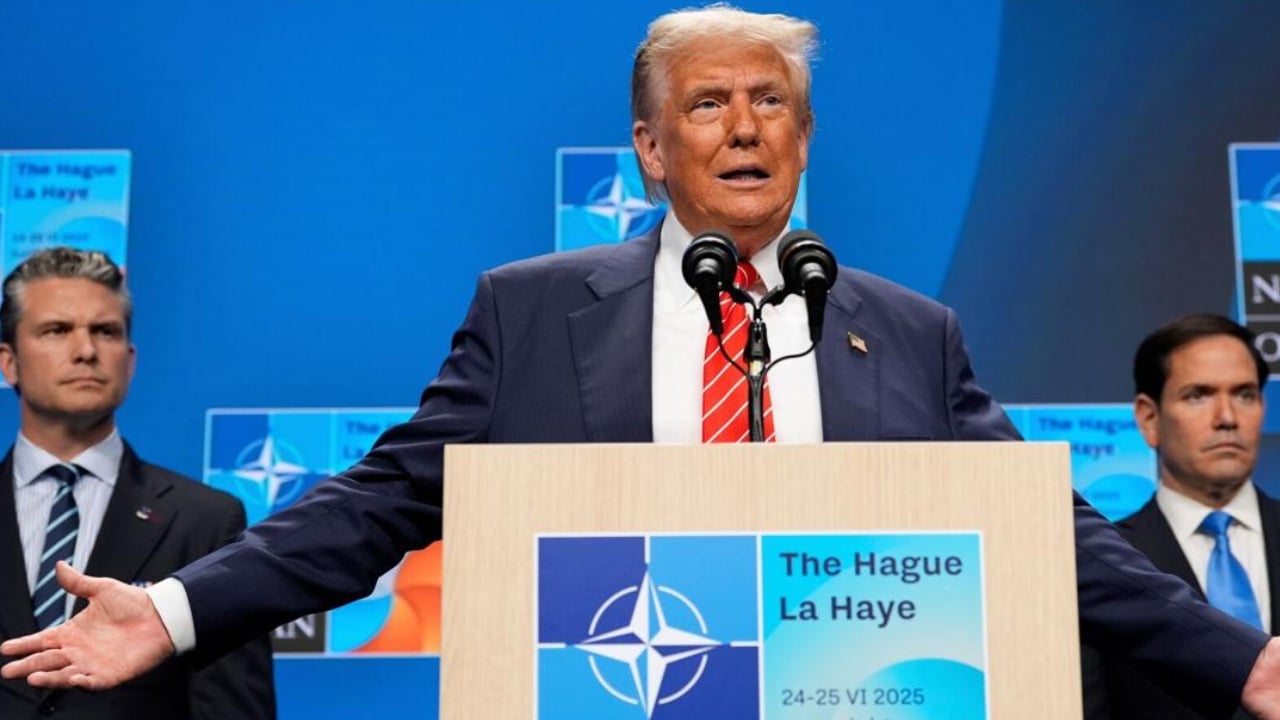
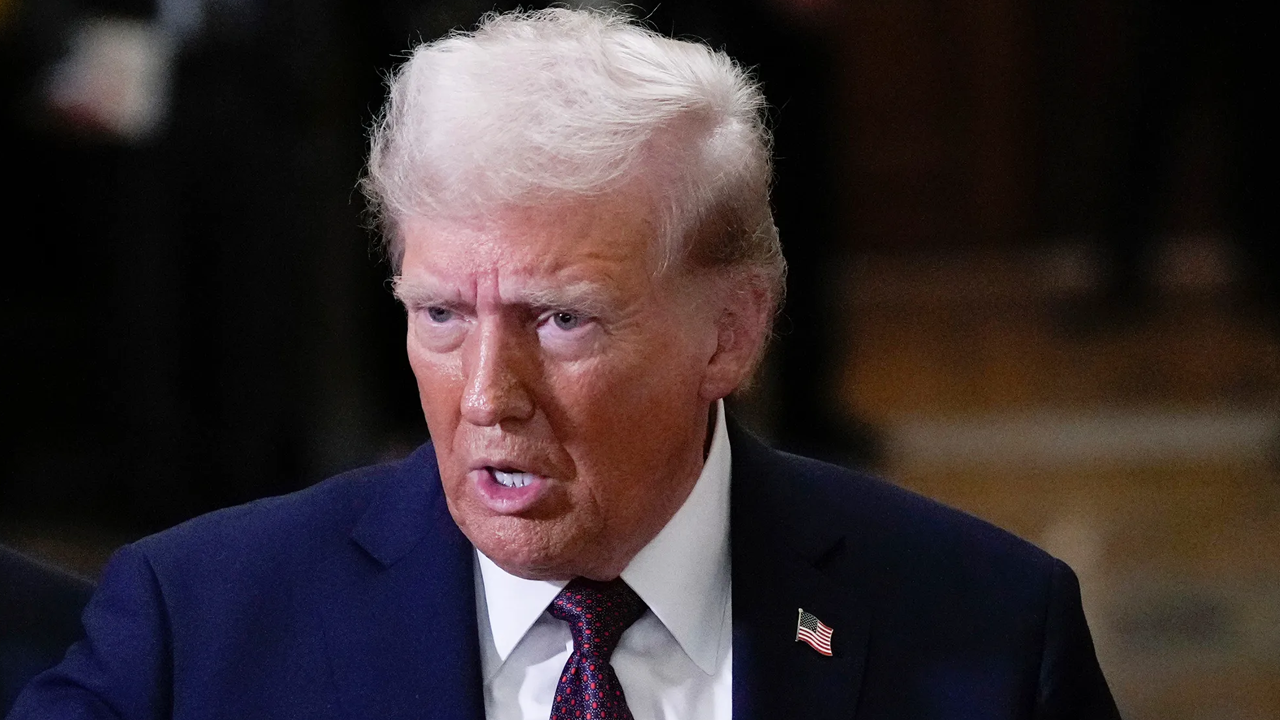
US President Donald Trump has claimed that Iran listed him as the top target on its assassination list. Speaking to reporters at a NATO summit in Turkey, Trump said a new list was released showing his name at number one. He added that due to security concerns, he would not return home on a Boeing aircraft gifted by Qatar but would instead use a former Air Force One plane. The remarks came as tensions between the United States and Iran escalated again despite a ceasefire agreement signed in June. Reports said Iran attacked ships in the Strait of Hormuz, prompting US strikes on Iranian air defense systems, radar sites, and naval vessels. Iran later retaliated with attacks on several military installations in the Gulf region, though US officials reported no American casualties. Trump accused Tehran of repeatedly violating the ceasefire and warned that the US could launch further military strikes if necessary. He also said Iran would never be allowed to acquire nuclear weapons and suggested possible attacks on Iran’s infrastructure or renewed sanctions if tensions persist.
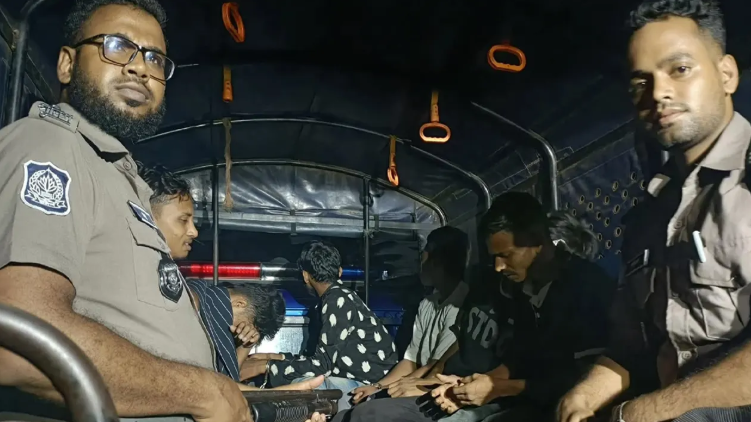
Police in Dhaka’s Mohammadpur area arrested seven individuals, including a man identified as top criminal ‘Kutta Faruk,’ during a late-night operation on Wednesday. The arrests took place in the Shekhertek area as the group allegedly prepared for a robbery and an attack on police informants. Officers recovered machetes, samurai swords, and several other locally made sharp weapons from the suspects. According to police, the group led by Faruk had planned to rob a poultry farm and retaliate against informants following the recent arrests of two local gang leaders, Billal Hossain alias Vaista Billal and Moura Sohel. Authorities also alleged that hired criminals from Shariatpur and Madaripur were brought in to assist in the planned attacks. Following the arrests, local residents and victims gathered at the scene, expressing frustration that many detainees often secure bail quickly and return to criminal activities. Police said legal action has been initiated against the arrested individuals.
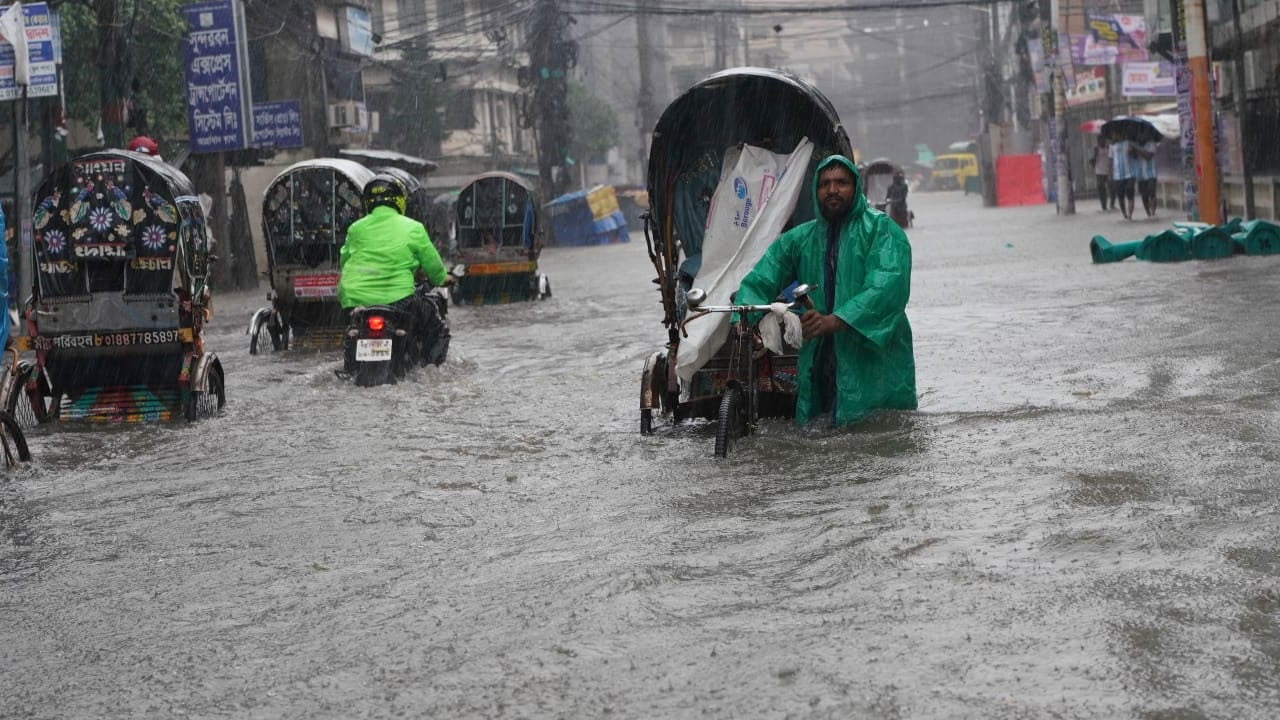
Chattogram has been experiencing continuous heavy rainfall for several days, with 336 millimeters recorded in the 24 hours up to 9 a.m. Thursday, according to the Ambagan weather office. Over the previous four days, the city received 834 millimeters of rain, and another 33 millimeters fell between 6 a.m. and 9 a.m. The weather office forecast that the intense rainfall will continue until July 11. Low-lying neighborhoods across the city remain submerged, including Muradpur, Chawk Bazar, Kapasgola, Katalganj, Agrabad, Commerce College Road, 2 No. Gate, Soloshahar, Panchlaish, Patenga, Firozshah, Akbarshah Bishwo Colony, and Uttar Pahartali. The flooding has been attributed to a collapsed drainage system and encroachment on canals and drains. Normal life has been severely disrupted as homes and businesses in low areas are inundated. Public transport has been largely paralyzed, with many vehicles breaking down in floodwaters. Residents are facing severe hardship, and reports indicate that some transport operators are charging extra fares. Landslides triggered by the rain have already caused three deaths in Sitakunda and Chattogram city.
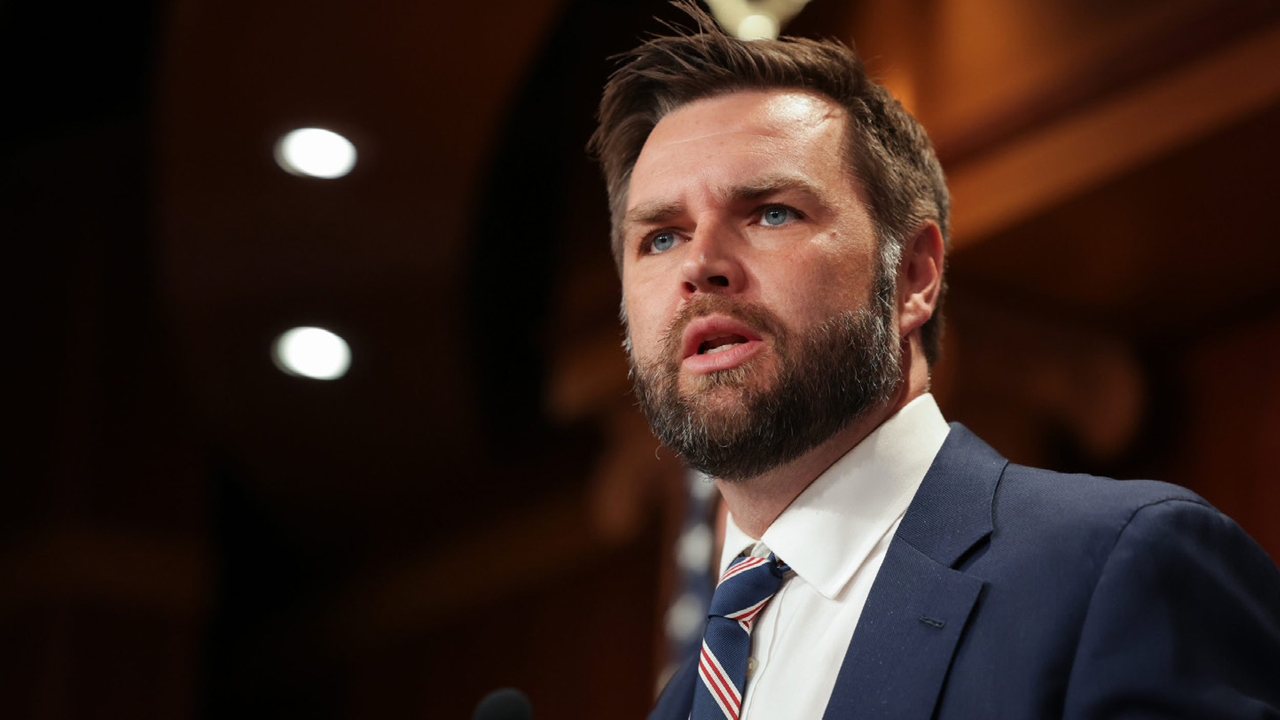
US Vice President JD Vance has issued a direct warning that the United States will launch military action if Iran attempts to close the Strait of Hormuz. Speaking at a press briefing in Washington, D.C., on Wednesday, Vance said that any such move by Iran would trigger a firm response from US forces. He described this as the final position of the US government. Vance referred to an earlier understanding between the two sides, explaining that the agreement required Iran to stop attacking ships in exchange for the lifting of US blockades. However, he stated that continued attacks on vessels would invite retaliatory strikes. Pointing to an incident that occurred the previous night, Vance cautioned Iran that it could either comply with the rules or face similar consequences. He further emphasized that US measures would continue as long as Iran failed to keep the shipping route open and persisted in attacking ships, underscoring Washington’s readiness to maintain pressure until maritime security is restored.
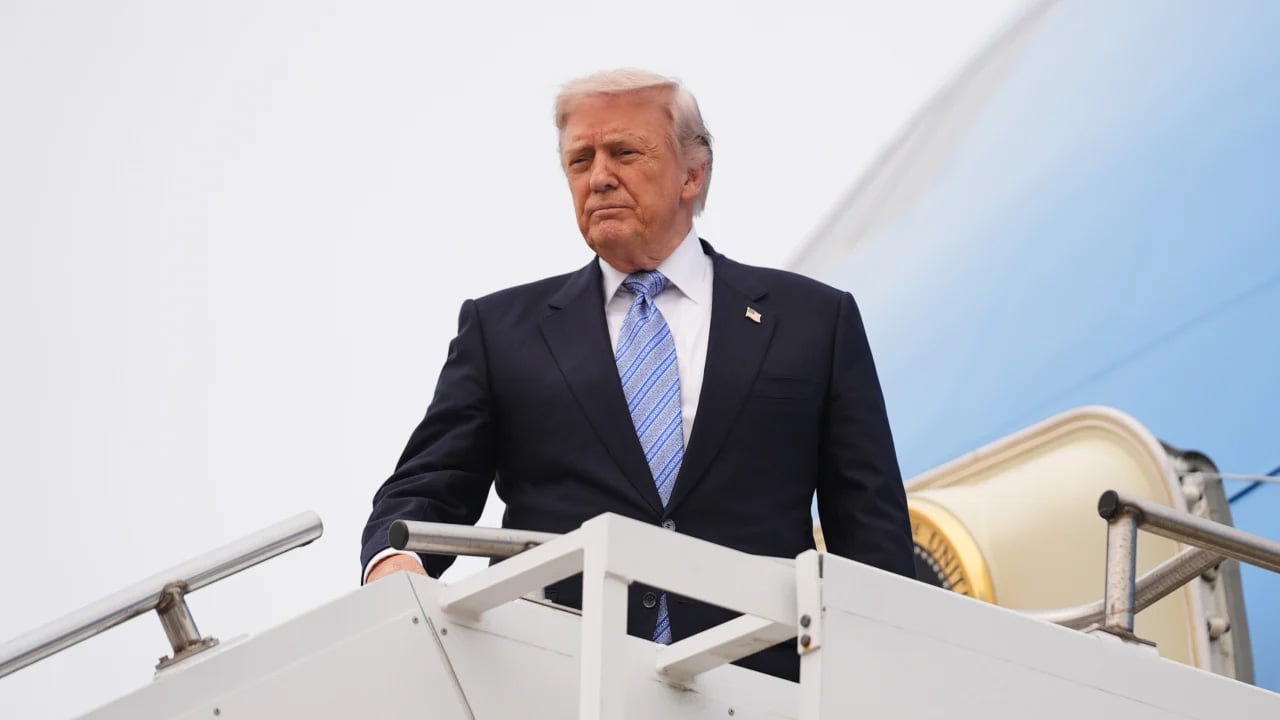
U.S. President Donald Trump has issued a renewed warning to Iran, declaring that any Iranian attack on ships in the Strait of Hormuz will be met with a response twenty times stronger. Speaking to reporters aboard Air Force One on Wednesday night, Trump said this would now be the rule: for every Iranian strike, the United States would retaliate with twenty times greater force. Trump dismissed the idea of diplomatic talks with Iran, calling them a waste of time and expressing doubt about Iran’s ability to honor any agreement. He claimed that the United States had already won the war against Iran and asserted that Iran had little left. According to Trump, Iran wants a deal but behaves irrationally and appears out of control. When asked whether the United States was heading toward a full-scale military conflict with Iran, Trump said he did not know but insisted that the U.S. had many ways to win and had already achieved military victory.
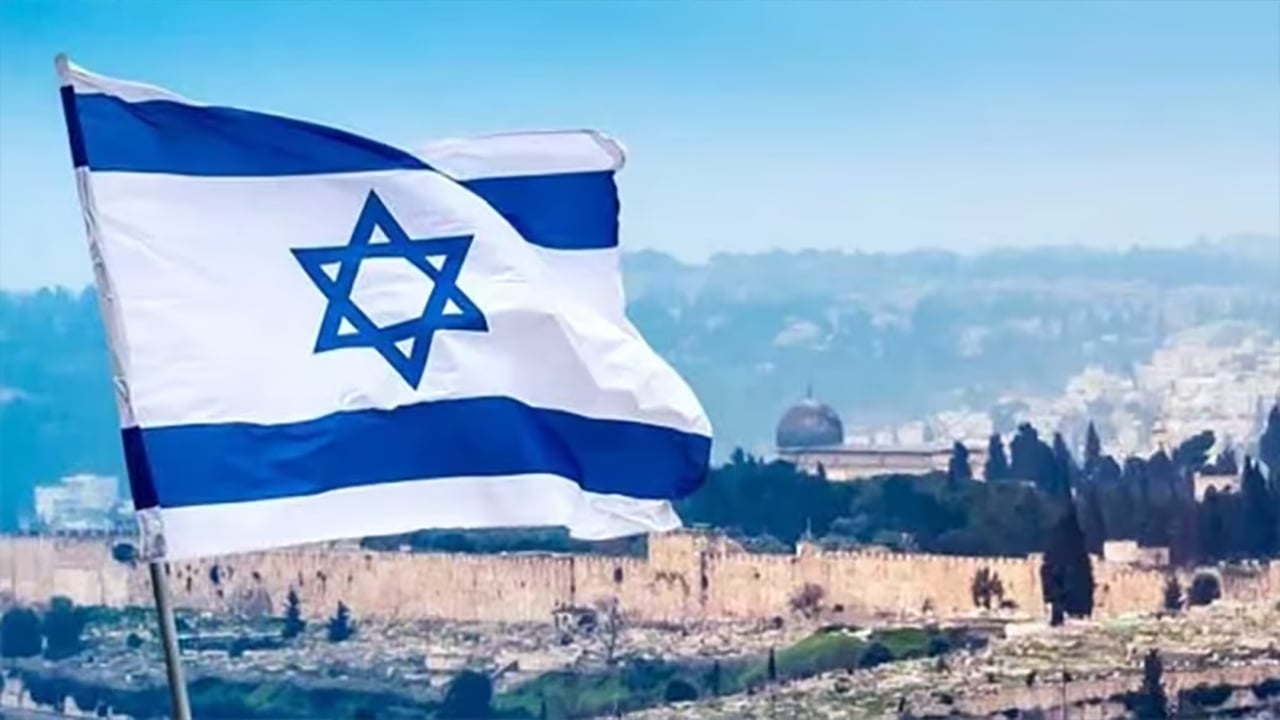
Israel, after years of military operations against Palestinians and neighboring states, has now identified Turkey as its next major adversary following setbacks in its joint campaign with the United States against Iran. The article reports that Israeli Prime Minister Benjamin Netanyahu and his far-right ministers have begun portraying Turkey as a new strategic threat, echoing earlier rhetoric used against Iran. Former Prime Minister Naftali Bennett publicly labeled Turkey as the 'new Iran' during a February conference, accusing Ankara of forming a hostile Sunni alliance with Saudi Arabia and Pakistan. In response, Netanyahu announced plans to form a counter-alliance with India, Greece, and Cyprus to confront what he described as a Turkey-led bloc. Analysts cited in the report note that while Israel perceives growing threats from Turkey, Egypt, Saudi Arabia, and Pakistan, there is no formal defense pact or coordinated military planning among these states. Experts from King’s College London and Chatham House suggest that Israel’s heightened threat narrative may serve internal political purposes rather than reflect an imminent regional coalition. The report concludes that whether such a confrontation materializes depends more on Israel’s strategic choices than on the intentions of Ankara, Cairo, Riyadh, or Islamabad.
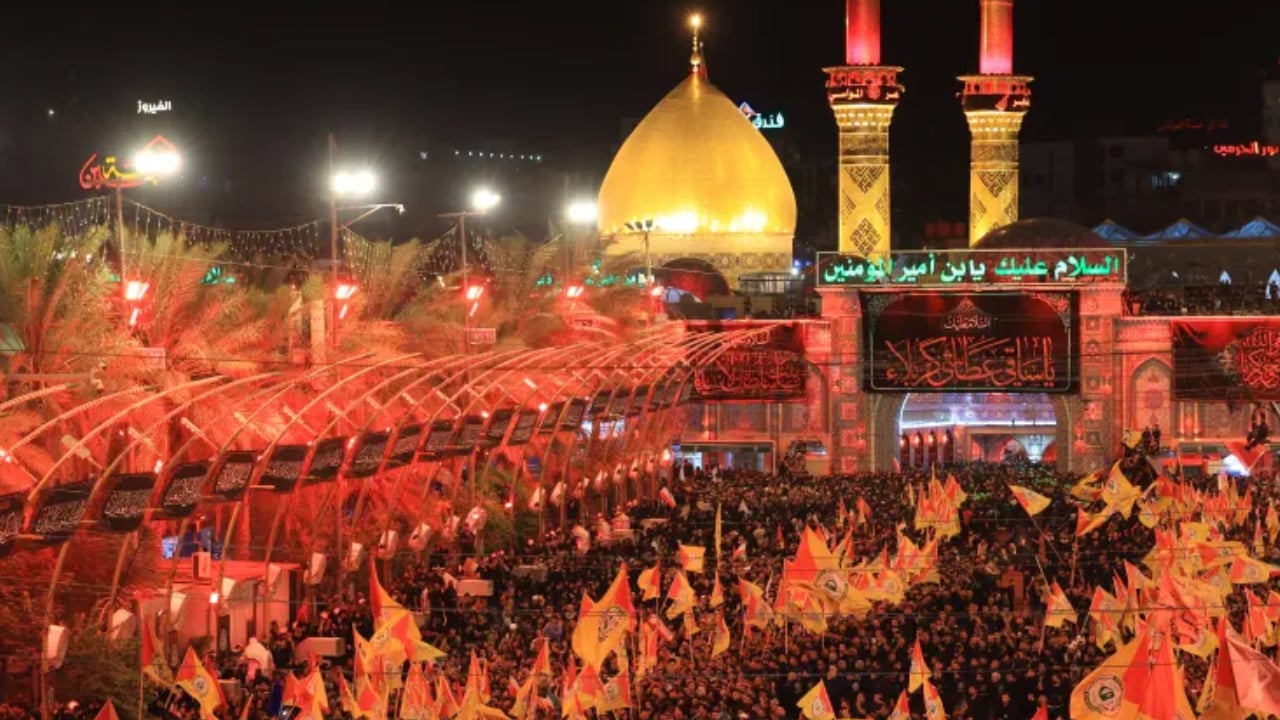
Iran’s Islamic Revolutionary Guard Corps (IRGC) has accused the United States of launching new attacks aimed at overshadowing the final farewell ceremony of Ayatollah Ali Khamenei. According to the IRGC, US forces struck several bridges along the road to Mashhad, where Khamenei is scheduled to be buried on Thursday. The group stated that the attacks targeted bridges in southern coastal provinces and two bridges in eastern provinces leading to the holy city of Mashhad. In a statement, the IRGC said Iran retaliated by striking targets in Bahrain and Kuwait. The force warned that if the United States carries out further attacks, Iran will launch severe retaliatory strikes on other American bases in the region. Earlier, Iranian state media IRIB reported that US forces fired seven missiles at the Ak Tekhe Khan bridge outside the city of Akkala. The IRGC described the US actions as an attempt to diminish the significance of what it called a “historic” farewell ceremony for Khamenei.
Global oil prices increased following new US airstrikes in Iran that killed eight Iranian soldiers. According to Reuters, as of 12:54 a.m. GMT, Brent crude rose by 78 cents, or 1 percent, reaching 78.80 dollars per barrel. The US benchmark West Texas Intermediate (WTI) crude also climbed 74 cents, or 1.01 percent, to 74.26 dollars per barrel. Iran’s state news agency IRNA confirmed that the US strikes occurred early Wednesday in southern Iran, targeting areas near Bandar Abbas and Bushehr. The casualties included members of Iran’s air and naval forces. In response, Iran’s Islamic Revolutionary Guard Corps (IRGC) claimed to have launched retaliatory missile and drone attacks on key US military bases in Kuwait and Bahrain. The IRGC stated through state broadcaster IRIB that the attacks marked the first phase of a “punitive response,” targeting Camp Arifjan and Ali Al Salem bases in Kuwait, as well as Juffair and Sheikh Isa bases in Bahrain.

Police in Savar recovered the body of Babul, known locally as Kana Babul, a 55-year-old man accused in multiple criminal cases, from his residence in Dilkusha Bagh early Wednesday night. Officers from Savar Model Police Station took the body to the station before sending it for autopsy at Shaheed Suhrawardy Medical College Hospital in Dhaka. According to police sources, Babul had recently been released on bail after a long period in custody. Investigators said he locked his room from inside and allegedly took his own life by hanging on Wednesday evening. Neighbors discovered the hanging body around 11 p.m. after breaking open the door and informed the police. Reliable sources indicated that Babul was accused in numerous cases, including murder, robbery, mugging, and drug-related offenses, such as the killing of a night guard at Razzak Plaza near Savar bus stand.

A column published on July 9, 2026, in the Bangladeshi newspaper Amar Desh by writer Minar Rashid sharply criticizes Meher Afroz Shaon, widow of author Humayun Ahmed, accusing her of offending national sentiment through a recent online post labeled “July CDI.” The writer alleges that despite public outrage, no state action has been taken against her due to her social standing and connection to the late author. The article expands its criticism to what it describes as widespread hypocrisy among Bangladesh’s cultural and intellectual elites. It argues that many prominent figures in the arts and media have used moral and patriotic rhetoric while engaging in personal and political misconduct. The writer connects these issues to broader moral decline and political influence within the ruling party. The column also revisits Humayun Ahmed’s personal life, portraying his marriage to Shaon as a moral and cultural rupture that shocked the nation. It concludes by calling for an investigation into Shaon’s activities, linking them to political and ideological manipulation within Bangladesh’s cultural sphere.
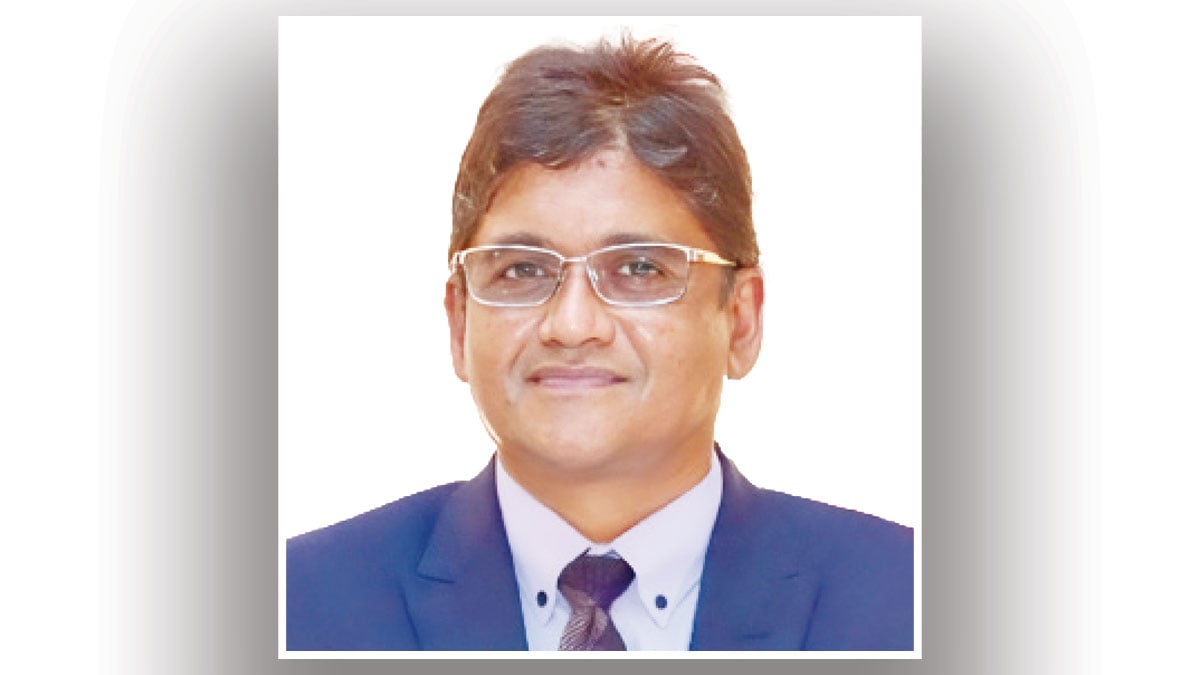
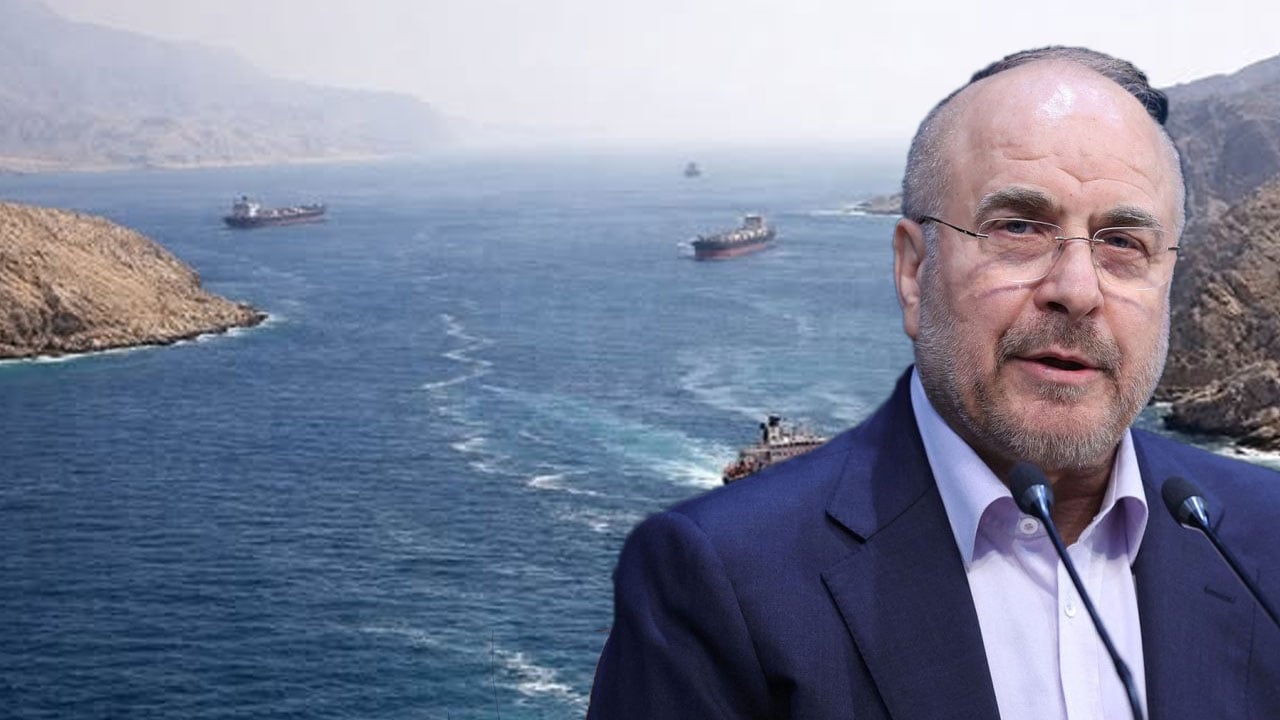
Iranian Parliament Speaker Mohammad Bagher Ghalibaf has warned the United States that the management of maritime navigation in the Strait of Hormuz will be determined by Tehran, not by Washington’s threats. In a post on social media platform X, Ghalibaf stated that the era of escaping consequences after breaking promises is over and cautioned that any attack would be met with a counterattack. He further urged the United States not to exert pressure regarding the strategic waterway, emphasizing that decisions about its operation will follow Iranian regulations. Addressing former U.S. President Donald Trump, Ghalibaf said that unnecessary displays of power would only worsen America’s situation. The remarks, reported by Al Jazeera and Middle East Eye, underline Iran’s firm stance on controlling the Strait of Hormuz, a critical maritime route, amid ongoing tensions with the United States.
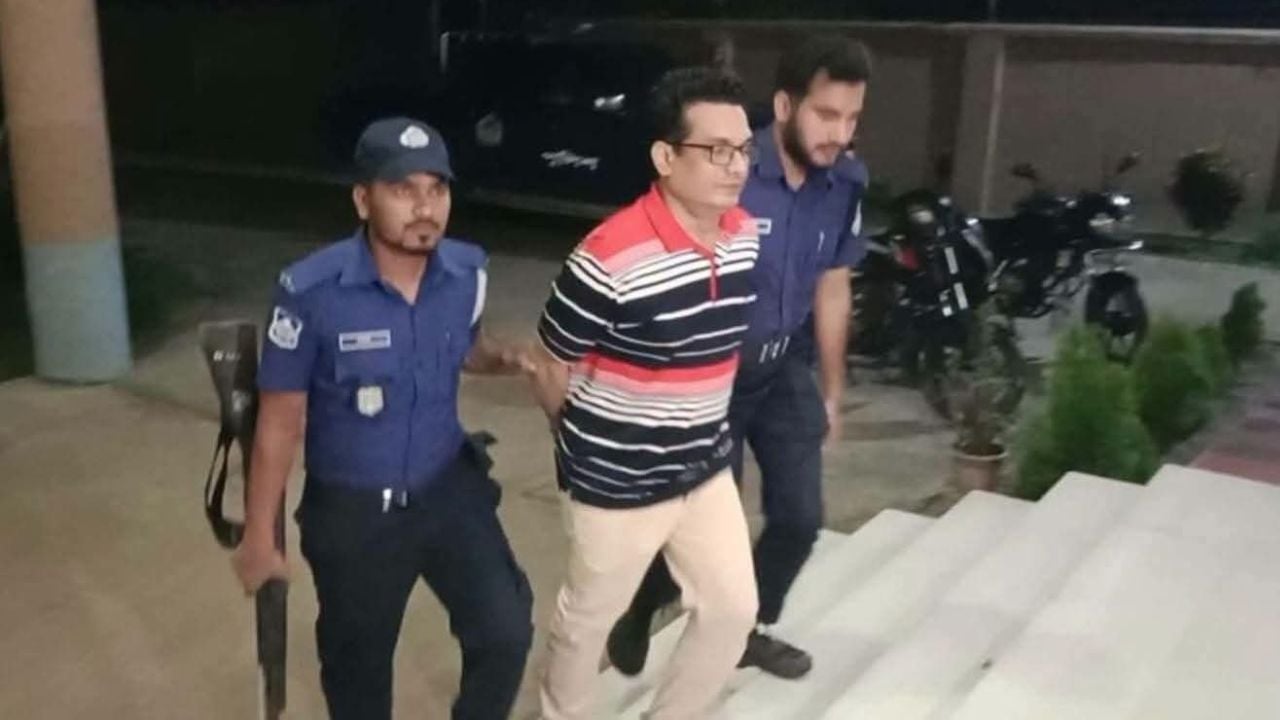
Immigration police at Benapole land port detained Shahriar Karim Russel, a passport holder, on Wednesday evening while he was attempting to travel to India. Authorities said his name appeared on a top security list during routine verification, prompting his detention. He was later handed over to Benapole Port Police Station for legal action. According to police sources, Russel is the son of Robiul Karim from Arappur Ukilpara in Jhenaidah town and is known locally as 'Bhatija Russel'. He serves as the current president of the Jhenaidah district unit of the Volunteer League. Police further stated that a case under the Anti-Terrorism Act is pending against him, which led to his inclusion on the immigration top list. Officials from Benapole Port Police confirmed that Jhenaidah police have been informed to take custody of the detainee for further legal proceedings.
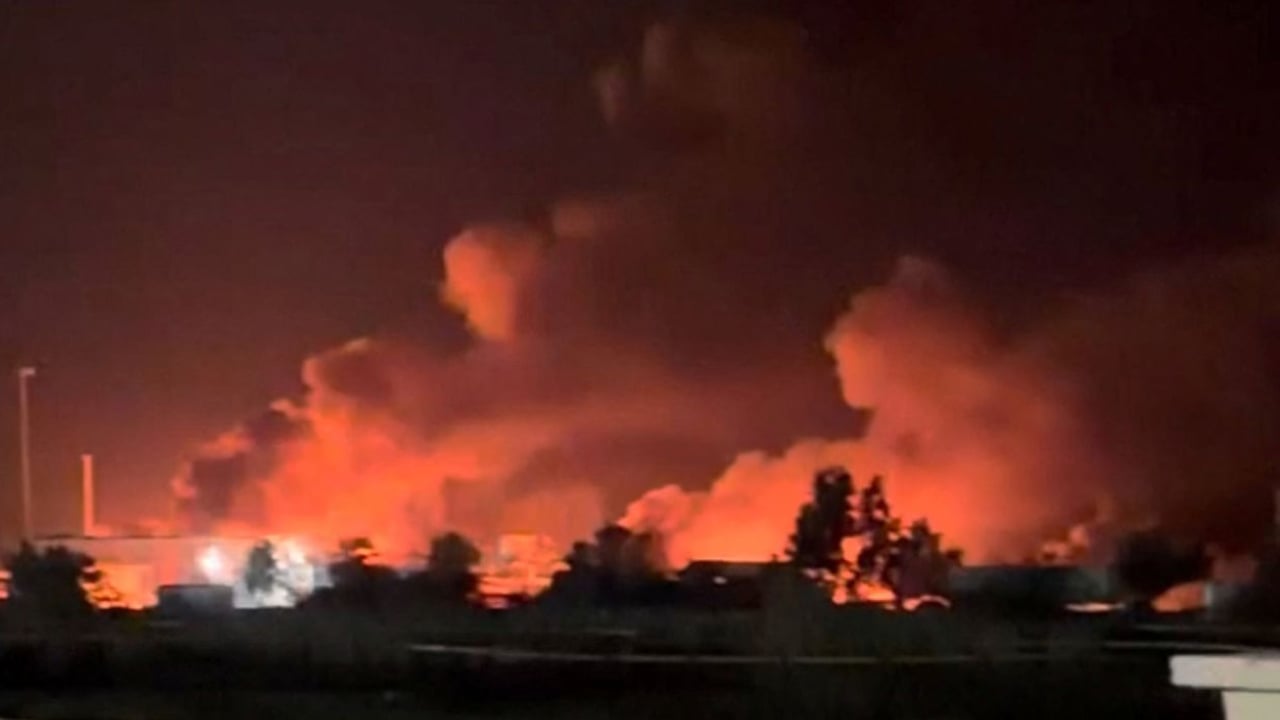
The United States military has announced that it carried out strikes on 90 targets inside Iran in a new phase of operations. According to the US Central Command (CENTCOM), the attacks were conducted in response to Iranian assaults on commercial ships and civilian sailors in the Strait of Hormuz. CENTCOM stated that the strikes targeted Iranian military assets along the coast, including air defense systems, coastal surveillance equipment, missile and drone storage facilities, naval capabilities, and logistical infrastructure. The operation marks an escalation following an earlier US strike on more than 80 Iranian targets earlier in the week. The report, citing Al Jazeera, indicates that the US action is part of a continuing military response to maritime threats in the region, though further details on casualties or damage were not provided.
A parent allegedly assaulted the head teacher of Farmpara Government Primary School in Chuadanga town on Wednesday afternoon. According to school sources, Samsur Rahman Shuvo entered the school around 12:20 p.m., behaved rudely, and then slapped head teacher Kaberi Karim inside her office. Other teachers intervened and removed him from the room. The incident followed a disciplinary action earlier that day when the teacher lightly slapped Shuvo’s daughter, a third-grade student, for talking during assembly. The assault video later spread on social media, prompting widespread anger and concern among teachers. Kaberi Karim said she disciplined the student gently and never expected a parent to physically attack her. She expressed fear for her safety and hesitation to return to school. The Chuadanga District Primary Teachers’ Association condemned the incident, calling it a threat to teachers’ dignity and security. Police confirmed awareness of the case and stated that legal action would follow upon receiving a written complaint from the school. The incident has raised concerns about teacher safety and the need for stronger measures to prevent violence in educational institutions.

The ‘1 Nojor’ media platform is now live in beta, inviting users to explore and provide feedback as we continue to refine the experience.