

The ‘1 Nojor’ media platform is now live in beta, inviting users to explore and provide feedback as we continue to refine the experience.
Registration of property gift and donation deeds has been suspended in several parts of Bangladesh for days due to complications arising from the newly imposed donation tax and the introduction of automated e-challan payment systems. The lack of prior understanding of the e-challan process has also led to a sharp decline in the number of sale deeds, reportedly falling to half of previous levels. Overall, deed registration activity at sub-registrar offices has dropped to one-third of normal, resulting in reduced government revenue. To address the confusion, the National Board of Revenue (NBR) issued a clarification circular on Tuesday. The circular explains that under the Income Tax Act 2023 and the Withholding Tax Rules 2026, donation tax must be collected via e-challan for property transfers through gifts or donations, but not for sales. It also specifies that land tax receipts must show payment for fiscal year 2026–27, and certain urban property transactions require submission of income tax returns before registration. Officials expressed hope that the clarification will resolve confusion and restore normal registration activities soon.

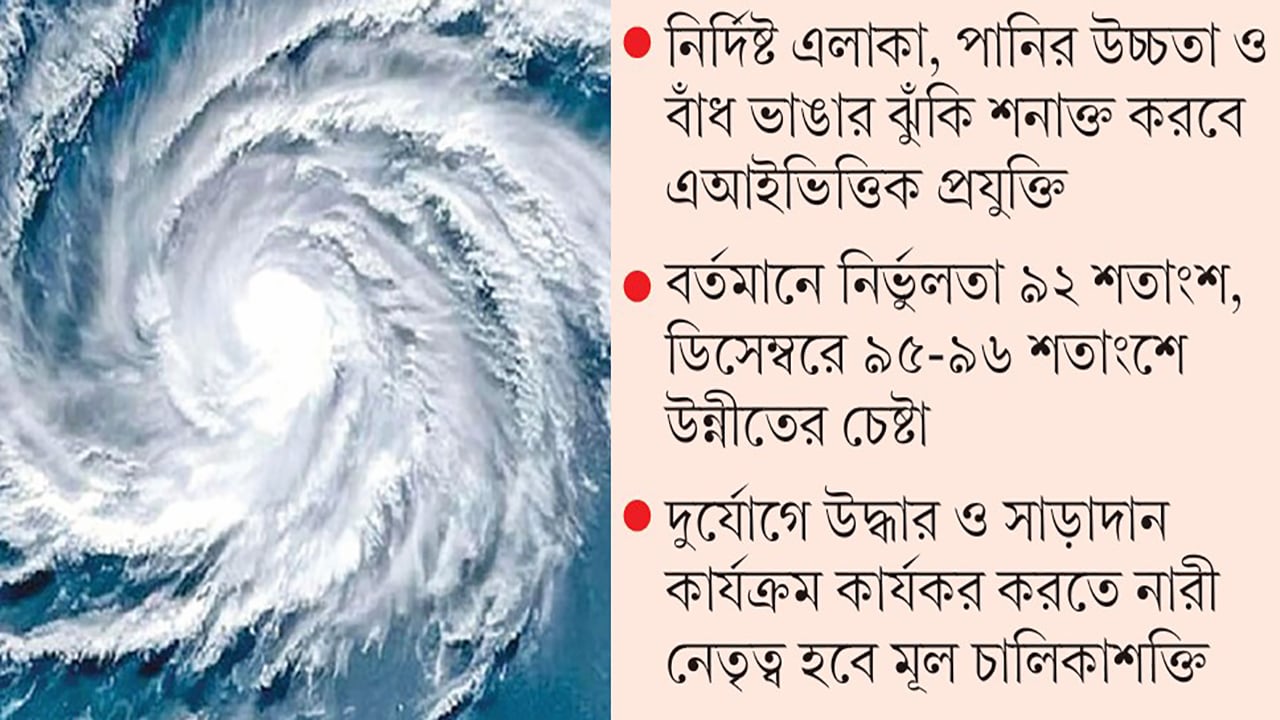
A new artificial intelligence (AI)-based scientific application named 'Surf IT' is being developed to provide accurate storm surge forecasts up to three days before cyclones in Bangladesh. The project, currently in its experimental phase, aims to identify potential surge locations, water heights, flooded areas, and vulnerable embankments. It is being implemented under the leadership of the NGO Uttaran, in collaboration with Action Against Hunger and North South University, with technical support from the Bangladesh Meteorological Department, Flood Forecasting and Warning Centre, Water Development Board, and the Department of Disaster Management. The model, developed with international cooperation and inspired by European Union and US forecasting systems, currently achieves about 92 percent accuracy, with a goal to reach 95–96 percent by December. It also integrates local knowledge to improve prediction of embankment vulnerabilities. The initiative emphasizes women’s leadership in disaster response, as many men from coastal areas work away from home for much of the year. Officials plan to hand over the technology to the government after testing, enabling its integration into the national disaster forecasting system to strengthen Bangladesh’s coastal resilience.
India’s stock markets plunged sharply after U.S. President Donald Trump declared the Iran peace deal “over,” erasing about eight lakh crore rupees in market value within hours. On Wednesday, the Nifty index fell 2.12% to 23,882.05 points and the BSE Sensex dropped 2.15% to 76,503.60 points, marking their steepest decline in three months. The announcement also rattled global markets, with major indices in Europe, Asia, and the U.S. futures all falling. The renewed Middle East tensions pushed Brent crude oil prices up 6.3% to nearly $79 per barrel, the highest in two weeks, after reports of U.S. and Iranian strikes on each other’s targets. As the world’s third-largest oil importer, India faces rising import costs and inflationary pressure when oil prices surge. The rupee weakened 0.62% to 95.555 per U.S. dollar. Analysts said the developments heightened concerns over energy supply and foreign investor sentiment. Heavy selling by foreign investors, especially in financial and IT sectors, contributed to the broad-based decline across all 16 major sectoral indices.

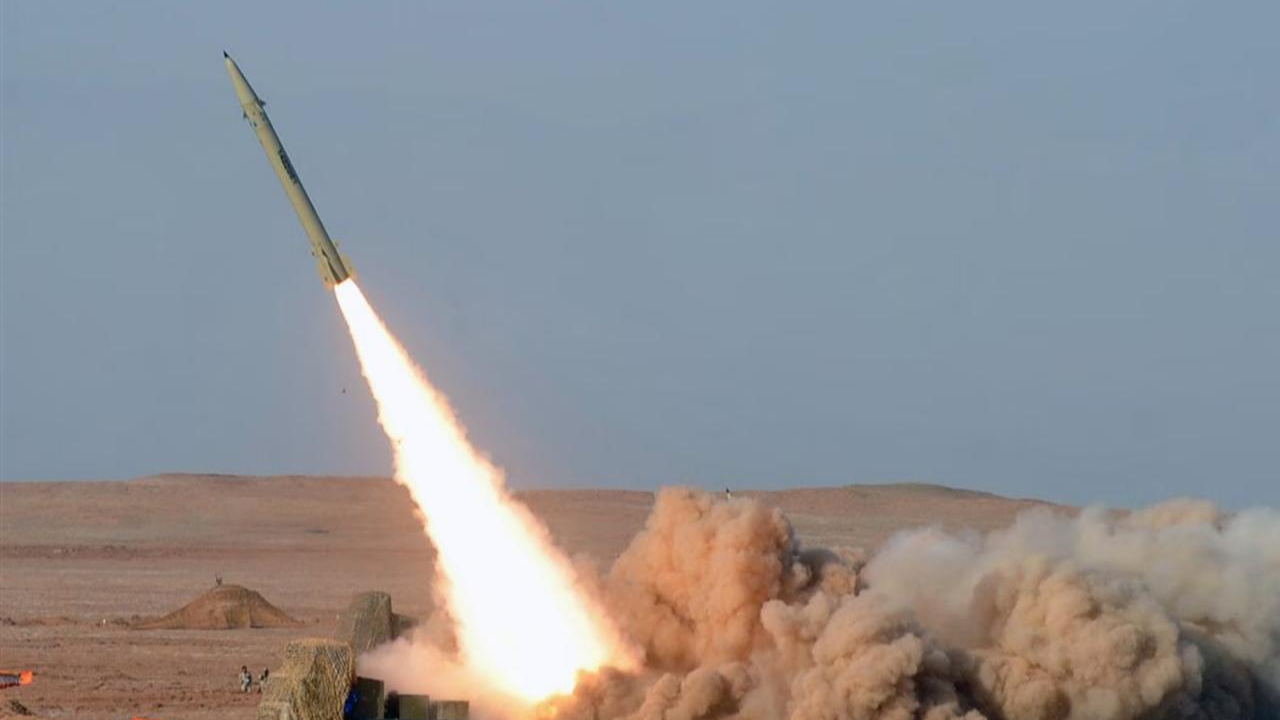
Iran’s Islamic Revolutionary Guard Corps (IRGC) has claimed responsibility for missile and drone attacks on US military bases located in Kuwait and Bahrain. According to a statement broadcast on Iran’s state media IRIB, the IRGC said the strikes were part of a ‘punitive response’ to recent US attacks. The targeted sites reportedly included Camp Arifjan and Ali Al Salem bases in Kuwait, as well as Juffair and Sheikh Isa bases in Bahrain. The report added that the US assault in southern Iran killed eight Iranian soldiers, identified as members of the country’s air and naval forces, in Bandar Abbas and Bushehr. The incident occurred early Wednesday, following threats from US President Donald Trump. Iran’s senior adviser to the Supreme Leader, Ali Akbar Velayati, warned that the United States would face an appropriate response for its ‘recklessness’ and accused Washington of destabilizing the Gulf region. The exchange of attacks marks a sharp escalation in tensions between Tehran and Washington, raising concerns about renewed instability across the Gulf region.
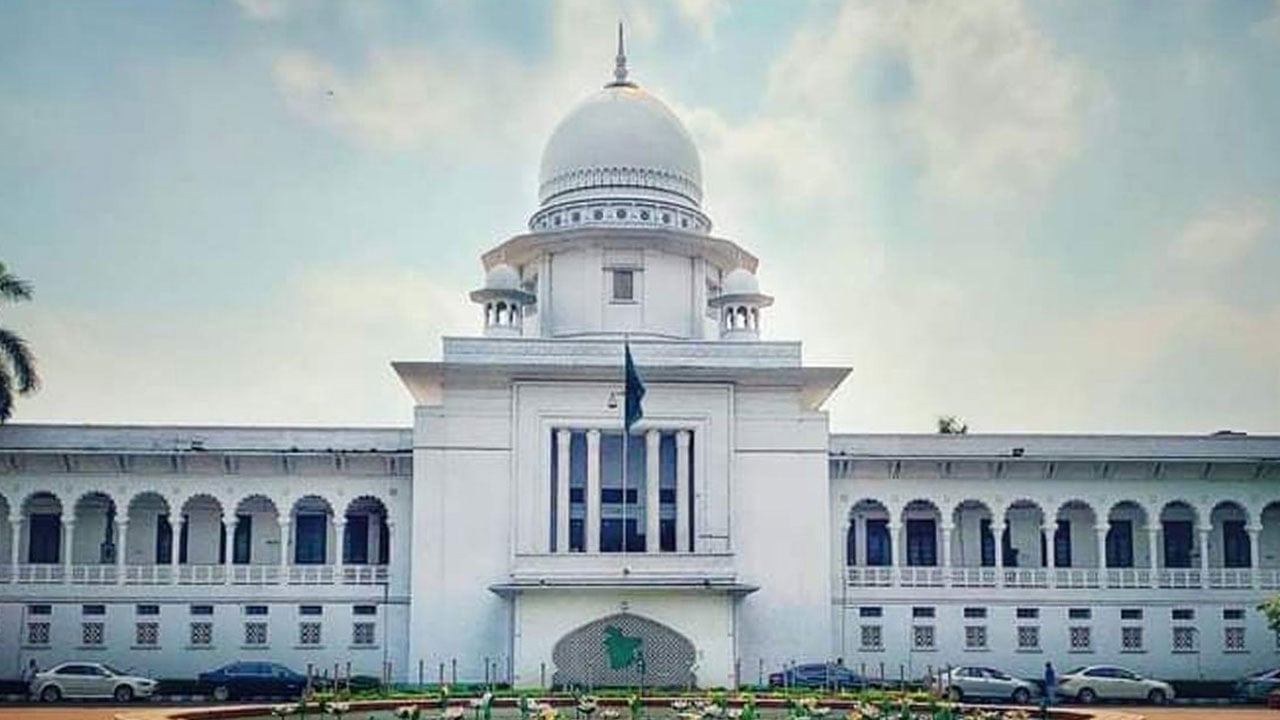
The Appellate Division of Bangladesh’s Supreme Court is set to deliver its verdict today, Thursday, on appeals challenging a High Court ruling that declared parts of the 15th constitutional amendment illegal. The four-member bench, led by Chief Justice Zubayer Rahman Chowdhury, concluded hearings on Wednesday after three consecutive days of proceedings. The Attorney General Ruhul Kuddus Kajol had urged the court to leave the matter to Parliament, while earlier hearings included arguments from Sujan Secretary Badiul Alam Majumdar, Jamaat-e-Islami, and other parties. The 15th amendment, passed by Parliament on June 30, 2011, abolished the caretaker government system and introduced 54 changes to the Constitution, including the formal recognition of Sheikh Mujibur Rahman as the Father of the Nation. Following a change of government, five prominent citizens, including Majumdar, filed a writ petition seeking to nullify the amendment. On December 17, 2024, the High Court declared several provisions unconstitutional, including sections 20 and 21 concerning the abolition of the caretaker system. The petitioners later appealed that decision, leading to the current Supreme Court proceedings. The verdict is expected to clarify the constitutional status of the caretaker government system and related provisions.
The Bangladesh government has moved to finalize the draft of the ninth national pay scale, proposing several structural changes. A secretary committee has recommended adjusting the ratio between the highest and lowest basic salaries from 1:8 to 1:7.5, along with revisions to various allowances and a two-phase implementation plan. Although the new pay scale was announced to take effect from July 1, the official gazette has not yet been issued, and the Ministry of Finance expects a delay of two to three months. The draft also includes differentiated annual increments by grade instead of a uniform rate. Data from the Bangladesh Bureau of Statistics’ Living Standard Survey 2025 has been used to guide the new structure, reflecting average household expenses. The pay commission proposed a top basic salary of Tk 160,000 and a minimum of Tk 20,000, but the secretary committee is considering Tk 150,000 for the top grade and a slightly lower minimum. Allowances such as medical and education benefits are likely to be lower than the commission’s recommendations but higher than current levels. Implementation will occur in two stages: basic salary increases in the current fiscal year and allowance adjustments from 2027–28. The proposal is expected to reach the cabinet within two weeks for approval.

Five people, including a child, were killed when a landslide struck two houses in Lama upazila of Bandarban district early Thursday. The incident occurred in Missionpara area of Aziznagar Union following days of heavy rainfall. The victims were identified as Md Yunus, his wife Ranu Akter, their four-year-old son Md Soleman, and another couple, Jewel and his wife Kulsum Akter. A union parishad member, Rehana Begum, was injured in a separate landslide the same night. Local authorities confirmed the deaths and said police, fire service, and civil defense teams, along with residents, carried out rescue operations. The bodies were later handed over to relatives. Lama police said an unnatural death case would be filed over the incident. According to the upazila executive officer, residents living at the foot of hills had been repeatedly urged to move to safer areas due to continuous rain, but many ignored the warnings. The administration has pledged full support to the affected families.

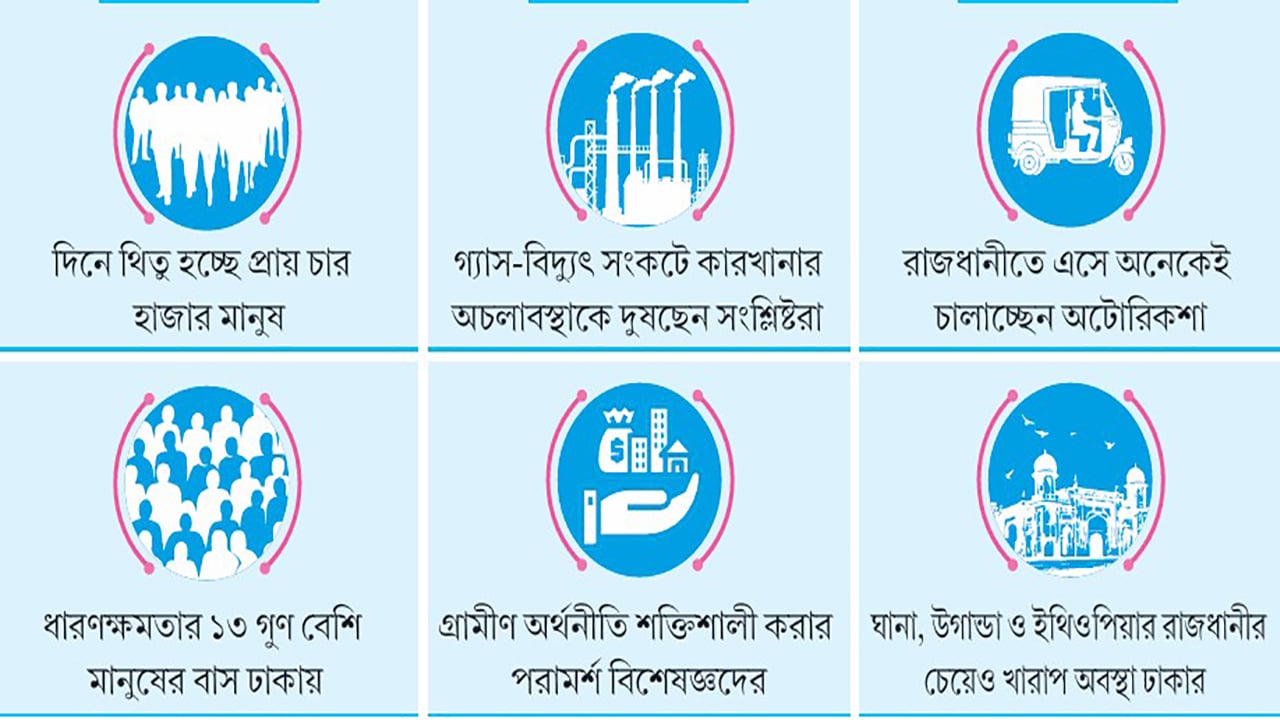
Every day, more than four thousand people are settling in Dhaka in search of jobs, education, and a better life, according to field surveys cited in the report. Experts attribute this influx to severe gas and electricity shortages that have halted new industrial growth in districts and forced many existing factories to close. As a result, thousands of unemployed workers are moving to the capital, taking up informal jobs such as hawking and driving autorickshaws. Urban planners warn that Dhaka, designed to accommodate about eight million residents, now houses over 36.6 million people—thirteen times its capacity. The Economist Intelligence Unit’s 2026 Global Liveability Index ranked Dhaka 171st out of 173 cities, just above Tripoli and Damascus. The city faces chronic waste, traffic congestion, and flooding problems, with over five thousand slums. Government officials acknowledge the crisis, citing plans for administrative decentralization and rural job creation to reduce migration pressure. Experts emphasize that without strengthening rural economies and ensuring reliable utilities, Dhaka’s livability will continue to deteriorate.
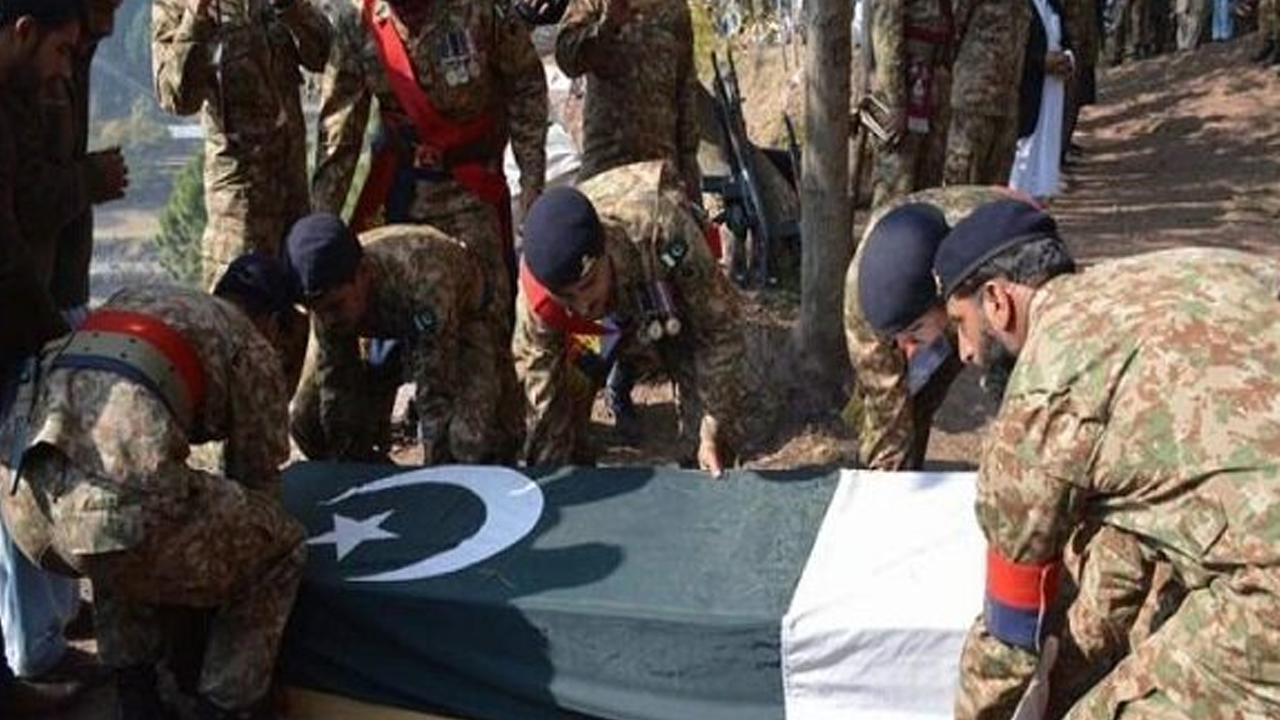
At least 96 people, including 42 members of Pakistan’s security forces, were killed in four days of armed clashes in the southwestern province of Balochistan, according to the country’s Inter-Services Public Relations (ISPR). The military’s media wing reported that the violence began on July 6 and involved three major attacks by separatist militants. Security forces responded with operations that left 54 militants dead. Lieutenant General Ahmed Sharif Chaudhry, ISPR’s Director General, said the attacks were carried out by India-backed groups, including one called Fitna al-Khawarij. The first assault occurred in Hanna Urak, where four civilians were killed. A second attack on July 6 targeted a police checkpoint near Mangi Dam, killing nine officers and 15 militants. Subsequent fighting in Ziarat’s mountainous area left 18 police officers and 11 militants dead. Chaudhry vowed that Pakistan would continue operations against all militant groups in Balochistan, asserting that the army, police, and citizens remain united in combating terrorism.
Israeli Prime Minister Benjamin Netanyahu has voiced strong opposition to a possible U.S. sale of advanced F-35 fighter jets to Turkey. His comments came shortly after U.S. President Donald Trump announced he was considering the sale. In an interview with CNN, Netanyahu said that selling the United States’ most advanced fighter aircraft to Turkey would be a mistake, arguing that Turkey’s current government is influenced by the Muslim Brotherhood, which he claimed harbors hostility toward the U.S. Trump had met Turkish President Recep Tayyip Erdoğan in Ankara during a NATO summit and said he would soon decide whether to proceed with the sale of Lockheed Martin F-35 Lightning II jets to Turkey. Netanyahu told CNN that he had directly urged Trump not to approve the sale, warning that Turkey could become more aggressive if it obtained the aircraft. Netanyahu added that he and Trump share broad agreement on major issues, emphasizing that both leaders act in the best interests of their respective nations, which he said often align closely.

The United States has launched a broader military operation against Iran, accusing Tehran of attacking commercial vessels in the Strait of Hormuz. According to US officials, the latest strikes are larger in scale than those conducted on Tuesday and could escalate the situation further. President, Vice President JD Vance, and senior administration officials said Iran violated a memorandum of understanding that required it to halt such attacks in exchange for the lifting of US sanctions. JD Vance stated that Iran initially complied with the agreement for about a week before resuming attacks on commercial ships. US officials warned that military action would continue unless Iran adheres to the deal’s terms. They confirmed that diplomatic channels remain open but are currently very limited. The President signaled support for a diplomatic solution but delegated negotiation duties to his envoys and Vice President Vance. US sources said the latest strikes targeted Iran’s Islamic Revolutionary Guard Corps coastal radar, anti-ship missiles, and air defense systems to ensure safe international navigation through the Strait of Hormuz. Iran has not yet issued an official response, and battlefield conditions could not be independently verified.
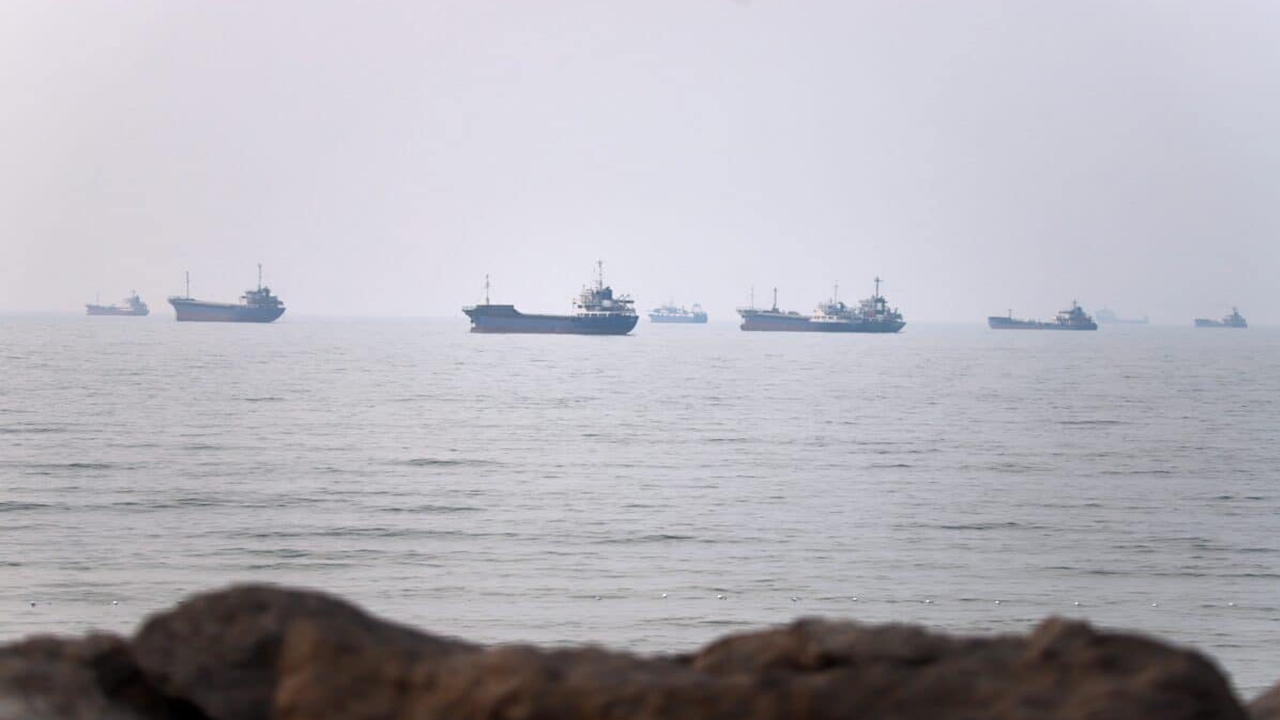
The United States military launched large-scale airstrikes in Iran for a second consecutive night, targeting Iranian military capabilities that Washington says threaten freedom of navigation in the Strait of Hormuz. The operation, ordered directly by President Donald Trump, was confirmed by US Central Command as part of efforts to secure commercial shipping routes. Trump stated that the strikes were a response to an earlier Iranian bombing of a commercial vessel and warned that any further attacks would trigger harsher retaliation. US Vice President JD Vance also warned Iran that any attempt to close the Strait of Hormuz would be met with a strong military response. Iranian state media reported multiple explosions in Bandar Abbas, Sirik, and near Jask, as well as power outages in Chabahar, suggesting an expanded strike range. The Islamic Revolutionary Guard Corps confirmed a US cruise missile attack on a bridge in Golestan province but reported no casualties. Iranian officials condemned the attacks as a violation of bilateral agreements and vowed a “crushing” response. The escalating confrontation has raised fears of a broader regional conflict in the Middle East.
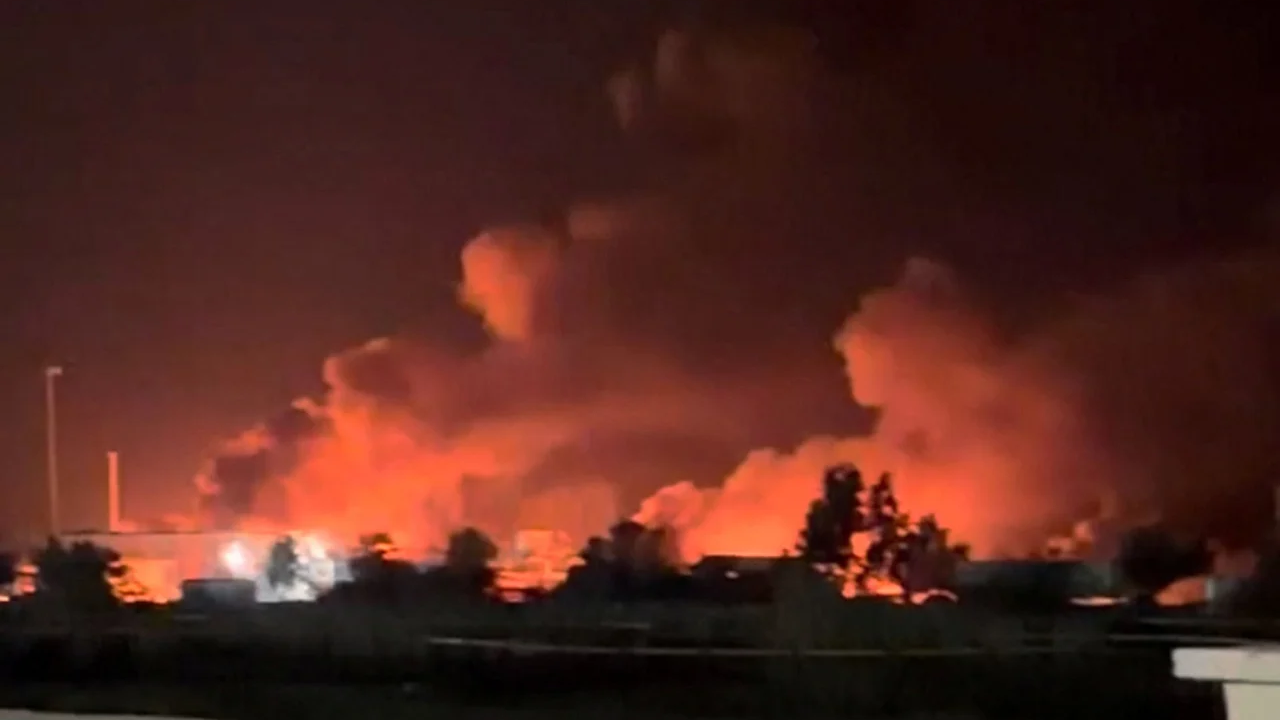
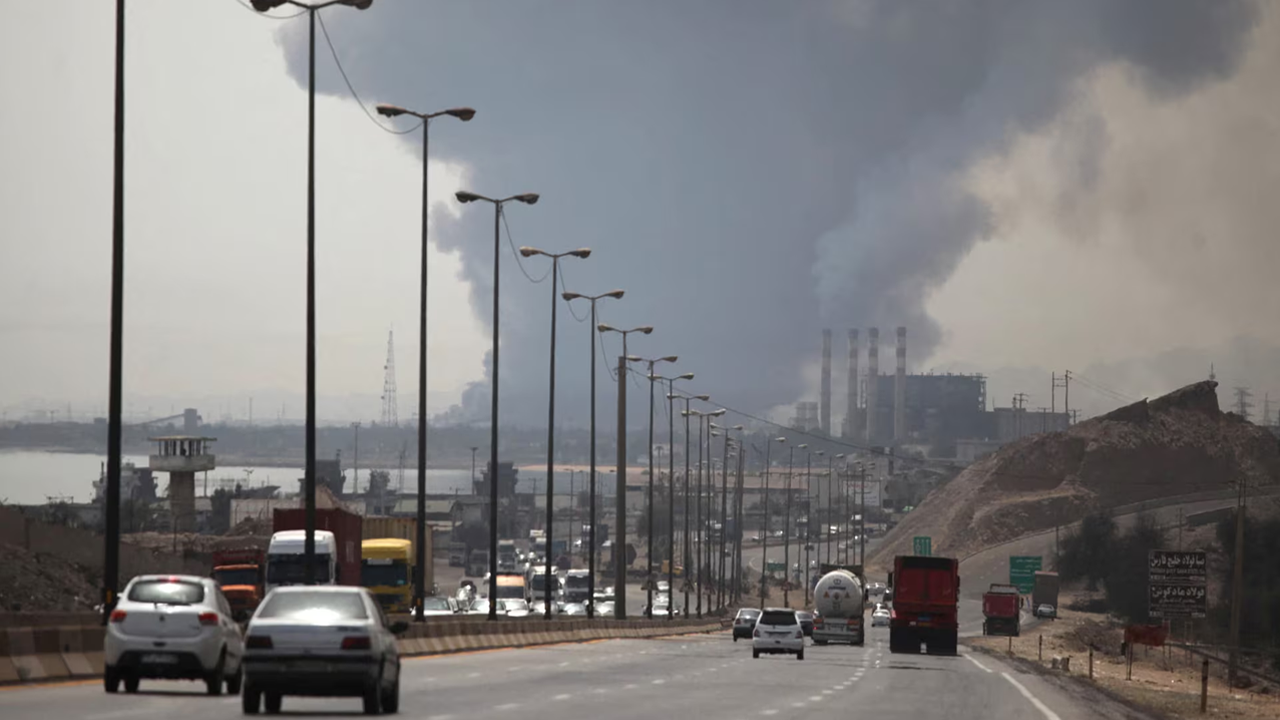
Iran’s state television reported that at least eight explosions were heard in the key port city of Bandar Abbas. According to a correspondent cited by the broadcaster, two missiles struck the Sirik port, while two additional explosions occurred near the Jask port. The report was also carried by Al Jazeera. No immediate information was available regarding casualties or damage resulting from the blasts. Authorities have not released any official details about the source of the attacks or the parties responsible. The situation remains under observation as officials await further clarification. Further updates from Iranian authorities are expected as investigations continue into the cause and impact of the explosions.
OpenAI announced that its most advanced artificial intelligence model, the GPT-5.6 series, will be released to the public on Thursday. The company confirmed through a post from San Francisco that the three versions—Soul, Terra, and Luna—will be made globally available, expanding preview access worldwide. Reports indicated that the U.S. government had allowed the large-scale release following technical reviews and meetings between officials and the company. The GPT-5.6 series follows a limited preview shared with trusted U.S. partners at Washington’s request due to national security concerns. Researchers have expressed unease that the new generation of large language models, including Anthropic’s Mythos series, could identify software vulnerabilities that hackers might exploit. Within the White House, officials remain divided over how much oversight should apply to such powerful systems. OpenAI stated it is working with Washington to create a repeatable framework for future model releases aligned with cybersecurity directives. The company also said the Terra model will cost half as much as GPT-5.5, a move aimed at retaining customers amid growing competition with Anthropic and Google.

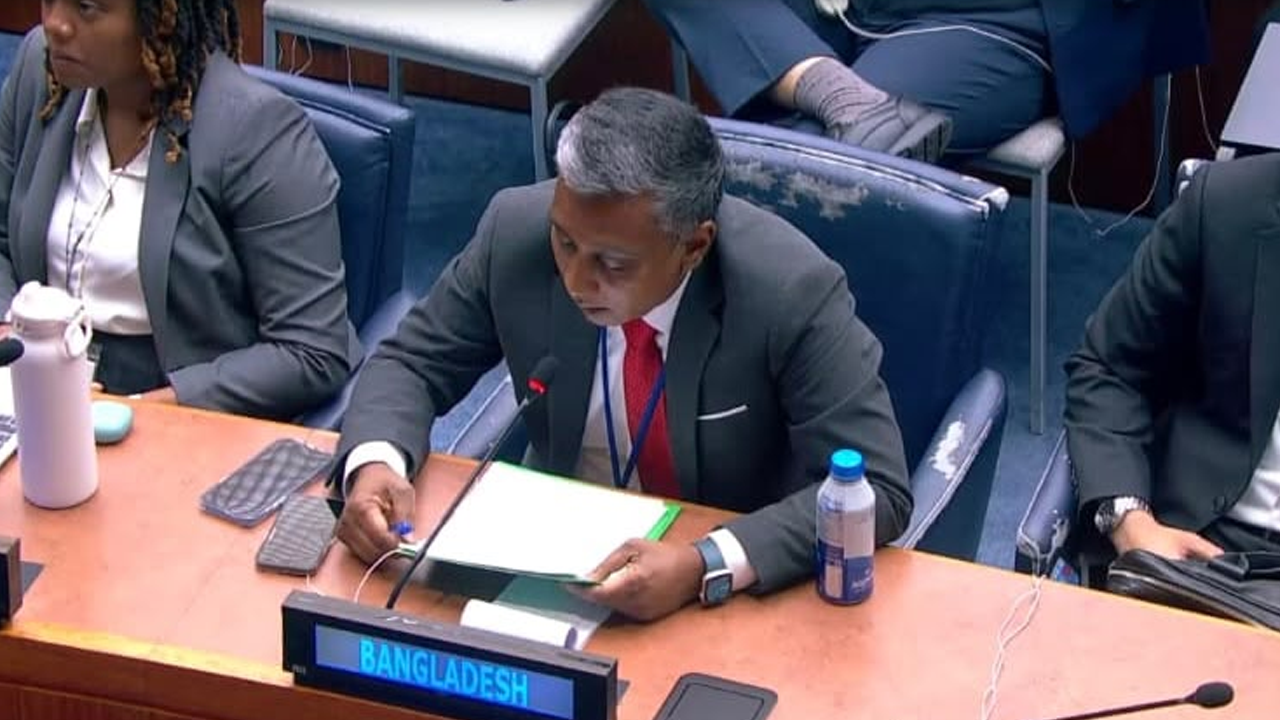
At a high-level meeting on Sustainable Development Goals (SDGs) held at the United Nations headquarters in New York on Tuesday, Bangladesh presented its future plans and historic initiatives to address climate change and ensure water security. Professor Dr. S. M. Abdul Awal, the Prime Minister’s Chief Coordinator on SDG Affairs, represented Bangladesh and highlighted the country’s long-standing efforts in tackling climate challenges. He recalled the 19-point program announced by former President Ziaur Rahman in 1977, emphasizing its focus on basic needs and rural water security through a nationwide canal excavation initiative. The BNP-led government’s current five-year plan includes excavating 20,000 kilometers of canals to strengthen irrigation and water management networks. Awal also underscored the importance of the Teesta Barrage Project as a people-centered initiative vital for water management and agricultural development in northern Bangladesh. Concluding his remarks, Awal urged the global community to enhance cooperation on transboundary water-sharing policies to permanently resolve water scarcity in northern Bangladesh.
The ‘1 Nojor’ media platform is now live in beta, inviting users to explore and provide feedback as we continue to refine the experience.