

The ‘1 Nojor’ media platform is now live in beta, inviting users to explore and provide feedback as we continue to refine the experience.
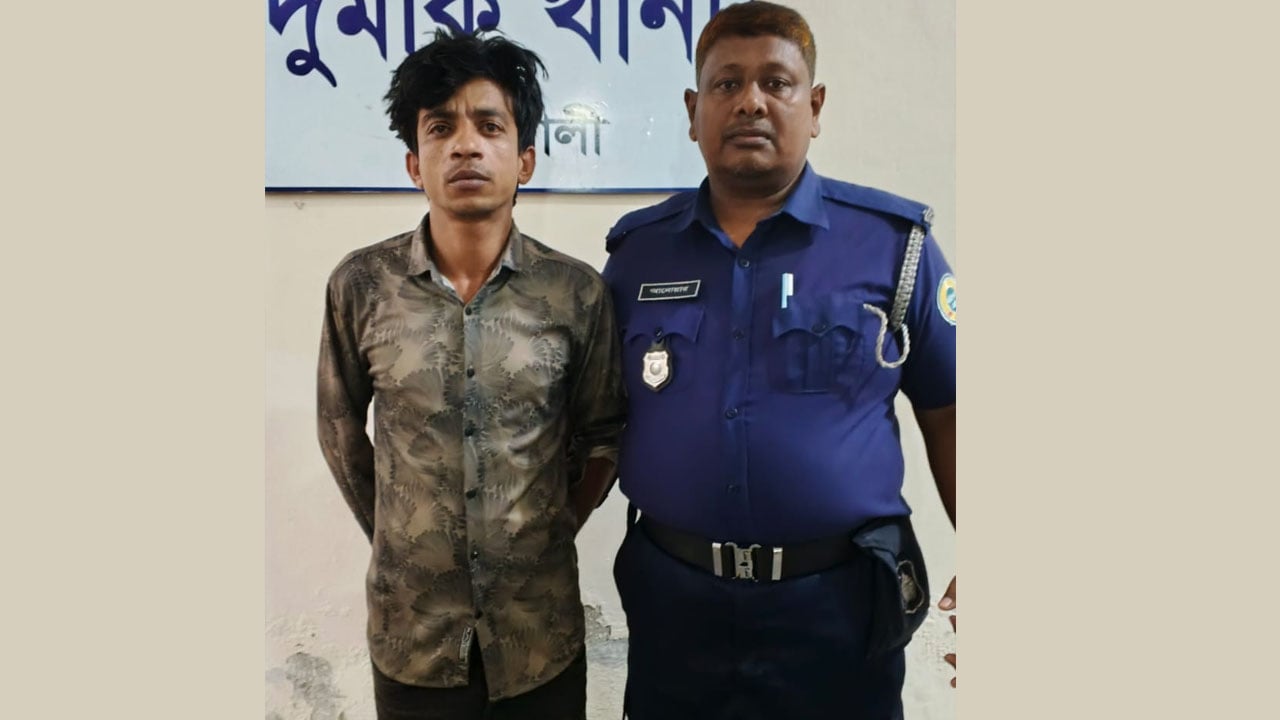
Police in Dumki, Patuakhali have arrested a named suspect in a robbery case involving an Islami Bank agent banking officer. The arrest took place on Sunday evening near the Thana Bridge area. The case was filed after a robbery incident on May 11, when four assailants stopped a motorcycle carrying the bank’s field officer and the agent banking outlet in-charge, assaulted them, and took 18,300 taka before fleeing. According to police sources, the robbery occurred while the bank officials were conducting field activities in the Rajakhali Farmgate area. The attackers also damaged the motorcycle during the incident. The case was officially registered at Dumki Police Station on May 20. Officer-in-Charge Md. Selim Uddin confirmed that the arrested suspect, Rabiul Islam Rony, also known as “Kasai Rony,” was one of the named accused in the case. Police operations are ongoing to apprehend the remaining suspects, and the arrested individual will be presented before the court.
The Bangladesh Labour Party has protested the appointment of former Bangladesh Bank deputy governor Khorshed Alam as chairman of Islami Bank. In a statement issued on Monday, party chairman Dr. Mostafizur Rahman Iran alleged that the government is working deliberately to rehabilitate the S. Alam syndicate, which he described as linked to bank looting and money laundering. He claimed the appointment is part of a broader plan to restore influence to that group. Dr. Iran further accused the home minister of supporting the S. Alam group and facilitating its business interests, including placing his son in the group’s office. He said the government has ignored public demands expressed during the August 5 uprising against corruption and authoritarianism, instead reviving the same networks accused of financial misconduct. The Labour Party demanded the immediate cancellation of Khorshed Alam’s appointment, depoliticization of Islami Bank, prosecution of those involved in bank sector corruption, and an impartial investigation into the alleged illegal activities of the S. Alam syndicate.

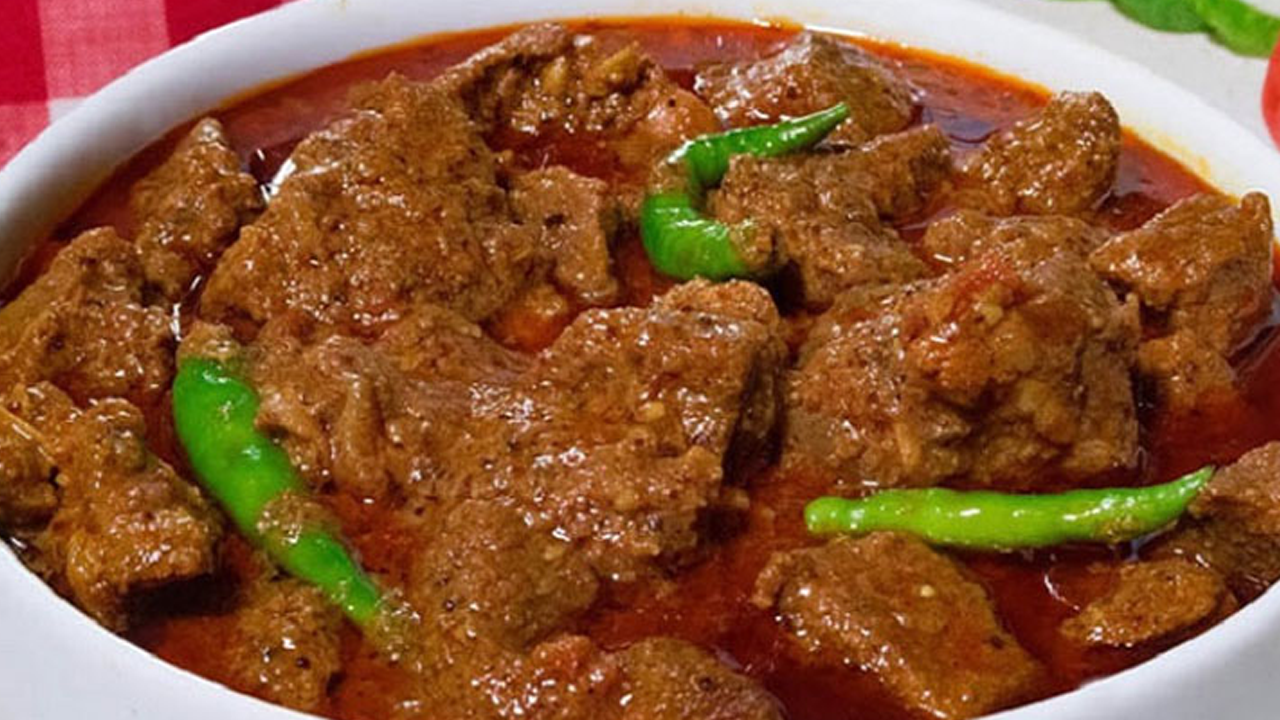
A recent report highlights that the United States tops global meat consumption, with 97 percent of Americans eating meat regularly, followed by Lithuania and Brazil at 96 percent. In contrast, Bangladesh ranks near the bottom, with the second-lowest per capita meat consumption worldwide. According to the Organization for Economic Co-operation and Development (OECD), Bangladeshis consume only 0.9 kilograms of beef and 1.36 kilograms of poultry per person annually, most of it during religious festivals. The report notes that global meat production has increased fivefold since the 1960s, driven by population and income growth. Wealthier nations tend to consume more meat, while poorer countries treat it as a luxury. In Africa, countries such as Ethiopia, Nigeria, and Tanzania also record low consumption levels. Meanwhile, middle-income countries like China and Brazil have seen sharp increases in meat demand alongside economic growth. Despite growing awareness campaigns promoting reduced meat intake, data from the United States and Europe show that overall consumption remains steady or slightly rising, though consumers are shifting from red meat to poultry for health and environmental reasons.
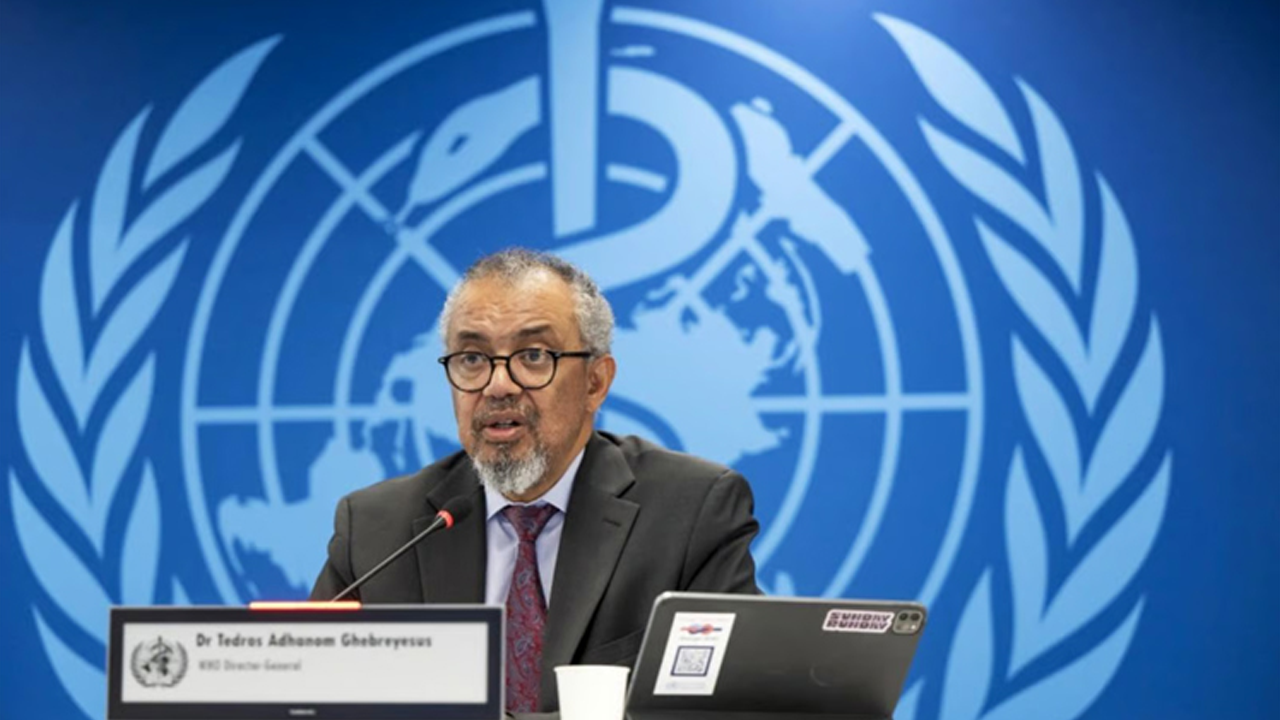
The World Health Organization (WHO) has reported that the number of suspected Ebola cases in the Democratic Republic of Congo has surpassed 900. WHO Director-General Tedros Adhanom Ghebreyesus shared the update on social media on Sunday, noting that intensified surveillance efforts have identified more than 900 suspected patients, with 101 confirmed infections. He did not provide new information on fatalities. Ebola is a deadly viral disease transmitted through contact with bodily fluids of infected individuals, often causing severe bleeding and organ failure. The Congolese government declared an Ebola outbreak on May 15, identifying the virus as the Bundibugyo strain, for which there is no approved vaccine or effective treatment. According to the country’s health ministry, as of Saturday, 867 suspected cases had been recorded across three provinces, resulting in 204 deaths. Over the past five decades, Ebola outbreaks across Africa have claimed more than 15,000 lives.
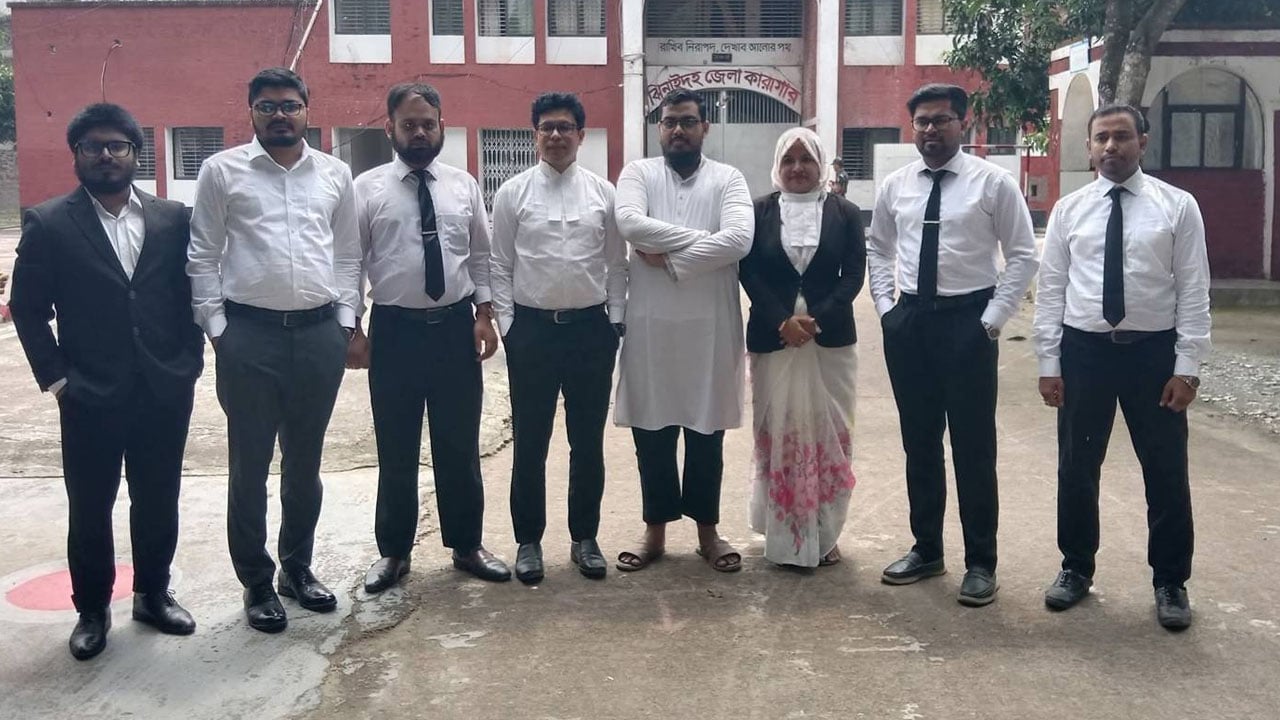
NCP leader Tarek Reza has been granted bail in a case filed in Jhenaidah involving the Chhatra Dal. He was released from the district jail at 11 a.m. on Monday after the Chief Judicial Magistrate Court approved his bail application earlier that morning. His lawyers had submitted the petition before the court, which granted the request following a hearing. In the same case, the court rejected the bail plea of Ayon Rahman Khan, a central leader of the Jubo Shokti organization. Both Tarek Reza and Ayon Rahman had been arrested on Sunday night and presented before the court by police. After hearing arguments from both the prosecution and defense, the judge initially ordered their detention before granting bail to Reza the next day. The case remains ongoing, with one accused released on bail while the other continues to be held in custody pending further legal proceedings.
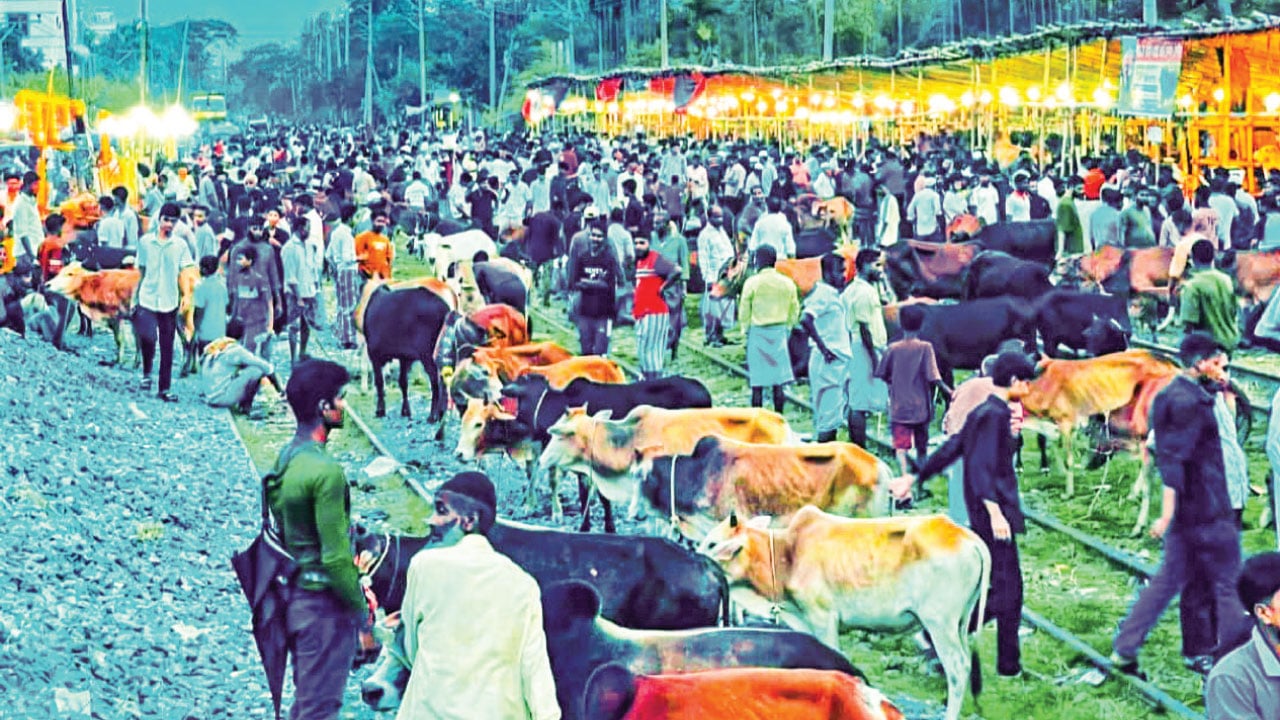
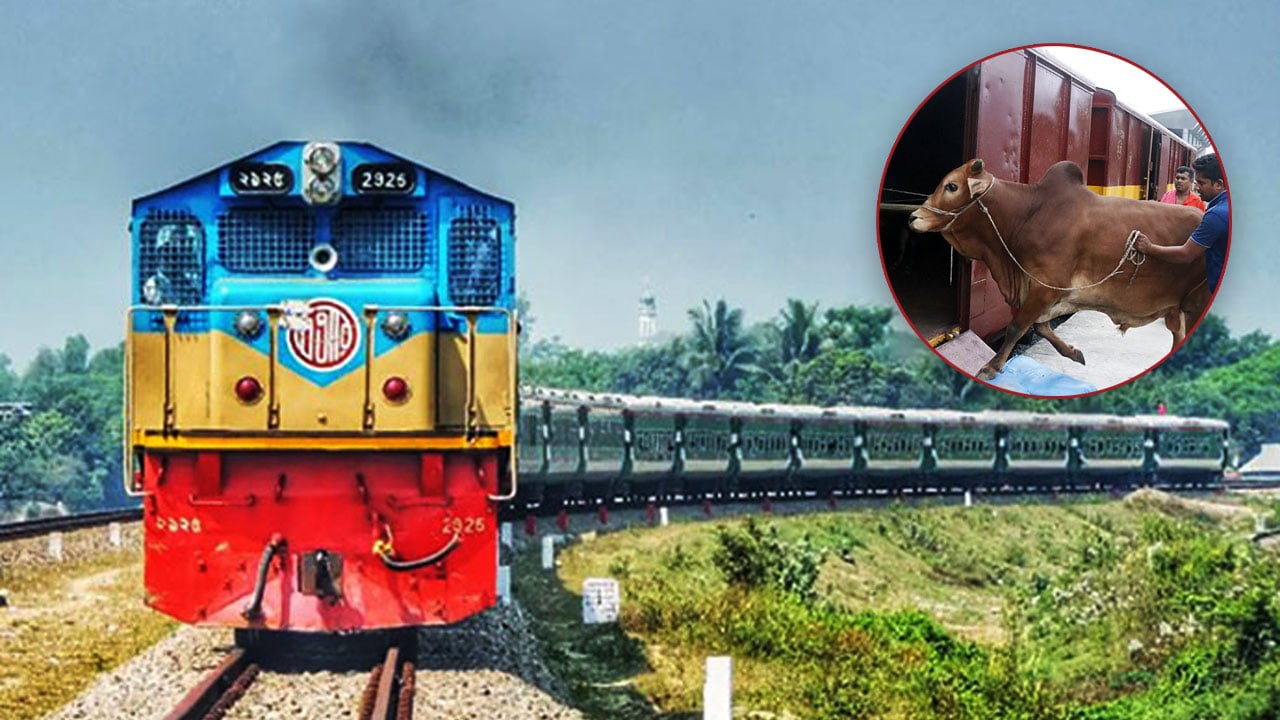
A risky cattle market has been set up directly on the railway tracks at Hathazari Railway Station in Chattogram. The market, reportedly operating under lease from the Hathazari Municipality, is being held twice a week and additionally for Eid-ul-Azha sacrificial animals. Locals allege that officials have allowed the market in exchange for bribes, despite a standing restriction under Section 144 within 20 feet of the railway line. The setup is said to pose serious risks to train movement. Buyers and sellers from nearby areas expressed concern about bringing animals so close to the tracks, urging authorities to designate a safer location. Hathazari Upazila Executive Officer and municipal administrator Abdullah Al Mumin stated that the municipality did not officially lease any market on the railway tracks and that he would investigate and take action. Eastern Zone General Manager of Bangladesh Railway Subaktagin confirmed that no market is permitted on railway lines and that necessary measures are being taken. Authorities are expected to review the situation and enforce safety regulations to prevent further risks to train operations and public safety.
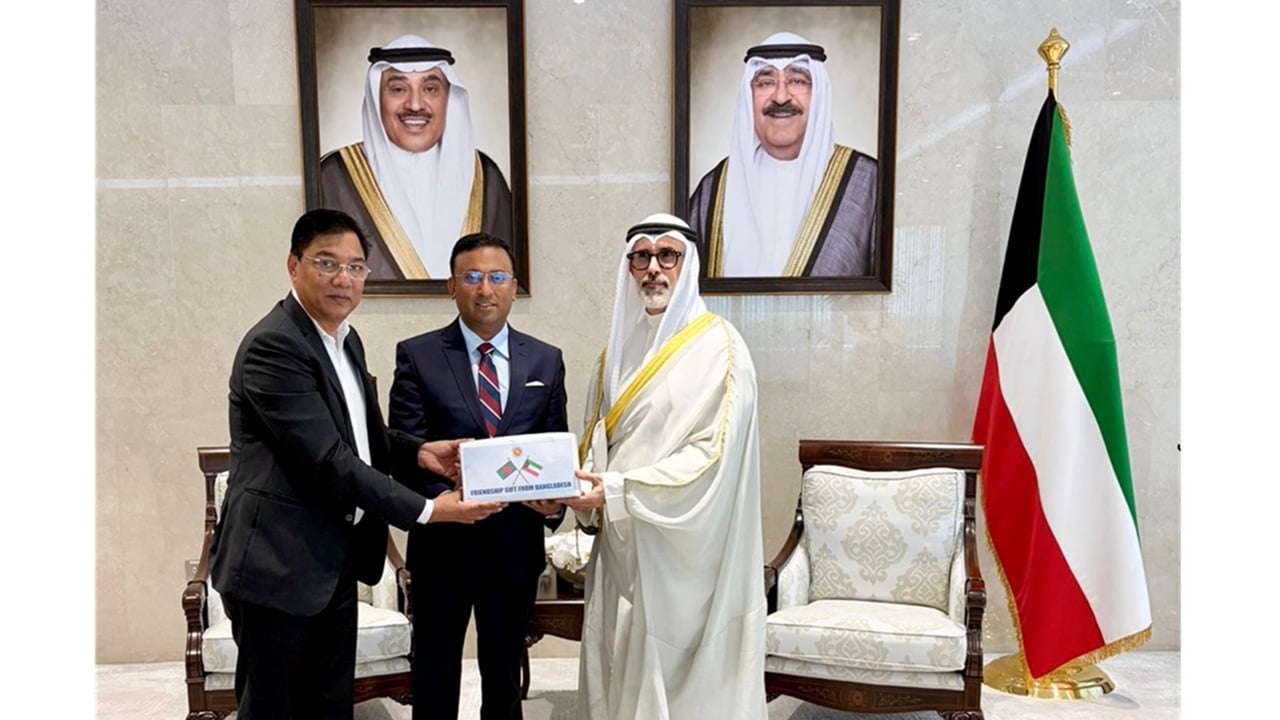
Bangladesh has officially handed over the first consignment of food aid to Kuwait, marking a gesture of diplomatic solidarity and brotherhood. Around 240 tons of emergency food supplies are being sent from Bangladesh to Kuwait on multiple flights. The handover took place on May 24, 2026, when Prime Minister’s Special Envoy and Foreign Affairs Adviser Humayun Kabir, along with State Minister for Civil Aviation and Tourism M. Rashiduzzaman Millat, MP, presented the aid to Kuwait’s Foreign Minister Sheikh Jarrah Jaber Al-Ahmad Al-Sabah as a goodwill gift from the Prime Minister of Bangladesh. During the meeting, Adviser Humayun Kabir conveyed an invitation from the Prime Minister of Bangladesh to the Amir of Kuwait, Sheikh Meshal Al-Ahmad Al-Jaber Al-Sabah, to visit Bangladesh. He also delivered a goodwill message expressing wishes for peace, security, and prosperity for the people of Kuwait, reaffirming the commitment to strengthen the long-standing friendship between the two nations. Minister Millat emphasized expanding cooperation in civil aviation, trade, investment, and manpower sectors. Kuwait’s Foreign Minister praised Bangladesh’s humanitarian initiative, describing it as a shining example of the brotherly relations between the two countries.
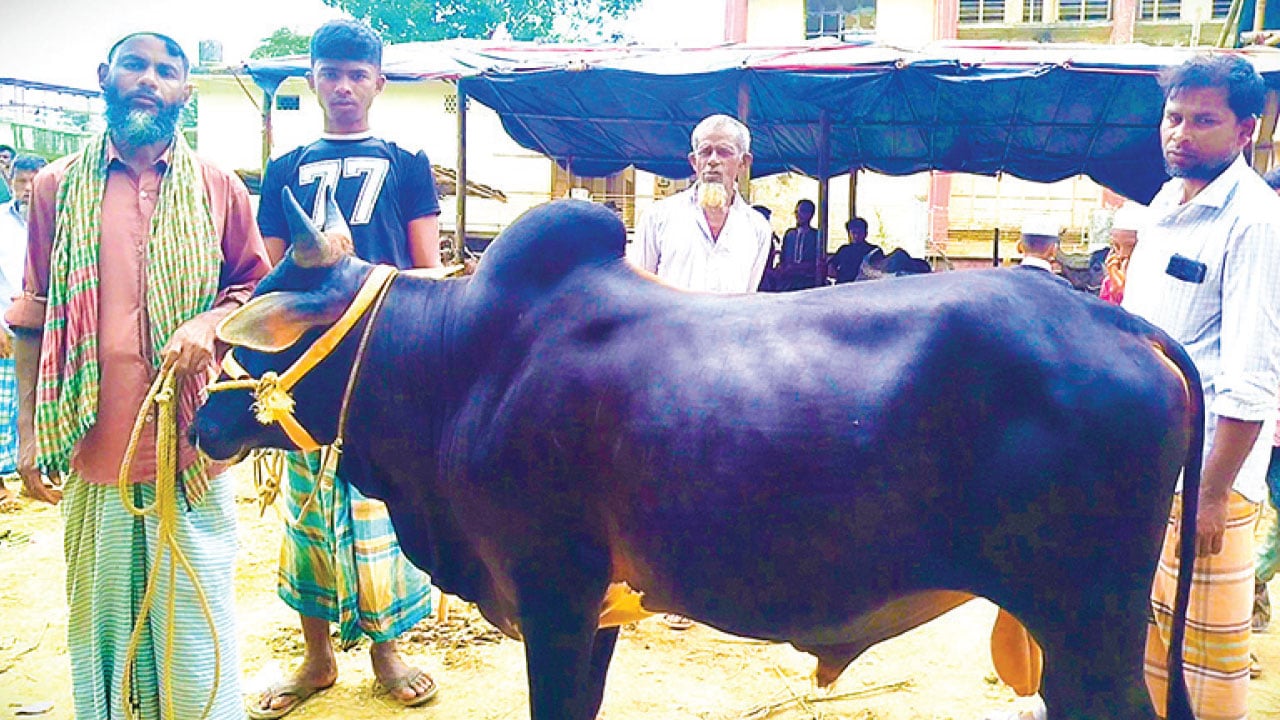
With only a few days left before Eid-ul-Azha, livestock markets in Bandarban and Cox’s Bazar are witnessing heavy crowds of buyers and sellers. However, this year’s markets show a different picture as large numbers of foreign cows, reportedly smuggled through the Myanmar border, have flooded the area. Despite their abundance, conscious buyers are showing a strong preference for locally raised hill cattle that grow naturally in the region’s remote mountain areas. Buyers and observers noted that many of the imported cows are artificially fattened using injections and harmful hormones, making their meat unsafe and unhealthy. In contrast, the naturally raised hill cattle, which graze freely on local vegetation, are considered safe, nutritious, and flavorful. As a result, even with higher prices, consumers are increasingly choosing these local animals. The growing demand for hill cattle has brought fair prices and satisfaction to local farmers. However, stakeholders believe that stricter monitoring is needed to prevent illegal cattle imports and protect the interests of domestic livestock producers.
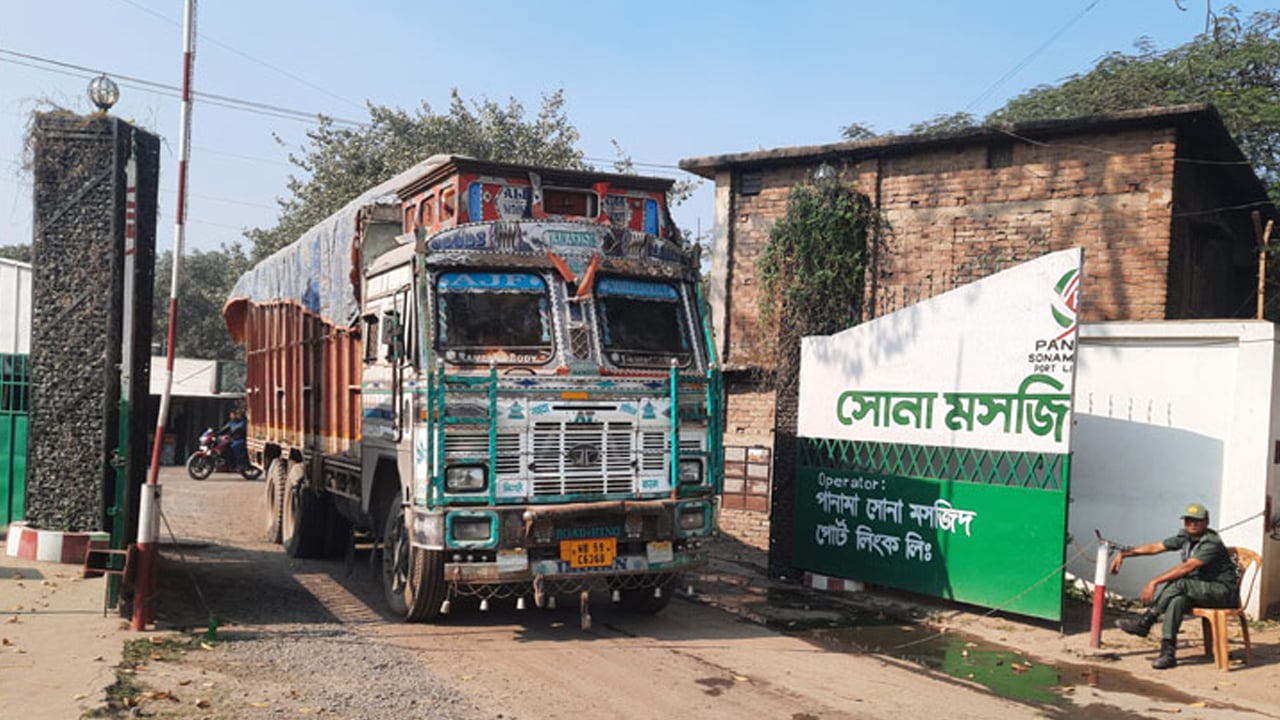
Import and export activities at the Sonamasjid land port in Shibganj upazila of Chapainawabganj will remain suspended for eight days from May 26 to June 2 due to the Eid-ul-Azha holiday. The information was confirmed by Arif Uddin Iti, general secretary of the Sonamasjid Importers and Exporters Group, who said the decision was taken jointly with the Sonamasjid C&F Agents Association. All port operations are scheduled to resume on June 3. During the closure, passenger movement through the Sonamasjid immigration route between the two countries will continue daily, including on Eid day. According to Kamal Khan, operations manager of Panama Sonamasjid Port Link Limited, limited internal activities such as loading, unloading, warehousing, and transportation will continue on a restricted scale. The temporary suspension aims to allow workers and stakeholders to observe the religious festival, while ensuring essential internal operations remain minimally functional.
Bangladesh Railway has decided not to operate the Mango Special and Cattle Special trains from Chapainawabganj to Dhaka this year. Officials said the services were discontinued because of continuous financial losses and insufficient cargo volume. The special trains had previously been introduced to transport mangoes during the harvest season and sacrificial animals ahead of Eid-ul-Azha at lower costs. The routes ran from Chapainawabganj through Rajshahi, Sardah, Arani, Abdulpur, and Ishwardi to Dhaka. The initiative was originally intended to provide affordable transport for marginal mango growers, orchard owners, and livestock farmers. However, the plan failed to meet expectations as the trains often ran nearly empty, creating a large revenue shortfall. Farmers and traders said that despite lower train fares, additional costs and logistical hassles in moving goods to and from stations made road transport more convenient. Business representatives criticized the lack of coordination between planning and implementation, noting that the project was launched without sufficient consultation. Western Railway General Manager Farid Ahmed confirmed that limited interest from farmers and traders made the services economically unsustainable.
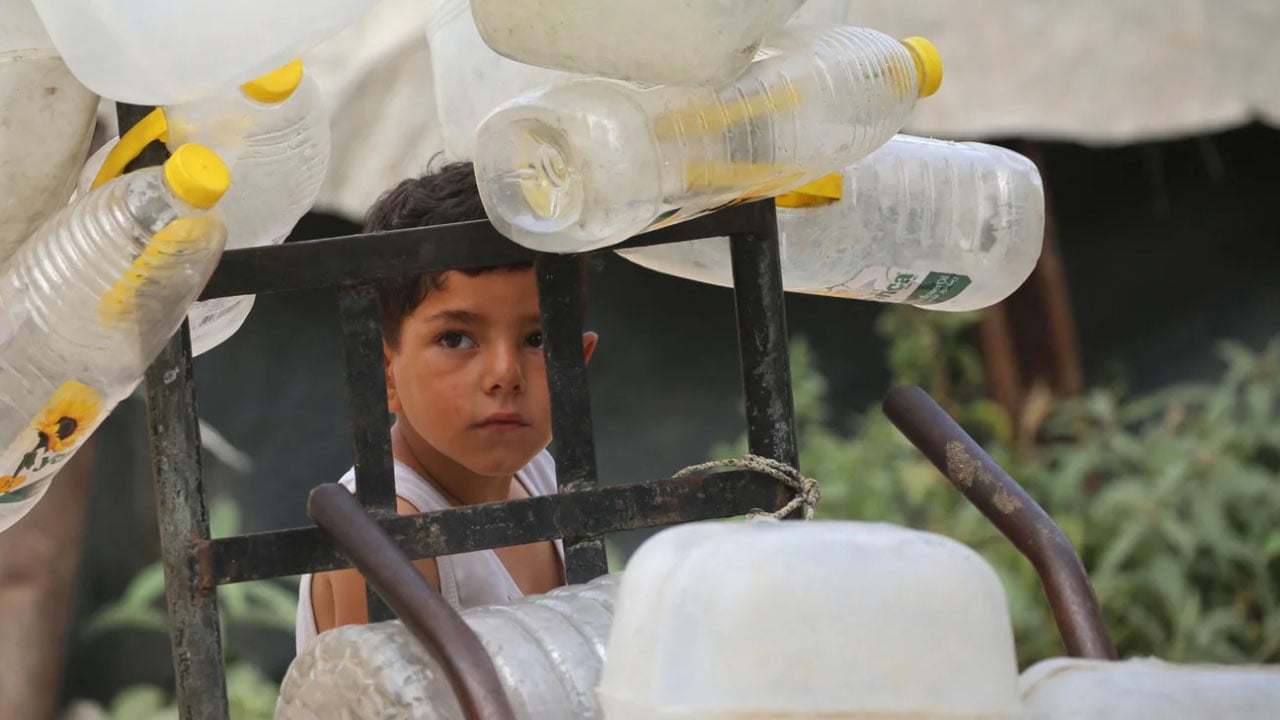
For the third consecutive year, residents of Gaza will be unable to perform the traditional Eid al-Adha sacrifice due to a severe shortage of livestock. Once a major livestock producer, Gaza’s farmers and herders have seen their animals decimated by Israeli bombardments and restrictions on the movement of goods and agricultural supplies. Local herders, such as Mazen al-Jerjawi, who once sold hundreds of sheep and goats during the festival season, now rely on imported frozen meat as live animals are no longer allowed into the enclave. According to Gaza’s Chamber of Commerce and Industry, more than 90 percent of the livestock sector has been destroyed or damaged since the war began in October 2023. The Food and Agriculture Organization reported that by November, at least 80 percent of Gaza’s sheep and 70 percent of its goats had been killed. The Ministry of Agriculture said the number of sheep and goats has dropped from 60,000 to just 3,000, with calves and cattle nearly wiped out. Officials and residents say the crisis has deepened food insecurity for Gaza’s two million people, leaving many families unable to celebrate Eid or even afford daily meals.
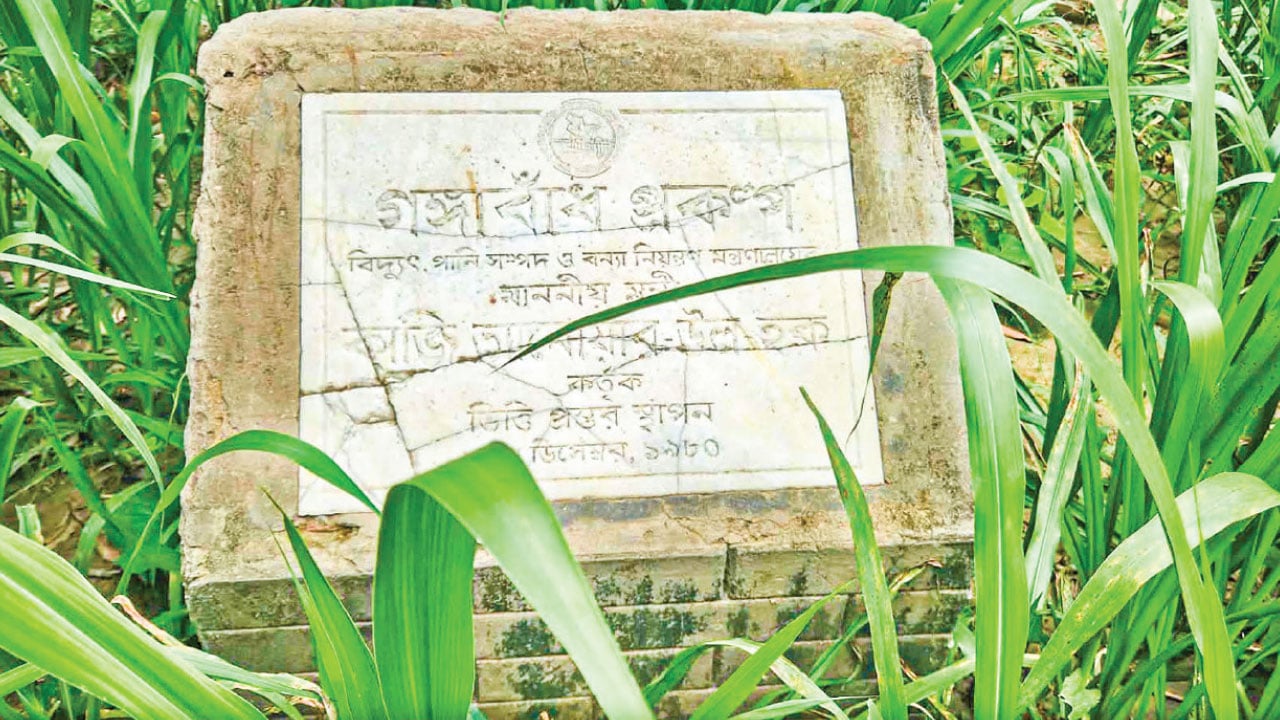
The government has approved construction of the Padma Barrage at Pangsha in Rajbari district, 46 years after the foundation of the Ganga Dam project was laid at Moslempur in Veramara, Kushtia. Residents of Veramara have expressed anger and demanded reconsideration of the decision to exclude their area. According to the Water Resources Ministry, the main barrage will be 2.1 kilometers long with 78 spillway gates, 18 under-sluice gates, and one navigation lock. A railway bridge and a 113-megawatt hydropower facility are also planned. The project is expected to benefit 120 upazilas across 19 districts in four divisions. The Executive Committee of the National Economic Council (ECNEC), chaired by Prime Minister and ECNEC Chairperson Tarique Rahman, approved the first phase of the Padma Barrage project at a cost of Tk 34,497 crore. The total master plan involves Tk 50,443 crore in two phases. The original Ganga Dam project, inaugurated in 1980, aimed to provide irrigation, flood control, and environmental benefits to southwestern and northern Bangladesh. Officials noted that the decision comes as the Ganges water-sharing treaty with India is set to expire in December, making the new barrage strategically significant for Bangladesh.
An emotional scene unfolded at Anfield as Liverpool supporters celebrated Mohamed Salah’s farewell following the club’s final league match against Brentford, which ended in a 1–1 draw. The Egyptian forward left the field in the 73rd minute and was given a standing ovation by the entire stadium. Overcome with emotion, Salah struggled to hold back tears as he thanked fans for their unwavering support during his years at the club. Salah, one of Liverpool’s most successful players, joined the club in 2017 alongside Andy Robertson, who also played his final match that night. Together they contributed to Liverpool’s major triumphs, including the Champions League and two Premier League titles. In a post-match interview with Sky Sports, Salah reflected on his journey, saying he had never cried so much before and that his youth was intertwined with the club. Despite facing criticism earlier in the season, Salah’s farewell was marked by gratitude and affection. He said the fans’ love was his greatest reward and that Liverpool would always remain in his heart.

A three-month-old infant was killed and five members of the same family were injured when lightning struck their home in Sajek Union of Baghaichhari upazila, Rangamati, early Monday around 3:30 a.m. The incident occurred in the Dane Baibachhara area during a sudden storm and heavy rain. The lightning directly hit the house of Pradeep Chakma, causing the death of his infant child, Ujjal Chakma, on the spot. The injured family members were identified as Pradeep Chakma, 65, Maya Rani, 48, Reshmi Chakma, 28, Jerin Chakma, 15, and Nijhum Chakma, 3. Locals rescued the injured around 7 a.m. and took them to Khagrachhari Sadar Hospital for treatment. The Rangamati Superintendent of Police confirmed the death and injuries caused by the lightning strike. Authorities have not provided further details on the condition of the injured or any additional damage caused by the incident.

A drug-addicted youth has been accused of setting fire to his family’s home in Dakshin Satla village under Satla Union of Uzirpur upazila in Barishal. Police from Uzirpur Model Station arrested the accused following a case filed by his family. The incident occurred on Sunday afternoon, and the family alleged that the youth, identified as Md. Tamim Hawlader, had long been addicted to drugs and had previously been sent to rehabilitation centers. According to the family, Tamim frequently demanded money from relatives and threatened them when refused. On Saturday morning, he allegedly asked his mother for money and warned one of his sisters by phone that he would set the house on fire if his demand was not met. During the incident, his mother was near the house and saw the fire break out suddenly. Despite local efforts to control it, furniture, stored rice, paddy, and important documents were destroyed. The family claimed losses of about 5 million taka and said they were left destitute. Police confirmed the arrest of the accused late Sunday night with local assistance.

The ‘1 Nojor’ media platform is now live in beta, inviting users to explore and provide feedback as we continue to refine the experience.