

The ‘1 Nojor’ media platform is now live in beta, inviting users to explore and provide feedback as we continue to refine the experience.
Thousands of protesters filled the streets of Madrid on Saturday demanding the resignation of Spanish Prime Minister Pedro Sánchez. The demonstration, organized by the Spanish Civil Society Association, saw participants from the opposition People’s Party and the far-right Vox party. Clashes broke out when protesters attempted to breach security barriers near Sánchez’s official residence, Moncloa Palace, leaving at least seven police officers injured. Police arrested three individuals during the unrest. The protests erupted after a Spanish court announced an investigation into former Socialist Prime Minister José Luis Rodríguez Zapatero, a close ally of Sánchez, on charges of influence peddling and money laundering. Zapatero has denied all allegations. The development has reignited political tensions in Spain, where Sánchez previously faced scrutiny in 2024 over corruption allegations involving his wife, which he dismissed as politically motivated. Organizers claimed around 80,000 people joined the protest, while government officials in Madrid estimated the turnout at about 40,000, reflecting differing accounts of the scale of public dissent.

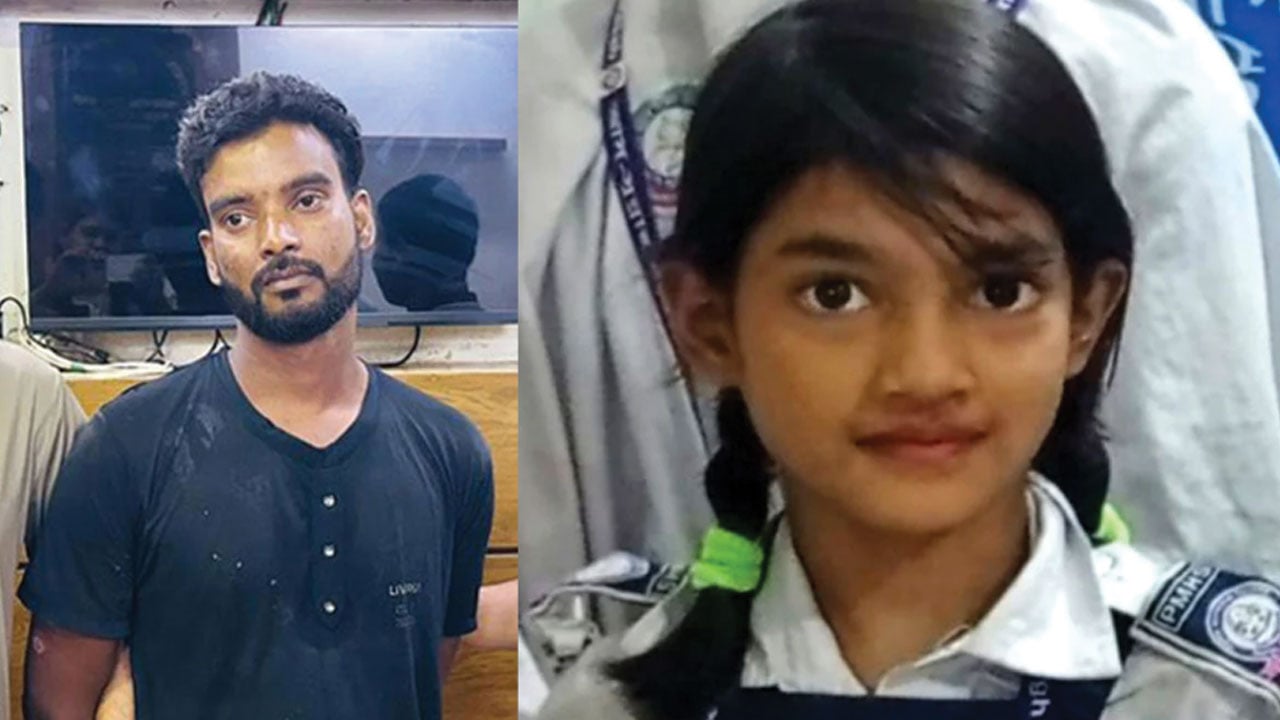
Protests continue in Dhaka’s Mirpur area following the rape and murder of seven-year-old Ramisa Akter, with demands for swift justice. Prime Minister Tarique Rahman has met the victim’s family and assured them of a speedy trial. However, many in Bangladesh question whether the case will avoid the long delays that have plagued similar trials over the past two decades. The renewed attention has brought back discussion of Rasu Khan, a convicted serial killer from Chandpur accused of murdering 11 women after raping them. Although lower courts and the High Court upheld his death sentences in two cases, the executions remain pending due to prolonged legal procedures. Lawyers and rights activists cite complex judicial processes and delays in preparing case documents as key reasons for such backlogs. A joint study by the Supreme Court and BRAC found that conviction rates in women and child abuse cases are only three percent, with most cases taking years to conclude. Officials expect Rasu Khan’s appeal hearing to take place within months, but many similar cases remain unresolved in Bangladesh’s courts.

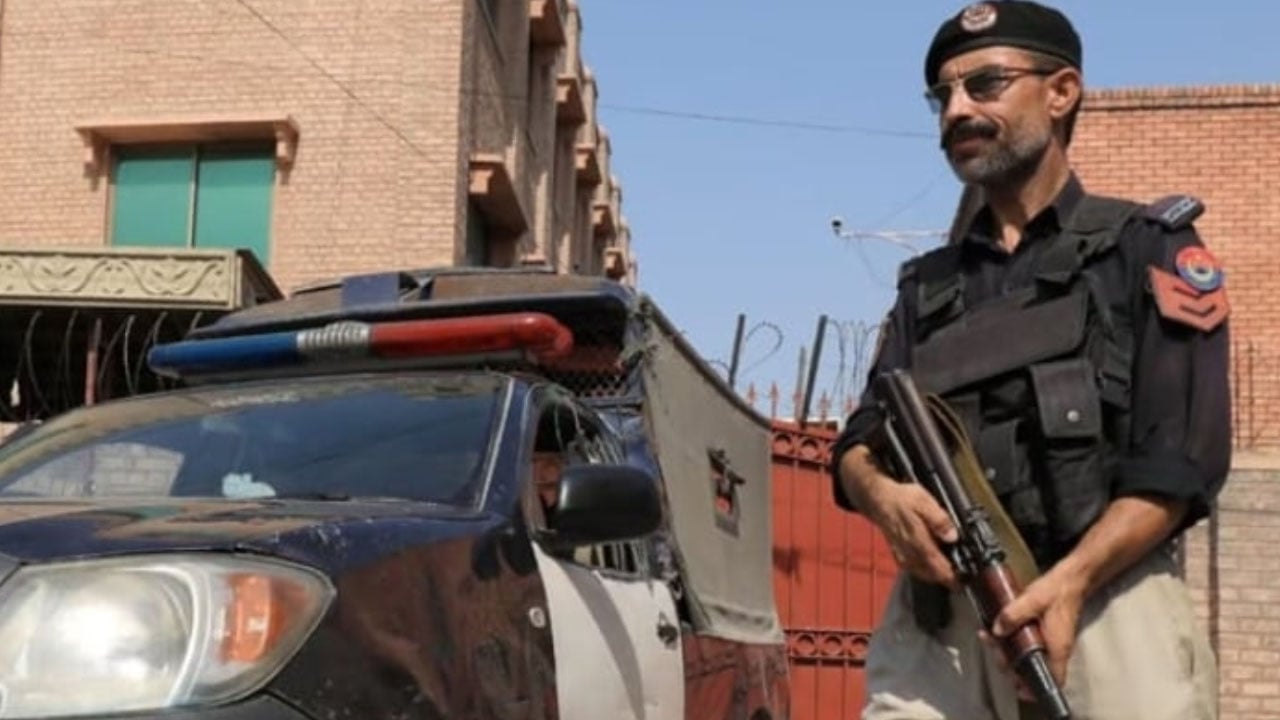
At least 13 people were killed in a security operation conducted by Pakistan’s Counter Terrorism Department (CTD) near Quetta on Saturday. According to a CTD spokesperson, four security personnel were among the dead and six others were injured, while nine suspected militants were also killed during the raid in the Panjpai and Nohsar areas on the outskirts of Quetta. The operation came just hours after another major clash in Bannu district of Khyber Pakhtunkhwa, where police, peace committee members, and militants engaged in intense fighting in the Barakzai Akhundkhel area of Miryan tehsil. That confrontation left at least 25 militants dead and several others injured, according to police reports. The two incidents highlight ongoing security challenges in Pakistan’s western regions, where law enforcement agencies continue to conduct counterterrorism operations against armed groups.
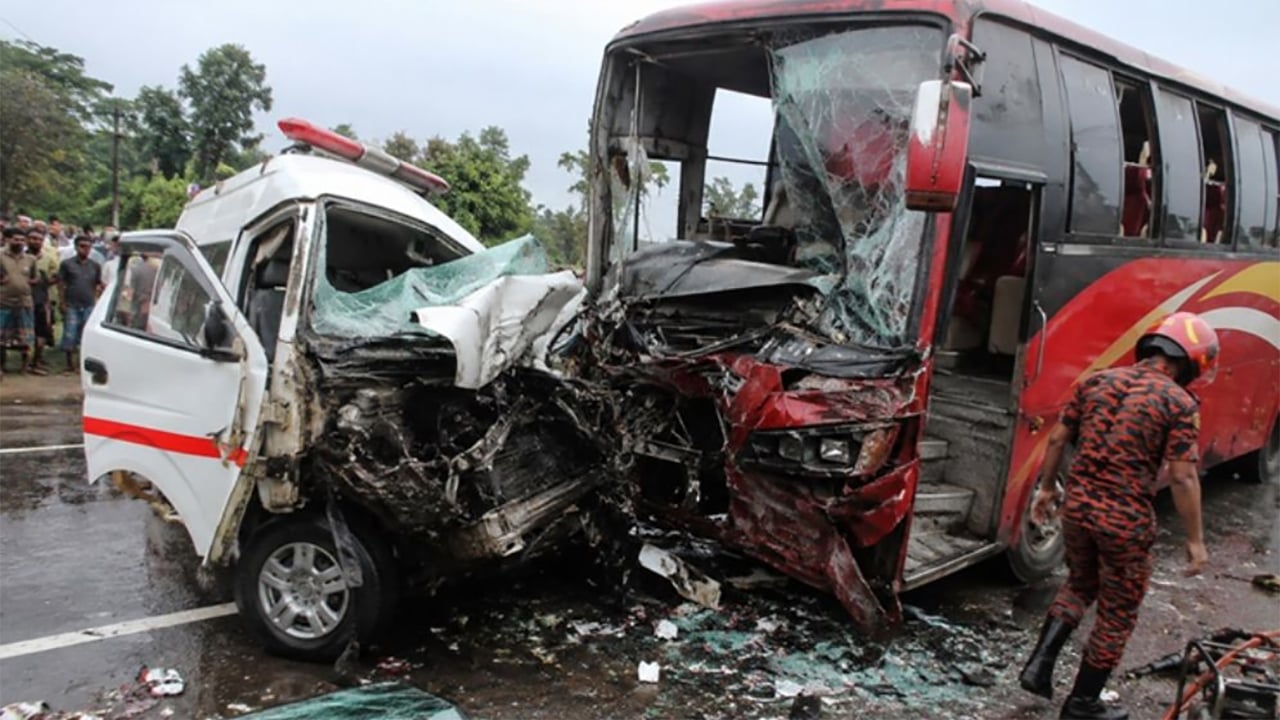
Five people were killed in a head-on collision between a BRTC bus and a patient-carrying ambulance in Nagarkanda upazila of Faridpur on Sunday morning. The accident occurred around 10:30 a.m. on the Faridpur–Bhanga highway near the Shankarpasha area. Police said the Dhaka-bound BRTC bus from Faridpur and the ambulance coming from Madaripur towards Faridpur Medical College Hospital collided, leaving the ambulance badly damaged and all five occupants dead on the spot. The deceased were identified as ambulance driver Kawser, 25, of Saidarbali in Madaripur; Jahangir Molla, 62; Alomgir Hossain Molla, 58; Khurshida Begum, 45; and Majeda Akter, 48, all from Madaripur district. Following the accident, Nagarkanda police, Bhanga Highway Police, and Fire Service personnel arrived at the scene, conducted rescue operations, and restored traffic on the highway. Police confirmed that the bodies were recovered and inquest reports prepared. The damaged bus and ambulance were taken into police custody, and legal procedures regarding the incident are underway.
Iran has executed a man accused of sending defense-related information to the United States and Israel during wartime, according to the judiciary’s media outlet Mizan. The executed individual, identified as Mojtaba Kian, was alleged to have transmitted sensitive data about Iran’s defense industry to what authorities described as enemy parties. Earlier in the same month, Iran carried out another execution on similar charges. Mizan reported that Erfan Shakourzadeh, who worked at a scientific institution involved in satellite activities, was executed for allegedly providing classified scientific information to foreign intelligence agencies, including the CIA and Mossad. The report, citing Mizan and sourced from Dawn, highlights Iran’s continued enforcement of espionage laws amid heightened tensions with Western nations and Israel.
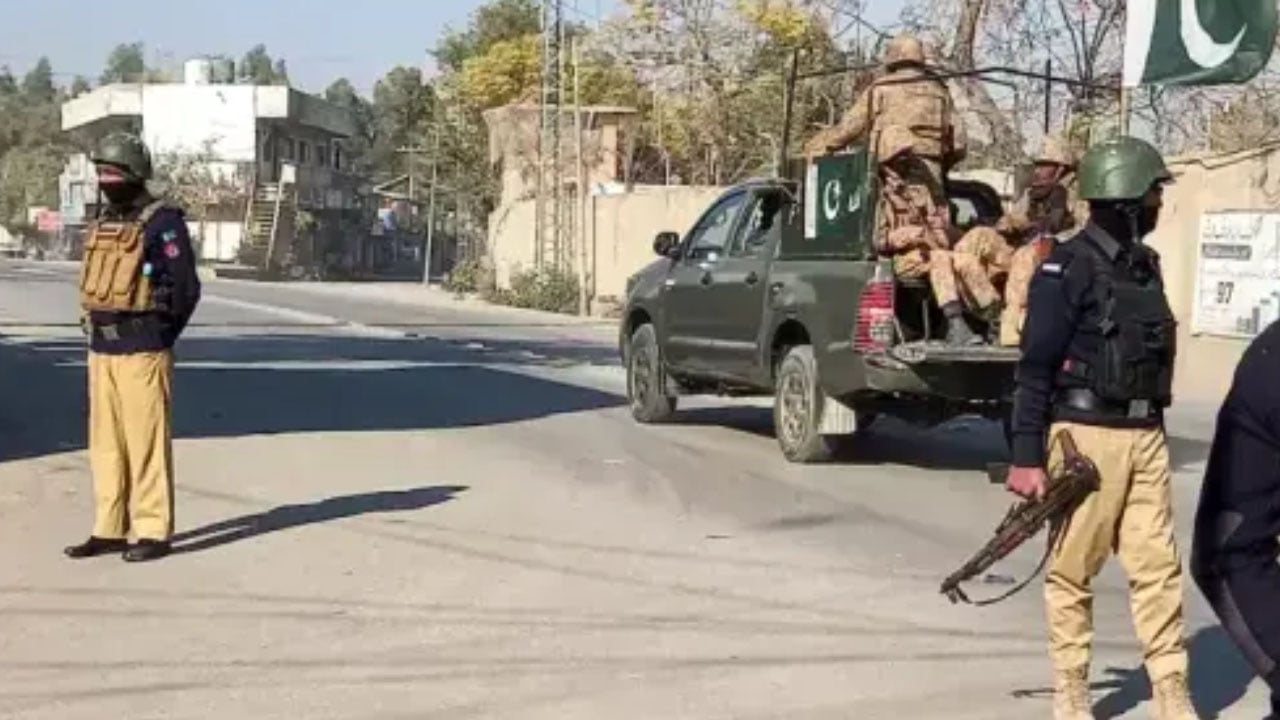
At least 25 militants were killed in a fierce clash with security forces in Pakistan’s Khyber Pakhtunkhwa province on Saturday. The fighting occurred in the Barakzai Akhundkhel area of Miryan tehsil in Bannu district, involving police, a peace committee, and armed militants. Police confirmed that two officers and two civilians were also killed, while seven police personnel and three civilians sustained injuries. Authorities launched the operation after receiving reports of a large militant presence in the area. Police from Lakki Marwat and members of a peace committee joined Bannu police in the operation. Despite intense gunfire, police managed to reach the station safely, and reinforcements were deployed to regain control of the situation. Police officials stated that two key militant commanders, Jamari Noor and Abdullah, were among those killed. Local sources reported that tension remains high in Barakzai as a significant number of militants are still present, and intermittent exchanges of fire continue.
Police have submitted a charge sheet to the Dhaka Chief Metropolitan Magistrate Court against Sohel Rana and his wife Swapna Akter in connection with the rape and murder of a child named Ramisa Akter in Pallabi, Dhaka. The charge sheet was filed on Sunday afternoon by Sub-Inspector Ohiduzzaman, the investigating officer of Pallabi Police Station. Deputy Police Commissioner Ashis Bin Hasan of the prosecution department confirmed the submission. Both accused were presented before the court earlier in the day and later kept in the custody of the Dhaka Metropolitan Sessions Judge Court. According to the case details, police recovered Ramisa’s body from a flat in Pallabi’s Section 11 on May 19. Investigators allege that Sohel killed the child after raping her and then fled by cutting through a window grill, while his wife remained at home. Ramisa’s father, Abdul Hannan Molla, filed the case the same day naming both as accused. The Dhaka Bar Association has decided not to provide legal assistance to the defendants. A hearing on the court’s acceptance of the charge sheet is scheduled to take place shortly.
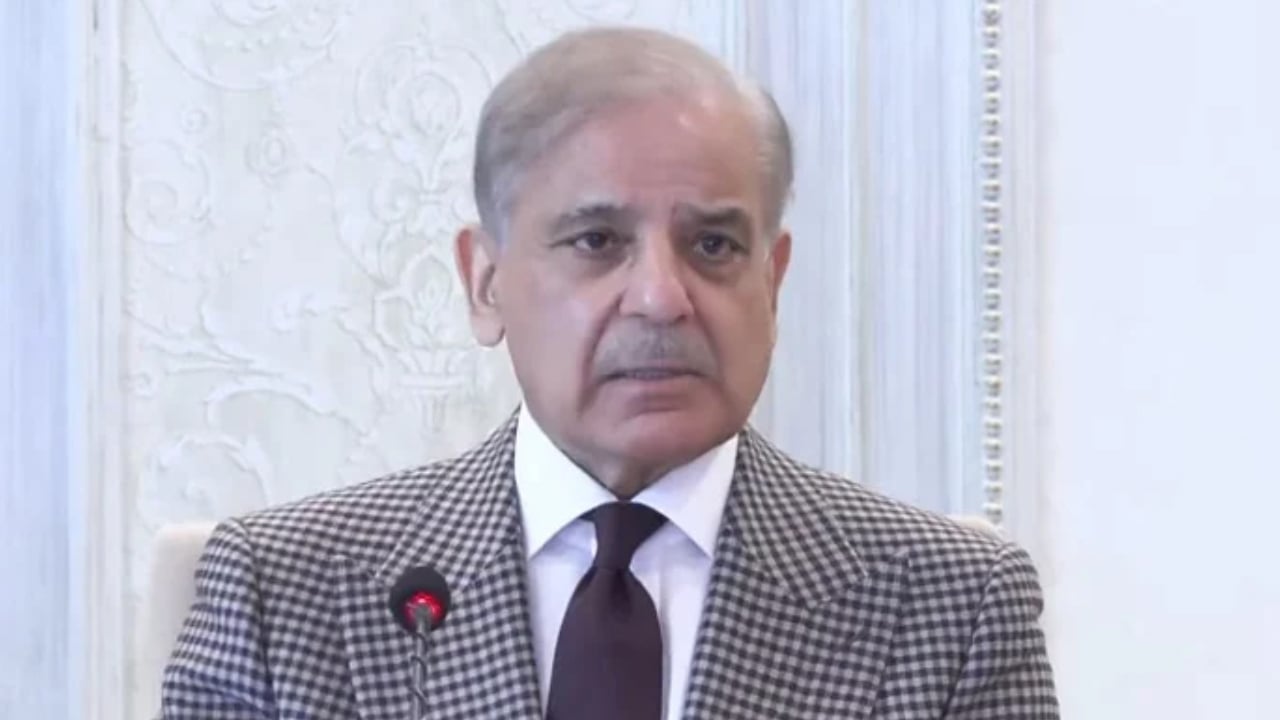
Pakistan’s Prime Minister Shehbaz Sharif has expressed hope that his country will soon host the next round of talks between Iran and the United States. In a post on social media platform X, he said Islamabad remains committed to mediating between the two nations and will continue its efforts to promote peace. According to a report by Middle East Eye, Pakistan has been playing a key role in facilitating diplomatic communication between Washington and Tehran. Both sides are reportedly pursuing dialogue to find a peaceful resolution to ongoing tensions. Earlier, U.S. President Donald Trump stated that a memorandum of understanding aimed at ending the U.S.-Israel conflict over Iran was nearing completion. Trump also mentioned that the potential agreement could lead to the reopening of the strategic Strait of Hormuz, though it still awaits final approval from negotiators representing the United States, Iran, and other involved countries.
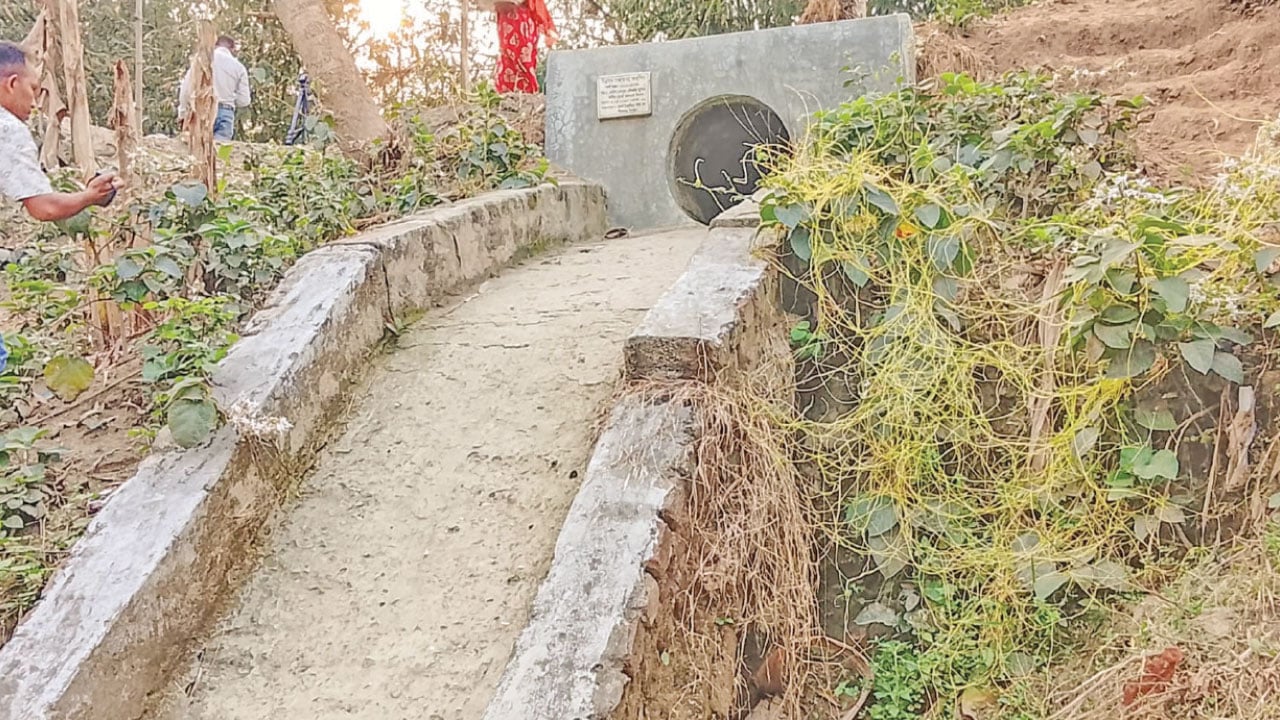
Villagers in Gopinathpur of Tukuria Union, Pirganj, Rangpur, have protested after a government project signboard was suddenly placed on a culvert they claim to have built with their own money and labor about two years ago. The incident has sparked anger and tension in the area, with residents accusing the local Union Parishad chairman of attempting to misappropriate funds by labeling their community-built structure as a government project. The chairman, Ataur Rahman Mondal, has denied all allegations. According to local residents, the culvert was constructed to improve water drainage in the area. They allege that the signboard, claiming the culvert was built under a government allocation, was installed secretly at night. Many villagers said they fear speaking publicly due to the chairman’s influence. Ataur Rahman Mondal, a long-time Awami League leader, stated that the culvert was built under the Local Government Ministry’s Development Assistance Fund in the 2022–23 fiscal year with a budget of 225,000 taka. Upazila Nirbahi Officer Popi Khatun said the Development Assistance Fund is no longer active and that the allegation will be investigated, with legal action to follow if wrongdoing is confirmed.
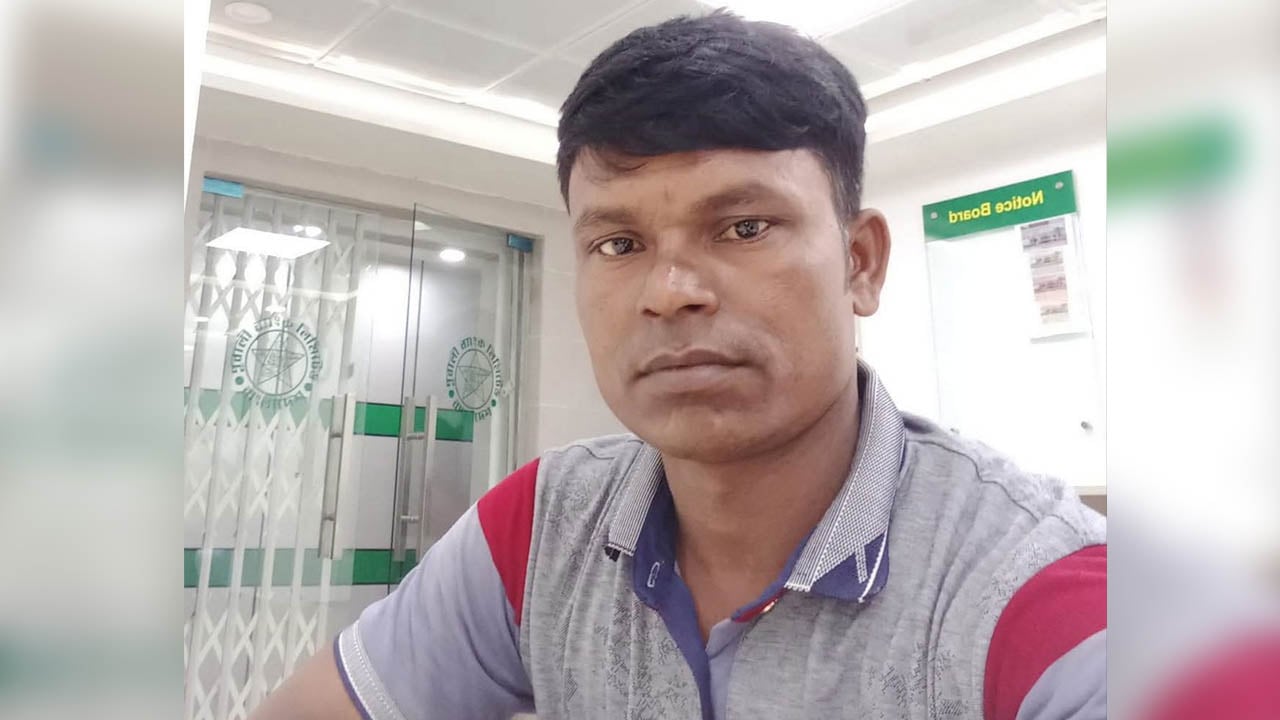
Ripon Mia, a 37-year-old expatriate from Gobindashree Bodda village in Madan upazila of Netrakona, was killed in a road accident near Madinah, Saudi Arabia. The incident occurred around 7 p.m. Saudi time on Wednesday, May 20, 2026, when a freight truck hit the taxi he was traveling in from Ambo to Fail city. His death was confirmed on Saturday by his younger brother Shamim Ahmed, who also works in Saudi Arabia. The accident left the taxi driver seriously injured. Family sources said Ripon had gone to Saudi Arabia in October of the previous year to improve his family’s financial condition and secure a better future for his children. He had been working in Ambo city but was traveling to visit acquaintances when the accident occurred. Before the crash, he had performed evening prayers in Madinah and spoken to his parents via video call. The news of his death has cast deep sorrow over his family and community in Netrakona. His father, Bachchu Mia, urged the government to take steps to bring his son’s body home quickly.
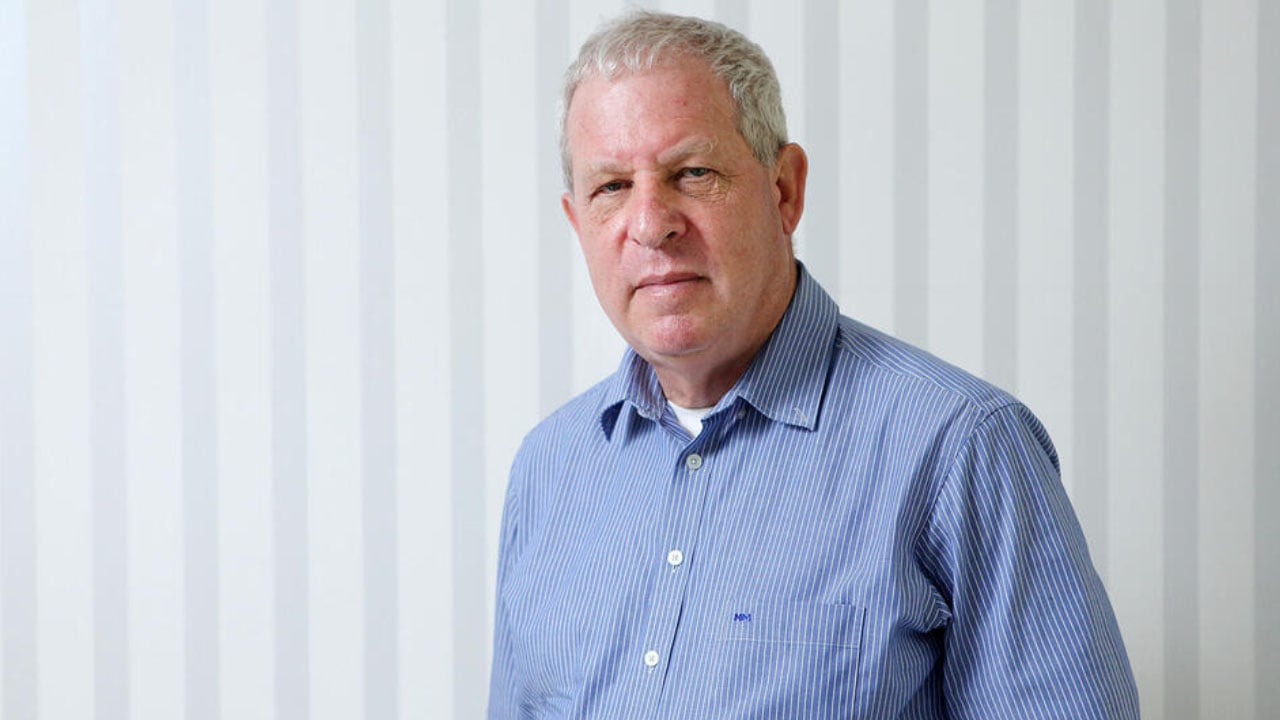
Former head of Israel’s National Security Council Giora Eiland has stated that Iran has emerged as the clear winner in its war against the United States and Israel. Speaking to Israel’s Channel 12, Eiland said that although Iran’s victory may have been by a narrow margin, it was nonetheless decisive. He described both Washington and Tel Aviv as now facing a difficult strategic situation. Eiland explained that Iran’s leadership has remained intact throughout the conflict and demonstrated resilience, which has strengthened Tehran’s position in negotiations with the United States and its allies. He added that Washington appears to be caught in a clear dilemma, as current diplomatic efforts are focusing more on ending the war rather than addressing Iran’s nuclear program. According to Eiland, this shift in focus represents a challenging scenario for both the United States and Israel, as it underscores Iran’s growing leverage in regional and diplomatic affairs.
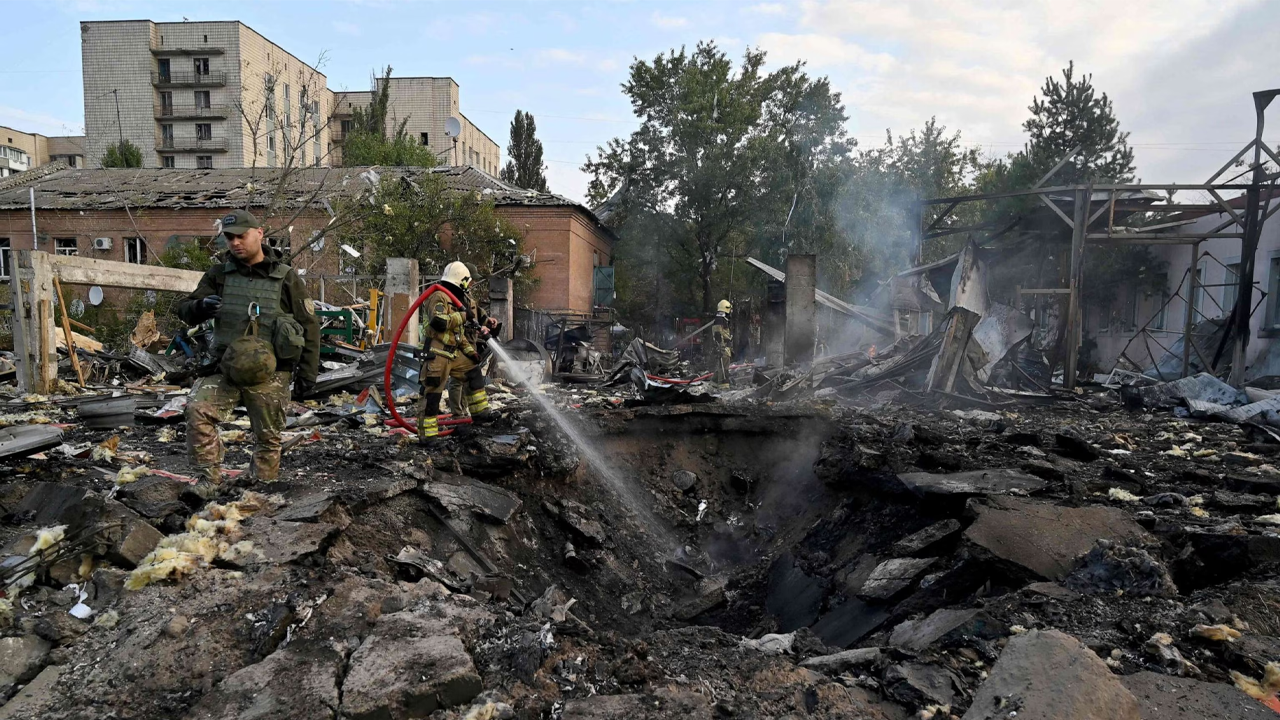
Russia carried out a large-scale missile attack on Ukraine’s capital, Kyiv, late Saturday night, following prior warnings from Ukraine and the United States. Multiple explosions were heard across the city, causing widespread panic. Ukraine’s Air Force reported that Russia used medium-range ‘Oreshnik’ ballistic missiles. Kyiv’s military administration chief, Taimur Takachenko, confirmed that the capital was under heavy attack and urged residents to seek shelter. Mayor Vitali Klitschko said several areas were hit, resulting in damage and casualties. The assault came a day after a drone strike on a college in the Russian-controlled Luhansk region’s Starobilsk area. Russia described that incident as a “terrorist attack,” claiming at least 18 children were killed, while Ukraine denied targeting civilians, stating it had struck the headquarters of the ‘Rubikon’ unit, which develops advanced drones. Ukraine has recently intensified long-range missile strikes on Russian-occupied territories, including two military targets last week, signaling an escalation in the ongoing conflict.
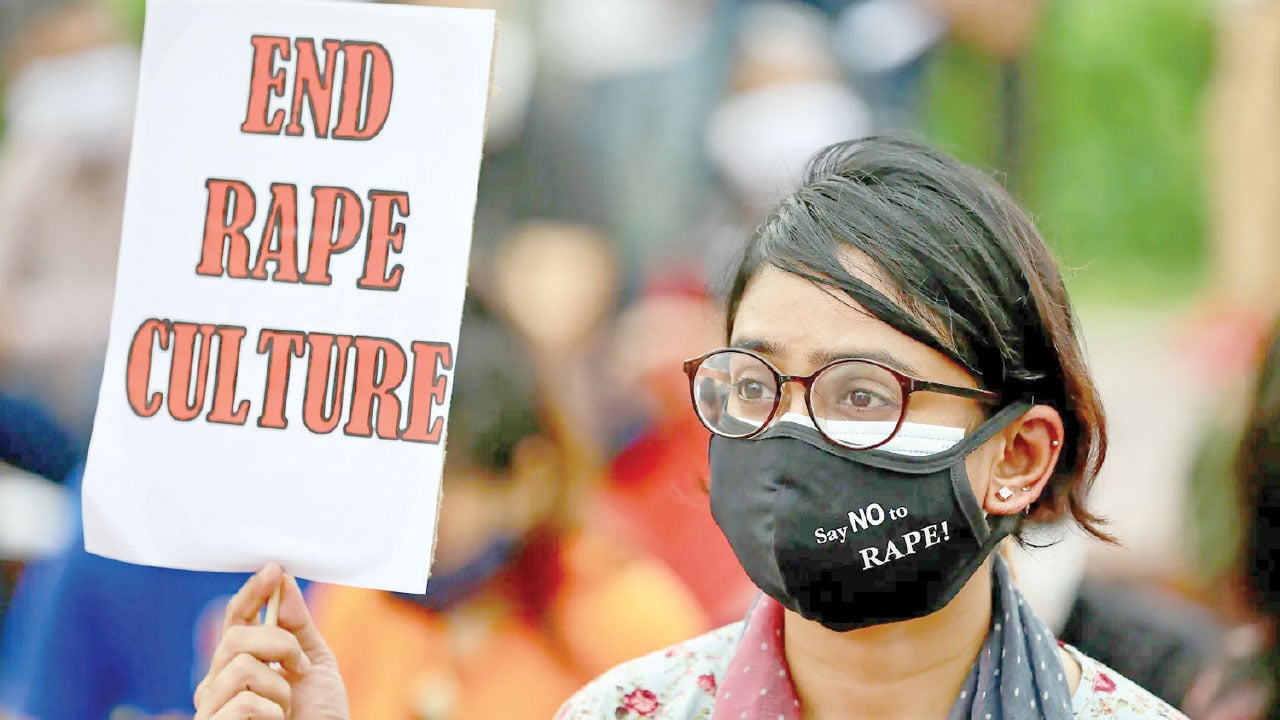
Former interim government adviser Farida Akhter has expressed grave concern over the growing number of child rape and murder cases in Bangladesh, linking the rise to delays in the judicial process. Writing in a commentary published on May 24, 2026, she cited the recent killing of eight-year-old Ramisa and the earlier 2025 case of seven-year-old Asiya, both victims of brutal sexual violence. In both incidents, family members of the perpetrators were accused of aiding the crimes. Akhter noted that despite public outrage and legal reforms following Asiya’s case, including a 2025 amendment to the Women and Children Repression Prevention Ordinance, such crimes have not declined. Data from January 1 to May 20, 2026, show 118 children raped, 46 attempted rapes, and 14 murders following rape. She criticized the slow execution of verdicts, including the pending death sentence of Asiya’s killer, and questioned whether current laws adequately protect children. She urged swift trials and enforcement of punishments, emphasizing that repeated delays undermine justice and embolden offenders. Prime Minister Tarique Rahman has reportedly assured Ramisa’s family of prompt legal action.
The upcoming 2026–27 national budget of Bangladesh is expected to be presented in parliament on June 11 by Finance Minister Amir Khosru Mahmud Chowdhury, marking the first budget of the BNP government. Based on published reports, the proposed budget size may reach about Tk 9.32 trillion, the largest since independence. The budget’s main goals include job creation and inflation control, with the government targeting 10 million new jobs within five years. The finance minister has emphasized reopening closed factories, ensuring power and gas supply, and supporting small and medium enterprises through loans and incentives. The World Bank, IMF, and ADB project GDP growth below 5 percent for the current fiscal year, prompting calls for a stable business environment. Inflation reached 9.04 percent in April, straining household purchasing power. Experts suggest that monetary policy alone is insufficient to curb inflation and recommend supply-side measures. The article also highlights structural weaknesses such as a low tax-to-GDP ratio of 8–9 percent, urging progressive tax reforms, pension incentives for taxpayers, and raising the tax-free income threshold to Tk 500,000–800,000. The budget is also expected to promote export diversification beyond the garment sector and increase allocations for education, health, and technical training to build skilled human resources and boost remittance income.

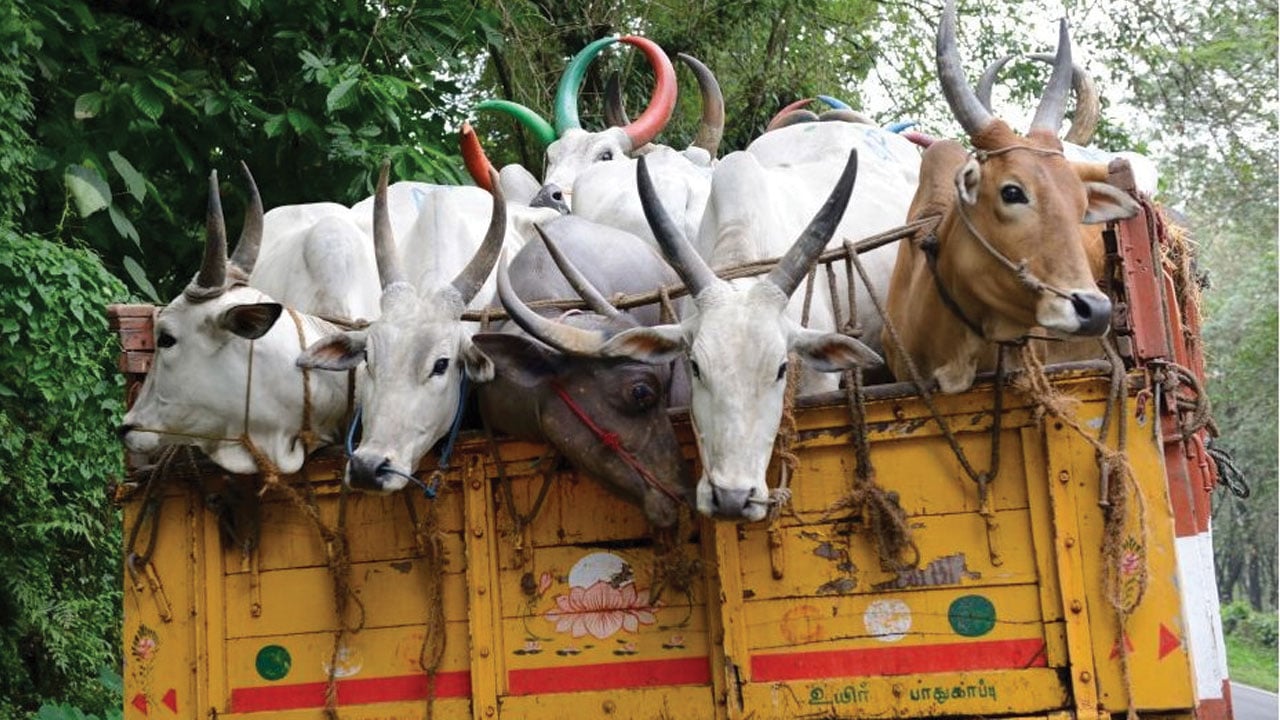
The newly elected Bharatiya Janata Party (BJP) government in West Bengal has imposed a complete ban on cow slaughter and sale, joining 19 other Indian states with similar restrictions. The decision, announced just before Eid al-Adha, has sparked widespread unrest across the state. Hindu farming families have taken to the streets in protest, accusing Chief Minister Suvendu of destroying their livelihoods. Many farmers claim they can no longer sustain their families without the income from selling cattle. According to Indian media reports and expert analyses cited in the article, the ban has triggered a severe chain reaction across India’s rural economy. Farmers, unable to sell aging cows, face mounting debts and reduced income. The dairy sector has slowed as farmers stop raising new cattle, driving milk prices beyond the reach of ordinary consumers. The meat and leather industries have also collapsed due to raw material shortages, leaving millions unemployed. Stray cattle now roam freely, damaging crops and forcing the government to spend heavily on shelters. Experts warn that the cumulative impact of these policies has placed immense pressure on India’s national budget and worsened rural poverty, creating a broad economic downturn linked to religiously motivated governance decisions.
The ‘1 Nojor’ media platform is now live in beta, inviting users to explore and provide feedback as we continue to refine the experience.