

The ‘1 Nojor’ media platform is now live in beta, inviting users to explore and provide feedback as we continue to refine the experience.
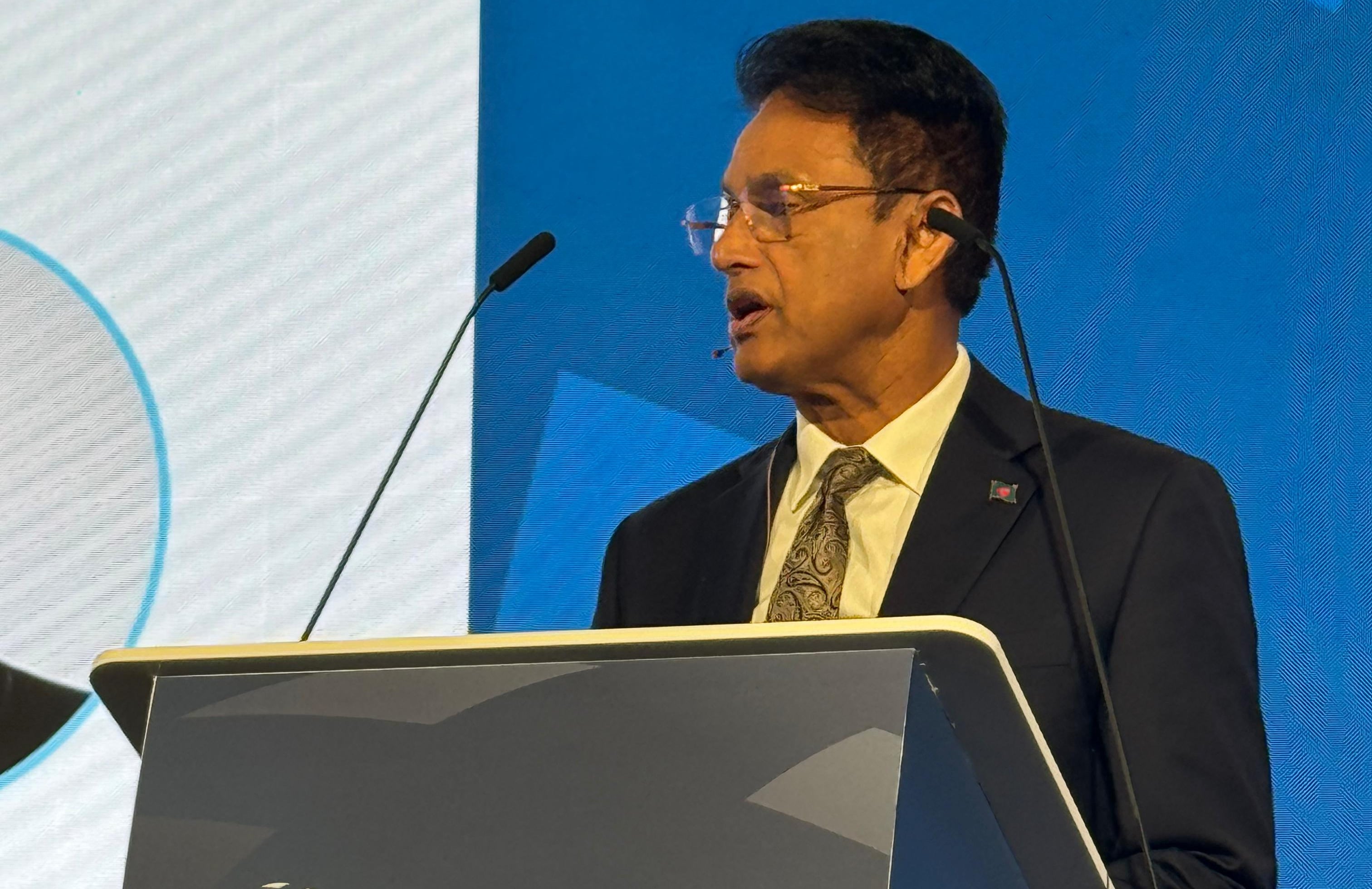
Bangladesh’s Minister of Education and Primary and Mass Education, Dr. A N M Ehsanul Hoque Milan, held a meeting with senior executives of Google in London. The discussion focused on technological transformation in Bangladesh’s education sector and Google’s potential technical and technological support for the government’s ‘One Teacher, One Tab’ initiative. The meeting took place on Tuesday on the sidelines of the ongoing Education World Forum 2026 at the Queen Elizabeth II Centre, according to a press release from the Ministry of Education issued on Wednesday. The statement said that Colin Marson, Director of Google for Education for the Asia-Pacific region, and Oli Trussell, Head of Solutions Engineering, attended the meeting. During the discussion, Google officials briefed the minister on the company’s global initiatives to modernize education systems and enhance learning quality through technology. In response, Dr. Milan presented the government’s forward-looking plans and roadmaps for expanding the use of technology in Bangladesh’s education system. The meeting underscored mutual interest in advancing digital education collaboration between Bangladesh and Google, with emphasis on innovation and capacity building in the education sector.
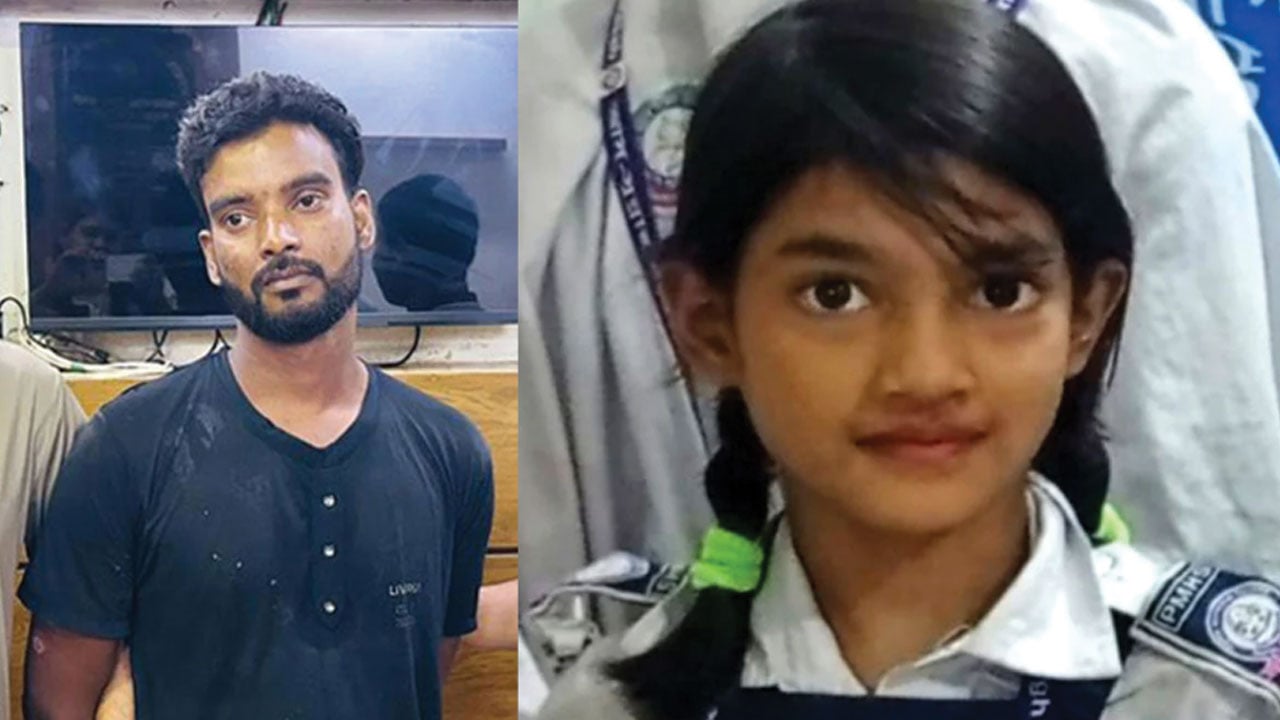
Sohel Rana, arrested for the rape and murder of eight-year-old Ramisa Akter in Dhaka’s Pallabi area, confessed his guilt before the Metropolitan Magistrate Aminul Islam Junaid on Wednesday afternoon. The confession was recorded after the investigating officer, Sub-Inspector Ohiduzzaman of Pallabi Police Station, presented Sohel in court and sought permission to record his voluntary statement. Following the confession, the court ordered Sohel to be sent to jail. Another accused, Sohel’s wife Swapna Akter, was produced before Metropolitan Magistrate Md Ashraful Haque’s court and was also sent to jail after a hearing. According to court sources, Ramisa, a second-grade student at Popular Model High School, was lured into Swapna’s flat on the morning of May 19. Later, neighbors discovered her decapitated body inside the apartment after noticing her shoes outside the door. Police said Sohel fled through a window after the incident but was later arrested near Fatullah Police Station in Narayanganj. The investigation into the brutal killing is ongoing.
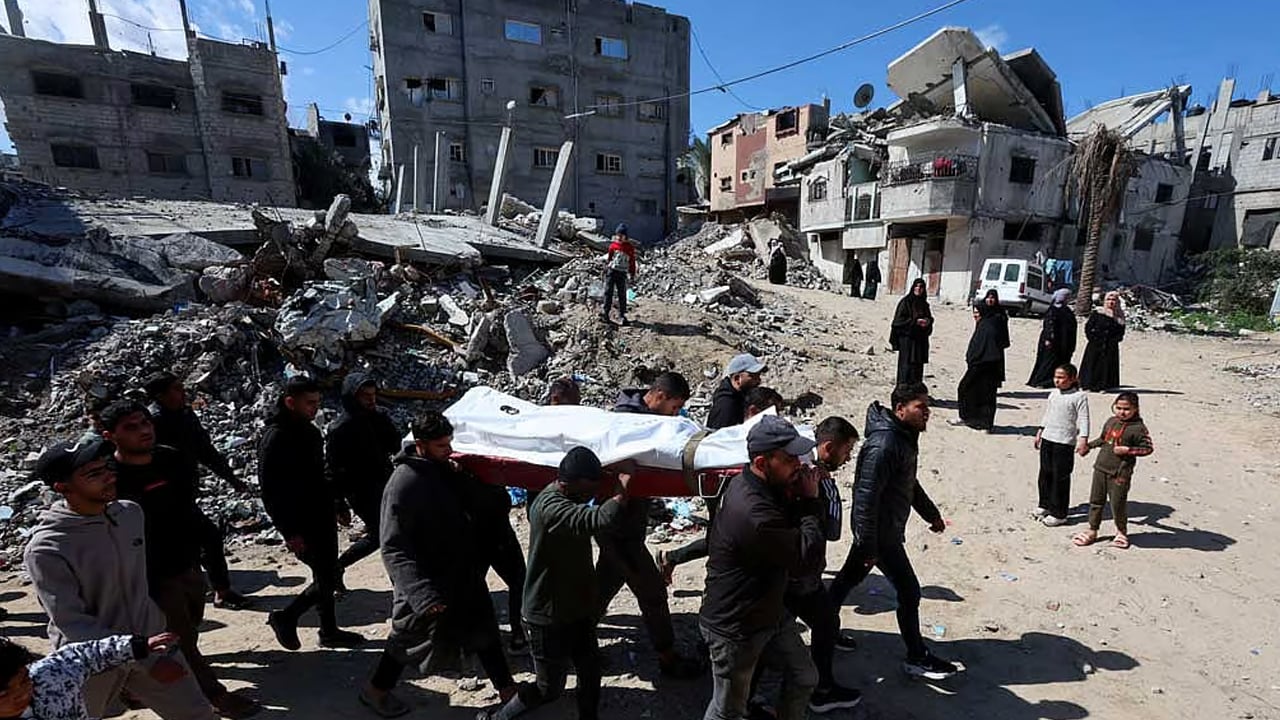
The death toll from Israel’s ongoing military operations in the Gaza Strip has risen to at least 72,773, with another 172,723 people injured, according to Gaza’s Health Ministry. The ministry reported that the campaign, which began in October 2023, has caused extensive casualties and destruction across the enclave, affecting large numbers of civilians, including women and children. Although a ceasefire was announced last October, attacks have continued almost daily. Since that time, at least 881 people have been killed and 2,621 injured in renewed strikes, the ministry said. The continuing violence has deepened the humanitarian crisis in Gaza. International concern over the situation has grown, but a lasting ceasefire and adequate humanitarian aid have yet to be secured, leaving the region in prolonged instability and suffering.
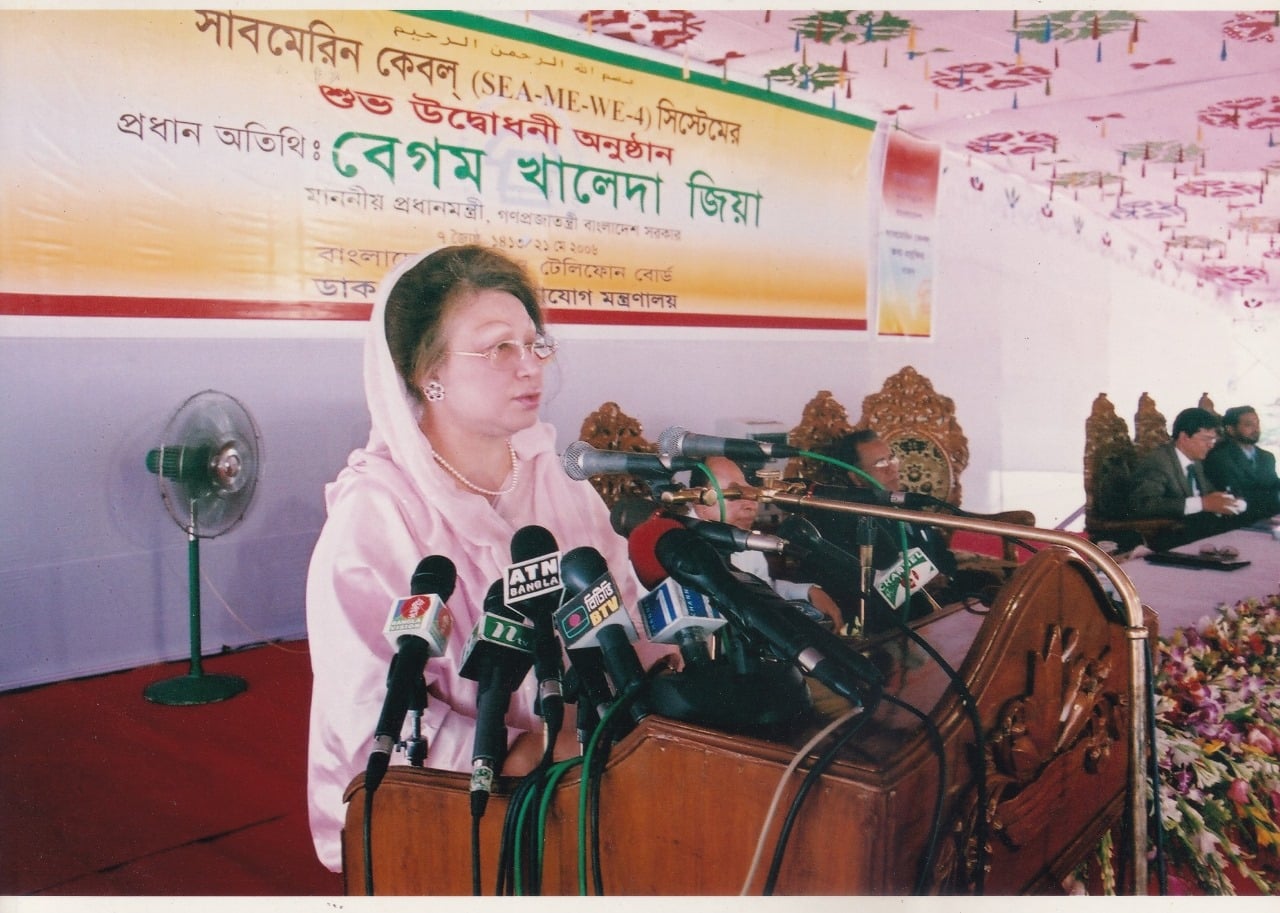
Bangladesh will celebrate two decades of high-speed internet and digital transformation on May 21, marking the 20th anniversary of the country’s first submarine cable, SEA-ME-WE 4, inaugurated in 2006 at Cox’s Bazar by then Prime Minister Begum Khaleda Zia. The Bangladesh Submarine Cables PLC (BSCCPLC) reaffirmed its pledge to safeguard national data infrastructure and digital sovereignty on this milestone occasion. Before 2005, Bangladesh’s international communication relied entirely on satellites, resulting in slow internet speeds and high costs. The launch of SEA-ME-WE 4 connected Bangladesh to a global network stretching from Singapore to France, initially offering 22 Gbps capacity. Through successive upgrades, the cable’s capacity has reached about 4,650 Gbps by 2024. The project spurred rapid growth in freelancing, e-commerce, mobile banking, and digital public services across the country. Following the success of SEA-ME-WE 4, the second cable SEA-ME-WE 5 was launched in 2017, and the third, SEA-ME-WE 6, is nearing completion. Together, these systems will raise total capacity to about 38 Tbps, exceeding projected national demand for 2027. BSCCPLC has also initiated plans for a fourth cable to further strengthen Bangladesh’s digital infrastructure.
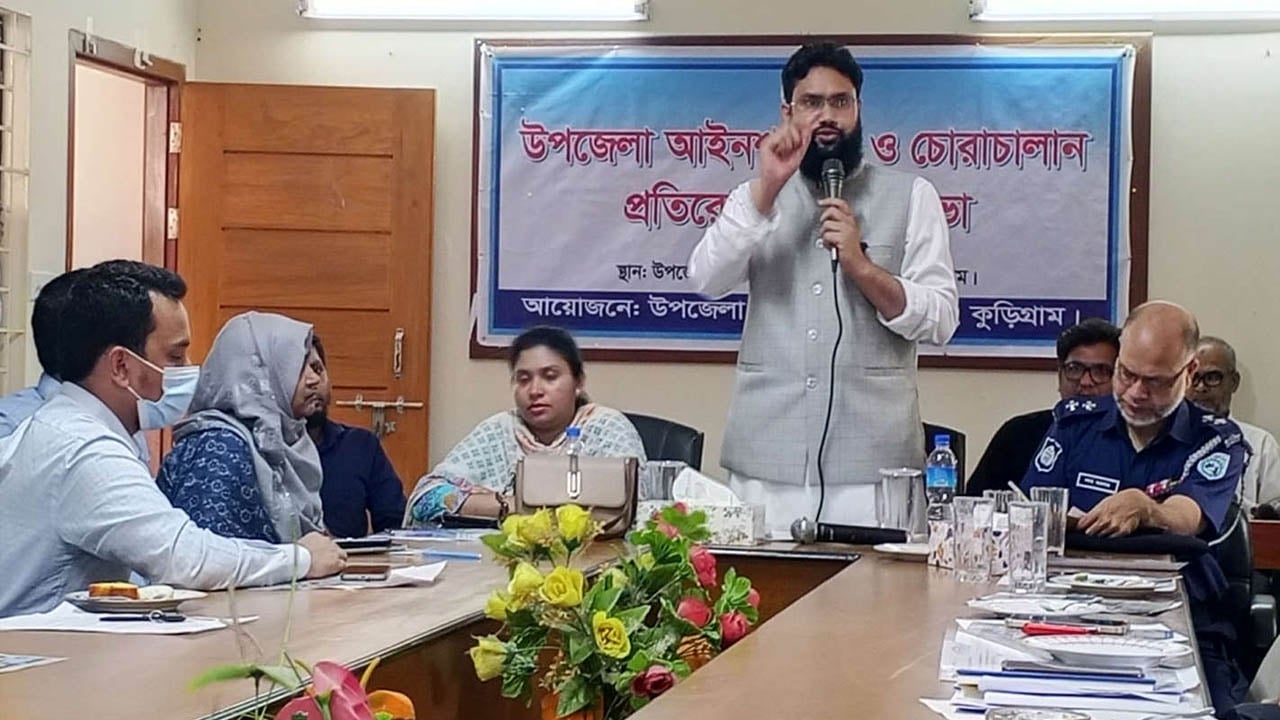
Dr. Atik Mujahid, the Member of Parliament for Kurigram-2 and a representative of the 11-party alliance, has called for all political and social groups in Fulbari upazila to unite in eliminating drugs and advancing local development. He made the appeal on Wednesday afternoon while addressing a meeting of the Fulbari upazila law and order and anti-smuggling committee, chaired by Upazila Nirbahi Officer Dilara Akter. During his speech, Dr. Mujahid urged leaders of all political parties to identify local problems and submit them to him for presentation in the national parliament and relevant government offices. He warned government officials against corruption and emphasized that those who fail to serve the public would not be allowed to remain in their positions. Addressing the police, he stated that drug trafficking could not continue if law enforcement acted decisively. The meeting was attended by local officials, political leaders from various parties, and representatives from law enforcement, agriculture, education, and health sectors, who also shared their views on the issues discussed.
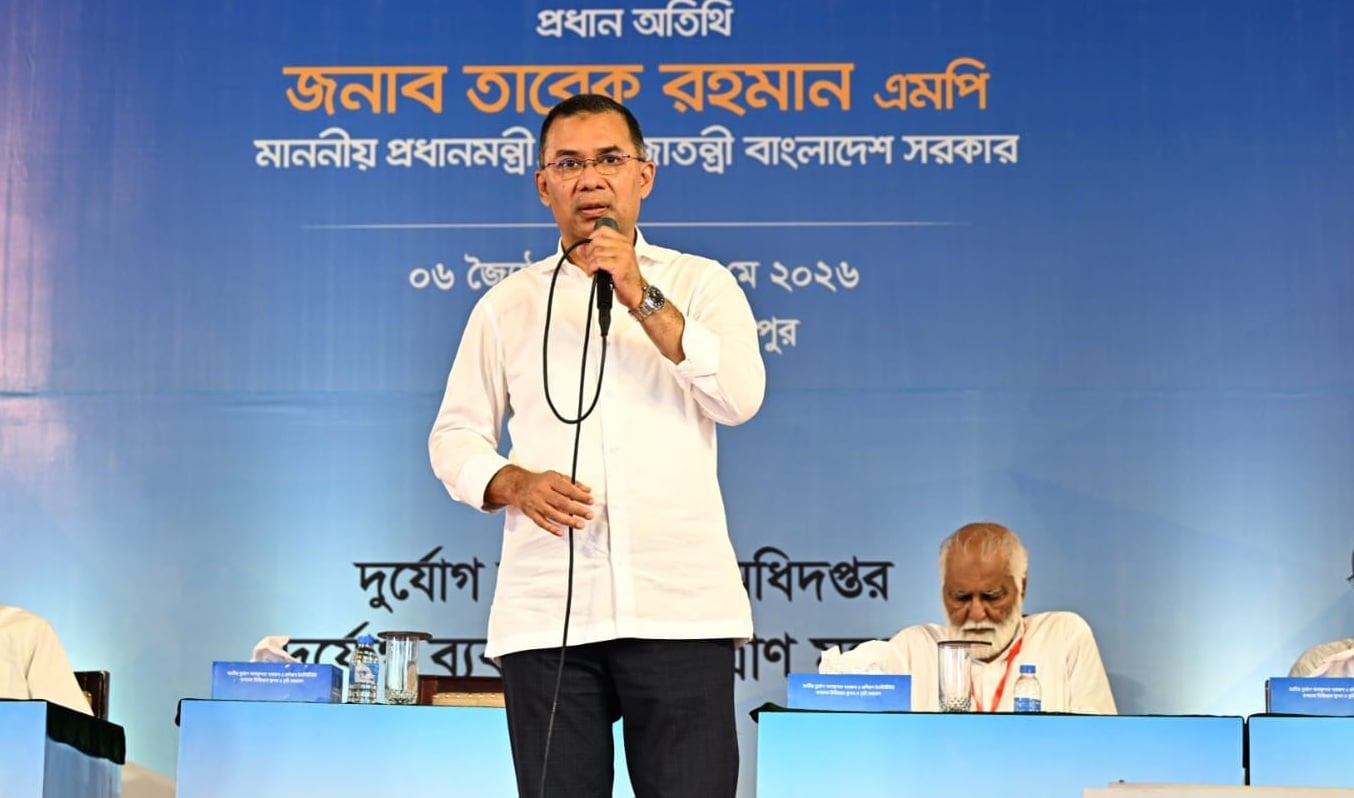
Prime Minister Tarique Rahman announced that the government will construct a Teesta Barrage similar to the Padma Barrage. He made the declaration on Wednesday at a gathering in Sataish, Gazipur, held on the premises of the National Disaster Management Research and Training Institute. Earlier, he laid the foundation stone of the institute, which will be built on about eight acres of land and include administrative and residential facilities for trainees. The institute will provide specialized training for members and volunteers of disaster management organizations. Explaining the importance of the Padma Barrage, the Prime Minister said it aims to ensure water availability during dry and rainy seasons and to counter the effects of reduced river flow caused by upstream structures. He linked the project to protecting the environment and preventing saline water intrusion in southern regions, including the Sundarbans. Rahman also emphasized the need for environmental awareness, citing deforestation in Cox’s Bazar due to Rohingya settlements and road construction. He urged citizens to be conscious of disaster preparedness and resource protection, stating that safeguarding national assets is essential for Bangladesh’s progress toward becoming a developed nation.
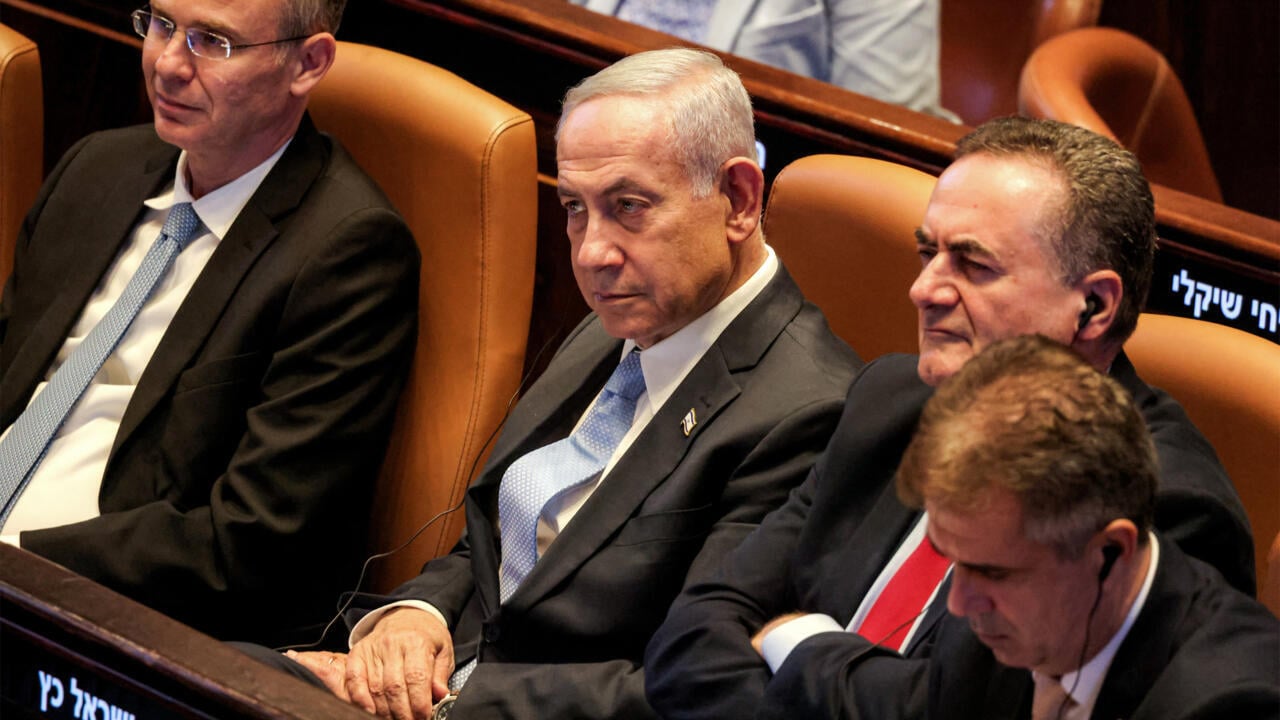
Israel’s parliament, the Knesset, has taken a significant step toward early elections after a bill to dissolve the legislature passed a preliminary vote on Wednesday. Out of 120 members, 110 lawmakers supported the measure. The bill will now proceed to committee review and must pass three further readings before becoming law. Prime Minister Benjamin Netanyahu continues to favor holding the general election as scheduled at the end of October, despite the preliminary approval. He is expected to continue talks with ultra-Orthodox (Haredi) parties to delay the dissolution process. Haredi factions have recently shown willingness to back opposition-led dissolution bills, though their cooperation remains uncertain. Several controversial legislative proposals remain under discussion, including plans to divide the attorney general’s powers, place the police internal affairs unit under the justice minister, and reform media oversight. These measures require Haredi support, which has been inconsistent. Additionally, the Knesset’s Foreign and Defense Committee is set to discuss bills on extending mandatory military service and exempting Haredi men from conscription, reportedly at Netanyahu’s direction.
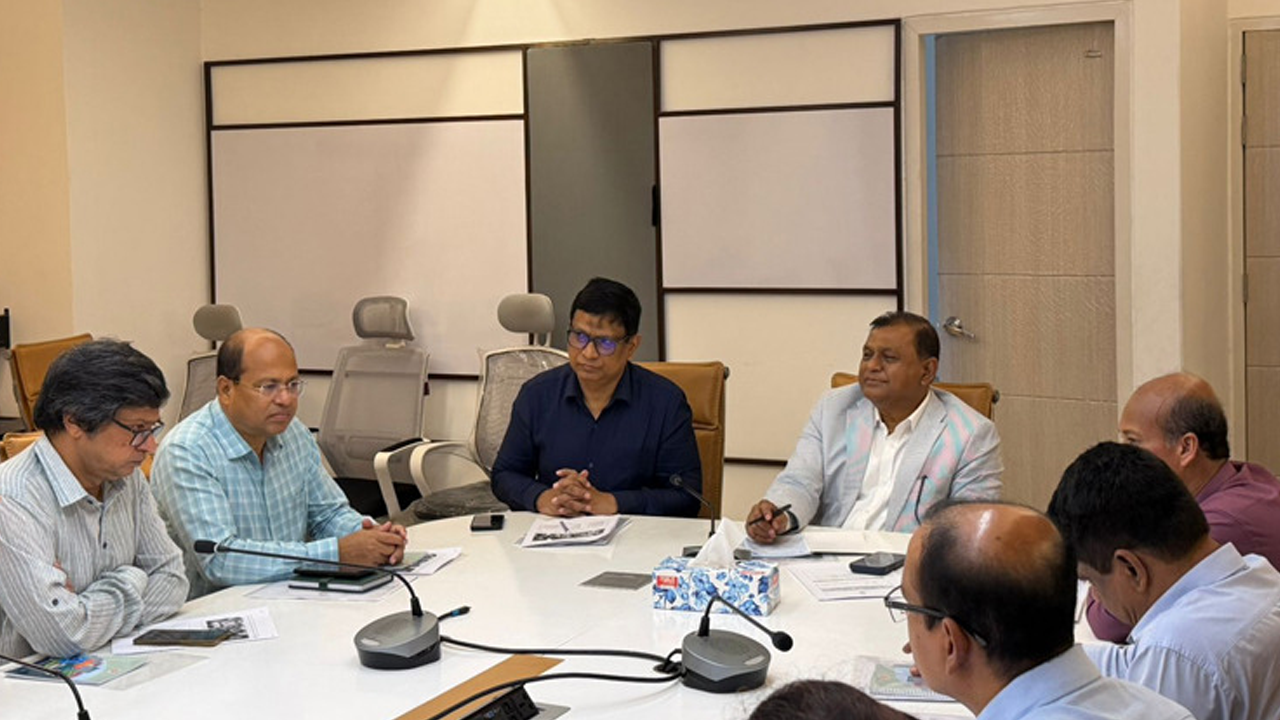
Education Secretary Abdul Khaleque has stated that no negligence or irregularities will be tolerated in the printing and distribution of revised textbooks for the 2027 academic year. He made the remarks on Wednesday during a meeting with senior officials at the National Curriculum and Textbook Board (NCTB) office, where preparations for timely textbook delivery were reviewed. The secretary said the new history textbooks will accurately reflect contributions from the Liberation War through the 2024 student and public uprising. The 2027 curriculum will include the historical role of late President Ziaur Rahman, details of the November 7 “Sipahi-Janata Revolution,” and the anti-Ershad movement led by former Prime Minister Khaleda Zia. These additions aim to present an inclusive and factual national history. Khaleque emphasized that around 300 million textbooks will be printed and distributed under a clear roadmap prepared by NCTB. He further noted that all printing contractors will be thoroughly vetted to prevent low-quality production, and full transparency will be ensured throughout the textbook printing process.
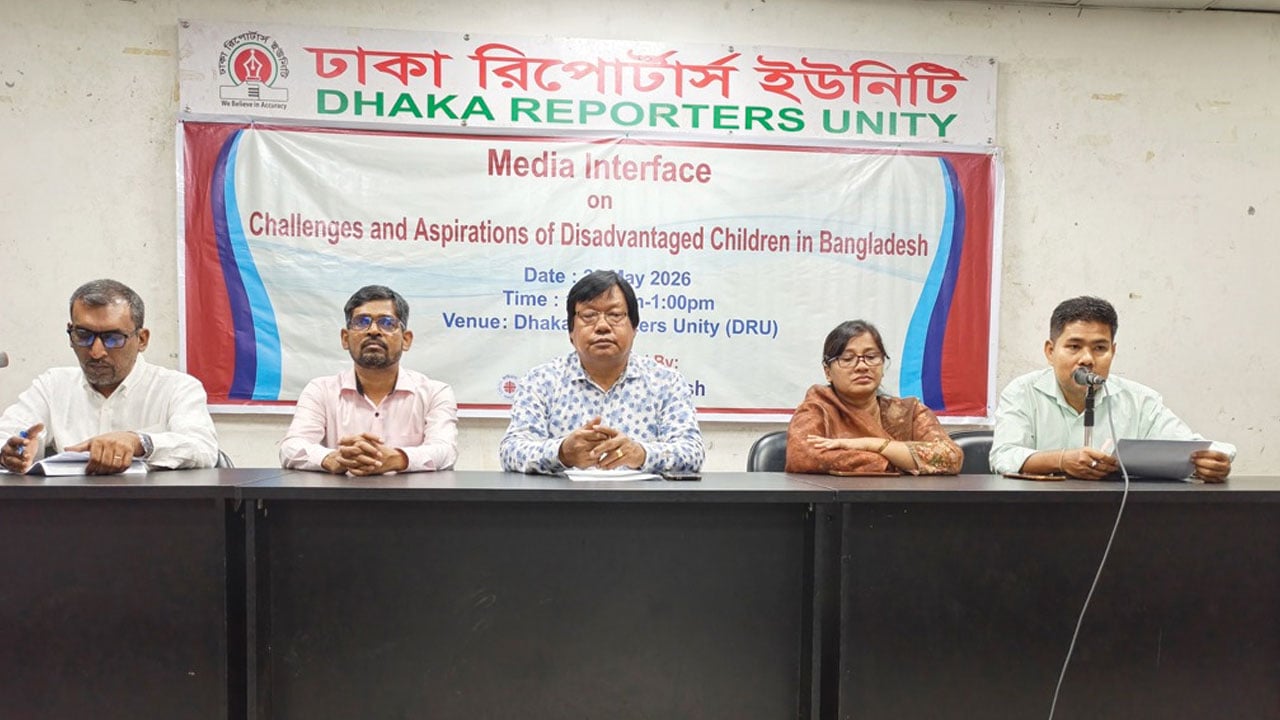
Caritas Bangladesh has called for mandatory birth registration immediately after childbirth at hospitals and community clinics, along with the introduction of a conditional child allowance for street children and those from ultra-poor families. The organization made these demands during a media consultation held at the Dhaka Reporters Unity auditorium, where officials and representatives of street children were present. Caritas Development Institute Director Theophil Nokrek read a written statement outlining eight specific demands to strengthen child protection and social inclusion. According to data cited at the event, only nine percent of children in 2024 were registered within 45 days of birth, despite legal requirements. Caritas emphasized that children without birth certificates face barriers to education, healthcare, and social benefits. The group also highlighted that 58.2 percent of street children lack birth certificates, and most do not know their parents’ national ID numbers, making registration nearly impossible under current rules. Caritas urged the government to expand social safety nets, simplify registration for parentless children, and ensure coordinated action among state and non-governmental actors to secure the rights and future of disadvantaged children.
Mohammedan Sporting Club took a 2-1 lead over Bashundhara Kings in the first half of the Federation Cup final, held a day later than scheduled at Kings Arena. The match, filled with intensity and excitement, drew strong attention from football fans. Uzbek midfielder Mozafarov opened the scoring for Mohammedan with a free kick in the fifth minute, but Bashundhara Kings quickly equalized through a penalty converted by Dorielton Gomez. Kings had a chance to go ahead when Rakib found the net, but the goal was ruled offside. Mohammedan then earned a penalty after midfielder Shafiqul Hossain was fouled by defender Tapu Barman, but Mozafarov’s shot was saved by goalkeeper Mehedi Hasan Srabon. In the 33rd minute, Saurav Dewan restored Mohammedan’s lead, finishing from Jahid Hasan’s pass inside the box. The first half ended with Mohammedan leading 2-1. The final’s dramatic exchanges and missed opportunities set the stage for a tense second half as both teams chase the Federation Cup title.

Russian President Vladimir Putin stated that relations between China and Russia have reached an unprecedented height, describing them as a model for modern international relations. He made the remarks during the opening of a high-level meeting with Chinese President Xi Jinping in Beijing. Putin emphasized that despite global challenges, the two nations’ strategic partnership and economic cooperation continue to advance strongly. According to Putin, trade between China and Russia has increased more than thirtyfold over the past twenty-five years, with annual trade volumes exceeding 200 billion dollars for several consecutive years. He identified the energy sector as the main driver of economic cooperation, noting that Russia remains a reliable energy supplier while China acts as a responsible consumer amid ongoing Middle East tensions. Putin added that the comprehensive strategic partnership between the two countries serves as an exemplary model of state relations in the modern era, built on mutual trust and resilience against global pressures, with the welfare and prosperity of both peoples as its core objective.

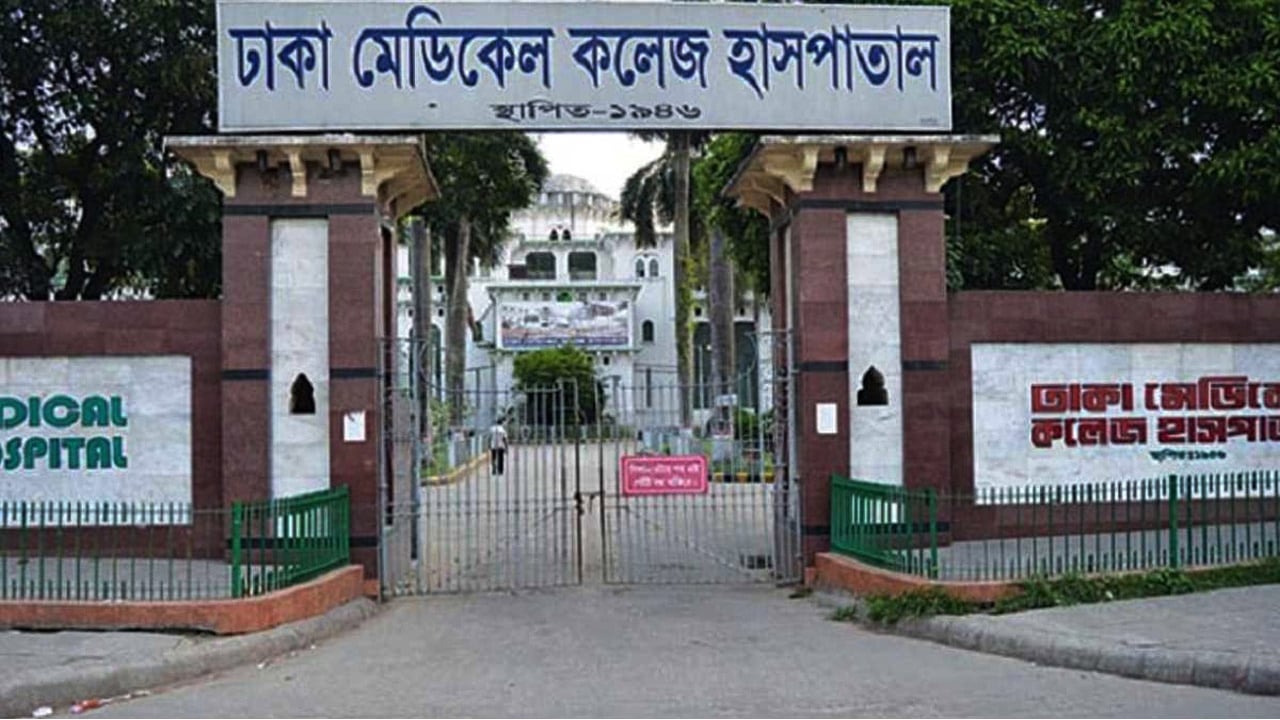
Mohammad Rafi Hossain, a 26-year-old online clothing trader, died on Wednesday morning while undergoing treatment at the intensive care unit of Dhaka Medical College Hospital. He had been critically injured in a shooting by a teenage gang in the capital’s Lalbagh area on May 14. Police confirmed that the attack was carried out with the intent to kill due to previous enmity. His body has been kept at the hospital morgue for autopsy. According to local sources and Rafi’s friend Sajib, a group of seven to eight assailants, including individuals named Imon, Shahabuddin, Mintu, and Rezaul, attacked them in Shahid Nagar on Thursday night. The attackers first questioned Sajib about a youth named Shahin, and when he denied knowing him, they began beating him. Rafi was shot when he came forward to intervene, with a bullet piercing his right side. Residents alleged that the attackers were known teenage gang members and drug dealers in the area. Police said operations are ongoing to arrest those involved.
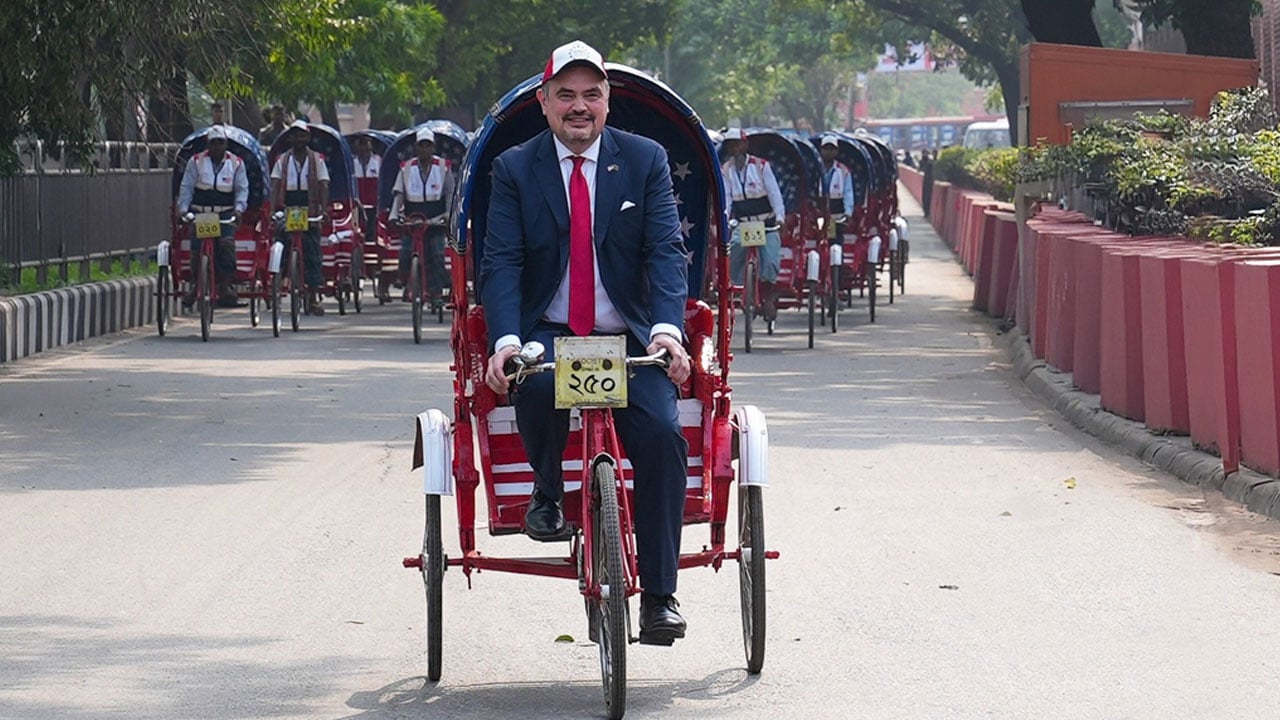
US Ambassador to Bangladesh Brent Christensen drove a rickshaw on a street in Baridhara, Dhaka, on Wednesday, May 20, as part of a symbolic event marking the 250th anniversary of the United States. The event featured the inauguration of specially designed rickshaws in red, white, and blue colors, representing the American flag. According to the US Embassy in Dhaka, Ambassador Christensen inaugurated 50 such rickshaws to celebrate the milestone anniversary. The initiative was intended to highlight both the celebration of US independence and the partnership between Bangladesh and the United States. The symbolic ride and the launch of the themed rickshaws underscored the cultural connection and friendship between the two nations as part of the broader commemoration of the United States’ founding anniversary.
Four people died while cleaning a septic tank in Kalikachh Union’s Galania village of Sarail upazila, Brahmanbaria, on Wednesday afternoon. The incident occurred at the house of Ali Mia, where the victims entered the tank and were overcome by toxic gas. The deceased were identified as Mamsar, 18, of Galania village; Imam Hossain, 15, and Hridoy Mia, 15, of Uttar Galania Paschimpara; and Arman, 14, of Dharmatirtha village. According to local sources, the victims suffocated after inhaling poisonous gas inside the tank. Mamsar was a pipe fitter by profession and was reportedly preparing to travel abroad soon. Members of the Bangladesh Fire Service and Civil Defence arrived at the scene and began rescue operations after receiving the report. Sarail Police Station Officer-in-Charge Manjur Kader confirmed that police were on their way to the site and said further details would be provided later.

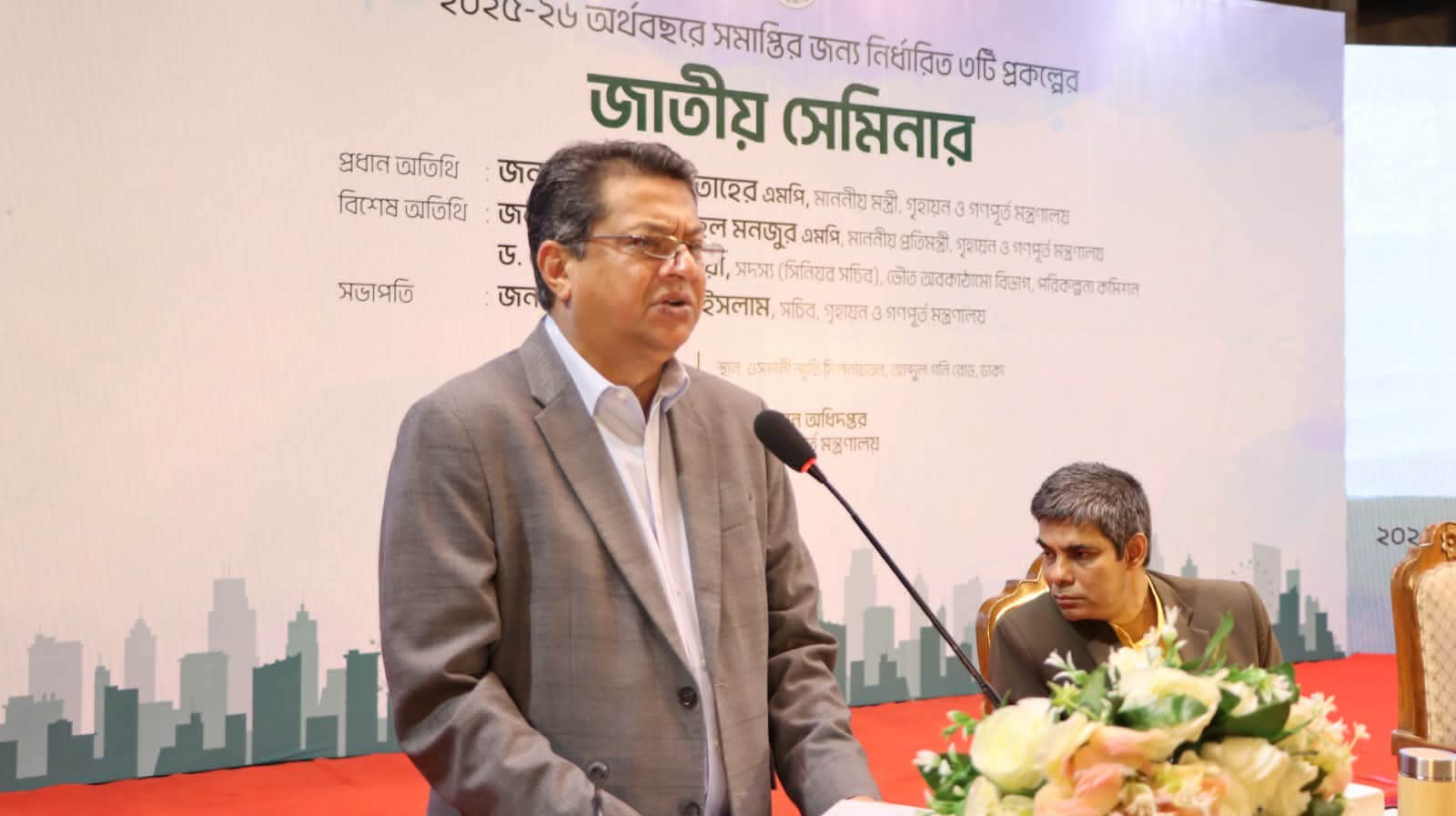
Housing and Public Works Minister Zakaria Taher said that integrated spatial planning is essential to ensure planned, inclusive, and sustainable urban development amid rapid urbanization. Speaking as the chief guest at a seminar organized by the Urban Development Directorate at Osmani Memorial Auditorium in Dhaka on Wednesday, he emphasized the need for science-based planning that balances development and environmental protection to create a safe and livable Bangladesh for future generations. The minister noted that three ongoing projects prioritize farmland preservation, environmental protection, improved communication systems, expanded civic amenities, waterlogging prevention, disaster risk reduction, and local economic growth. These initiatives aim to build climate-resilient infrastructure, protect biodiversity, and improve citizens’ quality of life. State Minister for Housing and Public Works Ahmad Sohel Monjur added that spatial planning is crucial for developing citizen-friendly and modern cities. He stressed the importance of ensuring effective implementation of the three projects presented at the seminar.
The ‘1 Nojor’ media platform is now live in beta, inviting users to explore and provide feedback as we continue to refine the experience.