

The ‘1 Nojor’ media platform is now live in beta, inviting users to explore and provide feedback as we continue to refine the experience.
A woman was killed and five others injured when a bus hit an autorickshaw on the Dhaka–Chattogram highway in the Nabagram area of Chauddagram, Cumilla. The accident occurred on Monday afternoon when the autorickshaw overturned after being struck by a KK Travels bus traveling in the wrong direction. The deceased was identified as Jesmin Akter, 42, wife of Montu Mia from Balujuri village. The injured included the autorickshaw driver Nizam Uddin and four passengers. According to local sources, Jesmin Akter and four other women were returning home from Chauddagram Bazar when the collision occurred. Locals rescued the injured and took them to Chauddagram Upazila Health Complex for initial treatment before transferring them to Cumilla for advanced care. A doctor at the health complex confirmed that Jesmin Akter had died before reaching the hospital. Police from Miyabazar Highway Station recovered the damaged vehicles and took them to the station. The injured victims were admitted to the hospital for further treatment.
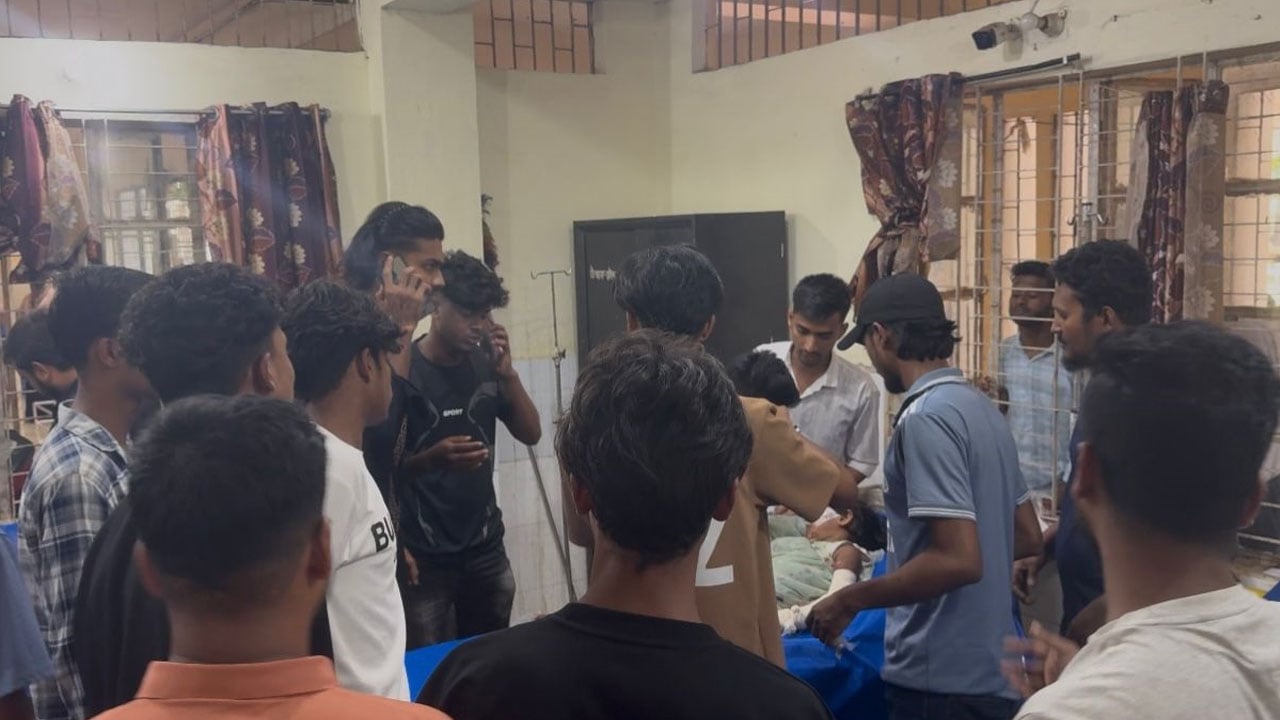
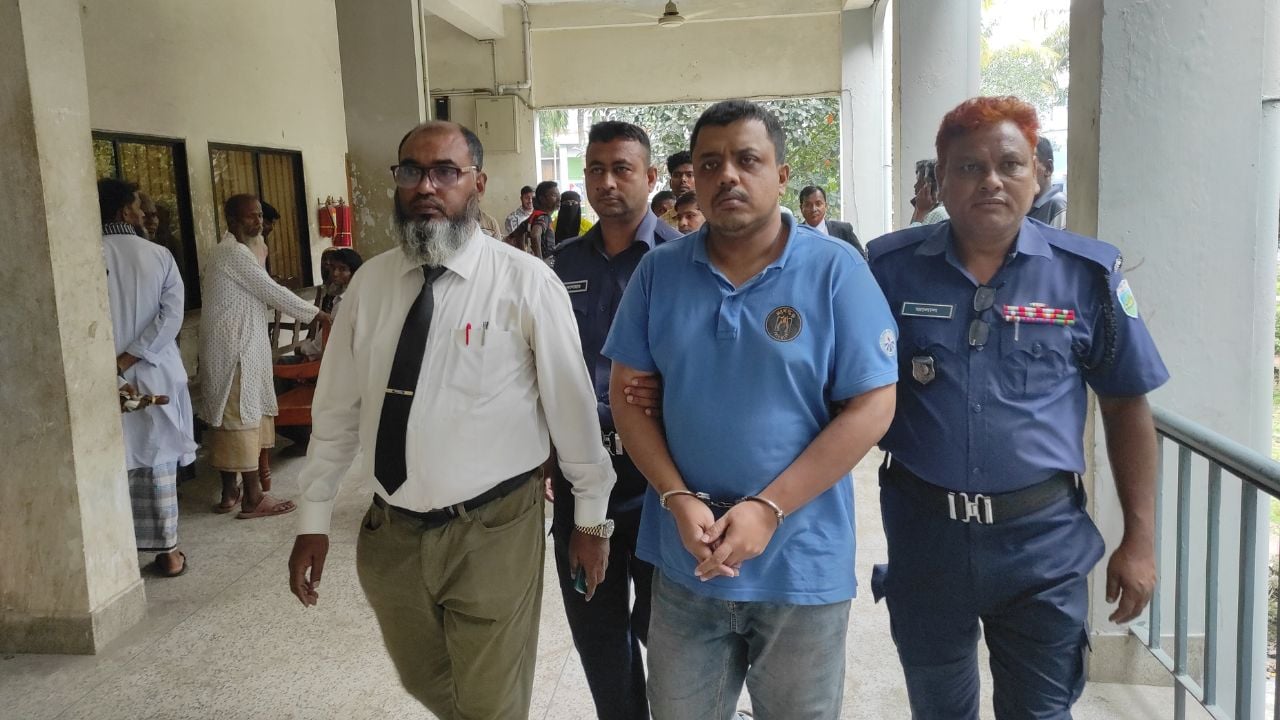
A special tribunal in Sirajganj has sentenced Dr. Raihan Sharif, a lecturer at Shaheed M. Monsur Ali Medical College, to 21 years in prison under two sections of the Arms Act. The verdict was delivered on Monday afternoon by Judge Iqbal Hossain of Sirajganj Special Tribunal-1. The court confirmed that the period Dr. Sharif spent in custody during the trial will be deducted from his total sentence. According to the case documents, on March 4, 2024, Dr. Sharif entered an examination hall at the college’s academic building with firearms and knives, allegedly to intimidate students. During the incident, he fired a pistol that struck student Arafat Amin Tamal, 22, in the right leg, causing serious injury. Enraged students detained Dr. Sharif and alerted police, who recovered two foreign pistols, ammunition, magazines, and knives from the scene. Following the incident, police arrested Dr. Sharif and filed a case under the Arms Act. After reviewing witness testimony and evidence, the court handed down the 21-year sentence on May 18, 2026.
Finance ministers from the G7 industrialized nations are meeting in Paris on Monday for a two-day session aimed at forming a unified stance amid global economic uncertainty and the ongoing war in the Middle East. France, currently holding the G7 presidency, faces the challenge of maintaining open dialogue as trade tensions rise following U.S. President Donald Trump’s tariff measures. Reducing dependence on China’s rare mineral supplies, crucial to the fast-growing artificial intelligence sector, is among the meeting’s top priorities. French Finance Minister Roland Lescure said last week that the global economic trajectory of the past decade is unsustainable, citing the U.S. budget deficit, Europe’s innovation gap, and China’s weak consumer demand and industrial overcapacity. He emphasized that while multilateral cooperation remains possible, discussions are difficult, especially with the United States. Trump’s trade-focused diplomacy has raised concerns among G7 leaders as the Middle East conflict heightens risks of stagnation and inflation. German Finance Minister Lars Klingbeil described the G7 as an appropriate platform to discuss ending the Iran war, stressing the need to stabilize the region and secure shipping through the Strait of Hormuz. A final press conference is scheduled for Tuesday afternoon.

Ukraine has claimed that a Russian drone struck a Chinese-owned cargo ship in the Black Sea on Monday night, just as Russian President Vladimir Putin was preparing for a visit to China. Ukrainian President Volodymyr Zelensky said on social media that during a Russian drone attack in the Odesa region, one unmanned aerial vehicle hit the Chinese vessel. Navy spokesperson Dmytro Pletenchuk stated that all crew members were Chinese nationals and none were injured. The ship, identified as the KSL De Yang, continued its voyage despite visible burn marks on its upper structure. Ukraine also reported that Russia launched 524 drones and 22 missiles overnight, including ballistic and cruise types. China has long called for dialogue to end the war but has not condemned Russia’s 2022 invasion, presenting itself as a neutral mediator. The incident comes after Russia withdrew from a UN- and Turkey-brokered deal that had allowed Ukrainian grain exports through the Black Sea.

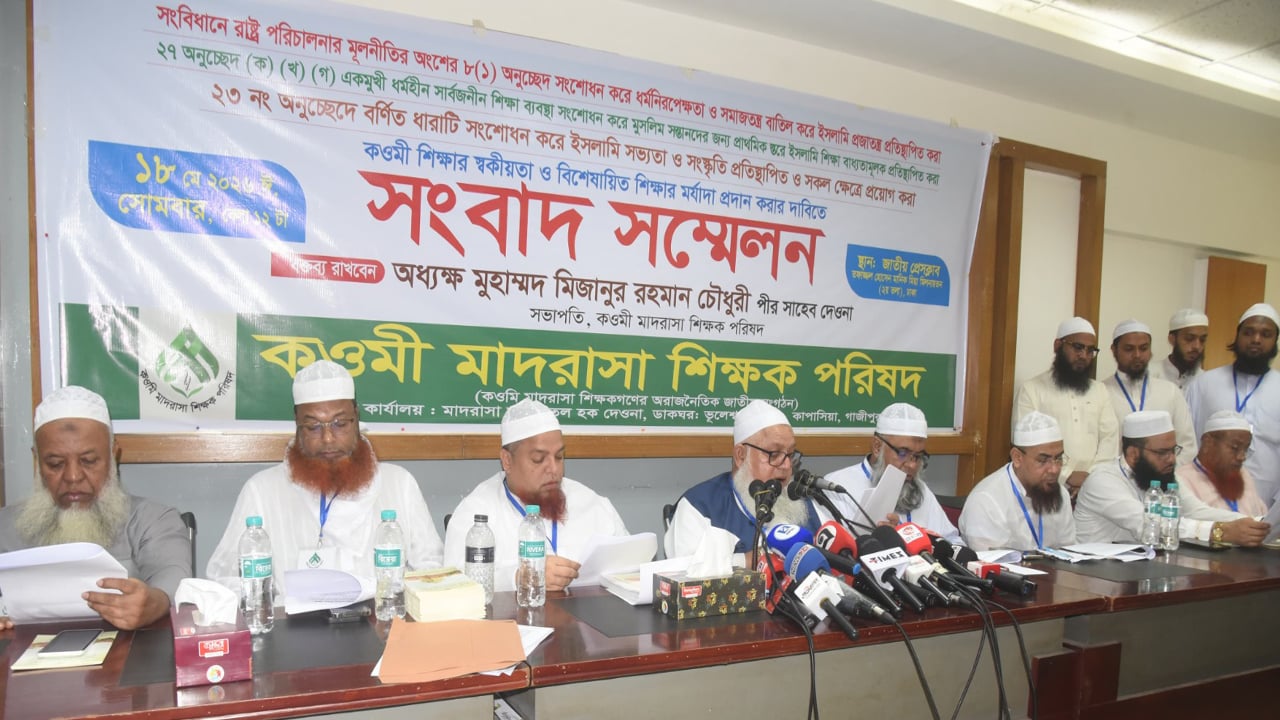
The Qawmi Madrasa Teachers Council announced an 18-point demand at a press conference held on Monday at the Tofazzal Hossain Manik Mia Hall of the National Press Club in Dhaka. The demands include abolishing secularism and socialism from the Constitution to establish the Islamic Republic of Bangladesh, making Islamic education compulsory at all levels of general education, and preserving the independence and distinct character of Qawmi education. The announcement was made by the council’s president, Muhammad Mizanur Rahman Chowdhury, who said the 1972 Constitution did not reflect the religious values of the Muslim-majority population. Speakers at the event argued that Islamic education has been marginalized in the current system, leading the younger generation away from religious knowledge. They urged the government to stop any move to integrate Qawmi education into the mainstream system and to consult top Islamic scholars before making decisions. The council also highlighted the financial and social contributions of Qawmi madrasas, noting their support for poor and orphaned students without government funding. Key demands include constitutional amendments to protect Islamic culture, enactment of a blasphemy law, establishment of a Shariah court, tax exemptions for madrasa donations, and inclusion of Qawmi scholars in national education bodies.
Popular Bangladeshi singer Asif Akbar described the fall of Sheikh Hasina as the end of an era of authoritarian rule, calling it a difficult but historic moment. On Sunday night, he posted on his verified Facebook page that the 'July Revolution' was not a single event but a guiding movement, led by the country's Generation Z students. His post quickly went viral across social media. In his message, Akbar said the revolution succeeded through the sacrifices of young people and honored those who were killed or injured. He argued that despite domestic and foreign conspiracies, the spirit of July remains alive in the minds of the youth. He warned that traditional politics based on fear, corruption, and patronage would no longer survive against the intelligence and activism of new generations. Akbar urged political parties to understand the mindset of nearly 80 million young people, saying that failure to adapt would lead to rapid decline. He predicted that future political movements would be driven by voluntary youth participation rather than coercion or manipulation.

Renowned South Asian singer Runa Laila and Bangladeshi musician, composer, and director Bappa Majumder have released their first Bengali ghazal titled 'Anayase'. Written by Galib Hasan and composed by Bappa Majumder, the song was published on May 16 at 9 p.m. on Bappa Majumder’s YouTube channel. The music video was also directed by Bappa. A launch event was held the same evening at a club in Banani, Dhaka, hosted by National Film Award-winning singer Konal. Originally intended to be a solo performance by Runa Laila, the ghazal became a duet at her own request. Bappa Majumder expressed deep gratitude and emotion for the opportunity to sing alongside Runa Laila, describing it as a dream come true. Runa Laila praised the lyrics, composition, and Bappa’s dedication to perfection, extending her best wishes to him and lyricist Galib Hasan. The release follows Runa Laila’s recent recognition at the 15th International Film Festival in Delhi, where she received the 'Minar-e-Delhi' award. She is also scheduled to perform on BTV’s 'Ananda Mela' during the upcoming Eid celebrations.

Sadia Farzana Dina has been appointed as the acting member secretary of the Dhaka North convening committee of the National Citizen Party (NCP). The position became vacant after Sardar Amirul Islam Sagar was expelled from the role for violating party discipline. The announcement was made through a notice signed by NCP member secretary Akhtar Hossain and spokesperson Asif Mahmud Sajib Bhuiyan, which was sent to the media on Monday afternoon. Before this appointment, Sadia Farzana Dina served as the senior joint member secretary of NCP Dhaka North and was also a member of the party’s central office cell. The notice formally confirmed her new responsibility within the party’s Dhaka North organizational structure. The appointment reflects an internal restructuring within NCP Dhaka North following disciplinary action against a former officeholder.

Iran and Oman held a technical meeting in Oman last week to discuss a process for ensuring safe maritime navigation in the Strait of Hormuz, according to Iran’s Foreign Ministry. Ministry spokesperson Esmail Baghaei said the discussions focused on establishing a framework under international law to make the process effective. He added that Iran has maintained communication with Oman and other relevant parties, and expert-level discussions with Omani representatives are expected to continue next week. The talks come amid heightened tensions surrounding the Strait of Hormuz, one of the world’s most critical oil transport routes. The discussions underscore the strategic importance of the waterway for global energy supply and reflect ongoing regional efforts to enhance maritime security in the area.

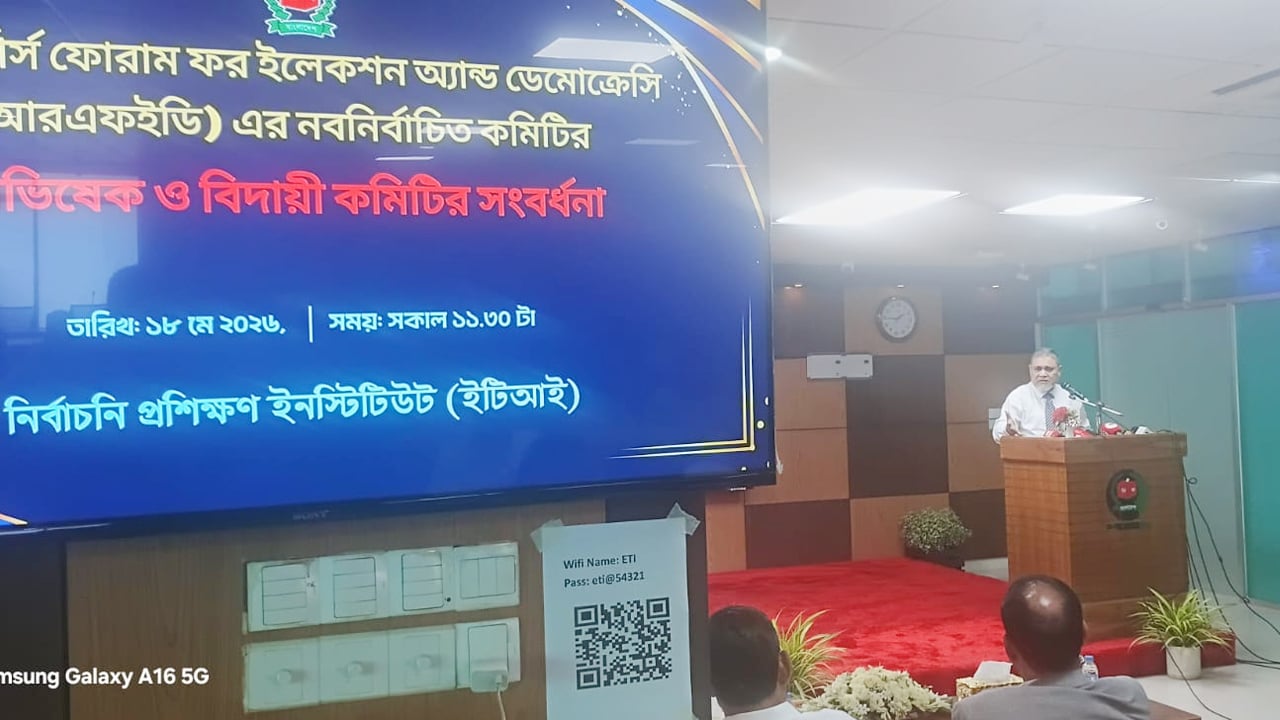
Chief Election Commissioner (CEC) A M M Nasir Uddin Ahmed has expressed his desire to see the upcoming local government elections conducted without any bloodshed. He made the remarks on Monday, May 18, during a ceremony organized by the journalists’ association RFED at the ITI Building conference hall in Agargaon, where he attended as the chief guest. The CEC emphasized that achieving a peaceful and violence-free election requires cooperation from all political parties. However, he noted that the exact date for the local government election has not yet been determined. The statement reflects the Election Commission’s focus on ensuring a calm and orderly electoral process, though specific plans or measures to achieve this goal were not detailed in the remarks.
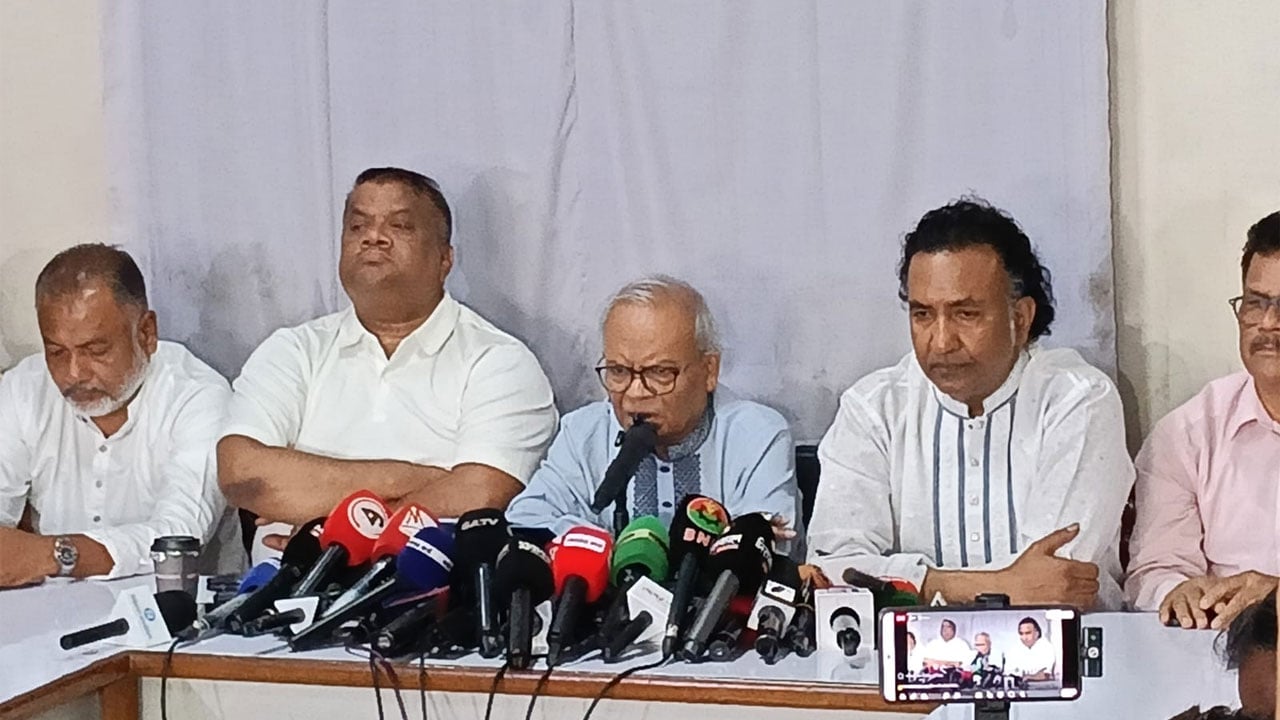
BNP Senior Joint Secretary General Ruhul Kabir Rizvi stated that political opponents have failed to undermine public confidence in Prime Minister Tarique Rahman. Speaking at a press briefing on Monday at the BNP central office in Naya Paltan, he said Rahman is fulfilling his electoral promises and that the people’s trust in him remains strong. The BNP also announced an eight-day program from May 25 to June 1 to mark the death anniversary of party founder and former president Ziaur Rahman. Rizvi said Tarique Rahman is implementing initiatives such as family cards, farmer cards, and plans for health cards, along with efforts to make Bangladesh self-sufficient in food. He noted that Rahman has relaunched a nationwide canal-digging program that has gained wide response. Rizvi contrasted Rahman’s approach with previous governments that, according to him, failed to deliver on promises like cheap rice and free fertilizer. He further recalled Ziaur Rahman’s leadership during a critical period in Bangladesh’s history, describing his governance as a time of stability, rule of law, and national progress that remains remembered by people across political lines.
In Lama upazila of Bandarban district, around 10 acres of hilly land have been leveled allegedly to prepare for a new brick kiln. The activity reportedly took place in the Bashkhaillya Jhiri area of Fasiakhali Union under the name of Lokman Hossain, a resident of Satkania. Local resident Md. Osman Gani filed a written complaint with the Department of Environment on Sunday, accusing Lokman Hossain of illegally cutting hills to build the kiln. According to the complaint, the hill cutting has damaged natural forests, streams, water flow, and biodiversity. Osman Gani claimed that although the land was jointly purchased, it was later flattened through deceit, and a hilly stream was filled in. Locals fear that unregulated hill cutting could increase the risks of landslides, water shortages, and environmental degradation. They have demanded a prompt investigation and legal action against those responsible. Lokman Hossain denied the allegations, calling them false and motivated by personal disputes. An inspector from the Department of Environment stated that legal measures would be taken if hill cutting is confirmed.

An article published on May 18, 2026, highlights the historical significance of Al-Qarawiyyin University, located in Fez, Morocco. Established in 859 CE by Fatima al-Fihri, the institution began as a mosque built with her inherited wealth but soon evolved into a center for both worship and learning. Over time, it became a major hub for knowledge production and intellectual development within the Muslim world. The university expanded beyond religious studies to include Arabic language, philosophy, logic, mathematics, astronomy, and medicine. It played a key role in the exchange of knowledge and culture between the Muslim world and Europe during the Islamic Golden Age. Notable scholars such as Ibn Khaldun, Ibn Rushd, and Muhammad al-Idrisi were associated with it. Supported by successive rulers, the institution grew architecturally and housed one of the world’s oldest functioning libraries. UNESCO and Guinness World Records have recognized Al-Qarawiyyin as the world’s oldest continuously operating university. In 1963, the Moroccan government restructured it into a modern public university, preserving its religious and educational traditions.

U.S. President Donald Trump’s special envoy for Greenland, Jeff Landry, arrived in the autonomous Danish territory on Sunday for a multi-day visit. According to local media, the Louisiana governor is making his first trip in this new role and will attend the “Future Greenland” economic forum in Nuuk on Tuesday and Wednesday. The event, organized by the employers’ association Grønlands Erhverv, will bring together investors, political figures, and business leaders to promote investment opportunities. Landry’s visit comes at a time of heightened international tension following Trump’s repeated assertions about U.S. control over Greenland. These claims have drawn cautious responses from Denmark, Greenland, and several Western European countries. Local newspaper Sermitsiaq reported that Landry arrived with about ten aides and entered the city in a five-car convoy. The U.S. ambassador to Denmark is expected to join him in Greenland on Monday. A U.S. embassy statement said the delegation aims to expand economic opportunities, strengthen relationships, and enhance mutual understanding between the United States and Greenland.

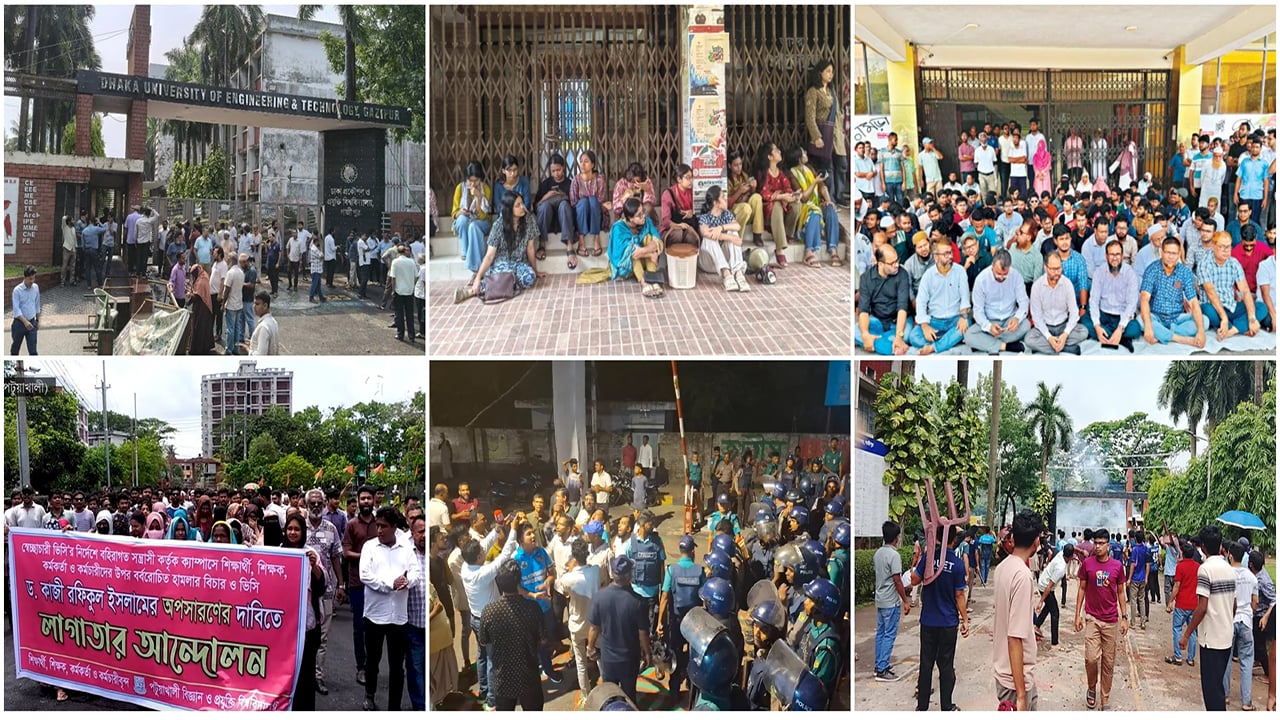
Multiple public universities in Bangladesh have become tense amid student protests over administrative decisions, campus safety, and political issues. At Dhaka University of Engineering and Technology (DUET) in Gazipur, students rejected the newly appointed vice-chancellor and enforced a campus blockade, halting academic and administrative activities. Clashes between opposing groups left at least 15 injured, prompting police deployment. In Patuakhali, students and staff at Patuakhali Science and Technology University staged a shutdown demanding the vice-chancellor’s resignation after alleged attacks on campus members. At Jahangirnagar University in Savar, students protested late Sunday following three incidents of harassment against female students, which occurred shortly after an attempted rape case earlier in May. Police detained three suspects, and the university formed a seven-member committee to investigate the earlier assault. Meanwhile, in Chattogram, tensions rose after the city corporation allegedly ordered the removal of graffiti commemorating the July uprising, leading to restrictions on public gatherings. Analysts cited long-standing administrative opacity, political influence, and safety concerns as underlying causes of the growing unrest across campuses, warning that vice-chancellor appointments have become flashpoints for division and confrontation.
The ‘1 Nojor’ media platform is now live in beta, inviting users to explore and provide feedback as we continue to refine the experience.