

The ‘1 Nojor’ media platform is now live in beta, inviting users to explore and provide feedback as we continue to refine the experience.
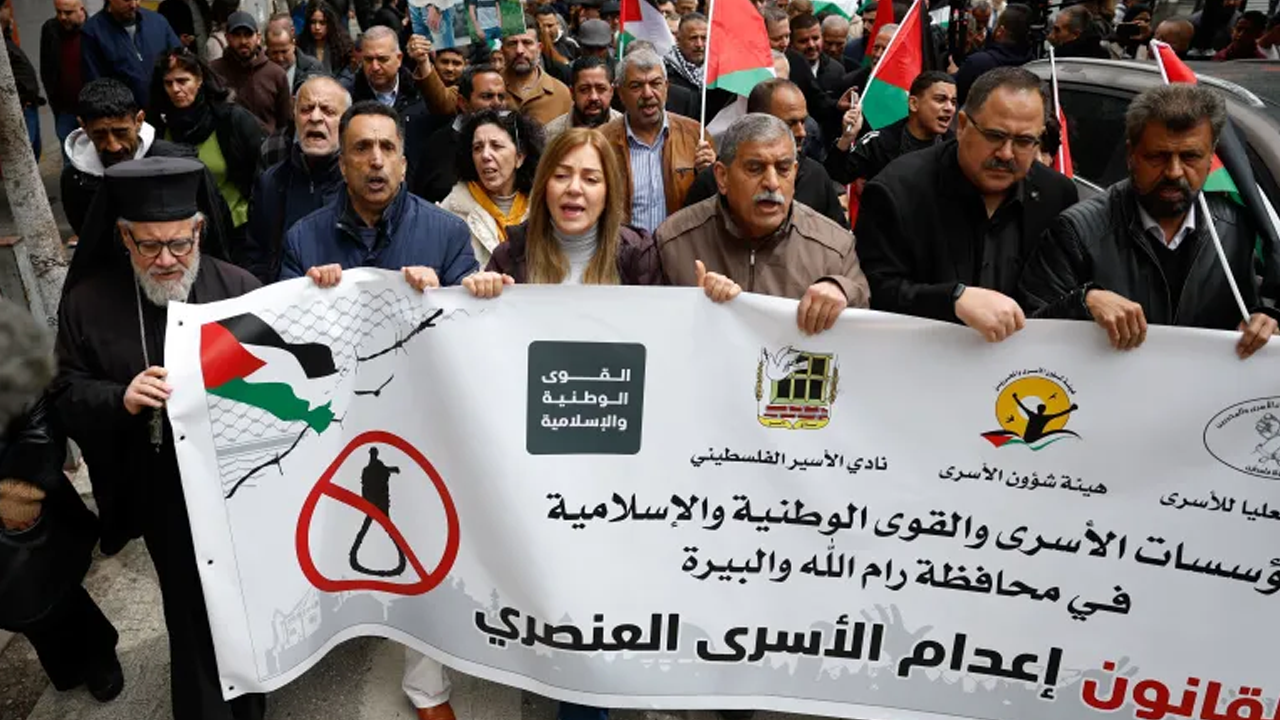
A new Israeli death penalty law has been criticized for being designed solely to target Palestinians. According to the report, the law does not apply to Israelis, even those convicted of terrorist acts or labeled as terrorists by Israel itself. The measure is seen as formalizing what are described as extrajudicial killings already carried out by Israeli forces across occupied territories. The report states that injured Palestinians at attack sites are often denied medical treatment, and evidence has emerged of medical neglect toward Palestinian prisoners in Israeli jails. Several human rights organizations have documented cases of torture and deaths occurring inside prisons. The law is viewed as a political tool that helps members of Israel’s parliament, the Knesset, maintain power by appealing to public support for harsh measures against Palestinians. The legislation has reportedly intensified fear among Palestinian families in the occupied West Bank and Gaza Strip, underscoring the extent to which Israel is prepared to punish Palestinians, according to the report.
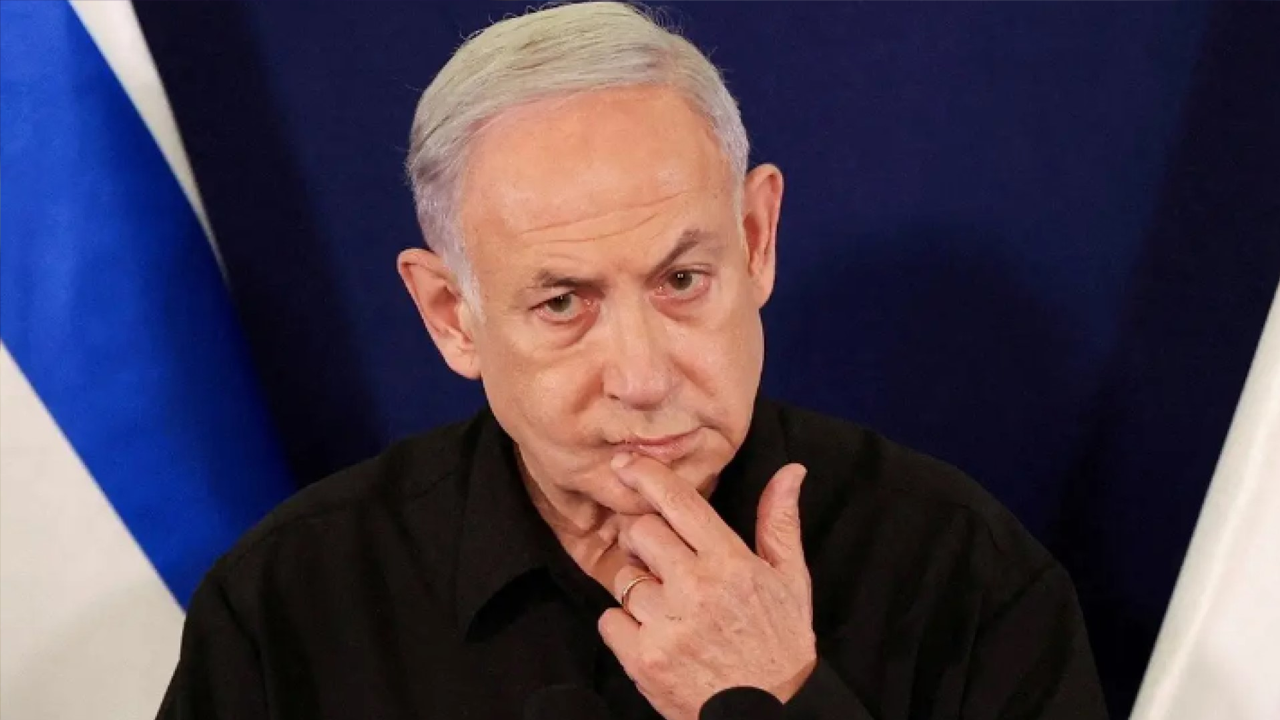
A scheduled court hearing in Israeli Prime Minister Benjamin Netanyahu’s corruption case was again canceled, according to a report by Israel’s Channel 12. The hearing was postponed following an emergency defense request citing confidential security and political reasons. Netanyahu’s lawyer informed the court that he could not attend the session, and details of the reasons were submitted in a sealed envelope to the court and prosecution. The corruption case, launched in 2020, involves allegations of bribery, fraud, and breach of trust. Netanyahu first testified in December 2024, but his cross-examination has been repeatedly delayed. Throughout 2025 and into the current period, his legal team has successfully sought postponements, citing wartime conditions, diplomatic obligations, and security concerns. Critics have accused Netanyahu of exploiting regional geopolitical tensions to delay the judicial process, though the court has not commented on these claims.
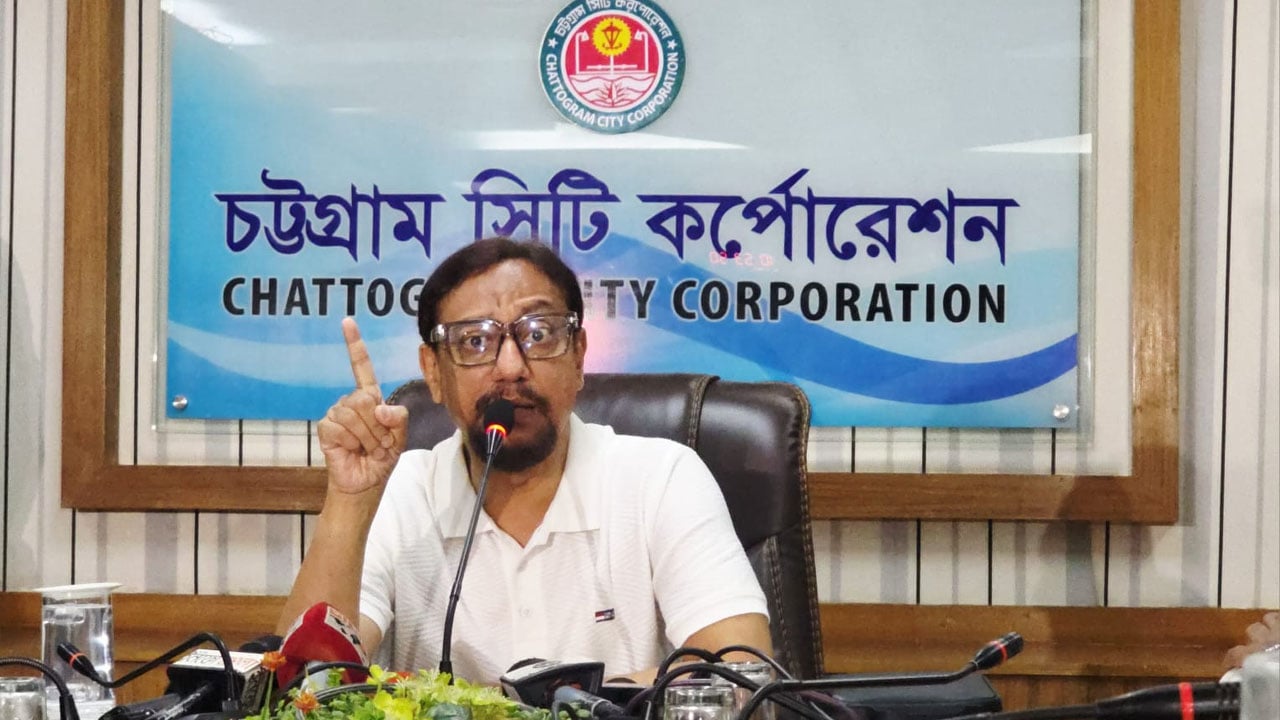
Chattogram City Mayor Dr. Shahadat Hossain has accused a controversial leader of the Nationalist Citizens Party (NCP) of attempting to create unrest over the removal of July movement graffiti from flyover pillars. Speaking at a press conference at the city corporation office on Monday, he claimed the graffiti had already been covered by posters and that he himself had funded much of the artwork after the fall of the Awami League government. Tensions erupted on Sunday night when city authorities repainted the pillars of the Shaheed Wasim Akhtar Flyover from Lalkhan Bazar to Dewanhat for advertising purposes. NCP activists protested, alleging that the city corporation erased the July movement graffiti to rent the space commercially. They began painting new graffiti and blocked roads in front of the city corporation building. The situation escalated as BNP, Jubo Dal, and Chhatra Dal activists joined the scene, leading to heated exchanges with NCP members. Police were deployed to prevent further clashes. Around midnight, Mayor Shahadat arrived and dispersed the BNP activists, later addressing supporters at Lalkhan Bazar.
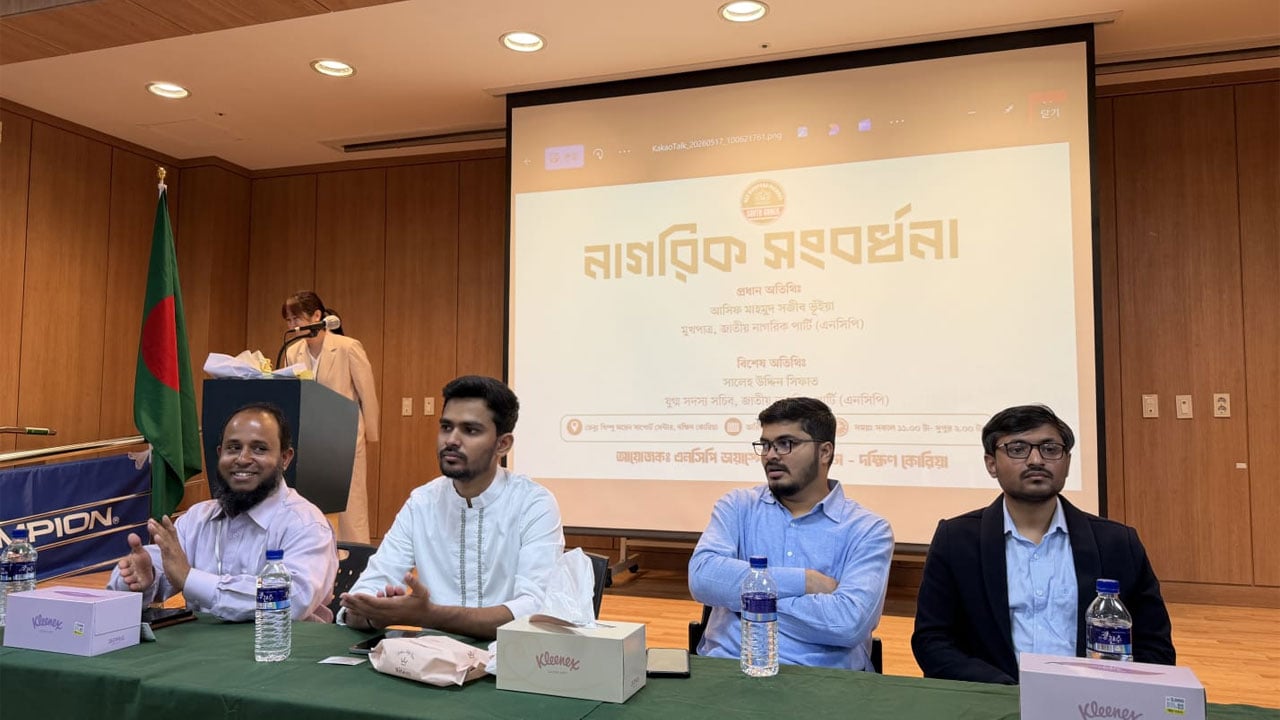
Bangladeshi expatriates in South Korea organized a civic reception for National Citizens Party (NCP) spokesperson Asif Mahmud Sajib Bhuiyan during his visit to the country. The event took place on Sunday at noon at the Khimpu Foreign Support Center in Khimpu city, arranged by the NCP Diaspora Alliance, South Korea. NCP leaders, activists, and expatriates from various professions attended the ceremony. In his speech, Asif Mahmud expressed gratitude to the diaspora for their hospitality and recalled their support during the July uprising, when the country was under blockade. He urged expatriates to remain united in realizing the goals of the July Charter and referendum, and to inform the international community about the uprising. He also assured that the NCP would continue working to ensure expatriate voting rights in future elections. NCP Joint Member Secretary Saleh Uddin Sifat highlighted the role of expatriates in the July uprising and expressed hope for their involvement in future national policymaking. Expatriates raised issues such as simplifying migration processes, curbing exploitation by brokers, and improving repatriation and airport services.
Singapore’s non-resident High Commissioner to Bangladesh, Derek Loh, paid a courtesy call on Dr. Shafiqur Rahman, the Leader of the Opposition in the National Parliament and Ameer of Bangladesh Jamaat-e-Islami. The meeting took place on Monday morning at the opposition leader’s office in Bashundhara, Dhaka. Singapore’s Chargé d’Affaires Michael Lee South and South Asia Country Director Tai Dae Ern were also present. During the meeting, both sides exchanged views on Bangladesh’s current political and economic situation, industrial and trade development, post-election democratic progress, the referendum process, and state reforms through the implementation of the July Charter. According to the statement, Derek Loh praised Jamaat-e-Islami’s positive role in Bangladesh’s economic and democratic advancement and expressed hope for stronger bilateral ties between Bangladesh and Singapore. At the conclusion of the meeting, both parties agreed to enhance cooperation for Bangladesh’s democratic progress and economic prosperity. The High Commissioner also invited Dr. Shafiqur Rahman to visit Singapore.

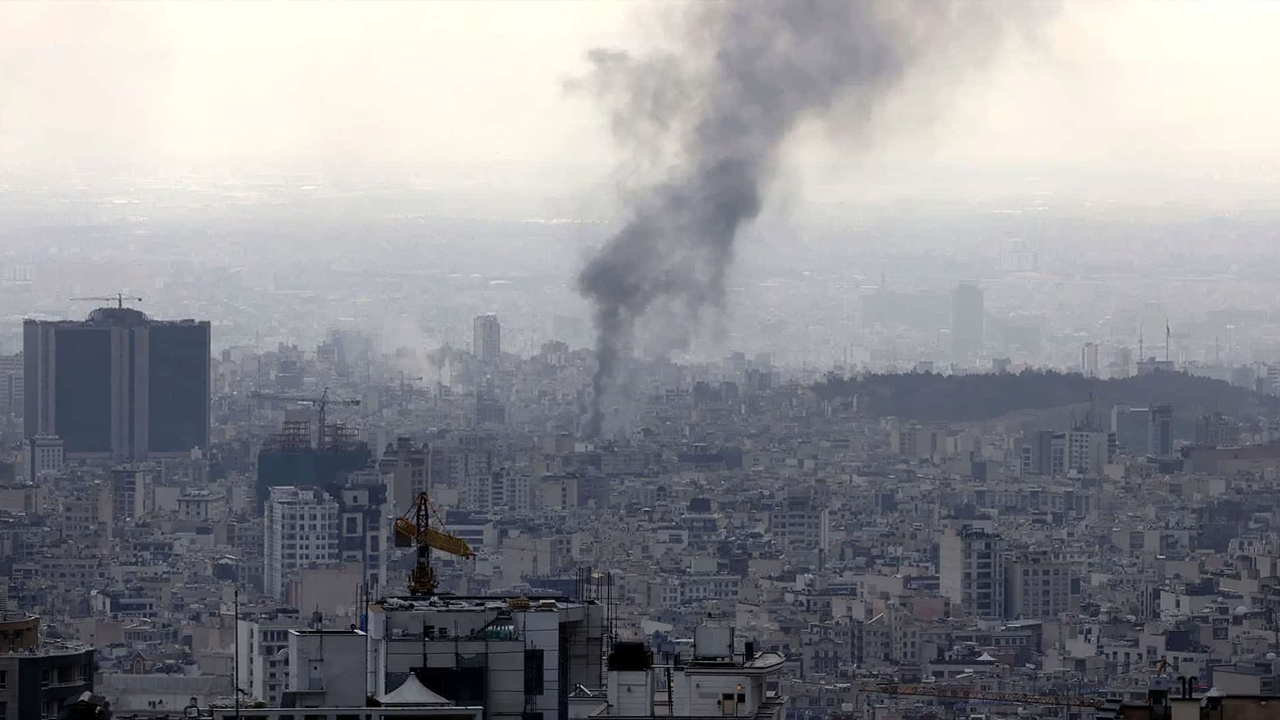
Several US cargo planes carrying ammunition from a German military base landed in Tel Aviv within the past 24 hours, according to Israel’s Channel 13. The report said the deliveries are part of Israel’s preparations for a possible renewed conflict with Iran. Israel’s Defense Ministry confirmed that multiple aircraft carrying military equipment from the United States and Germany had arrived to strengthen the army’s operational readiness. At the White House, former US President Donald Trump told reporters that he faced no pressure and predicted a complete victory. He accused Iranian leaders of changing their stance after nearing an agreement, citing the Iranian military’s refusal to meet US demands. Trump warned that the ceasefire was now at risk of collapse, describing it as being on “life support.” In response, Iranian military spokesperson Ebrahim Zolfaghari wrote on X that Iran would not design any plan to please Trump, emphasizing that negotiations must respect Iran’s rights. He added that Trump’s dissatisfaction would be a positive sign for Iran.
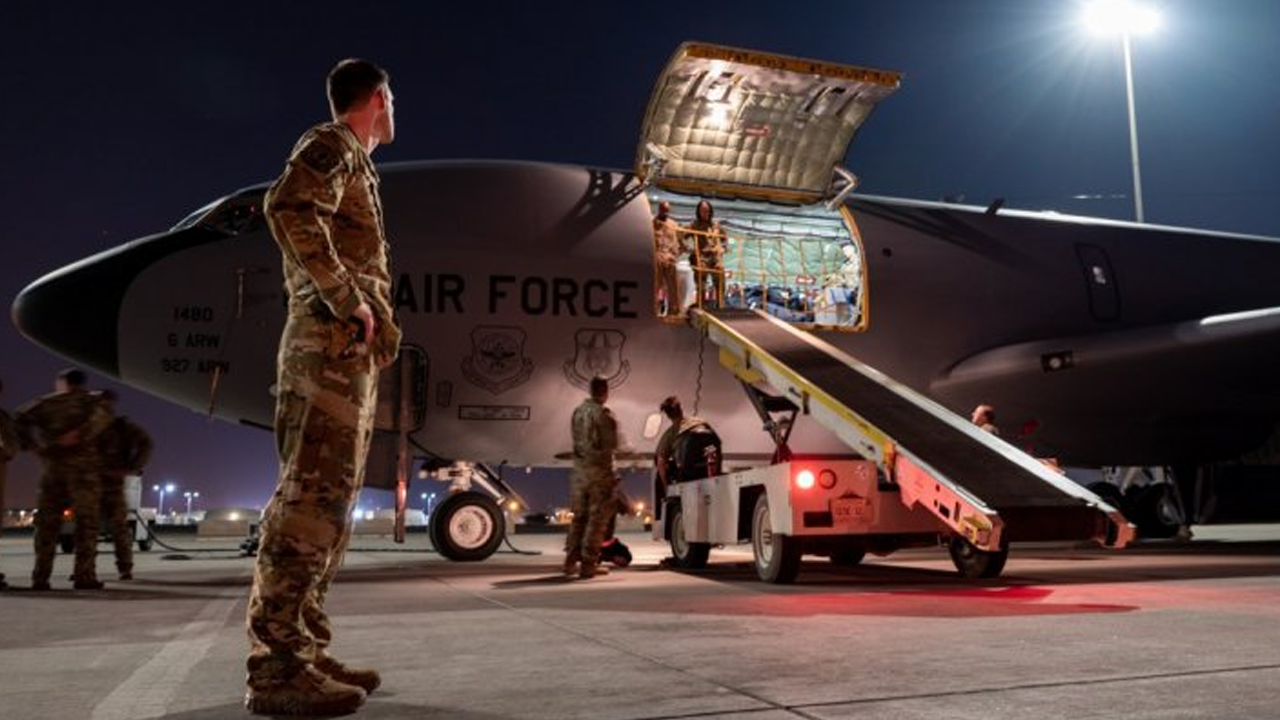
Bangladesh continues to rely on outdated security systems while many countries integrate artificial intelligence, smart sensors, and radar technologies into their safety infrastructure. Experts say limited technical skills, lack of modern equipment, and weak cybersecurity have prevented the country’s bomb detection and security systems from becoming fully modernized. In contrast, advanced nations use AI-based scanners, explosive sensors, drones, and automated radar systems to identify threats quickly. Recent bomb scares at key sites, including Shahjalal International Airport, have exposed the limitations of Bangladesh’s manual inspection methods. Analysts emphasize that modern security depends on technology-driven surveillance rather than manpower alone. Reports also warn of rising risks from technology-based explosives and cyber vulnerabilities. Experts recommend immediate investment in AI-enabled scanners, smart cameras, and drone surveillance at airports, seaports, and government facilities. They stress the need for skilled technologists and internationally trained security personnel to build long-term capacity. Without such modernization, Bangladesh’s security infrastructure may face increasing technological risks.

US President Donald Trump issued a new warning to Iran on Sunday, urging Tehran to act quickly to end the ongoing conflict. In a message on his Truth Social platform, Trump said time was running out for Iran and that failure to act would leave it with nothing. The warning came as fighting persisted despite a ceasefire declared on April 8 following major US and Israeli attacks that began on February 28. In Lebanon, Israeli missile strikes killed an Islamic Jihad commander and his 17-year-old daughter, while additional attacks in the south left five people dead, including two children. The Lebanese health ministry reported at least 2,900 deaths since the war began, with more than 400 killed after the ceasefire. In Gaza, five people were killed in Israeli attacks, bringing the death toll since October’s ceasefire to at least 871. Meanwhile, Saudi Arabia intercepted three drones entering from Iraq, and a drone strike near Abu Dhabi’s Barakah nuclear plant caused a fire but no casualties. Iranian media said Washington had offered no concessions in response to Tehran’s peace proposals, while Pakistan continued mediating talks between Iran and the United States.
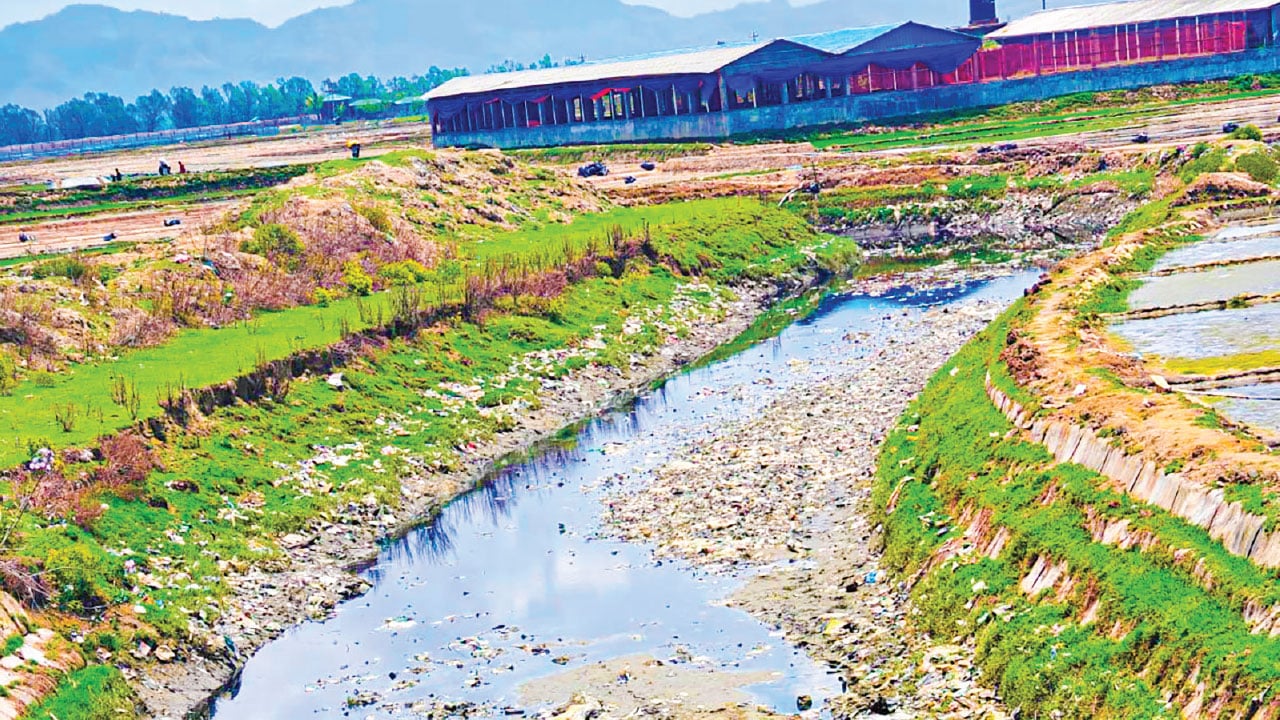
Toxic waste and foul water from Rohingya camps in Teknaf are severely polluting nearby canals, wetlands, and the Naf River. The contaminated water, flowing through canals such as Alikhali, Muchhni Chhuri, Jadimura, Unchiprang, and Omar, has turned black and unusable. Local farmers report that crop production has been disrupted, while fish yields in canals and rivers have declined. The pollution is also affecting salt cultivation, as saline farmers cannot use the foul water for irrigation. According to local sources, six Rohingya camps in Hnila Union house around 180,000 people within a four-square-kilometer area. About 70 percent of the camps’ waste, including sewage, flows directly into nearby canals and rivers. Residents say the water remains discolored even during the monsoon and that many locals are suffering from waterborne diseases. Farmers and residents have urged the Department of Environment and local administration to establish proper waste management systems. Officials have acknowledged the problem, emphasizing the need for modern treatment facilities to prevent further environmental and health damage in the region.
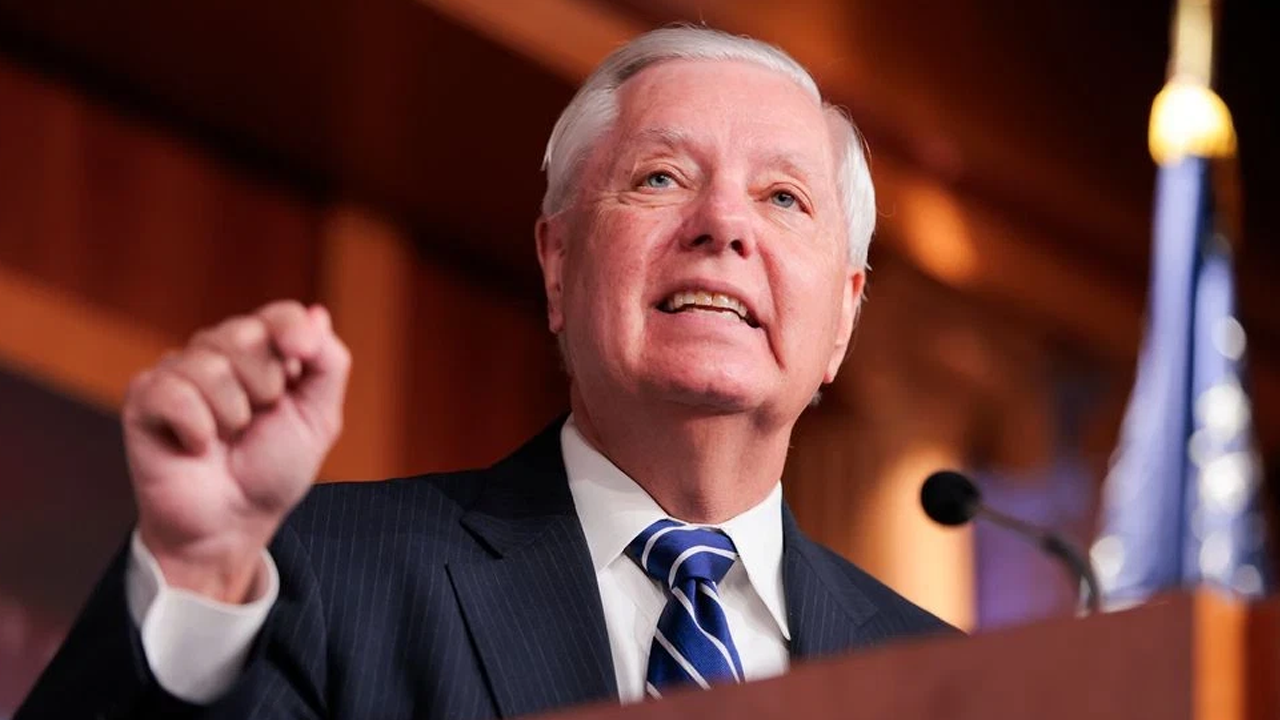
Senior Republican Senator Lindsey Graham has called on former US President Donald Trump to launch attacks on Iran’s energy infrastructure if Tehran continues to reject Washington’s conditions in nuclear negotiations. Graham made the remarks in an interview with NBC, asserting that Iran’s energy sector is its weak point and should be targeted if hostilities resume. Despite international law prohibiting attacks on civilian infrastructure, Graham insisted that stronger action could pressure Iran into reaching a deal. He argued that repeating past strategies would yield the same results and urged for more forceful measures to compel Tehran to negotiate. Graham further claimed that Iran is testing US patience and playing a waiting game, describing the situation as one where the country is “playing games” and acting irrationally, echoing Trump’s own rhetoric. The comments were reported by Al Jazeera and published by Amar Desh on May 18, 2026.
Salt farmers in Banshkhali, Chattogram, have alleged that middlemen and syndicates are preventing them from receiving fair prices for their produce. Despite a bumper harvest this year, many farmers who took high-interest loans are facing heavy losses. They report selling salt at Tk 240–250 per maund while production costs reach about Tk 350, resulting in losses of around Tk 170 per maund. Farmers claim cargo boat owners and intermediaries have formed a syndicate that controls prices and transport routes, leaving them with no alternative sales channels. At a recent meeting held at the Khatkhali estuary in Gondamara Union, participants demanded fair pricing, interest-free loans, and government measures to curb syndicate control. Speakers said production costs have doubled or tripled due to rising land rent, labor wages, and input prices such as polythene, fuel, and irrigation pumps. While packaged salt sells for Tk 40–45 per kilogram in retail markets, farmers are paid only Tk 5–6 per kilogram, causing severe financial distress. The meeting called for long-term policies to protect coastal salt and fisheries industries and ensure sustainable livelihoods for producers.

A husband and wife died from electrocution on Monday morning in Saganna village of Jhenaidah Sadar upazila. The incident occurred around 7 a.m. in their yard while they were using an electric stand fan to dry paddy. The victims were identified as Mojibur Khan, 65, and his wife Momena Khatun, 55, residents of Saganna village under Holidhani Union. According to local sources, Mojibur Khan was connecting the electric fan when he was suddenly electrocuted and thrown to the ground. His wife was also electrocuted while trying to rescue him. Neighbors took both victims to Jhenaidah Sadar Hospital, where doctors declared them dead upon arrival. Police from Jhenaidah Sadar Police Station were dispatched to the scene after receiving the report of the accident.

The Bangladesh Nationalist Party (BNP) has announced a seven-day program from May 25 to June 1 to mark the 45th death anniversary of its founder and former president Ziaur Rahman. The announcement was made by BNP Senior Joint Secretary General Ruhul Kabir Rizvi after a joint meeting at the party’s central office in Naya Paltan, Dhaka. On May 30, party flags will be flown at half-mast nationwide, and leaders and activists will visit Zia’s mausoleum, with party chairman and prime minister Tarique Rahman expected to attend. As part of the program, a discussion meeting will be held on May 31 at the Institution of Engineers, Bangladesh. BNP’s Dhaka North and South units will distribute clothes and rice among the needy, with similar activities planned across the country. Various affiliated organizations, including Olama Dal, JASAS, Muktijoddha Dal, and Chhatra Dal, will hold prayer gatherings, while Jubo Dal, Swechchhasebak Dal, Krishak Dal, and Sramik Dal will organize discussions. Rizvi instructed party members to avoid causing public inconvenience and to hold events in open spaces rather than blocking roads.
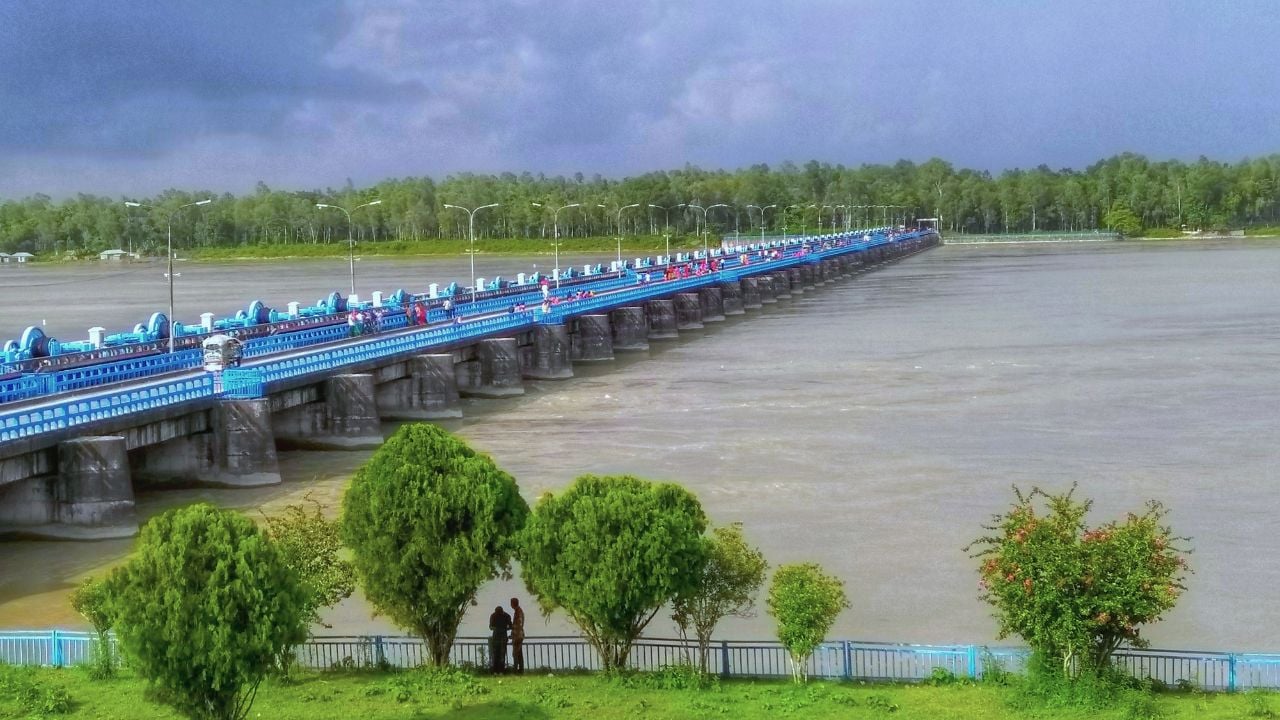
Continuous rainfall and upstream water flow from India have caused the Teesta River’s water level to rise, raising fears of flooding in northern Bangladesh. As of Monday morning, water at the Dalia Barrage point in Lalmonirhat was flowing 60 centimeters below the danger level, according to the Water Development Board. Officials said the river began swelling on Sunday night and the increase continued through Monday. Residents along the Teesta River expressed concern that the situation could worsen if India releases more water through the Gajoldoba Barrage in West Bengal. Locals accused the barrage of acting as a “death trap” for Bangladesh, alleging that India closes the gates during dry seasons and opens all 54 gates during monsoon periods, causing floods downstream. The barrage, located in India’s upstream section of the Teesta, is controlled by the West Bengal state government. People in Lalmonirhat, Nilphamari, Kurigram, Rangpur, and Gaibandha districts are now living in fear of potential flooding as rainfall continues and river levels remain high.
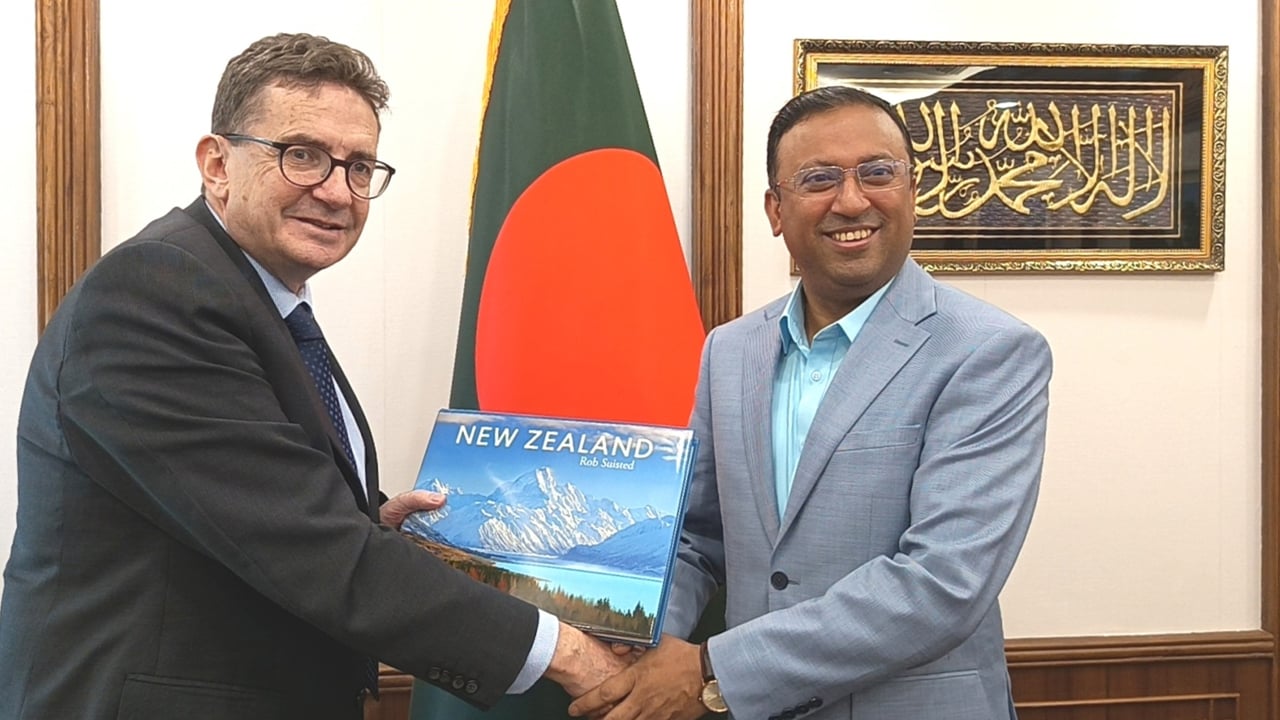
New Zealand High Commissioner to Bangladesh David Pine paid a courtesy call on Prime Minister’s Foreign Affairs Adviser Humayun Kabir on Monday morning at the Prime Minister’s Office in Dhaka. The meeting focused on strengthening bilateral relations and exploring potential areas of cooperation between Bangladesh and New Zealand. During the discussion, both sides exchanged views on expanding collaboration in promising sectors such as pharmaceuticals, tourism, higher education, and food processing. The High Commissioner expressed New Zealand’s interest in working with Bangladesh in these fields and praised Bangladesh’s active role in addressing global climate change challenges. He also encouraged the country to take on a more leadership-oriented role in international climate initiatives. Humayun Kabir reaffirmed Bangladesh’s commitment to sustainable development, environmental protection, and building a green economy despite being highly vulnerable to climate change. He emphasized that Bangladesh is ready to play an effective leadership role globally in combating climate impacts.
The ‘1 Nojor’ media platform is now live in beta, inviting users to explore and provide feedback as we continue to refine the experience.