

The ‘1 Nojor’ media platform is now live in beta, inviting users to explore and provide feedback as we continue to refine the experience.
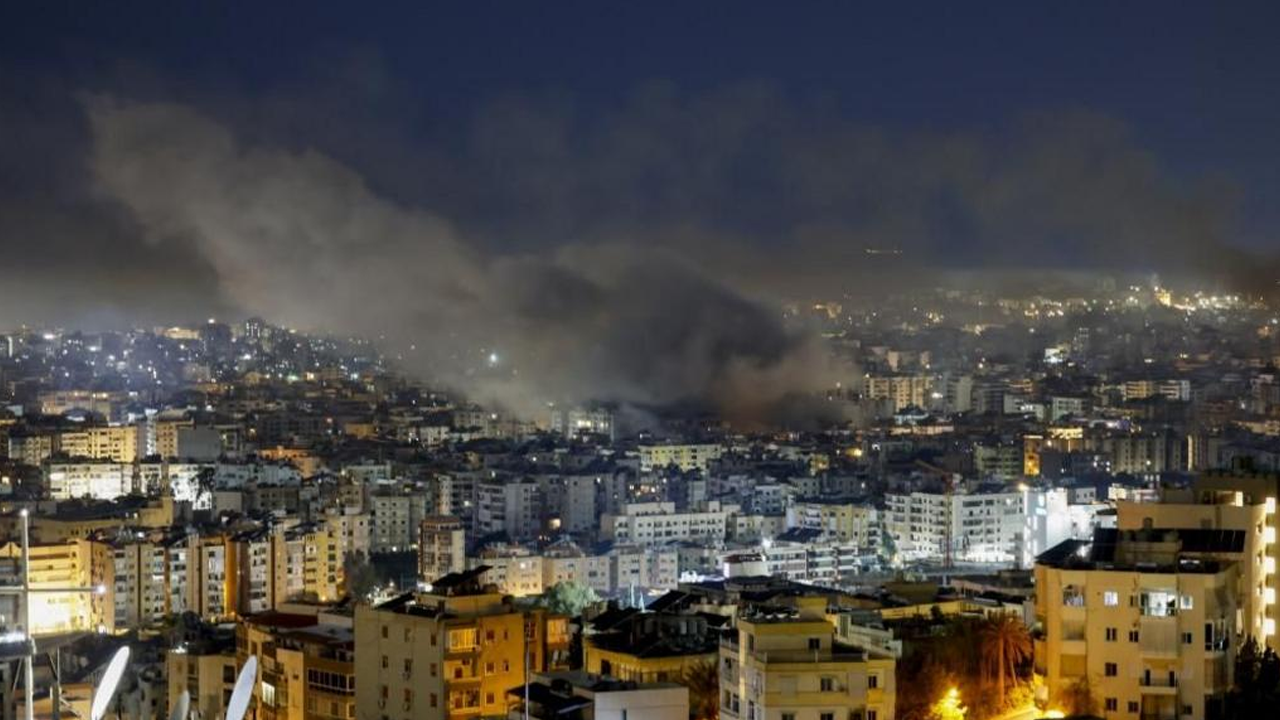
Israeli media reported that the country’s military has been placed on high alert amid fears of renewed conflict with Iran. According to state broadcaster Kan, Israel is prepared to join a potential US-led attack targeting Iran’s energy infrastructure if Washington decides to strike. The report added that US President Donald Trump and Israeli Prime Minister Benjamin Netanyahu held a phone conversation lasting over half an hour on Sunday, during which possible escalation with Iran was discussed. Channel 12 reported that the discussion took place under the shadow of renewed war preparations with Iran, and that Israel’s defense forces have already been placed on heightened readiness. Tel Aviv expects to be informed in advance if the United States decides to proceed with any attack, though the timing remains uncertain. The report also noted that Trump is facing pressure from several parties, including China, to seek a diplomatic resolution rather than entering another conflict with Iran.
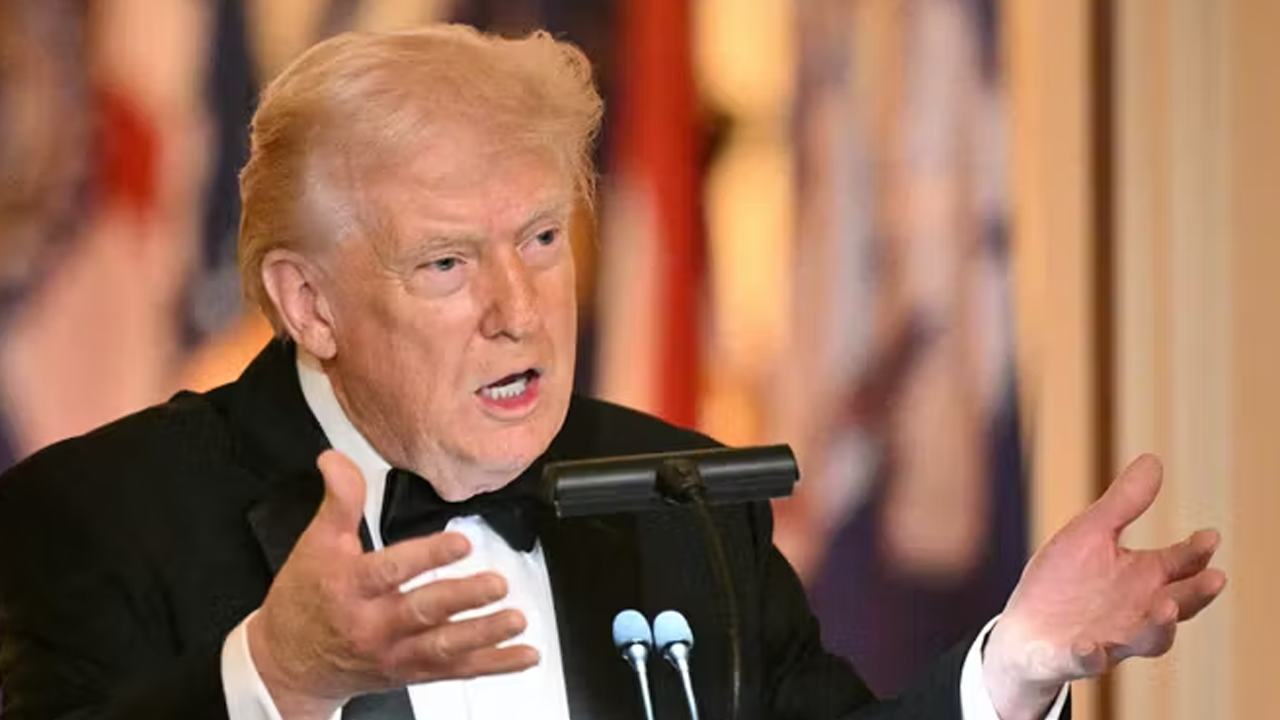
US President Donald Trump has dismissed Iran’s response to Washington’s ceasefire proposal, calling it “a piece of garbage.” Tehran had taken ten days to reply to the US plan aimed at ending the ongoing conflict, submitting demands that included full cessation of hostilities, recognition of Iranian sovereignty over the Strait of Hormuz, and removal of all sanctions. Trump labeled the counteroffer “completely unacceptable” and insisted the US was heading toward “total victory.” According to Iranian state media, Tehran’s position reflects its belief that it has survived and prevailed in the conflict that began over ten weeks ago when the US and Israel launched attacks on Iran. Analysts cited in the report say the deadlock stems from differing priorities: Trump seeks a quick victory and a halt to Iran’s nuclear program, while Tehran wants phased negotiations starting with lifting blockades. Iran has also proposed that China act as guarantor for any future deal. Trump warned that the ceasefire is now “on life support,” while Iranian military officials indicated they are unconcerned by his dissatisfaction, emphasizing that any agreement must respect Iran’s rights.
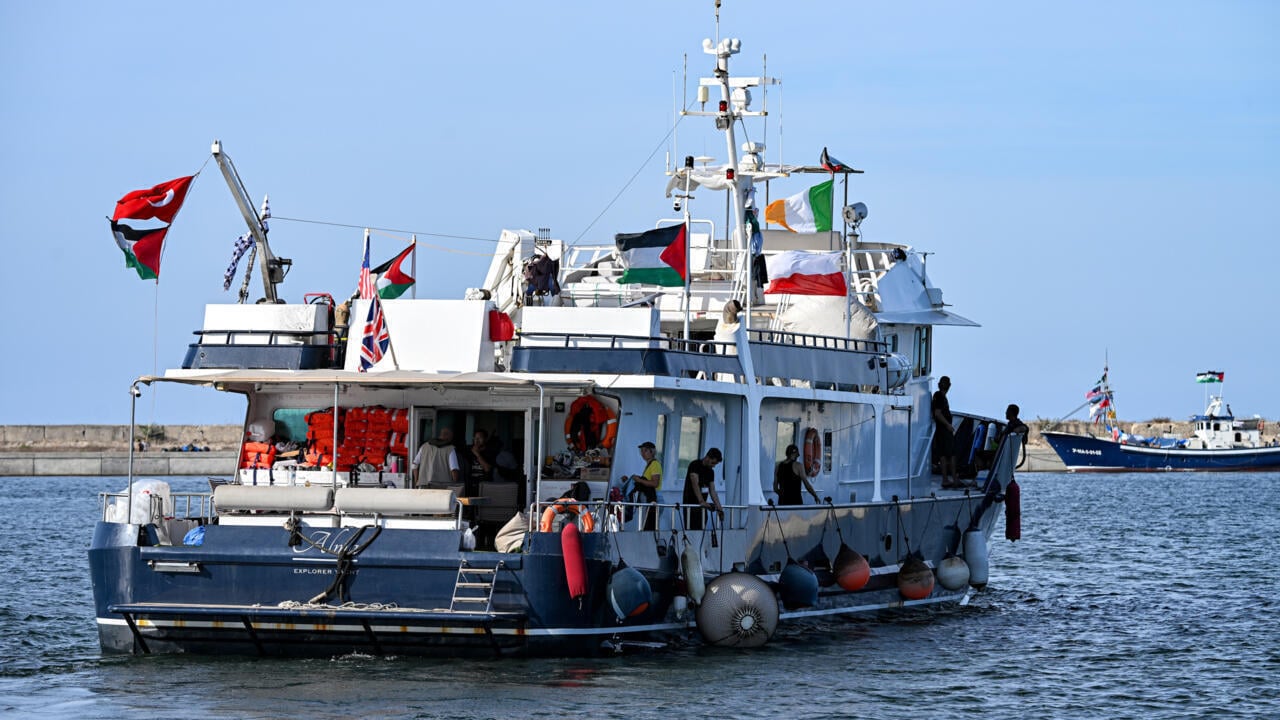
Francesca Albanese, the UN Special Rapporteur on the occupied Palestinian territories, has called on Mediterranean countries to ensure the safety of the Gaza-bound 'Global Sumud Flotilla'. In a post on social media platform X, she said that civilian ships attempting to break what she described as Israel’s genocidal blockade of Gaza must be protected. Albanese also urged an end to policies linked to racial discrimination and called for justice. Earlier, workers aboard the flotilla reported sighting a military vessel near their convoy. At the same time, Israeli media reported that preparations were underway to intercept the flotilla. The appeal from the UN expert comes as tensions rise around efforts to deliver humanitarian aid to Gaza by sea. The situation underscores ongoing concerns over the safety of civilian-led aid missions and the broader humanitarian crisis in Gaza, as reports of Israeli attacks continue to emerge.
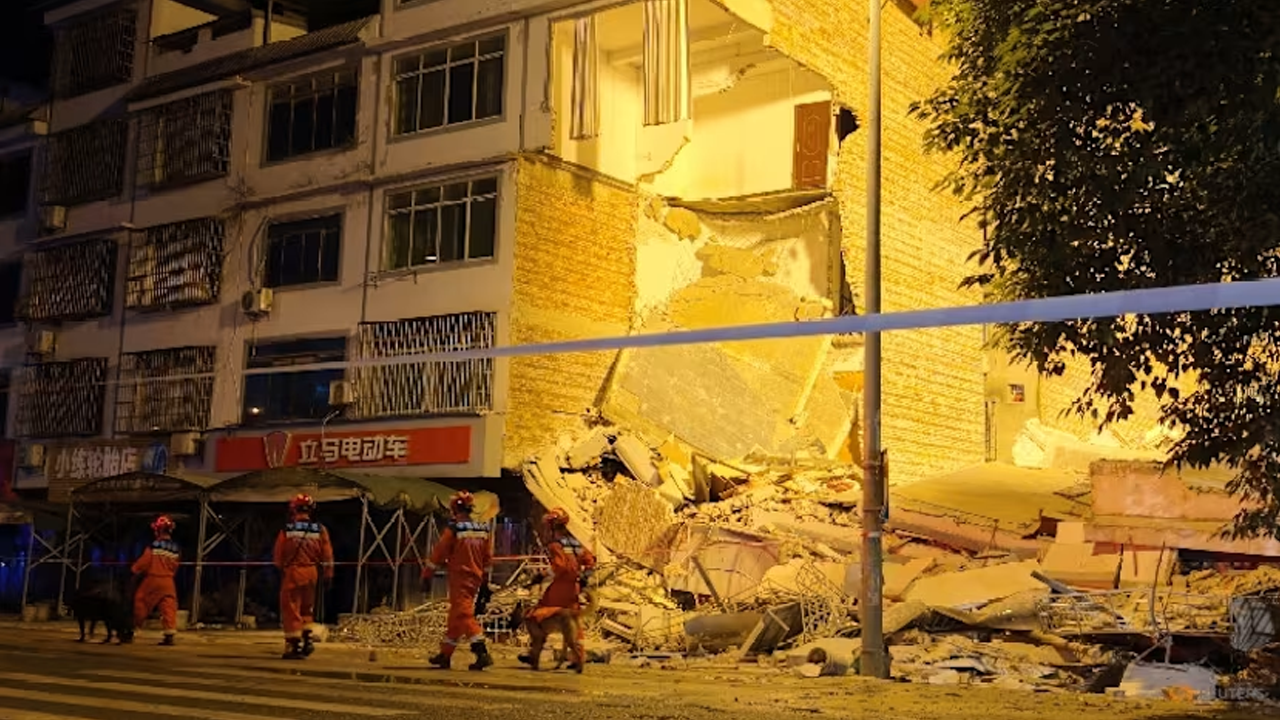
A 5.2-magnitude earthquake struck China’s southwestern Guangxi region early on Monday, May 18, killing at least two people and leaving one missing. More than 7,000 residents were evacuated from Liuzhou city following the tremor. State media outlets CCTV and Xinhua reported that the deceased were a 63-year-old man and his 53-year-old wife. Four others were injured and hospitalized, though none were in critical condition. CCTV said at least 13 buildings collapsed as a result of the quake. Videos released by local media showed panicked residents rushing out of high-rise buildings and debris scattered across several areas. Rescue teams were searching through the rubble using sniffer dogs and heavy machinery to locate the missing person and clear debris. Rail authorities reported potential transport disruptions as they inspected rail lines and infrastructure for damage. However, Chinese media confirmed that electricity, communications, water, gas, and road networks remained normal.
A report in Amader Desh describes how the United States and Israel’s February assault on Iran backfired, triggering severe global economic and political repercussions. According to the analysis, Tehran’s retaliatory actions—disrupting navigation in the Strait of Hormuz and striking U.S. bases in the Persian Gulf—caused a worldwide energy shock and market instability. The Russian think tank Valdai Discussion Club, through its program director Timofei Bordachev, views the episode as a turning point that could redefine post–Cold War global order. The article argues that the conflict shattered the long-standing myth of American military invincibility, recalling U.S. failures in Vietnam, Iraq, and Afghanistan. Despite heavy bombardment and leadership attacks, Iran’s government and military remained intact, undermining Washington’s assumption of quick victory. The piece also highlights China’s strategic dilemma due to its investments in Iran and dependence on vulnerable maritime routes, while Russia benefits economically from higher oil prices but seeks to avoid regional chaos. The analysis concludes that the Iran crisis signals the decline of a unipolar world and the emergence of new global multipolarity, forcing major powers to reassess their ambitions and limitations.
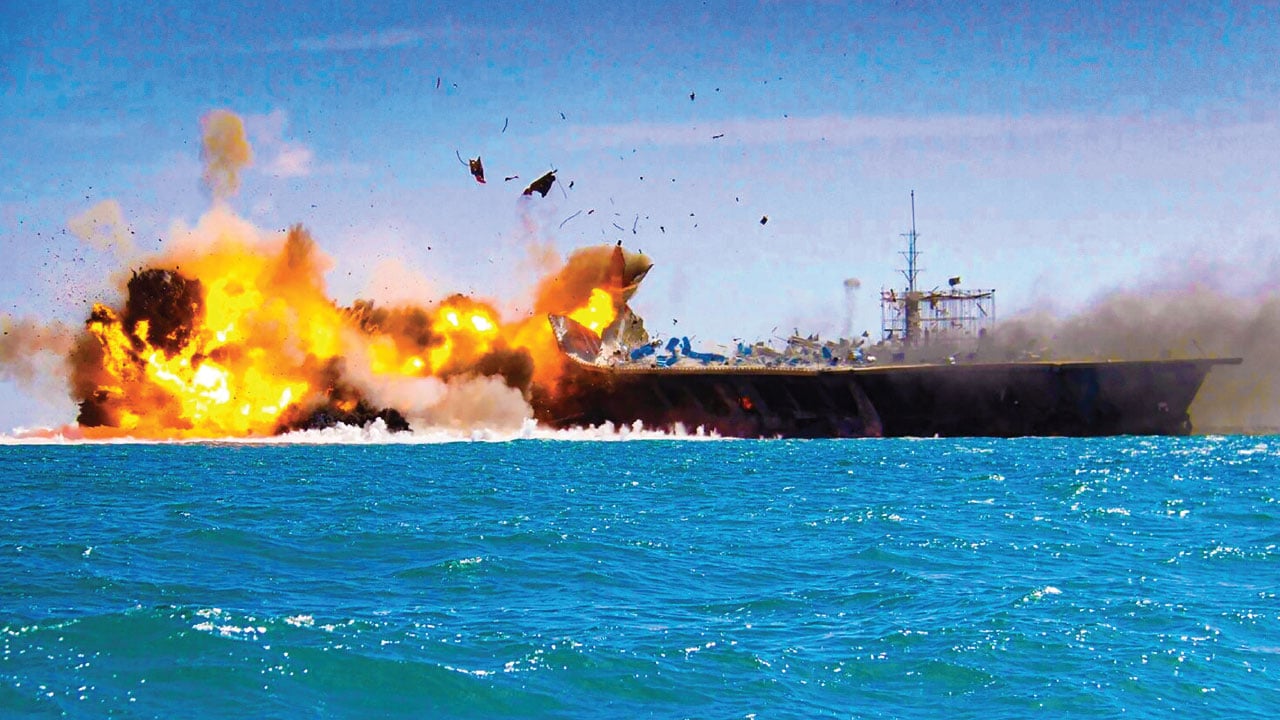
Qatar, one of the world’s richest nations, is facing a severe economic crisis as the ongoing Iran war has effectively shut down the Strait of Hormuz, blocking its liquefied natural gas (LNG) exports for over two months. The closure has paralyzed the country’s main energy hub at Ras Laffan and halted operations at Hamad Port, cutting off both exports and essential imports. The International Monetary Fund (IMF) warns that Qatar’s economy could contract by 8.6 percent this year, while tourism and business confidence have sharply declined amid regional instability. Qatar’s prosperity has long depended on natural gas, which accounts for more than 60 percent of its revenue. Since the 1990s, the country transformed itself through massive LNG exports, funding modern infrastructure and global investments worth $600 billion. However, missile and drone attacks on Ras Laffan have reduced production capacity by 17 percent, and analysts say recovery could take years even if the strait reopens. Authorities are using subsidies to limit inflation and maintain stability, while S&P Global Ratings notes that Qatar’s large reserves can sustain essential services. Yet, the duration of the Hormuz closure remains the key uncertainty for the nation’s economic future.
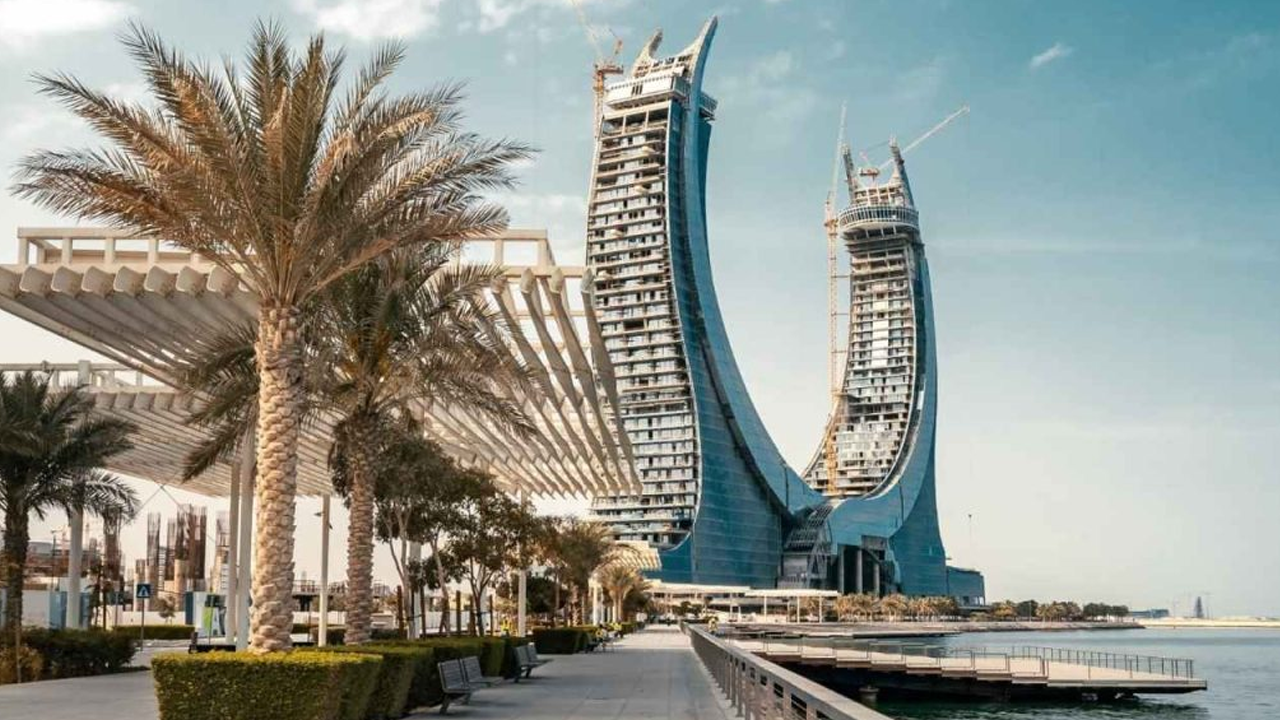
An internal investigation has revealed that 23 out of 34 officials of the Bangladesh Tea Board received appointments and promotions in violation of regulations during the Awami League government. The inquiry found that some officials used political or personal connections to secure positions, including relatives of ministers and associates of senior police officials. The findings, submitted on March 30 after four months of investigation, identified multiple cases of rule violations in both the Tea Research Institute and the Project Development Unit. The committee recommended canceling several promotion orders and recovering funds improperly received by some employees. The investigation also uncovered large-scale corruption involving fake and deceased workers in state-owned tea estates, particularly at the New Samanbagh Tea Garden. Out of 1,820 listed workers, only 315 were verified as genuine, while over 1,000 had mismatched or missing identification records. The report estimated that the government loses millions of taka monthly due to salaries and benefits paid to non-existent workers. Officials involved in the inquiry confirmed the irregularities and submitted their reports to higher authorities, but no further action has yet been reported.

In West Bengal, newly appointed Minority Affairs and Madrasa Education Minister Khudiram Tudu warned that any illegally operating madrasas in the state could be demolished with bulldozers if they defy government orders. His remarks came amid a broader campaign of evictions and demolitions following the change of government, which critics allege is targeting Muslim communities. Although Tudu later clarified that his comments were misinterpreted and referred only to investigations into illegal institutions, his statement triggered widespread fear and anger. Muslim scholars, religious leaders, and community figures strongly condemned the minister’s remarks, asserting that India’s constitution guarantees minorities the right to manage their own educational institutions. They argued that many independent madrasas operate lawfully without government funding. Meanwhile, the minister promised reforms, including new managing committees and teacher recruitment through the School Service Commission, to improve madrasa education. On Sunday, around 500 residents of Kolkata’s Park Circus area, mostly women, protested against the bulldozer threat and alleged religious targeting. Police and paramilitary forces intervened, leading to clashes and reports of police assault on demonstrators.

A Feni court has granted bail to a charge-sheeted accused in the Shahid Mahbubul Hasan Masum murder case, which occurred during the July–August student and public uprising in Feni’s Mohipal area. On Sunday, Additional District and Sessions Judge-2 Mashfikul Haque issued the order. The prosecution confirmed that the accused, Jubo League leader Sohel, had been arrested earlier and was in jail for about three months. The charge sheet, filed on 31 July 2025 by SI Alamgir Hossain of Feni Model Police Station, named 221 individuals. The case also lists several high-profile figures, including Sheikh Hasina, Obaidul Quader, Asaduzzaman Khan Kamal, Nizam Uddin Hazari, and Masud Uddin Chowdhury, as accused. Despite strong opposition from the prosecution, the court approved Sohel’s bail following a petition by his defense lawyers. This marks the first instance of a charge-sheeted accused receiving bail in the Feni court related to the July uprising murder case. The plaintiff’s lawyer described the decision as unprecedented, while local BNP leader Sheikh Farid Bahar said the bail raised public questions about transparency and justice in such a sensitive case.
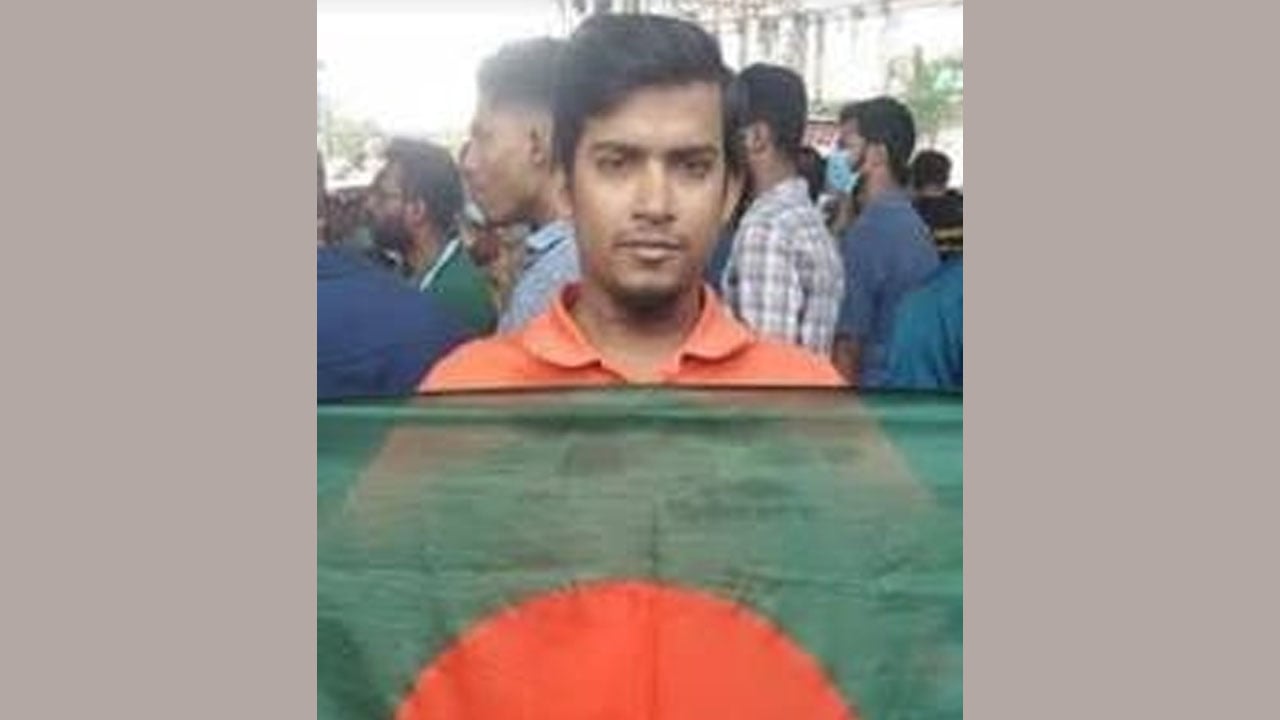
A prolonged and intense heatwave has swept across Pakistan and India, leaving millions struggling with extreme temperatures. In Pakistan’s southern Sindh province, daytime temperatures have frequently exceeded 44 to 46 degrees Celsius, forcing residents indoors and severely affecting daily wage earners, transport workers, and farmers. Similar conditions have been reported in India’s Rajasthan, Gujarat, Maharashtra, and northern and central regions, where authorities have issued heat alerts due to health risks, power shortages, and disruptions to daily life. In Karachi, temperatures have repeatedly surpassed 40 degrees Celsius, reaching a recent high of 44.1 degrees, the city’s highest since 2018. Coastal communities such as Ibrahim Hyderi are facing worsening conditions due to power outages and water shortages. Local hospitals have reported a sharp rise in child patients suffering from dehydration and infections linked to unsafe water. Climate experts attribute the recurring heatwaves to human-induced climate change and rapid urbanization, warning that summers are becoming longer, harsher, and less predictable. Experts urge immediate government action, including establishing cooling centers, ensuring safe drinking water, strengthening emergency healthcare, and expanding urban tree cover to mitigate future heat impacts.
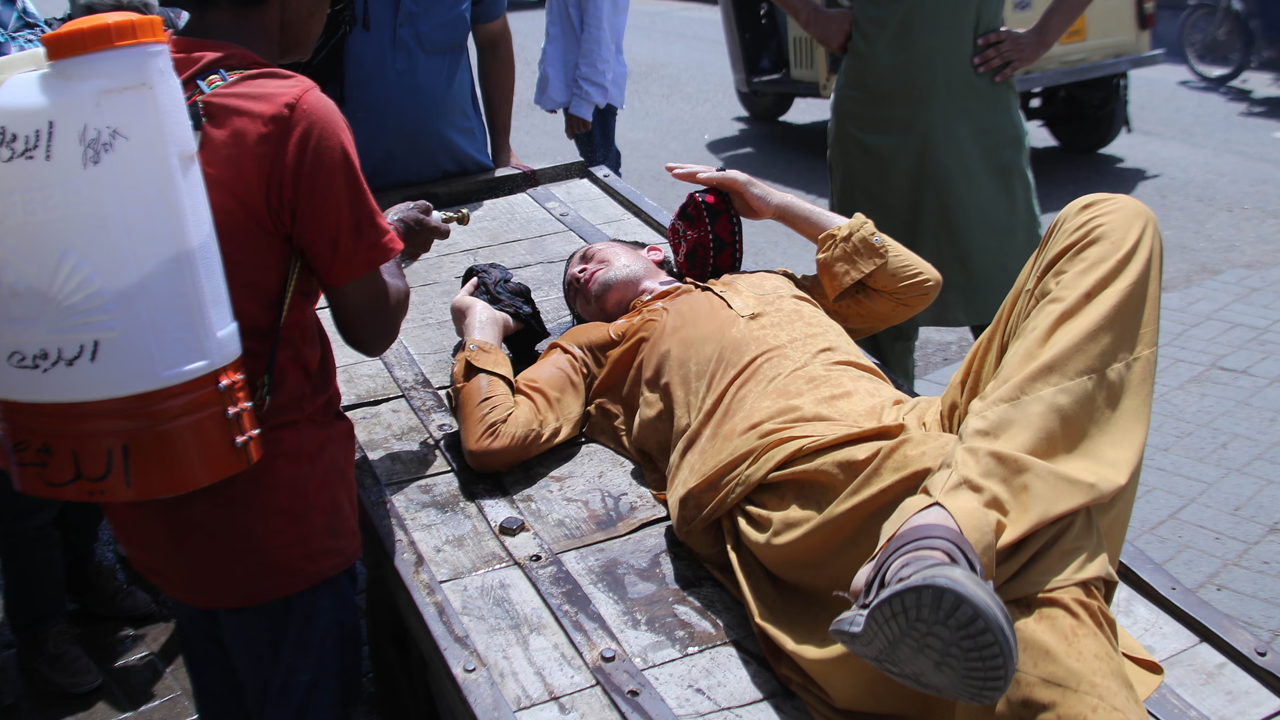
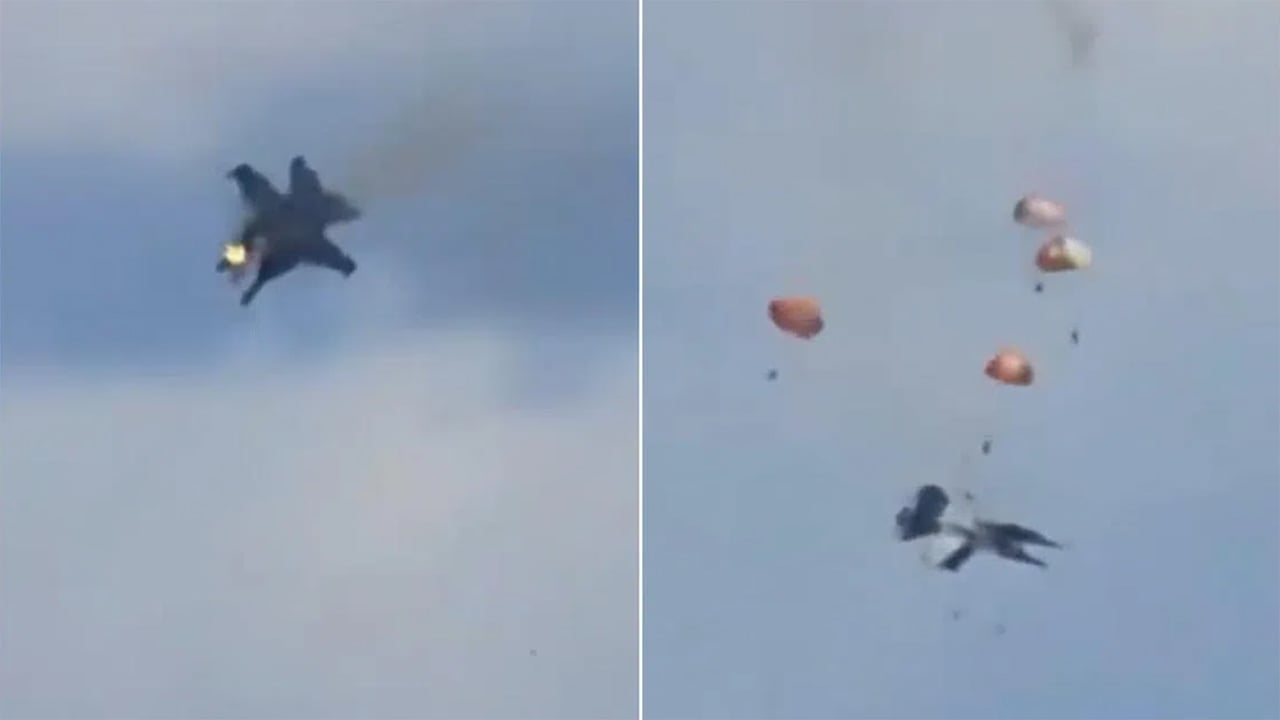
Two US Navy EA-18G Growler fighter jets collided midair during the final day of the Gunfighter Skies Air Show at Mountain Home Air Force Base in Idaho on Sunday, May 17. Following the collision, both aircraft crashed to the ground, but all four crew members managed to eject safely using parachutes, according to a BBC report. Commander Amelia Umayam, spokesperson for the US Navy’s Pacific region, confirmed that the aircraft were based at Whidbey Island in Washington. NBC News reported that the air show was canceled after the incident, and the military base was placed under lockdown for safety reasons. Authorities have not released further details about the cause of the collision or the extent of damage on the ground.
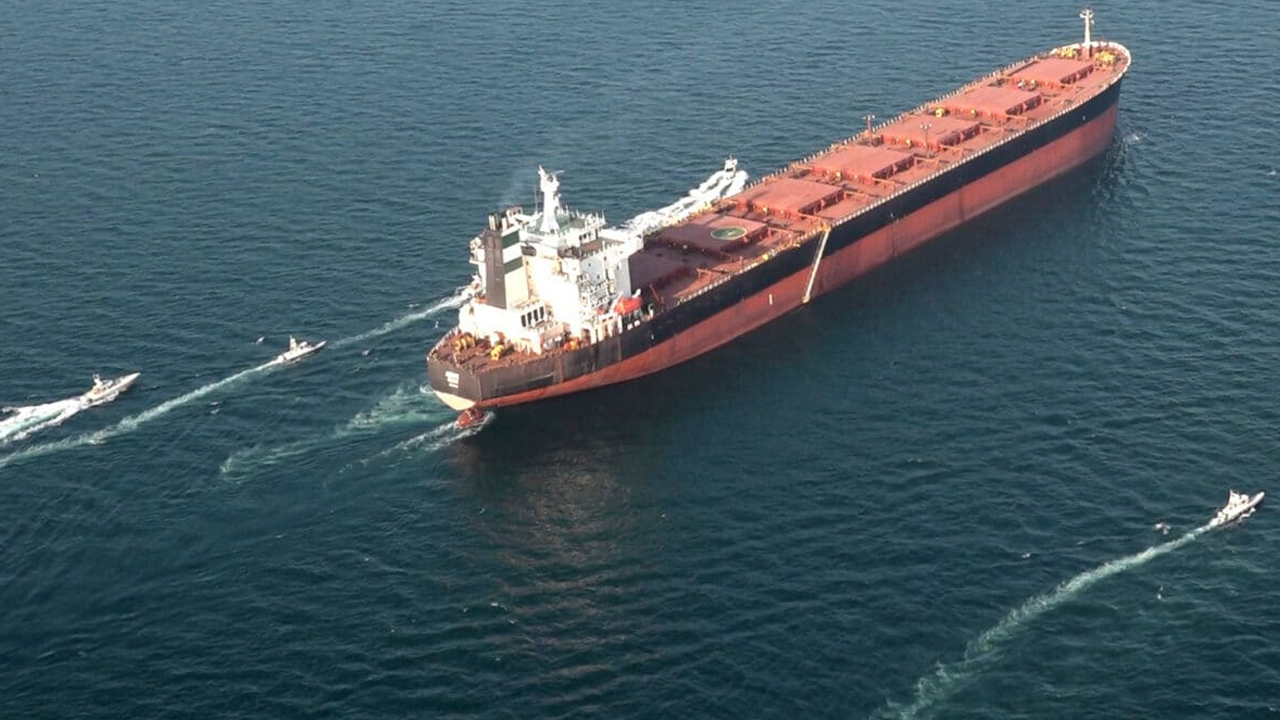
Iran has asserted that the Islamic Revolutionary Guard Corps (IRGC) now holds complete military control over the strategically vital Strait of Hormuz. Reports from the southern 'Red Beach' area of Hormuz Island indicate that security measures in the region have been significantly strengthened. Iranian authorities stated that any movement through this narrow maritime passage must be coordinated with Iran’s military and the IRGC. According to the IRGC Navy, its authority and operational reach over the strait are being expanded. Iran has declared that no military or warships will be allowed to pass through the strait without permission. Friendly nations’ vessels may be granted passage, but ships from hostile countries will be denied transit. Over the past few days, around 30 to 40 ships, mostly owned by Chinese companies, reportedly crossed the strait, though no new vessel movements were recorded in the last 24 hours. The announcement underscores Iran’s intent to assert greater control over one of the world’s most critical maritime chokepoints, with potential implications for regional navigation and security.
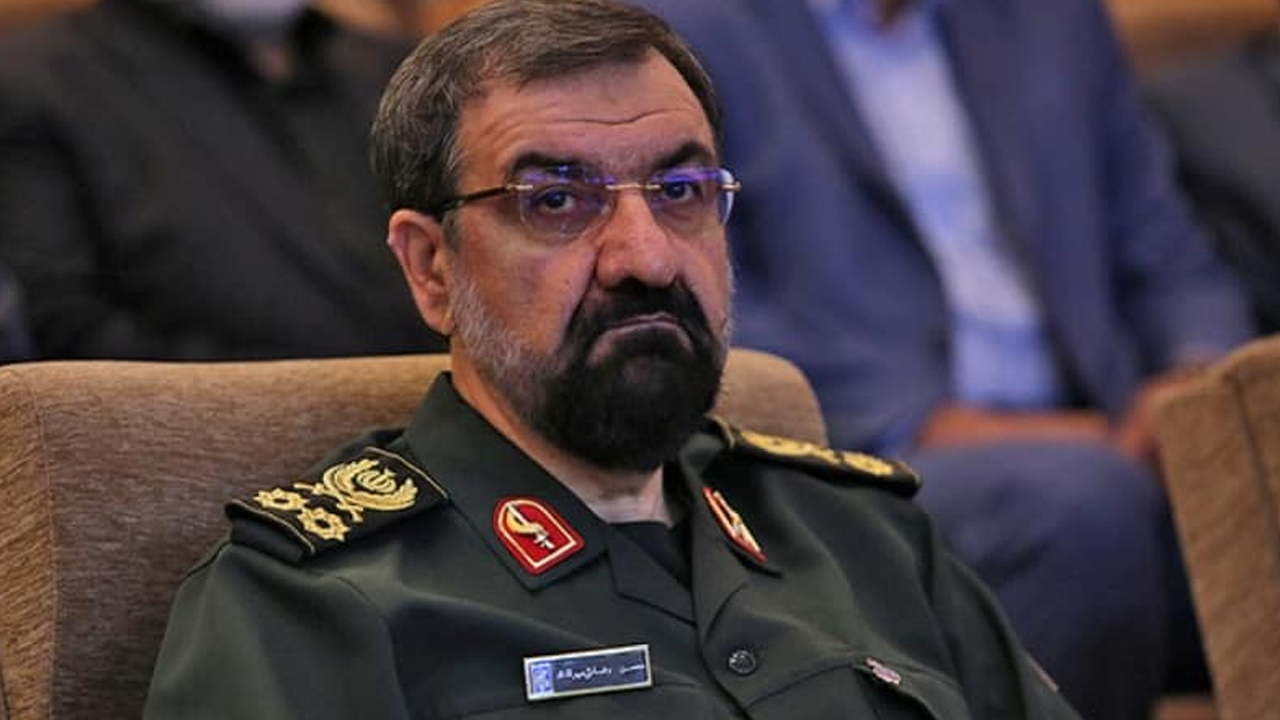
Mohsen Rezaei, a member of Iran’s Expediency Council and former commander of the Revolutionary Guards, has issued a stern warning to the United States to lift its naval blockade on Iranian ports. Speaking on Iranian state television, Rezaei said the US military should end the blockade before the Oman Sea becomes their graveyard. He described the blockade as a hostile act and asserted that Tehran has the right to resist it. Rezaei stated that Iran’s armed forces are fully prepared for any conflict, while diplomatic efforts continue. He added that the longer the blockade continues, the greater the global economic damage will be. Rezaei also said the US must prove through actions that it is trustworthy in any peace discussions. The United States imposed the naval blockade on April 13, with President Donald Trump declaring it would remain until Iran agrees to a peace deal under US terms. Tehran has firmly rejected the pressure, insisting it will not bow to American demands.
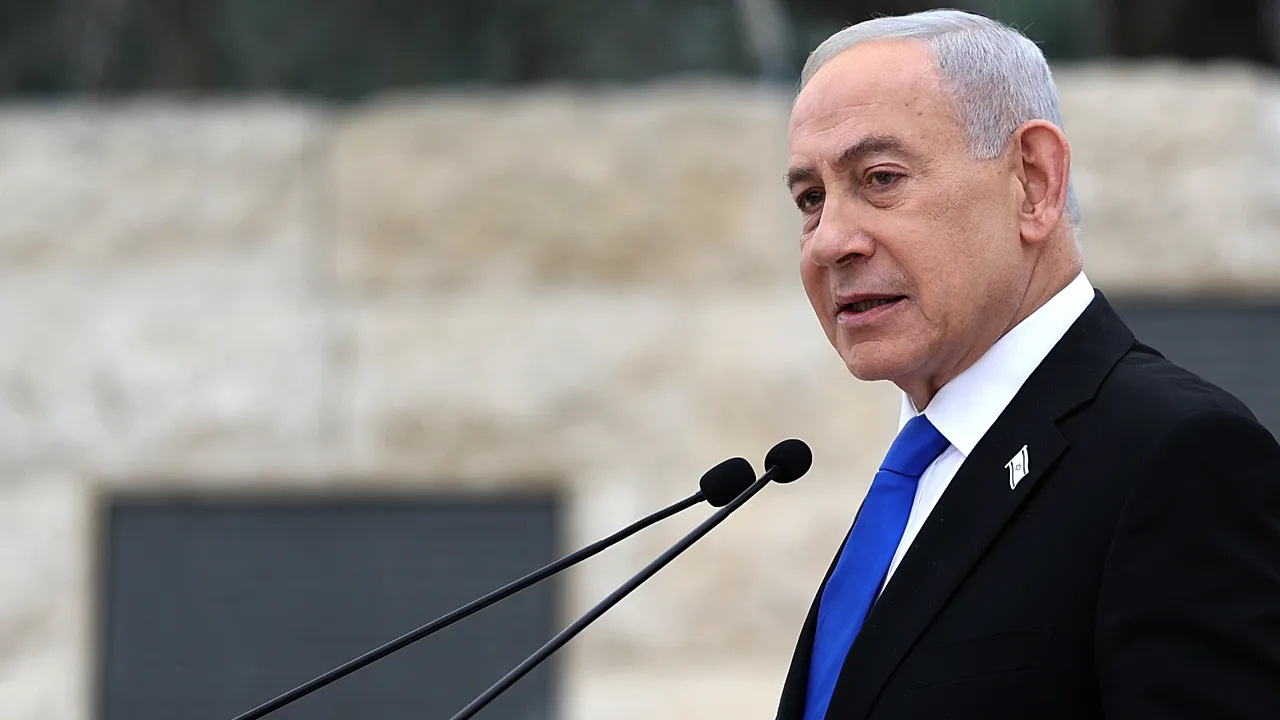
Former CIA Director and US Defense Secretary Robert Gates has revealed that Israeli Prime Minister Benjamin Netanyahu began lobbying for an attack on Iran as early as 2009. The disclosure came in an Al Jazeera report published Monday, where Gates recalled his interactions with Netanyahu during that period. Gates said that in July 2009, Netanyahu told him Iran’s regime was fragile and would collapse after a first strike. Gates rejected Netanyahu’s assessment at the time, arguing that the Israeli leader underestimated Iran’s resilience and capacity to recover. He linked Netanyahu’s stance to Israel’s previous limited-response attacks in the Middle East, including the 1981 strike on Iraq’s Osirak nuclear reactor and the 2007 attack on a Syrian nuclear facility. According to Gates, those earlier incidents may have shaped an unrealistic perception within Israel about how Iran might respond to a similar assault.
Jean-Luc Mélenchon, head of France’s left-wing party La France Insoumise, has accused Europe of complicity in the escalating conflict involving Iran, the United States, and Israel. In a post on social media platform X, he claimed that the broader regional war triggered by U.S. and Israeli attacks on Iran has been made possible through European cooperation or partnership. Mélenchon alleged that former U.S. President Donald Trump and Israeli Prime Minister Benjamin Netanyahu’s threats to destroy Iran are sustained by Europe’s involvement. He said global peace is now held hostage to what he described as the colonial interests of Trump and Netanyahu. As a declared candidate for France’s 2027 presidential election, Mélenchon urged voters to end France’s alliance with what he called “these criminals” and to break free from “the chains of servitude.” The remarks, reported by Al Jazeera, come amid heightened regional tensions following military actions against Iran and continuing violence in Gaza.

The ‘1 Nojor’ media platform is now live in beta, inviting users to explore and provide feedback as we continue to refine the experience.