

The ‘1 Nojor’ media platform is now live in beta, inviting users to explore and provide feedback as we continue to refine the experience.
Iran has declared that it will not bow to U.S. threats or warnings, asserting that Tehran is fully prepared for any situation. The statement came after U.S. President Donald Trump warned on his social media platform that Iran’s time was running out and urged immediate action, otherwise facing consequences. In response, Iranian officials rejected any notion of compromise and emphasized defiance. Speaking to reporters on Sunday afternoon, a spokesperson for Iran’s armed forces warned that any new conflict would bring severe and destructive consequences for the United States. He added that any fresh aggression against Iran would trigger unexpected and highly offensive countermeasures targeting U.S. assets and bases in the region. The tone between the two nations has grown increasingly harsh, with Tehran framing its stance as defensive preparedness rather than escalation. However, the rising rhetoric on both sides is narrowing the space for diplomatic dialogue, according to the report.

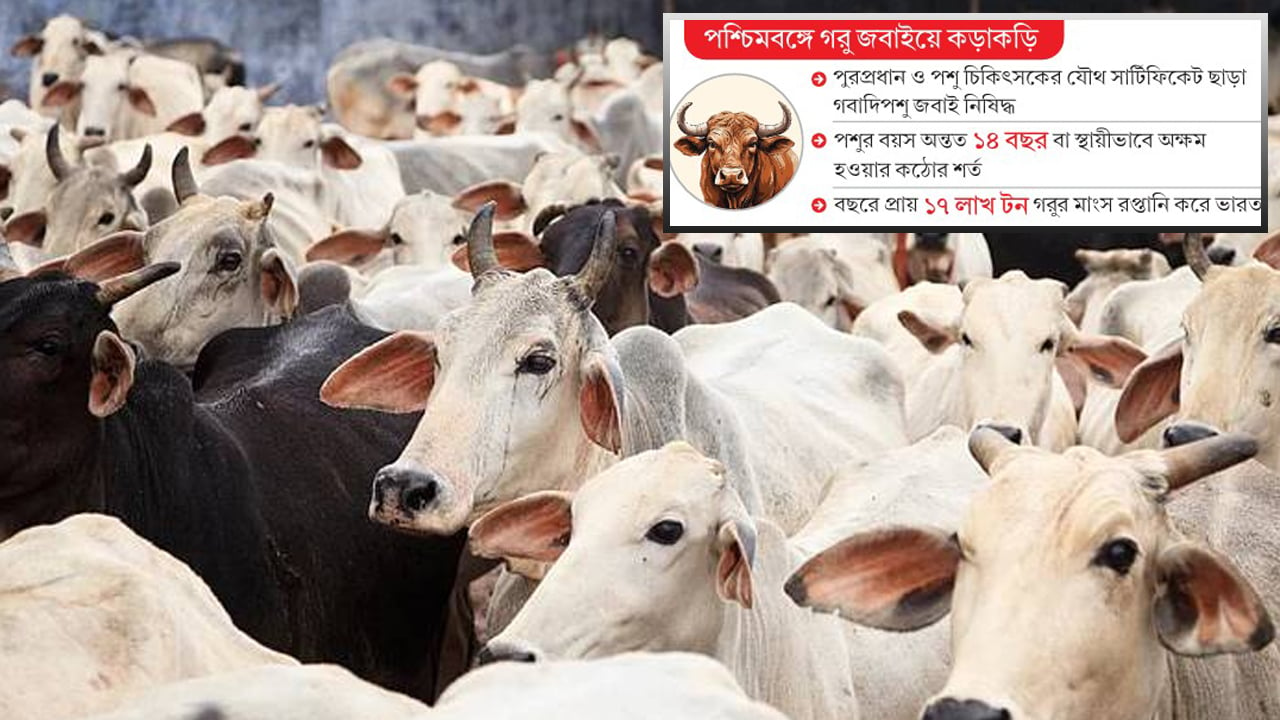
In West Bengal, India, new cattle slaughter restrictions imposed by the recently formed BJP-led state government have triggered widespread unrest ahead of Eid al-Adha. The directive enforces strict certification requirements under the 1950 West Bengal Animal Slaughter Control Act and a 2018 High Court order, allowing slaughter only for animals over 14 years old or permanently unfit for work or breeding. Public slaughter is banned, and violations carry fines or jail terms. As a result, cattle markets have emptied, with traders and buyers avoiding legal risks. The crisis has hit Hindu cattle farmers hardest, many of whom raise cattle year-round on loans expecting Eid sales. With markets frozen, they face mounting debt and losses, some publicly threatening suicide and demanding the government or Prime Minister Narendra Modi buy their unsold cattle. Opposition figures and local legislators have criticized the age-verification rule as impractical, questioning how authorities can determine a cow’s age without birth records. Critics also highlight a policy contradiction: while small farmers face restrictions, India remains one of the world’s top beef exporters, earning billions annually from corporate meat exports, raising questions about fairness in livestock policy.
The banned Awami League is reportedly attempting to reorganize and return to political activity despite ongoing restrictions. The party has begun forming new committees at various levels and is focusing on issues such as the measles vaccine controversy and agreements with the United States to influence public opinion. It has also initiated legal actions against Dr. Muhammad Yunus and his former interim government, seeking to discredit them and demand their trial. Political analysts believe these issue-based campaigns could evolve into broader anti-government movements if not contained. Government authorities have maintained strict surveillance and arrests to prevent the group’s resurgence, while Awami League supporters abroad and some professional groups have called for lifting the political ban. Former Prime Minister Sheikh Hasina has reportedly communicated online with party members, encouraging organizational revival and hinting at her return to Bangladesh within the year. Several new committees have already been formed, and social media activity has intensified. Analysts note that despite the ban and public resentment, Awami League retains influence through professional and local networks. However, continued law enforcement pressure and anti-fascist political unity make a full-scale comeback difficult in the near term.

Turkish President Recep Tayyip Erdogan has renewed his call for families to have more children, labeling birth control a 'betrayal' and the country's declining birthrate a 'disaster.' Throughout his 23-year political career, Erdogan has promoted traditional family roles and urged couples to have at least three, preferably four or five, children. He argues that a higher birthrate will make Turkey stronger in the future. However, Turkey’s fertility rate has dropped well below the replacement level of 2.1, reaching a record low of 1.48 in 2024. Demographers attribute the decline to urbanization, lifestyle changes, and women’s access to higher education, as well as economic hardship caused by inflation and low wages. Despite government incentives such as extended parental leave, cash bonuses, and interest-free marriage loans, many families say the support is insufficient amid rising living costs. Parents interviewed described struggling to afford housing, childcare, and basic needs. Analysts note that Erdogan’s push reflects both economic and conservative Islamic motivations. Experts doubt the new incentives will reverse the trend, as younger Turks increasingly prioritize education, careers, and smaller families. The government has declared 2025 the “Year of the Family” and launched a decade-long population initiative through 2035.

Russia’s permanent representative to international organizations in Vienna, Mikhail Ulyanov, has suggested that Iran appoint a special envoy to Moscow, similar to its recent appointment of a special envoy to China. Ulyanov made the suggestion in a post on the social media platform X, formerly known as Twitter. The Russian diplomat, known for his outspoken views on X, made the remark while quoting a report about Iranian parliament speaker Mohammad Bagher Ghalibaf being named as Tehran’s special envoy to China. Referring to that appointment, Ulyanov wrote that it might be equally relevant for Iran to consider a similar arrangement for its relations with Russia. The comment, reported by Al Jazeera, highlights ongoing diplomatic discussions about strengthening Iran’s bilateral ties with major powers such as China and Russia, though no official Iranian response to Ulyanov’s suggestion was mentioned in the report.

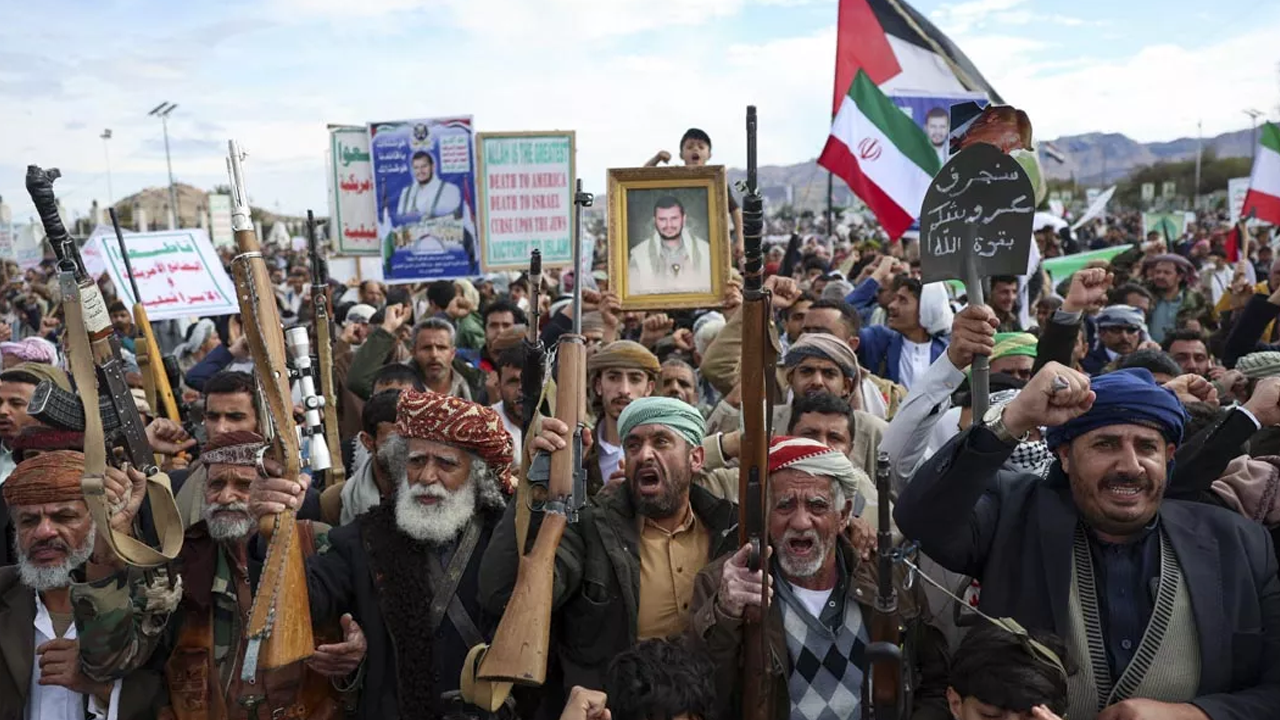
Yemen’s Houthi military leadership has reiterated its support for Palestinian armed groups following the reported death of a senior Hamas commander in Gaza. In a message shared on Telegram, Houthi Chief of Staff Yusuf Hassan al-Madani described the death of Hamas commander Izz al-Din al-Haddad as a major loss for the Palestinian movement and the wider region. Al-Madani stated that the Houthis’ joint efforts with Hamas and its allied groups would continue, pledging that their support would remain until victory is achieved. The message underscores the Houthis’ ongoing alignment with Palestinian factions amid continuing regional tensions. The statement, reported by Al Jazeera, reflects the Houthis’ consistent political stance in favor of Palestinian resistance movements and signals their intent to maintain solidarity despite recent developments in Gaza.
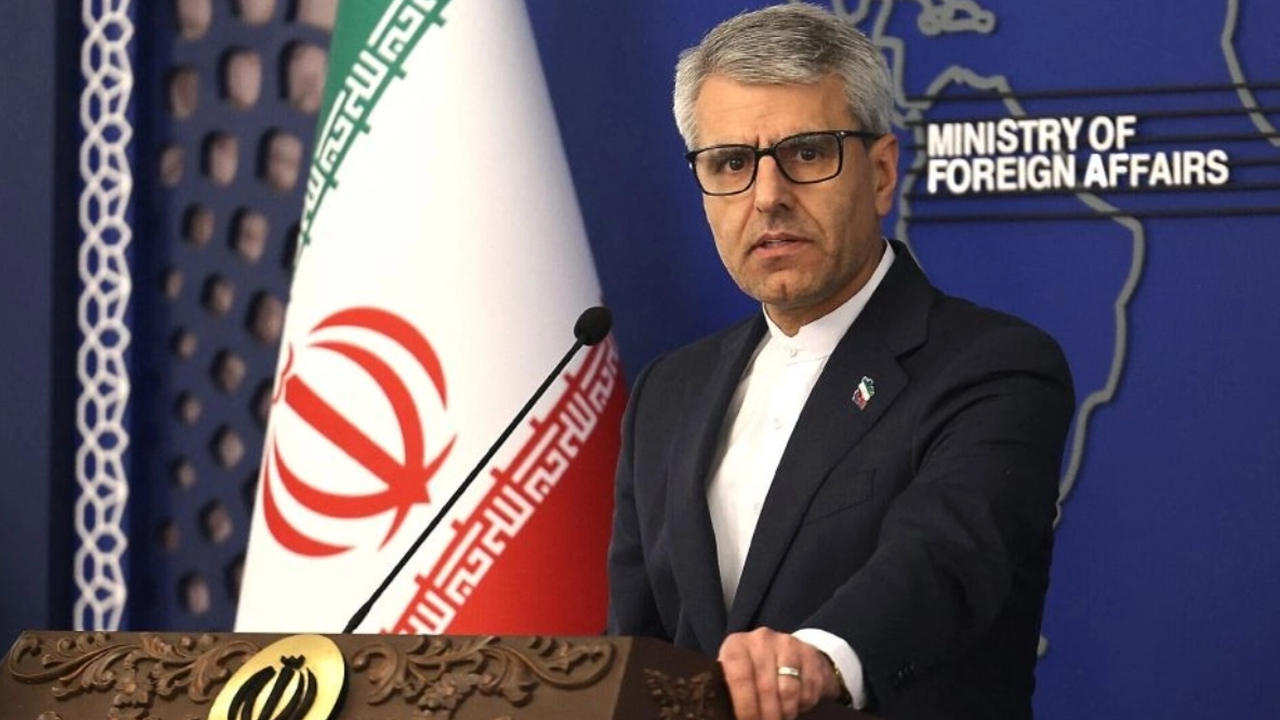
Iranian Foreign Ministry spokesman Esmail Baghaei shared a video clip from the 2024 biopic “The Apprentice” on social media, mocking US President Donald Trump. The film depicts Trump’s early career, and the selected scene shows his adviser Roy Cohn outlining his ‘rules for winning,’ including always claiming victory and never admitting defeat, as well as being ready to do anything with anyone to succeed. The post is part of a broader wave of ridicule and criticism directed at the US president from Iranian officials and their supporters online. Through this campaign, they also mocked what they described as Trump’s widely criticized and weak attack plans. Baghaei has previously referenced literary and historical figures in his commentary, including Aimé Césaire and Persian poet Fariduddin Attar, in a column for Al Jazeera criticizing US policy. The video post underscores Tehran’s continued use of cultural and symbolic references to challenge and satirize US leadership in international discourse.
Bangladesh maintained firm control over Pakistan in the Sylhet Test, ending the second day with a 156-run overall lead. After dismissing Pakistan for 232 in their first innings, Bangladesh reached 110 for three in their second innings, adding to their 46-run first-innings advantage. The hosts aim to bat through the third day to build an insurmountable total. Pakistan’s batting struggles continued, with only Babar Azam showing resistance through a composed 68, while the rest of the middle order faltered again. Bangladesh’s bowlers dominated early, with Taskin Ahmed taking two wickets in his first two overs, supported by Nahid Rana, Mehidy Hasan Miraz, and Taijul Islam, who dismantled Pakistan’s middle and lower order. Despite Khurram Shahzad’s earlier optimism about scoring 400-plus, Pakistan collapsed for 232. Bangladesh’s openers had mixed fortunes, with Mahmudul Hasan Joy scoring a half-century after a first-innings duck, while debutant Tanzid Hasan Tamim managed only 26 and 4. As the match heads into the third day, Pakistan face a daunting task to recover, with their confidence visibly shaken and Bangladesh poised to push for a decisive victory.

A Palestinian Islamic Jihad (PIJ) commander and his teenage daughter were killed in an Israeli airstrike in the eastern Lebanese city of Baalbek. The attack occurred around midnight on Monday near the city’s southern entrance, targeting a residential apartment. Lebanon’s National News Agency reported that a guided missile struck the building, killing PIJ commander Wael Abdul Hali and his 17-year-old daughter Rima. Following the strike, panic spread through the area as rescue operations were launched around the damaged building. The Israeli military did not immediately comment on the incident. The report did not mention any additional casualties or damage beyond the targeted apartment. In recent months, Israeli attacks along the Lebanon border have intensified. The escalation is linked to the ongoing Gaza war, which has triggered repeated exchanges of fire between Israeli forces and various armed groups operating in the region.
U.S. President Donald Trump has issued a stern warning to Iran amid stalled negotiations between Washington and Tehran. In a post on the social media platform Truth Social, Trump said time is running out and urged Iran to move quickly toward a deal. He cautioned that failure to do so could lead to serious consequences for the country. The nuclear-related discussions between the United States and Iran have long been deadlocked, raising international concern over the lack of progress. Analysts note that pressure is mounting on both sides to break the diplomatic impasse and revive momentum in the talks. According to Al Jazeera correspondent Almigdad Alruhaid reporting from Tehran, there has been no clear progress so far, though diplomatic efforts continue and all parties are closely monitoring the situation.

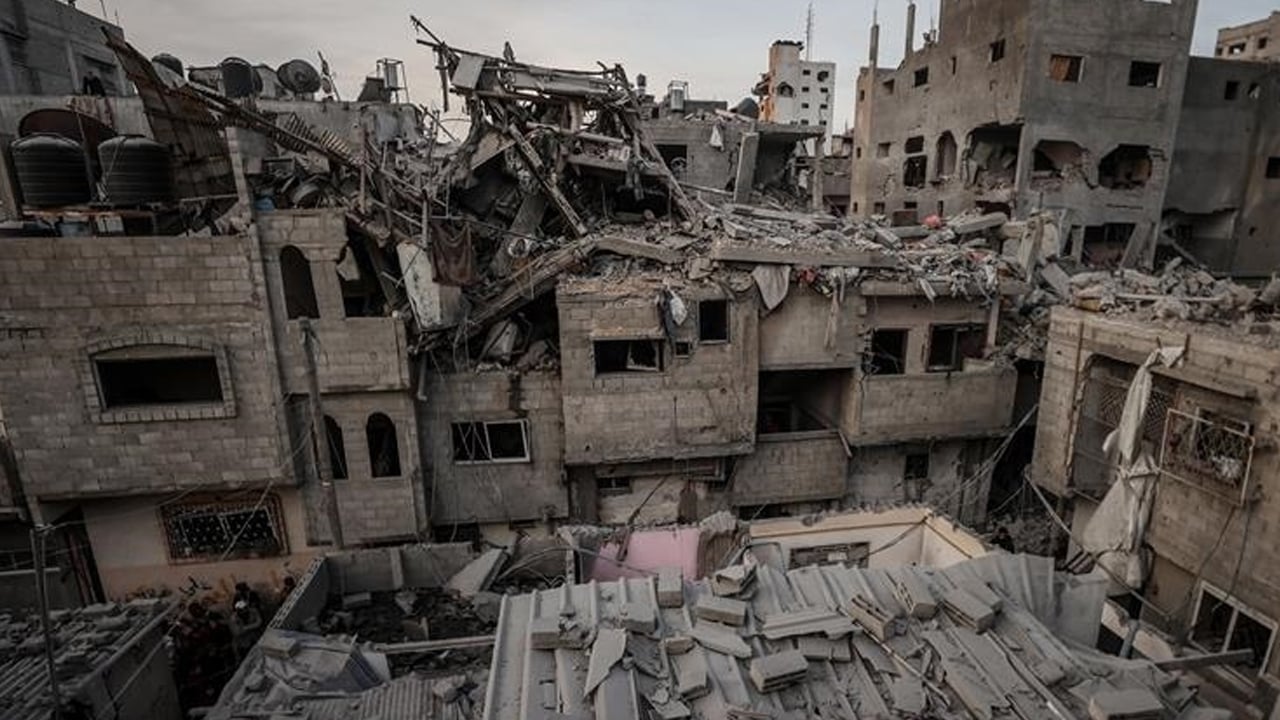
Israeli airstrikes continued across the blockaded Gaza Strip, killing at least eight Palestinians in the latest attacks. Among the dead were three workers from a community kitchen in Deir al-Balah, central Gaza, which was directly targeted on Sunday. Local sources said the victims were involved in preparing and distributing food aid for war-affected residents. Separate strikes were also reported in Khan Younis in the south and Beit Lahia in the north, resulting in additional casualties. Al Jazeera’s correspondent Hind Khoudary reported that the ongoing bombardment has intensified fear and deepened the humanitarian crisis across Gaza, where thousands are struggling with shortages of shelter and food. Human rights organizations have expressed concern that Gaza’s civilian infrastructure, including hospitals, shelters, and aid facilities, remains at risk amid the prolonged conflict, which has already caused extensive damage.

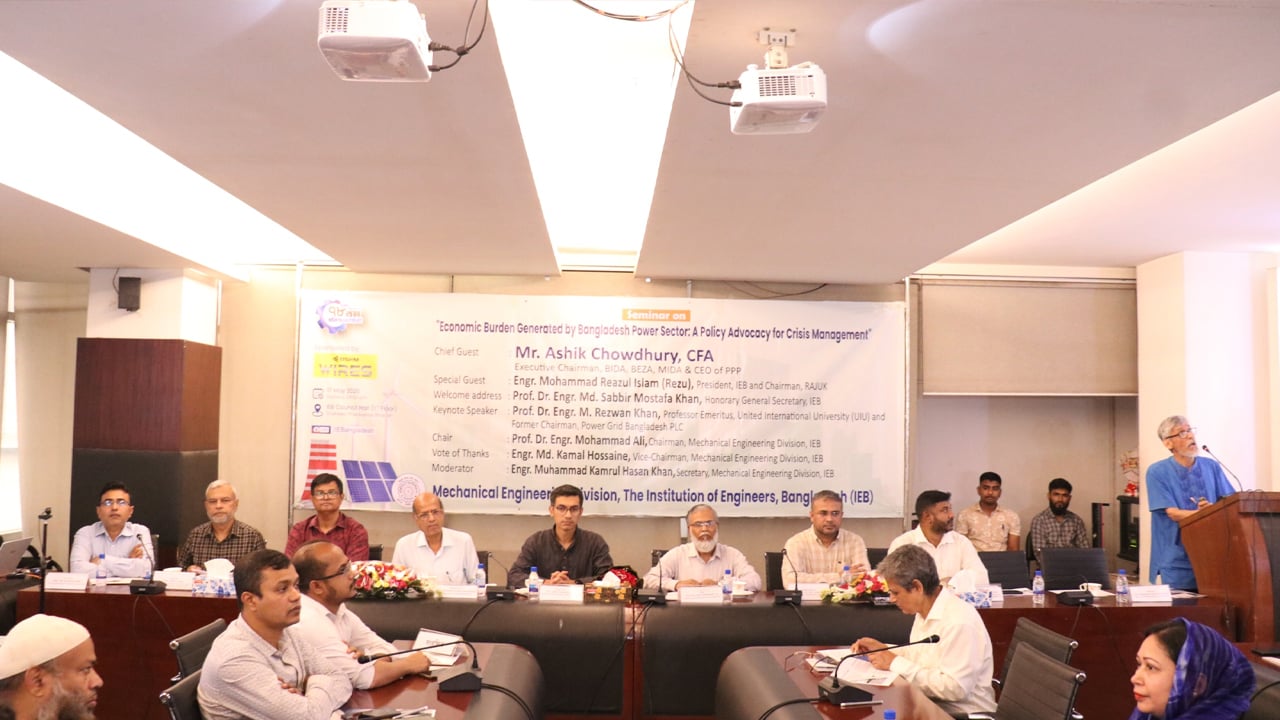
Experts at a seminar in Dhaka on Sunday warned that Bangladesh’s power sector is under severe financial pressure due to overcapacity, import dependence, capacity charges, and subsidies. They called for integrated policy reforms, realistic planning, and greater focus on renewable energy to address the long-term energy crisis. The event, titled “Economic Burden of Bangladesh’s Power Sector: Policy Recommendations for Crisis Management,” was organized by the Mechanical Engineering Division of the Institution of Engineers, Bangladesh (IEB). Bangladesh Investment Development Authority Executive Chairman Ashiq Chowdhury said the energy sector is in a “minus position” due to financial constraints and past international agreements that limit new projects. He emphasized the need to expand solar and other renewable sources to reduce import dependence and economic strain. IEB President Mohammad Riazul Islam noted that years of mismanagement and waste have severely affected the gas sector, while Professor M. Rezwan Khan highlighted that excess generation capacity and costly imported fuels have created heavy fiscal burdens. Speakers agreed that better project evaluation, domestic energy use, and renewable expansion are essential to reduce subsidies and strengthen the sector’s sustainability.
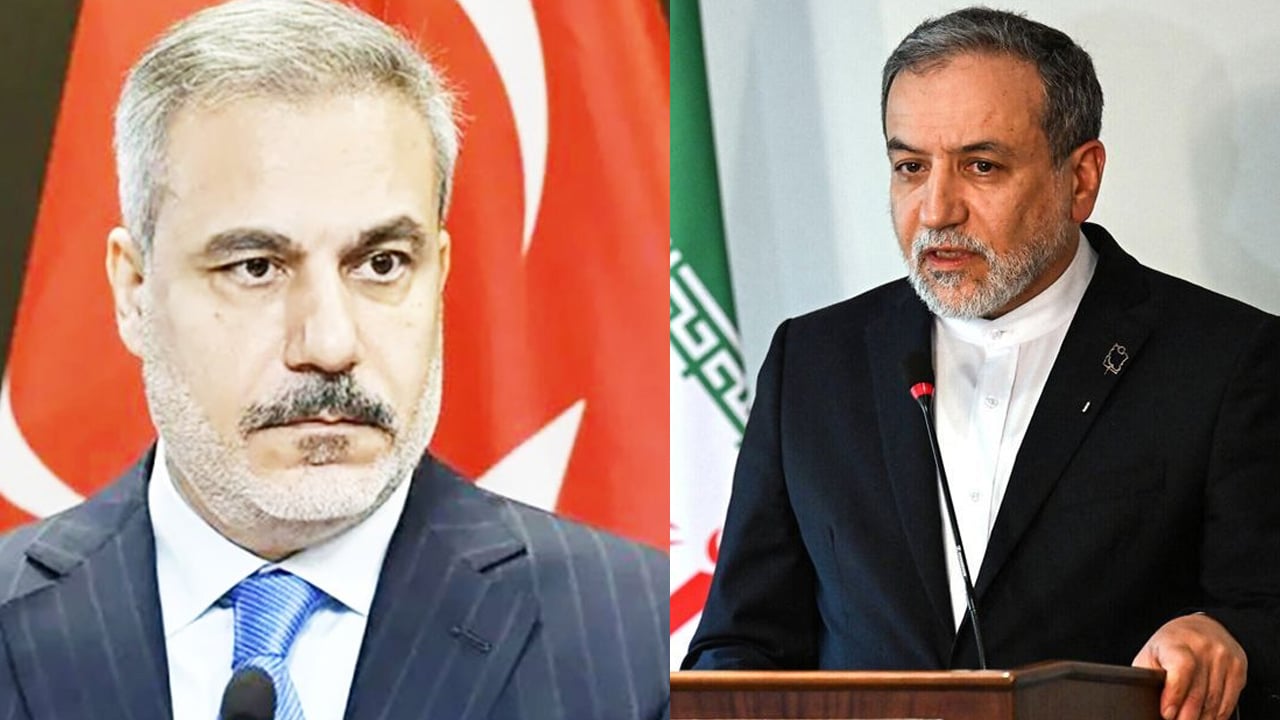
Iranian Foreign Minister Abbas Araghchi held a telephone conversation with his Turkish counterpart Hakan Fidan to discuss the stalled United States–Iran nuclear negotiations, ongoing regional tensions, and the broader situation in the Middle East. The discussion focused on maintaining regional stability and exploring ways to reduce escalating tensions. Diplomatic sources indicated that the talks between the United States and Iran have effectively reached a standstill in recent times. Against this backdrop, both foreign ministers exchanged views on measures to preserve stability in the region. Turkey has been actively working behind the scenes to help end ongoing conflicts while also strengthening security along its border with Iran. Ankara fears that further deterioration of the situation could trigger a large-scale refugee influx across the border. Observers note that Turkey’s diplomatic engagement amid rising instability in the Middle East could play a significant role in maintaining regional balance.
Students of Dhaka University of Engineering and Technology (DUET) in Gazipur began a blockade on Monday morning, pressing three demands related to recent administrative decisions. The protest started at 8 a.m., leading to a suspension of all campus activities. Their demands include the cancellation of the government’s appointment of Professor Mohammad Iqbal from Shahjalal University as DUET’s new vice-chancellor, the appointment of a vice-chancellor from DUET’s own faculty, and justice for those involved in a recent clash between two groups. The government had appointed Professor Iqbal as DUET’s vice-chancellor last Thursday, but students immediately rejected the decision. The blockade has so far remained peaceful, with participants declaring they will continue until their demands are met. Additional police have been deployed on campus to maintain order. The situation remains tense but under control as authorities monitor developments and students maintain their protest stance.

Tension has arisen between BNP and NCP activists in Chattogram over the July graffiti issue. In response, the local administration has imposed a ban on all types of meetings and gatherings from GEC Mor to Dewanhat. The restriction was announced on Monday, May 18, through a public notice stating that it will remain in effect until further instructions. According to the notice, the order was issued by CMP Commissioner Hasan Md Shawkat Ali under Section 30 of the Chattogram Metropolitan Police Ordinance, 1978. The directive aims to maintain peace, order, and public safety in the affected area. Authorities have warned that legal action will be taken against anyone violating the order. The announcement follows growing political tension between the two parties, with the administration emphasizing the need to prevent unrest and ensure security in the city.

The ‘1 Nojor’ media platform is now live in beta, inviting users to explore and provide feedback as we continue to refine the experience.