

The ‘1 Nojor’ media platform is now live in beta, inviting users to explore and provide feedback as we continue to refine the experience.
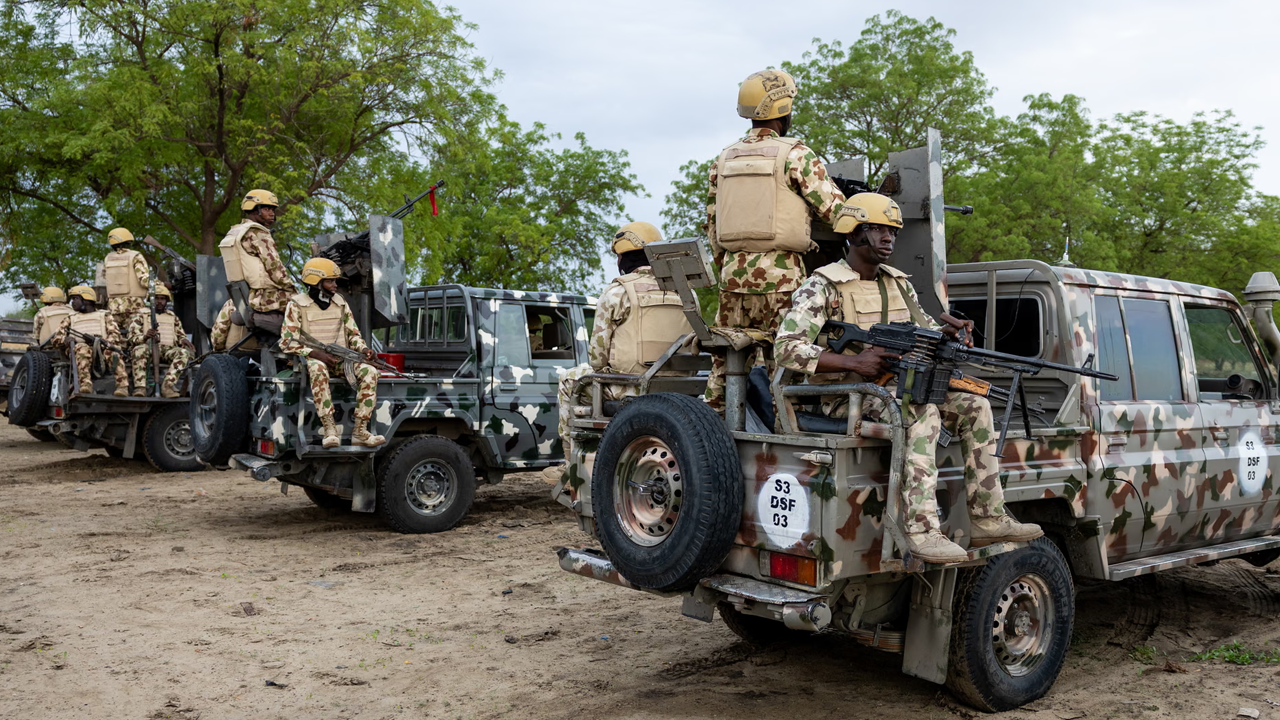
US President Donald Trump has claimed that the Islamic State’s global second-in-command, Abu-Bilal al-Minuki, was killed in a joint operation by American and Nigerian forces in Africa. In a post on his social media platform Truth Social on Friday, Trump said the mission was carried out under his direction and described it as a highly precise and well-planned operation to eliminate one of the world’s most active terrorists. Trump stated that al-Minuki believed he could hide in Africa but was tracked through intelligence monitoring his every move. The United States had imposed sanctions on al-Minuki in 2023 for his involvement with ISIS. According to Trump, his death would significantly reduce the group’s global operations and prevent further attacks targeting Americans or Africans. The US president also thanked the Nigerian government for its partnership and praised the bravery of both nations’ armed forces for successfully completing the mission.
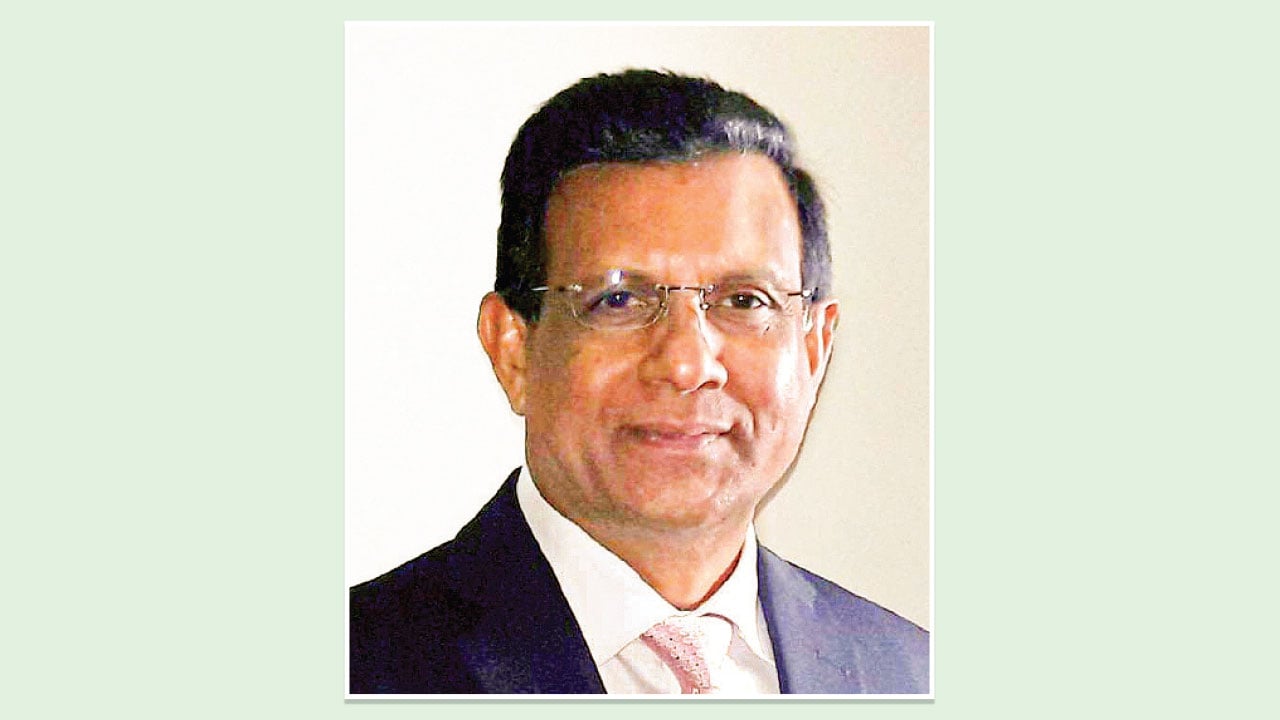
Bangladesh is facing a severe measles outbreak that has claimed the lives of nearly five hundred children. Amid this crisis, President Md. Shahabuddin Chuppu traveled to London for a follow-up medical check-up, accompanied by his family, physicians, and staff. His earlier cardiac bypass surgery was performed in Singapore in October 2023, and all medical records remain there. The president’s decision to undergo follow-up treatment in London instead of Singapore has drawn criticism, with observers labeling the trip as unnecessary and extravagant. The article highlights a broader crisis in Bangladesh’s healthcare system, marked by inequality and lack of trust among the elite. While millions of citizens rely on under-resourced hospitals without insurance, wealthy and powerful individuals routinely seek treatment abroad. The piece argues that this disparity reflects a deeper governance failure, where corruption, poor regulation, and lack of accountability have crippled both public and private healthcare sectors. The author calls for stronger health policies, increased budget allocation, and legal accountability for medical negligence to restore public confidence and ensure equitable healthcare access for all citizens.
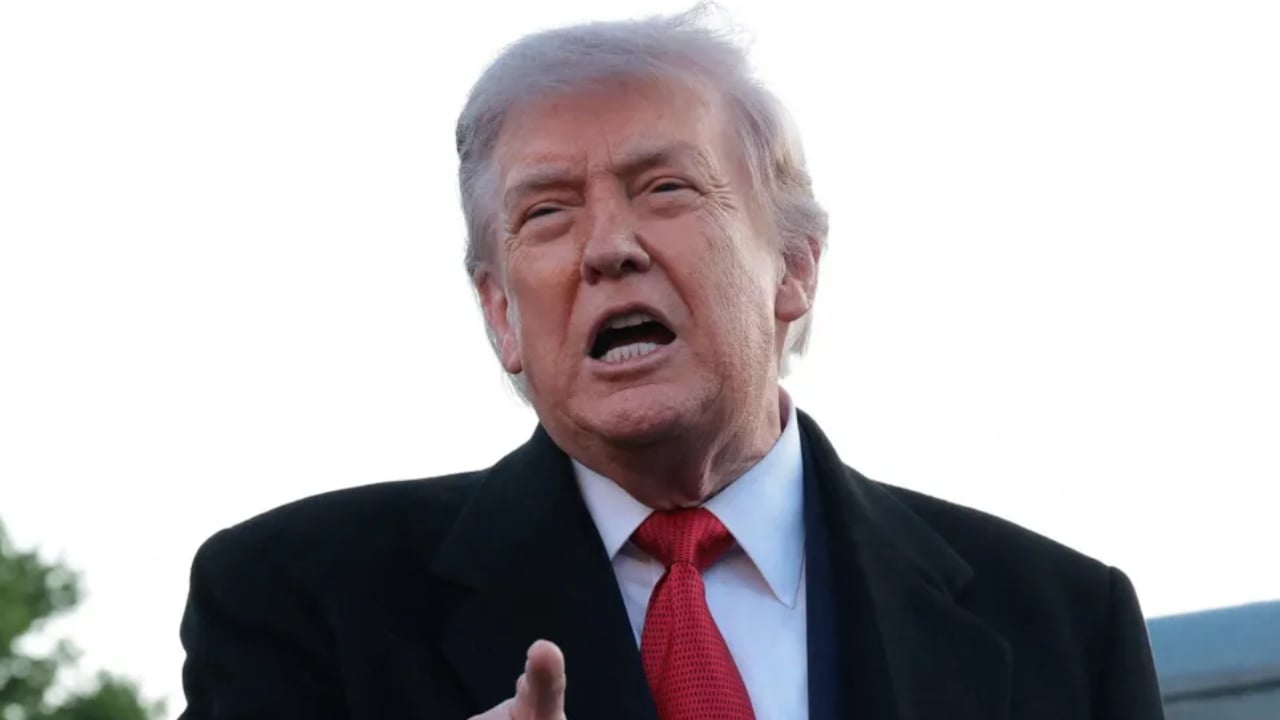
U.S. President Donald Trump has declared that the Strait of Hormuz will remain open and warned that Iran will not be allowed to use the strategic waterway as a weapon. In an interview with Fox News, Trump said his administration would ensure that Iran does not acquire nuclear weapons and that global stability is maintained. Trump noted that China depends on the Strait of Hormuz for about 40 percent of its oil supply. He accused Tehran of previously closing the strait as a pressure tactic and reiterated that such actions would not be tolerated under his leadership. According to Trump, Iran had used the strait as a weapon in the past, but he emphasized that Tehran would not be able to do so against him. The remarks highlight ongoing U.S. concerns about Iran’s influence over one of the world’s most critical maritime chokepoints.
German Chancellor Friedrich Merz has said he would not advise his children to study or work in the United States, citing a changing social climate and difficulties even highly educated people face in finding jobs there. He made the remarks while addressing a youth Catholic conference in Würzburg, amid ongoing tensions with US President Donald Trump over the Iran conflict. Merz’s comments drew immediate backlash from Trump’s camp. Former US ambassador to Germany Richard Grenell accused Merz of suffering from “Trump Derangement Syndrome” and claimed the chancellor had previously acted deferentially toward Trump. Germany’s far-right AfD leader Alice Weidel also criticized Merz, saying his stance was hypocritical given Germany’s own economic challenges. The dispute comes as US-European relations face strain over trade and military aid to Ukraine. Merz, struggling to revive Germany’s weak economy, has previously criticized US-Israeli actions in Iran and their impact on European interests. Despite tensions, he said he remains committed to maintaining strong transatlantic ties under NATO.

Prime Minister Tarique Rahman announced plans to make Cumilla a new administrative division and to establish an agricultural university in the region. He made the announcement on Saturday afternoon during a roadside rally at Lakshmipur Bazar field in Barura, Cumilla. Rahman said that all promises made by his government would be fulfilled gradually and urged citizens to remain patient as the economy faces pressure after 17 years of mismanagement. He emphasized that the BNP government is committed to keeping its electoral promises, citing ongoing initiatives such as canal excavation, distribution of family and farmer cards, and honorariums for imams and priests. Rahman stated that rebuilding the country requires collective participation and that the people voted for the BNP based on its presented plans. Highlighting Cumilla’s agricultural importance, Rahman said the region exports large quantities of produce nationwide. He added that he would soon discuss with the education minister the establishment of an agricultural university in Cumilla as a response to local demands.
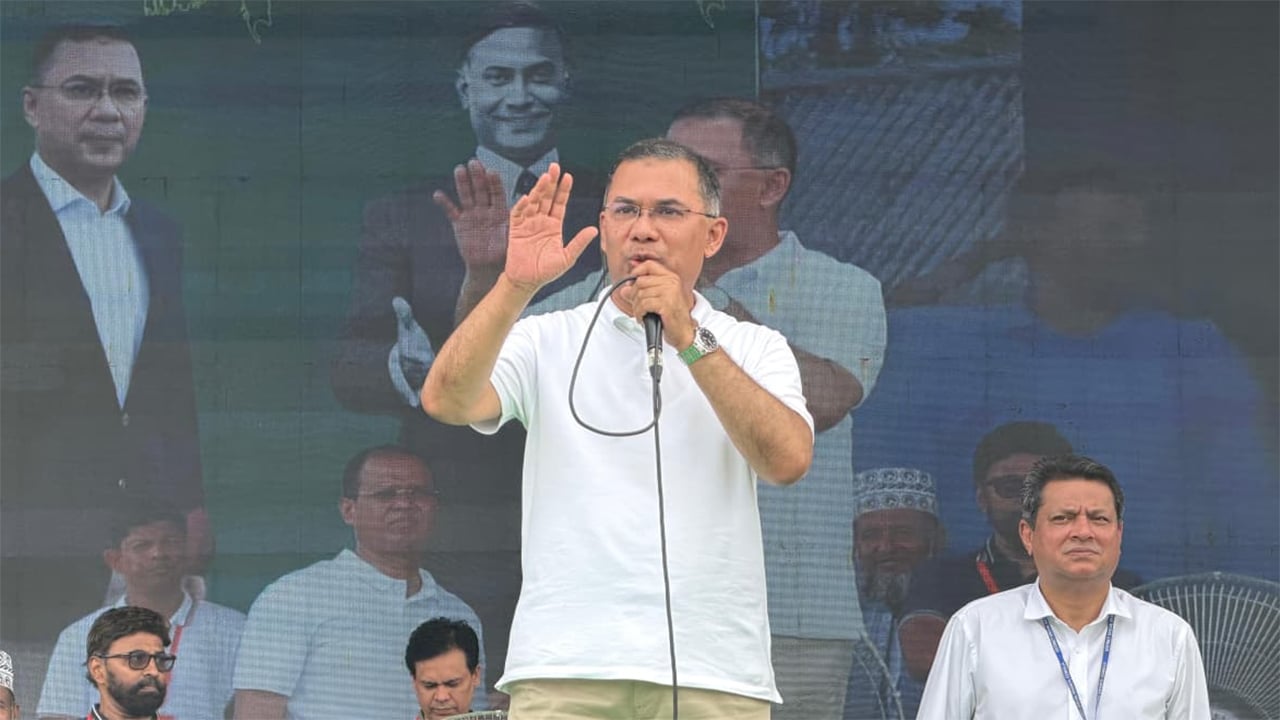
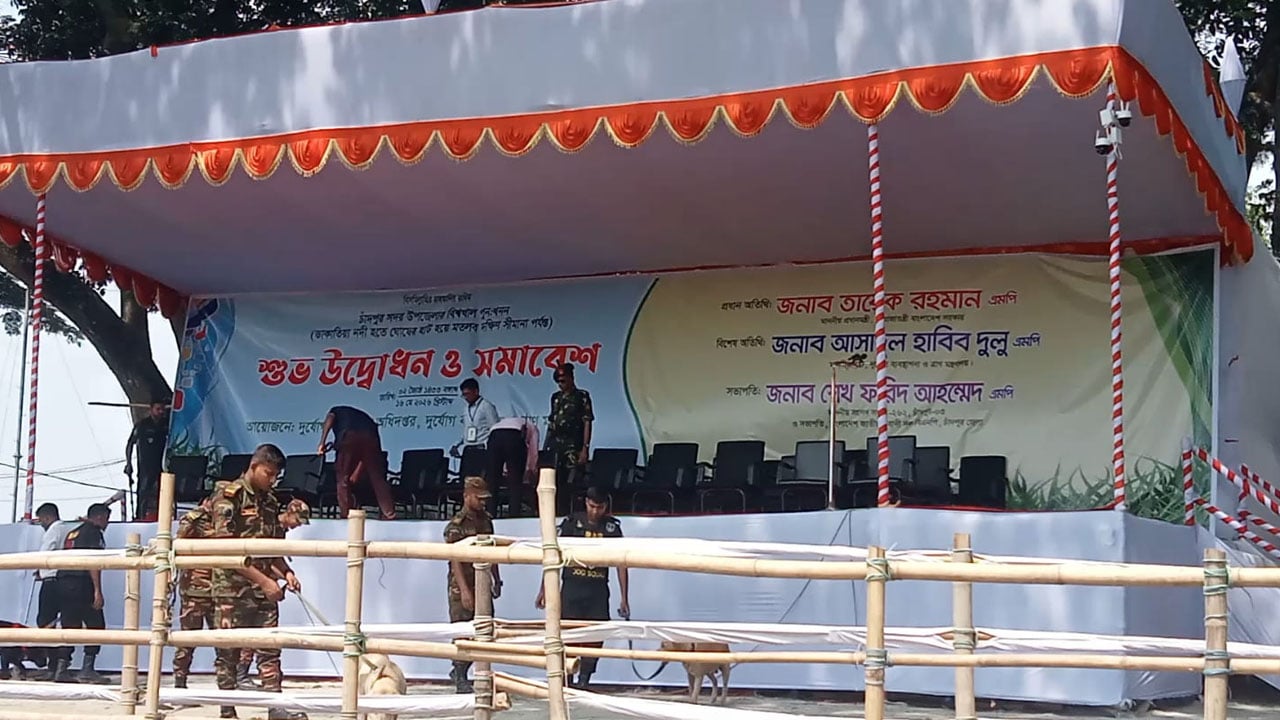
Prime Minister Tarique Rahman departed from Cumilla for Chandpur on Saturday afternoon after addressing a roadside gathering. He left at around 1:45 p.m. to inaugurate several development projects and attend local events in Chandpur district. According to the schedule, Rahman will inaugurate the re-excavation of Khordda Canal at Waruk Bazar in Tamta Dakshin Union of Shahrasti upazila, followed by a brief roadside speech. Later, at 2:30 p.m., he will open the re-excavation work of Bishwo Canal at Ghosher Hat in Kumardugi village under Shah Mahmudpur Union of Chandpur Sadar upazila, where he will also address a short gathering. The Prime Minister is expected to take a short break at Chandpur Circuit House at 3 p.m., attend a Family Card distribution event at Chandpur Government College ground at 4 p.m., and join the district BNP’s organizational meeting at Chandpur Club at 5 p.m. His visit will conclude with his return to Dhaka by road at 6:30 p.m.
National Citizen Party (NCP) spokesperson Asif Mahmud Sajib Bhuiyan has expressed deep sorrow over the death of popular content creator and actress Karina Kaiser. In a Facebook post on Saturday, May 16, 2026, he described her untimely death as an irreparable loss for the anti-fascist movement, culture, and democratic aspirations. Asif Mahmud recalled Karina’s active participation during the July uprising and her firm stance in the anti-fascist struggle, noting her role as both a cultural activist and a courageous voice against injustice. He said her courage, commitment, and fighting spirit would continue to inspire the younger generation. The NCP spokesperson also prayed for her soul and extended condolences to her family, comrades, and well-wishers. Karina Kaiser died from liver-related complications. Her father, former national football player Kaiser Hamid, confirmed her death in a Facebook post on Saturday, May 16.

Professor Dr. Md. Fakhrul Islam writes that many rivers in southern Bangladesh have dried up, leaving bridges standing over sand and weeds instead of flowing water. The article attributes this severe environmental change primarily to the Farakka Barrage, built in 1975 on the Ganges in West Bengal to maintain navigability at Kolkata port. Reduced water flow from the Ganges has caused rivers such as the Padma, Gorai, Madhumati, Kumar, Bhairab, and Kopotakkho to lose vitality, turning once-thriving waterways into barren channels. The drying of rivers has disrupted agriculture, fisheries, navigation, and biodiversity, while salinity intrusion has damaged farmland and freshwater sources in Khulna, Satkhira, and Bagerhat. The loss of river-based livelihoods has forced migration and eroded local culture and communication traditions. The author notes that Bangladesh has repeatedly demanded fair water sharing from India, but dry-season flows remain inadequate despite agreements. He argues that Bangladesh’s own policy failures, including weak diplomacy, river encroachment, pollution, and lack of dredging, have worsened the crisis. With the same political party now governing both West Bengal and India’s central government, he urges Bangladesh’s new BNP administration to pursue strong diplomatic action for a sustainable water-sharing solution.

Former U.S. President Donald Trump is expected to withdraw his $10 billion lawsuit against the Internal Revenue Service (IRS). In exchange, a $1.7 billion compensation fund will reportedly be created to reimburse Trump’s allies who claim they were unfairly targeted during the Biden administration. The fund will be managed by a commission with full authority to distribute taxpayer money to settle claims from individuals alleging misuse of the legal system. According to the report, the compensation will cover those who say they suffered due to alleged political targeting, including around 1,600 people charged in the January 6 Capitol attack and possibly entities linked to Trump himself. The settlement agreement is expected to be finalized within the next few days. ABC News cited sources indicating that the creation of this compensation fund is considered a key condition for Trump’s withdrawal of multiple legal actions against the federal government.
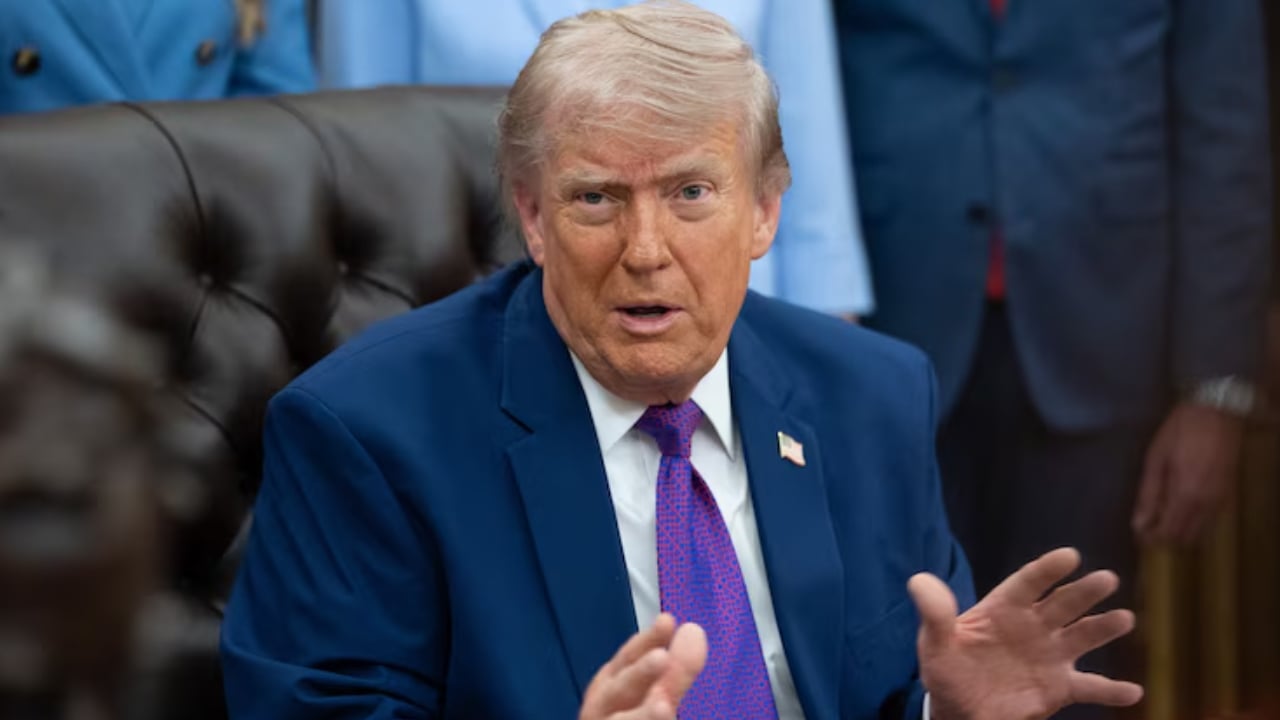
A local BNP leader named Israfil Sheikh has been accused of occupying disputed land in Rampal upazila of Bagerhat and continuing construction work despite a temporary injunction issued by the Senior Civil Judge Court. The land in question, located in Gilatala mouza and measuring 0.0190 acres, is under a pending case where the court ordered that no construction, eviction, or obstruction of possession should occur until the case is resolved. The complainant family alleged that the accused ignored the court order and continued building with the influence of retired Additional DIG Omar Faruk. The affected family held a press conference at the Bagerhat Press Club, claiming that even after informing local administration and police, no effective action was taken. Locals reported that construction materials were being transported regularly and workers were seen on site, raising concerns about administrative inaction. Attempts to contact Israfil Sheikh and Omar Faruk for comments were unsuccessful, though a close source of the accused claimed the land was legally purchased. Local observers warned that continuing construction in defiance of a court order could pose a serious challenge to the rule of law. Police officials said the matter was under observation and would be handled seriously if violations were confirmed.
Canada has made significant progress toward building a new pipeline aimed at expanding crude oil exports to Asian markets. On Friday, Prime Minister Mark Carney and Alberta Premier Danielle Smith signed an industrial carbon pricing agreement that removed a major obstacle to the project. The deal introduces a phased carbon tax on large emitters, setting a fee of 130 Canadian dollars per ton of carbon dioxide by 2040, lower than the 170 dollars proposed by the previous Trudeau government. Carney said the final pipeline plan will be submitted to the government’s Major Projects Office by July 1. The initiative is part of Carney’s strategy to reduce Canada’s economic dependence on the United States and strengthen energy trade with Asia. However, the project has sparked environmental controversy and opposition from several Indigenous and First Nations groups who vowed to resist any pipeline construction from Alberta to the Pacific coast. Left-wing New Democratic Party leader Avi Lewis criticized the move as a surrender to the oil and gas lobby. The announcement comes at a politically sensitive time, as separatist sentiment in Alberta grows, with Carney emphasizing that Alberta’s prosperity depends on a united Canada.

A recent article by retired Major General H R M Rokon Uddin describes how West Bengal’s disputed state election, in which the Bharatiya Janata Party claimed victory amid allegations of manipulation and misuse of central authority, has created serious concern in Bangladesh. The author argues that political developments in West Bengal inevitably affect Bangladesh due to deep historical, cultural, and geographic ties across the border. The piece highlights accusations of electoral interference, suppression of opposition voices, and the deployment of central forces, which critics say undermine India’s democratic integrity. It warns that inflammatory remarks by some local BJP leaders about Bangladesh following the election breach diplomatic norms and could strain bilateral relations. The author links these tensions to the ideological stance of the BJP and its parent organization, the RSS, which he describes as viewing Muslim-majority Bangladesh with suspicion. The article urges Bangladesh to respond firmly through diplomatic protest, diversify strategic partnerships, strengthen border security, and maintain communal harmony. It also calls for balanced diplomacy to protect sovereignty while preserving the people-to-people connection between the two Bengals.

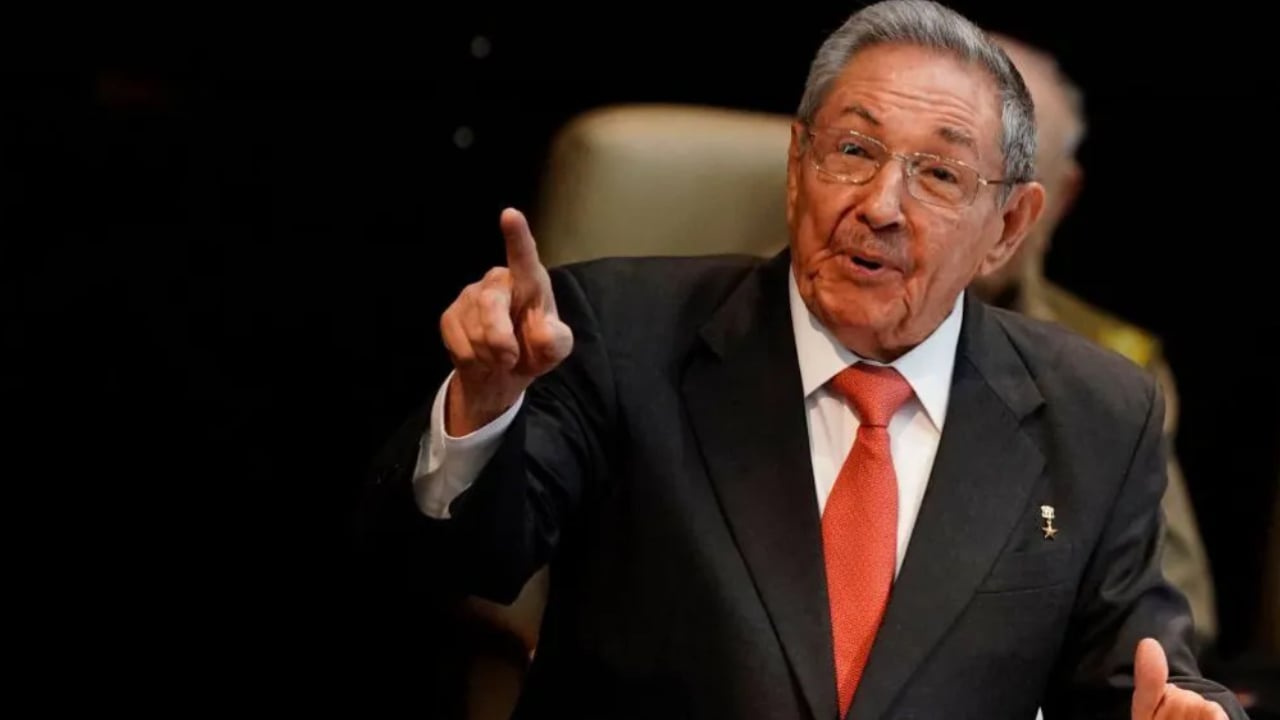
The United States is preparing to bring criminal charges against former Cuban leader Raul Castro in connection with the downing of two aircraft three decades ago. According to the report, the US Department of Justice is expected to file the charges within days, pending approval from a federal grand jury. The development coincides with a visit to Cuba by the CIA director, who is meeting with Havana officials. Raul Castro, aged 94, stepped down as head of the Cuban Communist Party in 2021, marking the end of his family’s more than fifty years in power. He had led the country for 15 years following his brother Fidel Castro’s resignation. The case represents a rare move by Washington to pursue legal action against a former head of state from Cuba. Unnamed officials from the US Justice Department indicated that the indictment could be submitted by Wednesday, signaling a potentially significant escalation in US-Cuba legal and diplomatic tensions.
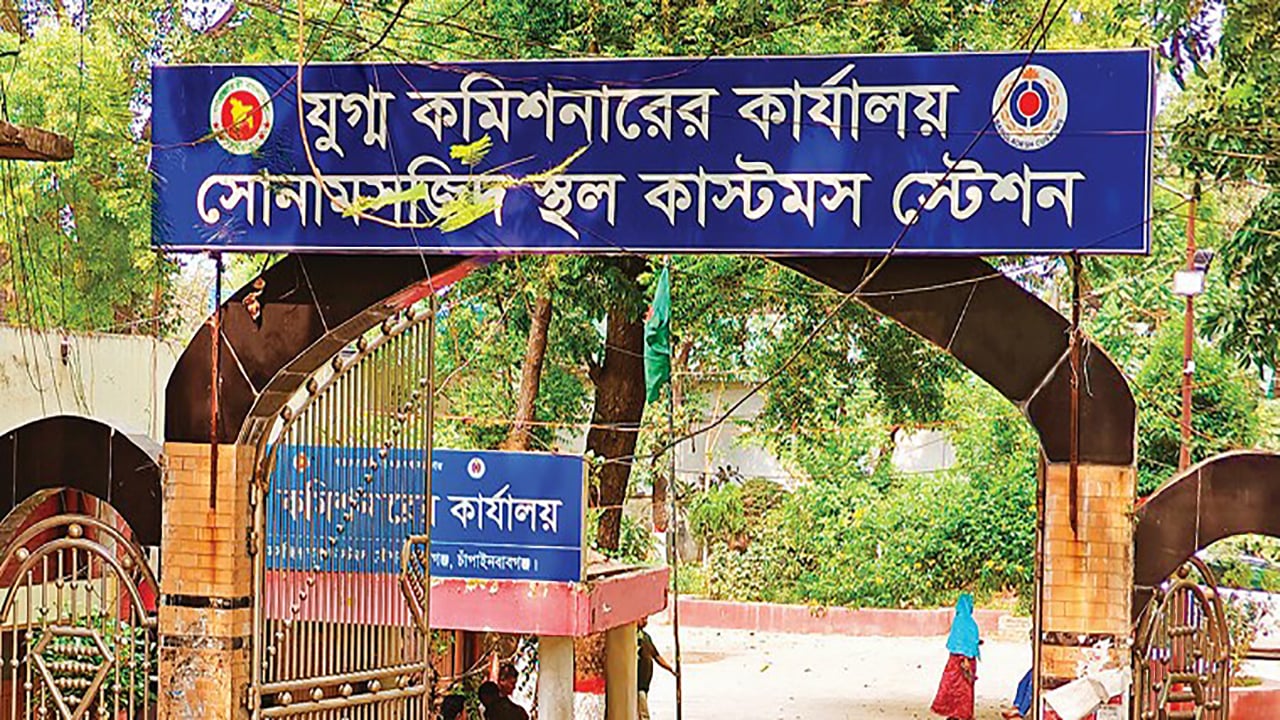
Stone imports through the Sonamasjid land port in Chapainawabganj have been suspended for 13 consecutive days since May 2, 2026, following a dispute over increased assessment value for customs purposes. The shutdown has brought operations at one of the country’s key land ports to a standstill, depriving the government of revenue and leaving around 8,000 port workers without work. The port’s managing authority, Panama Sonamasjid Port Link Limited, confirmed the ongoing halt in imports. Importers stated that they had long imported stones at an assessment value of USD 13 per ton, which determined customs duties. Recently, Indian customs authorities raised this value to USD 15 per ton. Importers argue that 20–30 percent of the imported stones are of low quality, and the higher valuation would cause heavy financial losses. They have decided not to resume imports until the increased rate is withdrawn. The suspension has severely affected daily wage laborers who depend on stone handling for income. Port officials warned that unless the valuation issue is resolved soon through discussions between importers and authorities, both government revenue and workers’ livelihoods will continue to suffer.
On 16 May 1976, Maulana Abdul Hamid Khan Bhashani led the historic Farakka March in protest against India’s construction of the Farakka Barrage on the Ganges River. Despite being 94 years old and hospitalized in Dhaka, Bhashani personally led the 64-mile march from Rajshahi to Kansat near the Bangladesh-India border. The demonstration drew hundreds of thousands of participants demanding Bangladesh’s fair share of Ganges water and denouncing what Bhashani viewed as India’s hegemonic control over transboundary rivers. The article situates the Farakka March within Bhashani’s lifelong struggle against colonialism, feudal exploitation, and foreign domination. It recounts his leadership in peasant movements in Assam, his role in founding the Awami Muslim League in 1949, and his opposition to U.S.-Pakistan defense pacts in the 1950s. The author argues that Bhashani’s anti-imperialist stance and advocacy for the oppressed made him uniquely capable of organizing the Farakka protest. According to the text, Bhashani saw the barrage as a geopolitical tool threatening Bangladesh’s environment and economy. The march remains a symbol of resistance against regional dominance and the defense of national sovereignty.
The ‘1 Nojor’ media platform is now live in beta, inviting users to explore and provide feedback as we continue to refine the experience.