

The ‘1 Nojor’ media platform is now live in beta, inviting users to explore and provide feedback as we continue to refine the experience.
Lawyers representing former Columbia University student Mahmud Khalil have appealed to the US Board of Immigration Appeals to reopen and dismiss his deportation case. Khalil, who was targeted for deportation by the US government due to his pro-Palestinian activism, faces removal following a final deportation order issued one month earlier. The latest legal motion references new information, some of which has been reported in the media. According to Khalil’s lawyers, the new evidence suggests that the Trump administration may have secretly influenced or arranged the outcome of his immigration case to make him an example. Khalil was first detained in March 2025 by immigration enforcement agents. He was among several student activists targeted after participating in pro-Palestinian and anti-Gaza war demonstrations that spread across US campuses the previous year. The appeal seeks to suspend the deportation process while the new claims are reviewed by the immigration appeals court.

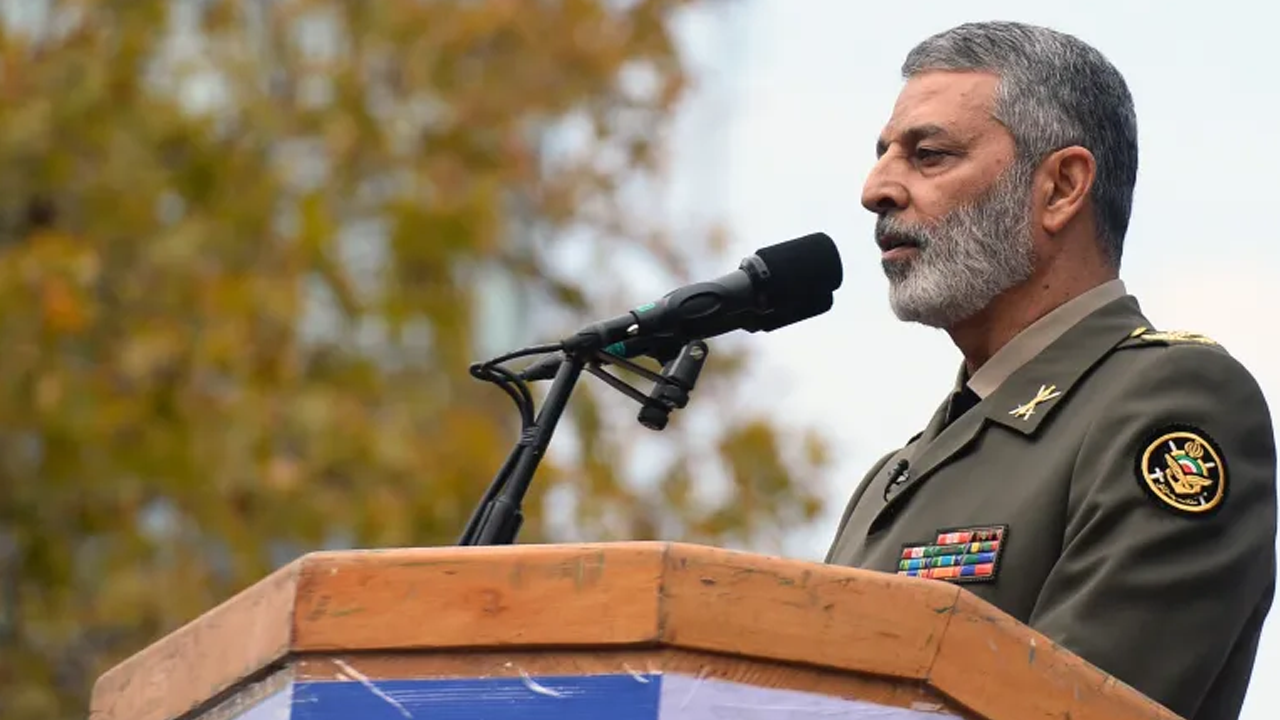
Iran’s semi-official Tasnim news agency has published the final handwritten note of Lieutenant General Abdolrahim Mousavi, Chief of Staff of the Iranian Armed Forces. According to the report, Mousavi wrote the note moments before his death on February 28, following the outbreak of war involving U.S. and Israeli forces. The message, described as deeply emotional, reflected on the fleeting nature of worldly possessions. Tasnim reported that Mousavi’s note expressed a philosophical view of life, stating that even if one gains everything in this world, nothing is truly achieved, and losing everything also means nothing is truly lost. The report highlighted the personal and reflective tone of his final words. The publication of the note, sourced from Al Jazeera and reported by Tasnim, adds a poignant dimension to Mousavi’s death during the conflict, offering insight into his final thoughts as a senior Iranian military leader.
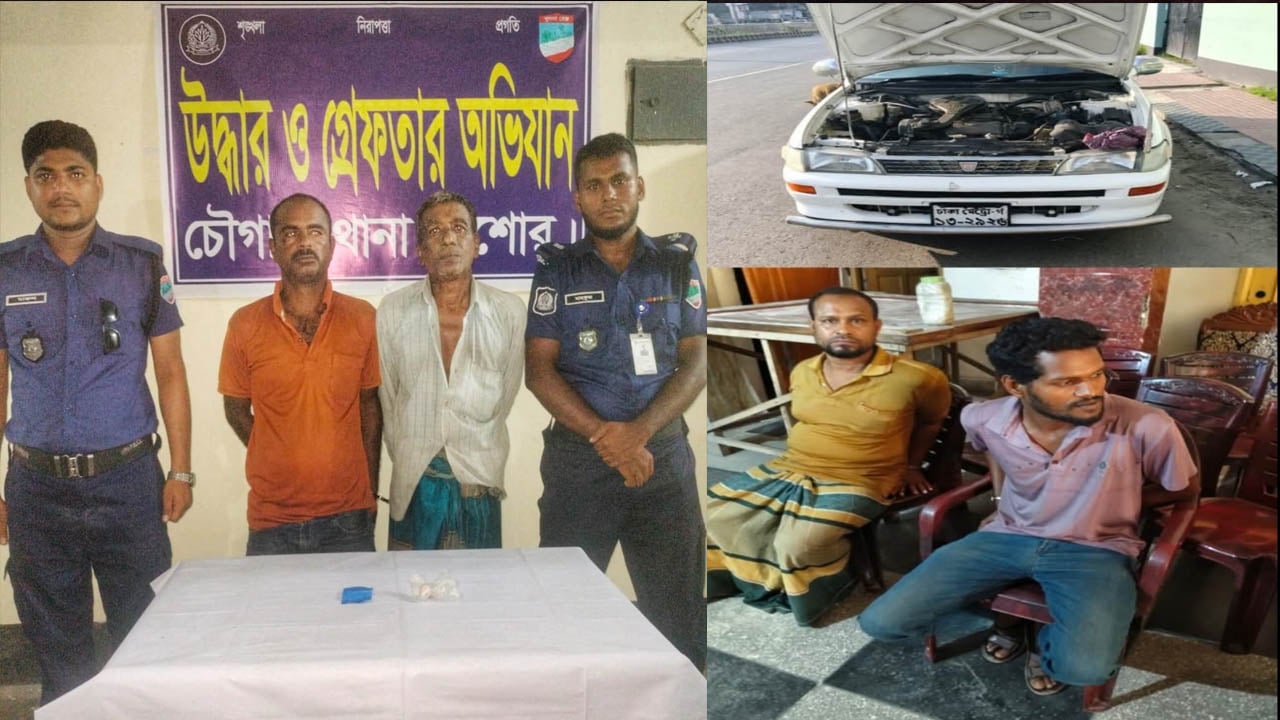
Police in Chowgacha, Jashore, arrested four individuals on Friday in two separate anti-drug operations. A team from RAB-6 detained two men with 211 bottles of Phensedyl syrup from a private car on the Kapotakkho Bridge in the morning. The detainees were identified as Chironjit Kumar from Kagmari village and Babulur Rahman from Mohammadpur village, both under Jhikargacha upazila. Their vehicle was also seized during the operation. Later that afternoon, police conducted another raid on a brick road in Dashpakia village, where two more individuals were arrested with 41 yaba tablets. They were identified as Shofiar Rahman from Afra village and Ripon Hossain from Burindia village, both under Chowgacha upazila. According to Chowgacha Police Station Officer-in-Charge Mamunur Rashid, two separate cases have been filed under the Narcotics Control Act. The arrests mark continued law enforcement efforts in Jashore to curb illegal drug trafficking and possession in the region.
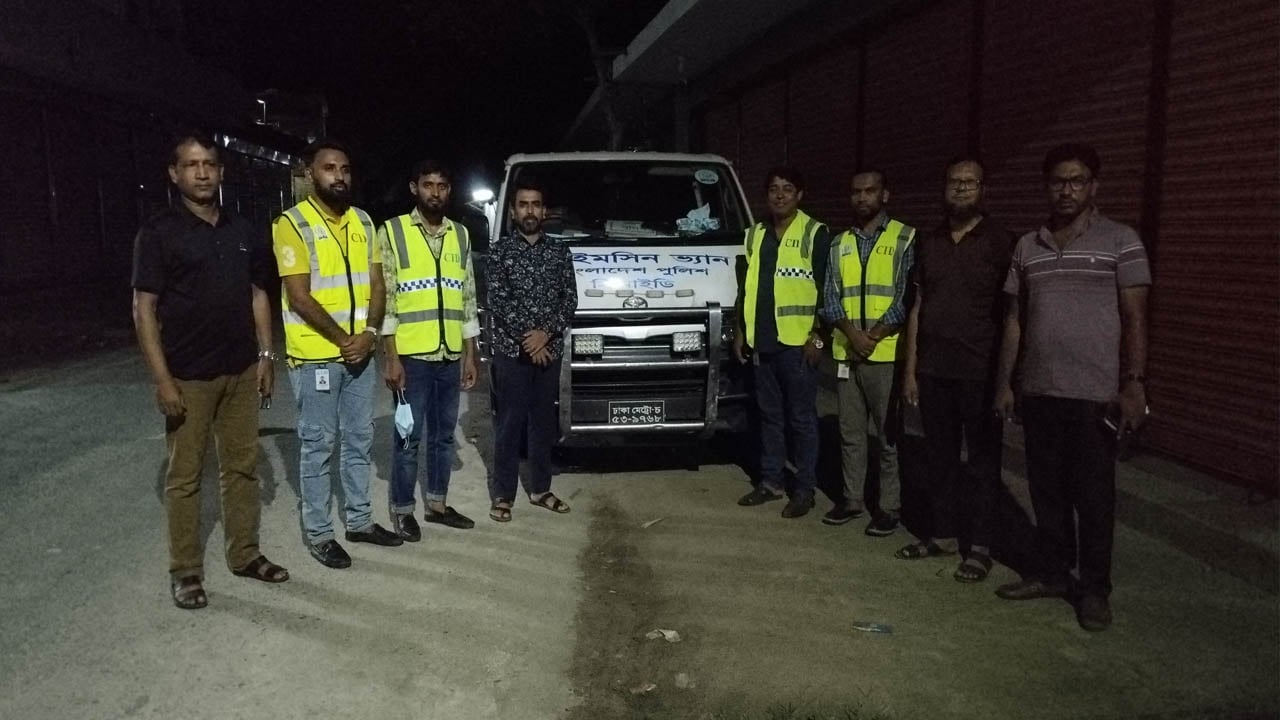
Police in Naria upazila of Shariatpur recovered dismembered human body parts from a polythene bag found on the bank of the Padma River on Friday afternoon. Locals first noticed the bag floating in tidal water around 3 p.m. and informed the authorities. Officers from Naria Police Station and the river police arrived at the scene and discovered partially decomposed limbs inside the bag. The Criminal Investigation Department (CID) team from Faridpur was notified to assist in identifying the remains. Later, the Crime Scene unit in Faridpur confirmed the identity of the deceased through fingerprint analysis. Police stated that the body parts belonged to Md. Zia Uddin, son of Md. Razzak Sardar. According to the Sureshwar Police Outpost in-charge, the incident is being investigated with utmost seriousness. Further details about the circumstances of the death were not disclosed in the report.
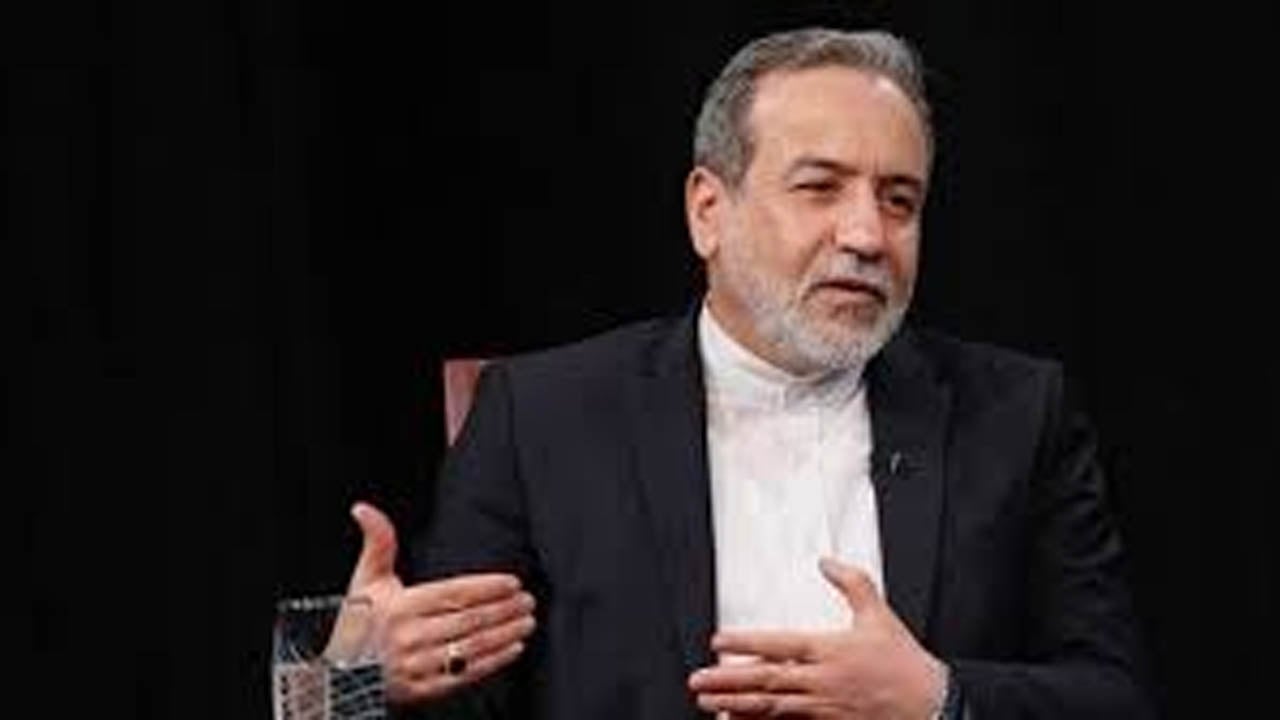
Iranian Foreign Minister Abbas Araghchi has said that Tehran is ready to continue diplomatic communication and discussions with Washington. Speaking to reporters in New Delhi on Friday, he confirmed that Iran had received new messages from the United States expressing a desire to maintain dialogue. Araghchi also stated that Iran welcomes any mediation or diplomatic assistance from China to help resolve the ongoing crisis between the two countries. He emphasized Iran’s close and strategic relationship with China, noting that Beijing’s involvement in the diplomatic process would be welcomed by the Islamic Republic. According to Araghchi, U.S. President Donald Trump claimed that Chinese President Xi Jinping had offered to help reopen the Strait of Hormuz and pledged not to provide military support during wartime. China’s Foreign Ministry said the continuing conflict has no justification and that finding a swift resolution is essential for both regional and global interests. Araghchi added that Pakistan has been playing a mediating role between the United States and Iran, though the first round of talks did not result in any agreement.
Bangladesh Health Minister Sardar Md. Shakhawat Hossain stated that measles patients are receiving all internationally recognized forms of treatment. Speaking to reporters on Friday at the DNCC Covid-19 Hospital in Mohakhali, Dhaka, he said the government is making maximum efforts despite multiple challenges. He noted that 98 percent vaccination coverage has been achieved and that the government managed to secure measles vaccines in a short time. If the situation worsens, hospital capacity will be expanded. The minister said that Gavi, UNICEF, and the World Health Organization have acknowledged Bangladesh’s rapid vaccine procurement for a large population. He added that doctors are working tirelessly and that the government started with no ventilators or vaccines left by the previous administration. Following the Prime Minister’s directive, ventilators have now been supplied nationwide, and ten new ICU units will open in ten districts next Tuesday. He further mentioned that malnutrition is a major factor behind measles vulnerability. Vitamin A campaigns have resumed, with large supplies expected from UNICEF by June 10 to improve child nutrition and immunity.
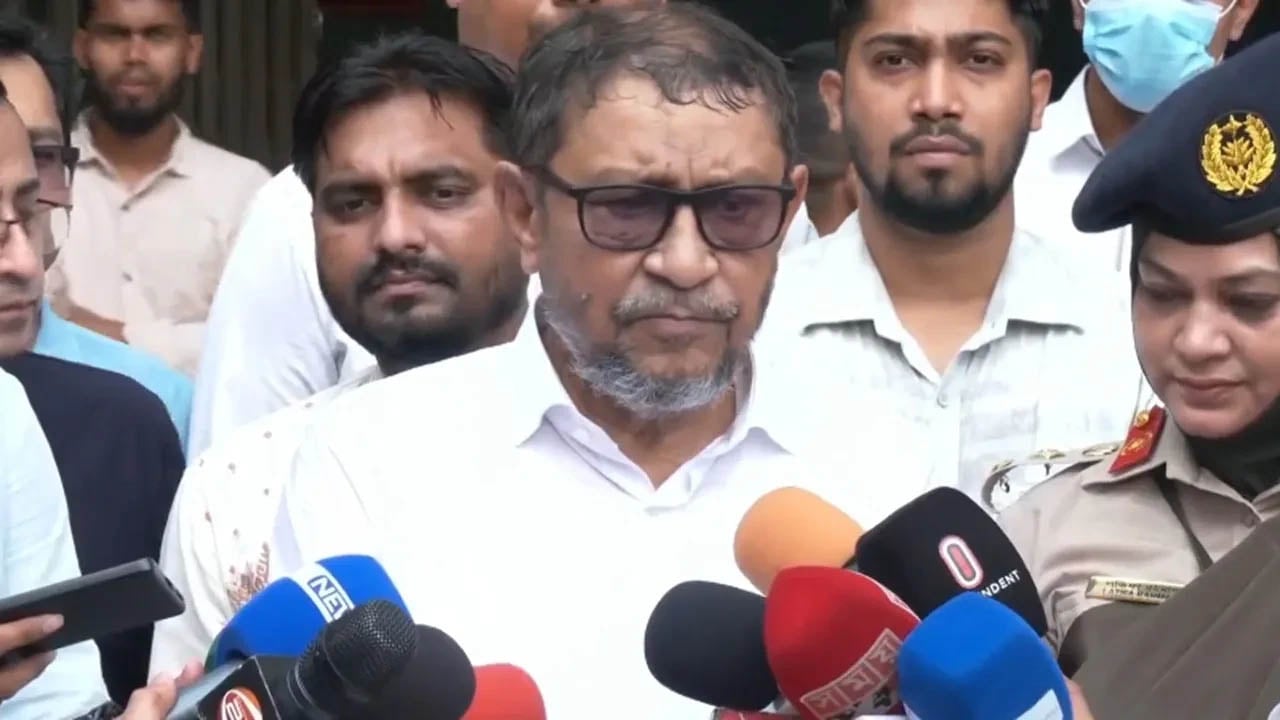
A student leader of the National Citizen Party (NCP) died after being struck by lightning while harvesting paddy in Madarganj upazila of Jamalpur on Friday afternoon. The victim, Majnu Mia, aged 22, was working in a field at Hatmagura Kamarpra area of Jorkhali Union when the incident occurred around 1:30 p.m. He was the son of Bachchu Mia and a member of the NCP’s student wing, Jatiya Chhatra Shakti, in the Madarganj upazila unit. According to local and family sources, Majnu had gone to the field with his mother, Monjura Begum, and younger brother, Ronju Mia, to harvest paddy when the sky suddenly became overcast and rain with thunder began. A sudden lightning strike hit him, leaving him critically injured and causing his death on the spot. Madarganj Model Police Station’s officer-in-charge Snehashish Roy confirmed the incident and said police visited the scene after receiving the report.

Bangladesh cricketer Mushfiqur Rahim has confirmed that he declined an offer to return to One Day Internationals (ODIs). Speaking in Sylhet on May 16, 2026, he said that although he was approached to rejoin the national ODI squad, he chose not to reverse his earlier decision. Mushfiqur had announced his retirement from ODI cricket in February 2025 through a Facebook post, after playing 274 matches for Bangladesh. He currently represents the national team only in Test cricket, having retired from T20s earlier. The proposal for his return was reportedly made with the upcoming ODI World Cup in mind, as selectors considered his experience valuable for the tournament. However, Mushfiqur stated that he believes the current and future state of the Bangladesh ODI team no longer requires his services. He continues to maintain his disciplined approach to training, ensuring his practice does not interfere with other players, and remains deeply engaged with the team’s overall development. His remarks reflect a focus on supporting the team’s progress while maintaining his personal commitment to Test cricket.
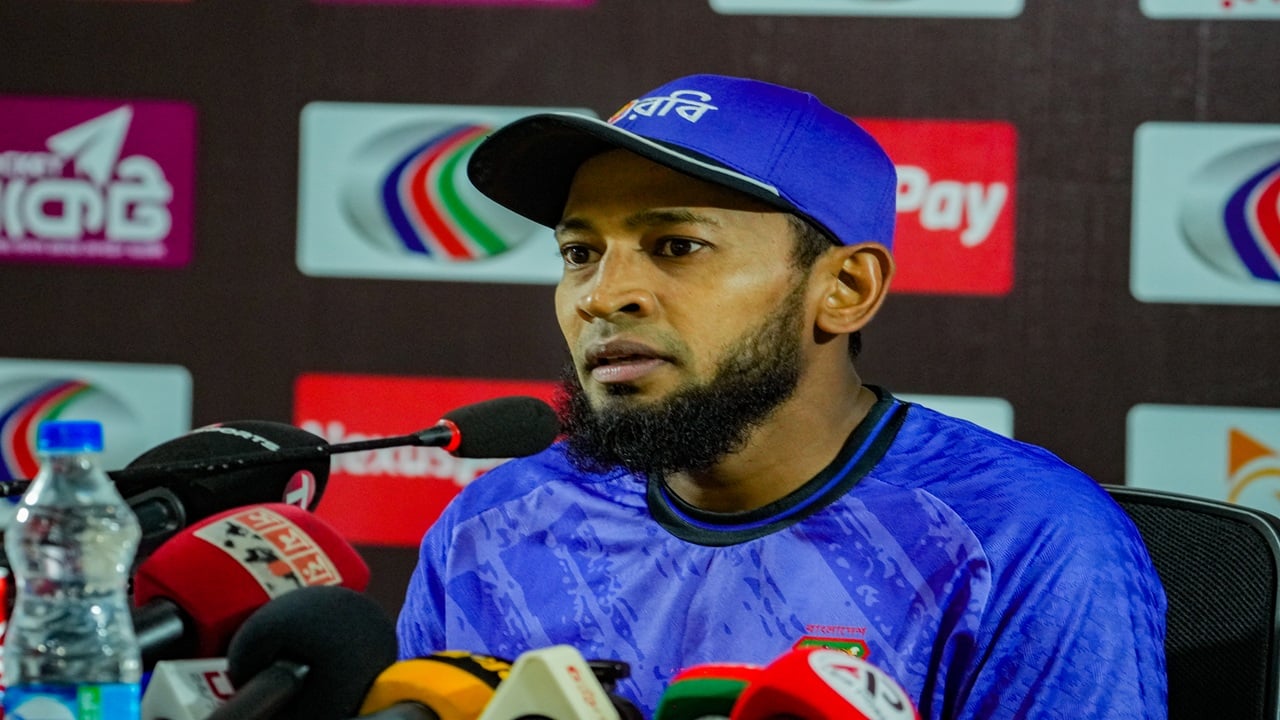
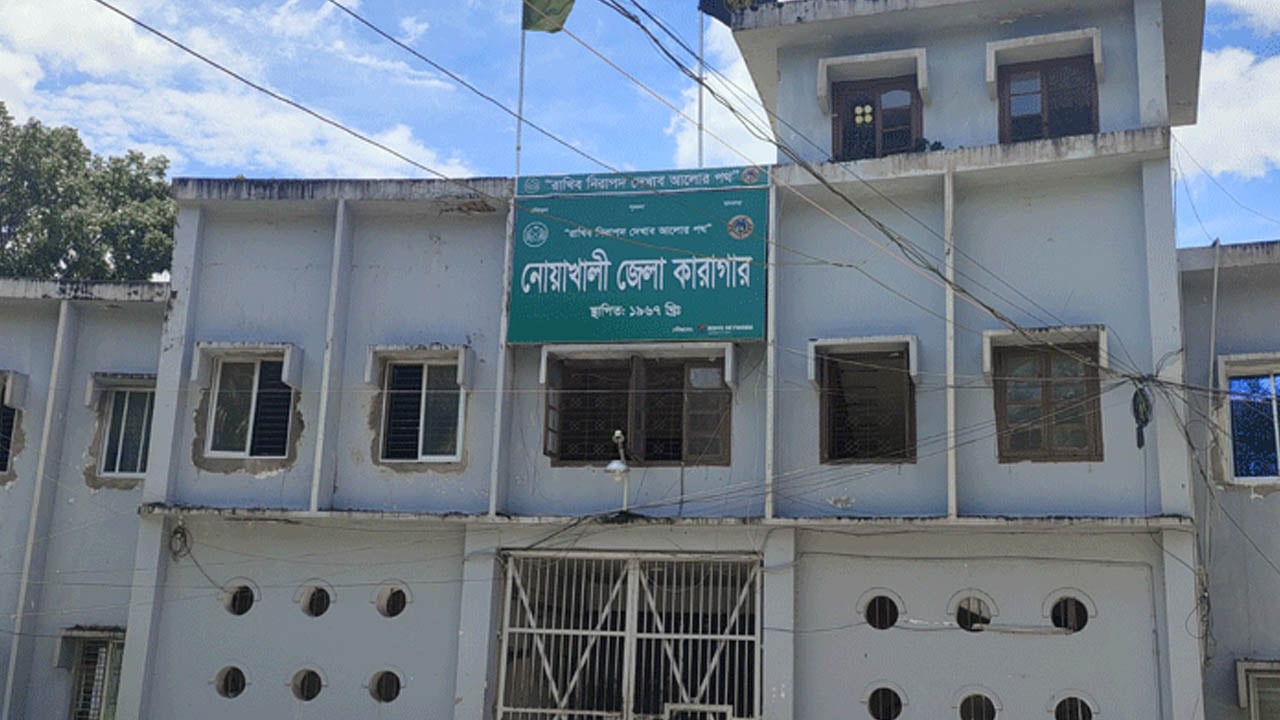
A detainee named Md. Humayun Kabir, also known as Mainuddin, died at Noakhali District Jail on Friday. Prison authorities said he fell ill before Friday prayers and was given initial treatment at the jail’s medical unit. As his condition worsened, he was taken to Noakhali 250-bed General Hospital, where he died around 4 p.m. The body was handed over to his family at 7 p.m. Humayun Kabir, aged 35, was from Bogadia village in Bajra Union under Sonaimuri upazila. He had been arrested on April 19 in a theft case by Chatkhil police and sent to jail by court order. Jail sources said some injury marks were noticed on his body after his admission to prison. Family members alleged that he did not receive timely and adequate medical care, claiming negligence led to his death. The jail superintendent, Abdul Barek, stated that the detainee had previously been assaulted outside the prison and that necessary treatment was provided immediately after he became ill inside the jail.
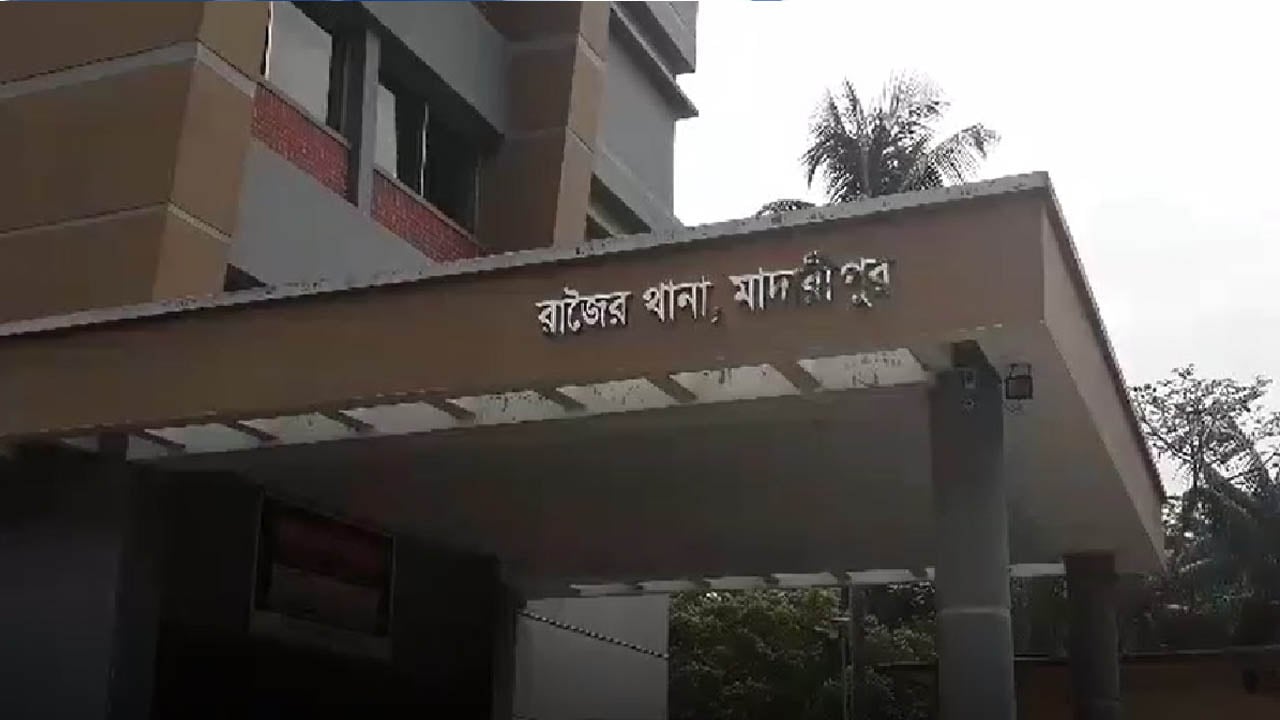
A fire broke out on Thursday afternoon in South Shrirampur village of Rajoir upazila, Madaripur, destroying nine houses and burning two cows. The blaze also consumed furniture, food items, and other household materials, causing extensive damage. The incident occurred around 4:15 p.m., according to local sources. Initial reports suggest that the fire may have originated from an electrical short circuit or a gas cylinder. Residents attempted to control the flames, but the fire spread rapidly to nearby houses due to its intensity. Fire service personnel and local residents worked together to bring the blaze under control after about an hour. Authorities have not yet confirmed the exact cause of the fire or the total amount of damage, but the losses are reported to be significant.
A woman in Chandrapur area of Shariatpur Sadar upazila has been accused of killing her husband following a family dispute and hiding his dismembered body in a drum. Police said the victim, Zia Sardar, was a Malaysia expatriate living in a rented house with his wife, Asma Akter. The incident came to light when locals grew suspicious as Asma attempted to store parts of the body in a freezer. According to police and local sources, the couple had long-standing marital conflicts. On Tuesday night, during a heated argument, Asma allegedly struck Zia on the head with an iron rod, killing him instantly. She then cut the body into pieces, separating bones and flesh, and kept them in a drum for three days. On Friday evening, she reportedly hired an autorickshaw and disposed of some body parts at different locations. Police said Asma confessed to the killing during interrogation. Based on her information, officers recovered body parts from Atong Brikkhotola area on Friday night. Authorities are investigating whether others were involved and have initiated legal proceedings.
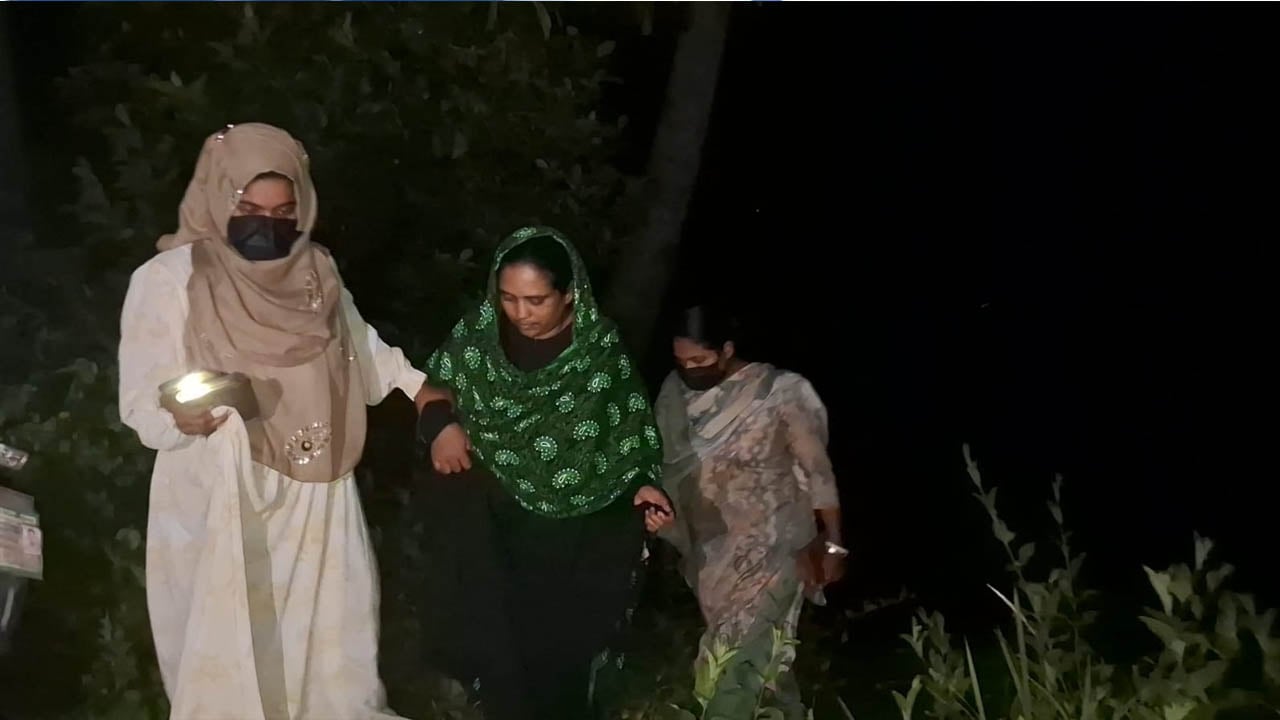
A violent clash broke out on Friday night in the Chunta area of Sarail upazila, Brahmanbaria, leaving 25 people injured. The incident occurred after an argument over a car horn sounded by a microbus driver named Mohammad Joy while passing through Pathanpara village. The confrontation escalated into a fight between residents of Pathanpara and Alinagar villages, who used weapons and torches during the attack. According to police and local sources, the groups engaged in throwing bricks and chasing each other under torchlight during the nighttime violence. The injured individuals received treatment at the upazila health complex and other hospitals. Police arrived at the scene after receiving reports and brought the situation under control, said the officer-in-charge of Sarail Police Station, Manjur Kader Bhuiyan. Authorities have not yet confirmed whether any arrests were made or if further investigations are underway following the incident.

Pakistan, trailing 0–1 in the Test series against Bangladesh, is turning to star batter Babar Azam to strengthen its lineup for the Sylhet Test. Coach Sarfaraz Ahmed confirmed that Babar is fit to play after missing the Dhaka Test due to a knee injury sustained during practice. Pakistan lost that match by 104 runs, leaving the team desperate to level the series. Babar Azam, who has shown good form in the Pakistan Championship League, has struggled in Test cricket, going 30 innings without a century. Despite this, the coaching staff sees his return as a major boost. Sarfaraz Ahmed said Babar’s technical skill and mental strength would help the team recover. The coach also acknowledged widespread criticism in Pakistan following recent poor performances and urged both batters and bowlers to show more discipline and patience. The Sylhet Test is seen as a crucial opportunity for Pakistan to avoid a 2–0 series defeat, a result that would mirror Bangladesh’s 2–0 win in Rawalpindi two years earlier.
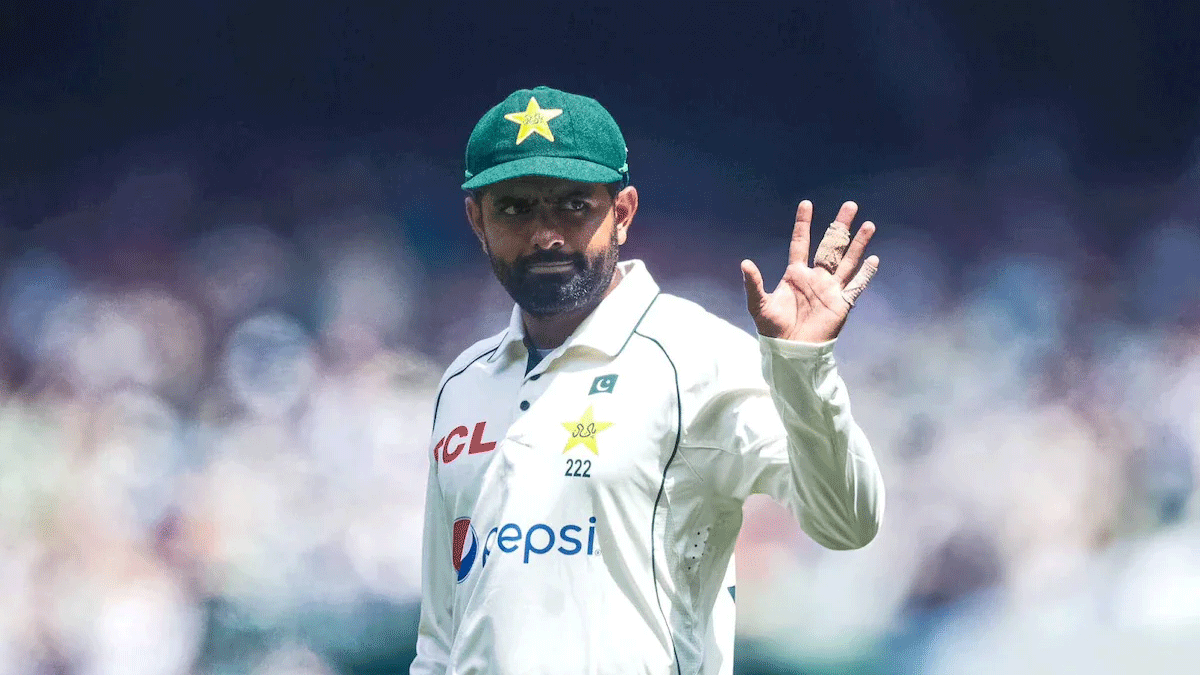
A celebratory rally organized by the newly formed Chattogram South District unit of the BNP’s student wing, Jatiyatabadi Chhatra Dal, was disrupted on Friday evening after clashes broke out between two internal factions. The incident occurred around 5:30 p.m. at Shantirhat on the Chattogram–Cox’s Bazar Highway, leaving four activists injured. Police intervened to bring the situation under control. According to local and party sources, the central Chhatra Dal announced a 72-member committee for the district on May 13, including 12 members from Patiya upazila. However, a large group of activists who were denied positions expressed anger, leading to tensions. Most new appointees were followers of district convener Robiul Hossain Robi, while the excluded members were aligned with joint convener S.M. Nayon. When Robi’s supporters gathered for the rally, Nayon’s followers reportedly obstructed it, triggering a scuffle. Police confirmed that the situation was later calmed and no formal complaints were filed. The injured activists received treatment at a local hospital.
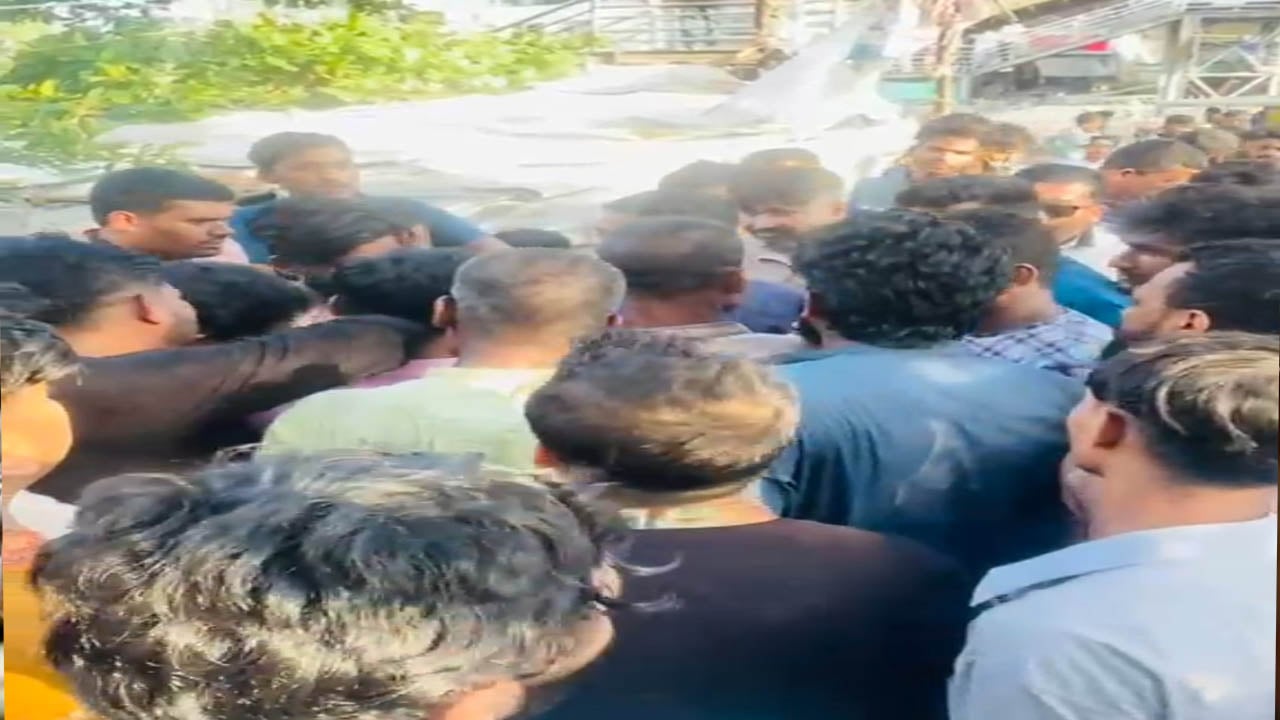
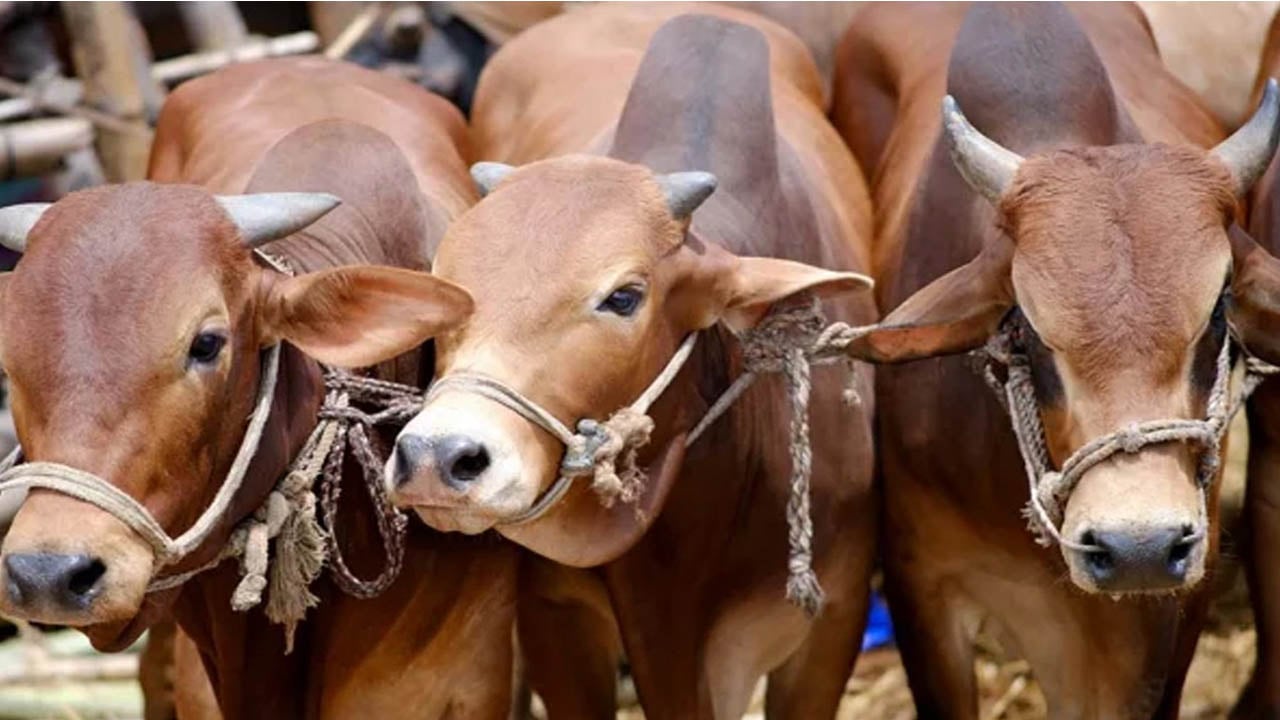
A new directive issued by the West Bengal government ahead of Eid al-Adha has triggered widespread fear and controversy across the state. The Home Department’s order imposes strict conditions on animal sacrifice, requiring a joint fitness certificate from local authorities and a government veterinarian before slaughtering cows, buffaloes, or bulls. Only animals over 14 years old or those permanently unfit for work may be slaughtered, with violations punishable by six months’ imprisonment and fines. The directive has reportedly intensified the activities of self-proclaimed cow protection groups, especially in Muslim-majority areas, creating a tense atmosphere. Many Muslims view the order as a deliberate attempt to restrict their religious practices and marginalize their community socially and economically. Analysts argue that Chief Minister Suvendu Adhikari’s BJP-led government is using the directive to deepen communal polarization. Economists warn that the restrictions could severely disrupt the livestock and meat trade, affecting thousands of livelihoods and damaging the rural economy and leather exports. Experts caution that such policies, driven by sectarian motives, could inflict lasting harm on West Bengal’s economy and social harmony.
The ‘1 Nojor’ media platform is now live in beta, inviting users to explore and provide feedback as we continue to refine the experience.