

The ‘1 Nojor’ media platform is now live in beta, inviting users to explore and provide feedback as we continue to refine the experience.
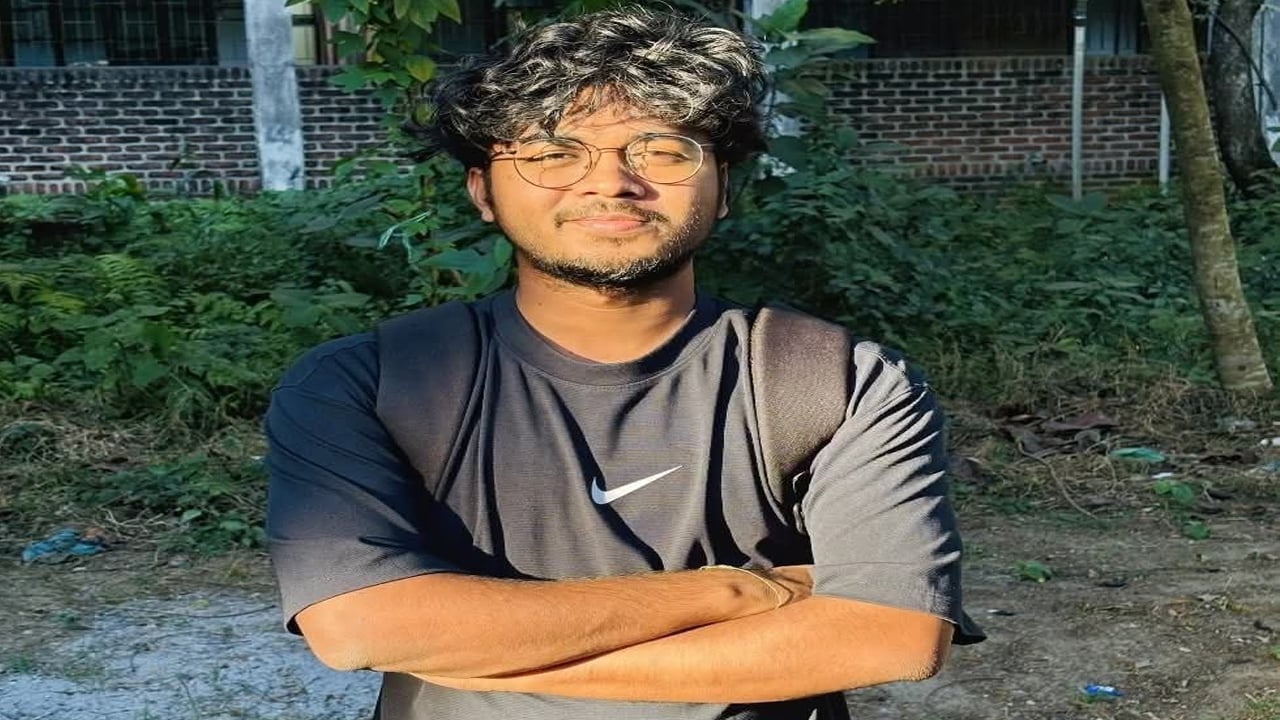
The body of Shanto Banik, a 22-year-old student of the Petroleum and Mining Engineering Department at Shahjalal University of Science and Technology (SUST), was recovered five hours after he went missing in the Bichanakandi tourist area of Sylhet. The incident occurred on Friday evening when Shanto and three friends went swimming near the Bangladesh-India border. Around 9:30 p.m., a diving team from the Fire Service recovered his body from a waterbody in the area. University Proctor Professor Mokhlesur Rahman confirmed the recovery and stated that the student’s family had been informed. After obtaining a death certificate from a local hospital, the body will be brought to the university campus. Following official procedures under university supervision, it will be sent to his family in Thakurgaon. The report did not mention further details about the circumstances of the drowning or any ongoing investigation.
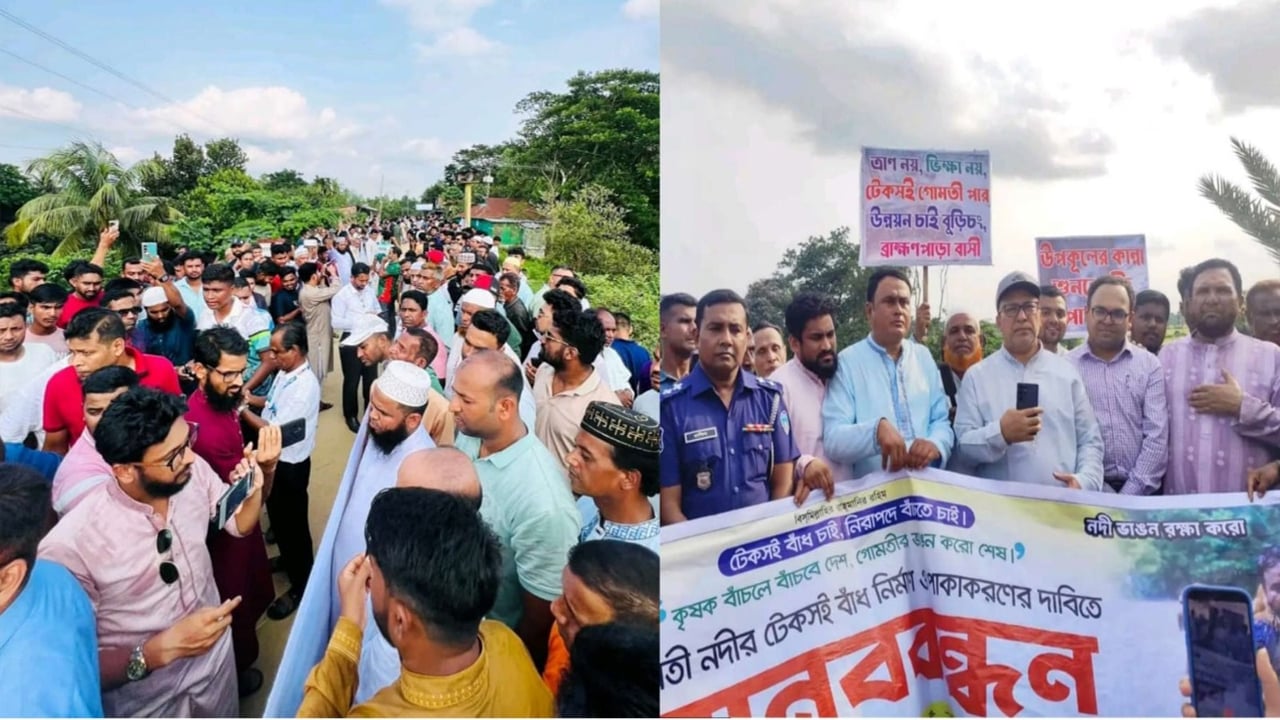
Residents of Burichang and Brahmanpara upazilas in Cumilla formed a human chain on Friday afternoon demanding the repair of the flood control embankment. Several thousand people from Burburia, Mithilapur, Baherchar, and Sripur villages joined the demonstration, calling for immediate renovation of the vulnerable embankment and permanent development measures. The event was attended by Cumilla-5 Member of Parliament Haji Jasim Uddin, Burichang Upazila Nirbahi Officer Tanvir Hossain, former upazila chairman and BNP president ATM Mizanur Rahman, BNP general secretary Kabir Hossain, and leaders from various political, social, and professional groups. Speakers said the northern embankment of the Gomti River has become risky, causing annual flood fears among residents. They recalled that the 2024 floods broke the Burburia section, inundating large parts of both upazilas and damaging homes, crops, livestock, and farms. Participants urged immediate intervention from the authorities, the Water Development Board, and the administration, warning of larger movements if no effective action is taken soon.
Iran has warned Bahrain of dire consequences if it allows the United States to use its military bases in the event of a new war in the Middle East. The warning came from Manouchehr Mottaki, Iran’s former foreign minister and current lawmaker, who said Bahrain would face a devastating response from Tehran if it again permits US forces to operate from its territory. He also accused Bahrain of aggravating tensions following joint US-Israeli military actions. Mottaki claimed that after the assassination of Iran’s Supreme Leader Ayatollah Ali Khamenei, Bahrain supported a UN Security Council resolution against Tehran instead of showing sympathy. He further alleged that Bahrain attempted to pass an anti-Iran proposal during last month’s Inter-Parliamentary Union meeting in Istanbul, but the effort failed due to diplomatic resistance and support from other countries. The report noted that the US Fifth Fleet’s main base is located in Bahrain. Following US and Israeli attacks on Iran in February, Tehran retaliated with strikes on several Bahraini sites, including hotels where it claimed US troops had relocated from military bases.

A man named Halim Hawlader, aged 65, was killed in an attack in Helencha village under Garuria Union of Bakerganj upazila, Barishal, on Friday afternoon. The incident reportedly stemmed from an extortion demand made by Mahmudun Nabi Sumon Hawlader, joint general secretary of Barishal district Chhatra Dal. Halim’s younger brother, businessman Delwar Hossain, and several others were injured during the assault. According to local sources and the victim’s family, Sumon had long been demanding money from Delwar Hossain and had previously threatened Halim when the demand was not met. On May 10, Sumon and others again demanded money, receiving Tk 3,000 but warning of consequences if the rest was not paid. Following a written complaint filed by Halim on May 14, a group of 15–20 people allegedly led by Sumon attacked Delwar’s business establishment the next day. Bakerganj police chief Adil Hossain said the clash was linked to a land dispute and confirmed one death. Two suspects, Kalam Hawlader and Ujjal Hawlader, have been detained, and legal proceedings are underway.

The United States Secretary of Energy has stated that the strategic importance of the Strait of Hormuz will gradually decline as Middle Eastern nations, particularly Saudi Arabia, the United Arab Emirates, and others, significantly expand their pipeline capacities. In an interview with CNBC, the secretary said that future energy transport from the Gulf region will have alternative routes, reducing dependence on the narrow maritime passage that currently handles a large share of global oil and gas shipments. The US official emphasized that while the Strait’s importance may lessen, the energy production and supply roles of Gulf countries will remain vital. He praised the contributions of Middle Eastern nations, describing them as key allies of the United States and major partners in the global energy supply system. The secretary also expressed optimism that peace, prosperity, and economic growth would return to the region, underscoring the continuing strategic partnership between the United States and Gulf energy producers.

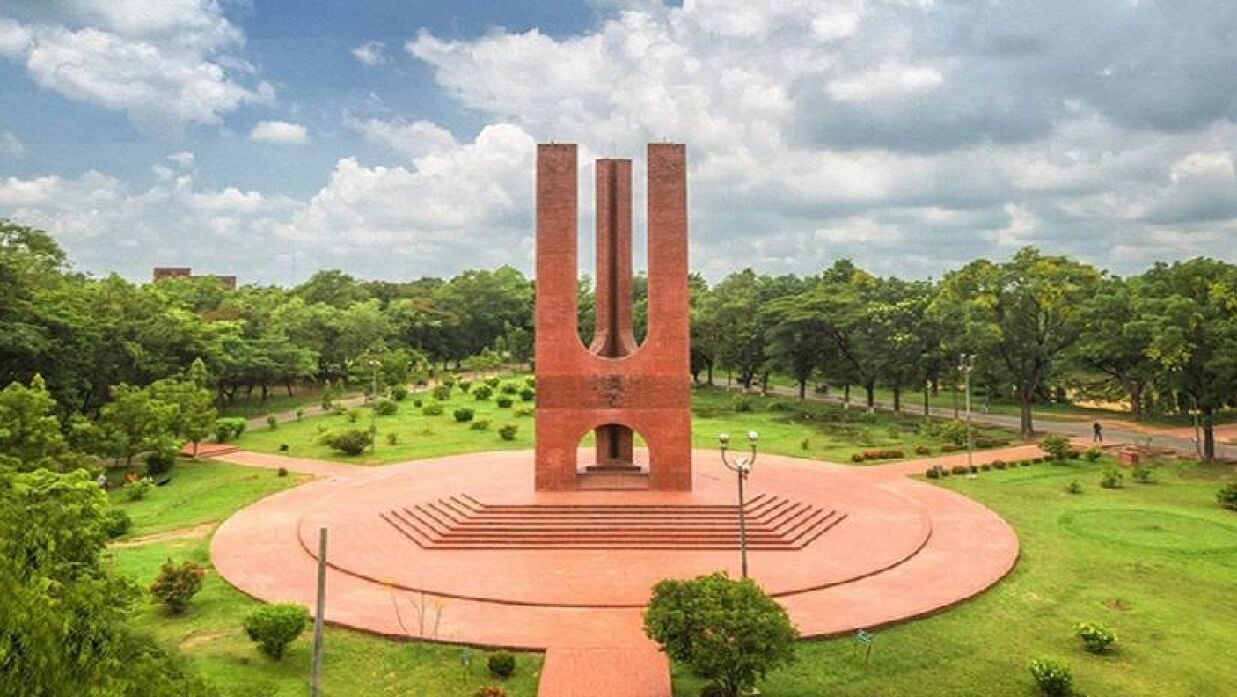
CCTV footage analysis has revealed that the suspect in the attempted rape of a female student at Jahangirnagar University entered the campus four hours before the incident. The university administration shared these findings during a press conference on May 15, where the proctor condemned the act and outlined administrative measures taken after an emergency meeting chaired by Vice-Chancellor Professor Dr. Mohammad Kamrul Ahsan. According to the footage, the suspect entered through the Bish Mile gate at 6:58 p.m. on May 12 and was seen moving around various campus areas before dragging the victim into a wooded area near the old Fazilatunnesa Hall at 11:13 p.m. The footage also showed him following another female student earlier that night. However, the suspect’s movements after the incident have not yet been identified. To strengthen campus security, the university announced 14 measures, including forming a quick response team, launching a hotline, enforcing ID requirements for all, restricting outsider access, and deploying additional guards. The administration has also requested 100 Ansar members from the University Grants Commission and is coordinating with law enforcement to arrest the suspect soon.
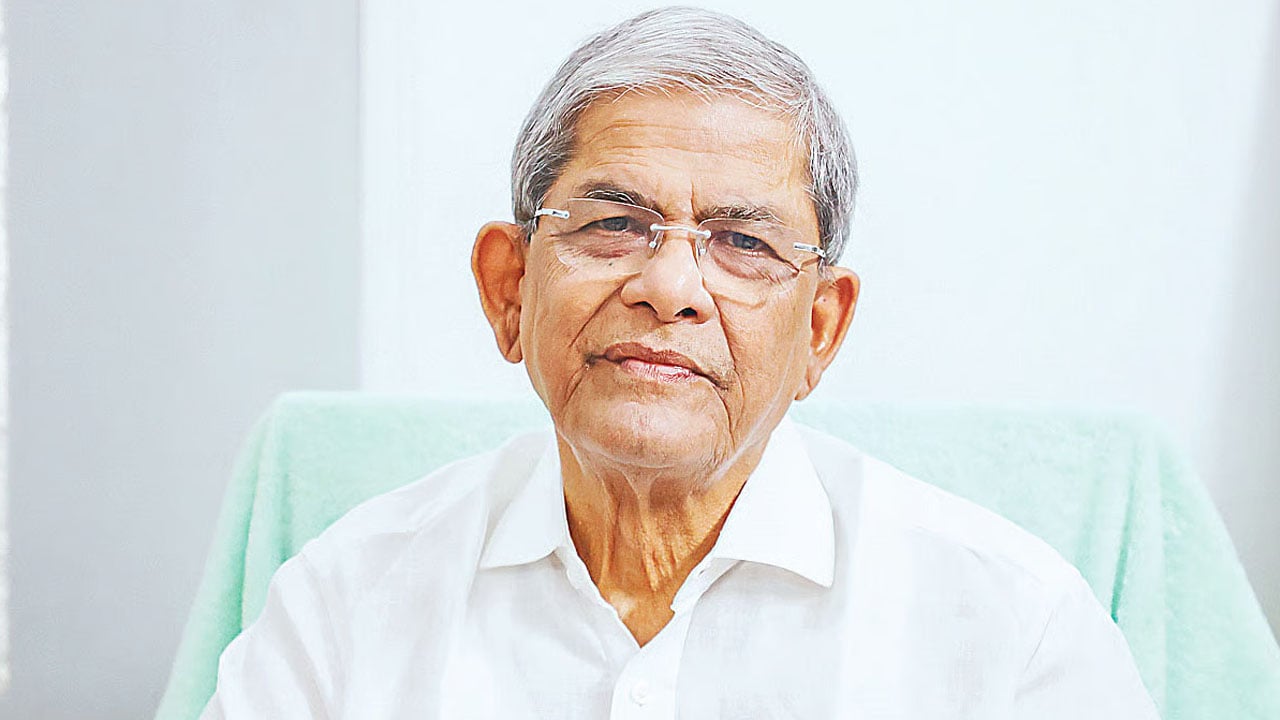
Local Government Minister and BNP Secretary General Mirza Fakhrul Islam Alamgir has described the Farakka Barrage as a death trap, saying it continues to operate and harm Bangladesh. In a statement issued on Friday marking the 16 May ‘Historic Farakka Day,’ he recalled the 1976 long march led by Maulana Abdul Hamid Khan Bhashani, when thousands protested to demand Bangladesh’s fair share of Ganges water under international law. Fakhrul said India began unilaterally withdrawing water from the Ganges after constructing the barrage at Farakka, turning Bangladesh’s northwestern region into near desert conditions and causing severe ecological imbalance. He accused the then Awami League government of allowing India to operate the barrage despite public opposition, which he said deprived Bangladeshis of their rightful water share. He added that India’s continued construction of dams on 54 shared rivers without regard for international conventions poses a grave threat to Bangladesh’s existence. Fakhrul expressed hope for the success of all programs organized to mark Farakka Day.
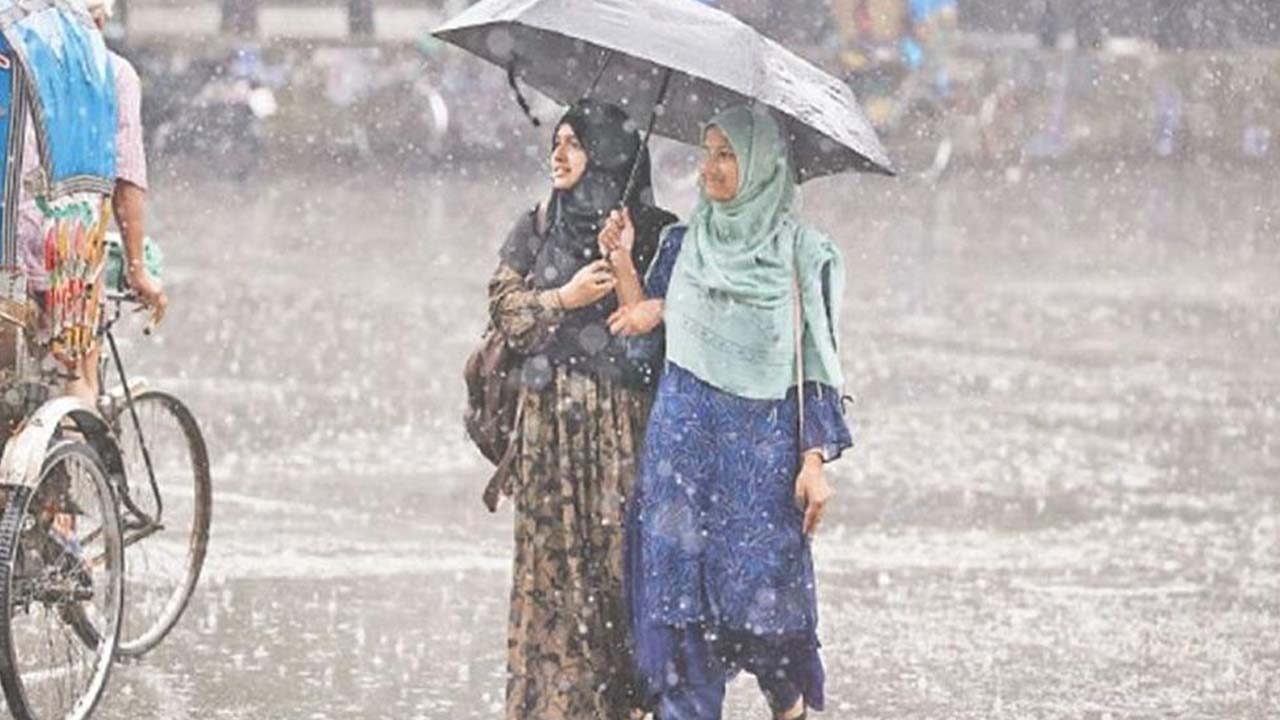
The Bangladesh Meteorological Department reported that rainfall across the country has decreased, though heavy to very heavy rain may continue in some regions until next Tuesday. The agency forecast a gradual rise in temperature nationwide, with humid and hot conditions already being felt in many areas. As of Friday evening, Narsingdi recorded the highest rainfall at 46 millimeters in the previous 24 hours, while Dhaka and several southern divisions saw no rain. Earlier forecasts had warned of heavy rainfall in Rangpur, Mymensingh, and Sylhet divisions through Saturday, but this has now been extended to Tuesday. The department noted that rainfall between 44 and 88 millimeters is considered heavy, and above 88 millimeters is very heavy. A well-marked low over the southwest Bay of Bengal and another over West Bengal are influencing the current weather pattern. Meteorologist A.K.M. Nazmul Haque said that while rain will continue in varying intensity across the country until Tuesday, heavier rainfall is expected in the northern and northeastern divisions before conditions begin to improve.
Bangladesh Islami Chhatra Shibir has strongly condemned what it described as systematic state oppression and post-election violence against minority Muslims in India, as well as recent restrictions by the newly formed West Bengal government that effectively ban cow slaughter. In a joint statement issued on Friday, the organization’s central president Nurul Islam and secretary general Sibgatullah denounced these actions as discriminatory and harmful to the religious and economic rights of Muslims, particularly ahead of the Eid-ul-Azha festival. The statement alleged that following the West Bengal assembly election results, more than 34 incidents of planned violence targeted Muslims in several districts, including Cooch Behar, North and South 24 Parganas, and Kolkata. It cited an APCR report claiming widespread destruction of Muslim homes, businesses, and mosques. The leaders also referred to a broader pattern of persecution, mentioning the NRC and CAA laws in Assam, the revocation of Article 370 in Kashmir, and the demolition of the Babri Mosque. Chhatra Shibir urged immediate cessation of violence in West Bengal, withdrawal of the discriminatory slaughter ban, and called on the UN, OIC, Arab League, and global human rights bodies to take effective action against the ongoing oppression of Muslims in India.

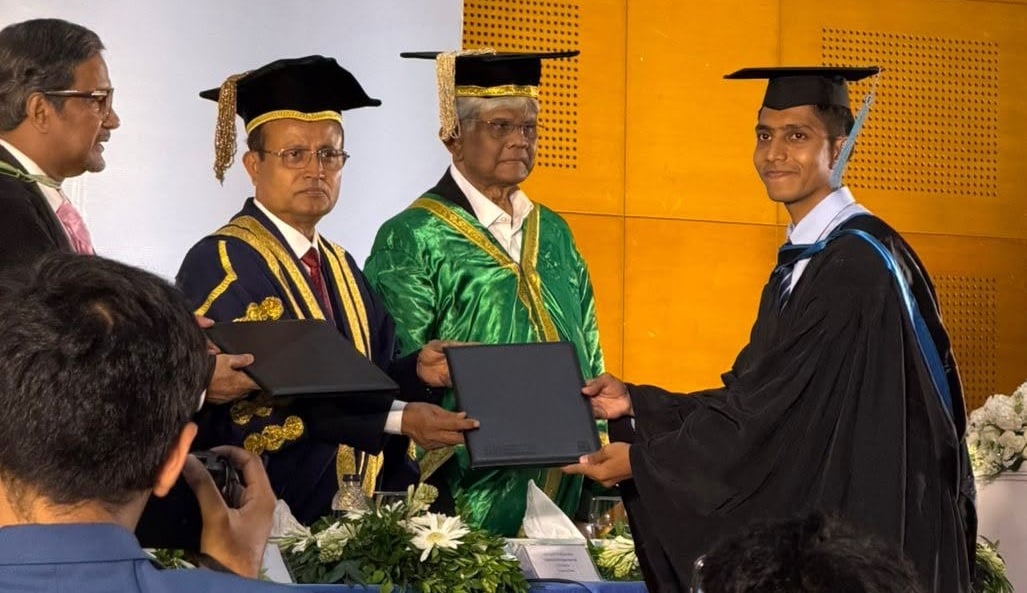
The Institute of Business Administration (IBA) at the University of Dhaka held its 58th convocation on Friday at the Bangladesh-China Friendship Conference Center in Dhaka. A total of 365 students from four programs—BBA, MBA, EMBA, and DBA—received their degrees. Among them, 116 earned BBA, 126 MBA, 122 EMBA, and one DBA degree. The event was attended by Vice-Chancellor Professor Dr. A B M Obaidul Islam as chief guest and chaired by IBA Director Professor Dr. Abu Yusuf Md. Abdullah. Former interim government economic adviser Professor Dr. Salehuddin Ahmed delivered the keynote speech, urging graduates to contribute responsibly to the nation’s socioeconomic development. He reflected on his own student days and expressed confidence in the graduates’ potential. The Vice-Chancellor congratulated the students for overcoming challenges and emphasized the need for business professionals who combine knowledge, ethics, and perseverance in a transforming global economy. Professor Abdullah encouraged entrepreneurship, highlighting the value of ambition and innovation. Professor Dr. Ifthekharul Amin advised graduates to use their skills to improve the world. This year, 26 students made the Director’s Honor List, and two received gold medals for outstanding academic performance.
Jamiat-e-Ulama-e-Islam Bangladesh organized a protest march and rally in Sylhet on Friday, denouncing alleged persecution of Muslims in West Bengal and criticizing the silence of India’s central government. The demonstration began after Friday prayers at Bandar Bazar Jame Mosque and concluded with a rally at Chowhatta Point, led by the organization’s Sylhet metropolitan branch. Speakers at the rally, including acting president Maulana Nizam Uddin and central joint secretary general Maulana Abdul Malek Chowdhury, claimed that Muslim homes, businesses, mosques, and madrasas in West Bengal had been attacked following the state elections. They described these incidents as crimes against humanity and urged international intervention. The speakers also emphasized the historical contributions of Muslims in the subcontinent and called for interfaith harmony and tolerance among all communities. In addition to condemning the alleged violence, the speakers criticized a trade agreement with the United States, calling it contrary to national interests and demanding its cancellation.

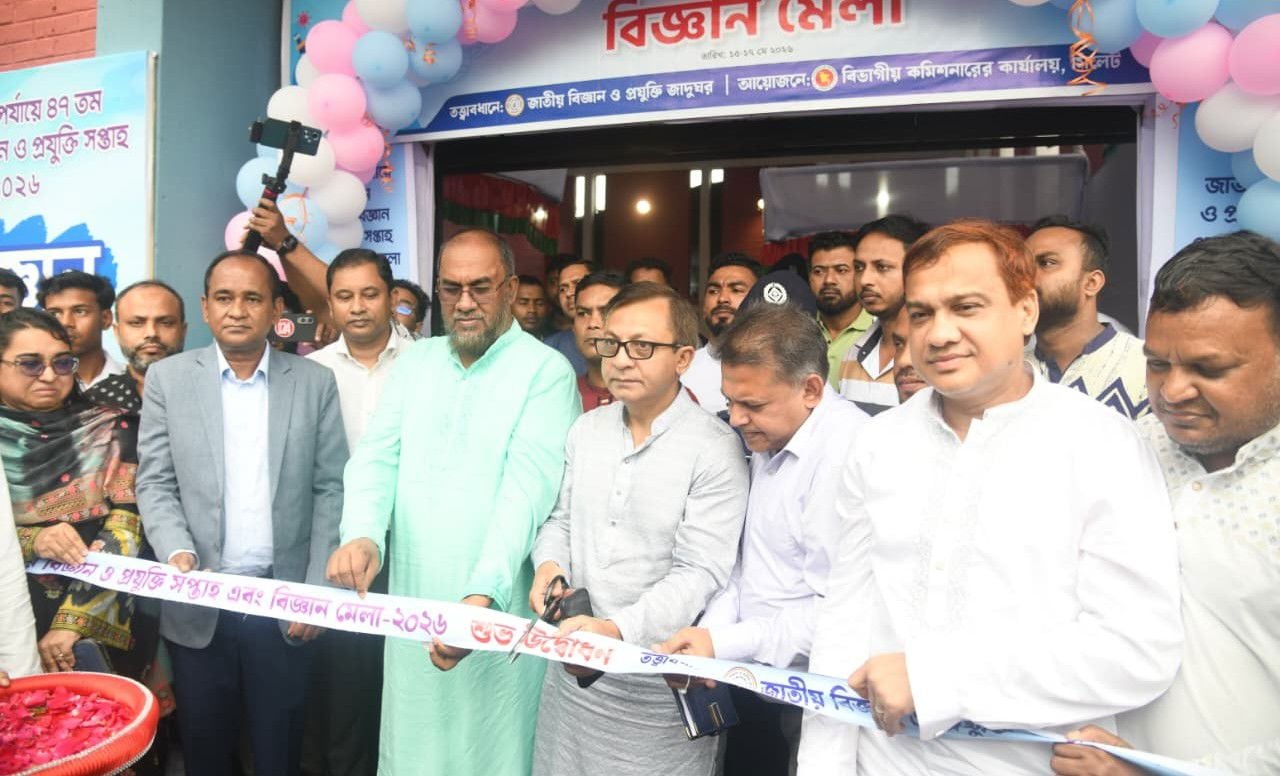
Commerce, Industry and Textiles Minister Khandaker Abdul Muktadir stated that Bangladesh’s leather industry is being developed into a billion-dollar export sector. Speaking as the chief guest at the inauguration of the National Science and Technology Week and Science Fair in Sylhet on Friday, he said the government has identified weaknesses in the sector and initiated measures to address them. The minister acknowledged concerns about the low prices of raw hides and said that frustration over unfair pricing has led to various criticisms. He noted that the current government is only two and a half months old, making it difficult to solve structural problems in such a short time. However, multiple meetings have been held with stakeholders to begin resolving the sector’s challenges. Muktadir described leather as a valuable national resource and emphasized that wasting it would mean losing blessings. He said the government is pursuing long-term plans to transform the leather industry into a major contributor to the national economy.
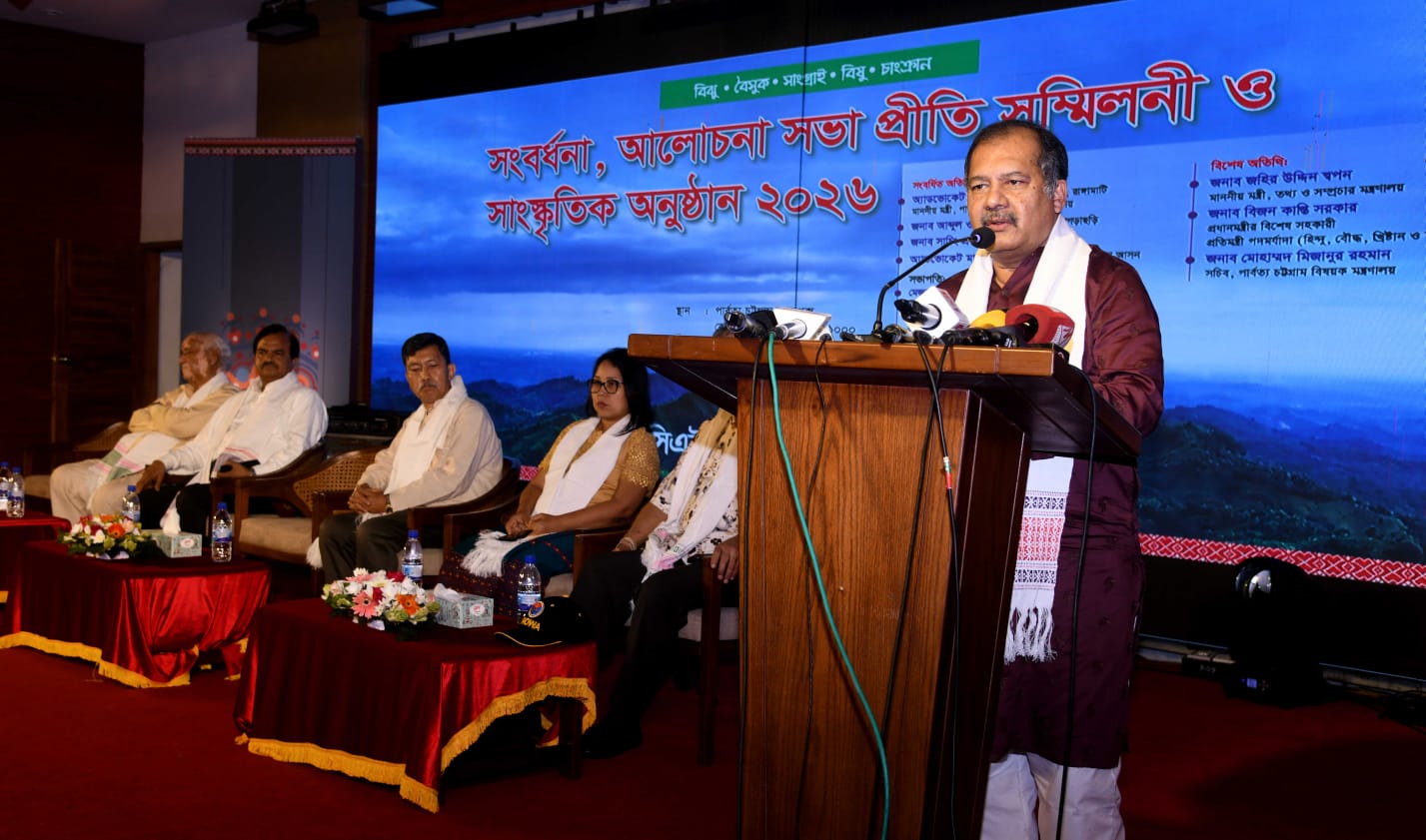
Information and Broadcasting Minister Zahid Uddin Swapan announced that the government will continue to follow an equal rights-based state policy, as stated by Prime Minister Tarique Rahman after his return to the country. He made the remarks on Friday afternoon at the CHT Welfare Society’s reunion discussion on Biju, Baisuk, Sangrai, Bishu, and Changkran festivals held at the Chittagong Hill Tracts Complex in Dhaka. The minister emphasized that Bangladesh’s linguistic, religious, gender, and ethnic diversity should be transformed into a national asset rather than a source of division. He recalled that former President Ziaur Rahman had resolved post-independence identity confusion through the concept of “Bangladeshi nationalism,” ensuring equal dignity for all citizens. Swapan also called for special facilities and quota systems to integrate marginalized ethnic groups into the mainstream, noting that such measures are essential for national unity. Chittagong Hill Tracts Affairs Minister Dipen Dewan expressed gratitude to the hill people for electing BNP-nominated candidates in all three constituencies and pledged to work under Prime Minister Tarique Rahman’s leadership for lasting peace and development in the region.
The United States and Bangladesh signed a trade agreement on 9 February 2026 that reduced tariffs on Bangladeshi goods from 37% to 19% and promised zero duty for ready-made garments made with US cotton. However, subsequent US court rulings invalidated the legal basis for the original tariffs, creating uncertainty over the deal’s foundation. The agreement, signed just three days before Bangladesh’s national election, has drawn criticism for its unequal obligations and controversial clauses. The 32-page deal contains 131 binding obligations for Bangladesh compared to only six for the US. Key contentious provisions include mandatory alignment with US sanctions, acceptance of genetically modified agricultural imports without local review, and a commitment to purchase Boeing aircraft. The deal also restricts Bangladesh’s ability to join regional trade blocs such as RCEP and obliges it to support a permanent WTO moratorium on digital customs duties. Some clauses, such as labor law reforms and environmental standards, align with Bangladesh’s own policy goals. Following the US Supreme Court’s ruling and Malaysia’s similar experience, the BNP-led government now has legal and diplomatic grounds to seek renegotiation, focusing on sovereignty, GMO regulation, and trade diversification.
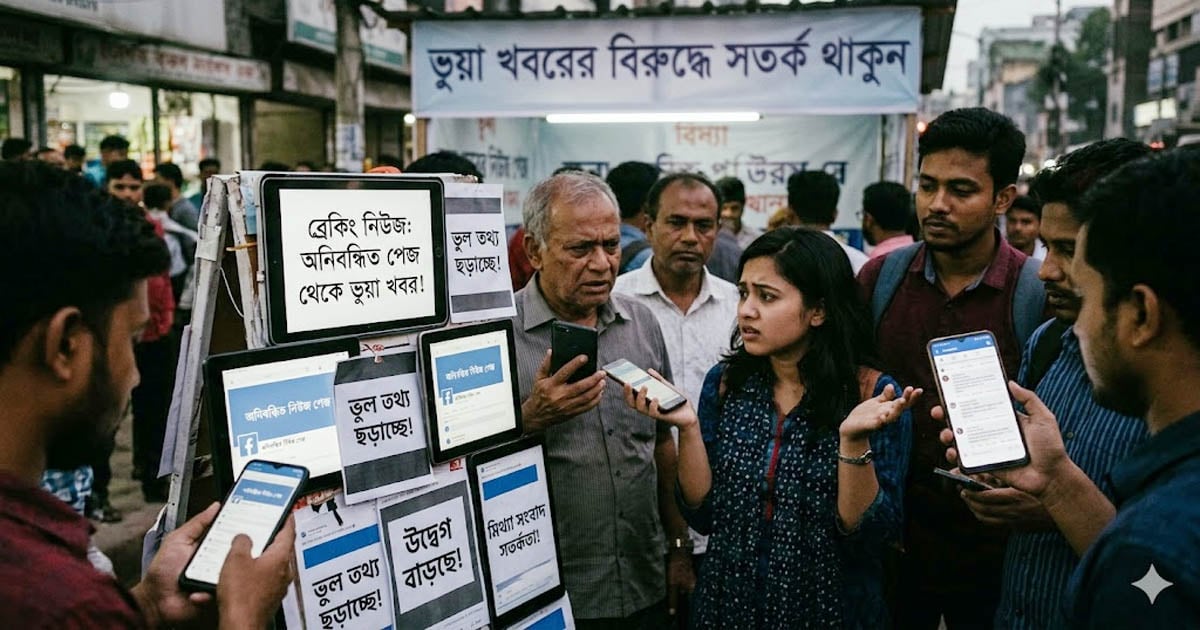
Concerns are growing over the rise of unregistered and informal news pages on Facebook, which many now use as a primary source of information. Experts and victims allege that numerous fake or unofficial pages are being created using local names or popular terms to spread misleading and false content without verification. These activities have reportedly led to personal and institutional defamation, with some operators accused of extortion, threats, and blackmail under the guise of journalism. A recent incident involved a man named Neyamul Hasan Niaz, accused of threatening to publish negative news about a multinational company. The company filed a general diary with Banani Police Station in Dhaka. An unnamed company official claimed that a group was spreading false allegations to damage reputations and later using those claims for blackmail. Niaz denied the allegations, saying he only sought a statement based on information from a source. Observers warn that unchecked fake news pages are eroding trust on social media and harming reputations. They emphasize the need for stricter monitoring and legal action to curb such activities.
The ‘1 Nojor’ media platform is now live in beta, inviting users to explore and provide feedback as we continue to refine the experience.