

The ‘1 Nojor’ media platform is now live in beta, inviting users to explore and provide feedback as we continue to refine the experience.
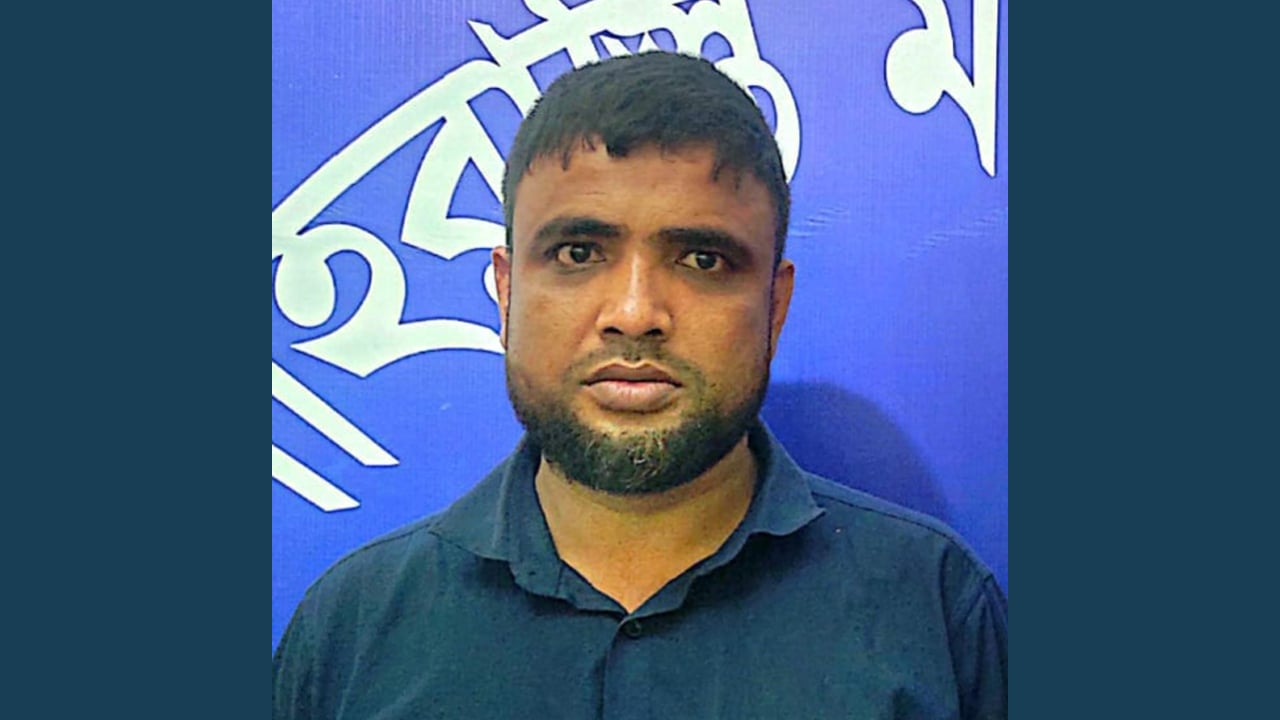
Police in Shahrashti upazila of Chandpur arrested two individuals, including Khorshed Alam, a fugitive accused in 23 drug-related cases, during a special operation on Thursday. The arrests took place at Chowdhury Manzil in West Uplata village under the municipal area. The operation was conducted under the supervision of Officer-in-Charge Mir Mahbubur Rahman, led by Sub-Inspector Md Arif Hossain and Assistant Sub-Inspector Amir Hossain. According to police, Khorshed Alam, aged 44, and Borhan Uddin, aged 28, were detained during the raid. Law enforcers recovered 20 yaba tablets from Khorshed Alam and 25 from Borhan Uddin. Khorshed Alam had been sentenced to one year and eight months of imprisonment and fined 2,000 taka but had been absconding. Both detainees now face new charges under the Narcotics Control Act. Police identified Khorshed Alam as the son of deceased Arab Ali of West Uplata Bepari Bari and Borhan Uddin as the son of Abdul Kadir of Dail Bari.
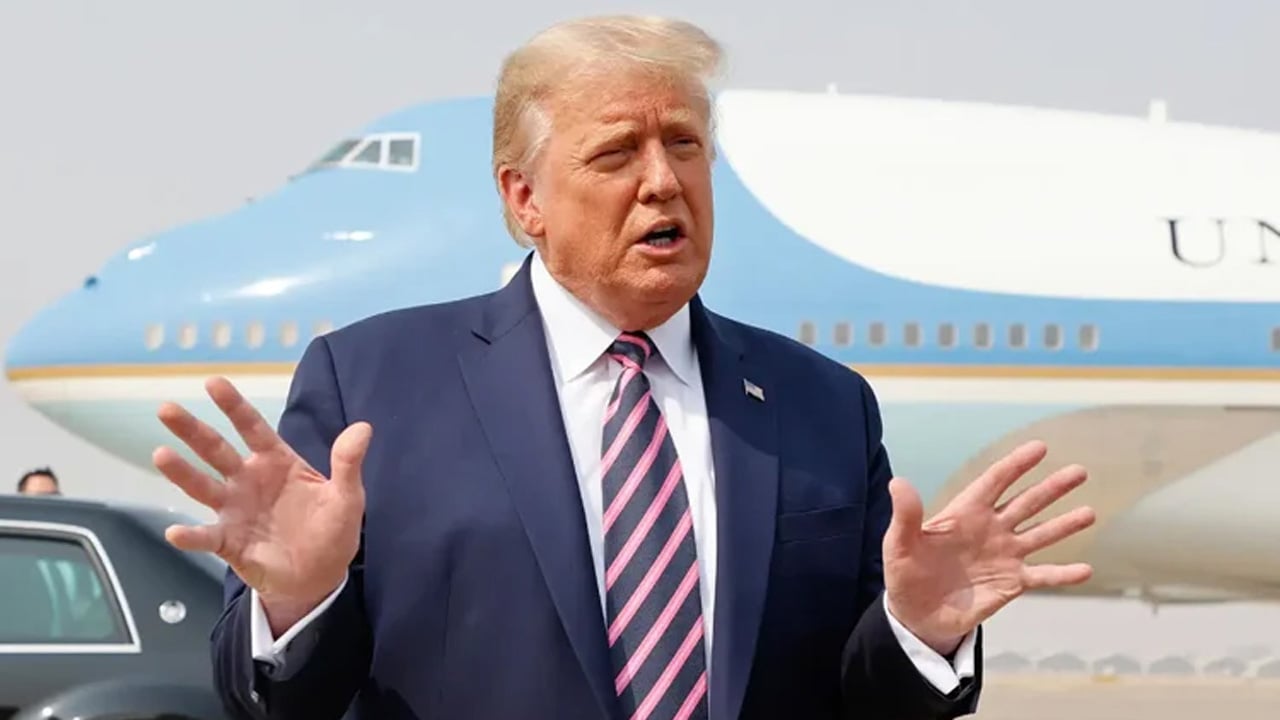
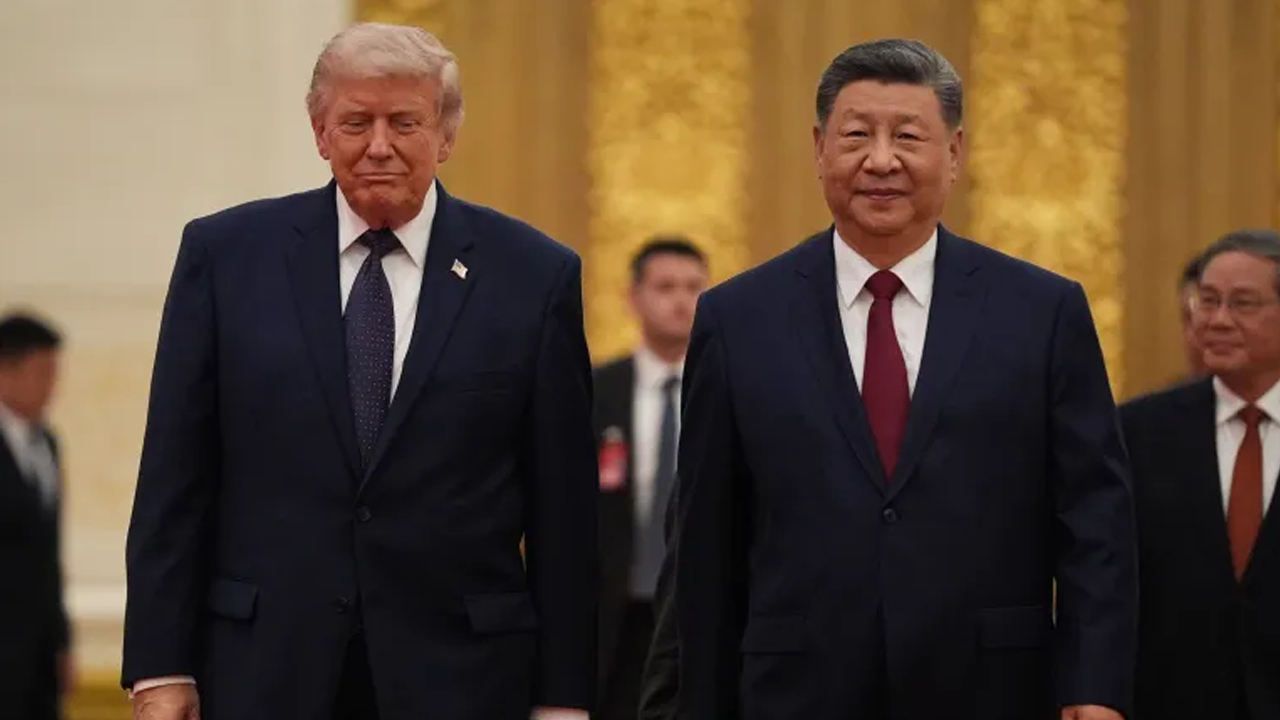
U.S. President Donald Trump has warned that he will no longer show patience toward Iran and urged the country to reach a deal quickly. In an interview with Fox News, Trump said Iran should come to an agreement with Washington, warning that failure to do so would result in its destruction. He emphasized that the time for waiting was over and that Iran must act soon. When asked about the need to extract enriched uranium from Iranian territory, Trump said the move was important both for security and for maintaining the United States’ image. He also claimed that Chinese President Xi Jinping wanted a diplomatic settlement with Iran and supported reopening the Strait of Hormuz. Trump’s remarks reflect renewed pressure on Tehran to engage in negotiations under U.S. terms. The statements, reported by Middle East Eye, come amid ongoing regional tensions and international concern over Iran’s nuclear activities and maritime security in the Gulf.
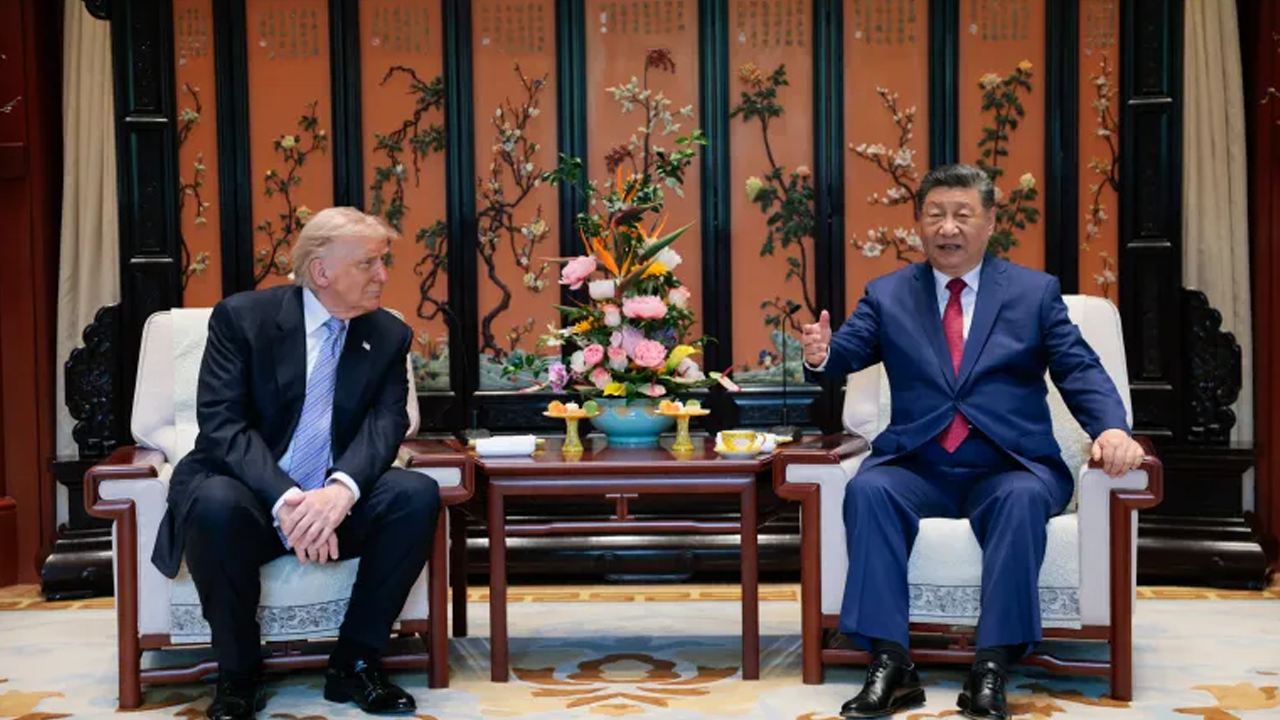
U.S. President Donald Trump has stated that he and Chinese President Xi Jinping share the same position on Iran’s nuclear issue. According to a Reuters report cited by local media, the two leaders discussed the matter extensively during a recent meeting, where they agreed that Iran must not be allowed to obtain nuclear weapons. They also reached a consensus on keeping maritime navigation in the Strait of Hormuz open and secure. Trump described the meeting as successful, asserting that they resolved several issues that others could not. The report suggests that China’s involvement or support in this matter could play a significant role in easing tensions in the Middle East. The development highlights a rare alignment between Washington and Beijing on a sensitive international security issue, though further details of the discussions were not disclosed.
Israel is preparing to file a lawsuit against The New York Times after the newspaper published an investigative report alleging that Israeli soldiers and prison guards raped Palestinian detainees in Israeli prisons. The Israeli Foreign Ministry announced the legal move on Thursday, rejecting the allegations as false. The report, written by Pulitzer Prize-winning columnist Nicholas Kristof, included testimonies from 14 Palestinian men and women who described severe sexual abuse, including being attacked by dogs and subjected to violent assaults. A spokesperson for The New York Times said the article began with a call for unity in condemning rape regardless of political views on the Middle East conflict. Israeli politicians have denied the accusations, claiming that The New York Times is spreading defamation. The controversy has drawn attention to the ongoing tensions between Israel and international media over coverage of alleged human rights abuses.
Former legal adviser to the interim government, Professor Dr. Asif Nazrul, has expressed deep concern over the killing of a Bangladeshi citizen by Indian border forces. In a Facebook post on Friday, he stated that genuine friendship between two countries cannot exist when deaths occur along the border. He referred to the May 13 incident in Lalmonirhat’s Amjhol area, where a Bangladeshi youth named Khademul Islam was reportedly shot dead by Indian border guards. Nazrul noted that similar incidents have continued even after the BNP government came to power. He said he had previously written and spoken against such killings, emphasizing that during his time in government, strong protests and demands for explanations were made to India, along with a firm stance at the border. He argued that if someone crosses the border illegally, they can be arrested or warned with blank shots, but direct shootings resulting in deaths are unacceptable. Nazrul urged the BNP government to take effective measures to stop the killings, reiterating that true friendship cannot be built over dead bodies at the border.
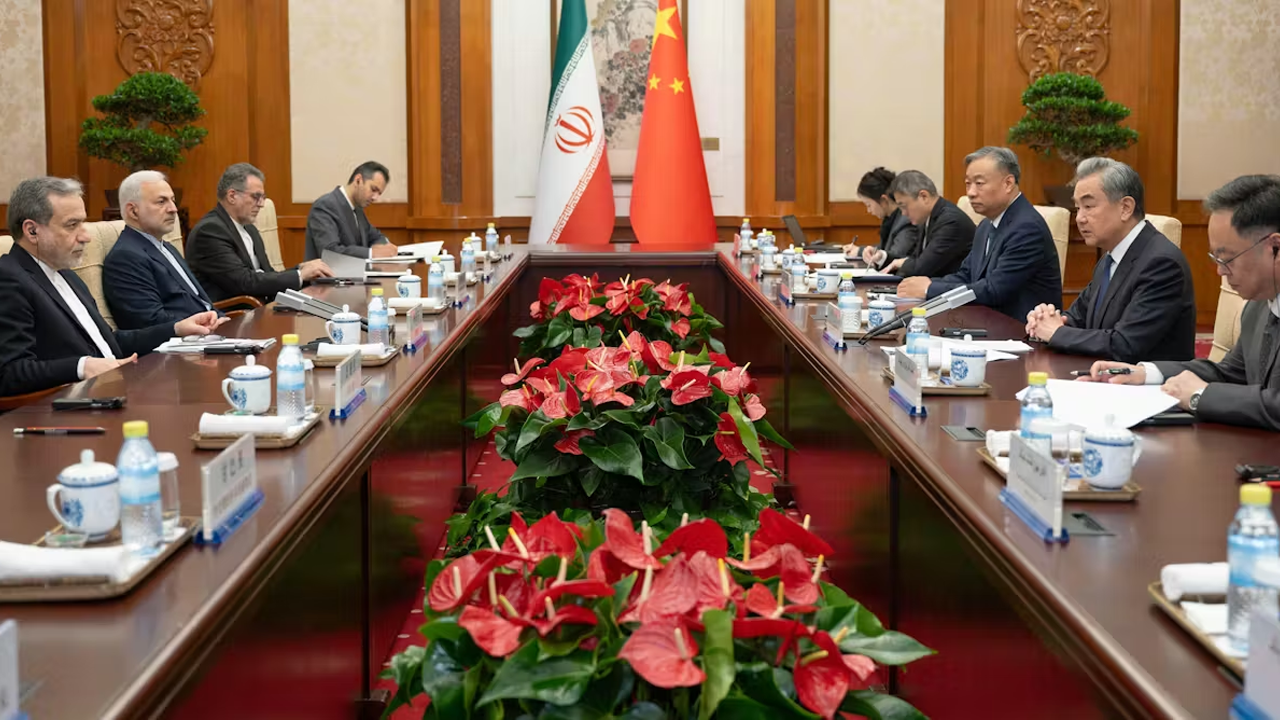
China has outlined a five-point peace initiative with Pakistan aimed at resolving the ongoing crisis in Iran and restoring stability in the Middle East. In a statement released on social media by the Chinese Foreign Ministry on May 15, 2026, Beijing emphasized that the current conflict in Iran and its neighboring regions should never have occurred, citing severe humanitarian and economic consequences. The ministry welcomed the recent ceasefire between the United States and Iran and urged that the momentum for dialogue be maintained. According to the statement, China believes that negotiation is the only viable path to peace, while the use of military force leads to a dead end. It also called for the reopening of Persian Gulf maritime routes as soon as possible to safeguard global economic stability. The joint initiative with Pakistan is part of China’s broader commitment to President Xi Jinping’s Middle East peace vision, under which Beijing pledges to play a constructive role in achieving lasting peace in the region. The proposal underscores China’s growing diplomatic engagement in Middle Eastern affairs and its emphasis on dialogue-driven conflict resolution.
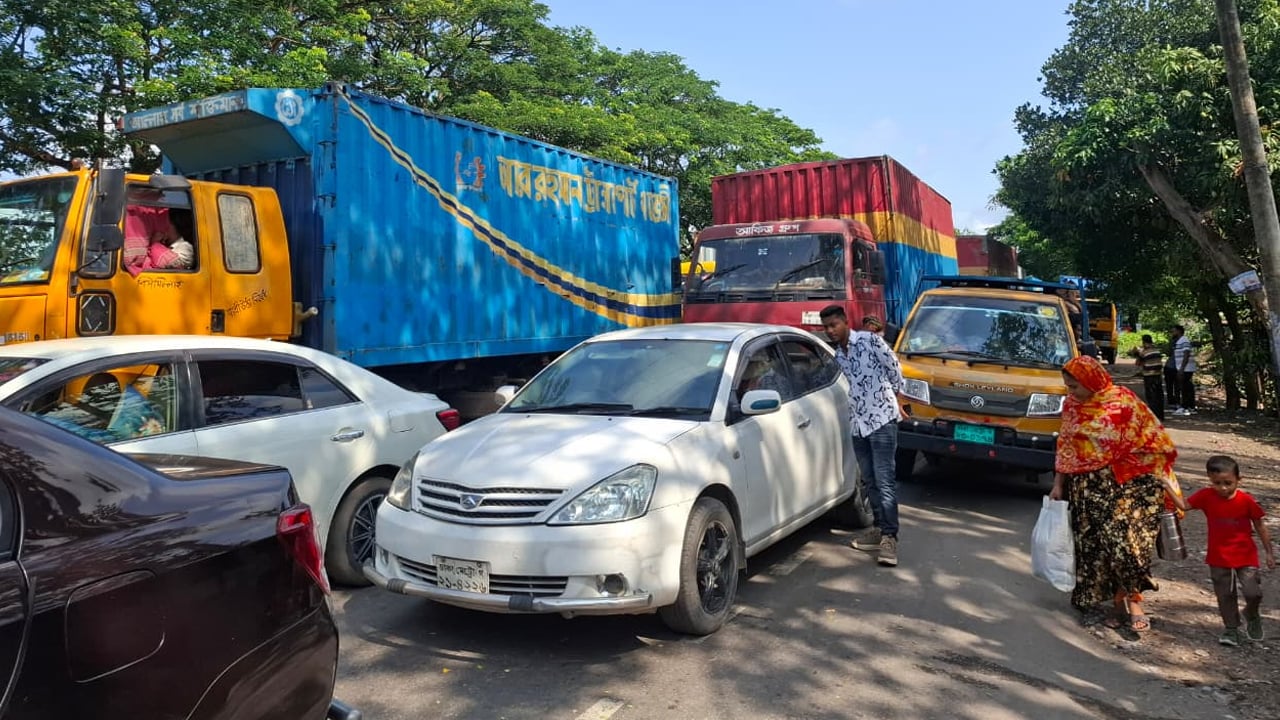
A severe traffic jam stretching about 13 kilometers formed on the Dhaka-Chattogram highway’s Gazaria section in Munshiganj early Friday. The congestion began after multiple covered vans collided on the Comilla-bound lane near the Meghna-Gomti Bridge slope, blocking the road completely. As a result, hundreds of vehicles remained stuck for hours, leaving passengers and drivers in extreme distress under the scorching heat. According to highway police and local sources, the accident caused the vehicles to block the entire lane, halting traffic movement. On-site observations showed women, children, and elderly passengers suffering inside buses for hours. Drivers reported being stuck for more than two hours on routes that normally take only minutes to cross. Gazaria Highway Police outpost in-charge Md. Shah Kamal Akand said the damaged vehicles were quickly removed from the road, but heavy weekend traffic was delaying full recovery. He expressed hope that normal traffic flow would resume soon.
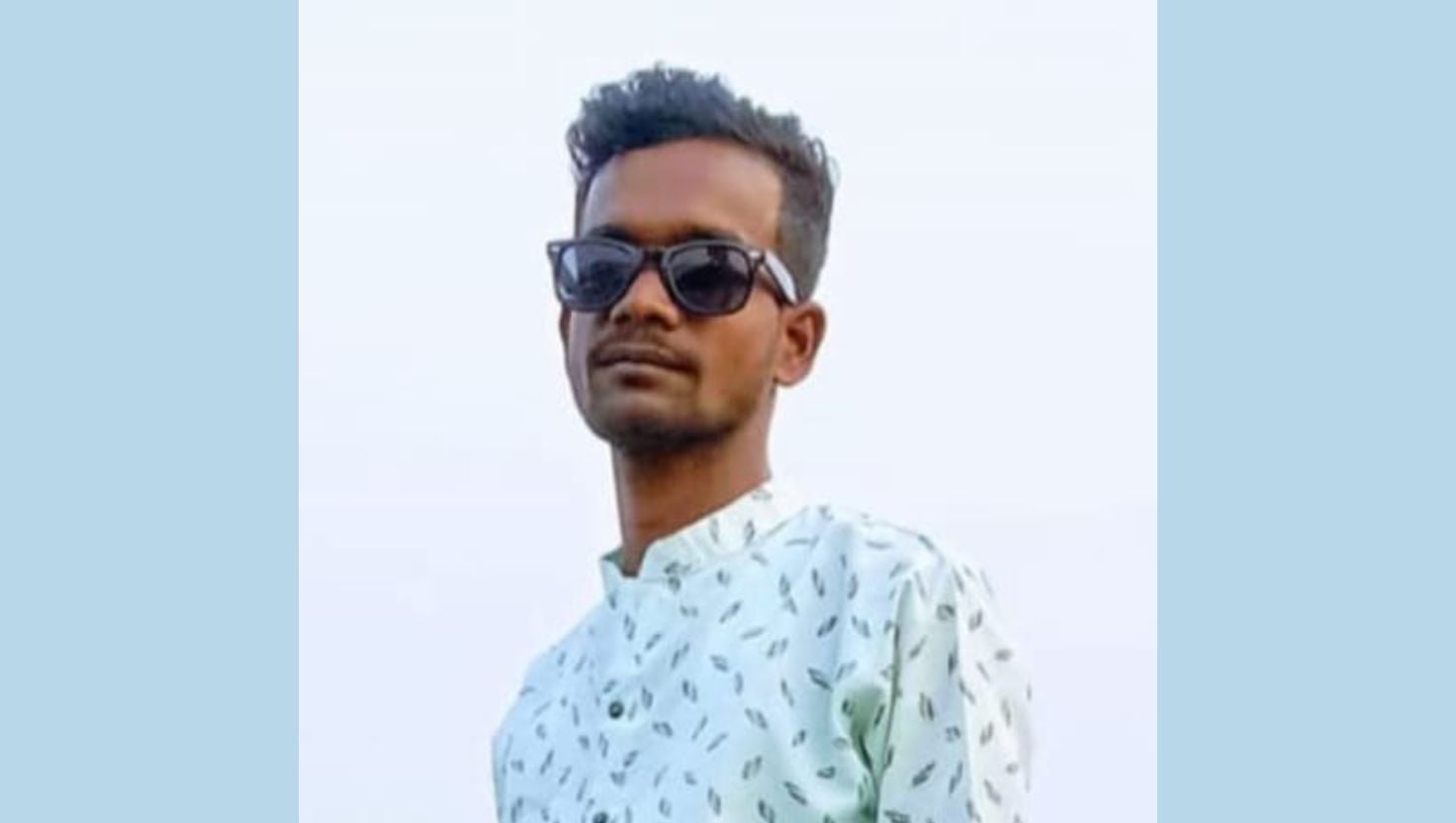
A fish trader named Babu Shikdar was hacked to death early Friday in Barishal city’s Ward No. 5, Palashpur area, after he refused to pay extortion money demanded by a local teenage gang. The attack occurred at the Palashpur three-road junction, where gang members allegedly led by Madhu alias Tokai Madhu assaulted him with sharp weapons. Locals captured two suspects, identified as Shahid alias Kala Shahid and Mottu Siam, and handed them over to police. According to the victim’s brother, Naeem Hossain, Tokai Madhu had been demanding money from Babu for a long time. When Babu refused, the gang ambushed him before dawn. Several others, including Redwan, Rubel alias Khato Rubel, Fakir Raju, Sajjad, and Soikat, were also named as participants in the attack. Babu was taken to Sher-e-Bangla Medical College Hospital, where doctors declared him dead. Kawnia Police Station Officer-in-Charge Sanjit Chandra Nath confirmed the killing, saying it was carried out by a teenage gang and that drugs were involved. Two suspects have been detained, and police operations are ongoing to arrest the remaining attackers. A murder case is being prepared.
China has expressed interest in purchasing oil from the United States, leading to a rise of more than one percent in global oil prices. The increase followed a statement from US President Donald Trump. Market data showed that the international benchmark Brent crude rose by 1.17 dollars, or 1.11 percent, reaching 106.89 dollars per barrel. Meanwhile, US West Texas Intermediate (WTI) crude increased by 1.10 dollars, or 1.09 percent, to 102.27 dollars per barrel. In addition to Trump’s statement, ongoing tensions in the Strait of Hormuz have also influenced the oil market. Although reports indicated that at least 30 ships passed through the strait last Thursday, concerns about potential detentions or attacks remain. This instability has prompted investors to anticipate further price increases. Analysts suggest that the combination of geopolitical uncertainty and renewed trade interest between China and the United States is shaping short-term market expectations.
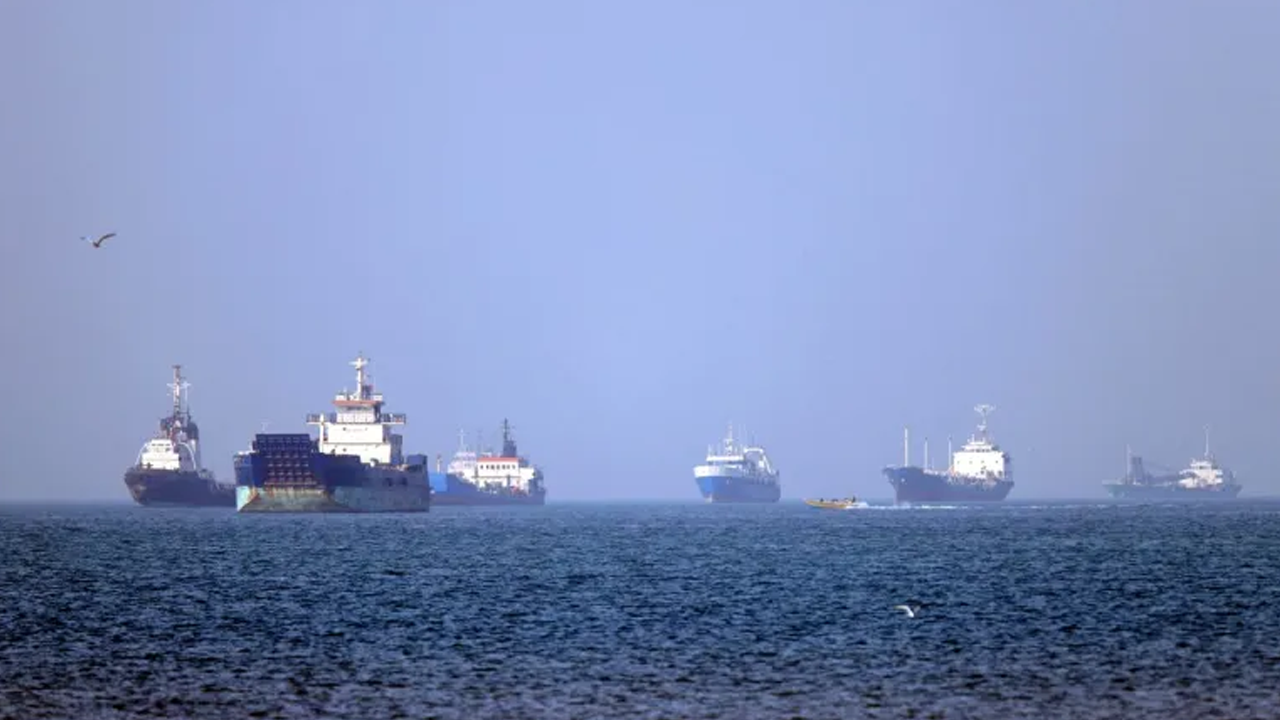
Iran has begun implementing a new strategic plan concerning the Hormuz Strait, one of the world’s most critical maritime routes. According to Iranian state television, the country announced that the strait will no longer remain open to all, but will be closed to enemies or adversaries. An official from the Islamic Revolutionary Guard Corps confirmed that at least 30 ships were permitted to pass through the strait since last night, though Tehran declined to disclose which countries received clearance. Fars News Agency reported that several of the vessels allowed to cross were owned by Chinese companies, describing this as part of Iran’s broader plan. Iranian authorities stated that the Hormuz Strait will be “neither fully open nor fully closed,” signaling a shift toward selective control of maritime access. Discussions are reportedly underway to introduce a new system under which foreign ships may be required to pay transit fees or special charges for passage. The move marks a significant change in Iran’s management of the strait, potentially affecting international shipping and regional maritime dynamics.
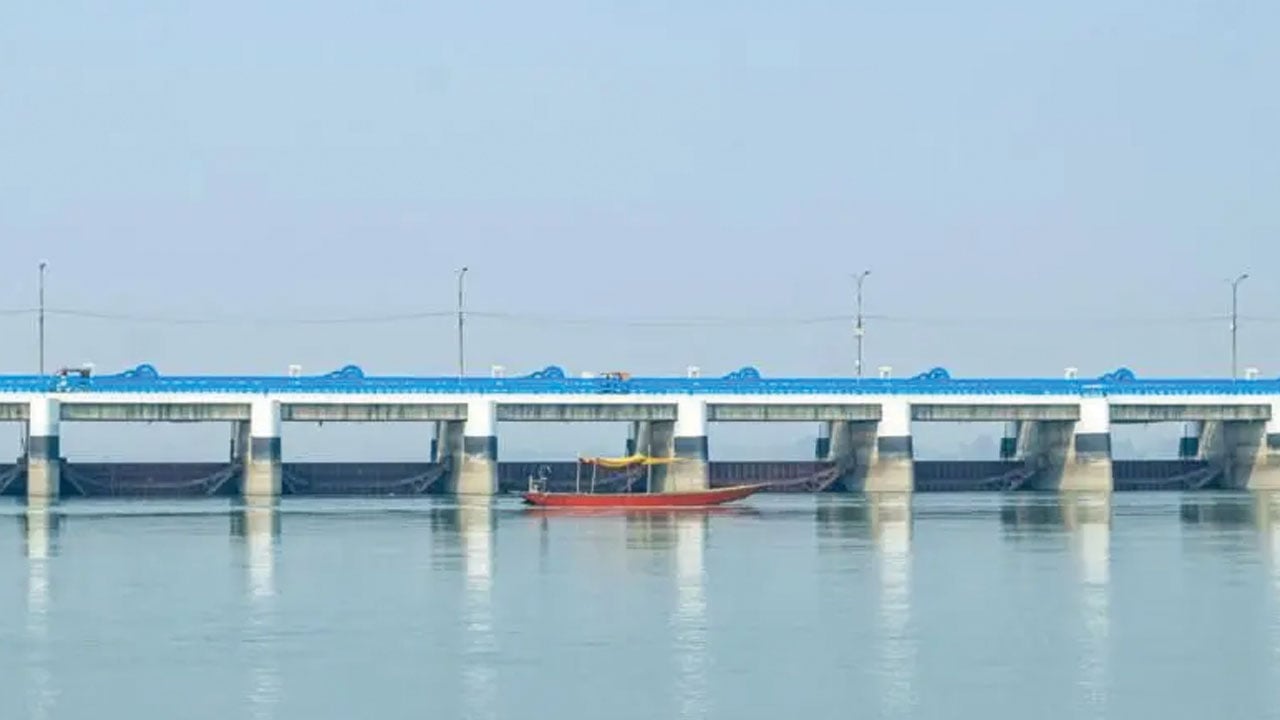
The newly elected government of Bangladesh, led by Tarique Rahman, has given final approval to the long-awaited Padma Barrage Project during the third meeting of the Executive Committee of the National Economic Council (ECNEC) on Wednesday. The project, estimated to cost Tk 50,443.64 crore, aims to restore water flow and biodiversity in 26 districts and 123 upazilas of the country’s southwest region. The government has allocated Tk 34,497.25 crore for the first phase of implementation. According to the Water Resources Ministry, the project seeks to mitigate the severe environmental and agricultural damage caused by India’s unilateral withdrawal of water through the Farakka Barrage. The ministry’s documents describe how reduced river flow has led to desertification, salinity, and water scarcity across large areas, threatening livelihoods and ecosystems, including the Sundarbans. Environmentalists have welcomed the approval, calling the barrage a vital step to revive dying rivers and ensure water security. The Water Resources Minister stated that the Padma Barrage is an internal matter for Bangladesh and does not require India’s consent. The project includes construction of the main barrage, hydroelectric facilities, and dredging of major river systems to restore natural water flow.
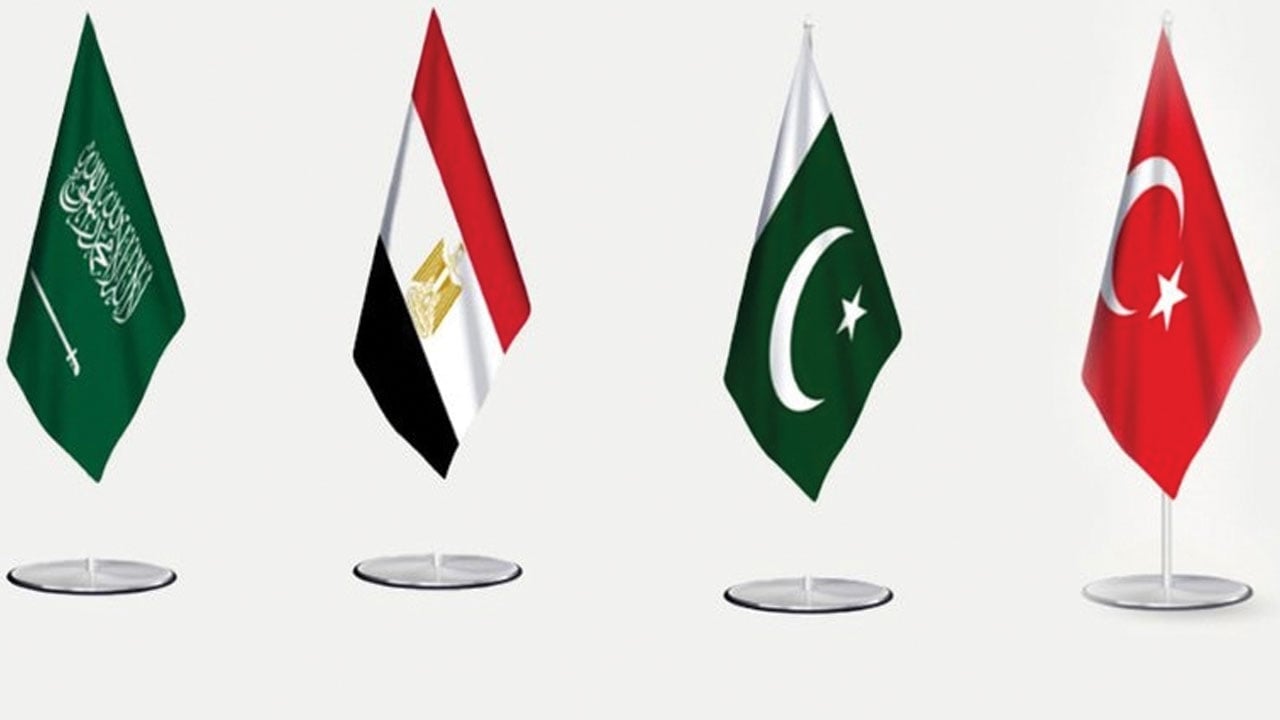
Algeria is increasingly likely to join a new strategic alliance led by Turkey, Saudi Arabia, Egypt, and Pakistan, according to the report. The development follows Algerian President Abdelmadjid Tebboune’s state visit to Turkey from May 6 to 8, 2026, during which 14 new agreements were signed in defense, energy, mining, and transport. Analysts view this as part of a deepening partnership between Algiers and Ankara, rooted in centuries of historical ties and reinforced by growing economic cooperation. The visit took place amid major geopolitical changes in the Middle East and North Africa, driven by U.S.-Israeli actions against Iran. Algeria’s energy diplomacy and its role as a top global gas exporter have strengthened its regional influence. The country’s close relations with both Turkey and Saudi Arabia are seen as key to consolidating the emerging Ankara-Riyadh axis. The alliance could reshape regional power balances and slow normalization efforts between Arab states and Israel. Algeria and Turkey are also expanding cooperation in defense production, energy trade, and counterterrorism. Their leaders’ shared positions on multilateral reform and humanitarian diplomacy further underline a growing strategic alignment.
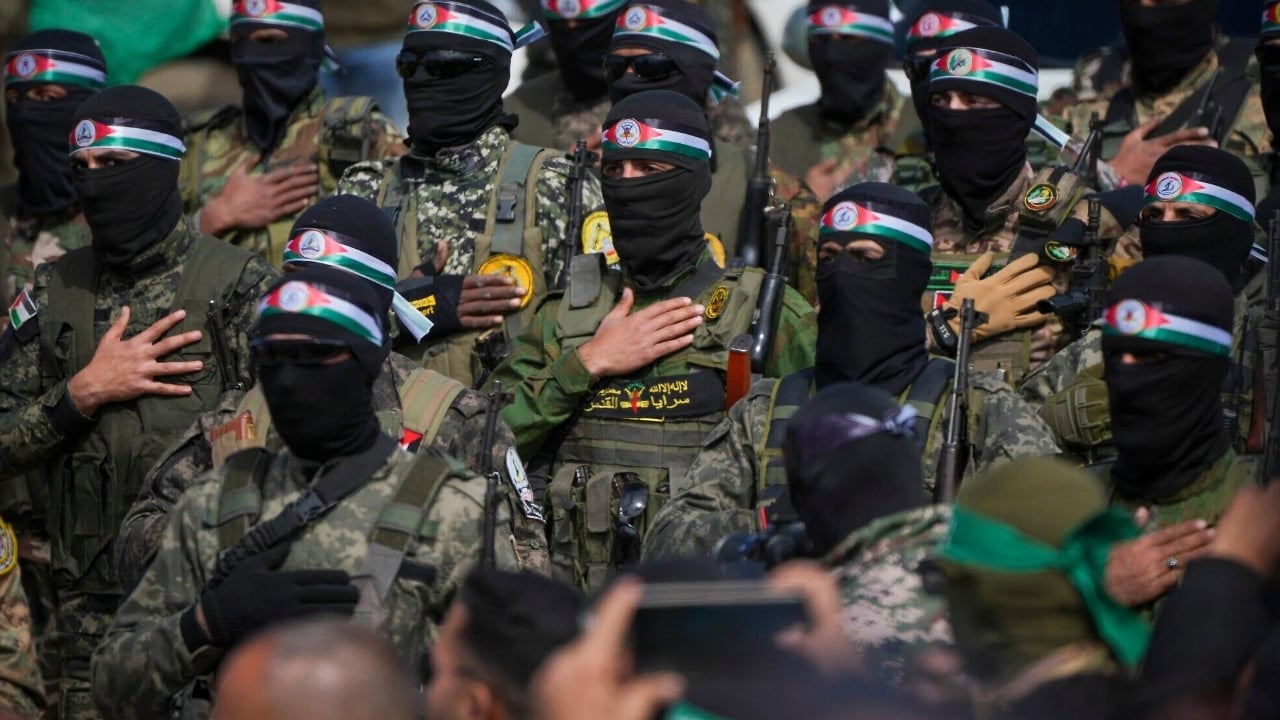
The United States and Israel launched a war against Iran at a time inconvenient for the Board of Peace, which had been formed to pursue Hamas’s disarmament in Gaza. U.S. President Donald Trump had expected the conflict with Iran to accelerate Hamas’s disarmament, but instead, the war has emboldened the group. Just nine days before the war began, the Board of Peace had secured a $17 billion commitment for humanitarian aid and reconstruction in Gaza, signaling growing international support for disarming Hamas. The conflict quickly diverted global attention, and Gulf states that had pledged major donations suffered heavy losses from Iranian counterattacks. These countries are now prioritizing defense spending over foreign aid. Although the Board of Peace resumed talks with Hamas, the group continues to reject disarmament proposals. An Arab diplomat involved in the discussions said Iran’s resilience has encouraged Hamas to prolong negotiations and harden its stance. Board envoy Nickolay Mladenov acknowledged that Hamas is consolidating control in Gaza and delaying talks, leaving reconstruction plans stalled amid the ongoing regional instability.
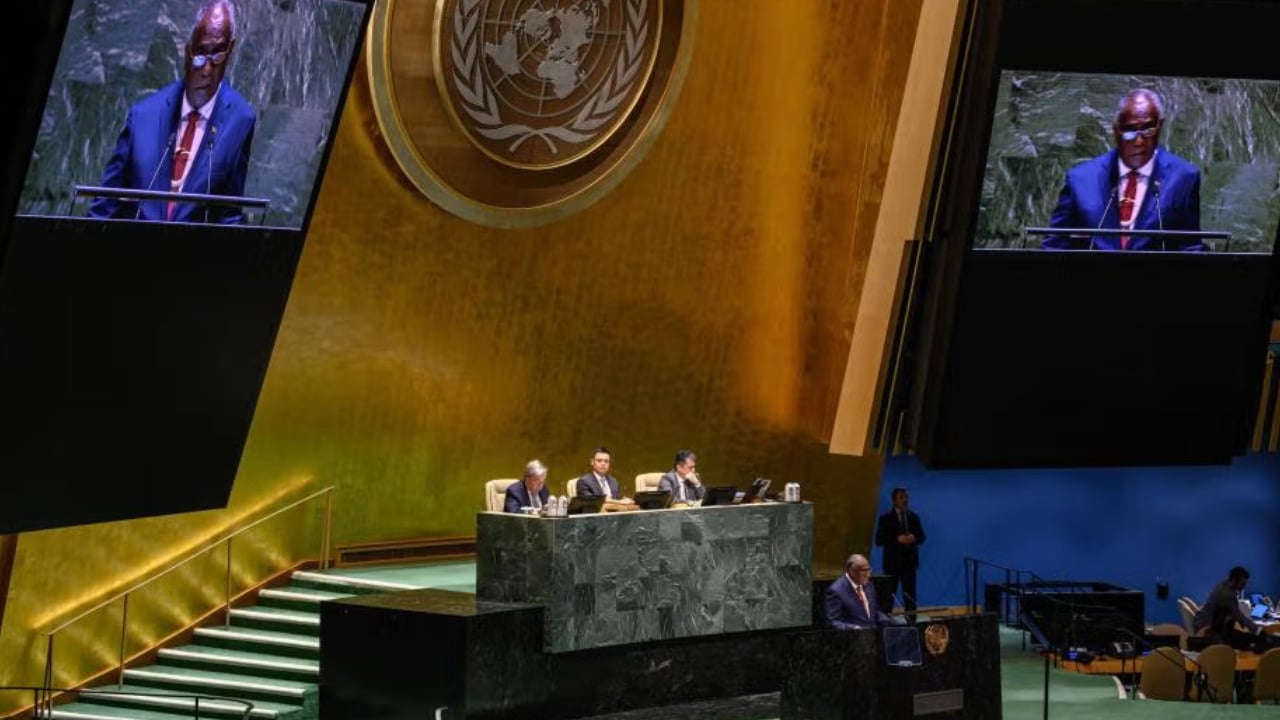
The United Nations General Assembly is set to hold a crucial vote in New York next week on a new resolution addressing climate justice. The proposal urges member states to endorse the International Court of Justice’s advisory opinion recognizing legal obligations to reduce greenhouse gas emissions and control fossil fuel use. The initiative, led by Pacific island nation Vanuatu, seeks to reinforce international legal accountability in tackling the climate crisis. The ICJ issued its advisory opinion last year after hearings in The Hague, which was supported by 132 countries without opposition. Small island states hailed the opinion as a historic victory. Vanuatu has since spearheaded efforts to translate that opinion into a binding political commitment, aiming to secure broad support before the May 20 vote. The latest draft of the resolution has been softened under pressure, particularly from the United States. References to a rapid and just phaseout of fossil fuels have been replaced with a call for gradual transition, and plans for an international registry of climate-related losses have been dropped.
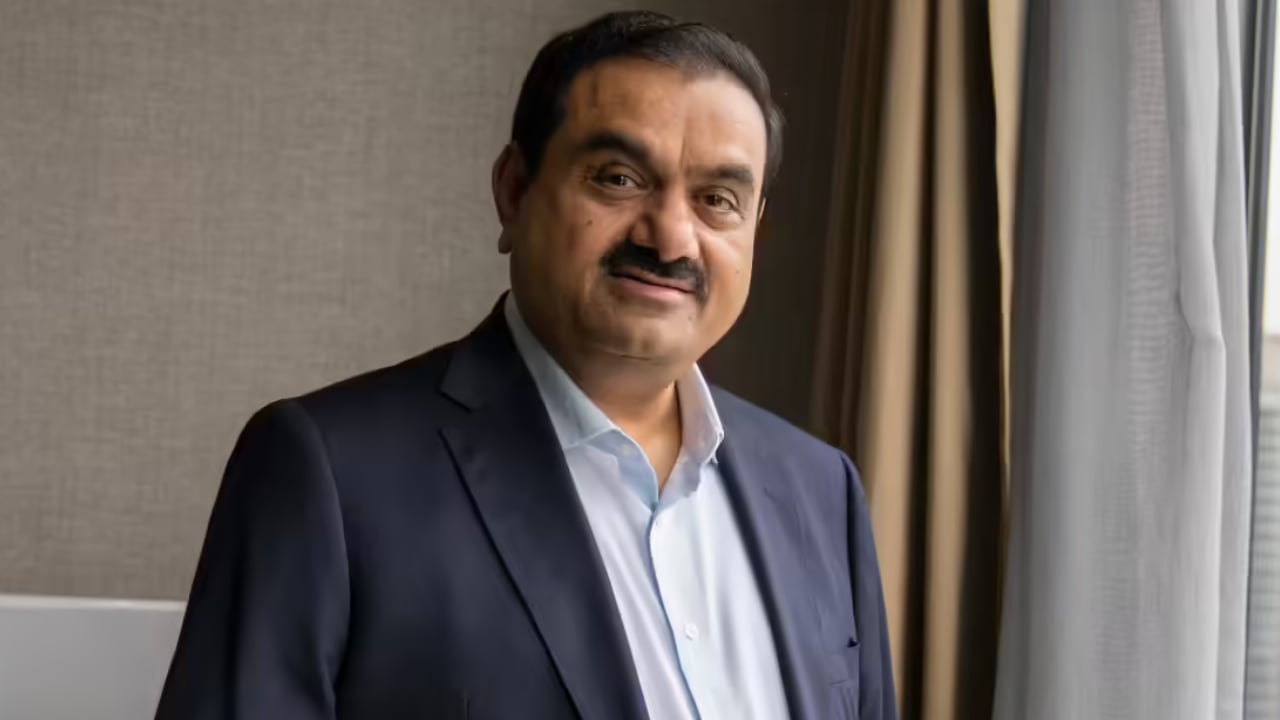
The United States Justice Department is preparing to withdraw all fraud charges against Indian billionaire Gautam Adani, chairman of the Adani Group, according to reports citing individuals familiar with the case. The decision follows Adani’s appointment of a new legal team led by Robert J. Giuffra Jr., one of former President Donald Trump’s personal attorneys. The team presented its case at a meeting in Washington, arguing that prosecutors lacked sufficient evidence and jurisdiction to pursue the matter. During the same meeting, Giuffra proposed that if prosecutors dropped the charges, Adani would invest 10 billion dollars in the US economy and create 15,000 jobs, though officials later clarified that this offer would not influence the criminal case. The Securities and Exchange Commission (SEC) has already settled its civil dispute with Adani, imposing an 18 million dollar fine, of which Adani will pay six million. The Treasury Department is reportedly preparing a separate 275 million dollar penalty related to sanctions violations. If finalized, the resolution would mark a major victory for the Adani Group, which has faced business obstacles due to the case since 2024.
The ‘1 Nojor’ media platform is now live in beta, inviting users to explore and provide feedback as we continue to refine the experience.