

The ‘1 Nojor’ media platform is now live in beta, inviting users to explore and provide feedback as we continue to refine the experience.
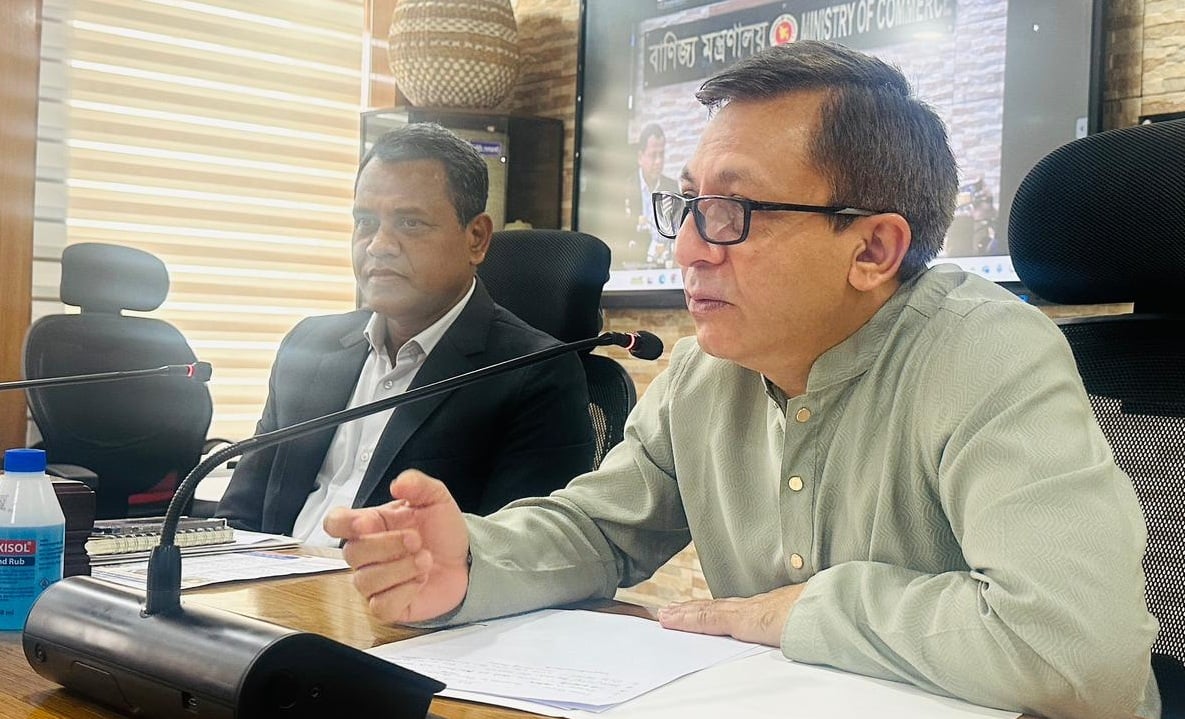
Commerce Minister Khondaker Abdul Muktadir has said that the government has taken comprehensive preparations to ensure smooth collection, preservation, purchase, sale, and transportation of raw hides from sacrificial animals during the upcoming Eid-ul-Azha. Speaking at a directive meeting with divisional commissioners, city corporation administrators, and deputy commissioners at the Secretariat on Thursday, he emphasized that not a single hide should be wasted, as directed by the Prime Minister. The minister described sacrificial hides as a valuable national resource that can strengthen the leather industry, export earnings, and the financial capacity of orphanages, madrasas, and Lillah boarding houses if properly preserved. To prevent annual wastage, the government has allocated over Tk 17 crore for free salt distribution and Tk 2.63 crore for training programs. Awareness campaigns will include posters, leaflets, and media broadcasts. He instructed divisional commissioners to form monitoring teams and ensure active field supervision after training. City corporation administrators were also asked to coordinate waste management with hide preservation efforts to maximize efficiency.
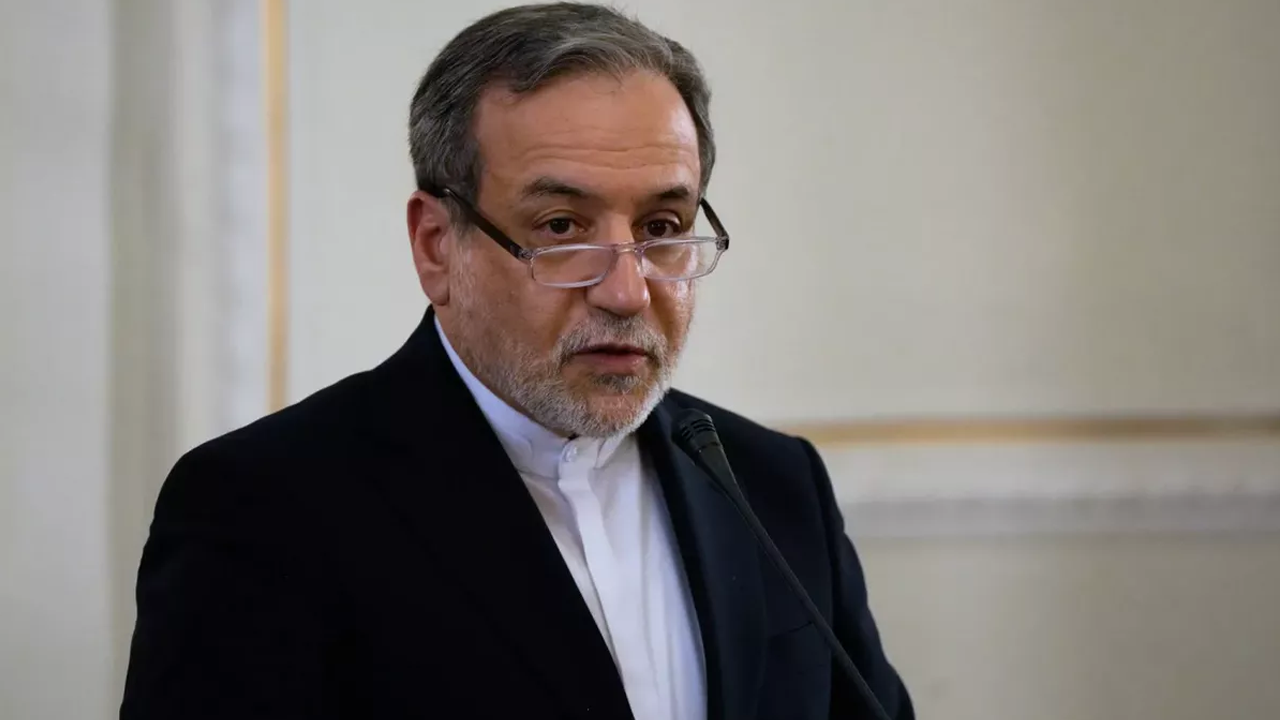
Iranian Foreign Minister Abbas Araghchi has accused the United Arab Emirates of being directly involved in a military operation against Iran. He made the allegation on Thursday during a BRICS meeting held in New Delhi, according to Iran’s semi-official Mehr news agency. The report stated that Araghchi made the remark in response to a statement from the UAE representative at the meeting. Araghchi explained that, in the interest of unity, he had initially refrained from naming the UAE in his remarks. However, he claimed that the UAE neither condemned the attacks against Iran nor distanced itself from the aggression, asserting that the country was directly complicit in the operation. The report noted that there was no immediate reaction from the UAE regarding the accusation. The exchange highlights ongoing regional tensions and diplomatic friction between Iran and the UAE, though the source did not provide further details on the alleged operation or its consequences.
Bangladesh Bank has eased the single borrower loan limit, allowing banks to lend up to 25 percent of their capital as funded loans to a single client, up from the previous 15 percent. However, the combined funded and non-funded exposure cannot exceed 25 percent. The new directive, issued on Thursday, will remain effective until June 30, 2028. The central bank stated that the decision aims to accelerate business activities and facilitate international trade financing. Under the revised rules, non-funded loans converted into funded loans will now be calculated at 25 percent instead of 50 percent, effective until June 30, 2027. This rate will gradually increase to 30 percent by December 2027, 40 percent by December 2028, and return to 50 percent from January 2030. The circular also revises large loan exposure limits based on non-performing loan ratios, allowing higher lending flexibility for banks with elevated default rates. Officials explained that the adjustment was necessary as the sector’s non-performing loan ratio has risen to 30 percent, compared to 9 percent when the earlier circular was issued, restricting new lending under the old limits.
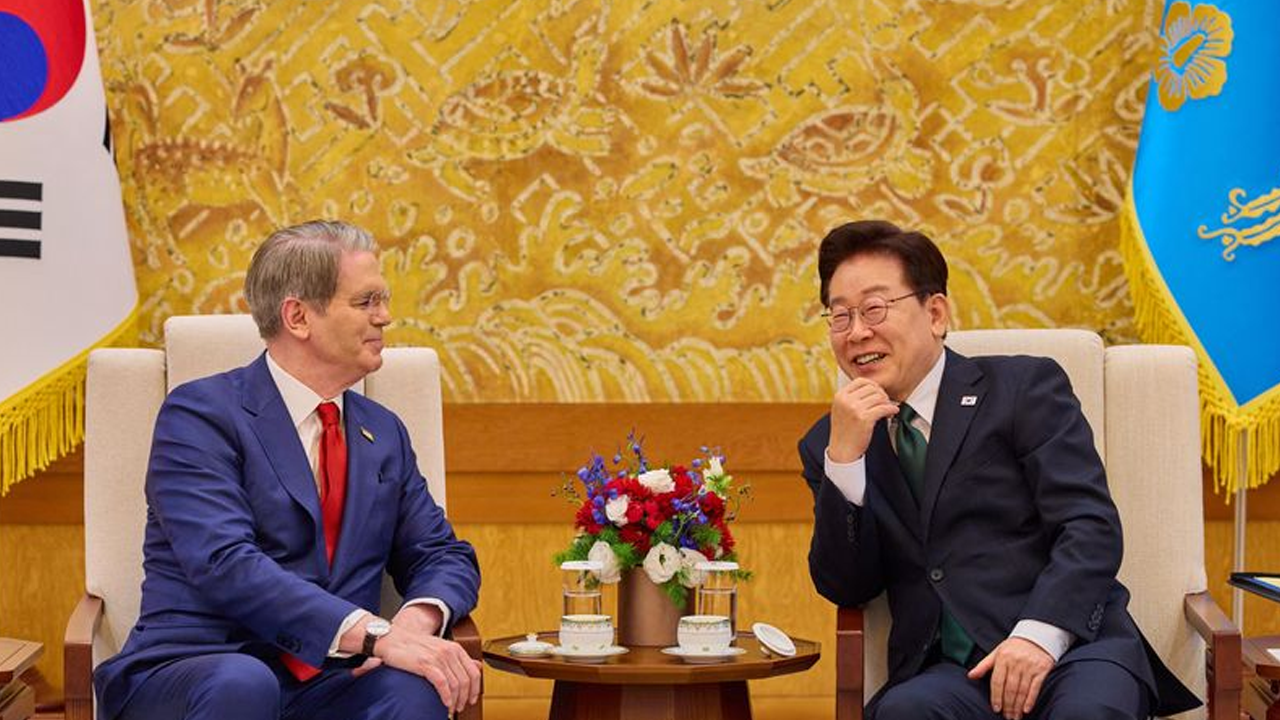
Analysts believe the meeting between U.S. President Donald Trump and Chinese President Xi Jinping could bring indirect benefits to South Korea. Kim Soyoung, an assistant professor at Japan’s Nagoya University of Commerce and Business, told Al Jazeera that if Xi can persuade Iran to reopen the Strait of Hormuz, it would ease pressure on South Korea’s energy supply. The country currently faces challenges due to instability in the strait, through which most of its oil and gas imports from the Gulf region pass. Seoul is also closely watching whether the United States alters its policy on Taiwan, as any shift could affect the broader security landscape in East Asia. Kim noted that the meeting may influence South Korea’s regional diplomatic strategy and its relations with China, which have improved somewhat under President Lee Jae-myung. The final round of U.S.-China preparatory talks held in Seoul before the Trump-Xi meeting, attended by U.S. Treasury Secretary Scott Besent and Chinese Vice Premier He Lifeng, is seen as a sign of South Korea’s growing diplomatic role.
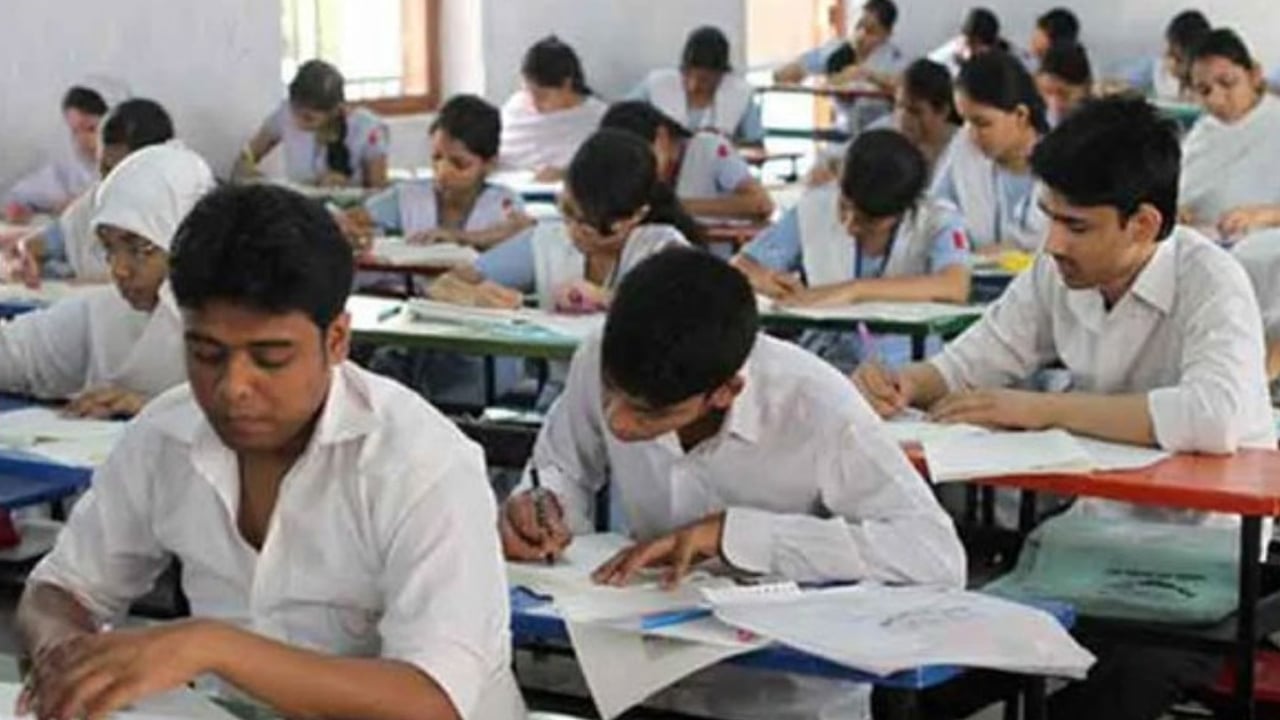
The Secondary and Higher Secondary Education Board has released the tentative schedule for the 2027 Secondary School Certificate (SSC) examinations. According to the announcement issued on 14 May 2026, the nationwide exams will begin on 7 January 2027, a Thursday, and will start each day at 10 a.m. The theoretical exams will commence with the Bangla First Paper and continue until 6 February 2027. The schedule specifies that English Second Paper will be held on 13 January, Mathematics on 16 January, and Bangladesh and Global Studies on 18 January. Examinations for key subjects in science, humanities, and business studies streams will conclude by early February. Practical exams, including music, will begin after the theoretical tests and must be completed by 11 February 2027. These will also start at 10 a.m. at respective centers. The board noted that the schedule may change if necessary, as the 2027 academic holiday calendar has not yet been finalized.
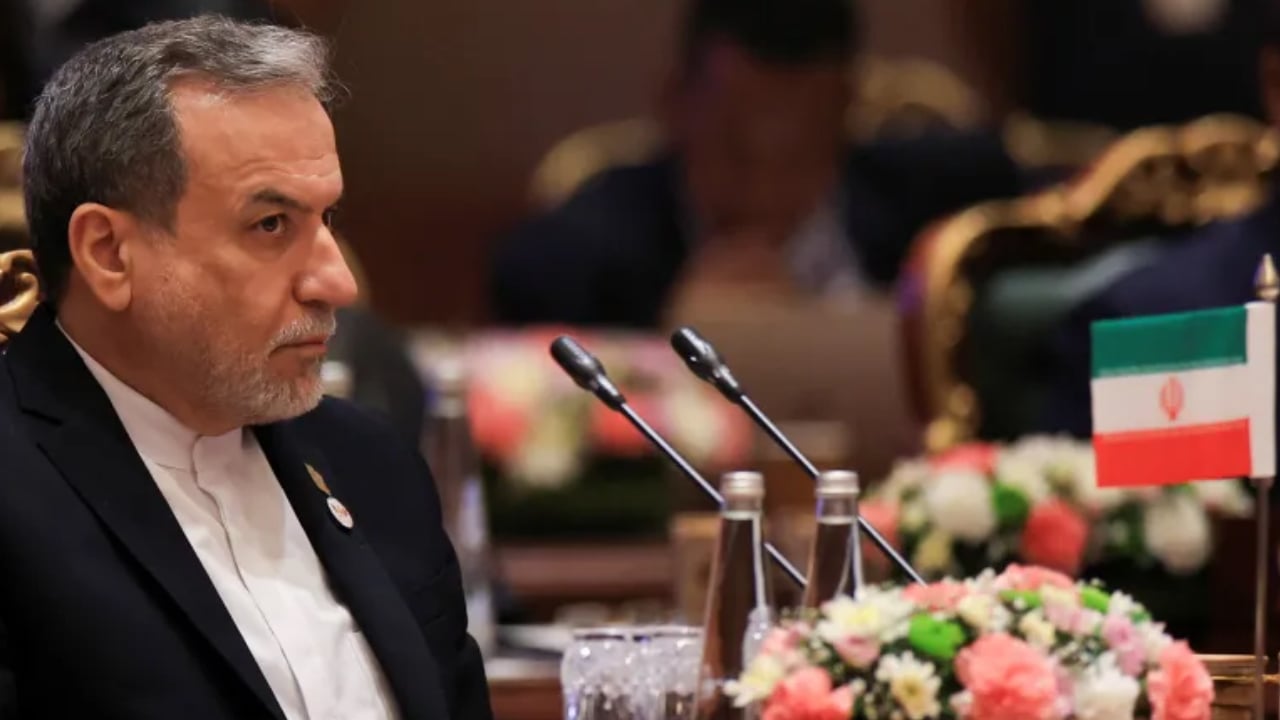
Iranian Foreign Minister Abbas Araghchi has condemned what he described as the warlike and expansionist policies of the United States and Israel. Speaking at a BRICS meeting in New Delhi, he highlighted recent attacks on Iran by the two countries and warned that regional instability harms all parties, including aggressors themselves. Araghchi stated that Iran had suffered two brutal and unlawful aggressions by the United States and Israel within less than a year. He argued that these attacks were justified through false claims contradicting assessments by the International Atomic Energy Agency and even US intelligence agencies. The minister emphasized that Iran, like other independent nations in the Middle East, was a victim of illegal expansionism and militarism, which he said had no place in today’s world. The remarks were reported by Al Jazeera and came amid ongoing tensions in the Middle East, where Iran continues to face pressure from Western and regional powers over its policies and security posture.
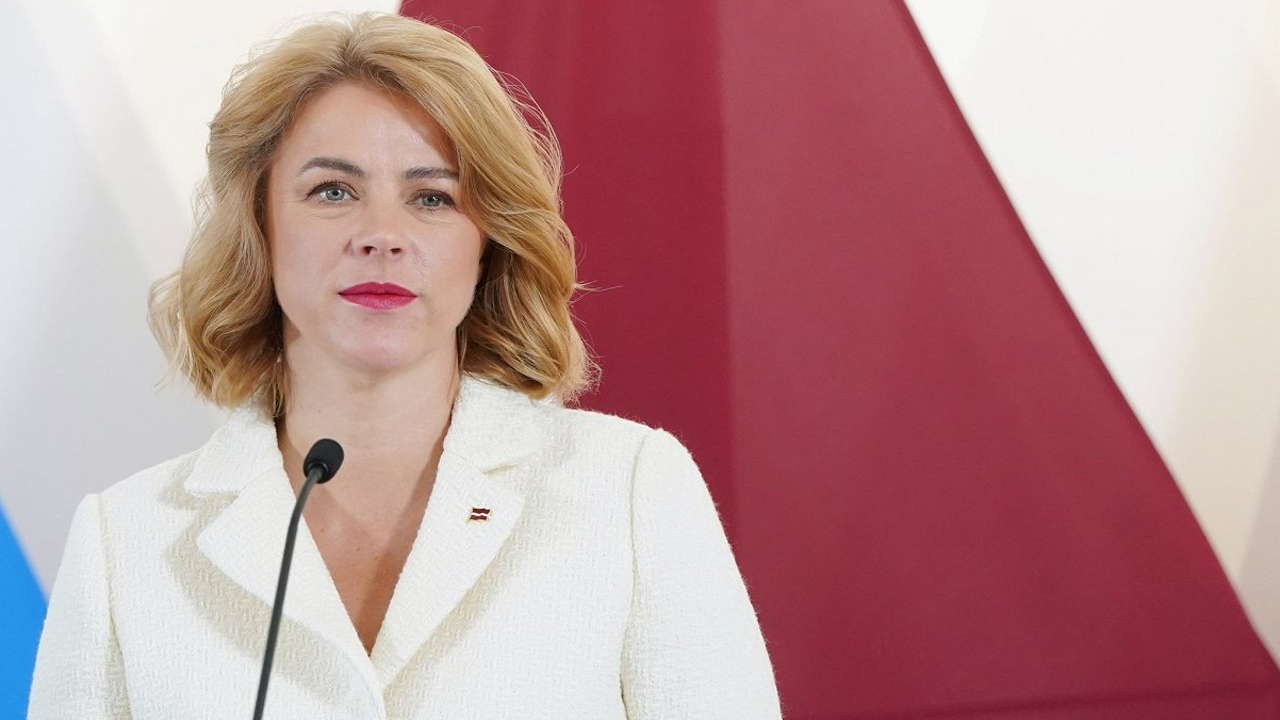
Latvian Prime Minister Evika Siliņa announced her resignation following criticism of her government’s handling of a Ukrainian drone incident. During a press conference on Thursday, she explained that some Ukrainian drones had strayed into Latvian airspace during attacks on Russia, sparking internal disputes within the coalition government over the official response. Earlier, Siliņa had dismissed Defense Minister Andris Spruds, who was accused of failing to activate Latvia’s anti-drone system promptly after the May 7 incursion. The dismissal prompted the left-leaning Progressives Party to withdraw its support from the coalition, causing the government to lose its parliamentary majority on Wednesday. Under Latvia’s constitution, President Edgars Rinkēvičs is now responsible for appointing a new prime minister. He is scheduled to meet with all parliamentary parties on Friday. The country is also preparing for national elections in October.
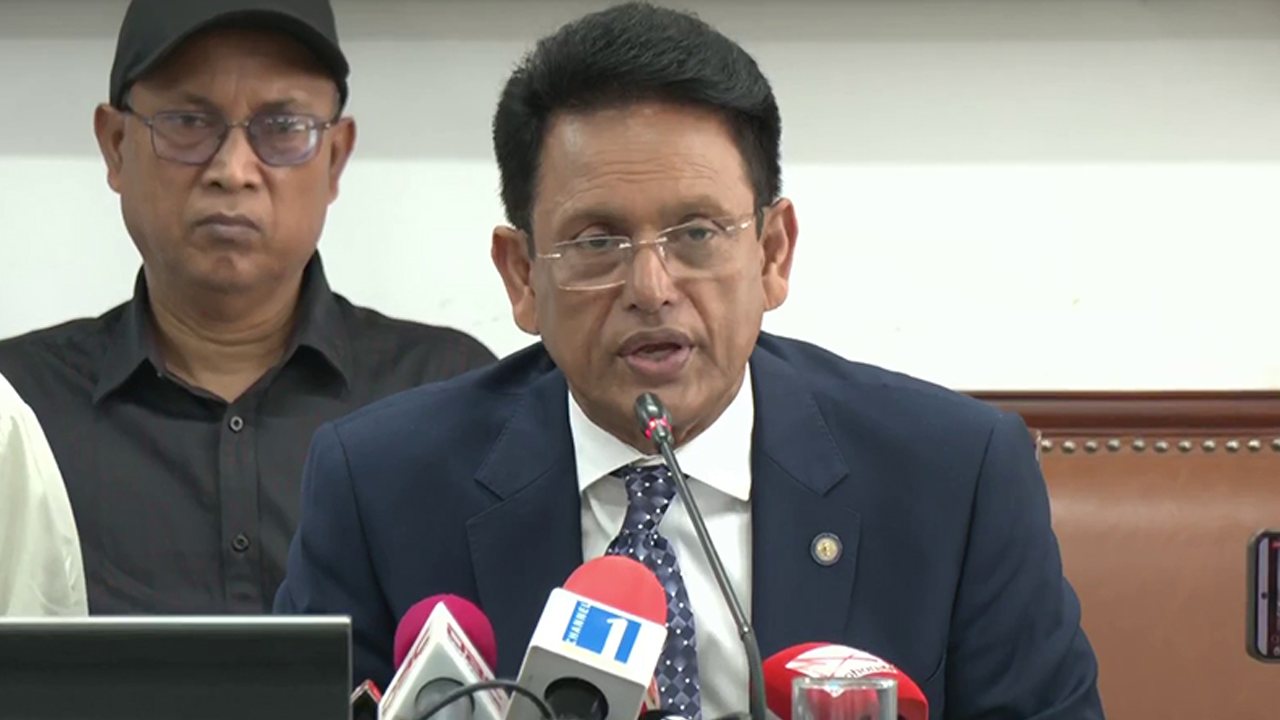
Education Minister A N M Ehsanul Haque Milan has announced the dates for the 2027 Secondary School Certificate (SSC) and Higher Secondary Certificate (HSC) examinations. The SSC and equivalent exams will begin on January 7, 2027, and end on February 6, while the HSC and equivalent exams will run from June 6 to July 13. The announcement was made on Thursday, May 14, 2026, during a press conference at the Secretariat. The minister explained that the exams were initially planned for December, but objections from stakeholders led to a revised schedule. After consultations, the ministry decided to postpone the exams to allow students more preparation time. Milan emphasized that the new timetable was designed to ensure adequate readiness for all examinees. He also warned of strict monitoring to prevent question paper leaks and ensure smooth exam administration. Education boards have been instructed to take necessary measures to publish results within the scheduled timeframe.
The United States announced a relaxation of its visa bond policy for certain football fans and team members traveling to attend the upcoming World Cup. The policy adjustment, confirmed by the US State Department on Wednesday, exempts players and officials of participating teams, as well as ticket-holding fans from those countries who register under the priority visa system, from paying the bond. The decision follows earlier requirements under President Donald Trump’s immigration control initiative, which mandated citizens of 50 developing nations to deposit between $5,000 and $15,000 as a refundable bond when applying for US visas. Assistant Secretary of State for Consular Affairs Morah Namdar said the move aims to facilitate legitimate travel for the tournament while maintaining national security priorities. A FIFA spokesperson welcomed the decision, citing continued cooperation with the US government and the White House task force to ensure a successful global event. The World Cup, jointly hosted by Canada, Mexico, and the United States, begins on June 11. Several participating nations, including Algeria, Cape Verde, Ivory Coast, Senegal, and Tunisia, were previously subject to the bond requirement, while citizens of Haiti and Iran remain under broader US entry restrictions.
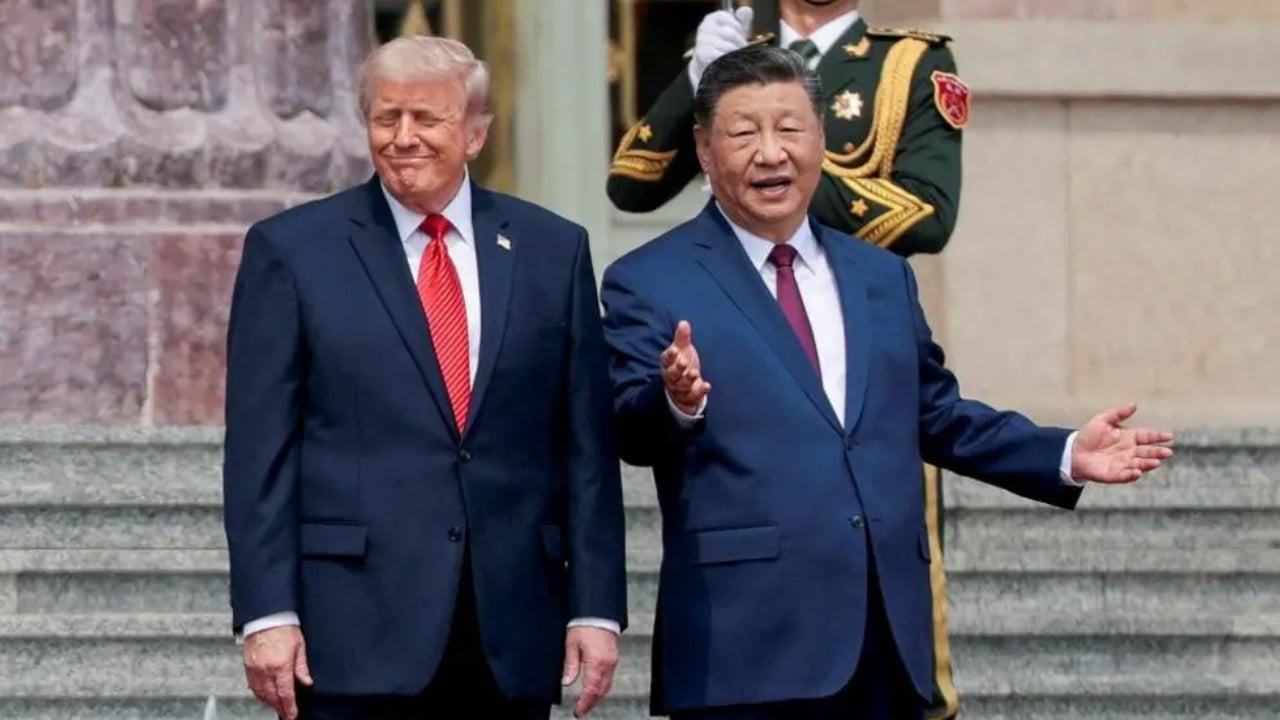
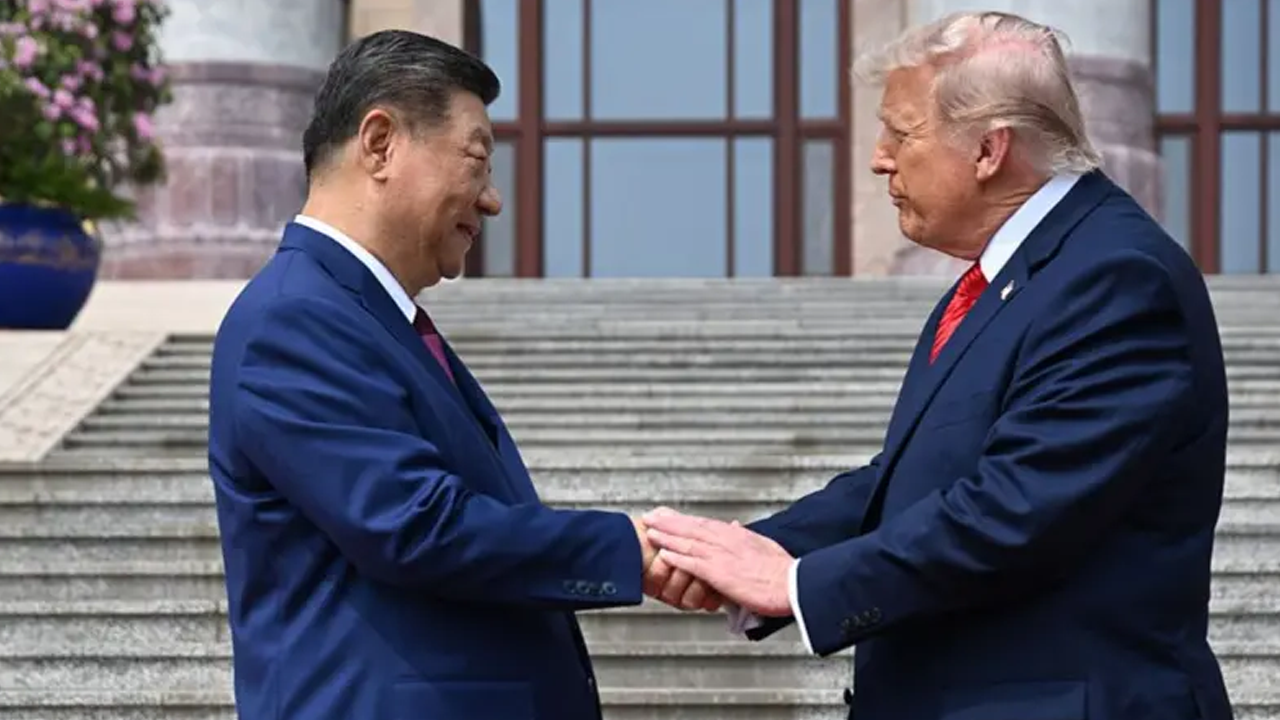
Chinese President Xi Jinping has announced that Washington and Beijing have entered a new era in their bilateral relationship. The statement, released by China’s Ministry of Foreign Affairs following Xi’s meeting with US President Donald Trump, said both sides agreed to establish a constructive, strategic, and stable relationship for the next three years and beyond. According to the statement, despite existing differences, the new relationship will emphasize cooperation, well-managed competition, and long-term stability. During the meeting, the two leaders discussed several complex issues. Xi warned that Taiwan remains the most critical issue in China-US relations, stressing that proper handling of the matter would help maintain stability, while mismanagement could lead to serious conflict and jeopardize the entire bilateral relationship. The statement reflects an effort by both nations to redefine their engagement framework, focusing on stability and strategic cooperation amid ongoing tensions.
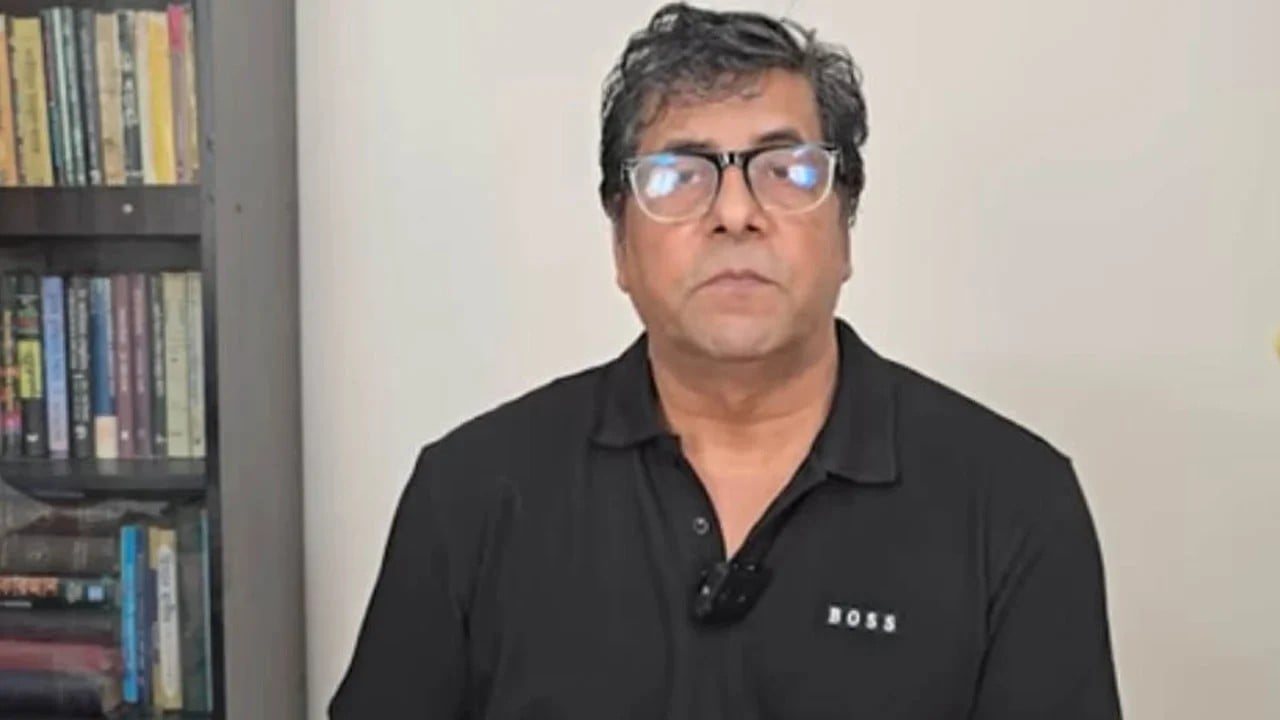
A Dhaka court has granted permanent bail and permission to travel abroad to journalist Anis Alamgir in a case filed by the Anti-Corruption Commission (ACC) over alleged illegal asset accumulation. The order was issued on Thursday, May 14, 2026, by Dhaka Metropolitan Senior Special Judge Md Sabbir Foyez, who approved the defense’s applications for bail and foreign travel but rejected Alamgir’s request for exemption from personal court appearances. His lawyer Taslima Jahan Popy confirmed the court’s decision. According to the case filed on January 15, 2026, the ACC accused Alamgir of possessing assets worth about Tk 42.5 million, of which Tk 32.6 million were allegedly beyond his known income sources. The investigation, led by ACC Assistant Director Akhtaruzzaman, found that Alamgir’s declared income totaled Tk 9.9 million from savings, consultancy, property sales, and interest earnings. He was formally shown arrested in the case on January 28, 2026. The court’s decision allows Alamgir to travel abroad while the corruption case continues under ACC investigation.
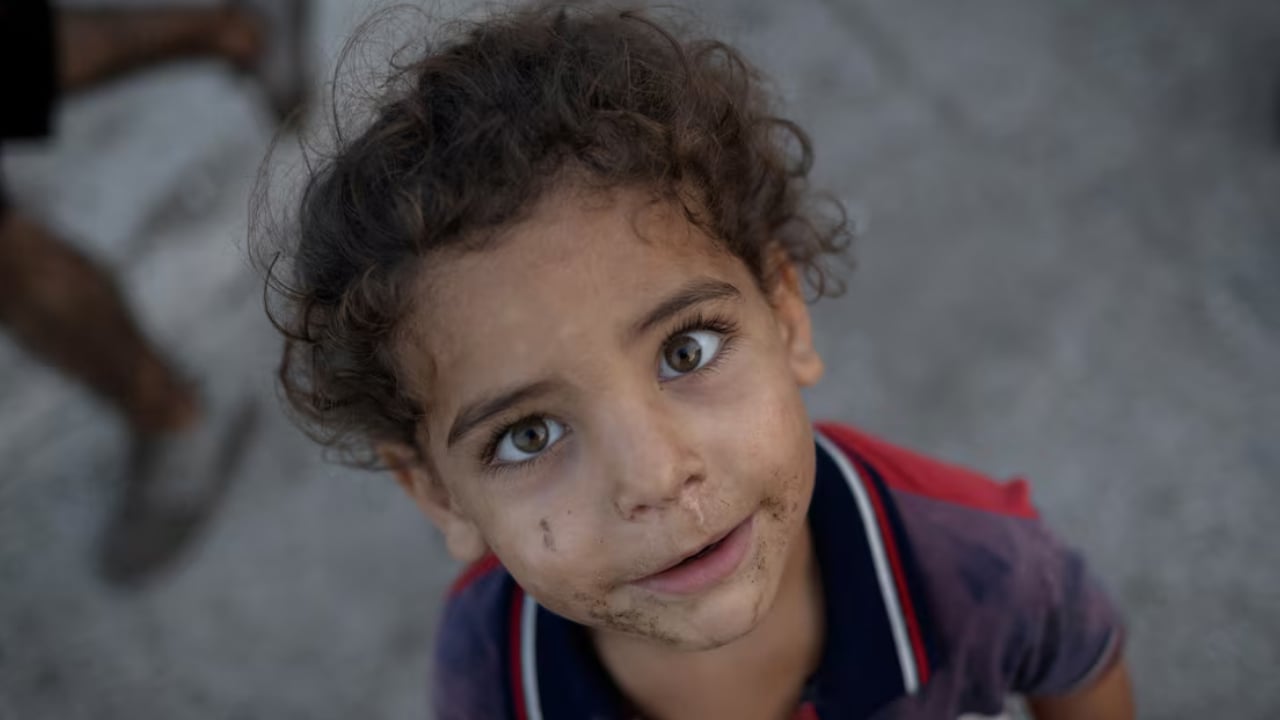
UNICEF has warned that more than 770,000 children in Lebanon are at risk of developing long-term mental health problems due to ongoing conflict and widespread displacement. The organization stated that these children are enduring intense psychological distress as a result of violence, loss, and forced displacement across the country. Eduard Beigbeder, UNICEF’s Regional Director for the Middle East and North Africa, said that without urgent assistance, the psychological wounds could last for years, affecting not only the children’s well-being but also their future and the country’s stability. He added that children who should be returning to classrooms and playing with friends are instead being killed or injured. The statement underscores the growing humanitarian crisis in Lebanon, where conflict continues to endanger children’s lives and mental health, calling for immediate international and local support to address the situation.
Chinese President Xi Jinping and US President Donald Trump have agreed to elevate bilateral relations to a new level. According to a statement from China’s Ministry of Foreign Affairs following their meeting in Beijing, both leaders committed to establishing a constructive, strategic, and stable relationship between China and the United States. The statement said this new phase of relations will provide strategic direction for the next three years and beyond. The agreement is viewed as a significant step toward reducing long-standing tensions and creating a sustainable framework for cooperation. During the meeting, Xi noted that the two countries’ economic and trade teams had achieved a broadly balanced and positive outcome and urged both sides to work together to maintain this momentum. Xi added that China’s door of openness will continue to widen and reminded that American companies are deeply involved in China’s reform and opening-up process. The statement also emphasized China’s willingness to strengthen mutually beneficial cooperation with the United States.
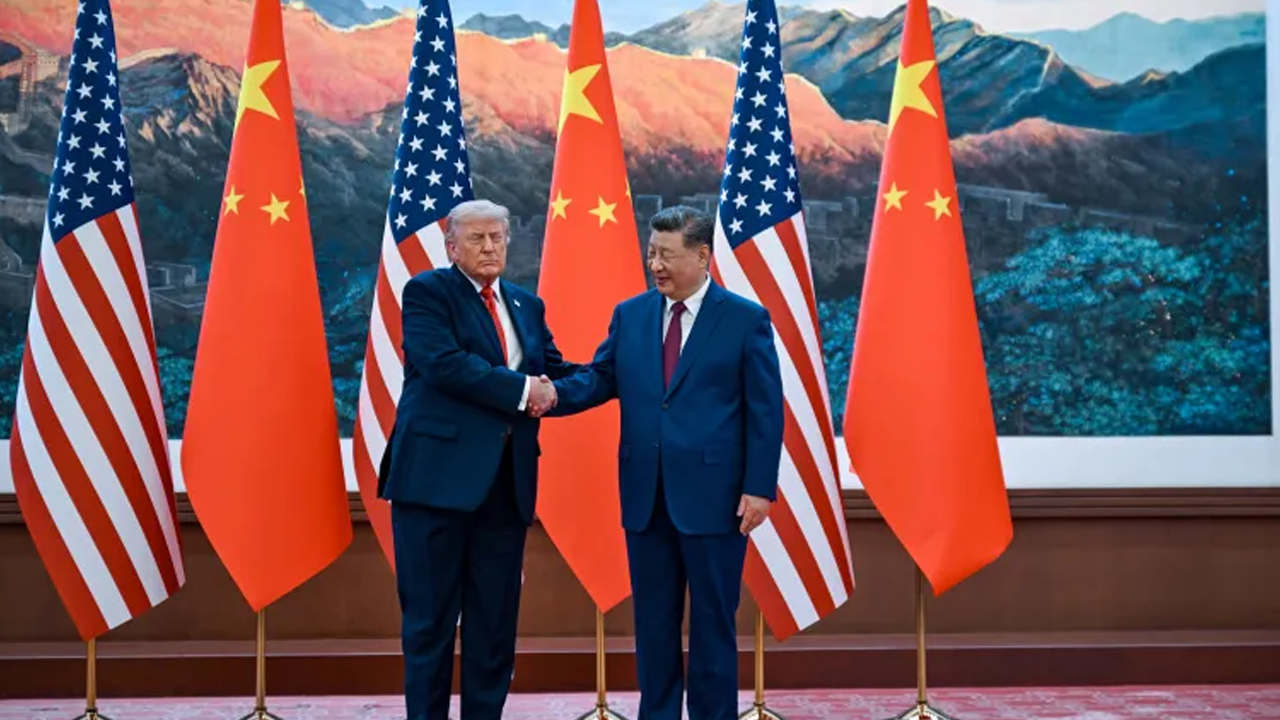
U.S. President Donald Trump has indicated that the Iran conflict is effectively over and expressed a desire to return to negotiations soon. Speaking en route to Beijing, he suggested that it is time to review Iran’s response to U.S. proposals. Trump emphasized that his main objective remains preventing Iran from acquiring nuclear weapons and believes China, as Iran’s largest oil and gas buyer, could pressure Tehran to engage in talks. However, China has shown reluctance to act as a mediator in any foreign conflict, including the Iran issue. Beijing remains cautious, citing past instances where the United States withdrew from agreements and Iran subsequently faced attacks despite prior negotiations. Analysts note that China views the Iran crisis as a problem created by Washington and is unwilling to take responsibility for resolving it. With about 40 hours remaining in Trump’s Beijing visit, the Iran issue continues to loom over discussions, but significant progress appears unlikely as China prefers to maintain a safe distance from the conflict.
Cuba is facing a severe fuel crisis as its reserves near depletion under ongoing U.S. sanctions. Energy Minister Vicente de la O stated that the country has virtually no fuel or diesel left, describing the national grid as being in a critical condition. The announcement underscores the worsening energy situation across the island. Despite the blockade, Cuba continues negotiations to import fuel. However, the minister noted that the global rise in oil and transport costs, driven by the conflict involving Iran, the United States, and Israel, has made these efforts increasingly difficult. He emphasized that Cuba is ready to purchase fuel from any country willing to sell. According to official data, Cuba produces about 40,000 barrels of oil per day but consumes between 90,000 and 110,000 barrels, leaving it structurally dependent on imports. The shortage threatens to deepen the country’s economic challenges if new supply deals are not secured soon.

The ‘1 Nojor’ media platform is now live in beta, inviting users to explore and provide feedback as we continue to refine the experience.