

The ‘1 Nojor’ media platform is now live in beta, inviting users to explore and provide feedback as we continue to refine the experience.
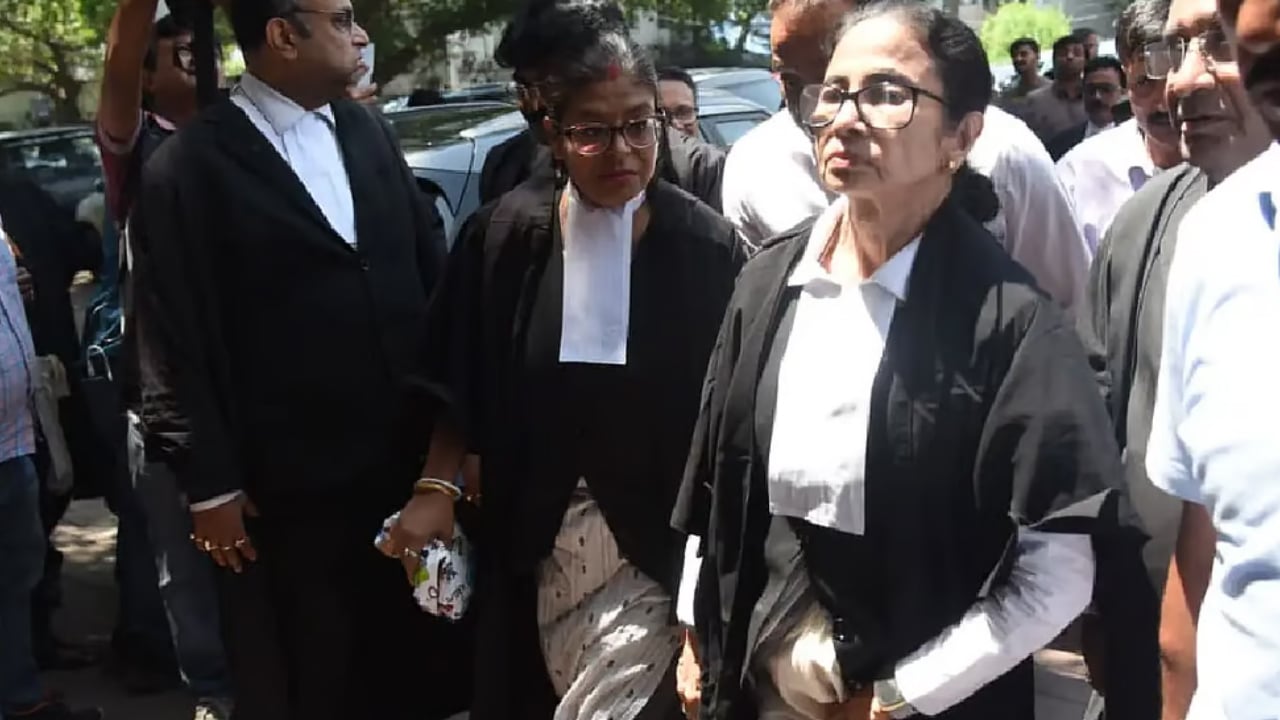
Trinamool Congress leader and former West Bengal Chief Minister Mamata Banerjee appeared at the Kolkata High Court on Thursday morning, dressed in a lawyer’s outfit. She arrived around 10 a.m. local time to face questioning in a case related to alleged attacks on Trinamool party offices following the recent state assembly elections. The Trinamool Congress suffered defeat in the just-concluded assembly election, where Mamata Banerjee lost her Bhabanipur seat to current Chief Minister and BJP leader Suvendu Adhikari. At present, she holds no legislative position and serves only as the party leader. Against this backdrop, Banerjee personally attended court proceedings concerning the post-election violence allegations. The case centers on a series of reported assaults on Trinamool offices after the election results, and Banerjee’s court appearance marks a significant development in the ongoing legal process.
Pakistan’s celebrated all-rounder Shahid Afridi has been conferred with the Hilal-e-Imtiaz, one of the country’s highest civilian honors. The award was presented by President Asif Ali Zardari at Aiwan-e-Sadr in Islamabad on May 14, 2026, recognizing Afridi’s long international career and significant contributions to Pakistan cricket. Afridi became the fifth cricketer from the country to receive this distinction. The ceremony also honored Pakistan’s first Test captain, Abdul Hafeez Kardar, posthumously with the same award for his foundational role in shaping the nation’s cricket. Afridi, aged 46, played 524 international matches across all formats, scoring 8,064 runs and taking 395 wickets in ODIs, along with 1,416 runs and 98 wickets in T20Is. He was instrumental in Pakistan’s 2009 T20 World Cup victory and left his mark in various franchise leagues worldwide. In a message shared on social media, Afridi expressed that the recognition was not only a personal achievement but also a source of pride for the entire Pakistani nation.

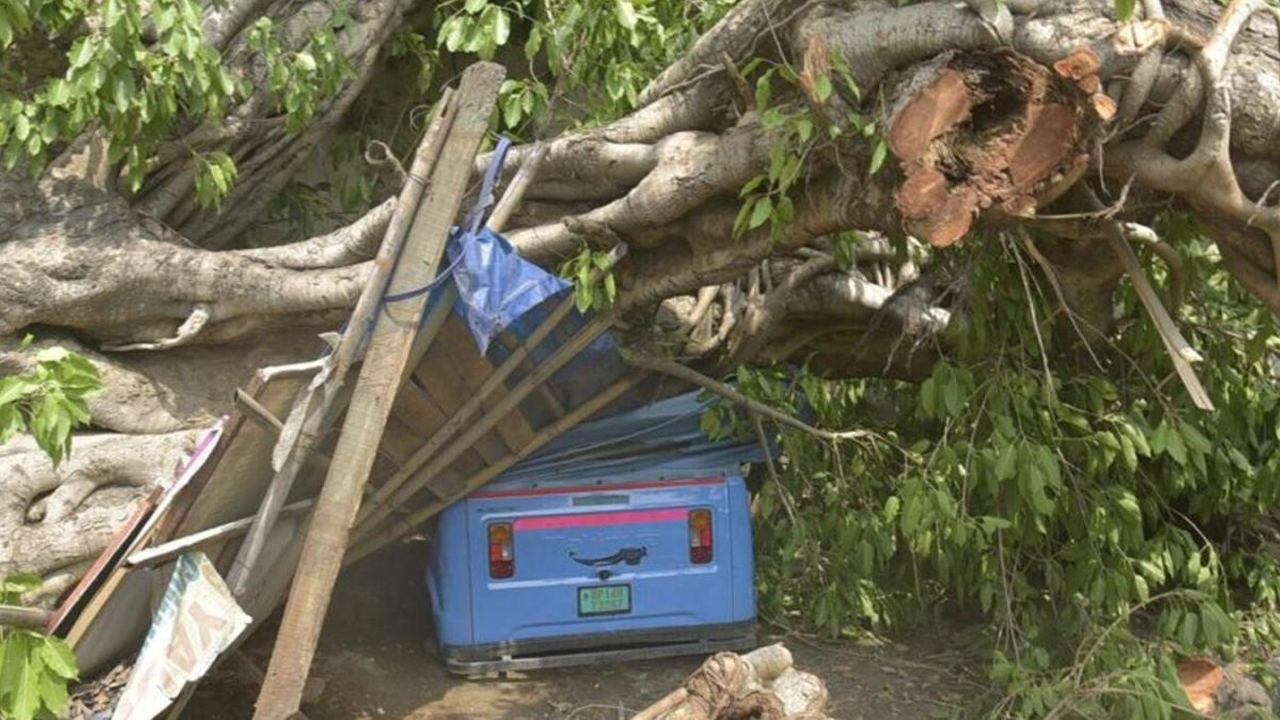
At least 56 people have died across India’s Uttar Pradesh state following a severe storm, lightning, and unseasonal heavy rain that struck overnight on Wednesday. The worst-hit districts include Prayagraj, Bhadohi, Fatehpur, and Pratapgarh, where trees were uprooted, electric poles collapsed, and hundreds of homes were damaged. The state government held an emergency meeting led by Chief Minister Yogi Adityanath, who directed officials to deliver relief and compensation within 24 hours. According to official data, Prayagraj recorded 17 deaths, Bhadohi 16, Fatehpur 9, Badaun 5, and Pratapgarh 4, with additional casualties reported in Chandauli, Kushinagar, Sonbhadra, Kanpur Dehat, and Deoria. Rescue and relief operations are ongoing in affected areas, where power outages and blocked roads have disrupted normal life. Agricultural losses are feared, particularly in wheat and vegetable fields inundated by rainwater. Meteorologists described the storm as unusually intense for this season in northern India, suggesting that climate change may be contributing to more extreme weather events. Authorities have urged residents to remain cautious and avoid taking shelter under trees or in open spaces during storms.
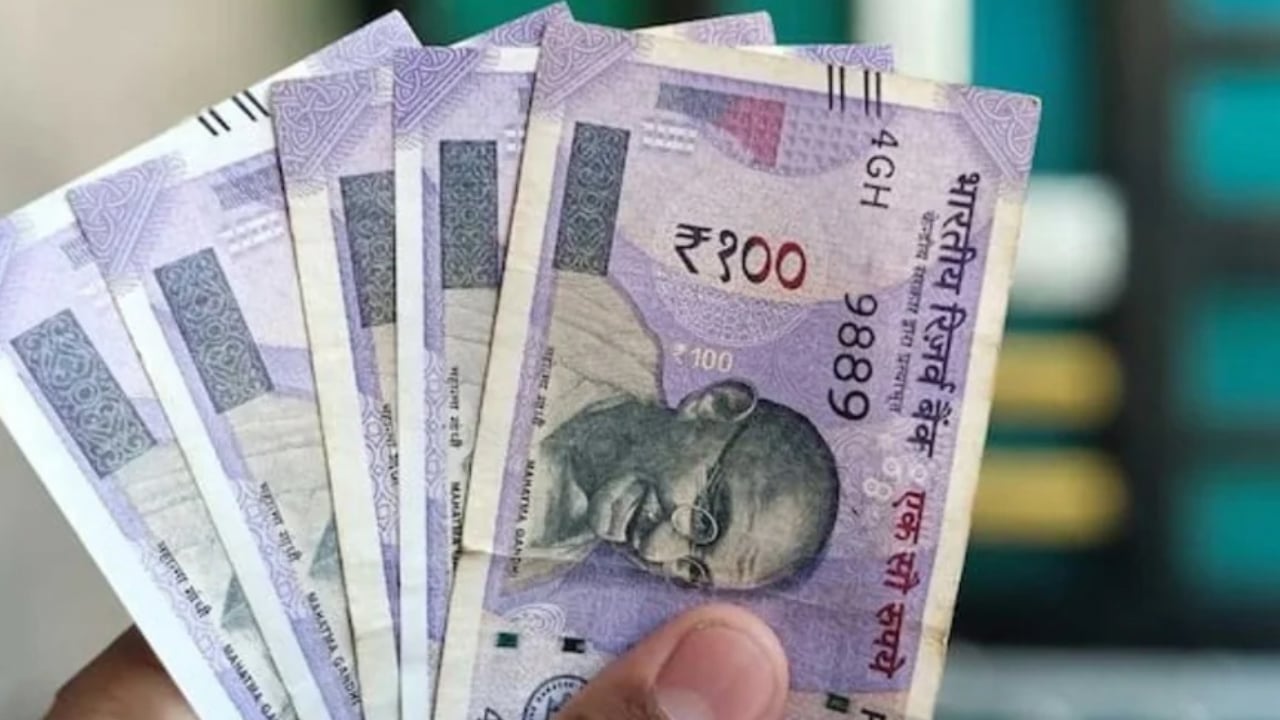
The Indian rupee fell to its lowest level in history on Wednesday, trading at 95.80 rupees against the US dollar after dropping by 12 paisa at the start of foreign exchange trading. The decline occurred amid global political instability and uncertainty in the oil market, marking the steepest fall ever recorded for the Indian currency. According to the report, the rupee had already been weakening before the recent escalation of conflict in West Asia. Market experts believe that the emerging war situation between the United States and Iran has further accelerated the rupee’s depreciation. The fall reflects heightened market anxiety over geopolitical tensions and energy price volatility. The continued instability in global markets and regional conflicts may keep the rupee under pressure in the near term, though the report does not specify any official response or policy measures from Indian authorities.
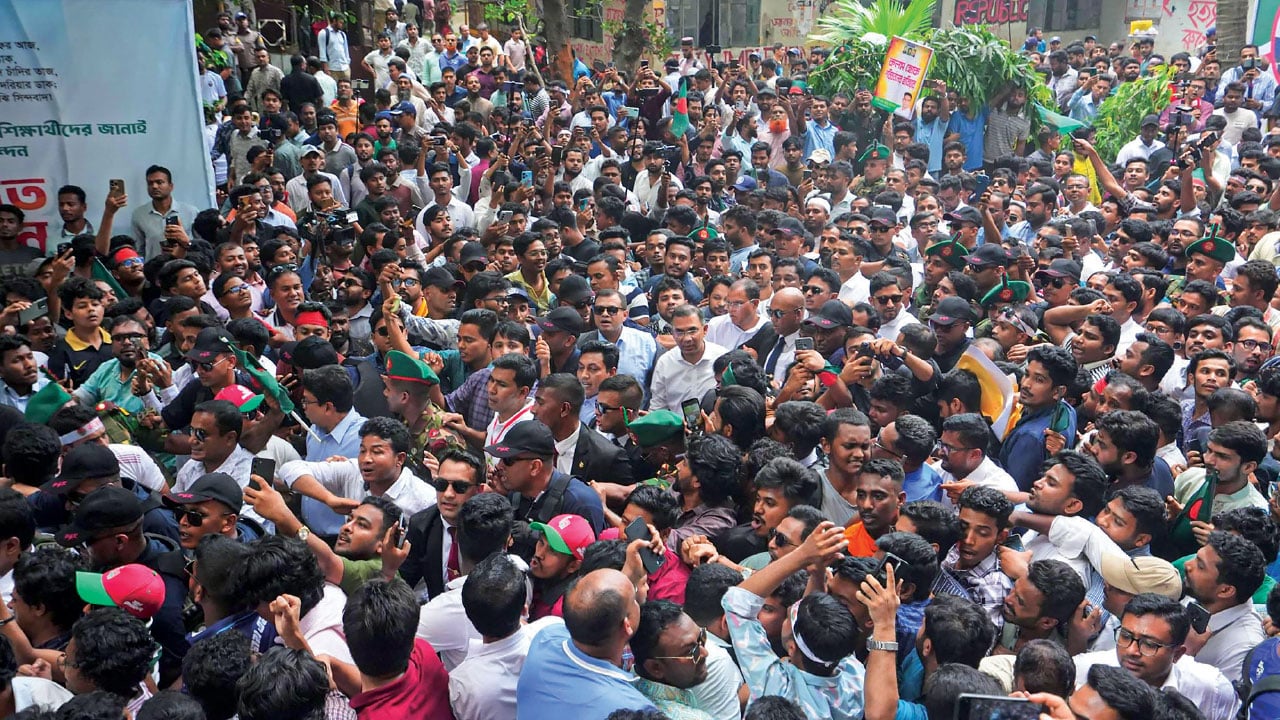
A recent column by Minar Rashid in *Amar Desh* highlights three major issues in Bangladesh’s political culture. The writer describes a recent incident at Dhaka University where the Prime Minister was surrounded by students during a visit, calling it a dangerous breach of security despite being an expression of affection. He argues that such emotional crowds can endanger national stability and that security advisers must strictly enforce safety protocols. The column also critiques a new wave of enthusiasm for Rabindranath Tagore among BNP leaders, calling it excessive and inconsistent with the party’s traditionally balanced approach to culture and religion. The writer contrasts Tagore’s romantic but unsuccessful agricultural ideas with former president Ziaur Rahman’s pragmatic agricultural reforms, urging BNP leaders to follow their founder’s model instead of symbolic cultural gestures. Finally, the piece discusses the current state of student politics, warning against calls for its total ban. It advocates for reform through strict codes of conduct, zero tolerance for violence, and regular student union elections to restore intellectual and democratic values in campus politics.
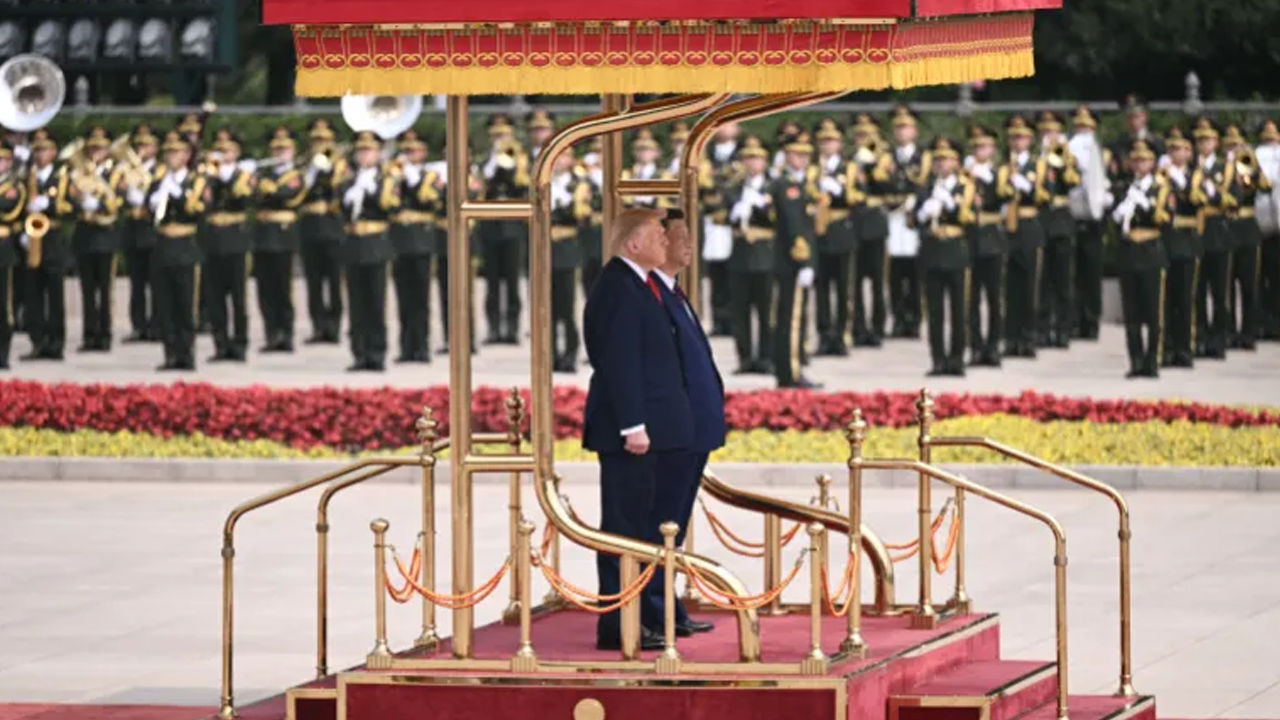
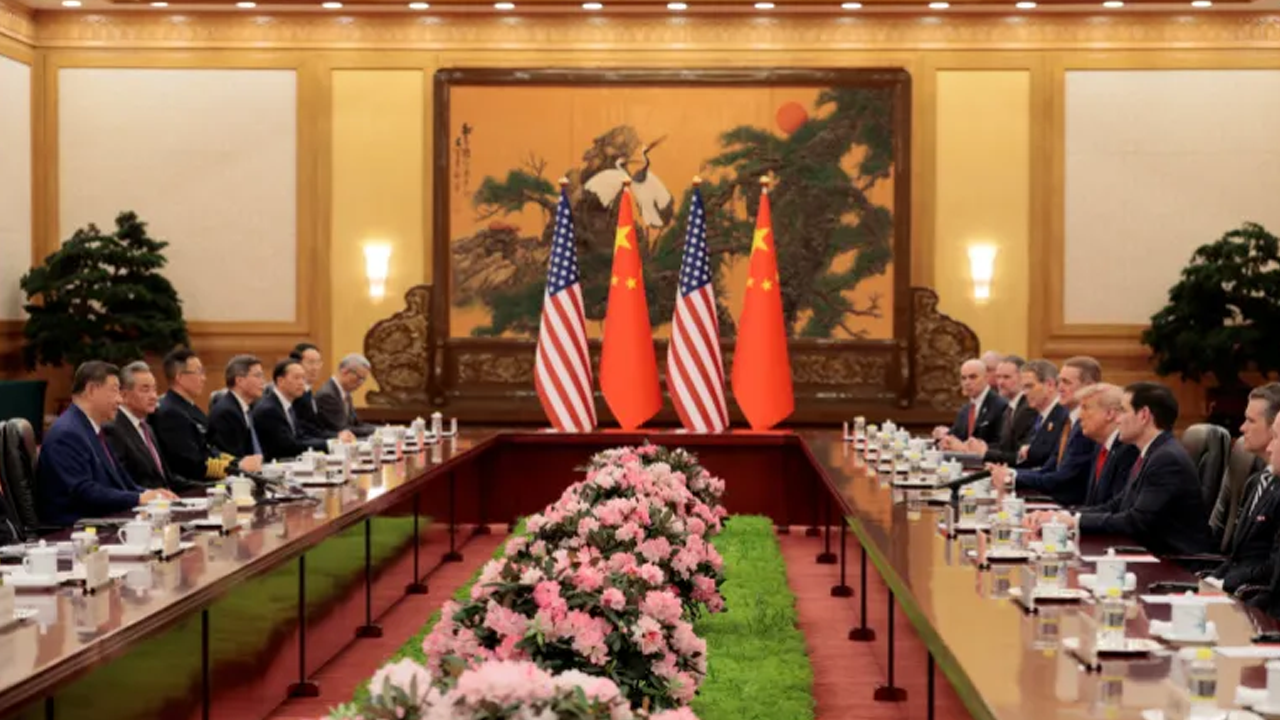
U.S. President Donald Trump’s visit to Beijing has been characterized by the White House as primarily business-oriented. While Chinese President Xi Jinping focused on the broader relationship between the two nations, Trump emphasized his personal rapport with Xi. According to related sources, both countries are close to forming a joint trade board that could initially serve as a policy commitment and later evolve into a mechanism for monitoring trade and resolving disputes. Potential agreements under discussion include China’s commitment to purchase U.S. agricultural products such as beef and soybeans, while China seeks access to buy Nvidia chips and Boeing aircraft. A key U.S. objective is to secure greater market access for American companies in China. To advance these goals, Trump brought influential business figures including Elon Musk of Tesla and Tim Cook of Apple as part of his delegation. Analysts view the visit as a major platform for advancing economic interests, though issues like Taiwan and other geopolitical complexities also remain part of the agenda.
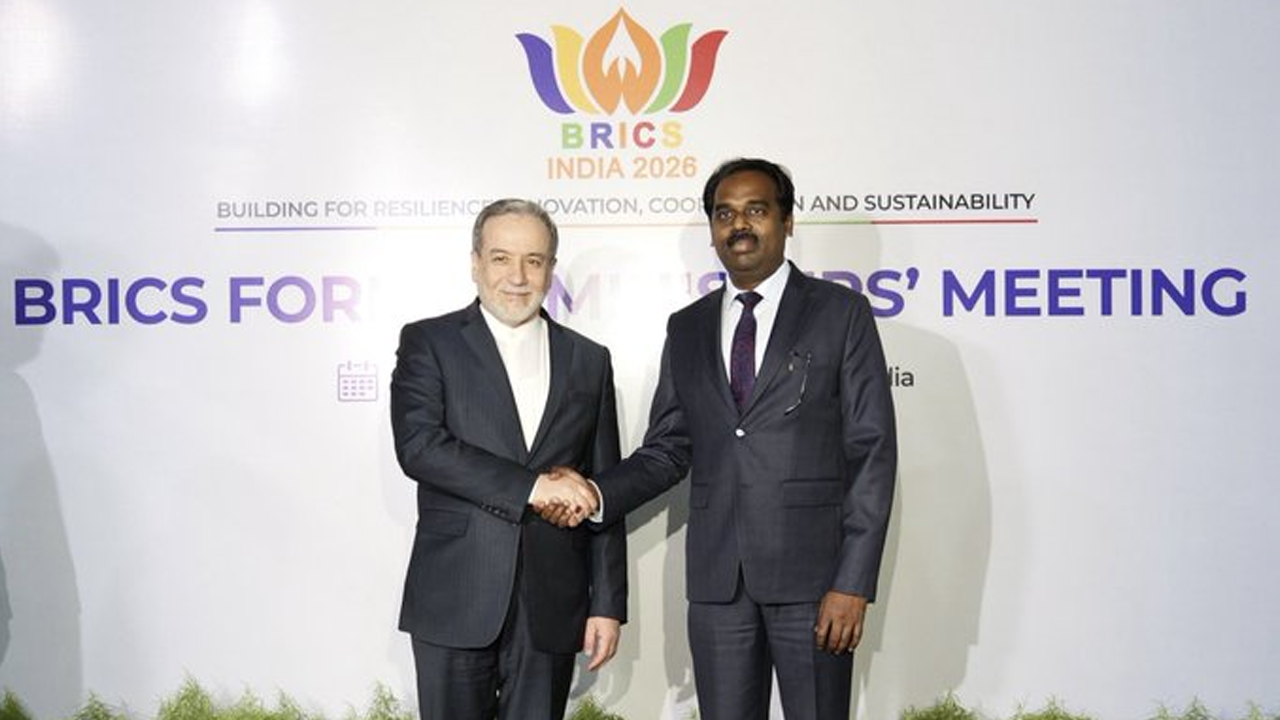
Iranian Foreign Minister Abbas Araghchi arrived in New Delhi late Wednesday to attend the BRICS foreign ministers’ meeting. The two-day session, scheduled for Thursday and Friday, is regarded as a key preparatory stage for the 18th BRICS Summit to be held in September, hosted by India. According to diplomatic sources, Araghchi will hold a bilateral meeting with Indian Foreign Minister S. Jaishankar and engage with other participating ministers and representatives on issues of mutual interest. The visit underscores active diplomatic coordination among BRICS members amid rising regional tensions. The meeting is expected to address global economic instability, energy security, and the future of multilateral cooperation, with a focus on forming a unified stance among member states. Diplomatic observers view this gathering as not only a routine consultation but also a platform for shaping future policy alignment within the BRICS framework.
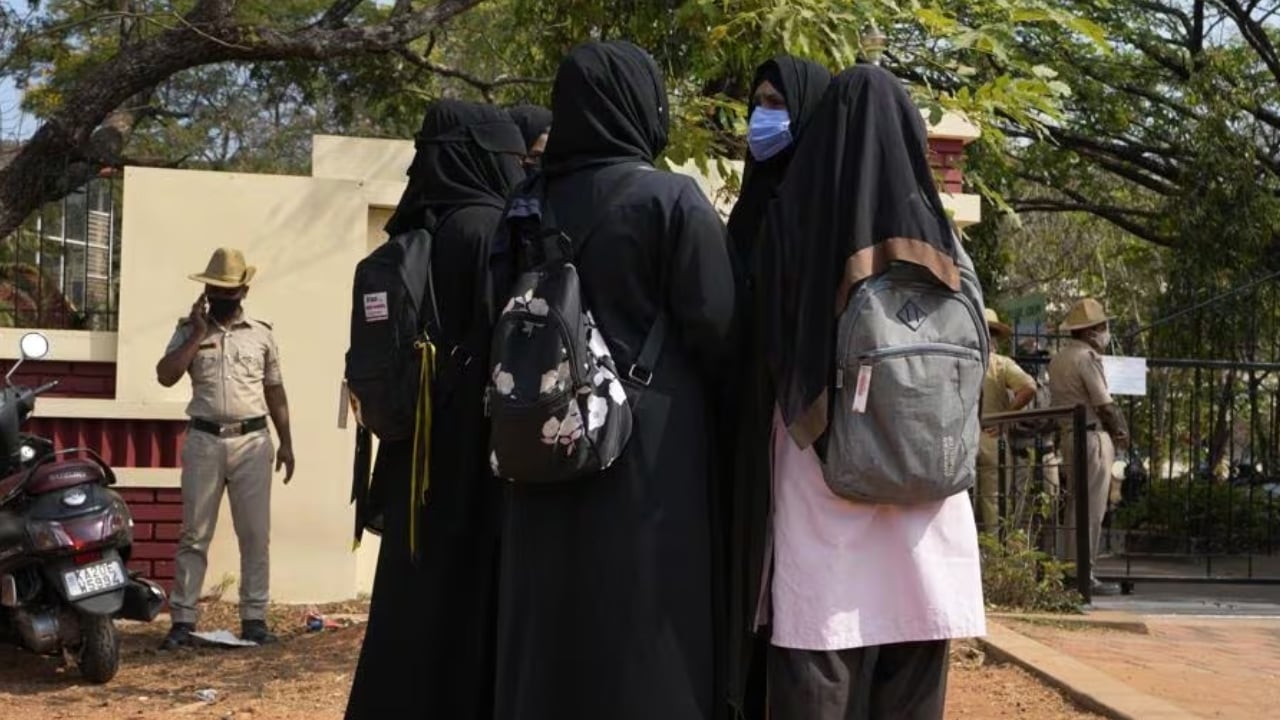
The Karnataka government has officially withdrawn the 2022 school uniform directive that had restricted the wearing of religious attire in classrooms. Under the new order issued by the state’s education department, students in government, aided, and private institutions will be allowed to wear limited religious symbols such as hijabs, sacred threads, or rudraksha beads along with prescribed uniforms. The directive emphasizes that uniforms remain mandatory and that religious symbols must not disrupt discipline, safety, or student identification. The earlier 2022 directive, introduced by the then Bharatiya Janata Party (BJP) government, had effectively banned religious clothing in classrooms, sparking widespread protests, legal challenges, and national debate, particularly over Muslim students being barred from classes for wearing hijabs. Although the Karnataka High Court upheld the ban, the matter later reached the Supreme Court. The current Congress-led government under Chief Minister Siddaramaiah had previously indicated plans to review the policy. The formal withdrawal marks a reversal of the earlier stance. BJP legislator Bharath Shetty reacted by saying that if hijabs are permitted, Hindu students should also be allowed to wear saffron scarves.
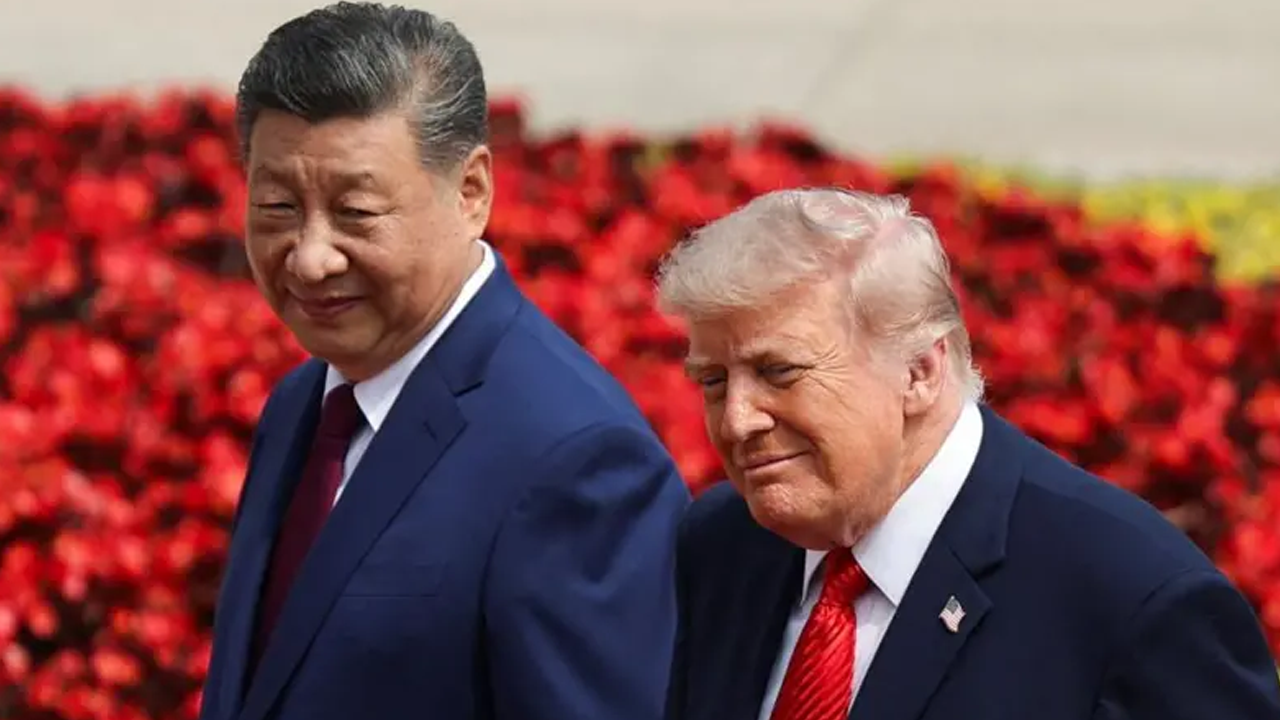
Chinese President Xi Jinping delivered a firm message to U.S. President Donald Trump during a high-level meeting in Beijing, identifying the Taiwan issue as the most critical factor in China–U.S. relations. According to China’s state news agency Xinhua, Xi stated that proper handling of the Taiwan question could ensure stable bilateral ties, but mismanagement might lead to major confrontation and jeopardize the entire relationship. Xi emphasized that Taiwan’s independence and peace across the Taiwan Strait are fundamentally incompatible, comparing them to fire and water that cannot coexist. Analysts cited in the report described Beijing’s strong tone as highly significant amid rising geopolitical tensions between the two powers. The report noted that China consistently warns the United States over its arms support and diplomatic stance toward Taiwan, which Beijing considers an inseparable part of its territory. Xi’s remarks signaled that China maintains a firm, non-flexible position on the Taiwan issue.
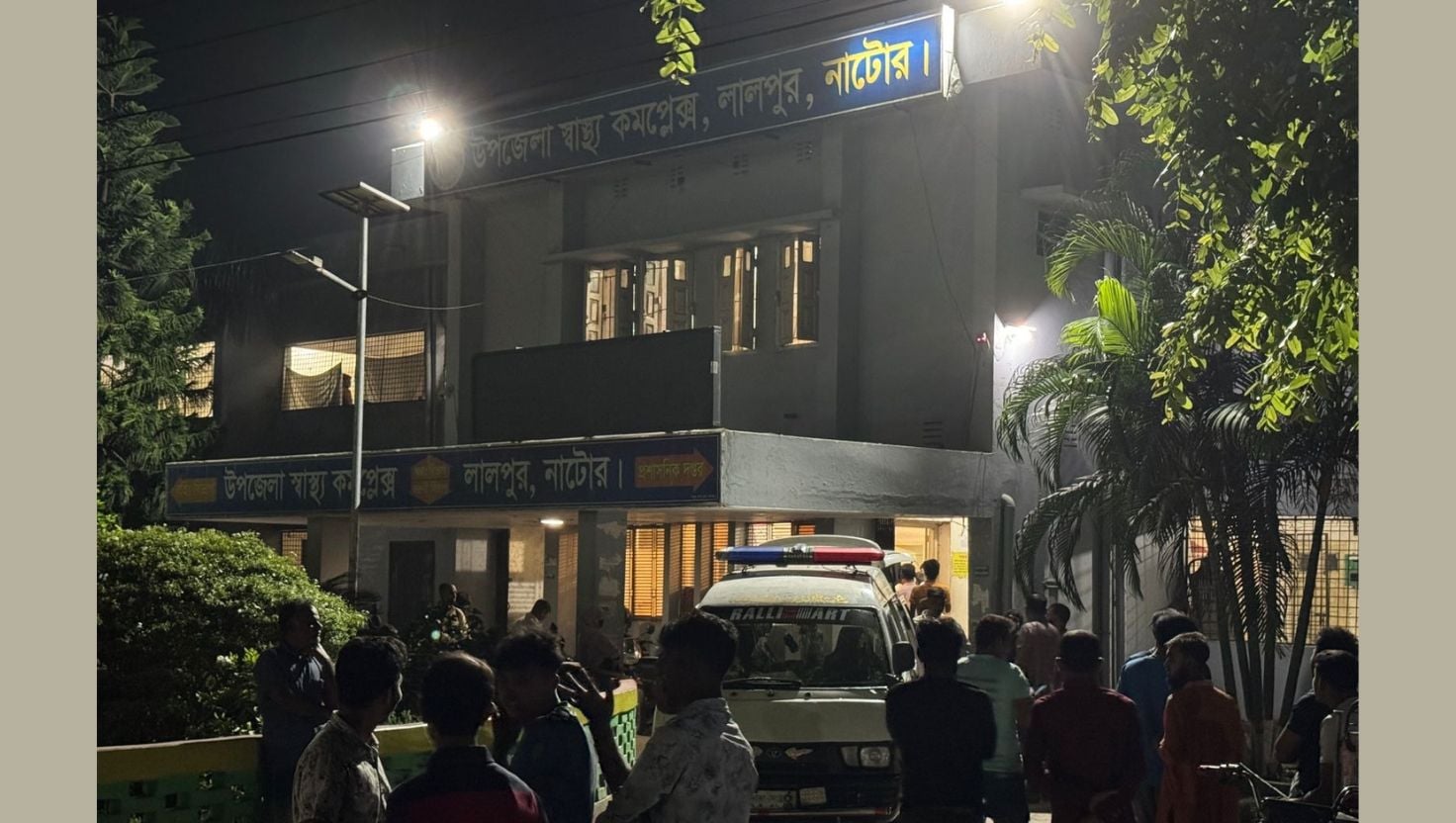
An elderly man named Mostafa was killed after being struck by an autorickshaw in Lalpur upazila of Natore on Wednesday evening. The accident occurred around 7 p.m. in the Palideha area on the Lalpur-Ishwardi regional highway, in front of Rajan’s CNG garage. Mostafa, son of the late Shoimuddin Pramanik from Armbaria village in Ishwardi upazila, was crossing the road when the autorickshaw heading toward Lalpur hit him. Local sources said that Mostafa was returning home from his son Rajan’s CNG workshop when the collision took place. He was seriously injured and taken to Lalpur Upazila Health Complex, where the on-duty doctor declared him dead. Lalpur Police Station Officer-in-Charge Shafiqul Islam confirmed the incident, stating that the body has been kept at the hospital and will be handed over to the family after legal procedures are completed.
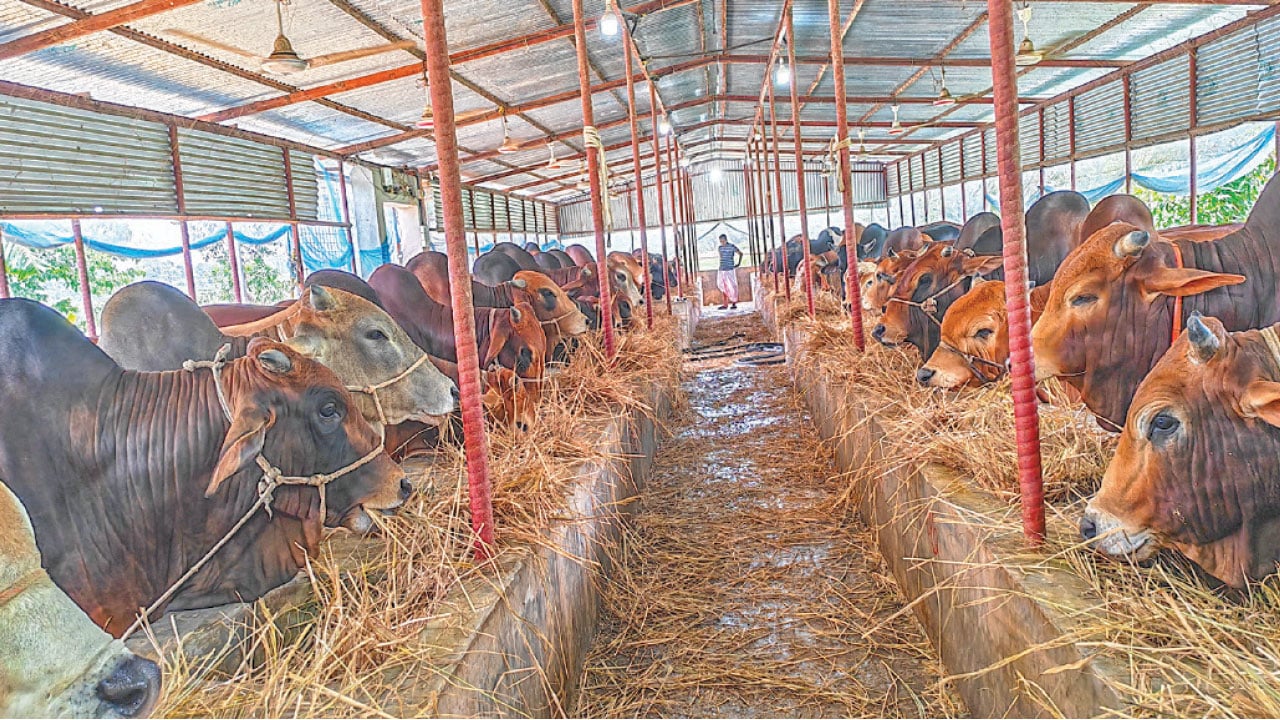
Ahead of Eid-ul-Azha, livestock farms in Cumilla are experiencing a busy season with 259,752 animals prepared for sacrifice, exceeding the district’s demand of 247,586 by about 12,300. Farmers expect fair prices this year as authorities have intensified monitoring to prevent the entry of Indian cattle. The Department of Livestock confirmed that local animals will meet demand in Cumilla and nearby districts, with surplus stock available for supply to other regions. Farmers are using natural fattening methods and offering local as well as Brahma, Friesian, and Sahiwal breeds. Some have invested from one to over two million taka. However, traders have reported robbery and extortion risks on highways, prompting calls for stronger security. District officials said 430 permanent and temporary cattle markets will operate, with special measures to prevent counterfeit money and ensure safety. Border Guard Bangladesh, police, and district administration have strengthened surveillance along the 106-kilometer border to block illegal cattle entry. Additional highway patrols have been deployed, especially at night, to protect livestock transport and maintain market stability.
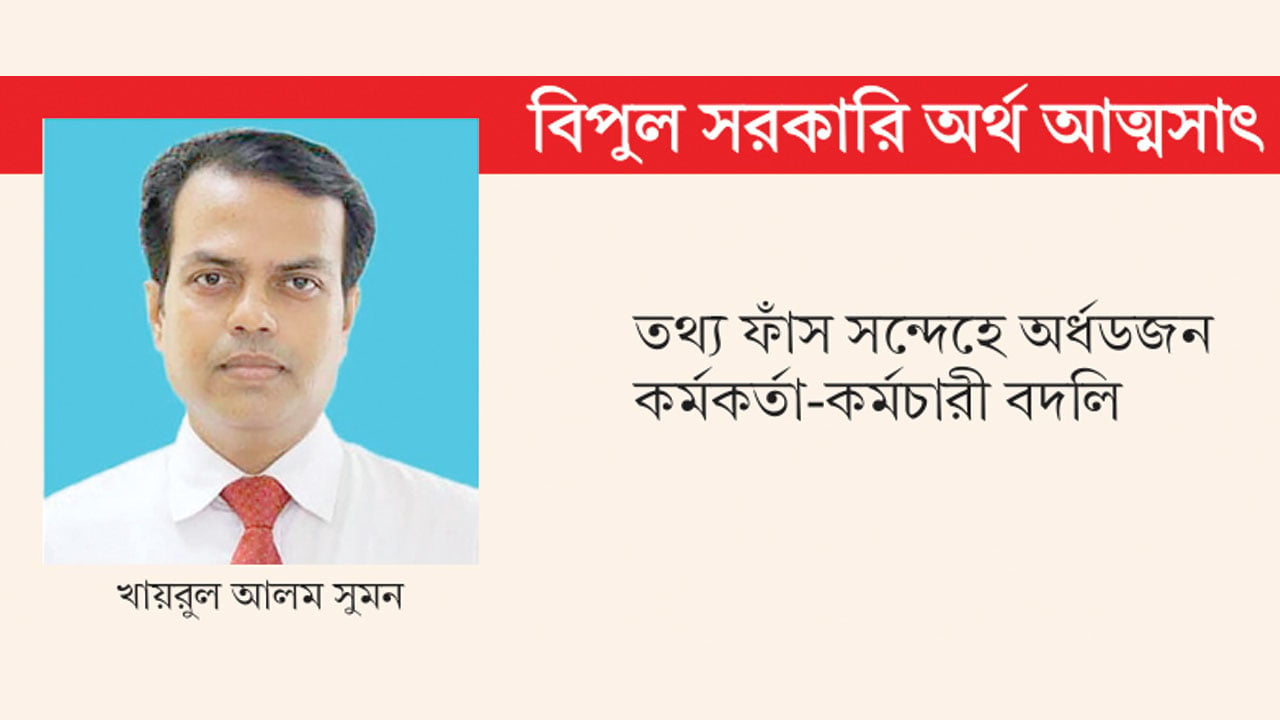
A week after a report by the newspaper Amar Desh alleged large-scale embezzlement of government funds by Barishal Deputy Commissioner (DC) Khairul Alam Suman during the 13th parliamentary election, no investigation committee has yet been formed by the ministry, and the DC remains in his position. The report has sparked widespread discussion across the district and the country. Several officials from the DC’s office have reportedly been transferred on suspicion of leaking information about the alleged corruption. According to multiple unnamed sources, various agencies have begun collecting documents and information related to the allegations, and senior representatives have been discreetly visiting Barishal to speak with relevant individuals. The Barishal Divisional Commissioner, Khalil Ahmed, confirmed that different agencies and ministries are seeking information on the matter but said any formal action would come from the ministry. Meanwhile, intelligence agencies have reportedly been inquiring about Amar Desh’s Barishal reporter Nikunja Bala Palash, who authored the original story. The transfers have created unrest within the DC office, with several employees reassigned to other departments or upazilas. Some officials view these moves as retaliatory, though the Divisional Commissioner said he was unaware of the transfers.
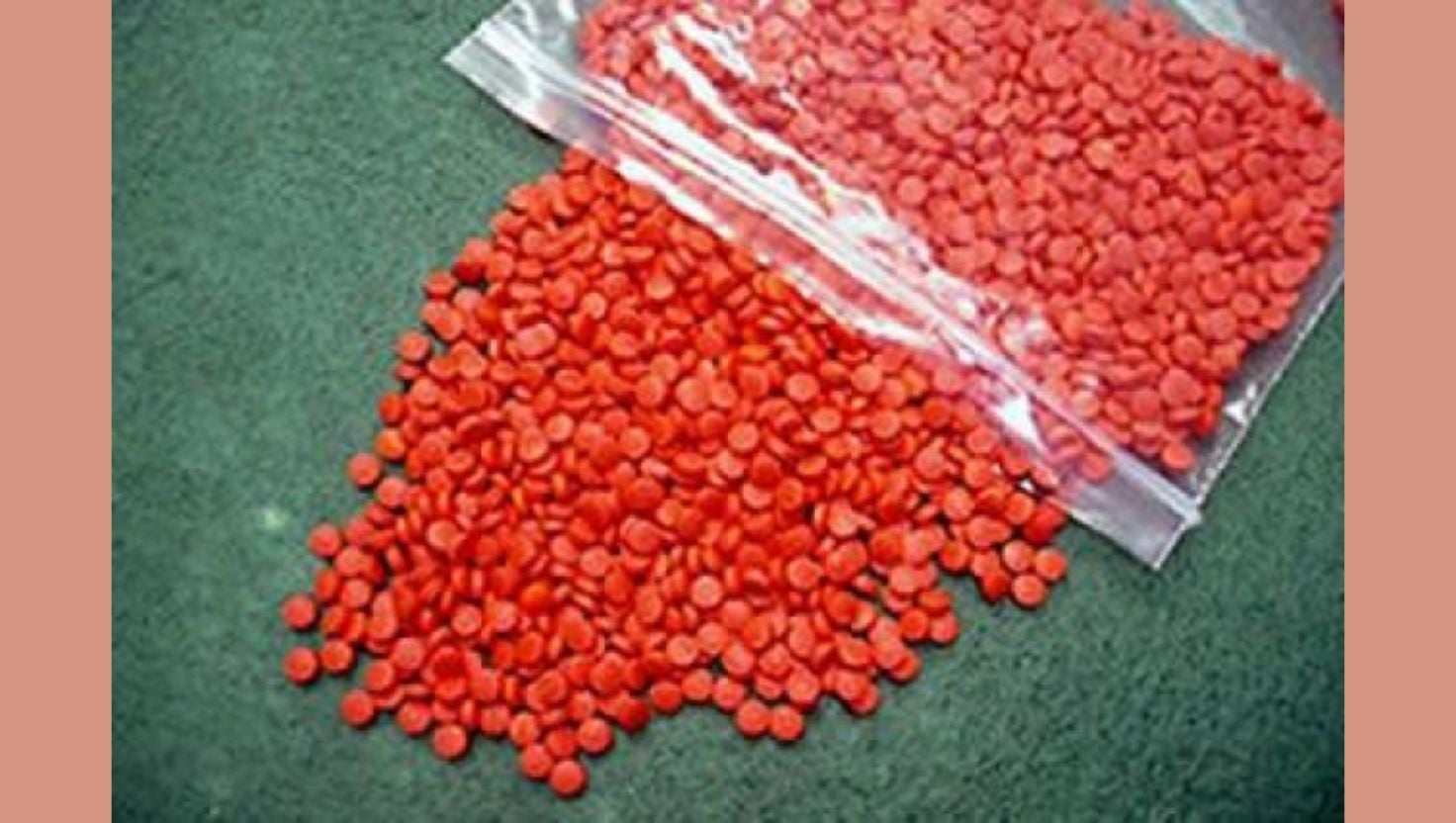
Police in Ramu upazila of Cox’s Bazar seized 100,000 yaba pills during a raid at West Bomangkhil village in Gojonia Union. The operation, conducted around 11 a.m. on Wednesday, was led by Anisur Rahman, in-charge of the Gojonia police outpost, with Sub-Inspector Jewel Chowdhury and his team. The drugs were recovered from the house of Sohel, son of local resident Nurul Amin, who allegedly ran drug operations under the guise of motorcycle transport. Sohel managed to flee before police could detain him. According to police, the seized yaba pills have been taken into custody, and legal proceedings are underway. Local sources said the Gojonia and Kachhapia areas have long been known for yaba trafficking. Residents claimed this is the largest yaba consignment ever recovered by police in the region. Authorities are continuing efforts to locate the fugitive suspect and pursue further legal action based on the recovered narcotics.
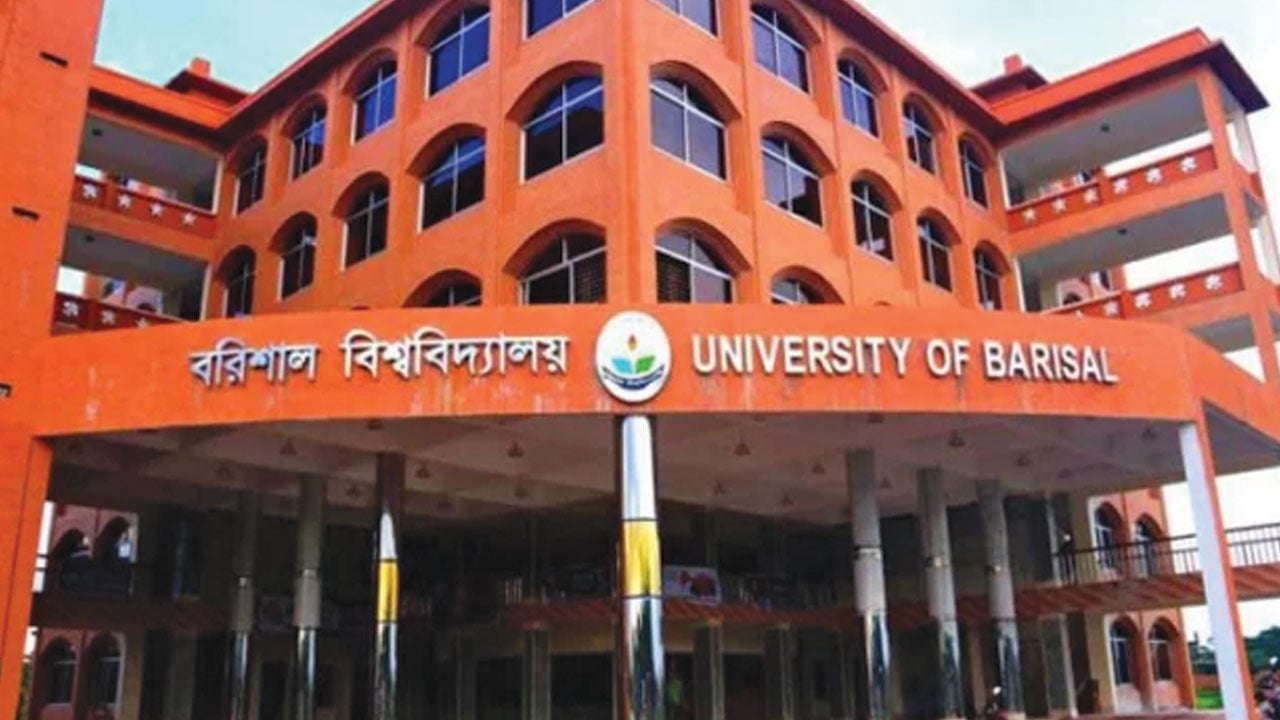
Teachers at Barishal University continued a shutdown for the third consecutive day on Wednesday as part of their ongoing protest demanding promotions. The movement has brought classes, exams, and administrative activities to a standstill. Allegations have surfaced that some pro-Awami League teachers are leading the agitation, with reports linking them to a 2024 meeting supporting Prime Minister Sheikh Hasina’s government. The protest, which began on April 21, resumed on May 11 after a brief pause. Due to the shutdown, at least 32 final exams have been postponed, and most have yet to be rescheduled, causing frustration among students. Some departments have also faced restrictions on lab use, and the university football team missed a scheduled match due to administrative offices being locked. University authorities have called for dialogue to resolve the crisis. The vice-chancellor stated he is ready to meet the teachers and, if necessary, take steps to reopen offices. However, the protesting teachers remain firm in their stance, and uncertainty continues over when academic activities will resume.
When Donald Trump returned to the White House in January 2025, many international relations analysts expected him to adopt a hardline stance toward Beijing. Contrary to those expectations, his approach has shown notable flexibility, surprising observers. Australian academic Nick Bisley told Al Jazeera that while many anticipated Trump would pressure China, his actions have not matched that assumption. Despite the unresolved war situation with Iran, Trump’s visit to Beijing is being viewed as highly significant. According to Bisley, this trip indicates that China remains a top priority in Trump’s foreign policy agenda. Earlier in the year, Trump had imposed tariffs of up to 145 percent on Chinese imports, nearly pushing bilateral ties to the breaking point. Both sides later eased their positions. Trump has claimed that U.S.–China relations will become “better than before.” Analysts believe Washington’s current focus on stability and improvement in relations could have major implications for global political balance.
The ‘1 Nojor’ media platform is now live in beta, inviting users to explore and provide feedback as we continue to refine the experience.