

The ‘1 Nojor’ media platform is now live in beta, inviting users to explore and provide feedback as we continue to refine the experience.
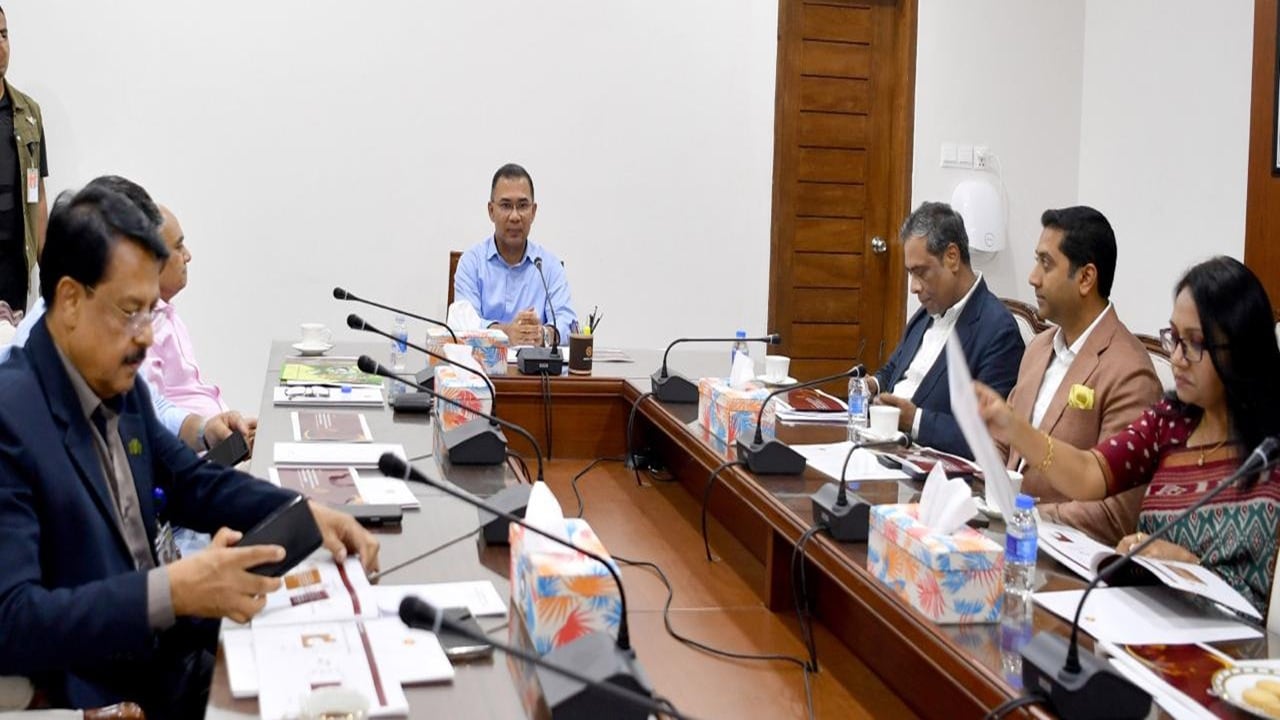
Prime Minister Tarek Rahman has directed officials to take effective measures to protect the rights of persons with disabilities and ensure essential services for them. He emphasized the importance of inclusive infrastructure, education, and healthcare facilities to build an inclusive society. The directives were issued during a meeting at the Prime Minister’s Office in the Bangladesh Secretariat on Wednesday, which focused on identifying actions to safeguard disability rights and improve services. During the meeting, ministers highlighted challenges faced by persons with disabilities, including limited access and inadequate facilities. The Prime Minister instructed that all public and private buildings, including hospitals and restaurants, must ensure accessibility features such as suitable toilets and doorways for wheelchair users. He also ordered that planned electric buses for women include facilities for persons with disabilities and called on the Information Ministry to promote awareness programs and inclusive media content. The meeting decided to launch the “Shishu Swarg” project in 10 upazilas across 10 districts to provide health and rehabilitation services for children with special needs. The Prime Minister also directed authorities to review the operations of disability schools and include special-needs children in the “Notun Kuri Sports” competition.
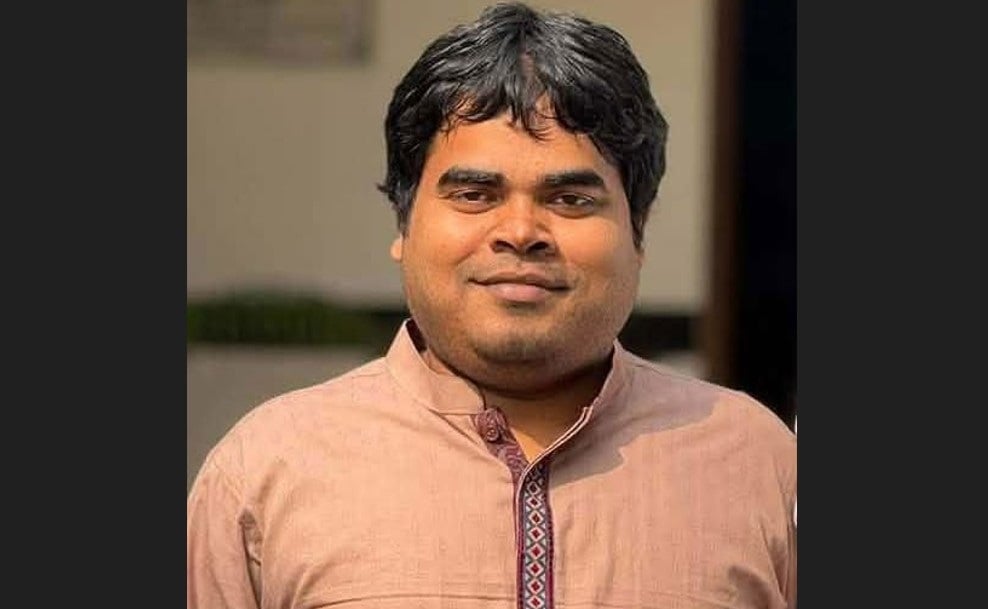
Bashir Ahmed, a teacher at Khulna Agricultural University’s Fish Health Management Department, is being promoted from lecturer to assistant professor. He previously gained attention for calling Tarique Rahman the godfather of terrorism and demanding his trial and execution. Bashir received a letter on Thursday, May 14, inviting him to participate in an evaluation organized by the university’s selection committee. Campus sources reported anger among teachers, students, and staff following news of the promotion. Critics claim Bashir was initially appointed under the Chhatra League quota and that his recruitment and departmental transfer violated university policy. They allege he joined a non-technical department despite holding a master’s degree in a technical subject, later transferring to his current department with administrative help to legitimize the appointment. Acting registrar Rezaul Islam said his role was limited to administrative duties and that the selection committee is responsible for assessing candidate qualifications. Attempts to contact Bashir Ahmed for comment were unsuccessful.
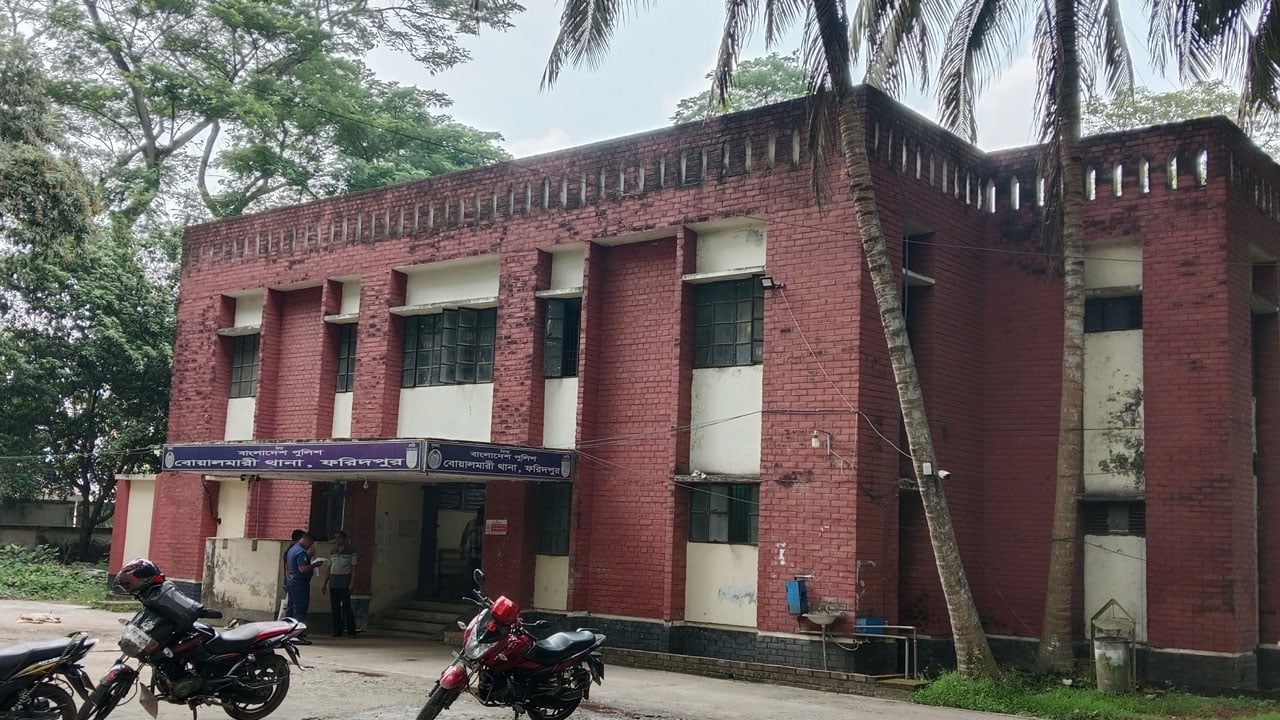
A driver was killed when a Nasimon overturned in Dadpur Union of Boalmari upazila, Faridpur, on Wednesday afternoon. The accident occurred in front of Kundardia Madhyapara Jame Mosque. The deceased was identified as Sohag Molya, 17, son of Kamal Molya from Amritnagar village in Gunbaha Union. One passenger was also injured in the incident. According to local sources, Sohag was transporting biscuits and juice from Sadhan Kumar Saha’s Messrs Saha Store dealer point in Boalmari municipal market to supply to various shops. As the vehicle reached near the mosque, it lost control and overturned, leaving Sohag critically injured. He died on the way to the hospital. Police visited the scene after receiving information, and legal procedures are underway. Authorities have not yet provided further details about the condition of the injured passenger or the cause of the loss of control.
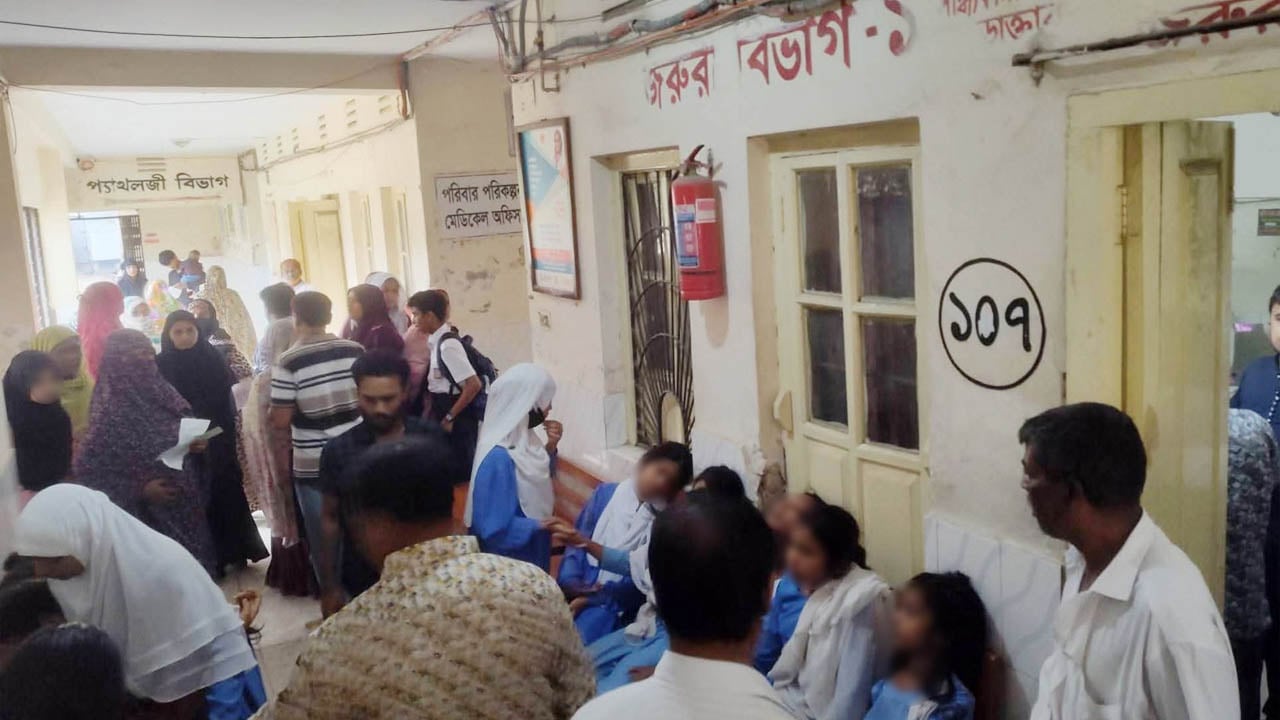
At least 50 to 60 students of Muladuli High School in Ishwardi upazila, Pabna, fell ill on Wednesday afternoon after a suspected toxic gas or chemical exposure in a classroom. The incident occurred during class hours in the girls’ section, prompting teachers to rush the affected students to Ishwardi Upazila Health Complex. Doctors confirmed that all students are now out of danger and receiving treatment. According to school sources, the incident began when a sixth-grade student entered the classroom with a small container that later broke on the floor, releasing a strong odor. Soon after, many students experienced headaches, breathing difficulties, weakness, vomiting, and convulsions. Fire service officials suggested that a pungent or toxic gas might have caused the reaction, though investigations are ongoing to determine the exact cause. Local administration, health officials, and fire service teams are jointly investigating the incident. Lawmaker Professor Abu Taleb Mondal visited the hospital and instructed authorities to prioritize the students’ recovery and uncover the cause of the poisoning.
A proposed $1.5 billion Trump International Hotel and Tower project on Australia’s Gold Coast has been cancelled after relations between local developer Altus Property Group and the Trump Organization deteriorated. Altus executive David Young announced on LinkedIn that his firm had withdrawn from the project, citing the Trump brand’s increasingly negative image among Australians due to U.S. military posturing around Iran and global tensions. He described the decision as purely business-related and denied any personal conflict with the Trump family. The Trump Organization responded by accusing Altus of failing to meet basic financial obligations despite months of discussions and repeated promises. The project, planned for Surfers Paradise in Queensland, was still listed on Altus’s website with claims of preliminary approval and an August construction start. However, Gold Coast Mayor Tom Tate confirmed that no formal application had been submitted to the city council. Griffith University’s Professor Paul Burton noted that many ambitious tower projects in the region have stalled before construction, emphasizing that while AI can generate attractive designs, real-world financing and credibility remain decisive challenges.

Severe flooding has hit Haluaghat upazila in Mymensingh following heavy rainfall and flash floods from the Indian Garo Hills. Rising water levels in local rivers have inundated several unions, leaving thousands of residents trapped and causing extensive damage to homes and farmland. The situation worsened after continuous overnight rain caused the Menongchari River in India to overflow into Bangladesh’s Boraghat River, breaching embankments and flooding nearby villages. At least six villages in Gazirvita Union are reported to be underwater, with crops such as boro paddy, peanuts, maize, and other seasonal produce submerged. Farmers fear severe losses if the water does not recede soon. Residents said the water rose rapidly overnight, forcing many to move belongings to higher ground as homes were flooded and daily life disrupted. Flood pressure is reportedly highest in Kaliyani Kanda and Boalmara areas, where roads are submerged and communication severely hampered. Attempts to reach the Haluaghat Upazila Nirbahi Officer for comment were unsuccessful.
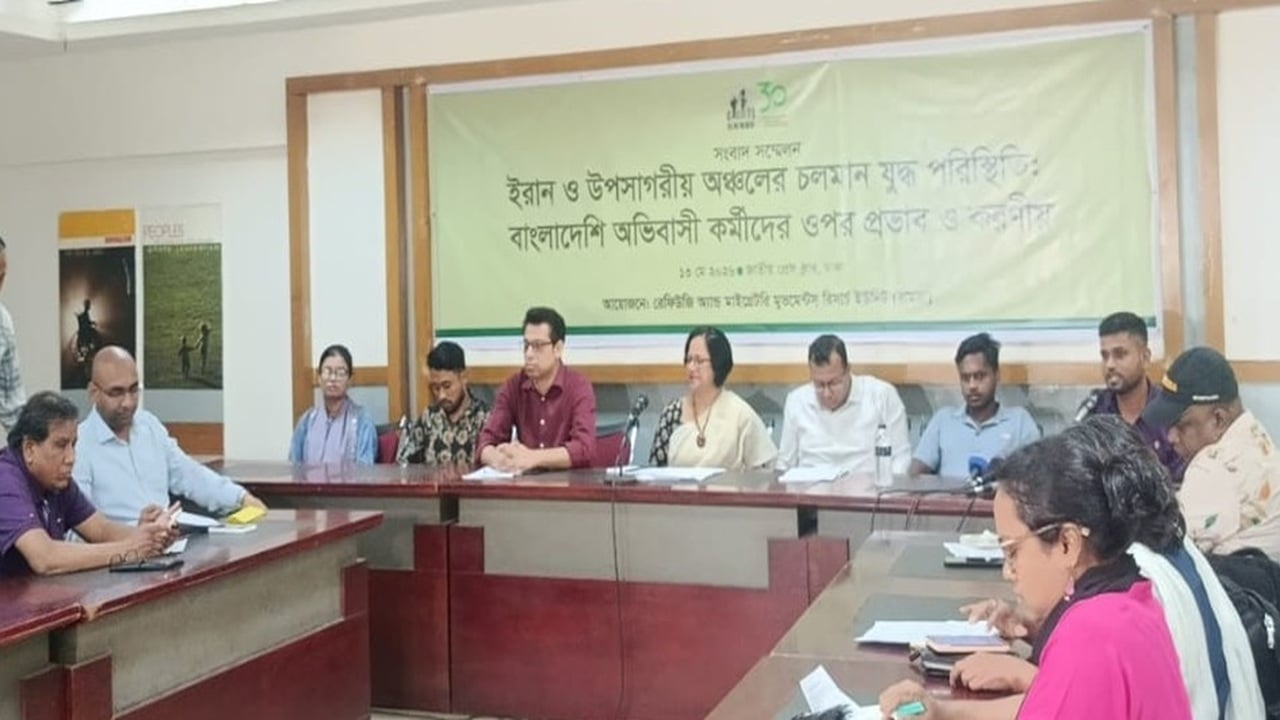
The Refugee and Migratory Movements Research Unit (RMMRU) has warned that around two million Bangladeshi expatriates in the United Arab Emirates could face serious livelihood risks if the ongoing war in the Middle East continues. The warning was issued at a press conference held at the National Press Club on Wednesday, where RMMRU presented a report titled “The Ongoing War Situation in Iran and the Gulf Region: Impacts and Actions for Bangladeshi Migrant Workers.” According to the report, the conflict has already disrupted business activities across the Gulf region, causing uncertainty in the labor market. Declining investor confidence, rising costs, and infrastructure damage could halt projects and eliminate expected employment opportunities. The report also noted that disruptions in mobility have created a secondary crisis in the recruitment process, leading to disputes between agents and prospective workers over recruitment costs. RMMRU highlighted the absence of a crisis response fund or real-time monitoring system to address job losses, forced returns, or stranded migrants. Dr. Tasneem Siddiqui, RMMRU’s founding chair, emphasized the need for new labor markets, skill development, language training, and modernization of the education system to adapt to long-term global labor market changes.
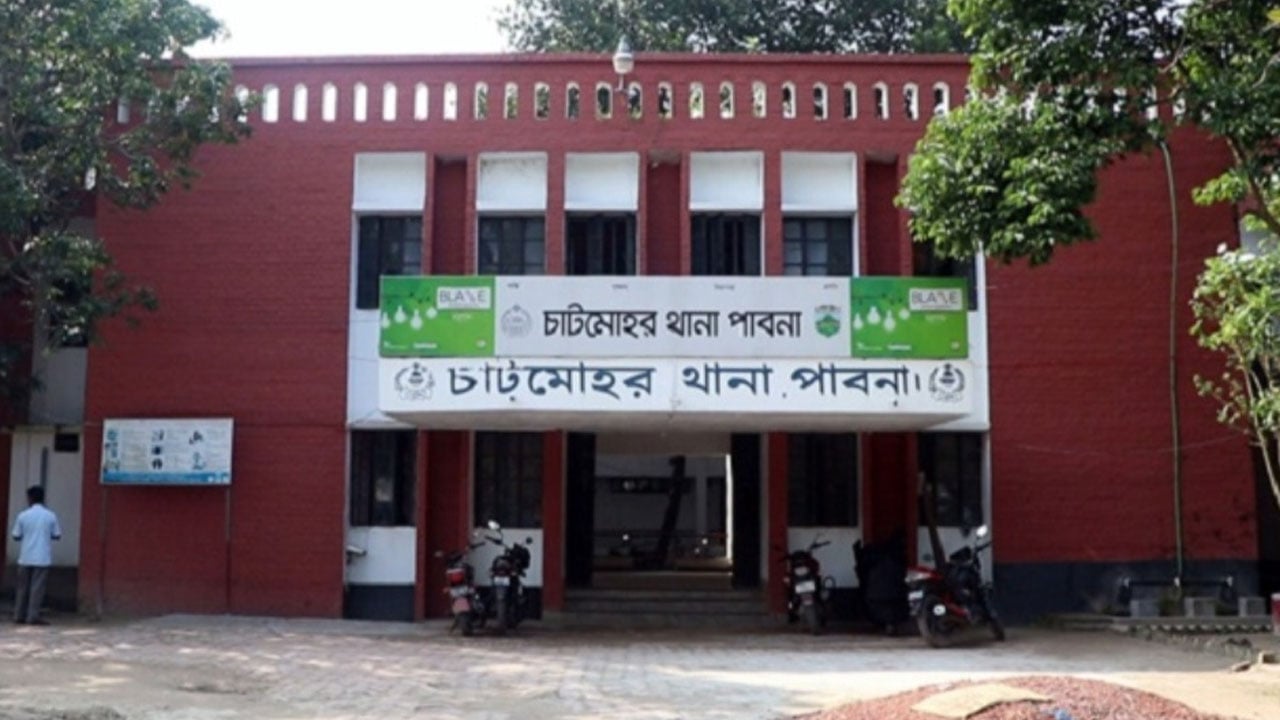
A farmer was killed by lightning in Maheshpur village of Chatmohar upazila, Pabna, on Wednesday afternoon. The victim, identified as Robban Ali, aged 60, was a resident of Sahapur village under Mulgram Union. The incident occurred while he was working in a jute field during a storm. According to local Union Parishad member Anwar Hossain, Robban Ali had gone to the field to clear weeds when a nor’wester accompanied by lightning began. As he attempted to return home amid the storm, he was struck by lightning and died on the spot. The death was later confirmed by the upazila social services officer and the union administrator, Sohel Rana. Authorities have verified the incident, and local sources confirmed that the death occurred in the field area during the storm.
A deadly clash broke out on Tuesday afternoon in Alinagar village of Dirai upazila, Sunamganj, between supporters of BNP leader Shahdeep Member and Jubo League leader Abdul Muhit. The confrontation, reportedly triggered by longstanding political rivalry and dominance disputes, left one person dead and at least 35 others injured. The deceased, identified as 27-year-old Ratan Mia, was a supporter of Shahdeep. Police arrived at the scene and brought the situation under control. According to local sources, Shahdeep, who serves as the general secretary of the Bhattipara Union BNP and a union parishad member, had been in conflict with Abdul Muhit, the general secretary of the Alinagar Ward No. 2 Jubo League, over political influence. The tension escalated after an earlier incident a week ago. The clash erupted when Muhit and his associates allegedly assaulted Shahdeep on his way from Bhattipara Bazar to Alinagar, prompting retaliation from Shahdeep’s supporters. Several of the injured were taken to Dirai Upazila Health Complex, while six critically wounded individuals were transferred to Sylhet Osmani Hospital. Police reported that the area is now calm and said action will be taken upon receiving complaints.
Former Gana Odhikar Parishad general secretary and current BNP leader Muhammad Rashed Khan made sharp comments about National Citizen Party (NCP) leader Nasiruddin Patwari on Wednesday, May 13, 2026. In a social media post, Rashed Khan criticized Patwari for previously attacking Jamaat-e-Islami and now aligning with the same group while criticizing the BNP. In his post, Rashed Khan alleged that Patwari had once called Jamaat-e-Islami hypocritical, accused it of exploiting religion, and claimed its political ideology opposed Bangladesh’s independence and national spirit. He questioned how Patwari could now cooperate with Jamaat after such statements. Rashed Khan further mocked Patwari, suggesting that his behavior required a drug test and medical attention. The post also mentioned that Patwari now identifies as Jamaat-leaning and claims to have been associated with Islami Chhatra Shibir, which Rashed Khan disputed, saying he had seen Patwari involved with leftist politics on campus.
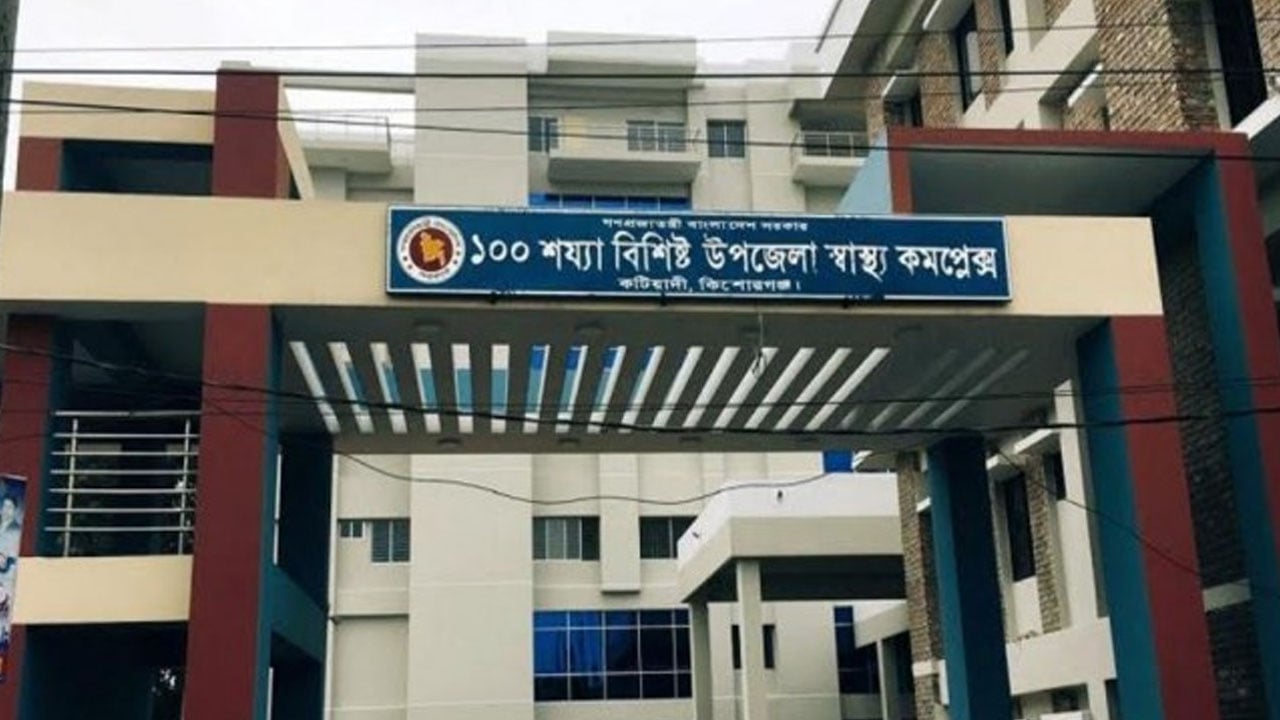
A three-year-old child drowned in a water-filled pit in Nagergram village under Bongram Union of Katiadi upazila in Kishoreganj on Wednesday morning. The incident occurred around 9:30 a.m. when the child, identified as Md. Chand Mia, son of Md. Asad Mia, accidentally fell into the pit near their home. Family members later found him in the water and rushed him to the Katiadi Upazila Health Complex, where doctors declared him dead. According to the residential medical officer of the health complex, Md. Isha Khan, the child had already died before being brought to the hospital. The tragic incident has caused deep sorrow in the local community. No further details about the circumstances of the accident or any official investigation were mentioned in the report.
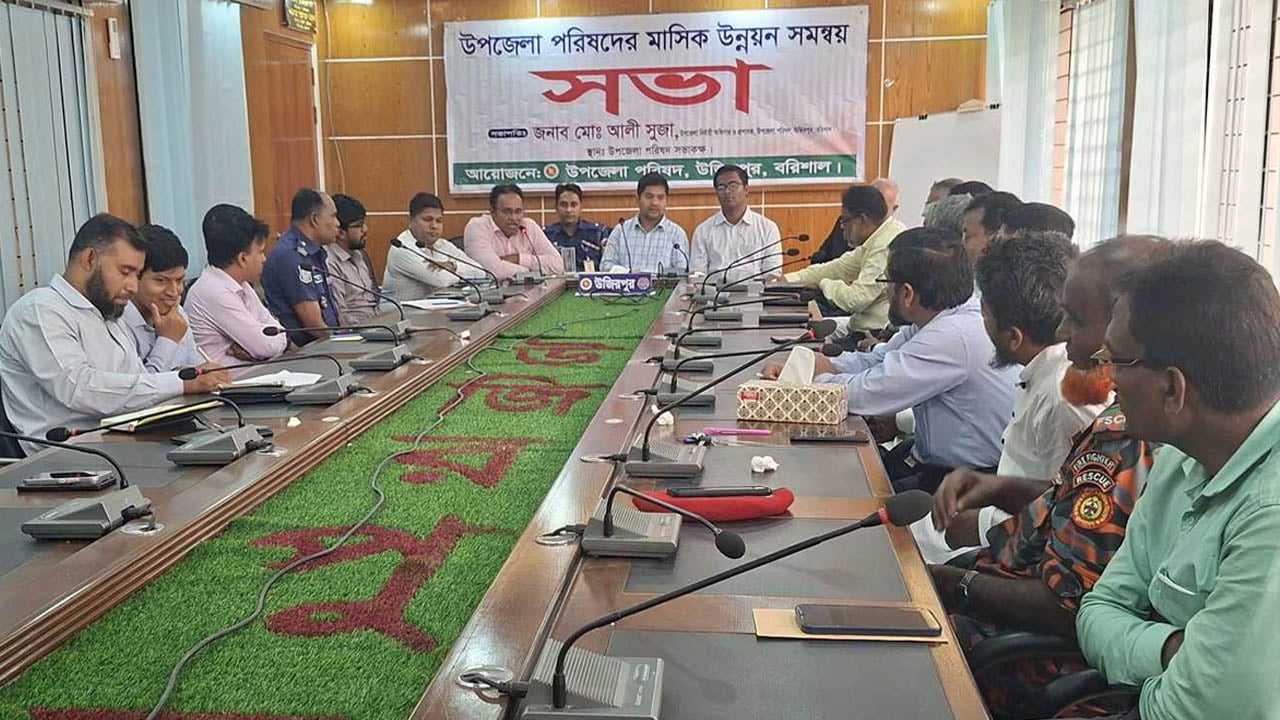
Authorities in Uzirpur upazila of Barishal have decided to prohibit the sale of harmful steroids without a doctor’s prescription ahead of the upcoming Eid-ul-Azha and the seasonal livestock markets. The decision was taken during a monthly development and law and order meeting held at the upazila parishad conference room on Wednesday morning, chaired by Upazila Nirbahi Officer Md. Ali Suja. The meeting stated that the restriction aims to prevent misuse of steroids and other drugs used for fattening sacrificial animals, which pose health risks to humans. Officials warned that legal action would be taken against anyone violating the directive. The administration also announced strict measures to ensure that only genuine farmers can supply paddy under the government’s Boro rice procurement program, warning against political or illegal interference. Officials from various departments, law enforcement, and local representatives attended the meeting, where participants also called for collective efforts to make Uzirpur free from drugs, terrorism, and extortion.
A Dhaka court has ordered the arrest of former Home Secretary Jahangir Alam in connection with the murder of van driver Ripon during the July uprising-related anti-discrimination movement. The order was issued on Wednesday by Dhaka Metropolitan Magistrate Nazmin Akter, confirmed by Sub-Inspector Anup Kumar Das of the prosecution division. According to the case details, Ripon participated in the 'Long March to Dhaka' program on August 5, 2024, under the Kotwali police station area as part of the anti-discrimination movement. He was shot that day and died two days later, on August 7, while undergoing treatment at a hospital. His wife, Shamima Akter Ruma, filed a murder case at Kotwali police station on August 28 of the same year. The court’s decision marks a new development in the ongoing investigation into the violent incidents surrounding the 2024 anti-discrimination protests in Dhaka.
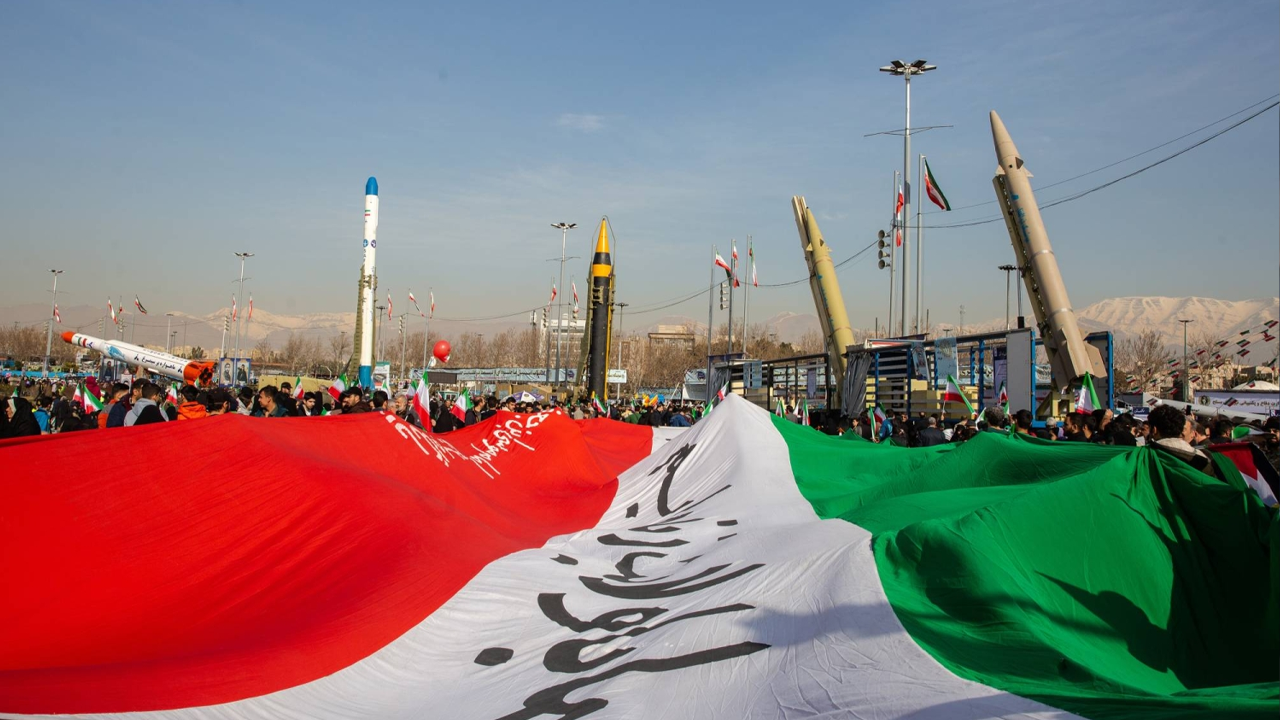
A new US intelligence assessment has found that Iran has regained operational control over most of its missile bases, mobile launchers, and underground facilities, contradicting public claims by President Donald Trump’s administration that Iran’s military power was destroyed. The report states that 30 of Iran’s 33 missile bases near the Strait of Hormuz are now functional, allowing potential threats to US warships and oil tankers in the region. According to the assessment, Iran retains about 70 percent of its mobile missile launchers and prewar missile stockpiles, including both ballistic and cruise missiles. Nearly 90 percent of its underground missile storage and launch centers have also returned to partial or full operation. These findings challenge earlier statements by Trump and Defense Secretary Pete Hegseth, who had asserted that Iran’s military capability was shattered by US-Israeli operations. The report also notes that the US military has depleted significant missile reserves during the conflict, using over 1,100 long-range stealth cruise missiles, more than 1,000 Tomahawks, and 1,300 Patriot interceptors. Analysts warn that replenishing these arsenals could take years, and renewed conflict with Iran could heighten both military and economic pressure on the US while destabilizing global energy markets reliant on the Strait of Hormuz.
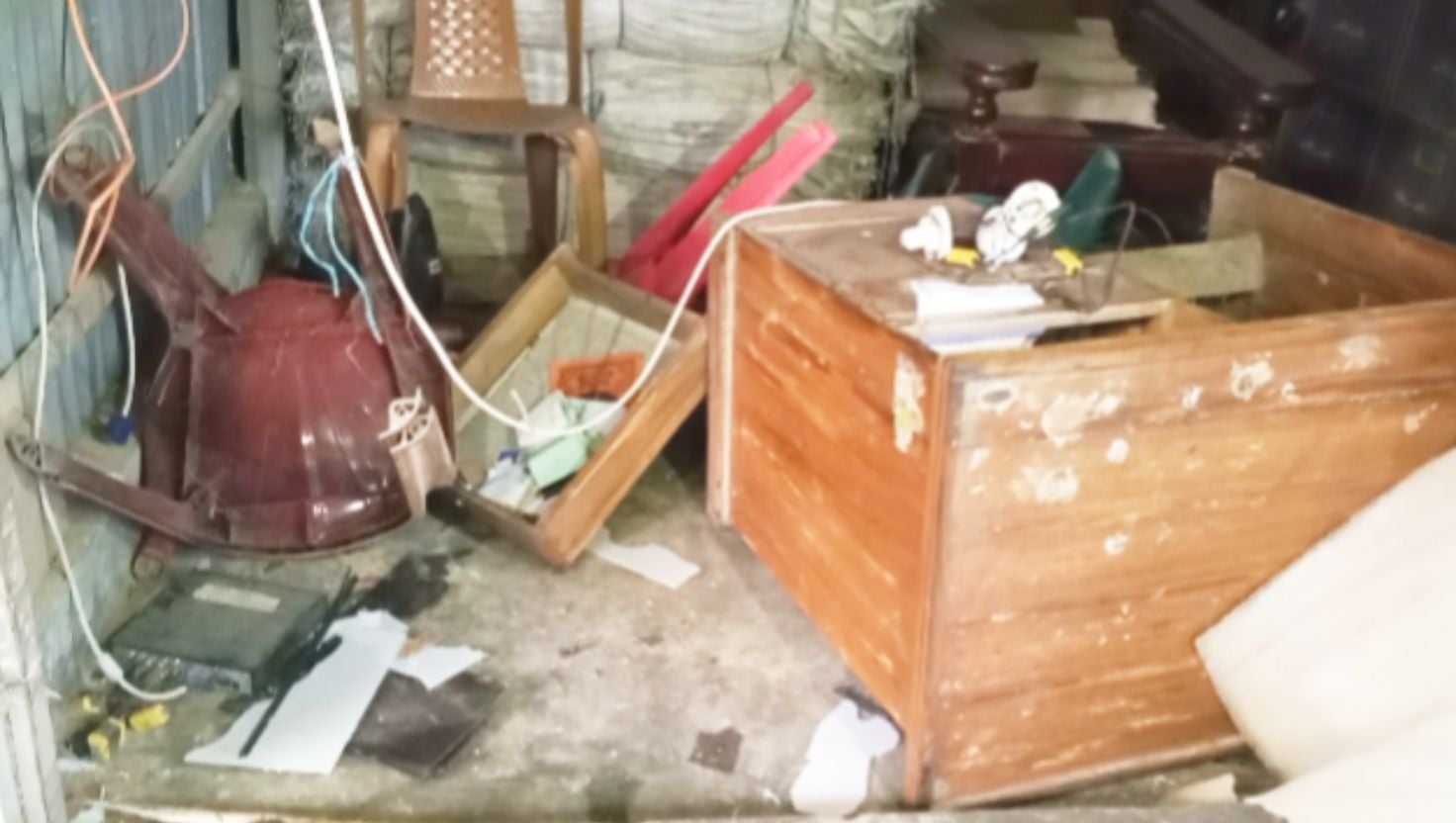
A businessman in Madhupur, Tangail, was assaulted and his left hand broken after refusing to pay extortion money. The incident occurred on Sunday afternoon at Jatabari (Mahishmara Mor) market in Ward 2 of Madhupur municipality. The victim, Rafiqul Islam, said a group led by Habib, Manik, Muktar, Nijhum, and Abdullah demanded Tk 90,000 from him. When he refused, they attacked him, took a bag containing Tk 700,000, and vandalized his shop, including CCTV cameras and furniture. Three other nearby shops were also damaged. Eyewitnesses confirmed that the attackers demanded money and beat Rafiqul when he refused. They also warned that no one could run a business in the market without paying extortion. However, accused individuals Manik and Habib denied the allegations, claiming Rafiqul’s injury resulted from a motorcycle accident and that the vandalism occurred after Rafiqul insulted Manik. Madhupur Police Station Officer-in-Charge A.K.M. Fazlul Haque stated that a complaint had been received and police were sent to the scene. He said legal action would follow after investigation.
The ‘1 Nojor’ media platform is now live in beta, inviting users to explore and provide feedback as we continue to refine the experience.