

The ‘1 Nojor’ media platform is now live in beta, inviting users to explore and provide feedback as we continue to refine the experience.
Grocery prices in the United States rose at the fastest monthly rate in four years, driven by inflation linked to the ongoing war involving Iran. According to the US Bureau of Labor Statistics, grocery prices increased by 0.7 percent in April, marking the sharpest monthly rise since 2022. Media reports noted that the surge confirms earlier warnings that the conflict with Iran is pushing up food costs for American consumers. On an annual basis, fresh vegetable prices climbed by more than 44 percent compared to three months earlier, while staple items such as bread and milk rose by 8 percent and 6 percent respectively. Coffee and beef prices also showed sudden fluctuations, influenced by both the Iran war and other global factors. Rising transportation costs and strong demand have further contributed to the price increases. The data suggest that US households are facing growing pressure from food inflation, with essential goods becoming increasingly expensive across multiple categories.

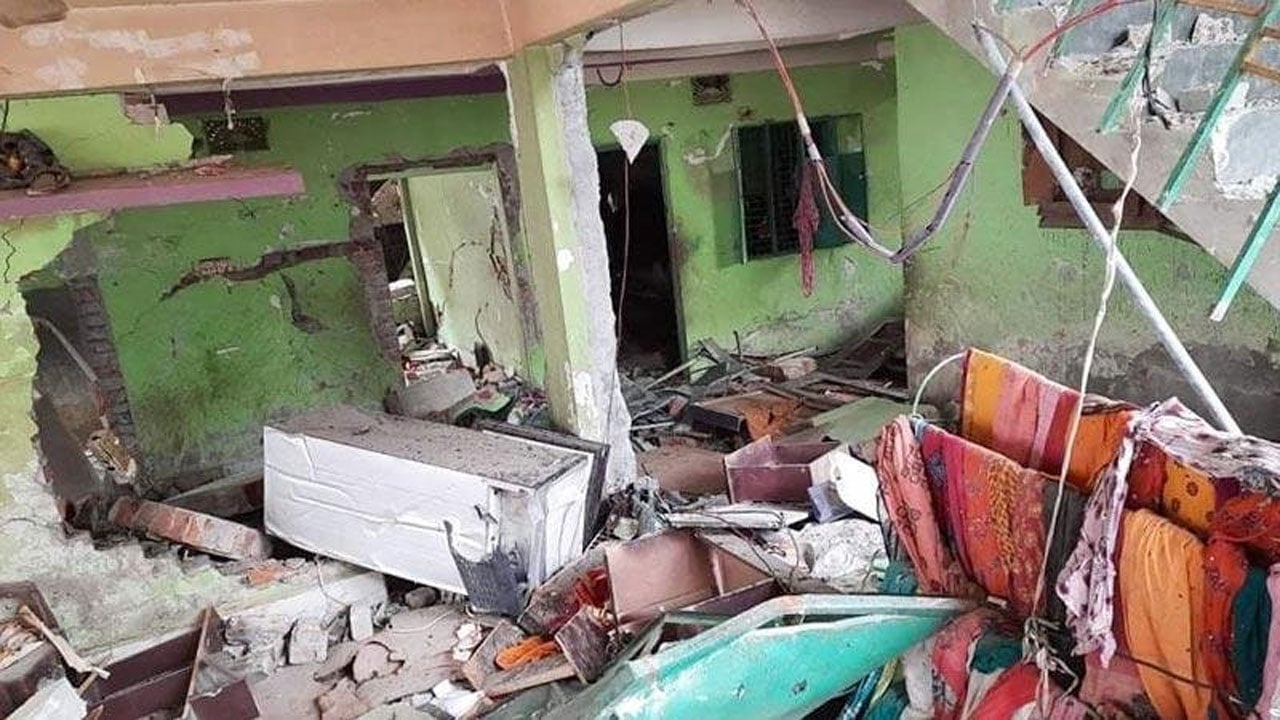
Residents of Fatullah in Narayanganj have been gripped by fear following a series of gas explosions that injured nine people from two families within days. On May 11, a blast in a rented house at Kutubpur Lakibazar burned four members of one family, while a similar explosion on May 10 in Giridhara injured five others. Witnesses said gas had accumulated inside the houses before the blasts, which occurred when stoves were lit early in the morning. Local residents blamed the incidents on illegal gas connections, fluctuating pressure in the industrial zone, irregular supply, and negligence. They said gas often returns late at night after daytime shortages, causing leaks when stoves are left open. Workers added that irregular factory operations affect gas pressure in residential lines. Officials from Titas Gas and the Fire Service confirmed that investigations are underway but have not yet determined the exact causes. Residents demanded the removal of illegal connections, regular monitoring, and awareness campaigns to prevent further accidents, warning that continued negligence could lead to greater loss of life.
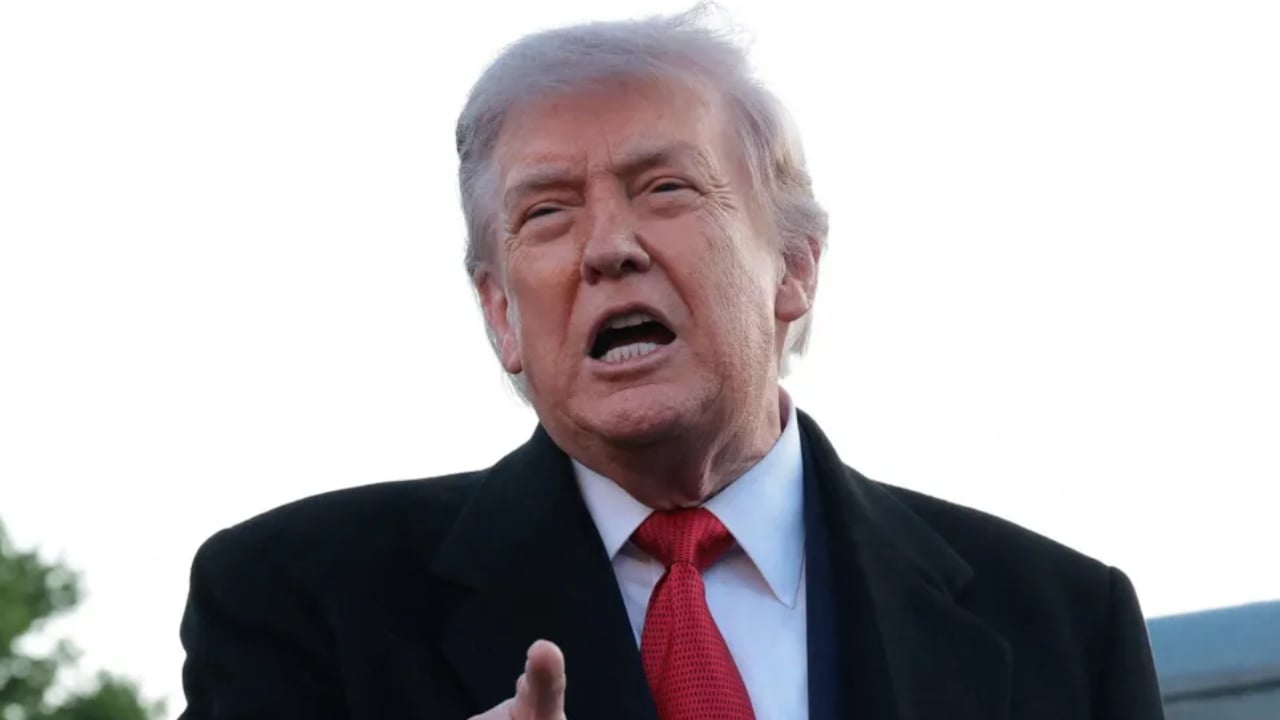
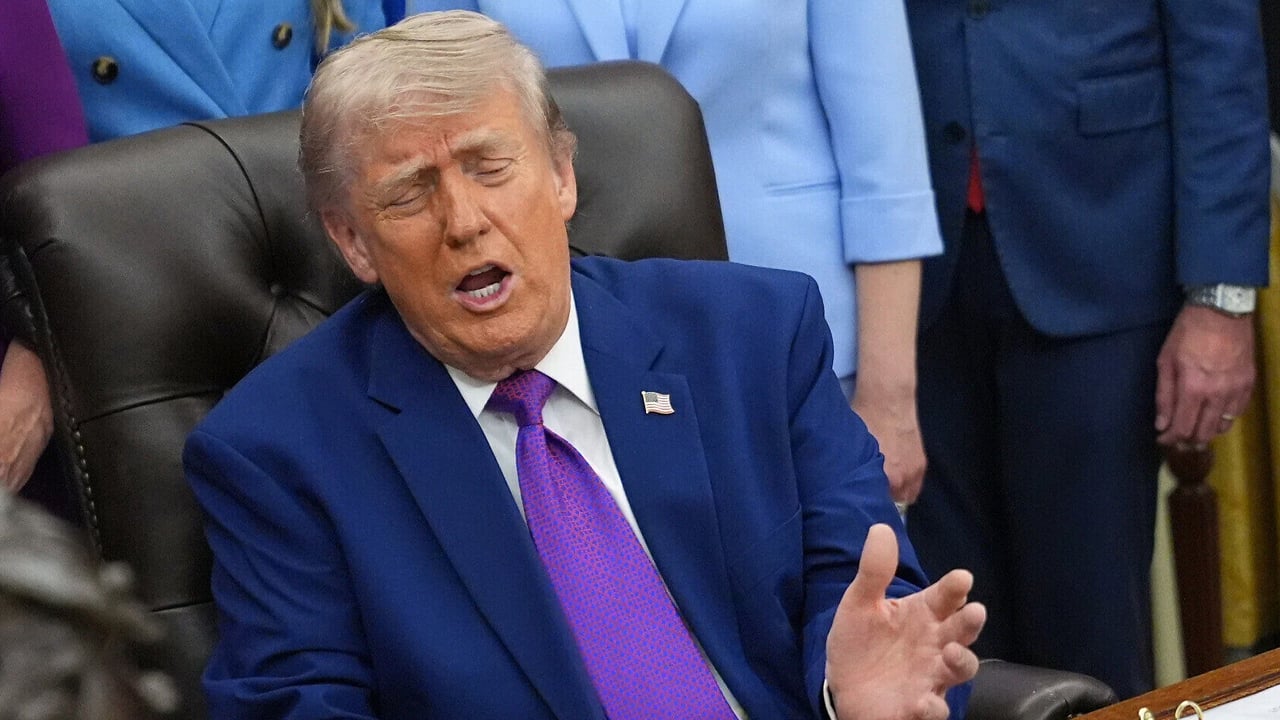
U.S. President Donald Trump said he does not think about the financial situation of ordinary Americans, emphasizing instead that his main concern is preventing Iran from acquiring nuclear weapons. He made the remarks while responding to reporters’ questions about the economic impact of the ongoing war with Iran and rising inflation in the United States. When asked whether growing inflation and economic pressure were motivating him to reach a deal with Tehran, Trump replied, “Not at all.” He reiterated that the only issue of importance to him regarding Iran is ensuring the country cannot develop nuclear arms. Another journalist questioned whether he was considering the economic strain on Americans caused by the conflict, to which Trump responded that everyone in the United States understands Iran must not possess nuclear weapons. The war with Iran has driven up food and fuel prices, worsening daily life for ordinary Americans, according to the report.
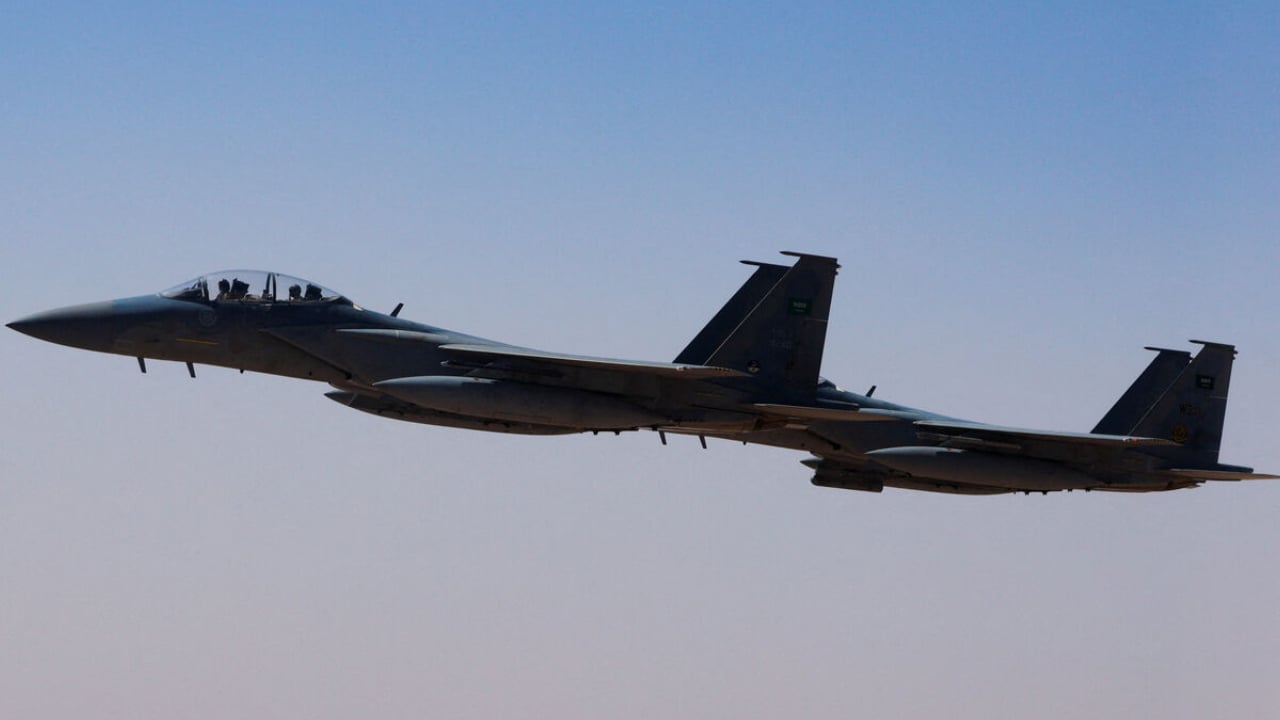
Saudi Arabia has secretly conducted numerous airstrikes inside Iran, according to Reuters citing Western and Iranian officials. The attacks reportedly took place in late March as retaliation for earlier strikes on Saudi territory during the ongoing Middle East war. Analysts said the revelation indicates a more assertive Saudi stance against its regional rival Iran. Two Western officials confirmed that the Saudi Air Force executed the operations, though the exact Iranian targets remain unverified. The conflict, which began after U.S. and Israeli airstrikes on Iran on February 28, has since expanded across the region. The Wall Street Journal also reported that the United Arab Emirates carried out attacks against Iran, suggesting a widening of the confrontation. The report noted that Saudi Arabia, traditionally reliant on U.S. security guarantees, acted independently during the ten-week war, exposing perceived weaknesses in Washington’s protective umbrella.
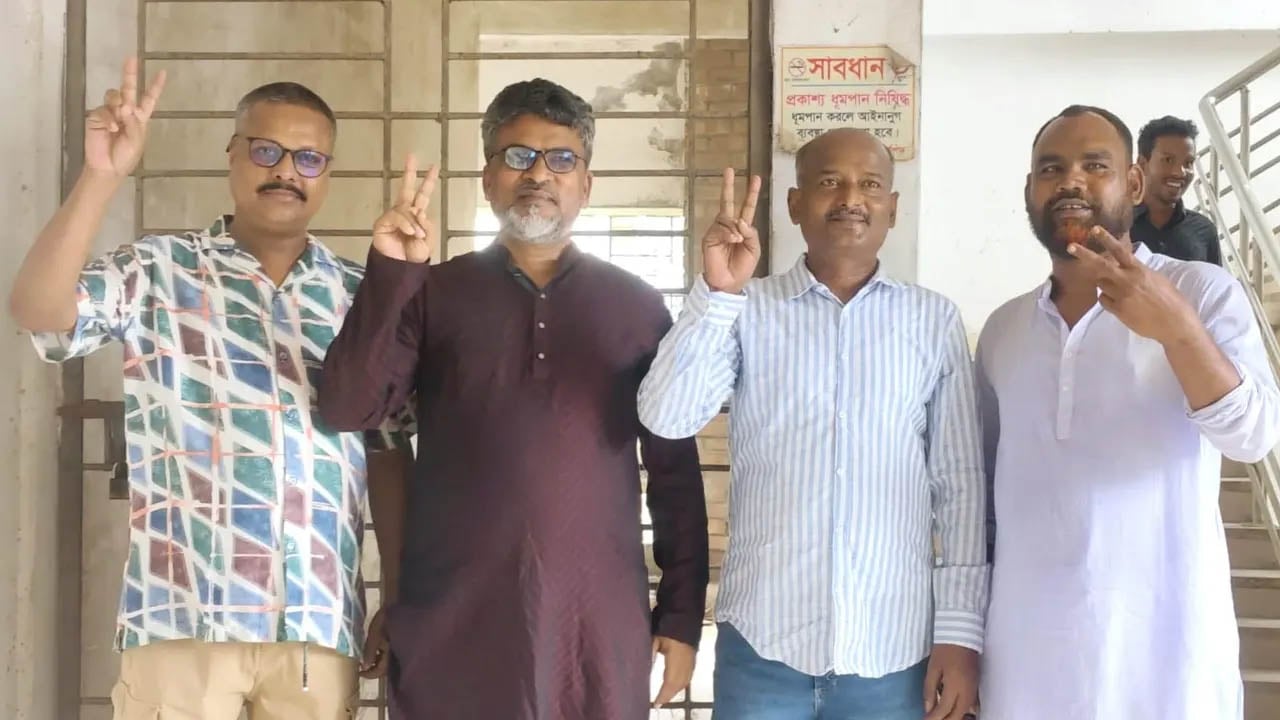
A Jamalpur court has ordered four suspended Awami League leaders to be sent to jail after rejecting their bail petitions. The order was issued on Tuesday afternoon by Chief Judicial Magistrate Shariful Haque following a hearing. The accused are Anwar Hossain, Tajul Islam, Mostafa Mintu, and Abu Haman Pintu, who serves as the general secretary of the party’s Ward No. 5 unit. According to court sources, the four face multiple cases, including charges of sabotage and illegal possession of weapons. They are also accused of carrying out an armed attack on a student rally during the July Revolution’s anti-discrimination movement. After remaining in hiding for an extended period, the leaders surrendered before the court and sought bail. Jamalpur Lawyers’ Association General Secretary Rishad Rezwan Babu confirmed that the court rejected their bail applications and ordered them to be taken into custody.
Bangladesh Bank has launched a comprehensive review of all bank loans exceeding Tk 20 crore disbursed since July 2025. The initiative, directed by Governor Mostakur Rahman, aims to verify whether these large loans are reaching genuine new entrepreneurs or being diverted to previously controversial or fraudulent entities. The central bank’s relevant department has already begun the scrutiny process, with a report to be submitted to the governor upon completion. According to Bangladesh Bank data, total bank loans stood at Tk 17.77 trillion at the end of December, of which Tk 8.22 trillion involved loans above Tk 20 crore. The review follows earlier discussions under former governor Ahsan H. Mansur, who could not implement the plan before his contract was terminated. The move comes amid intensified efforts to trace and recover funds allegedly siphoned abroad by six major business groups during the former Awami League government. Several affected banks have signed non-disclosure agreements with multinational firms to identify and recover overseas assets. The review is part of broader financial accountability measures initiated after the fall of the Awami League government in August 2024.
The United States Department of Defense has reported that the cost of the ongoing war with Iran has reached approximately $29 billion. Defense Secretary Pete Hegseth presented the updated figure during two hearings of the Senate Defense Appropriations Subcommittee on Tuesday. The disclosure came as part of discussions on the Pentagon’s proposed $1.5 trillion budget. According to the hearings, the war expenditure has increased by about $4 billion over the past two weeks, up from a previous estimate of $25 billion. The Pentagon’s comptroller clarified that the new $29 billion figure does not yet include the cost of repairing U.S. facilities damaged by Iranian attacks, suggesting that the final total could rise further. The hearings placed particular emphasis on the growing financial burden of the conflict and its implications for U.S. military strategy and defense spending priorities.
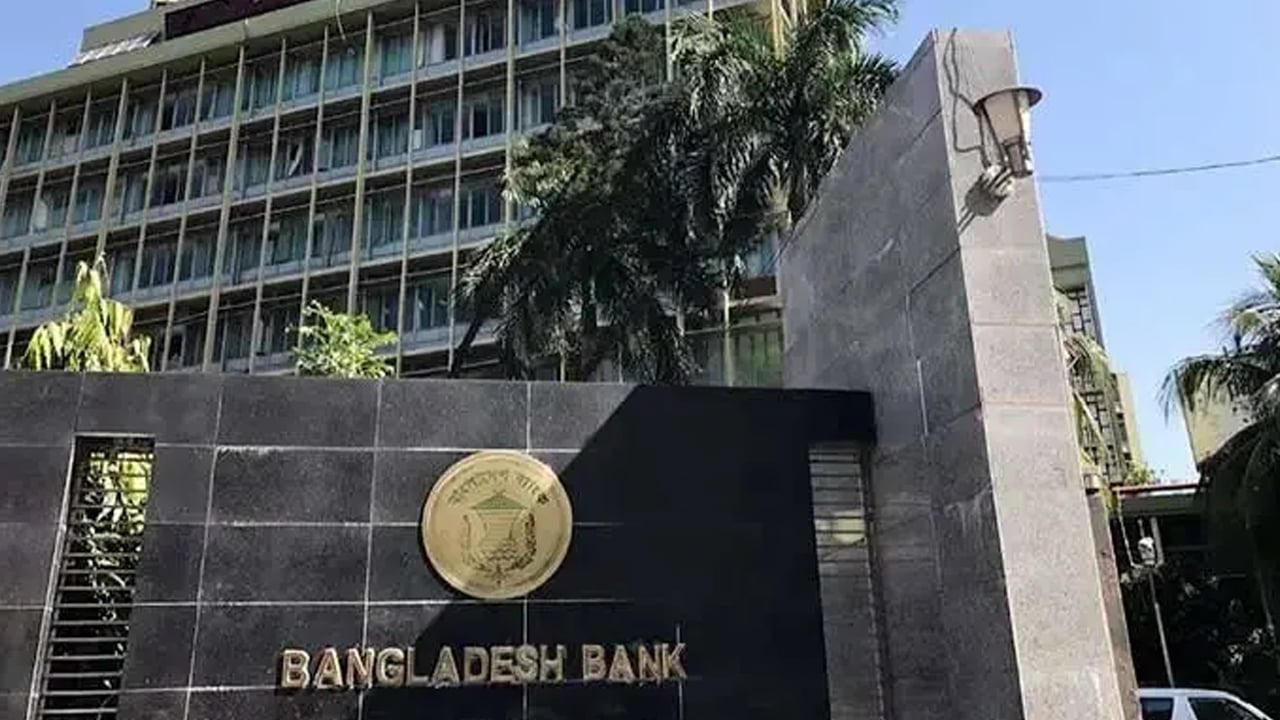
Bangladesh Bank’s board has given preliminary approval to close or liquidate five non-bank financial institutions (NBFIs) starting in July 2026. The decision was taken at a board meeting chaired by Governor Mostakur Rahman. The institutions affected are FAS Finance, Fareast Finance, Aviva Finance, Peoples Leasing, and International Leasing, all of which have default loan ratios between 93 and nearly 100 percent. The central bank cited their failure to recover defaulted loans and repay depositors as the reason for the move. According to a central bank official, the closures will proceed under the Bank Resolution Act, with administrators and additional officers appointed to oversee the process. The government has pledged to allocate about Tk 5,000 crore in the upcoming budget to repay individual depositors. The law outlines how troubled institutions may be merged, restructured, or closed, and how their assets will be sold to repay creditors. The decision follows earlier notices to 20 NBFIs with high default rates. After several reviews, the list was narrowed to five institutions now slated for closure.
Khelafat Majlis has strongly condemned Israel and India following the deaths of Bangladeshi nationals in two separate incidents. According to a statement issued on Tuesday, the party’s Amir Maulana Abdul Basit Azad and Secretary General Dr. Ahmad Abdul Kader denounced the killing of two Bangladeshis in a drone attack by the Israeli Defense Forces in Lebanon on May 11, and the shooting of two others by India’s Border Security Force (BSF) at Brahmanbaria on May 8. The leaders described Israel as a destabilizing force responsible for widespread violence and oppression, accusing it of targeting even migrant Bangladeshi workers abroad. They demanded that the Bangladesh government take effective measures to ensure the safety of expatriate citizens. Regarding India, the statement alleged that the BSF’s actions were unjustified and aimed at intimidating Bangladesh. The party also criticized India for border killings, illegal push-ins, and smuggling activities that allegedly create instability along the frontier. Khelafat Majlis urged India to immediately stop border killings, compensate the victims’ families, and build a genuinely friendly relationship with Bangladesh based on equality and mutual respect.

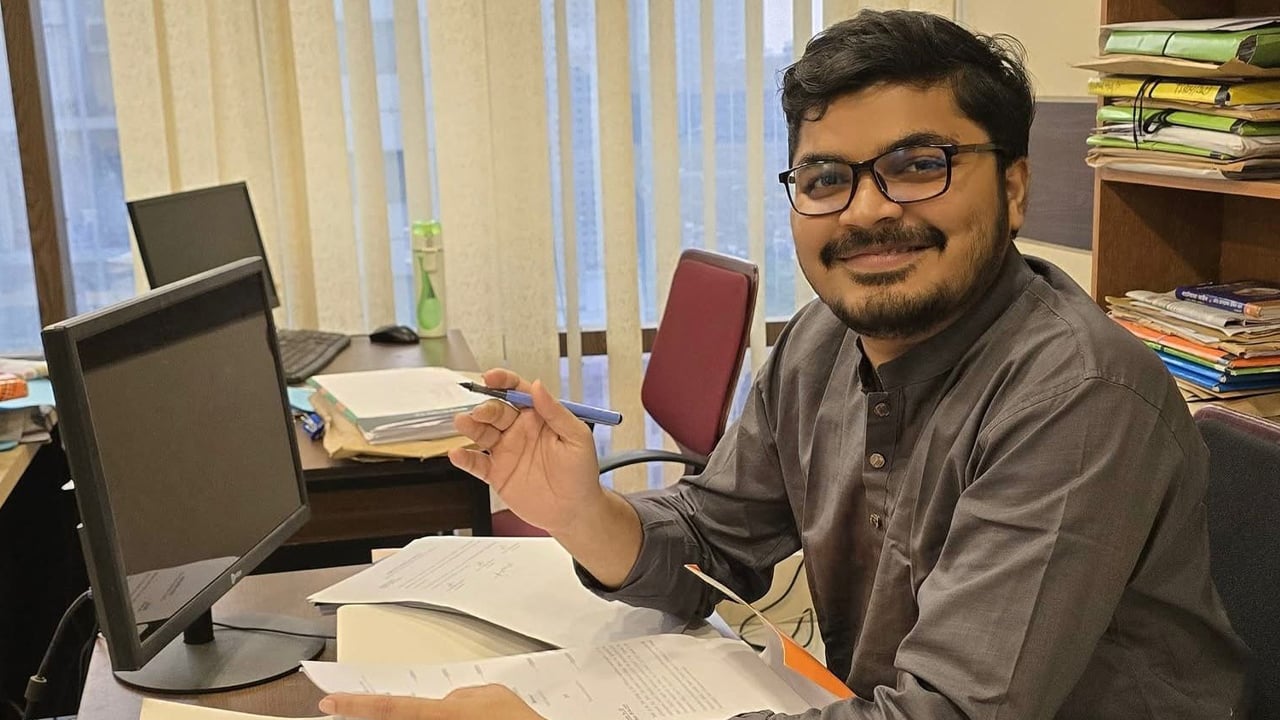
National Citizens Party (NCP) Office Secretary (Joint Member Secretary) Saleh Uddin Sifat is set to visit South Korea to participate as a speaker at the Gwangju Democracy Forum 2026. The event will take place in Gwangju city and is organized by the May 18 Foundation. According to NCP’s Central Election Committee Media Secretary Yasir Arafat, Sifat is scheduled to leave Dhaka on Wednesday to attend the international conference. The forum will feature six young activists and leaders from Nepal, Indonesia, Thailand, Myanmar, Mexico, and Bangladesh. Sifat’s presentation topic is titled “From Youth Struggles to Uprising: A Generational Awakening,” focusing on how Bangladeshi youth have developed an independent political stance beyond traditional structures and mobilized for democratic transformation. He will also discuss issues of justice, institutional reform, human rights, and regional visions for South Asia. During his South Korea visit, Sifat will also attend a meeting with members of the NCP Diaspora Alliance in Seoul, alongside NCP spokesperson Asif Mahmud, who is already in Korea on a separate invitation.
The election for the 2026–27 term of the Supreme Court Bar Association began on Wednesday, May 13, and will continue through Thursday, May 14. Voting runs from 10 a.m. to 5 p.m. each day, with a one-hour break at noon. This year’s election introduces QR-coded ballots, voter verification, and digital vote counting. Despite the technological upgrades, enthusiasm among general lawyers appears lower than in previous years. Three main lawyer panels are contesting the election: the BNP-backed Blue Panel, the Jamaat-backed Green Panel, and the NCP-backed Red-Green Panel. Notably, this is the first time in the association’s history that no Awami League-backed panel is participating. Fourteen executive committee positions are being contested, including president, vice presidents, secretary, treasurer, joint secretaries, and members. Candidates from each panel expressed optimism about their chances, while some raised concerns about voter apathy and transparency. Independent candidates are also participating for several posts. The election committee, chaired by Justice Miftah Uddin Chowdhury, previously held a candidate introduction meeting, and the final list of valid candidates was announced on April 28.
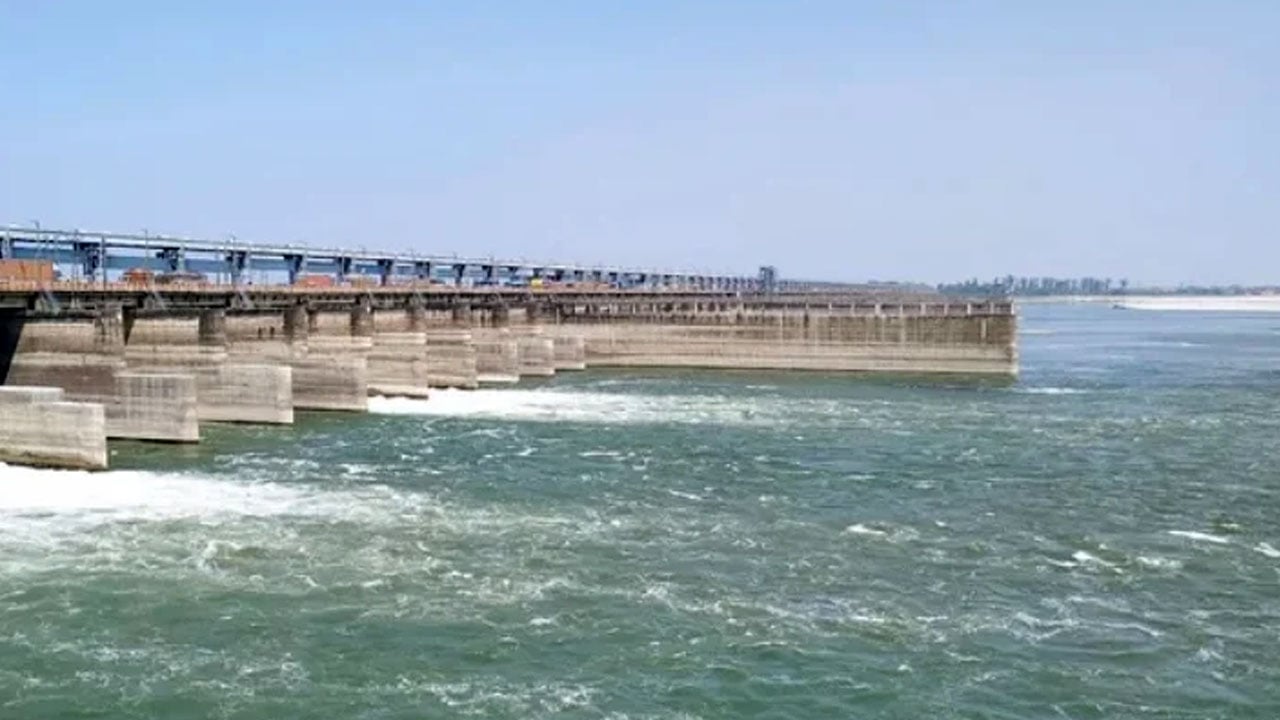
The Planning Ministry of Bangladesh has finalized preparations to present 16 development projects worth about Tk 24,855 crore at the second meeting of the new government’s Executive Committee of the National Economic Council (ECNEC) on Wednesday. Among these, the long-anticipated Padma Barrage project will be tabled for approval under the chairmanship of Prime Minister and ECNEC Chair Tareq Rahman. The Water Resources Ministry proposed the first phase of the Padma Barrage project, estimated at Tk 50,443.64 crore, to be implemented by the Bangladesh Water Development Board by June 2033, with full funding from the government. Officials said the project aims to mitigate dry-season water shortages caused by the Farakka Barrage. The first phase includes constructing a 2.1-kilometer barrage at Pangsha in Rajbari with 78 spillways, 18 sluice gates, two fish passes, and a navigation lock. It will store about 2,900 million cubic meters of water to revive five rivers and support irrigation, fisheries, and hydropower generation. The project is expected to benefit 19 districts across four divisions and create nearly 928,000 permanent jobs. The Padma Barrage concept dates back over two decades, with multiple feasibility studies conducted since the 1960s, culminating in a detailed assessment completed in 2013.
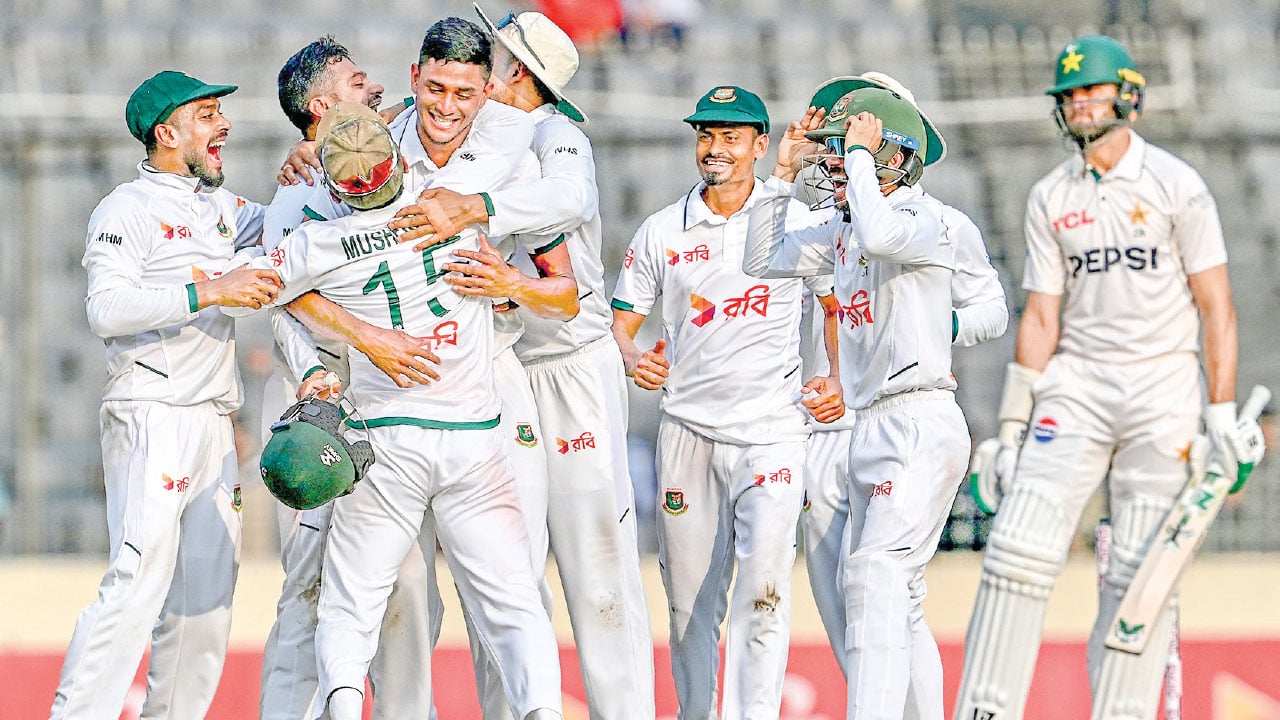
Bangladesh secured a commanding 104-run victory over Pakistan in the Dhaka Test, taking a 1–0 lead in the two-match series. On the final day, Pakistan were set a target of 268 runs but were bowled out for 163, leaving 23 overs unused. Fast bowler Nahid Rana produced a decisive spell, taking 5 wickets for 40 runs in 9.5 overs, dismantling Pakistan’s middle and lower order. Earlier, captain Najmul Hossain Shanto top-scored with 87 in Bangladesh’s second innings of 240 for 9 declared, adding to his first-innings century. The match saw Bangladesh dominate across all departments—batting, bowling, fielding, and captaincy. Shanto’s leadership and calculated declaration reflected confidence in his bowlers, a belief rewarded by the combined efforts of Nahid Rana, Taskin Ahmed, Taijul Islam, and Mehidy Hasan Miraz. Pakistan’s batting faltered under pressure, with only Abdullah Fazal managing a half-century. This win continues Bangladesh’s strong record against Pakistan in recent Tests, following a 2–0 series victory in Rawalpindi two years earlier. The second Test of the current series is scheduled for May 16–20 in Sylhet.
Argentina’s national football team has nearly completed its preparations for the 2026 FIFA World Cup. According to Argentine outlet TyC Sports, 22 players are almost certain to make coach Lionel Scaloni’s final 26-man squad, barring injuries or unexpected events. The team had earlier announced a preliminary list of 55 players, and Scaloni now faces the challenge of selecting the remaining four. Goalkeepers Emiliano Martínez and Gerónimo Rulli are considered confirmed, while Juan Musso and Walter Benítez compete for the third spot. In defense, Nahuel Molina, Gonzalo Montiel, Cristian Romero, Lisandro Martínez, Leonardo Balerdi, Nicolás Otamendi, and Nicolás Tagliafico are nearly assured, with Marcos Senesi and Facundo Medina vying for the fifth center-back position. The midfield core includes Leandro Paredes, Alexis Mac Allister, Enzo Fernández, Rodrigo De Paul, Nicolás González, Exequiel Palacios, Nicolás Paz, and Thiago Almada. In attack, Lionel Messi, Julián Álvarez, Lautaro Martínez, Giuliano Simeone, and José López are confirmed. Scaloni is still weighing options for the left-back and final midfield or attacking roles, with Marcos Acuña, Gabriel Rojas, Valentín Barco, Giovani Lo Celso, Franco Mastantuono, Máximo Perrone, and Gianluca Prestianni under consideration.

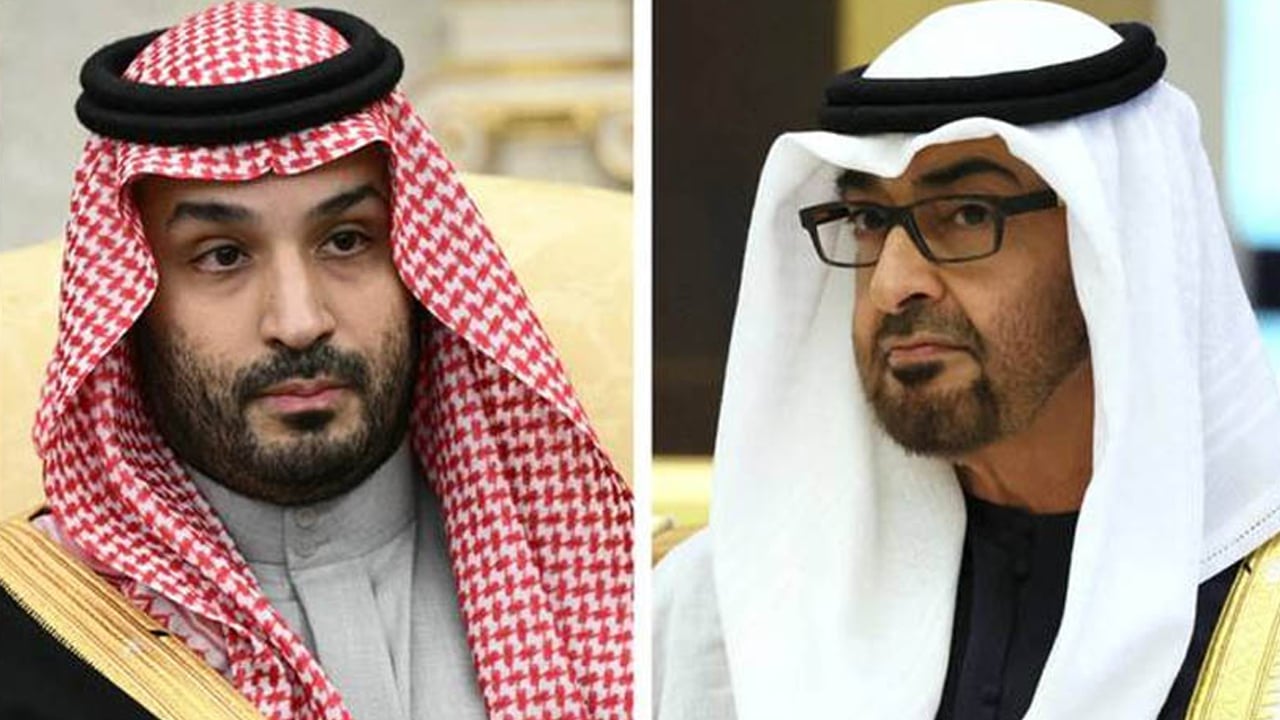
Saudi Arabia’s Crown Prince Mohammed bin Salman and the United Arab Emirates’ President Sheikh Mohammed bin Zayed Al Nahyan held a telephone conversation to strengthen security and stability in the Middle East. The discussion took place as part of ongoing efforts to enhance coordination between the two Gulf nations. According to the Saudi Press Agency, the leaders reviewed recent regional developments and exchanged views on joint initiatives aimed at reinforcing peace and stability. The report also noted that the two sides discussed various aspects of bilateral cooperation between Saudi Arabia and the UAE. The conversation underscores the continuing collaboration between Riyadh and Abu Dhabi in addressing regional challenges and maintaining strategic alignment on key security issues.
The ‘1 Nojor’ media platform is now live in beta, inviting users to explore and provide feedback as we continue to refine the experience.